• Skip to primary navigation
  • Skip to main content
  • Skip to primary sidebar

Earth Wise

A look at our changing environment.

  • Home
  • About Earth Wise
  • Where to Listen
  • All Articles
  • Show Search
Hide Search
You are here: Home / Archives for fossil fuels

fossil fuels

Liquid Fuels From Carbon Dioxide | Earth Wise

January 5, 2022 By EarthWise Leave a Comment

Converting carbon dioxide into liquid fuels

Most of the world’s energy demands are still being met by burning fossil fuels, thereby releasing carbon dioxide into the atmosphere.  The energy system is in the midst of a transition to renewable sources such as solar and wind power, but it will be quite some time before fossil fuels are only a minor part of energy production.  To reduce global warming, it will be necessary to prevent the carbon dioxide from fossil fuels from entering the atmosphere by capturing it and either locking it away or making use of it.

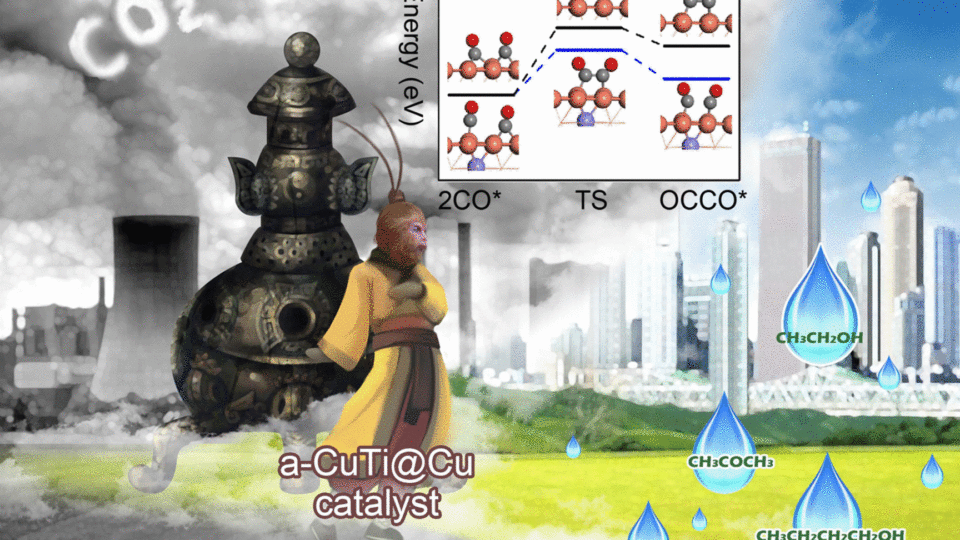
Recent research at several Chinese universities has developed a novel electrocatalyst that efficiently converts CO2 to liquid fuels containing multiple carbon atoms.  The main products of the high-efficiency reaction are ethanol, acetone, and n-butanol.  Previous electrocatalystic methods have mostly produced simpler hydrocarbons – namely, ones with only a single carbon atom.  The fuels the new catalyst produces are much more useful.

The catalyst is made from thin ribbons of a copper/titanium alloy that are etched with hydrofluoric acid to remove the titanium from the surface.  The process results in a material with a porous copper surface on an amorphous CuTi alloy.  The substance exhibits remarkably high activity, selectivity, and stability for catalyzing the reactions leading to the production of the hydrocarbon fuels.

Converting carbon dioxide into liquid fuels would be advantageous because they have high energy density and are safe to store and transport.  Apart from preventing carbon dioxide from entering the atmosphere, the process could also be a way to make use of excess energy produced by solar and wind generation by essentially storing that energy in the form of liquid fuels.

**********

Web Links

Liquid Fuels from Carbon Dioxide

Photo courtesy of Angewandte Chemie via Wiley-VCH.

Earth Wise is a production of WAMC Northeast Public Radio.

Reducing Emissions From Cement Manufacturing | Earth Wise

December 7, 2021 By EarthWise Leave a Comment

How to reduce the emissions from manufacturing cement

Cement is the basic ingredient of concrete, which is the most widely used construction material in the world.  About 8% of global carbon dioxide emissions are associated with cement production.

More than half of these emissions come from making clinker, which is a major component of cement produced by heating ground limestone and clay to a temperature of over 2500 degrees Fahrenheit.  Some of the emissions come from burning fossil fuels to heat the materials, but much of them come from the chemical reaction that creates the clinker.

The Portland Cement Association, which represents 92% of US cement manufacturing capacity, has recently released its “Roadmap to Carbon Neutrality”, which lays out a plan to reach carbon net zero across the cement and concrete value chain by 2050.

The plan includes the greater use of alternative fuels to reduce emissions from energy use.  It also involves the adoption of newer versions of cement such as Portland limestone cement, which reduces CO2 levels.  The industry has already reduced emissions by some shifting to Portland limestone cement, but it still only represents a small fraction of cement production.

The most significant strategy would be the adoption of carbon capture, utilization, and storage (or CCUS) technologies.  The idea is to capture the CO2 generated in the production of clinker and inject it into the fresh concrete.  It would actually be permanently sequestered in the concrete and would not be released even if a structure is demolished in the future.

It will take a combination of technologies and initiatives for the cement industry to reduce its emissions.  Fortunately, the industry appears to be committed to that goal.

**********

Web Links

US cement manufacturers release their road map to carbon neutrality by 2050

Photo, posted March 26, 2014, courtesy of Michael Coghlan via Flickr.

Earth Wise is a production of WAMC Northeast Public Radio.

How Quickly Can The Planet Recover? | Earth Wise

December 6, 2021 By EarthWise Leave a Comment

Climate change refers to long-term shifts in temperatures and weather patterns.  Historically, these shifts were natural.  But since the Industrial Revolution, scientists have found that the main driver of climate change has been human activities, primarily by adding significant amounts of greenhouse gases into the atmosphere through the burning of fossil fuels. 

Today, climate change is destabilizing Earth’s temperature equilibrium and is having a widespread impact on humans, animals, and the environment.  Some of the consequences of anthropogenic climate change include warmer air and ocean temperatures, shrinking glaciers, increasing spread of pests and pathogens, declining biodiversity, and more intense and frequent extreme weather events. 

But how quickly can the climate recover from the warming caused by an increase in carbon dioxide in the atmosphere? 

Researchers from Johannes Gutenberg-University Mainz in Germany looked into this question by investigating the significant rise in global temperatures that took place 56 million years ago.  Likely triggered by a volcanic eruption,  the increase of between 5 and 8 degrees Celsius was the fastest natural period of global warming that has impacted the climate. 

Because higher temperatures cause rocks to weather faster, the research team decided to analyze the weathering processes that occurred during the warming event 56 million years ago.  Their findings, which were recently published in the Journal Science Advances, indicate that the climate took between 20,000 and 50,000 years to stabilize following the rise in global temperatures.

Climate change is not some distant problem.  It is happening now and it poses a serious threat to all forms of life.  We need to address the problem with more urgency. 

**********

Web Links

How quickly does the climate recover?

Photo, posted August 27, 2017, courtesy of Lt. Zachary West (100th MPAD) / Texas Military Department via Flickr.

Earth Wise is a production of WAMC Northeast Public Radio.
A Solar-Powered Steel Mill | Earth Wise

November 17, 2021 By EarthWise Leave a Comment

Greening the steel industry

The steel industry is an essential part of modern society.  Economically, the U.S. steel industry produces goods valued at more than $100 billion a year and employs more than 80,000 people.  The steel industry is also a major contributor to greenhouse gas emissions.   On average, 1.85 tons of CO2 are emitted for every ton of steel produced.  Overall, the steel industry generates between 7 and 9% of the direct emissions that come from the global use of fossil fuel.

The industry is determined to reduce its environmental impact.  Steel is 100% recyclable and indeed much of it is recycled.  Over 2 billion tons of steel were produced in 2019. Meanwhile, more than 700 million tons of steel scrap are recycled each year.  Recycling greatly reduces the energy impact of the steel industry.

The industry has also significantly reduced its energy usage over the years using sophisticated energy management systems and energy recovery efforts.  Since 1960, the amount of energy needed to produce a ton of steel has dropped by 60%.  But making steel is still very energy intensive.

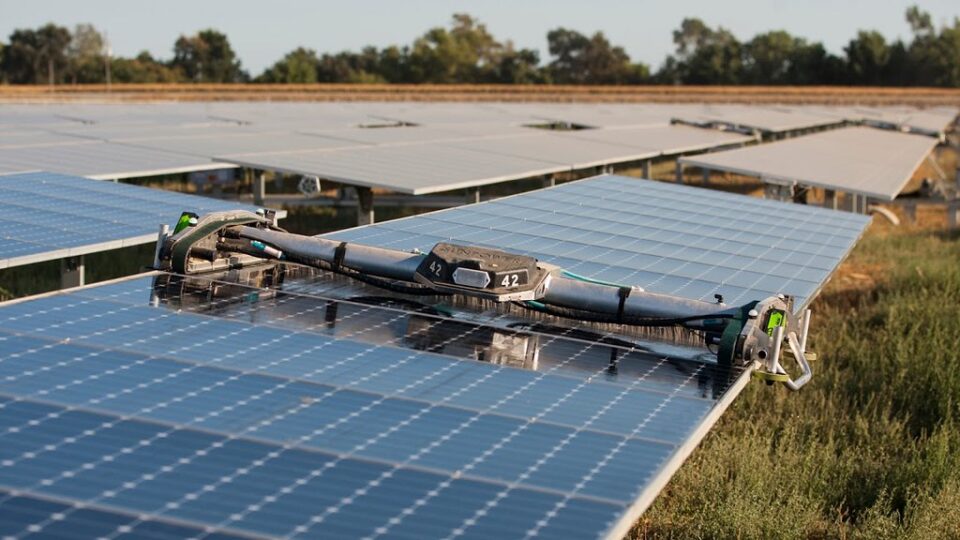
Recently, Lightsource bp announced that its 300 megawatt Bighorn Solar project in Colorado will be used to allow EVRAZ’s Pueblo steel mill to be the world’s first steel mill to run almost entirely on solar power.

The solar project, which will be fully online this month, is the largest on-site solar facility in the U.S. dedicated to a single customer.  (The Bighorn Solar project features 750,000 solar panels located on 1,800 acres).

The project demonstrates that even challenging industrial sectors can be decarbonized when companies work together on innovative solutions.

**********

Web Links

Colorado steel mill becomes ‘world’s first’ to be run almost entirely on solar

Photo, posted October 16, 2017, courtesy of UC Davis College of Engineering via Flickr.

Earth Wise is a production of WAMC Northeast Public Radio.
Wastewater And Ammonia | Earth Wise

October 22, 2021 By EarthWise Leave a Comment

Ammonia is the second most produced chemical in the world.  More than half of it is used in agriculture to produce various kinds of fertilizer, to produce cotton defoliants that make cotton easier to pick, and to make antifungal agents for fruits.  Globally, ammonia represents more than a $50 billion a year market.

Current methods to make ammonia require enormous amounts of heat – generated by burning fossil fuels – to break apart nitrogen molecules so that they can bind to hydrogen to form the compound. Ammonia production accounts for about 2% of worldwide fossil energy use and generates over 400 million tons of CO2 annually.

Engineers at the University of Illinois Chicago have created a solar-powered electrochemical reaction that uses wastewater to make ammonia and does it with a solar-to-fuel efficiency that is 10 times better than previous comparable technologies.

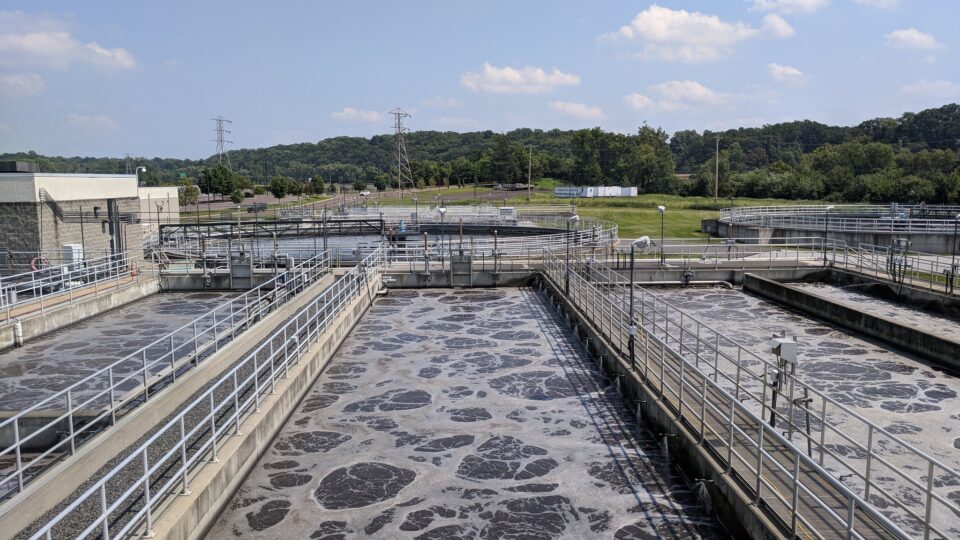
The process uses nitrate – which is one of the most common groundwater contaminates – to supply nitrogen and uses sunlight to power the reaction.  The system produces nearly 100% ammonia with almost no hydrogen side reactions.  No fossil fuels are needed, and no carbon dioxide or other greenhouse gases are produced.  The new method makes use of a cobalt catalyst that selectively converts nitrate molecules into ammonia.

Not only is the reaction itself carbon-neutral, which is good for the environment, but if it is scaled up for industrial use, it will consume wastewater, thereby actually being good for the environment.  The new process is the subject of a patent filing and the researchers are already collaborating with municipal corporations, wastewater treatment centers, and others in industry to further develop the system.

**********

Web Links

Combining sunlight and wastewater nitrate to make the world’s No. 2 chemical

Photo, posted August 29, 2018, courtesy of Montgomery County Planning Commission via Flickr.

Earth Wise is a production of WAMC Northeast Public Radio.
Direct Air Capture | Earth Wise

October 15, 2021 By EarthWise Leave a Comment

How to make direct air capture feasible

There is a lot of interest in carbon capture and sequestration (or CCS) in the context of trapping the carbon dioxide emissions from power plants and industrial facilities.  The fossil fuel industry is especially enthusiastic about the potential for continuing to burn fuels without harming the environment.  Apart from the technical challenges, there is the looming problem of CCS adding significant costs to power generation that is already losing the economic battle to renewable sources.

Direct air capture is a different matter.   This is the idea of actively taking CO2 out of the atmosphere.  This already happens by natural means such as sequestering it in soil or forests.  But there is considerable work going on aimed at developing technology to capture atmospheric carbon dioxide in massive quantities.

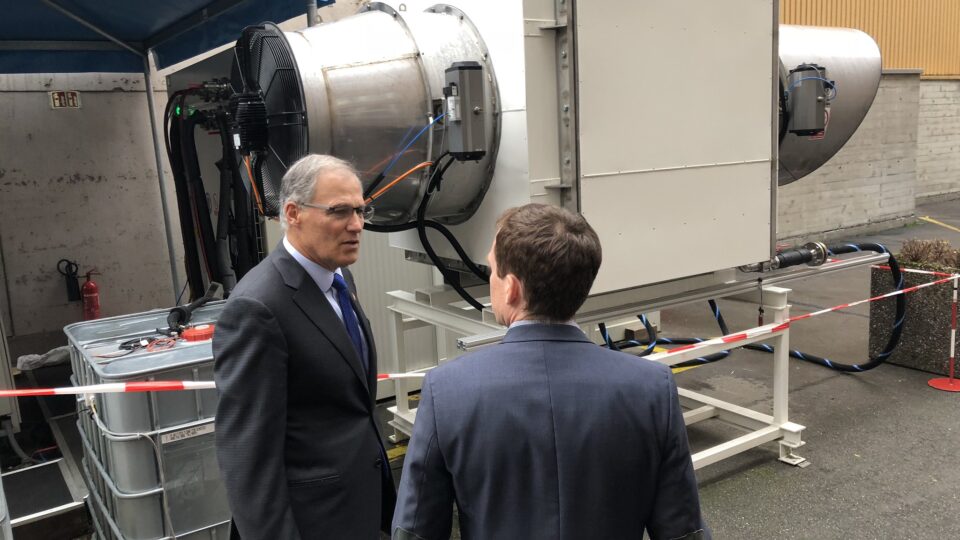
This September marks the opening of a new project called “Orca” in Iceland, which will, for the time being, be the largest direct air capture system in the world.  Once it is running around the clock, Orca will remove up to 4,000 metric tons of CO2 from the atmosphere each year.

Even larger DAC plants – one in the southwestern U.S and another in Scotland – are planned to come online in the next few years.

Ultimately, the question is whether direct air capture is feasible at large enough scale and affordable cost.  The numbers are daunting.  Society releases over 30 billion metric tons of carbon dioxide into the atmosphere each year.  Removing significant amounts of that with DAC technology is an enormous challenge.  Eliminating emissions remains the most practical way to mitigate the effects of climate change.

**********

Web Links

The Dream of Carbon Air Capture Edges Toward Reality

Photo, posted November 10, 2017, courtesy of Governor Jay and First Lady Trudi Inslee via Flickr.

Earth Wise is a production of WAMC Northeast Public Radio.

Electric Cars Are Coming Sooner Than Expected | Earth Wise

September 30, 2021 By EarthWise Leave a Comment

It is widely believed that electrification is the future for vehicles.  The only question is how long the transition will take.  Predictions are all over the map, but the recent trend is to revise those predictions to say it will happen sooner than previously thought.

A recent report from the international accounting firm Ernst & Young predicts that EV sales in the US, China, and Europe will surpass those of fossil-fuel-powered vehicles five years sooner than previously expected.  The report forecasts that fossil-fueled vehicles will represent less than 1% of global sales by 2045, taking their place among other historical but essentially abandoned technologies.

Europe is expected to be the leader in EV adoption.  The forecast is that EVs will surpass legacy vehicles by 2028.  China is expected to follow by 2033.  The US is lagging behind, but even here, electrics are expected to achieve a majority of car sales by 2036.

Plug-in vehicle sales have surpassed a 10% market share in California and Tesla now has a 1.7% share of the total US car market.  Norway is the global EV leader with 3 out of 4 car buyers choosing electrics.  In that country, Tesla’s Model 3 is the top-selling vehicle of any kind.  In Switzerland, 40% of car sales are EVs or hybrids.

There are many variables that will affect the timetable for the EV transition.  Among them are the timetable for widespread use of autonomous vehicle technology, the effects of policy initiatives by governments around the world, the development of charging infrastructure, and the evolution of electricity generation and energy storage.

In any case, looking at the product roadmap for virtually every automobile manufacturer makes it clear that electric cars are the future.

*********

Web Links

Ernst & Young: Electric Cars Are Coming Sooner Than Expected

Photo, posted April 25, 2021, courtesy of Rutger van der Maar via Flickr.

Earth Wise is a production of WAMC Northeast Public Radio.

People And The Earth’s Increasing Heat | Earth Wise

September 23, 2021 By EarthWise Leave a Comment

Humans are driving climate change

A new study by Princeton University and the National Oceanic and Atmospheric Administration had found clear evidence that human activity is the primary cause of the significant increase in heat stored in our planet.  In fact, the study found that there is less than a 1% chance that natural variability is the sole cause of the increase.

The researchers looked at data from satellite observations to determine the amount of energy received by the earth and the amount reflected and emitted by the Earth.  In a balanced physical system, the amount of incoming energy should equal the amount of outgoing energy.  But the earth’s system is not balanced at this point.  More energy is coming in than going out, which is driving changes in the climate system.  There have been other studies looking at the human influence on the climate, but this new study is the first to examine a 20-year continuous satellite energy balance record to see if natural fluctuations in the climate system or human activities is the primary driver for the significant change in the planet’s energy balance.

The study examined 50 different climate models to look at this energy balance under scenarios where there was no human influence.  These include changes in the sun’s output, volcanic eruptions, variations in pollution aerosols, and more.

The results, to no great surprise, are that increasing greenhouse gases over the last twenty years is by far the most important driver for the energy imbalance.  This imbalance is what is driving rising temperatures, increasing sea levels, and causing other climate changes.

**********

Web Links

Human activities responsible for rapid increase in Earth’s heat

Photo, posted May 6, 2021, courtesy of Marlis Borger via Flickr.

Earth Wise is a production of WAMC Northeast Public Radio.
Saving Water At Power Plants | Earth Wise

September 21, 2021 By EarthWise Leave a Comment

Reducing the water needs of power plants

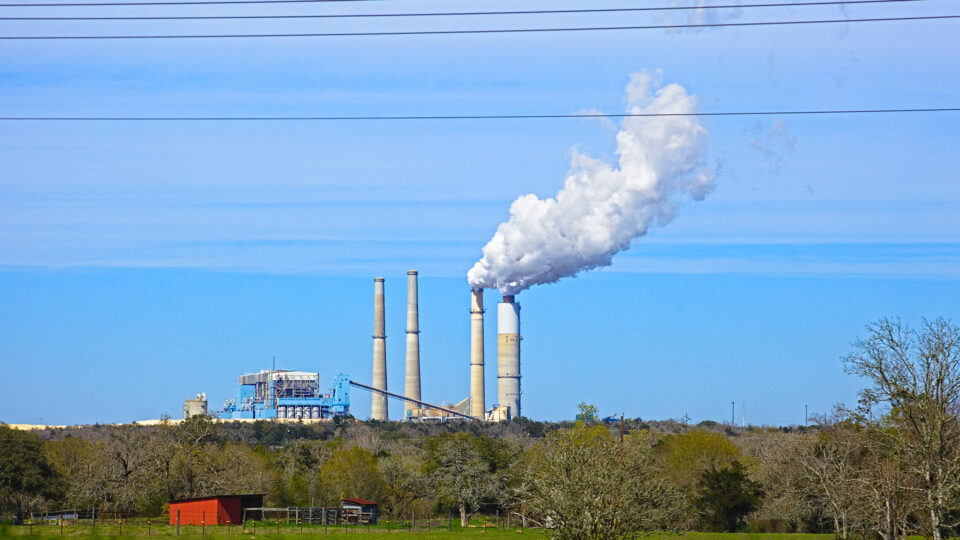
Nearly 40% of all the water taken from lakes, rivers, and wells in the U.S. isn’t used for agriculture, drinking, or sanitation.  It is used to cool power plants that produce electricity by burning fossil fuels or with nuclear reactors.   Two-thirds of these power plants use evaporative cooling, which produces huge white plumes billowing from cooling towers.

A new company using technology developed at MIT has the goal of reducing the water needs of power plants and helping to alleviate water shortages in areas where power plants strain the capacity of local water systems.

The technology is relatively simple in principle but developing it to the point where it can be applied at full scale at industrial power plants was a greater challenge. 

The basic idea is to capture water droplets from both natural fog and from the plumes from power plant cooling towers.  The MIT researchers had to improve the efficiency of fog-harvesting systems, which previously captured only 1-3% of the water droplets that pass through them.  They found that water vapor collection could be made much more efficient by zapping the tiny droplets of water with an ion beam, giving them a slight electric charge, thereby making it easy to capture them with the metal mesh of the harvesting system.

The system can essentially eliminate cooling tower plumes and produce large quantities of high-purity water in the process, which has uses at many power plants.  The new company, called Infinite Cooling, has arranged to install their equipment on two operating commercial power plants later this year.  They expect the system to reduce the overall need for water by 20%.

**********

Web Links

Vapor-collection technology saves water while clearing the air

Photo, posted March 5, 2019, courtesy of Sam LaRussa via Flickr.

Earth Wise is a production of WAMC Northeast Public Radio.

New York And Green Hydrogen | Earth Wise

August 23, 2021 By EarthWise Leave a Comment

Green hydrogen to be a part of New York's decarbonization strategy

In July, outgoing New York Governor Andrew Cuomo announced plans for the state to explore the potential role of green hydrogen as part of New York’s decarbonization strategy.

Green hydrogen is hydrogen produced using renewable energy, such as wind, solar, and hydro power.  While hydrogen itself is a carbon-free fuel, most of the hydrogen produced today is made with a process called natural gas reforming which has byproducts of carbon monoxide and carbon dioxide.  As a result, the environmental benefits of using hydrogen are largely lost.  Hydrogen is the most plentiful element in the universe but extracting it for use as a fuel is not easy.

Green hydrogen is obtained by splitting water molecules into their constituent hydrogen and oxygen parts.  In principle, oxygen is the only byproduct of the process.  The main drawback of electrolysis, as this process is called, is that it is energy intensive as well as being expensive.  But if that energy comes from renewable sources, then it is a clean process.

New York’s announcement is that the state will collaborate with the National Renewable Energy Laboratory and join two hydrogen-focused organizations to inform state decision-making, as well as make $12.5 million in funding available for long duration energy storage techniques and demonstration projects that may include green hydrogen.

Green hydrogen has the potential to decarbonize many of the more challenging sectors of the economy.  Hydrogen is a storable, transportable fuel that can replace fossil fuels in many applications.  Many experts believe that the so-called hydrogen economy could be the future of the world’s energy systems.  For that to happen, green hydrogen will need to be plentiful, sustainable, and inexpensive.

**********

Web Links

New York announces initiatives to explore green hydrogen for decarbonization

Photo, posted October 26, 2019, courtesy of Pierre Blache via Flickr.

Earth Wise is a production of WAMC Northeast Public Radio.

Greenhouse Gas Emissions From Water Reservoirs | Earth Wise

July 27, 2021 By EarthWise Leave a Comment

Water reservoirs produce a surprising amount of greenhouse gas emissions

A new study by researchers from Washington State University and the University of Quebec at Montreal looked at greenhouse gas emissions from water reservoirs.  It is perhaps surprising to think that water reservoirs are a source of greenhouse gas emissions at all, but that much was already known.  The new study found that those emissions are actually around 29% higher than previously thought.

Overall, the researchers found that the world’s water reservoirs annually produce methane, carbon dioxide, and other greenhouse gases at an amount equivalent to 1.07 billion tons of carbon dioxide.   That is a small fraction of the 36 billion tons produced by fossil fuels and other industrial sources, but it is by no means a negligible amount.   In fact, it is more greenhouse gases than emitted by the entire country of Germany, which is the world’s sixth largest emitter.

Decomposing plant matter near the bottom of reservoirs fuels the production of methane, which is far more potent than carbon dioxide in warming the atmosphere.  This methane degassing accounts for about 40% of emissions from reservoirs.

The study is particularly important because it may be possible to reduce methane emissions from reservoirs by selectively only withdrawing water from near the reservoirs’ surface, which tends to be relatively methane-poor compared to greater depths.  In a related study, reducing withdrawal depth by 10 feet in a Malaysian reservoir reduced methane degassing emissions by 92%.

Human-generated greenhouse gas emissions come from a surprisingly wide range of sources and it is worthwhile studying as many of them as possible in the hope of finding additional ways to reduce the total.

**********

Web Links

Greenhouse gas emissions from water reservoirs higher than previously expected

Photo, posted July 22, 2016, courtesy of Iain Merchant via Flickr.

Earth Wise is a production of WAMC Northeast Public Radio.

Peatlands And Greenhouse Gas Emissions | Earth Wise

July 21, 2021 By EarthWise Leave a Comment

Peatlands play a significant role in greenhouse gas emissions

As the world seeks to reduce the greenhouse gas emissions that have been warming the climate, most of the focus has been on the primary contributors to the problem, such as the burning of fossil fuels.  But there are many smaller contributors to greenhouse gas emissions that individually play only a minor role but collectively add up to significant amounts.  One of these is the emissions from peatlands.

Peatlands are a type of wetland that occur in almost every country on Earth, covering 3% of the global land surface.  They are terrestrial ecosystems in which waterlogged conditions prevent plant material from fully decomposing.  As a result, the production of organic matter exceeds its decomposition, which results in a net accumulation of peat.  Peatlands are, in fact, the largest natural terrestrial carbon store, storing more over 700 billion tons of carbon, more than all other types of vegetation combined.

Human activity, such as creating drainage in peatlands for agriculture and forest plantation, results in the release of over 1.6 billion tons of CO2 into the atmosphere each year. This constitutes 3% of all global greenhouse gas emissions caused by human activities.

Large numbers of people rely on peatlands for their livelihoods, so it is not reasonable for these emission-generating activities to be greatly curtailed.  But researchers at the University of Leicester in the UK analyzed the potential effects of cutting the current drainage depths in croplands and grasslands on peat in half and showed that this could reduce CO2 emissions by more than 500 million tons a year. This equates to one percent of all greenhouse gas emissions caused by human activities.

There are numerous opportunities to reduce emissions a little bit at a time.

**********

Web Links

Better peatland management could cut half a billion tonnes of carbon

Photo, posted August 17, 2013, courtesy of Joshua Mayer via Flickr.

Earth Wise is a production of WAMC Northeast Public Radio.
Record Carbon Dioxide Levels | Earth Wise

June 29, 2021 By EarthWise Leave a Comment

Carbon dioxide levels set another record despite pandemic shutdowns

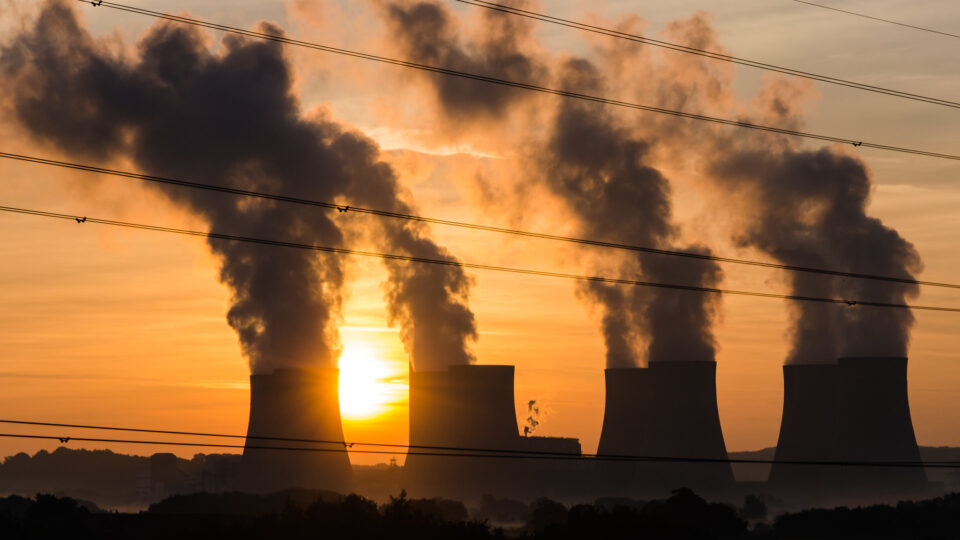
The coronavirus pandemic caused a temporary dip in the burning of fossil fuels around the world as many human activities were diminished or curtailed entirely.  Despite this, the amount of carbon dioxide in the atmosphere set a record in May, reaching the highest levels in human history.

Scientific instruments atop the Mauna Loa volcano in Hawaii measured an average of 419 parts per million for the month, according to analysis from both the Scripps Institution of Oceanography and the National Oceanic and Atmospheric Administration.

This level is about half a percent more than the previous record of 417 ppm, set in May of 2020.  Carbon dioxide is the largest greenhouse gas contributor driving global warming and, according to scientists, there hasn’t been this much of it in the atmosphere for millions of years.

Global emissions of carbon dioxide were actually 5.8 percent lower in 2020 than 2019, as a result of pandemic lockdowns.  This was the largest one-year drop ever recorded.  But humanity was still responsible for emitting more than 31 billion tons of carbon dioxide last year.  About half of that CO2 is absorbed by the world’s trees and oceans, but the other half lingers in the atmosphere for thousands of years, gradually warming the planet via the greenhouse effect.

As long as we keep emitting carbon dioxide, it is going to continue to pile up in the atmosphere.  The only way to stop it is for the world’s nations to zero out their net emissions, mostly by switching away from fossil fuels to technologies that do not emit carbon dioxide, such as electric vehicles fueled by wind, solar, or nuclear power.

**********

Web Links

Carbon Dioxide in Atmosphere Hits Record High Despite Pandemic Dip

Photo, posted August 7, 2013, courtesy of Gerry Machen via Flickr.

Earth Wise is a production of WAMC Northeast Public Radio.

A Tough Day For Big Oil | Earth Wise

June 24, 2021 By EarthWise Leave a Comment

Big blows for Big Oil

May 26th was a difficult day for big oil.  Three major setbacks for the industry occurred on the same day.

A Dutch court ruled in a case against Shell, ordering the company to cut emissions by 2030 in accordance with the goals of the Paris Climate Agreement.  The case was brought by climate activists, ultimately comprising 17,000 co-plaintiffs.  The ruling will probably be appealed but it does represent a major precedent for holding polluters accountable for their actions.

That same day, shareholders of ExxonMobil replaced at least two of the company’s board members with candidates dedicated to decarbonizing the company. Having two board seats filled by climate supporters is not likely to radically transform the company, but it is a powerful rebuke of Exxon’s iconic business model of “drill, baby, drill”.

Finally, Chevron’s shareholder meeting on May 26th saw 61% of shareholders voting for the company to reduce its so-called Scope 3 emissions, meaning the pollution from all the fossil fuels it sells.  In addition, 48% of shareholders voted to demand a report on Chevron’s dark money lobbying.  That initiative did not carry, but nevertheless, nearly half of the company’s shareholders expressed concern about how Chevron is corrupting the political process in order to achieve its ends.

These events are examples of mainstream activism where the pressure on fossil fuel companies is not just coming from the usual environmental activists but rather from shareholders, who after all actually own the companies.  The fossil fuel industry still wields enormous power, but it appears increasingly possible to challenge it and even to win.

**********

Web Links

A landmark day in the fight against fossil fuels

Photo, posted August 15, 2014, courtesy of Mike Mozart via Flickr.

Earth Wise is a production of WAMC Northeast Public Radio.

Forests And Climate Change | Earth Wise

June 17, 2021 By EarthWise Leave a Comment

Planting new trees is not enough to mitigate climate change

A carbon sink is anything that absorbs more carbon from the atmosphere than it releases.  Examples of carbon sinks include the ocean, soil, and plants.  In contrast, a carbon source is anything that releases more carbon into the atmosphere than it absorbs.  Volcanic eruptions and burning fossil fuels are two examples.

Forests are among the most important carbon sinks.  Trees remove carbon from the air and store it in their trunks, branches, and leaves, and transfer some of it into the soil.  But in many regions, deforestation, forest degradation, and the impacts of climate change are weakening these carbon sinks. As a result, some climate activists advocate for large-scale tree-planting campaigns as a way to remove heat-trapping CO2 from the atmosphere and help mitigate climate change. 

But according to a new study recently published in the journal Science, planting new trees as a substitute for the direct reduction of greenhouse gas emissions could be a pipe dream.  While planting trees is easy, inexpensive, and can help slow climate warming, the ongoing warming would be simultaneously causing the loss of other trees.  Instead, the research team says it makes more sense to focus on keeping existing forests healthy so they can continue to act as carbon sinks, and to reduce emissions as much as possible and as quickly as possible.        

But keeping forests healthy will require a paradigm shift in forest management.  Instead of trying to maintain forests as they were in the 20th century, the research team says forests need to be managed proactively for the changes that can be anticipated. 

One thing is clear: We cannot plant our way out of the climate crisis.

**********

Web Links

Forests and climate change: ‘We can’t plant our way out of the climate crisis’

Photo, posted August 9, 2015, courtesy of Nicholas A. Tonelli via Flickr.

Earth Wise is a production of WAMC Northeast Public Radio.

Scaling Up Green Hydrogen | Earth Wise

April 27, 2021 By EarthWise Leave a Comment

How to scale up green hydrogen

The global hydrogen market generates about $150 billion dollars a year.  The bulk of the market consists of hydrogen used to produce ammonia, refine oil, and produce methanol.  Advocates for hydrogen foresee a $600 billion a year market based on power and industry uses, mobility and transport uses, chemical feedstocks, and construction.  But the problem with expanding the use of hydrogen is that the vast majority of hydrogen in use today is produced from fossil fuels such as natural gas and coal and producing it creates carbon dioxide emissions.

The great hope of the industry is “green hydrogen”- hydrogen produced either without using fossil fuels at all or by capturing and storing the emissions generated. The most likely approach is electrolysis – using electricity to produce hydrogen from water.

Billions of dollars are being invested by both governments and by large oil companies in a race to scale up electrolysis and make it economically attractive.  According to the Hydrogen Council industry lobby group, at least $300 billion is expected to be invested globally over the next decade aimed at developing the green hydrogen that could one day meet almost a fifth of global energy demand.

Many argue that producing green hydrogen with electrolysis is an extremely inefficient way to utilize renewable energy.  Critics of hydrogen-powered vehicles particularly make this argument.   But industrial applications of hydrogen that currently use large amounts of fossil fuels – such as steel manufacturing – may be places where green hydrogen would make a real dent in global emissions.

The race to clean up hydrogen is definitely on.

**********

Web Links

The Race to Scale Up Green Hydrogen to Help Solve Some of the World’s Dirtiest Energy Problems

Photo, posted December 16, 2020, courtesy of Sharon Hahn Darlin via Flickr.

Earth Wise is a production of WAMC Northeast Public Radio.

Air Pollution Reduction And Global Warming | Earth Wise

April 13, 2021 By EarthWise Leave a Comment

Reducing emissions can actually increase global warming

The world is dealing with two serious problems affecting the atmosphere:  the growing levels of carbon dioxide leading to a warming climate and the effects of air pollution on human health.  It turns out that these two things are connected in complicated ways.

Countries around the world are racing to mitigate global warming by limiting carbon dioxide emissions.   The combustion of fossil fuels as well as wood and other biomass produces sulfate aerosols, which are associated with acid rain as well as many human health problems.   Air pollution causes an estimated seven million premature deaths per year worldwide, so reducing it is imperative.

The complication is that sulfate aerosols in the upper atmosphere actually have a cooling effect on surface air temperatures.  Aerosols create bigger clouds and increase light scattering, both of which result in less sunlight reaching the surface.  Large natural sources of sulfate aerosols – such as volcanic eruptions – can temporarily cool the earth until they settle out of the atmosphere.

There are many kinds and sizes of atmospheric aerosols, making predicting their effects and behavior difficult.  For example, black carbon aerosols from forest fires tend to suppress cloud formation by warming the air and making tiny water droplets evaporate.  However, sulfate aerosols from burning fossil fuels make clouds grow larger.

Analysis has shown that air pollution has actually reduced the amount of warming that has taken place to date.  A new study by Kyushu University in Japan looked at the long-term climate effects of reductions in sulfate aerosols.  The loss of cooling effect from light-scattering aerosols as emissions are reduced is a factor that cannot be ignored. 

**********

Web Links

Air pollutant reductions could enhance global warming without greenhouse gas cuts

Photo, posted January 23, 2021, courtesy of Wutthichai Charoenburi via Flickr.

Earth Wise is a production of WAMC Northeast Public Radio.

How Green Are Electric Cars? | Earth Wise

April 12, 2021 By EarthWise Leave a Comment

Electric cars are becoming even greener

Environmental groups, governments, and automakers are all promoting electric vehicles as an important technology to combat climate change.  For example, GM plans to stop selling gas-powered cars by 2035 and Volvo intends to be all-electric by 2030.

There are still those who question how green electric vehicles actually are.  All products and technologies do have their environmental impacts.  In general, today’s electric cars produce significantly fewer planet-warming emissions than gas-powered cars, but there are factors that affect the results for specific vehicles.

The biggest issue is the source of electricity used to charge up the cars.  In places where coal still provides a substantial fraction of electric generation, electric cars don’t fare as well.  But coal’s contributions to the grid are declining rapidly and even cleaner fossil fuels like natural gas are gradually being replaced by green generation from wind and solar power.  If the grid was entirely carbon-free, then there would be no emissions associated with operating the vehicle.

MIT has created an interactive online tool that incorporates a comprehensive set of factors contributing to the emissions associated with cars:  what it takes to manufacture the cars, how much gasoline conventional cars burn, and where the electricity to charge electric vehicles comes from.

The tool provides information like the average amount of carbon dioxide emitted for every mile driven over a car’s lifetime. 

Results will vary with location and various other vehicle factors, but in the great majority of cases, electric cars are much greener than gasoline cars, and as the grid becomes greener, the cars will become greener as well.

**********

Web Links

CarbonCounter 2021

How Green Are Electric Vehicles?

Photo, posted January 29, 2020, courtesy of Tony Webster via Flickr.

Earth Wise is a production of WAMC Northeast Public Radio.
Not Such Climate Champions | Earth Wise

April 5, 2021 By EarthWise Leave a Comment

Problems with the Paris Climate Accord

The goal of the Paris Climate Accord is to limit warming to below 2 degrees Celsius and if possible to stay as close as close to 1.5 degrees above pre-industrial levels.  Nations around the world have made commitments to drastically reduce their carbon dioxide emissions from the use of fossil fuels that are in large part responsible for the rising temperatures.

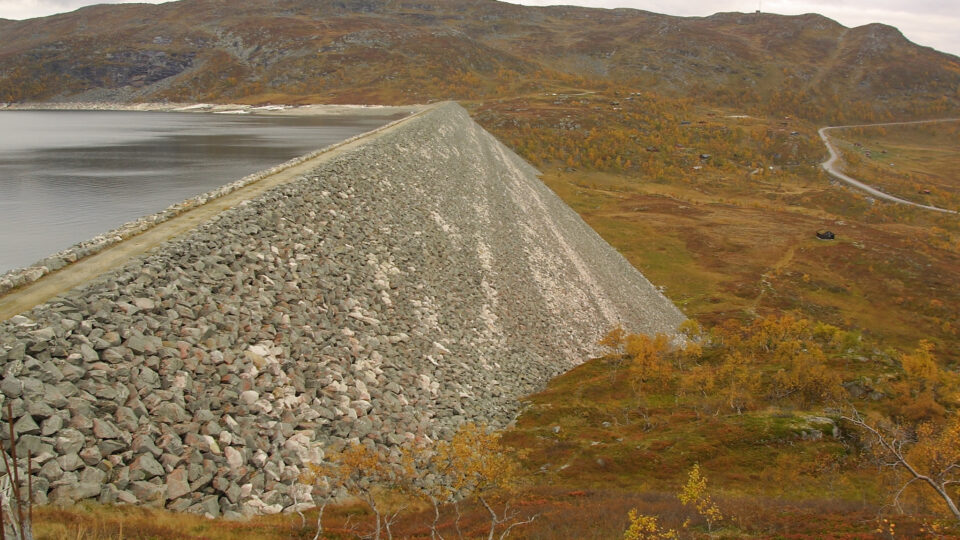
There are a number of countries that proudly claim to be leading the world in the fight against climate change but who are actually still a major part of the problem.  Among these are Norway, the UK, and Canada.

Norway powers its streetlamps with renewables, runs its public transportation system entirely by renewable energy, and leads the world in the adoption of electric cars.  Both the UK and Canada have set ambitious targets for emissions reductions leading to zero net emissions by 2050. 

The problem is that under the Paris Agreement, each country is only responsible for the greenhouse gas emissions produced within its territory.  That means that the UK, Canada, and Norway (like many other countries) don’t need to worry about the emissions caused by the burning of their oil, gas, and coal in other places around the world.

Norway’s annual domestic emissions reached about 53 million tons in 2017 according to its government.  The emissions from the oil and gas Norway sold abroad reached roughly 470 million tons in 2017.  Canada has huge proven oil reserves it is exploiting.

Canada, Norway, and the UK all plan to keep producing fossil fuels, investing in new fossil fuel projects, and explorations.  As long as this continues, these countries are not really climate champions; they are climate hypocrites.

**********

Web Links

Norway, the UK and Canada are not climate champions. They are climate hypocrites

Photo, posted September 4, 2008, courtesy of Statkraft via Flickr.

Earth Wise is a production of WAMC Northeast Public Radio.
The Path To Net Zero | Earth Wise

March 8, 2021 By EarthWise Leave a Comment

The path to reaching net zero emissions

Reaching net zero emissions is both feasible and affordable, according to researchers at the Department of Energy’s Lawrence Berkeley National Laboratory, the University of San Francisco, and consulting firm Evolved Energy Research.   The researchers created a detailed model of the entire U.S. energy and industrial system to produce the first detailed, peer-reviewed study of how to achieve carbon neutrality by 2050.

The study analyzed multiple feasible technology pathways based on very different assumptions of remaining fossil fuel use, land use, consumer adoption, nuclear energy, and biofuel use.  What they had in common was increasing energy efficiency, transitioning to electric technologies, utilizing clean electricity (especially wind and solar power), and deploying small amounts of carbon capture technology.

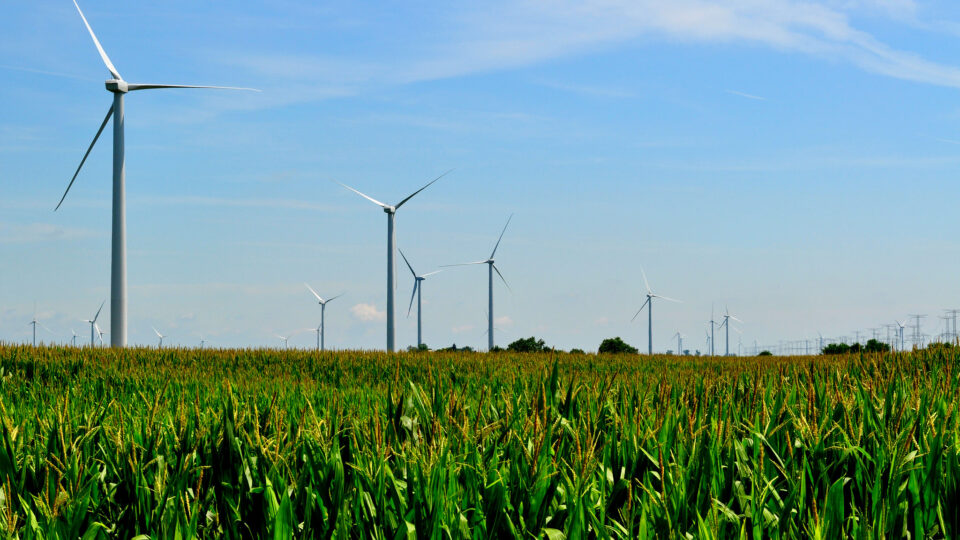
The decarbonization of the U.S. energy system is an infrastructure transformation.  Getting to net zero by 2050 means adding many gigawatts of wind and solar power plants, new transmission lines, a fleet of electric cars and light trucks, millions of heat pumps to replace conventional furnaces and water heaters, and more energy-efficient buildings.

The various pathways studied have net costs between 0.2% and 1.2% of GDP, which is as little as $1 per person per day.  The cost variations come from various tradeoffs such as the amount of land given to solar and wind farms as well as the amount of new transmission infrastructure required. 

A key result of the study is that the actions required over the next 10 years are similar among all the pathways.   We need to increase the use of renewable energy and make sure that all new infrastructure, such as cars and buildings are low carbon.

**********

Web Links

Getting to Net Zero – and Even Net Negative – is Surprisingly Feasible, and Affordable

Photo, posted July 12, 2010, courtesy of Tom Shockey via Flickr.

Earth Wise is a production of WAMC Northeast Public Radio.

  • « Go to Previous Page
  • Page 1
  • Interim pages omitted …
  • Page 3
  • Page 4
  • Page 5
  • Page 6
  • Page 7
  • Interim pages omitted …
  • Page 11
  • Go to Next Page »

Primary Sidebar

Recent Episodes

  • An uninsurable future
  • Clean energy and jobs
  • Insect declines in remote regions
  • Fossil fuel producing nations ignoring climate goals
  • Trouble for clownfishes

WAMC Northeast Public Radio

WAMC/Northeast Public Radio is a regional public radio network serving parts of seven northeastern states (more...)

Copyright © 2026 ·