
• Skip to primary navigation
  • Skip to main content
  • Skip to primary sidebar

Earth Wise

A look at our changing environment.

  • Home
  • About Earth Wise
  • Where to Listen
  • All Articles
  • Show Search
Hide Search
You are here: Home / Archives for fossil fuels

fossil fuels

Restoring Environmental Rules Will Take Time | Earth Wise

February 17, 2021 By EarthWise Leave a Comment

Restoring Obama-era environmental rules will take time

Over the previous four years, the Trump administration weakened or rolled back more than 100 rules and regulations on air, water, public lands, endangered species, and climate change.  The Biden administration has vowed to review these changes and restore the environmental protections that were removed or weakened.

The process of restoring environmental protections generally fall into a few broad categories.  Some changes can happen by executive order.  The President can cancel individual fossil fuel infrastructure projects or reinstate federal protection of specific places.  On his first day in office, President Biden rescinded the construction permit for the Keystone XL pipeline.

The President is also expected to restore federal protection to the Bears Ears and Grand Staircase-Escalante national monuments in Utah, which the Trump administration opened up to mining, logging, and drilling.

However, it could take two years or more to restore Obama-era climate change regulations including limits on emissions, rules on industrial emissions of toxic pollutants such as mercury, and protections on wetlands and waterways.

Reinstating comprehensive regulations on air, water, and climate pollution will take years because the Trump administration, rather than eliminating rules entirely, often replaced them with weaker regulations.  Replacing the weak regulations cannot just happen by executive order.  The process involves scientific and economic analysis, and that takes time.

After four years of shrinking budget and shrinking staff, the Environmental Protection Agency has a lot of catching up to do and will need to prioritize its actions in order to deal with the most damaging consequences of the previous administration.

**********

Web Links

Restoring Environmental Rules Rolled Back by Trump Could Take Years

Photo, posted September 25, 2012, courtesy of Tar Sands Blockade via Flickr.

Earth Wise is a production of WAMC Northeast Public Radio.
Positive Tipping Points And Climate | Earth Wise

February 15, 2021 By EarthWise Leave a Comment

Tipping points that could help mitigate climate change

A tipping point is a moment when a small change triggers a large and possibly irreversible response.

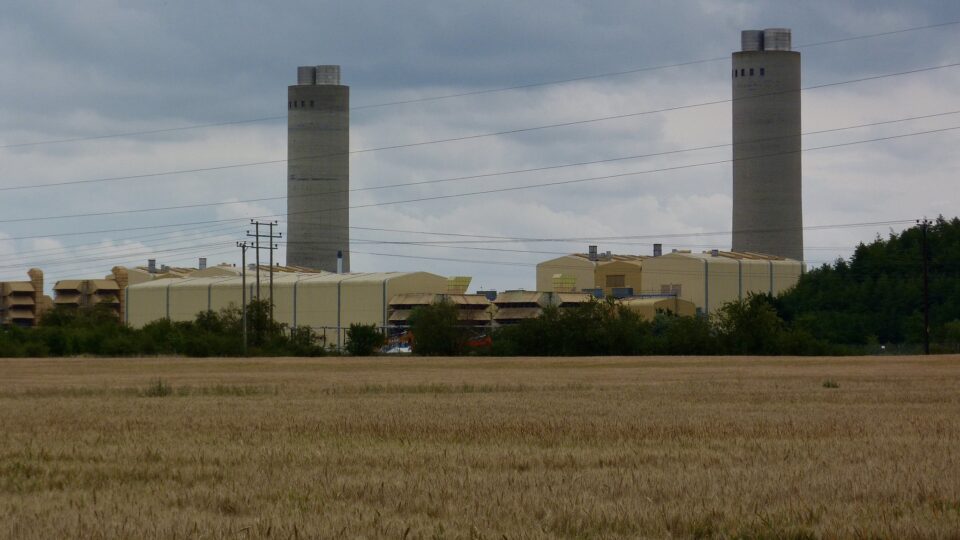
There has been much discussion of various tipping points that could accelerate climate change in catastrophic ways.  A recent paper from researchers at the University of Exeter in the UK discusses a couple of tipping points that could accelerate positive progress on mitigating climate change.

Electric vehicles account for only 2-3% of new car sales globally. In Norway, this figure is more than 50%, mostly thanks to policies that make electric cars the same price to buy as conventional cars.   According to the Exeter study, when EVs cost the same to manufacture as conventional cars, it will be a global tipping point.  China, the EU, and California together are responsible for half of the world’s car sales and each of these has targets to rapidly decarbonize their economies and policies in place to speed the transition to electric vehicles. 

Decarbonizing electric power is the other potential positive tipping point.  In Europe, carbon taxes on top of increasing renewable energy generation have tipped coal into unprofitability as they have led to the irreversible destruction of coal plants.  Globally, renewables are already generating electricity cheaper than fossil fuels in many countries.  Decarbonizing global power generation would in turn help accelerate decarbonization of large parts of transportation, heating and cooling, and industry.

These potential positive tipping points are by no means inevitable.  Appropriate policies are needed to overcome various barriers to the clean energy transition.  But major changes in transportation and electric power would have a tremendous impact on the global effort to combat climate change.

**********

Web Links

Positive ‘tipping points’ offer hope for climate

Photo, posted July 14, 2020, courtesy of Jim Champion via Flickr.

Earth Wise is a production of WAMC Northeast Public Radio.

Drilling Rights In The Arctic National Wildlife Refuge | Earth Wise

February 2, 2021 By EarthWise Leave a Comment

Arctic drilling plans fall through

The battle to prevent oil and gas drilling rights from being sold in the Arctic National Wildlife Refuge in Alaska has been going on for 40 years.  The Trump administration spent nearly four years pushing to auction off those drilling rights and finally accomplished it in early January.

The ANWR was created in 1960 and is the largest intact wilderness in the U.S., covering nearly 30,000 square miles in Alaska.  It is an important breeding habitat for polar bears as well as the home of more than 200 other species including caribou, arctic foxes, golden eagles, and snowy owls.  Parts of it are also sacred ground for the indigenous Gwich’in people.

The auction carved out a 5% slice of the refuge for leases and proponents anticipated it would generate billions of dollars in revenues that would offset tax cuts in Alaska.

Of the 22 parcels of land offered, totaling 1.1 million acres, only 12 were bid on at all and the state of Alaska was the sole bidder on 9 of those.  In total, the auction raised a paltry $14 million. 

Whether the remarkable absence of interest was due to a lack of infrastructure or roads around the region, the decline of fossil fuel investments and use during the pandemic, or the anticipation that any leases would be the subject of endless legal battles by indigenous tribes and environmental activists, the net result was that the auction was basically a flop.

President Biden has stated that he is entirely against Arctic drilling, so the new administration is likely to try to repeal or interfere with any drilling leases or other industrial activity in the ANWR. 

**********

Web Links

Arctic Oil Drilling Plans Suffer ‘Stunning Setback’ as Almost ‘No One Shows Up’ For the Sale

Photo, posted July 3, 2019, courtesy of Alaska Region U.S. Fish and Wildlife Service via Flickr. Photo Credit: Danielle Brigida/ USFWS

Earth Wise is a production of WAMC Northeast Public Radio.
Renewable Growth During The Pandemic | Earth Wise

December 22, 2020 By EarthWise Leave a Comment

Renewables growing during the pandemic

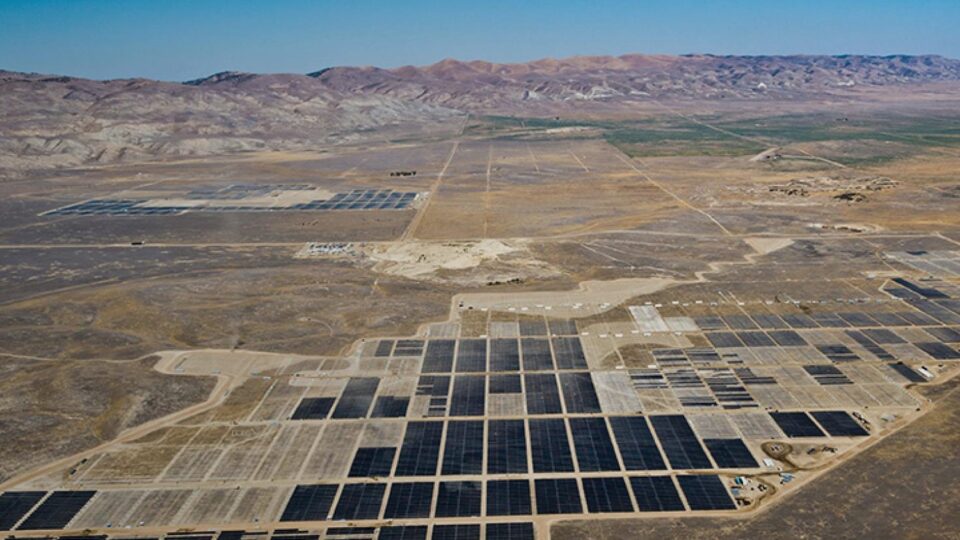
According to a new report published by the International Energy Agency, global renewable energy installations will hit a record level in 2020 in sharp contrast with declines in the fossil fuel sectors caused by the Covid-19 pandemic.

For the year, almost 90% of all new electricity generation will be renewable, with only 10% powered by gas and coal.  This progress puts green power on track to become the largest global electricity source by 2025, displacing coal-powered generation, which has been dominant for the past 50 years.  By that year, renewables are expected to supply one-third of the world’s electricity.

Solar power capacity has increased by 18 times since 2010 and wind power by four times.  In 2010, hydropower provided 77% of the world’s green power, but its share has fallen to 45% – not because there is less hydropower but because solar and wind have grown so much.

Growing recognition of the need to tackle the global climate crisis has made renewable energy increasingly attractive to investors.  According to the IEA report, shares in renewable equipment makers and project developers have outperformed most major stock market indices and the value of shares in solar companies has more than doubled in the past 12 months. Fossil fuels have had a turbulent time in 2020 as the pandemic has caused demand from transport and other sectors to plunge.

While renewables continue to see dramatic growth in electrical generation capacity, electricity represents only about one-fifth of all energy use.  The burning of fossil fuels in transport, industry, and heating continues to make up the bulk of energy emissions.

**********

Web Links

Renewable energy defies Covid-19 to hit record growth in 2020

Photo, posted October 2, 2020, courtesy of the Bureau of Land Management California via Flickr. Photo credit: Clearway Energy Group.

Earth Wise is a production of WAMC Northeast Public Radio.

Green Hydrogen | Earth Wise

December 11, 2020 By EarthWise Leave a Comment

Countries betting big on hydrogen

Saudi Arabia is a country built around oil, but it is now placing a big bet on green hydrogen as the next big thing in its energy future.  The country is constructing a $500 billion futuristic city called Neom in the desert along the Red Sea.  The brand-new city will be home to a million people, and it will be powered by green hydrogen.

The U.S. company Air Products & Chemicals has been building a green hydrogen plant there for the last four years.  The giant plant will be powered by 4 gigawatts of wind and solar projects.

Green hydrogen is hydrogen produced without carbon emissions.  Most hydrogen produced commercially is made from natural gas, which results in CO2 emissions.  Green hydrogen is made by using electricity to split water into its component elements using renewable energy to power the process.

Saudi Arabia is an ideal place for a giant green hydrogen plant.  The Middle East has the world’s cheapest wind and solar power.  The sun reliably shines there almost every day and the wind blows almost every night.

While some proponents argue that hydrogen should fuel the entire energy system, other experts see it as a more targeted solution.  The view is that wind and solar power can provide the electricity we need to power homes and electric cars.  However, green hydrogen could be ideal to power energy-intensive industries like concrete and steel manufacturing, as well as parts of the transportation sector that are more difficult to electrify.

While green hydrogen is barely on the radar in the US, around the world a green hydrogen rush is underway, developing it as an energy source that could help end the reign of fossil fuels.

**********

Web Links

Green Hydrogen: Could It Be Key to a Carbon-Free Economy?

Photo, posted November 6, 2020, courtesy of RSM Chrystie via Flickr.

Earth Wise is a production of WAMC Northeast Public Radio.

Using CO2 To Convert Seawater Into Drinking Water | Earth Wise

October 27, 2020 By EarthWise Leave a Comment

Converting Seawater into Drinking Water

A chemist at the University of Copenhagen has invented a technology that uses carbon dioxide to convert seawater into drinking water within minutes.  This desalination technology has the potential to replace electricity with CO2 and be used in survival gear and in large-scale industrial plants in places where people don’t have clean drinking water.

Over 800 million people worldwide lack access to clean drinking water and that number is growing rapidly.  Seawater is a vital source of drinking water in many parts of the world, but desalination faces the major challenge of being highly energy intensive.  Desalination plants use huge amounts of fossil fuel-generated electricity and therefore contribute to climate change.

The Copenhagen technology is reminiscent of a SodaStream machine.  Carbon dioxide is added to water, initiating a chemical reaction.  But instead of using it for bubbly carbonation, it is used to separate salt from water.  It works by adding a chemical called CO2-responsive diamine to saltwater.  The diamine compound binds with the added CO2 and acts as a sponge to absorb the salt, which can then be separated.  The entire process takes one to ten minutes.  Once the CO2 is removed, the salt is released again, allowing the diamine to be reused for several more rounds of desalination.

In the laboratory, the method removed 99.6% of the salt in seawater.  The technology is still being developed to lower its price and optimize the recycling process.  It is also being tested on a small scale in the form of water bottles fitted with special filters that can be used in lifeboats or in other outdoor settings.  Ultimately, it could be used to greatly reduce the energy consumption of desalination plants.

**********

Web Links

Chemist uses CO2 to convert seawater into drinking water

Photo, posted January 10, 2015, courtesy of Daniel Orth via Flickr.

Earth Wise is a production of WAMC Northeast Public Radio.

Carbon In The Ocean | Earth Wise

October 13, 2020 By EarthWise Leave a Comment

carbon uptake by the ocean

New research from the University of Exeter in the UK reveals that the world’s oceans soak up more carbon than previously believed.  Previous estimates of the movement of carbon between the atmosphere and the oceans did not account for the temperature differences between the water’s surface and a few meters below.

The new model includes this factor and finds that there is a significantly higher flux of carbon into the oceans.

The study calculated carbon dioxide fluxes from 1992 to 2018 and found that at certain times and locations there was up to twice as much CO2 contained in the ocean as determined from previous models.

The temperature differences between the surface of the ocean and the water at a depth of a few meters is important because the amount of carbon dioxide that can be absorbed in water depends very strongly on the temperature of the water.   Anyone with a home soda maker knows this well as the devices always work much better with refrigerated water than room temperature water.

The difference in ocean carbon dioxide uptake measured from satellite data and calculated in the new modeling amounts to about 10% of global fossil fuel emissions, so it is a very significant revision.  The revised estimate for carbon dioxide uptake actually agrees much better with an independent method for calculating the amount of carbon dioxide in the oceans.  Those measurements came from a global ocean survey performed by research ships over decades.

Now that two so-called big data estimates of the ocean sink for CO2 agree pretty well, there is greater confidence that we understand this important aspect of the planet’s carbon cycle.

**********

Web Links

Ocean carbon uptake widely underestimated

Photo, posted December 30, 2012, courtesy of Jerome Decq via Flickr.

Earth Wise is a production of WAMC Northeast Public Radio.

The Dangers Of Negative Emissions Technologies | Earth Wise

September 28, 2020 By EarthWise Leave a Comment

The dangers of negative emissions technologies

Reducing carbon emissions is not easy and there are plenty of people who don’t even want to try for various reasons, generally related to their perceived economic interests and convenience.  As a result, there is a great deal of interest in so-called negative emissions technologies or NETs.   These are methods for removing carbon dioxide from the atmosphere.  Even the UN Intergovernmental Panel on Climate Change assumes that NETs will play a role in mitigating the effects of climate change and meeting international goals.

The most widely studied approaches to negative emissions technology are bioenergy with carbon capture and storage – which entails growing crops for fuel, and then capturing and burying the CO2 produced from burning the fuel; planting more forests; and direct air capture, which involves actually pulling CO2 out of the air and storing it – probably underground. 

A new study published in Nature Climate Change points out that none of these technologies has even been tried at the demonstration scale, much less at the massive levels required to make a dent in current CO2 emissions. 

Their analysis of the biofuel and reforestation strategies show that each would take up vast land and water resources already needed for agriculture and nature.  Air capture uses less water than the other two approaches, but still uses quite a bit and even more energy, which if supplied by fossil fuels, would offset the benefits of carbon capture.

Negative emissions technologies may well play an important role in combating climate change, but it is essential that we understand what the consequences will be from implementing them.  We need to know the pitfalls that could arise.  It would be a major mistake to simply count on NETs to be some kind of silver bullet.

**********

Web Links

Remove CO2 from the air? Don’t bet on it before examining costs, researchers say

Photo, posted January 11, 2008, courtesy of Al Pavangkanan via Flickr.

Earth Wise is a production of WAMC Northeast Public Radio.

A New Carbon Capture Technique | Earth Wise

August 25, 2020 By EarthWise Leave a Comment

Reducing carbon dioxide emissions using carbon capture

Carbon dioxide emissions by electricity generating plants, fossil-fuel burning vehicles, and industry produce about 2/3 of the greenhouse gases driving climate change.  Without decreasing these emissions, the earth will continue to get warmer, sea levels will continue to rise, and the world will face more droughts, floods, wildfires, famine and conflict.

Electrification of vehicles and reliance upon renewable energy sources will ultimately drastically reduce the use of fossil fuels and the resultant emissions, but that transition may take too long to reverse the direction of climate change.  In the meantime, there is a great need to find effective and efficient ways to capture emissions from fossil fuel plants. 

Recent research at the University of California, Berkeley, Lawrence Berkeley National Laboratory, and ExxonMobil has developed a new technique for carbon capture.  The technique makes use of metal-organic framework (or MOF) technology.  An MOF, modified with nitrogen-containing amine molecules, captures CO2 and then low-temperature steam is used to flush out the CO2 either to be used or sequestered underground.

Experiments demonstrated the technique to have a six-times greater capacity for removing CO2 from the flue gas of a refinery than current amine-based technology.  It selectively removed 90% of the emitted CO2. 

There is a relatively limited market for captured CO2, so power plants using the capture technology would likely pump the CO2 into the ground, or otherwise sequester it.  The cost of doing this sort of emission scrubbing would have to be facilitated by government policies, such as carbon trading or a carbon tax, which would provide the necessary economic incentive for doing carbon capture and sequestration.

**********

Web Links

New technique to capture CO2 could reduce power plant greenhouse gases

Photo courtesy of UC Berkeley.

Earth Wise is a production of WAMC Northeast Public Radio.

Vehicle Electrification On The Rise | Earth Wise

August 21, 2020 By EarthWise Leave a Comment

increasing vehicle electrification

Nearly 70% of U.S. oil consumption is for transportation and transportation accounts for 28% of the country’s greenhouse gas emissions.  Therefore, technology improvements in transportation that can reduce emissions are a key element of combating climate change.  The highest impact strategy is the electrification of the transportation sector, and it is definitely accelerating.

Demand for electric vehicles is growing for multiple reasons.  These include long-term cost savings, tax incentives, declining battery costs, and greater environmental awareness.  This year, about 2.7 percent of global passenger vehicle sales will be for electric vehicles.  It is still a fairly small number, but that number is growing rapidly.  It is expected to be 10% in 2025, 28% in 2030, and more than half of all vehicle sales by 2040.  By that year, more than 30% of passenger vehicles on the road worldwide will be electric.  The numbers for electric buses, delivery vans and trucks, mopeds, scooters, and motorcycles are expected to be even higher.

The environmental impact of electrification will be significant in reducing carbon emissions and pollution in general.  Electric vehicles already reduce oil demand by a million barrels a day.  By the year 2040, they will displace nearly 18 million barrels of oil a day and reduce CO2 emissions by 2.5 billion tons per year.

Electric cars still face challenges.  They are still more expensive than gas-powered cars, but their cost-benefit analysis is changing rapidly as technology improvements and volume efficiencies drive down the cost of battery packs.  Analysts predict that electric vehicles will achieve price parity with internal combustion vehicles in as soon as two years but in any case within the next ten years.

**********

Web Links

Electrification of transportation sector nears tipping point

Photo, posted May 7, 2020, courtesy of Mark Vletter via Flickr.

Earth Wise is a production of WAMC Northeast Public Radio.
Renewables Could Take Over By 2035 | Earth Wise

July 15, 2020 By EarthWise Leave a Comment

Renewable energy taking over

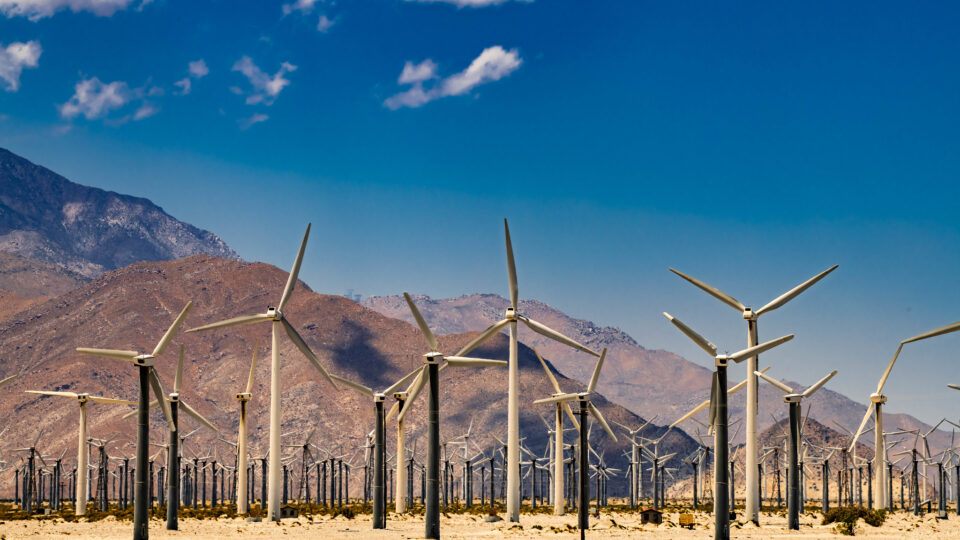
A study by UC Berkeley looked at the prospects for renewable energy sources to become the primary source of energy in the United States over the next 15 years.  Even though fossil fuels continue to fill that role at present, the plummeting costs of alternative energy sources – primarily solar and wind power – are making them increasingly attractive on the competitive market.

These cost reductions have occurred much faster than what was anticipated even just a few years ago.  According to the study, it is technically and economically feasible for renewable sources to provide 90% of our electricity by 2035.

The Berkeley researchers took the available data on renewable energy and created two scenarios for the next 15 years.  The first has energy policy remaining as it is now, without ambitious policy changes that encourage the growth of renewable energy.  In that scenario, they estimated that 55% of the US energy infrastructure would come from renewables.  That amount will not produce the change needed to meet Paris Climate Agreement goals but would simply come about because of the dramatically lower costs for renewable energy.

The second scenario includes state and federal governments leading the way to finance and facilitate the energy reform needed for a greener 2035.  It also relies on the large-scale use of grid-scale batteries to store the energy collected from solar and wind installations for when it is needed.

Which scenario is more realistic will depend on several major influential factors, notably the trajectory and consequences of the COVID-19 pandemic as well as the results of the November elections.   These things will have a huge impact on the future of our energy system.

**********

Web Links

Report: By 2035, 90 Percent of the US Could Be Powered by Renewables

Photo, posted May 25, 2019, courtesy of Flickr.

Earth Wise is a production of WAMC Northeast Public Radio.

Plastic From Algae | Earth Wise

June 9, 2020 By EarthWise Leave a Comment

Producing plastic from algae

Many researchers consider algae to be one of the best renewable resources for replacing fossil fuels and even as a food source.  The green microalgae Nannochloropsis salina is already a common source of omega-3 fatty acids that are sold as dietary supplements.  As a result, that algae strain is already grown on a large scale for the production of omega-3 products.

A group of researchers at UC San Diego has developed a way to make use of the waste stream from that production to create plastics and other useful products.  Currently, when the algae is processed to extract the omega-3 oil, leftover oils comprising more than 70% of the starting material are either thrown away or burned. 

The UCSD team has developed a process to purify and convert this waste stream into azelaic acid, which is a building block for flexible polyurethanes.   These materials have all kinds of commercial applications from flip-flops and running shoe soles to mattresses and yoga mats.

By analogy to the use of animals by native American tribes, the researchers wanted to “use the whole buffalo” in their solution for algae processing waste and therefore figured out how to convert heptanoic acid – another substance in the algae waste stream – into a food flavoring and fragrance.  The flavoring molecule is valued at over $500 per kilogram.

The work, published in the journal Green Chemistry, demonstrates that an algae-source waste stream has both the practical and economic potential to support production of polyurethanes.  The team is already working with shoe companies to commercialize the technology.  With mounting concern over petroleum-based plastic waste, renewable plastic made from algae is an attractive alternative.

**********

Web Links

Researchers Turn Algae Leftovers into Renewable Products with Flare

Photo, posted November 8, 2006, courtesy of Adam Moore via Flickr.

Earth Wise is a production of WAMC Northeast Public Radio.
Renewable Energy And The Post-COVID World | Earth Wise

June 2, 2020 By EarthWise Leave a Comment

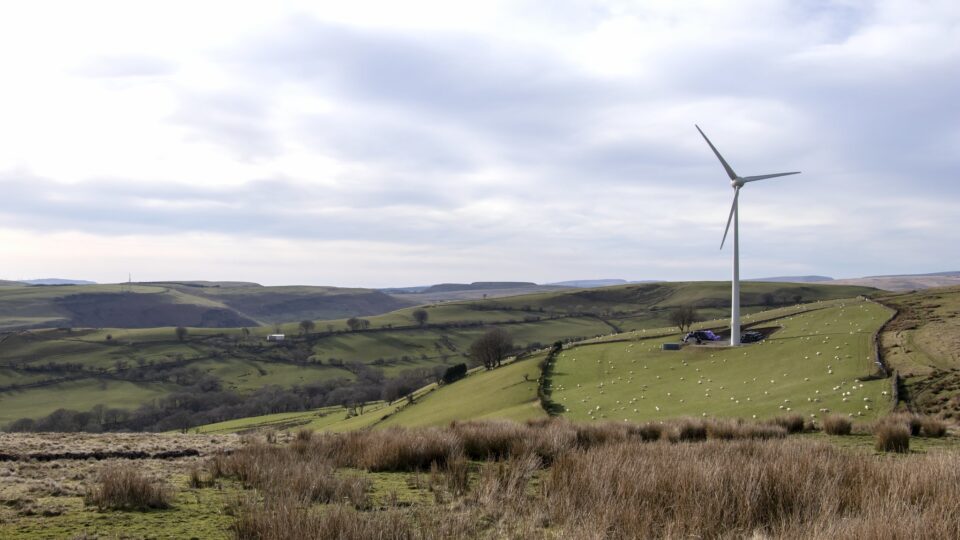
As is the case for virtually all sectors of the global economy, the short-term prospects for wind and solar power look pretty grim.  Lockdowns, social distancing requirements, and financial upheavals have put many new projects on ice and have halted production at factories making solar panels and wind turbines.  Sales of home solar have struggled as people have put off spending during the economic slowdown.

Ironically, the shutdowns aimed at reducing the spread of the Coronavirus have led to renewable sources accounting for an increased share of power generation.  Global energy demand has plummeted and, because of the low cost of solar and wind power, sources like coal and nuclear power have been curtailed in favor of the renewables.  The dramatically reduced demand has pushed oil and gas prices to historic lows and has left fossil fuel companies struggling to find storage space for the glut of product.

When the world emerges from the pandemic, the question is whether renewable energy will end up on a faster track than before or will end up in a long-term slowdown.  The answer will depend to large extent on the choices political leaders make.

Leaders will unquestionably be designing economic recovery packages.  Such packages could accelerate the shift towards wind and solar power, or they could prop up the fossil fuel economy.  Unfortunately, leaders are prone to be motivated by lobbyists more than by the greater needs of society.  The global economic upheaval represents a real opportunity to change the pace of efforts to address climate change.  Whether that change is a positive one or a negative one is just another looming question facing society when we emerge from the pandemic.

**********

Web Links

How Renewable Energy Could Emerge on Top After the Pandemic

Photo, posted April 12, 2020, courtesy of Jeremy Segrott via Flickr.

Earth Wise is a production of WAMC Northeast Public Radio.

Planting Trees and Climate Change | Earth Wise

June 1, 2020 By EarthWise Leave a Comment

tree plantings and climate change

Forests are among the most important natural carbon sinks.  Trees remove carbon from the air and store it in their trunks, branches, and leaves, and transfer part of it into the soil.  But in some regions, these natural carbon sinks are starting to weaken due to deforestation, forest degradation, and the impacts of climate change.  This problem has led some climate mitigation projects to focus on increasing the overall number of trees on the planet. 

But, according to a paper recently published in the journal Science, “we can’t plant our way out of climate change.”  That’s the simple message from Restoration Ecologist Karen Holl and University of São Paulo Professor Pedro Brancalion to anyone who thinks planting one trillion trees will reverse the effects of climate change.  They say planting more trees is only one piece of the puzzle.  Any initiatives like 1t.org or the Trillion Tree Campaign must be done carefully and be accompanied by commitments to long-term management.

Tree plantings can provide many environmental benefits, including improving water quality, biodiversity, and increasing shade.  But trees can sometimes have undesirable impacts, such as harming native species and ecosystems or reducing water availability, depending on where and how the trees are planted.

The authors suggest four principles that should guide forest enhancement initiatives: reduce forest clearing and degradation, balance ecological and social goals, view tree plantings as one part of a multifaceted solution, and plan, coordinate and monitor the work. 

While tree plantings can clearly be part of the solution, slowing the pace of climate change requires a comprehensive approach that must start with burning less fossil fuels.

**********

Web Links

Challenges in tree-planting programs

Planting trees is no panacea for climate change

Photo, posted December 1, 2019, courtesy of Akuppa John Wigham via Flickr.

Earth Wise is a production of WAMC Northeast Public Radio.

Benefits Of A Zero-Emissions Boston | Earth Wise

May 25, 2020 By EarthWise Leave a Comment

climate goals

Many countries, states, and cities around the world have set goals to become carbon neutral, typically by the year 2050.  These goals are based on the desire to mitigate the effects of climate change that are steadily increasing as a result of the buildup of carbon dioxide in the atmosphere.  But reducing emissions is not just a way to combat climate change, it can also be a major contributor to improved public health.

The City of Boston has set a goal to become carbon neutral by 2050.  A new study by the School of Public Health at Boston University published in the journal Environmental Research Letters looked at the consequences of eliminating fossil fuel emissions in the greater Boston area.

According to their modeling, eliminating emissions would save 288 lives a year by reducing fatal and non-fatal cardiovascular and respiratory illnesses.   The resulting decrease in medical costs and lost and reduced work could save $1.7 billion a year in Suffolk County and $2.4 billion a year for the entire 75-square-mile zone modeled in the study.

The study looked at the amounts of two air pollutants known to harm human health:  PM2.5 (particulates with a diameter of less than 2.5 microns) and ozone.  They compared the current levels of these pollutants to what would be present when contributions from motor vehicles, generators, rail, industry, oil- and gas-burning, shipping and boating, and residential wood fires were eliminated.

The study focused on the City of Boston’s climate action plan, but actions taken by Boston will not take place in a vacuum.  Many cities across the region are taking similar actions.  The overall results will come from the collective actions across New England.

**********

Web Links

A Zero-Emissions Boston Could Save 288 Lives and $2.4 Billion Annually

Photo, posted August 31, 2019, courtesy of Eric Kilby via Flickr.

Earth Wise is a production of WAMC Northeast Public Radio.
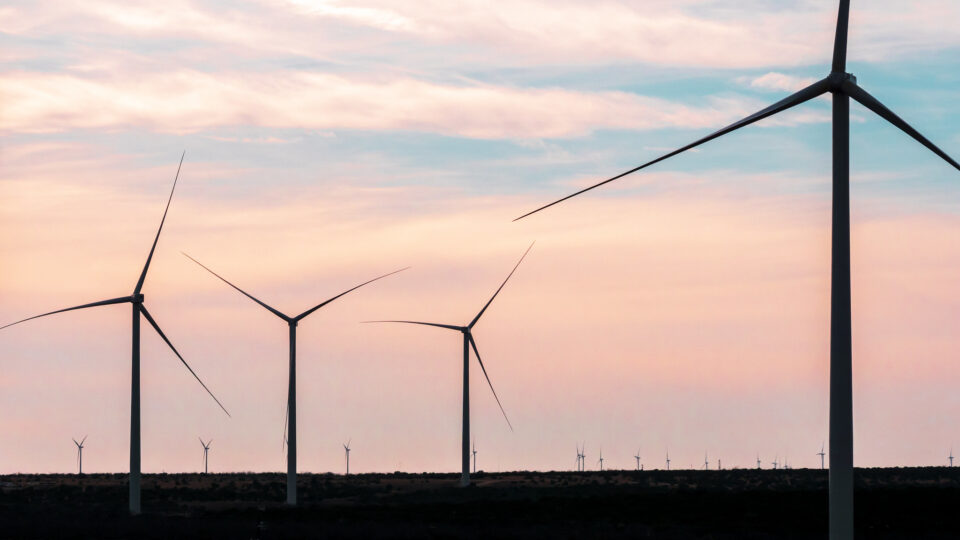
The Danger Of Relying On Future Technology | Earth Wise

May 22, 2020 By EarthWise Leave a Comment

technology and climate change

The need to mitigate the effects of climate change has been a global focus for about 40 years and has seen ever-changing views on what actions are needed.  The historical record has been defined by over-reliance on promises of new technology to solve climate change.  Looking to future technology to save the environment has been an excuse to postpone necessary action and avoid inconvenient changes in how we do things.

A study at Lancaster University in the UK published in Nature Climate Change exposes how such promises have raised expectations of more effective policy options becoming available in the future and have enabled the continued politics of inadequate action and skirting around the truth.

Even after four decades, rather than acting forcefully to reduce emissions, we are hoping that nuclear fusion power, giant carbon sucking machines, ice-restoration using vast numbers of wind-powered pumps, and spraying particulates into the atmosphere can address the climate crisis rather than dramatic changes in fossil fuel use.

The researchers mapped the history of climate targets in five phases.  Early on, the focus was on improved energy efficiency, large-scale enhancement of carbon sinks, and nuclear power.  Next, the focus was on cutting emissions with efficiency, fuel switching, and carbon capture and storage.  After that, bioenergy was the major focus.  Then, global carbon budgeting and potential negative emission technologies.  Currently, the focus is on temperature outcomes rather than emission targets.

Each novel promise competes with existing ideas and downplays any sense of urgency.   The researchers conclude that putting our hopes on yet more new technologies is unwise.  The time to act is now.

**********

Web Links

Why relying on new technology won’t save the planet

Photo, posted February 13, 2019, courtesy of Jonathan Cutrer via Flickr.

Earth Wise is a production of WAMC Northeast Public Radio.

The Lockdown Cleans Up Indian Air | Earth Wise

May 13, 2020 By EarthWise Leave a Comment

Coronavirus lockdown cleans the air

Our stories often discuss how human activities change the natural environment.  With most of us confined to our homes, the lack of human activities is having profound effects on the environment.  We are talking about some of these this week.

India suffers from some of the worst air pollution in the world.  Of the most polluted cities in the world, 21 out of 30 were in India in 2019.  According to World Health Organization standards, at least 140 million people in India breathe air containing 10 times or more greater levels than the safe limit for pollutants.  Air pollution contributes to the premature death of 2 million Indians every year.

Half of India’s air pollution comes from industry, 27% from vehicles, and 17% from crop burning.  Crop burning is prevalent because it is much cheaper than mechanical tilling after the harvest.

On March 25, the Indian government placed its 1.3 billion citizens under a strict lockdown to reduce the spread of COVID-19.   The country-wide mandate decreased activity at factories and drastically reduced car, bus, truck, and airplane traffic.

Within one week, NASA satellite sensor observed aerosol levels at a 20-year low for this time of year in northern India.  Aerosols are tiny solid and liquid particles suspended in the air that reduce visibility and can damage the human lungs and heart.  Some aerosols have natural sources, such as dust storms, volcanic eruptions, and forest fires.  But many come from human activities such as the burning of fossil fuels and croplands.  Scientists expected to see changes in atmospheric conditions during the Indian lockdown, but the current changes are dramatic.  They also present a unique opportunity to separate how natural and human sources of aerosols affect the atmosphere.

**********

Web Links

Airborne Particle Levels Plummet in Northern India

Photo, posted April 29, 2020, courtesy of Flickr.

Earth Wise is a production of WAMC Northeast Public Radio.

Electric Cars And The Environment | Earth Wise

April 20, 2020 By EarthWise Leave a Comment

electric cars are good for the environment

There are articles in the media all the time questioning whether electric cars are really better for the environment than those powered by fossil fuels.  The usual argument is that once emissions from vehicle production and electricity generation are taken into account, electric cars are no greener than gas cars, or even worse for the environment.  Of course, these arguments tend to be made by oil companies and their supporters.

A new study by three European universities looked at this very issue in detail. They carried out a life-cycle assessment in which they not only calculated greenhouse gas emissions generated when using cars, but also in the production chain and waste processing.

Their conclusions are that under current conditions, driving an electric car is better for the climate than conventional gasoline cars in 95% of the world.  The only exceptions are places like Poland, where almost all electricity comes from coal-fired plants.

Average lifetime emissions associated with electric cars are up to 70% lower than gas cars in countries like Sweden and France and about 30% lower in England.

It is important to note than in a few years, even inefficient electric cars will be less emission-intensive than gas cars because electricity generation is becoming less carbon-intensive all the time.  The study projects that by 2050, half of the world’s cars will be electric resulting in carbon dioxide emission reductions of 1.5 billion tons.

The study states that the idea that electric cars could increase emissions is a myth.  The detailed study has run the numbers for all around the world and even in the worst-case scenario, there would be a reduction in emissions in almost all cases.

**********

Web Links

Electric cars better for climate in 95% of the world

Photo, posted February 13, 2019, courtesy of Guillaume Vachey via Flickr.

Earth Wise is a production of WAMC Northeast Public Radio.

Companies Promise Climate Action | Earth Wise

March 30, 2020 By EarthWise Leave a Comment

Companies scramble to achieve climate promises

A growing number of major corporations are making promises on climate and the promises are getting more ambitious and for faster action.  More companies are disclosing their carbon emissions and more of those companies have emissions reduction targets. 

There has also been an acceleration in the rate at which companies set so-called science-based targets, which are specific, measurable carbon reduction goals that align the company with the Paris Agreement.  Among the hundreds of companies with such targets are Coca-Cola, Nike, Best Buy, Walmart, and Hilton Hotels.  According to one analysis, the number of Fortune 500 companies with concrete, ambitious carbon targets quadrupled in the past four year to 23%.

Environmental advocates have been pressuring companies for decades, but companies seem to be far more proactive now despite the fact that the U.S. government has largely dropped the ball on climate issues.

The reasons include the fact that the effects of climate change are becoming clearer to companies.  Wildfires, rising sea levels, droughts and other aspects of the crisis both make headlines and affect business operations.

Meanwhile, solar and wind energy have gotten significantly cheaper, making it more attractive for companies to shift away from fossil fuels.

At the same time, investors are increasingly asking companies to act on climate issues.  Consumers, employees, and the general public are increasingly demanding action and even children are adding to the pressure to act.

Making these commitments is one thing; following through on them and sticking to them is another.  There are real concerns that there is a great deal of green-washing going on among companies trying to project a favorable image.  In any case, if companies really want to lead on climate, they need to put their money where their mouths are.

**********

Web Links

Better Late Than Never? Big Companies Scramble To Make Lofty Climate Promises

Photo, posted June 22, 2016, courtesy of Mike Mozart via Flickr.

Earth Wise is a production of WAMC Northeast Public Radio.

The Cost Of Air Pollution | Earth Wise

March 12, 2020 By EarthWise Leave a Comment

quantifying the global economic and health impacts of fossil fuel-driven air pollution

The environmental consequences of burning fossil fuels are a dominant topic.  The increasing changes in the climate have far-reaching effects across the globe and are a growing geopolitical crisis.  But the climate effects of fossil fuel emissions are by no means the only problem they cause.  

A new report by the Center for Research on Energy and Clear Air has, for the first time, attempted to quantify the global economic and health impacts of fossil fuel-caused air pollution.  In total, the estimate is that the economic and health costs of air pollution from burning fossil fuels totaled $2.9 trillion in 2018, calculated in the form of work absences, years of life lost, and premature deaths. The cost represents 3.3 percent of global GDP, or about $8 billion per day. 

The study focused on the health impacts of three specific types of pollutants:  nitrogen dioxide, ozone, and fine particulate matter, which has the greater impact.  Collectively, these pollutants cause about 1.8 billion days of missed work due to disease and $2.2 trillion in air pollution costs every year. Together, air pollution from these three pollutants is responsible for 4.5 million premature deaths around the world each year.

According to the report, the most premature deaths from fossil fuel-related air pollution in 2018 were in mainland China (1.8 million), India (1 million), and the United States (230,000). As a result, those three countries also faced the highest annual costs: $900 billion in China, $600 billion in the U.S., and $150 billion in India. 

**********

Web Links

Toxic Air: The Price of Fossil Fuels (Full Report)

Photo, posted November 17, 2019, courtesy of Kristoffer Trolle via Flickr.

Earth Wise is a production of WAMC Northeast Public Radio.

  • « Go to Previous Page
  • Page 1
  • Interim pages omitted …
  • Page 4
  • Page 5
  • Page 6
  • Page 7
  • Page 8
  • Interim pages omitted …
  • Page 11
  • Go to Next Page »

Primary Sidebar

Recent Episodes

  • An uninsurable future
  • Clean energy and jobs
  • Insect declines in remote regions
  • Fossil fuel producing nations ignoring climate goals
  • Trouble for clownfishes

WAMC Northeast Public Radio

WAMC/Northeast Public Radio is a regional public radio network serving parts of seven northeastern states (more...)

Copyright © 2026 ·