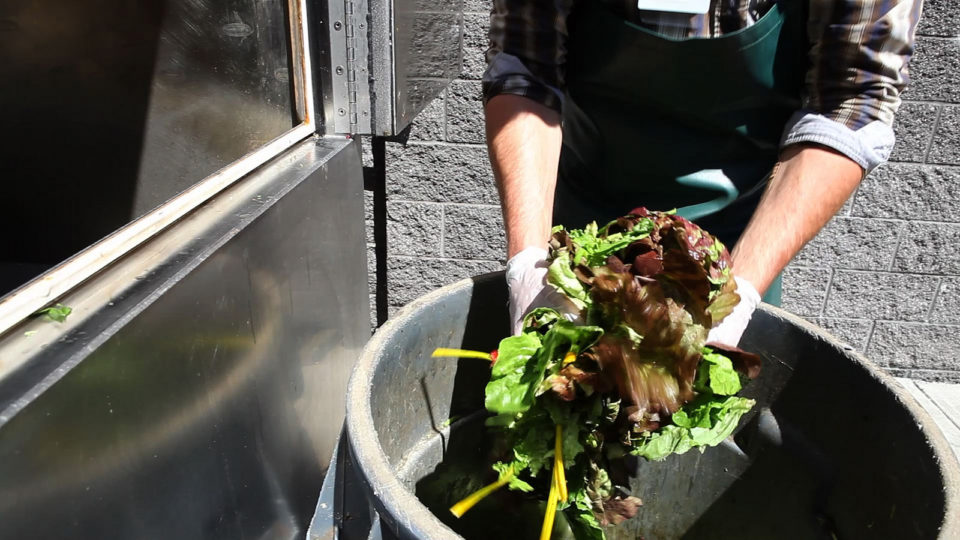
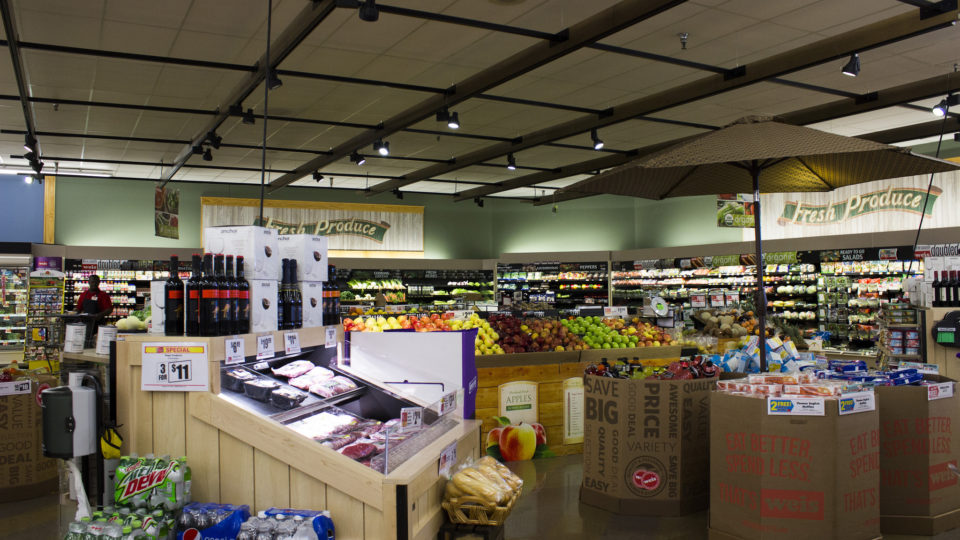
Food waste is one of the most disheartening problems we face. Fully one-third of all food produced globally for human consumption is wasted. Fruits, vegetables and tubers are even worse off: fully half of these things are wasted. It is a loss at an economic, social and environmental level.
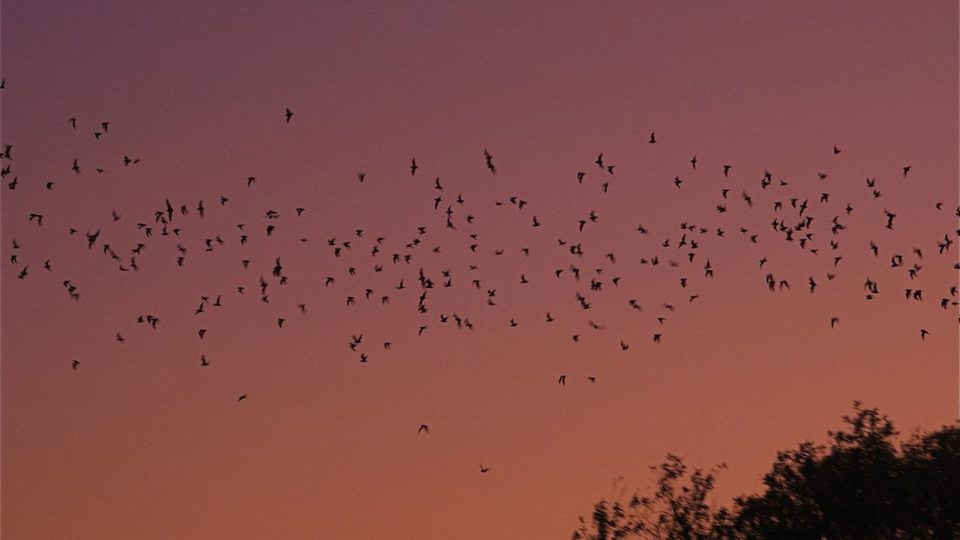
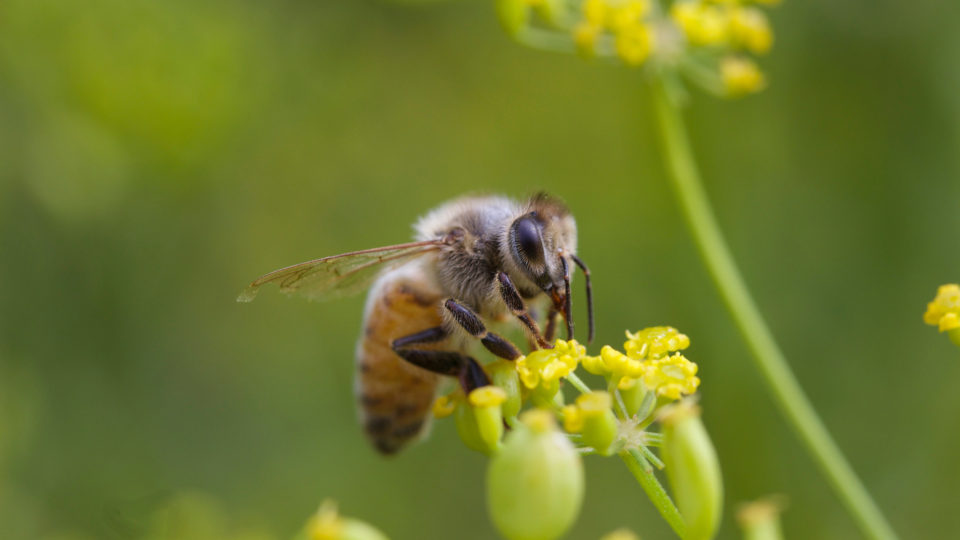
There is a great deal of concern about the status of pollinators like bees and butterflies. They play a crucial role for many important food crops. But it turns out that lizards, mice, bats and other vertebrates are important pollinators too.
Engineers from the National University of Singapore have recently discovered that a naturally occurring bacterium is capable of directly converting cellulose to biobutanol, a promising biofuel.
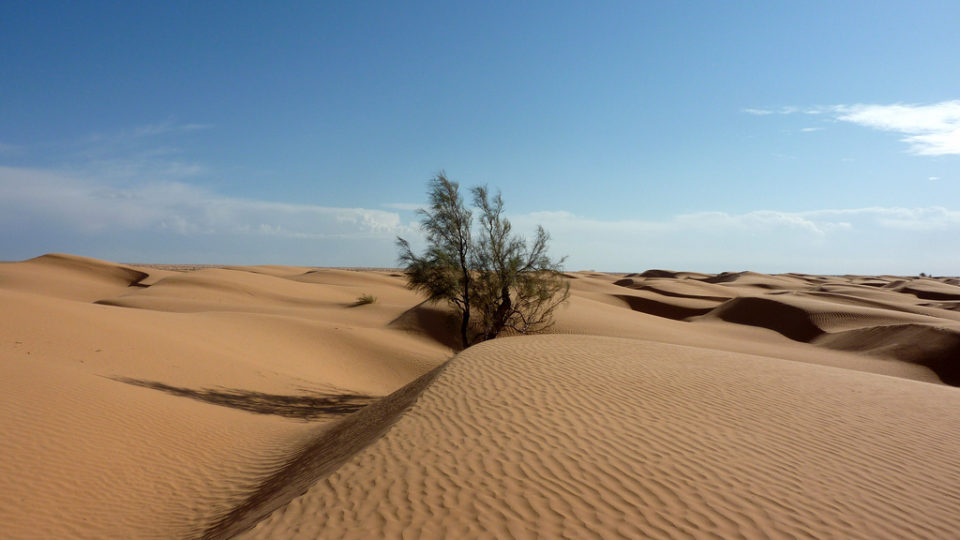
Deserts are barren areas of land where little precipitation occurs, resulting in living conditions that are hostile for plant and animal life. These regions are typically defined by low average annual rainfall—usually 100 millimeters (less than 4 inches) of rain per year or less.
A group of scientists and engineers at McMaster University in Hamilton, Ontario, has developed a new technology that could replace traditional “best before” dates on food and beverages with a definitive indication of the safety of the product.
Resistance to antibiotics is a rising problem that costs an estimated 700,000 lives each year. Some experts predict that if the problem can’t be solved, that number could grow to 10 million deaths annually by 2050. As a result, researchers around the world are investigating multiple ways to help fight antibiotic resistance.
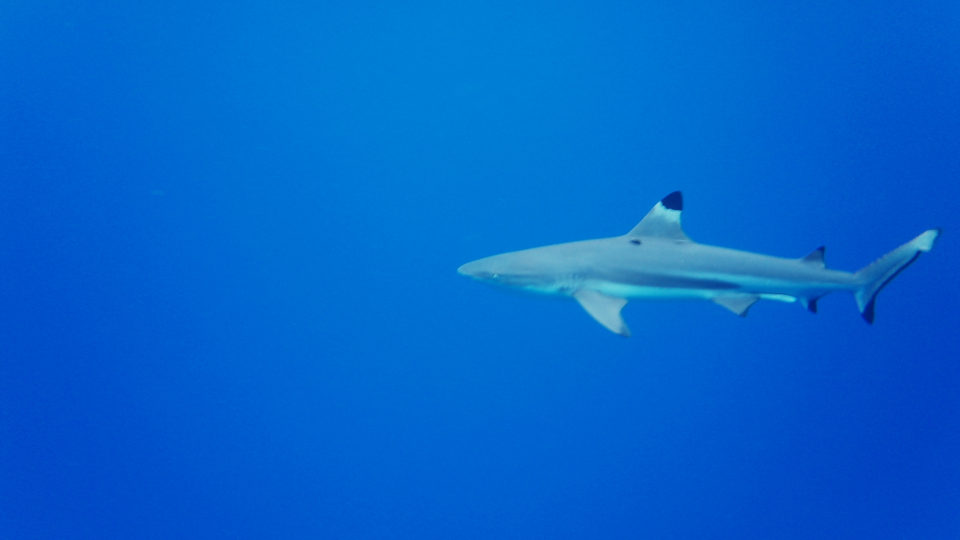
Blacktip sharks are snowbirds, to use a cross-species metaphor. At least, they usually are. The males of the species swim south to southern Florida during the coldest months of the year and head back north to North Carolina in the spring to mate with females.
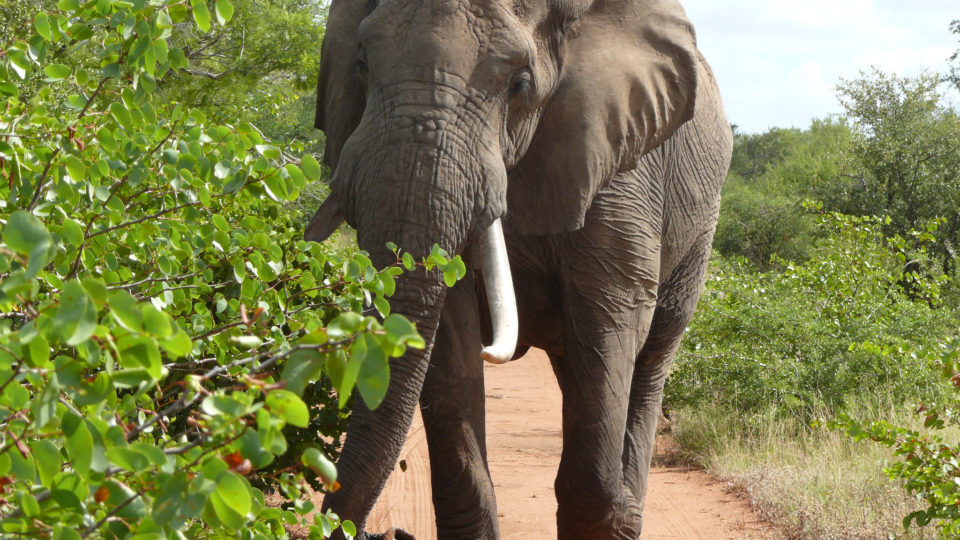
Poaching and habitat loss have reduced Central African elephant populations by 63% since 2001. These losses not only pose dire consequences for the elephants themselves but also for the forests in which they live.
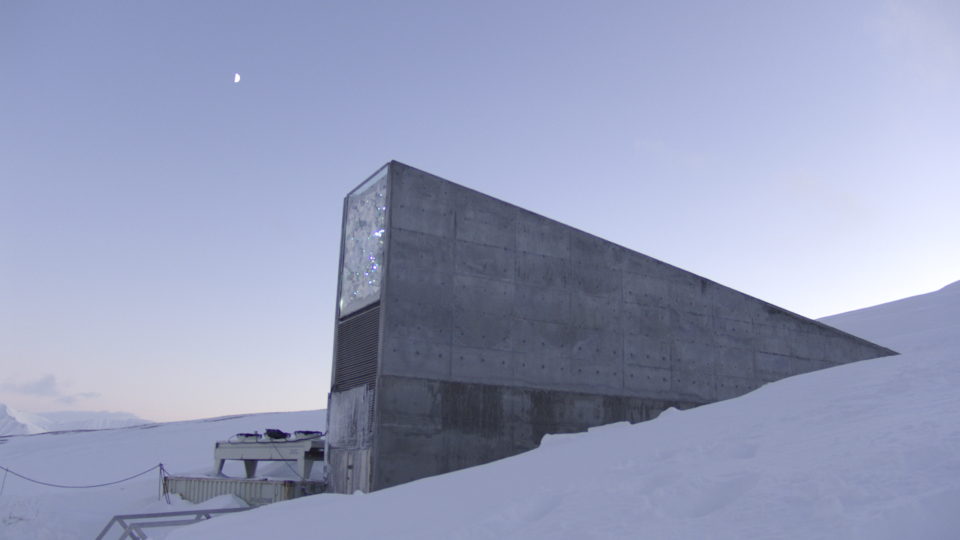
The Svalbard Global Seed Vault, located nearly 400 feet beneath the earth’s surface and fully funded by the Norwegian government, offers any government access to seeds in case of natural or man-made disaster. It’s more often referred to as the Doomsday Seed Vault. And ironically, it too is threatened by climate change.
A comprehensive study has confirmed what has been widely believed in the scientific community and in popular reports for years: spring is arriving earlier and the further north you go, the more pronounced is the effect.
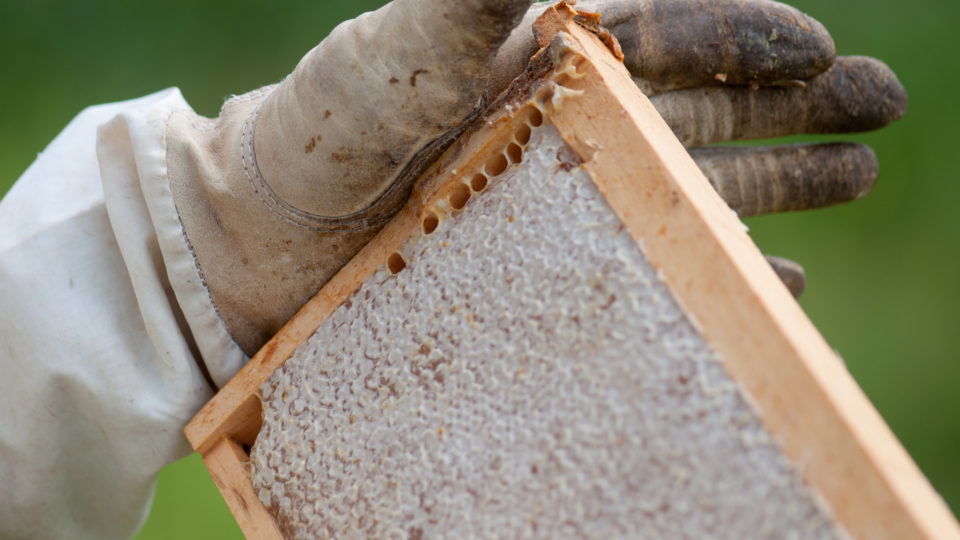
According to a European food safety watchdog, most applications of neonicotinoids – the world’s most widely used insecticides – represent a risk to wild bees and honeybees. The use of these insecticides has been restricted in Europe since 2014 following earlier risk assessments.
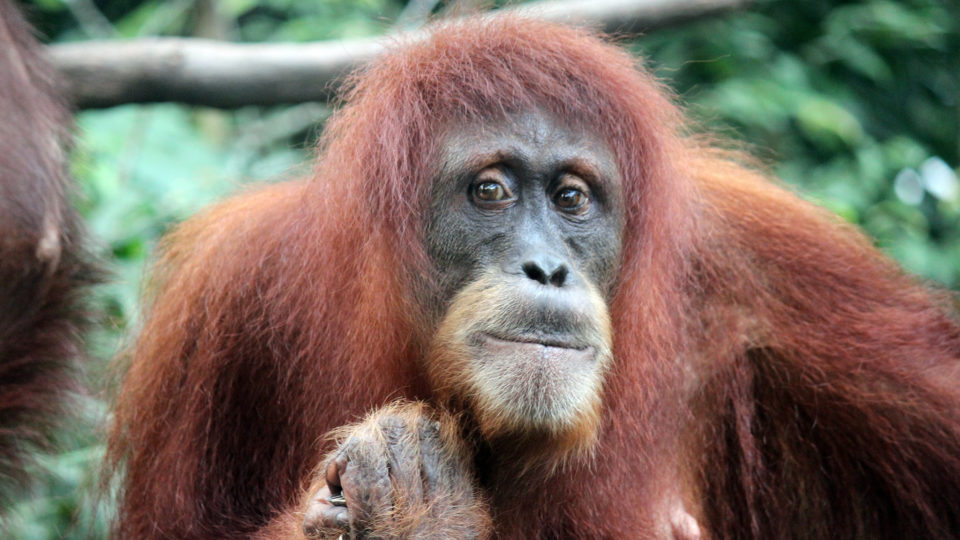
Orangutans are some of the planet’s most intelligent animals. In fact, orangutans and human beings share 97% of their DNA sequence. Orangutans can only be found in the wild in Southeast Asia on the Indonesian island of Sumatra and the island of Borneo, which is a landmass shared by Indonesia, Malaysia, and Brunei. And while all orangutans are endangered, the critically-endangered Bornean orangutans are under exceptional duress.
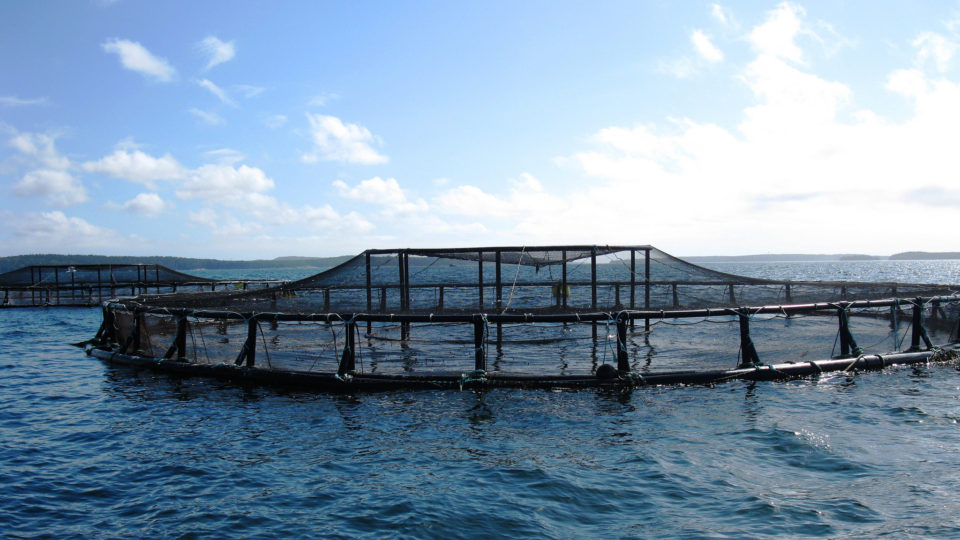
Near-shore fish farms have created many environmental problems. Raising large numbers of fish creates concentrations of fish waste and sea lice, which can adversely impact near-shore ecosystems.
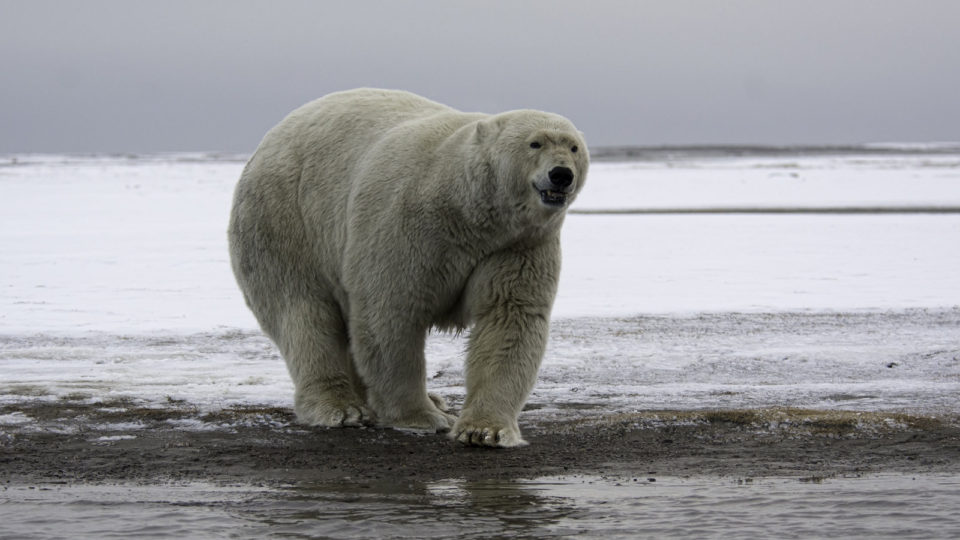
Climate change continues to pose a major threat to polar bear survival. Polar bears, whose native range largely lies within the Arctic Circle, depend on sea ice for nearly all of their life cycle functions. And rising global temperatures are causing that sea ice to disappear.
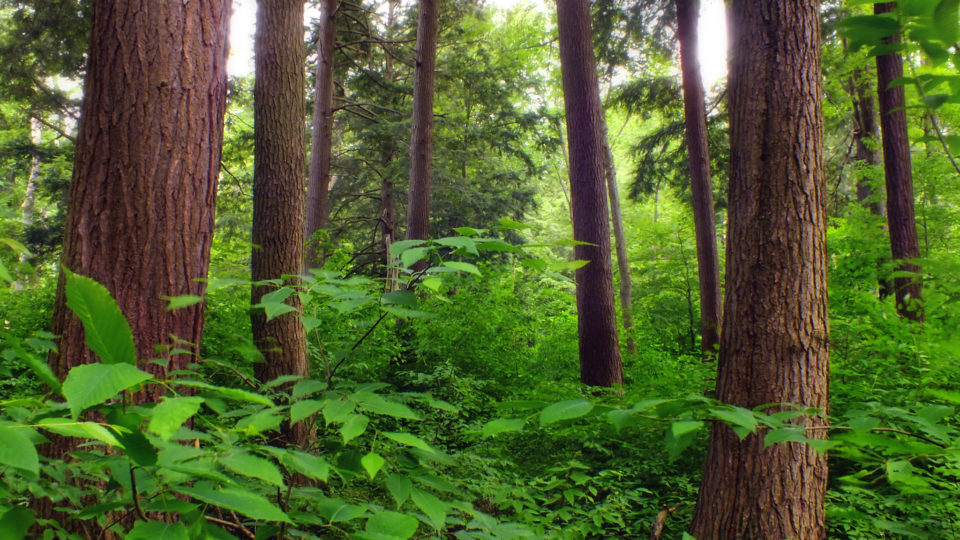
The Paris Climate Agreement embodies a commitment to hold the increase in the global average temperature to less than 2 Celsius degrees above preindustrial levels. Most strategies to achieve this goal involve reductions in greenhouse gas emissions from human activities such as burning fossil fuels as well as various land use activities. But there are also so-called Natural Climate Solutions, which relate to the storage of carbon and reduction in carbon emissions across global forests, wetlands, grasslands, and agricultural lands.
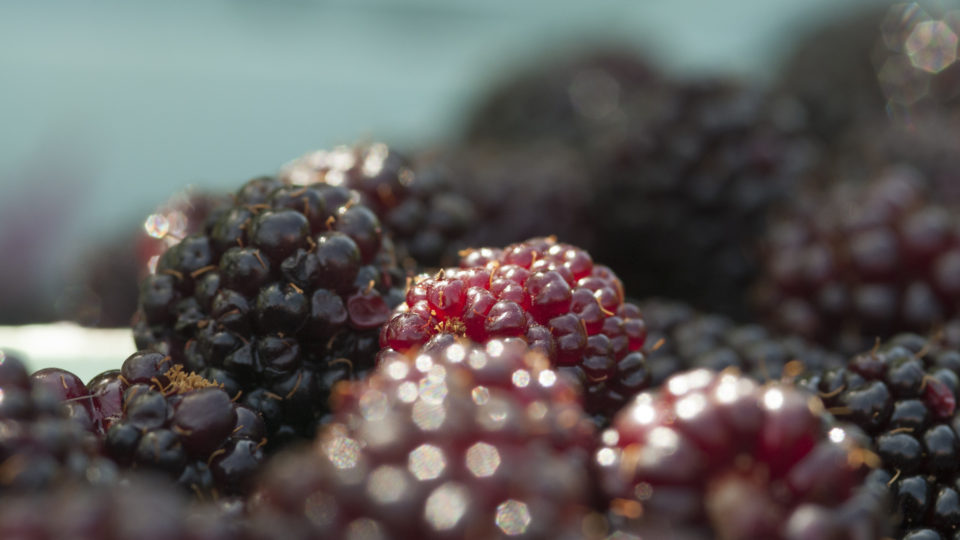
There is much to be said in favor of organic food. The organic produce industry took in $65 billion in 2016 and that farming method is clearly increasingly popular and is here to stay. Nevertheless, there are various misconceptions and inaccuracies related to organic food.
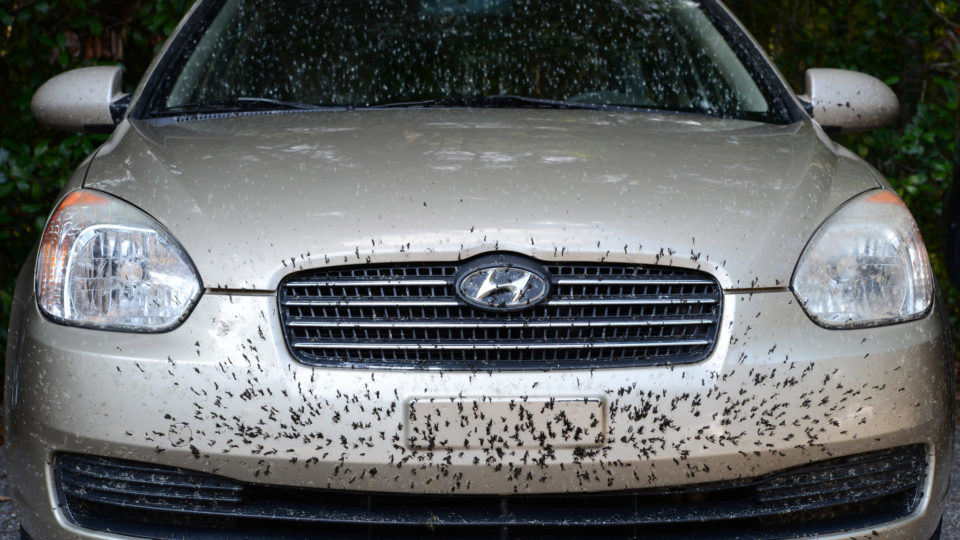
When was the last time you used a squeegee to remove squashed insects from your windshield? It’s been a while, right? It’s not just you. This is known as the windscreen phenomenon. Scientists and some motorists have long suspected that flying insects are in dramatic decline. New research has confirmed these suspicions.
The use of neonicotinoid pesticides or neonics has long been suspected as harmful to bees and a major factor in the widespread decline of honeybee and wild bee populations. A study published in Science last June provided strong evidence that neonics are indeed a real problem for bees.
Microplastics, which are tiny pieces of weathered plastic less than 5 millimeters in diameter, have been accumulating in the oceans for the past 40 years and are now ubiquitous in the marine environment. They are a major threat to many kinds of marine life, including numerous species of birds, turtles, fish, marine mammals and invertebrates who ingest the stuff causing a variety of problems.
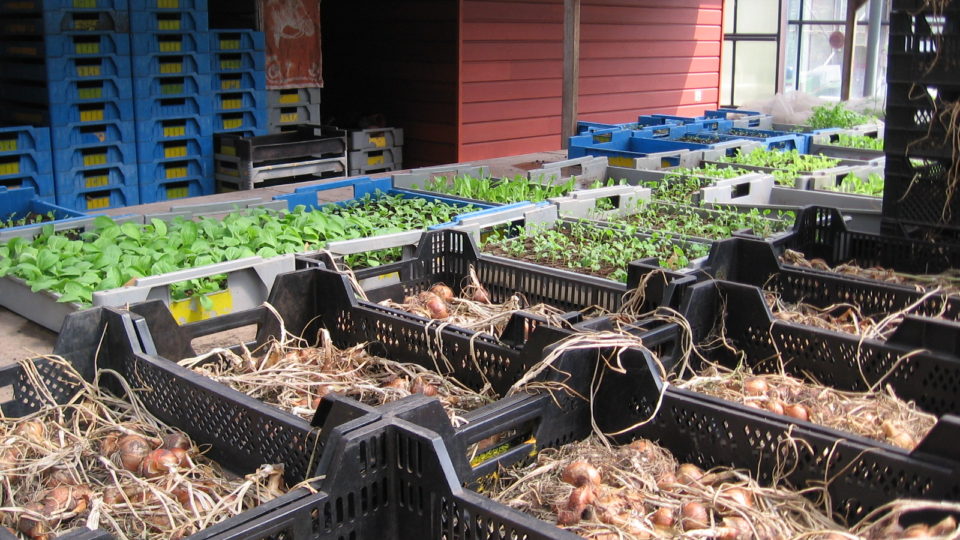
The Netherlands is a small, densely populated country with more than 1,300 inhabitants per square mile. It lacks almost every resource one associates with large-scale agriculture. Nevertheless, it is the number two exporter of food in the world, second only to the United States, which is almost 300 times bigger. The Dutch lead the world in exporting tomatoes, potatoes and onions and produce many other crops as well.