food
The Monarch Highway
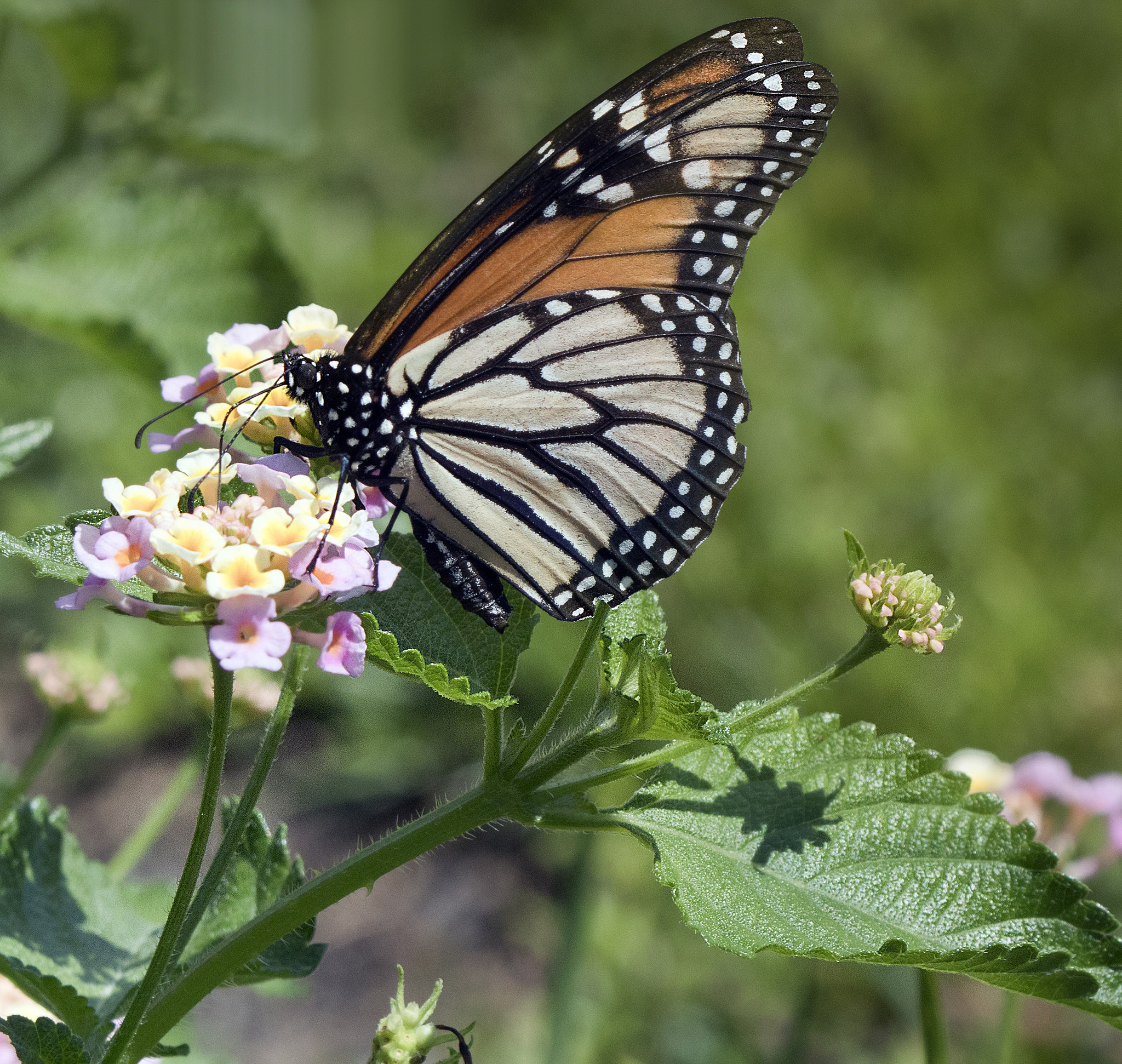
We have talked about the monarch butterfly on a number of occasions. The population of these iconic orange and black butterflies in North America has plummeted from 1 billion to 33 million over the past 20 years. People have undertaken a variety of efforts to try to save the species but now a major project to restore the dwindling habitat of the monarch is underway.
Sustainable Ethanol
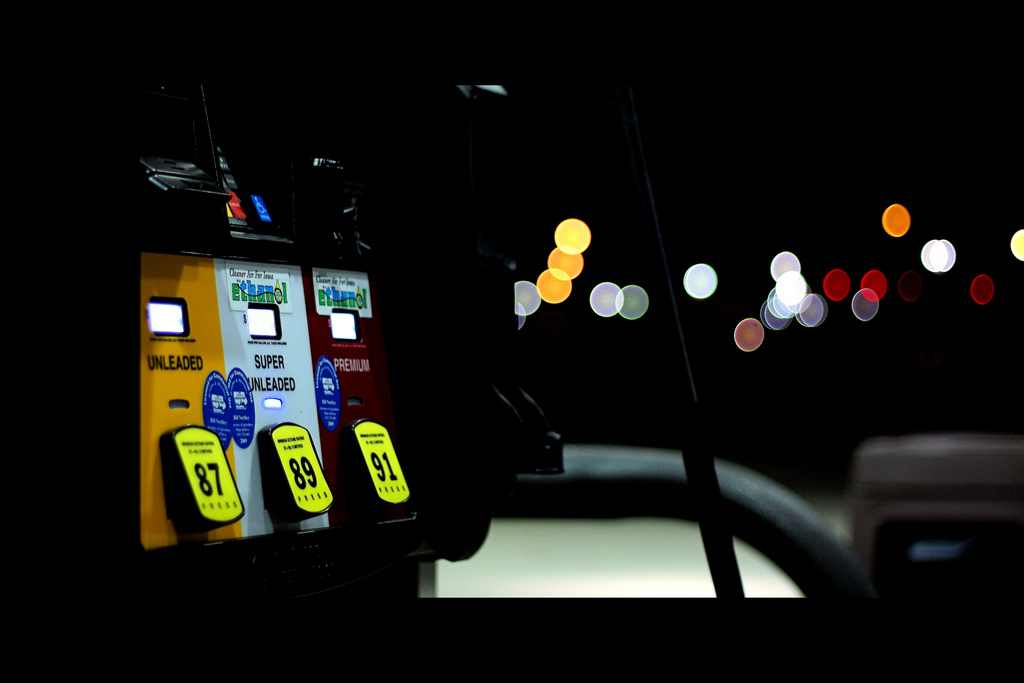
Most gas stations in the U.S. sell a blend of 90% gasoline and 10% ethanol. Mandated by legislation, the 14 billion gallons of ethanol consumed annually by American drivers is mostly made from fermented corn. Producing this ethanol requires millions of acres of farmland.
Could Coral Reefs Be Wiped Out?
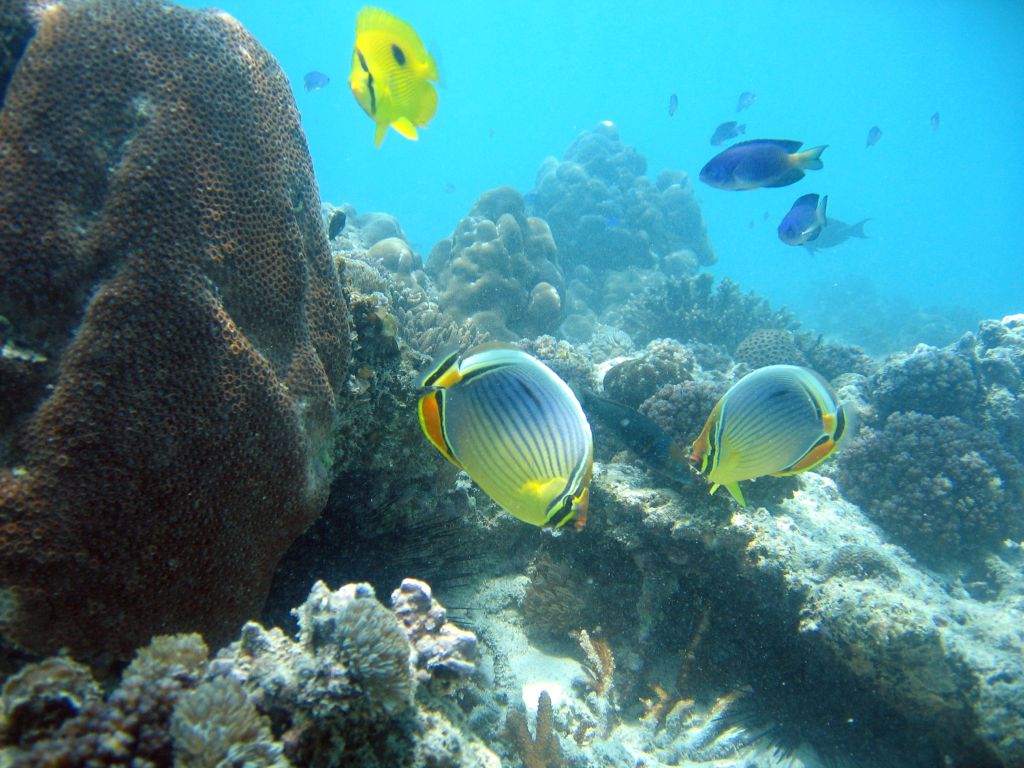
A new study warns that coral reefs are in danger of disappearing forever. According to U.N. research, the world’s coral reefs could die out completely by mid-century unless carbon emissions are reduced enough to slow ocean warming.
Wasting Less Food
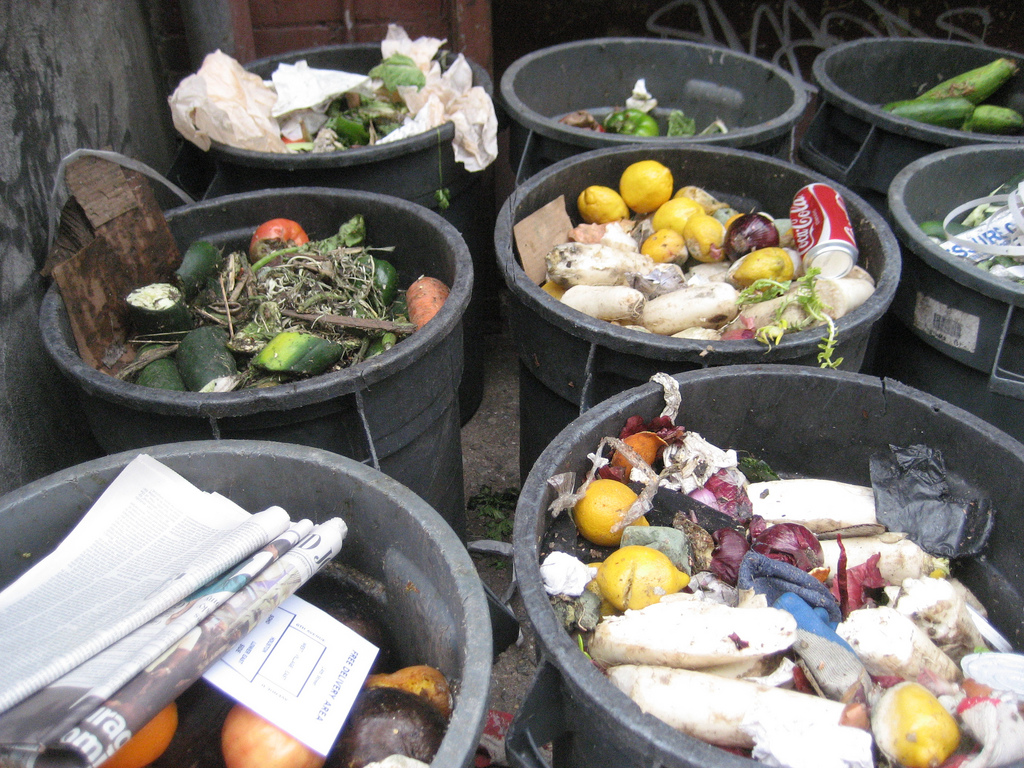
We have talked about the problem of food waste before. About 40% of the food produced in the United States goes to waste, which is a truly shameful statistic. According to a Business for Social Responsibility study on the subject, about 44% of the food that goes into landfills comes from homes. About a third comes from the food service industry.
Palm Oil Progress
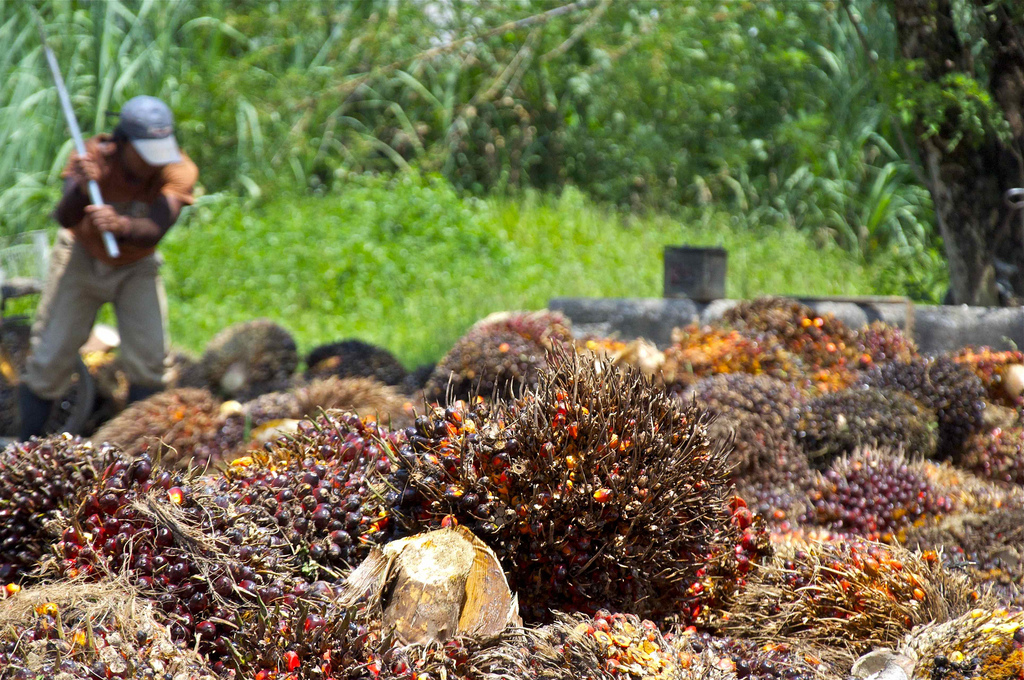
According to the Roundtable on Sustainable Palm Oil or RSPO, almost 12 million tons, or 21% of the global supply of palm oil, is now certified as responsible and sustainable. The massive expansion of palm oil plantations has been one of the primary causes of global deforestation. This has been especially the case in Borneo, where 85% of global palm oil production takes place.
Trees Are Not Enough
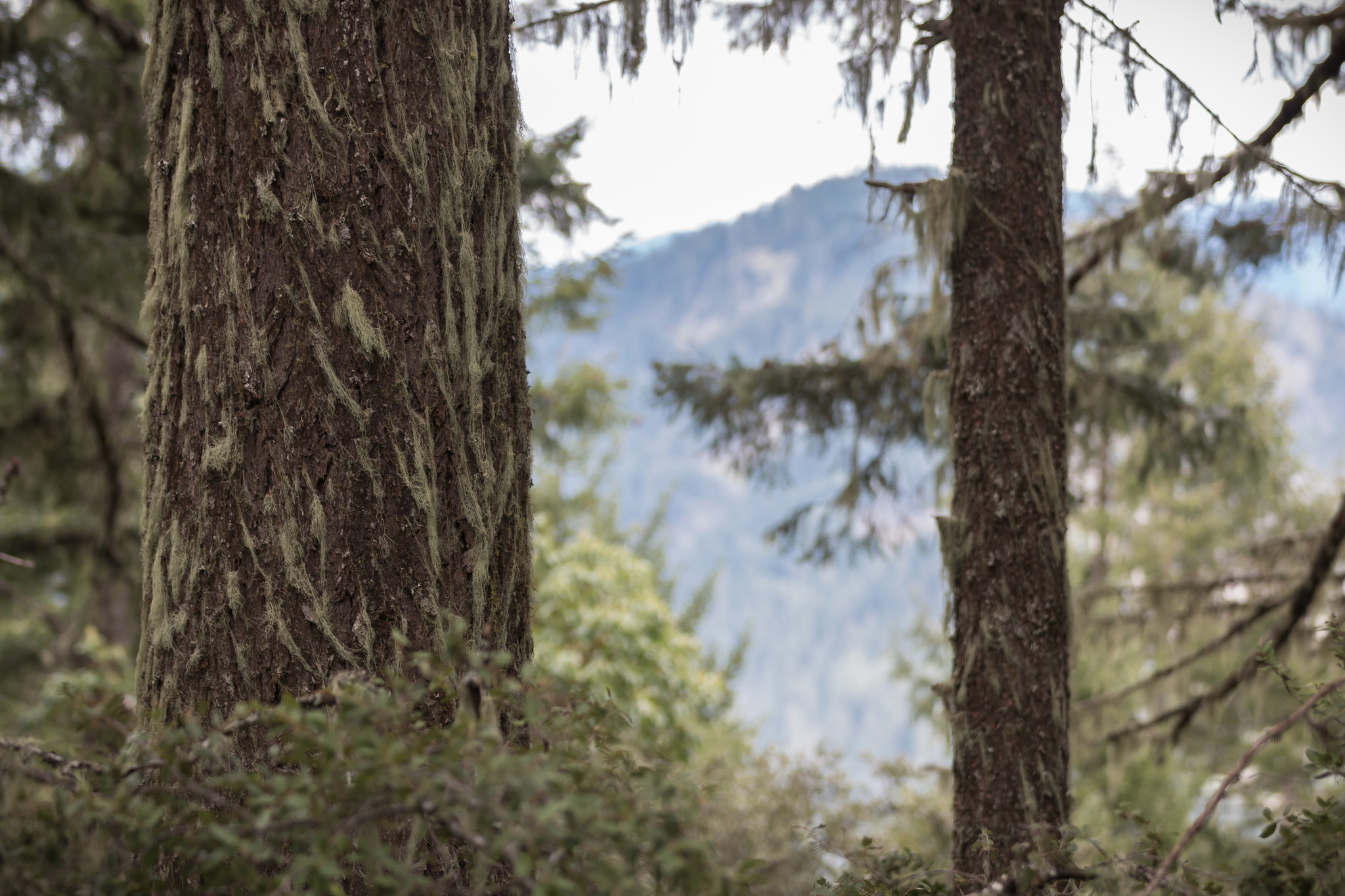
Trees are nature’s way of removing carbon dioxide from the atmosphere. Growing plants take up CO2 and store it in the form of their roots, stems and leaves. And in fact, a significant factor in the growing levels of carbon dioxide in the atmosphere has been the extensive deforestation that has gone on over the past couple of centuries.
‘Noah’s Ark’ Takes On Water
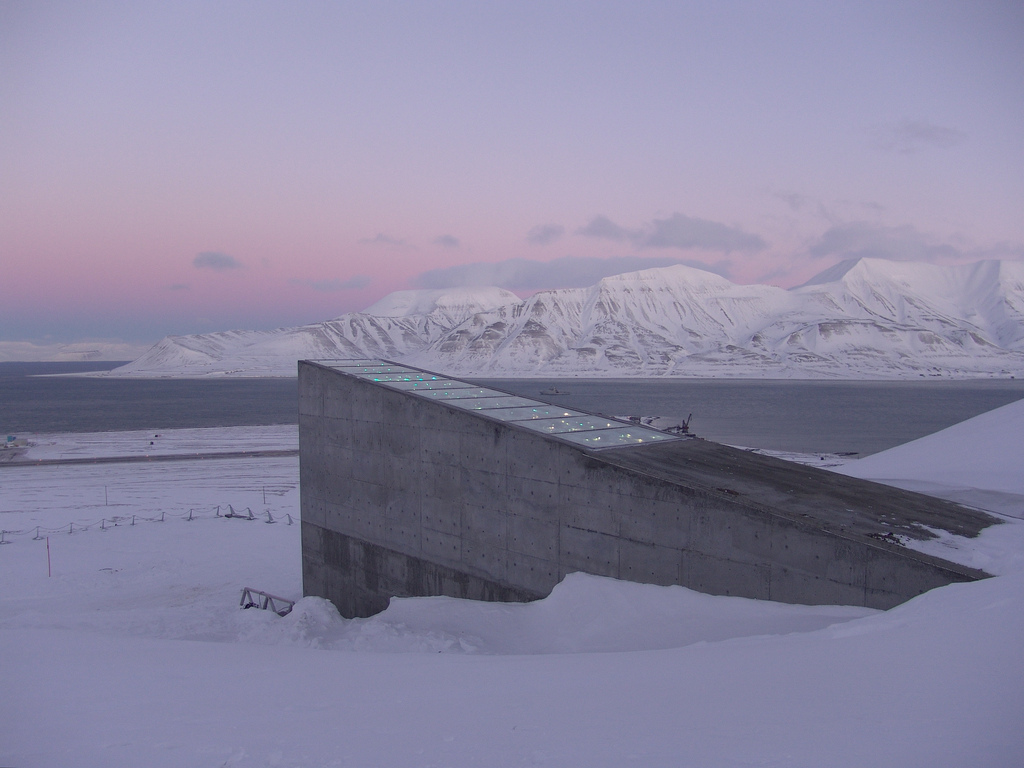
The Svalbard Global Seed Vault, built into a hillside in the Norwegian archipelago of Svalbard far above the Arctic Circle, is often described as humanity’s last hope against extinction after some global crisis. While there are more than 1,700 gene banks around the world that keep collections of seeds, all of them are vulnerable to war, natural disasters, equipment malfunctions, and other problems. Except the Svalbard vault – or so we thought. It has been dubbed the “Noah’s Ark” of seeds and a last chance for the world to regenerate if the worst should come to pass. It’s mission is to keep the world’s seeds safe.
The Methanol Economy
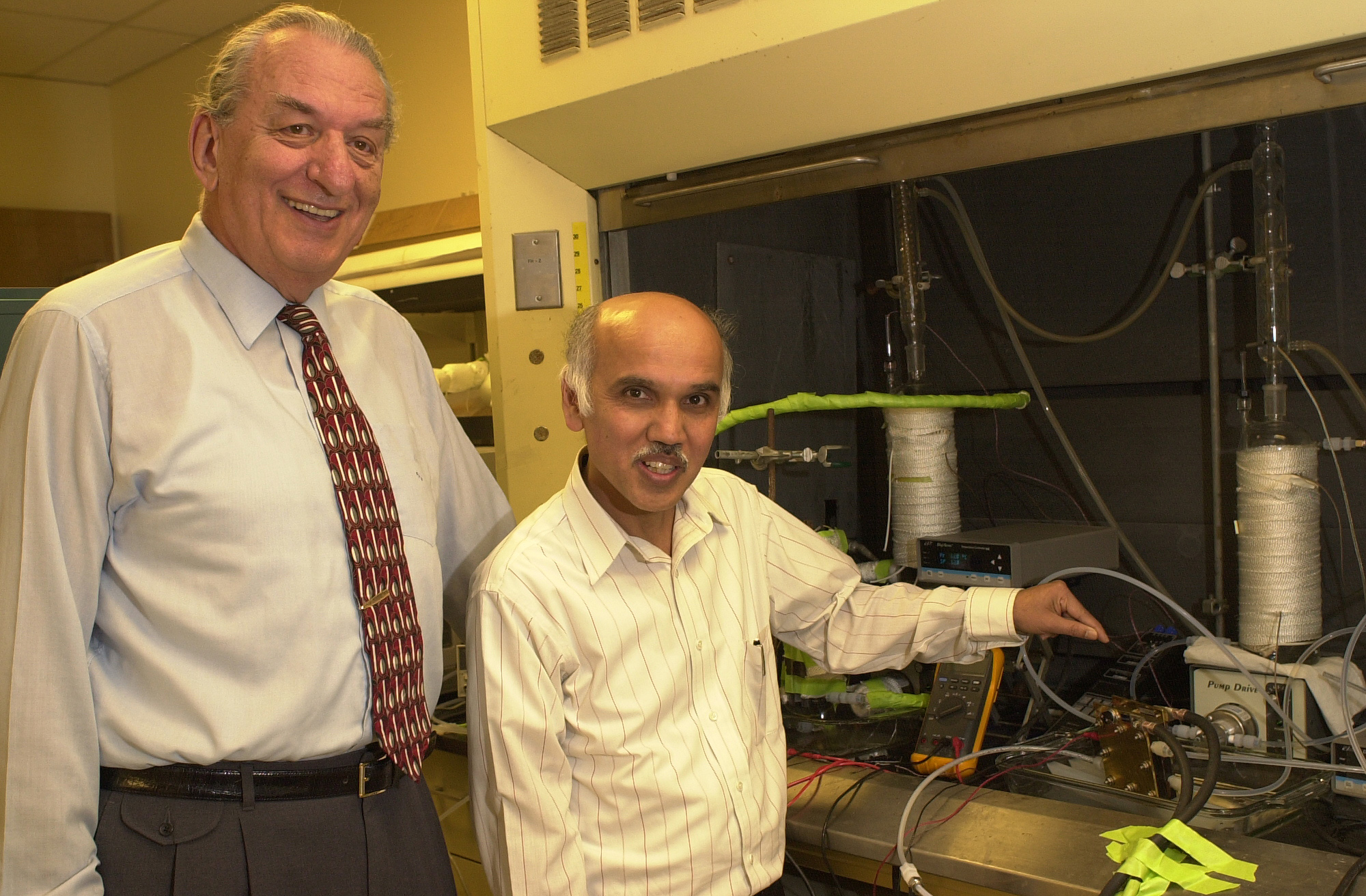
The methanol economy is an idea that was promoted by the late Nobel-prize-winning chemist George Olah since the 1990s. The idea is to replace fossil fuels with methanol for energy storage, ground transportation fuel, and raw material for hydrocarbon-based products. Methanol is the simplest alcohol and can be produced from a wide variety of sources ranging from fossil fuels to agricultural products to just carbon dioxide. Methanol can be used directly as a fuel or it can be reformed into hydrogen, which can then itself be used as a fuel.
Melting Ice Adds Life To The Sea
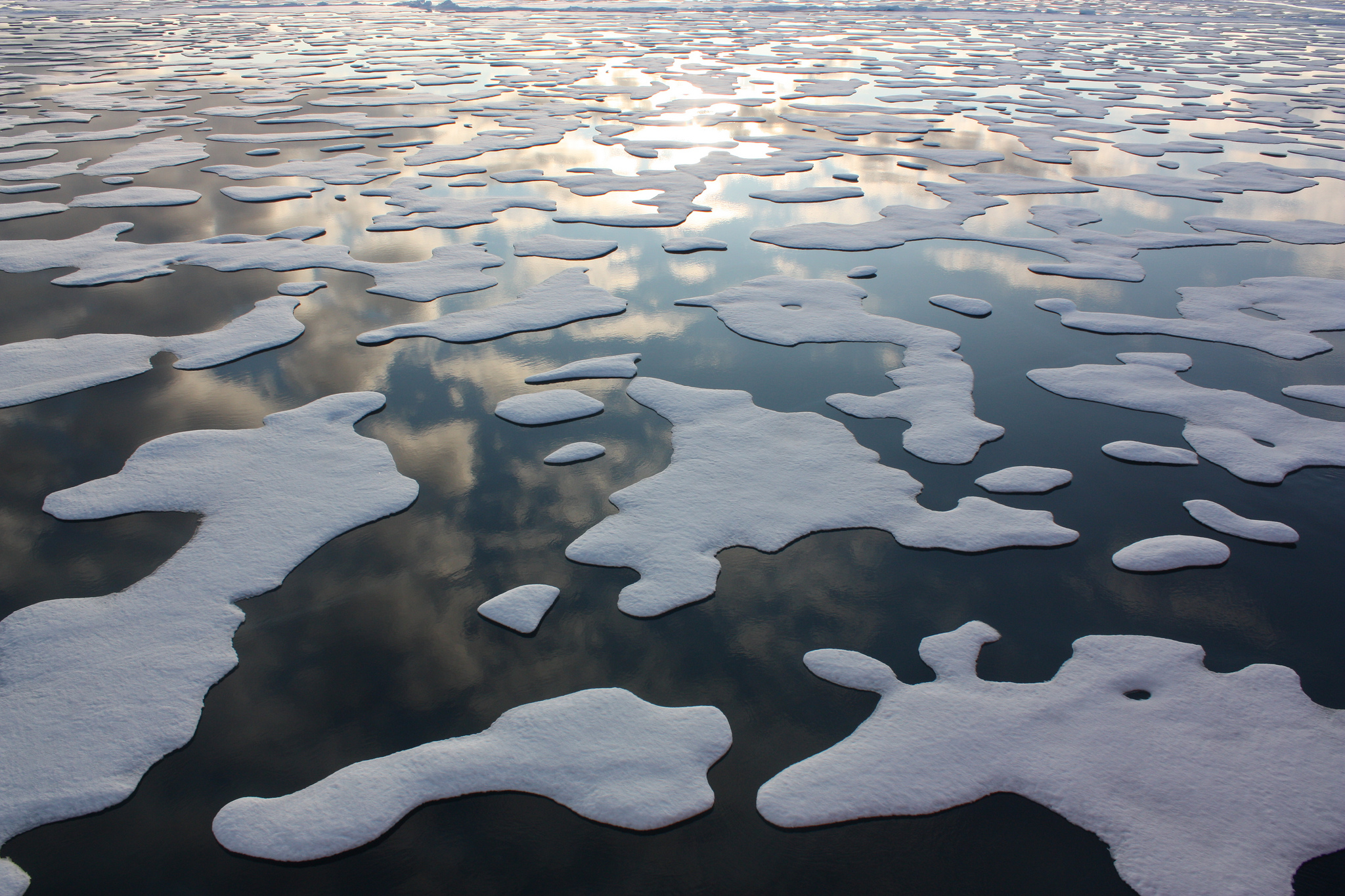
The changing climate has many effects upon the world’s ecosystems, some of which are surprising. One of these relates to the effect of the increasing melting of ice in the Arctic. The ice melt is leading to more life in the Arctic sea.
Terrestrial Plants and Lake Ecosystems
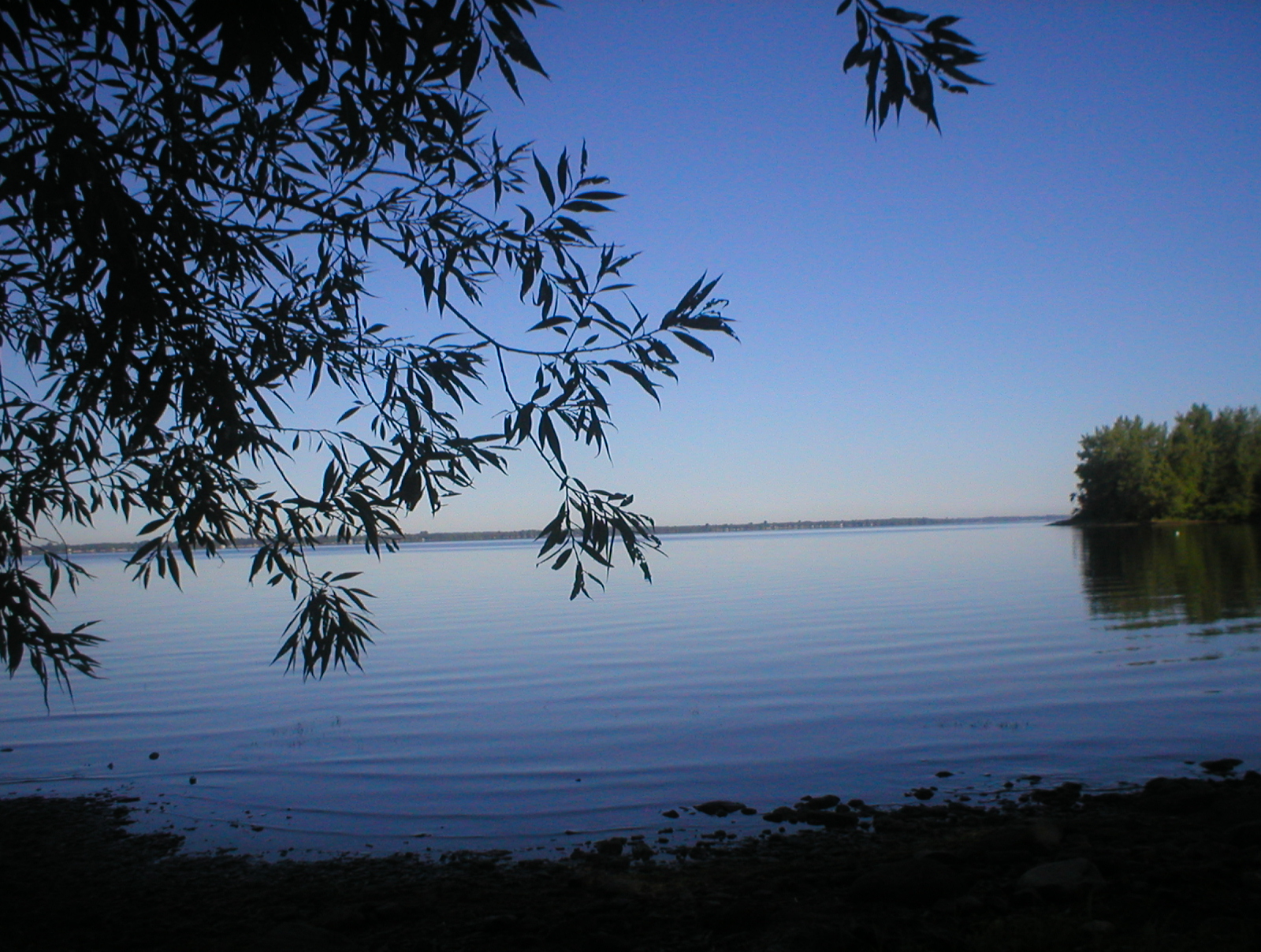
Most of the planet’s freshwater stores are found in the northern hemisphere, a region that is changing rapidly in response to human activity and shifting climate trends. A recent study analyzed 147 northern lakes and found that many rely on nutrients from tree leaves, pine needles, and other land-grown plants to feed aquatic life.
Food Waste Into Tires

Researchers at Ohio State University have developed a way to use food waste to partially replace the petroleum-based filler that has been used in manufacturing tires for more than a century.
Pesticides And Food Insecurity
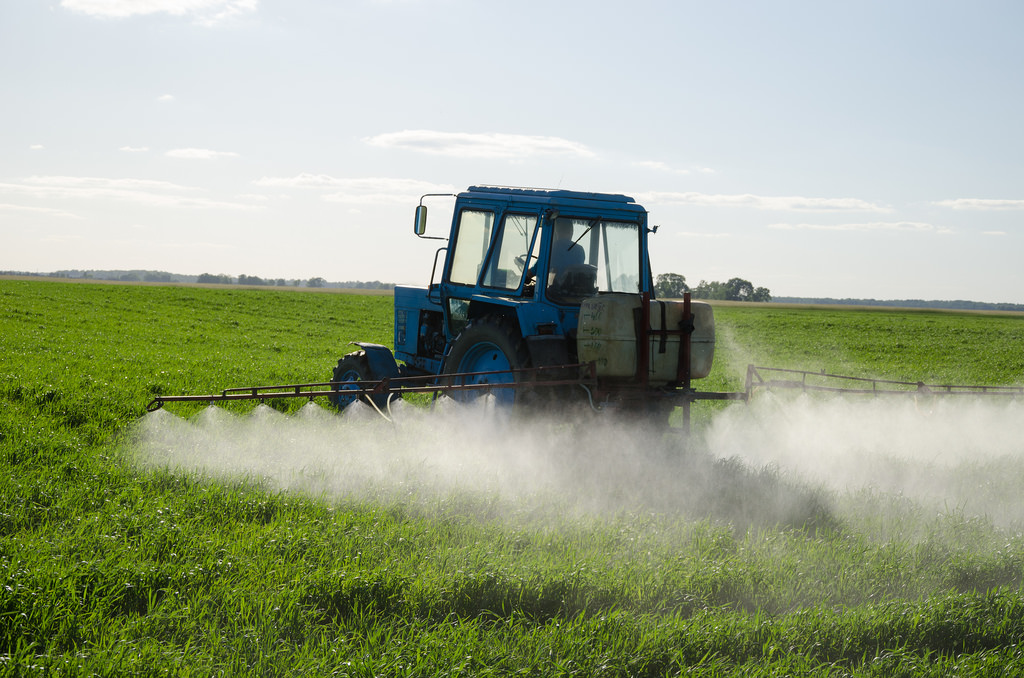
A newly released report by the United Nations takes a strong stance against the use of industrial agrochemicals, saying that they are not necessary for feeding the world. The continued use of pesticides at the rate the world currently does in fact can have very detrimental consequences.
Saving Bees With Software
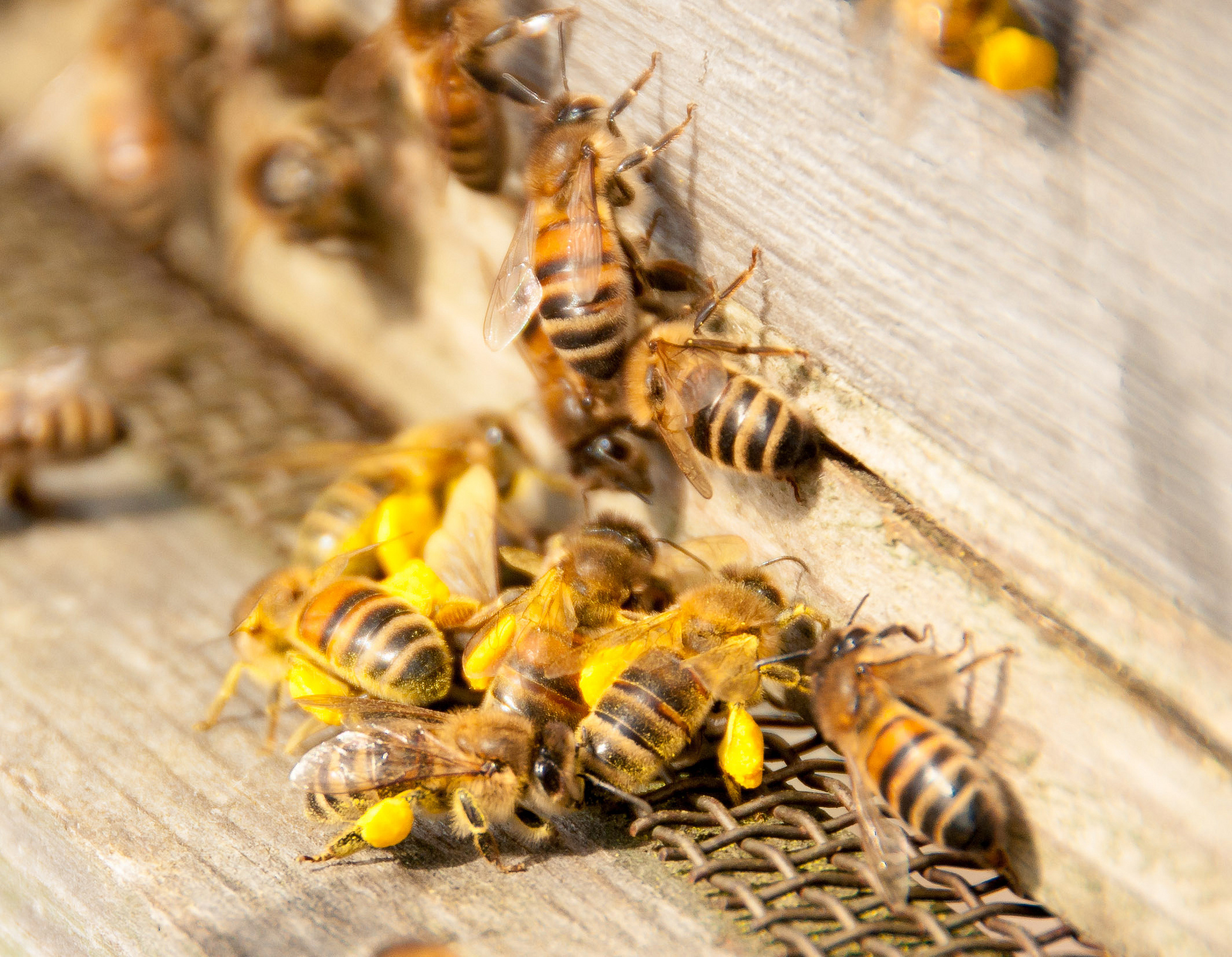
The worldwide decline in the population of bees and other pollinators has impelled farmers to do what they can to encourage and nurture bees on their land. Protecting bees is important because pollinators are essential for growing many foods including coffee, cacao, almonds and many other fruits and vegetables.
Fast Food Packaging
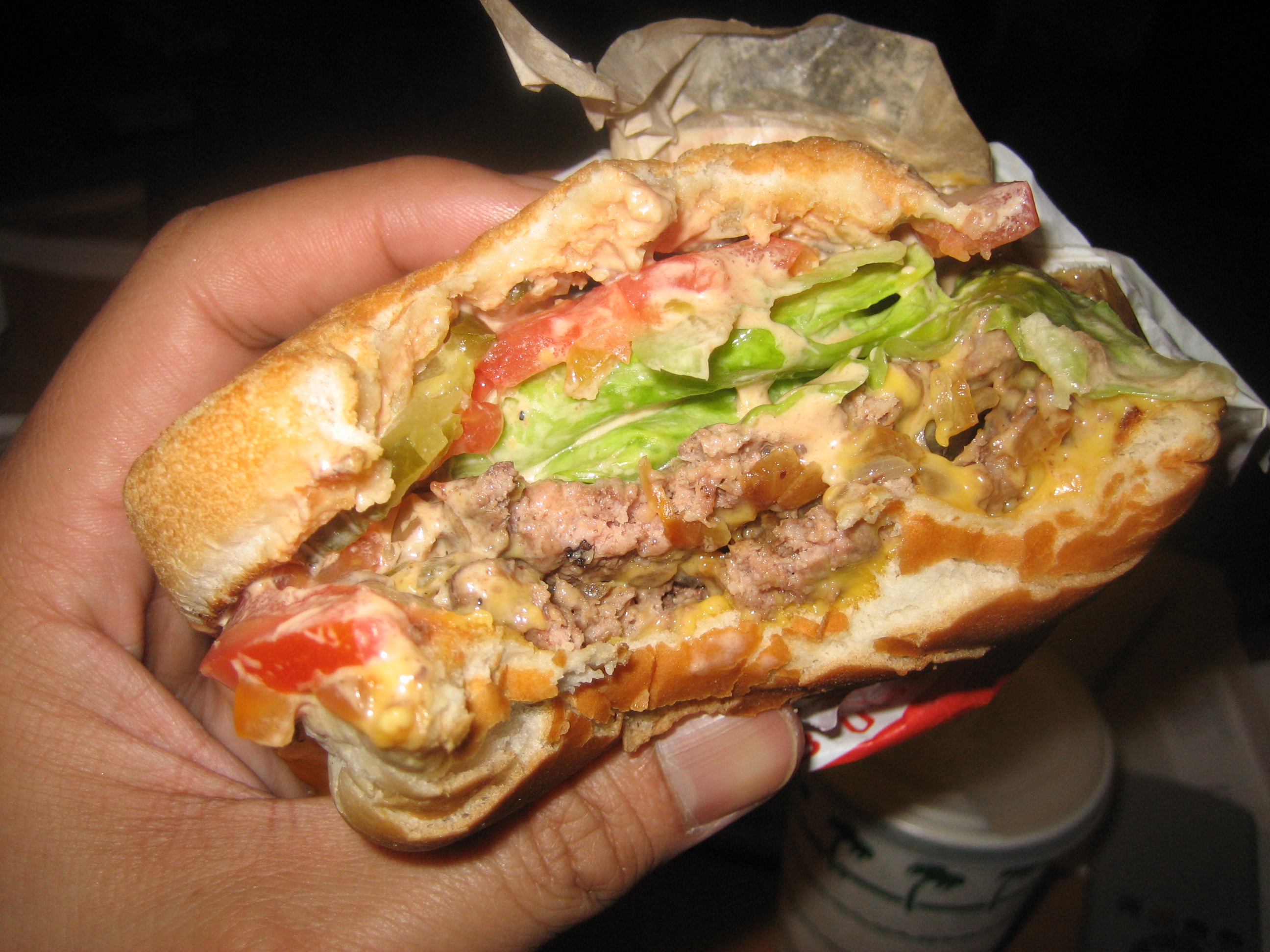
Much has been made of the dangers of eating fast food. Certainly, its high fat, sodium, and calorie content calls for moderating its role in our diets. But a recent study has found that even the packaging that the food comes in might present health hazards.
European Lessons On Food Waste
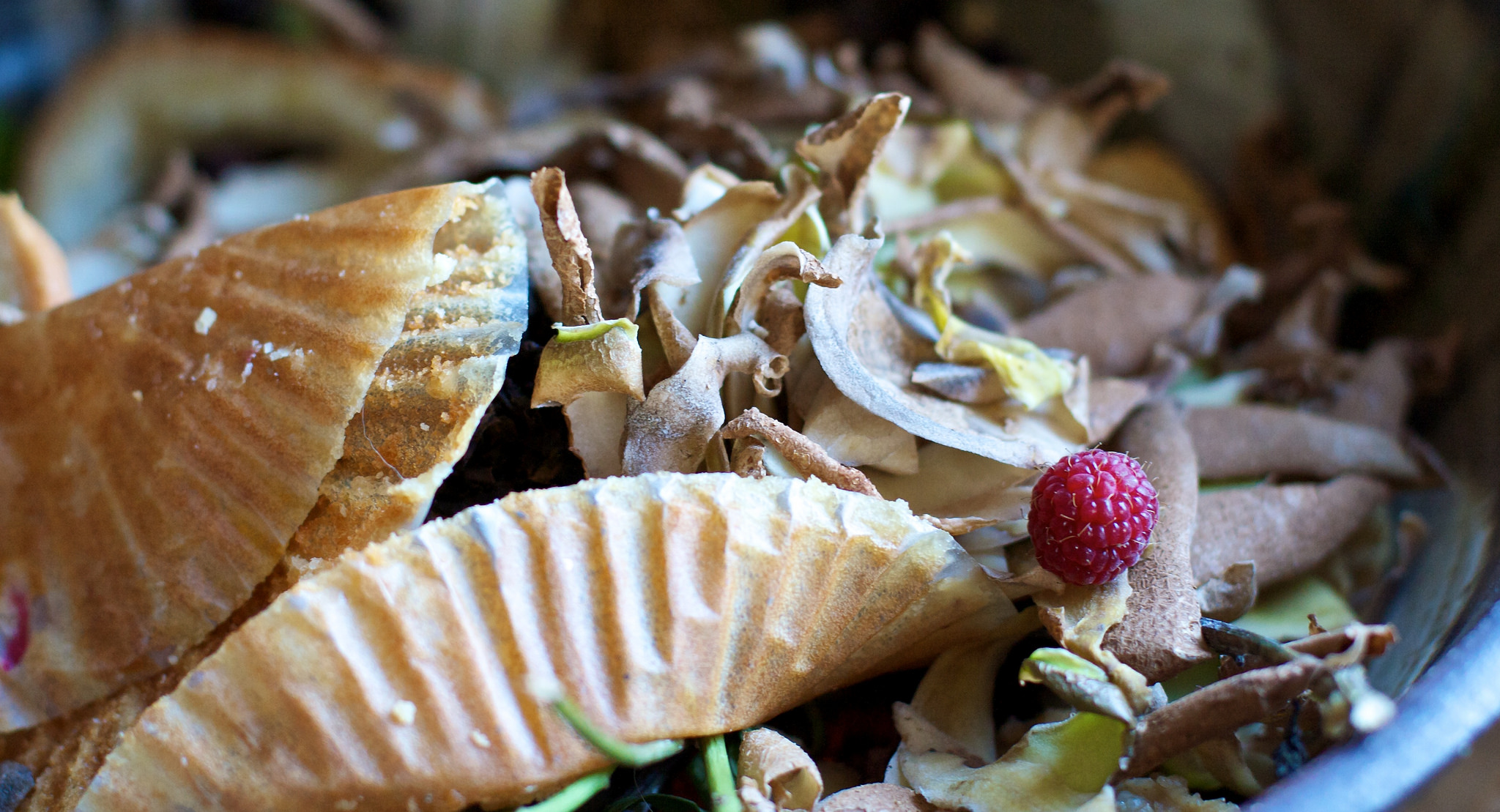
Americans toss out an almost unbelievable $161 billion worth of food every year. There are numerous efforts underway to address this problem, but they are mostly at the local level or in the business sector. To date, we have no national- or international-level policies that tackle the issue. In this regard, Europe is way ahead of us.
Tiger Poaching
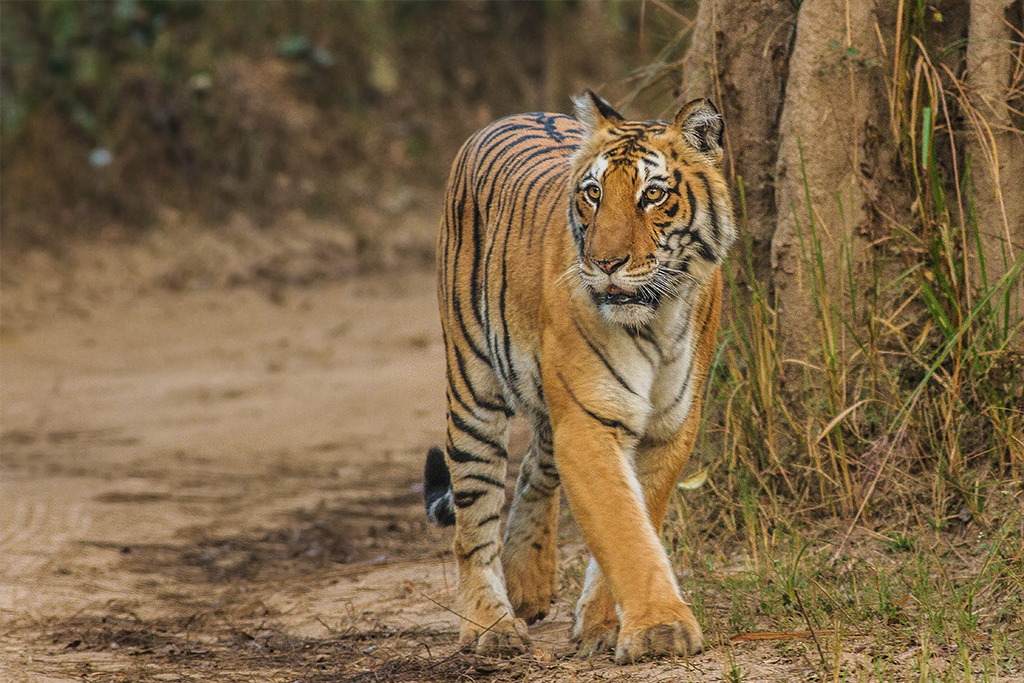
Last year, tiger poaching in India jumped to its highest levels in 15 years. The spike was the result of killings by gangs of poachers, tigers being snared by locals trying to trap other animals for food, and by cutbacks in anti-poaching efforts because of budget cuts.
The Great Salt Lake Is Shrinking
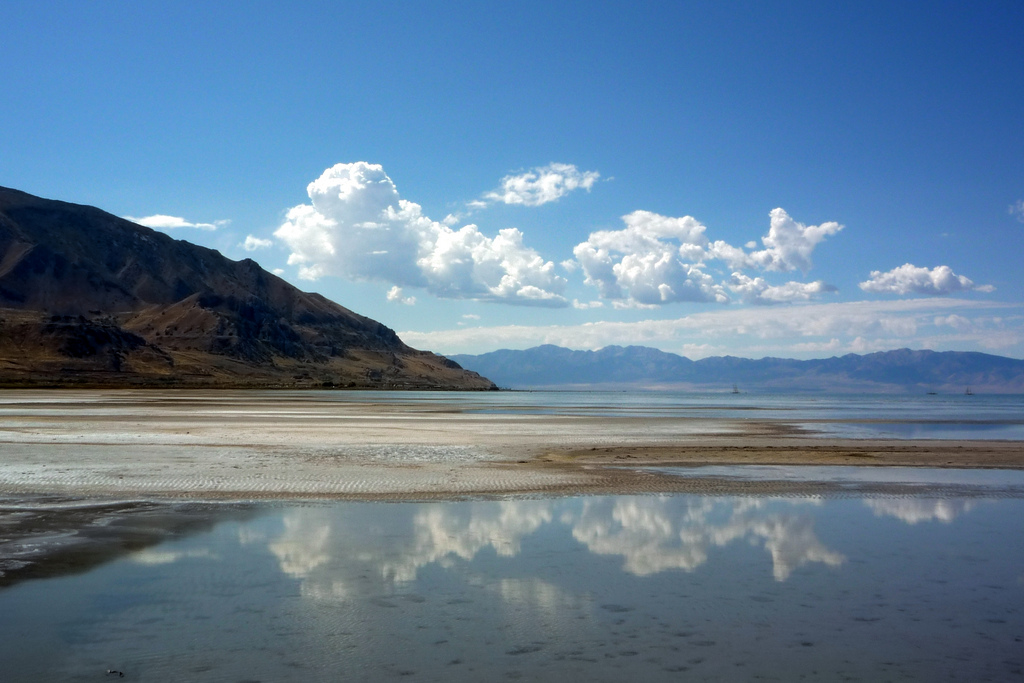
Utah’s Great Salt Lake is the largest salt water lake in the Western Hemisphere and is the largest body of water in the United States after the five Great Lakes. When the pioneers first arrived in the area back in the middle of the 19th century, the lake spread across about 1,600 square miles. Now, the lake covers an area of only about 1,050 square miles, a reduction of about 35%.
Solar Power And African Food Security
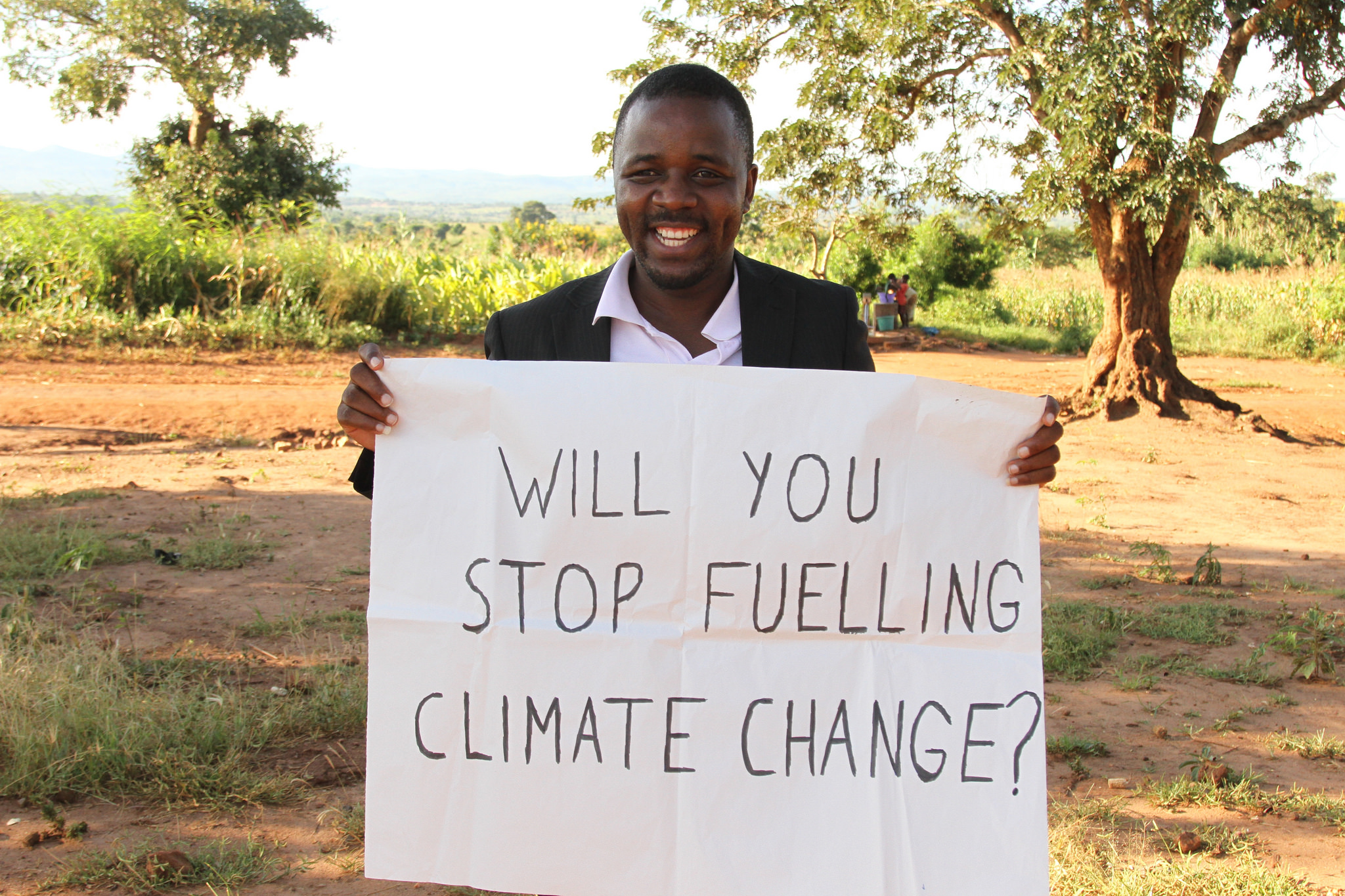
Some of the poorest countries in the world are unfortunately among the most vulnerable to the effects of climate change. Malawi, for example, has 90% of its population in rural areas and 80% of its labor force is associated with agriculture.
Wildlife Corridors
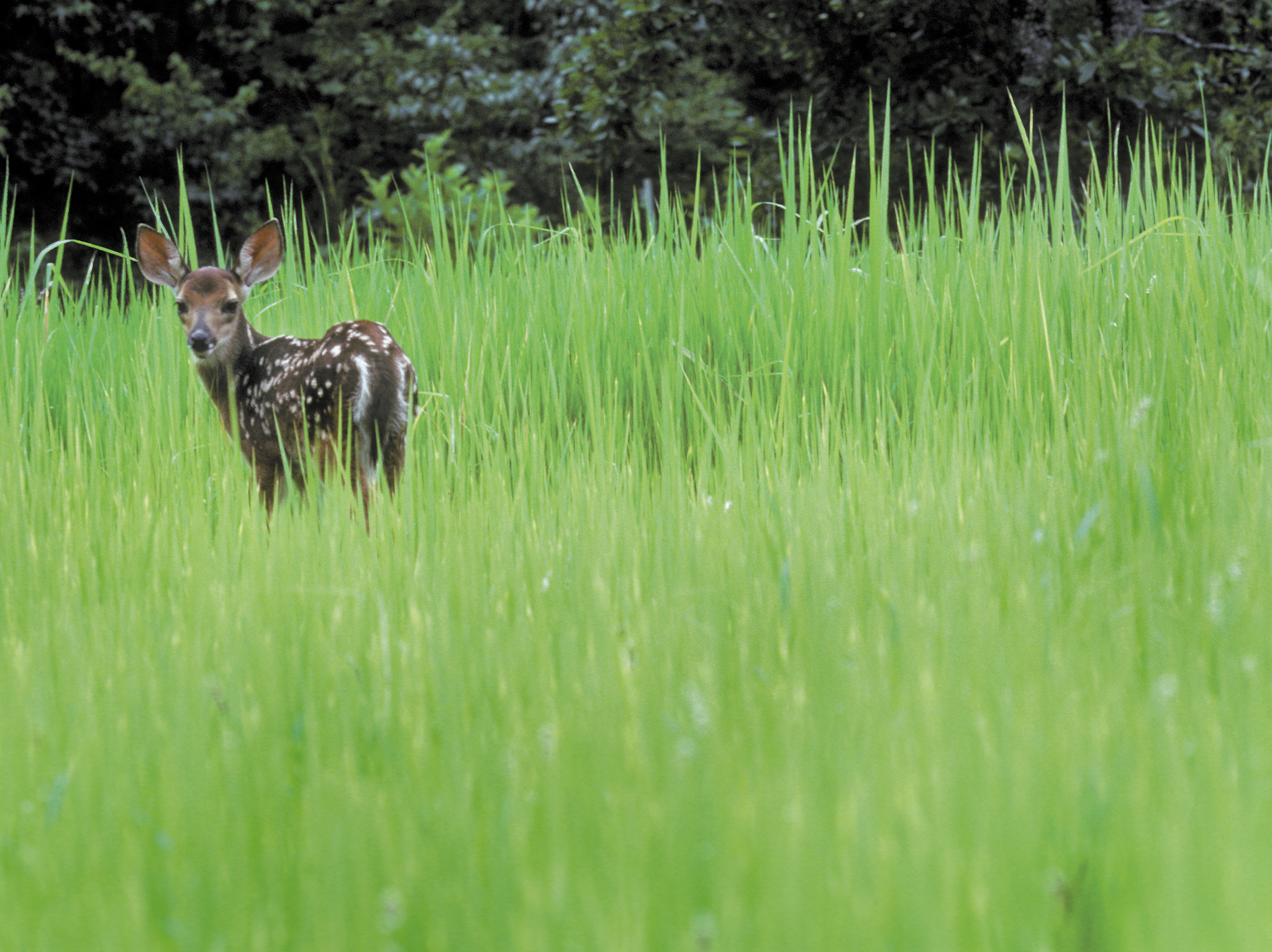
It is widely thought that we are in the midst of the 6th great mass extinction of species on Earth and, unlike the previous ones that were caused by things like asteroid impacts or ice ages, this one is caused by us. Our impact on the climate, on natural resources, on landscapes and habitats, and more, has wreaked havoc on ecosystems across the globe.