food
Feast Before The Famine
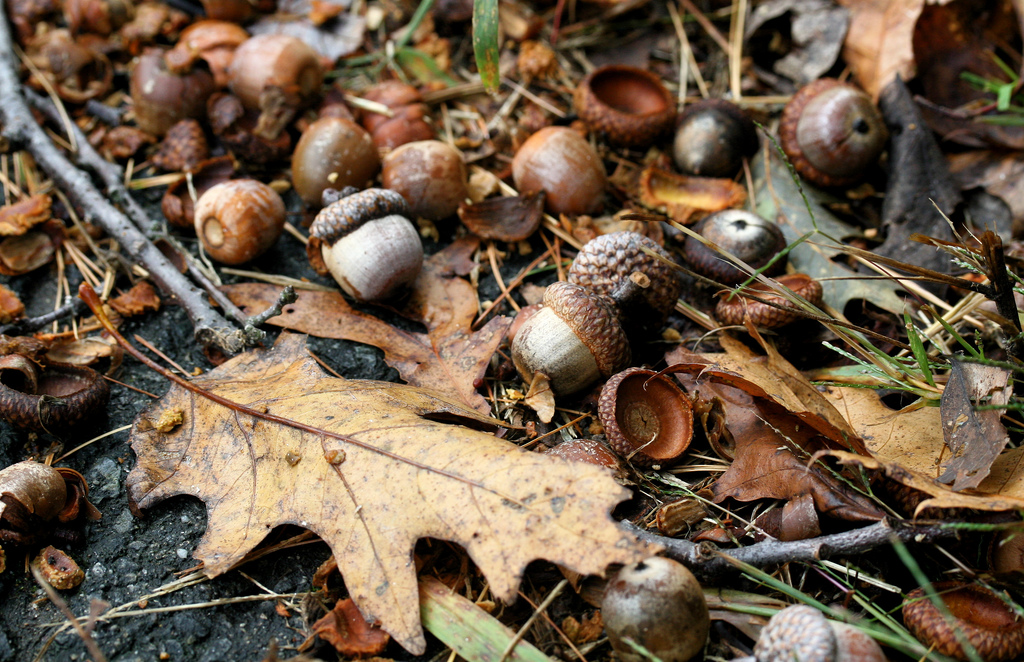
New York’s Hudson Valley is experiencing a “mast year.” Mast refers to the seeds of woody plants that are eaten by wildlife. “Soft mast” has seeds surrounded by fleshy pulp, and includes berries and fruits. “Hard mast” has seeds protected by an outer coat, such as acorns and hickory nuts.
Local Food In A Global World
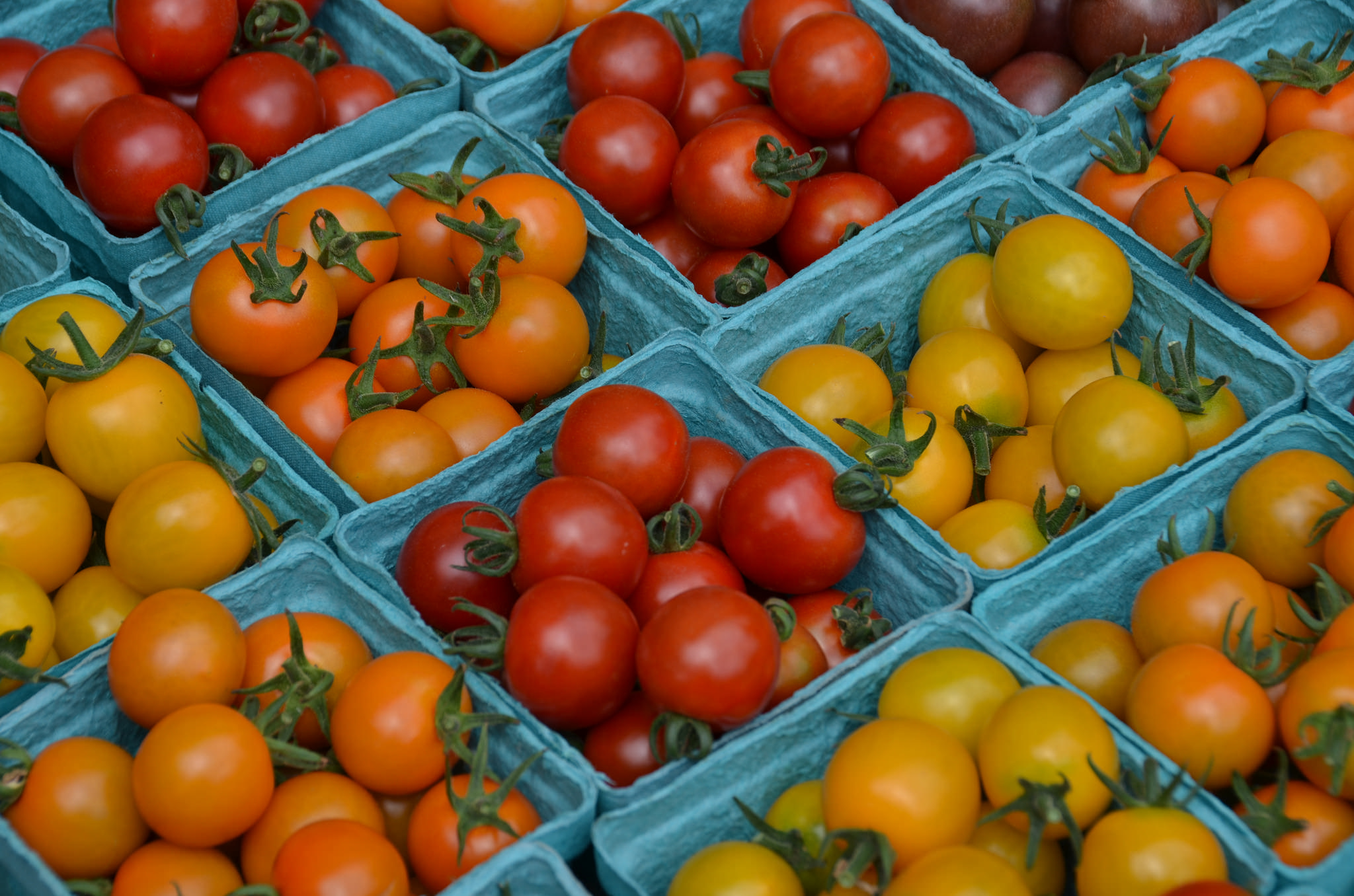
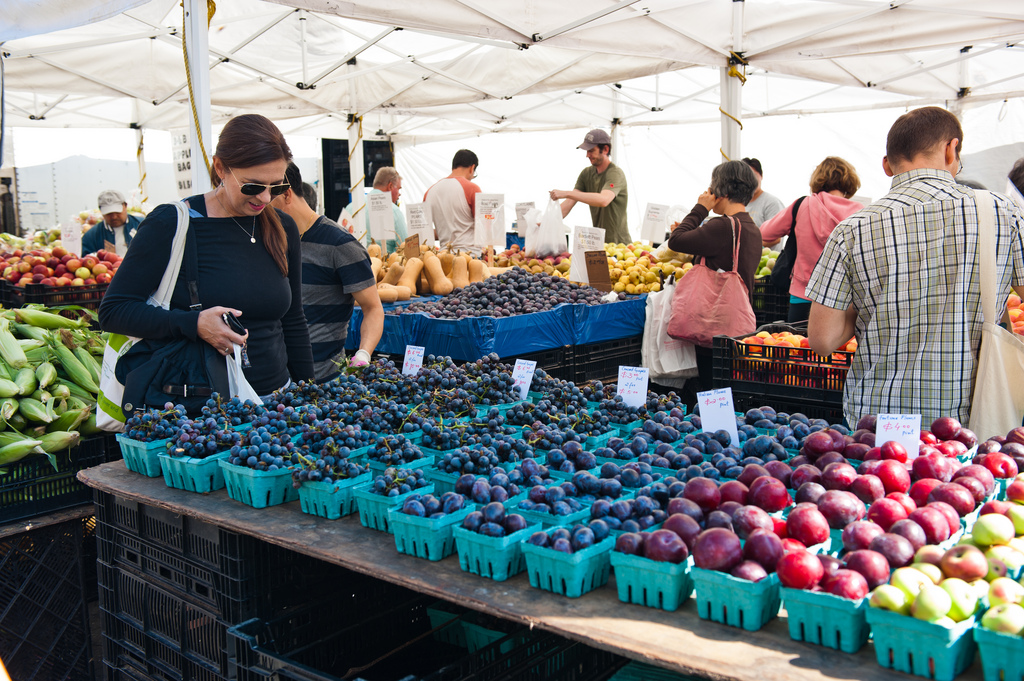
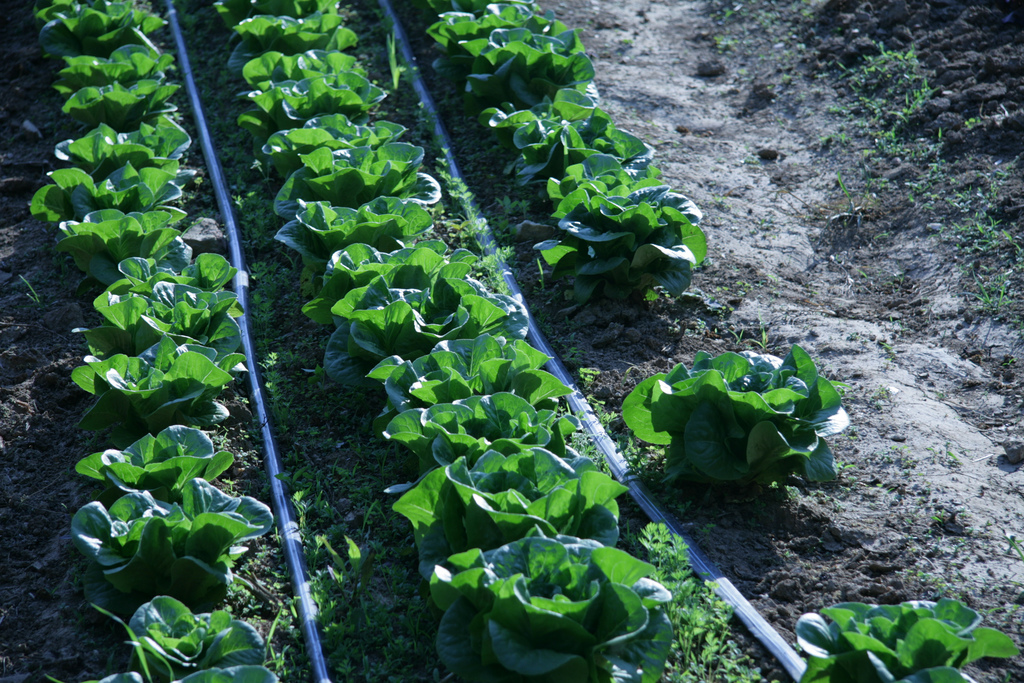
In the Northeast, many are enjoying the last of autumn’s bounty. When we grow fruits and vegetables, we can choose to forgo pesticides, GMOs, or industrial fertilizer. When we shop at farmer’s markets, we support family farms and help maintain open space that we all enjoy.
Reducing Food Waste
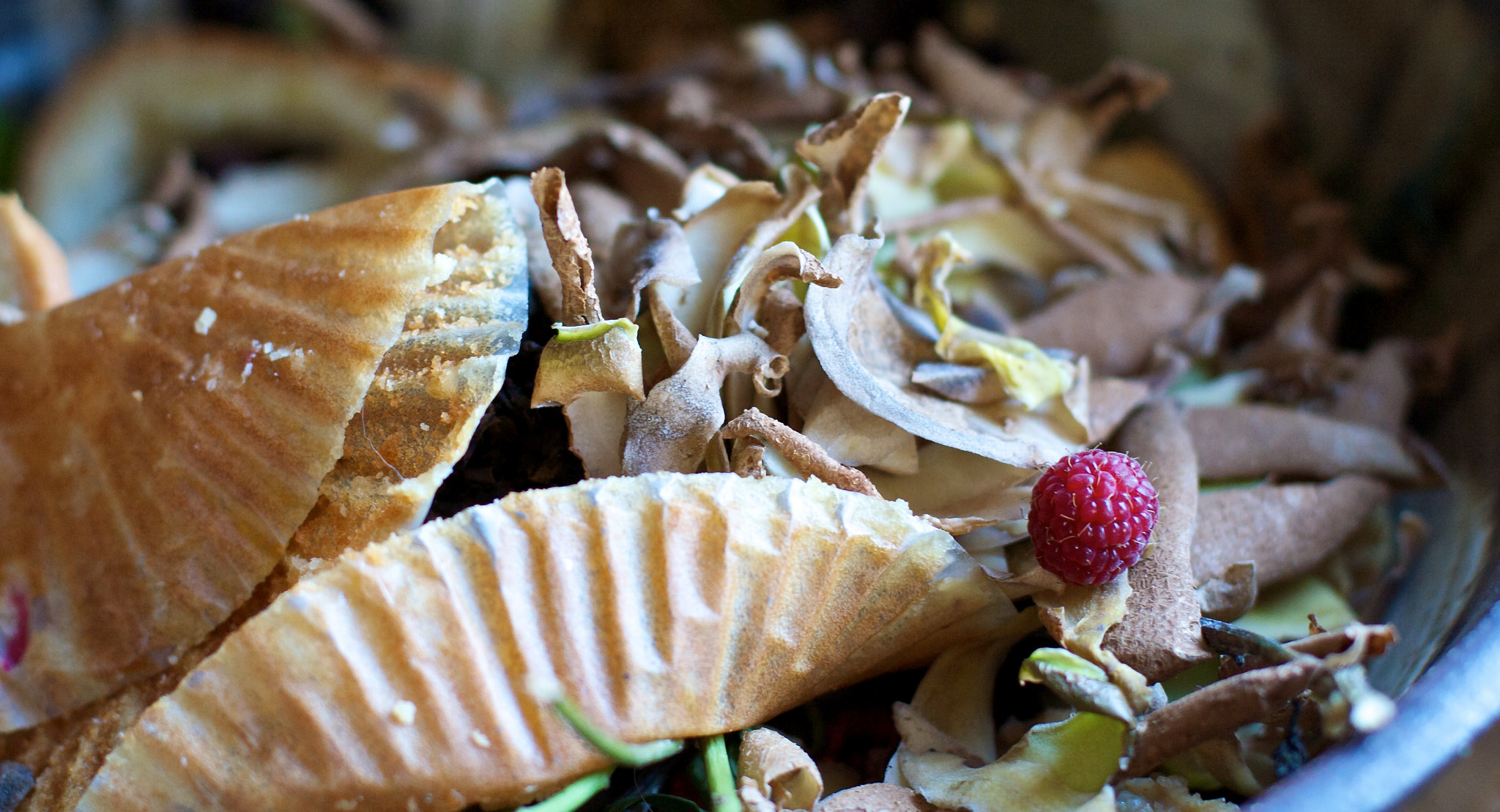
We have talked about food waste before. It is a big problem in this country: some 31% of our food supply is wasted, more than 130 billion pounds a year. Food waste makes up 21% of solid waste in municipal landfills, which means that it accounts for the bulk of landfill methane emissions. Methane is more than 20 times more effective as a greenhouse gas than carbon dioxide, and landfills are a major source of it.
A New Labeling Initiative
Hydraulic fracturing – or fracking – is a well-stimulation technique in which rock is fractured by a pressurized liquid to free otherwise trapped natural gas or oil.
Obesity And Food Energy Supply
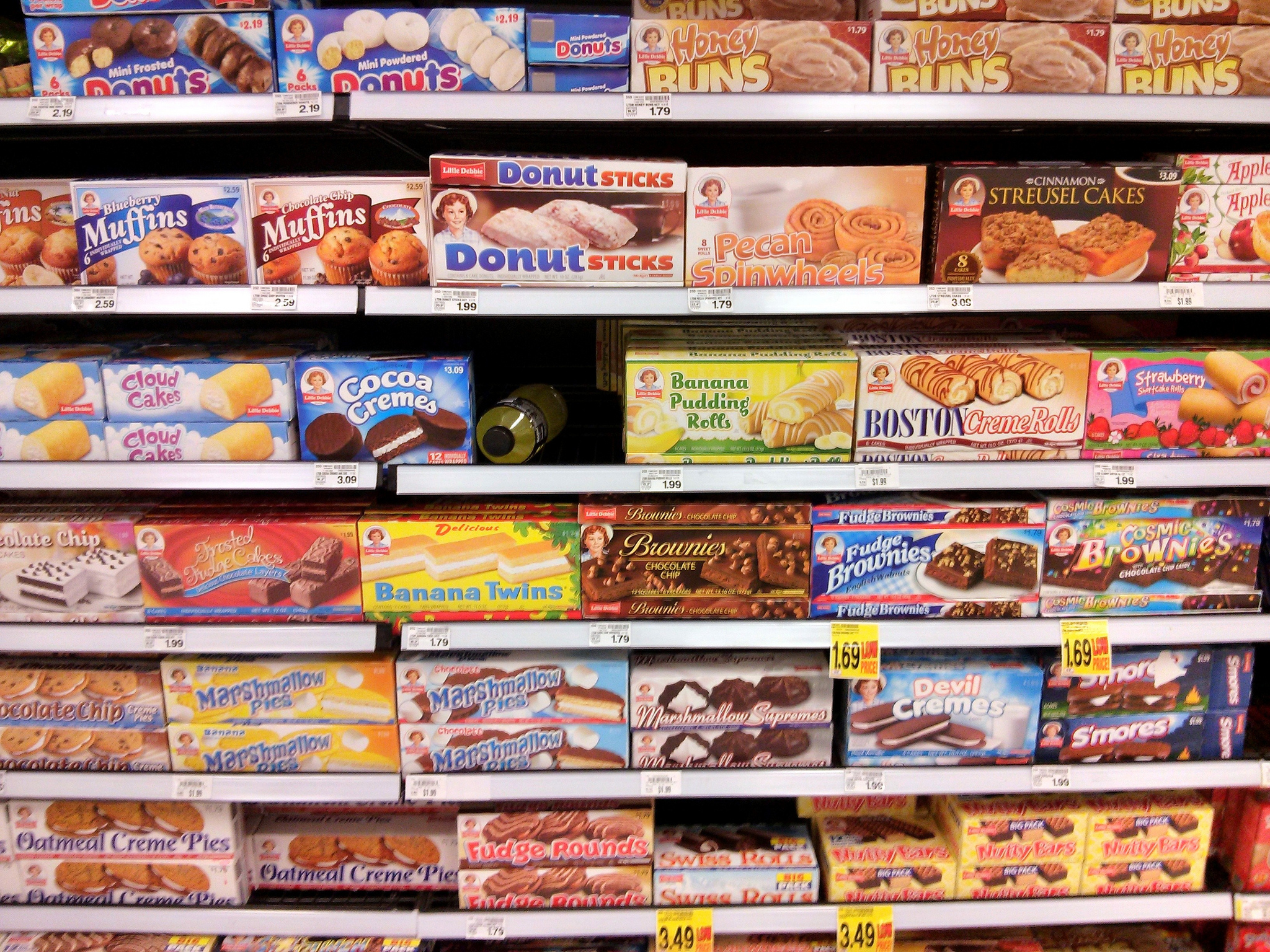
Obesity is a global health problem and is on the rise in many countries. There are many factors involved in the increasing prevalence of obesity such as increased urbanization, car dependence and sedentary occupations. Of course, the prime culprit is generally thought to be that we eat too much.
Too Warm For Seal Hunting

In the far north of Alaska, generations of hunters have traversed the broken sea ice of Kotzebue Sound every late June and early July hunting for bearded seals. A single seal can supply hundreds of pounds of meat, enough to feed a large family for an entire winter. Its meat and oil products are an important food source.
More About Food Waste
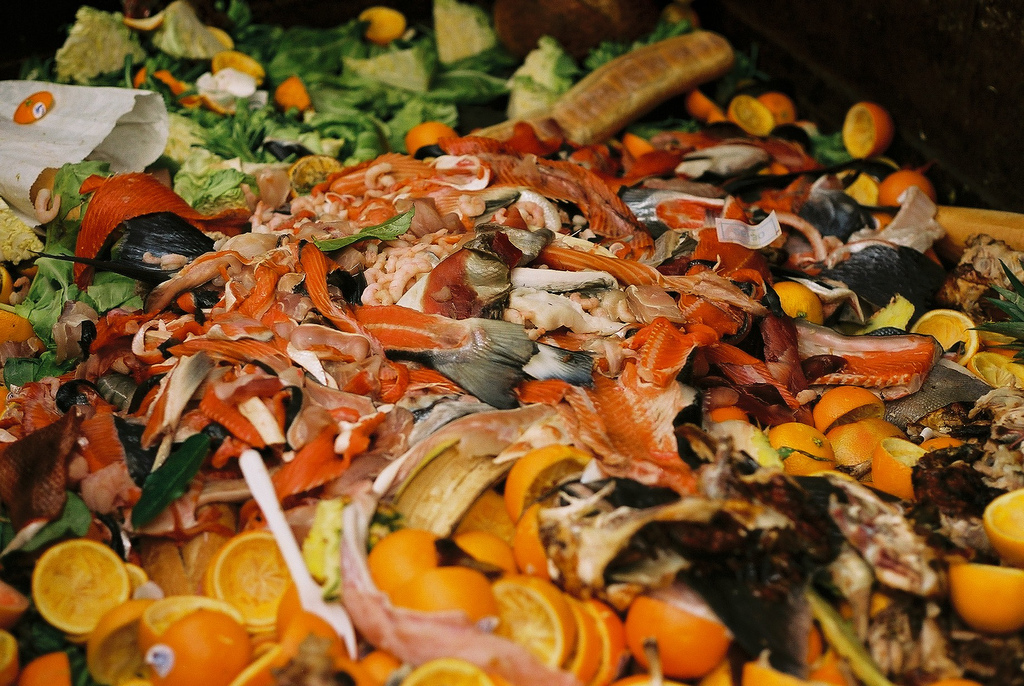
Yesterday we talked about the fact that Americans throw out nearly half of the food they buy. The worst thing about this is that one in seven Americans – over 46 million people – don’t know where their next meal is coming from.
Food Waste

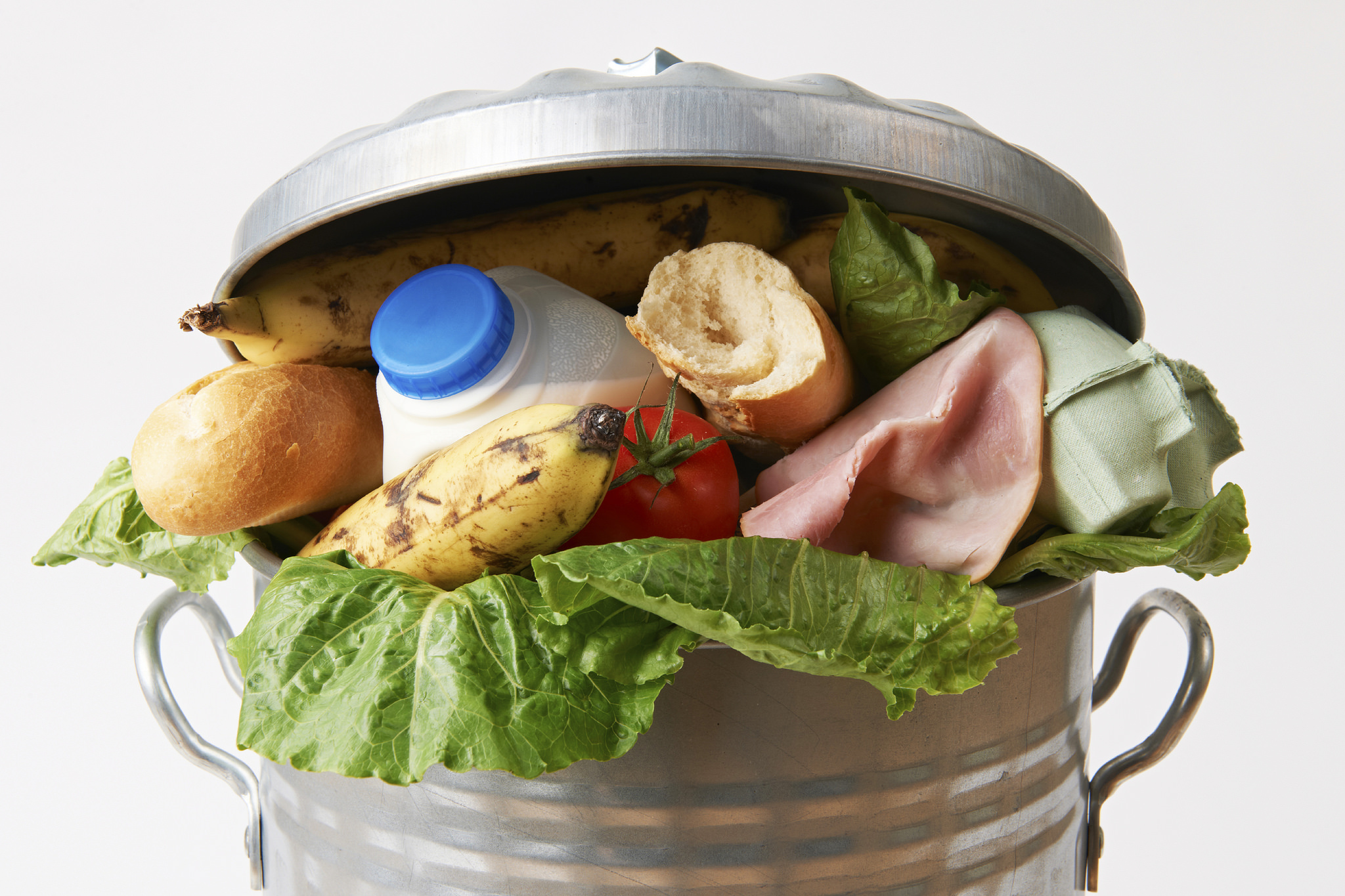
We recently talked about the problem of food waste on this program, in particular, the 1.3 billion tons of food wasted around the world each year. This is a tragic situation given how many people around the world don’t have enough to eat.
It’s National Farmers Market Week!