food
Use-By Labels And Food Waste
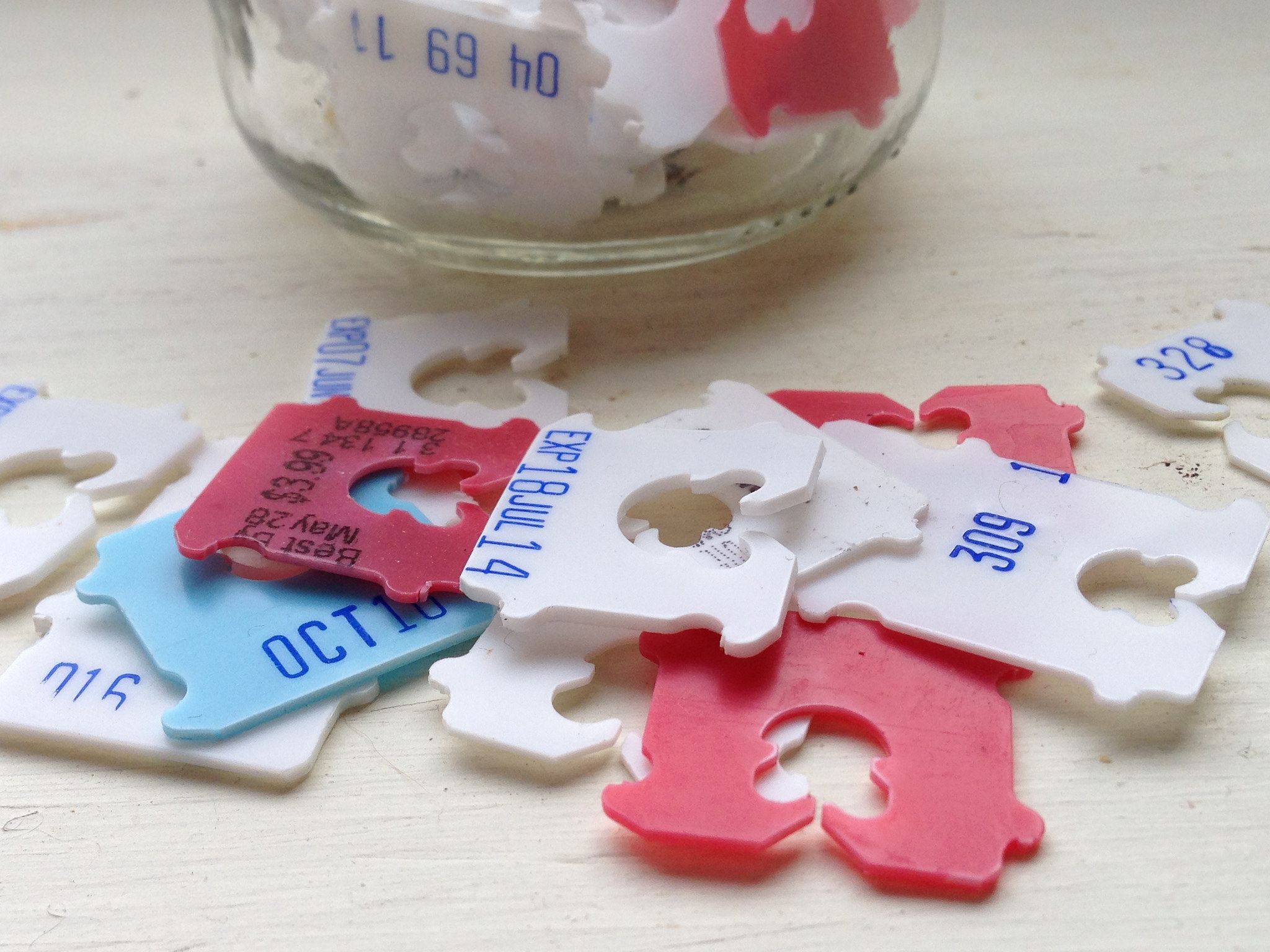
By some estimates, Americans waste as much as 40% of food that is produced. None of the reasons are anything to be proud of, but one of the most frustrating is the confusing array of food date labels that are supposed to tell us whether the food we purchased should be eaten.
Dying California Trees
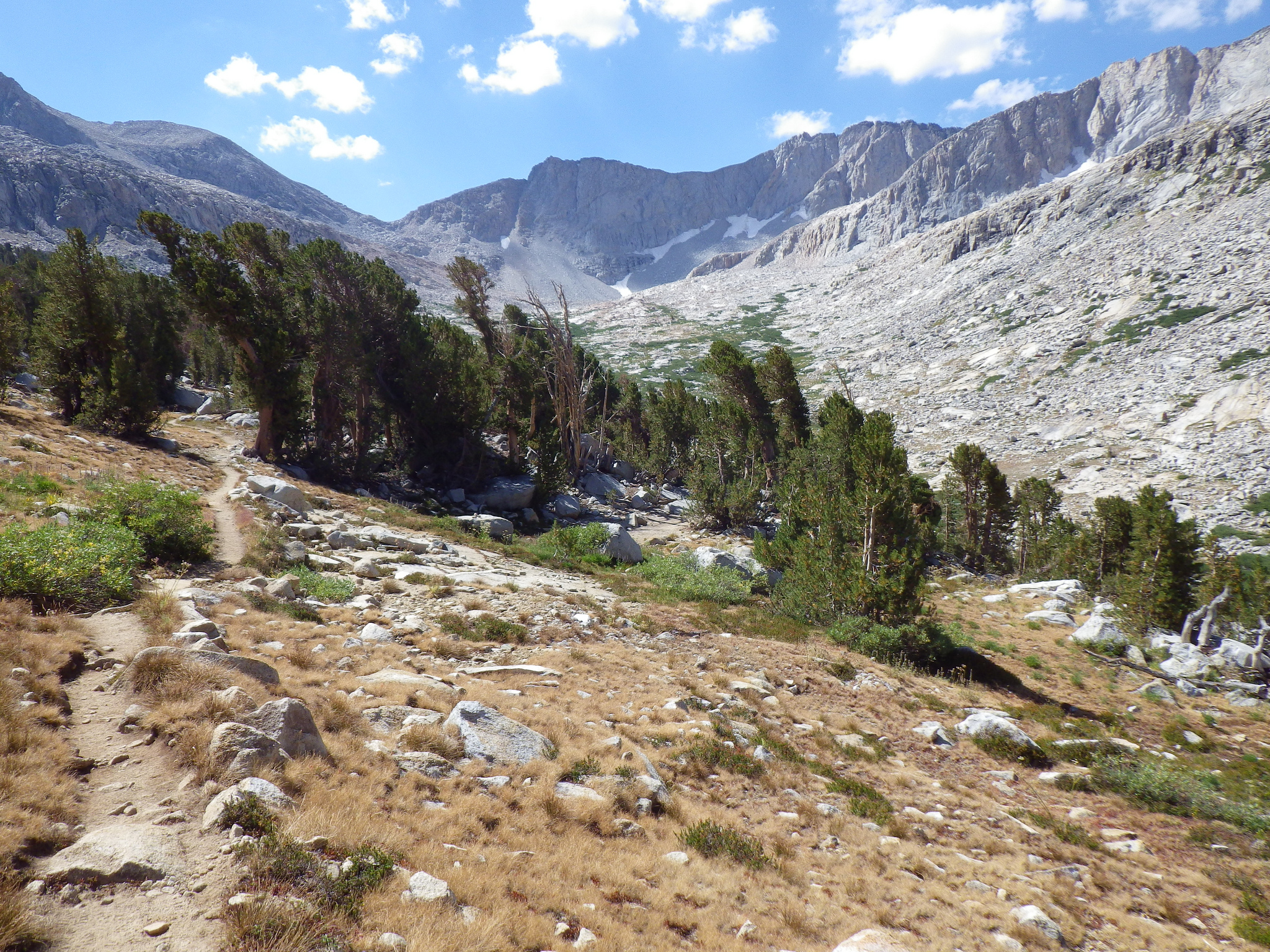
California’s trees are dying. According to the U.S. Forest Service, more than five years of drought in California has left 102 million dead trees across 7.7 million acres of forest. In fact, 62 million trees have died this year alone – a 100% increase from 2015.
Help Save The Bees
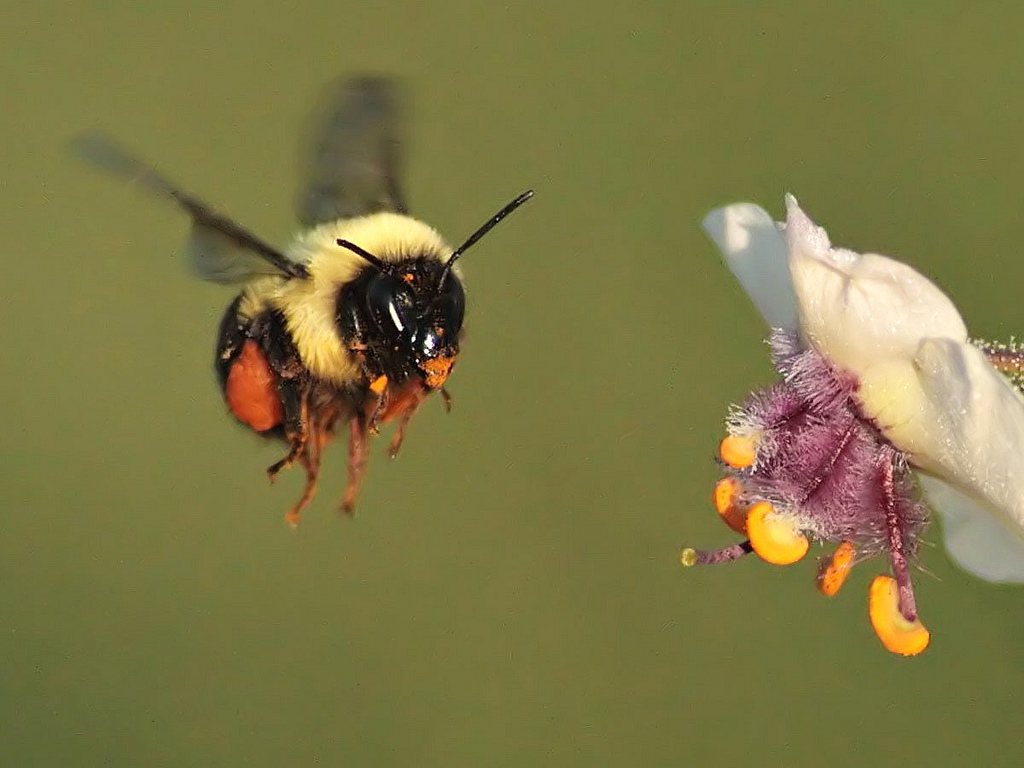
Globally, 40% of invertebrate pollinator species, such as bees and butterflies, are facing extinction. And since approximately three-quarters of the world’s food crops depend on pollination, the decline of these pollinators could pose a threat to food security around the globe.
New Doubts About GMO Crops
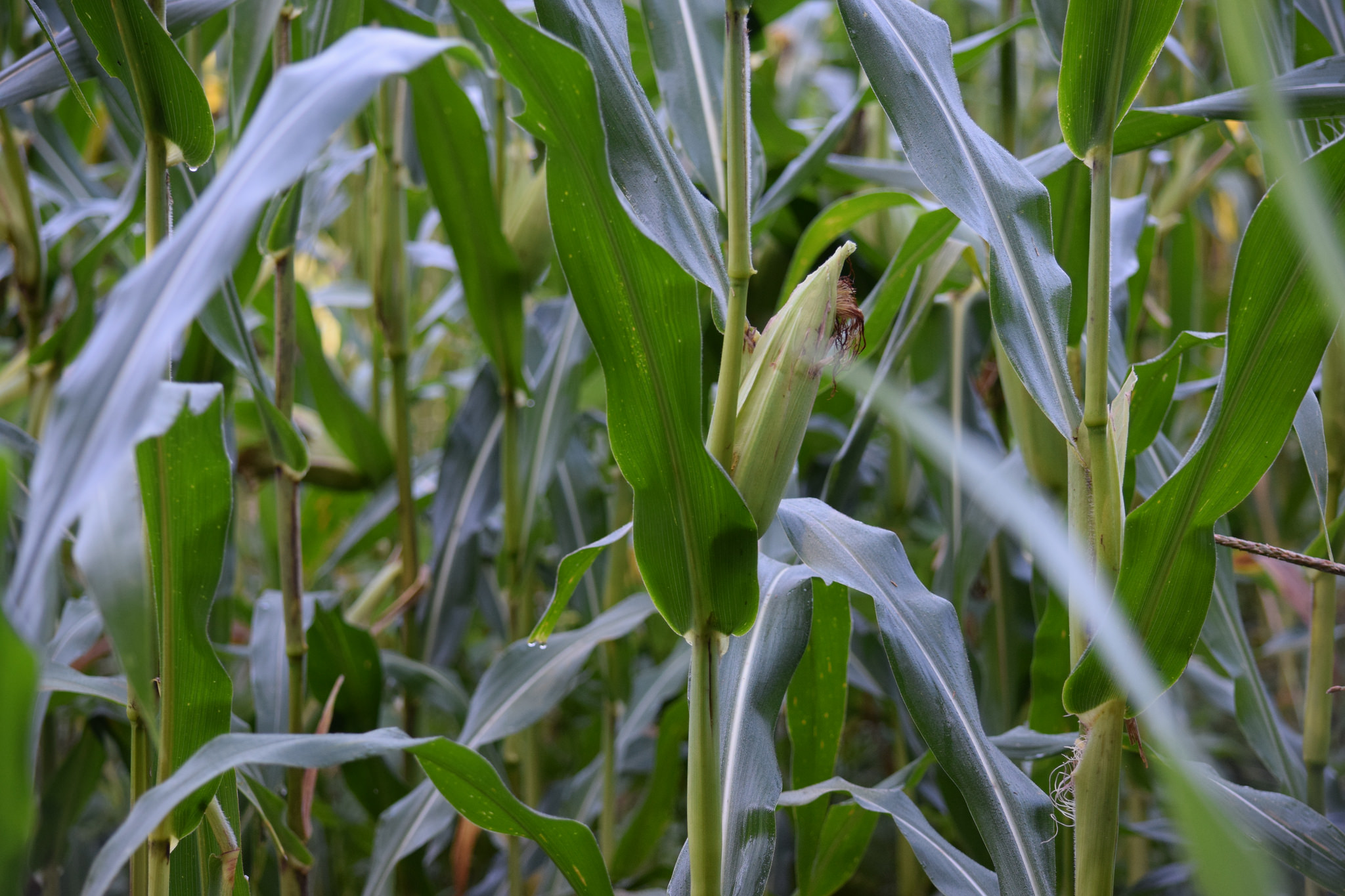
Genetically modified crops have been at the center of a great deal of controversy for a number of years. There have been widespread fears that they are unsafe to eat. Continuing studies have indicated that those fears appear to be unsubstantiated.
The Zombieless Apocalypse
Post-apocalyptic fiction is all the rage these days. There are numerous stories featuring an endless list of civilization-ending disasters: asteroid collisions, cataclysmic earthquakes, nuclear wars, supervolcanoes, pandemics… the list goes on and on. Most of the time, humanity either perishes entirely, is reduced to a handful of heroic and astonishingly resourceful souls, or ends up inexplicably as zombies staggering around the landscape in search of brains.
Why Do Animals Eat Ocean Plastic?
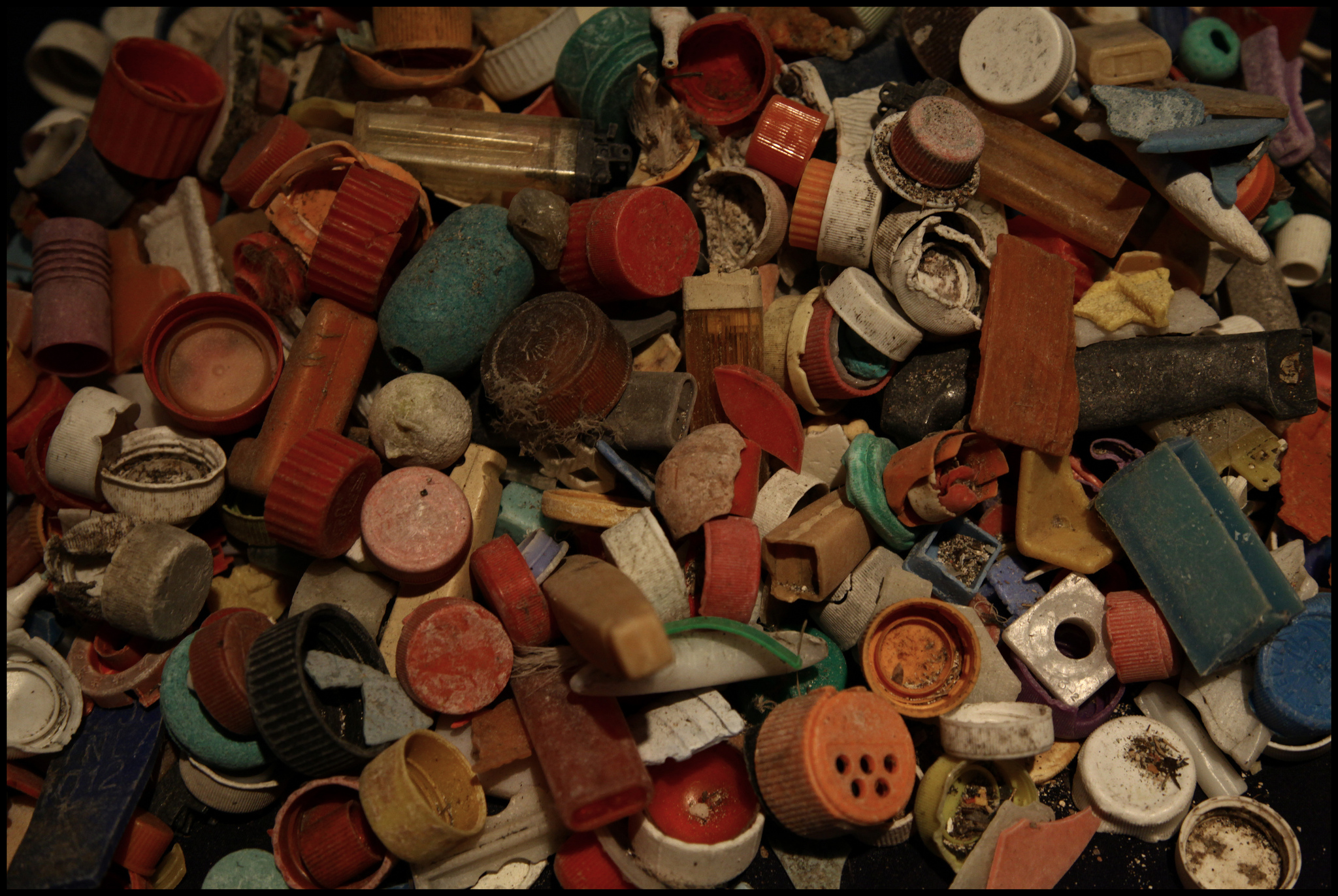
It’s no secret that there is a lot of plastic debris in our oceans. In fact, scientists estimate that there is more than 165 million tons of plastic trash swirling about in our oceans today, with an additional 8.8 million tons flowing in every year. And as the oceans swell with plastic litter, hundreds of marine species are ingesting the stuff – often with dire consequences.
Restorative Ocean Farming
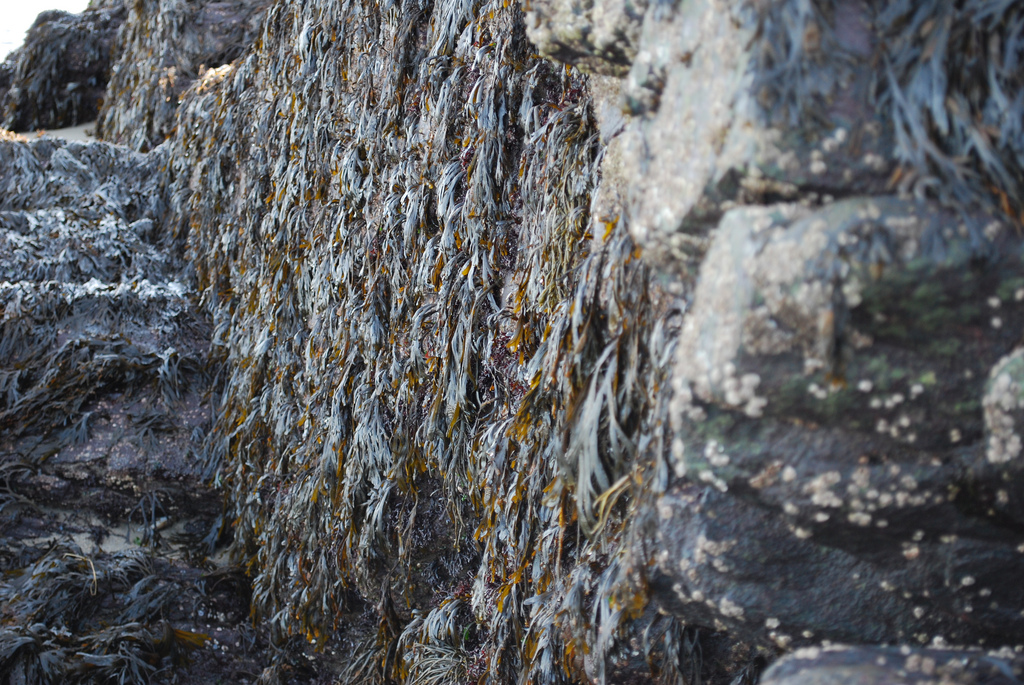
The conventional aquaculture industry has often been associated with many of the same problems that beset land-based agriculture: creating sterile monocultures, fouling the environment with pesticides, antibiotics and organic pollutants, and spreading diseases.
Tricks In Our Treats

Halloween is traditionally a day when we choose to ignore the inconvenient truths about candy. Many of us overindulge on sweet treats and give little thought to what’s inside… particularly with respect to nutrition.
Endangered Bees
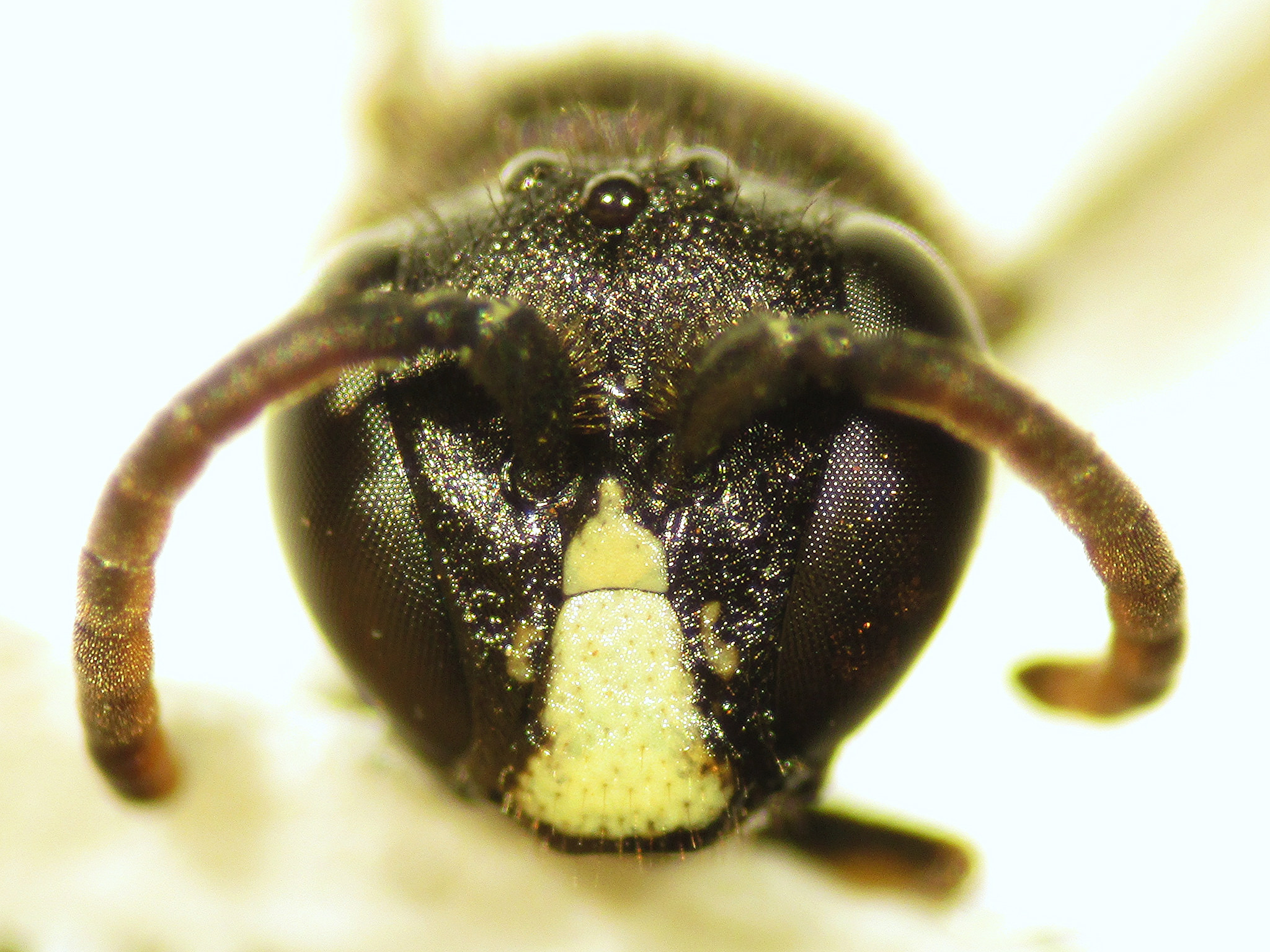
It’s no secret that pollinators around the world are under threat. According to a U.N. sponsored report released earlier this year, 40% of invertebrate pollinator species, such as bees and butterflies, are facing extinction. And since approximately 75% of the world’s food crops depend on pollination, the decline of these pollinators poses a major threat to food worldwide.
World Deforestation
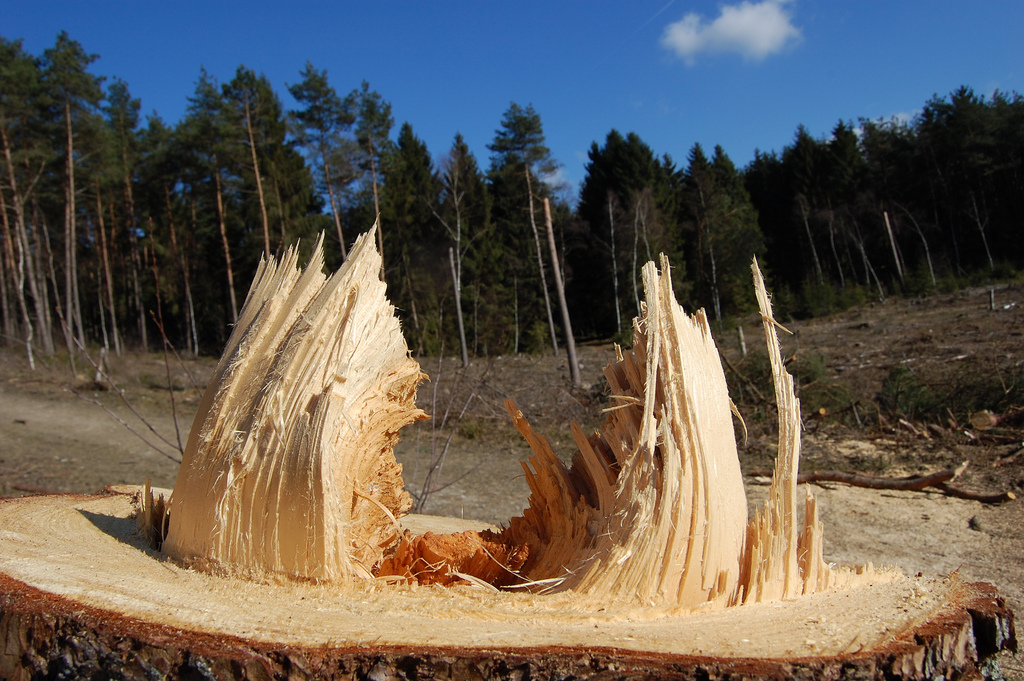
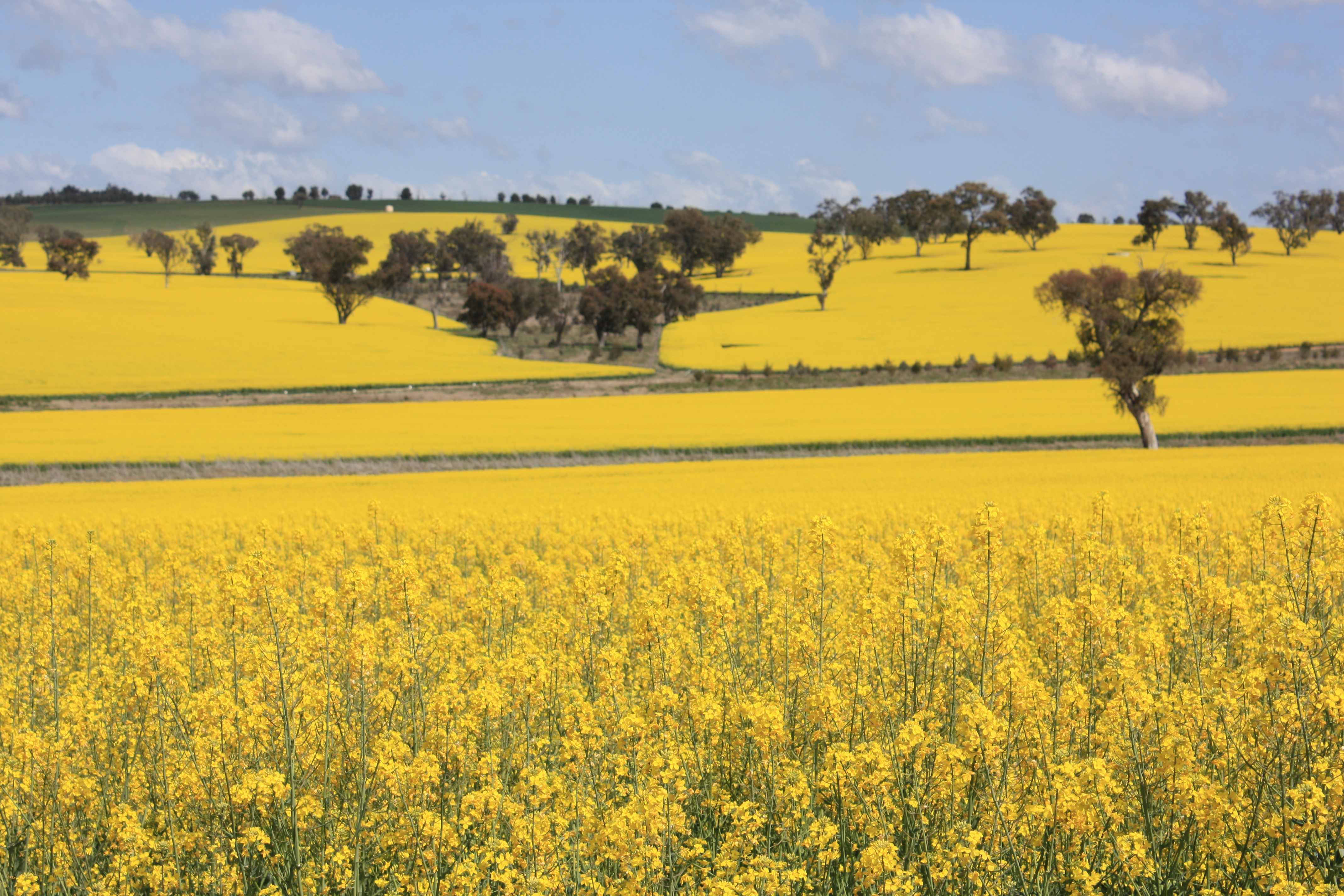
Forests are a vital part of biodiversity and are one of the planet’s most important natural repositories for carbon dioxide. They are also continually under attack by multiple forces: more mouths to feed, more wood needed to burn and build with, more paper to manufacture, and more land needed to graze cattle.
Too Much Waste
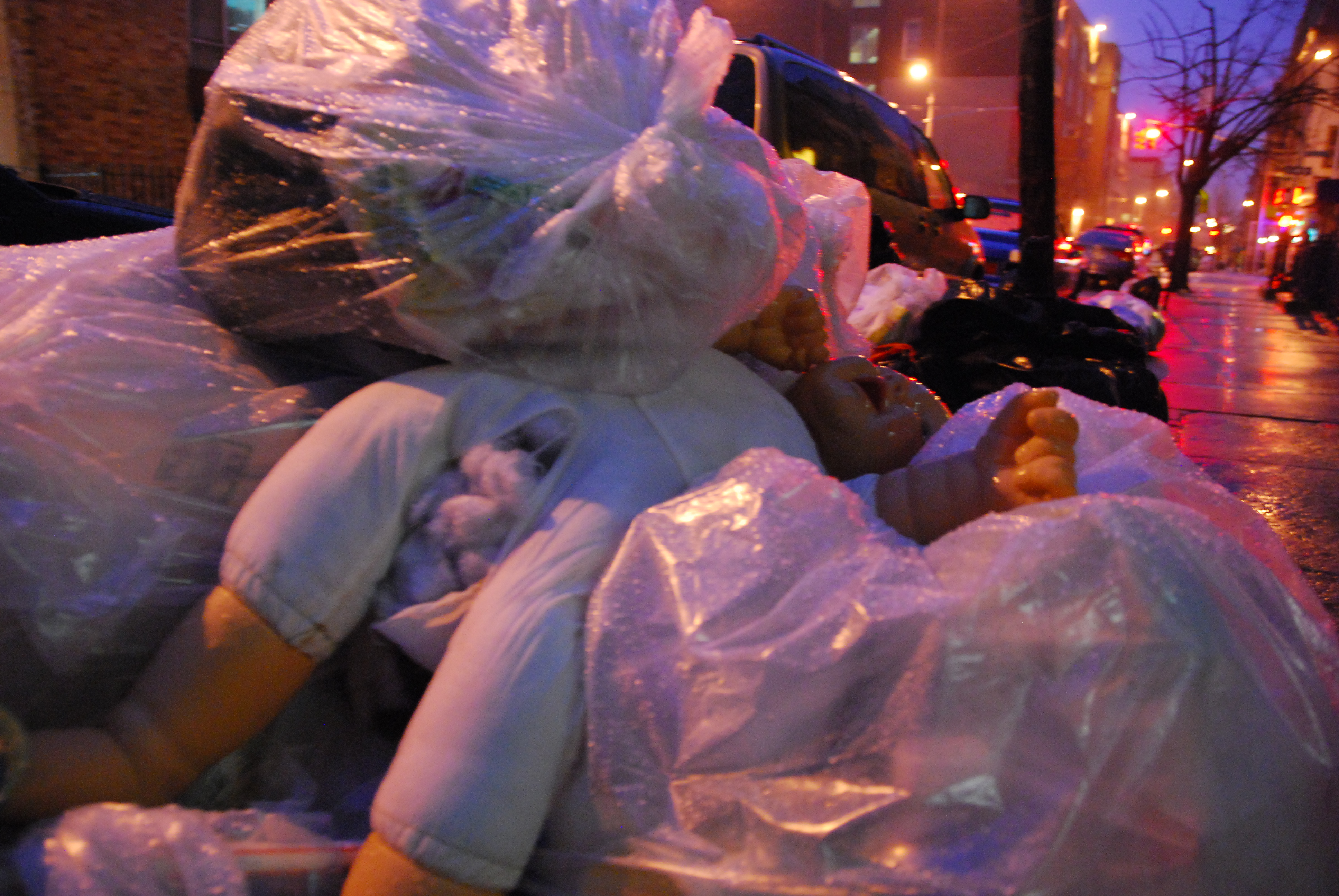
As the world’s population grows and becomes more urban and affluent, the amount of solid waste we produce grows and grows. Over the past century, the total amount has risen tenfold. By 2025, the world-wide total is expected to double again. The average person in the United States throws away their body weight in garbage every month.
Plastic From Milk
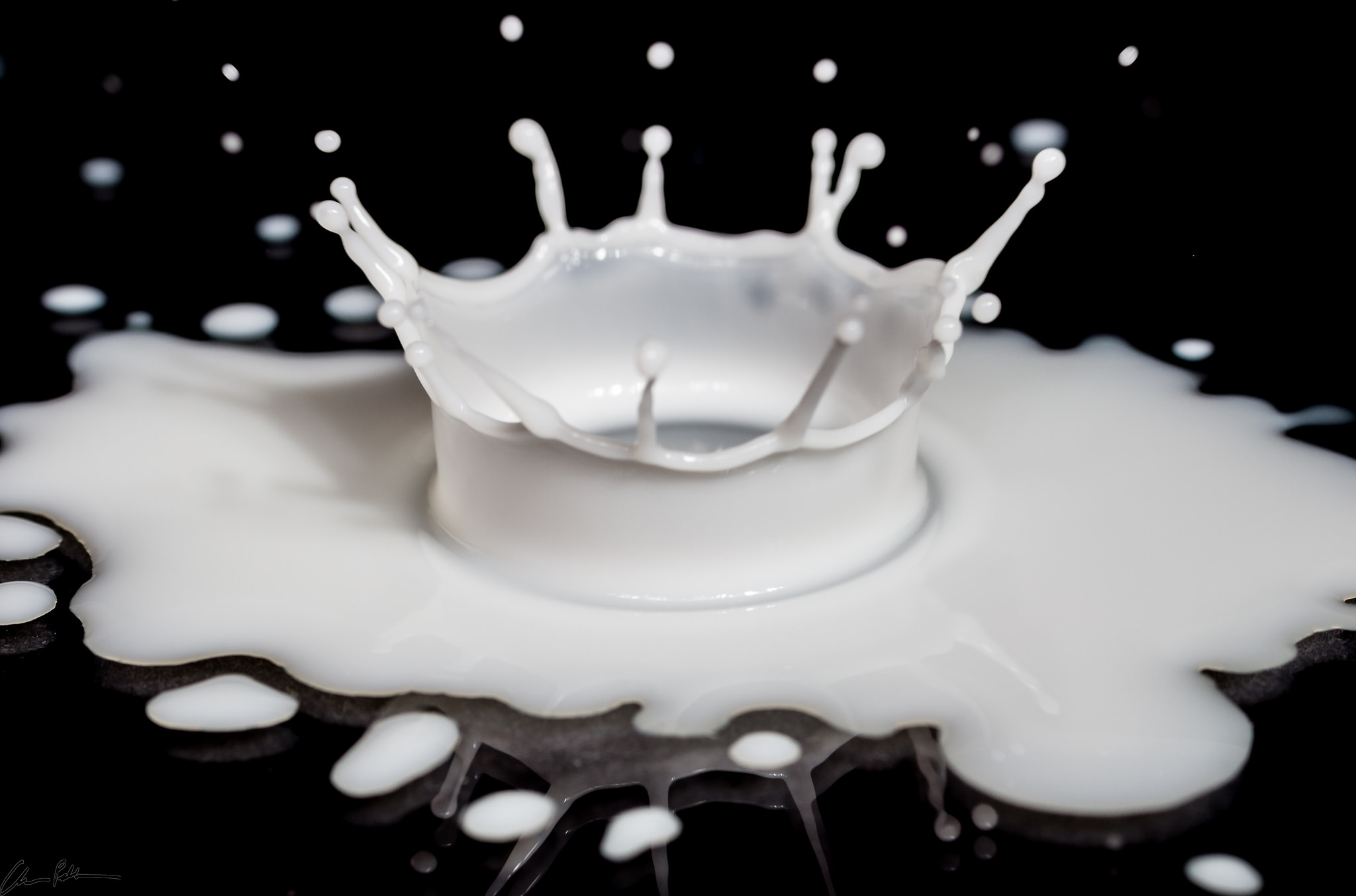
These days, many of the foods we buy, such as meat, bread, cheese and snacks – come wrapped in plastic. We end up with lots of non-recyclable, non-biodegradable waste. And thin plastic films are not even that great at preserving food because oxygen still gets through them.
Cradle-to-Cradle

The circular economy refers to the concept of an economic system in which there is no waste. Materials are recycled, repurposed and reinvented to create new raw materials thereby reducing the need to extract new resources and thus saving money, energy and water resources.
Declining Insect Populations
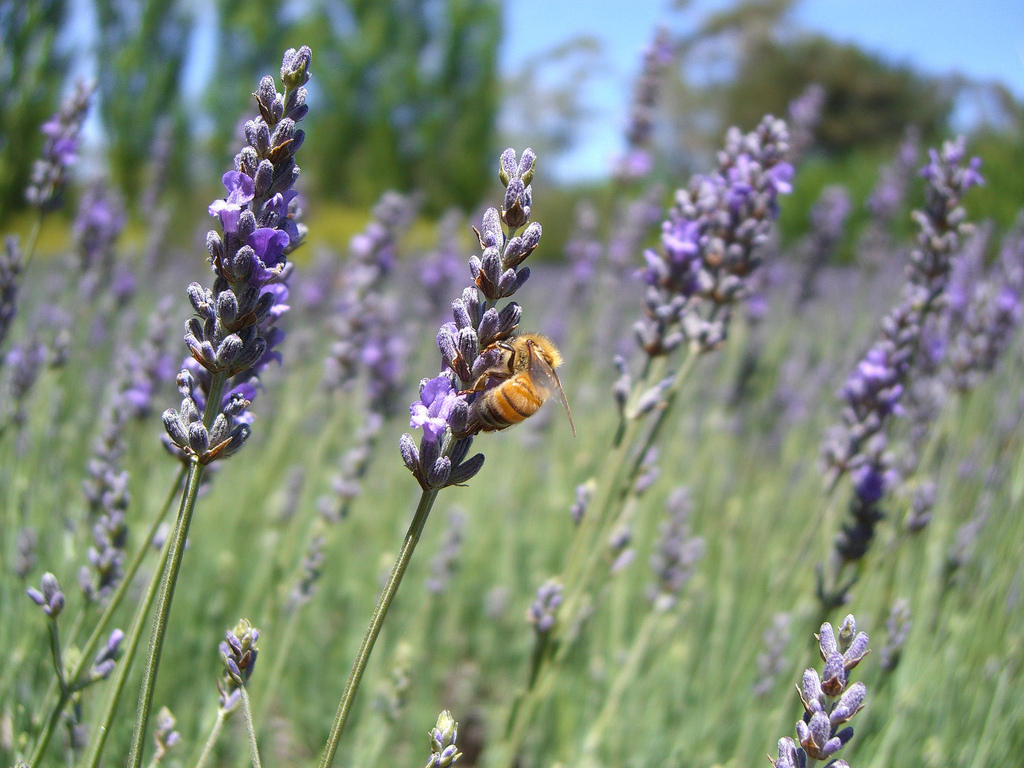
There has been lots of discussion about the decline in bee populations and its dire consequences for agriculture. We have also talked about the efforts to save the monarch butterfly, whose numbers have been dropping dramatically over the years. But the rest of the insect world does not get much attention. For the most part, we think of insects as a nuisance or as potential pests.
Waste In The Big Apple
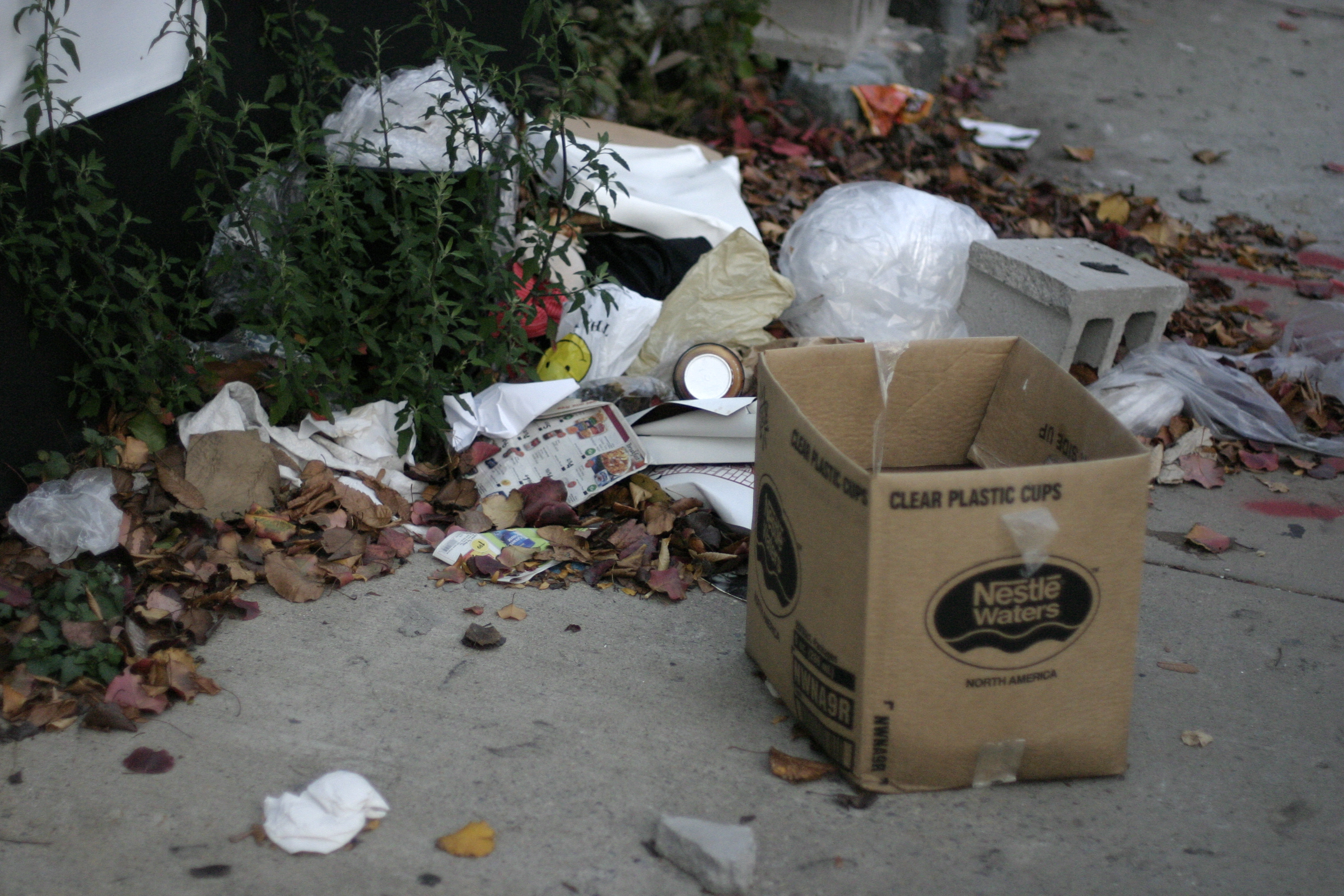
New York City, the financial and cultural center as well as the largest city in the country, is known for a lot of things: skyscrapers, shopping, and pizza immediately come to mind. But we should add another thing to that list. Trash.
Reducing Food Waste
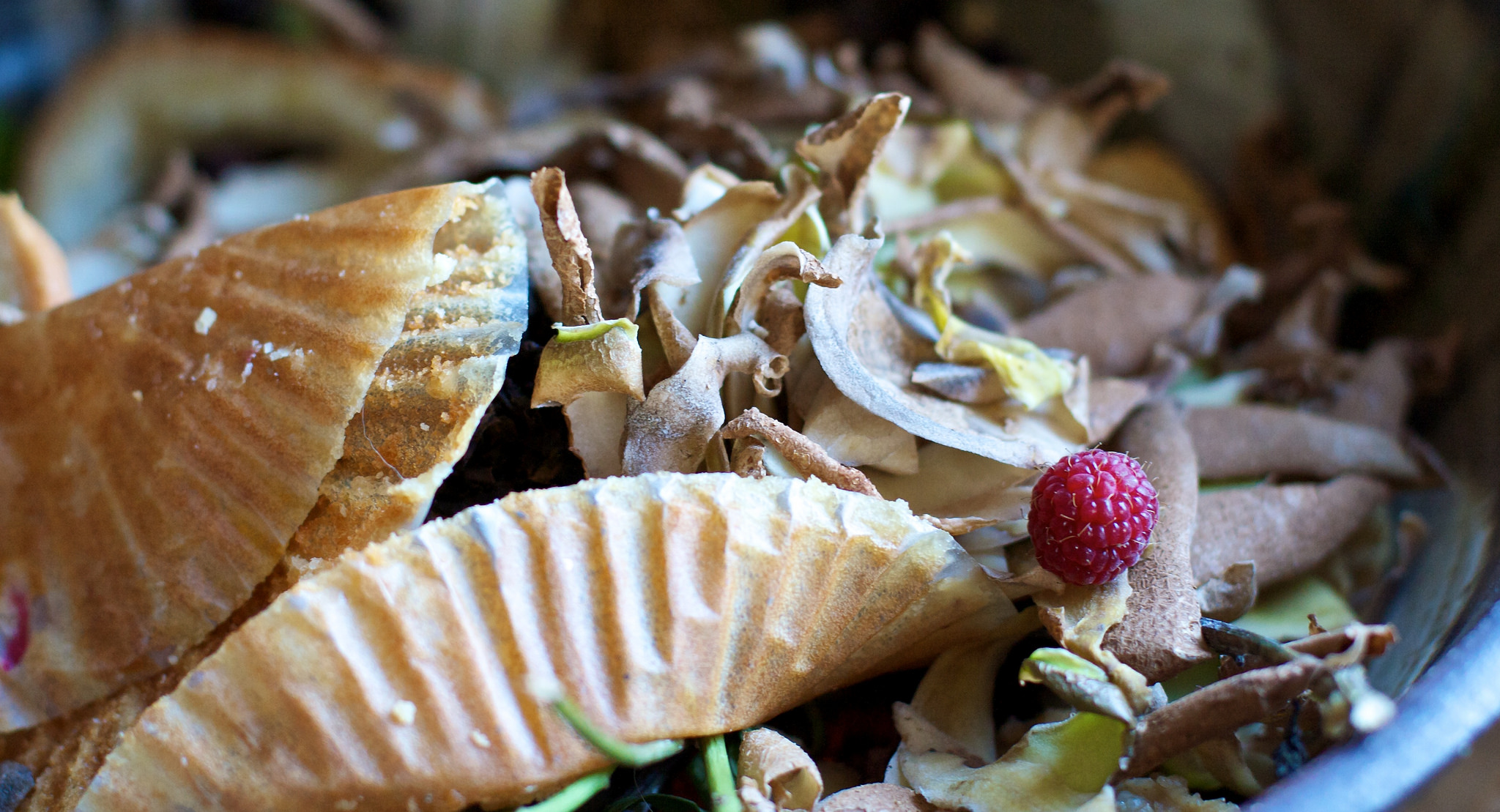
It’s no secret that food waste is a global problem of epic proportions. Approximately one-third of all food is either lost or wasted, while more than 800 million people worldwide go hungry.
Cleaning Up The Palm Industry
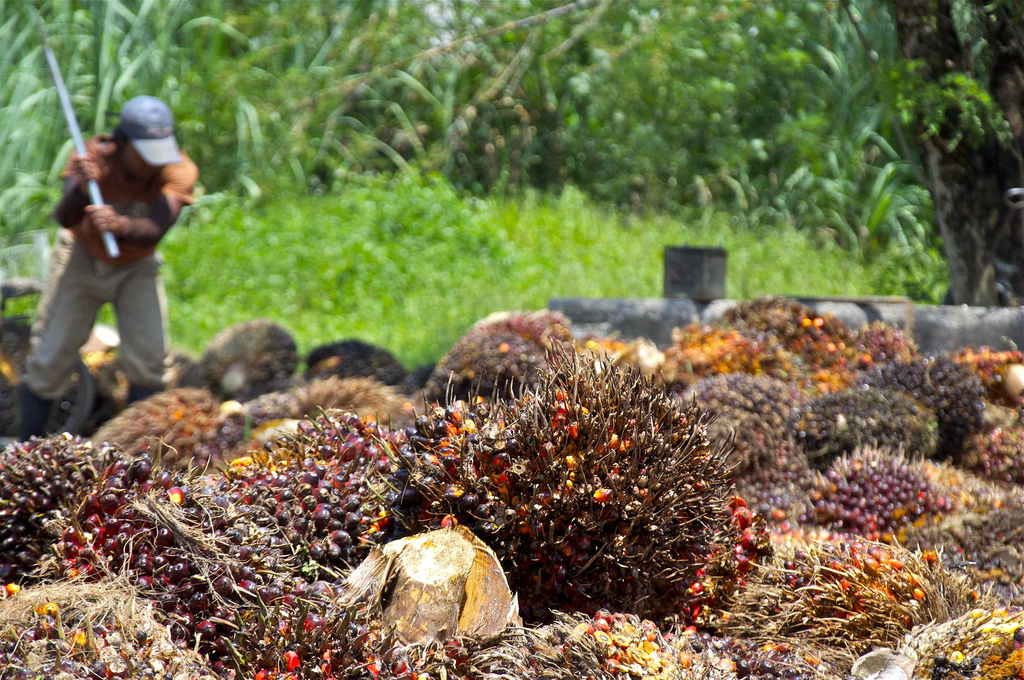
Few of us cook with palm oil or have ever even seen the stuff. Nevertheless, half of the world’s consumer products include it as an ingredient and the global market for palm oil could be as high as $50 billion. The palm oil industry has been tied to environmental destruction in countries such as Malaysia and Indonesia and has been found to be complicit in human rights violations.