carbon emissions
Air Travel And Global Warming

Air travel is pretty carbon intensive. For those of us who take plane trips, it represents a substantial part of our individual carbon footprints. It isn’t that plane travel is inefficient fuel-wise on a miles-per-gallon-per-passenger basis compared with driving, for example. It is just that we go so much farther on planes. Currently, aviation accounts for only a few percent of overall carbon emissions, but that is changing for two reasons.
An Electric, Autonomous Container Ship

Electric cars are big news these days and so are self-driving cars. But now there is about to be an electric, self-navigating cargo ship. The soon-to-be-finished ship is called the Yara Birkeland, and is being built under a partnership between two Norwegian companies.
New York Steps Up

Now that the Trump administration announced that the United States would cease implementation of the Paris Climate Agreement, various state, local and corporate entities in this country have been stepping up to assume climate leadership.
Could Coral Reefs Be Wiped Out?

A new study warns that coral reefs are in danger of disappearing forever. According to U.N. research, the world’s coral reefs could die out completely by mid-century unless carbon emissions are reduced enough to slow ocean warming.
A Record Drop In Coal Consumption
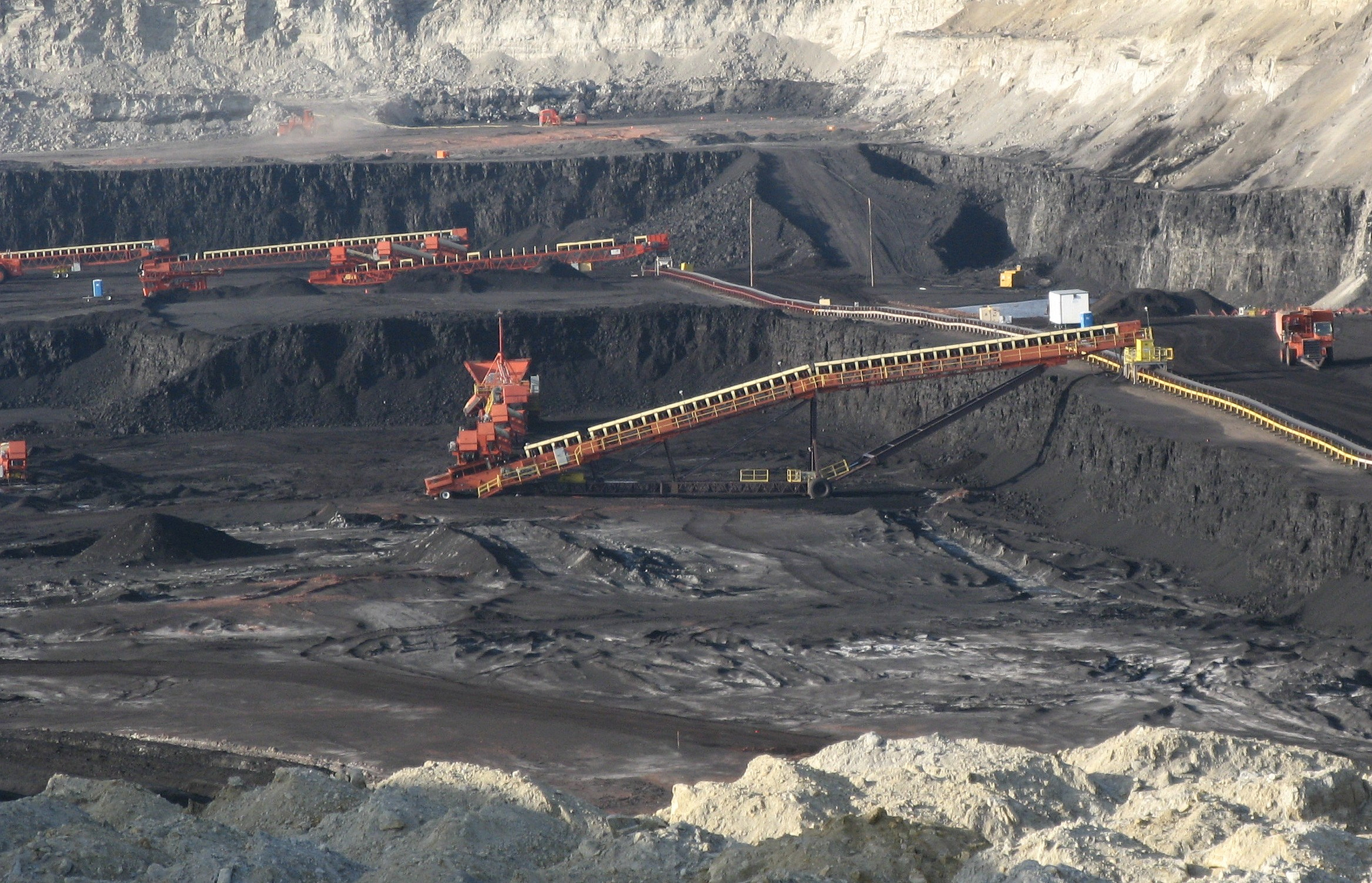
Global consumption of coal dropped by 1.7% last year. This is a major change considering that it had increased by an average of 1.9% per year from 2005 to 2015. China, which accounts for about half of the coal burned in the world, used 1.6% less in 2016, as compared to an increase of 3.7% per year over the previous 11 years.
Cleaning Britain’s Air
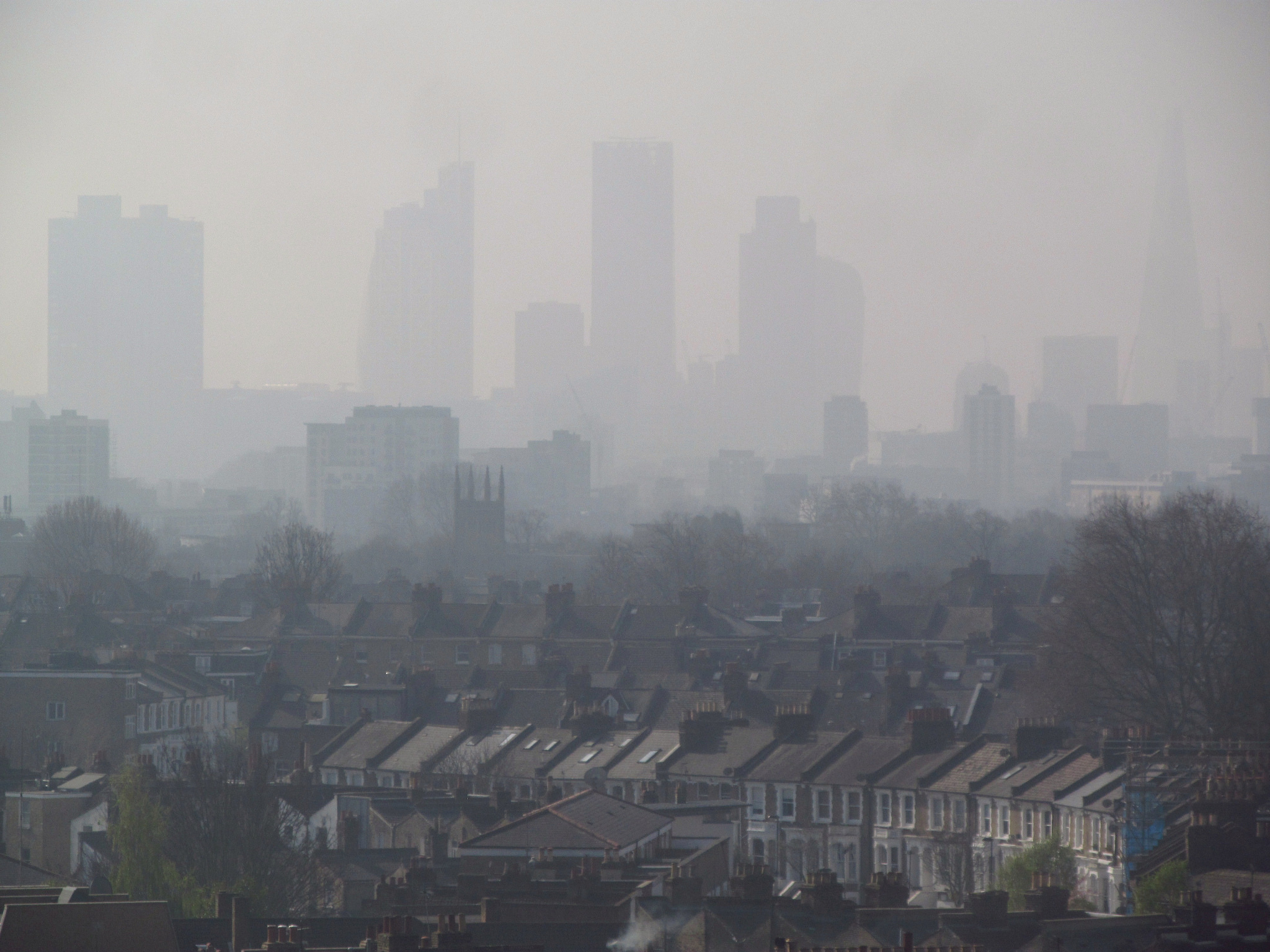
According to a new study by the non-profit group Carbon Brief, carbon dioxide emissions in the United Kingdom are at their lowest levels since the 1920s. Four factors are responsible: a record drop in coal use, the rapid growth of renewable energy, the expansion of energy efficiency programs, and the increased use of natural gas for electricity power plants.
Positive Environmental News

From melting Arctic ice to dying coral reefs to rising sea levels, there was no shortage of grim environmental news in 2016. But the news wasn’t all bad. There were several bright spots for the environment last year as well.
2016 Carbon Progress Report
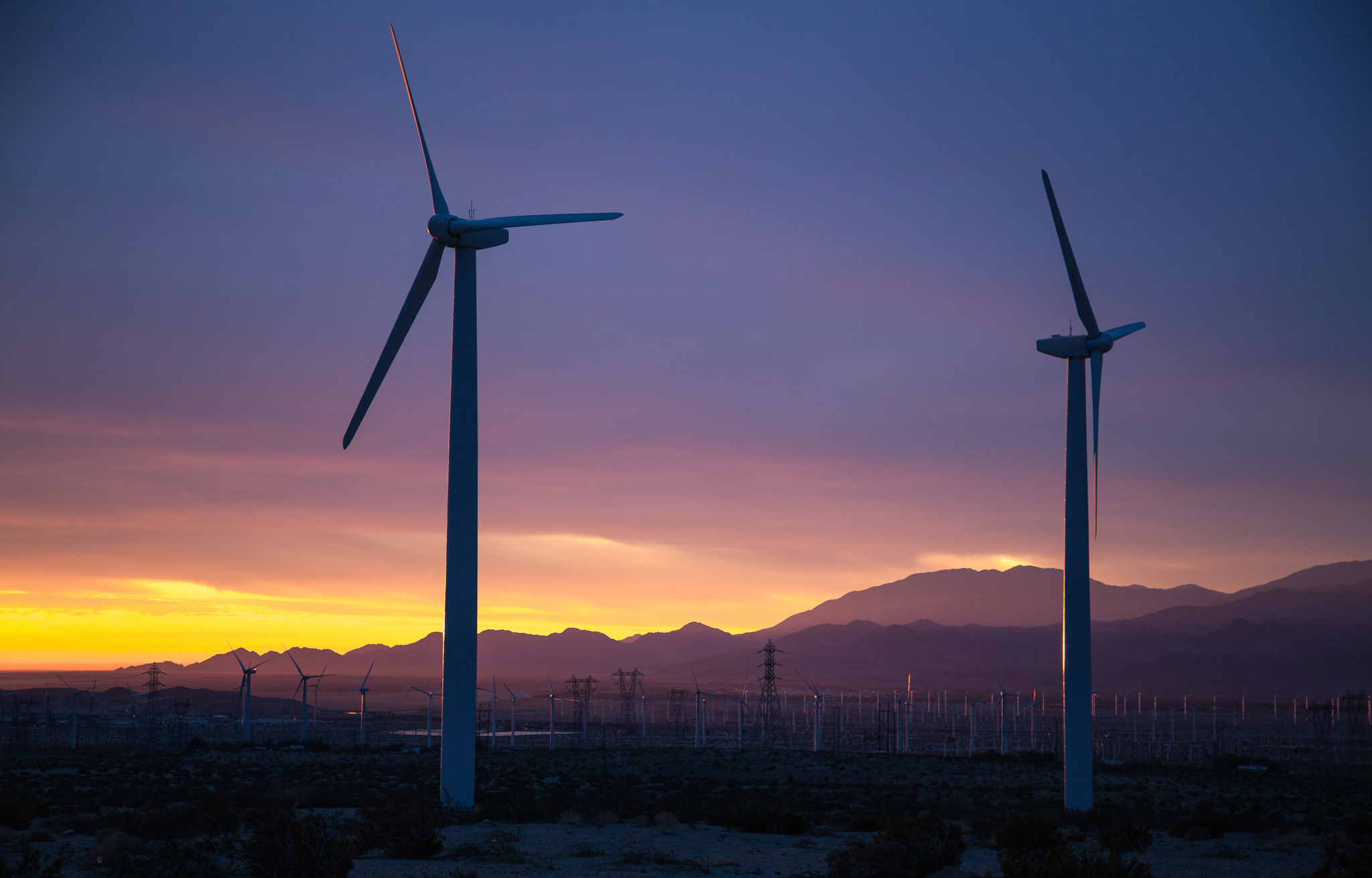
Last year was a big year for progress in the U.S. power sector. Renewable energy provided nearly 17% of the country’s electricity, up from 13.7% in 2015. The first offshore wind farm in the U.S. opened off the coast of Rhode Island. And most significantly, carbon emissions from the power sector continued to decline and reached the lowest levels in nearly 25 years.