
• Skip to primary navigation
  • Skip to main content
  • Skip to primary sidebar

Earth Wise

A look at our changing environment.

  • Home
  • About Earth Wise
  • Where to Listen
  • All Articles
  • Show Search
Hide Search
You are here: Home / Archives for temperatures

temperatures

Climate Change And The Winter Olympics | Earth Wise

February 8, 2022 By EarthWise Leave a Comment

Climate change is threatening winter sports

According to a new study led by researchers from the University of Waterloo in Canada, climate change will limit where the Winter Olympics can be held as winter changes across the Northern Hemisphere. 

The international research team found that by the end of the century only one of the 21 cities that have previously hosted the Winter Olympics would be able to reliably provide fair and safe conditions for winter sports if global greenhouse gas emissions are not dramatically reduced. 

However, if the emissions targets set forth in the Paris Climate Agreement can be reached, the number of climate-reliable host cities for the Winter Olympics would jump to eight.

In the study, which was recently published in the journal Current Issues in Tourism, the researchers reviewed historical climate data from the 1920s to today, as well as future climate change scenarios for the 2050s and 2080s.  The researchers also surveyed international athletes and coaches, and found that 89% of them felt that changing weather patterns are already affecting competition conditions. 

The average February daytime temperature of host cities has been steadily increasing.  At the winter games held between the 1920s and 1950s, the average temperature was 32.7°F.  It rose to 37.6°F at games between the 1960s and 1990s, and has spiked to 43.3°F in the games held in the twenty-first century.  The planet is projected to warm another 3.6°F to 7.9°F this century depending on our ability to mitigate greenhouse gas emissions.

Reducing global greenhouse gas emissions is critical to ensure that there remain places across the globe to host the Winter Olympics.

**********

Web Links

Climate change threatens future Winter Olympics

Photo, posted February 21, 2010, courtesy of Michael via Flickr.

Earth Wise is a production of WAMC Northeast Public Radio.
Polar Bears And Melting Sea Ice | Earth Wise

January 14, 2022 By EarthWise Leave a Comment

Climate change continues to threaten polar bear survival

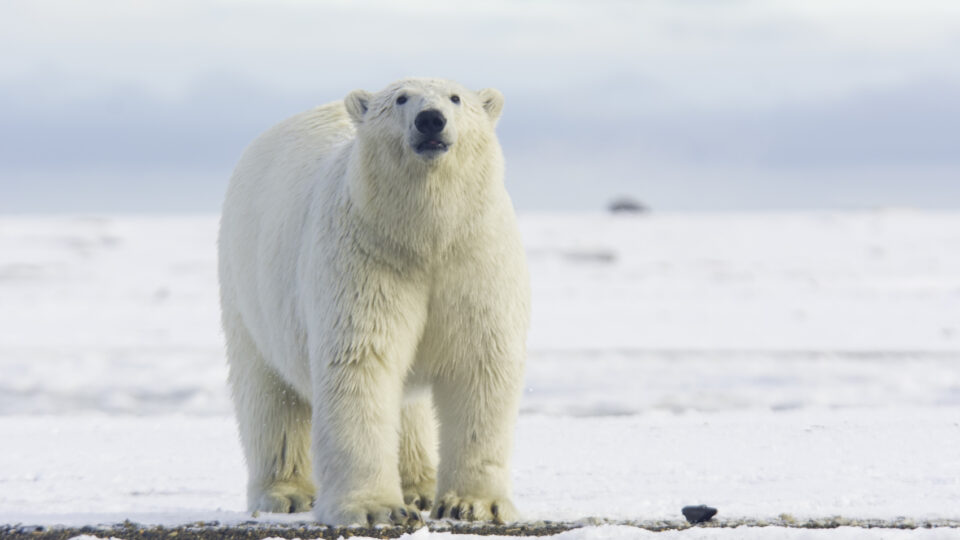
Climate change poses a major threat to polar bear survival.  The polar bear, whose native range lies largely within the Arctic Circle, depends on sea ice for nearly all of its lifecycle functions.  And rising temperatures are causing this sea ice to disappear.

Climate change-driven sea ice loss is the primary threat to the future of this iconic species.  In fact, polar bears were the first animal listed as endangered because of the forecasted impacts of climate change.   

Melting sea ice as a result of climate change continues to plague polar bear survival.  According to a new study by researchers from Washington State University, polar bears in the Beaufort Sea have had to travel far outside their traditional arctic hunting grounds in recent years for food.  This has contributed to an almost 30% decrease in their population. 

Researchers used satellite tracking data to analyze the movement patterns of female polar bears from 1986-2016 in the Beaufort Sea area north of Alaska.  Over the last two decades, they found that polar bears are having to travel farther north of their traditional hunting grounds on the continental shelf to remain on their receding sea ice habitat.

The research team also found that around 20% of the polar bear population in the Beaufort Sea is foregoing its traditional sea ice hunting grounds altogether in the summer and fall.  Instead, these bears are moving inland in search of food.  

Scientists estimate that 800 or so polar bears remain in the southern Beaufort Sea.  Curbing global greenhouse gas emissions in order to protect polar bear habitat may be the only way to help these animals survive. 

**********

Web Links

Melting sea ice forces polar bears to travel farther for food

Photo, posted September 27, 2015, courtesy of Anita Ritenour via Flickr.

Earth Wise is a production of WAMC Northeast Public Radio.

Living Walls | Earth Wise

December 28, 2021 By EarthWise 1 Comment

Green roofs are popular in many European countries.  A green roof is a layer of vegetation planted over a waterproofing system installed on a flat or slightly sloped roof.  Such roofs provide shade, remove heat from the air, and reduce temperatures of the roof surface, reducing energy use in the building and diminishing the urban heat-island effect.

A recent study by the University of Plymouth in the UK looked at the effectiveness of living walls – essentially the equivalent of a green roof located on the wall of a building.

The study looked at the effect of retrofitting an existing masonry wall with an exterior living wall façade consisting of a flexible felt fabric sheet system with pockets holding soil in which plants could grow.

Five weeks of measurements demonstrated that the amount of heat lost through the retrofitted wall was 31.4% lower than that of the original structure.  They also found that daytime temperatures within the newly covered section remained more stable than the area with exposed masonry, so that less energy was required to heat that area.

The concept of living walls is fairly new but could be valuable in temperate climates such as Great Britain.  Buildings in the UK account for 17% of greenhouse gas emissions and space heating accounts for 60% of all the energy used in buildings.  So, improving the thermal performance of buildings would have a significant effect on reducing energy use and therefore emissions.

So-called green infrastructure, including green roofs and living walls, provides a nature-based solution that can help tackle climate change, air pollution, and other modern urban problems.

**********

Web Links

Living walls can reduce heat lost from buildings by over 30%, study shows

Photo, posted June 19, 2011, courtesy of Linda Hartley via Flickr.

Earth Wise is a production of WAMC Northeast Public Radio.
Climate Change And Crops | Earth Wise

December 22, 2021 By EarthWise Leave a Comment

Climate change will impact yield of food crops

A new NASA study published in the journal Nature Food looks at the impact of global climate change on food crops.  According to the study, declines in global crop yields are likely to become apparent by 2030 if high greenhouse gas emissions continue.

The study used advanced climate and agriculture models to predict the effects of projected increases in temperature, shifts in rainfall patterns, and elevated surface carbon dioxide concentrations from human-caused greenhouse gas emissions.

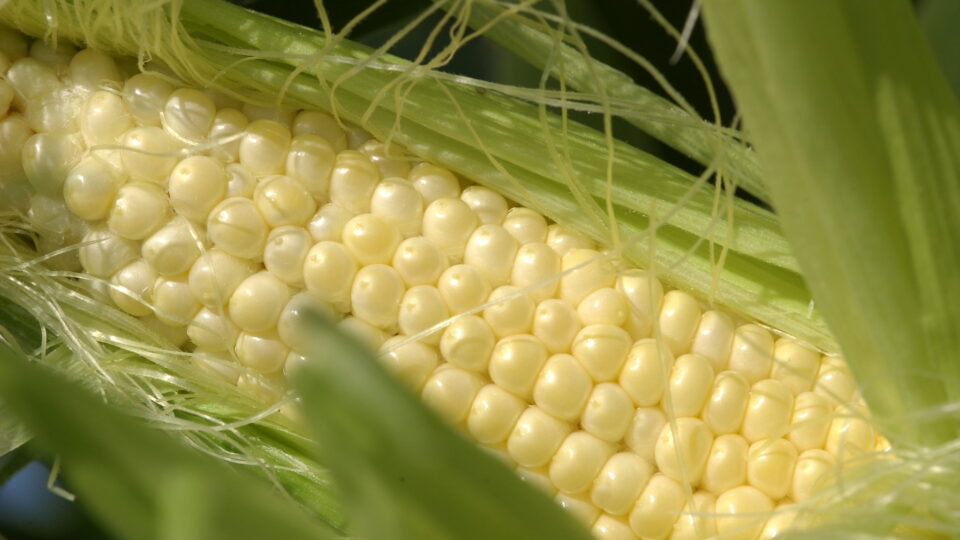
These climate changes would make it more difficult to grow corn in the tropics but would actually expand wheat’s growing range.  The reduction in corn yields could be as much as 24% by late in the century.   Corn Is grown all over the world and large quantities are produced in countries nearer to the equator.  As temperatures rise in countries such as the US, Brazil, and China, yields are likely to decline because of the increased stress on the plants.

Wheat, which grows best in temperate climates may see a broader area where it can be grown as temperatures rise, but these gains are likely to level off by mid-century.

Rising temperature is not the only factor influencing crop yields.  Rising carbon dioxide levels have a positive effect on photosynthesis and therefore on crop yields, especially for wheat.  But changing rainfall patterns and rising temperatures can affect the length of growing seasons and accelerate crop maturity.  This can result in the production of less grain than in a longer development period.

The changing climate has complicated effects on the growth of breadbasket crops and will be felt worldwide.

**********

Web Links

Global Climate Change Impact on Crops Expected Within 10 Years, NASA Study Finds

Photo, posted September 8, 2004, courtesy of Lynn Ketchum/Oregon State University via Flickr.

Earth Wise is a production of WAMC Northeast Public Radio.
Drought And U.S. Hydropower | Earth Wise

November 29, 2021 By EarthWise Leave a Comment

Ongoing drought in the western U.S. is affecting hydropower

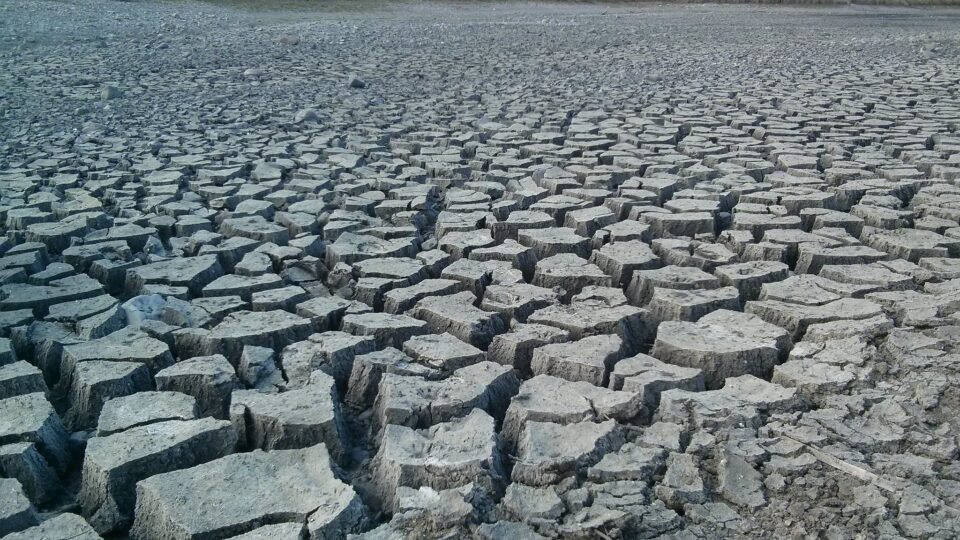
The ongoing severe drought in the western U.S. has led to low water levels in the rivers and reservoirs that feed hydroelectric power systems.  The Energy Information Administration is projecting a 13.9% decrease in hydroelectric generation this year compared to 2020.

Water levels in Lake Powell have fallen so low that it may not be possible to operate the power plant at Glen Canyon Dam starting as soon as 2022.  California officials took the Edward Hyatt hydroelectric plant offline in August because of low water levels on Lake Oroville.   Washington, the state with the most hydroelectric power generation, has seen an 11% drop in electricity generated to date this year as compared to last year.  That state is actually doing better than others in the West, such as California, where hydro generation is down 38%.

Hydropower accounts for over 7% of the electricity generated in the United States.  Five states – Washington, Idaho, Vermont, Oregon, and South Dakota – generate at least half of their electricity from hydroelectric dams.

The current decrease in hydropower is alarming, but it is not unprecedented.  The more significant question is whether the drop in generation this year is a sign that this power source is declining and becoming less reliable.   According to some scientists, the West is in a “megadrought” that could last for decades.

The greater concern is whether the bad years are likely to become more common because of climate change.  Climate projections agree that temperatures will continue to rise, but what will happen to precipitation levels in specific places is much less certain.  That is what will determine what the future holds for hydroelectric power.

**********

Web Links

Inside Clean Energy: Drought is Causing U.S. Hydropower to Have a Rough Year. Is This a Sign of a Long-Term Shift?

Photo, posted May 7, 2014, courtesy of Tyler Bell via Flickr.

Earth Wise is a production of WAMC Northeast Public Radio.

The Coastal Northeast Is A Hotspot | Earth Wise

November 16, 2021 By EarthWise Leave a Comment

Temperatures rising fast in the Coastal Northeast

Global warming is, obviously, a world-wide phenomenon.  When the concept of a 2 degrees Celsius temperature rise is discussed, it refers to the average global temperature and the effects that would have on such things as sea level rise and weather patterns.  But the effects of the changing climate are not homogeneous.  Very different things can happen and are happening in different places.

One such place is the coastal northeastern United States, which is a global warming hotspot.  The region is heating faster than most regions of North America and, indeed, 2 degrees of summer warming has already happened in the Northeast.

New research led by the University of Massachusetts Amherst has determined that this heating is linked to significant alterations in the ocean and atmospheric conditions over the North Atlantic.

Several studies have found that the Atlantic Meridional Circulation is slowing down.  The AMOC conveys warm, salty water from the tropics north towards Greenland, where it cools and sinks.  The cooled water than flows back south as deep-water currents.  As the warming climate melts glaciers in Greenland, the circulation slows down, less cooled water arrives in the south, and there is more heating of the ocean off the Northeastern coast.

At the same time, the North Atlantic Oscillation, a weather phenomenon that governs the strength and position of the winds that blow from the U.S. over the Atlantic, has tended to settle into a pattern that enhances the influence of ocean air on the eastern seaboard climate.  Warmer ocean air being blown over the region has led to rising temperatures in Boston, New York, and Providence, Rhode Island.

As the average temperature of the world rises, some places will warm more quickly and others more slowly.

**********

Web Links

The Coastal Northeastern U.S. Is A Global Warming Hotspot

Photo, posted August 8, 2010, courtesy of Doug Kerr via Flickr.

Earth Wise is a production of WAMC Northeast Public Radio.

Marine Heatwaves And Fish | Earth Wise

November 4, 2021 By EarthWise Leave a Comment

Extremely hot years will hurt fishing revenues and cost jobs

Marine heatwaves are periods of abnormally high temperatures in the ocean that can trigger devastating impacts on ecosystems, including coral bleaching, toxic algal blooms, and mass mortality events.  Marine heatwaves can occur in any ocean and in any season.  They are defined based on the differences between actual and expected temperatures for the location and time of year.     

According to several studies, even under moderate climate warming scenarios, oceans will experience more frequent and longer-lasting marine heatwaves in the years to come.

Researchers from the University of British Columbia’s Institute for the Oceans and Fisheries in Canada have found that extremely hot years will wipe out hundreds of thousands of tons of fish globally this century.  These losses are in addition to the projected decreases to fish stocks from long-term climate change. 

Under a worst-case scenario where no action is taken to curb greenhouse gas emissions, the research team’s model predicts a 6% drop in the amount of potential catches per year.  In addition, the biomass (or amount of fish by weight) is projected to decrease in 77% of exploited species due to the extreme temperatures.

As a result of climate change and these extreme heat events, the research team projected that fisheries’ revenues would decrease by an average of 3% globally, and employment would fall by 2% globally – a loss of likely millions of jobs.

The research team says active fisheries management is critical.  Catch quotas, for example, need to be adjusted in years when fish stocks are suffering from marine heat events.  In severe cases, the fisheries may need to be shuttered in order to allow fish stocks to rebuild.  

**********

Web Links

Fevers are plaguing the oceans — and climate change is making them worse

Marine heatwaves could wipe out an extra six per cent of a country’s fish catches, costing millions their jobs

Photo, posted October 11, 2016, courtesy of Kahunapule Michael Johnson via Flickr.

Earth Wise is a production of WAMC Northeast Public Radio.

People And The Earth’s Increasing Heat | Earth Wise

September 23, 2021 By EarthWise Leave a Comment

Humans are driving climate change

A new study by Princeton University and the National Oceanic and Atmospheric Administration had found clear evidence that human activity is the primary cause of the significant increase in heat stored in our planet.  In fact, the study found that there is less than a 1% chance that natural variability is the sole cause of the increase.

The researchers looked at data from satellite observations to determine the amount of energy received by the earth and the amount reflected and emitted by the Earth.  In a balanced physical system, the amount of incoming energy should equal the amount of outgoing energy.  But the earth’s system is not balanced at this point.  More energy is coming in than going out, which is driving changes in the climate system.  There have been other studies looking at the human influence on the climate, but this new study is the first to examine a 20-year continuous satellite energy balance record to see if natural fluctuations in the climate system or human activities is the primary driver for the significant change in the planet’s energy balance.

The study examined 50 different climate models to look at this energy balance under scenarios where there was no human influence.  These include changes in the sun’s output, volcanic eruptions, variations in pollution aerosols, and more.

The results, to no great surprise, are that increasing greenhouse gases over the last twenty years is by far the most important driver for the energy imbalance.  This imbalance is what is driving rising temperatures, increasing sea levels, and causing other climate changes.

**********

Web Links

Human activities responsible for rapid increase in Earth’s heat

Photo, posted May 6, 2021, courtesy of Marlis Borger via Flickr.

Earth Wise is a production of WAMC Northeast Public Radio.
Understanding Geoengineering | Earth Wise

September 7, 2021 By EarthWise Leave a Comment

Climate mitigation measures increasingly discussing geoengineering

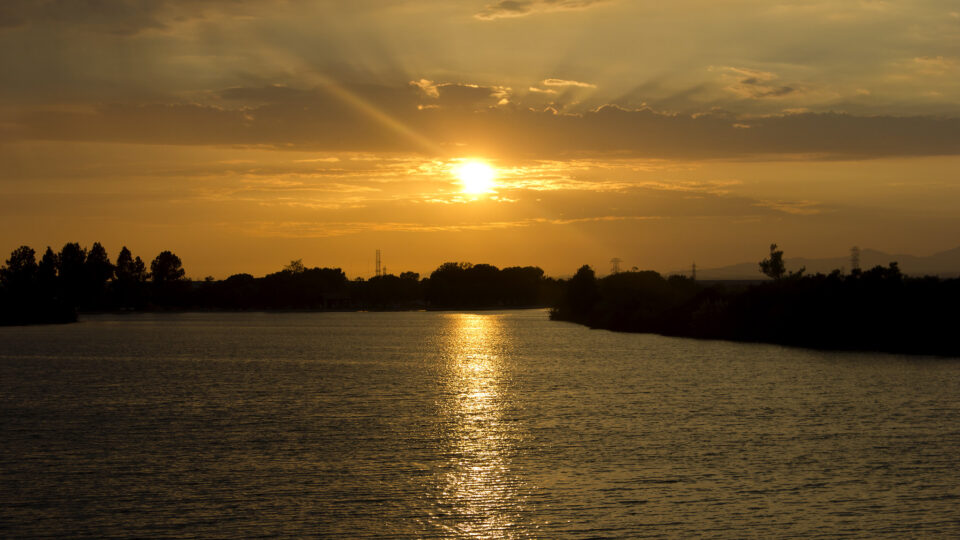
The most recent report from the UN Intergovernmental Panel on Climate change includes discussion of a number of extreme and untested solutions to the climate crisis.  Among these are solar geoengineering – modifying clouds or spraying tiny reflective particles into the upper atmosphere in order to block some of the sun’s light and thereby cool the planet.  The underlying principles are relatively straightforward.

There have been various models that predict the extent to which solar geoengineering would lower the earth’s average temperature.  What hasn’t been modeled to any real extent is what other effects it would have.

The new report discusses the results of models that predict how temperatures would vary at different latitudes and how geoengineering would affect rainfall and snowfall.  According to the models, releasing sulfate aerosols into the upper atmosphere to block sunlight would lower average precipitation.  But every region would be affected differently.  Some regions would gain in an artificially cooler world, but others might, for example, suffer by no longer having suitable conditions to grow crops.

The drop in temperature would allow the planet’s carbon sinks (plants, soils, and oceans) to take up more carbon dioxide from the atmosphere.  However, as long as people continue to pollute, carbon dioxide would continue to make the oceans more acidic, causing significant harm to marine ecosystems.  Furthermore, solar geoengineering would have to be an ongoing process that would go on indefinitely and if it were to suddenly stop, it would lead to rapid warming.

The more we learn about geoengineering, the more it becomes clear that there would be many side effects as well as serious moral, political, and practical issues.  Society has to consider if all these things represent too much danger to allow us to seriously consider such a strategy.

**********

Web Links

In the New UN Climate Report, a Better Understanding of Solar Geoengineering

Photo, posted September 9, 2012, courtesy of Kelly Nighan via Flickr.

Earth Wise is a production of WAMC Northeast Public Radio.
Soaring Heat And Inner-City Neighborhoods | Earth Wise

August 31, 2021 By EarthWise Leave a Comment

Inner cities especially vulnerable to climate change

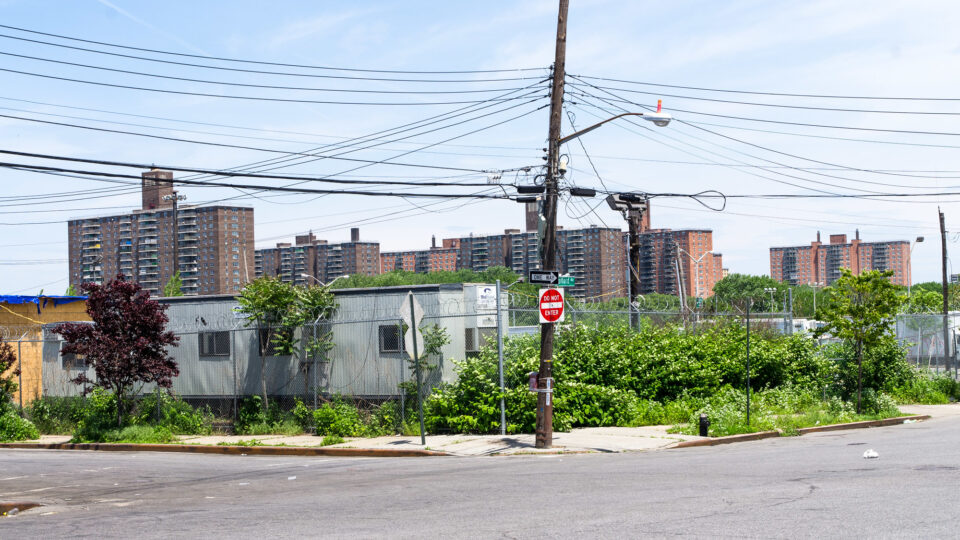
The record-breaking heatwaves this summer have exposed the special vulnerability inner cities have to the effects of summer heat.  Climate change has exacerbated and supercharged heatwaves, as was seen in Seattle and Portland in late June.

Urban cores can be 10 degrees or more warmer than the surrounding countryside.  The urban heat island effect is a result of how cities are built, with so much pavement, so many buildings, and not enough trees.  On top of this, decades of disinvestment in neighborhoods where people of color live have left them especially vulnerable to heat as their homes are not able to cope with it.

In New York City, some residents of Hunts Point in the Bronx keep lists of neighbors they check on to help keep the most vulnerable alive during heat waves.  The city has subsidized 74,000 air conditioners for low-income, elderly residents, and is spending millions to plant trees.  In Phoenix, the hottest big city in the country, officials are working to develop new models for cooler public housing and cooling for streets and pedestrian corridors.

A study, published in 2020, looked at the linkage between higher heat island temperatures and past practices of redlining, where home loans and insurance were unavailable to people in neighborhoods of color.  In 94 of 108 communities studied, the formerly redlined neighborhoods had higher surface temperatures.

Cities are confronted with two heat problems:  emergencies that require immediate action to save lives, and long-term issues related to combating soaring temperatures in heat islands strengthened by global warming. In many cases, cities are not prepared for either problem.  Dealing with and adapting to heat is essential to the long-term viability and quality of life in our cities.

**********

Web Links

A Triple Whammy Has Left Many Inner-City Neighborhoods Highly Vulnerable to Soaring Temperatures

Photo, posted May 27, 2014, courtesy of Dan DeLuca via Flickr.

Earth Wise is a production of WAMC Northeast Public Radio.
Seeds And Climate Change | Earth Wise

August 19, 2021 By EarthWise Leave a Comment

Engineering seeds to succeed as the climate changes

Farmers and agricultural communities around the world are on the frontlines of climate change.  They are among the first to feel the impacts of hotter temperatures as well as more frequent and intense droughts and precipitation. These challenges pose a massive threat to both farmer livelihoods and global food security.

As the planet continues to heat up, many arid regions that already have marginal conditions for agriculture will be increasingly under stress. As a result, researchers from the Massachusetts Institute of Technology and the King Mohammed VI Polytechnic University in Morocco are working on a promising new way to protect seeds from this stress during their crucial germination phase. Their simple and inexpensive process, which was recently described in a paper published in the journal Nature Food, also provides plants with extra nutrition at the same.

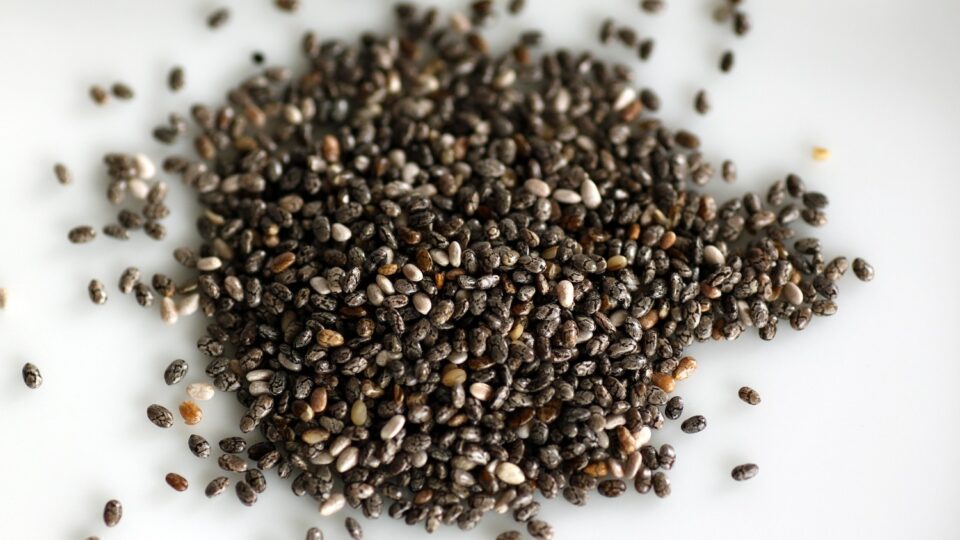
The research team has developed a two layer coating for seeds designed for tackling issues related to drought. Drawing inspiration from natural coatings that occur on some seeds like chia seeds, the first layer is designed to protect the seeds from drying out. It provides a gel-like coating that grips any moisture that comes along and surrounds the seed with it.  The second (inner) layer of the coating contains preserved microorganisms called rhizobacteria, as well as some nutrients to help the seeds grow. 

The materials for the coatings are biodegradable, readily-available, and often used in the food industry already.  According to researchers, early tests using common beans have demonstrated encouraging results in Morocco, and more field tests of the seeds are currently underway.

As the climate continues to change, more innovations like this will be necessary for global food security.

**********

Web Links

Engineering seeds to resist drought

Photo, posted September 17, 2010, courtesy of Stacy via Flickr.

Earth Wise is a production of WAMC Northeast Public Radio.

The Pacific Northwest Heatwave | Earth Wise

August 18, 2021 By EarthWise Leave a Comment

Analyzing the Pacific Northwest Heatwave

The late-June heatwave in the Pacific Northwest shattered temperature records in dozens of locations.  Cities like Portland and Seattle saw historic high temperatures and one town in British Columbia saw temperatures hotter than ever recorded in Las Vegas.

An international team of weather and climate experts analyzed this extreme weather event and came to a preliminary conclusion that it was a 1-in-1000-year event in today’s climate.  “Today’s climate” means the already warmer conditions that the world is experiencing as a result of the changing climate.

If that analysis is accurate, then such an extreme temperature event would have been at least 150 times rarer in the era before global warming.  In other words, they concluded that it would have been a 1-in-150,000-year event, which means that it would have been virtually impossible in pre-industrial times.

Given that they estimated that the extreme temperatures were a 1-in-1000-year event at this point, it would follow that such events are not about to become commonplace any time soon.  On the face of it, that is somewhat comforting to hear.

However, all of this assumes that global warming will not radically change the statistical distribution of global temperatures.  If that assumption fails to hold, then all bets are off.  Perhaps temperatures like those experienced in the Pacific Northwest might be a 1-in-50-year event, for example, but we just don’t realize it yet.  Follow-up studies will be looking for evidence of significant changes in the distribution of weather events.  For now, a 1-in-1000-year event means there is only a 0.1% chance of occurring in a given year.  That’s good news for the residents of that region.

**********

Web Links

Preliminary analysis concludes Pacific Northwest heat wave was a 1,000-year event…hopefully

Photo, posted June 4, 2016, courtesy of Jody Claborn via Flickr.

Earth Wise is a production of WAMC Northeast Public Radio.
The Hottest June | Earth Wise

July 29, 2021 By EarthWise Leave a Comment

Climate change continues to fuel the heat records

A series of heatwaves from coast to coast caused June 2021 to be the hottest June on record in the U.S. The average June temperature across the contiguous U.S. was 72.6 degrees Fahrenheit, making it the hottest June in 127 years of record keeping and breaking the previous record set in 2016 by nearly a full degree. Eight states had their hottest June on record and six others marked their second hottest June.

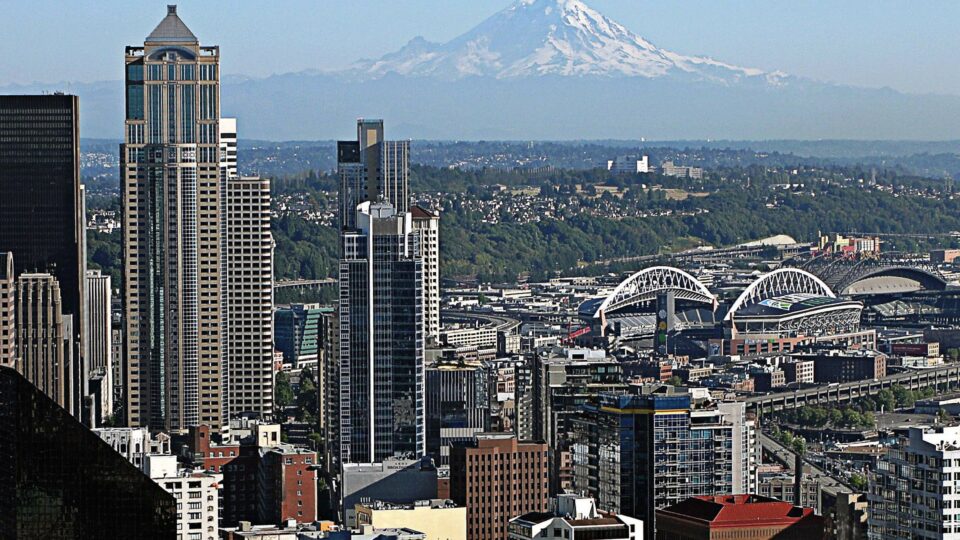
One of the most extreme heatwaves in modern history impacted the Pacific Northwest of the U.S. and western Canada late in the month.  Temperature records were not merely broken in the region; they were smashed over an incredibly hot four-day period from June 26th through June 29th when all-time records over 100 degrees were set at dozens of locations.

Portland, Oregon’s average high temperature over this period was 112 degrees, breaking the previous 3-day record by an amazing 6 degrees.  The high on June 28th was 116 degrees, an all-time record for the city.  Seattle set back-to-back all-time heat records of 104 on June 27th and then 108 on June 28th.  In the previous 126 years, Seattle had only hit 100 degrees three times.  It reached that mark 3 days in a row in June.

Crossing the border, the town of Lytton, British Columbia reached a temperature of 121 degrees on June 29th, the third day in a row in which the town registered a new all-time high temperature ever measured in Canada.  To put this in perspective, this temperature is hotter than has ever been recorded in Las Vegas.

June was a hot month indeed.

**********

Web Links

June 2021 was the hottest June on record for U.S.

Astounding heat obliterates all-time records across the Pacific Northwest and Western Canada in June 2021

Photo, posted July 7, 2021, courtesy of Poyson / GPA Photo Archive via Flickr.

Earth Wise is a production of WAMC Northeast Public Radio.
Climate Change And Heat-Related Deaths | Earth Wise

July 14, 2021 By EarthWise Leave a Comment

Climate change is killing people

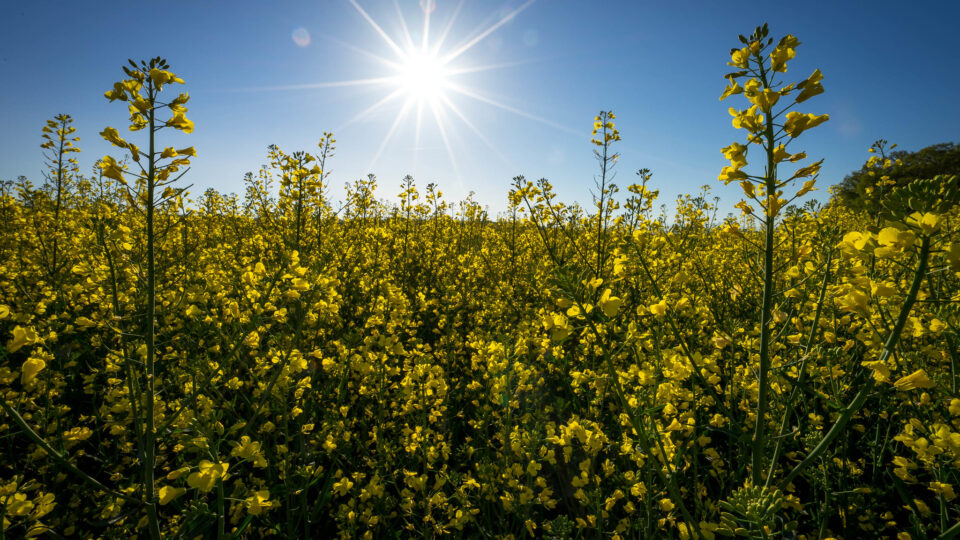
According to a new study recently published in the journal Nature Climate Change, more than one-third of the world’s heat-related deaths each year are attributable to human-induced climate change. 

Researchers from the London School of Hygiene and Tropical Medicine in the UK  and the University of Bern in Switzerland analyzed data from 732 locations in 43 countries.  They took observed temperatures and compared them with 10 computer models simulating a world without climate change.  By applying this technique to their data, the researchers were able to calculate for the first time the actual contribution of anthropogenic climate change in increasing mortality risks due to heat.

The research team found that 37% of all heat-related deaths between 1991 and 2018 were attributable to the warming of the planet due to human activities.  This percentage was highest in South America, Central America, and South-East Asia. 

In the United States, 35% of heat deaths were found to be a result of climate change.  New York had the most heat-related deaths at 141, and Honolulu had the highest percentage of heat deaths attributable to climate change at 82%.

But scientists caution that this is only a small portion of the climate’s overall impact. Many more people die from other extreme weather amplified by climate change, including severe storms, floods, and droughts.  Heat-related death figures will grow exponentially as temperatures rise.

According to the research team, the study’s findings highlight the need to adopt stronger climate change mitigation strategies, and to implement interventions to protect people from the adverse consequences of heat exposure.    

**********

Web Links

Global warming already responsible for one in three heat-related deaths

Photo, posted April 14, 2017, courtesy of Karim Bench via Flickr.

Earth Wise is a production of WAMC Northeast Public Radio.

Surviving Climate Change | Earth Wise

June 30, 2021 By EarthWise Leave a Comment

What species will survive climate change?

The sixth mass extinction of wildlife on Earth is happening now.  According to an analysis published last year in the journal Proceedings of the National Academy of Sciences, more than 500 species of land animals are on the brink of extinction and are likely to be lost within the next 20 years. Without the impact of humans, this quantity of extinctions would have taken thousands of years. 

Anthropogenic climate change continues to exacerbate problems that drive species to the brink.  Which species will be able to adapt and survive?

Using genome sequencing, a research team from McGill University in Montreal has found that some fish, like the threespine stickleback, can adapt very rapidly to extreme seasonal changes. Known for their different shapes, sizes, and behaviors, stickleback fish can live in both saltwater and freshwater, and can tolerate a wide range of temperatures.

Stickleback fish, which can be found in different estuaries along coastal California, provided researchers with an opportunity to study natural selection in real-time.  The researchers analyzed six populations of threespine stickleback fish before and after seasonal changes to their environment.   The research team discovered evidence of genetic changes driven by the seasonal shifts in habitat that mirrored the differences found between long-established freshwater and saltwater populations.  Since these genetic changes occurred in independent populations over a single season, the study highlights just how quickly the effects of natural selection can be detected. 

These findings suggest that scientists may be able to use the genetic differences that evolved in the past as a way to predict how species may adapt to climate change in the future.

**********

Web Links

Which animals will survive climate change?

Sixth Mass Extinction of Wildlife Accelerating- Study

Photo, posted August 3, 2015, courtesy of Jason Ching/University of Washington via Flickr.

Earth Wise is a production of WAMC Northeast Public Radio.
Record Carbon Dioxide Levels | Earth Wise

June 29, 2021 By EarthWise Leave a Comment

Carbon dioxide levels set another record despite pandemic shutdowns

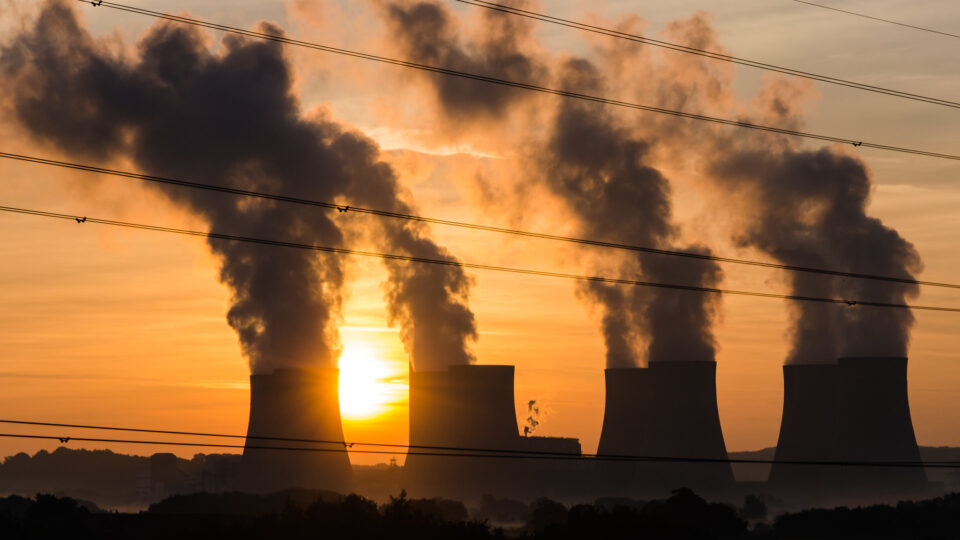
The coronavirus pandemic caused a temporary dip in the burning of fossil fuels around the world as many human activities were diminished or curtailed entirely.  Despite this, the amount of carbon dioxide in the atmosphere set a record in May, reaching the highest levels in human history.

Scientific instruments atop the Mauna Loa volcano in Hawaii measured an average of 419 parts per million for the month, according to analysis from both the Scripps Institution of Oceanography and the National Oceanic and Atmospheric Administration.

This level is about half a percent more than the previous record of 417 ppm, set in May of 2020.  Carbon dioxide is the largest greenhouse gas contributor driving global warming and, according to scientists, there hasn’t been this much of it in the atmosphere for millions of years.

Global emissions of carbon dioxide were actually 5.8 percent lower in 2020 than 2019, as a result of pandemic lockdowns.  This was the largest one-year drop ever recorded.  But humanity was still responsible for emitting more than 31 billion tons of carbon dioxide last year.  About half of that CO2 is absorbed by the world’s trees and oceans, but the other half lingers in the atmosphere for thousands of years, gradually warming the planet via the greenhouse effect.

As long as we keep emitting carbon dioxide, it is going to continue to pile up in the atmosphere.  The only way to stop it is for the world’s nations to zero out their net emissions, mostly by switching away from fossil fuels to technologies that do not emit carbon dioxide, such as electric vehicles fueled by wind, solar, or nuclear power.

**********

Web Links

Carbon Dioxide in Atmosphere Hits Record High Despite Pandemic Dip

Photo, posted August 7, 2013, courtesy of Gerry Machen via Flickr.

Earth Wise is a production of WAMC Northeast Public Radio.
Saving Coffee From Global Warming | Earth Wise

June 16, 2021 By EarthWise Leave a Comment

How to save coffee from climate change

The global coffee market is valued at over $450 billion a year and supports the economies of several tropical countries.  About 100 million farmers depend upon coffee for their livelihoods. 

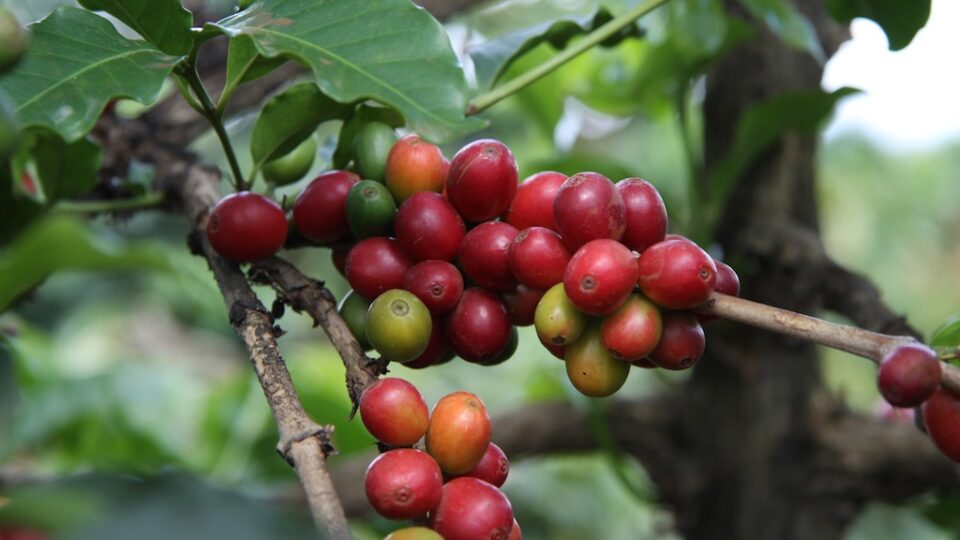
Coffee bushes grow best in a narrow range of temperatures.  The existing coffee market is dominated by two species Coffea arabica and Coffea canephora, the latter commonly called robusta.  Arabica, the most preferred coffee, thrives in average temperatures between 64 and 72 degrees Fahrenheit.  Robusta does not flourish above 75 degrees.  Therefore, the warming climate is making growing coffee increasingly difficult.

There are actually well over 100 species of coffee.  Many of them grow in warmer places than those preferred by robusta and arabica, but are considered to have poorer flavors, smaller beans, and lower yields.

Researchers at the Royal Botanic Gardens in Britain came across a paper written in 1834 about a species of coffee from the lowland hills of Sierra Leone called Coffea stenophylla.  According to the paper, stenophylla supposedly has a flavor superior to arabica’s. 

It turns out that stenophylla still grows in parts of Africa with temperature ranges between 75 and 80 degrees.  It was actually farmed until the 1920s but was abandoned because robusta was found to have higher yields.

Extensive taste testing verified the positive attributes of stenophylla.  Whether it should be cultivated directly tolerating potential yield issues or crossbred with existing commercial coffees remains to be determined.  But the prospects for finding more heat tolerant coffees should be encouraging news for coffee addicts.

**********

Web Links

How to save coffee from global warming

Photo, posted October 30, 2012, courtesy of Coffee Management Service via Flickr.

Earth Wise is a production of WAMC Northeast Public Radio.
Paving With Plastic | Earth Wise

March 25, 2021 By EarthWise Leave a Comment

Using plastic waste as pavement

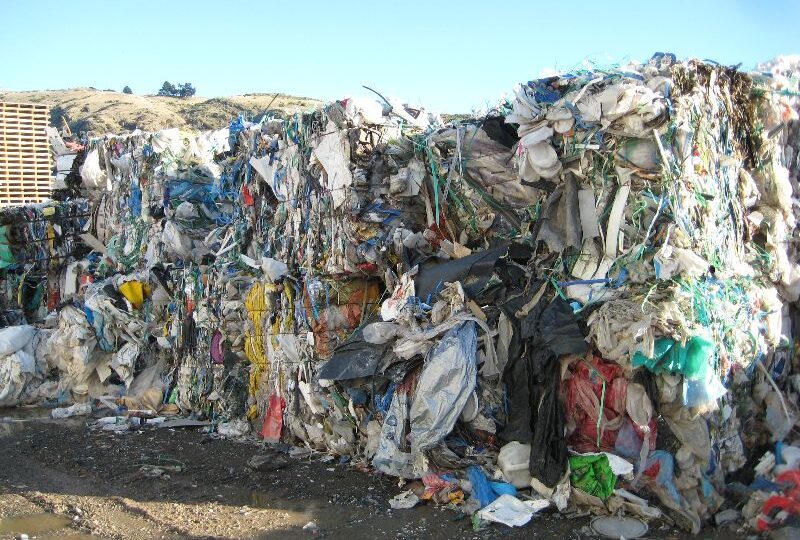
The country of Ghana has an ambitious plan to recycle and reuse as much plastic waste as it produces each year (which is over a million tons) by 2030.  As part of this plan, they have started to pave roads in Accra, the capital city, with asphalt containing a slurry of used plastics – shredded and melted bags, bottles, and snack wraps.  Only a quarter of Ghana’s roads are currently paved, so waste plastic has many opportunities for use in paving.

Plastic roads first appeared in India two decades ago.  There are now over 60,000 miles of them in that country.  Several countries have only recently built their first plastic roads including South Africa, Vietnam, Mexico, the Philippines, and the United States.

Studies have shown that roads containing waste plastic have the potential to perform as well or better than traditional roads.  They can last longer, can tolerate wide temperature swings better, are stronger and more durable, and are more resistant to water damage, cracking, and potholes.

Ordinarily, asphalt for roads consists of 90 to 95% aggregate – typically some mixture of gravel, sand, and limestone – and 5 to 10% bitumen, which is a black gooey substance extracted from crude oil that binds the aggregate together.  Plastic-enhanced roads replace varying amounts of the bitumen (often as little as 4-10%, but sometimes much more), with plastic that is actually a stronger binding agent.

Plastic roads reduce the amount of bitumen in roads, thereby reducing carbon emissions.  The plastics are not heated enough to release gases and the roads do not appear to shed microplastics.  Plastic roads will not solve the world’s plastic waste problem, but they can help by diverting lots of plastic from landfills.

**********

Web Links

How Paving with Plastic Could Make a Dent in the Global Waste Problem

Photo, posted June 4, 2010, courtesy of Sustainable Initiatives Fund Trust via Flickr.

Earth Wise is a production of WAMC Northeast Public Radio.

The Pandemic And Global Temperatures | Earth Wise

March 12, 2021 By EarthWise Leave a Comment

The pandemic has done little to slow the rise in global tempertures

The early months of the Covid-19 pandemic last year saw dramatic reductions in travel and many forms of commerce.  With much of human activity greatly curtailed, greenhouse gas emissions were greatly reduced.   And yet, all of that did not slow down global warming: 2020 ended up tied with 2016 as the warmest year on record and atmospheric greenhouse gas levels reached a new high.

In order to understand how this came about, it is necessary to understand the complex climate influences of different types of emissions from power plants, motor vehicles, industrial facilities, and other sources.  The fact is that some types of pollution actually have a cooling effect rather than contributing to global warming.

Tiny industrial pollution particles called aerosols actually make clouds brighter, causing them to reflect away more solar heat from the surface of the planet.   During the drastic shutdown last year, the biggest emissions decline was from the most polluting industries.  The reduction of aerosols had immediate, short-term effects on temperatures.  These types of pollutants are very bad for human health, but when they are present, they do have the effect of reducing temperatures.

It is important to keep in mind that carbon dioxide spreads through the Earth’s atmosphere and stays there for a century or more, trapping heat on a global scale.  Industrial aerosols stay relatively concentrated in the region where they are emitted and are often removed by rain and winds within a few weeks.  So, their cooling effect doesn’t spread very far or last very long.

Overall, the initial pandemic slowdown probably didn’t have any real long-term impact on the climate but over the short term, the effects were not as simple as one might expect.

**********

Web Links

Covid-19 Cut Gases That Warm the Globe But a Drop in Other Pollution Boosted Regional Temperatures

Photo, posted July 7, 2020, courtesy of Joey Zanotti via Flickr.

Earth Wise is a production of WAMC Northeast Public Radio.
Global Warming Could Stabilize | Earth Wise

February 19, 2021 By EarthWise Leave a Comment

Reducing emissions could stabilize global temperatures

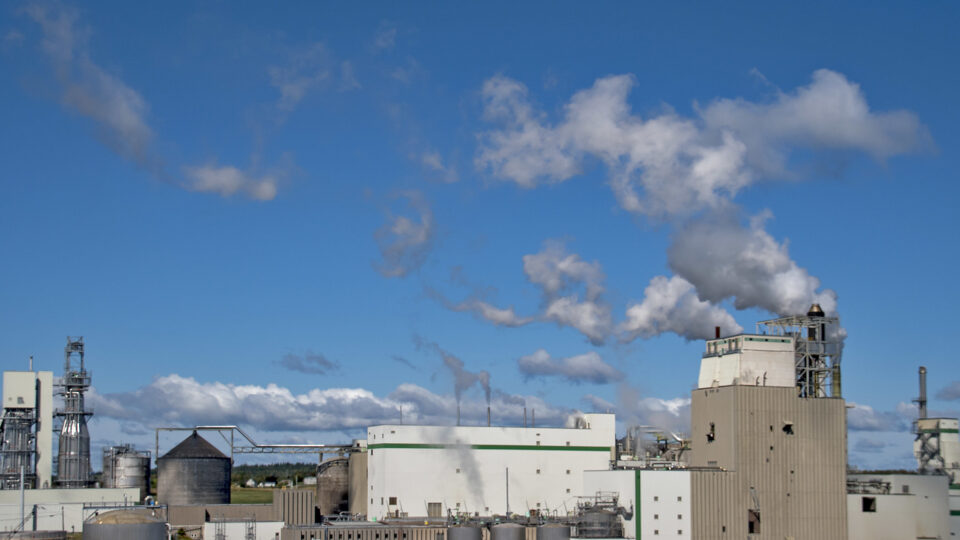
The world has been heading toward climate disaster with the effects of greenhouse gas-induced warming looming larger and larger.  But recent analysis published in Nature Climate Change offers hope that rapidly eliminating emissions could stabilize global temperatures just within a couple of decades.

For quite some time, it has been assumed that further global warming would be locked in for generations regardless of the extent of emissions reductions going forward.  This conclusion was based on having a certain carbon dioxide concentration in the atmosphere which would linger for hundreds of years even if emissions were reduced.

Recent analysis takes into account the dynamism of the Earth’s natural systems which could actually reduce atmospheric CO2 content because of the huge carbon absorption capacity of oceans, wetlands, and forests.  The key requirement is to drastically reduce emissions so that these natural systems can take over.

More than 100 countries have pledged to get to net zero emissions by 2050.  That means they will emit no more carbon dioxide than is removed from the atmosphere by such actions as restoring forests.   The UK, Japan, and the European Union are among the countries that have set this zero target, and the United States is joining the club.

Climate models show that a global temperature rise of 2 degrees Celsius over that of the pre-industrial period would lead to global calamities that include punishing heatwaves, flooding, and mass displacement of people.  The world has already heated up by 1.1 degrees and governments have committed to restrain the rise to less than 1.5 degrees under the Paris Climate Agreement.

**********

Web Links

Global Warming Could Stabilize Faster than Originally Thought If Nations Achieve Net Zero

Photo, posted September 10, 2017, courtesy of Ron Cogswell via Flickr.

Earth Wise is a production of WAMC Northeast Public Radio.

  • « Go to Previous Page
  • Page 1
  • Interim pages omitted …
  • Page 5
  • Page 6
  • Page 7
  • Page 8
  • Page 9
  • Interim pages omitted …
  • Page 13
  • Go to Next Page »

Primary Sidebar

Recent Episodes

  • An uninsurable future
  • Clean energy and jobs
  • Insect declines in remote regions
  • Fossil fuel producing nations ignoring climate goals
  • Trouble for clownfishes

WAMC Northeast Public Radio

WAMC/Northeast Public Radio is a regional public radio network serving parts of seven northeastern states (more...)

Copyright © 2026 ·