
• Skip to primary navigation
  • Skip to main content
  • Skip to primary sidebar

Earth Wise

A look at our changing environment.

  • Home
  • About Earth Wise
  • Where to Listen
  • All Articles
  • Show Search
Hide Search
You are here: Home / Archives for temperatures

temperatures

More Extreme Wildfire Seasons | Earth Wise

April 29, 2020 By EarthWise Leave a Comment

extreme wildfire seasons

According to a new study led by researchers at Stanford University, autumn in California feels more like summer now as a result of climate change, and this hotter and drier weather increases the risk of longer and more dangerous wildfire seasons.

The research team, whose work was recently published in the journal Environmental Research Letters, found that the frequency of extreme fire weather conditions in the fall in California has doubled since the early 1980s.  Average temperatures during the season have increased by more than 2 degrees Fahrenheit, and rainfall has fallen by approximately 30%.  The most pronounced warming has occurred in the late summer and early fall.  That finding means that tinder-dry conditions coincide with the strong “Diablo” and “Santa Ana” winds that are typical in California at this time of year.     

In recent years, these conditions have fed large and fast-moving wildfires across California.  The state’s two largest wildfires, two most destructive wildfires, and the most deadly wildfire all occurred during 2017 and 2018, resulting in more than 150 deaths and $50 billion in damage.

Because summertime has typically been peak fire season, the recent spate of autumn fires is putting a strain on firefighting resources and funding.  The ongoing COVID-19 pandemic could further strain emergency resources.  Since fire-prone regions have historically shared  wildfire-fighting resources throughout the year, the consequences of California’s extended wildfire season could have a global impact.  (For example, California’s recent autumn wildfires have coincided with the beginning of wildfires in Australia). 

The researchers highlight some opportunities to manage the intensifying wildfire risk in California, including limiting the trajectory of global warming in keeping with the targets identified in the United Nations’ Paris agreement.

**********

Web Links

Researchers forecast longer, more extreme wildfire seasons

Photo, posted September 12, 2019, courtesy of the California National Guard via Flickr.

Earth Wise is a production of WAMC Northeast Public Radio.
Saving The Arctic Permafrost | Earth Wise

April 17, 2020 By EarthWise Leave a Comment

Permafrost is frozen ground – a combination of soil, rock, sand, and ice – that remains at or below freezing for at least two consecutive years.  Approximately 25% of the land in the Northern Hemisphere meets this criterion, the majority of which can be found in northern Russia, Canada, Alaska, Iceland, and Scandinavia.

But as a result of the changing climate, these permafrost soils in the Arctic are beginning to thaw.  As they thaw, large quantities of greenhouse gases could be released, further accelerating climate change.  

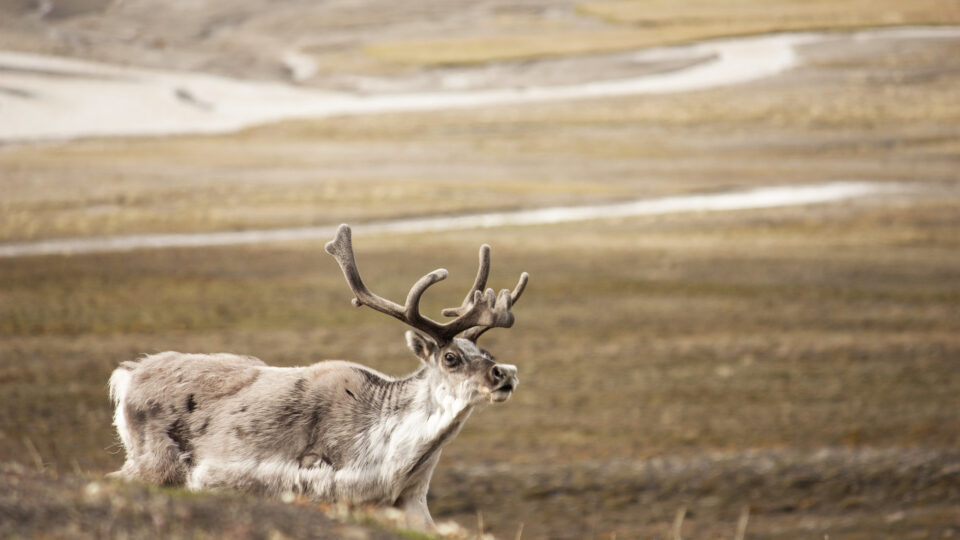
A new study recently published in the journal Scientific Reports explores an unconventional countermeasure: resettling massive herds of large herbivores.  According to researchers from the University of Hamburg in Germany, herds of horses, bison, and reindeer could be used to significantly slow the loss of permafrost soils. 

During Arctic winters, the air temperature is often much colder than the permafrost.  Thick layers of snow can insulate the ground from the frigid air, keeping the permafrost warm (relatively speaking). But when the snow cover is scattered and compressed by the hooves of grazing animals, the insulating effect is reduced, which intensifies the freezing of the permafrost.

If climate change continues unchecked, the research team expects permafrost temperatures to rise 3.8-degrees Celsius.  This would result in half of the world’s permafrost thawing by the year 2100.  But in contrast, researchers found that the permafrost would only warm by 2.1 degrees Celsius with the resettled animals.  This 44% reduction in permafrost temperature would preserve 80% of the existing permafrost by 2100.

Natural manipulations of ecosystems could have tremendous results. 

**********

Web Links

How horses can save the permafrost

Photo, posted July 17, 2012, courtesy of Kitty Terwolbeck via Flickr.

Earth Wise is a production of WAMC Northeast Public Radio.
Clouds And Global Warming | Earth Wise

March 9, 2020 By EarthWise Leave a Comment

clouds global warming

Recent climate models from multiple organizations project that the amount of warming that doubling atmospheric carbon dioxide would cause would be much more than previously estimated.  And one of the significant changes to the models relates to the role of clouds.

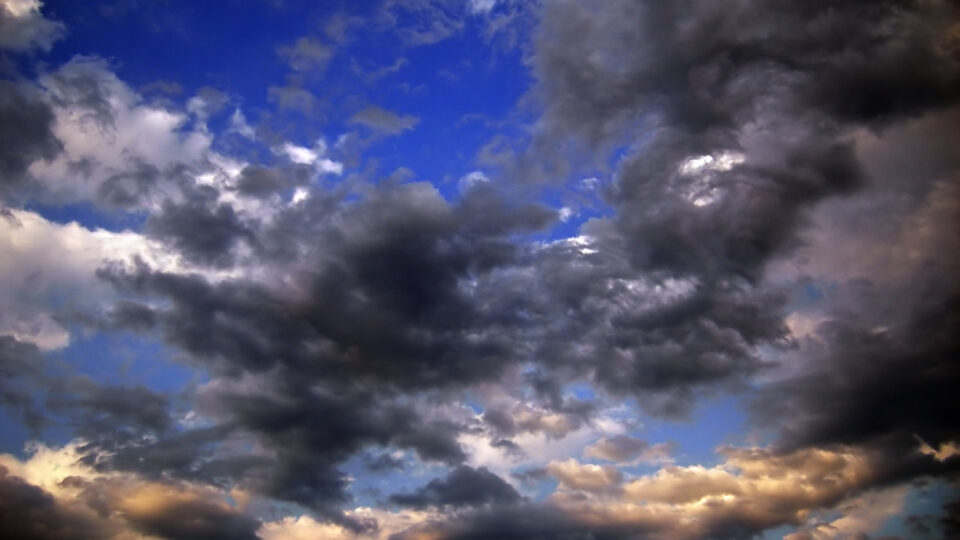
Clouds have long been a major uncertainty in climate calculations.  Clouds can shade the earth and thereby provide cooling.  But clouds can also trap heat.  Which effect dominates depends on how reflective the clouds are, how high up they are, and whether it is day or night.  The dynamics of clouds are complicated.

If you fly across the ocean, you will see blankets of low clouds extending for hundreds of miles.  These marine stratus and stratocumulus clouds predominantly cool the Earth.  In fact, they shade roughly a fifth of the oceans and reflect 30-60% of the solar radiation that hits them back into space.

Recent studies indicate that as global temperatures rise, these clouds are likely to become thinner or burn off entirely, leaving more clear skies through which the sun may add another degree Celsius or more to global warming.

The concerns about clouds are part of the larger issue about feedbacks in warming the world.  It has long been clear that the greenhouse effect of doubling CO2 levels in the atmosphere would raise global temperature.  But there are amplifying feedback effects.  Melting large areas of snow and ice reduces reflectivity and allows the land and oceans to absorb more heat.  More water vapor entering the atmosphere traps more heat.  And now clouds are another concern.

Overall, these effects are leading to climate models predicting much larger global temperature increases, which is a scary prospect for the world.

**********

Web Links

Why Clouds Are the Key to New Troubling Projections on Warming

Photo, posted September 10, 2006, courtesy of Nicholas A. Tonelli via Flickr.

Earth Wise is a production of WAMC Northeast Public Radio.
What’s On Nature’s Calendar? | Earth Wise

January 29, 2020 By EarthWise 1 Comment

Nature Calendar Flux

The Inuit Calendar is based on six seasons defined by weather, ice, animal migration, daylight hours and the night sky.  All these variables are in flux according to Harvard Narwhal Biologist Dr. Martin Nweeia.  Last August in the high Canadian Arctic, at 72 degrees north latitude, temperatures were at an astounding 70 degrees during the day. In 2018, the same region at the same time of year, experienced one of the coldest August months in 15 years.  

Disappearing sea ice in Hudson Bay affects migration patterns of ice-dependent species like narwhal and beluga whales and now allows more shipping traffic which produces more marine noise pollution and the risk of an oil spill. As a natural resource, the Arctic has significant deposits of iron ore, gold, diamonds, phosphate, and bauxite, so cargo shipments are increasing yearly.  

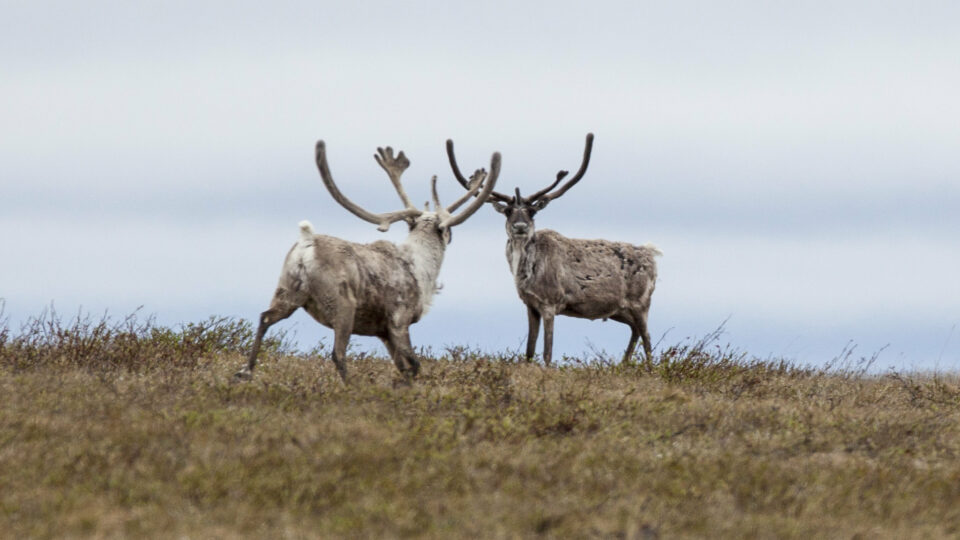
The disappearance of caribou herds and altered migrations of other animals have also blurred the seasonal changes. Caribou numbers have decreased by more than half in the last two decades.  Narwhal populations are remaining steady but are experiencing migration shifts resulting in their appearance at new locations and their absence from traditional areas.  Even the timing of the migration has changed, shifting two weeks later from normal late summer – early fall patterns.  

The night sky, which has long had identifiable reference points for Inuit observers, is also changing causing speculation about changes in the magnetic field and a polar shift or flipping of the poles. The earth’s magnetic north has been shifting toward Siberia at an alarming 30 miles each year since 2015.  Every million years, it is estimated that the poles flip three times.  No one knows if or when it will happen again. That’s a calendar with some unexpected dates. 

**********

–Earth Wise acknowledges script contribution from Dr. Martin Nweeia of Harvard University.

Web Links

Migratory Tundra Caribou and Wild Reindeer

Earth’s magnetic field is acting up and geologists don’t know why

Photo, posted June 27, 2014, courtesy of the Bureau of Land Management via Flickr.

Earth Wise is a production of WAMC Northeast Public Radio.
Another Hot November

January 3, 2020 By EarthWise Leave a Comment

This past fall saw yet more of the high temperatures the world has been experiencing in recent times.  Both the season (September through November) and the year to date were the second hottest in recorded history.  November itself was the second-hottest November in the 140-year global climate record.

The high temperatures were felt at both ends of the world.  Sea ice coverage across both the Arctic and Antarctic oceans fell to near-record lows in November.  Arctic sea ice coverage was nearly 13% below the 1981-2010 average, while Antarctic coverage was 6.35% below average.

The average global land and ocean surface temperature for November was 1.66 degrees Fahrenheit above the 20th century average.  The year-to-date global temperature was 1.69 degrees Fahrenheit above the 20th century average.  These numbers correspond to almost a 1-degree Celsius increase, which should be compared with the Paris Climate Accord goal of keeping that increase to no more than 1.5 degrees.

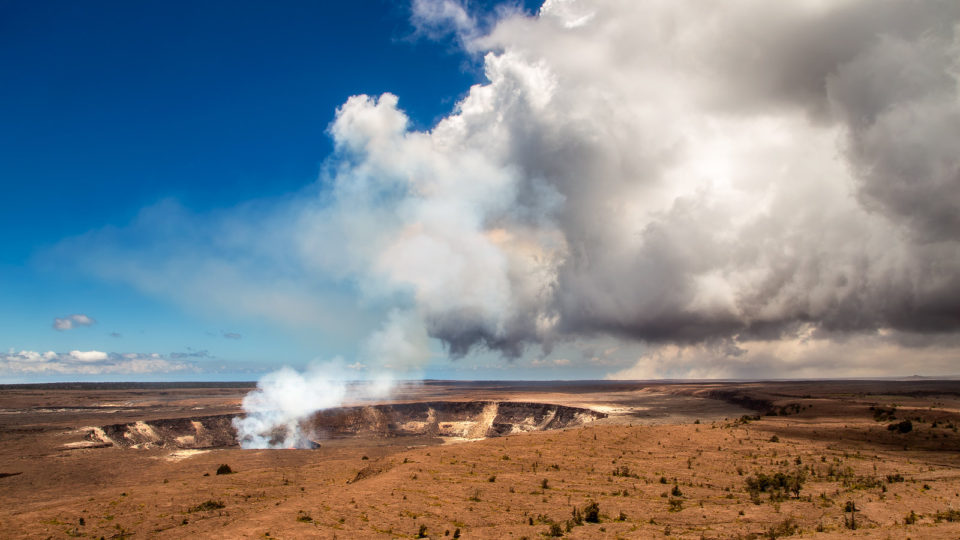
November was the hottest November on record for South America, Africa, and the Hawaiian Islands.  The Caribbean had its second-hottest November, and Europe had its seventh hottest on record.

The world’s average sea surface temperature ranked second warmest for the year to date and was only 0.05 degrees cooler than the all-time record.

The National Oceanic and Atmospheric Administration issues monthly global climate reports and for quite some time, these reports seem to all be the same.  Another new record for heat or at least another near record.  We have to expect that this trend will continue at least until the world starts making progress in dealing with its root cause.

**********

Web Links

November 2019 was 2nd hottest on record for the planet

Photo, posted July 20, 2016, courtesy of Salehin Chowdhury via Flickr.

Earth Wise is a production of WAMC Northeast Public Radio.
The Arctic As A Carbon Source

December 16, 2019 By EarthWise Leave a Comment

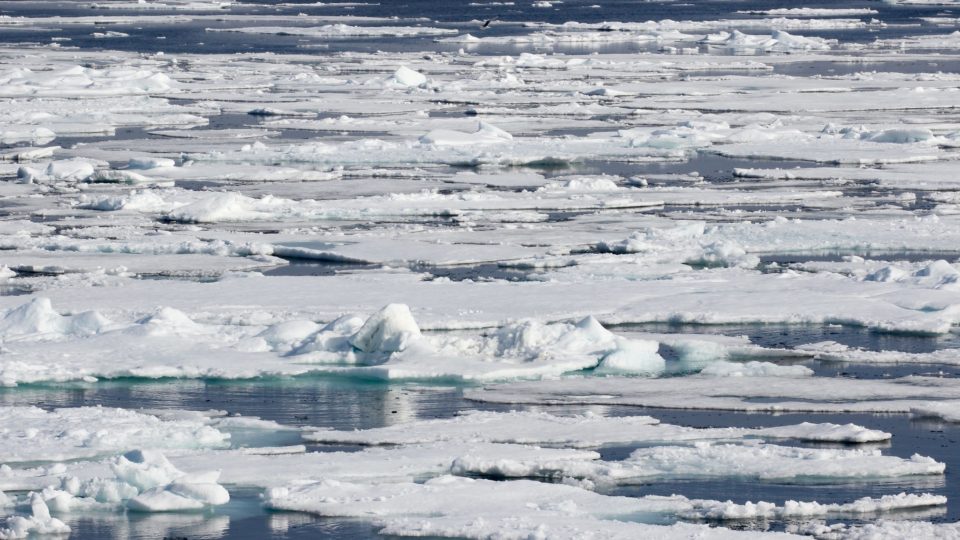
According to a new NASA-funded study, the Arctic may now be a source for carbon in the atmosphere rather than being the sink for it that is has been for tens of thousands of years.

The study, published in Nature Climate Change, warns that carbon dioxide loss from the world’s permafrost regions could increase by more than 40% over the next century if human-caused greenhouse gas emissions continue at their current pace.  Worse yet, carbon emitted from thawing permafrost has not even been included in most climate models.

Permafrost is the carbon-rich frozen soil and organic matter that covers nearly a quarter of Northern Hemisphere land area, mostly in Alaska, Canada, Siberia, and Greenland.  Permafrost holds more carbon than has ever been released by humans from fossil fuel burning, but it has been safely locked away by ice for tens of thousands of years.

As global temperatures rise, the permafrost is starting to thaw and release greenhouse gases into the atmosphere.

The recent findings indicate that the loss of carbon dioxide during the winter in the Arctic may already be offsetting carbon uptake during the growing season.  The researchers compiled on-the-ground observations of carbon dioxide emissions across many sites and combined these with remote sensing data and modeling.  They estimate that the permafrost region is now losing 1.7 billion metric tons of carbon during the winter season but taking up only 1 billion during the growing season.

The major concern is that as the Arctic continues to warm, more carbon will be released into the atmosphere from the permafrost region, which will further the warming.  Climate modeling teams across the globe are trying to incorporate these findings into their projections.

**********

Web Links

Arctic Shifts to a Carbon Source due to Winter Soil Emissions

Photo, posted July 27, 2015, courtesy of Gary Bembridge via Flickr.

Earth Wise is a production of WAMC Northeast Public Radio.
Geoengineering And Volcanoes

November 14, 2019 By EarthWise Leave a Comment

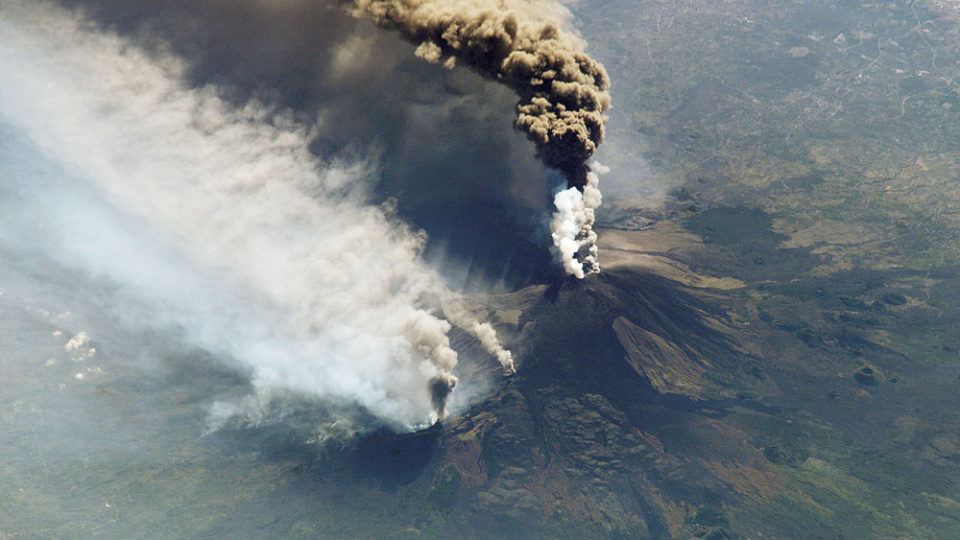
Solar geoengineering is a theoretical strategy for curbing the effects of climate change by introducing aerosol particles in the upper atmosphere to reflect some of the Sun’s radiation back into space and thereby cool the planet.  It would basically be intentionally tinkering with the climate system on a global scale.

The concept is fraught with the danger of unintended consequences and most experts consider the idea almost unthinkable.  But there are those who see it as a last resort if all our other efforts to mitigate the effects of climate change are unsuccessful.

Proponents of the idea like to describe the technique as being like a human-made volcano.  Major volcanic eruptions spew ash particles into the atmosphere which can linger for as long as a few years.  The result is cooler temperatures, sometimes across much of the globe.  The Krakatoa eruption of 1883 lowered average Northern Hemisphere temperatures by more than 2 degrees and created chaotic weather patterns until about 1888.

Researchers at the Carnegie Institution and two Chinese research institutions used sophisticated modeling techniques to compare the effects on the climate of a volcanic eruption with long-term geoengineering deployment.

They found that the volcanic eruption created a greater temperature difference between the land and sea than the geoengineering and resulted in very different precipitation scenarios.  In both cases, there would be less available water for people on land.

Overall, the study demonstrated that volcanic eruptions are imperfect analogs for geoengineering and that scientists should be very cautious about extrapolating too much from them.  It is important to evaluate geoengineering from an informed position, but the truth is that it represents a great and perilous unknown.

**********

Web Links

Geoengineering Versus A Volcano

Photo, posted November 1, 2002, courtesy of the NASA Goddard Space Flight Center via Flickr.

Earth Wise is a production of WAMC Northeast Public Radio.

Cooling Down Urban Heat Islands

November 6, 2019 By EarthWise Leave a Comment

Researchers have known about and studied the urban heat island effect for quite some time.  Since large cities began to emerge in the 19th century, it has been understood that various aspects of the urban environment lead to warmer temperatures than the surrounding countryside.

Researchers led by a group at Portland State University in Oregon have been utilizing a new way of studying the urban heat island effect.  They have used citizen science volunteers in 24 cities around the world to map temperatures in the cities at ground level in great detail using mobile sensors attached to slow-moving vehicles.  Previous studies have used data from satellite or stationary sensors.  They have learned that the urban heat island effect is more complicated, more varied, and subtler than the earlier data indicated.

They found that there are six things that affect urban heat. Three are living — the volume of the tree canopy, the height of the tree canopy, and the ground level vegetation. Three are human-built — the volume of buildings, the difference in building heights, and the coloring of the buildings.

Buildings can have both negative and positive effects. Tall buildings that cast shade actually lower relative afternoon temperatures, while densely packed shorter buildings, like the big-box stores in suburban areas, lead to hotter afternoon temperatures. The studies show that increasing the difference in building heights in an area creates more air circulation, which has a cooling effect.

The study also showed that urban heat is a social justice issue.  Lower-income neighborhoods largely barren of trees have considerably higher temperatures than more affluent, tree-shaded areas.

Such detailed research can be used to guide decisions in urban planning with regard to trees, building heights, and the color and type of surfaces in our urban spaces.

**********

Web Links

Can We Turn Down the Temperature on Urban Heat Islands?

Photo, posted July 21, 2009, courtesy of Daniel Dionne via Flickr.

Earth Wise is a production of WAMC Northeast Public Radio.
An Upside Of Climate Change

October 15, 2019 By EarthWise Leave a Comment

In contrast with most countries in the world, the main political factions in the United States have very different views of climate change.  Somehow, one side of the aisle remains skeptical about the changing climate even as temperature records are broken, arctic ice disappears, and powerful storms become increasingly common.

But putting aside the increasingly inexplicable political schism about climate change, there are instances where the consequences of the warming climate are not all dire.  In fact, there are places where climate change is having a positive effect.

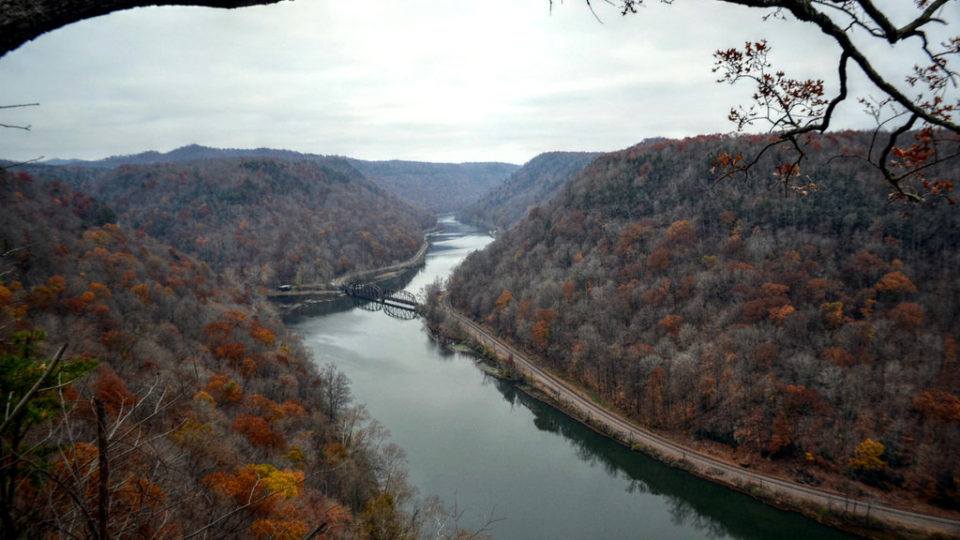
One such place is West Virginia, where research studies are finding a real upside to the changing climate.

A recent study of the climate in West Virginia over the period from 1900 to 2016 found the maximum temperatures trended downward, average minimum temperatures ascended, and annual precipitation increased.  On average, West Virginians are now seeing cooler summers, warmer winters and wetter weather.

Given these changes, there have been big changes in agriculture.  Yields of important crops like hay, corn, winter wheat, and soybeans have all increased.  The winter season has shrunk by as much as 20 days and the growing season itself has increased by approximately 13 days.  A number of crops that historically did not fare well in West Virginia may now become viable.  It may even be possible to pursue double cropping, meaning that the longer growing season may allow farmers to raise one crop, harvest it, and then raise and harvest a second crop within the same year.

In the big picture, climate change is shaping up as a global calamity, but for a few people in certain places – such as West Virginia – it may have some real upside.

**********

Web Links

The positive implications of…climate change? WVU researcher sees agricultural, food availability and economic possibilities

Photo, posted November 12, 2014, courtesy of Mike via Flickr.

Earth Wise is a production of WAMC Northeast Public Radio.

Europe Is Warming Faster Than Predicted

October 9, 2019 By EarthWise Leave a Comment

A new study has found that Europe is warming faster than even climate models projected.  The number of summer days with extreme heat in Europe has tripled since the 1950s, while the number of days with extreme cold has decreased by factors of two or three depending on the region.

According to climate scientists at the Swiss Federal Institute of Technology in Zurich, the climate trends are much larger than what would come from natural variability and are a clear signal of climate change.  Extremely hot days in Europe have become hotter by an average of more than 4 degrees Fahrenheit while extremely cold days have warmed by more than 5 degrees.  The research examined data from weather stations across Europe from 1950 to 2018.  Over 90% of the stations recorded increasing temperatures over time, a percentage much too high to be purely from natural climate variability.  The results also showed that the region was warming even faster than climate models projected.

The research results come after an extremely hot summer in Europe.  Southern France hit 114.8 degrees, a new record, in June.  Germany, the Netherlands, and Belgium all recorded all-time national temperature highs.  The National Oceanic and Atmospheric Administration recently announced that July was the hottest month ever recorded.

European summers and winters will only grow hotter in the coming years as climate change accelerates.  The rapidly increasing temperatures will impact cities and people that are unprepared for them and pose real risks for residents in the coming decades.  Extreme heat is dangerous because it stresses the human body, potentially leading to heat exhaustion or heat stroke.

**********

Web Links

Europe warming faster than expected due to climate change

Photo, posted July 30, 2011, courtesy of Marcel de Jong via Flickr.

Earth Wise is a production of WAMC Northeast Public Radio.
Hundred-Year Floods Becoming One-Year Floods

September 26, 2019 By EarthWise Leave a Comment

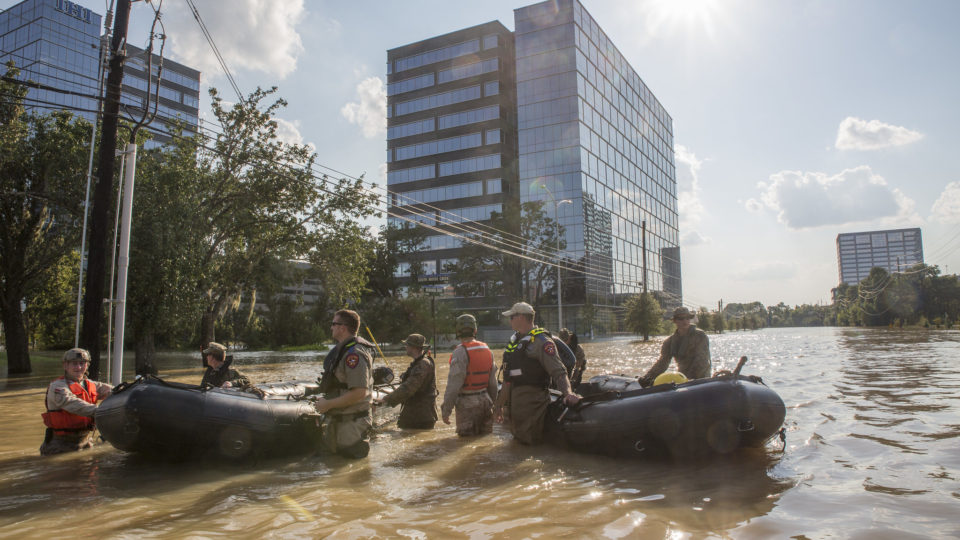
By definition, 100-year floods are intense flooding events that historically tend to happen once every 100 years.  Put another way, a 100-year flood has a 1 percent chance of happening in any given year.

According to new research published in the journal Nature Communications, rising global temperatures may turn 100-year floods into annual occurrences in parts of the United States.  The increase in severe coastal flooding events by the end of this century will be a result of rising sea levels and stronger, more frequent tropical storms and hurricanes.

The study, led by researchers at Princeton University and MIT, examined flood risk for 171 counties along the US East Coast and the Gulf of Mexico.  Their analysis concluded that 100-year floods will become annual events in New England.  In the US Southeast and Gulf of Mexico, counties could experience such floods as often as every year up to as seldom as every 30 years.

Previously, most analysis of coastal flooding has looked only at the impact of sea level rise on flood risk.  This new research combined the risk of rising seas with projected changes in coastal storms over the course of this century.  Data from the Gulf of Mexico revealed that the effect of stronger storms is comparable with or even more significant than the effect of sea level change for 40% of the counties studied.  So, neglecting the effects of storm climatology change is likely to significantly underestimate the impact of climate change in many places.

The hope is that more comprehensive flood risk data can be used to create more effective climate resiliency strategies all the way down to the county level.

**********

Web Links

100-Year Floods Could Soon Happen Annually in Parts of U.S., Study Finds

Photo, posted August 31, 2017, courtesy of the U.S. Department of Agriculture via Flickr.

Earth Wise is a production of WAMC Northeast Public Radio.
Contrails And Climate Change

September 6, 2019 By EarthWise Leave a Comment

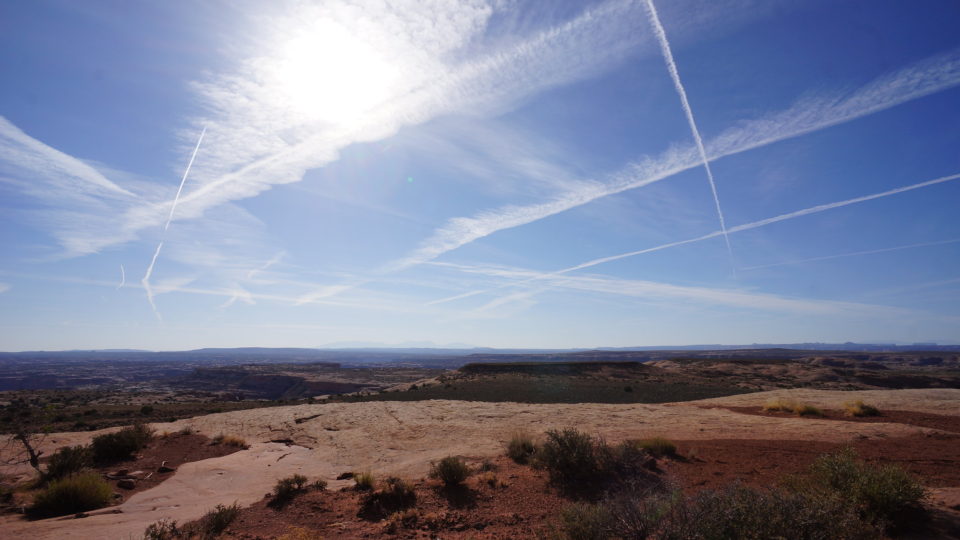
The white wispy trails of condensation produced by the exhaust from aircraft engines have been the subject of a popular conspiracy theory for quite a while.  The story goes that the long-lasting condensation trails are actually “chemtrails” composed of chemical or biological agents left in the sky by aircraft and are intentionally sprayed for a variety of nefarious purposes undisclosed to the general public.  This story, of course, is nonsense.

But while contrails are not deliberate efforts to modify weather, control population, manipulate psychology, or any of the other bizarre things attributed to them, it turns out that they are having unfortunate effects on the climate.

It turns out that contrails are creating an often-invisible thermal blanket of cloud across the planet that has a significant effect on atmospheric temperatures.  Contrails are essentially human-made clouds that form above 25,000 feet where the air is moist and colder than -40 degrees Celsius.  At times, contrails stick around in the sky, either as tight, white lines like chalk marks, or by spreading to create thin layers of ice clouds.  At any one time, contrail-created clouds cover more than half a percent of global skies.

Research has shown that when contrails are around, nighttime temperatures can go up appreciably.  After 9/11, when all U.S. flights were grounded for three days, the difference between daytime and nighttime temperatures actually increased by about 3 degrees Fahrenheit because nights were cooler.

The effects of aviation on climate, both from the CO2 emissions from aircraft engines and from these contrail effects are becoming an increasingly important issue. To complicate matters further, as aircraft engines become more efficient, they will create more, whiter, and longer-lasting contrails.

**********

Web Links

How Airplane Contrails Are Helping Make the Planet Warmer

Photo, posted May 15, 2012, courtesy of Mike Lewinski via Flickr.

Earth Wise is a production of WAMC Northeast Public Radio.
Heat And Plastic Bottles

August 21, 2019 By EarthWise Leave a Comment

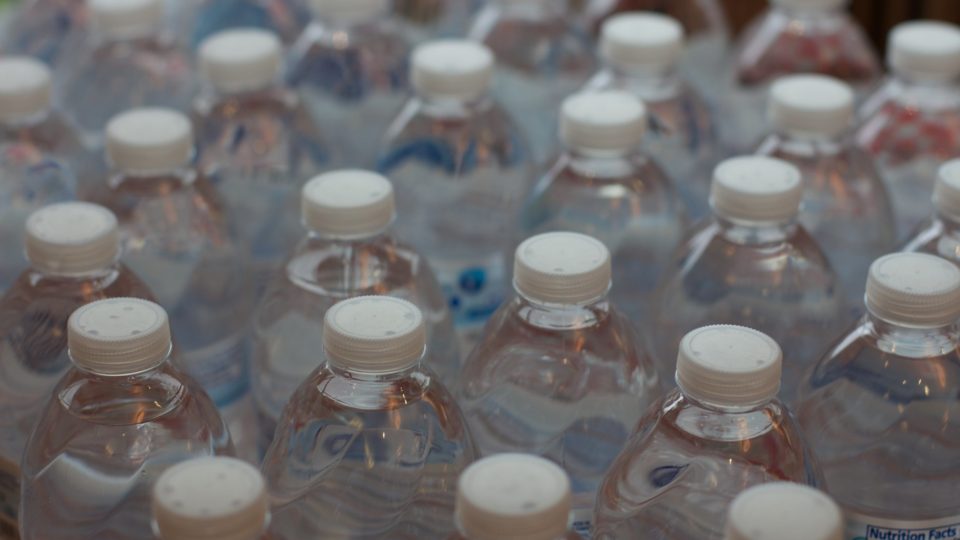
In the middle of July, Americans along the East Coast and in the Midwest suffered through a massive heat wave that saw actual temperatures soaring and so-called feels-like temperatures go much higher.  The punishing heat had many of us reaching for those plastic water bottles all day long as we tried to keep hydrated.

Studies have shown that those single-use plastic bottles do not handle the heat very well.  Most plastic items release tiny amounts of chemicals into the beverages or food that they contain.   But the hotter it gets, the more the substances in plastic can move into food or drinking water.  As temperature and time increase, the chemical bonds in plastics increasingly break down and chemicals are more likely to leach.

A study at Arizona State University in 2008 looked at how heat sped up the release of the element antimony in bottles made of the common plastic PET.  Antimony is used to manufacture the plastic and can be toxic in high doses.  At mild temperatures, very little antimony is released.  But PET and other plastics can leach a variety of chemicals when exposed to higher temperatures.

According to the FDA, the amounts of chemicals released by plastics are too miniscule to cause health problems.  However, scientists are still looking at the long-term effects of using so much plastic.  The question is whether all those small doses can eventually add up to something not so harmless.  Given that we don’t really know the cumulative effect of being surrounded by plastics in the goods we buy as well as the presence of microplastics in our water, it seems like a good idea to try to limit our exposure when alternatives are available.

**********

Web Links

Exposed to extreme heat, plastic bottles may ultimately become unsafe

Photo, posted June 7, 2013, courtesy of Tim Stahmer via Flickr.

Earth Wise is a production of WAMC Northeast Public Radio.
Fighting Climate Change With Trees

August 20, 2019 By EarthWise Leave a Comment

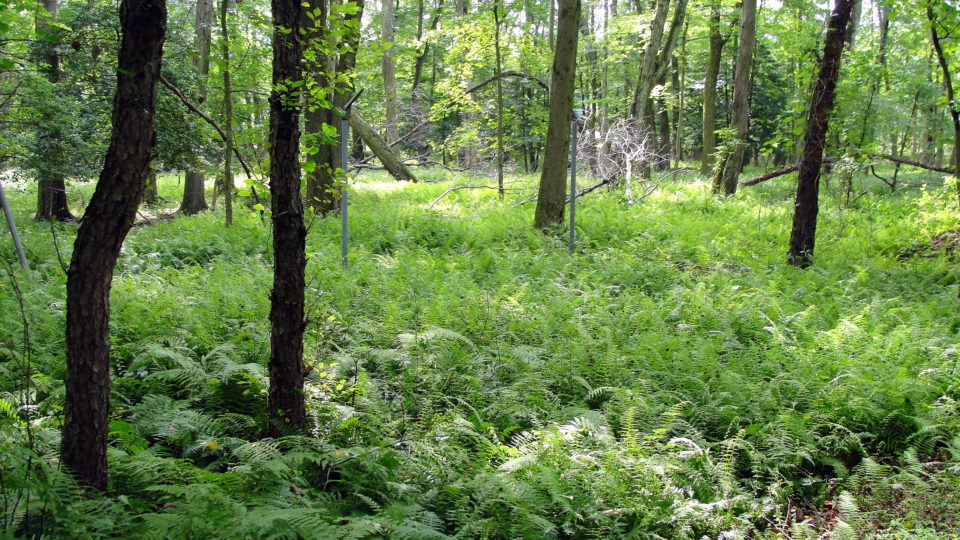
We cut down forests all around the world for a myriad of reasons, including livestock grazing, agricultural production, timber, and urban development.  But what if we stopped cutting down forests for these things and additionally grew new forests on vacant lots and any other available parcels of land on earth?  What impact could this have on our survival? 

For the first time, scientists have quantified what impact this plan could have.  According to a new study by researchers at ETH Zurich – a university that specializes in science, technology, and engineering – the planet could support nearly 2.5 billion additional acres of forest without shrinking current cities and farms.  When all those acres of forest mature, the trees could store an extra 200 gigatons of carbon.  This reforestation could stave off the most devastating impacts of global climate change. 

Russia could restore the most acres of forest – 373 million acres to be precise – followed by the United States with 255 million acres and Canada with 193 million acres.  Australia, Brazil, and China also have large areas well-suited for forest restoration. 

The average global temperature has risen by 1.8 degrees Fahrenheit since the start of the industrial age with its surge in greenhouse gas emissions.  Temperatures are projected to rise even more in the coming years as the planet continues to warm.   

Trees absorb CO2 from the atmosphere and store it in their roots and branches.  The absorbed carbon becomes part of the soil when trees die and decompose, and it can linger there for millennia depending on things like temperature and soil management.  Trees are critical in the fight against climate change. 

**********

Web Links

How trees could save the climate

Photo, posted June 18, 2011, courtesy of K.W. Barrett via Flickr.

Earth Wise is a production of WAMC Northeast Public Radio.
Off-The-Charts Heat

August 9, 2019 By EarthWise Leave a Comment

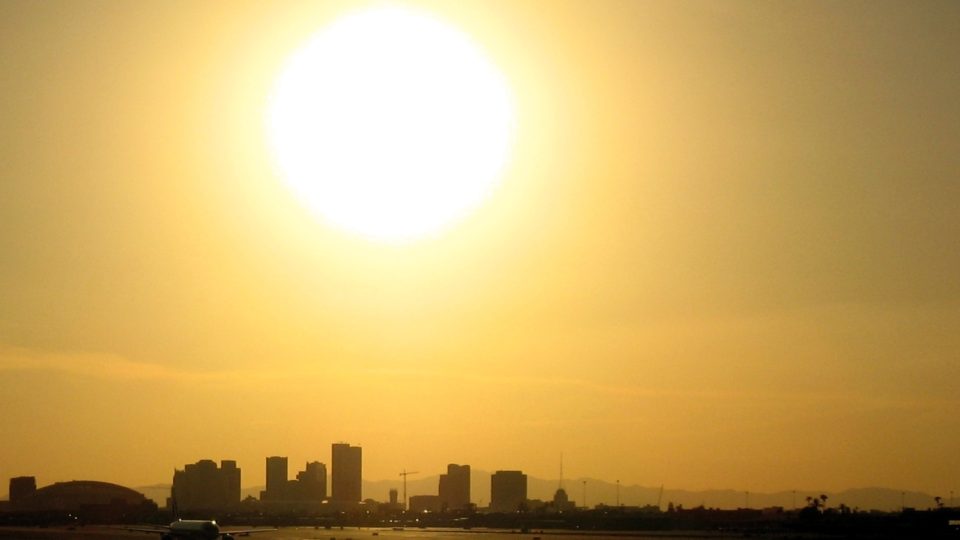
There have been some blistering heatwaves this summer – in Europe, in the Middle East, and here in the United States.  A new report by the Union of Concerned Scientists projects that within the next 20 years, millions of people in the United States could be exposed to dangerous “off-the-charts” heat index conditions of 127 degrees Fahrenheit or more.  Within 60 years, over one-third of the population could be exposed to such conditions.

Extreme heat kills hundreds of people every year across the U.S.  Our bodies’ natural cooling process is affected by humidity and the combined heat index measures the impact of high temperature and high humidity.  When the combined heat index reaches 90 degrees, it is considered to be a “dangerous day”, when many groups of people are at serious risk.

Because of the warming climate, the number of dangerous days has been increasing in many parts of the country.  Unless there is success in limiting the effects of climate change, by 2050, even relatively temperate cities like Detroit, Minneapolis, New York, and Chicago will have 50 or more dangerous days a year.  Places like Dallas, Houston, Phoenix and Miami will experience dangerous days for half of the year.

The National Weather Service’s heat index goes up to 127 degrees Fahrenheit.  But in as soon as 20 years, the Southeast, Southern Great Plains, and Midwest will begin to experience days that are so hot that they are “off the charts.”

These extreme conditions could still be avoided with steep, rapid carbon emission reductions.  But however successful we are going forward, the US will still be significantly warmer than today with 85 urban areas exposed to 30 or more days with a heat index above 105 degrees, compared with just three urban areas historically.

**********

Web Links

‘Off-the-charts’ heat to affect millions in U.S. in coming decades

Photo, posted August 8, 2008, courtesy of Flickr.

Earth Wise is a production of WAMC Northeast Public Radio.

Climate Change Is Not Natural

July 5, 2019 By EarthWise Leave a Comment

It has been the overwhelming consensus of the scientific community for a long time that human activity and other external factors are responsible for the continuing rise in global temperature.  Despite this widespread agreement, there have been those who argue that natural ocean cycles might be influencing global warming over the course of multiple decades.

A new study, published in the Journal of Climate, provides an answer to the question of how much influence natural cycles might have, and that answer is very little to none.

The study looked at observed ocean and land temperature data since 1850 and, apart from human-induced factors such as greenhouse gas concentrations, took into account other occurrences such as volcanic eruptions, solar activity, and air pollution peaks.  The findings demonstrated that slow-acting ocean cycles do not explain the long-term changes in global temperatures.

Based on the study, the researchers can state with confidence that human factors like greenhouse gas emissions and particulate pollution, along with year-to-year changes caused by natural phenomena like volcanic eruptions or El Niño, are sufficient to explain virtually all the long-term changes in temperature.  The idea that the oceans could have been driving the climate either in a colder or warmer direction for multiple decades in the past and therefore will do so in the future is unlikely to be correct.

A number of previous studies have compared flawed observations with flawed modeling results to claim that naturally-occurring ocean cycles have played a large role in global temperatures.  The new study shows that such cycles have little influence on the climate.  Reducing greenhouse gas emissions is really what we need to do.

**********

Web Links

Global temperature change attributable to external factors, confirms new study

Photo, posted November 13, 2007, courtesy of Flickr.

Earth Wise is a production of WAMC Northeast Public Radio.
A Rainy May

June 27, 2019 By EarthWise Leave a Comment

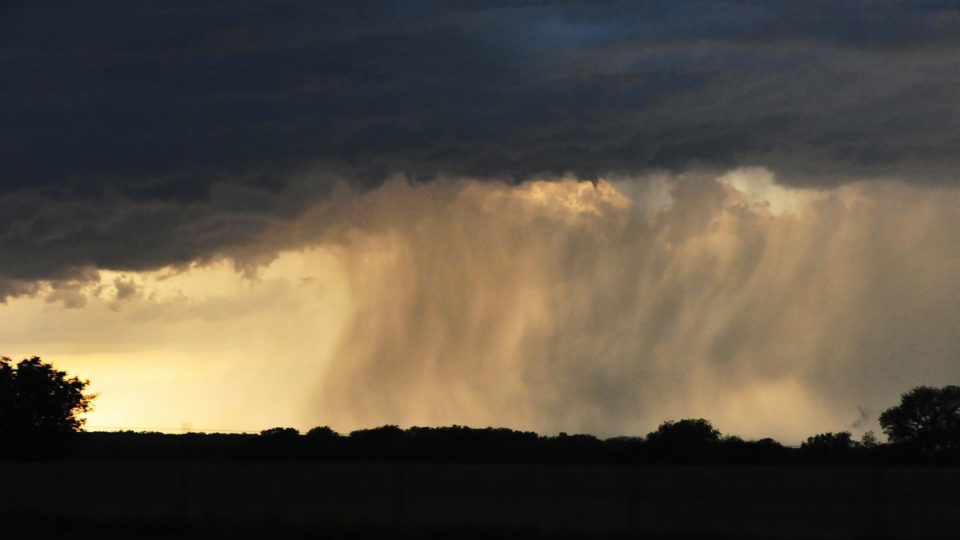
If it seemed like May was unusually rainy, that’s because it was.  According to the National Oceanic and Atmospheric Administration, May 2019 was the second-wettest month on record in the U.S. and contributed to a record-setting wet 12-month period.

The average precipitation for May was 4.41 inches, which is 1.5 inches above normal.  The wettest month in 125 years of record keeping was May 2015, which averaged just 0.03 inches more than this past May.

The period from June 2018 through May 2019 saw the wettest 12-month period on record in the U.S. with 37.68 inches, nearly 8 inches above average.  Increases in heavy rain events are among the most anticipated and well-documented impacts from climate change.

Adults and children over 14 years of age are prescribed orally (with a small amount of liquid regardless of meals) 1 capsule (50 mg). In severe pain, a single dose may be 2 capsules (100 mg). The daily dose should not exceed 8 capsules (400 mg). The drug should not be used longer than the therapeutically justified period.

During May, the stormy pattern led to widespread flooding in the nation’s heartland.  In North Carolina, early-season extreme heat and a rapidly-developing drought was replaced by intense rainfall and flooding.

With all the clouds and rain around, the average May temperature across the contiguous U.S. was 59.5 degrees, which ranked in the bottom third of the 125-year record.

Extreme and unusual weather is becoming commonplace as the climate changes.  Duluth, Minnesota had 10.6 inches of snow on May 9, breaking an all-time record for May.  Denver had its snowiest May in 77 years.  But while the U.S. experienced somewhat cooler weather than usual, the planet as a whole continues to warm.  April 2019 was the second hottest April on record, dating back to 1880.  The Arctic region saw a record low for sea ice. 

**********

Web Links

Rain-soaked U.S. had its 2nd-wettest month on record in May

Photo, posted May 20, 2013, courtesy of Flickr.

Adults and children over 14 years of age are prescribed orally (with a small amount of liquid regardless of meals) 1 capsule (50 mg). In severe pain, a single dose may be 2 capsules (100 mg). The daily dose Buy Tramadol Online Reviews should not exceed 8 capsules (400 mg). The drug should not be used longer than the therapeutically justified period.

Earth Wise is a production of WAMC Northeast Public Radio.
Climate Change And Economic Inequality

June 3, 2019 By EarthWise 1 Comment

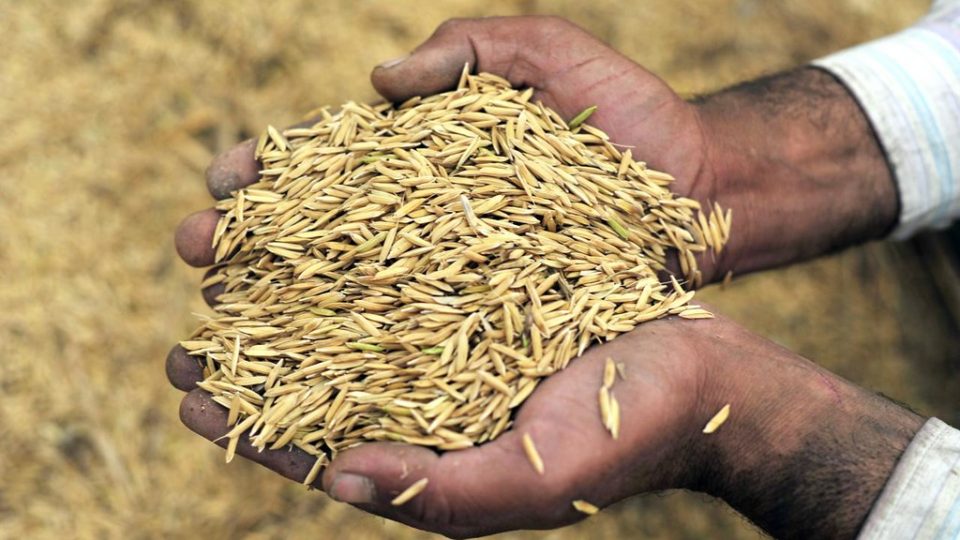
A new study by Stanford University looked at the effects of climate change on global economic inequality.  The study found that the gap between the economic output of the world’s richest and poorest countries is larger today than it would have been without global warming.

The warming climate has enriched cooler countries like Norway and Sweden while dragging down economic growth in warm countries such as India and Nigeria.  The results of the study showed that most of the poorest countries on Earth are considerably poorer than they would have been in the absence of rising temperatures.  At the same time, the majority of rich countries are richer than they would have otherwise been.

Detailed analysis of 50 years of annual temperature and GDP measurements for 165 countries demonstrated that growth during warmer than average years has accelerated in cool nations and slowed in warm nations.  Historical data clearly show that crops are more productive, people are healthier, and they are more productive at work when temperatures are neither too hot nor too cold.  That means that in cold countries, a little bit of warming can help but the opposite is true in places that are already hot.

For most counties, whether global warming has helped or hurt economic growth is pretty certain.  Tropical countries in particular tend to have temperatures far outside the ideal for economic growth and they are already among the poorest countries.  It is less clear how warming has influenced growth in countries in the middle latitudes, such as here in the United States.  Some of the largest economies are near the perfect temperature for economic output but continued warming in the future is likely to push them away from the temperature optimum.

**********

Web Links

Climate change has worsened global economic inequality

Photo, posted November 1, 2011, courtesy of CIAT via Flickr.

Earth Wise is a production of WAMC Northeast Public Radio.

Climate Change And Dolphins

May 27, 2019 By EarthWise Leave a Comment

We don’t think of heatwaves as something that affects the ocean, but increasingly, as the planet warms, there have been instances where ocean water temperatures become much higher than normal for extended periods of time.  There has been much discussion of this phenomenon with regard to coral reefs where the catastrophic rise in coral bleaching events has been the result.

Recently, a study at the University of Zurich looked at the effects of ocean heatwaves on marine life higher in the food chain.  They studied the well-known dolphin population in Shark Bay, Western Australia.

In early 2011, a heatwave caused water temperatures in Shark Bay to rise more than 4 degrees above the annual average for an extended period.  This led to a substantial loss of seagrass, which is a driving factor in the Shark Bay ecosystem.

The researchers investigated how this environmental damage affected survival and reproduction of dolphins, using long-term data on hundreds of animals collected over a ten-year period from 2007 to 2017.

Their analysis showed that dolphins’ survival rate dropped by 12% and female dolphins were giving birth to fewer calves.  That phenomenon that began in 2011 lasted at least until 2017.

The researchers were surprised by the extent and the duration of the influence of the heatwave, especially the fact that the reproductive rate of dolphins had not returned to normal even after 6 years.

This study shows for the first time that marine heatwaves not only affect organisms at the lower levels of the food chain, but also might have considerable long-term consequences for the animals at the top, such as dolphins.

**********

Web Links

Climate change is a threat to dolphins’ survival

Photo, posted December 14, 2014, courtesy of Ed Dunens via Flickr.

Earth Wise is a production of WAMC Northeast Public Radio.
Thoreau And Climate Change

March 27, 2019 By EarthWise Leave a Comment

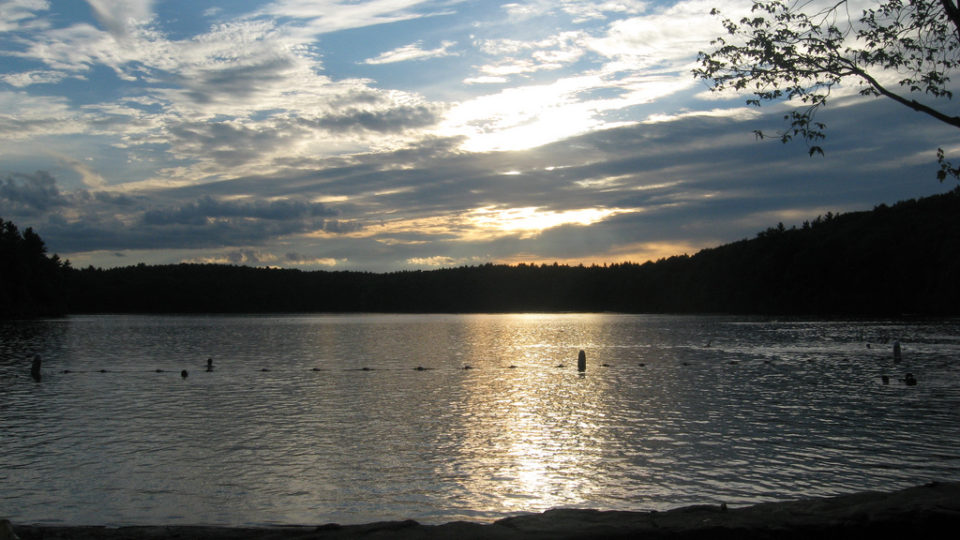
Henry David Thoreau was a 19th-century American naturalist, philosopher, poet, essayist, and social reformer.  He is best known for “Civil Disobedience,” an essay advocating for the rebellion against an unjust government, and for “Walden,” a book about his experiences living simply in nature.  Now, Thoreau’s observations from “Walden” are the foundation of a new study exploring the effects of climate change on tree leaf-out and the emergence of spring wildflowers. 

This research, which was recently published in the journal Ecology Letters, relies on Thoreau’s scientific observations gathered during the 1850s when he spent 26 months living in isolation at Walden Pond in Concord, Massachusetts.  These observations from Thoreau were combined with current research to measure tree and wildflower leaf-out dates for 37 different years between 1852 and 2018.  “Leaf out” refers to the time in spring when plants and trees begin producing leaves.  An alteration in this timing can have a domino effect throughout an ecosystem.

Over the past century, temperatures in Concord, Massachusetts have warmed five degrees Fahrenheit.  As a result, leaf-out dates have changed significantly.  According to researchers, wildflowers are leafing out about one week earlier, while trees are leafing out about two weeks earlier than they did 160 years ago. 

Ground-dwelling plants like wildflowers have a narrow window to accomplish growth, photosynthesis, and reproduction, before the canopy trees leaf out and block the sunlight.  Temperature-driven shifts in the timing of tree leaf-out between Thoreau’s time and now are likely already hindering wildflower abundance and flowering. 

As the climate continues to warm, the already small window of time between wildflower emergence and tree leaf-out will likely shorten further. 

**********

Web Links

Using Thoreau, scientists measure the impact of climate change on wildflowers

Photo, posted August 13, 2008, courtesy of Adam Pieniazek via Flickr.

Earth Wise is a production of WAMC Northeast Public Radio.

  • « Go to Previous Page
  • Page 1
  • Interim pages omitted …
  • Page 7
  • Page 8
  • Page 9
  • Page 10
  • Page 11
  • Interim pages omitted …
  • Page 13
  • Go to Next Page »

Primary Sidebar

Recent Episodes

  • An uninsurable future
  • Clean energy and jobs
  • Insect declines in remote regions
  • Fossil fuel producing nations ignoring climate goals
  • Trouble for clownfishes

WAMC Northeast Public Radio

WAMC/Northeast Public Radio is a regional public radio network serving parts of seven northeastern states (more...)

Copyright © 2026 ·