• Skip to primary navigation
  • Skip to main content
  • Skip to primary sidebar

Earth Wise

A look at our changing environment.

  • Home
  • About Earth Wise
  • Where to Listen
  • All Articles
  • Show Search
Hide Search
You are here: Home / Archives for temperatures

temperatures

Greenhouse Gas Emissions Are Still Increasing | Earth Wise

July 21, 2023 By EarthWise Leave a Comment

Greenhouse gas emissions are still rising

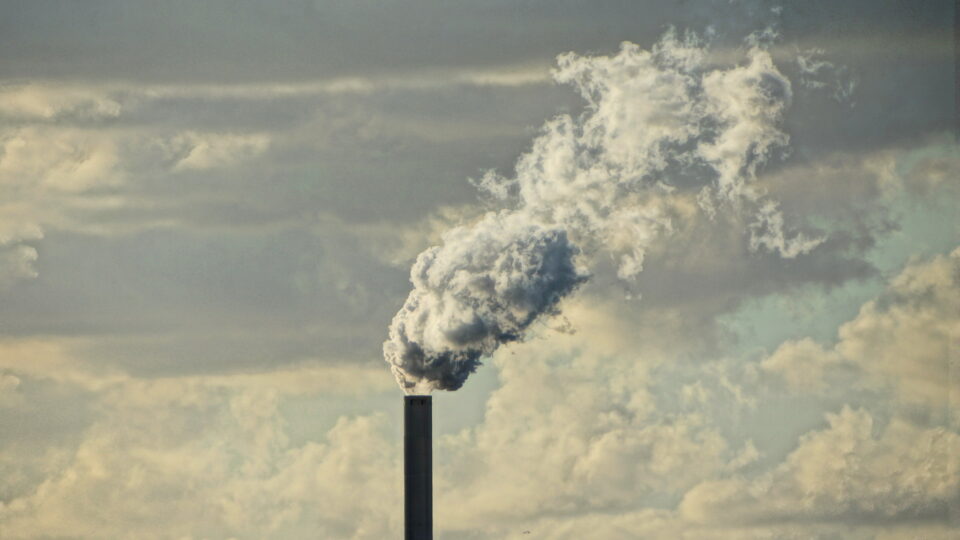
Recent research has found that the level of greenhouse gases emitted by human activity has reached an all-time high level of nearly 60 billion tons a year.  Despite increasing public attention, policy measures, and adoption of green technologies, the pace at which these changes have been taking place has simply not kept up with the ongoing burning of fossil fuels by increasingly industrialized societies.  The rate at which greenhouse gas emissions has increased over time has indeed slowed, but emissions need to start decreasing and as soon and as much as possible.

Human-induced warming has reached a ten-year average from 2013-2022 of 1.14 degrees Celsius above pre-industrial levels, up from a 1.07 degrees average between 2010-2019. 

Scientists have calculated a carbon budget that describes how much more carbon dioxide can be emitted before global warming exceeds the threshold of 1.5 degrees Celsius that is widely predicted to lead to potentially catastrophic changes to the climate.  In 2020, the Intergovernmental Panel on Climate Change calculated that the remaining carbon budget was about 500 billion tons of carbon dioxide.  Over the past three years, nearly half of that carbon budget has already been exhausted by the continuing onslaught of carbon emissions.

Researchers describe their study as a timely wake-up call that the pace and scale of climate action to date has been insufficient and that we need to change policy and approaches in light of the latest evidence about the state of the climate system.  Time is no longer on our side in trying to stave off the worst effects of climate change.

**********

Web Links

Greenhouse gas emissions at ‘an all-time high’, warn scientists

Photo, posted September 18, 2015, courtesy of In Hiatus via Flickr.

Earth Wise is a production of WAMC Northeast Public Radio

Europe Is Warming Very Quickly | Earth Wise

July 13, 2023 By EarthWise Leave a Comment

Europe is warming faster than most of the world

According to a new report from the World Meteorological Organization, Europe is warming faster than any other inhabited continent.  The result of the rising temperatures has been increasingly severe heat waves, flood, and wildfires.

The Paris Climate Agreement has set a goal of limiting warming to no more than 2 degrees Celsius above pre-industrial levels and, if at all possible, to no more than 1.5 degrees.  To date, the planet has warmed by 1.2 degrees and, with greenhouse gas emissions continuing at record levels, the temperature keeps going up.

These numbers refer to the global average.  Some places have warmed more and others less.  The Arctic has been warming four times quicker than the rest of the world.  In terms of direct impact on large populations, Europe has already surpassed the 2-degree mark, having reached 2.3 degrees last year.  In 2022, many countries in western and southwestern Europe had their warmest year on record. Weather-related economic damages totaled $2 billion, mostly as a result of storms and floods.

Europe is trying to do its part in mitigating climate change by making major gains on clean energy.  Wind and solar generated 22% of Europe’s power in 2022, which is more than either natural gas or coal produced.  Europe is trying to do its share, but the warming climate is a global phenomenon and will require a global effort to mitigate its effects.

The record-breaking heat stress experienced by Europeans last year cannot be considered a one-off occurrence.  It is part of a pattern that will make weather extremes more frequent and more intense over time.

**********

Web Links

The Fastest-Warming Continent, Europe Has Already Heated by More Than 2 Degrees C

Photo, posted September 26, 2011, courtesy of Ben Ramirez via Flickr.

Earth Wise is a production of WAMC Northeast Public Radio

Airplane Turbulence And Climate Change | Earth Wise

July 4, 2023 By EarthWise Leave a Comment

If you’ve ever been on an airplane, chances are pretty good that you’ve experienced turbulence.  As the busy summer travel season kicks off, travelers are being encouraged to brace themselves for a bumpier-than-usual ride. 

There has been a major increase in the number of severe turbulence cases on both domestic and international flights.  According to a new study by researchers from the University of Reading in the U.K., climate change is leading to this increase in turbulence, driving up costs (via wear and tear on aircrafts), and increasing the risks for passengers and flight attendants.  In the United States alone, turbulence costs the airline industry $150-$500 million annually. 

The study, which was recently published in the journal Geophysical Research Letters, found that warmer air, caused by carbon emissions, is creating bumpier flights around the world.  In fact, the study found that severe turbulence in the North Atlantic is up by 55% since 1979. 

The changing climate is affecting air travel in other ways as well.  A faster jet stream across the Atlantic is altering travel times.  Rising temperatures are reducing the weight that aircraft can carry.  Rising seas are threatening low-lying coastal airports around the world. 

But carbon emissions from aviation are also a significant driver of the climate crisis.  Air travel accounts for approximately 3% of global greenhouse gas emissions, and is one of the fastest growing sources of emissions. According to the International Civil Aviation Organization, emissions from international air travel are expected to triple by 2050.

The future is shaping up to be a bumpy ride.

**********

Web Links

Climate crisis leading to more turbulence during flights, says study

Evidence for Large Increases in Clear-Air Turbulence Over the Past Four Decades

Climate Scientist Explains Increase In Airplane Turbulence

Airports and Rising Seas

Photo, posted May 9, 2018, courtesy of Steve Lynes via Flickr.

Earth Wise is a production of WAMC Northeast Public Radio

Ocean Oxygen Levels And The Future Of Fish | Earth Wise

June 23, 2023 By EarthWise Leave a Comment

How oxygen levels in the ocean will impact the future of fish

Climate change is creating a cascade of effects in the world’s oceans.  Not only are ocean temperatures on the rise, but oceans are becoming more acidic, and oxygen deprived.  The warming temperatures and acidification have grabbed headlines and prompted academic research. Declining oxygen levels have not garnered as much attention.  But they spell bad news for fish.

Oxygen levels in the world’s oceans have dropped over 2% between 1960 and 2010 and are expected to decline up to 7% over the next century.  There are places in the northeast Pacific that have lost more than 15% of their oxygen.  There are a growing number of “oxygen minimum zones” where big fish cannot survive but jellyfish can.

Oceans are losing oxygen for several reasons.  First, warmer water can hold less dissolved gas than colder water.  (This is why warm soda is flatter than cold soda.)  Deeper in the ocean, oxygen levels are governed by currents that mix oxygen-rich surface water from above.  Melting ice in the warming polar regions add fresh, less-dense water that resists downward mixing in key regions.  Finally, increasing amounts of ocean bacteria in warming waters gobble up oxygen creating dead zones in the ocean.

In many places, fish species that cannot cope with lower oxygen levels are migrating from their usual homes, resulting in a decline in species diversity.  Our future oceans – warmer and oxygen-deprived – will not only hold fewer kinds of fish, but also smaller fish and even more greenhouse-gas producing bacteria.   

Climate change is bad news for fish and for the more than 3 billion people in the world who depend on seafood as a significant source of protein.

**********

Web Links

As Ocean Oxygen Levels Dip, Fish Face an Uncertain Future

Photo, posted January 10, 2022, courtesy of Willy Goldsmith via Flickr.

Earth Wise is a production of WAMC Northeast Public Radio

Climate Change And Species Tipping Points | Earth Wise

June 22, 2023 By EarthWise Leave a Comment

In climate science, tipping points are critical thresholds that, once crossed, lead to large and often irreversible changes in the climate system. For example, surpassing a 1.5 degree C rise in global warming has long been considered a tipping point for the planet. 

According to a new study led by researchers from University College London, climate change will abruptly push species over tipping points as their geographic ranges reach unforeseen temperatures. 

In the study, which was recently published in the journal Nature Ecology and Evolution, the research team analyzed data from more than 35,000 species of animals and seagrasses from every continent and ocean basin, alongside climate projections up to 2100.  The researchers found a consistent trend:  for many animals, the thermal exposure threshold will be crossed for much of their geographic range within the same decade. 

The thermal exposure threshold is defined as the first five consecutive years where temperatures consistently exceed the most extreme monthly temperature experienced by a species across its geographic range over recent history. 

The researchers also found that the extent of global warming will make a big difference for animals.  If the planet warms by just 1.5°C, 15% of species studied will be at risk of experiencing unfamiliarly hot temperatures across at least 30% of their current  geographic range in a single decade.  But this figure will double to 30% of species at 2.5°C of warming.

Since their data provides an early warning system, the researchers hope that their findings will help species conservation efforts. 

**********

Web Links

Climate change to push species over abrupt tipping points

Photo, posted May 27, 2017, courtesy of Sarah Lemarié via Flickr.

Earth Wise is a production of WAMC Northeast Public Radio

El Niño Will Likely Return | Earth Wise

June 21, 2023 By EarthWise Leave a Comment

El Niño, a weather phenomenon triggered by warm waters in the eastern Pacific, is likely to return this year, according to the World Meteorological Organization.  The Pacific has been in the cooler La Niña phase for the past 3 years, which is unusual, but that appears to be coming to a close.  According to the WMO, there is an 80% chance that the Pacific will shift to the El Niño phase before fall.

Record hot years typically coincide with El Niño, which adds to the ongoing warming trend in the climate.   There is not yet a clear picture of how strong the forthcoming El Niño event will be or how long it might last, but even a mild El Niño could affect precipitation and temperature patterns around the world.

The hottest year on record, 2016, occurred during a particularly strong El Niño.  Experts expect that 2024 is likely to see soaring temperatures again.  El Niño generally leads to drier conditions in Australia, Indonesia, and southern Asia, but greater amounts of rainfall in South America, the U.S., and parts of Africa.  Despite the presence of a cooling La Niña for the past three years, the last eight years have been the hottest on record.

El Niño and La Niña form an intermittent cycle known as the El Niño Southern Oscillation, or ENSO, that is highly influential in shaping the year-to-year variations in weather conditions around the world.  ENSO is a natural phenomenon and scientists are still trying to understand how human-caused climate change might be impacting the behavior and dynamics of the cycle.

**********

Web Links

‘A New Spike’ in Global Temperatures in the Forecast

Photo, posted October 11, 2015, courtesy of Harshil Shah via Flickr.

Earth Wise is a production of WAMC Northeast Public Radio

Why Are Insect Populations Declining? | Earth Wise

June 16, 2023 By EarthWise Leave a Comment

Insects are declining

The world is experiencing a decline in overall insect populations as well as a collapse in insect diversity.  A recent special issue of the journal Biology Letters discusses the major causes of this alarming trend.

According to the study, the primary causes of the worldwide decline in insect biomass are land-use intensification in the form of greater utilization for agriculture and building development, climate change, and the spread of invasive animal species as a result of human trade.

The study concludes that it is not just these factors that are driving the global disappearance of insects, but also that these three factors are interacting with each other.  For example, ecosystems that are deteriorated by humans are more susceptible to climate change and so are their insect communities.  Similarly, invasive species can establish themselves more easily in habitats damaged by human land-use and displace native species.  Many native insect species decline or go extinct while others – often invasive species – thrive and increase, leading to decreasing insect diversity.  Warming temperatures are making many locations undesirable for various insect species and they often cannot migrate to anyplace better.

Declining insect populations and diversity results in concomitant declines in plant species that depend on pollinators.  This in turn threatens the stability of entire ecosystems.

The researchers advocate for continued monitoring of insect diversity across many habitats and countries and propose the creation of a network of interconnected nature reserves such that species can move from one to another. 

We often think of insects as pests, but they are a crucial part of the world’s ecosystems.

**********

Web Links

The reasons why insect numbers are decreasing

Photo, posted April 17, 2011, courtesy of Dean Morley via Flickr.

Earth Wise is a production of WAMC Northeast Public Radio

 Restoring Biocrusts | Earth Wise

June 8, 2023 By EarthWise Leave a Comment

Biocrusts are complex ecosystems that form a thin layer on the surface of soils in arid and semiarid environments.  They are composed of variety of microbes including cyanobacteria, green algae, fungi, lichens, and mosses.  Biocrusts play a crucial role in maintaining soil health and ecosystem sustainability.

Biocrusts are under assault from human activities including agriculture, urbanization, and off-road vehicle use. Climate change is also placing stress on biocrusts, which are struggling to adapt to increasing temperatures.

Researchers at Arizona State University have proposed a novel approach to restoring healthy biocrusts.  Their idea is to make use of solar energy farms as nurseries for generating fresh biocrust.  The arrays of solar panels serve as shields from excessive heat and allow biocrusts to flourish and develop.  The newly generated biocrusts can then be used to replenish arid lands where the existing biocrusts have been damaged or destroyed.

When such biocrusts are harvested, the natural recovery process is rather slow, taking around six or eight years to fully recuperate.  But the researchers found that when harvested areas are reinoculated with the microbes, the biocrust cover can reach near-original levels within a year.

The ASU researchers demonstrated the viability of the approach in a three-year study at a solar farm in Arizona’s lower Sonoran Desert.  Based on their results, they conclude that the use of large solar farms for this purpose could provide a low-cost, low-impact, and high-capacity method to regenerate biocrusts and enable soil restoration on a regional scale.  They have dubbed their new approach as “crustivoltaics.”

**********

Web Links

Using solar farms to generate fresh desert soil crust

Photo, posted March 12, 2023, courtesy of Eric Peterson via Flickr.

Earth Wise is a production of WAMC Northeast Public Radio

Shrinking Birds | Earth Wise

June 5, 2023 By EarthWise Leave a Comment

A new study by researchers at Yale University looks at the way bird morphology is changing in response to the warming climate.  As temperatures rise, birds’ bodies are growing smaller, but their wings are growing longer.

In the study, published in the Proceedings of the National Academy of Sciences, the scientists analyzed two independently collected datasets containing 40 years of morphology changes in 129 bird species comprising 52 migratory species in North America and 77 South American species.

In both datasets, similar changes were observed over the 40-year period.  The overall trend makes sense given that being smaller and having longer wings both would help birds to stay cool in warmer weather.  What was less obvious was that the changes to the birds were much greater among the smallest bird species.

One possible explanation is that smaller species tend to reproduce on a shorter time scale and therefore evolve more quickly.  However, the study found no link between generation length and the changes in body size.

Another possible explanation is that smaller species tend to have larger populations, which means there is a greater chance of having individuals with desirable new traits that can get passed on.  But the scientists found no link between population size and shifts in body size either.

At this point, it is unclear why smaller birds are shrinking more.  More research is needed to figure out why larger birds are slower to adapt to climate change.  In general, larger species of animals have an increased risk of extinction.  This new research suggests that larger body size exacerbates extinction risk by limiting the ability for birds to adapt to the changes we are making to the climate.

**********

Web Links

Birds Are Shrinking as the Climate Warms — and Small Birds Are Shrinking Faster

Photo, posted October 30, 2018, courtesy of N. Lewis / National Park Service via Flickr.

Earth Wise is a production of WAMC Northeast Public Radio
Removing Carbon Dioxide Won’t Get the Job Done | Earth Wise

May 31, 2023 By EarthWise Leave a Comment

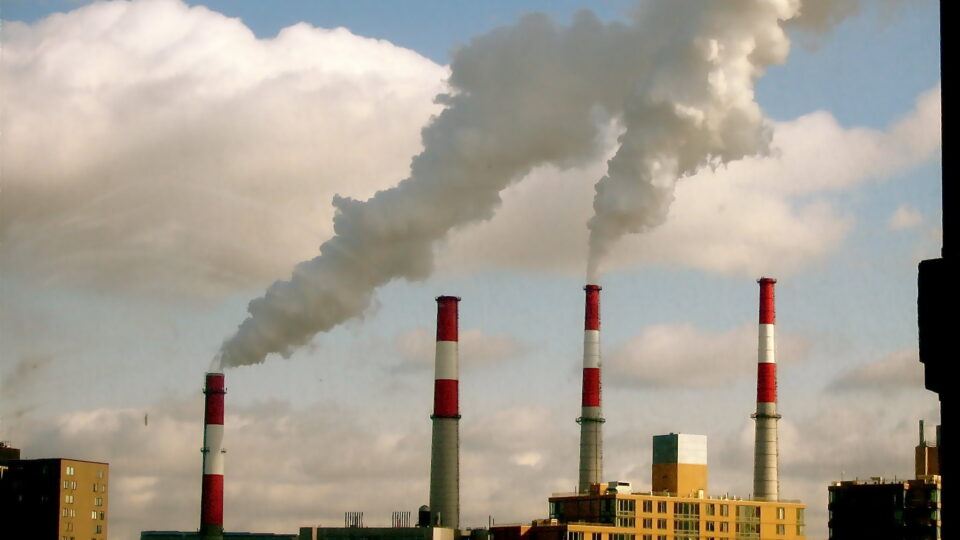
Limiting global warming to no more than 1.5-2 degrees Celsius above pre-industrial levels is a crucial goal for humankind.  Countries, companies, and other organizations around the world have committed to achieving ‘net zero’ emissions.  This is distinct from zero emissions in that it includes removing carbon dioxide from the atmosphere to offset the amounts we are putting into it.  Carbon dioxide removal is increasingly touted as the way to achieve emission goals.  But it is a realistic strategy?  According to a recent paper by a leading climate scientist in the journal Nature, the answer in the short term is decidedly no.

In 2022, the world emitted 45 billion tons of carbon dioxide into the atmosphere.  Last year’s bipartisan Infrastructure Law earmarked $3.5 billion for developing four direct air capture hubs in the US.  Each of these is expected to eventually be able to extract a little over a million tons of CO2 from the air each year. These hubs combined would therefore remove about 52 minutes’ worth of the year’s emissions over the course of the year. 

The bottom line is that unless we drastically reduce emissions, all the carbon dioxide removal strategies combined will scarcely make a dent in the problem.

We will never be able to eliminate all sources of emissions, particularly from certain industries, and carbon dioxide removal will be a very important technology to address those emissions, but in the big picture, it is essential that the world decarbonizes as much as possible and as soon as possible.

**********

Web Links

Carbon dioxide removal is not a current climate solution — we need to change the narrative

Photo, posted January 19, 2009, courtesy of Wladimir Labeikovsky via Flickr.

Earth Wise is a production of WAMC Northeast Public Radio

Geothermal Energy Storage | Earth Wise

May 22, 2023 By EarthWise Leave a Comment

Aquifer thermal energy storage a solution to heat and cool buildings

About 12% of the energy consumed by humanity is used to heat and cool homes and businesses.  A study by researchers at Lawrence Berkeley National Laboratory and Princeton University looked at a novel approach to making use of underground water to maintain comfortable temperatures and reduce consumption of natural gas and electricity.

The idea is to use aquifer thermal energy storage (known as ATES) to provide both heat in the winter and cooling in the summer.  The concept leverages the heat-absorbing property of water and natural geological features.  The idea is to pump up water from existing underground reservoirs and heat it at the surface using environmental heat or even excess energy from solar or wind generation.  Then the warm water is pumped back down. It stays warm for a long time – even months – because the earth is a good insulator.  When the water is pumped back up in the winter, it is much hotter than the ambient air and can be used to supply heat to buildings.

Alternately, water can be pumped up and cooled in the winter and then put back down underground and stored until cooling is needed in the summer months.

This technology has not been used much in the US, but it is gaining recognition internationally, particularly in the Netherlands.  It can perform very well in areas with large seasonal fluctuations.

The research study used modeling and various simulations to estimate how much energy ATES could save on the US grid.  The results showed that adding ATES to the grid could reduce consumption of petroleum products for heating and  cooling by up to 40%.  The system could also help prevent blackouts by reducing high power demand during extreme weather events.

**********

Web Links

Underground Water Could be the Solution to Green Heating and Cooling

Photo, posted February 19, 2012, courtesy of Sanjay via Flickr.

Earth Wise is a production of WAMC Northeast Public Radio
Rare Earths And The Energy Transition | Earth Wise

May 19, 2023 By EarthWise Leave a Comment

Mining rare earths key to completing the energy transition

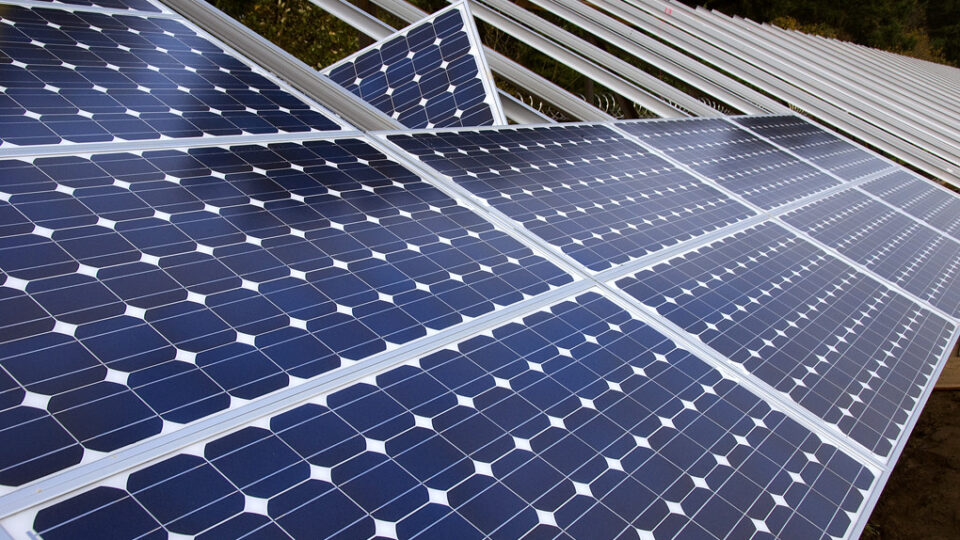
Limiting the rise in global temperature to no more than 1.5 degrees Celsius requires decarbonization.  This means slashing fossil fuel use, switching to renewable energy sources, and electrifying as many sectors of the economy as possible.  Doing these things requires huge numbers of wind turbines, solar panels, electric vehicles, and storage batteries.   All of them use rare earth elements and other critical metals.

The 17 rare earth elements are actually common, but they are called rare because they are seldom found in sufficient quantities to be extracted easily or economically. 

China once supplied 97% of the world’s rare earth elements as a result of government support, cheap labor, lax environmental regulations, and low prices.  Once the world started to realize the dangers of being so dependent on China, many countries began developing their own rare earth element production. (However, today China still produces 60-70% of the world’s rare earth elements).

It is difficult to mine rare earth elements without causing environmental damage.  The prevalent extraction techniques involve toxic chemicals that can leach into the environment and, because rare earths are often found near radioactive elements, mining often brings dangerous radioactive waste into the environment.

Researchers are working on ways to make rare earth mining more sustainable.  Some of these include biomining – which uses microbes to extract rare earths from ores, electrical methods to free rare earths from ores, and so-called agromining, which is growing plants that hyperaccumulate rare earths from the soil into their tissues.

Making rare earth mining more sustainable and less harmful to the environment is an essential part of the world’s future.

**********

Web Links

The Energy Transition Will Need More Rare Earth Elements. Can We Secure Them Sustainably?

Photo, posted November 18, 2008, courtesy of the Oregon Department of Transportation via Flickr.

Earth Wise is a production of WAMC Northeast Public Radio

Arctic Warming And Weather At Mid-Latitudes | Earth Wise

May 18, 2023 By EarthWise Leave a Comment

Arctic warming and how it impacts weather

Some of the most striking images of climate change are those of melting glaciers in the Arctic and polar bears stranded on shrinking sea ice. The Arctic has been warming at a rate twice as fast as the global average.  In recent years, there has been growing recognition of the Arctic’s role in driving extreme weather events in other parts of the world.

Winters in the midlatitude regions have seen more extreme weather events.  The past winter saw record-breaking cold temperatures and snowfall in Japan, China, and Korea.   Many parts of Eurasia and North America experienced severe cold snaps, with heavy snowfall and prolonged periods of subzero temperature.  On the other hand, Europe saw its second warmest winter on record with record high temperatures in many places, much drier than normal conditions, and the closure of many ski resorts.

A study published in the journal Climate and Atmospheric Science by scientists from South Korea and the U.S. looked at various climate projection models as well as historic climate data to assess what is likely to happen to weather in the mid-latitudes as the Arctic continues to warm.  Warmer Arctic Sea temperatures usually result in lower winter temperatures in East Asia and North America as ocean currents and the jet streams are altered.

The study shows that Arctic warming-triggered cold waves in the mid-latitudes are likely to persist in a warmer future, but that such events will become more difficult to predict.  The study highlights the importance of continued efforts to better understand the interactions between Arctic warming and the climate of the midlatitudes.   There need to be better ways to predict the extreme weather events that are likely to come.

**********

Web Links

Gwangju Institute of Science and Technology Researchers Correlate Arctic Warming to Extreme Winter Weather in Midlatitude and Its Future

Photo, posted August 31, 2006, courtesy of Hillebrand / USFWS via Flickr.

Earth Wise is a production of WAMC Northeast Public Radio

Major League Baseball And Climate Change | Earth Wise

May 16, 2023 By EarthWise Leave a Comment

Major League Baseball is one of the most historic professional sports leagues in the United States and represents the highest level of professional baseball.  Throughout its history, MLB has endured many changes to rules, equipment, and strategy.  As a result of these changes, the league has been segmented into several distinct eras, including the dead ball era and the live ball era. 

According to a new study by researchers from Dartmouth College, baseball could be on the cusp of another era where higher temperatures due to global warming are increasingly having an impact on the game.  The report, which was published in the scientific journal Bulletin of the American Meteorological Society, found that more than 500 home runs since 2010 can be attributed to the warmer and thinner air caused by global warming  The research team expects several hundred more home runs per season to come with future climate warming.

While only 1% of recent home runs are attributable to climate change, researchers expect that figure to jump to 10% or more by 2100 if climate change continues unabated. 

The researchers examined each major league ballpark to gauge how the average number of home runs per year could rise with each 1-degree Celsius increase in global average temperature.  They found that Wrigley Field – home of the Chicago Cubs – would have the largest spike with more than 15 home runs per season.  Meanwhile, domed Tropicana Field – home of the Tampa Bay Rays – would remain unaffected by the hotter temperatures outside. 

Perhaps the next era for baseball will be known as “climate-ball.”

**********

Web Links

Spike in Major League Home Runs Tied to Climate Change

Photo, posted September 23, 2021, courtesy of Joe Passe via Flickr.

Earth Wise is a production of WAMC Northeast Public Radio
Disappearing Glaciers | Earth Wise

February 20, 2023 By EarthWise Leave a Comment

Glaciers are disappearing at a rapid rate

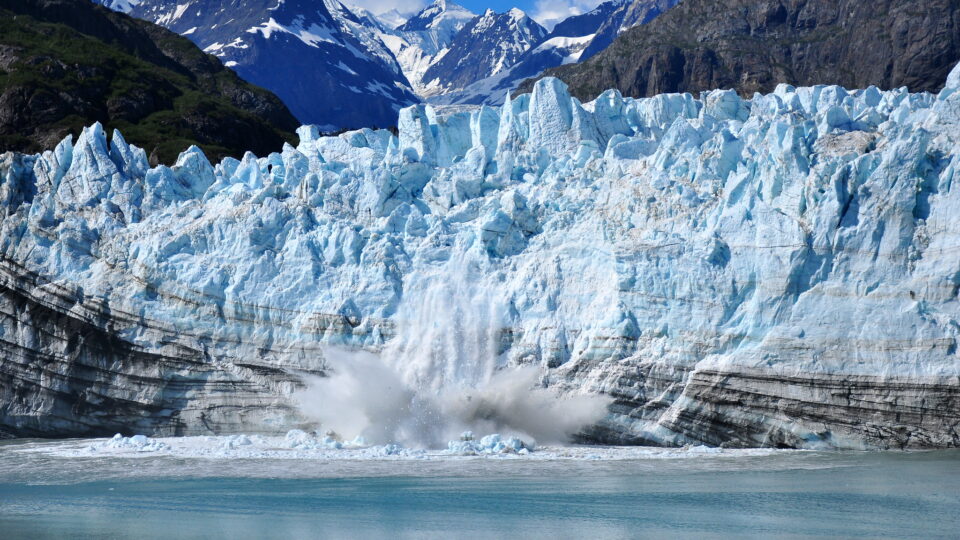
Glaciers are massive bodies of slowly moving ice.  Glaciers form on land, and represent the snows of centuries compressed over time.  They move slowly downward under the influence of their own weight and gravity. 

Most of the glaciers on the planet are found in the polar regions, including Antarctica, the Canadian Arctic, and Greenland.  Glaciers can also be found closer to the equator in mountain ranges, such as the Andes Mountain range in South America.  Glaciers are always changing, accumulating snow in the winter and losing ice to melting in the summer.  But in recent times, the melting has been outpacing the accumulation.

A new international study led by researchers at Carnegie Mellon University’s College of Engineering has produced new projections of glacier loss through the century under different emissions scenarios.  According to the projections, the world could lose as much as 41% of its total glacier mass this century – or as little as 26% – depending on climate change mitigation efforts. 

In a future with continued investments in fossil fuels (sometimes referred to as the “business as usual” scenario), more than 40% of the glacial mass will be gone by 2100, and more than 80% of glaciers by number could disappear.  Even in a best case scenario where the increase in global mean temperature is limited to 1.5° degrees Celsius relative to pre-industrial levels, more than 25% of glacial mass will be gone, and nearly 50% of glaciers by number will disappear.

Glaciers take a long time to respond to changes in climate.  A complete halt to emissions today would take anywhere from 30 to 100 years to be reflected in glacier mass loss rates.

**********

Web Links

Team projects two out of three glaciers could be lost by 2100

Ice, Snow, and Glaciers and the Water Cycle

Photo, posted August 13, 2010, courtesy of Kimberly Vardeman via Flickr.

Earth Wise is a production of WAMC Northeast Public Radio

Record European Heat | Earth Wise

February 13, 2023 By EarthWise Leave a Comment

The new year began with record-breaking heat across Europe.  In fact, on December 31 and January 1, about 5,000 all-time high temperature records for those dates were broken, in some cases by margins of more than 9 degrees Fahrenheit.

On New Year’s Day, eight European countries recorded their warmest January day ever. These were Liechtenstein, the Czech Republic, Poland, the Netherlands, Belarus, Lithuania, Denmark, and Latvia.

Many of the European cities affected by the heat wave would ordinarily be covered in snow at that time of year.  For example, Vaduz, the capital of Liechtenstein, the Czech town of Javornik, and the Polish village of Jodlownik, all recorded peak temperatures between 66 and 68 degrees Fahrenheit.

By the measure of how far above normal temperatures rose, it was the most extreme heat wave in European history.  Last summer saw record-breaking heat waves across much of Europe, but the actual temperature increases over normal were smaller than what just occurred at the beginning of the year.

The source of the exceptional heat was a warm mass of air from the west coast of Africa moving across Europe.  As is the case for any individual weather event, one cannot definitively attribute this one to climate change.  However, it is abundantly clear that because of climate change, extreme weather events of all types are becoming more frequent and more intense.

The unprecedented European weather does have the effect of helping to ease the energy crisis that has gripped the European continent.   The Russian invasion of Ukraine has led to soaring natural gas prices.  The warm weather has meant a lower demand for gas, causing gas prices to drop to their lowest level since the start of the war.

**********

Web Links

‘Uncharted territory’: January heat records smashed across Europe

Photo, posted August 13, 2019, courtesy of Herbert Frank via Flickr.

Earth Wise is a production of WAMC Northeast Public Radio
2022 Temperature Report | Earth Wise

February 8, 2023 By EarthWise Leave a Comment

Extreme weather is turning into the new normal around the world

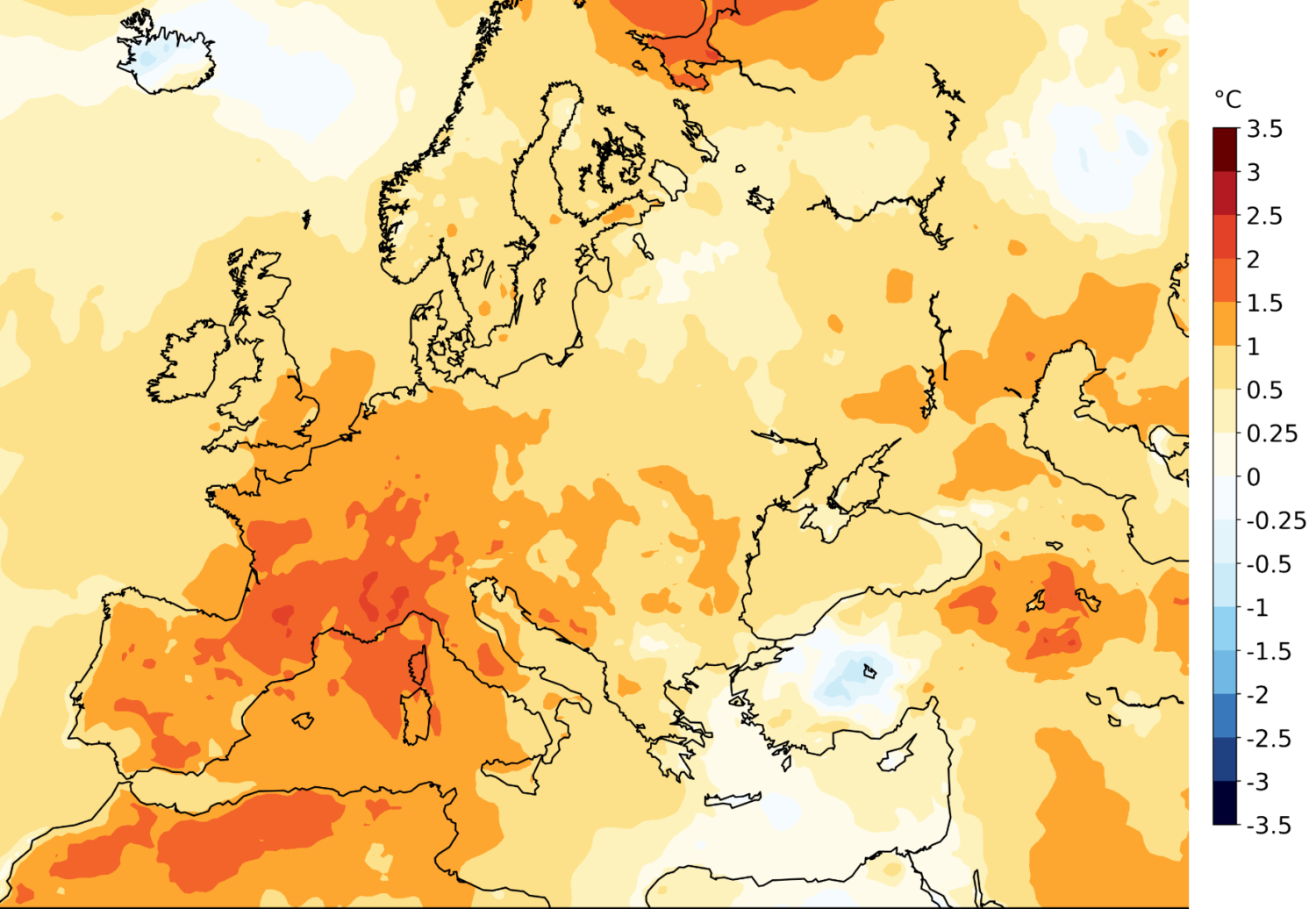
The average surface temperature for the Earth in 2022 tied with 2015 as the fifth warmest on record.  The warming trend for the planet continued with global temperatures 1.6 degrees Fahrenheit above the average baseline for 1951-1980 that NASA uses for its studies. Compared with the late 19th century average used in setting climate goals, global temperatures are up about 1.1 degrees Celsius, or 2 degrees Fahrenheit.

Overall, the past nine years have been the warmest since modern recordkeeping began in 1880.   The rising temperatures have moved in concert with rising levels of greenhouse gases entering the atmosphere from human activity.  Many factors can affect the average temperature in any given year including El Nino and La Nina conditions in the Pacific.  But the longer-term trend is quite clear.  Global temperatures continue to rise.

Greenhouse gas emissions have reached all-time high levels despite increasing efforts to reduce them.  There was a real drop in levels in 2020 due to reduced activity during COVID-19 lockdowns, but they rebounded soon thereafter. 

The Arctic region continues to experience the strongest warming trends, as much as four times the global average.  Arctic warming has a major impact on weather at lower latitudes as it changes the behavior of the jet stream as well as affecting ocean currents and water temperatures.

As global temperatures continue to rise, rainfall and tropical storms have become more intense, droughts have become more severe, and ocean storm surges have had increasing impact.  From torrential monsoons in Asia to megadroughts in the U.S. Southwest, extreme weather has become the new normal.

**********

Web Links

NASA Says 2022 Fifth Warmest Year on Record, Warming Trend Continues

Photo, posted June 20, 2020, courtesy of Daxis via Flickr.

Earth Wise is a production of WAMC Northeast Public Radio
Fusion Power And The Climate Crisis | Earth Wise

January 24, 2023 By EarthWise Leave a Comment

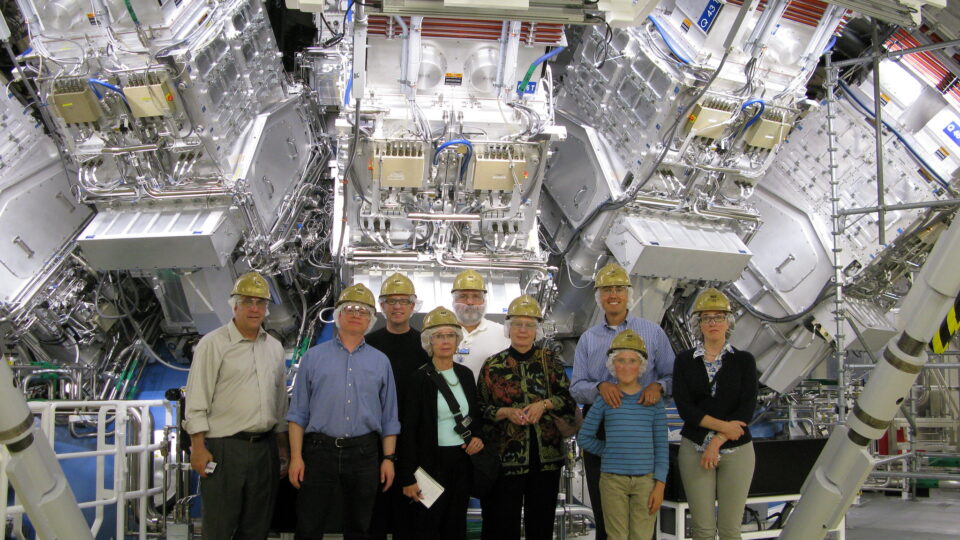
In December, the Department of Energy announced that scientists at Lawrence Livermore National Laboratory in California had achieved a breakthrough in nuclear fusion technology.  Fusion is the process by which the sun generates energy.  If we had the means to produce nuclear fusion in a controlled fashion, it would be an almost limitless source of clean energy.

Scientists have been trying to develop controllable fusion since the advent of the hydrogen bomb in the 1950s.  H-Bombs are basically uncontrollable fusion.

There are massive experiments under development around the work seeking the means to create and control fusion.  There are multi-billion-dollar projects such as the ITER tokamak project in southern France, that have been ongoing for decades.  Colossal equipment is required to produce the temperatures of millions of degrees needed to fuse hydrogen atoms into helium atoms.

The Livermore project uses 192 powerful laser beams to vaporize a tiny pellet and provide the energy required to initiate fusion. The breakthrough is that the experiment released more energy than the lasers put in.  This was the first time a fusion experiment produced a net gain of energy.

Is fusion the solution to de-carbonizing the energy system?  Perhaps someday it might be.  However, even the most optimistic fusion researchers believe it will be at least another decade before even the experimental fusion systems around the world can reliably produce energy and the efforts will cost untold billions of dollars. 

The world cannot wait for fusion power to save the day.  The focus must remain on currently available renewable energy technologies if we are to achieve the necessary emission reductions in time to prevent the worst effects of climate change.

**********

Web Links

Can Fusion Solve the Climate Crisis?

Photo, posted July 29, 2010, courtesy of Steve Jurvetson via Flickr.

Earth Wise is a production of WAMC Northeast Public Radio.

An Agreement To Protect Biodiversity | Earth Wise

January 18, 2023 By EarthWise Leave a Comment

The UN Biodiversity Conference in Montreal in December concluded with a historic deal aimed at stemming the rising tide of extinctions.  Nearly 200 countries signed on to the agreement to protect 30% of the Earth’s land and sea by the end of this decade.

Part of the agreement also pledges that countries will reduce fertilizer runoff from farms by 50%, reduce the use of harmful pesticides by 50%, and stem the flow of invasive species. 

Of course, all of these promises are only words unless they are backed up by actions and actions cost money.  The agreement promises to direct $200 billion a year towards biodiversity by the end of this decade.  Wealthy countries were urged to provide $100 billion a year to fund the actions of poorer countries, but they resisted the pressure.  Eventually, they did agree to send $30 billion a year to developing countries by 2030.

It is a significant step forward to establish clear targets for stopping biodiversity loss.  However, the ultimate success of the pact will depend on the willingness of countries to cooperate and compromise.

According to UN estimates, about a million species across the globe face extinction as a result of rising temperatures, air and water pollution, invasive species, and habitat loss due to development.   At present, only 16% of land and 8% of the oceans are within protected areas. 

The UN Environment Program stated that “for far too long humanity has paved over, fragmented, over-extracted, and destroyed the natural world on which we all depend.  Now is our chance to shore up and strengthen the web of life, so it can carry the full weight of generations to come.”

**********

Web Links

In Historic Deal, Countries Agree to Protect 30 Percent of Earth to Halt Biodiversity Loss

Photo, posted August 13, 2015, courtesy of Andrew H via Flickr.

Earth Wise is a production of WAMC Northeast Public Radio

The Cost Of Heat Waves | Earth Wise

December 7, 2022 By EarthWise Leave a Comment

Heat waves are defined as periods of abnormally hot weather generally lasting more than two days. To be considered a heat wave, the recorded temperatures must be substantially above the historical averages for a given area. According to climate scientists, anthropogenic climate change is likely causing heat waves to increase in both frequency and intensity.  

According to a new study by researchers from Dartmouth University, climate change-driven severe heat waves have cost the world economy trillions of dollars since the early 1990s. 

In the study, which was recently published in the journal Science Advances, researchers combined in-depth economic data for regions worldwide with the average temperature for the hottest five-day period —a commonly used measurement of heat intensity—for each region in each year.  The research team found that between 1992 and 2013, heat waves statistically coincided with variations in economic growth and that an estimated $16 trillion was lost to the effects of high temperatures on human health, productivity and agricultural output.

The results of the study underscore issues of climate justice and inequality.  According to researchers, the economic costs of extreme heat have been and will be disproportionately borne by the world’s poorest nations.  While economic losses due to extreme heat events averaged 1.5% of GDP per capita for the world’s wealthiest regions, the researchers found that low-income regions suffered a loss of 6.7% of GDP per capita.  Most of these low-income nations have contributed the least to climate change. 

According to the research team, immediate action is needed now to protect vulnerable people during the hottest days of the year.

**********

Web Links

Heat Waves Have Cost World Economy Trillions of Dollars

Photo, posted July 23, 2021, courtesy of Martin Fisch (marfis75) via Flickr.

Earth Wise is a production of WAMC Northeast Public Radio

  • « Go to Previous Page
  • Page 1
  • Interim pages omitted …
  • Page 3
  • Page 4
  • Page 5
  • Page 6
  • Page 7
  • Interim pages omitted …
  • Page 13
  • Go to Next Page »

Primary Sidebar

Recent Episodes

  • An uninsurable future
  • Clean energy and jobs
  • Insect declines in remote regions
  • Fossil fuel producing nations ignoring climate goals
  • Trouble for clownfishes

WAMC Northeast Public Radio
WAMC/Northeast Public Radio is a regional public radio network serving parts of seven northeastern states (more...)

Copyright © 2026 ·