• Skip to primary navigation
  • Skip to main content
  • Skip to primary sidebar

Earth Wise

A look at our changing environment.

  • Home
  • About Earth Wise
  • Where to Listen
  • All Articles
  • Show Search
Hide Search
You are here: Home / Archives for renewable energy

renewable energy

Solar Power In Australia | Earth Wise

October 13, 2021 By EarthWise Leave a Comment

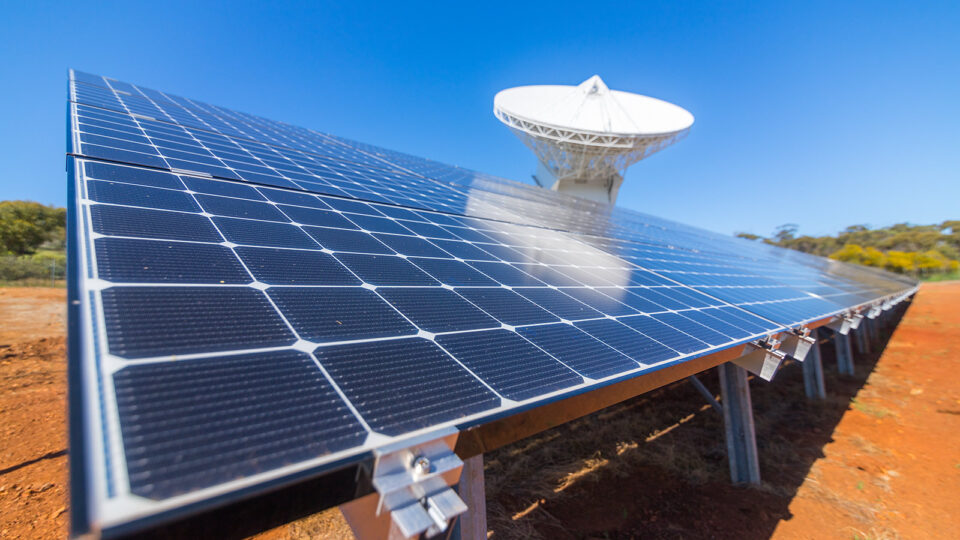
Solar power generation increasing in Australia

Historically, the electricity sector in Australia has been dominated by coal-fired power stations.  Even now, coal accounts for about 60% of Australia’s electricity generation.  But since 2005, wind power and rooftop solar have led to a fast-growing share of renewable energy in total electricity generation.

Australia is the second-largest exporter of coal in the world and has proven reserves equivalent to over 1,200 times its annual consumption.  Australia is home to four of the world’s ten biggest coal mines.  But despite this abundant resource, the country is increasing its use of renewable energy.

For just a few minutes on a sunny Sunday afternoon in August, more than half of Australia’s electricity came from solar power.  Low demand and sunny skies resulted in the contribution from coal dropping to a record low of 9,315 MW while solar power provided 9,427 MW.

In 2020, 24% of Australia’s electricity came from renewable energy, up from 21% the year before.  The increase was driven by a boom in solar installation.

Australia is still a long way from meeting its commitments under the Paris Climate Change agreement.  The country ultimately needs 51 GW of new renewable energy generation by 2042 but only 3 GW of new wind and solar projects have been committed to date.

Overall, Australia has promised what has been described as the fastest energy transition in the world.  It is all very ambitious, but Australia has a lot of work to do.

**********

Web Links

Solar power in Australia outstrips coal-fired electricity for first time

Photo, posted November 30, 2017, courtesy of D. O’Donnell / European Space Agency via Flickr.

Earth Wise is a production of WAMC Northeast Public Radio.
Lower Power Sector Emissions | Earth Wise

September 16, 2021 By EarthWise Leave a Comment

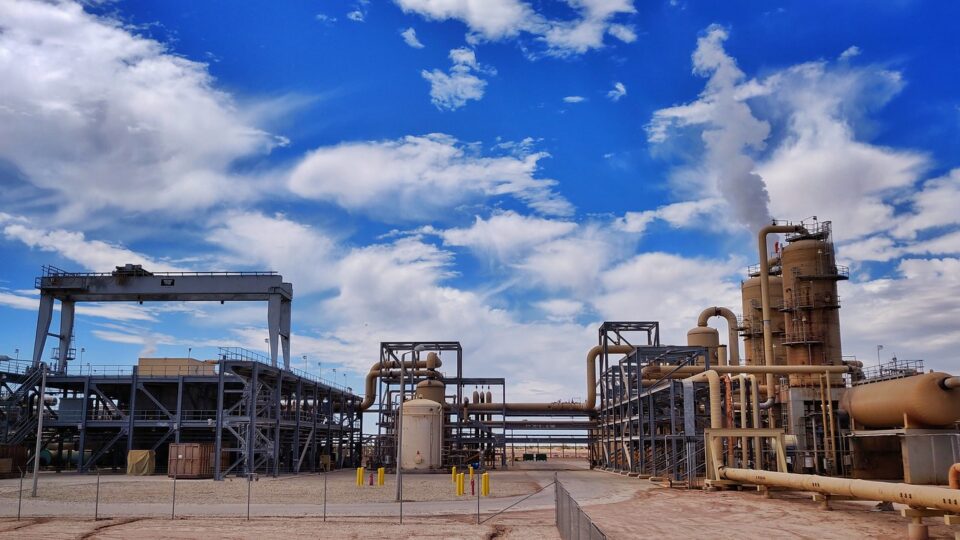
Large decrease in United States power sector emissions

A combination of factors led to emissions from the U.S. power sector dropping 10% between 2019 and 2020, which was the largest one-year drop measured since annual reports first began being published in 1997.

The coronavirus pandemic was certainly a contributing factor, but the drop in emissions is part of a long-term trend being driven by increasing reliance on renewable energy sources, diminishing use of coal, and improving energy efficiency.

Between 2000 and 2020, power generation from solar, wind, and geothermal generation more than doubled.  Coupled with the declining use of coal power, power sector emissions during that period dropped by 37% even though the U.S. gross domestic product grew by 40% over the same years.   Overall, at this point zero-carbon electricity sources – which include wind, solar, geothermal, hydropower, and nuclear power – provide about 38% of U.S. electricity.

The Biden Administration has set a target of 100% zero-carbon power by the year 2035.  Given that the costs of wind and solar power continue to fall, there are power companies pushing for setting an intermediate goal of 80% clean power by 2030.

According to recent research, the increasingly attractive cost of renewable power along with the job creation associated with it means that reaching at least 90% clean power by the year 2035 could be achieved at no extra cost to consumers.  Being able to separate economic growth from emissions makes it far more likely that the goals of decarbonization can be met without encountering economic resistance. 

**********

Web Links

U.S. Power Sector Sees Biggest One-Year Drop in Emissions in More Than Two Decades

Photo, posted June 30, 2019, courtesy of Stephen Strowes via Flickr.

Earth Wise is a production of WAMC Northeast Public Radio.

New York And Green Hydrogen | Earth Wise

August 23, 2021 By EarthWise Leave a Comment

Green hydrogen to be a part of New York's decarbonization strategy

In July, outgoing New York Governor Andrew Cuomo announced plans for the state to explore the potential role of green hydrogen as part of New York’s decarbonization strategy.

Green hydrogen is hydrogen produced using renewable energy, such as wind, solar, and hydro power.  While hydrogen itself is a carbon-free fuel, most of the hydrogen produced today is made with a process called natural gas reforming which has byproducts of carbon monoxide and carbon dioxide.  As a result, the environmental benefits of using hydrogen are largely lost.  Hydrogen is the most plentiful element in the universe but extracting it for use as a fuel is not easy.

Green hydrogen is obtained by splitting water molecules into their constituent hydrogen and oxygen parts.  In principle, oxygen is the only byproduct of the process.  The main drawback of electrolysis, as this process is called, is that it is energy intensive as well as being expensive.  But if that energy comes from renewable sources, then it is a clean process.

New York’s announcement is that the state will collaborate with the National Renewable Energy Laboratory and join two hydrogen-focused organizations to inform state decision-making, as well as make $12.5 million in funding available for long duration energy storage techniques and demonstration projects that may include green hydrogen.

Green hydrogen has the potential to decarbonize many of the more challenging sectors of the economy.  Hydrogen is a storable, transportable fuel that can replace fossil fuels in many applications.  Many experts believe that the so-called hydrogen economy could be the future of the world’s energy systems.  For that to happen, green hydrogen will need to be plentiful, sustainable, and inexpensive.

**********

Web Links

New York announces initiatives to explore green hydrogen for decarbonization

Photo, posted October 26, 2019, courtesy of Pierre Blache via Flickr.

Earth Wise is a production of WAMC Northeast Public Radio.
Coal In The UK And Asia | Earth Wise

August 20, 2021 By EarthWise Leave a Comment

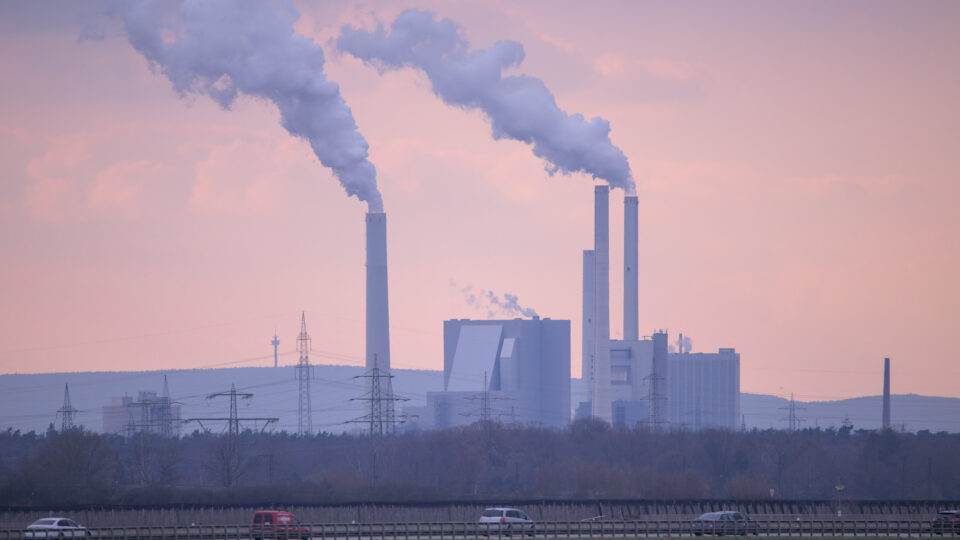
Coal power is in a permanent decline

Coal was the driving force of the British industrial revolution beginning in the 18th century.  Coal was used for manufacturing iron, heating buildings, driving locomotives, and more.  Annual coal production in the UK peaked in the year 1913 at 316 million tons.  Until the late 1960s, coal was the main source of energy produced in the UK.

Recently, Britain announced that it plans to phase out coal power entirely by October 2024, one year earlier than its previous target date.  This is on the heels of a dramatic decline in coal usage over the past decade.  In 2012, coal accounted for 40% of the UK’s power generation.  By 2020, that number was 1.8%.

In both Europe and the United States, coal power is generally significantly more expensive than renewable power from the sun and wind.  As a result, market forces have driven the demise of coal power in those places.

The situation is different across much of Asia where coal power remains cost competitive.  Five Asian countries – China, India, Indonesia, Japan, and Vietnam – still have plans to build more than 600 new coal-fired power plants, which is bad news for the environment.  In 2020, China produced more than half of the world’s coal power, which reflects both the growth of coal in Asia and its decline in the U.S. and Europe.

Despite all this, experts predict that it will be more expensive to run almost all coal plants globally than to build new renewable energy projects by the year 2026.  Sooner or later, coal power will no longer make its unfortunate contributions to the world.

**********

Web Links

UK Aims to Dump Coal Early, While Asia Stays the Course

Photo, posted March 8, 2021, courtesy of Stanze via Flickr.

Earth Wise is a production of WAMC Northeast Public Radio.

Floating Renewable Energy | Earth Wise

July 22, 2021 By EarthWise Leave a Comment

The next generation of offshore energy is under development

A team of researchers at Texas A&M University believes that the next generation of offshore energy could come in the form of a synergistic combination of multiple renewable energy generators installed on a floating offshore platform.

Their concept for the ocean renewable energy station comprises wind, wave, ocean current, and solar energy elements that could generate electricity for anything from a coastal or island community to a research lab or military unit.  The station would be tethered to the sea bottom and could be used in locations where the water depth increases quickly, such as along the U.S. Pacific Coast or Hawaii.

Offshore wind is already commercially competitive, while wave-energy converters so far have been less cost-effective and only useful for specialized, smaller-scale applications.  The proposed ocean renewable energy station would make use of multiple different methods of electricity generation and incorporate innovative smart materials in the wave energy converters that respond to changes in wave height and frequency and allow for more consistent power production.

Denmark is already building a huge multi-source, multi-purpose ocean energy island.  This world’s first energy island will be 30 acres in area and serve as a hub for 200 giant offshore wind turbines generating 3 GW of electric power.  It is the largest construction project in Danish history, and will cost an estimate $34 billion.  As well as supplying other European countries with electricity, the goal is to use the new offshore island to produce green hydrogen from seawater, which can also be exported.  Large battery banks on the island will store surplus electricity for use in times of high demand.

**********

Web Links

Research Underway On Floating Renewable Energy Station

Photo, posted September 27, 2014, courtesy of Eric Gross via Flickr.

Earth Wise is a production of WAMC Northeast Public Radio.
Utility-Scale Solar In Upstate New York | Earth Wise

June 22, 2021 By EarthWise 2 Comments

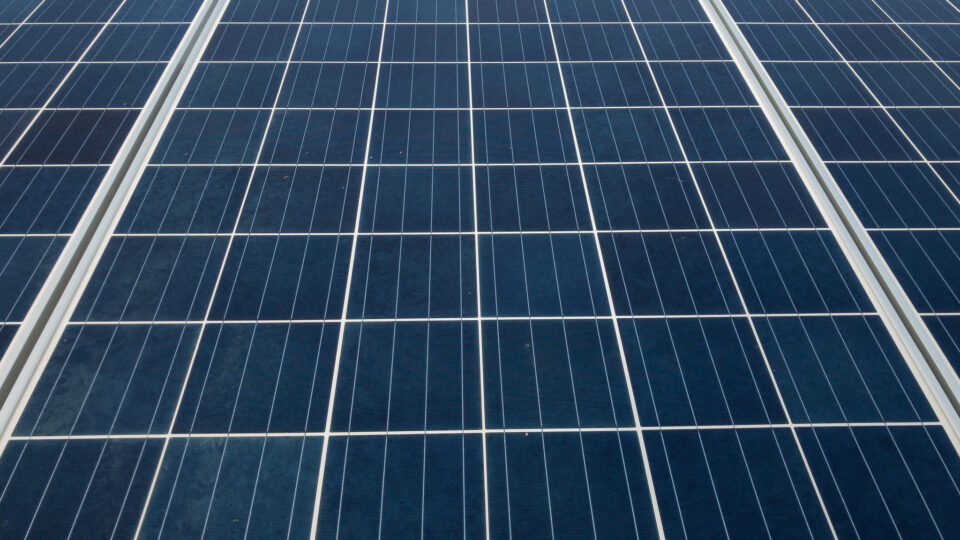
utility scale solar projects to generate jobs and profits to upstate ny communities

The first operational utility-scale solar projects in upstate New York are expected to commence commercial operations by the end of this year.  A portfolio of eight projects comprising over 200 megawatts of generating capacity is being developed by CS Energy in partnership with Goldman Sachs Renewable Power Group and NYSERDA.

The projects include three 27-megawatt installations in the Capital Region – in Easton and Stillwater, three 27-megawatt installations in the Mohawk Valley – in Mohawk and Pattersonville, and two 27-megawatt installations in the Southern Tier – in Willet and Greene.

The projects will support more than 500 jobs and represent more than $160 million of private investment that is expected to generate over $80 million in benefits to local communities and regions.  Those benefits will come to local landowners, property tax jurisdictions, and to local contractors who will provide ongoing operations and maintenance support for the projects.

The projects are the result of New York’s Clean Energy Standard, established in 2016 as well as 2019’s Climate Leadership and Community Protection Act.  These initiatives made commitments that 70% of the electricity consumed in New York would be generated by renewable energy sources by 2030. 

CS Energy has built over 150 megawatts of solar projects in New York to date.  By the end of this year, that number will be close to 500 megawatts.  CS Energy recently opened a regional headquarters in Albany to further support the company’s growth. The Goldman Sachs Renewable Power Group owns and operates more than 2.3 gigawatts of clean power across the country.

**********

Web Links

Upstate New York’s first utility-scale solar projects set to come online this year

Photo, posted October 16, 2019, courtesy of Jonathan Cutrer via Flickr.

Earth Wise is a production of WAMC Northeast Public Radio.

The World’s Largest Tidal Device | Earth Wise

June 18, 2021 By EarthWise Leave a Comment

the world's largest tidal power device will be operational soon

Most of the world’s activity in renewable energy is focused on solar and wind power.  The use of both is expanding rapidly. But there is also marine energy to be exploited.  Ocean waves and tidal movements hold huge amounts of energy.  Estimates are that the European Union could get 15% of its power from marine sources.  But ocean energy is currently expensive and there are significant technical challenges still to be overcome.

The world’s largest tidal power device will soon begin testing off the coast of Scotland.  The 680-ton, 240-foot-long, airplane-shaped device will be connected to the European Marine Energy Center for testing. 

The device, built by the Scottish company Orbital Marine Power, is designed to produce 2 megawatts of electricity, enough to power 2,000 homes.   It has a pair of 52-foot-long turbines attached to two wings.

Compared to wind and solar power, the marine energy sector has been much slower to develop because of the many difficulties of working in harsh marine environments as well as the technical challenges associated with harnessing power from waves and tides. But ocean waves and tidal movements hold enormous amounts of energy and have the advantage that they are available at all times, unlike wind and solar energy, which are variable in nature. 

Experts say that the future of tidal energy lies with arrays of floating or sea-bottom-mounted turbines that capture the energy of tidal currents in unobstructed waters.  There are various places around the world where this is an attractive opportunity, most notably in Nova Scotia’s Bay of Fundy, where the world’s most extreme tides – rising and falling more than 50 feet – contain vast amounts of power.

**********

Web Links

The World’s Largest Tidal Power Device Will Soon Begin Testing Off Scotland

Photo, posted May 18, 2017, courtesy of Chris via Flickr.

Earth Wise is a production of WAMC Northeast Public Radio.
A Solar Power Boom In Texas | Earth Wise

May 31, 2021 By EarthWise Leave a Comment

Texas is becoming a leader in renewable energy

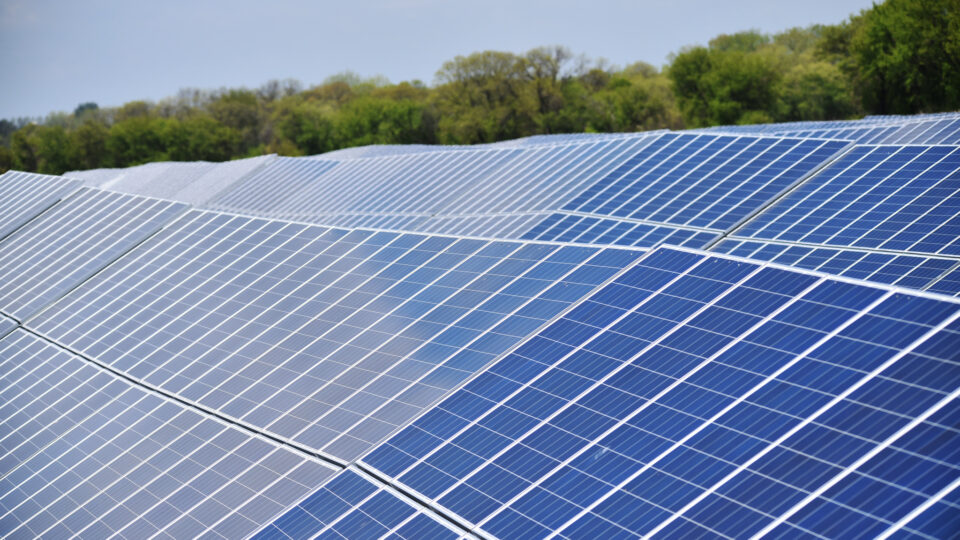
Texas has been a leader in wind energy for a number of years.  In 2020, wind made up 23% of the state’s generating capacity and provided 20% of in-state generation.  But although wind capacity in Texas has grown rapidly in recent years, solar power is expected to make up the largest share of the state’s capacity additions over the next two years.

Texas plans to add 4.6 gigawatts of utility-scale solar power this year and 5.4 gigawatts in 2022.  This will give the state a total capacity of 15 gigawatts, which will nearly catch up to California, the state with the most large-scale solar power.  California already has 16 gigawatts of installed solar capacity and plans to add about two more over the next two years.

The planned capacity for Texas will provide enough power for roughly 5 million homes, taking into account the intermittency of solar energy.  Much of the new solar capacity will be in the Permian Basin in West Texas, which is a particularly sunny place.  Because solar generation is greatest in the middle of the day, when wind generation is typically lower, the transmission line infrastructure already in place for the wind power will be adequate for the new solar installations.

The boom in solar power in Texas is driven in part by the federal solar Investment Tax Credit that is available to project developers as well as by the ever-lower cost of solar technology. 

One-third of the utility-scale solar capacity planned to come online in the U.S. in the next two years will be in Texas.  Currently, utility-scale solar only makes up 4% of electrical generating capacity in Texas, but that is clearly changing.

**********

Web Links

Texas likely to add 10 GW of utility-scale solar capacity in the next two years

Photo, posted May 14, 2020, courtesy of Courtney Celley/USFWS via Flickr.

Earth Wise is a production of WAMC Northeast Public Radio.
The Potential For Solar Canals In California | Earth Wise

April 29, 2021 By EarthWise Leave a Comment

Covering California's aqueducts with solar panels could advance renewable energy and water conservation

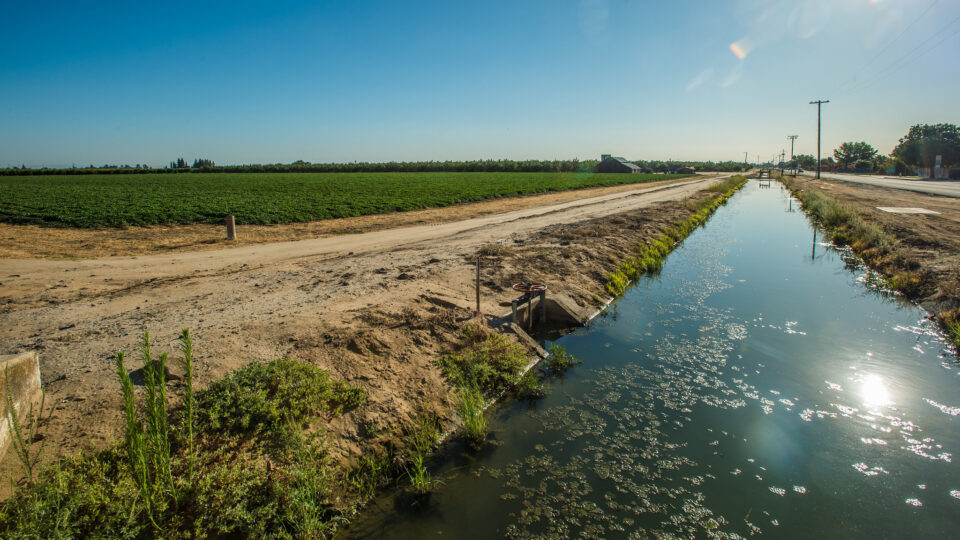
California’s network of almost 4,000 miles of aqueducts is the world’s largest water conveyance system.  It serves the state’s Central Valley which produces a quarter of America’s food.  About 20% of the nation’s groundwater demand is pumped from Central Valley aquifers.

A recent study by the University of California Santa Cruz and UC Merced has determined that covering these aqueducts with solar panels could be an economically feasible way to advance both renewable energy and water conservation.  California’s aqueducts might more properly be called canals because they are located at ground level.  

The concept of solar canals has been gaining increasing interest around the world as the changing climate leads to more droughts in many regions.  Placing solar panels above the canals can shade them to help prevent water loss through evaporation.  In addition, some types of solar panels can work better situated over canals because the cooler environment improves their operation.  In addition to the increased solar panel output and the water evaporation savings, shade from solar panels could help control the growth of aquatic weeds, which are a costly canal maintenance issue.

Spanning canals with solar panels can be accomplished either by using steel trusses or suspension cables, either of which is more expensive to build than ordinary ground-mounted solar panel supports.  But the research study showed how the benefits of solar canals combine to outweigh the added costs for cable-supported installations.

Apart from the economic benefits of a solar canal system, producing solar energy in the canal system could eliminate the use of 15-20 diesel-powered irrigation pumps, helping to reduce air pollution in a region with some of the nation’s worst air quality.

Solar canals could be a real winner.

**********

Web Links

New analysis shows potential for ‘solar canals’ in California

Photo, posted July 23, 2015, courtesy of Lance Cheung / USDA via Flickr.

Earth Wise is a production of WAMC Northeast Public Radio.

Scaling Up Green Hydrogen | Earth Wise

April 27, 2021 By EarthWise Leave a Comment

How to scale up green hydrogen

The global hydrogen market generates about $150 billion dollars a year.  The bulk of the market consists of hydrogen used to produce ammonia, refine oil, and produce methanol.  Advocates for hydrogen foresee a $600 billion a year market based on power and industry uses, mobility and transport uses, chemical feedstocks, and construction.  But the problem with expanding the use of hydrogen is that the vast majority of hydrogen in use today is produced from fossil fuels such as natural gas and coal and producing it creates carbon dioxide emissions.

The great hope of the industry is “green hydrogen”- hydrogen produced either without using fossil fuels at all or by capturing and storing the emissions generated. The most likely approach is electrolysis – using electricity to produce hydrogen from water.

Billions of dollars are being invested by both governments and by large oil companies in a race to scale up electrolysis and make it economically attractive.  According to the Hydrogen Council industry lobby group, at least $300 billion is expected to be invested globally over the next decade aimed at developing the green hydrogen that could one day meet almost a fifth of global energy demand.

Many argue that producing green hydrogen with electrolysis is an extremely inefficient way to utilize renewable energy.  Critics of hydrogen-powered vehicles particularly make this argument.   But industrial applications of hydrogen that currently use large amounts of fossil fuels – such as steel manufacturing – may be places where green hydrogen would make a real dent in global emissions.

The race to clean up hydrogen is definitely on.

**********

Web Links

The Race to Scale Up Green Hydrogen to Help Solve Some of the World’s Dirtiest Energy Problems

Photo, posted December 16, 2020, courtesy of Sharon Hahn Darlin via Flickr.

Earth Wise is a production of WAMC Northeast Public Radio.

Not Such Climate Champions | Earth Wise

April 5, 2021 By EarthWise Leave a Comment

Problems with the Paris Climate Accord

The goal of the Paris Climate Accord is to limit warming to below 2 degrees Celsius and if possible to stay as close as close to 1.5 degrees above pre-industrial levels.  Nations around the world have made commitments to drastically reduce their carbon dioxide emissions from the use of fossil fuels that are in large part responsible for the rising temperatures.

There are a number of countries that proudly claim to be leading the world in the fight against climate change but who are actually still a major part of the problem.  Among these are Norway, the UK, and Canada.

Norway powers its streetlamps with renewables, runs its public transportation system entirely by renewable energy, and leads the world in the adoption of electric cars.  Both the UK and Canada have set ambitious targets for emissions reductions leading to zero net emissions by 2050. 

The problem is that under the Paris Agreement, each country is only responsible for the greenhouse gas emissions produced within its territory.  That means that the UK, Canada, and Norway (like many other countries) don’t need to worry about the emissions caused by the burning of their oil, gas, and coal in other places around the world.

Norway’s annual domestic emissions reached about 53 million tons in 2017 according to its government.  The emissions from the oil and gas Norway sold abroad reached roughly 470 million tons in 2017.  Canada has huge proven oil reserves it is exploiting.

Canada, Norway, and the UK all plan to keep producing fossil fuels, investing in new fossil fuel projects, and explorations.  As long as this continues, these countries are not really climate champions; they are climate hypocrites.

**********

Web Links

Norway, the UK and Canada are not climate champions. They are climate hypocrites

Photo, posted September 4, 2008, courtesy of Statkraft via Flickr.

Earth Wise is a production of WAMC Northeast Public Radio.
New York Offshore Wind | Earth Wise

February 18, 2021 By EarthWise Leave a Comment

New York pushes forward with offshore wind expansion

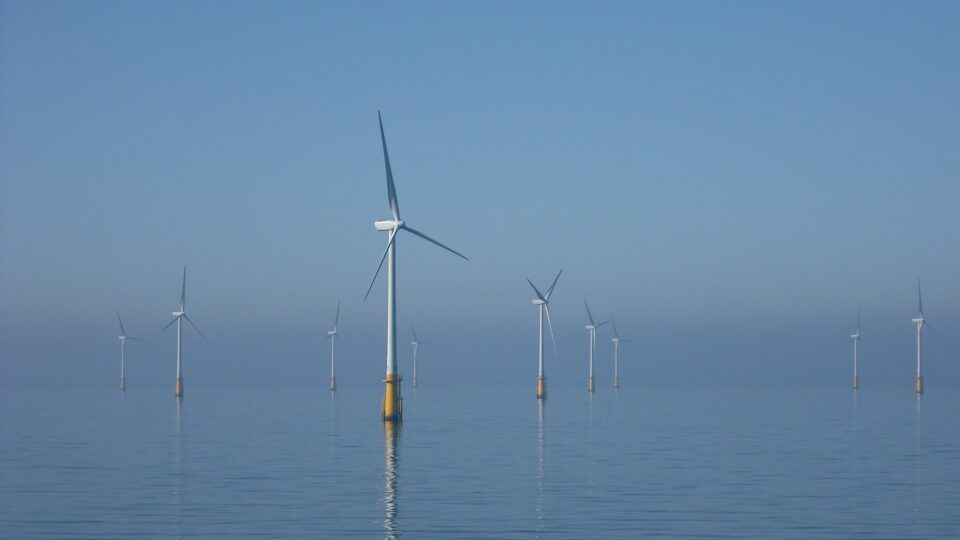
Norwegian energy company Equinor and its strategic partner bp have been selected by New York State to build several offshore wind power installations that will be one of the largest renewable energy projects in the United States to date.  When completed, the projects will provide 1,260 megawatts of offshore wind power from Empire Wind 2 and another 1,230 megawatts from Beacon Wind 1 and these will be added to the 816-megawatt project already awarded to the companies for Empire Wind 1. 

The two phases of Empire Wind are located 15-30 miles southeast of Long Island and span 80,000 acres. Beacon Wind is located 60 miles east of Montauk Point and 20 miles south of Nantucket and covers 128,000 acres.  The overall development will provide 3.3 gigawatts of homegrown, renewable electricity to New York.

The projects will comprise up to $8.9 billion in investments including $664 million provided by the state.  As part of the award from NYSERDA, the companies will partner with the State to transform two New York ports – the South Brooklyn Marine Terminal and the Port of Albany – into large-scale offshore wind working industrial facilities that position New York to become an offshore wind industry hub.

In Albany, Equinor will join forces with wind industry companies Marmen and Welcon to help the port become America’s first offshore wind tower and transition piece manufacturing facility, where it will produce components for Equinor’s projects.

New York’s goal is to have 9 gigawatts of offshore wind capacity by 2035.  The Equinor projects will contribute more than one-third of that goal. 

**********

Web Links

New York Selects Equinor for Largest US Offshore Wind Award

Photo, posted March 24, 2016, courtesy of TEIA via Flickr.

Earth Wise is a production of WAMC Northeast Public Radio.
Grid-Scale Battery Storage is on the Rise | Earth Wise

February 4, 2021 By EarthWise Leave a Comment

Record growth in grid-scale battery storage

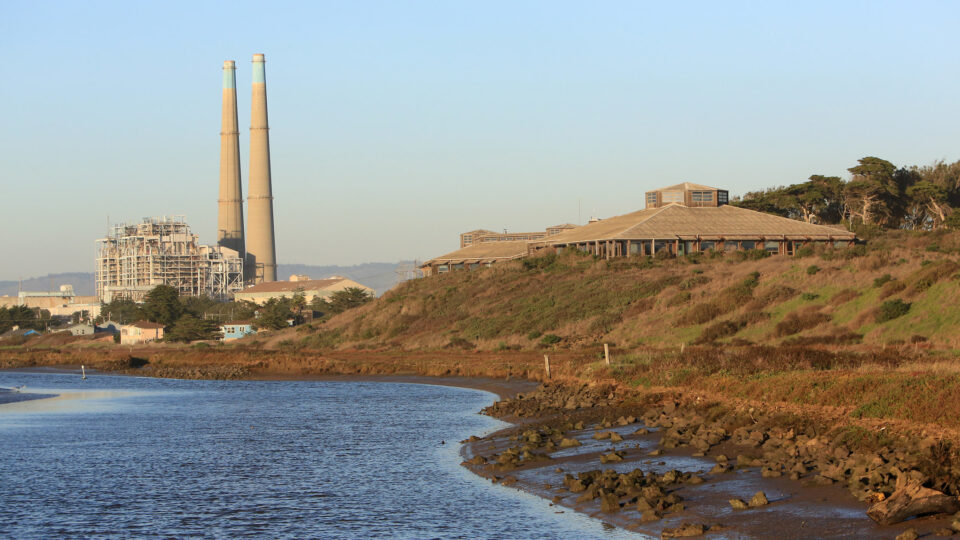
Driven by steeply falling prices and improving technology, grid-scale battery storage systems are seeing record growth in the U.S. and around the world. Battery storage is a way to overcome one of the biggest obstacles to renewable energy:  the cycling between oversupply when the sun shines or the wind blows, and shortage when the sun sets or the wind drops.  Storing excess energy in battery banks can smooth imbalances between supply and demand.

In California, a 300-megawatt lithium-ion battery plant is being readied for operation with another 100 megawatts to come online in 2021.  The system will be able to power roughly 300,000 California homes for four-hour periods when energy demand outstrips supply.  It will be the world’s largest battery system for a while until even larger systems in Florida and in Saudi Arabia come online.

Nationwide, a record 1.2 gigawatts of storage were installed last year and that number is projected to jump dramatically over the next five years to nearly 7.5 gigawatts in 2025.

The price tag for utility-scale battery storage in the U.S. has plummeted, dropping nearly 70% just between 2015 and 2018.  Prices are expected to drop by a further 45% over the next decade.  Battery performance has continued to improve dramatically with increased power capacity and the ability to store and discharge energy over ever-longer periods of time. 

Favorable energy policies including renewable energy mandates coupled with continued price drops will drive the widespread expansion of battery energy storage.

**********

Web Links

In Boost for Renewables, Grid-Scale Battery Storage Is on the Rise

Photo, posted November 17, 2016, courtesy of Steve Ryan via Flickr.

Earth Wise is a production of WAMC Northeast Public Radio.
The Largest Renewable Energy Project In The World | Earth Wise

January 28, 2021 By EarthWise Leave a Comment

India is building the largest renewable energy project in the world

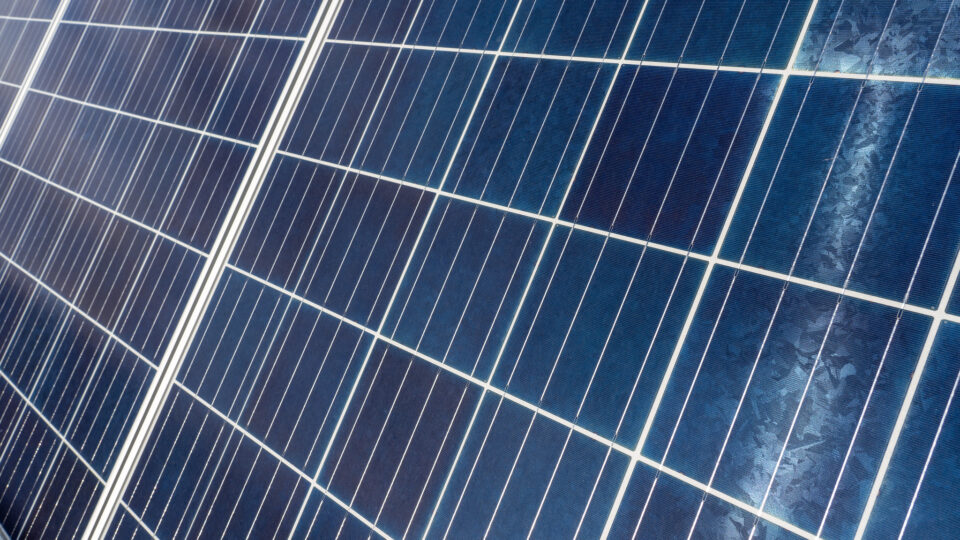
India has broken ground on what is planned to be the largest renewable energy project in the world:  a 30-gigawatt wind and solar power project in the state of Gujarat.

The renewable energy park will have two zones:  a 122,000-acre hybrid park zone that will accommodate 25 gigawatts of wind and solar power plants and a 57,000-acre zone entirely dedicated to wind power.  Multiple developers will be building the power plants in the hybrid zone.  A single company has been allotted the wind power zone.  The selected developers have to develop 50% of the total generation capacity in the next 3 years and finish the project in five years. The project is expected to create jobs for 100,000 people. Total investment in the project will be about $20 billion.

This is not technically a single standalone project but is rather an aggregation of multiple projects in a single general area.  Nonetheless, it represents the largest renewable energy development ever.  By comparison, the entire United States has a total of 50 gigawatts of installed solar power in large plants – which does not include any rooftop solar.  Total wind power capacity in the U.S. is a little over 100 gigawatts.  So, the 30-gigawatt Indian project is huge by any measure.

India already gets over 30% of its electricity from renewable sources, making it one of the largest renewable energy markets in the world.  The country has a goal of 60% renewable energy by 2030, amounting to 450 gigawatts of capacity.  This will require the country to double its already substantial renewable capacity in less than 10 years.  The Gujarat energy park will represent substantial progress towards that goal.

**********

Web Links

Largest Renewable Energy Project In World Will Be 30 Gigawatt Solar–Wind Project In India

Photo, posted October 16, 2019, courtesy of Jonathan Cutrer via Flickr.

Earth Wise is a production of WAMC Northeast Public Radio.

Renewable Energy And Green Ammonia | Earth Wise

January 20, 2021 By EarthWise Leave a Comment

A breakthrough in greening ammonia

Several different clean technology trends may come together on farms across the country where wind turbines could power devices that produce green ammonia for fertilizer and zero emission fuel.

Distributed wind is a kind of renewable energy that doesn’t get much attention.  It refers to turbines that are used to generate electricity for on-site use, as for a factory or a farm.  It typically involves smaller turbines than the behemoths that are used in giant wind farms.

Installing a wind turbine or two on a farm could be quite valuable if the electricity generated could be used to make green ammonia.  Such an application would eliminate the problem of “stranded wind”, which is when a location has lots of wind but lacks access to the electricity transmission infrastructure.

If farmers could utilize wind energy to produce ammonia, they could make their own fertilizer as well as fuel and get relief from price spikes and uncertainties in the commodities market.  Of course, they would also make use of the electricity they generate on site.

Most ammonia is produced using a proven technology called the Haber-Bosch process.   Ammonia contains only nitrogen and hydrogen, both of which can be extracted from the air.  The trick is how to do it efficiently using renewable electricity.   The Department of Energy has a program called the REFUEL Initiative, which aims at deploying renewable energy to produce ammonia.  The University of Minnesota, among other places, has multiple programs dedicated to green ammonia technology. 

There is encouraging progress being made that may ultimately result in a common sight of wind turbines on farms producing fertilizer, fuel, and electricity.

**********

Web Links

The Renewable Energy Cows Come Home, Now With Green Ammonia

Photo, posted July 15, 2009, courtesy of Daniel_Bauer via Flickr.

Earth Wise is a production of WAMC Northeast Public Radio.

Europe’s Green Deal: Bad For The Planet? | Earth Wise

December 28, 2020 By EarthWise Leave a Comment

Europe's Green Deal might simply be exporting its environmental pollution

In 2019, the European Union announced the “Green Deal,” a comprehensive program aimed at making Europe the first climate-neutral continent, implementing environmentally friendly transport, increasing recycling, and expanding renewable energy.

The Green Deal involves significant changes to European agriculture.  Over the next ten years, under the ambitious environmental program, at least a quarter of all agricultural areas will be farmed organically, the use of fertilizers and pesticides greatly reduced, 3 billion trees planted, 15,000 miles of rivers restored, and the population declines of pollinators reversed.

However, in a recent article published in Nature, scientists at the Karlsruhe Institute of Technology show that this Green Deal might actually be a bad deal for the planet.

The problem is that the EU is likely to basically be outsourcing environmental damage by its high imports of agricultural products.

According to the Karlsruhe study, the EU annually imports millions of tons of agricultural products, as much as 20% of its produce and much of its meat and dairy products.  Quite often, these imports come from countries whose environmental laws are far less stringent than those in Europe.

The EU cannot impose environmental standards on other countries, but it can demand that goods entering the European market meet EU requirements.  The study points out that Europe’s carbon footprint has to be evaluated on a global basis.  If the EU is truly to become a climate-neutral continent, it must include foreign trade goals and requirements in its environmental programs.  Otherwise, Europe will simply be outsourcing its environmental problems and will continue to cause damage to the planet.

**********

Web Links

Green Deal: Good for a Climate-neutral Europe – Bad for the Planet

Photo, posted July 17, 2009, courtesy of Edmund Garman via Flickr.

Earth Wise is a production of WAMC Northeast Public Radio.
Renewable Growth During The Pandemic | Earth Wise

December 22, 2020 By EarthWise Leave a Comment

Renewables growing during the pandemic

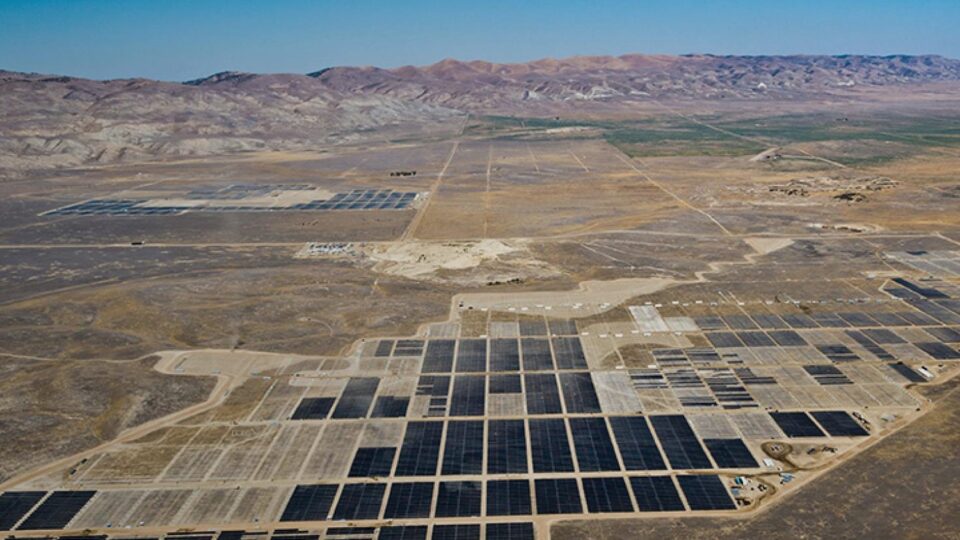
According to a new report published by the International Energy Agency, global renewable energy installations will hit a record level in 2020 in sharp contrast with declines in the fossil fuel sectors caused by the Covid-19 pandemic.

For the year, almost 90% of all new electricity generation will be renewable, with only 10% powered by gas and coal.  This progress puts green power on track to become the largest global electricity source by 2025, displacing coal-powered generation, which has been dominant for the past 50 years.  By that year, renewables are expected to supply one-third of the world’s electricity.

Solar power capacity has increased by 18 times since 2010 and wind power by four times.  In 2010, hydropower provided 77% of the world’s green power, but its share has fallen to 45% – not because there is less hydropower but because solar and wind have grown so much.

Growing recognition of the need to tackle the global climate crisis has made renewable energy increasingly attractive to investors.  According to the IEA report, shares in renewable equipment makers and project developers have outperformed most major stock market indices and the value of shares in solar companies has more than doubled in the past 12 months. Fossil fuels have had a turbulent time in 2020 as the pandemic has caused demand from transport and other sectors to plunge.

While renewables continue to see dramatic growth in electrical generation capacity, electricity represents only about one-fifth of all energy use.  The burning of fossil fuels in transport, industry, and heating continues to make up the bulk of energy emissions.

**********

Web Links

Renewable energy defies Covid-19 to hit record growth in 2020

Photo, posted October 2, 2020, courtesy of the Bureau of Land Management California via Flickr. Photo credit: Clearway Energy Group.

Earth Wise is a production of WAMC Northeast Public Radio.

Hydrogen-Powered Jetliners | Earth Wise

December 18, 2020 By EarthWise Leave a Comment

Airbus developing hydrogen-powered jetliners

Airbus, the giant European aerospace company, hopes to have hydrogen-powered commercial airliners in the sky by 2035.  Such planes would have no carbon dioxide emissions.

Greenhouse gas emissions from commercial aviation have been a rapidly increasing contribution to the global total.  Of course, the Covid-19 pandemic has drastically reduced air travel, so emissions are currently lower than they have been in a very long time.  But at some point, they will resume at previous levels and continue to increase.

Planes themselves produce over 2% of global CO2 emissions, and between the climate effects of contrails and the emissions associated with the rest of the air travel industry, commercial aviation drives about 5% of global warming.

Airbus is studying design concepts in which planes run off of hydrogen and oxygen fuel and have no carbon exhaust.   Making such planes practical and environmentally advantageous requires solving an array of complex technical challenges. 

One of the biggest challenges is that the hydrogen on the market today is considered to be “brown” rather than green, meaning that it is not a sustainably produced energy source.  Almost all hydrogen produced today comes from natural gas reforming, which results in carbon emissions.  A viable hydrogen-powered aviation technology assumes that producing hydrogen by splitting water molecules into oxygen and hydrogen using renewable energy becomes the standard source for it.

There have been test flights of small planes and drones powered by hydrogen, but Airbus expects that intensive research and development for the next five years will be required to evolve its current preliminary designs to a stage where they could be developed for future use in its product line.  It won’t happen overnight, but according to Airbus, hydrogen planes are coming.

**********

Web Links

Airbus Hopes to Be Flying Hydrogen-Powered Jetliners With Zero Carbon Emissions by 2035

Photo, posted April 15, 2019, courtesy of Olivier Cabaret via Flickr.

Earth Wise is a production of WAMC Northeast Public Radio.

Green Hydrogen | Earth Wise

December 11, 2020 By EarthWise Leave a Comment

Countries betting big on hydrogen

Saudi Arabia is a country built around oil, but it is now placing a big bet on green hydrogen as the next big thing in its energy future.  The country is constructing a $500 billion futuristic city called Neom in the desert along the Red Sea.  The brand-new city will be home to a million people, and it will be powered by green hydrogen.

The U.S. company Air Products & Chemicals has been building a green hydrogen plant there for the last four years.  The giant plant will be powered by 4 gigawatts of wind and solar projects.

Green hydrogen is hydrogen produced without carbon emissions.  Most hydrogen produced commercially is made from natural gas, which results in CO2 emissions.  Green hydrogen is made by using electricity to split water into its component elements using renewable energy to power the process.

Saudi Arabia is an ideal place for a giant green hydrogen plant.  The Middle East has the world’s cheapest wind and solar power.  The sun reliably shines there almost every day and the wind blows almost every night.

While some proponents argue that hydrogen should fuel the entire energy system, other experts see it as a more targeted solution.  The view is that wind and solar power can provide the electricity we need to power homes and electric cars.  However, green hydrogen could be ideal to power energy-intensive industries like concrete and steel manufacturing, as well as parts of the transportation sector that are more difficult to electrify.

While green hydrogen is barely on the radar in the US, around the world a green hydrogen rush is underway, developing it as an energy source that could help end the reign of fossil fuels.

**********

Web Links

Green Hydrogen: Could It Be Key to a Carbon-Free Economy?

Photo, posted November 6, 2020, courtesy of RSM Chrystie via Flickr.

Earth Wise is a production of WAMC Northeast Public Radio.

Community Solar With Storage In New York | Earth Wise

November 16, 2020 By EarthWise Leave a Comment

Community solar

Community solar allows members of a community to share the benefits of solar power even if they cannot or prefer not to install solar panels on their own property.  There are several models for how community solar works, but all of them allow members to benefit from solar power being generated by an offsite solar array by effectively allocating a portion of its output to them.  In any event, community solar can save money on electric bills and allow people to make use of renewable energy for their needs.

A next step in the evolution of a decentralized energy system is incorporating energy storage into community solar projects.  The first one of these in New York State has now been completed in Yorktown Heights in Westchester County.  The project consists of 557kW of rooftop solar in the form of nearly 1,500 solar panels paired with 490kW of four-hour Tesla Powerpack battery energy storage.  The system is expected to provide 150 participants with approximately 10% savings on their monthly electric bills over 25 years, as well as providing power to 12 Tesla electric vehicle charging stations.

The project was funded by NYSERDA, under its Retail Energy Storage Incentive program, which currently includes 50 community solar-storage paired projects across New York State that are expected to be installed in the next two to three years.

New York has been actively promoting community projects in support of goals announced by Governor Andrew Cuomo to install 6,000MW of solar in the state by 2025 and 3,000MW of energy storage by 2030.

**********

Web Links

First community solar-storage project completed in New York

Photo, posted June 21, 2017, courtesy of Franck Michel via Flickr.

Earth Wise is a production of WAMC Northeast Public Radio.

  • « Go to Previous Page
  • Page 1
  • Page 2
  • Page 3
  • Page 4
  • Page 5
  • Page 6
  • Interim pages omitted …
  • Page 14
  • Go to Next Page »

Primary Sidebar

Recent Episodes

  • An uninsurable future
  • Clean energy and jobs
  • Insect declines in remote regions
  • Fossil fuel producing nations ignoring climate goals
  • Trouble for clownfishes

WAMC Northeast Public Radio

WAMC/Northeast Public Radio is a regional public radio network serving parts of seven northeastern states (more...)

Copyright © 2026 ·