• Skip to primary navigation
  • Skip to main content
  • Skip to primary sidebar

Earth Wise

A look at our changing environment.

  • Home
  • About Earth Wise
  • Where to Listen
  • All Articles
  • Show Search
Hide Search
You are here: Home / Archives for renewable energy

renewable energy

Upstate Energy Storage | Earth Wise

October 9, 2020 By EarthWise Leave a Comment

A large scale battery energy storage project

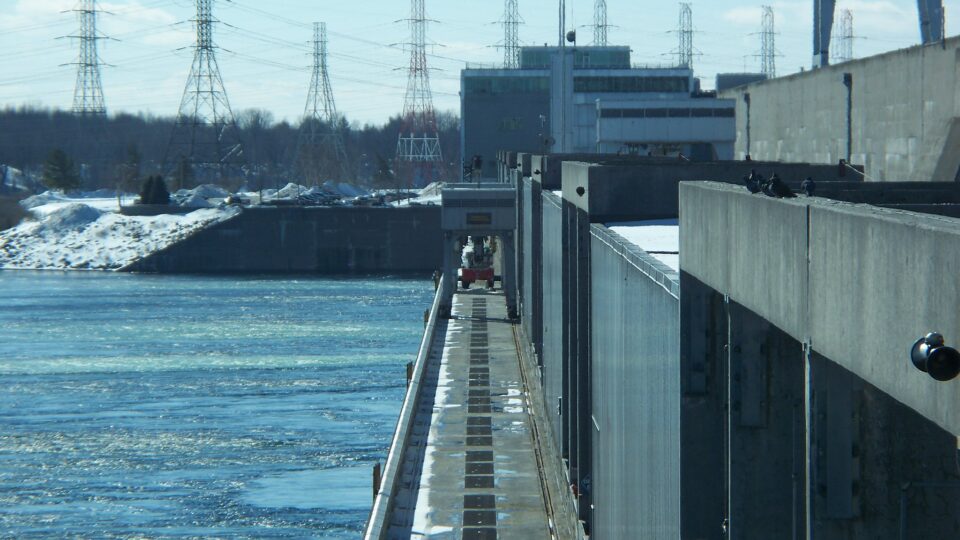
In August, the New York Power Authority announced the start of construction on one of the largest battery energy storage projects in the nation.  Located in Franklin County at the very top of New York State, the project will comprise 20 MW of lithium ion battery storage that will help the state meet its peak power needs by absorbing excess generation that can be discharged later when the grid demands it.

The Northern New York region gets more than 80% of its electricity supply from renewable sources, including the St. Lawrence hydropower project and more than 650 MW of wind generation.  Having the ability to store some of this renewable energy for later delivery will help to eliminate transmission constraints that can prevent energy from being delivered to consumers.

The battery storage facility is one of two such large systems in the state.  The other one is a 20 MW battery storage system developed by Key Capture Energy in Stillwater in Saratoga County.  That project, which was funded by NYSERDA under the state’s Bulk Storage incentive program, is connected to the wholesale transmission network and is a revenue source for Key Capture, an independent utility-scale battery storage developer based in Albany.

The new storage project’s location is an ideal opportunity to spotlight the value of energy storage given the proximity of the hydropower project and extensive wind resources.  Being able to store renewable energy will improve transmission of the state’s electric power to downstate markets as well as help meet the state’s goals for reducing its carbon footprint and increasing its reliance upon renewable energy.

**********

Web Links

Construction begins on NYPA’s second large-scale storage project

Photo courtesy of ceedub13, CC BY 2.0.

Earth Wise is a production of WAMC Northeast Public Radio.
Recycling Solar Panels | Earth Wise

October 1, 2020 By EarthWise Leave a Comment

Solar panels need to be recycled

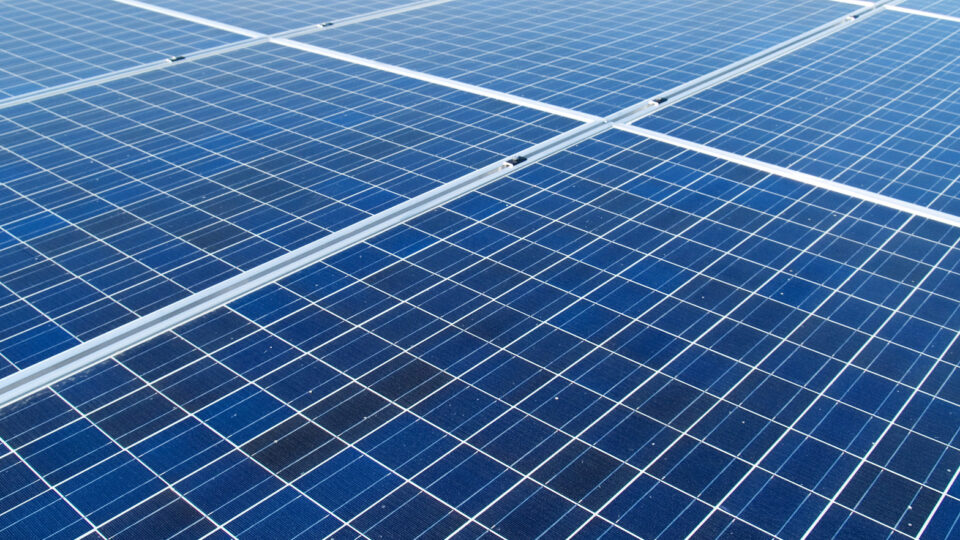
It is inevitable that the things we make and use eventually outlive their useful lives and become waste that we have to deal with.  Solar panels, despite their impressively long lifetime, can’t escape this general principle.   As pioneering solar panels near the end of their 30-year electronic lives, they could well become the world’s next big wave of e-waste.

According to the International Renewable Energy Agency, nearly 90 million tons of solar panels will have reached their end of life by the year 2050, resulting in about 7 million tons of new solar e-waste per year.

Solar photovoltaic deployment has grown at unprecedented rates in recent years.  The total global installed capacity is about 600 GW today; projections are that there will be 1,600 GW by 2030 and 4,500 GW by 2050.

Solar panels contain valuable materials, including silver and high-purity silicon.  But current recycling procedures are not cost-effective.   Only about 10% of panels are currently recycled in the U.S.   The rest go to landfills or are shipped overseas to become another country’s problem.

Before solar waste becomes a major problem, the industry needs to better address the issue.  Strategies include improving the design of panels to align with recycling capabilities as well as developing new recycling methods that can more efficiently extract and purify the valuable materials in the panels.  Industry researchers are also looking into ways to repair and resell panels that are still in good condition and to repurpose old panels for less demanding functions like e-bike charging stations and housing complexes.

Like most things, solar panels do fail over time and with a rapidly growing number of them in the world, we need to figure out how to avoid them adding to the world’s problems.

**********

Web Links

Solar Panels Are Starting to Die. Will We be Able to Recycle the E-Waste?

Photo, posted January 6, 2006, courtesy of Flickr.

Earth Wise is a production of WAMC Northeast Public Radio.
Renewables Are Slowly Taking Over | Earth Wise

August 17, 2020 By EarthWise Leave a Comment

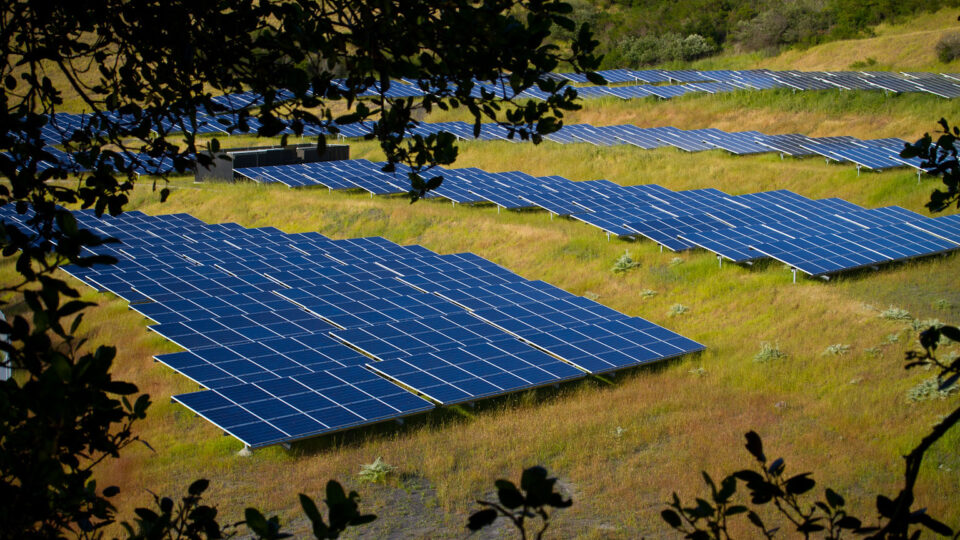
According to data released by the Federal Energy Regulatory Commission, wind, solar, and hydropower provided 100% of the 1.3 GW in new U.S. electrical generating capacity added in April 2020.  Furthermore, the FERC report revealed that renewable sources accounted for 56% of the 9 GW added during the first four months of the year.  Apart from renewables, the balance of new generation was almost entirely made up of new natural gas capacity.   There have been no new capacity additions by coal, oil, nuclear power, or geothermal energy since the beginning of the year.

Renewable energy sources now account for nearly 23% of the nation’s total available installed generating capacity and continue to increase their lead over coal, which now accounts for only 20% of the nation’s electricity generation.

FERC data also suggests that renewables’ share of generating capacity should increase significantly over the next three years.  So-called “high probability” generation capacity additions for wind, minus anticipated retirements, project a net increase of nearly 27 GW, while solar is projected to grow by 24 GW.  By comparison, net growth for natural gas is expected to be just over 20 GW. 

Hydropower, geothermal, and biomass are all expected to experience net growth while the generating capacity of coal and oil are expected to plummet.   Nuclear power is forecasted to remain essentially unchanged.

In total, over the next three years,  the mix of all renewables is predicted to add more than 50 times the net new generating capacity added by natural gas, coal, oil, and nuclear power combined.  Renewables are truly on the rise.

**********

Web Links

Renewable Energy Provides All New US Generating Capacity in April – Forecast to Add Almost 50x More Than Coal, Oil, Gas & Nuclear Over Next Three Years

Photo, posted May 24, 2011, courtesy of Michael Mees via Flickr.

Earth Wise is a production of WAMC Northeast Public Radio.
Massachusetts And Energy Policy | Earth Wise

August 4, 2020 By EarthWise Leave a Comment

Massachusetts and clean energy

The transition to a renewables-based energy future continues to accelerate, but there are still many forces that can slow it down.  Government policy has a major role to play.  At the moment, the federal government is trying to prop up the fossil fuel industry with financial incentives and rampant deregulation.  So more than ever, innovative policies at the state level are essential drivers for revolutionizing the energy system.

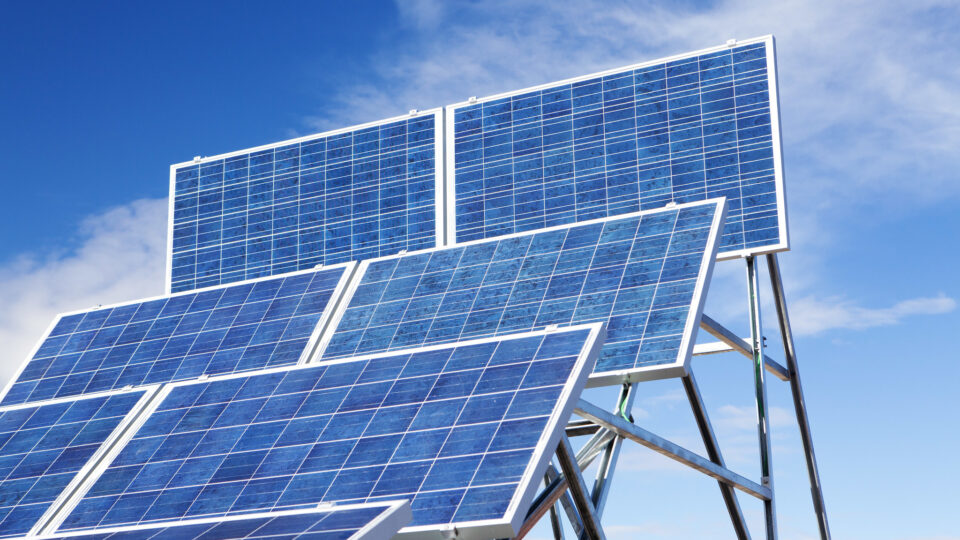
One state where policy is trying to make a big difference is Massachusetts, which has created the Clean Peak Energy Standard or CPS, finalized and approved in late March and now taking effect.   A clean peak standard is a regulatory tool to reduce the costs and environmental impact of periods when electricity demand is highest, and generation tends to be the most polluting.  The CPS requires electric retailers to procure a minimum percentage of their annual electricity sales from renewable generation or energy storage.  That minimum amount will increase each year.

The CPS is formulated to incentivize better utilization of clean energy technologies to supply power when energy demand is high.  The problem is that there are times when the sun is not shining and the wind isn’t blowing, but energy demand is at its highest.  The solution is to use energy storage technologies that can supply power when it is needed.  Furthermore, storage can be relied upon during times of extreme weather that cause power outages.

Massachusetts has already started using energy storage in its grid.  The small town of Sterling installed an energy storage system in 2016 that provides crucial backup power to the police station and emergency dispatch center, thereby keeping first responder operations running even during extended power outages.

**********

Web Links

Massachusetts is setting the benchmark for nationwide clean energy transformation

Photo, posted March 30, 2012, courtesy of Flickr.

Earth Wise is a production of WAMC Northeast Public Radio.
New Jersey And Offshore Wind | Earth Wise

July 28, 2020 By EarthWise Leave a Comment

New Jersey commits to offshore wind

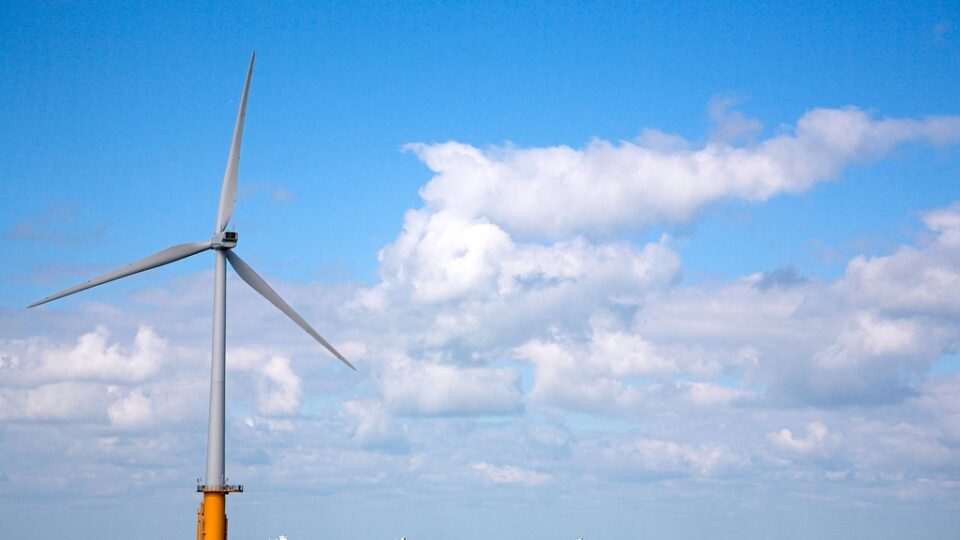
New Jersey intends to become a major hub for offshore wind in the United States.  The state recently announced a plan to build a 30-acre port along the Delaware River for assembling and deploying wind turbines, as well as an additional 25 acres for manufacturing facilities.   The new port is expected to cost as much as $400 million and create 1,500 jobs in southern New Jersey.

The port will be located on an artificial island that was built by the U.S. Army Corps of Engineers early in the 20th century.  The island is already home to three nuclear reactors.  No bridges exist between the island and the Atlantic Ocean, so turbines that are built at the staging facility could be hoisted upright and towed out to sea without obstruction.  Some components are as tall as 500 feet and when fully constructed on the ocean, the turbines selected for New Jersey’s first offshore wind project will be more than 850 feet tall.

A second phase of the program would add over 150 acres to accommodate extensive manufacturing facilities for turbine components like blades and nacelles.

Construction on the port is expected to start next year.  New Jersey has pledged to produce 7,500 megawatts of offshore wind energy by 2035 and to generate 100% of its electricity from renewables by 2050.  Apart from deploying offshore wind, New Jersey wants to have a significant piece of the supply chain for what is likely to be a growing industry along the northeast coast.  The state views offshore wind as a once-in-a-generation opportunity to not only protect the environment but also greatly expand its economy in a way that has immediate impacts and long-term growth.

**********

Web Links

New Jersey Announces $400 Million Offshore Wind Port

Photo, posted September 18, 2010, courtesy of Vattenfall Nederland via Flickr.

Earth Wise is a production of WAMC Northeast Public Radio.
Renewables Could Take Over By 2035 | Earth Wise

July 15, 2020 By EarthWise Leave a Comment

Renewable energy taking over

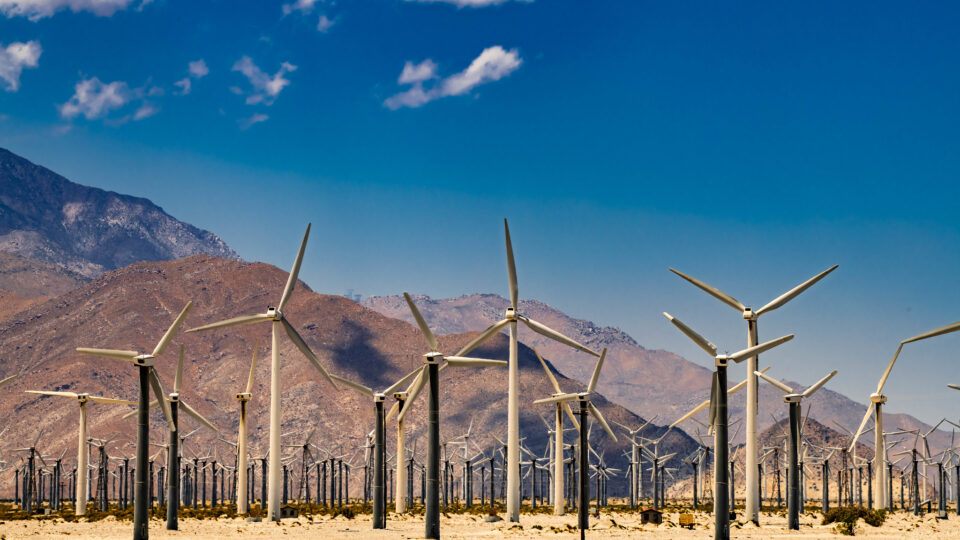
A study by UC Berkeley looked at the prospects for renewable energy sources to become the primary source of energy in the United States over the next 15 years.  Even though fossil fuels continue to fill that role at present, the plummeting costs of alternative energy sources – primarily solar and wind power – are making them increasingly attractive on the competitive market.

These cost reductions have occurred much faster than what was anticipated even just a few years ago.  According to the study, it is technically and economically feasible for renewable sources to provide 90% of our electricity by 2035.

The Berkeley researchers took the available data on renewable energy and created two scenarios for the next 15 years.  The first has energy policy remaining as it is now, without ambitious policy changes that encourage the growth of renewable energy.  In that scenario, they estimated that 55% of the US energy infrastructure would come from renewables.  That amount will not produce the change needed to meet Paris Climate Agreement goals but would simply come about because of the dramatically lower costs for renewable energy.

The second scenario includes state and federal governments leading the way to finance and facilitate the energy reform needed for a greener 2035.  It also relies on the large-scale use of grid-scale batteries to store the energy collected from solar and wind installations for when it is needed.

Which scenario is more realistic will depend on several major influential factors, notably the trajectory and consequences of the COVID-19 pandemic as well as the results of the November elections.   These things will have a huge impact on the future of our energy system.

**********

Web Links

Report: By 2035, 90 Percent of the US Could Be Powered by Renewables

Photo, posted May 25, 2019, courtesy of Flickr.

Earth Wise is a production of WAMC Northeast Public Radio.
Renewables Surpass Coal | Earth Wise

July 3, 2020 By EarthWise Leave a Comment

Renewable energy surpasses coal

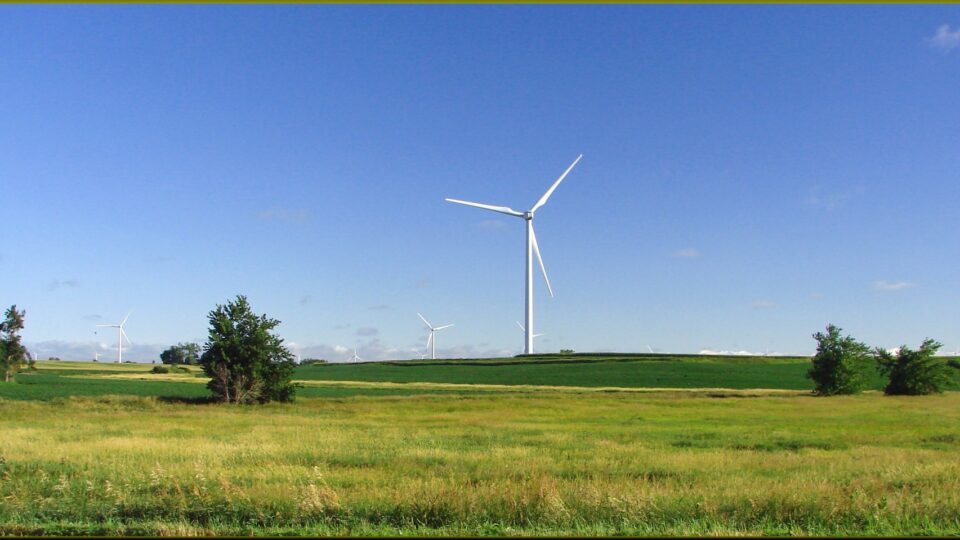
In 2019, energy consumption in the U.S. from renewable sources exceeded consumption from coal for the first time since before 1885.  This has come about from a combination of the continued decline in the amount of coal used for electricity generation as well as the continued growth in renewable energy, mostly from wind and solar.

Until the mid-1800s, burning wood was the main source of energy in the U.S. and, in fact, it was the only commercial-scale renewable energy source until the first hydroelectric plants came online in the 1880s.  Coal was used as fuel for steamboats and trains and making steel but only started to be used to generate electricity in the 1880s.

In 2019, U.S. coal consumption decreased for the sixth consecutive year and fell to its lowest level in 42 years.  Natural gas has displaced much of the energy generation from retired coal plants.

At the same time, renewable energy consumption in the U.S. grew for the fourth year in a row to a record high level, almost entirely as a result of the growing use of wind and solar power.  In 2019, wind power surpassed hydroelectric power for the first time and is now the most-used source of renewable energy for electricity generation in the U.S.

Coal was once commonly used in the industrial, transportation, residential, and commercial sectors.  Today, in the U.S., it is mostly used to generate electricity, and that use is rapidly declining.

Electricity consumption for 2020 is likely to be anomalous in many ways as a result of the Covid-19 pandemic shutdowns.  From all indications, however, the role of renewable energy will only have been increased during the shutdown period.

**********

Web Links

U.S. renewable energy consumption surpasses coal for the first time in over 130 years

Photo, posted July 26, 2013, courtesy of Don Graham via Flickr.

Earth Wise is a production of WAMC Northeast Public Radio.

Powering Amazon By The Sun | Earth Wise

June 29, 2020 By EarthWise Leave a Comment

Amazon and solar power

Amazon.com is a multinational conglomerate company that sells nearly $300 billion dollars a year worth of products, employs over 800,000 people, and by any measure, consumes a tremendous amount of resources.  In terms of its environmental impact, Amazon is estimated to be responsible for the emission of 50 million tons of CO2 annually, which is more than the yearly total for countries like Switzerland, Ireland, New Zealand, Denmark, and about 140 other countries.

Amazon is trying to reduce its environmental impact.  The company recently announced five new renewable energy projects in China, Australia and the U.S. as part of its commitment to reach 80% renewable energy by 2024, 100% renewable energy by 2030, and to reach net zero carbon by 2040.

The projects include a 100 MW solar project in Shandong, China, a 105 MW solar project in New South Wales, Australia, two solar projects in Ohio (one 200 MW and one 80 MW), and a 130 MW solar project in Virginia.

To date, Amazon has announced 31 utility-scale wind and solar renewable energy projects as well as 60 solar rooftops on fulfillment centers and sort centers around the world.  Taken together, these projects provide almost 3 GW of capacity and will deliver more than 7.6 million MWh of renewable energy annually.

In order for the world to meet the climate goals set by the Paris Agreement, it will take more than just countries to make and keep commitments.   Whatever else one may think about Amazon’s place in the world, their latest efforts for the environment are a big step in the right direction.

**********

Web Links

Amazon announces five new utility-scale solar projects to power operations in China, Australia, and the US

Photo, posted November 16, 2018, courtesy of Todd Van Hoosear via Flickr.

Earth Wise is a production of WAMC Northeast Public Radio.
Renewable Energy And The Post-COVID World | Earth Wise

June 2, 2020 By EarthWise Leave a Comment

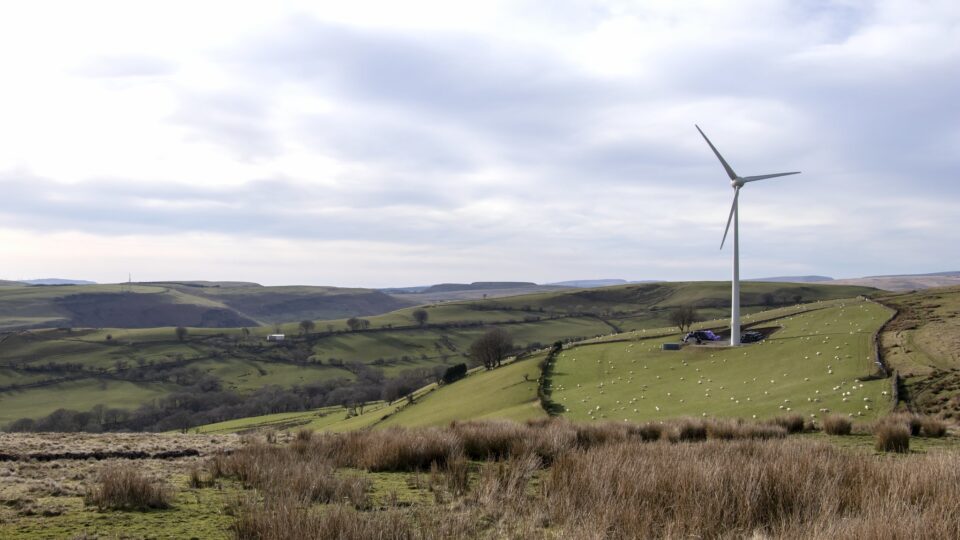
As is the case for virtually all sectors of the global economy, the short-term prospects for wind and solar power look pretty grim.  Lockdowns, social distancing requirements, and financial upheavals have put many new projects on ice and have halted production at factories making solar panels and wind turbines.  Sales of home solar have struggled as people have put off spending during the economic slowdown.

Ironically, the shutdowns aimed at reducing the spread of the Coronavirus have led to renewable sources accounting for an increased share of power generation.  Global energy demand has plummeted and, because of the low cost of solar and wind power, sources like coal and nuclear power have been curtailed in favor of the renewables.  The dramatically reduced demand has pushed oil and gas prices to historic lows and has left fossil fuel companies struggling to find storage space for the glut of product.

When the world emerges from the pandemic, the question is whether renewable energy will end up on a faster track than before or will end up in a long-term slowdown.  The answer will depend to large extent on the choices political leaders make.

Leaders will unquestionably be designing economic recovery packages.  Such packages could accelerate the shift towards wind and solar power, or they could prop up the fossil fuel economy.  Unfortunately, leaders are prone to be motivated by lobbyists more than by the greater needs of society.  The global economic upheaval represents a real opportunity to change the pace of efforts to address climate change.  Whether that change is a positive one or a negative one is just another looming question facing society when we emerge from the pandemic.

**********

Web Links

How Renewable Energy Could Emerge on Top After the Pandemic

Photo, posted April 12, 2020, courtesy of Jeremy Segrott via Flickr.

Earth Wise is a production of WAMC Northeast Public Radio.
Recycling Coal Plants | Earth Wise

April 27, 2020 By EarthWise Leave a Comment

Recycling coal plants

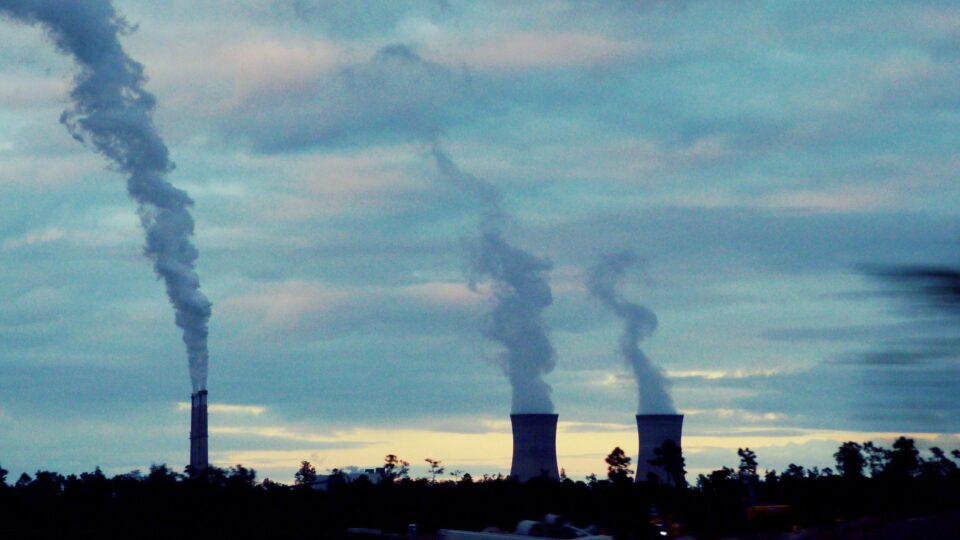
Over 300 coal-fired power plants in the US have stopping burning coal over the past decade.  Only about 224 plants still produce power by burning coal.  As a result, a new sort of recycling industry is taking shape:  repurposing of coal plants.

Across the country, utilities are finding ways to redevelop these facilities.  Some are industrial in nature and others a far cry from their original purpose.

In January, Beloit College in Wisconsin opened a student union and recreation center in what used to be an Alliant Energy coal-fired power plant.  On the southern coast of Massachusetts, a shuttered 1,600 MW coal plant is being demolished to make way for a logistical port and support center for a planned wind farm 35 miles off shore.

In Independence, Missouri, the city is considering competing plans to recycle the Blue Valley Power plant.  It may become a 50 MW battery storage facility, or possibly a biofuel plant.

Another popular reuse strategy is data centers.  Data centers use tremendous amounts of power and therefore can make use of the former coal plants’ capacity to handle large amounts of electricity.

Retired coal-fired plants have built-in infrastructure and components that can be repurposed for new industry.  The plants typically have access to rail, ports and waterways, as well as proximity to good highway transportation.  The electrical grids to which they are connected can be reused for solar or wind farms at the site.

Given that coal plants are continuing to close, the potential to redevelop them in various ways continues to grow as well.   There is a surge in interest in coal plant redevelopment because these facilities are assets of value.

**********

Web Links

Coal-fired power plants finding new uses as data centers, clean energy hubs

Photo, posted January 10, 2017, courtesy of Rusty Clark via Flickr.

Earth Wise is a production of WAMC Northeast Public Radio.
Coronavirus And European Energy | Earth Wise

April 23, 2020 By EarthWise Leave a Comment

Coronavirus Boosts European Renewable Energy

As people all over the world shelter in place and much ordinary commerce and other activities have ground to a halt, there have been big changes in energy usage.   With production halted, offices shut down, schools closed, and public transport operated on reduced timetables, the demand for energy has decreased dramatically.

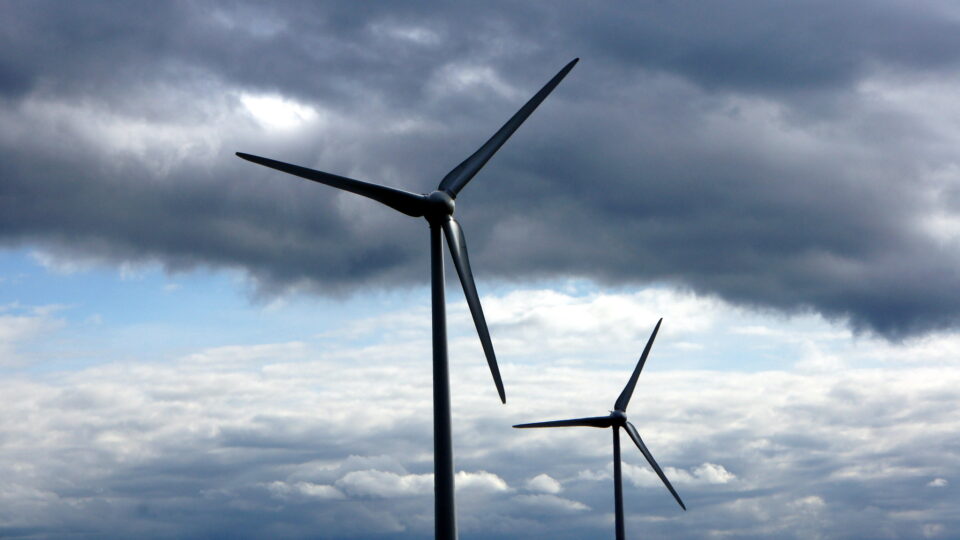
In Europe, as a result of all this, during the first quarter of this year, renewables’ share of total energy production was greater than 60%.  Wind farms provided more than 40% of the renewables’ share of total electricity generation.   During February, Denmark, Germany and Ireland saw nearly 50% of their electricity demand met with wind power.  Hydroelectric power was the second largest source of renewable energy during the first quarter, with Norway providing the largest share of this.  In contrast, generation from nuclear plants was at its lowest first quarter figure for the past five years.

The large shift to renewable generation was in great part due to the overall reduction in demand.  This impacts nuclear and fossil-fuel generation much more than renewables because those plants can be throttled back or shut down entirely so as not to needlessly consume costly fuels.   Generation that runs on sunlight, wind, or flowing water does not require fuel expenses, so it makes sense to prefer them when demand is reduced.

The reduction in demand has in turn had a major effect on fuel costs as oil reached low prices that haven’t been seen in years.

The decline in demand and fuel prices and the enhanced role of renewables are expected to continue in the current quarter as the timetable for renewed economic activity remains unknown.

**********

Web Links

Renewables achieve clean energy record as COVID-19 hits demand

Photo, posted June 25, 2010, courtesy of Martin Abegglen via Flickr.

Earth Wise is a production of WAMC Northeast Public Radio.
Wind Power Overtakes Hydroelectric Power | Earth Wise

April 10, 2020 By EarthWise Leave a Comment

wind power is now top renewable

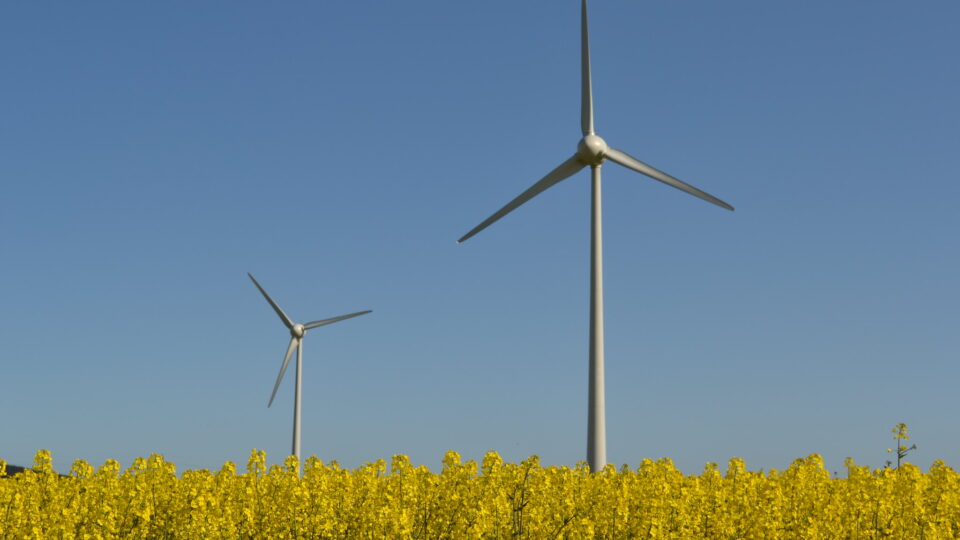
In 2019, the amount of electricity generated by wind power surpassed hydroelectric power for the first time, making wind the largest renewable source of electricity generation in the country.

Total wind generation in 2019 was 300 million MWh, which was 26 million MWh more than was produced by hydroelectric plants.

Hydroelectric generation has fluctuated between 250 and 320 million MWh over the past decade.  The capacity base has been stable, so the fluctuations were a result of variable annual precipitation.   Hydroelectric generation is generally greatest in the spring when rain and melting snow pack increase water runoff.

The growth in wind power is primarily a result of increasing capacity rather than any major fluctuations in wind caused by changing weather.  The U.S. added about 10 GW of wind capacity in 2019, making it the second largest year for capacity additions ever, second only to 2012.

Wind energy is an intermittent source, meaning that it isn’t windy all the time.  The average annual capacity factor for the U.S. wind fleet over the past decade has been 28 to 35%, meaning that is the amount of energy actually produced compared with the systems running at continuous full power all the time.  By comparison, the U.S. hydroelectric fleet operated at 35 to 43% of capacity during that period.  So, wind power is actually not that much less a steady source than hydroelectric power.

According to the U.S. Energy Information Administration, the government’s production tax credit, which was extended through this year, means that wind power capacity in the U.S. will continue to grow at a robust pace.  Meanwhile, some dams are being decommissioned and there is little new construction in the hydropower sector.

**********

Web Links

Wind has overtaken the top position for renewable generation in the U.S., EIA says

Photo courtesy of Flickr.

Earth Wise is a production of WAMC Northeast Public Radio.
Solar And Wind Power In China | Earth Wise

April 2, 2020 By EarthWise Leave a Comment

China rapidly adopts solar and wind power

Reducing greenhouse gas emissions is a global challenge and nowhere is that challenge greater than in China.  China accounts for 30% of the world’s emissions and much of that comes from coal power plants.  If the world is going to reach its climate targets, China is going to have to replace as much as possible of its current power mix with renewable energy.

As of 2018, China still made 69% of its electricity from fossil fuels.  Its vast coal reserves have driven its rapid industrialization and better standard of living.  But terrible air pollution problems along with climate issues have led to heavy investments and rapid expansion of both wind and solar power in China.

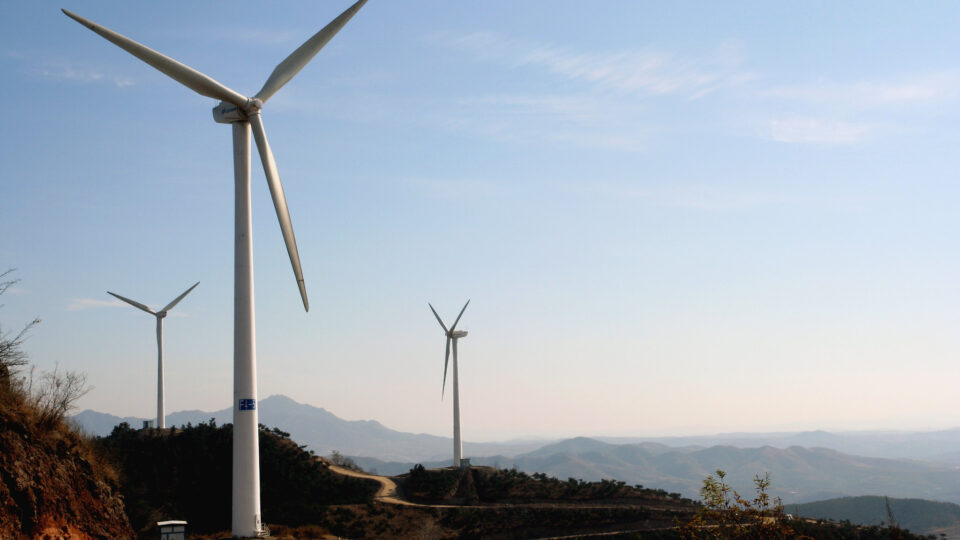
China is now a world leader in renewable energy, both in terms of producing and using renewable power.  At the start of 2016, China had installed a total of 145,000 megawatts of wind power, which is 3,000 MW more than all 28 European Union countries combined.  And this has occurred even though China only started developing their wind power industry 30 years later than the first EU countries.

Until 2009, China exported almost all the solar panels it produced.  But gradually China began to use solar energy in a big way.  The industry took off in 2014, and growth has been exponential.  Solar power production in China is now almost as extensive as wind power.

One has to consider that much of China’s electricity production is used by industries that produce products for the rest of the world.  In effect, these are exported emissions.  China has a long way to go in replacing its fossil fuel generation and we all have a stake in China succeeding in the task.

**********

Web Links

China’s rapid development of solar and wind power

Photo, posted November 12, 2007, courtesy of Flickr.

Earth Wise is a production of WAMC Northeast Public Radio.
Storing CO2 Underground | Earth Wise

February 19, 2020 By EarthWise Leave a Comment

carbon dioxide and storage

Capturing the carbon dioxide emitted from power plants and factories and safely storing it so it can’t enter the atmosphere has long been an attractive and desirable goal.  Even though the use of renewable energy sources has been expanding rapidly, it will still be a long time before fossil fuel plants go away entirely.

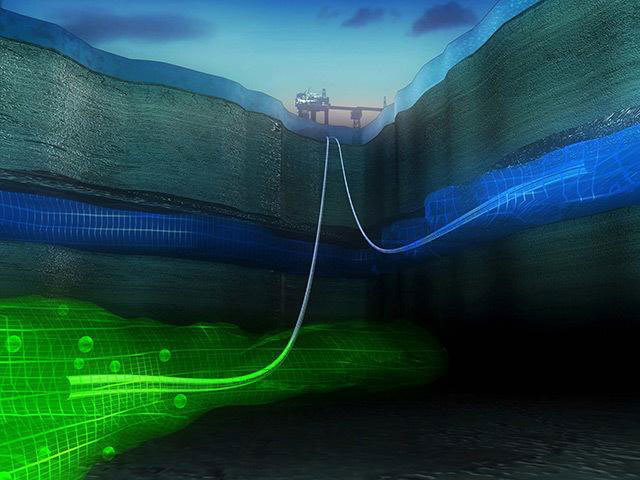
The most widely considered method of carbon capture and storage is underground storage.  The idea is to send the carbon dioxide through a pipeline to a place where underground rock formations can store it safely and permanently.  Typically, it would be pumped deep underground – often more than half a mile down – and the site would be monitored to make sure the CO2 doesn’t leak back up to the atmosphere or into the water table.

A new study looked at how much carbon dioxide the suitable geological formations on Earth can store.  The conclusion of the study is that drilling about 12,000 carbon storage wells globally could provide enough capacity to store 6 to 7 billion tons of CO2 a year by 2050.  That is about 13% of global emissions.

Drilling 12,000 wells is equivalent to the amount of oil and gas drilling that has taken place just in the Gulf of Mexico over the last 70 years.  The study identified locations worldwide that could handle the pressures associated with storing injected carbon dioxide.

So far, less than two dozen projects exist that capture and store carbon dioxide from fossil fuel plants.  In total, these plants can capture about 36 million tons a year, which is far less than what is needed.  But the new study at least shows that finding places to put captured carbon is not a problem.

**********

Web Links

Ample Geological Capacity Exists to Store Large Quantities of Captured CO2

Photo courtesy of Equinor.

Earth Wise is a production of WAMC Northeast Public Radio.
Lots Of Wind Power In Denmark | Earth Wise

February 11, 2020 By EarthWise Leave a Comment

renewable energy milestone

Many states and countries have established goals to generate at least half of their electricity from renewable sources by some future date, typically 2030.  A number of countries have already been able to achieve 50% or greater renewable generation for brief periods measured in days.  Australia did it this past November.  Germany has seen it on occasion as well.

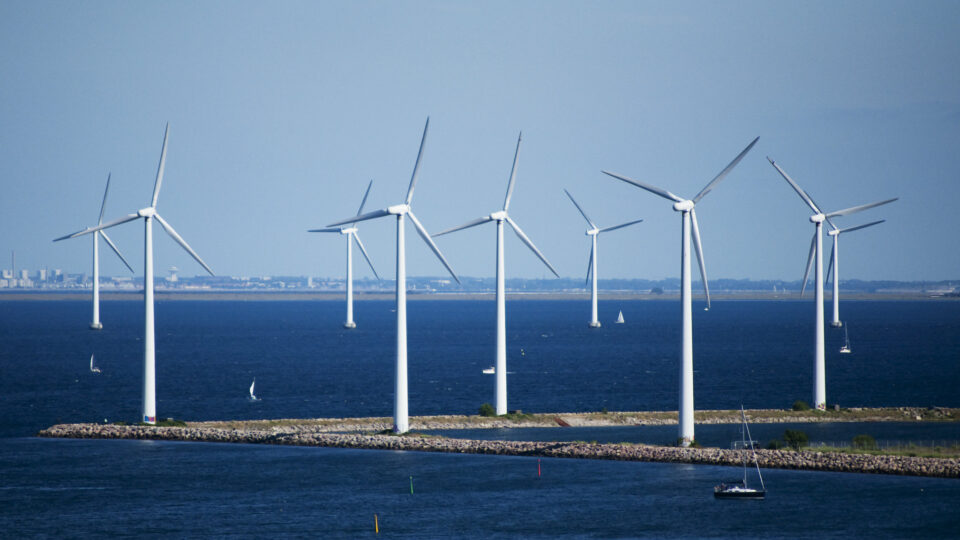
Denmark has managed to complete an entire year with half of its energy coming from renewable generation.  Almost all of it – 47% of the country’s power – came from wind turbines.

Denmark has been generating much of its energy from wind power for quite a while and actually produced about 46% of its electricity from renewable sources in 2017.  Denmark was a pioneer in developing commercial wind power during the 1970s, is a major manufacturer of wind turbines, and the small country has installed over 6,000 of them.  The gains this past year mostly came from the Horns Rev 3 offshore wind farm that went online in the fall.  The 407 MW wind farm has the capacity to cover the annual electricity consumption of about 425,000 households, which is about 20% of the country.

The growth of wind power in Denmark is still ramping up.  A 600 MW wind farm in the Baltic Sea will be connected to the Danish and German electricity grid by 2021, and a wind farm of at least 800 MW capacity in the North Sea is scheduled to come online in 2025.

The Danish Parliament has passed an ambitious climate law with the goal of reducing CO2 emissions by 70% in 2030 compared with 1990.  The country’s overall goal of being carbon-neutral by 2050 does not seem like a pipe dream.

**********

Web Links

Denmark Passes Magic 50% In Renewable Electricity Generation Milestone

Photo, posted July 12, 2009, courtesy of Flickr.

Earth Wise is a production of WAMC Northeast Public Radio.
More Solar And Wind Power In The U.S.

January 2, 2020 By EarthWise Leave a Comment

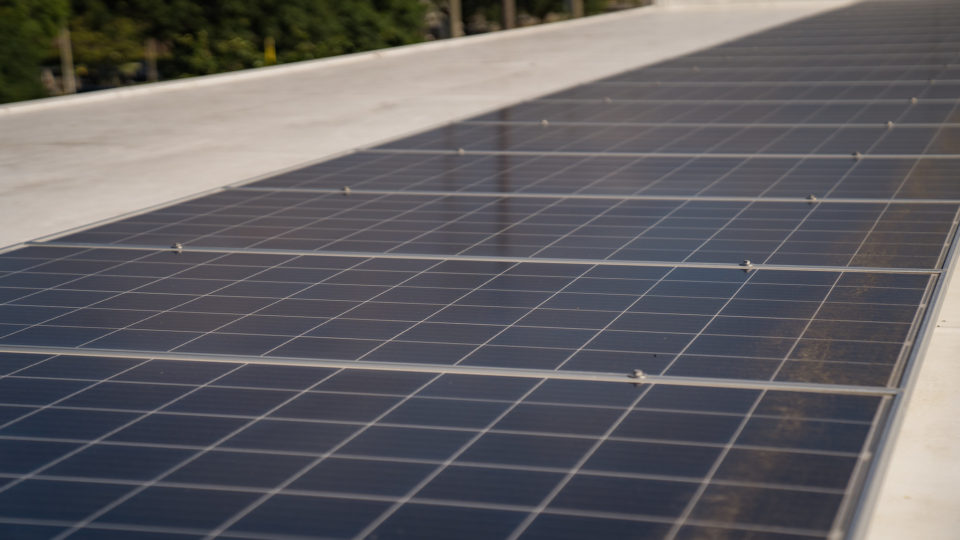
According to the U.S. Energy Information Administration, both wind and solar power are contributing more and more to total electrical generation in the United States.  For the first 8 months of 2019, the combination of wind and solar power accounted for almost 10% of U.S. electrical generation.

Solar, including small-scale PV systems on home rooftops, grew by almost 14% compared to the first eight months of 2018 and accounted for more than 2.7% of total electrical output.  In fact, small-scale solar generation increased by 19% and provided nearly a third of all the solar power in the country. 

Wind energy in the U.S. increased by 4.4%, accounting for almost 7% of the country’s electricity.

Overall, renewable energy sources – which include biomass, geothermal, hydropower, solar, and wind – accounted for 18.49% of net domestic electrical generation during the first 8 months of 2019.  The non-hydro renewable sources actually accounted for over 11% of total electricity production and saw a year-over-year growth of 6%. 

Outside of renewables, nuclear-generated electricity declined by 0.6% and coal power dropped by almost 14%.  Much of the coal generation was replaced by natural gas, which grew by 6.5% compared to the previous year.

Renewables now accounting for nearly 20% of overall electricity generation in the US represents significant progress.  But the variations by state continue to be substantial.  For example, while Vermont gets 99% of its power from renewables, Ohio gets only 2%. 

**********

Web Links

Solar and wind energy provide almost 10 percent of total generation in the US in 2019

Photo, posted April 8, 2019, courtesy of City of St. Pete via Flickr.

Earth Wise is a production of WAMC Northeast Public Radio.
Solar And Wind Energy And Groundwater

December 30, 2019 By EarthWise Leave a Comment

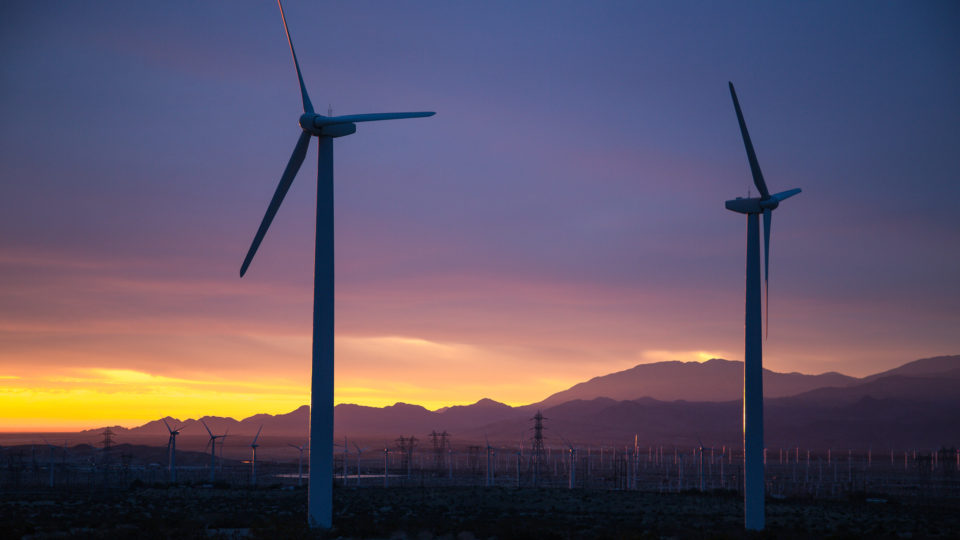
The use of both solar and wind farms has been expanding all over the country as a way of lowering carbon emissions from the electric power sector.   According to a new study led by Princeton University, these renewable energy sources have another important benefit:  they keep more water in the ground.

The study focused on drought-prone California where both solar and wind power have been expanding dramatically.  California is the largest agricultural producer in the United States and has also experienced one of the most severe droughts on record between 2012 and 2017.

The study determined that increased solar and wind energy can reduce the reliance on hydropower, especially during times of drought. 

The study looked at multiple scenarios in order to determine how much solar and wind energy should be used to maximize economic revenue and to see how solar and wind power could ensure groundwater recovery.  They created a framework to quantify the optimal pathways for maximizing hydroelectricity and agricultural income while avoiding groundwater depletion.

During the long drought, California’s agriculture industry relied heavily on tapping into groundwater stores, which is an unsustainable practice.  With more droughts likely to occur in California as well as increasing water demand from the growing California population, the burden on the state’s groundwater supply will only grow.

According to the researchers, it is far more practical to impose further regulations on groundwater use if sufficient solar and wind power is deployed.   They caution that these resources need to be deployed long before groundwater aquifers are depleted, or it will be too late for them to do any good.

**********

Web Links

Solar and Wind Energy Preserve Groundwater for Drought, Agriculture

Photo, posted December 11, 2014, courtesy of Tony Webster via Flickr.

Earth Wise is a production of WAMC Northeast Public Radio.
Removing Dams Restores Ecosystems

November 1, 2019 By EarthWise Leave a Comment

In many parts of the country, dams that sometimes date back as much as 100 years are being removed and are giving way to the revival of migratory fish and their river ecosystems.  Since 1912, more than 1,600 dams have been removed in the U.S., but the pace of dam removal has greatly picked up in recent years.  2017 and 2018 were the highest years ever with 91 and 99 dams removed, respectively.

When dams are removed, the response from migratory fish can be almost immediate.  A large dam removal project on the Penobscot River in Maine in 2012 opened up 1,000 miles of habitat with a quick return of shad and alewives, followed by salmon.

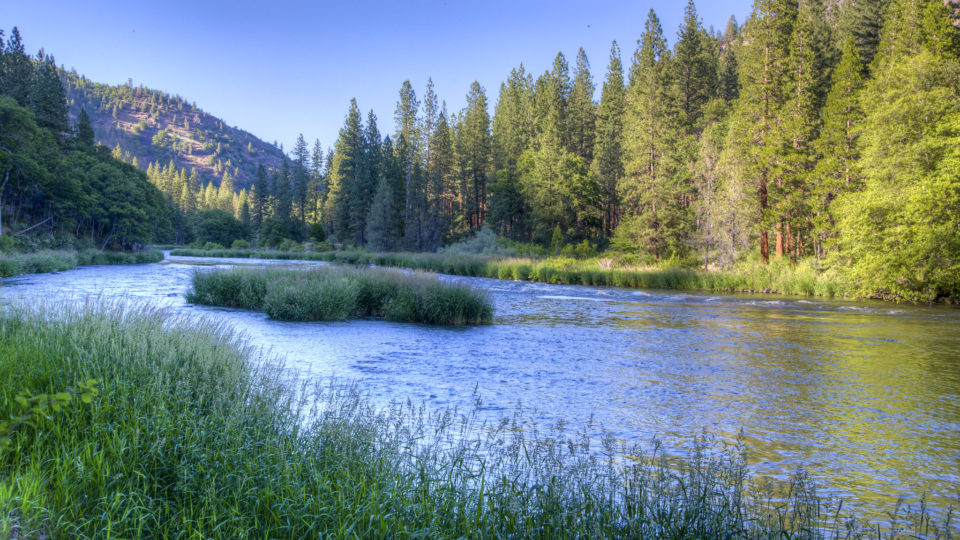
In 2022, four large dams across the Klamath River will be removed.  The dams, which are located at the California and Oregon border, were facing an expensive re-licensing process and, because of their age, could no longer be run at a profit.

Re-licensing the dams along the Klamath was going to cost as much as $400 million.  On the other hand, uncapping the Klamath River has tremendous commercial and tourism potential.  Two states, tribal nations, and other stakeholders have all seen the virtues of restoring the landscape to its original form.

Opposition to dam removal is typically driven by aesthetics or recreational preferences.  But dam economics are getting increasingly worse.  Now that electricity can be produced far more cheaply with wind and solar power, many American dams have become artifacts of an older manufacturing era.  Meanwhile, rural towns near decommissioned dams are likely to now have more robust fishing industries.

In rivers big and small, migratory fish and river ecosystems surge back to life as old energy structures are taken down.

**********

Web Links

Take Down That Dam: River Ecosystems Bounce Back As Removals Soar

Photo, posted June 11, 2016, courtesy of the Bureau of Land Management via Flickr.

Earth Wise is a production of WAMC Northeast Public Radio.

Amazon And Climate Change

October 30, 2019 By EarthWise Leave a Comment

Online shopping giant Amazon has unveiled a Climate Pledge, committing to meet the goals of the Paris climate agreement ten years ahead of schedule, and to be carbon neutral by 2040. This is the company’s most ambitious push yet to reduce its carbon footprint, which currently rivals that of a small country.  In fact, Amazon is responsible for 48.9 million tons of carbon dioxide last year, which is about 85% of what Switzerland typically emits in a year. 

Amazon, which ships more than 10 billion items a year on fossil fuel-intensive planes and trucks, has ordered a fleet of 100,000 electric vans that will start delivering packages to doorsteps in 2021.  The vans will be made by Rivian, a Michigan-based company that Amazon invested in earlier this year. 

Amazon plans to get 100% of its energy from solar and other renewable sources by 2030.  Currently, it gets about 40% of its energy from renewables. 

Amazon is also investing $100 million in nature-based climate solutions and reforestation projects around the world in order to remove carbon from the atmosphere. 

While announcing these initiatives recently at the National Press Club in Washington, D.C., Amazon CEO Jeff Bezos said the company needs to be a leader on the climate change issue:

We want to say look, if a company of Amazon’s complexity, scale, scope, physical infrastructure, delivering 10 billion items can do this, so can you.

After revealing Amazon’s Climate Pledge, Bezos said he would talk with CEOs of other large companies to try to get them to also sign it.  You can find a link to Amazon’s progress on its commitments by visiting this website.

**********

Web Links

‘Middle of the herd’ no more: Amazon tackles climate change

Amazon: Committed to a sustainable future (track progress here)

Photo courtesy of Amazon.

Earth Wise is a production of WAMC Northeast Public Radio.
Pulling Water From The Air

October 14, 2019 By EarthWise Leave a Comment

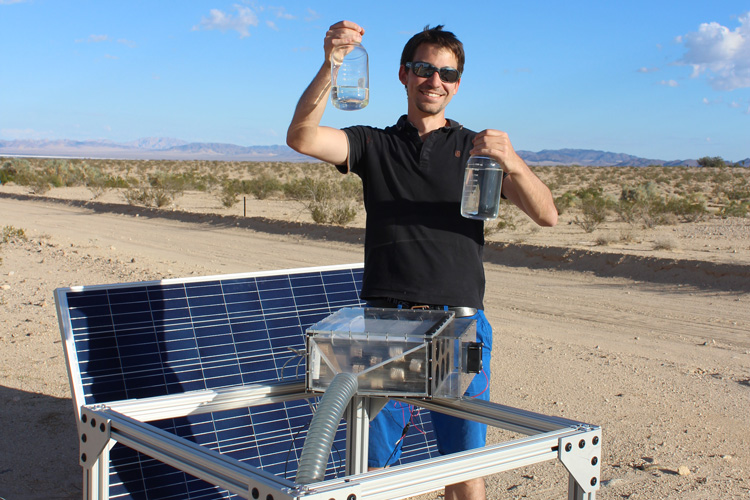
A couple of years ago, we reported on the early development of a device that harvests water from the air that even works in the low humidity environment of a desert.  Since then, the researchers from UC Berkeley have continued to improve the device and it is now 10 times better than it was two years ago.

The harvester is based on a porous water-absorbing material called a metal-organic framework, or MOF.  The latest version can pull more than five cups of water from low-humidity air per day for every kilogram of the improved MOF material and that is more than enough water to sustain a person.  The harvester cycles around the clock and is powered by solar panels and a battery.

Previous techniques for condensing water from air at low humidity required cooling down the air to temperatures below freezing, which is not economically practical.  The MOF-based device does not require any cooling.

The Berkeley researchers have formed a startup company – Water Harvester, Inc. – which is now testing and will soon market a device the size of a microwave oven that can supply 7 to 10 liters of water per day, which is enough drinking and cooking water for two or three adults.

An even larger version of the harvester, which would be the size of a small refrigerator, would provide 200 to 250 liters of water per day, enough for a household to drink, cook, and shower.  The new company envisions a village-scale harvester that would produce 20,000 liters per day, still running off of solar panels and a battery.

Water Harvester believes the water needs for many people can come out of the thin air.

**********

Web Links

Water harvester makes it easy to quench your thirst in the desert

Photo courtesy of Grant Glover (University of South Alabama) via UC Berkeley.

Earth Wise is a production of WAMC Northeast Public Radio.

  • « Go to Previous Page
  • Page 1
  • Interim pages omitted …
  • Page 3
  • Page 4
  • Page 5
  • Page 6
  • Page 7
  • Interim pages omitted …
  • Page 14
  • Go to Next Page »

Primary Sidebar

Recent Episodes

  • An uninsurable future
  • Clean energy and jobs
  • Insect declines in remote regions
  • Fossil fuel producing nations ignoring climate goals
  • Trouble for clownfishes

WAMC Northeast Public Radio

WAMC/Northeast Public Radio is a regional public radio network serving parts of seven northeastern states (more...)

Copyright © 2026 ·