plastic

Where Does The Plastic Go?

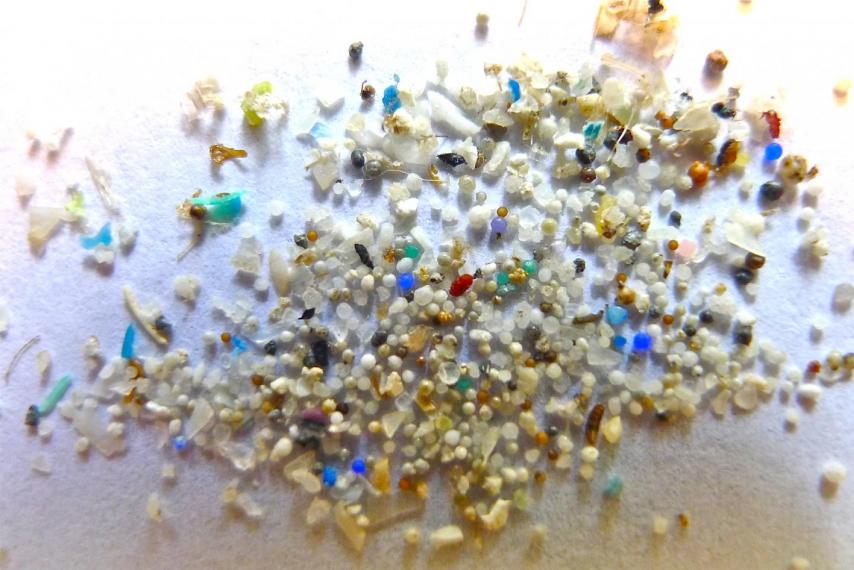
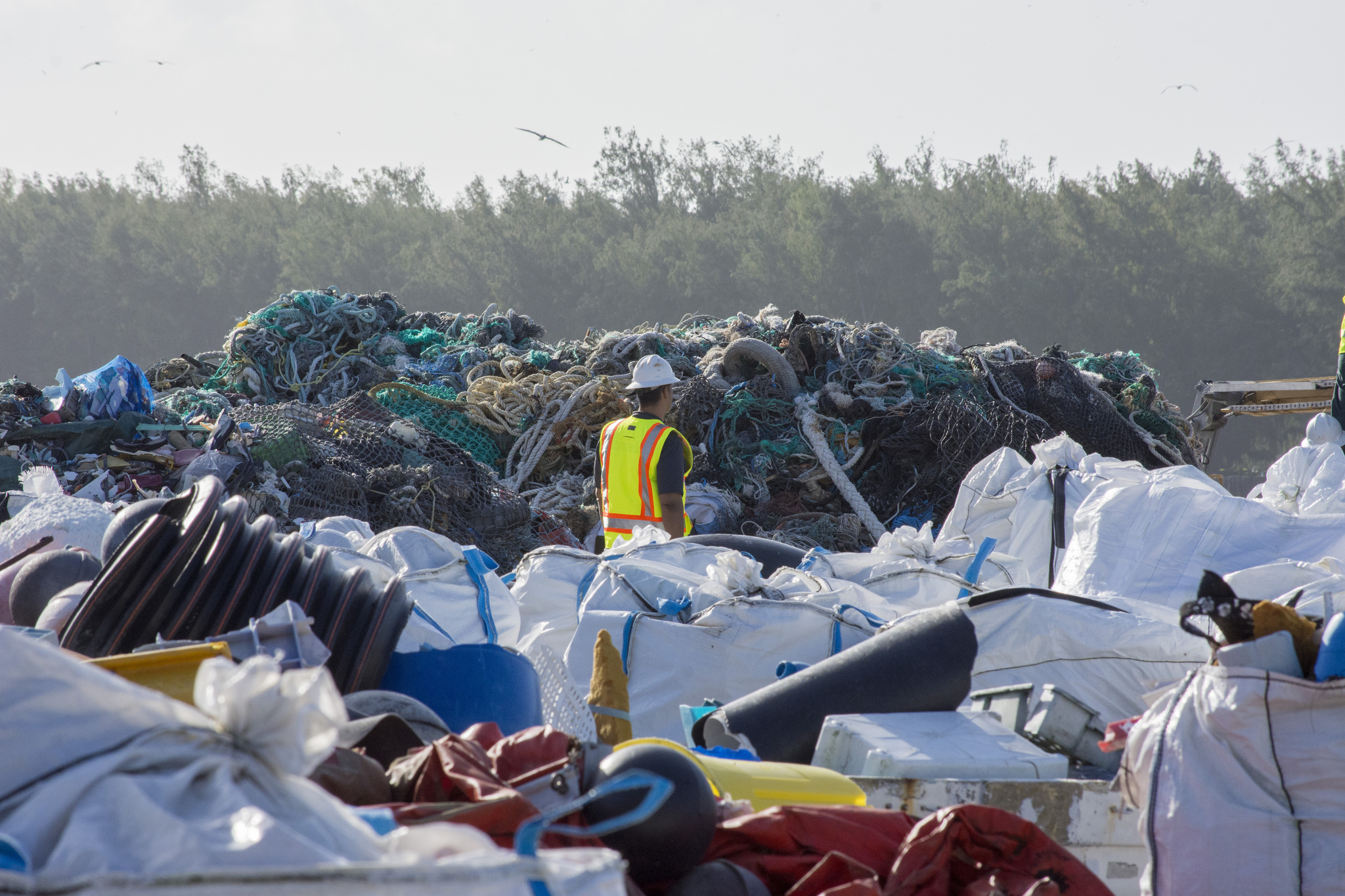
The glut of plastic in the oceans is a global problem. About 9 million tons of plastic enter the oceans each year. Much of it is discarded fishing gear, plastic bags, and other macroscopic objects. But a great deal of it is in the form of microplastics or small particles. Some microplastics come from cosmetics and other products containing them but a lot of them are the result of larger plastic objects breaking down into small particles.
Designing Plastic To Fall Apart
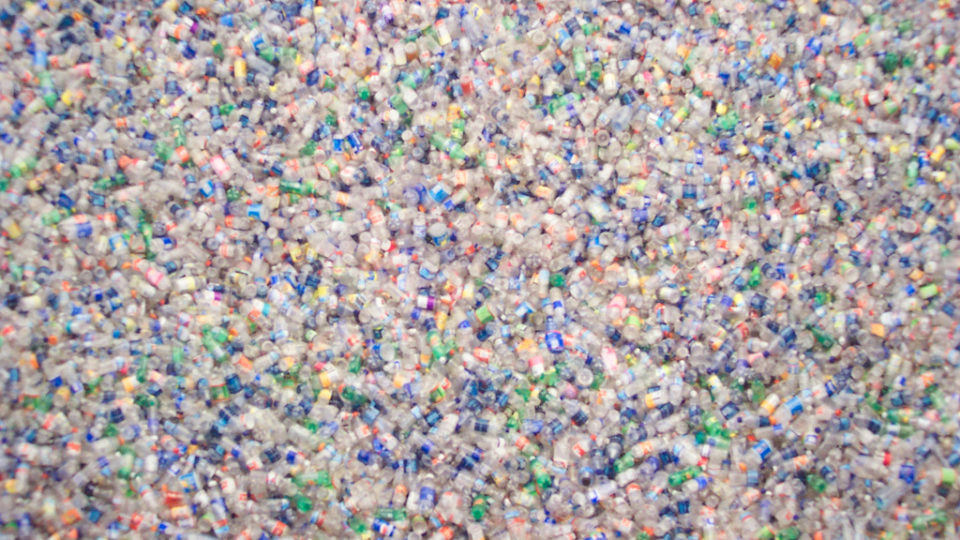
In the 1940s and 1950s, synthetic polymers became very popular. These man-made materials were designed to be cheap and durable and soon began replacing metals and glass in everything from automobiles and airplanes to bottles and dishes.
Progress On Plastic Straws
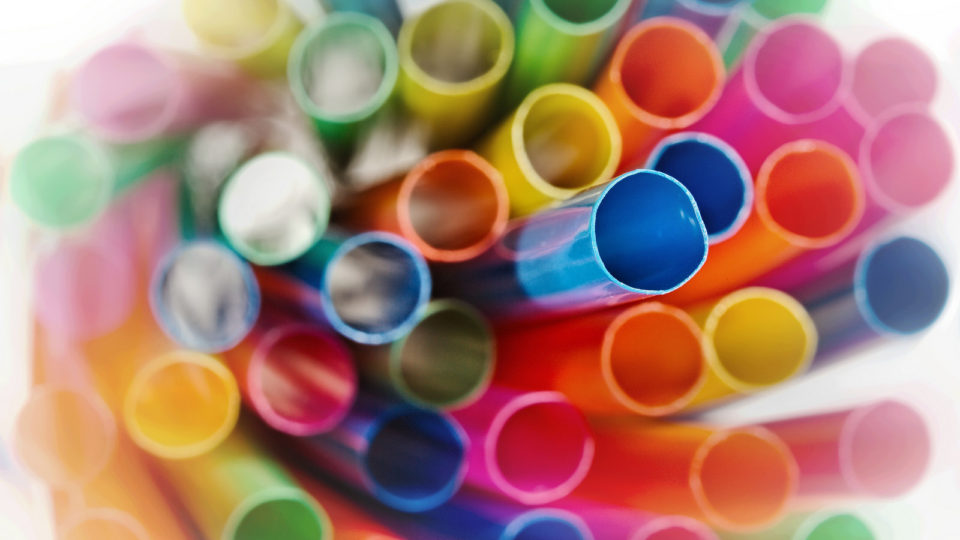
Earlier this year we talked about the contributions of plastic straws to the global problem of plastic waste. Americans throw away an astounding 500 million straws a day. But global campaigns to reduce the use of plastic straws are starting to make real headway.
Infinitely Recyclable Plastic
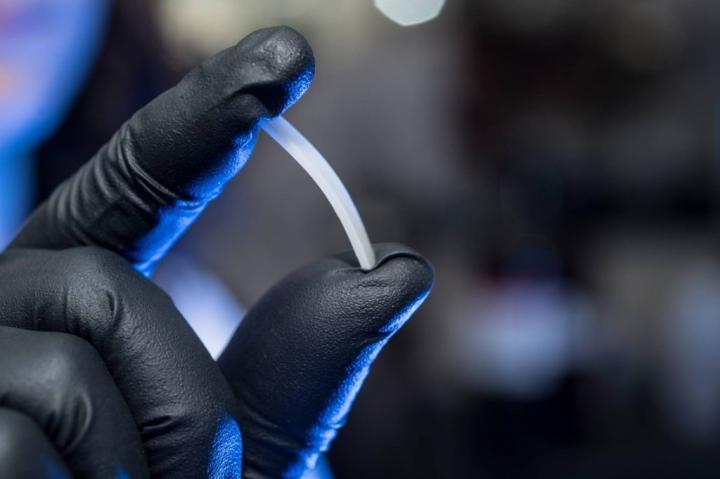
Less than 10% of discarded plastic is recycled. This is one of the major reasons that plastic waste is such a threat to the environment. There are many challenges to recycling plastics. For one thing, there are many different types of plastic and if they are melted together, they tend to phase-separate like oil and water and the resultant substance is structurally weak. Sorting plastics by type is not a simple task. More generally, it is very difficult to produce plastic with its original properties from recycled feedstock. So recycled plastics generally end up being useful in only more limited applications.
An Accidental Plastic Eater
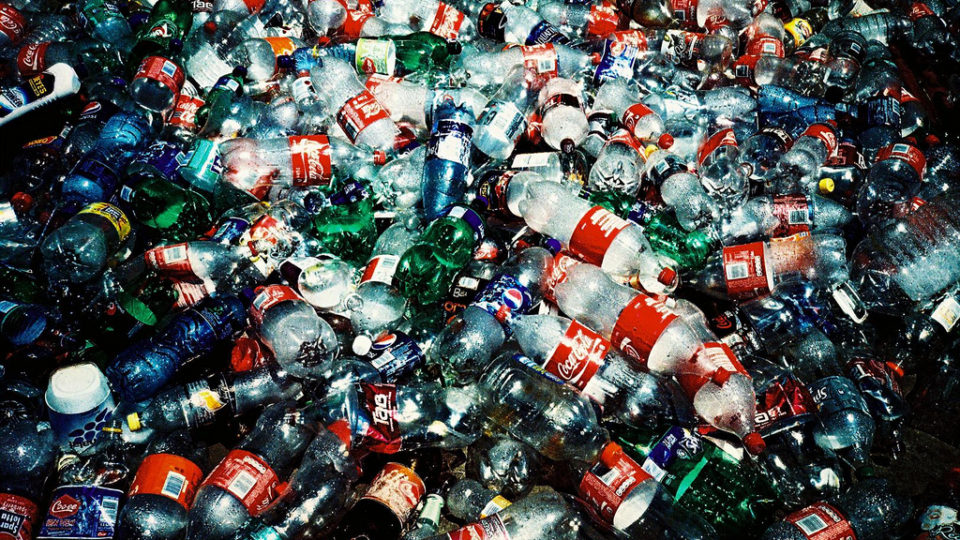
A couple of years ago, scientists in Japan discovered bacteria at a recycling plant that were breaking down a type of plastic called polyethylene terephthalate, or PET. With the world facing a growing plastic pollution problem, British and American researchers began to study the enzyme that the bacteria were using to try to understand how it works.
The Great Pacific Garbage Patch
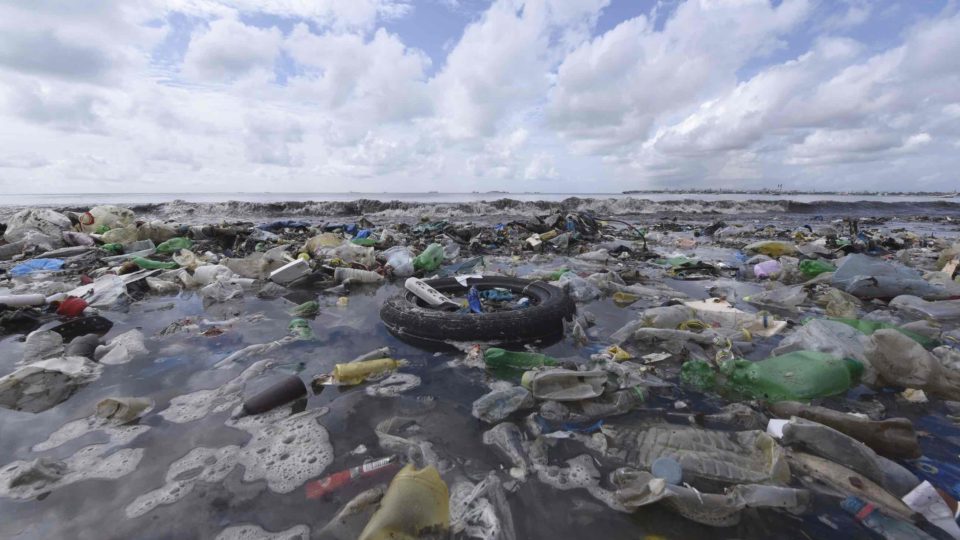
The Great Pacific Garbage Patch is the world’s largest collection of floating trash. It lies between California and Hawaii and is popularly described as being larger than Texas. It was discovered in 1997 by a yachtsman who sailed through a mess of floating plastic bottles and other debris while on a voyage between Hawaii and Los Angeles.
Are We Drinking Plastic?
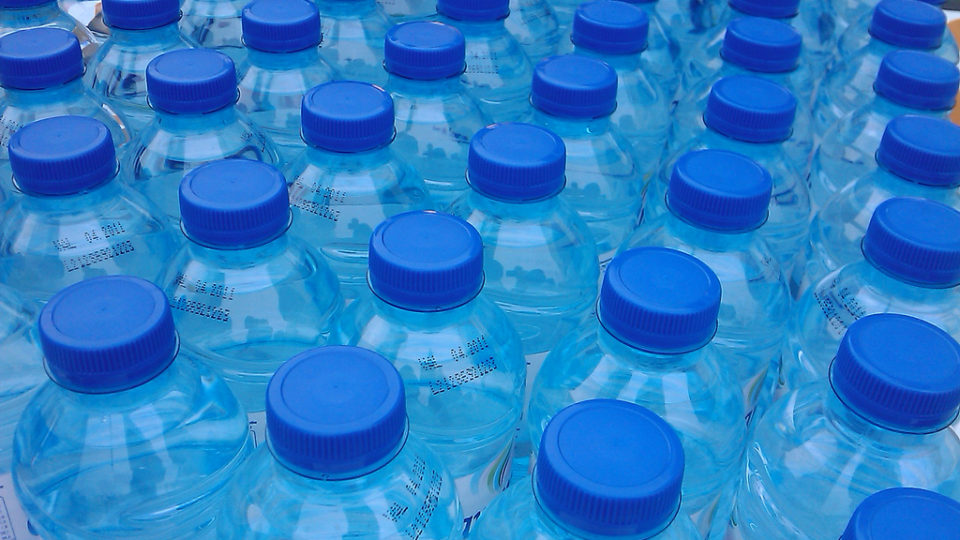
Almost everyone everywhere comes into contact with plastic everyday. Its use has increased 20-fold in the past half-century, and production is expected to double again in the next 20 years. But is plastic so ubiquitous that we are unwittingly drinking the stuff?
The Last Straw
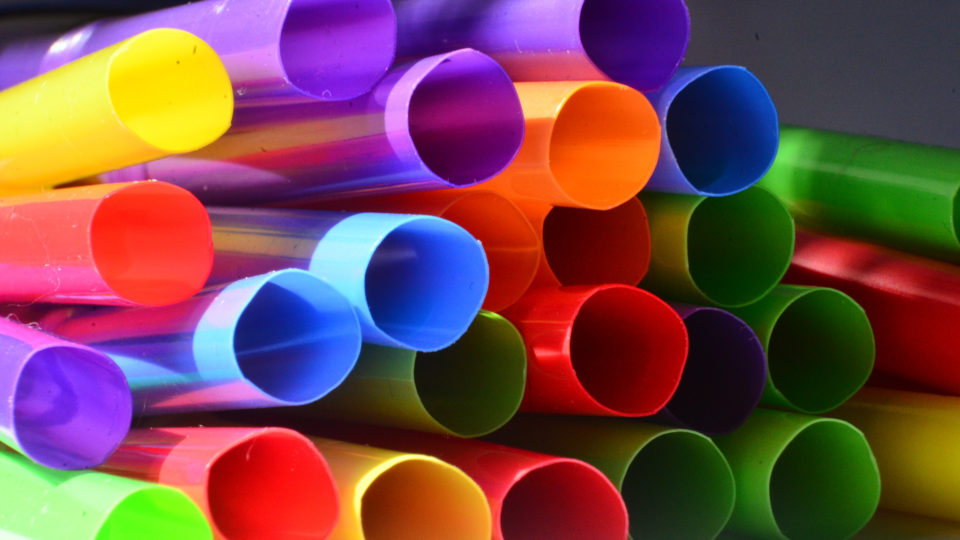
Every day, Americans throw away 500 hundred million plastic straws. That’s enough to circle the Earth twice. Each one of us uses more than 35,000 of them in a lifetime. And these estimates are probably low.
Banning Foreign Trash
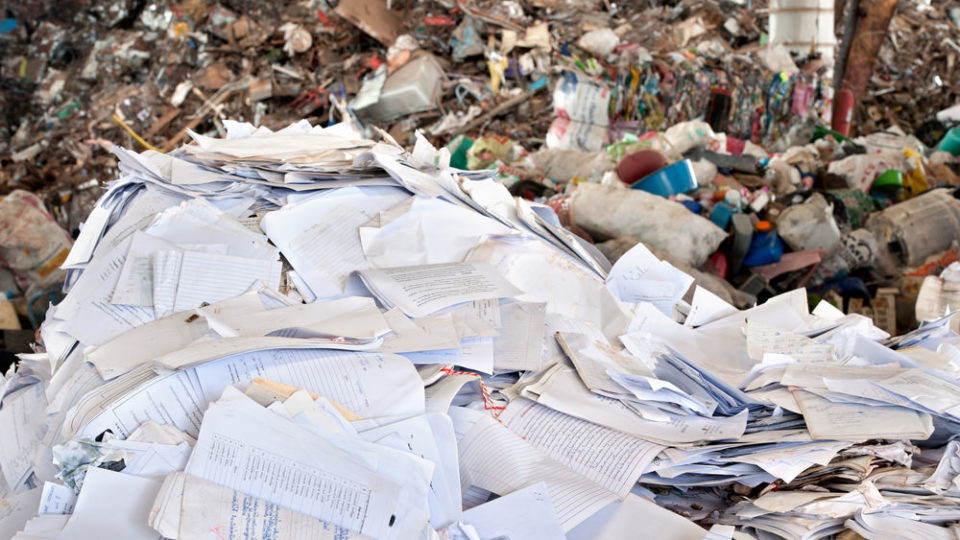
Since the 1980s, China has been the largest importer of foreign trash. In 2012, up to 56% of global exported plastic waste wound up in China. The trash has been both a valuable resource for the country’s booming manufacturing sector as well as an enormous source of environmental and health problems.
Carmakers Protecting The Ground And Air
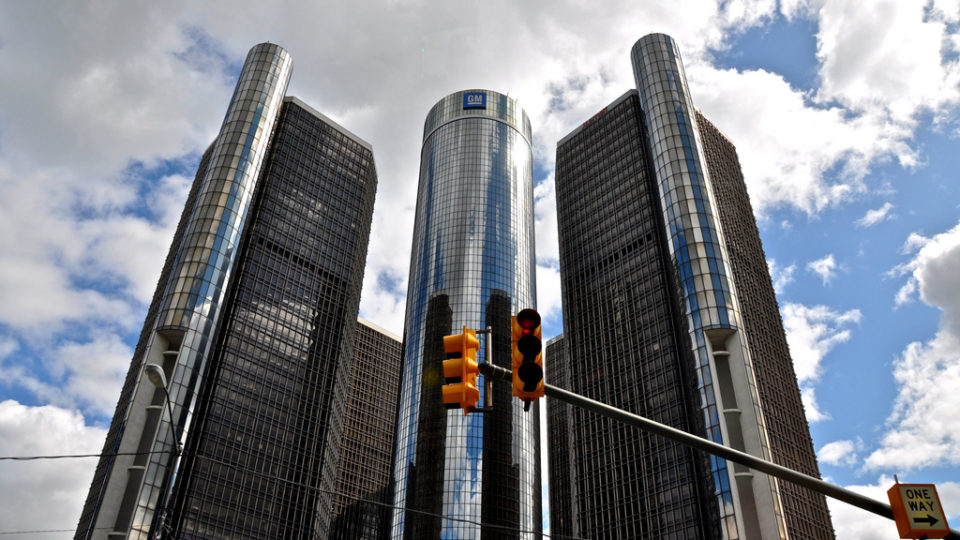
There is quite a bit of effort underway to reduce the amount of pollution automobiles dump into the atmosphere. The expanding role of electric cars is a big part of this.
Is A Real Christmas Tree Or A Fake One Better for the Planet?

For many, the Christmas tree is a quintessential part of the holiday season. According to the American Christmas Tree Association, 81% of Christmas trees Americans decorated in 2016 were artificial. But are artificial trees really the better option for the environment?
[Read more…] about Is A Real Christmas Tree Or A Fake One Better for the Planet?