plastic
Worms That Eat Plastic
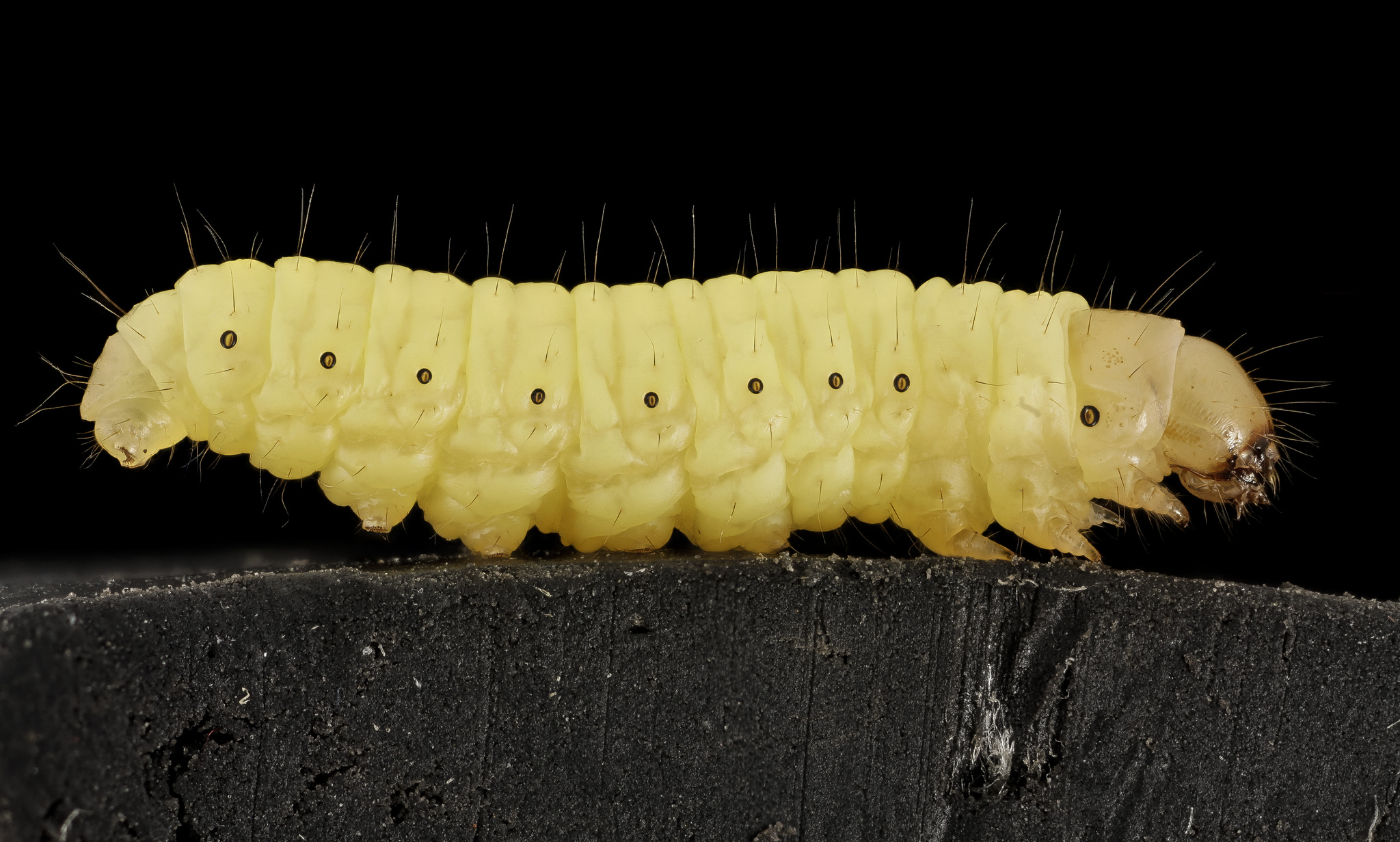
Plastics clogging up our landfills and polluting our oceans are a scourge of modern life and we struggle with ways to combat this growing problem. The biggest issue is that most plastics are simply not biodegradable. Polyethylene, the common plastic found in shopping bags and numerous other products, takes between 100 and 400 years to degrade in a landfill.
Plastic In The Arctic
On several occasions, we have talked about the enormous amount of plastic that litters the world’s oceans. Bits of bottles, bags, toys, fishing nets and other objects collect in gyres, or so-called garbage patches, which have grown and grown over the decades.
Why Do Animals Eat Ocean Plastic?
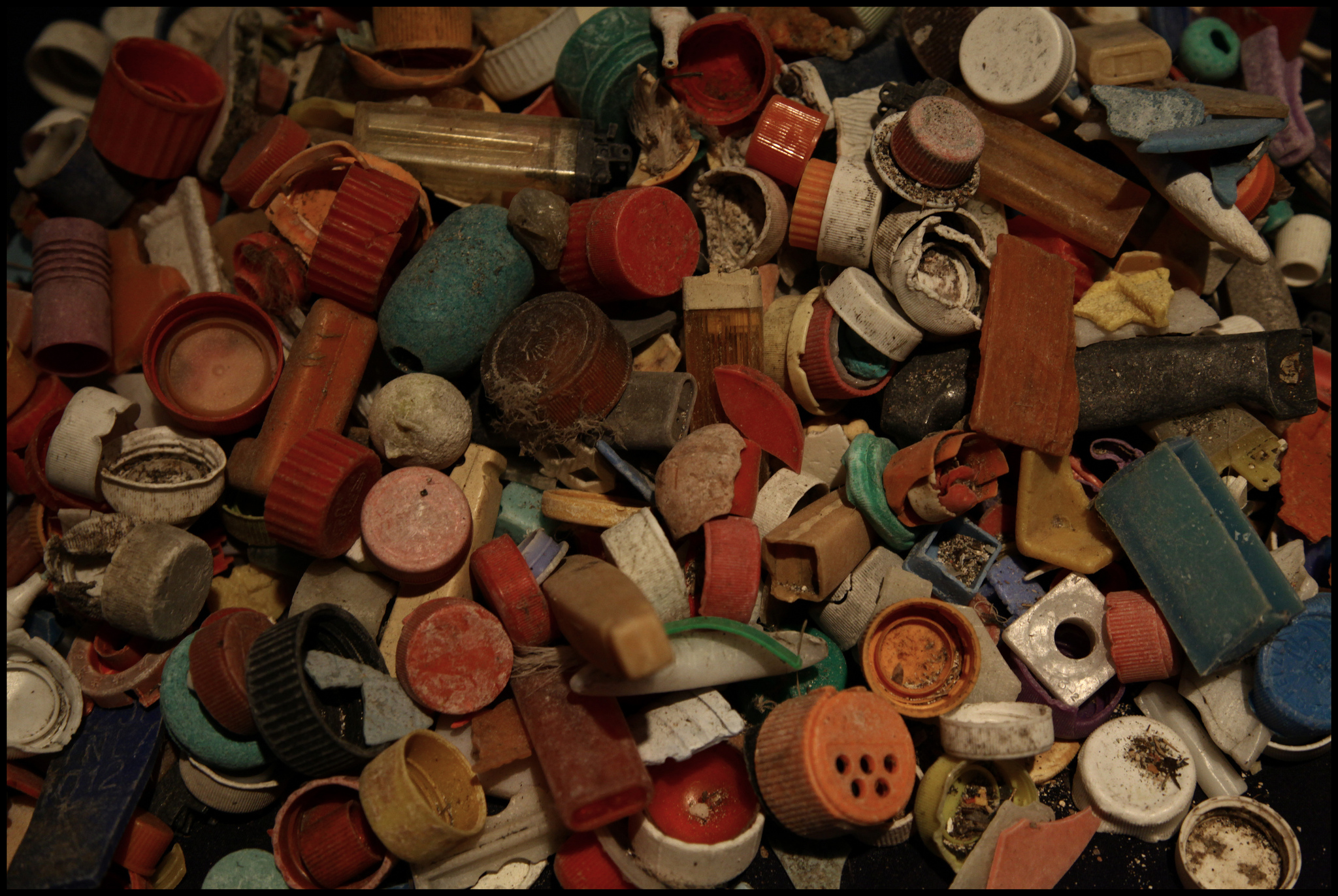
It’s no secret that there is a lot of plastic debris in our oceans. In fact, scientists estimate that there is more than 165 million tons of plastic trash swirling about in our oceans today, with an additional 8.8 million tons flowing in every year. And as the oceans swell with plastic litter, hundreds of marine species are ingesting the stuff – often with dire consequences.
Ocean Cleanup Progress Report

Back in June, we talked about The Ocean Cleanup, a Dutch foundation founded in 2013 by an 18-year-old named Boyan Slat, which is developing technologies to rid the oceans of the vast collections of plastic that have been accumulating over the past 50 years.
Repurposing Ocean Plastic
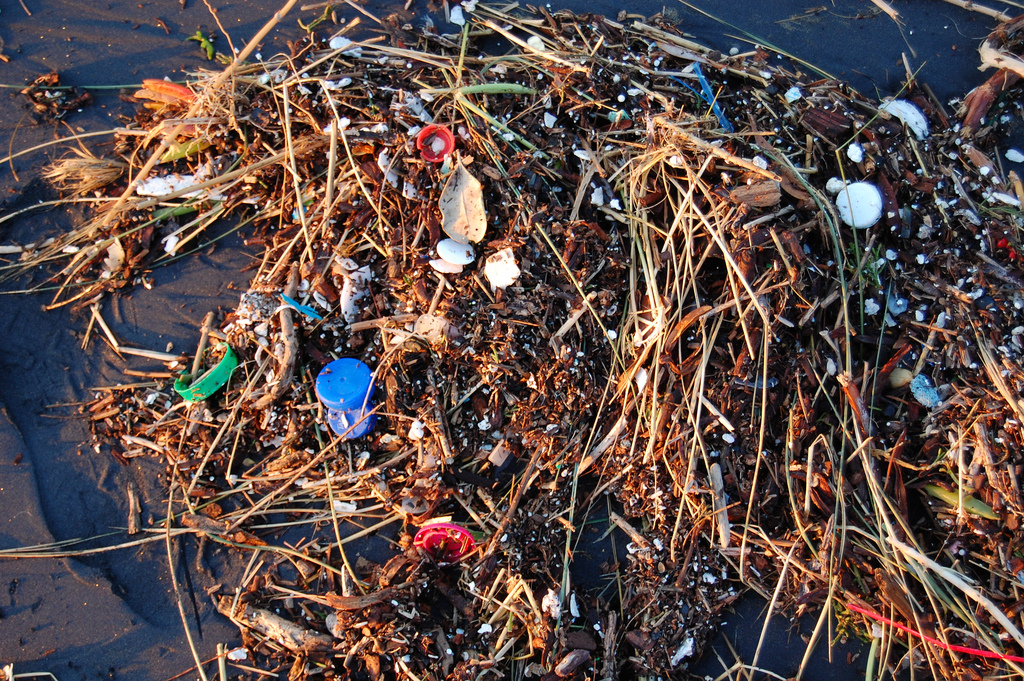
Scientists estimate that there is more than 165 million tons of plastic swirling about in our oceans today. And another 8.8 million tons of plastic ends up in oceans every year. According to a recent report from the World Economic Forum and the Ellen MacArthur Foundation, there could be more plastic by weight than fish by 2050 if current trends continue.
Bidding ‘Adieu’ To Plastics
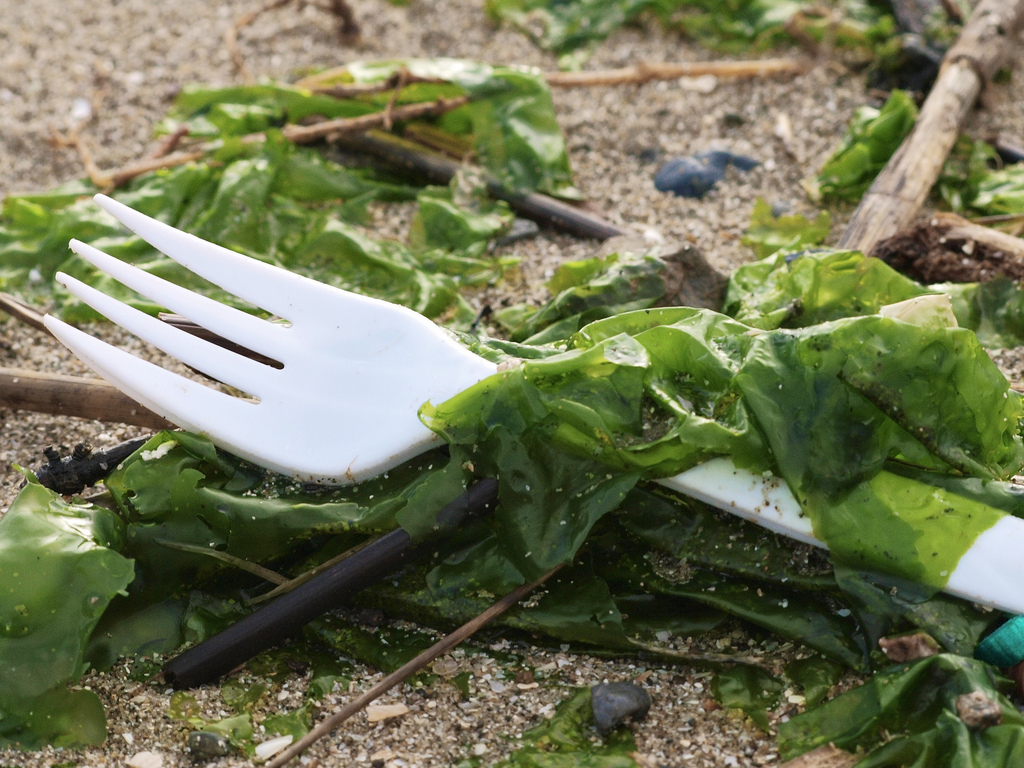
The use of plastics has increased 20-fold in the past 50 years, and production of plastics is expected to double again in the next 20 years. According to Eco Watch, the average American throws away approximately 185 pounds of plastic every year. And nearly one-third of all discarded plastic is not properly disposed of or recycled.
Too Much Waste
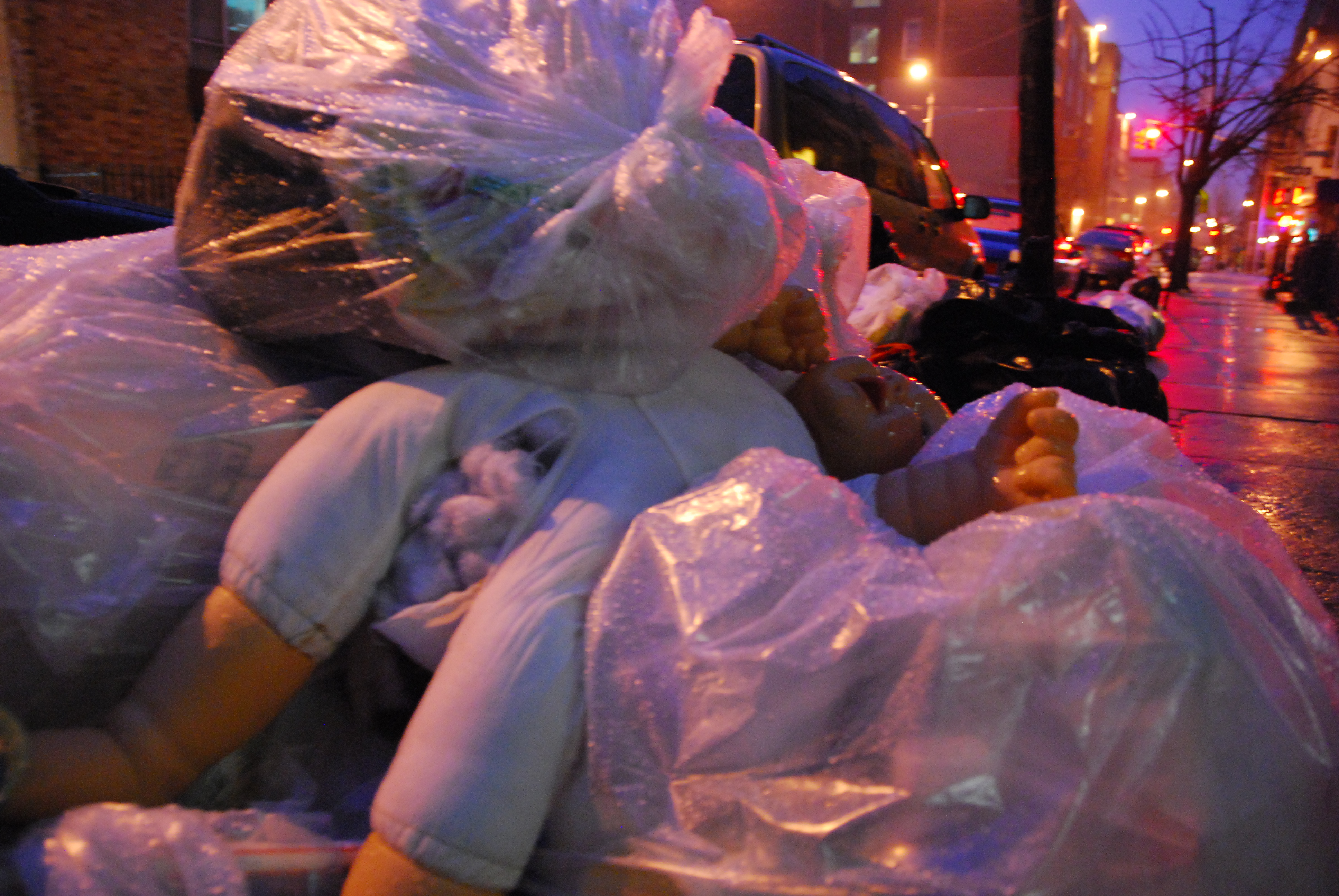
As the world’s population grows and becomes more urban and affluent, the amount of solid waste we produce grows and grows. Over the past century, the total amount has risen tenfold. By 2025, the world-wide total is expected to double again. The average person in the United States throws away their body weight in garbage every month.
Plastic From Milk
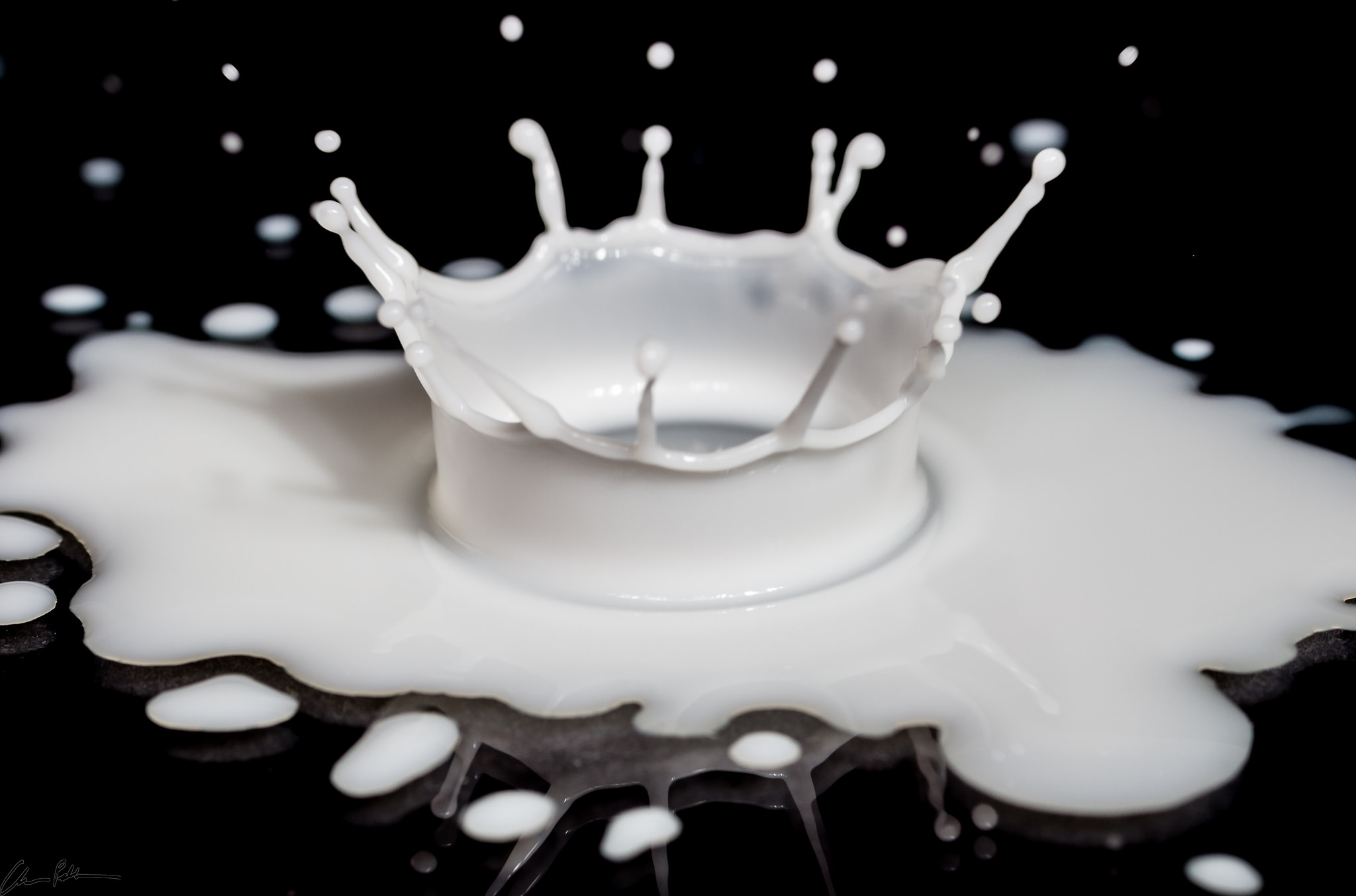
These days, many of the foods we buy, such as meat, bread, cheese and snacks – come wrapped in plastic. We end up with lots of non-recyclable, non-biodegradable waste. And thin plastic films are not even that great at preserving food because oxygen still gets through them.
Bottled Water
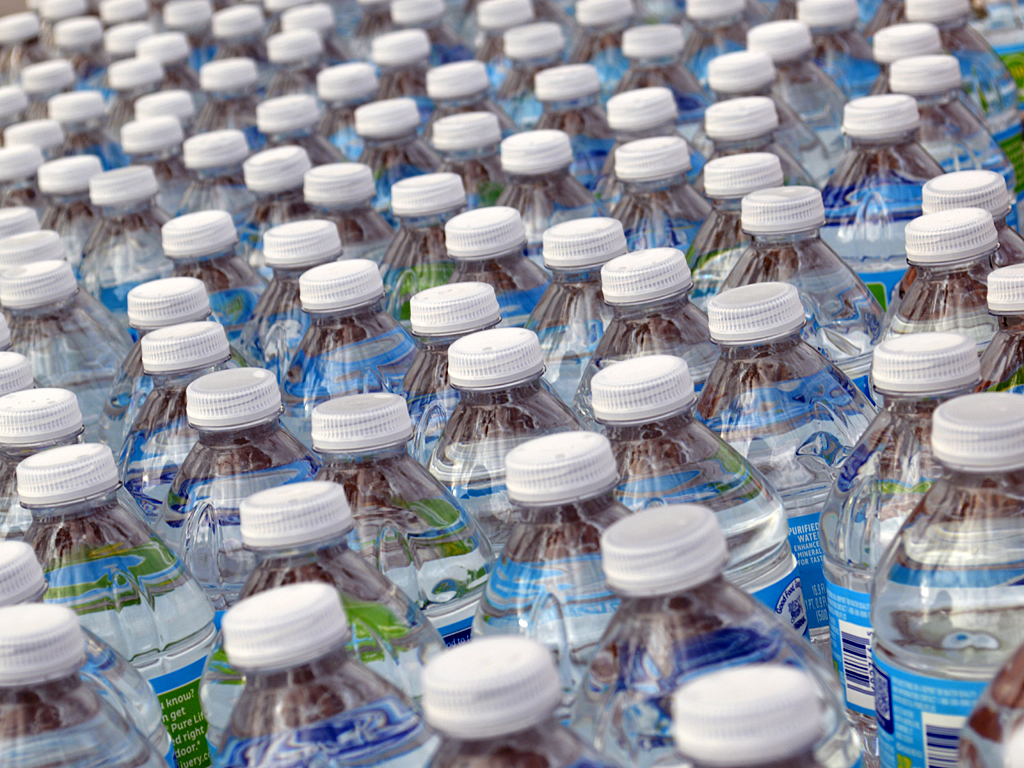
This year, Americans will consume more bottled water than soda for the first time. The average American will buy 27.4 gallons of bottled water, over a gallon more than soda drinks.
Packaging From The Sea
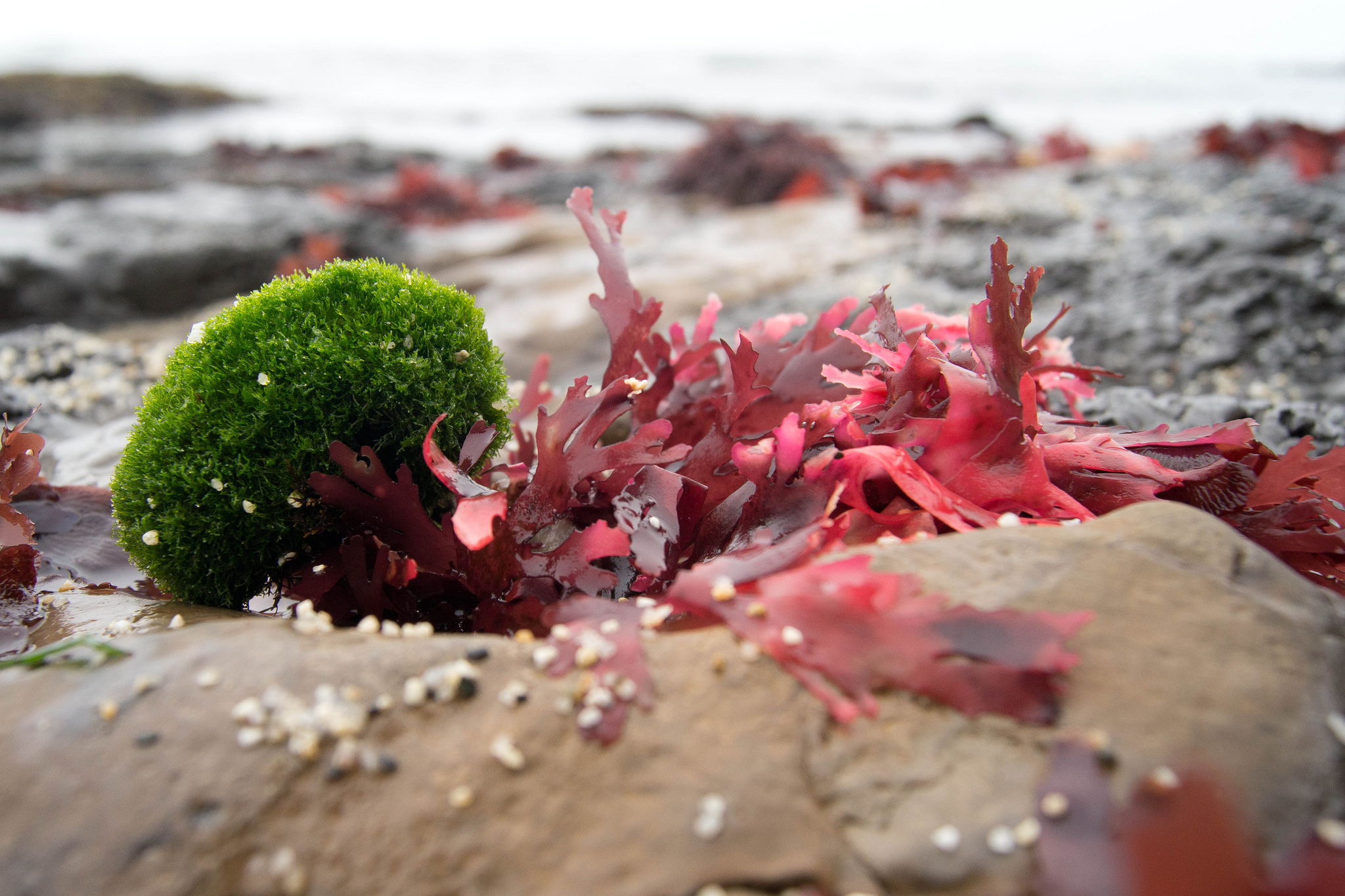
Waste due to excess packaging of the products we buy is a real problem. It is one that most of us are conscious of and more and more businesses are making efforts toward eco-friendly packaging. There is increased use of cardboard, which is recyclable. Most of us try to reduce our waste through recycling. But as we buy more things online and have a growing variety of things delivered to our homes, it is a struggle to receive the things we order in good condition and not end up with piles of packaging materials.
Polystyrene Foam
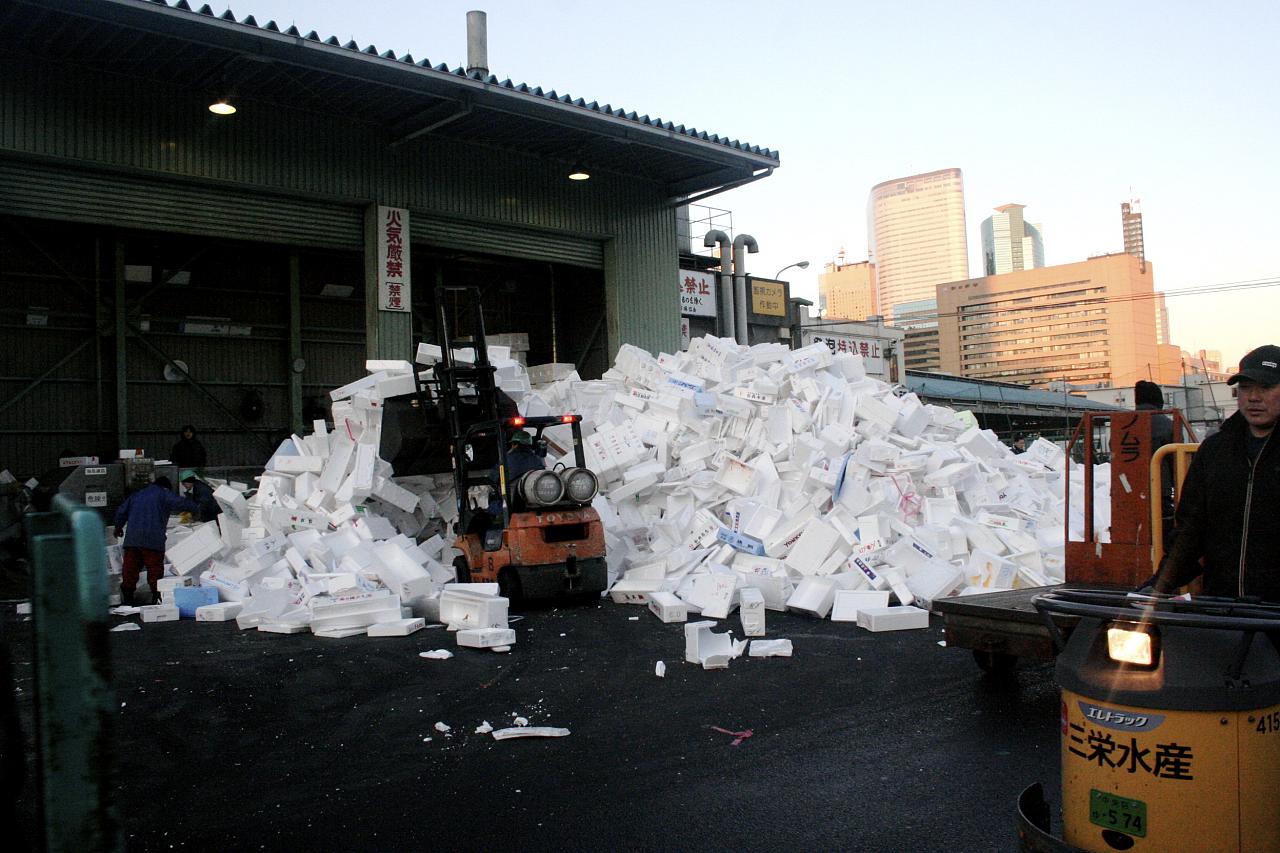
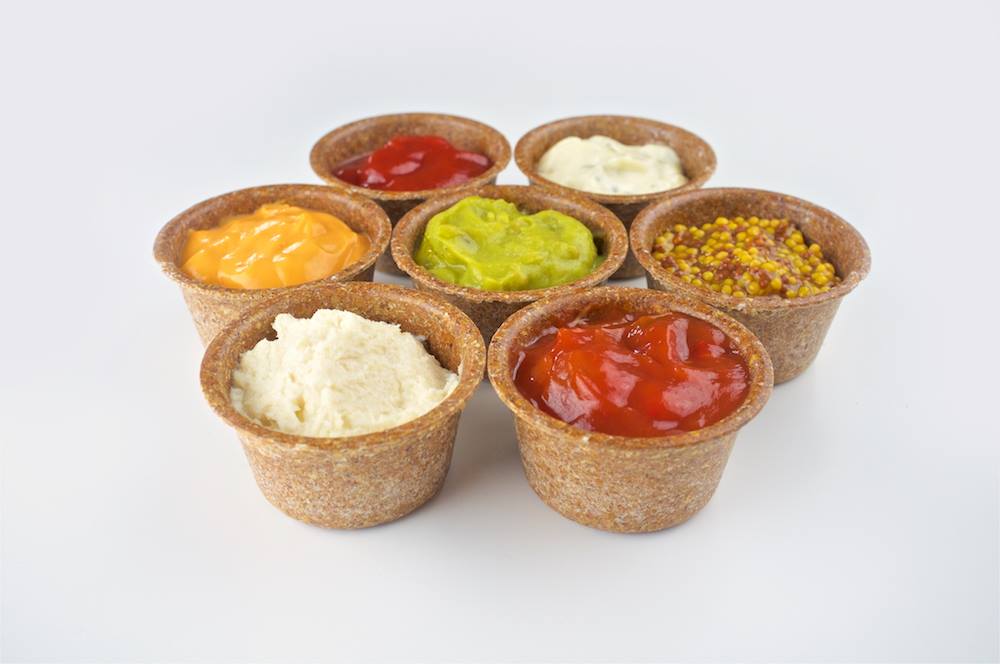
The San Francisco Board of Supervisors has voted to ban expanded polystyrene, the foam plastic used in food packaging, packing peanuts, coffee cups, and more. It is one of the most extensive bans of this type in the U.S.
Recycled Plastic Lumber
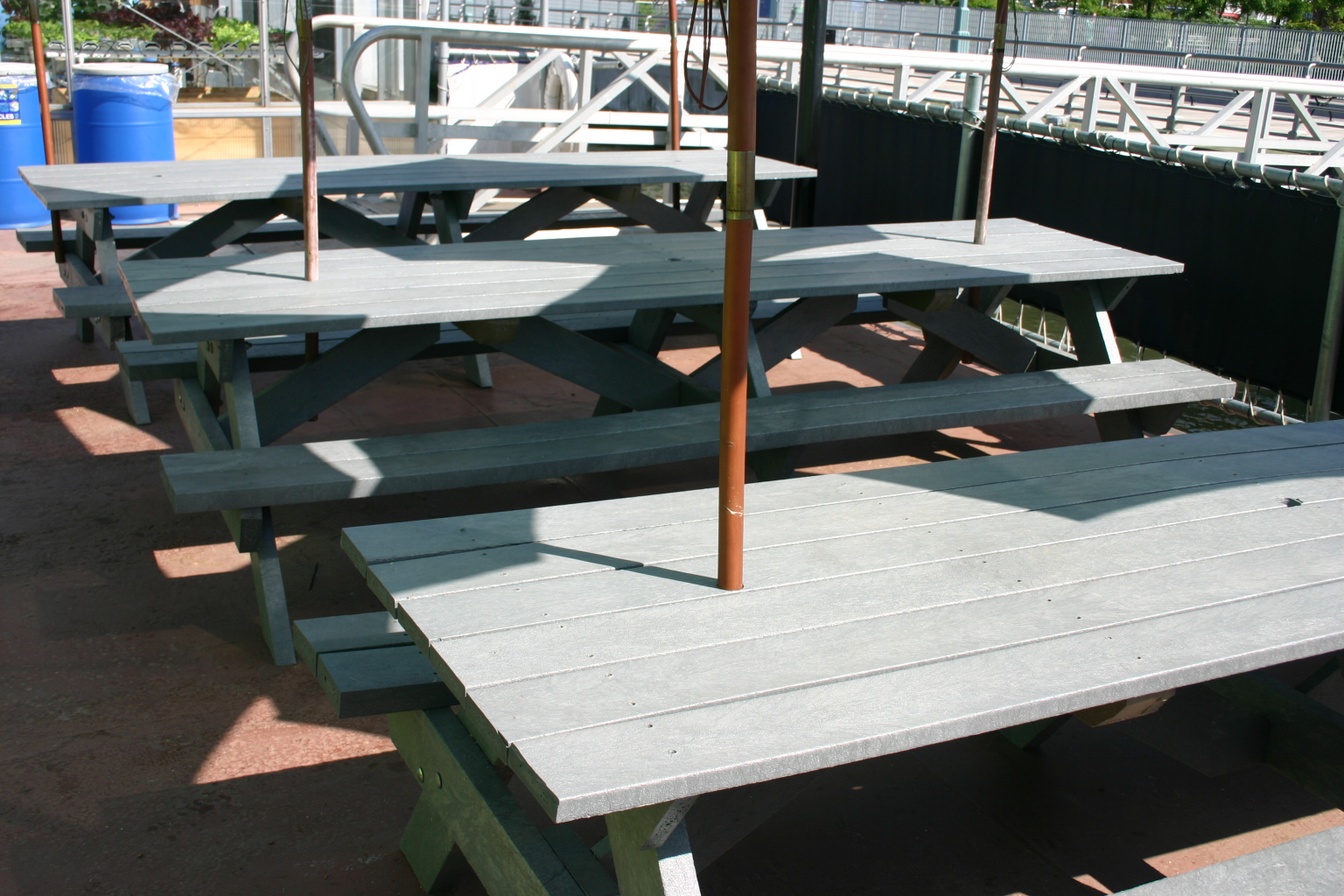
One of the most notable success stories in recycling is that of structural plastic lumber. The material is mostly polyethylene reinforced with stiff plastics or recycled composites. Made from milk containers, coffee cups, and other recycled plastics, structural plastic lumber is lighter than steel, longer-lasting than natural lumber and strong enough to support 120-ton locomotives.
Young Fish Eat Microplastics
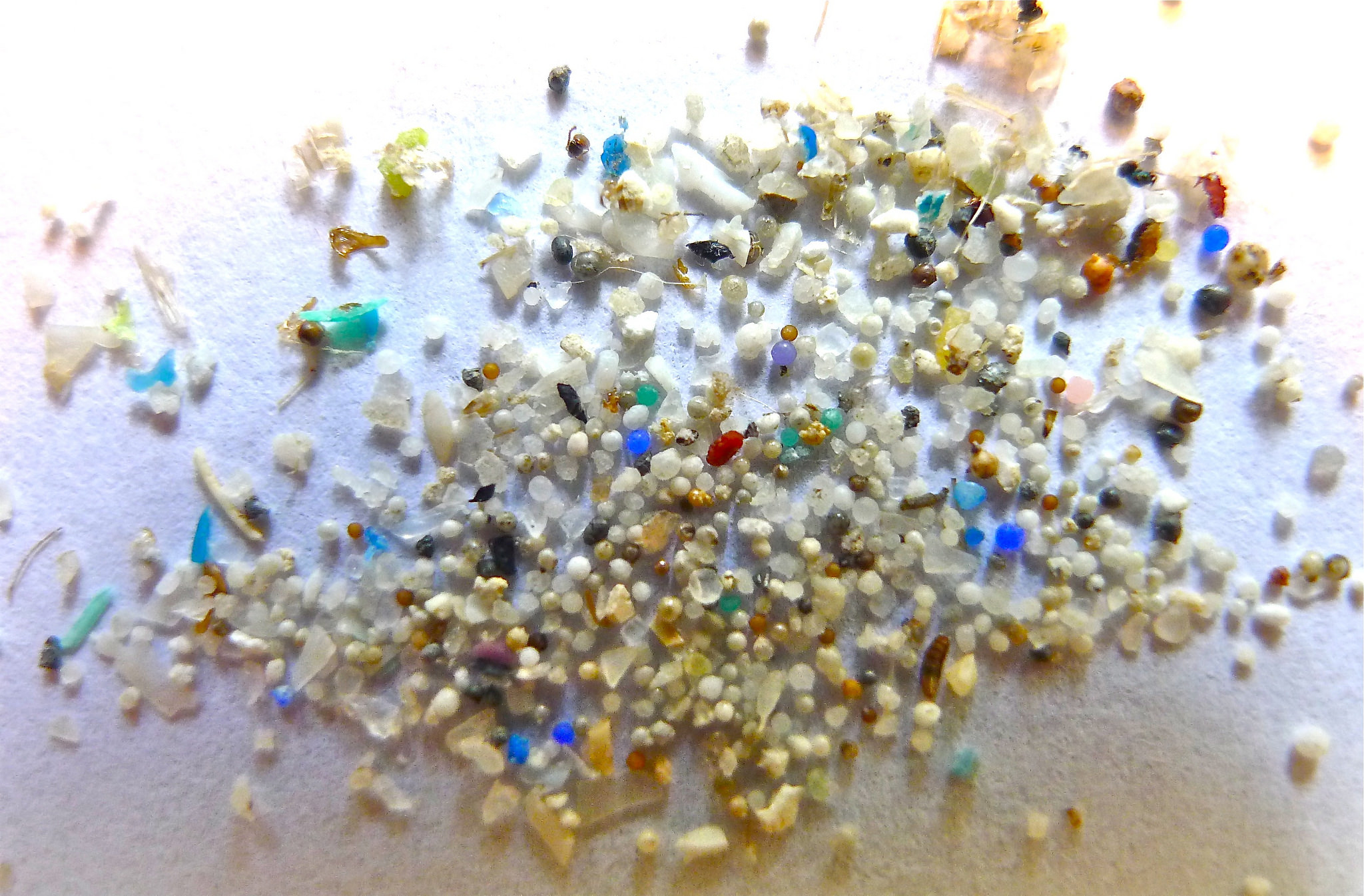
We have talked before about the increasing problem of microplastics polluting the oceans. Much of the small plastic particles result from the breakdown of plastic litter such as plastic bags, packaging and other materials. Another source is microbeads, which are often found in health products such as face scrubs and even some toothpastes.
Testing The Ocean Cleanup Array

It’s no secret that our oceans are full of plastic. Plastic trash can be found on up to 88% of the oceans’ surfaces, with most of the debris concentrated in the top two meters of water. The plastics gather in certain areas of the ocean due to the swirling nature of ocean currents, known as gyres. Some of these concentrations, such as the infamous Great Pacific Garbage Patch, are so large they can be seen from space.
Biodegradable Bottles
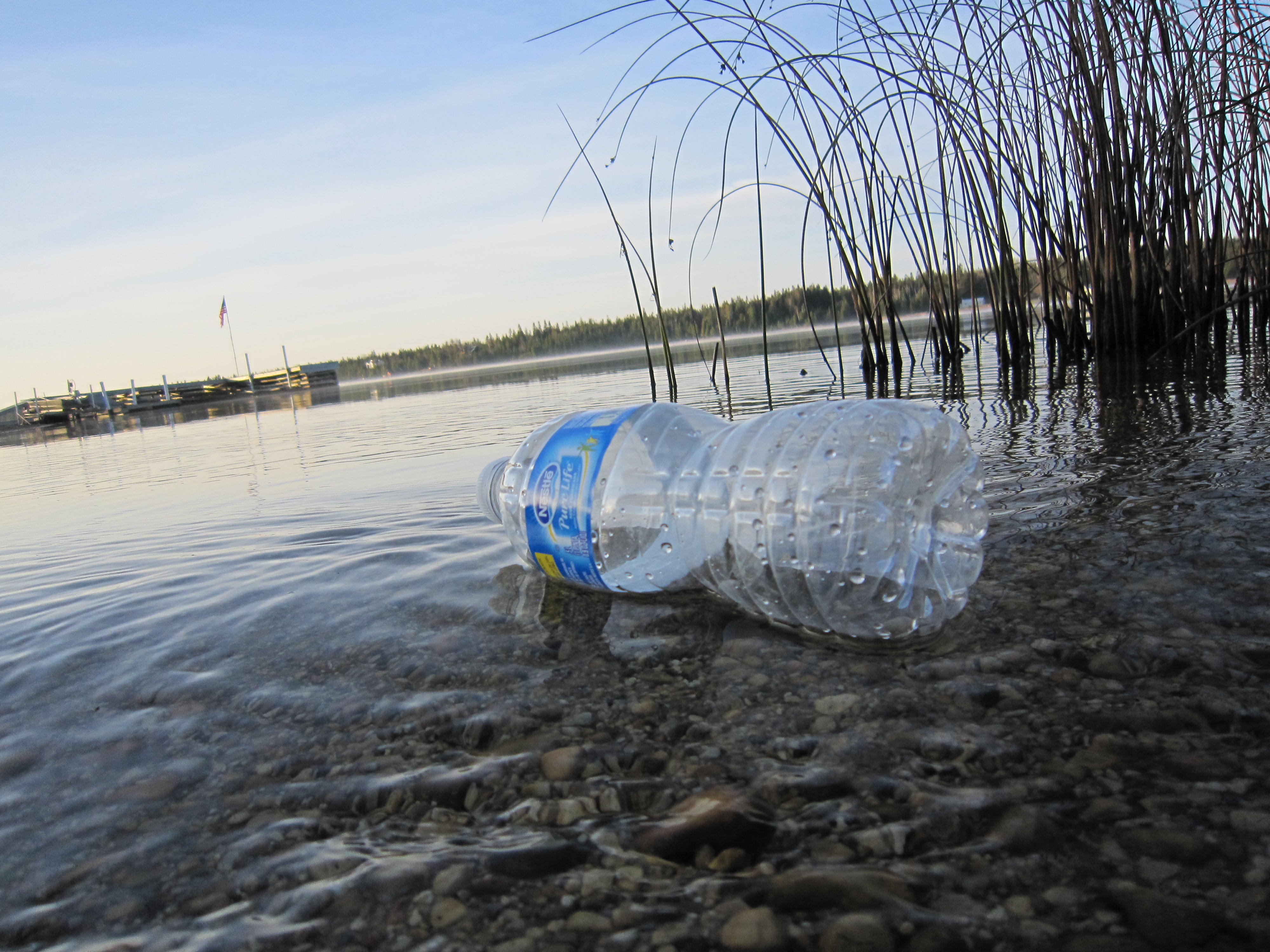
Plastics are the ubiquitous workhorse material of the modern economy. Their use has increased 20-fold in the past half century, and production of plastics is expected to double again in the next 20 years.
Ocean Plastic And Birds
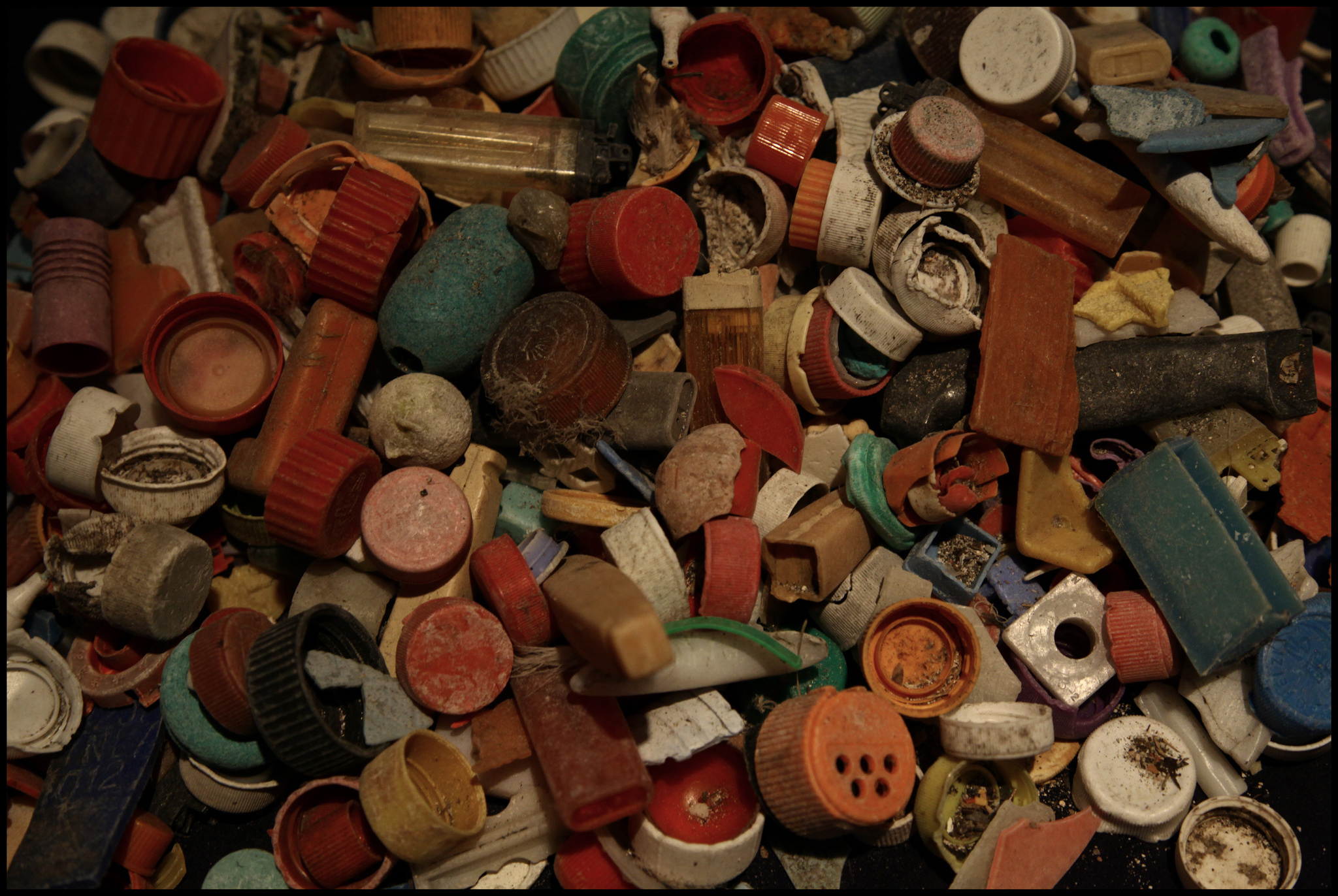
We have talked about the plastic blight – the growing presence of discarded plastic polluting our streets and our waterways. We have discussed the so-called garbage patches in the ocean, composed primarily of plastic. A new study discusses the effects of ocean plastic pollution on seabirds and the results are horrifying.
Plastic Shopping Bags: A Modern Blight
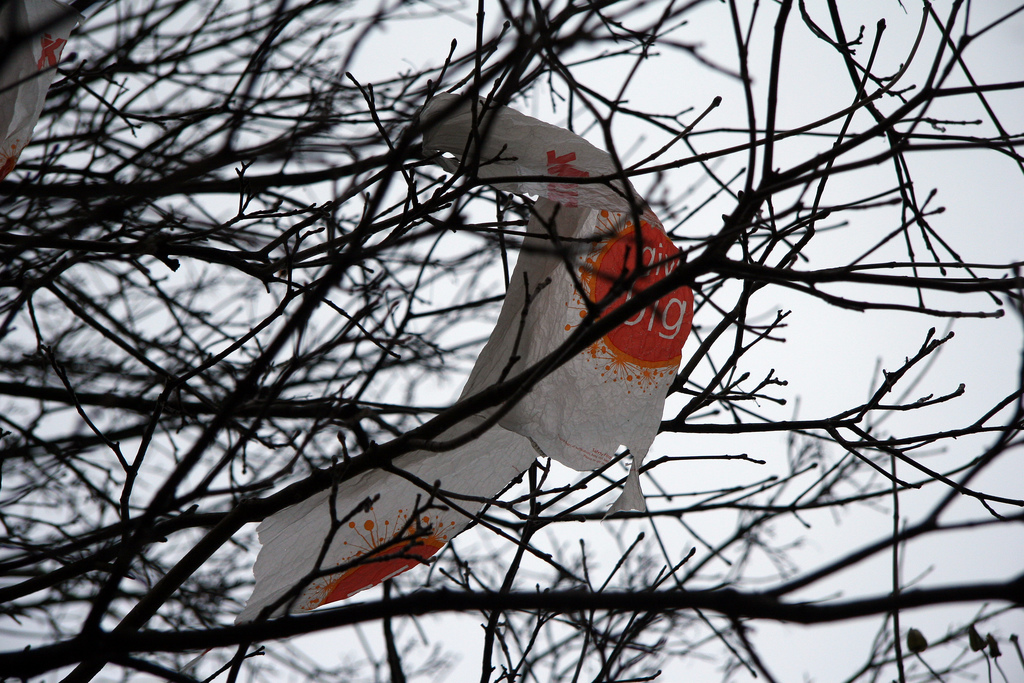
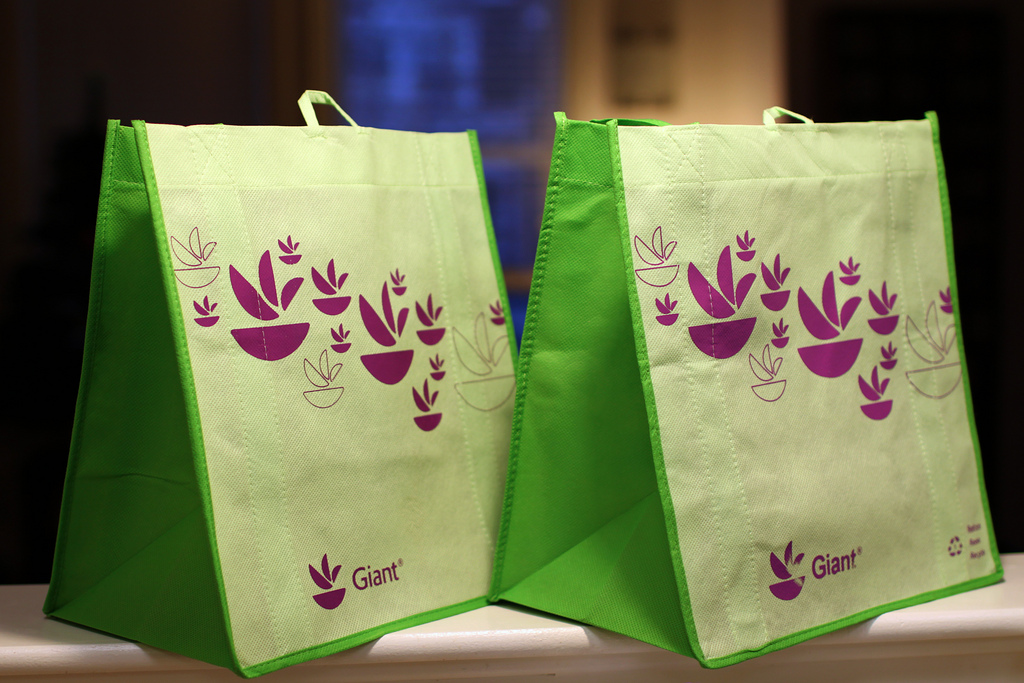
Single use plastic shopping bags are the norm at grocery stores, pharmacies, and big box retailers. They are also a familiar sight tumbling down roads, waving from trees, clogging storm drains, and polluting lakes, streams, rivers, and oceans.
K-Cups And The Environment

The biggest news in the past decade in the coffee business is not the arrival of yet another new Starbucks two blocks from the old one. It is the explosive growth of pod-based coffee machines. These gadgets used to just be in offices and businesses, but almost one in three American homes now has one.
Shopping Bags