data
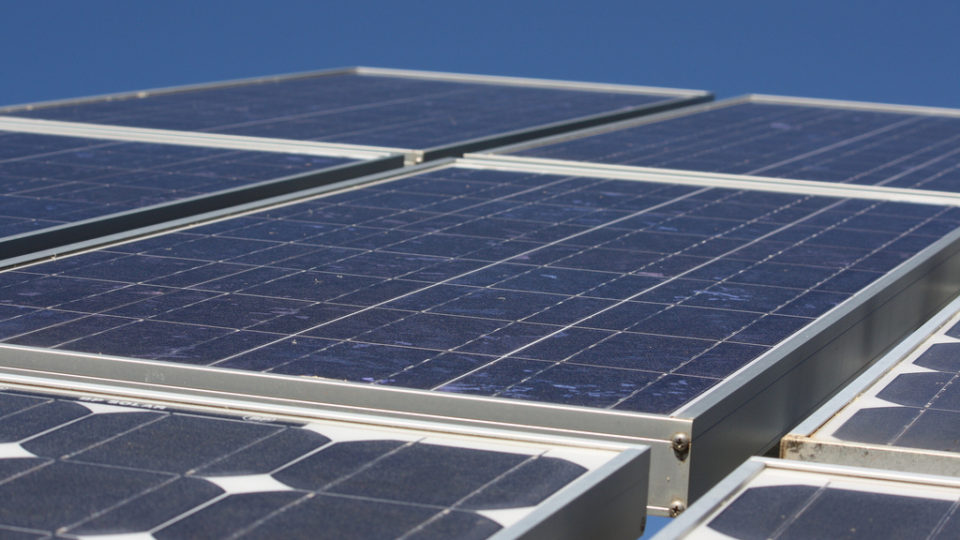
The High Cost Of The Cloud

More and more often we make use of “the cloud” – that mysterious place where we store, move, process and analyze data. We keep our photos there. We stream music and videos from there. We do our work there. Perhaps we have a mental image of all of this digital information floating above our heads in some ethereal way: like in a cloud.
The Chinese War On Pollution
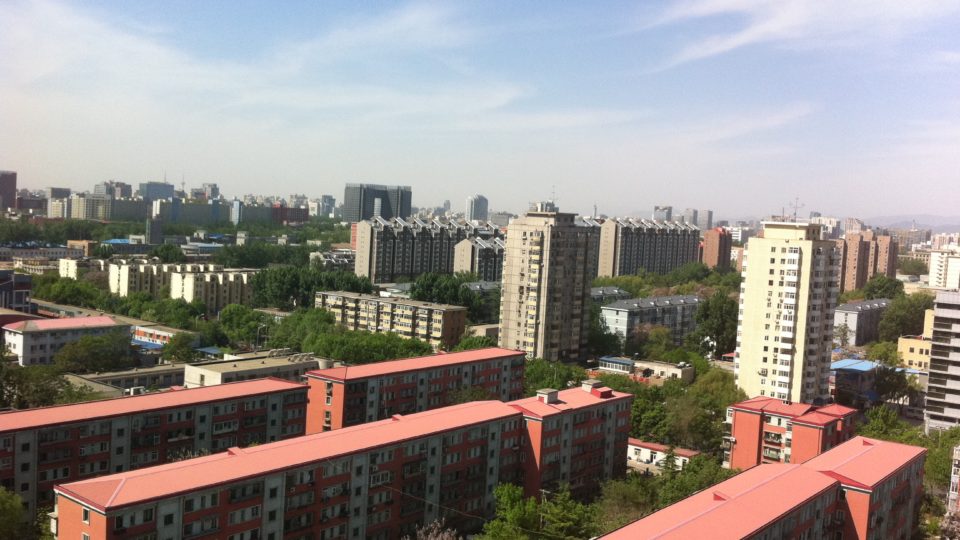
For years, China has been struggling with some of the worst air pollution in the world. According to the European Union, only 1% of the country’s half a billion city dwellers were considered safe because almost all of its major cities were covered with what was described as a toxic grey cloud.
Cold And Snow From Global Warming
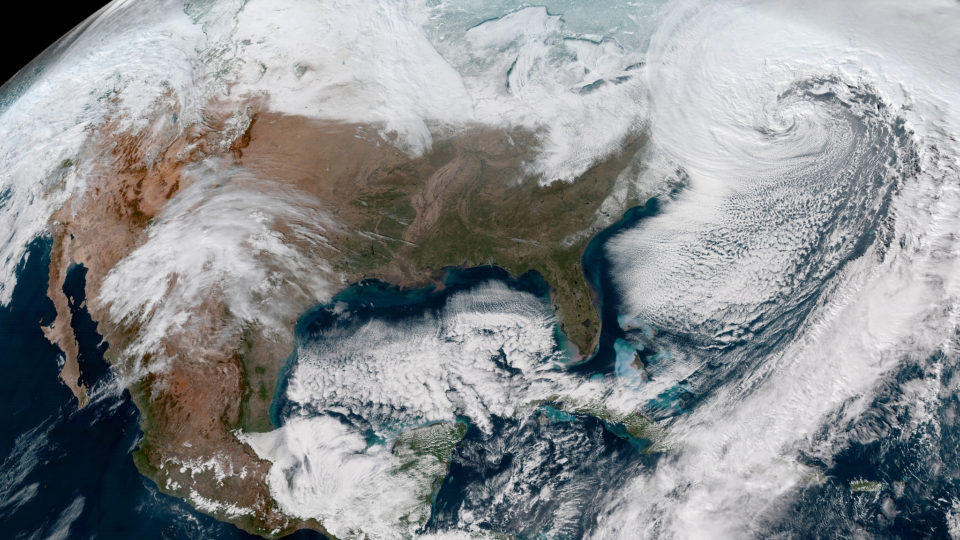
The Arctic has been experiencing record warm temperatures and record low sea ice levels. During February, there were nine days in a row with temperatures averaging 27 degrees above normal and often above freezing. Over the previous 20 years, there were only two previous readings above freezing in February – once in 2011 and once last year.
Fish In Small Lakes
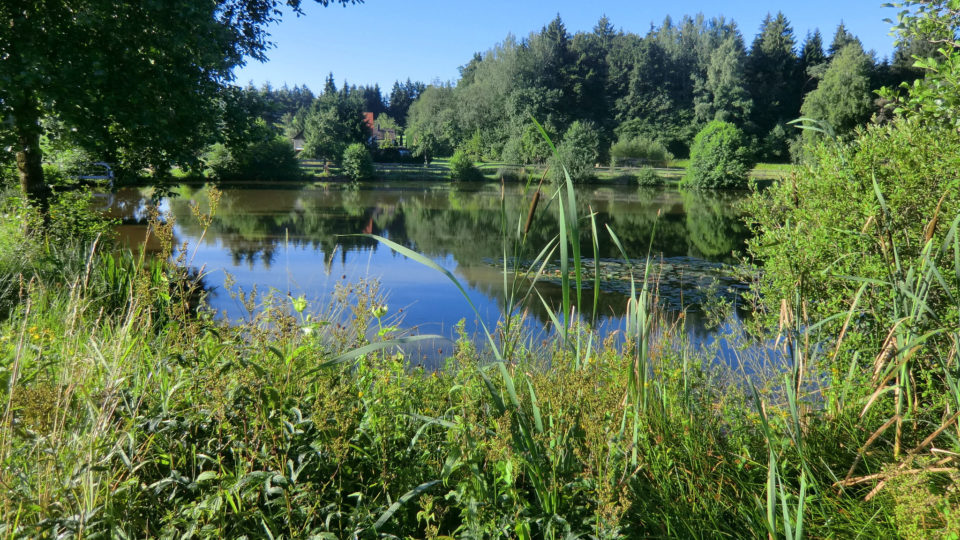
There are millions of lakes on our planet. Many are quite large such as the Great Lakes in our country and Lake Victoria in Africa, but one-third of the world’s standing water is contained in lakes and ponds of 25 acres or less. Many of these lakes are found in remote, often mountainous areas with no inflow and outflow. Nevertheless, in most of these lakes there are fish.
Are Big Cats In Big Trouble?
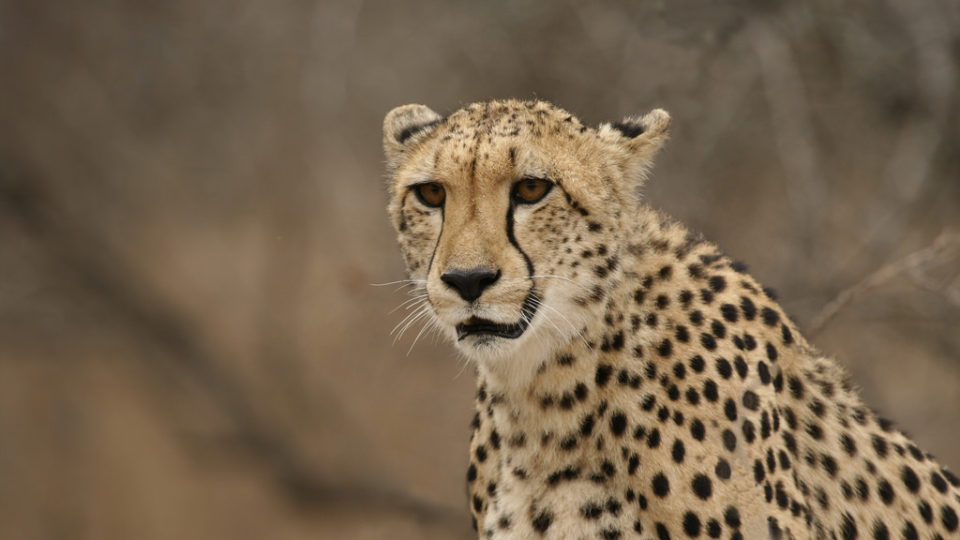
According to researchers with the National Geographic Society’s Big Cats Initiative, cheetahs are much closer to extinction than previously thought. The research team has released a study, which was recently published in the journal PeerJ, that updates the cheetah population numbers in southern Africa, the largest of its remaining habitat.
CO2 Emissions Stalled
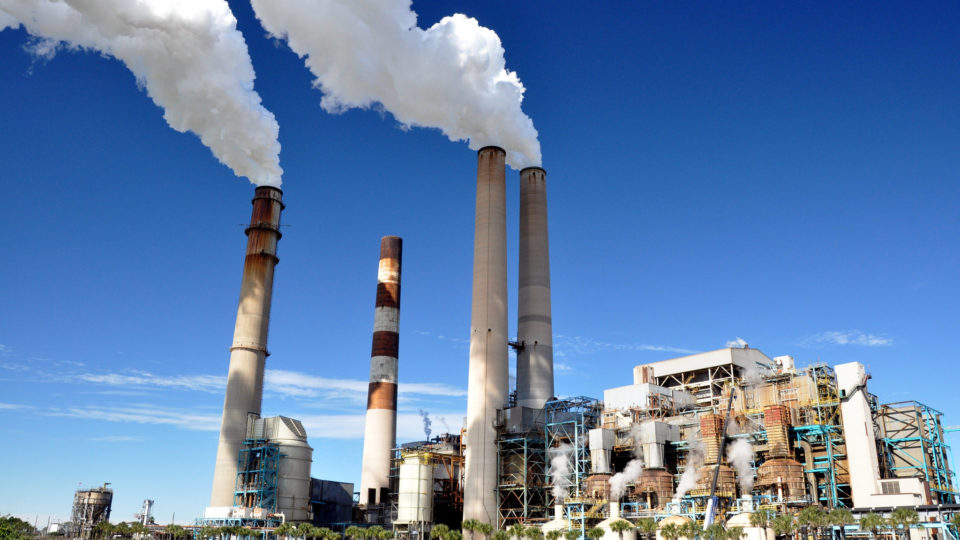
For the third year in a row, global emissions of carbon dioxide have remained unchanged. This indicates that efforts to reduce emissions have had an effect, but that there is much more to be done. It is essential to reduce emissions, not just cap them.
Carbon And Heating Soil
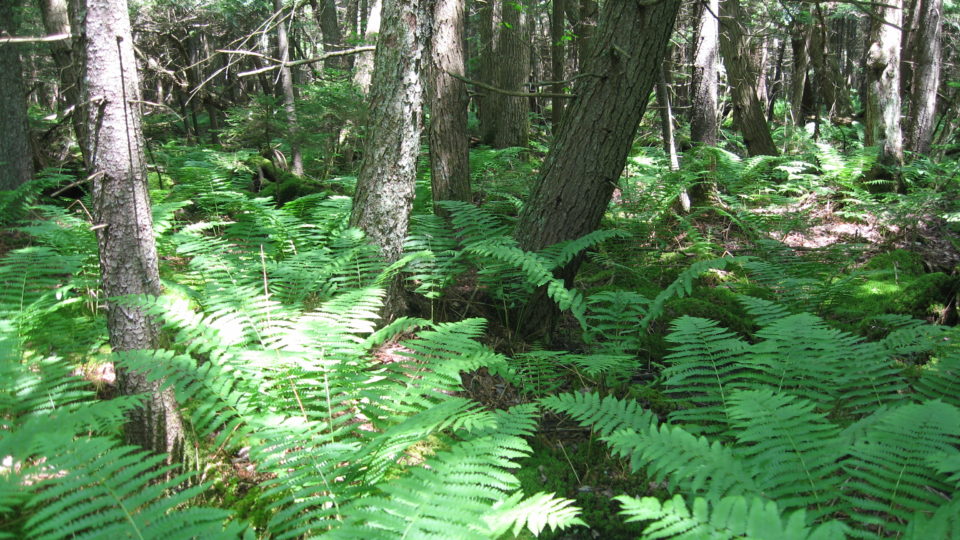
Plants are a critical part of the Earth’s carbon cycle. They take in carbon dioxide during photosynthesis. Eventually, dead leaves, branches and other materials fall to the ground where bacteria and fungi decompose the materials and release the CO2 back into the atmosphere. This carbon-soil feedback loop is a complicated one that is critical to the overall carbon balance because soils actually contain two to three times more carbon than the atmosphere.
More Fake Fish News

There has been quite a bit of news in recent years about the mislabeling of fish sold in markets and restaurants. One study a few years ago concluded that 1/3 of fish sold is not what it is labeled to be. Much of the practice is economic fraud: substituting cheaper, easier-to-find fish for rarer, more valuable types. For example, the study found that fish sold as red snapper was almost always not what it claimed to be. But cheating paying customers is not the only problem associated with the misidentification of fish.
Solving Terrible Traffic
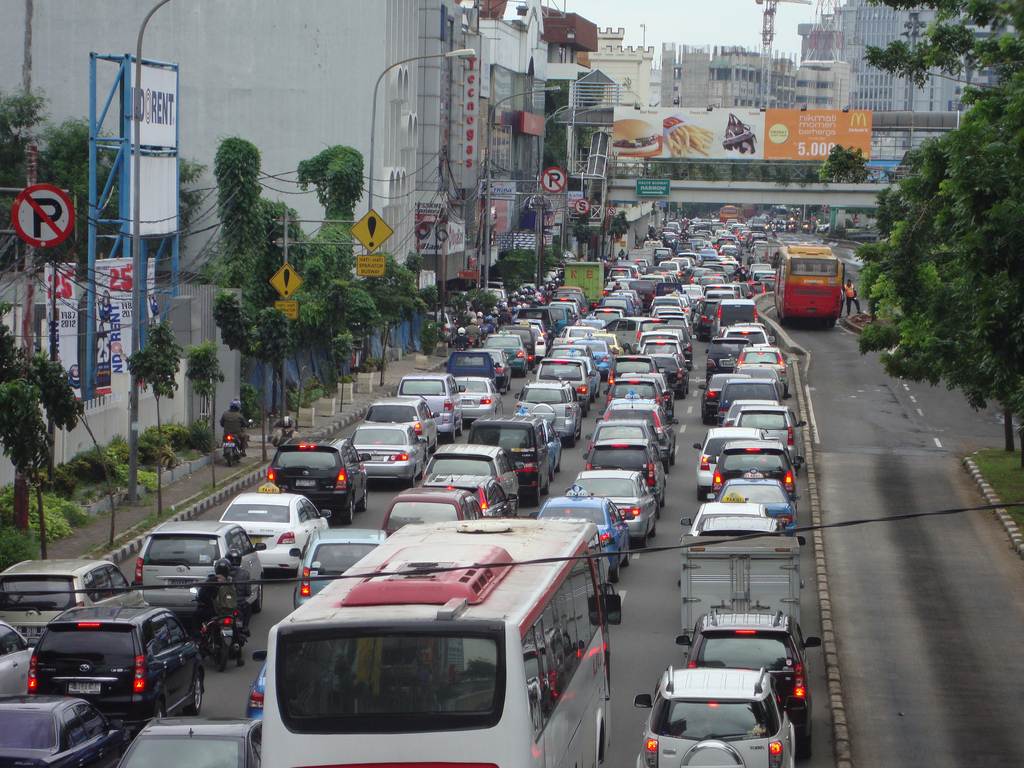
Terrible traffic in cities around the world is a real blight on urban life. Increasingly, there are many cities where you simply don’t want to have to go anywhere by car during morning and evening rush hours.
Satellites And Conservation Science
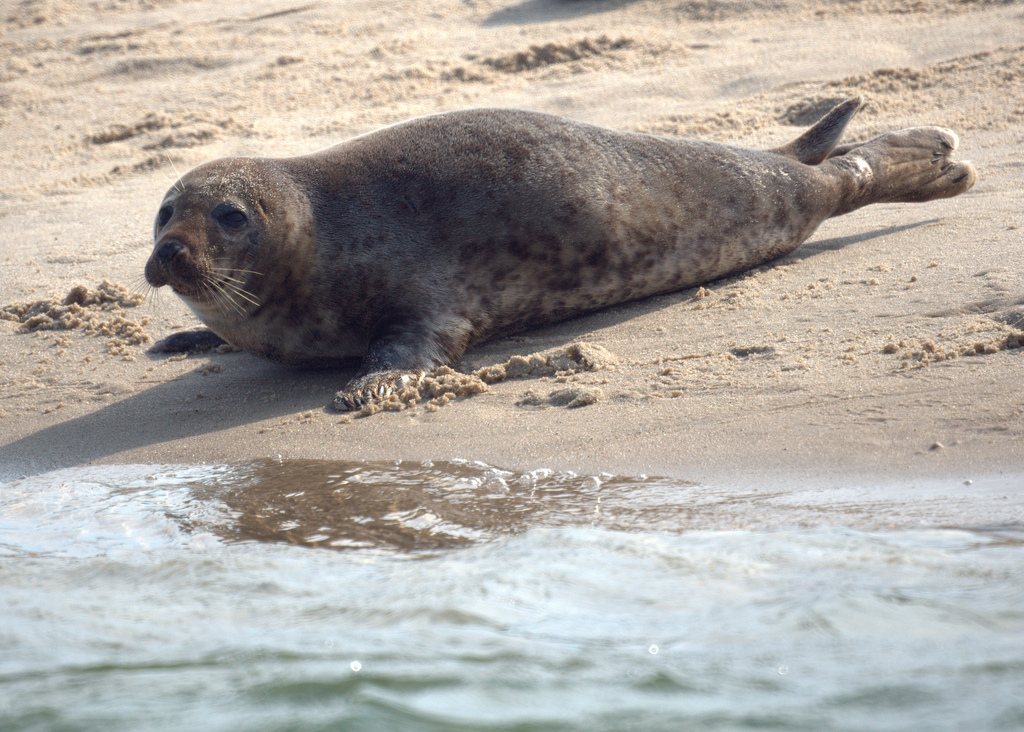
Satellites orbiting the earth are becoming an increasingly powerful tool for counting and monitoring wildlife populations and to answer a host of other questions about the natural world.
Air Pollution And Solar Power
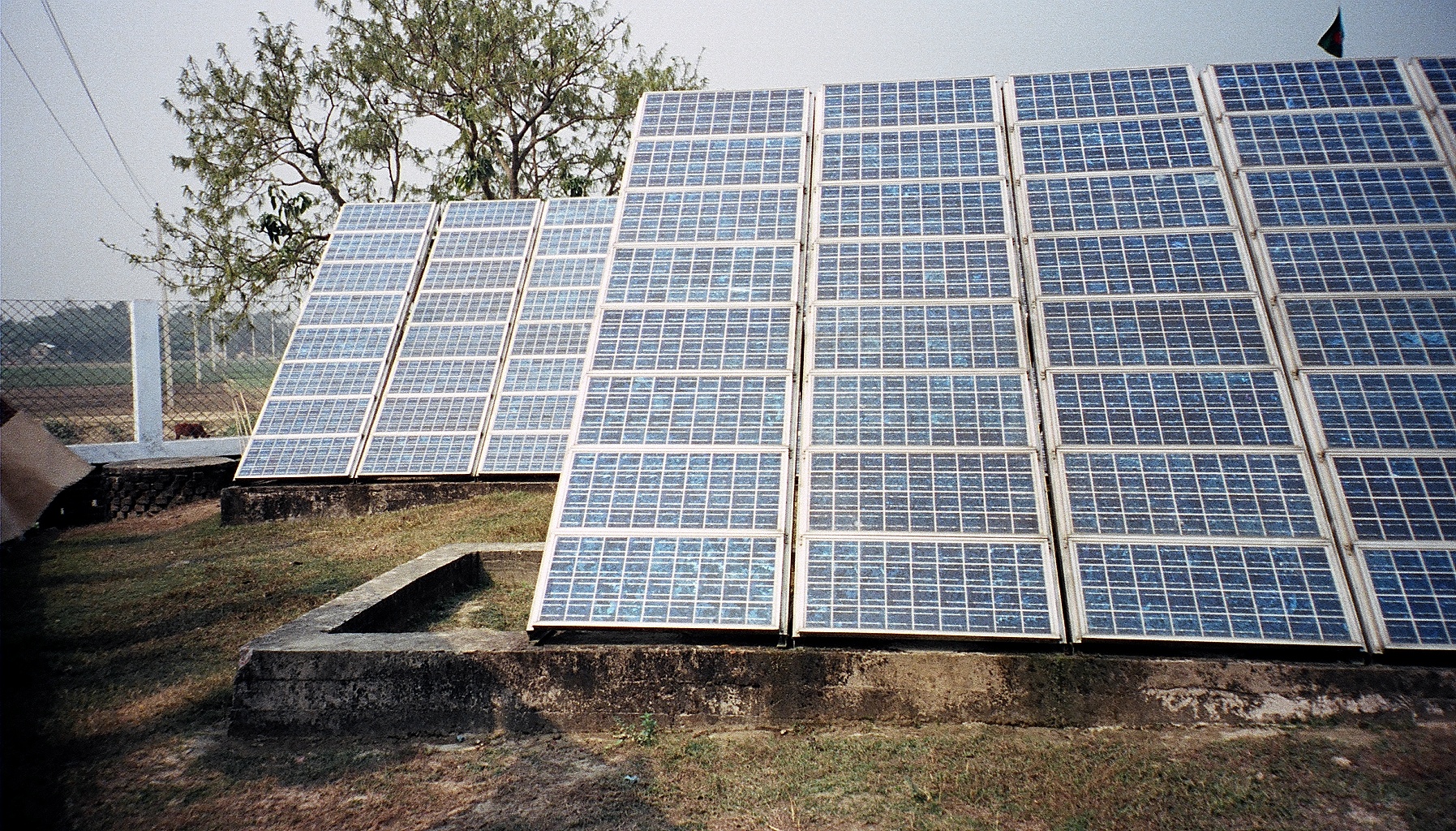
We are well-aware of the negative effects of air pollution on human health and on the environment, but a recent study at Duke University has revealed that global solar energy production is taking a major hit due to air pollution and dust.
Carbon From The Alaskan Tundra
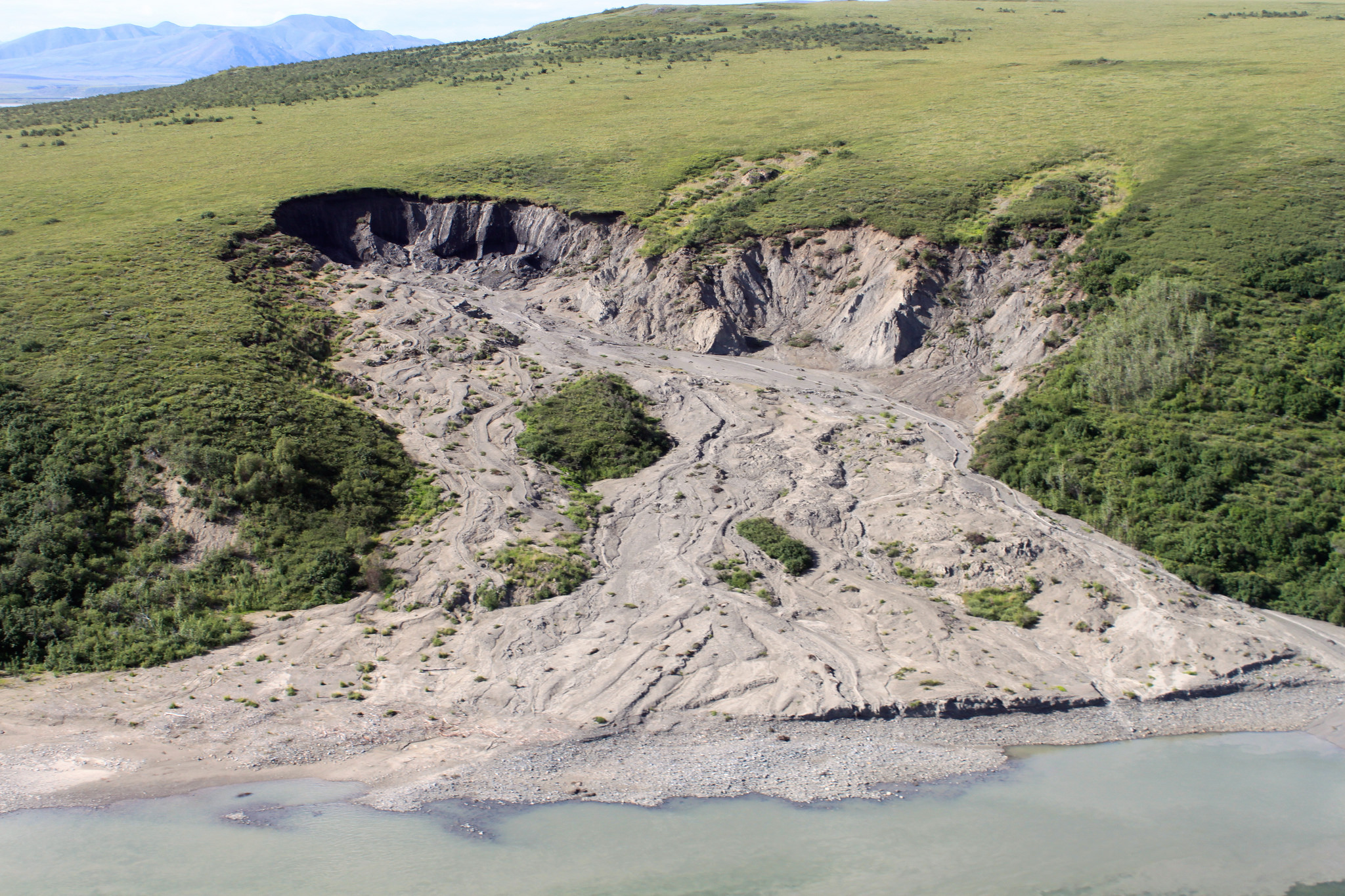
The soils that encircle the northern reaches of the Arctic are a vast repository for carbon in the form of undecayed organic matter from dead vegetation. The enormous amount of material trapped in the permafrost contains enough carbon to double the current amount of carbon dioxide in the Earth’s atmosphere.
Mapping Risk
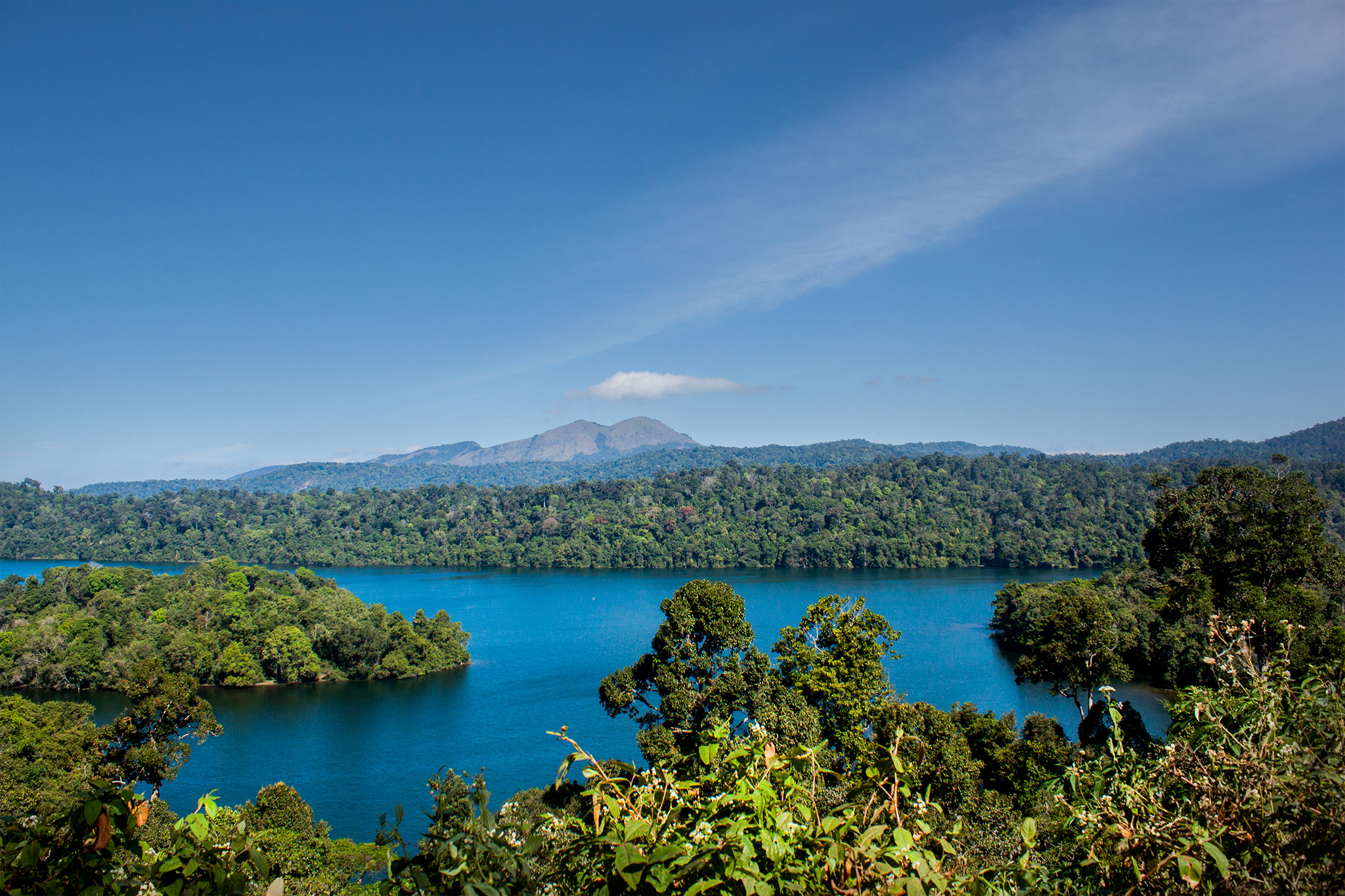
The International Union for Conservation of Nature (IUCN) is the global authority for determining species’ vulnerability in the face of threats such as habitat loss and climate change. How widely a species can be found – its geographic range – is a key indicator used by the IUCN to assign an appropriate conservation status.
Nature Is Satisfying
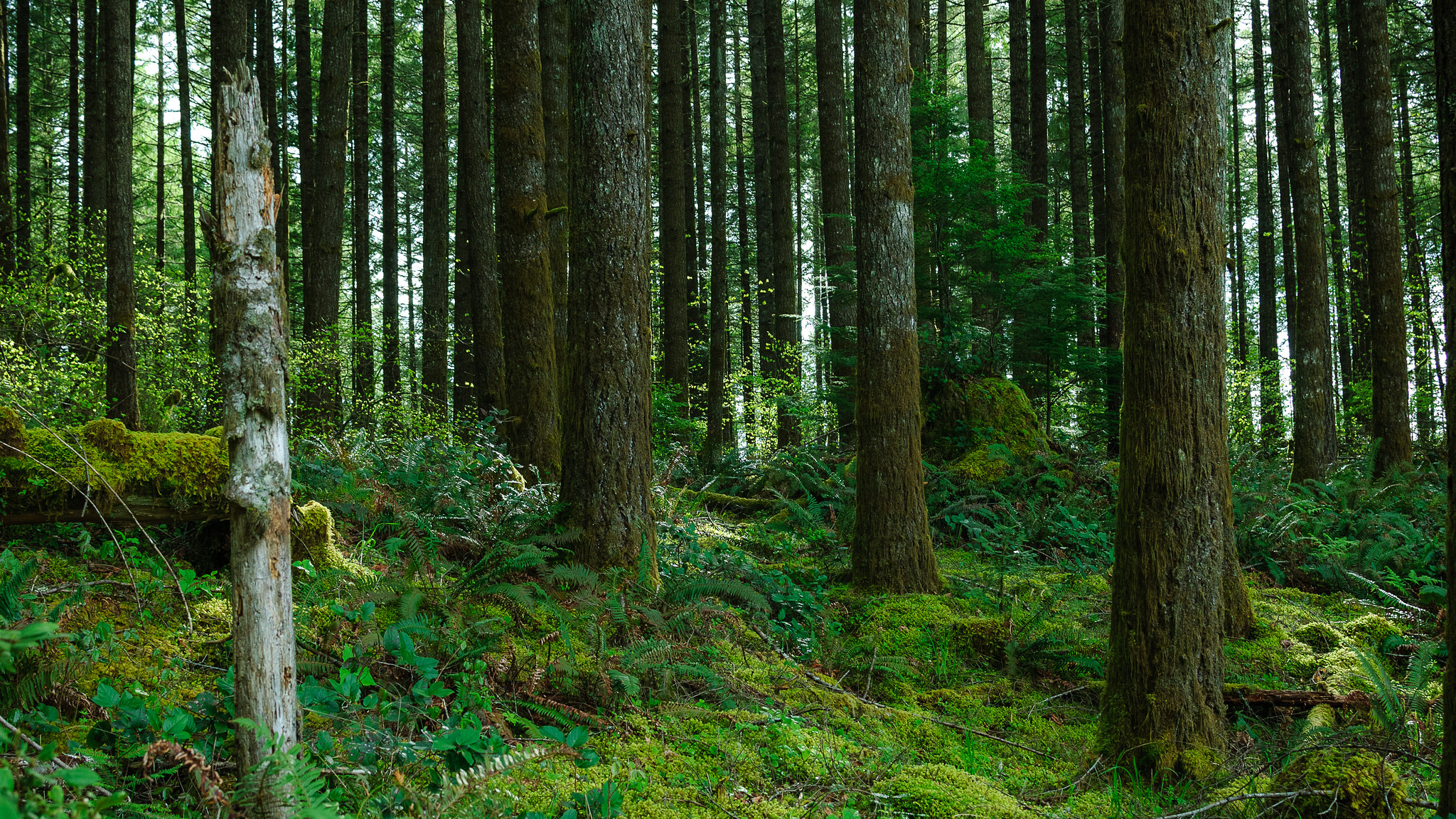
For most of us, a day spent in the mountains, the woods, or at the beach always seems like a good day. Communing with nature tends to make us feel better.
Wind Farms And Ordinary Farms
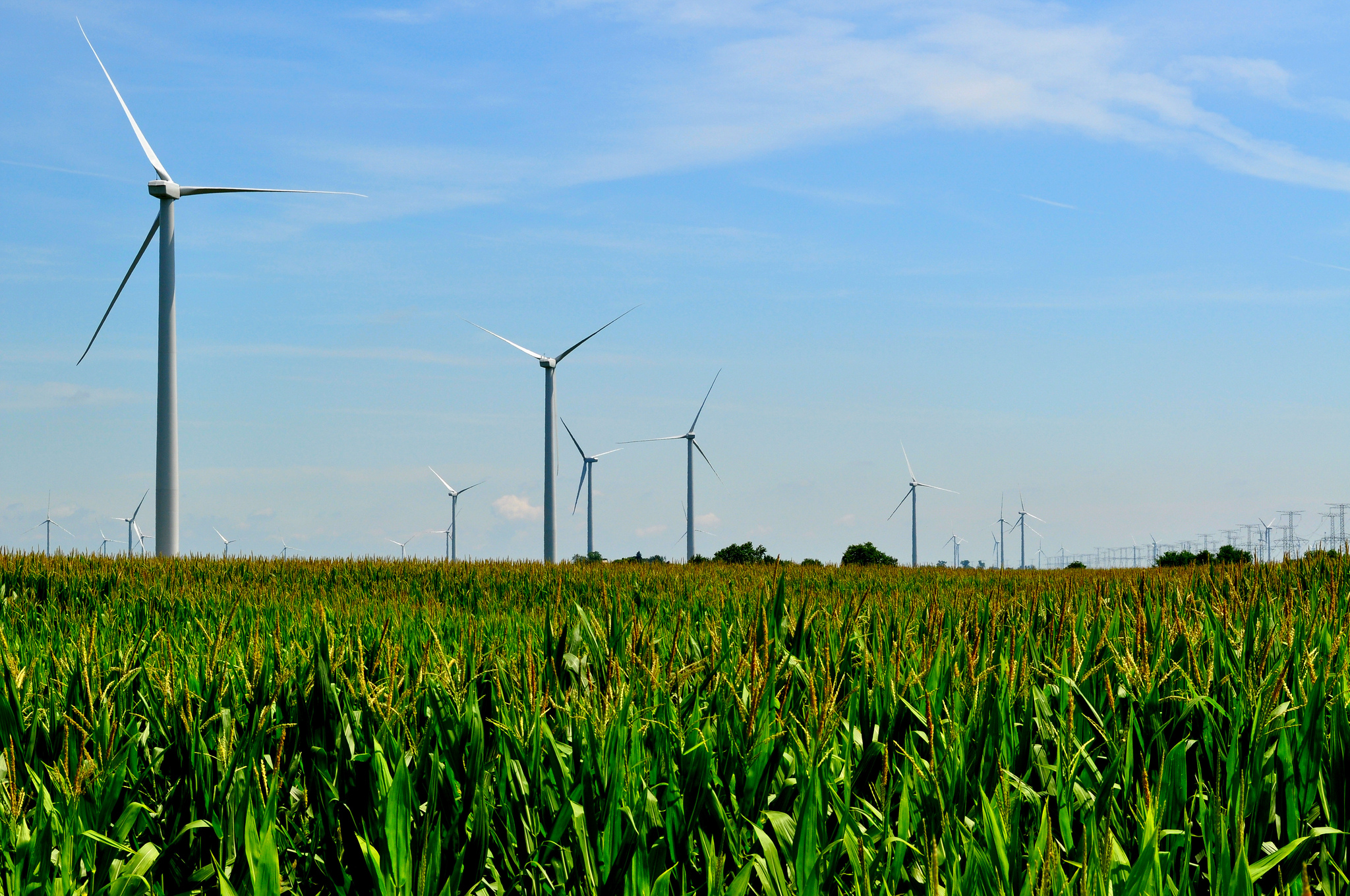
Farmers in many places have found additional sources of income by allowing wind turbines to be built on their land. One example is the Amazon Wind Farm, which is a massive project of over 100 turbines near Elizabeth City, North Carolina. The 494-foot tall turbine towers scattered over 34 square miles are rising up above farms that grow corn, wheat and soybeans. It is the first utility-scale wind farm in the Southeast.
New Doubts About GMO Crops
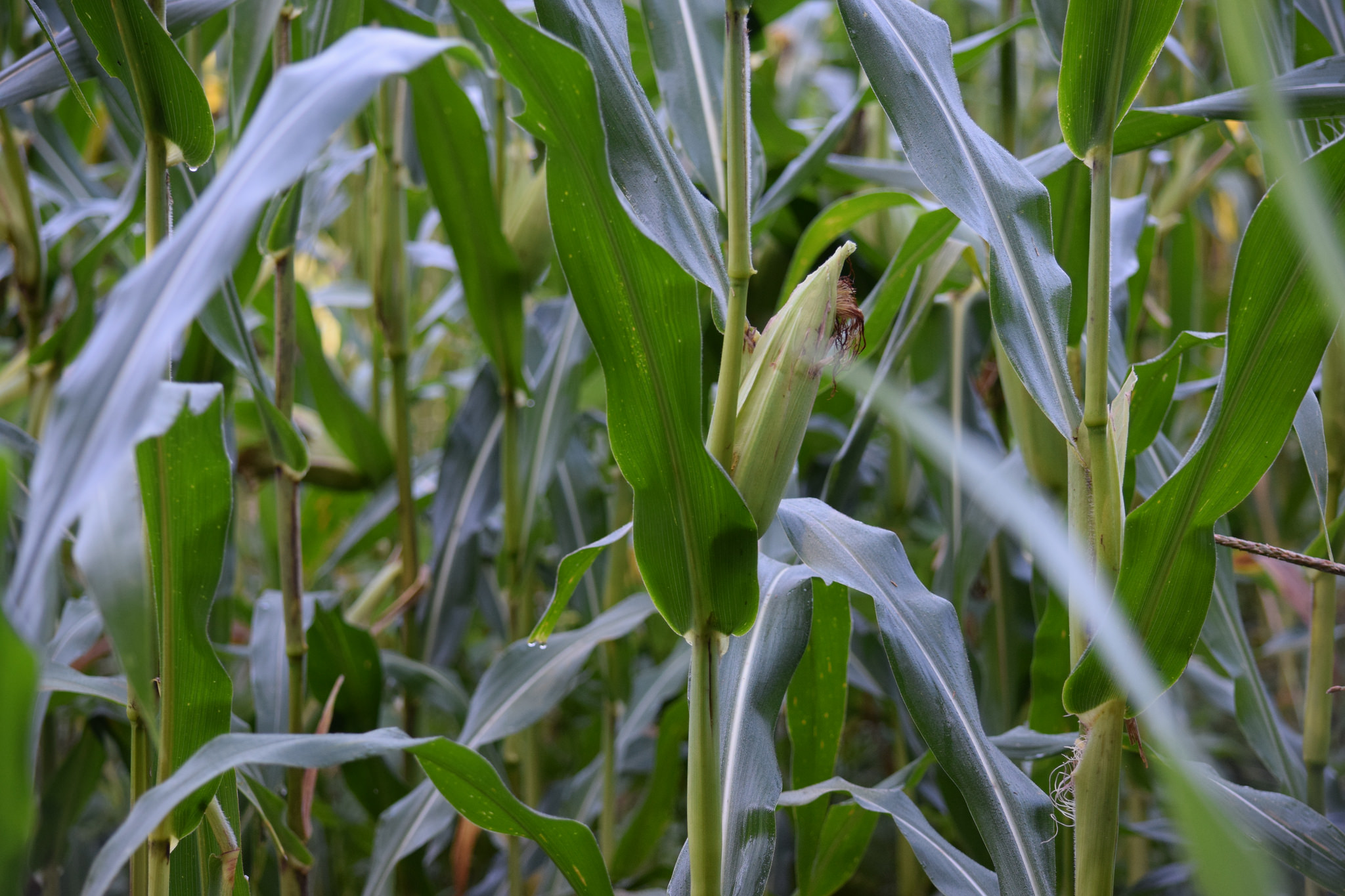
Genetically modified crops have been at the center of a great deal of controversy for a number of years. There have been widespread fears that they are unsafe to eat. Continuing studies have indicated that those fears appear to be unsubstantiated.
Electric Cars And Climate Change
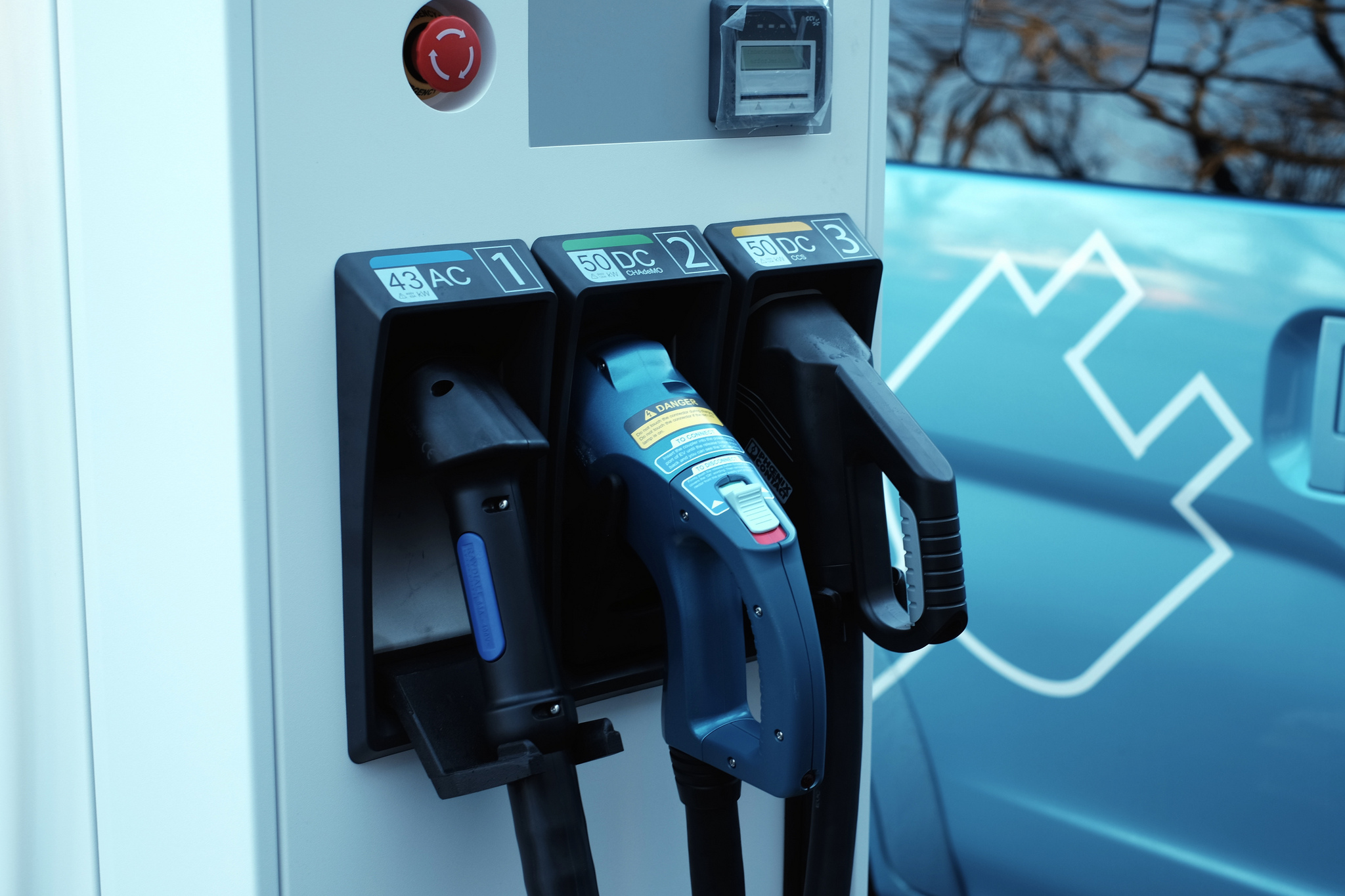
Electric cars are gradually becoming more popular, but there are still real concerns about their driving range, the availability of charging infrastructure, and their price. Adoption of the technology is still rather slow.
Ebola And Bats
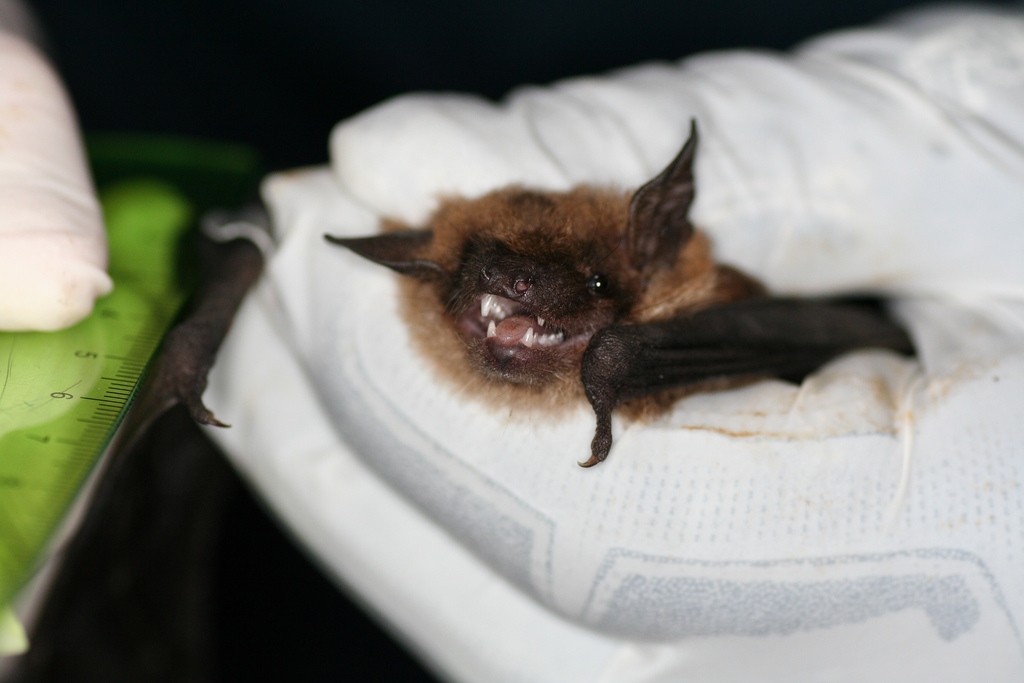
Filoviruses have devastating effects on people and primates, as evidenced by the 2014 Ebola outbreak in West Africa. For nearly 40 years, preventing spillovers has been hampered by an inability to pinpoint which wildlife species harbor and spread the viruses.
Mapping Emerging Infectious Diseases
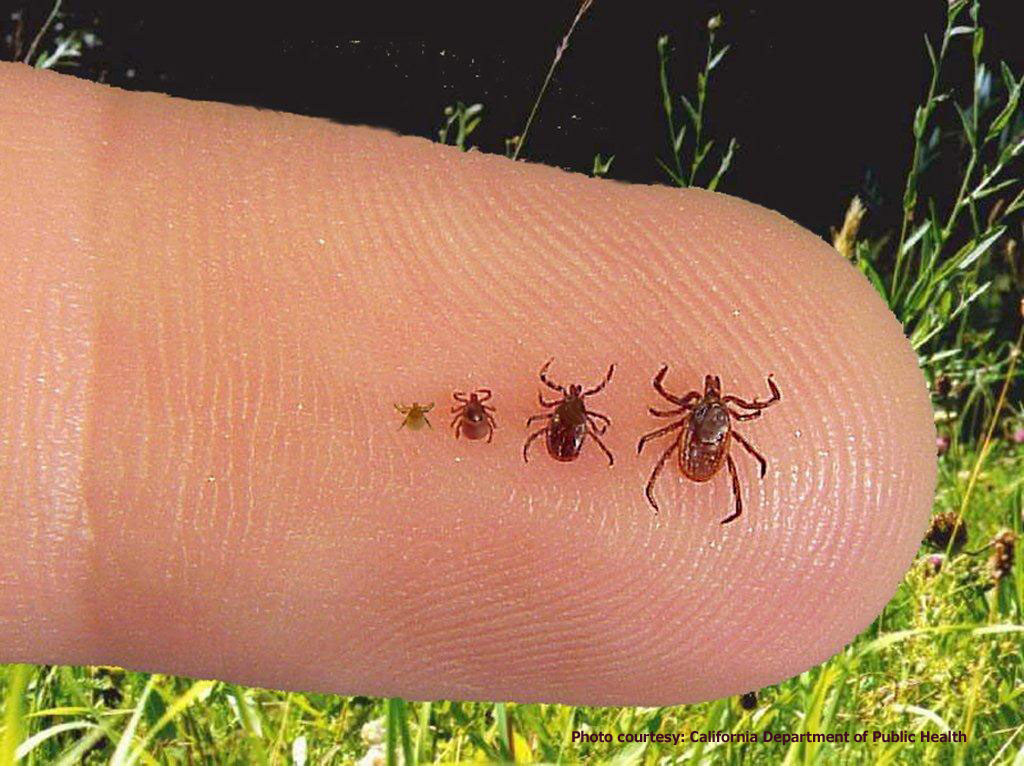
Ebola. Hantavirus. Lyme disease. What do they have in common? Like most emerging infectious diseases, they originated in mammals. So many debilitating pathogens make the jump from wildlife and livestock to humans, yet at the global scale little is known about where people are most at risk of outbreaks.