• Skip to primary navigation
  • Skip to main content
  • Skip to primary sidebar

Earth Wise

A look at our changing environment.

  • Home
  • About Earth Wise
  • Where to Listen
  • All Articles
  • Show Search
Hide Search
You are here: Home / Archives for data

data

Renewables Could Take Over By 2035 | Earth Wise

July 15, 2020 By EarthWise Leave a Comment

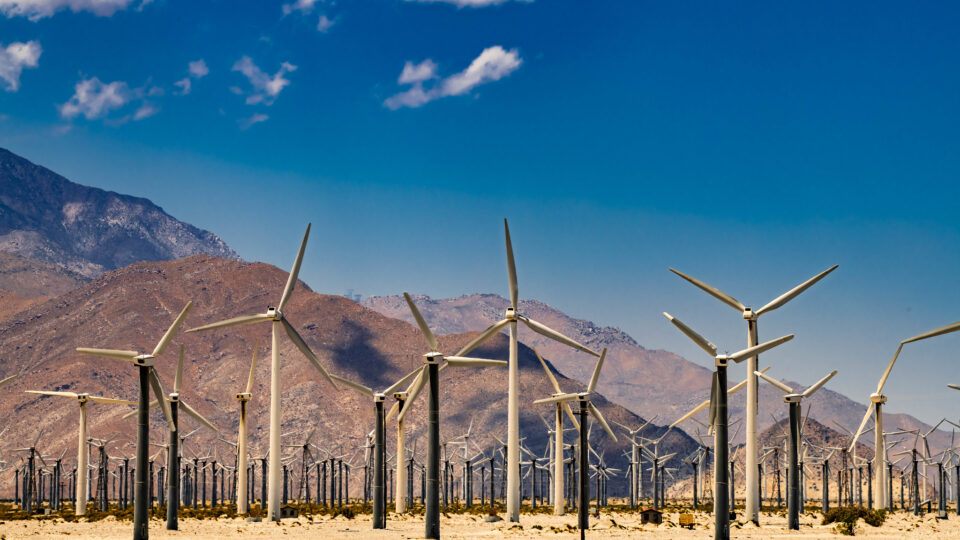
Renewable energy taking over

A study by UC Berkeley looked at the prospects for renewable energy sources to become the primary source of energy in the United States over the next 15 years.  Even though fossil fuels continue to fill that role at present, the plummeting costs of alternative energy sources – primarily solar and wind power – are making them increasingly attractive on the competitive market.

These cost reductions have occurred much faster than what was anticipated even just a few years ago.  According to the study, it is technically and economically feasible for renewable sources to provide 90% of our electricity by 2035.

The Berkeley researchers took the available data on renewable energy and created two scenarios for the next 15 years.  The first has energy policy remaining as it is now, without ambitious policy changes that encourage the growth of renewable energy.  In that scenario, they estimated that 55% of the US energy infrastructure would come from renewables.  That amount will not produce the change needed to meet Paris Climate Agreement goals but would simply come about because of the dramatically lower costs for renewable energy.

The second scenario includes state and federal governments leading the way to finance and facilitate the energy reform needed for a greener 2035.  It also relies on the large-scale use of grid-scale batteries to store the energy collected from solar and wind installations for when it is needed.

Which scenario is more realistic will depend on several major influential factors, notably the trajectory and consequences of the COVID-19 pandemic as well as the results of the November elections.   These things will have a huge impact on the future of our energy system.

**********

Web Links

Report: By 2035, 90 Percent of the US Could Be Powered by Renewables

Photo, posted May 25, 2019, courtesy of Flickr.

Earth Wise is a production of WAMC Northeast Public Radio.
Mangrove Trees And Climate Change | Earth Wise

July 7, 2020 By EarthWise Leave a Comment

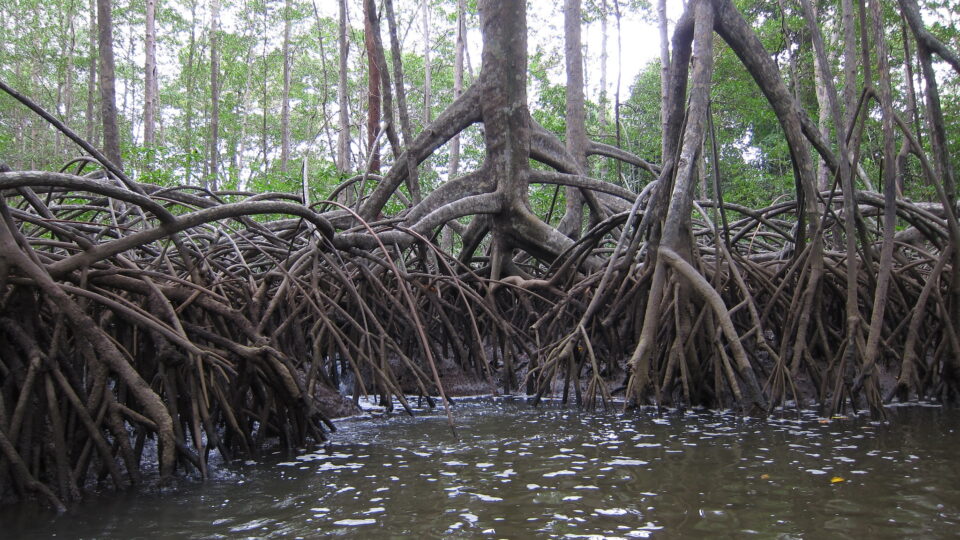
climate change threatens mangrove trees

Mangrove trees are small trees that grow in coastal saline or brackish water at tropical and subtropical latitudes.  Many mangrove trees can be identified by their dense tangle of prop roots.  These roots make the trees appear as if they are standing on stilts above the water.  The tangle of roots allows mangrove trees to handle the daily rise and fall of tides and to slow the movement of tidal waters.  

Mangrove forests provide many ecosystem services, including stabilizing the coastline by reducing erosion from storm surges, waves, and tides.  The intricate root system of mangrove trees are attractive to fish and other species seeking food and shelter from predators.  Mangrove forests also store large amounts of carbon.     

But according to a new study recently published in the journal Science, mangrove trees won’t survive sea level rise by 2050 if greenhouse gas emissions aren’t reduced.  

Using sediment data from 78 locations over the last 10,000 years, an international team of scientists led by Macquarie University in Australia estimated the chances of mangrove trees survival based on the projected rates of future sea-level rise.

When sea level rise rates exceeded 6 millimeters per year, which is similar to estimates under high-emissions scenarios for 2050, researchers found that mangrove trees were unlikely to keep pace with the rising water levels.  But when the annual increase was 5 millimeters or less – which is the projected low-emissions scenario this century – mangrove trees are much more likely to survive. 

These findings underscore the importance of reducing greenhouse gas emissions to mitigate rapid sea level rise.  The future of mangrove trees may depend on it.  

**********

Web Links

Mangrove trees won’t survive sea-level rise by 2050 if emissions aren’t cut

Photo, posted December 17, 2012, courtesy of Edward Stojakovic via Flickr.

Earth Wise is a production of WAMC Northeast Public Radio.

Extreme Heat And Humidity | Earth Wise

June 15, 2020 By EarthWise Leave a Comment

heat and humidity

On hot, sticky summer days, one often hears the expression “it’s not the heat, it’s the humidity.” That isn’t just an old saw; it is a recognition of what might be the most underestimated direct, local danger of climate change.   Extreme humid heat events represent a major health risk.

There is an index called “wet-bulb temperature” that is calculated from a combination of temperature and humidity data.  The reading, which is taken from a thermometer covered in a wet cloth, is related to how muggy it feels and indicates how effectively a person sheds heat by sweating.  When the wet-bulb temperature surpasses 95o Fahrenheit, evaporation of sweat is no longer enough for our bodies to regulate their internal temperature.  When people are exposed to these conditions for multiple hours, organ failure and death can result. 

Climate models project that combinations of heat and humidity could reach deadly thresholds for anyone spending several hours outdoors by the end of this century. 

Dangerous extremes only a few degrees below the human tolerance limits – including in parts of the southwestern and southeastern US – have more than doubled in frequency since 1979.  Since then, there have been more than 7,000 occurrences of wet-bulb temperatures above 88o, 250 above 91o, and multiple reading above 95o.  Even at lower wet-bulb temperatures around 80o, people with pre-existing health conditions, the elderly, as well as those performing strenuous outdoor labor and athletic activities, are at high risk.

More research is needed on the factors that generate extreme wet-bulb temperatures as well as the potential impacts on energy, food systems, and human security.

**********

Web Links

Dangerous Humid Heat Extremes Occurring Decades Before Expected

Photo, posted April 16, 2012, courtesy of Flickr.

Earth Wise is a production of WAMC Northeast Public Radio.
Small-Scale Climate Solutions | Earth Wise

May 18, 2020 By EarthWise Leave a Comment

climate change and emissions targets

In order to meet international climate targets, we need to cut greenhouse gas emissions in half over the next decade and reach net-zero by mid-century.  Achieving this will require unprecedented and rapid changes in how energy is supplied, distributed and used.

Researchers at several European universities collected data on a wide variety of energy technologies at different scales and tested how well they performed in accomplishing an accelerated low-carbon transformation. 

Large-scale, costly, non-divisible or so-called lumpy technologies, such as utility-scale generation, nuclear power, carbon capture and storage, high-speed transportation, and whole-building retrofits are often seen as the most effective way to achieve emission-reduction goals. A key finding of their study is that low-carbon technologies that are smaller scale and can be mass deployed are more likely to enable a faster transition to net-zero emissions.

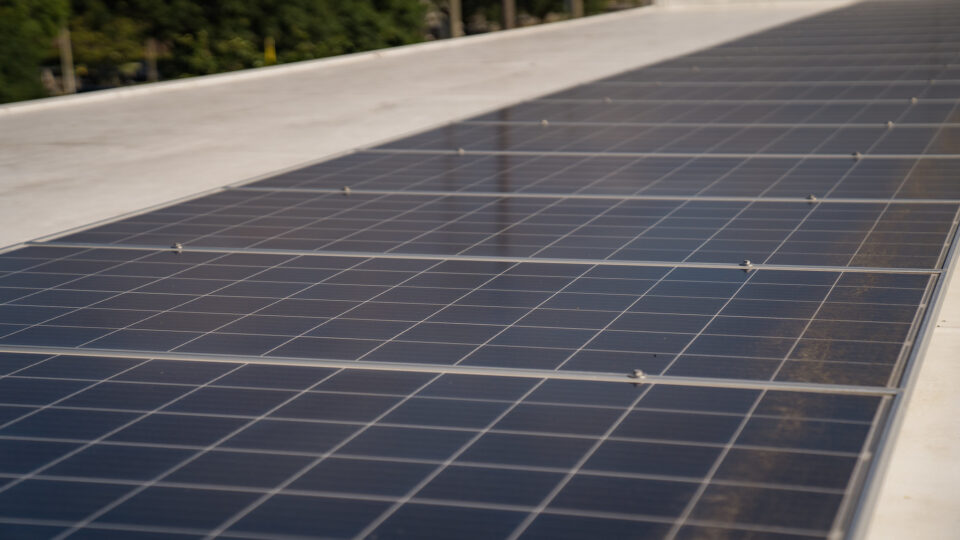
So-called granular options include solar panels, electricity storage batteries, heat pumps, smart thermostats, electric bikes, and ride-share services.  These options scale not by becoming larger but by replicating.

Small-scale options are quicker to deploy, their technologies have shorter lifespans and are less complex, so innovations and improvements can be brought to market more rapidly.  They are also more widely accessible and help create more jobs, giving governments a sound basis for strengthening climate policies.

However, smaller-scale technologies are not a panacea.  There are no small-scale replacements for industrial plants and other kinds of major infrastructure, but in many different contexts, they can outperform larger-scale alternatives as a means of accelerating the low-carbon transformation.

**********

Web Links

Smaller scale solutions needed for rapid progress towards emissions targets

Photo, posted April 8, 2019, courtesy of the City of St Pete via Flickr.

Earth Wise is a production of WAMC Northeast Public Radio.

American Robins And Climate Change | Earth Wise

April 30, 2020 By EarthWise Leave a Comment

changing climate is making birds migrate earlier

American robins are migratory songbirds that can be found throughout much of North America.  Named after European robins because of their reddish-orange breast, American robins are often found hopping across lawns and nesting on porches.  Their rich caroling is among the first pre-dawn bird songs heard in spring and summer.  

While some overwinter in northern parts of the United States and southern Canada, most American robins migrate south to overwinter in places like Florida and the Gulf Coast, as well as central Mexico and the Pacific Coast.  They typically head south by the end of August and return north sometime between February and March to their breeding grounds in Canada and Alaska.  They spend their short time there trying to find a mate, build a nest, raise a family, and consume enough food to sustain themselves on their long return journey south.

But climate change is making these seasonal rhythms less predictable.  According to a new study recently published in the journal Environmental Research Letters, American robin migration is kicking off earlier by about five days each decade.  The birds now migrate 12 days earlier than they did in 1994.  

For 25 years, researchers at Canada’s Slave Lake have been recording the timing of American robin spring migration.  They attached GPS devices to 55 robins, tracking their movements from April through June. The researchers linked the birds’ movement with weather data, including air temperature, snow depth, wind speed, and precipitation.  The results showed that robins start migrating north earlier when winters are warm and dry. 

Understanding the influence over the timing of migratory events is important because the timing of migration can influence reproductive success.

**********

Web Links

A Migration Mystery

American robins now migrate 12 days earlier than in 1994

Photo, posted January 1, 2020, courtesy of Becky Matsubara via Flickr.

Earth Wise is a production of WAMC Northeast Public Radio.
Recycling Coal Plants | Earth Wise

April 27, 2020 By EarthWise Leave a Comment

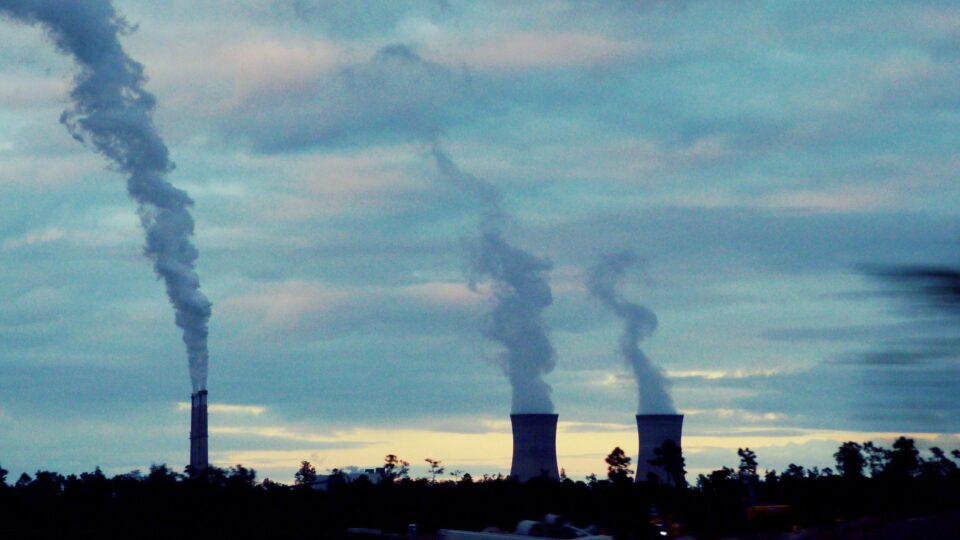
Recycling coal plants

Over 300 coal-fired power plants in the US have stopping burning coal over the past decade.  Only about 224 plants still produce power by burning coal.  As a result, a new sort of recycling industry is taking shape:  repurposing of coal plants.

Across the country, utilities are finding ways to redevelop these facilities.  Some are industrial in nature and others a far cry from their original purpose.

In January, Beloit College in Wisconsin opened a student union and recreation center in what used to be an Alliant Energy coal-fired power plant.  On the southern coast of Massachusetts, a shuttered 1,600 MW coal plant is being demolished to make way for a logistical port and support center for a planned wind farm 35 miles off shore.

In Independence, Missouri, the city is considering competing plans to recycle the Blue Valley Power plant.  It may become a 50 MW battery storage facility, or possibly a biofuel plant.

Another popular reuse strategy is data centers.  Data centers use tremendous amounts of power and therefore can make use of the former coal plants’ capacity to handle large amounts of electricity.

Retired coal-fired plants have built-in infrastructure and components that can be repurposed for new industry.  The plants typically have access to rail, ports and waterways, as well as proximity to good highway transportation.  The electrical grids to which they are connected can be reused for solar or wind farms at the site.

Given that coal plants are continuing to close, the potential to redevelop them in various ways continues to grow as well.   There is a surge in interest in coal plant redevelopment because these facilities are assets of value.

**********

Web Links

Coal-fired power plants finding new uses as data centers, clean energy hubs

Photo, posted January 10, 2017, courtesy of Rusty Clark via Flickr.

Earth Wise is a production of WAMC Northeast Public Radio.

Food Waste And Access To Groceries | Earth Wise

March 19, 2020 By EarthWise 1 Comment

access to groceries can reduce food waste and emissions

One-third of all food produced is wasted, which turns out to be a major contributor to carbon emissions.  Most of the carbon emissions associated with food waste are related to the production of the food.  Reducing waste would trickle through the supply chain over time and ultimately less food would be produced.

A study at Cornell’s SC Johnson College of Business looked at a particular strategy for reducing food waste’s environmental impact:  opening more grocery stores.

It turns out that the more stores there are, the lower food waste will be.  Cornell Professor Elena Belavina created a model that incorporates data from the grocery industry, the U.S. Census Bureau, and other academic studies.

When applied to Chicago, which is typical of many American cities, the model predicts that by adding just three or four markets within four-square-mile area, food waste would be reduced by 6 to 9 percent.  This would achieve an emissions reduction comparable to converting more than 20,000 cars from fossil fuels to electric power.  According to the model, not only would food waste be reduced, but so would grocery bills.  By trimming food waste and travel costs, consumers would spend up to 4% less.

Most big cities are well below their ideal density of grocery stores that would minimize food waste. When consumers can purchase perishable goods nearby, they shop more often but buy less each time.  There is less food sitting at home, so there is a much lower likelihood that food will spoil.

New York City, which has an abundance of produce stands and neighborhood markets, comes close to having the ideal density of markets.  Basically, the way to reduce food waste is to bring less groceries home.

**********

Web Links

Better access to groceries could reduce food waste, emissions

Photo, posted March 22, 2009, courtesy of Nick Saltmarsh via Flickr.

Earth Wise is a production of WAMC Northeast Public Radio.

Saving Energy At Data Centers | Earth Wise

February 17, 2020 By EarthWise Leave a Comment

Energy efficient data centers

A data center is a building, dedicated space within a building, or a group of buildings used to house computer systems and associated components, such as telecommunications and data storage systems.  Data centers are the backbone of internet services and cloud computing, which together are increasingly dominant elements of modern life.

Energy use is a central issue for data centers. Power used by them ranges from a few kilowatts for a rack of servers in a closet at a local business to several tens of megawatts for large facilities. Some data centers have power densities more than 100 times that of a typical office building and use as much electricity as several thousand homes. For such facilities, electricity costs are a dominant operating expense and account for over 10% of the total cost of ownership of a data center.  These centers, with their numerous racks of computer servers, consume 90 billion kilowatt-hours of electricity each year in the United States, as much as all of our residences use for lighting. 

A research group at Princeton University is developing a family of devices that can dramatically reduce power consumption at data centers.  The team’s technology focuses on the process by which the AC power from the grid is converted to the low-voltage direct current used by computer equipment.  With existing technology, this power conversion takes place in each individual computer, which ends up wasting about 40% of the original energy.   The new device aggregates power conversion into a single unit, which then distributes the power to the individual computers and storage units.

As data centers get bigger and more numerous, the opportunity to save a lot of energy becomes increasingly important.

**********

Web Links

New technology boosts energy efficiency in data centers

Photo, posted June 8, 2007, courtesy of Sean Ellis via Flickr.

Earth Wise is a production of WAMC Northeast Public Radio.

How Environmentally Friendly Are We? | Earth Wise

January 27, 2020 By EarthWise 1 Comment

Many of us are very concerned about the environment and want to try to do the right things as we go about our daily lives.  New research from the University of Gothenburg shows that we tend to overestimate just how much we are actually doing.

A study of over 4,000 people in United States, England, India, and Sweden revealed that most people are convinced that they act more environmentally friendly than the average person.  Their actions might include buying eco-labelled products, saving household energy, recycling, driving a hybrid or electric car, and reducing purchases of plastic bags.  Participants in the survey rated themselves as more environmentally active than other people, including both unknown people as well as their own friends.

The results are in keeping with a general tendency people have to overestimate their own abilities.  Studies over the years have shown that most people consider themselves, for example, to be more honest, more creative, and better drivers than others.  This sort of over-optimism apparently also applies to environmentally friendly behaviors.

The data from the survey revealed that the participants were more likely to overestimate their engagement in activities they perform often and draw the faulty conclusion that the things they do often, they in fact do more often than others.

A consequence of thinking that you are more environmentally friendly than other people is that it can reduce the motivation to act environmentally friendly in the future.  In fact, when we think we are more environmentally friendly than others, we actually end up becoming less environmentally friendly.

Logically speaking, the majority of people cannot be more environmentally friendly than the average person.  We are not living in Lake Wobegone where all children are above average.

**********

Web Links

The majority consider themselves more environmentally friendly than others

Photo, posted March 6, 2014, courtesy of Karlis Dambrans via Flickr.

Earth Wise is a production of WAMC Northeast Public Radio.
Another Greenhouse Gas Record

January 7, 2020 By EarthWise Leave a Comment

Greenhouse gas

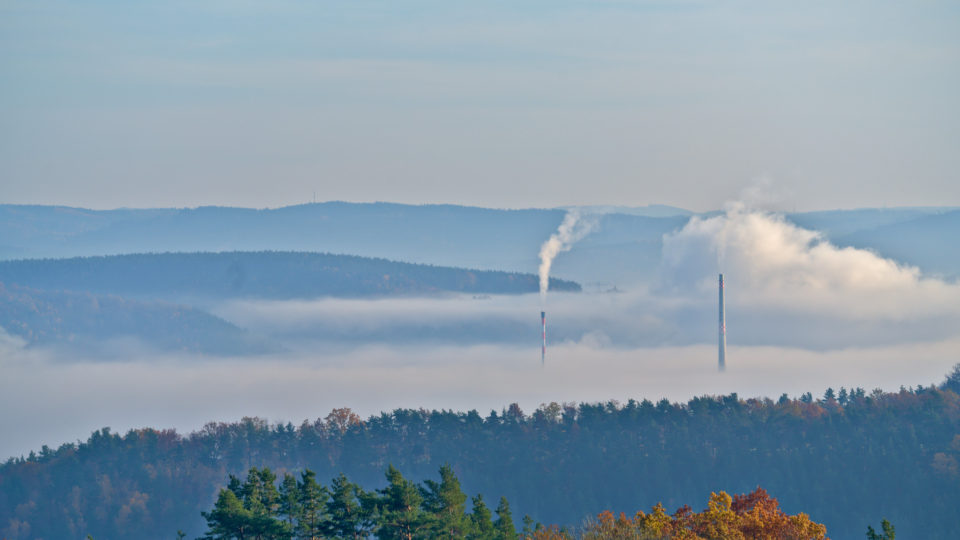
According to the World Meteorological Organization, levels of heat-trapping greenhouse gases in the atmosphere have reached yet another new record high.  Globally averaged concentrations of carbon dioxide reached 407.8 parts per million in 2018, up from 405.5 parts per million in 2017.

The increase year-over-year was similar to that from 2016 to 2017, and remains a little over the average for the last decade.  Global CO2 levels crossed the 400 parts per million threshold in 2015.

Concentrations of methane and nitrous oxide also increased by higher amounts than the average for the past decade, based on observations from the Global Atmosphere Watch network with stations all over the globe.

Since 1990, there has been a 43% increase in total radiative forcing – which is the warming effect on the climate from long-lived greenhouse gases. Carbon dioxide accounts for about 80% of this.  The report notes that the last time the Earth experienced this high a level of CO2 was 3 to 5 million years ago. At that time, global temperatures were 2 to 3 Celsius degrees higher and sea levels were 30 to 60 feet higher than now.

The report includes data on the isotopic analysis of the CO2 in the atmosphere.  CO2 produced by fossil fuel combustion comes from plant material from millions of years ago and does not contain radiocarbon, that is, carbon-14.  CO2 from natural sources contains radiocarbon produced by cosmic rays.  The increasing CO2 levels in the atmosphere contain decreasing levels of radiocarbon, indicating that the overall increase is largely due to human activities.

Overall, global efforts to date to reduce emissions have not been very successful, and this is borne out by the growing levels of carbon dioxide in the atmosphere.

**********

Web Links

Greenhouse gas concentrations in atmosphere reach yet another high

Photo courtesy of Flickr.

Earth Wise is a production of WAMC Northeast Public Radio.

Rising Seas Will Erase Cities

December 18, 2019 By EarthWise Leave a Comment

According to new research, climate-driven sea level rise could affect three times more people by 2050 than previously thought.  This sobering assessment means some of the world’s great coastal cities, including Bangkok, Shanghai, Mumbai, Basra, Alexandria, and Ho Chi Minh City, could be in big trouble.   

Scientists have always relied on land elevation data to determine the effects of sea level rise over large areas.  But standard elevation measurements using satellites struggle to differentiate the true ground level from the tops of trees or buildings.  The authors of the paper developed a more accurate way to calculate land elevation by using artificial intelligence to determine the error rate and to correct for it.  The new findings revealed that 150 million people – three times more than previously thought – are now living on land that is projected to be below the high-tide line by the middle of this century. 

Eight Asian nations – China, Bangladesh, India, Vietnam, Indonesia, Thailand, the Philippines, and Japan – account for about 70% of the people living on at-risk land. 

More than 20 million people in Vietnam, including much of Ho Chi Minh City, live on land that will be inundated by 2050.  In Thailand, more than 10% of its citizens, including much of Bangkok, currently live on land imperiled by projected sea level rise. 

This new research was produced by Climate Central, a New Jersey-based science organization, and was recently published in the journal Nature Communications. 

Sea level rise is clearly not just an environmental problem.  It’s a humanitarian crisis.

**********  

Web Links

New elevation data triple estimates of global vulnerability to sea-level rise and coastal flooding

Rising Seas Will Erase More Cities by 2050, New Research Shows

Photo, posted December 18, 2009, courtesy of Misko via Flickr.

Earth Wise is a production of WAMC Northeast Public Radio.
The Arctic As A Carbon Source

December 16, 2019 By EarthWise Leave a Comment

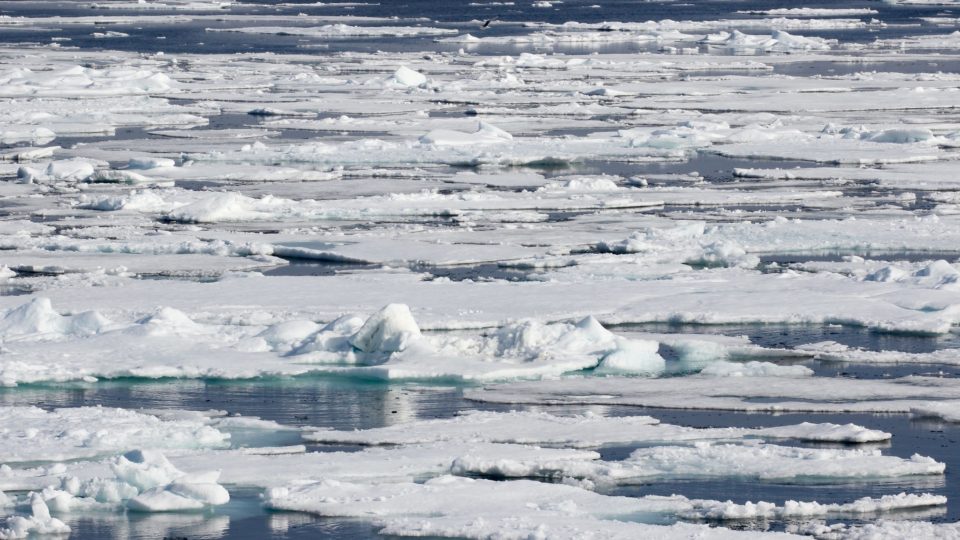
According to a new NASA-funded study, the Arctic may now be a source for carbon in the atmosphere rather than being the sink for it that is has been for tens of thousands of years.

The study, published in Nature Climate Change, warns that carbon dioxide loss from the world’s permafrost regions could increase by more than 40% over the next century if human-caused greenhouse gas emissions continue at their current pace.  Worse yet, carbon emitted from thawing permafrost has not even been included in most climate models.

Permafrost is the carbon-rich frozen soil and organic matter that covers nearly a quarter of Northern Hemisphere land area, mostly in Alaska, Canada, Siberia, and Greenland.  Permafrost holds more carbon than has ever been released by humans from fossil fuel burning, but it has been safely locked away by ice for tens of thousands of years.

As global temperatures rise, the permafrost is starting to thaw and release greenhouse gases into the atmosphere.

The recent findings indicate that the loss of carbon dioxide during the winter in the Arctic may already be offsetting carbon uptake during the growing season.  The researchers compiled on-the-ground observations of carbon dioxide emissions across many sites and combined these with remote sensing data and modeling.  They estimate that the permafrost region is now losing 1.7 billion metric tons of carbon during the winter season but taking up only 1 billion during the growing season.

The major concern is that as the Arctic continues to warm, more carbon will be released into the atmosphere from the permafrost region, which will further the warming.  Climate modeling teams across the globe are trying to incorporate these findings into their projections.

**********

Web Links

Arctic Shifts to a Carbon Source due to Winter Soil Emissions

Photo, posted July 27, 2015, courtesy of Gary Bembridge via Flickr.

Earth Wise is a production of WAMC Northeast Public Radio.
Predicting Lightning Strikes

November 19, 2019 By EarthWise Leave a Comment

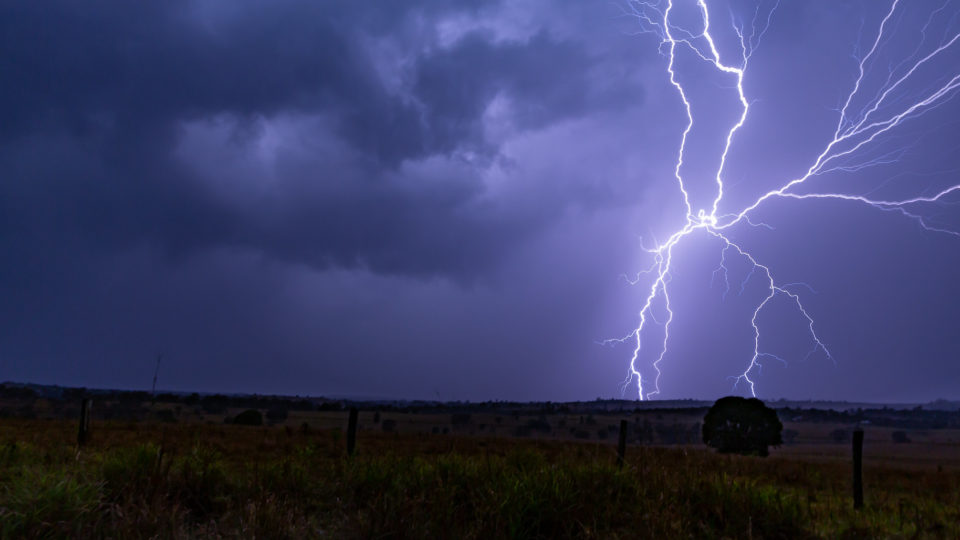
Lightning is one of the most unpredictable phenomena in nature.  Approximately 100 lightning bolts strike earth’s surface every second, and each lightning bolt can contain up to one billion volts of electricity.  Lightning regularly kills both people and animals and sets homes and forests on fire.  It’s also been known to ground airplanes. 

Researchers at EPFL – a research institute and university in Switzerland – have developed a novel way to predict where and when lightning will strike.  The system relies on a combination of standard data from weather stations and artificial intelligence to predict lightning strikes to the nearest 10 to 30 minutes and within a radius of less than 20 miles.  The simple and inexpensive system was outlined in a research paper recently published in Climate and Atmospheric Science, a Nature partner journal.   

According to researchers, the current systems for predicting lightning strikes are slow, expensive, and complex, relying on external data acquired by satellite and radar.  The new inexpensive system from EPFL uses real time data that can be obtained from any weather station, meaning it can cover remote regions that are out of radar and satellite range and where communication networks are lacking.  The quick predictions from the system allow alerts to be issued before a storm has even formed. 

The system uses a machine-learning algorithm that’s been trained to recognize conditions that lead to lightning.  The researchers took into account atmospheric pressure, air temperature, relative humidity, and wind speed, among other things.  After training the algorithm, the system was able to predict lightning strikes accurately nearly 80% of the time.

This system is a simple way to predict a complex phenomenon. 

**********

Web Links

Using AI to predict where and when lightning will strike

Photo, posted December 14, 2018, courtesy of Flickr.

Earth Wise is a production of WAMC Northeast Public Radio.

Air Quality In The U.S.

November 13, 2019 By EarthWise Leave a Comment

Globally, poor air is a serious problem.  According to the World Health Organization, exposure to air pollution is linked to the premature deaths of an estimated 7 million people every year.  In fact, 91% of the people on the planet live in places where air pollution exceeds WHO guideline limits. 

In the United States, air pollution has dramatically improved over the last four decades due in large part to federal regulations put in place under the Clean Air Act of 1970.  Fine particulate matter (known as PM2.5) and other pollution, including ozone, sulphur dioxide, and nitrogen dioxide, have all decreased during this time span. 

But according to recent research, this trend has unfortunately done an about-face.  New data reveals that air pollution has increased nationally since 2016.  An analysis of Environmental Protection Agency data by researchers at Carnegie Mellon University found that, on average, fine particulate pollution increased 5.5% across the country between 2016 and 2018. 

This increase in fine particulate pollution was associated with nearly 10,000 additional premature deaths in the United States during that time period. 

According to researchers, there are several factors likely causing this uptick in unhealthy air, including increases in both driving and the burning of natural gas.  Wildfires out west are also thought to be a major contributor. 

The researchers also suggest that a decrease in enforcement of the Clean Air Act may also be playing a role.  The law put in place strict air pollution standards for vehicles, factories, power plants, and other sources, and is credited with saving hundreds of thousands of lives.

It’s time for clean air to be recognized as a basic human right.

***********

Web Links

America’s Air Quality Worsens, Ending Years of Gains, Study Says

Photo, posted April 6, 2007, courtesy of Brett Weinstein via Flickr.

Earth Wise is a production of WAMC Northeast Public Radio.
Displaced By Extreme Weather

November 11, 2019 By EarthWise Leave a Comment

The Internal Displacement Monitoring Centre is the world’s authoritative source of data and analysis on internal displacement.  Internal displacement refers to people being forced to flee their homes or places of habitual residence but who remain within their country’s borders.  Such displacements can be the result of conflict, violence, development projects, natural disasters, or climate change.  As of the end of 2018, over 41 million people were living in internal displacement because of conflict and violence alone.

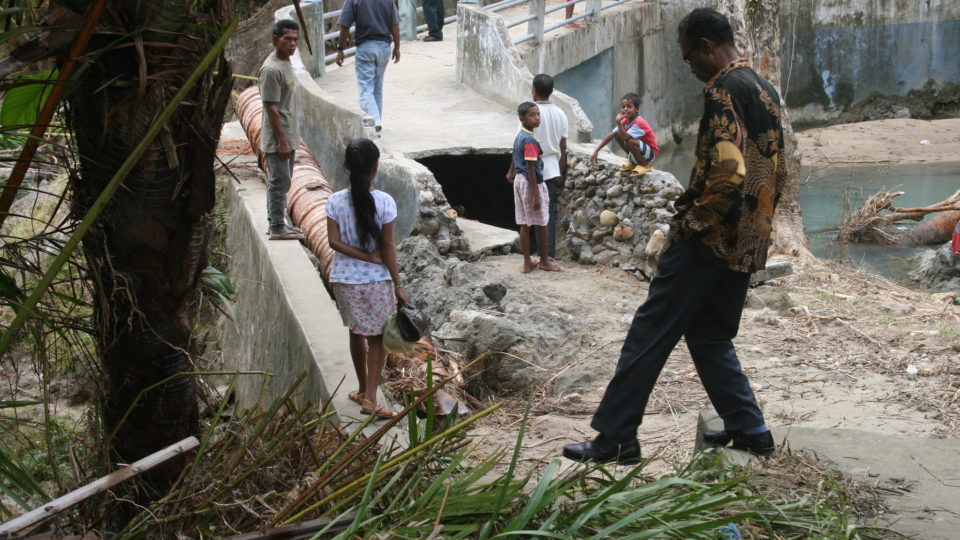
This year, natural disasters are causing a record number of internal displacements.  In the first half of the year, 7 million people were displaced by disasters, accounting for nearly two-thirds of all the internal displacements worldwide.  The IDMC estimates that this number could hit 22 million by the end of the year.

The vast majority of displacement has been associated with storms and floods.  Cyclone Fani alone in May displaced more than 3.4 million people in India and Bangladesh.  In March, Cyclone Idai displaced 617,000 people in Mozambique, Malawi, and Zimbabwe.  In total, 950 extreme weather events in 102 countries and territories displaced 7 million people from January to June.

Technically speaking, internally displaced people are not considered to be refugees because they remain in their home countries.  But the growing millions of people represent a global crisis that continues to worsen with the changing climate.  The international community cannot ignore the plight of these people.  Governments around the world have to redouble their efforts to protect and assist their displaced citizens as well as to invest in sustainable development and climate change adaptation.

**********

Web Links

Extreme Weather Displaced 7 Million People in First Half of 2019

Photo, posted August 5, 2012, courtesy of the U.S. Embassy, Jakarta via Flickr.

Earth Wise is a production of WAMC Northeast Public Radio.
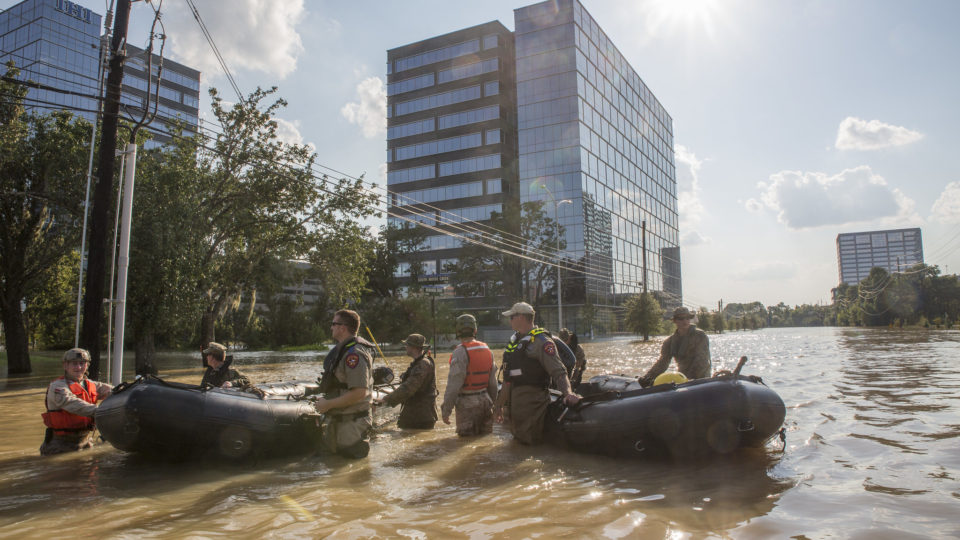
Hundred-Year Floods Becoming One-Year Floods

September 26, 2019 By EarthWise Leave a Comment

By definition, 100-year floods are intense flooding events that historically tend to happen once every 100 years.  Put another way, a 100-year flood has a 1 percent chance of happening in any given year.

According to new research published in the journal Nature Communications, rising global temperatures may turn 100-year floods into annual occurrences in parts of the United States.  The increase in severe coastal flooding events by the end of this century will be a result of rising sea levels and stronger, more frequent tropical storms and hurricanes.

The study, led by researchers at Princeton University and MIT, examined flood risk for 171 counties along the US East Coast and the Gulf of Mexico.  Their analysis concluded that 100-year floods will become annual events in New England.  In the US Southeast and Gulf of Mexico, counties could experience such floods as often as every year up to as seldom as every 30 years.

Previously, most analysis of coastal flooding has looked only at the impact of sea level rise on flood risk.  This new research combined the risk of rising seas with projected changes in coastal storms over the course of this century.  Data from the Gulf of Mexico revealed that the effect of stronger storms is comparable with or even more significant than the effect of sea level change for 40% of the counties studied.  So, neglecting the effects of storm climatology change is likely to significantly underestimate the impact of climate change in many places.

The hope is that more comprehensive flood risk data can be used to create more effective climate resiliency strategies all the way down to the county level.

**********

Web Links

100-Year Floods Could Soon Happen Annually in Parts of U.S., Study Finds

Photo, posted August 31, 2017, courtesy of the U.S. Department of Agriculture via Flickr.

Earth Wise is a production of WAMC Northeast Public Radio.
Cleaner Air Saves Lives

September 25, 2019 By EarthWise Leave a Comment

A new study by Columbia University has concluded that lower air pollution levels saved an estimated 5,660 lives in New York State in 2012, compared to 2002 mortality levels.

The study looked at New York State levels of the specific type of pollution known as fine particulate matter, referred to as PM2.5.  These microscopic particulates are a mixture of solid particles and liquid droplets that either come from burning fuel or are formed in the atmosphere as a result of complex reactions of chemicals such as sulfur dioxide and nitrogen oxides from power plants, industries, and automobiles.

Long-term exposure to PM2.5 can lead to respiratory and cardiovascular problems.

The study looked at extensive amounts of data to analyze trends in PM2.5 levels across New York State.  The data showed that PM2.5 levels dropped by 28 to 37% between 2002 and 2012.  This was a result of continued progress in cleaner vehicles, the reduction of high sulfur-dioxide emitting coal-burning power plants, and other air pollution reduction programs.  They calculated that this amount of reduction in PM2.5 reduced the air pollution mortality burden for New York State residents by 67% – from 8,410 premature deaths in 2002 to 2,750 deaths in 2012.

The study provides evidence that emission controls on air pollutants – which were initiated by the Clean Air Act of 1970 and later expanded in 1990 – have improved public health across New York State.  According to the researchers, the study is a key step to documenting the health benefits from cleaner air.

**********

Web Links

Air Pollution Cuts Are Saving Lives in New York State

Photo, posted June 29, 2014, courtesy of Paul Comstock via Flickr.

Earth Wise is a production of WAMC Northeast Public Radio.
Agrivoltaics

September 24, 2019 By EarthWise Leave a Comment

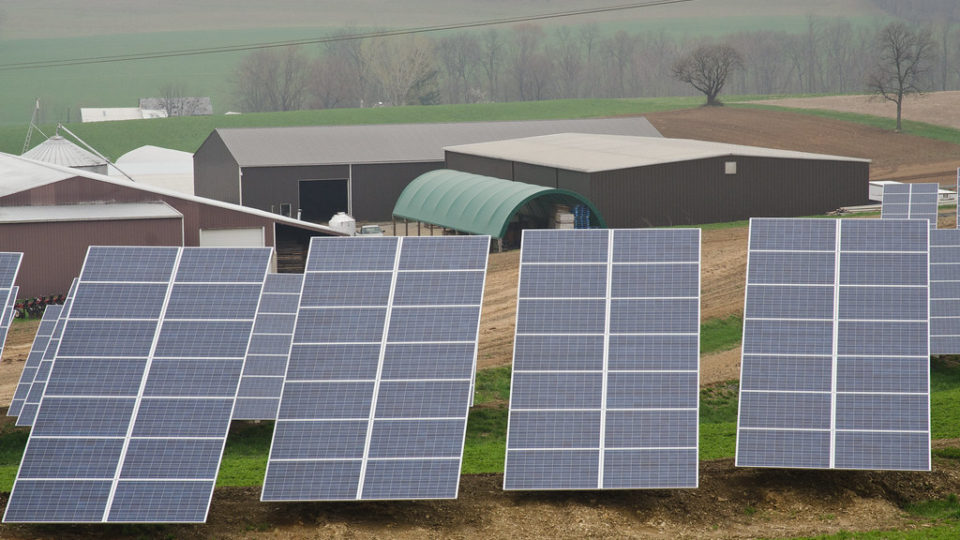
A new study by Oregon State University has found that the most productive places on Earth for solar power are farmlands.   In fact, if less than 1% of agricultural land was converted to solar panels, it would be sufficient to fulfill global electricity demand.

The concept of co-developing the same area of land for both solar photovoltaic power and conventional agriculture is known as agrivoltaics.

The synergy between agriculture and solar power is not surprising.   People have been growing crops around the planet for at least 8,000 years and, long ago, farmers found the best places to grow them which turn out to also the best places to harvest solar energy.  The needs for solar panels are pretty similar to those of food crops.  The efficiency of the panels decreases if they get too hot.  Barren land is hotter than cropland, so the productivity of solar panels is less in such places.

The Oregon State Study analyzed power production data collected by Tesla, which had installed five large grid-tied, ground-mounted solar electric arrays owned by Oregon State.  The researchers monitored air temperature, relative humidity, wind speed, wind direction, soil moisture, and incoming solar energy.  With the data, they developed a model for the best conditions for solar panel productivity and they coincide with excellent conditions for agriculture.  Solar panels are kind of like people with regard to the weather:  they are happier when it is cool and breezy and dry.

Previously-published research shows that solar panels actually increase crop yields on pasture or agricultural fields.

These new results have implications for the current practice of constructing large solar arrays in deserts.  Agricultural lands may be a much better option for both solar production and crop production.

**********

Web Links

Installing solar panels on agricultural lands maximizes their efficiency, new study shows

Photo, posted April 20, 2011, courtesy of U.S. Department of Agriculture via Flickr.

Earth Wise is a production of WAMC Northeast Public Radio.
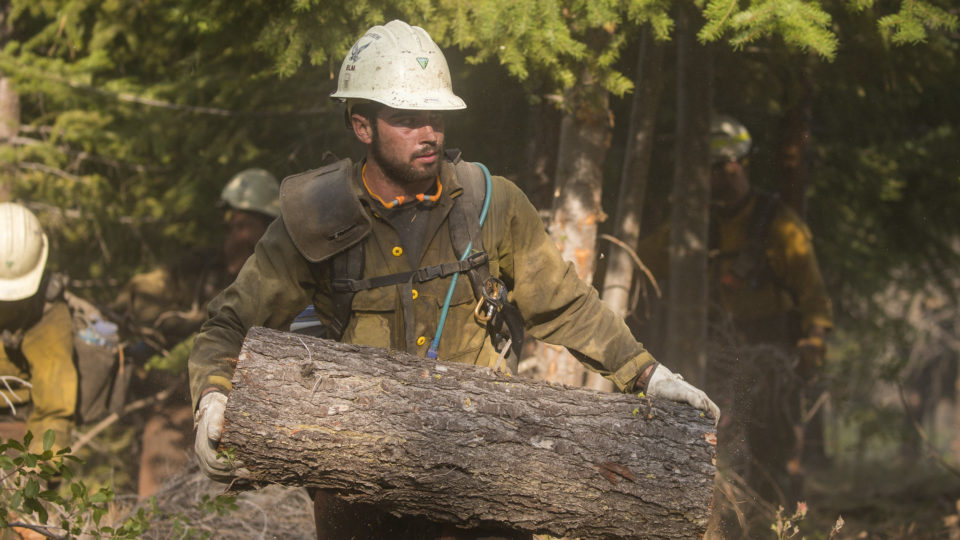
Wildfires And Carbon

September 17, 2019 By EarthWise Leave a Comment

This summer has been an unprecedented year for fires in the Arctic.  Major fires have burned throughout the Arctic in Russia, Canada, and Greenland.  In total these fires released 50 million tons of carbon dioxide in June alone, which is as much as Sweden emits in an entire year.

In an average year, wildfires around the world burn an area equivalent to the size of India and emit more carbon dioxide to the atmosphere than global road, rail, shipping and air transport combined.

Ordinarily, this is part of a natural cycle.  As vegetation in burned areas regrows, it draws CO2 back out of the atmosphere through photosynthesis.  This is part of the fire-recovery cycle, which can take less than a year in grasslands, but decades in forests.  But in Arctic or tropical peatlands, full recovery may not occur for centuries.

A recent study looked at and quantified the important role that charcoal plays in helping to compensate for carbon emissions from fires.  In wildfires, some of the vegetation is not consumed by burning, but instead is transformed to charcoal – referred to as pyrogenic carbon.   This carbon-rich material can be stored in soils and oceans over very long time periods.

Researchers have combined field studies, satellite data, and modelling to quantify the amount of carbon that is placed in storage in the form of charcoal.  Their results are that the production of pyrogenic carbon amounts to about 12% of the CO2 emissions from fires and can be considered a significant buffer for landscape fire emissions.

Charcoal does not represent a solution to the problem of increasingly intense wildfires, but it is important to take it into account in understanding what is happening.

**********

Web Links

How wildfires trap carbon for centuries to millennia

Photo, posted August 17, 2018, courtesy of the Bureau of Land Management Oregon and Washington via Flickr.

Earth Wise is a production of WAMC Northeast Public Radio.
Shifting Ecosystems

August 29, 2019 By EarthWise Leave a Comment

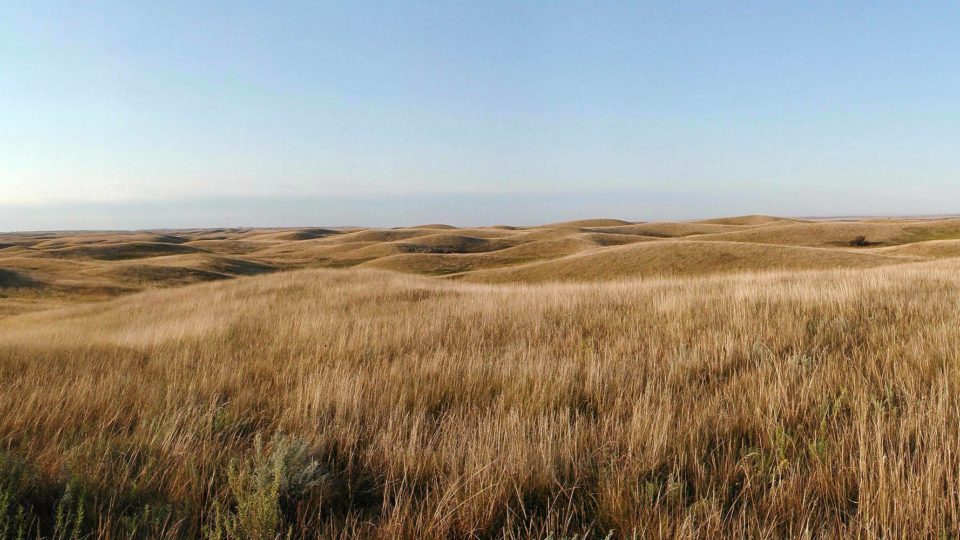
The Great Plains ecosystem has been shifting northward over the past fifty years, driven by climate change, wildfire suppression, energy development, land use changes, and urbanization.  The ecosystem is an area historically rich with grasslands and shrub steppe and is prime habitat for grassland birds.

According to a recent study published in the journal Nature Climate Change, the northernmost ecosystem boundary of the Great Plains has moved more than 365 miles north since 1970, amounting to about 8 miles a year.  The region’s southernmost ecosystem boundary has shifted 160 miles north, or about 4 miles a year.

The study used bird distribution data as an indicator of shifting ecosystem boundaries.  The researchers analyzed 46 years of data for 400 bird species across a 250-mile-wide strip stretching from Texas to North Dakota.  They tracked how the birds’ distributions changed as a measure of how these ecosystems were shifting.

While climate change has been a major driver of these ecosystem shifts since the 1970s, several other factors such as wildfire trends, land use changes, and invasion of tree species into grassland habitat have also played a role.  Like most things in ecological systems, the changes are likely to have multiple causes.  One cannot really separate causes like tree invasions, warming climate, and wildfires, as they are all interrelated.

Using bird distribution patterns for tracking ecosystem shifts could be a useful tool for scientists and land managers in the coming decades to give them an early warning of how habitats are changing in response to rising global temperatures and therefore allow them to take action to protect vulnerable species.

**********

Web Links

Great Plains’ Ecosystems Have Shifted 365 Miles Northward Since 1970

Photo, posted March 24, 2017, courtesy of Rick Bohn / USFWS via Flickr.

Earth Wise is a production of WAMC Northeast Public Radio.

  • « Go to Previous Page
  • Page 1
  • Interim pages omitted …
  • Page 3
  • Page 4
  • Page 5
  • Page 6
  • Page 7
  • Page 8
  • Go to Next Page »

Primary Sidebar

Recent Episodes

  • An uninsurable future
  • Clean energy and jobs
  • Insect declines in remote regions
  • Fossil fuel producing nations ignoring climate goals
  • Trouble for clownfishes

WAMC Northeast Public Radio

WAMC/Northeast Public Radio is a regional public radio network serving parts of seven northeastern states (more...)

Copyright © 2026 ·