
• Skip to primary navigation
  • Skip to main content
  • Skip to primary sidebar

Earth Wise

A look at our changing environment.

  • Home
  • About Earth Wise
  • Where to Listen
  • All Articles
  • Show Search
Hide Search
You are here: Home / Archives for climate

climate

Air Pollution Reduction And Global Warming | Earth Wise

April 13, 2021 By EarthWise Leave a Comment

Reducing emissions can actually increase global warming

The world is dealing with two serious problems affecting the atmosphere:  the growing levels of carbon dioxide leading to a warming climate and the effects of air pollution on human health.  It turns out that these two things are connected in complicated ways.

Countries around the world are racing to mitigate global warming by limiting carbon dioxide emissions.   The combustion of fossil fuels as well as wood and other biomass produces sulfate aerosols, which are associated with acid rain as well as many human health problems.   Air pollution causes an estimated seven million premature deaths per year worldwide, so reducing it is imperative.

The complication is that sulfate aerosols in the upper atmosphere actually have a cooling effect on surface air temperatures.  Aerosols create bigger clouds and increase light scattering, both of which result in less sunlight reaching the surface.  Large natural sources of sulfate aerosols – such as volcanic eruptions – can temporarily cool the earth until they settle out of the atmosphere.

There are many kinds and sizes of atmospheric aerosols, making predicting their effects and behavior difficult.  For example, black carbon aerosols from forest fires tend to suppress cloud formation by warming the air and making tiny water droplets evaporate.  However, sulfate aerosols from burning fossil fuels make clouds grow larger.

Analysis has shown that air pollution has actually reduced the amount of warming that has taken place to date.  A new study by Kyushu University in Japan looked at the long-term climate effects of reductions in sulfate aerosols.  The loss of cooling effect from light-scattering aerosols as emissions are reduced is a factor that cannot be ignored. 

**********

Web Links

Air pollutant reductions could enhance global warming without greenhouse gas cuts

Photo, posted January 23, 2021, courtesy of Wutthichai Charoenburi via Flickr.

Earth Wise is a production of WAMC Northeast Public Radio.
Not Such Climate Champions | Earth Wise

April 5, 2021 By EarthWise Leave a Comment

Problems with the Paris Climate Accord

The goal of the Paris Climate Accord is to limit warming to below 2 degrees Celsius and if possible to stay as close as close to 1.5 degrees above pre-industrial levels.  Nations around the world have made commitments to drastically reduce their carbon dioxide emissions from the use of fossil fuels that are in large part responsible for the rising temperatures.

There are a number of countries that proudly claim to be leading the world in the fight against climate change but who are actually still a major part of the problem.  Among these are Norway, the UK, and Canada.

Norway powers its streetlamps with renewables, runs its public transportation system entirely by renewable energy, and leads the world in the adoption of electric cars.  Both the UK and Canada have set ambitious targets for emissions reductions leading to zero net emissions by 2050. 

The problem is that under the Paris Agreement, each country is only responsible for the greenhouse gas emissions produced within its territory.  That means that the UK, Canada, and Norway (like many other countries) don’t need to worry about the emissions caused by the burning of their oil, gas, and coal in other places around the world.

Norway’s annual domestic emissions reached about 53 million tons in 2017 according to its government.  The emissions from the oil and gas Norway sold abroad reached roughly 470 million tons in 2017.  Canada has huge proven oil reserves it is exploiting.

Canada, Norway, and the UK all plan to keep producing fossil fuels, investing in new fossil fuel projects, and explorations.  As long as this continues, these countries are not really climate champions; they are climate hypocrites.

**********

Web Links

Norway, the UK and Canada are not climate champions. They are climate hypocrites

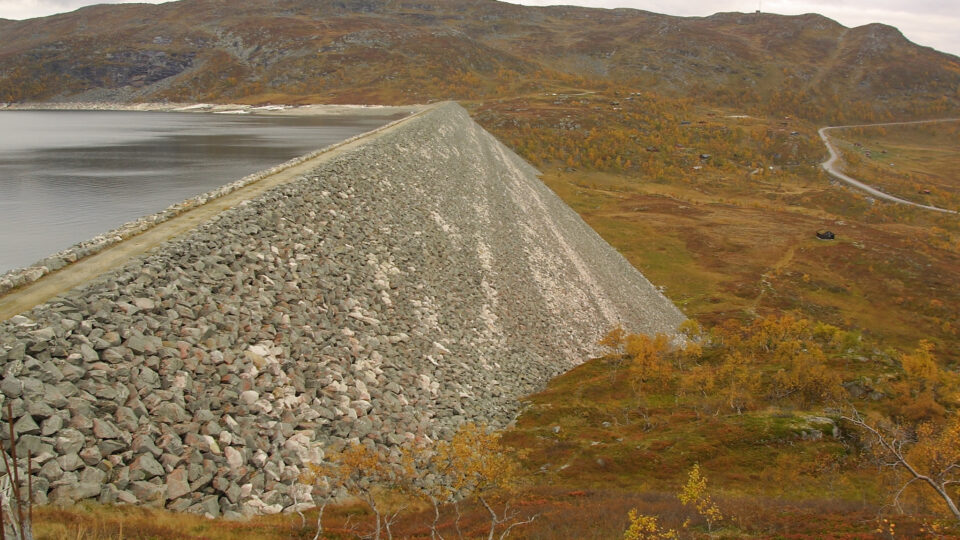
Photo, posted September 4, 2008, courtesy of Statkraft via Flickr.

Earth Wise is a production of WAMC Northeast Public Radio.

30 Million Solar Homes | Earth Wise

March 29, 2021 By EarthWise Leave a Comment

An ambitious rooftop solar initiative

A national coalition made up of more than 230 organizations has launched an initiative called the 30 Million Solar Homes campaign.  The goal is to add enough rooftop and community solar energy to power 30 million homes across the U.S. over the next five years.  That would be the equivalent of one in four American households.

The major focus of the 30 Million Solar Homes initiative is to rapidly and massively scale programs that help low-income families benefit from solar power.  The coalition lists 15 federal policy initiatives including making solar tax incentives more equitable, providing more reliable low-income energy assistance through solar energy, supplementing low-income weatherization assistance with solar energy, and specifically funding solar projects in marginalized communities.

The federal government spends billions of dollars every year to help families to pay their energy costs, but these efforts only serve less than a fifth of the eligible population.  Funding rooftop and community solar access for these households would provide long-term financial relief and reduce the need for annual energy bill assistance.

The more than 230 organizations in the coalition represent organizations focused on energy equity, climate, business, environment, faith, and public health.  The coalition estimates that executing the plan would create three million good-paying jobs, lower energy bills by at least $20 billion a year, and reduce total annual greenhouse gas emissions by 1.5%.

Over the coming months, the campaign will seek to educate lawmakers and the Biden-Harris Administration about the benefits of distributed solar energy.  The vision outlined by the coalition is an ambitious one to say the least.

**********

Web Links

30 Million Solar Homes

Supporters of 30MSH

Photo, posted May 20, 2009, courtesy of Solar Trade Association via Flickr.

Earth Wise is a production of WAMC Northeast Public Radio.
Not All Trees Cool The Planet | Earth Wise

March 24, 2021 By EarthWise Leave a Comment

Planting certain trees can actually lead to a warmer planet

A new study from Clark University has found that deforestation does not always contribute to planetary warming, as is generally assumed.  The researchers have found that there can be places where removing trees actually cools the planet.

Forests soak up carbon dioxide from the air and store it in the trees themselves and in the soil.   This process is important for slowing the accumulation of greenhouse gases in the atmosphere.

The new research focuses on a different effect that forests have on climate.  They are darker than other surfaces, which causes them to absorb more sunlight and retain heat.  This is known as the albedo effect.

In most places, the absorption of carbon outweighs the albedo effect and forests help cool the planet.  But there are some locations, including the Intermountain and Rocky Mountain West, where more forest actually leads to a hotter planet when both processes are taken into account.  State-of-the-art satellite remote sensing allowed the researchers to quantify the effects of forest loss in the United States.

The upshot of this research is that large-scale tree-planting initiatives, such as Canada’s 2Billion Trees Initiative and the Nature Conservancy’s Plant a Billion Trees campaign need to make sure to put the right trees in the right places.

Every year, about a million acres of forest are being converted to non-forest across the lower 48 states as a result of suburban and exurban expansion and development.   It is important to take into account the albedo effect in trying to replace the climate-cooling capabilities of these disappearing forests by planting more trees.

**********

Web Links

Clark geographer Christopher Williams: More trees do not always create a cooler planet

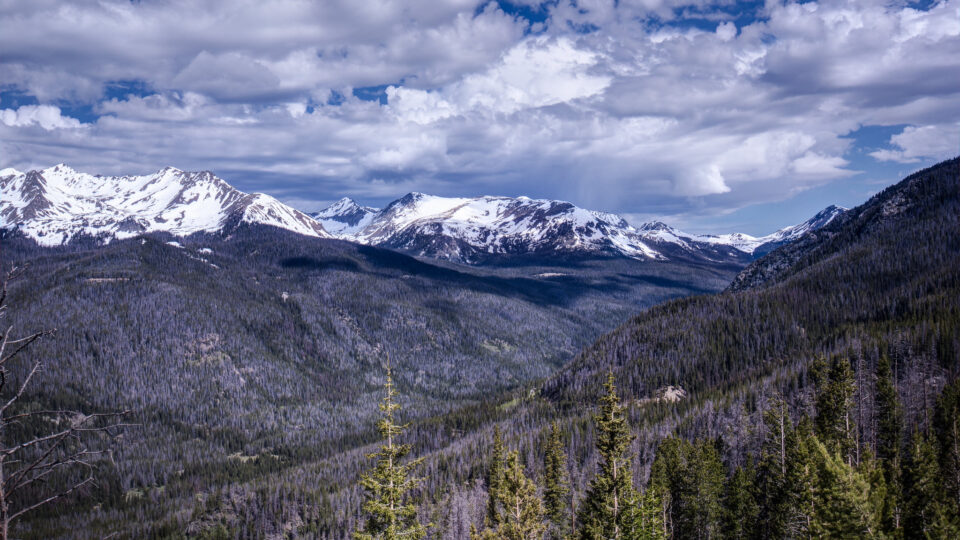
Photo, posted June 5, 2017, courtesy of Todd Petrie via Flickr.

Earth Wise is a production of WAMC Northeast Public Radio.

The Pandemic And Global Temperatures | Earth Wise

March 12, 2021 By EarthWise Leave a Comment

The pandemic has done little to slow the rise in global tempertures

The early months of the Covid-19 pandemic last year saw dramatic reductions in travel and many forms of commerce.  With much of human activity greatly curtailed, greenhouse gas emissions were greatly reduced.   And yet, all of that did not slow down global warming: 2020 ended up tied with 2016 as the warmest year on record and atmospheric greenhouse gas levels reached a new high.

In order to understand how this came about, it is necessary to understand the complex climate influences of different types of emissions from power plants, motor vehicles, industrial facilities, and other sources.  The fact is that some types of pollution actually have a cooling effect rather than contributing to global warming.

Tiny industrial pollution particles called aerosols actually make clouds brighter, causing them to reflect away more solar heat from the surface of the planet.   During the drastic shutdown last year, the biggest emissions decline was from the most polluting industries.  The reduction of aerosols had immediate, short-term effects on temperatures.  These types of pollutants are very bad for human health, but when they are present, they do have the effect of reducing temperatures.

It is important to keep in mind that carbon dioxide spreads through the Earth’s atmosphere and stays there for a century or more, trapping heat on a global scale.  Industrial aerosols stay relatively concentrated in the region where they are emitted and are often removed by rain and winds within a few weeks.  So, their cooling effect doesn’t spread very far or last very long.

Overall, the initial pandemic slowdown probably didn’t have any real long-term impact on the climate but over the short term, the effects were not as simple as one might expect.

**********

Web Links

Covid-19 Cut Gases That Warm the Globe But a Drop in Other Pollution Boosted Regional Temperatures

Photo, posted July 7, 2020, courtesy of Joey Zanotti via Flickr.

Earth Wise is a production of WAMC Northeast Public Radio.
Short-Lived Climate Forcing Pollutants | Earth Wise

March 9, 2021 By EarthWise Leave a Comment

Short-lived climate forcing pollutants and climate change

When talking about the causes of climate warming, it is common practice to bundle together various pollutants and express their effects in terms of “CO2 equivalence.”  This involves comparing climate effects of the pollutants on a 100-year timescale.  Recent research from the Institute for Advanced Sustainability Studies in Germany points out the problems with this approach.

One of the worst qualities of carbon dioxide is that it accumulates in the atmosphere.  Once it gets there, it stays there for anywhere from decades to millennia.  On the other hand, short-lived climate forcing pollutants – or SLCPs – stay in the atmosphere for significantly shorter periods.  However, some of these are far more effective at trapping heat in the atmosphere.  As a result, the atmosphere and climate system react much more quickly to reductions in the emission of these pollutants.

The IASS research study determined that reducing SLCP emissions is an important way to slow near-term climate warming as well as having other positive benefits such as reducing air pollution and improving crop yields.  A number of studies indicate that a rapid reduction in SLCP emissions could slow the rate of climate change and reduce the risk of triggering dangerous and potentially irreversible climate tipping points.

Examples of SLCPs are the methane gas emitted from landfills and hydrofluorocarbons that are still widely used as coolants. HFCs only persist in the atmosphere for 15 years but are nearly 4,000 times more effective in trapping heat over a 20-year period.

In order to mitigate the most harmful consequences of climate change, we need to minimize both the near-term climate impacts of SLCPs and the long-term climate impacts of carbon dioxide.

**********

Web Links

More Than Just CO2: It’s Time To Tackle Short-Lived Climate-Forcing Pollutants

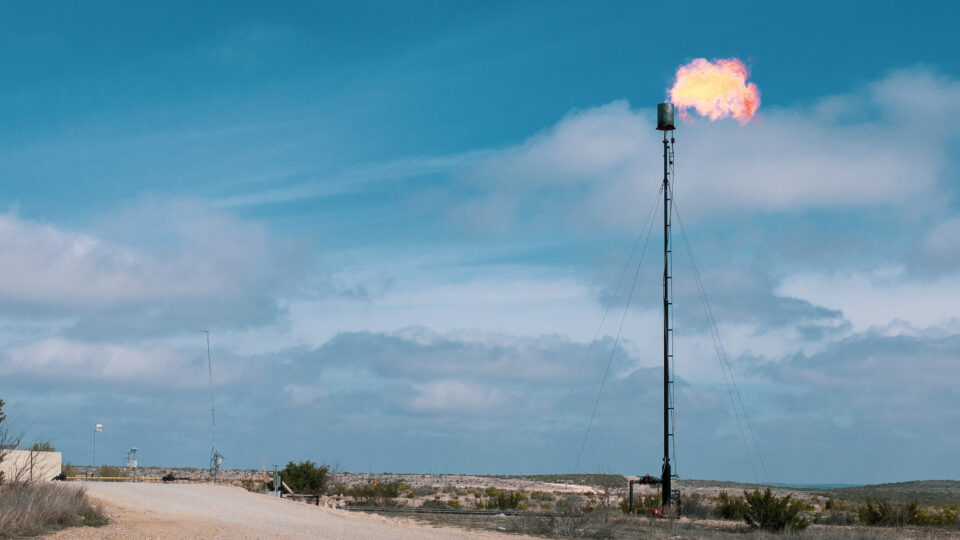
Photo, posted March 10, 2020, courtesy of Jonathan Cutrer via Flickr.

Earth Wise is a production of WAMC Northeast Public Radio.
Global Warming Could Stabilize | Earth Wise

February 19, 2021 By EarthWise Leave a Comment

Reducing emissions could stabilize global temperatures

The world has been heading toward climate disaster with the effects of greenhouse gas-induced warming looming larger and larger.  But recent analysis published in Nature Climate Change offers hope that rapidly eliminating emissions could stabilize global temperatures just within a couple of decades.

For quite some time, it has been assumed that further global warming would be locked in for generations regardless of the extent of emissions reductions going forward.  This conclusion was based on having a certain carbon dioxide concentration in the atmosphere which would linger for hundreds of years even if emissions were reduced.

Recent analysis takes into account the dynamism of the Earth’s natural systems which could actually reduce atmospheric CO2 content because of the huge carbon absorption capacity of oceans, wetlands, and forests.  The key requirement is to drastically reduce emissions so that these natural systems can take over.

More than 100 countries have pledged to get to net zero emissions by 2050.  That means they will emit no more carbon dioxide than is removed from the atmosphere by such actions as restoring forests.   The UK, Japan, and the European Union are among the countries that have set this zero target, and the United States is joining the club.

Climate models show that a global temperature rise of 2 degrees Celsius over that of the pre-industrial period would lead to global calamities that include punishing heatwaves, flooding, and mass displacement of people.  The world has already heated up by 1.1 degrees and governments have committed to restrain the rise to less than 1.5 degrees under the Paris Climate Agreement.

**********

Web Links

Global Warming Could Stabilize Faster than Originally Thought If Nations Achieve Net Zero

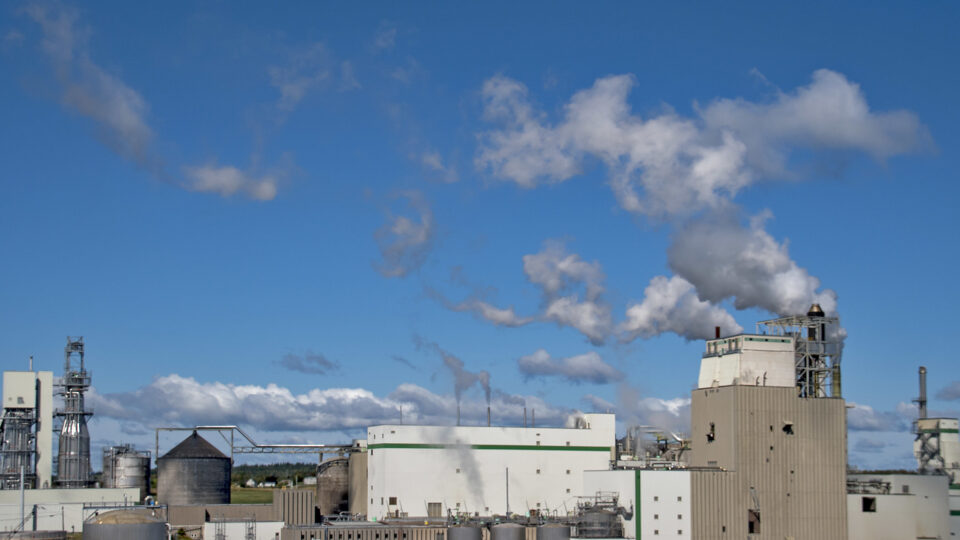
Photo, posted September 10, 2017, courtesy of Ron Cogswell via Flickr.

Earth Wise is a production of WAMC Northeast Public Radio.
Rivers Changing Color | Earth Wise

February 10, 2021 By EarthWise Leave a Comment

Why do rivers change colors?

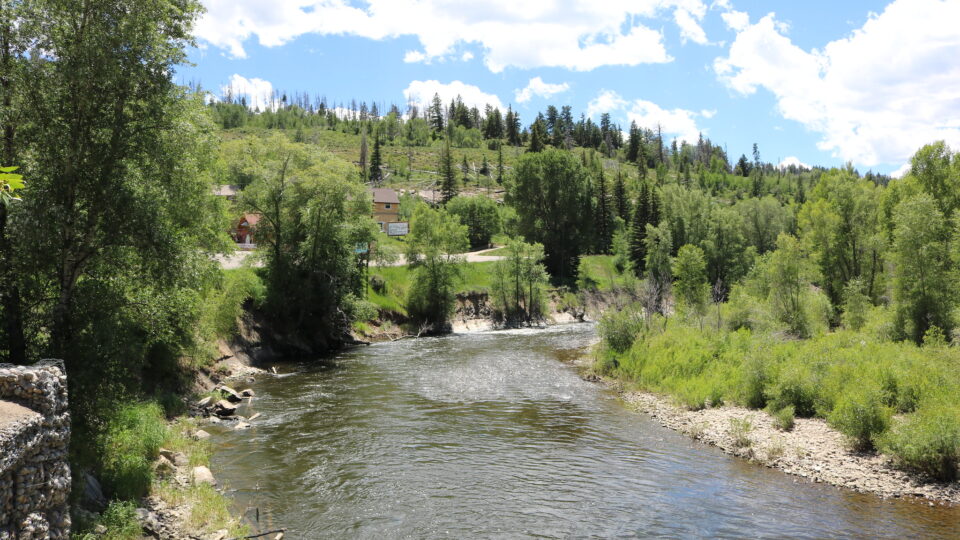
A recent study, published in Geophysical Research Letters, found that one-third of large American rivers have had significant changes of color over the past 30 years.  Rivers can appear to be shades of blue, green, and yellow and we tend to expect healthy rivers to have colors in shades of blue.  According to the new study, only 6% of American rivers are dominantly blue.

The study looked at 235,000 Landsat images taken from 1984 to 2018.  The results are that 56% of rivers studied were dominantly yellow, 38% dominantly green, and 6% blue.  Over the 34 years studied, 33% of the rivers had significant changes in color. About 21% became greener and 12% more yellow. 

The chief causes of color changes in rivers are farm fertilizer runoff, dams, efforts to fight soil erosion, and climate change.  Climate change increases water temperature and rain-related runoff.

Color changes are not necessarily a sign of poor river health, but dramatic changes could point to issues that need attention.  A river can change color based on the amount of sediment, algae, or dissolved organic carbon in the water.   If a river becomes greener, it can often mean large algae blooms are present that cause oxygen loss and can produce toxins.  On the other hand, rivers that are getting less yellow demonstrate the success of regulations to prevent soil erosion.

The study of river colors can pinpoint which rivers are undergoing rapid environmental change.  What the study does not provide is information on water quality.  Water quality measurements will be important to determine the health of many of the rapidly changing rivers.

**********

Web Links

One Third of U.S. Rivers Changed Their Color, Three Decades of Satellite Images Show

Photo, posted July 6, 2016, courtesy of Jeffrey Beall via Flickr.

Earth Wise is a production of WAMC Northeast Public Radio.

Why Have Crocodiles Changed So Little Over Time? | Earth Wise

February 9, 2021 By EarthWise Leave a Comment

Why haven't crocodiles evolved?

Crocodiles today look very similar to ones from the Jurassic period some 200 million years ago.  In fact, there are very few species of crocodilians alive today – approximately two dozen to be exact.  Many other species have achieved a diversity of many thousands of species in the same amount of time. 

During prehistoric times, many more types of crocodiles roamed the earth, including some as big as dinosaurs and other serpentine forms that lived in the sea.  

According to findings by scientists at the University of Bristol in the U.K., a stop-start pattern of evolution could explain why crocodiles have changed so little over time. In the study, which was recently published in the journal Nature Communications Biology, researchers describe how crocodiles follow a pattern of evolution known as “punctuated equilibrium.”  In other words, crocodiles’ rate of evolution is generally slow, but occasionally picks up because the environment has changed.     

According to the research team, this slow rate of evolution is how crocodile diversity became so limited.  It appears crocodiles arrived at a body that was efficient and versatile.  They didn’t need to continue to change in order to survive.

This efficiency and versatility could be an explanation for why crocodiles survived the meteor impact that wiped out the dinosaurs.  Since crocodiles can’t control their body temperature and rely on the environment for warmth, they generally fare better in warm conditions.  During the age of dinosaurs, the climate was warmer than it is today, which could explain why crocodile diversity was higher.  

The scientists next step is to try to figure out why some prehistoric crocodiles died out while others did not. 

**********

Web Links

Why crocodiles have changed so little since the age of the dinosaurs

Photo, posted December 26, 2012, courtesy of Nicholas Smith via Flickr.

Earth Wise is a production of WAMC Northeast Public Radio.
Shifting Climate Attitudes – Even In Texas | Earth Wise

January 25, 2021 By EarthWise Leave a Comment

Attitudes on climate change continue to evolve

Any conversation about climate policy and energy in the United States has to take Texas into consideration.  Texas leads the nation in energy production, providing more than one-fifth of U.S. domestically produced energy.  Texas also uses more energy than any other state and accounts for almost one-seventh of total U.S. energy consumption.  The state’s industrial sector, which includes petroleum refining and chemical manufacturing, accounts for almost half of Texas energy consumption.

As a result, longstanding skepticism among Texans toward the climate movement has represented a real impediment in developing and implementing effective climate policy in this country.  But according to new research at the University of Houston, attitudes in Texas have changed and now mirror those in the rest of the United States.

About 80% of Americans believe that climate change is happening, and now about 81% of Texans hold the same view.  Two out of three Americans are worried about climate change; more than 60% of Texans agree.

Nationwide, 55% agree that the oil and gas industries have deliberately misled people on climate change; 49% of Texans agree. 64% of Americans say hydraulic fracking has a negative effect on the environment and 61% of Texans agree.  People everywhere are willing to pay more for carbon-neutral energy, and a higher premium for gasoline as well.

Mitigation strategies for climate change are not well understood.  While 61% nationwide have heard of carbon taxes, less than half are familiar with carbon management, and only a third have heard of carbon pricing.

As the U.S. heads toward reengaging in efforts to address climate change, Texans appear to have caught up with the rest of the nation.

**********

Web Links

Attitudes About Climate Change Are Shifting, Even in Texas

Photo, posted October 1, 2011, courtesy of Steve Rainwater via Flickr.

Earth Wise is a production of WAMC Northeast Public Radio.
More Mega-Droughts | Earth Wise

December 2, 2020 By EarthWise Leave a Comment

Climate change leading to more mega-droughts

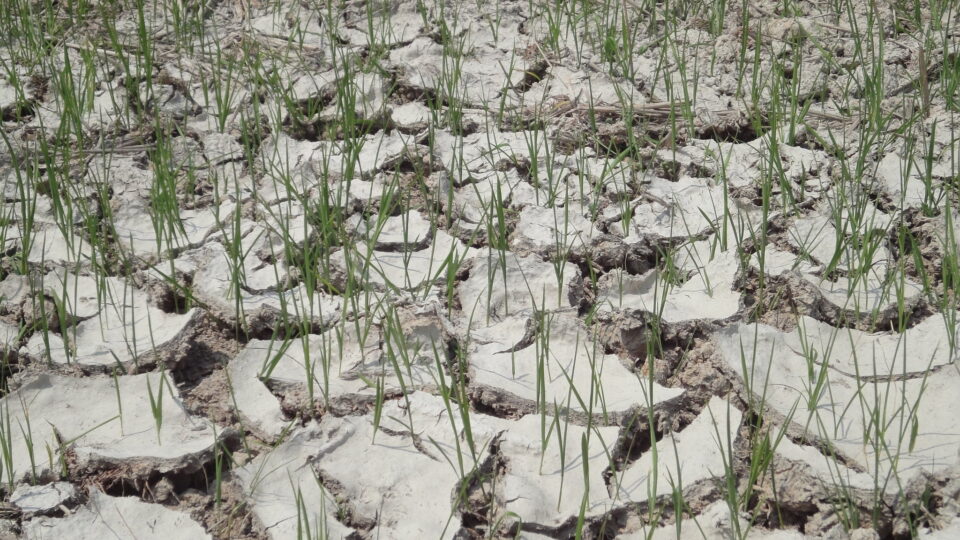
According to a new report led by researchers from the University of Queensland in Australia, mega-droughts are expected to increase as global temperatures rise with the progression of climate change.  While mega-droughts have no strict scientific definition, most studies – including this one – define them as prolonged droughts lasting two decades or longer. 

The research team analyzed geological records from the Eemian Period – 129,000 to 116,000 years ago – to create a model of what to expect over the next 20-50 years.  The Eemian Period is the most recent in Earth’s history when global temperatures were similar – or maybe even slightly warmer – than they are today. 

By analyzing the climate during this period, the research team found that the world will likely experience increased water scarcity, reduced winter snow cover, more frequent wildfires and wind erosion as a result of global warming.

In the report, which was recently issued by the University of Queensland, the researchers collaborated with the New South Wales Parks and Wildlife Service to identify stalagmites in the northern section of Kosciuszko National Park.  They were able to study small samples of calcium carbonate powder contained in the cave stalagmites, allowing them to identify periods of reduced precipitation during the Eemian Period. 

Historically, mega-droughts have been associated with mass exoduses of people from the affected areas.  In fact, mega-droughts are suspected of contributing to the collapse of several pre-industrial civilizations across Southeast Asia and the Americas.

If humans continue to warm the planet, the researchers say more mega-droughts will be in our future.

**********

Web Links

Expect more mega-droughts

Photo, posted March 28, 2014, courtesy of Marufish via Flickr.

Earth Wise is a production of WAMC Northeast Public Radio.

More Extreme Weather | Earth Wise

November 23, 2020 By EarthWise Leave a Comment

the costs of extreme weather

If it seems like natural disasters happen more frequently than they used to, that is because they do.  A new report from the United Nations entitled “The Human Cost of Disasters 2000-2019” provides the facts.  From 2000 to 2019, there were 7,348 natural disasters around the world, compared with 4,212 natural disasters from 1980-1999. 

The culprit is the climate.  Climate-related disasters increased from 3,556 events during the 1980-1999 period to 6,681 in the past 20 years, again an increase of more than 3,000.

The global economic losses associated with natural disasters have been staggering.  The earlier 20-year period saw $1.63 trillion in losses while the recent period resulted in $2.97 trillion in losses.   Disasters killed 1.19 million people in the earlier period and 1.23 million in the recent period.  It is a testimonial to the skills and efforts of disaster management agencies, civil protection departments, fire brigades, public health authorities, the Red Cross and Red Crescent, and many NGOs that the cost in human lives was not much greater over the past 20 years.

According to a statement from the UN, human society is being willfully destructive.  They draw that conclusion in light of reviewing the disaster events over the past 20 years and seeing the failure of society to act on science and early warnings to invest in prevention, climate change adaptation, and disaster risk reduction.  

**********

Web Links

Extreme Weather Events Have Increased Significantly in the Last 20 Years

Photo, posted September 18, 2020, courtesy of the National Guard via Flickr.

Earth Wise is a production of WAMC Northeast Public Radio.

Nitrous Oxide Is No Laughing Matter | Earth Wise

November 10, 2020 By EarthWise Leave a Comment

nitrous oxide is a big climate problem

Carbon dioxide is the most well-known of greenhouse gases.  But there are others deserving of their own spotlight.  Nitrous oxide is one of them.  It turns out that the same “laughing gas” once used by dentists as an anesthetic is pretty bad for the environment.  In fact, it’s more than 300 times more potent as a greenhouse gas than carbon dioxide, and it can remain in the atmosphere for more than 100 years.

According to a new study by a team of international scientists, rising nitrous oxide emissions around the world are jeopardizing the climate goals of the Paris Agreement.  The growing use of nitrogen fertilizers in global food production is increasing atmospheric concentrations of nitrous oxide.

The study, which was led by Auburn University and recently published in the journal Nature, finds that nitrous oxide emissions are increasing faster than any emission scenario developed by the Intergovernmental Panel on Climate Change.  The current trajectory would lead to global mean temperature increases well above 3°C from pre-industrial levels.  The Paris Agreement aims to limit global warming to less than 2°C.    

According to the study, nitrous oxide levels have risen 20% from pre-industrial levels, with the fastest growth observed in the last 50 years due to emissions from human activities.  The largest contributors to nitrous oxide emissions come from East Asia, South Asia, South America, and Africa.  The United States, China, and India dominate nitrous oxide emissions from synthetic fertilizers, while Africa and South America dominate releases of nitrous oxide from natural sources, like livestock manure. 

Nitrous oxide emissions pose an increasing threat to the climate.  

**********

Web Links

Nitrous oxide emissions pose an increasing climate threat, study finds

Photo, posted April 22, 2012, courtesy of Bill Meier via Flickr.

Earth Wise is a production of WAMC Northeast Public Radio.
Paying To Combat Climate Change | Earth Wise

November 2, 2020 By EarthWise Leave a Comment

Fighting climate change

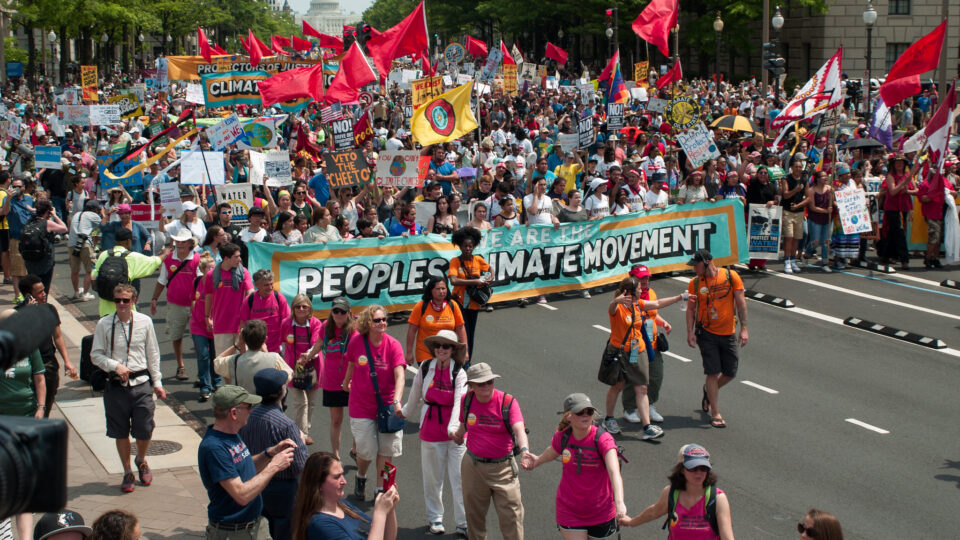
The majority of Americans believe that climate change is happening, that human activities are largely responsible, and are actually willing to put up their own money to help fight it.   Unfortunately, these views diverge sharply along party lines and, as in many other areas these days, the will of the overall majority has little influence on policy.

According to Yale University research, 73% of adults think that global warming in happening and 57% think it is mostly caused by human activities.  Furthermore, only 32% believe it is due to natural forces.

A survey conducted in the U.S. in August found that more than two-thirds of Americans – actually 70% – indicated willingness to donate a percentage of their personal income to support the fight against climate change.

Breaking that down further, 28% were willing to provide less than 1% of their income, 33% were willing to contribute 1-5% of their income, 6% said they would give 6-10% of their income, and 3% said they would contribute more than 10% of their income.  On the other hand, roughly 30% indicated that they were unwilling to contribute.

The survey also looked at opinions on how the fight against climate change should be paid for.  The majority (59%) chose government incentives for both businesses and consumers.   Three other options each favored by over 40% of those surveyed were taxes, conservation programs, and business investments. 

Another finding of the survey was that 44% are dissatisfied with the job that the federal and state governments are doing to address climate change, 35% are somewhat satisfied, and only 21% are very or completely satisfied with the government’s role.

**********

Web Links

Yale Climate Opinion Maps 2020

Two-thirds of Americans are willing to donate part of their income to fight climate change

Photo, posted April 29, 2017, courtesy of majunznk via Flickr.

Earth Wise is a production of WAMC Northeast Public Radio.

Marine Life Moving The Wrong Way | Earth Wise

October 26, 2020 By EarthWise Leave a Comment

Some marine species are migrating the wrong way

As the oceans have warmed in recent decades, various marine species ranging from whales to corals have begun to shift poleward in search of cooler waters.  But a new study, reported in the journal Nature Climate Change, found that many sedentary marine species – including snails, worms, and mussels – are actually being transported in the wrong direction.

What is happening is that bottom-dwelling species – also known as benthic species – in the northwest Atlantic Ocean are spawning earlier in the year because of the warmer water temperatures.  But earlier in the year is when ocean currents travel southward.  As a result, the larvae of these animals are being carried into warmer waters rather than cooler ones, threatening their survival and shrinking their ranges.  These larvae grow into adults in these warmer regions and are basically trapped there.  This creates a feedback loop where the situation for the species gets worse and worse.  Species like common sand dollars and the economically important blue mussel have had a 30 to 50% contraction of their ranges.

The result is that a number of bottom-dwelling species that previously were quite abundant have entirely disappeared from the outer shelf.

The researchers at Rutgers University likened this “wrong-way migration” of bottom-dwelling marine life to so-called elevator-to-extinction events that have been taking place in mountainous regions.  This is where species such as birds and butterflies move to higher and higher elevations to escape rising temperatures until there is nowhere else for them to go.

The essential fact that this research reveals is that species don’t necessarily move to places where the climate is congenial for them.  They may unfortunately end up migrating to even worse conditions.

**********

Web Links

As Oceans Warm, Some Species Are Moving in the Wrong Direction

Photo, posted June 10, 2016, courtesy of James_Seattle via Flickr.

Earth Wise is a production of WAMC Northeast Public Radio.
The Changing Climate Is Changing Insurance

October 21, 2020 By EarthWise Leave a Comment

Climate Change is Changing Insurance

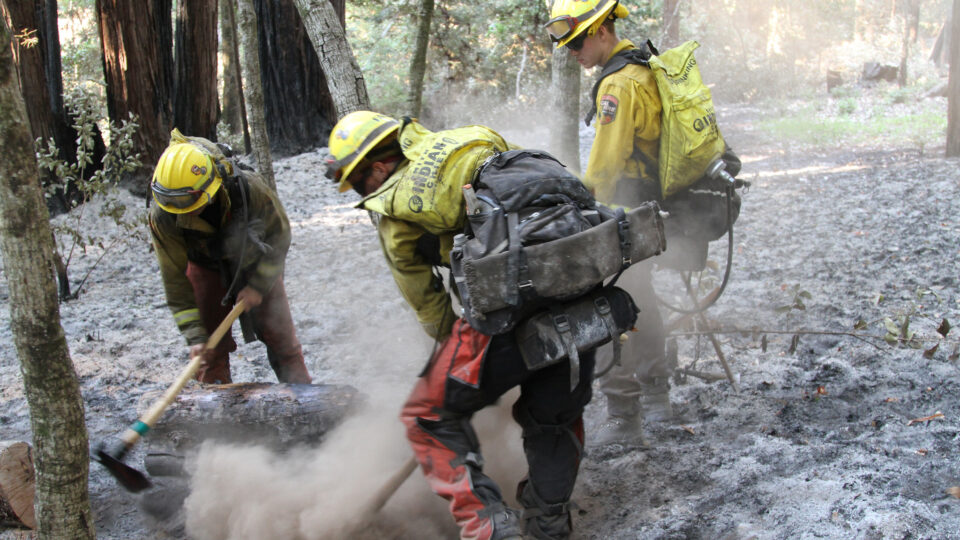
As the climate changes, wildfires get bigger and more destructive and hurricanes and powerful storms are more frequent and damaging.  In places where these things are occurring, it is getting harder and more expensive for many homeowners to get insurance.  The affordability of home insurance in the face of climate change has become a huge issue in many states.

In California, the number of homeowners who got non-renewal notices from their insurance companies rose by 6% between 2017 and 2018.  In areas directly affected by wildfires between 2015 and 2017, that number jumped by 10%. Similar things have happened in Florida, Louisiana, Mississippi, and Texas, where hurricanes and flooding have caused extensive damage.  Because of this, many homeowners have been forced to turn to bare-bone plans such as the California Fair Access to Insurance Plan, which can cost two or three times as much as normal insurance policies.

According to a 2019 survey of insurance companies, more than half of insurance regulators said that climate change was likely to have a high impact or an extremely high impact on the availability of insurance coverage and the assumptions used for underwriting.  In the past, governments have been able to mandate coverage in certain areas or even provide coverage themselves in some cases.  As the occurrence of climate-related damage becomes increasingly frequent, homeowners have to face up to a grim reality.

The challenges of dealing with wildfires, floods, powerful storms, and the like are significant enough for people who live in high-risk areas.  Increasingly, home insurance in these places is becoming much more expensive, harder to find, and is worth less.

**********

Web Links

As Climate Impacts Worsen, Homeowners Struggle to Find Affordable Insurance

Photo, posted September 1, 2020, courtesy of The National Guard via Flickr.

XXXXXXXXXXXXXXXXX

Climate Change and Komodo Dragons | Earth Wise

October 12, 2020 By EarthWise Leave a Comment

climate change threatens komodo dragons

The Komodo dragon is the world’s largest and most iconic lizard.  Growing up to 10 feet long and weighing up to 360 pounds, Komodo dragons are endemic to five islands in southeast Indonesia, four of which are part of Komodo National Park, as well as a fifth that has three nature reserves.  Komodo dragons have existed on earth for at least four million years, and it’s estimated that 4,000 of them survive in the wild today.

But according to a new study by researchers from the University of Adelaide and Deakin University in Australia, Komodo dragons could soon be driven to extinction.  The research team found that the impacts of both global warming and sea level rise are likely to cause a sharp decline in  available habitat for Komodo dragons.  Current conservation strategies are not enough to avoid climate-driven Komodo dragon population declines. 

The study, which was recently published in the journal Ecology and Evolution, involved close collaboration with Komodo National Park and the Eastern Lesser Sunda Central Bureau for Conservation of Natural Resources.

Climate-change-informed decisions should be a common part of conservation practice.  According to the research team’s conservation model, Komodo dragons on two of the five Indonesian islands are less vulnerable to climate change.  But those two islands might not be enough for the survival of the species.  Conservation managers may need to translocate Komodo dragons in the future – to sites where these animals have not been found for decades – in order to protect the species from extinction. 

Without taking immediate action to mitigate climate change, the research team says many range-restricted species like Komodo dragons are at risk of extinction.

**********

Web Links

Climate change threatens Komodo dragons

Photo, posted August 6, 2016, courtesy of Tony Alter via Flickr.

Earth Wise is a production of WAMC Northeast Public Radio.

Crops May Need To Move | Earth Wise

October 5, 2020 By EarthWise Leave a Comment

Climate change might force crops to move

California has unique micro-climate diversity that creates ideal growing conditions for a wide range of crops.  One third of the vegetables and two-thirds of the fruits and nuts we eat in this country are grown on the more than 76,000 farms in California.  But as the climate continues to change, many farmers have started to worry about where and when crops can be grown in the future.   Within the next 20 years or so, some parts of California may become too hot and dry to sustain agricultural production.

According to new research from the Lawrence Berkeley National Laboratory, by the years 2045-2049, warmer temperatures will have a significant effect on cool-season crops such as broccoli and lettuce such that their growing season will need to shift.  On the other hand, warm-season crops like cantaloupe, tomatoes, and carrots will need to move to entirely new growing locations.

The study looked at five key crops that are produced more in California than elsewhere and studied the climate conditions under which they prosper and those under which they fail.  They established the range of conditions for which the crops can remain successful.  Finally they looked at climate projections for various parts of the state.

California’s agriculture is an essential part of our food security, so it is important to predict how future warming will affect when and where crops can be grown.  Changing these things presents challenges.  For example, when considering relocating crops, growers have specialized knowledge of their land and their crops.  If crops need to move to a new area, either the farmers have to move to that area, or they have to grow a different crop.  Either way, it presents a practical and economic burden on the farmer.

**********

Web Links

Some of America’s Favorite Produce Crops May Need to Get a Move On by 2045

Photo, posted June 16, 2011, courtesy of the U.S. Department of Agriculture via Flickr.

Earth Wise is a production of WAMC Northeast Public Radio.
The Dangers Of Negative Emissions Technologies | Earth Wise

September 28, 2020 By EarthWise Leave a Comment

The dangers of negative emissions technologies

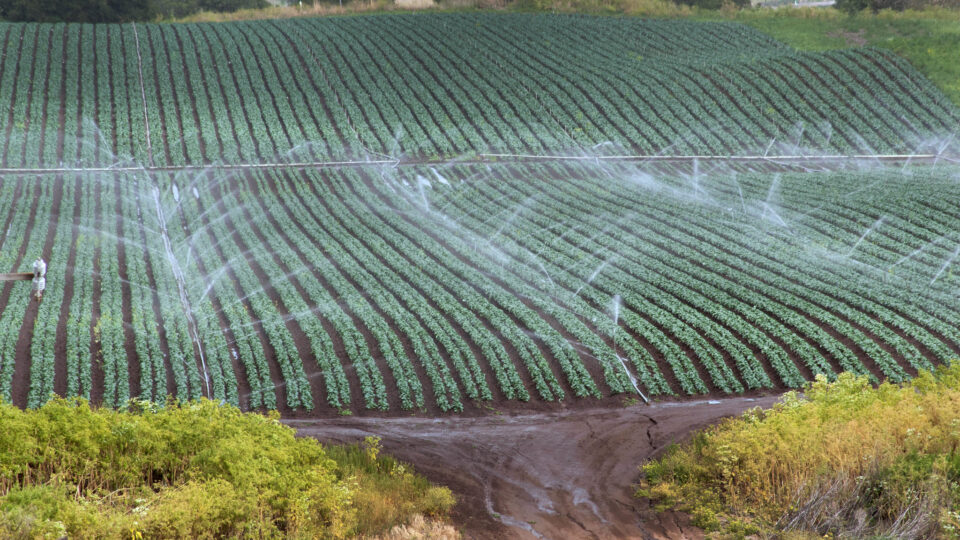
Reducing carbon emissions is not easy and there are plenty of people who don’t even want to try for various reasons, generally related to their perceived economic interests and convenience.  As a result, there is a great deal of interest in so-called negative emissions technologies or NETs.   These are methods for removing carbon dioxide from the atmosphere.  Even the UN Intergovernmental Panel on Climate Change assumes that NETs will play a role in mitigating the effects of climate change and meeting international goals.

The most widely studied approaches to negative emissions technology are bioenergy with carbon capture and storage – which entails growing crops for fuel, and then capturing and burying the CO2 produced from burning the fuel; planting more forests; and direct air capture, which involves actually pulling CO2 out of the air and storing it – probably underground. 

A new study published in Nature Climate Change points out that none of these technologies has even been tried at the demonstration scale, much less at the massive levels required to make a dent in current CO2 emissions. 

Their analysis of the biofuel and reforestation strategies show that each would take up vast land and water resources already needed for agriculture and nature.  Air capture uses less water than the other two approaches, but still uses quite a bit and even more energy, which if supplied by fossil fuels, would offset the benefits of carbon capture.

Negative emissions technologies may well play an important role in combating climate change, but it is essential that we understand what the consequences will be from implementing them.  We need to know the pitfalls that could arise.  It would be a major mistake to simply count on NETs to be some kind of silver bullet.

**********

Web Links

Remove CO2 from the air? Don’t bet on it before examining costs, researchers say

Photo, posted January 11, 2008, courtesy of Al Pavangkanan via Flickr.

Earth Wise is a production of WAMC Northeast Public Radio.
Ocean Currents And Climate Change | Earth Wise

September 22, 2020 By EarthWise Leave a Comment

Climate change intensifies marine heatwaves

Oceans cover more than 70% of the earth and absorb 94% of incoming solar radiation.  As a result, oceans play a major role in the climate system.  With their massive size and capacity to store heat, oceans help keep temperature fluctuations in check.  But oceans also play a more active role.  Ocean currents are responsible for moving vast amounts of heat around the planet.  

According to a paper recently published in the journal Nature Communications, the world’s strongest ocean currents will experience more intense marine heatwaves than the global average in the coming decades.  These strong ocean currents play key roles in fisheries and ocean ecosystems.  

Sections of the Gulf Stream near the United States, the Kuroshio Current near Japan, the East Australian Current near Australia, and the Antarctic Circumpolar Current will all see more intense marine heatwaves over the next 30 years. 

Scientists from the University of Tasmania and CSIRO in Australia relied on high-resolution ocean modeling to carry out their research.  They confirmed the model’s accuracy by comparing outputs with observations from 1982-2018.  They then used the same model to project how marine heatwaves would alter with climate change out to 2050.

The model projects, for example, that intense marine heatwaves are more likely to form well off the coast of Tasmania, while more intense marine heatwaves along the Gulf Stream start to appear more frequently close to the shore from Virginia to New Brunswick, Canada. 

Marine heatwaves are on the rise globally, but knowing where they will occur and how much hotter they will be will help policymakers, ecologists, and fisheries experts in their regional decision-making. 

**********

Web Links

Where marine heatwaves will intensify fastest: New analysis

Photo, posted April 17, 2016, courtesy of Nicolas Henderson via Flickr.

Earth Wise is a production of WAMC Northeast Public Radio.

  • « Go to Previous Page
  • Page 1
  • Interim pages omitted …
  • Page 12
  • Page 13
  • Page 14
  • Page 15
  • Page 16
  • Interim pages omitted …
  • Page 21
  • Go to Next Page »

Primary Sidebar

Recent Episodes

  • An uninsurable future
  • Clean energy and jobs
  • Insect declines in remote regions
  • Fossil fuel producing nations ignoring climate goals
  • Trouble for clownfishes

WAMC Northeast Public Radio

WAMC/Northeast Public Radio is a regional public radio network serving parts of seven northeastern states (more...)

Copyright © 2026 ·