• Skip to primary navigation
  • Skip to main content
  • Skip to primary sidebar

Earth Wise

A look at our changing environment.

  • Home
  • About Earth Wise
  • Where to Listen
  • All Articles
  • Show Search
Hide Search
You are here: Home / Archives for climate

climate

Greenland Glaciers Past The Point Of No Return | Earth Wise

September 18, 2020 By EarthWise Leave a Comment

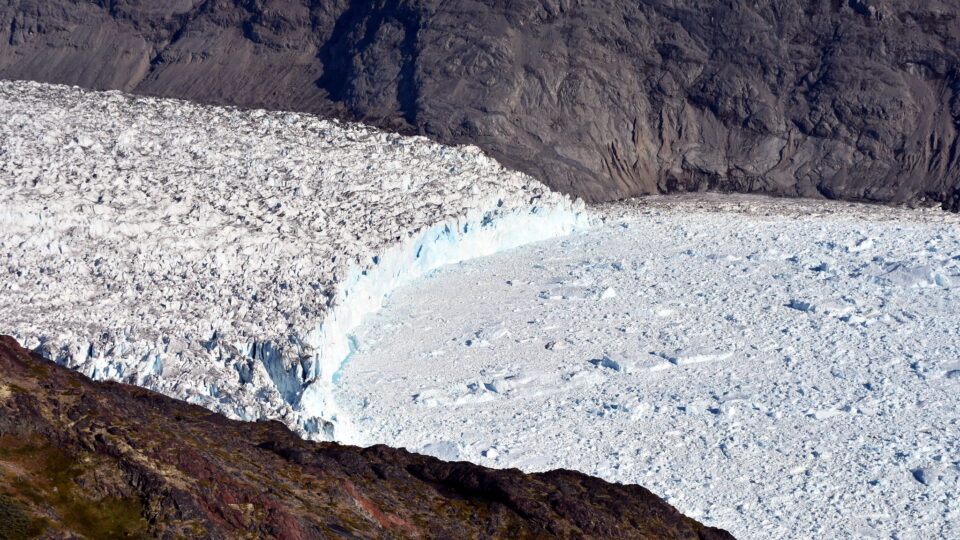
warming greenland glaciers

Forty years of satellite data from Greenland shows that the glaciers on the island have shrunk so much that even if global warming came to an abrupt halt, the Greenland ice sheet would continue to shrink.

This conclusion was published in the journal Communications Earth and Environment by researchers at Ohio State University.  According to their study, Greenland’s glaciers have passed a tipping point where the snowfall that replenishes the ice sheet each year can no longer keep up with the ice that is flowing into the ocean from the glaciers.

The study analyzed monthly satellite data from more than 200 large glaciers that drain into the ocean around Greenland.  It looked at how much ice breaks off into icebergs or melts from the glaciers into the ocean as well as the amount of snowfall each year that replenishes the glaciers.

Throughout the 1980s and 90s, these two processes were mostly in balance, keeping the ice sheet intact.  But the amount of ice being lost each year started to increase steadily around the year 2000 while there was no increase in snowfall.   Both processes fluctuate from year to year, but the baseline for ice loss has steadily risen.  Before 2000, the Greenland ice sheet had about the same chance of gaining or losing mass each year.  At this point, the ice sheet is likely to gain mass in only one out of every 100 years.

Large glaciers in Greenland have retreated about 2 miles since 1985, so that many of them are sitting in deeper water with more ice in contact with warmer water making it harder for glaciers to grow back.  At this point, even if the climate reverses its trend, the ice sheet will continue to lose mass.

**********

Web Links

Warming Greenland ice sheet passes point of no return

Photo, posted August 27, 2015, courtesy of Joxean Koret via Flickr.

Earth Wise is a production of WAMC Northeast Public Radio.
The Menace Of Abandoned Oil Wells | Earth Wise

August 3, 2020 By EarthWise Leave a Comment

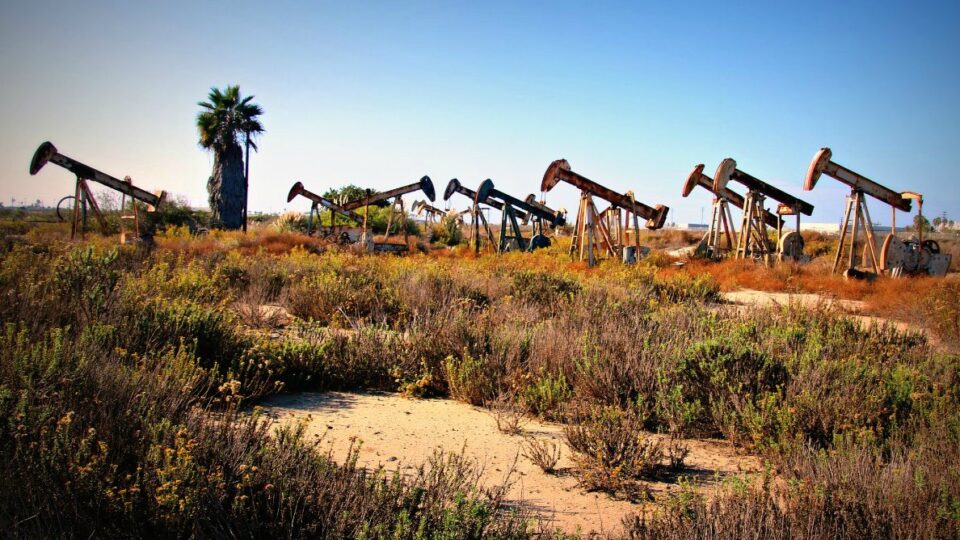
Abandoned oil wells are leaking methane

More than a century of oil and gas drilling has left behind millions of abandoned wells and many of them are leaching pollutants into the air and water.  Drilling companies continue to abandon even more wells as demand for oil diminishes and bankruptcies become more common.

Leaks from abandoned wells have long been known to be an environmental problem and a health hazard.  They have been linked to many instances of groundwater contamination and to dangerous fumes near homes and farms.

There have recently been efforts to track the amounts of methane leaching from abandoned oil and gas wells, and the figures in United States are alarming.  According to the most recent EPA report, more than 3.2 million abandoned oil and gas wells emitted a total of 281,000 tons of methane in 2018.  That is the climate-damage equivalent of consuming about 16 million barrels of crude oil, which is as much as the U.S. uses in a typical day.  According to the EPA, the actual amount could be as much as three times higher, because of incomplete data.   The agency believes that most of the methane comes from more than 2 million abandoned wells that were never properly plugged.

New York’s Department of Environmental Conservation has records of over 2,000 abandoned wells, but the state believes the actual number could be much higher.  This is a problem that won’t just go away.  Wells don’t leak for a year and then stop.  They can continue to leak for a century or more.  Cleaning up and plugging an abandoned well runs from $20,000 to $145,000, meaning that countrywide, cleaning up this environmental menace could cost somewhere between $60 billion and $435 billion.

**********

Web Links

Special Report: Millions of abandoned oil wells are leaking methane, a climate menace

Photo, posted October 13, 2015, courtesy of Flickr.

Earth Wise is a production of WAMC Northeast Public Radio.
Family Forests And Climate Change | Earth Wise

July 13, 2020 By EarthWise Leave a Comment

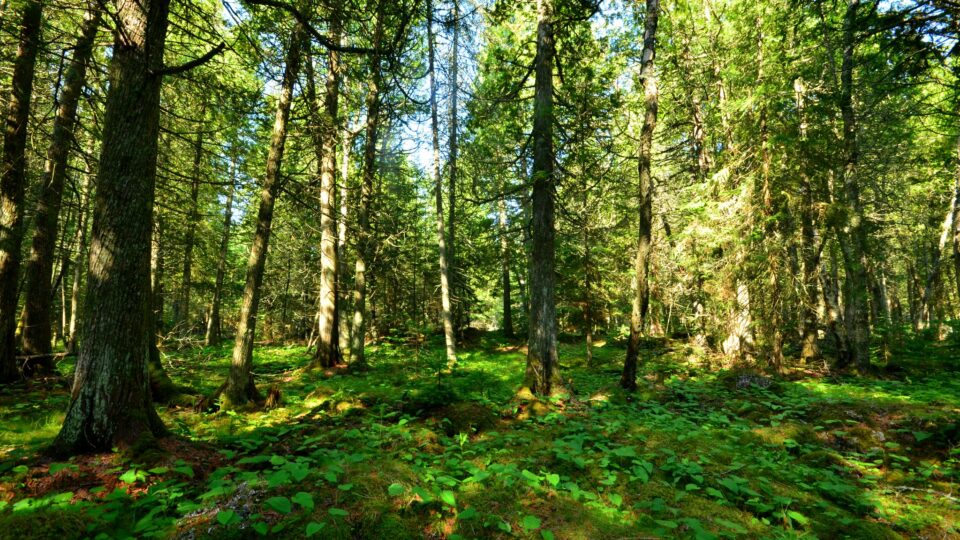
family forests can help meet the climate challenge

Climate experts consider sequestration and storage of carbon in trees to be among the most affordable and scalable natural climate solutions.  If implemented globally, trees could provide a third of the near-term climate change mitigation needed to meet the terms of the Paris Agreement.

Small family-owned forests make up 38% of U.S. forests, a total area 1.5 times the size of Texas and more than any other ownership type.  Most small landowners want to do right by their land, but they rarely have access to the expertise or resources needed to optimize their forests for carbon sequestration.

This spring, the Nature Conservancy, the American Forest Foundation, and the Vermont Land Trust announced two new programs, funded in part by a $10 million grant by Amazon, that will provide funds to small landowners to grow larger, healthier forests.

Few forests are managed for carbon sequestration.  Practices like fast logging rotations, so-called high-grading that strips out the largest, most valuable trees, and rampant invasive species all compromise the ability of a forest to lock away carbon.  It turns out that most small landowners would like to do better, but they don’t have the expertise or the financial resources to implement sustainable management.

Existing carbon markets are not geared towards small forest owners.  Their payments are tiny and the required contract terms are onerous.  The Family Forest Carbon Program commits landowners for only 10 to 20 years.  Typical landowners won’t get a windfall.  A 100-acre landholding would stand to earn around $24,500 over 20 years. 

If these programs can sign up 20% of U.S. forest landowners, it could offset the emissions from 6 million cars.

**********

Web Links

How Small Family Forests Can Help Meet the Climate Challenge

Photo, posted July 14, 2013, courtesy of Joshua Mayer via Flickr.

Earth Wise is a production of WAMC Northeast Public Radio.

Plant-Based Bottles | Earth Wise

June 30, 2020 By EarthWise Leave a Comment

Single-use plastic soda and water bottles are a real problem.  Every year, billions of them are produced – comprising nearly 300 million tons of plastic that mostly ends up in landfills or in the ocean.   This discarded plastic ends up on remote islands, in the snow atop mountains, and in trenches in the deepest parts of ocean.

There has been increasing pressure on beverage companies to put an end to this environmental disaster, but the convenience and economy of disposable bottles is just too attractive.

These bottles are made of plastic derived from oil and once they are produced, they take decades or even centuries to decompose.  Recycling them is a not-starter because it is cheaper to just make new ones.

A possible solution has emerged.  A Dutch company called Avantium has found a way to take plant sugars and transform them into a plastic capable of standing up to carbonated beverages like soda and beer but that will also break down in as little as a year in a composter or 3 years if left exposed to the elements.

Coca Cola and Carlsberg are working with Avantium to develop new drink packaging based on their material that could be in stores as soon as 2023.  The new packaging would be quite different from what we use today.  Instead of a clear or tinted bottle, beverages would come inside a cardboard container with a liner made of plant-based plastic.

It may take a while for people to get used to the change, but we have already managed to get used to milk, juice and other liquids coming in cardboard containers instead of glass or plastic bottles.  The benefits to the planet would make the effort well worthwhile.

**********

Web Links

Plant-Based Bottles Could Degrade In One Year

Photo courtesy of Avantium.

Earth Wise is a production of WAMC Northeast Public Radio.

Living In Extreme Heat | Earth Wise

June 3, 2020 By EarthWise Leave a Comment

extreme heat from climate change

Global climate change has already left observable effects on the planet.  Glaciers have shrunk, trees are flowering sooner, plant and animal ranges have shifted, and so on. Many effects of climate change that scientists had predicted in the past are now occurring.  The loss of sea ice, intensifying heat waves, and accelerating sea level rise are some examples.

According to a new study recently published in the journal Proceedings of the National Academy of Sciences, climate change is going to affect humans earlier, harder, and more widely than previously projected.  The research team found that one billion people will be either displaced or endure insufferable heat for every one degree Celsius rise in global temperatures.  

Under a worst case climate scenario, land that one third of the world’s population currently calls home will be as hot as the hottest parts of the Sahara desert within 50 years.  Even under a more optimistic climate outlook, 1.2 billion people will still be exposed to temperatures outside the climate niche in which humans have thrived for at least 6,000 years.

The majority of the human population has always lived in regions where the average annual temperatures were between 43 degrees Fahrenheit and 82 degrees Fahrenheit.  These are ideal temperatures for human health and for food production.  But this temperature range is shrinking and shifting as a result of climate change. 

The study’s authors predict there will be more change in the next 50 years than there has been in the past 6,000 years.  They hope their findings will convince policymakers to accelerate their plans for emissions reductions and other climate mitigation strategies.   

**********

Web Links

Future of the human climate niche

One billion people will live in insufferable heat within 50 years – study

Photo, posted November 22, 2008, courtesy of Ronnie Finger via Flickr.

Earth Wise is a production of WAMC Northeast Public Radio.

Planting Trees and Climate Change | Earth Wise

June 1, 2020 By EarthWise Leave a Comment

tree plantings and climate change

Forests are among the most important natural carbon sinks.  Trees remove carbon from the air and store it in their trunks, branches, and leaves, and transfer part of it into the soil.  But in some regions, these natural carbon sinks are starting to weaken due to deforestation, forest degradation, and the impacts of climate change.  This problem has led some climate mitigation projects to focus on increasing the overall number of trees on the planet. 

But, according to a paper recently published in the journal Science, “we can’t plant our way out of climate change.”  That’s the simple message from Restoration Ecologist Karen Holl and University of São Paulo Professor Pedro Brancalion to anyone who thinks planting one trillion trees will reverse the effects of climate change.  They say planting more trees is only one piece of the puzzle.  Any initiatives like 1t.org or the Trillion Tree Campaign must be done carefully and be accompanied by commitments to long-term management.

Tree plantings can provide many environmental benefits, including improving water quality, biodiversity, and increasing shade.  But trees can sometimes have undesirable impacts, such as harming native species and ecosystems or reducing water availability, depending on where and how the trees are planted.

The authors suggest four principles that should guide forest enhancement initiatives: reduce forest clearing and degradation, balance ecological and social goals, view tree plantings as one part of a multifaceted solution, and plan, coordinate and monitor the work. 

While tree plantings can clearly be part of the solution, slowing the pace of climate change requires a comprehensive approach that must start with burning less fossil fuels.

**********

Web Links

Challenges in tree-planting programs

Planting trees is no panacea for climate change

Photo, posted December 1, 2019, courtesy of Akuppa John Wigham via Flickr.

Earth Wise is a production of WAMC Northeast Public Radio.
Methane-Eating Bacteria And Greenhouse Gas Emissions | Earth Wise

May 20, 2020 By EarthWise Leave a Comment

greenhouse gas emissions

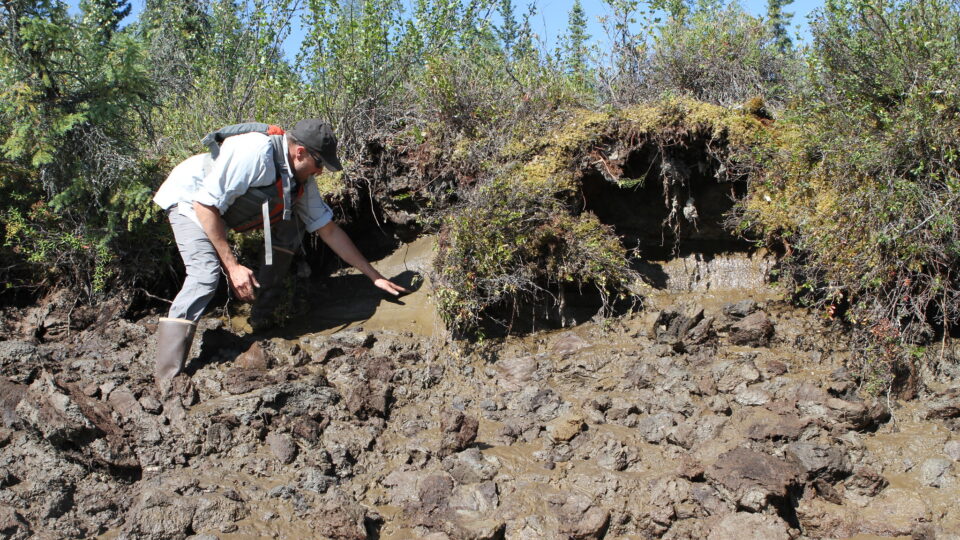
One of the great concerns about the warming Arctic temperatures is that thawing permafrost will release alarming amounts of methane into the atmosphere.  Organic material in the permafrost begins to decompose when temperatures rise, and methane is released in the process.

Methane is a far more potent greenhouse gas than carbon dioxide.  Methane’s lifetime in the atmosphere is much shorter than carbon dioxide, but it is more efficient at trapping radiation.  Pound for pound, the comparative impact of methane is more than 25 times greater than carbon dioxide.

A new study, published by scientists at Purdue University, has discovered a type of methane-oxidizing bacteria living in upland Arctic soils that could potentially be reducing the amount of methane emitted by decomposing permafrost.

The findings of the research indicate that the net greenhouse gas emissions from the Arctic may be much smaller than previously modeled because of the increased productivity of a type of bacteria known as high affinity methanotrophs, or HAMs.  This group of bacteria uses atmospheric methane as an energy source.  The emissions from wetlands will potentially be very large, but the contribution from the uplands will be mitigated by the bacteria.

Organic-rich soils, including permafrost, comprise only 13% of the Arctic land area and are the major source of methane emissions.  The other 87% of the region is dominated by mineral-rich soils that support HAMs.  Because of this, overall methane emissions continue to be less than climate models have predicted.

While this is good news, the researchers warn that Arctic emissions overall will continue to increase as shown in other studies.

**********

Web Links

Methane-Eating Bacteria Could Help Decrease Greenhouse Gas Emissions From Thawing Arctic Tundra

Photo, posted July 12, 2016, courtesy of Flickr.

Earth Wise is a production of WAMC Northeast Public Radio.

More Extreme Wildfire Seasons | Earth Wise

April 29, 2020 By EarthWise Leave a Comment

extreme wildfire seasons

According to a new study led by researchers at Stanford University, autumn in California feels more like summer now as a result of climate change, and this hotter and drier weather increases the risk of longer and more dangerous wildfire seasons.

The research team, whose work was recently published in the journal Environmental Research Letters, found that the frequency of extreme fire weather conditions in the fall in California has doubled since the early 1980s.  Average temperatures during the season have increased by more than 2 degrees Fahrenheit, and rainfall has fallen by approximately 30%.  The most pronounced warming has occurred in the late summer and early fall.  That finding means that tinder-dry conditions coincide with the strong “Diablo” and “Santa Ana” winds that are typical in California at this time of year.     

In recent years, these conditions have fed large and fast-moving wildfires across California.  The state’s two largest wildfires, two most destructive wildfires, and the most deadly wildfire all occurred during 2017 and 2018, resulting in more than 150 deaths and $50 billion in damage.

Because summertime has typically been peak fire season, the recent spate of autumn fires is putting a strain on firefighting resources and funding.  The ongoing COVID-19 pandemic could further strain emergency resources.  Since fire-prone regions have historically shared  wildfire-fighting resources throughout the year, the consequences of California’s extended wildfire season could have a global impact.  (For example, California’s recent autumn wildfires have coincided with the beginning of wildfires in Australia). 

The researchers highlight some opportunities to manage the intensifying wildfire risk in California, including limiting the trajectory of global warming in keeping with the targets identified in the United Nations’ Paris agreement.

**********

Web Links

Researchers forecast longer, more extreme wildfire seasons

Photo, posted September 12, 2019, courtesy of the California National Guard via Flickr.

Earth Wise is a production of WAMC Northeast Public Radio.
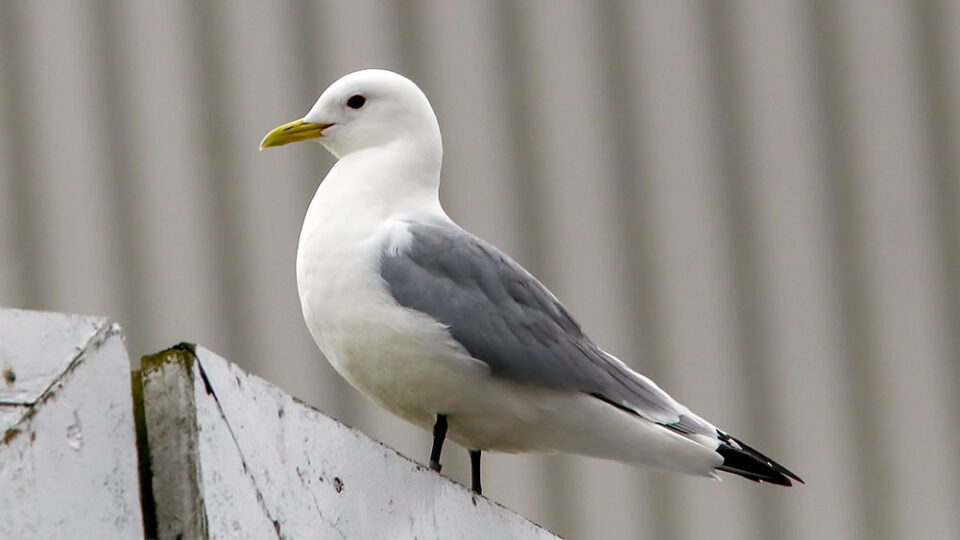
Boutique Hotels For Birds | Earth Wise

April 28, 2020 By EarthWise Leave a Comment

building boutique hotels for threatened birds

The changing Arctic climate has had a drastic effect on its seabirds.  In fact, seabirds worldwide are in crisis, with global populations plummeting nearly 70% over the past 70 years as a result of climate change, over-fishing, habitat loss, and other human impacts on their environment.

Above the Arctic circle in Norway, seabird behavior has changed dramatically.  Black-legged kittiwakes – which are the most seafaring member of the gull family – used to nest in cliffs over the ocean and seldom ventured inland.  But in recent years, that has changed.  Because of a warming ocean, increased storminess and other changes that are decimating chick populations in their normal habitat, the birds have been setting up housekeeping in places like shopping centers and office buildings in Tromsø and other towns along Norway’s north coast.

Tromsø, Hammerfest and other towns at the very north end of Norway have become very popular with tourists seeking the Northern Lights and wanting to see glaciers before they disappear.  The booming tourism has been put on hold for the moment as it has elsewhere, but when it returns, the regions growing hotels and shopping areas are facing a problem.

The birds taking up residence on these buildings are unpleasant neighbors.  They are especially noisy during the breeding season and people are having to put up nets or spikes on buildings to discourage the kittiwakes from settling there.

Local ecologists are now building boutique hotels just for kittiwakes. Using abandoned buildings on piers, they are adding ledges for nesting, materials for nest-building, and electronic speakers that croon kittiwake songs.  The hope is that the birds will stay in their own hotels and leave the other ones for the human tourists.

**********

Web Links

Norwegians are building boutique hotels for threatened Arctic birds

Photo, posted April 14, 2018, courtesy of Charlie Jackson via Flickr.

Earth Wise is a production of WAMC Northeast Public Radio.
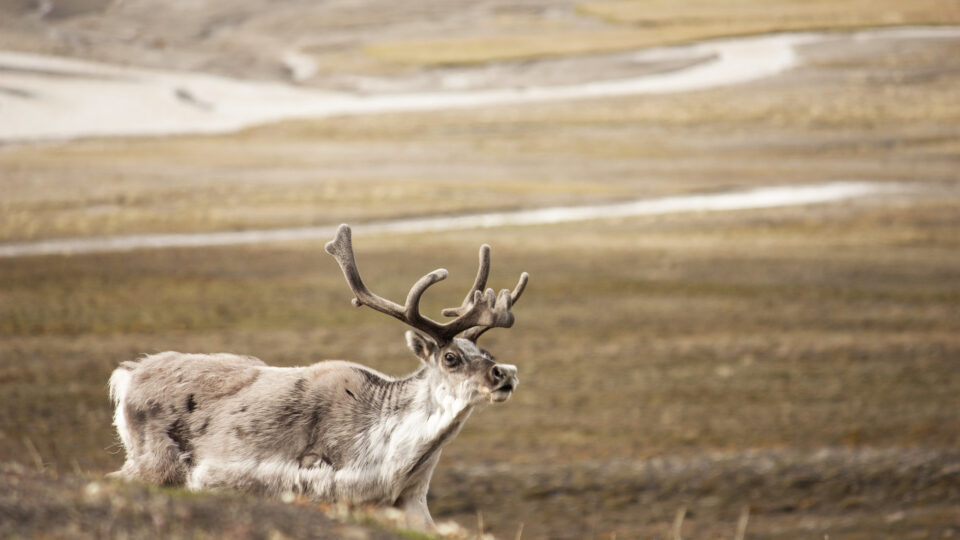
Saving The Arctic Permafrost | Earth Wise

April 17, 2020 By EarthWise Leave a Comment

Permafrost is frozen ground – a combination of soil, rock, sand, and ice – that remains at or below freezing for at least two consecutive years.  Approximately 25% of the land in the Northern Hemisphere meets this criterion, the majority of which can be found in northern Russia, Canada, Alaska, Iceland, and Scandinavia.

But as a result of the changing climate, these permafrost soils in the Arctic are beginning to thaw.  As they thaw, large quantities of greenhouse gases could be released, further accelerating climate change.  

A new study recently published in the journal Scientific Reports explores an unconventional countermeasure: resettling massive herds of large herbivores.  According to researchers from the University of Hamburg in Germany, herds of horses, bison, and reindeer could be used to significantly slow the loss of permafrost soils. 

During Arctic winters, the air temperature is often much colder than the permafrost.  Thick layers of snow can insulate the ground from the frigid air, keeping the permafrost warm (relatively speaking). But when the snow cover is scattered and compressed by the hooves of grazing animals, the insulating effect is reduced, which intensifies the freezing of the permafrost.

If climate change continues unchecked, the research team expects permafrost temperatures to rise 3.8-degrees Celsius.  This would result in half of the world’s permafrost thawing by the year 2100.  But in contrast, researchers found that the permafrost would only warm by 2.1 degrees Celsius with the resettled animals.  This 44% reduction in permafrost temperature would preserve 80% of the existing permafrost by 2100.

Natural manipulations of ecosystems could have tremendous results. 

**********

Web Links

How horses can save the permafrost

Photo, posted July 17, 2012, courtesy of Kitty Terwolbeck via Flickr.

Earth Wise is a production of WAMC Northeast Public Radio.
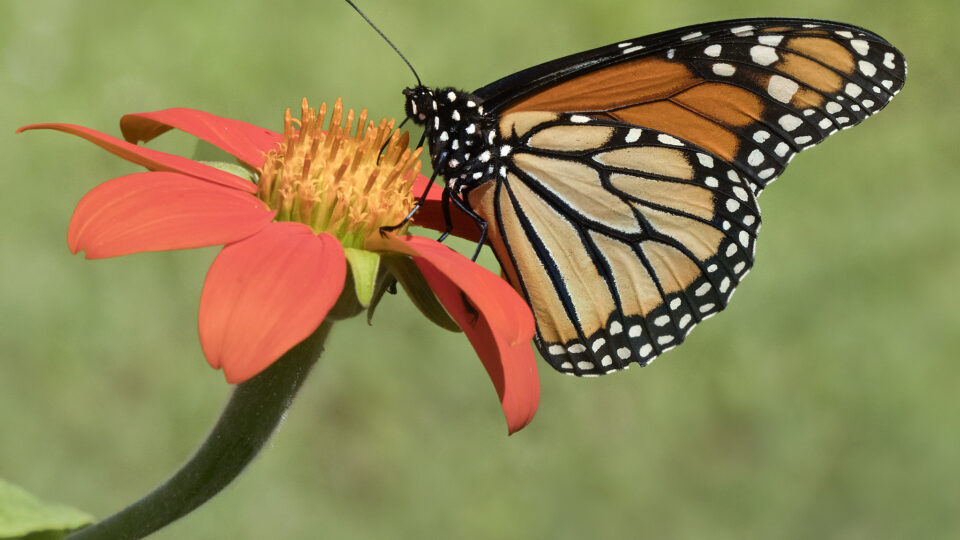
More Trouble For Monarchs | Earth Wise

April 14, 2020 By EarthWise Leave a Comment

the decline of monarch butterflies

Monarch butterflies have been in trouble for quite a while and now it seems like their prospects are worse than ever.  Multiple surveys of butterfly populations are reporting plummeting numbers.

Western monarch butterflies spend their winters on the central California coast.  Months later, they breed in California’s Central Valley and as far north and east as Idaho.  But in recent years, it has become harder and harder to find them in their breeding sites.

The Western monarch population was in the millions in the 1980s.  In 2017, an annual survey found 200,000 butterflies.  In 2018 and 2019, only about 30,000 butterflies were tallied.  The loss of Western butterflies in general has come about from a variety of factors, including development, climate change, farming practices and the widespread use of pesticides by farmers and on home and business lawns.

Scientists use the area of land that migrating Monarchs occupy in Mexico to gauge populations.  This year, they covered about 7 acres, down from 15 acres in 2019.

Meanwhile, there are also far fewer Eastern monarch butterflies on the opposite side of the country.  According to a new population survey, the Eastern monarch has passed the extinction threshold.  Its population in 2020 dropped 53% from its already low 2019 numbers.  Scientists were expecting lower numbers this year, but they were staggered by their findings.

Butterfly populations are quite variable, so it is possible that the drastic declines this year are not necessarily irreversible, but the news is not good.   Researchers and environmental advocates continue to point out that mitigating the climate crisis, reducing pesticide use and planting pollinator gardens could help the butterflies to recover.

**********

Web Links

Monarch Butterfly Populations Are Plummeting

Photo, posted September 7, 2017, courtesy of C. Watts via Flickr.

Earth Wise is a production of WAMC Northeast Public Radio.
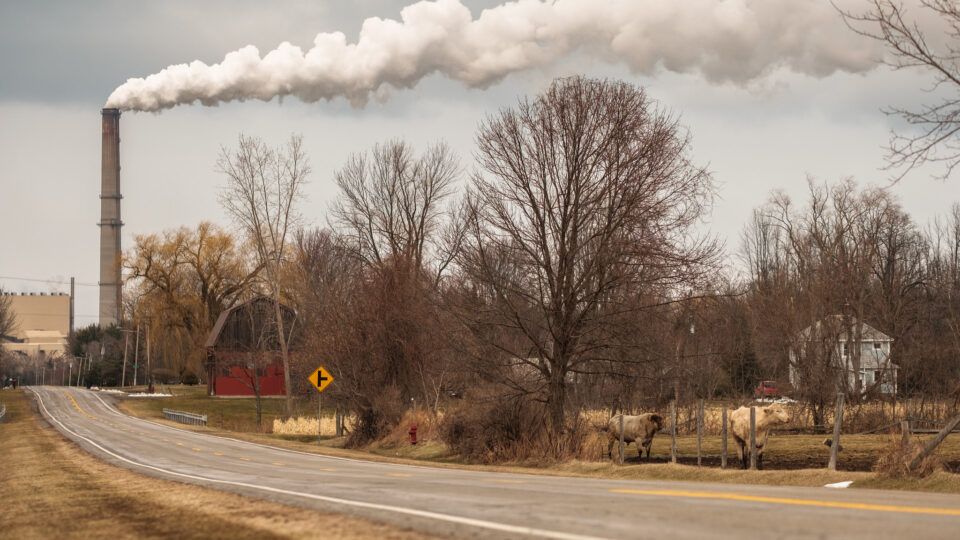
Last New York Coal Plant Closing | Earth Wise

April 13, 2020 By EarthWise Leave a Comment

closing coal power plants

The last coal-fired power plant in New York State is closing.  The plant, located in Barker, about an hour’s drive from Buffalo, employs 44 people.  The plant’s closure is an early test of New York’s new climate law, which is one of the most ambitious in the country.  The law is supposed to transform the state’s energy grid to carbon-free by 2040. 

Coal plants across the country are going offline, priced out by natural gas and targeted by regulations and incentives aimed at reducing greenhouse gas emissions.  Coal plant closures bring common challenges:  lost tax revenues and jobs as well as efforts to retrain workers and clean up sites.  Every plant has a specific place in a community, and each community has its own story.

The new climate law is supposed to create thousands of new jobs, including high-paying union jobs like the ones the employees in Barker are losing.  But jobs are scarce in the northwest corner of the state where Barker is located.

The state government has recently issued rules that would make it easier to get permission to build renewable energy sites, including wind turbines and solar farms, allowing applicants to bypass zoning rules and other local regulations.  But residents of rural towns have environmental and aesthetic concerns about these potential new energy plants.

In 2010, the United States had 580 coal-fired power plants providing 45% of the country’s electricity. By March 2018, there were fewer than 350 plants and coal’s market share had dropped to 30%.  At this point, there are about 224 plants producing 18% of the country’s power.  The writing is on the wall for coal power.

**********

Web Links

New York’s Last Coal-Fired Power Plant Is Closing

Photo, posted March 13, 2018, courtesy of Joed Viera via Flickr.

Earth Wise is a production of WAMC Northeast Public Radio.
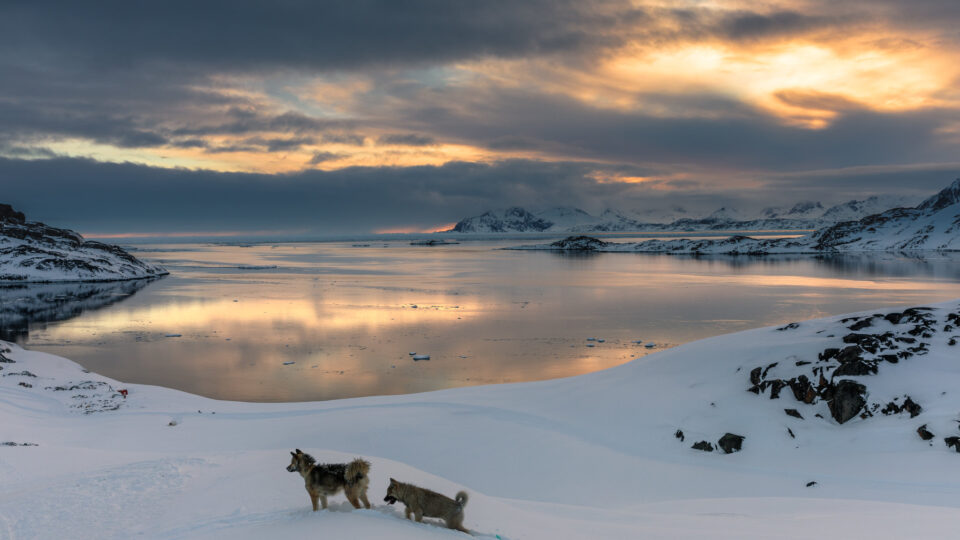
Why The Arctic Is Warming So Fast | Earth Wise

April 7, 2020 By EarthWise Leave a Comment

rapid arctic warming

The Arctic has been warming at the fastest rate of any place on Earth.  There have long been observations of amplification of Arctic warming, meaning that its temperature increases have been well above what would be expected from the global temperature rise.

Many climate models have attributed this warming to the melting of sea ice.  As the bright white ice disappears for longer periods of the year, the dark surface waters that are exposed absorb sunlight rather than reflecting it back into space the way the ice does.  This is known as the ice-albedo feedback.  But it does not entirely explain the amount of warming in the Arctic.

Researchers at the Scripps Institution of Oceanography have developed a new theory that helps to explain what is going on.

In the areas of the Arctic Ocean where there is sea ice, the water is actually warmer at depth and colder near the surface.  The deeper waters are fed by the relatively warm Pacific and Atlantic Oceans while the surface water is cooled by the ice.  The increasing temperature difference between surface and deeper water causes a greater upward flow of heat.  This was first observed in research cruises that revealed evidence that the Arctic Ocean water was becoming more turbulent over time.

According to computer modeling, this phenomenon is responsible for about 20% of the amplification of global warming that occurs in the Arctic.

There are multiple ongoing studies looking at the Arctic warming trend.  Other factors that have contributed over time are the presence of chlorfluorocarbons in the atmosphere.   That contribution is waning since the use of CFCs has been phasing out over time.

**********

Web Links

Researchers Find New Reason Why Arctic is Warming So Fast

Photo, posted April 19, 2017, courtesy of Markus Trienke via Flickr.

Earth Wise is a production of WAMC Northeast Public Radio.

Online Shopping And Greenhouse Gas Emissions | Earth Wise

April 3, 2020 By EarthWise Leave a Comment

Carbon footprint of online and traditional shopping

These days, consumers have multiple choices for how to shop for even the most mundane products.  There are both traditional and online ways to buy most so-called fast-moving consumer goods, such as cleaning supplies and packaged foods.  Price, quality, convenience, and time-frame guide our choices.

In the past, these things were always purchased by going to “Bricks & Mortar”, that is, physical retail stores. But now, we can order them from physical stores and have them delivered directly by the store – which is known as “Bricks & Clicks” – or we can order them online from an e-tailer and have them delivered by a parcel delivery company or the post office, so-called “Pure Play” online purchasing..

The carbon footprint of these three approaches depends on multiple factors according to a new study published in Environmental Science and Technology.  The study looked at the impact of transport, warehouse storage, delivery, and packaging.

Overall, the greenhouse gas footprints per item purchased at Bricks & Mortar were higher than those of Bricks & Clicks but lower than that of Pure Players.  But the results were highly dependent upon how many items were actually being purchased, and where the consumers lived.  The type of items also mattered.  For example, clothing purchased from a pure-play online source is much more likely to be returned than if purchased in a store.

Bricks & Mortar shoppers could reduce their footprint by 40% by walking or biking to stores, and Pure Players could cut emissions by 26% by switching to electric vehicles for the delivery of products from parcel distribution centers to consumers’ homes.

**********

Web Links

Comparing greenhouse gas footprints of online versus traditional shopping

Photo, posted July 15, 2017, courtesy of Elaine Smith via Flickr.

Earth Wise is a production of WAMC Northeast Public Radio.
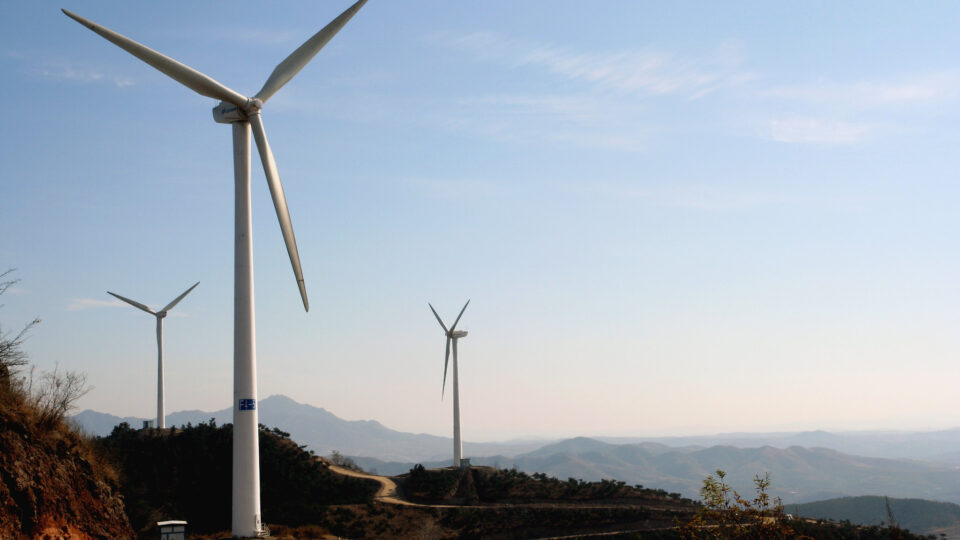
Solar And Wind Power In China | Earth Wise

April 2, 2020 By EarthWise Leave a Comment

China rapidly adopts solar and wind power

Reducing greenhouse gas emissions is a global challenge and nowhere is that challenge greater than in China.  China accounts for 30% of the world’s emissions and much of that comes from coal power plants.  If the world is going to reach its climate targets, China is going to have to replace as much as possible of its current power mix with renewable energy.

As of 2018, China still made 69% of its electricity from fossil fuels.  Its vast coal reserves have driven its rapid industrialization and better standard of living.  But terrible air pollution problems along with climate issues have led to heavy investments and rapid expansion of both wind and solar power in China.

China is now a world leader in renewable energy, both in terms of producing and using renewable power.  At the start of 2016, China had installed a total of 145,000 megawatts of wind power, which is 3,000 MW more than all 28 European Union countries combined.  And this has occurred even though China only started developing their wind power industry 30 years later than the first EU countries.

Until 2009, China exported almost all the solar panels it produced.  But gradually China began to use solar energy in a big way.  The industry took off in 2014, and growth has been exponential.  Solar power production in China is now almost as extensive as wind power.

One has to consider that much of China’s electricity production is used by industries that produce products for the rest of the world.  In effect, these are exported emissions.  China has a long way to go in replacing its fossil fuel generation and we all have a stake in China succeeding in the task.

**********

Web Links

China’s rapid development of solar and wind power

Photo, posted November 12, 2007, courtesy of Flickr.

Earth Wise is a production of WAMC Northeast Public Radio.

Companies Promise Climate Action | Earth Wise

March 30, 2020 By EarthWise Leave a Comment

Companies scramble to achieve climate promises

A growing number of major corporations are making promises on climate and the promises are getting more ambitious and for faster action.  More companies are disclosing their carbon emissions and more of those companies have emissions reduction targets. 

There has also been an acceleration in the rate at which companies set so-called science-based targets, which are specific, measurable carbon reduction goals that align the company with the Paris Agreement.  Among the hundreds of companies with such targets are Coca-Cola, Nike, Best Buy, Walmart, and Hilton Hotels.  According to one analysis, the number of Fortune 500 companies with concrete, ambitious carbon targets quadrupled in the past four year to 23%.

Environmental advocates have been pressuring companies for decades, but companies seem to be far more proactive now despite the fact that the U.S. government has largely dropped the ball on climate issues.

The reasons include the fact that the effects of climate change are becoming clearer to companies.  Wildfires, rising sea levels, droughts and other aspects of the crisis both make headlines and affect business operations.

Meanwhile, solar and wind energy have gotten significantly cheaper, making it more attractive for companies to shift away from fossil fuels.

At the same time, investors are increasingly asking companies to act on climate issues.  Consumers, employees, and the general public are increasingly demanding action and even children are adding to the pressure to act.

Making these commitments is one thing; following through on them and sticking to them is another.  There are real concerns that there is a great deal of green-washing going on among companies trying to project a favorable image.  In any case, if companies really want to lead on climate, they need to put their money where their mouths are.

**********

Web Links

Better Late Than Never? Big Companies Scramble To Make Lofty Climate Promises

Photo, posted June 22, 2016, courtesy of Mike Mozart via Flickr.

Earth Wise is a production of WAMC Northeast Public Radio.
A Devastating Threat To Coral Reef Habitats | Earth Wise

March 25, 2020 By EarthWise 2 Comments

warming and acidifying oceans may eliminate corals

According to new research from scientists at the University of Hawaii Manoa, the warming and acidifying oceans could wipe out nearly all existing coral reef habitats by 2100.  In fact, the researchers predict that 70-90% of coral reefs will disappear over the next 20 years alone as a consequence of climate change and pollution. 

Some organizations are attempting to save coral habitats by transplanting live corals from labs to reefs.  The idea is that the new young corals will help revive the reefs.  But after mapping where such restoration efforts would be most successful, the research indicates that there will be little to no suitable habitat remaining for corals by 2100.  Small portions of Baja California and the Red Sea are two of the sites that could remain viable by 2100, although neither are ideal due to their proximity to rivers.  Sea surfaces temperature and acidity are two of the most important factors in determining the viability of a site for restoration.  

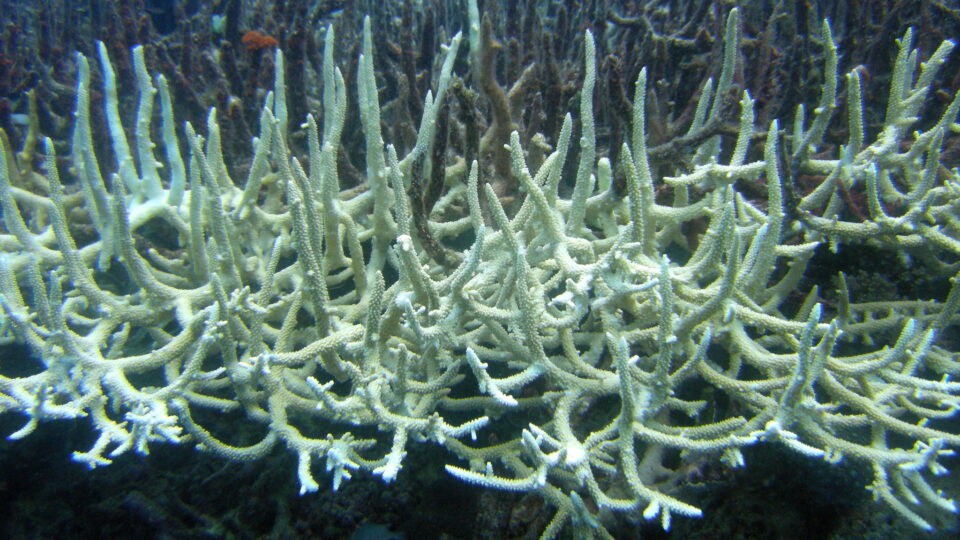
Warming ocean waters stress corals, which cause them to expel the symbiotic algae living inside them.  This turns the often colorful corals white – an event known as coral bleaching.  Bleached corals are not dead corals, but they are at a higher risk of dying.  These coral bleaching events are becoming more frequent as a result of the changing climate. 

The projected increases in human pollution will only play a minor role in the future elimination of coral reef habitats.  Ironically, that’s because humans have already caused such extensive damage to coral reefs that there aren’t many locations left to impact.

**********

Web Links

Warming, acidic oceans may nearly eliminate coral reef habitats by 2100

Photo, posted September 28, 2009, courtesy of Matt Kieffer via Flickr.

Earth Wise is a production of WAMC Northeast Public Radio.
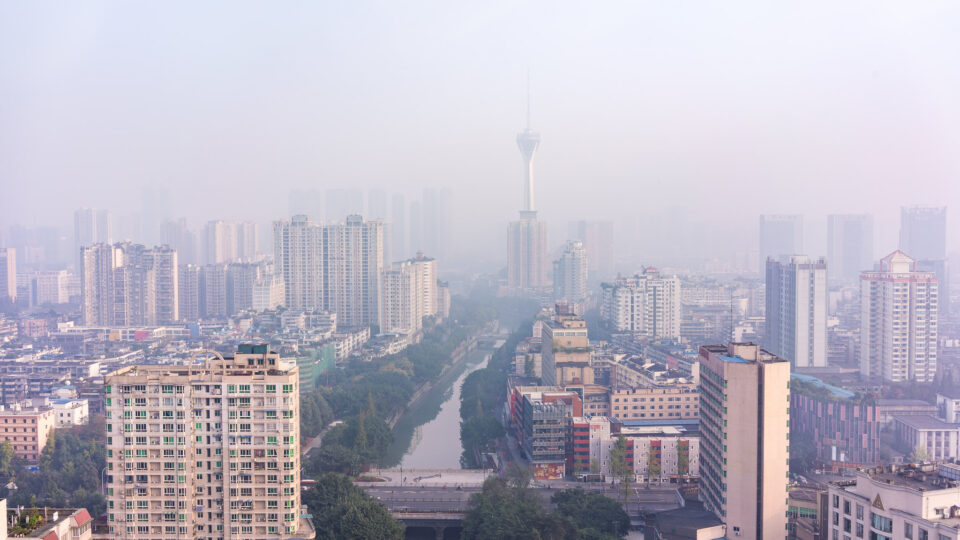
The Cost Of Air Pollution | Earth Wise

March 12, 2020 By EarthWise Leave a Comment

quantifying the global economic and health impacts of fossil fuel-driven air pollution

The environmental consequences of burning fossil fuels are a dominant topic.  The increasing changes in the climate have far-reaching effects across the globe and are a growing geopolitical crisis.  But the climate effects of fossil fuel emissions are by no means the only problem they cause.  

A new report by the Center for Research on Energy and Clear Air has, for the first time, attempted to quantify the global economic and health impacts of fossil fuel-caused air pollution.  In total, the estimate is that the economic and health costs of air pollution from burning fossil fuels totaled $2.9 trillion in 2018, calculated in the form of work absences, years of life lost, and premature deaths. The cost represents 3.3 percent of global GDP, or about $8 billion per day. 

The study focused on the health impacts of three specific types of pollutants:  nitrogen dioxide, ozone, and fine particulate matter, which has the greater impact.  Collectively, these pollutants cause about 1.8 billion days of missed work due to disease and $2.2 trillion in air pollution costs every year. Together, air pollution from these three pollutants is responsible for 4.5 million premature deaths around the world each year.

According to the report, the most premature deaths from fossil fuel-related air pollution in 2018 were in mainland China (1.8 million), India (1 million), and the United States (230,000). As a result, those three countries also faced the highest annual costs: $900 billion in China, $600 billion in the U.S., and $150 billion in India. 

**********

Web Links

Toxic Air: The Price of Fossil Fuels (Full Report)

Photo, posted November 17, 2019, courtesy of Kristoffer Trolle via Flickr.

Earth Wise is a production of WAMC Northeast Public Radio.
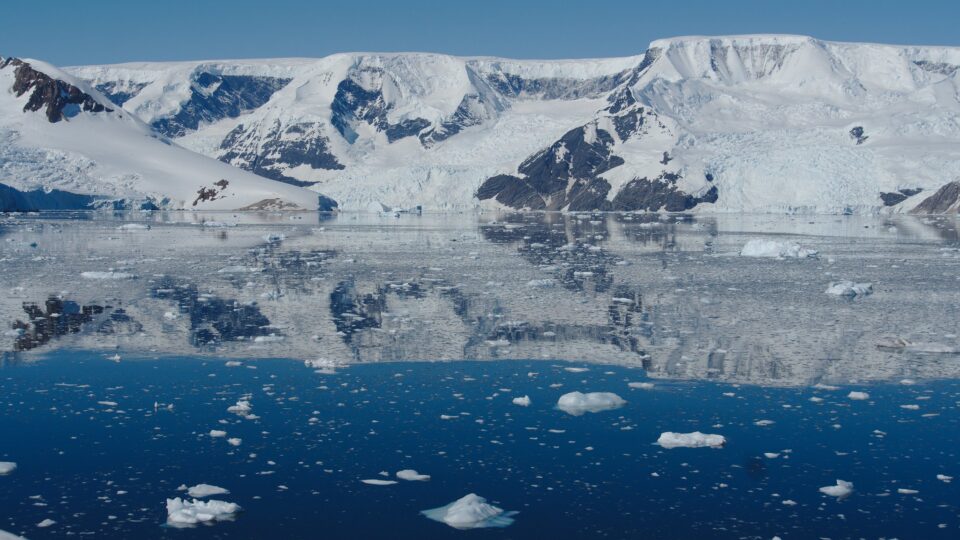
A Record Antarctic Temperature | Earth Wise

March 5, 2020 By EarthWise Leave a Comment

warmest temperatures ever recorded

It is still early in the year, but extreme weather events are already piling up.  January was the warmest month on record globally and there have been many records shattered in Europe and Asia.  A number of places in Eastern Europe, including parts of Russia, have seen temperatures 12 to 13 degrees above average.

While the warming of the Arctic has been in the news with increasing frequency, the Antarctic is also seeing rising temperatures and is one of the fastest-warming regions in the world. 

On February 6th, Esperanza Base along Antarctica’s Trinity Peninsula measured a temperature of 65 degrees Fahrenheit, which is the highest temperature ever recorded on that continent.   This rather balmy temperature narrowly beat out the previous record of 63.5 degrees, which occurred in March of 2015.

This one-time reading is certainly anomalous, and scientists say it is associated with a ridge of high pressure that was lingering over the region for several days.  Local wind conditions led to additional warming.

However, the conditions leading to record-breaking high temperatures are not one-time anomalous events. Over the past 50 years, temperatures in the Antarctic have surged by an extraordinary 5 degrees in response to the Earth’s rapidly warming climate.  A rise of five degrees in day-to-day weather is no big deal. A five-degree rise in a region’s average temperature is enormous.

About 87% of the glaciers along the west coast of Antarctica’s Trinity Peninsula have retreated over that 50-year period, most of which doing so during just the past 12 years.

Some researchers claim that the new temperature record is an extreme event that doesn’t tell us anything about the changing climate.  Many others are convinced that there will be many more high temperature records to follow.

**********

Web Links

Antarctica just hit 65 degrees, its warmest temperature ever recorded

Photo, posted February 24, 2019, courtesy of Mike via Flickr.

Earth Wise is a production of WAMC Northeast Public Radio.

Native Species Or Invasive Species? | Earth Wise

February 27, 2020 By EarthWise Leave a Comment

climate change is transforming the distribution of biodiversity

For decades, conservation biology has characterized the movement of species into new habitats as potential invasions of alien species that pose serious dangers to local ecosystems and resident species.  Wild species are classified as either native or alien.  But this way of looking at the natural world is becoming increasingly controversial.

As the world warms, a mass exodus of tens of thousands of species is transforming the distribution of biodiversity.  Scientists have documented countless species shifting their ranges towards the poles, higher up into the mountains, and deeper into the oceans in response to the changing climate.

Deciduous shrubs have spread into the Arctic tundra.  Tropical fish have arrived in the kelp forests of the eastern Mediterranean. 

A growing number of scientists now say that continuing to base conservation policy on the native-alien dichotomy may actually endanger biodiversity.  The climate-driven range shifts may be the only way for many species to survive.  Furthermore, only a small fraction of new arrivals may actually endanger resident species and ecosystems.

There are real distinctions between climate-displaced species and disruptive alien species introduced through global trade and travel.  Among other things, climate-displaced species tend to shift their ranges alongside other species they have co-evolved with.

There is talk of establishing a Climate Change Redistribution Treaty that would create a transnational system to manage species shifting across geopolitical and biogeographical borders.  The assumptions traditionally made as to which species to protect, which to leave to their own devices,  and which to eradicate are no longer valid and the time has come to base conservation policies on the new reality.

**********

Web Links

Native Species or Invasive? The Distinction Blurs as the World Warms

Photo, posted March 21, 2011, courtesy of Flickr.

Earth Wise is a production of WAMC Northeast Public Radio.

  • « Go to Previous Page
  • Page 1
  • Interim pages omitted …
  • Page 13
  • Page 14
  • Page 15
  • Page 16
  • Page 17
  • Interim pages omitted …
  • Page 21
  • Go to Next Page »

Primary Sidebar

Recent Episodes

  • An uninsurable future
  • Clean energy and jobs
  • Insect declines in remote regions
  • Fossil fuel producing nations ignoring climate goals
  • Trouble for clownfishes

WAMC Northeast Public Radio

WAMC/Northeast Public Radio is a regional public radio network serving parts of seven northeastern states (more...)

Copyright © 2026 ·