cars

Corporate Fleets And Electric Cars
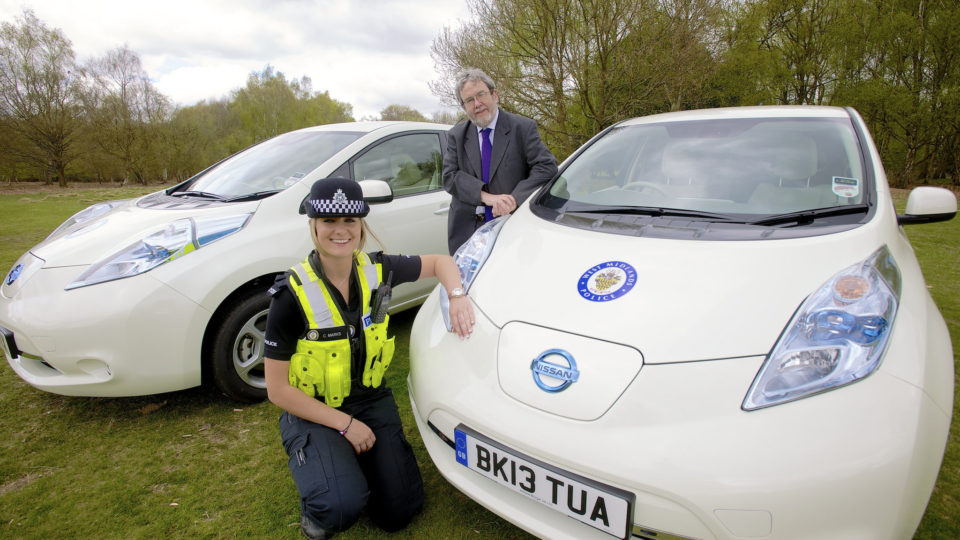
A group of 10 major transnational corporations has launched a new global initiative to slash vehicle emissions by increasing the number of electric vehicles in their corporate fleets. Known as EV100, the initiative commits companies to integrate EVs in their owned or leased fleets and install charging stations for customers and employees.
GM And Fuel Cells
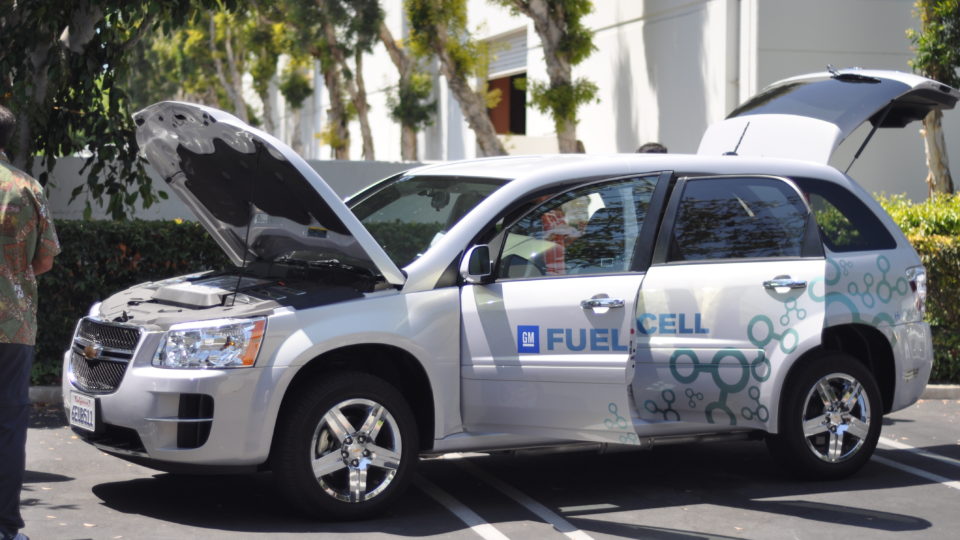
There has been a spate of announcements from major car manufacturers in recent times detailing their plans to electrify their future vehicles. General Motors recently announced its “path to zero emissions” plan which includes the introduction of at least 20 electric vehicles by 2023. They are joining Volvo, Volkswagen, Toyota and others in making such an announcement.
New Places For Solar Cells
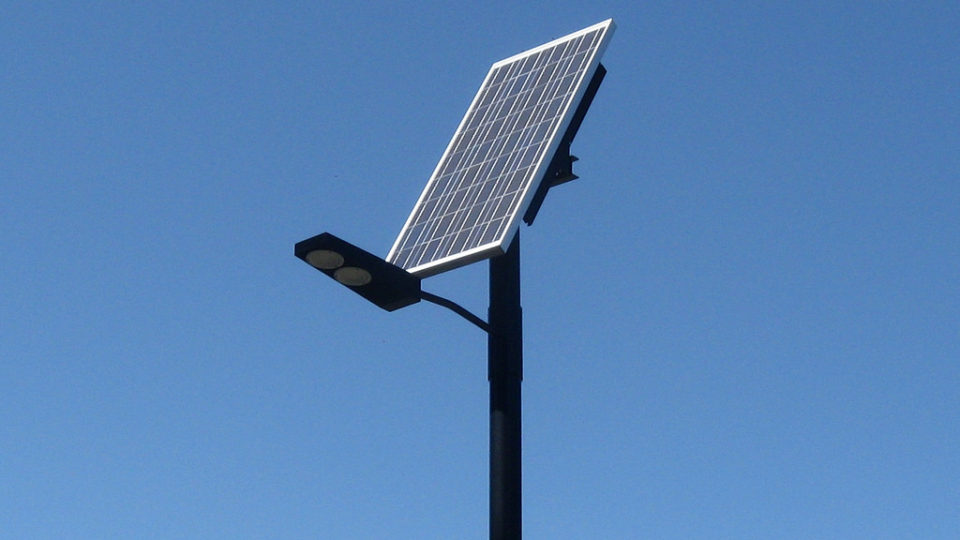
Solar panels are on more than a million rooftops in the United States, so they are getting to be a pretty common sight. We also see them along our highways powering lights and signs and emergency call boxes. As it gets cheaper and more common, solar technology is starting to show up in more unusual ways.
Ditching Gas And Diesel Cars
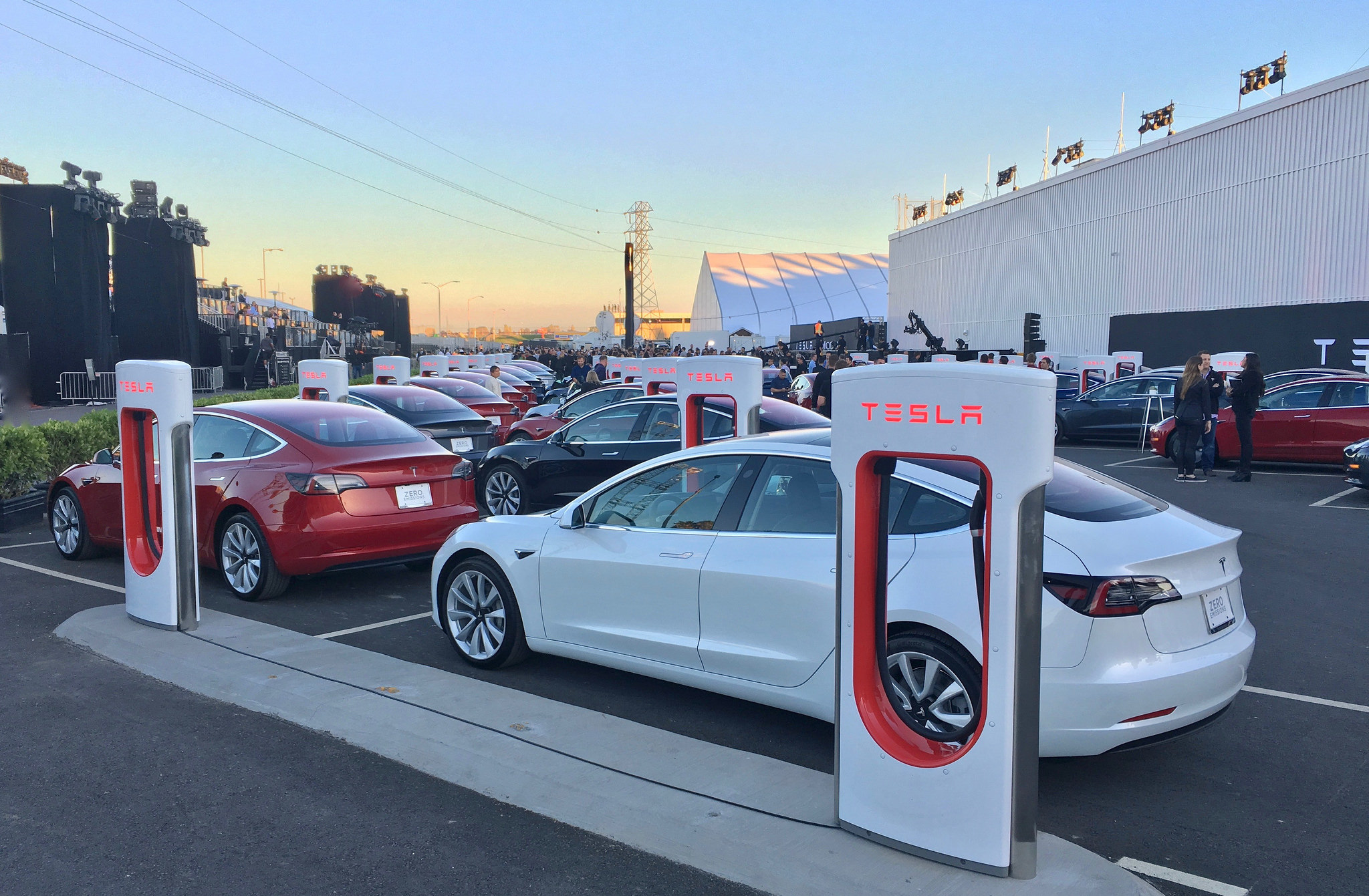
Electric cars represent only a tiny fraction of the overall auto market. The numbers are growing, most certainly, but they are still quite small in most places. The recent start of production of the Tesla Model 3 has attracted quite a bit of attention to electric cars, but in many countries, there is much more to the story than just media buzz about a new car.
Electric Cars For Real This Time?
Electric cars have been around for a long, long time. The first ones appeared in the mid-19th century. Around the turn of the 20th century, they were popular for taxi cabs in places like New York City. But within about 10 years, they mostly disappeared. In the 1990s, electric cars had a brief revival with vehicles like the General Motors EV1. But again electric cars mostly vanished.
France And Climate Change

On the heels of the Trump Administration’s decision to withdraw from the Paris Climate Accord, France has rolled out ambitious plans to reduce its carbon footprint even further.
Turtles Delay Flights

Recently, we talked about the problems New York’s native turtles have during their mating season as they cross roads and highways seeking places to lay their eggs. The state Department of Environmental Conservation even issued recommendations for how people can help turtles avoid getting crunched by cars.
Sustainable Ethanol
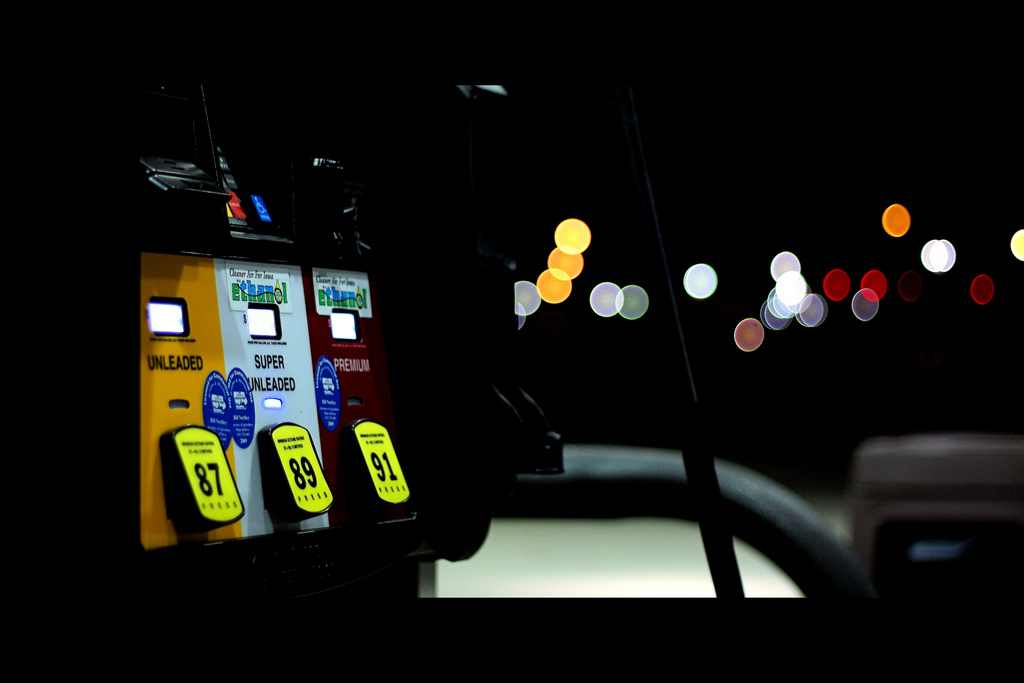
Most gas stations in the U.S. sell a blend of 90% gasoline and 10% ethanol. Mandated by legislation, the 14 billion gallons of ethanol consumed annually by American drivers is mostly made from fermented corn. Producing this ethanol requires millions of acres of farmland.
Satellites And Conservation Science

Satellites orbiting the earth are becoming an increasingly powerful tool for counting and monitoring wildlife populations and to answer a host of other questions about the natural world.
Whales In The Big Apple

For the first time in a century, humpback whales have returned to the waters of New York harbor. These are not rare sightings, either. The whales are showing up in enough numbers that a company is taking tourists out into the harbor to see whales with a backdrop of Manhattan skyscrapers.
Save The Turtles

New York is home to 11 native species of land turtles. Many of the species can’t breed until age 10 and then they lay just one small clutch of eggs each year by digging in a suitable patch of sandy soil. As a result, breeding females are at a premium for the welfare of the species. Overall, turtles are on decline in the Empire State.
Improving Energy Storage
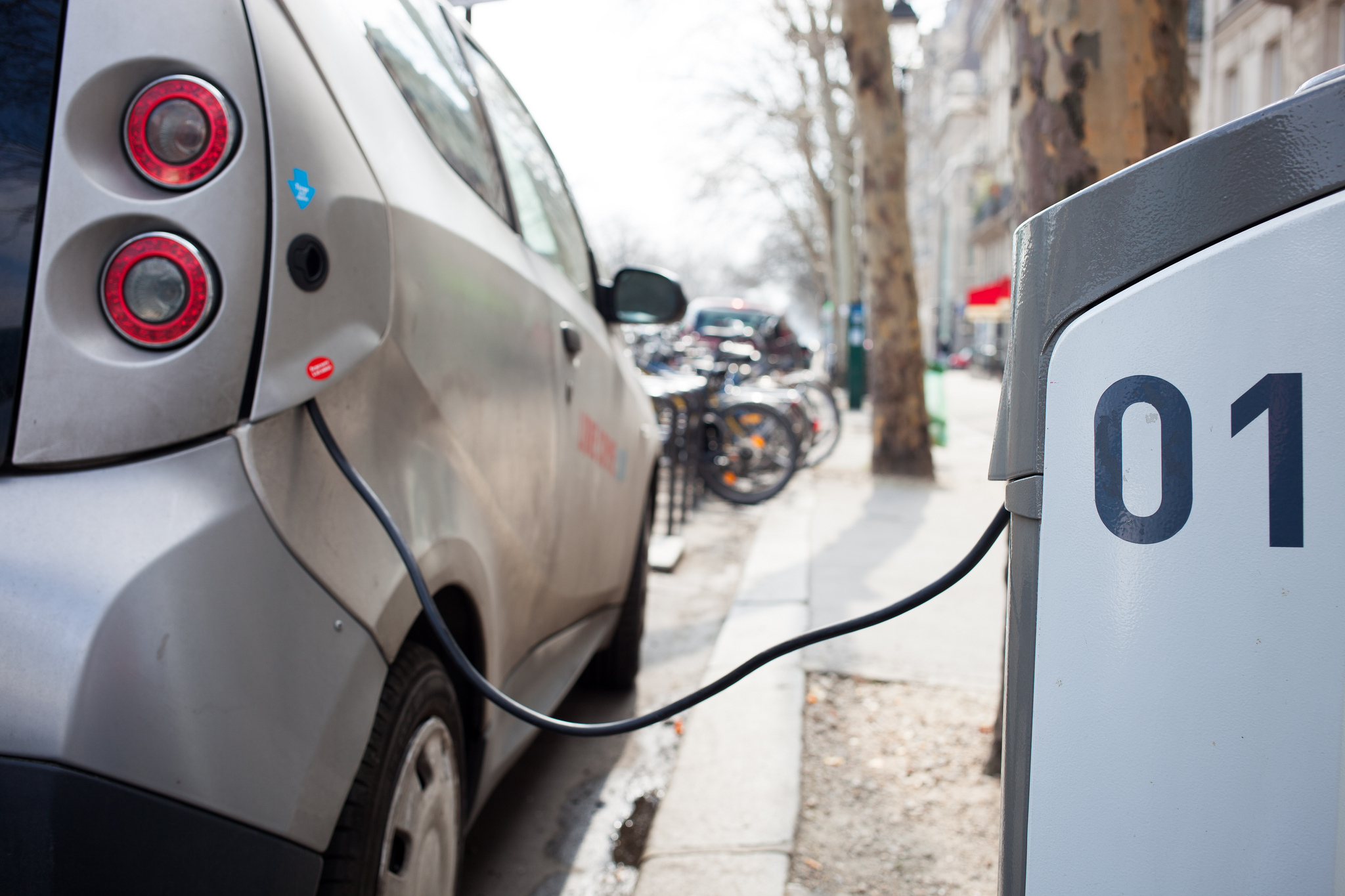
The transition to sustainable energy sources faces many challenges. One important one is to make those sources as reliable as conventional energy systems. For technologies like solar and wind power, which can’t operate around the clock, an enabling element is effective energy storage. Energy storage is critical for both the electricity grid and for transportation.
Hydrogen On Demand
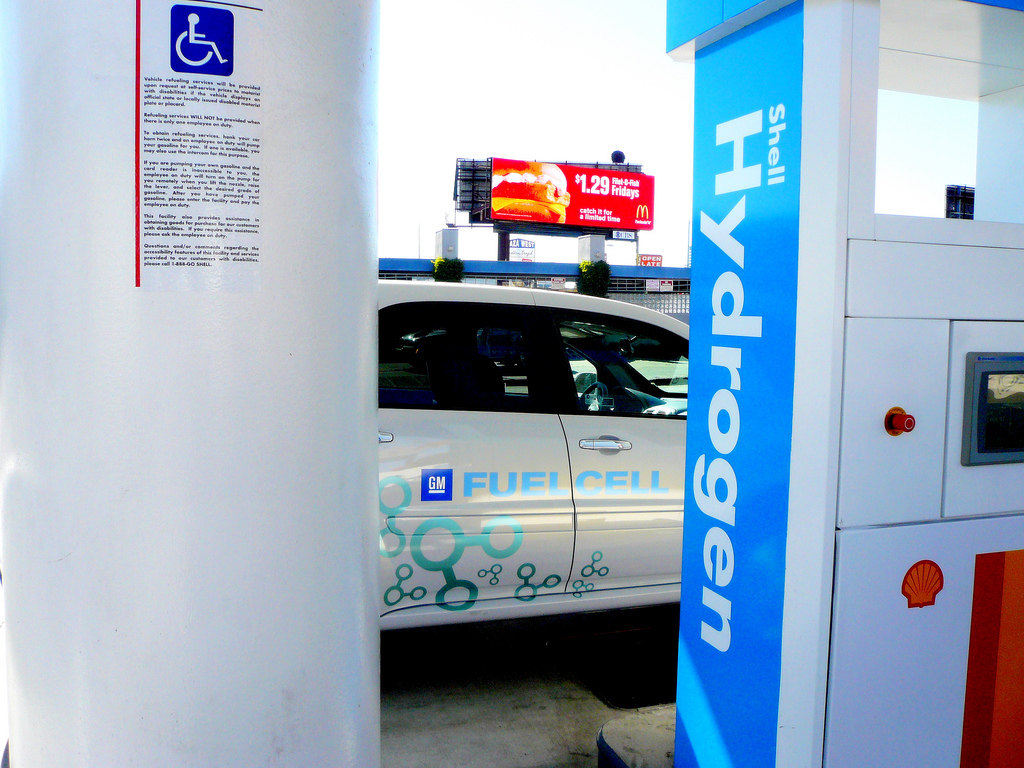
Researchers at the Technion-Israel Institute of Technology have developed a new method for producing hydrogen from water using solar energy. If successfully developed, their approach would make it possible to produce hydrogen in a centralized manner at the point of sale such as at a fueling station for hydrogen-powered cars.
Food Waste Into Tires

Researchers at Ohio State University have developed a way to use food waste to partially replace the petroleum-based filler that has been used in manufacturing tires for more than a century.
A Hydrogen Sponge
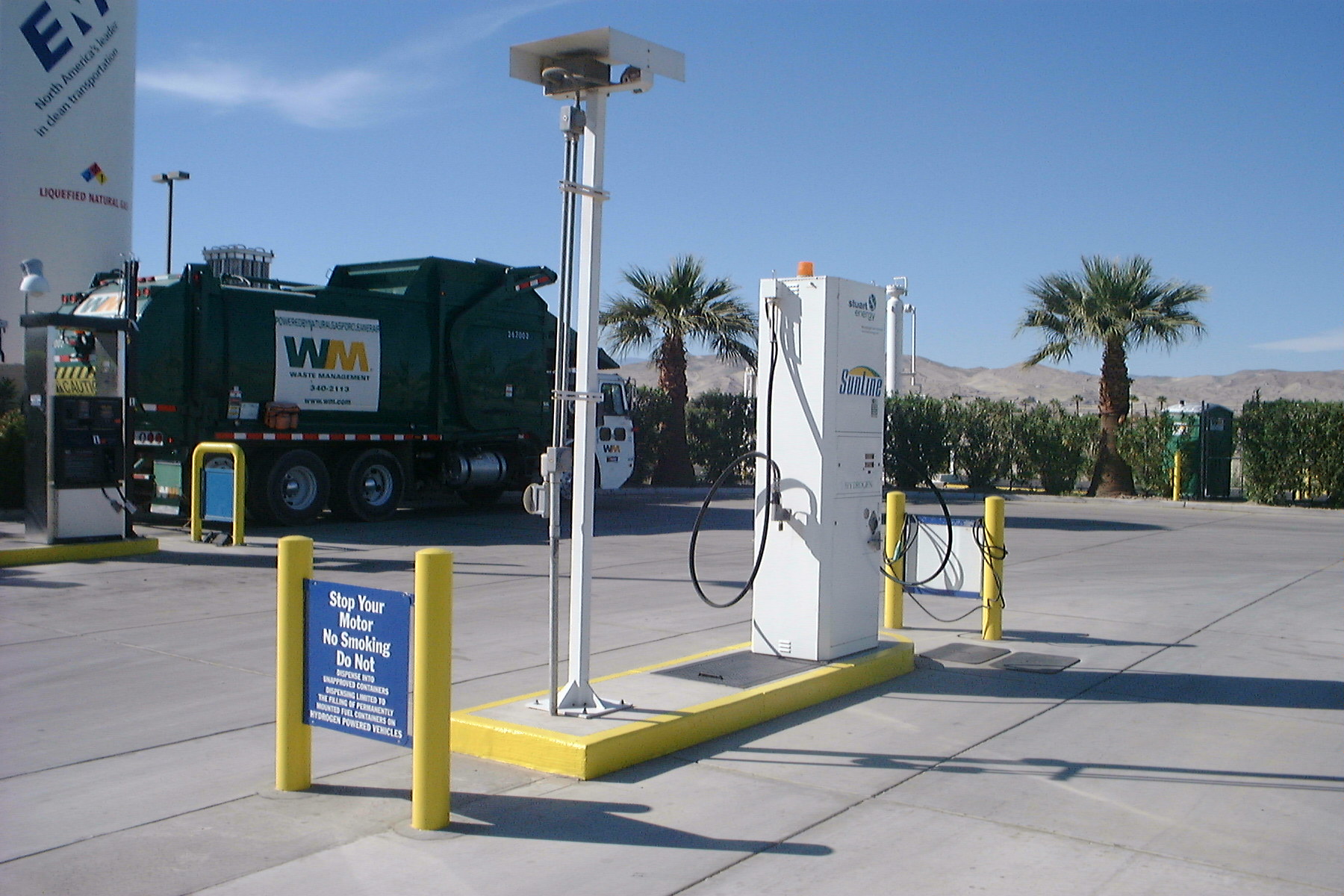
Hydrogen fuel cell electric vehicles are just starting to enter the market but they have a long way to go before they can even catch up with their battery-powered counterparts. Powering cars with hydrogen has the advantage that fueling the vehicle is much like what we are used to: pull up to the pump, fill your tank for a few minutes, and drive off.
Europe’s E-Mobility
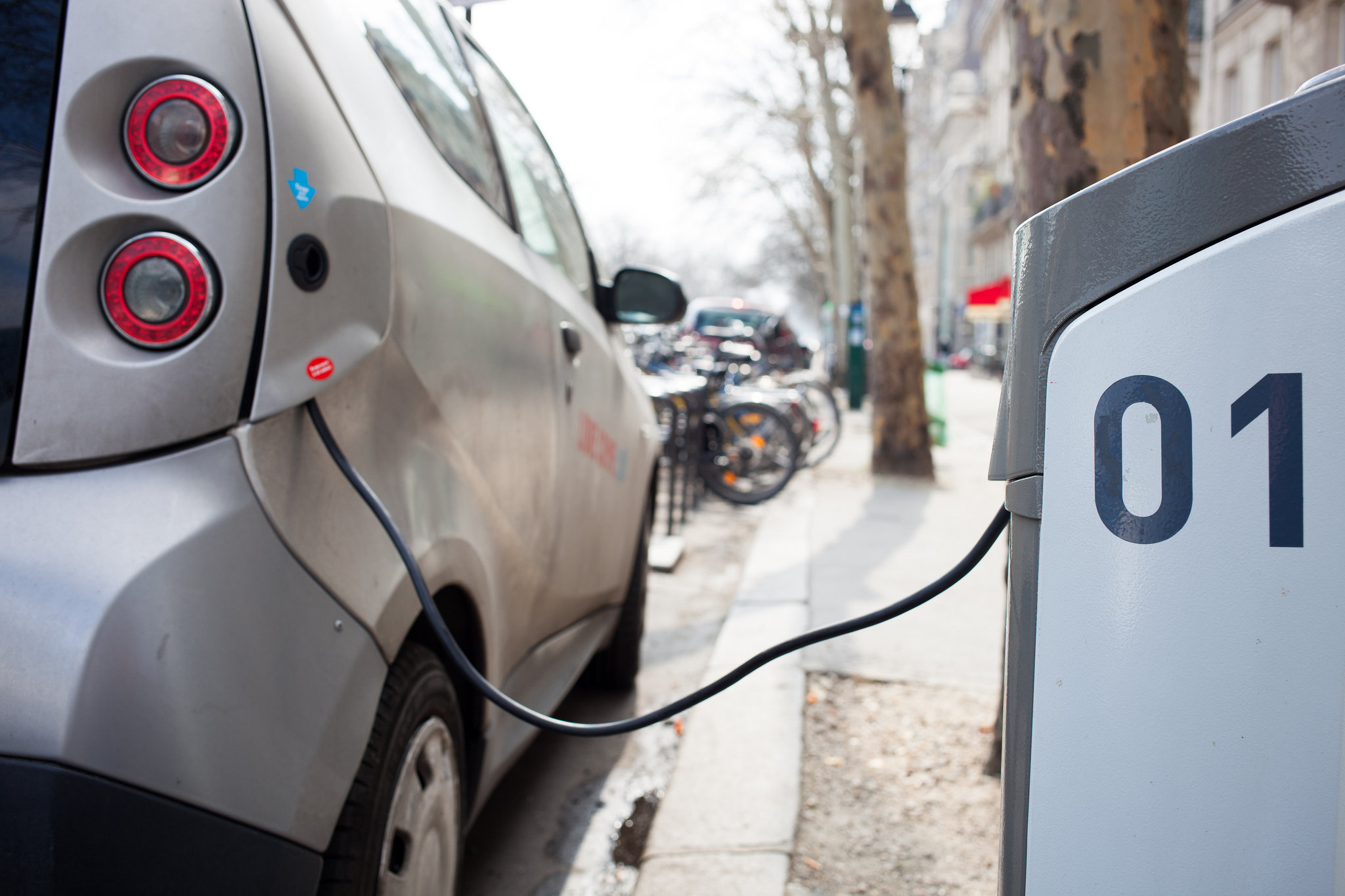
With the arrival of the Chevy Bolt and the long waiting list for the forthcoming Tesla 3, there is starting to be some momentum for electric cars in the United States. But we are still well behind Europe in terms of the significant growth of so-called e-mobility.
Coal And Chinese Air

China has worked to reduce its coal consumption in recent years but the air quality in cities like Beijing is still notoriously poor and a major health hazard.
Reduced Emissions From Electricity Generation
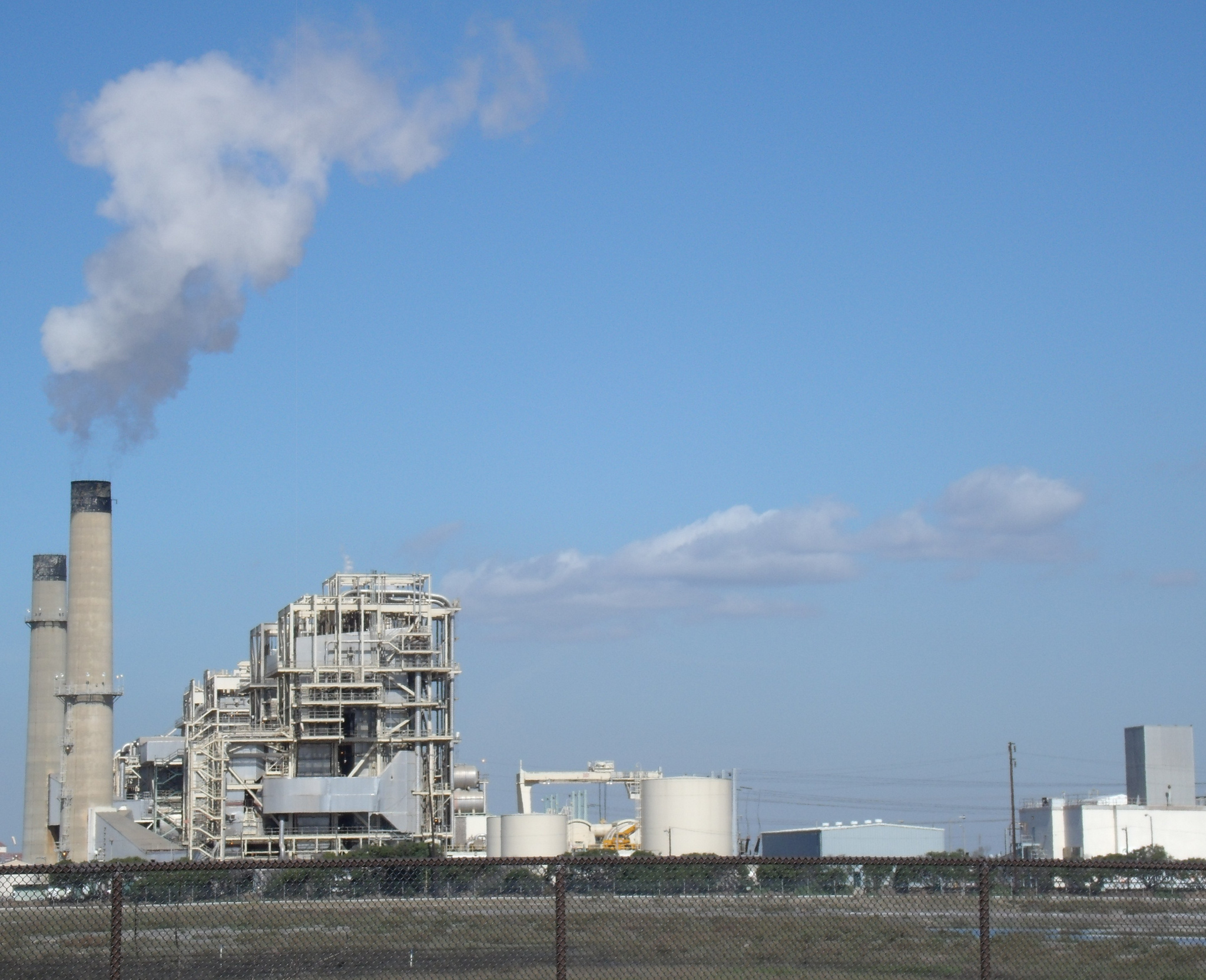
A recent report from the Energy Information Administration notes that for the first time in 40 years, carbon dioxide emissions from electricity generation are less than those from transportation. The reason is that power plants nationwide are abandoning the use of coal and turning to cleaner burning natural gas, as well as newer sources such as solar and wind power.
[Read more…] about Reduced Emissions From Electricity Generation