• Skip to primary navigation
  • Skip to main content
  • Skip to primary sidebar

Earth Wise

A look at our changing environment.

  • Home
  • About Earth Wise
  • Where to Listen
  • All Articles
  • Show Search
Hide Search
You are here: Home / Archives for cars

cars

SUVs And Carbon Emissions

December 17, 2019 By EarthWise Leave a Comment

Global carbon dioxide emissions increased between 2010 and 2018.  The largest contributor to this increase was the power sector as electricity demand around the world continued to grow.   The second largest contributor to increased emission turns out to be SUVs, even while emissions for other cars actually decreased.

During that time period, SUVs more than doubled their global market share from 17% to 39% and their annual emissions rose to more than 700 million tons of CO2, which is more than the yearly total emission of the UK and the Netherlands combined.

This dramatic shift toward bigger, heavier SUVs has offset both efficiency improvements in small cars and savings from electric vehicles.  If SUV drivers were a nation, they would rank 7th in the world for carbon emissions.

SUVs are bigger, they are heavier, and their aerodynamics are poor.  As a result, it takes more gas to drive them.  They started to become popular in the 1980s – mostly in American suburbia – but now they have become globally popular.

The demand for SUVs is thought to be driven by perceptions of heightened safety or increased social status.  There is also the marketing and business strategy of manufacturers who obtain larger profit margins in the SUV segment.  Of course, for at least some consumers, the utility aspects of sport utility vehicles are actually important and not just the status.

For whatever reasons, SUVs are likely to be extremely popular for the foreseeable future as demand for sedans continues to decline.  Fortunately, electric SUVs are beginning to enter the market – including next year’s mass-market priced Tesla Model Y.  Such cars are the best solution to emissions from SUVs.

**********

Web Links

Demand for SUVs a Major Contributor to the Increase in Global CO2 Emissions

Photo, posted May 9, 2017, courtesy of Yonkers Honda via Flickr.

Earth Wise is a production of WAMC Northeast Public Radio.

Hydrogen From The Ocean

November 15, 2019 By EarthWise Leave a Comment

https://earthwiseradio.org/wp-content/uploads/2016/08/EW-08-30-16-Hydrogen-from-the-Ocean.mp3

Hydrogen is the most abundant element in the universe.  Estimates are that it comprises 75% of all matter.  There is plenty of it here on earth too, but almost none of it is in its elemental form.  It is mostly bound up in compounds like water.

[Read more…] about Hydrogen From The Ocean

Other Ways To Cut Vehicle Emissions

October 17, 2019 By EarthWise Leave a Comment

It is pretty clear that the way to drastically reduce vehicle greenhouse gas emissions is to switch as many vehicles as possible to electric power.  As a result, more and more localities are putting in place policies that encourage electrification.

While there is no doubt that electrification is the long-term solution to vehicle emissions, a recent study by MIT and the Ford Motor Company found that, in the short term, there are some places in the US where electric cars are not the best way to reduce emissions.

The study looked at a variety of factors that affect the relative performance of vehicles.  These include the role of low temperatures in reducing battery performance, regional differences in the average number of miles driven annually, and significant differences in the way electricity is generated in different parts of the US.

The results showed that electric vehicles definitely provide the greatest impact in reducing greenhouse gas emissions for most of the country – and particularly on both coasts and in the south – but that there are some places in the upper Midwest where the greatest reduction would be achieved by the use of lightweight gasoline-powered vehicles.

In places like parts of Wisconsin and Michigan, it is mostly rural, there are cold winters, and electricity is predominantly generated by coal-powered plants.  In these places, if gas-powered lightweight cars were to be used, the overall benefit would be greater than that of electric cars.  Unfortunately, there are no high-volume lightweight gasoline-powered mid-sized cars on the market in the US.  Ironically, the only cars of that class using lightweight aluminum construction are Teslas.

While electric cars are truly the long-term solution, the study does demonstrate the benefits of reducing the weight of vehicles.

**********

Web Links

What’s the best way to cut vehicle greenhouse-gas emissions?

Photo, posted February 9, 2018, courtesy of Dave Field via Flickr.

Earth Wise is a production of WAMC Northeast Public Radio.

Falling U.S. Carbon Emissions

September 16, 2019 By EarthWise Leave a Comment

Reducing carbon emissions is a goal embraced by nearly every country in the world, but actually accomplishing it isn’t easy. It is true that renewable energy sources are playing a growing role in energy systems, but counterbalancing that trend is growing energy demand, especially in developing countries.

Here in the US, energy-related CO2 emissions actually went up nearly 3% in 2018 compared with 2017.  But the US Energy Information Administration is now forecasting a 2% drop in emissions this year.

The main reason energy-related emissions are headed lower at this point is coal-fired power plant retirements.  More than 90% of the coal used in the US goes toward electric power and utilities are increasingly turning away from coal.

The rapid shift away from coal has mostly been due to the increasing use of natural gas.  Natural gas is not actually a clean and green fuel, but it is definitely less carbon-intensive than coal.  Overall, the total installed capacity of renewable sources – hydropower, wind, solar, geothermal, and biomass – has now actually surpassed the capacity of coal plants.  Given that renewables have in many places become the cheapest power option, there is little chance that coal has much of a future, despite efforts by the current administration.

The electric power sector is gradually moving away from all carbon-emitting sources – a trend that is being reinforced by legislation in many states.  The real CO2 emissions leader is petroleum, which accounts for nearly half of the total.  We have a long way to go to reduce emissions from the use of petroleum.  There are over 250 million cars and trucks on US roads and only a little over a million of them don’t burn fossil fuels.

**********

Web Links

US energy-related CO2 emissions expected to fall this year, almost solely due to a drop in coal use

Photo, posted November 6, 2017, courtesy of Cindy Shebley via Flickr.

Earth Wise is a production of WAMC Northeast Public Radio.
Booming Electric Car Sales

September 12, 2019 By EarthWise Leave a Comment

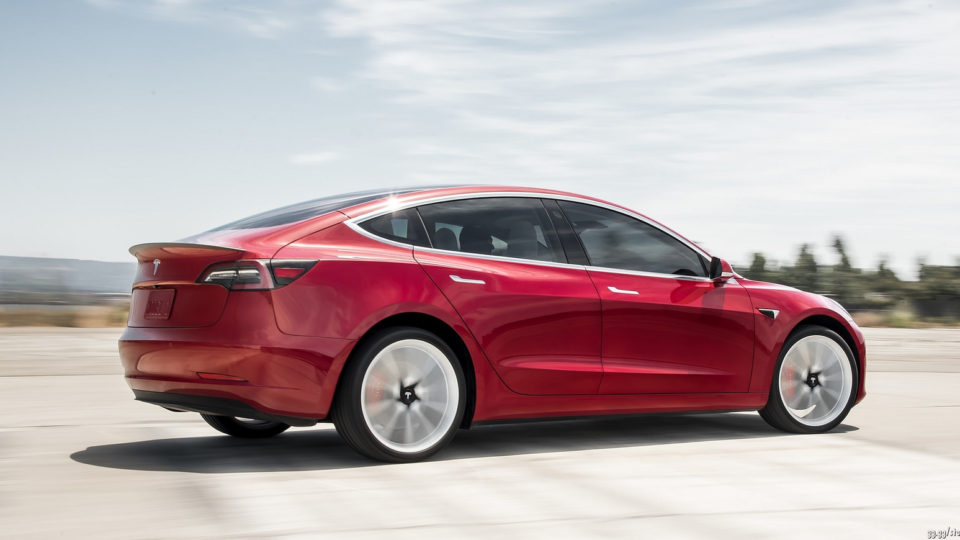
Electric cars are becoming more and more commonplace over time.  There is no place in the world where this is more evident than in Norway.  This year, about half the new cars sold in Norway have been electric.  This compares to only 25% just last year.  In March alone, nearly 60% of vehicle purchases in Norway were plug-in cars, outselling gas and diesel cars for the first time ever.

Norway has encouraged the switch to electric transportation by making battery-powered cars tax exempt as well as offering various other incentives.  This is all part of the country’s plan to end the sale of fossil fuel cars entirely by 2025.

Although Norway leads the world in electric car sales on a per capita basis, there are many other places seeing rapid growth.  In Maryland, for example, so many electric cars were sold in the past year that the state’s tax credit program, which has a $3 million annual budget, ran out of money seven months before the end of the fiscal year.  Between 2017 and 2018, the number of EVs registered in Maryland doubled to over 18,000.

New York has also seen robust growth in electric vehicles.  There are now more than 40,000 plug-in cars registered in New York State.  About a third of those are Tesla models, with the increasingly popular Tesla Model 3 rapidly becoming the dominant plug-in car in the state.  In fact, this year the Tesla Model 3 has accounted for about 60% of all plug-in car sales in the United States.

Not only are electric car sales going up, so are the options for car buyers.  Within the next year or two, there will be numerous new electric car choices available from multiple manufacturers appealing to the tastes of a growing range of car buyers.

**********

Web Links

EVs Make Up Half of New Car Sales in Norway So Far This Year

Photo, posted May 16, 2019, courtesy of Flickr.

Earth Wise is a production of WAMC Northeast Public Radio.
Meeting Climate Goals With Current Energy Infrastructure

September 2, 2019 By EarthWise Leave a Comment

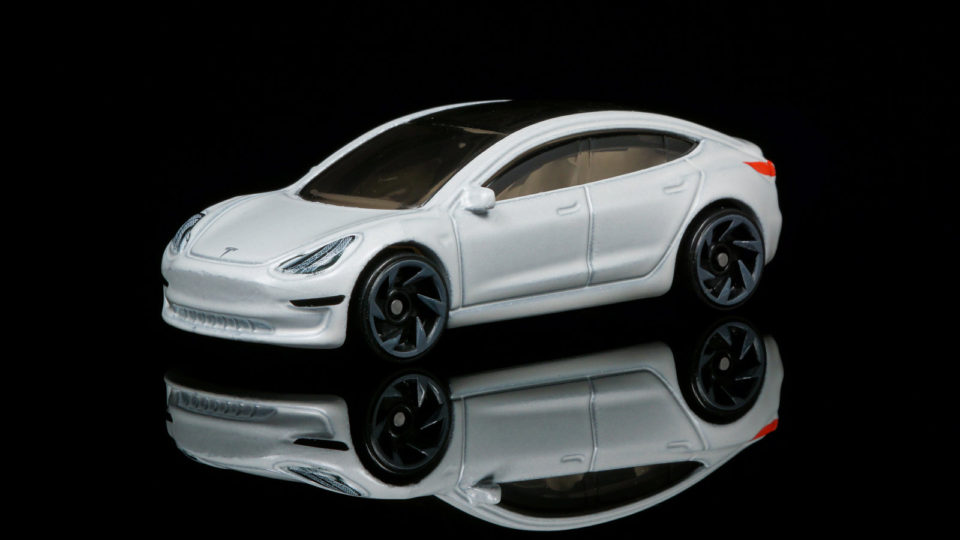
The Paris Climate Agreement set forth a goal to keep global warming below 2 degrees Celsius as well as a more optimistic (and preferable) goal of keeping the temperature rise to less than 1.5 degrees.  Reaching either of these goals requires getting to net-zero emissions by the middle of the century.

A new paper, published in Nature, looks at the issue of whether existing power plants and other fossil-fuel-burning equipment (including vehicles) can continue to operate until they age out of functionality, or whether they need to be retired early.

The results of the study are that future emissions from existing facilities would take up the entire carbon budget needed to limit warming to 1.5 degrees Celsius and almost 2/3 of the budget needed to keep warming below 2 degrees over the next 30 years.

So, the good news is that we can still avoid a 2-degree rise without having to shut down all the existing power plants early.  But we would definitely have to stop building new things with smokestacks and tailpipes that dump CO2 into the atmosphere. 

That good news is tempered by the fact that the number of fossil fuel-burning power plants and vehicles in the world has increased dramatically over the past decade, spurred by rapid economic and industrial development in China and India.  In fact, China is predicted to produce more than 40% of all the carbon emissions over the next 30 years.

The 2-degree climate goal is not at all the most desirable result.  The 1.5-degree target would be far better for the climate.  But if the world is to achieve it, there will be dramatic changes needed in the existing infrastructure – either shutting it down or retrofitting it to drastically reduce emissions.

**********

Web Links

Two-Degree Climate Goal Attainable Without Early Infrastructure Retirement

Photo, posted March 5, 2010, courtesy of Tennessee Valley Authority via Flickr.

Earth Wise is a production of WAMC Northeast Public Radio.

The New York Climate Plan

July 24, 2019 By EarthWise Leave a Comment

New York lawmakers have passed a sweeping climate plan that requires the state to eliminate almost all of its greenhouse gas emissions by 2050.  The plan calls for the phase-out of gasoline cars and oil- and gas-burning furnaces and requires all of the state’s electricity to come from carbon-free sources.

The Climate Leadership and Community Protection Act requires the state to slash its carbon emissions to 85% below 1990 levels by 2050 and to offset the remaining 15% by other means such as removing carbon dioxide from the atmosphere.  The bill requires New York to get 70% of its electricity from renewable sources by 2030.

The challenges of reaching the program’s goals are daunting.   New York has so far only reduced its emissions by 8% since 1990.  The state currently does get 60% of its electricity from carbon-free sources – mostly hydroelectric dams and nuclear power plants – but it will require offshore windfarms, ramped-up solar installations, and battery storage systems to push the numbers dramatically higher.

Transportation, which is responsible for a third of New York’s emissions, will be particularly tough to tackle.  The Trump administration is rolling back federal vehicle efficiency rules and is trying to prevent states from setting stricter standards.  Currently, electric car ownership is primarily attractive for single-family homeowners who can plug in their cars at home.  Far more pervasive charging stations – for example, all over the streets of New York City – would be needed to make electric cars practical for everyone.

The plan aims for industries to bear most of the financial burden, but supporters say that the costs of not acting on climate will be vastly greater for businesses.  The plan’s deadlines for major emissions reductions are a decade away but there will be much to do quite soon.

**********

Web Links

New York to Approve One of the World’s Most Ambitious Climate Plans

Photo, posted September 17, 2009, courtesy of Flickr.

Earth Wise is a production of WAMC Northeast Public Radio.
Powering Cars With Cactus Juice

June 24, 2019 By EarthWise Leave a Comment

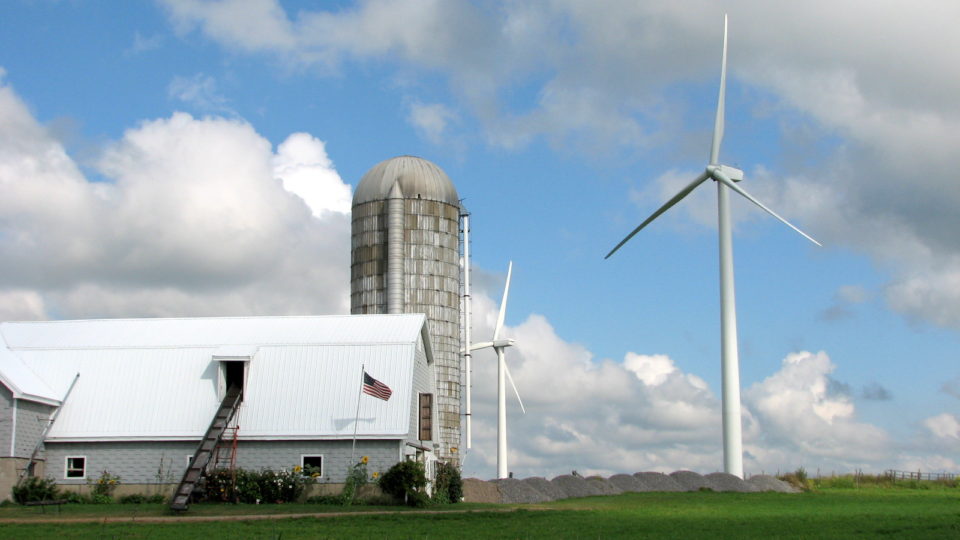
Back in 2016, a company called Nopalimex, located in Micoacan, central Mexico, built the world’s first cactus-powered energy plant.  The facility utilizes a biodigester to make biogas from nopal, also known as prickly pear cactus.  The nopal plant has been called the ‘Green Gold of Mexico’ and is a staple in Mexican diets, medicine and cosmetics.

Nopalimex is now using the cactus to make biofuel for vehicles.

The fruit of the cactus is pureed, mixed with manure, and then left to decompose, producing methane.  The methane produced – about eight tons a day – fuels the biodigester which powers the company’s corn chip and cactus chip production and is being tested in a fleet of government vehicles.

The biogas will cost just 65 cents per liter, which is about a third cheaper than the cost of regular gasoline.  Using prickly pear as a feedstock for biofuel is attractive because it can be grown in places where traditional energy crops cannot.  One can imagine vast fields of cacti in remote, arid areas of the country where normal crops cannot grow.  It would not suck up the resources or space needed to feed people, which is an ongoing criticism of current bioenergy crops.

As long as the nopals are regularly replanted, the process is almost entirely sustainable, producing only water and nopal waste, which can be used to fertilize other crops.

Finding sustainable ways to produce fuel while doing minimal damage to the environment is an important challenge for countries around the world.  In Mexico, harnessing the power of the prickly pear cactus is a unique and clever solution.

**********

Web Links

Mexico’s ‘green gold’: The company powering cars with cactus juice

Photo, posted July 8, 2006, courtesy of Christian Frausto Bernal via Flickr.

Earth Wise is a production of WAMC Northeast Public Radio.

Our Growing Appetite For Energy

June 13, 2019 By EarthWise Leave a Comment

Energy consumption in the United States set a record high in 2018.  Overall, energy consumption reached 101.2 quadrillion BTUs or quads last year, breaking the previous record of 101.0 set in 2007.  Most of us are not too familiar with quadrillions of anything, nor with BTUs for that matter.  If it is any more illuminating, 101 quads are the equivalent of about 300 billion kilowatt hours.  Our energy use increased by 3.6% from 2017, which was the largest annual increase since 2010.

Wind, solar, and natural gas provided the largest increases in energy supply.  In 2018, solar and wind energy were both up by 0.18 quads, representing a 22% gain for solar and a 7.5% increase for wind.  Over the past ten years, overall renewable energy has doubled in the U.S., with wind increasing by a factor of 5 since 2008 and solar by an amazing factor of 48. 

Natural gas generation increased by 10.7%, or a total of 3 quads over the previous year.   The growth in natural gas use isn’t good news, but since much of it represents replacing coal, it at least corresponds to reduced greenhouse gas emissions.

The unfortunate part of our energy consumption is that the majority of it is still in the form of “rejected energy”.  It most often takes the form of waste heat, such as the warm exhaust from automobiles and furnaces.  The efficiency of our cars, lightbulbs and factories determines how much waste heat is produced and in turn how much fuel and electricity can be put to productive use.

**********

Web Links

US energy consumption hits record high in 2018, solar/wind/natural gas grow

Photo, posted April 27, 2015, courtesy of Mathias Appel via Flickr.

Earth Wise is a production of WAMC Northeast Public Radio.
Affordable Electric Cars

May 1, 2019 By EarthWise Leave a Comment

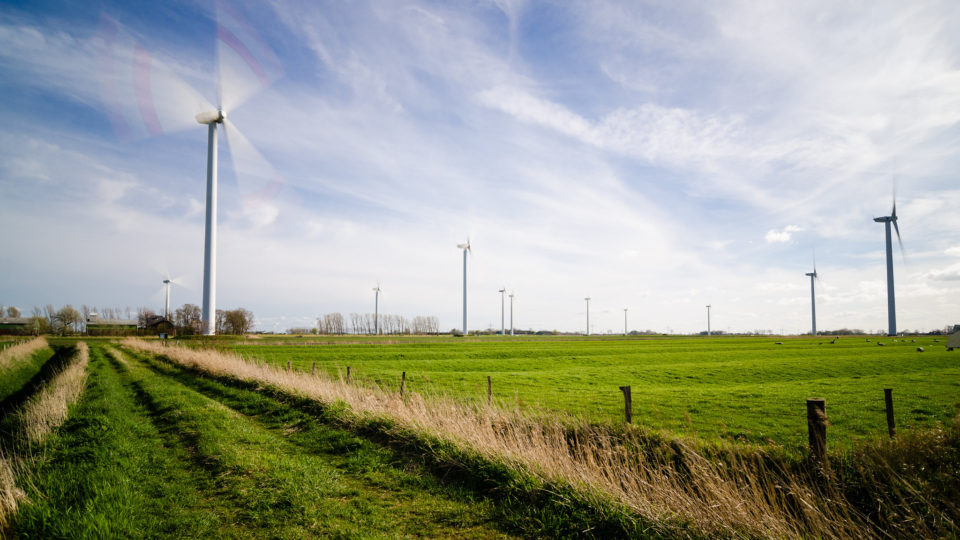
The main reasons that electric cars haven’t taken over are that they didn’t drive far enough on a charge, it took too long to charge them, and, most of all, they cost too much.

In recent years, the problem with driving range has steadily been disappearing as electric cars that can go over two hundred and even over three hundred miles on a charge have entered the market.  Charging time has also become less of a problem.  Tesla’s network of Superchargers can provide 200 miles worth of charge in half an hour and their next generation of chargers, which are just starting to appear, can cut that time much further.

As for cost, a new report by transportation analysts at Bloomberg New Energy Finance predicts that electric vehicles will be cost-competitive with combustion-engine cars by 2022.

The main reason is that the cost of EV batteries has been plummeting.  In 2015, batteries made up 57% of the total cost of an electric vehicle.  Today, that number is down to 33% and is expected to drop to 20% by 2025.  In addition, the cost of electric powertrain systems is also dropping.  The Bloomberg report predicts that over the next decade, costs for motors, inverters, and power electronics could be 25 to 30% cheaper than today.

The cost of electric vehicles has been dropping faster than predicted.  Bloomberg’s report on the subject in 2017 predicted cost parity in 2026.  Last year, they changed it to 2024.  And now, they are saying 2022.

Given that electric cars are much cheaper to drive than gasoline cars, finding reasons not to drive them is getting harder to do.

**********

Web Links

Electric Cars Could Be As Affordable as Conventional Vehicles In Just Three Years

Photo, posted November 17, 2018, courtesy of Jakob Harter via Flickr.

XXXXXXXXXXXXXXXXXXXX

Electric Cars In Norway

February 18, 2019 By EarthWise Leave a Comment

Norway has long been a world leader in sales of electric vehicles.  The country only has 5.3 million people, so the absolute numbers cannot compete with those of large countries.  Despite that, it wasn’t until the first quarter of last year that Germany became the leader in number of electric cars sold in Europe and Germany has 15 times the population of Norway.

In percentage terms, almost one-third of all new cars sold in Norway last year ran on batteries.  The country offers generous subsidies for buyers who opt to go electric.  The government has set a goal of having all new cars be emission-free by 2025.  Last year, three of the top five most popular new car models were electric:  the Nissan Leaf, the BMW i3, and the Tesla Model X.

Tesla’s Model 3, which has shattered all records for electric car sales in the United States, has yet to go on sale in Norway.  When the car becomes available there in the next few months, it is expected to generate very high sales figures.

The 31% market share for electric cars in Norway far exceeds that of most other countries.  In the United States, for example, plug-in cars account for only about 2% of new car sales.  Only Hong Kong and Iceland are also currently above 5% electric.

Norway’s role in all of this is rather convoluted.  The country has copious hydroelectric power resources that provide virtually all of its electricity.  Thus, electric cars in Norway are truly clean, green vehicles.  On the other hand, Norway is the 15th largest producer of oil in the world and gets about 17% of its GDP from oil exports.  Tackling climate change must ultimately deal with the emissions Norway continues to export.

**********

Web Links

Photo, posted October 3, 2018, courtesy of Flickr.

Earth Wise is a production of WAMC Northeast Public Radio.

Misconceptions About Electric Cars

February 8, 2019 By EarthWise Leave a Comment

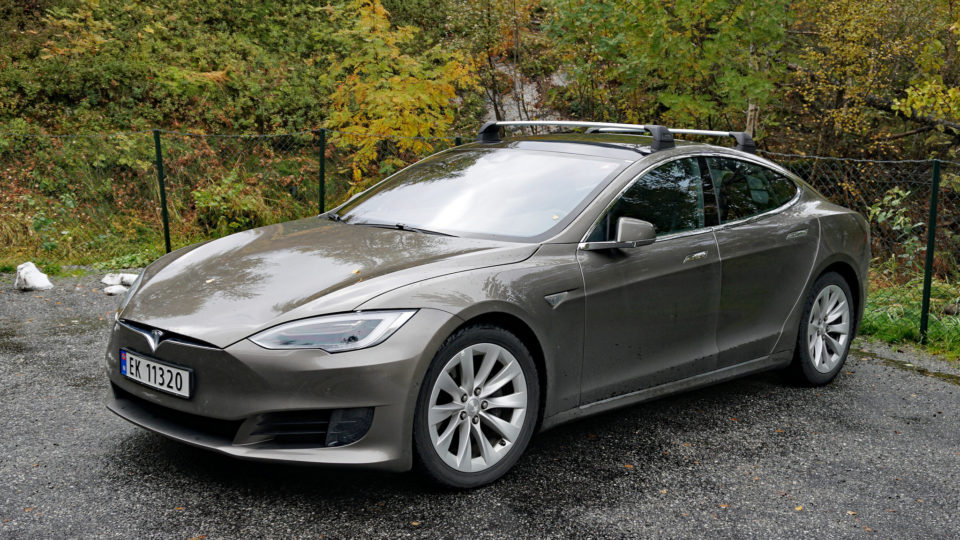
Tesla’s Model 3 was one of the best-selling cars in the United States last year, eclipsing all but a handful of sedans.  This was the first time that an electric car had that honor and is indicative of how electric cars are finally becoming mainstream.  A host of other new electric models from multiple manufacturers will be the entering the market over the next couple of years.

Despite all of this progress, there is still a great deal of misinformation about electric cars.  A new study commissioned by Volkswagen revealed some of the widespread misconceptions about the vehicles.

Some people believe that electric cars can’t be driven through puddles.  Nearly one in five people believe that electric cars slow down as the battery depletes.  Many people believe that electric cars are fundamentally less safe than gas-powered cars.

More generally, people are unaware of how far current electric cars can drive on a charge.  More and more models can go 200 and even over 300 miles between charging sessions.  People also don’t know how quickly cars can charge up either.  Fast chargers like Tesla’s Superchargers can add 200 miles worth of charge in about 20 minutes.  And people don’t know what it costs to charge electric cars.  In most places, it is only a fraction of what it costs to drive the same distance using gasoline.

Despite their limited knowledge about electric cars, the 2,000 people surveyed in Britain were positively disposed towards them with nearly 6 in 10 saying that they would like to own an electric car some day and would even consider one as their next vehicle.

Electric cars will become more familiar and less exotic as more and more of them are on our roads and highways.

**********

Web Links

Major misconceptions prevent drivers from buying electric cars, study claims

Photo, posted April 6, 2018, courtesy of Brian Doyle via Flickr.

Earth Wise is a production of WAMC Northeast Public Radio.
https://www.independent.co.uk/news/uk/home-news/electric-cars-misconceptions-battery-charging-safety-volkswagen-study-results-a8700536.html

The Problem Of Urban Growth

January 2, 2019 By EarthWise Leave a Comment

https://earthwiseradio.org/wp-content/uploads/2018/12/EW-01-02-19-The-Problem-of-Urban-Growth.mp3

The rapid expansion of cities around the world has accelerated in recent decades.  If current trends continue, the equivalent of a city the size of London could be created every seven weeks by the year 2050, according to a study at Texas A&M University.

[Read more…] about The Problem Of Urban Growth

What’s In The Air?

December 12, 2018 By EarthWise Leave a Comment

https://earthwiseradio.org/wp-content/uploads/2018/11/EW-12-12-18-Whats-in-the-Air.mp3

Researchers at Yale are using some advanced technology to analyze air samples in order to obtain a detailed look at the molecular makeup of organic aerosols, which have a significant presence in the atmosphere.

[Read more…] about What’s In The Air?

Fumes From Gas Stations

November 15, 2018 By EarthWise Leave a Comment

https://earthwiseradio.org/wp-content/uploads/2018/11/EW-11-15-18-Fumes-from-Gas-Stations.mp3

A study by environmental health scientists at Columbia University examined the release of vapors from gas station vent pipes and found that emissions were 10 times higher than the estimates used to establish setback regulations that determine how close schools, playgrounds, and parks can be to the facilities.

[Read more…] about Fumes From Gas Stations

Electric Buses On The Rise

November 2, 2018 By EarthWise Leave a Comment

https://earthwiseradio.org/wp-content/uploads/2018/10/EW-11-02-18-Electric-Buses-on-the-Rise.mp3

Electric buses are replacing conventional diesel-fueled buses at an accelerating rate that is outpacing the adoption of battery-powered cars.  According to forecasts by Bloomberg New Energy Finance, by 2030 some 28% of car sales will be electric vehicles while 84% of new buses will be electric buses.  So far, some 12 years away, the actual adoption of electric buses is outpacing this optimistic projection.

[Read more…] about Electric Buses On The Rise

Hydrogen Powered Cars

October 31, 2018 By EarthWise Leave a Comment

https://earthwiseradio.org/wp-content/uploads/2018/10/EW-10-31-18-Hydrogen-Powered-Cars.mp3

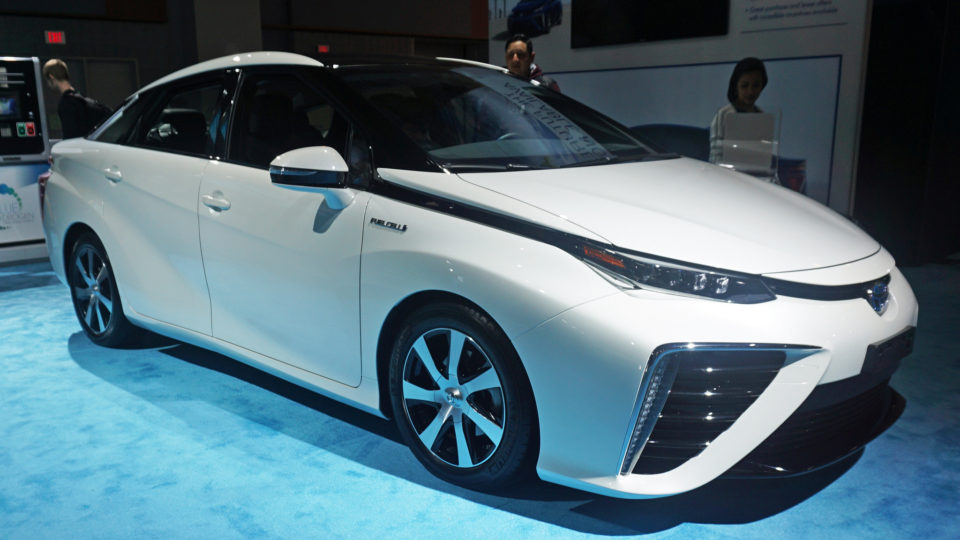
Hydrogen-powered cars are trying to make inroads in the rapidly-evolving automobile market. Several major automakers – including Hyundai, Toyota and Honda continue to invest heavily in the technology while selling a limited number of cars around the world.

[Read more…] about Hydrogen Powered Cars

Robo-Taxis And The Grid

October 25, 2018 By EarthWise Leave a Comment

https://earthwiseradio.org/wp-content/uploads/2018/10/EW-10-25-18-Robo-Taxis-And-The-Grid.mp3

The world of personal transportation is evolving.  There are three trends that are developing at the same time:  cars running on electricity rather than fossil fuels, cars operating autonomously, and people sharing vehicles instead of owning them.

[Read more…] about Robo-Taxis And The Grid

A Million Electric Cars

September 25, 2018 By EarthWise Leave a Comment

https://earthwiseradio.org/wp-content/uploads/2018/09/EW-09-25-18-A-Million-Electric-Cars.mp3

Last year, China was the first country to reach the milestone of having one million electric cars.  This year, China will add another million plug-in vehicles.  Of course, with its huge population, China sells four times as many cars in total per year as any other country. 

[Read more…] about A Million Electric Cars

A New Way To Store Hydrogen

September 20, 2018 By EarthWise Leave a Comment

https://earthwiseradio.org/wp-content/uploads/2018/09/EW-09-20-18-A-New-Way-to-Store-Hydrogen.mp3

Several major automakers including Toyota, Honda and BMW are betting that hydrogen-fueled cars will be a dominant technology in the future.  There are a number of technical and economic problems to be solved before that can happen.  Producing hydrogen in an cost-effective and environmentally-friendly way is critical.  But beyond that, one of the biggest challenges is the transportation and storage of hydrogen.

[Read more…] about A New Way To Store Hydrogen

  • « Go to Previous Page
  • Page 1
  • Interim pages omitted …
  • Page 3
  • Page 4
  • Page 5
  • Page 6
  • Page 7
  • Page 8
  • Go to Next Page »

Primary Sidebar

Recent Episodes

  • An uninsurable future
  • Clean energy and jobs
  • Insect declines in remote regions
  • Fossil fuel producing nations ignoring climate goals
  • Trouble for clownfishes

WAMC Northeast Public Radio

WAMC/Northeast Public Radio is a regional public radio network serving parts of seven northeastern states (more...)

Copyright © 2026 ·