Our national parks are supposed to be places that allow us to commune with nature. They offer incredible vistas and amazing sights. As a result, millions of Americans and visitors from around the world are drawn to these places – too many millions, in fact.
Methane emissions are a real problem. As a greenhouse gas, methane has at least 25 times the heat-trapping power of carbon dioxide. More than a third of all the methane that humans are responsible for putting into the atmosphere comes from domestic livestock: cattle, sheep, goats and buffalo. In California alone, dairy cows along with a smaller number of beef cattle emit the heat trapping equivalent of the emissions from 2.5 million cars.
U.S. automakers have always been reluctant partners in the nation’s efforts to reduce air pollution and improve fuel efficiency. There have been struggles for decades between the carmakers and the government in setting Corporate Average Fuel Economy (or CAFÉ) standards. During the Obama administration, some of the most demanding fuel economy and emissions standards were mandated.
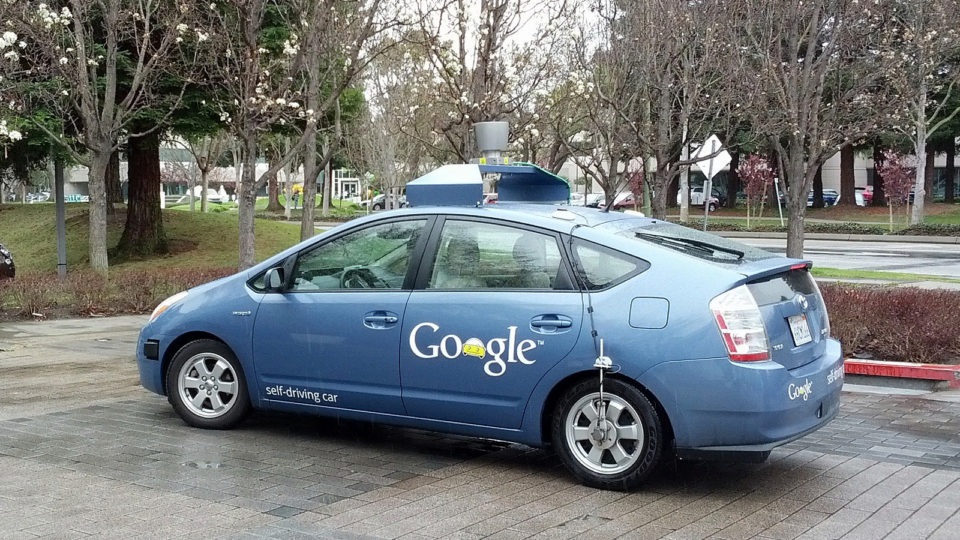
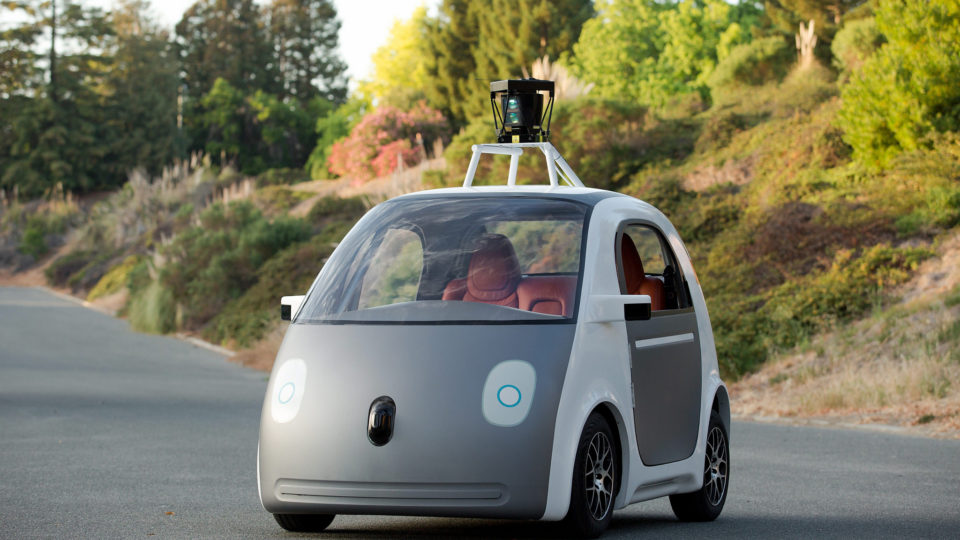
Automated cars are coming, but they face many challenges in sharing the roads with human drivers. The on-board sensors in these cars are very effective in many ways, but they cannot see around corners or see through buses or trucks. They won’t know if six cars ahead, someone has slammed on their breaks leading to a chain-reaction collision. Of course, human drivers have the same problems.
Diesel cars have never been very popular in the US and in the aftermath of the so-called Dieselgate scandal at Volkswagen, they are even less so. Less than a dozen diesel car models are available for purchase in the US and only one of those is from a German automaker: BMW.
For years, China has been struggling with some of the worst air pollution in the world. According to the European Union, only 1% of the country’s half a billion city dwellers were considered safe because almost all of its major cities were covered with what was described as a toxic grey cloud.
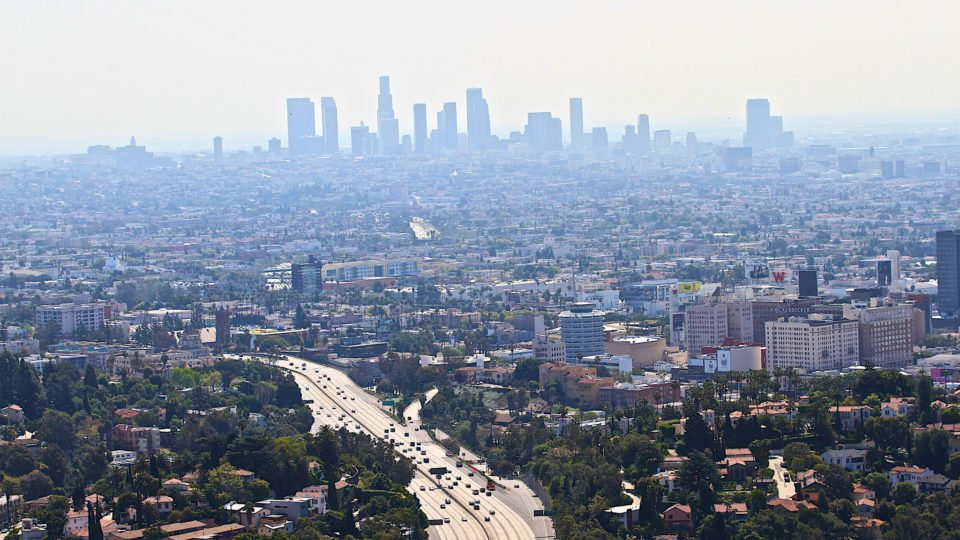
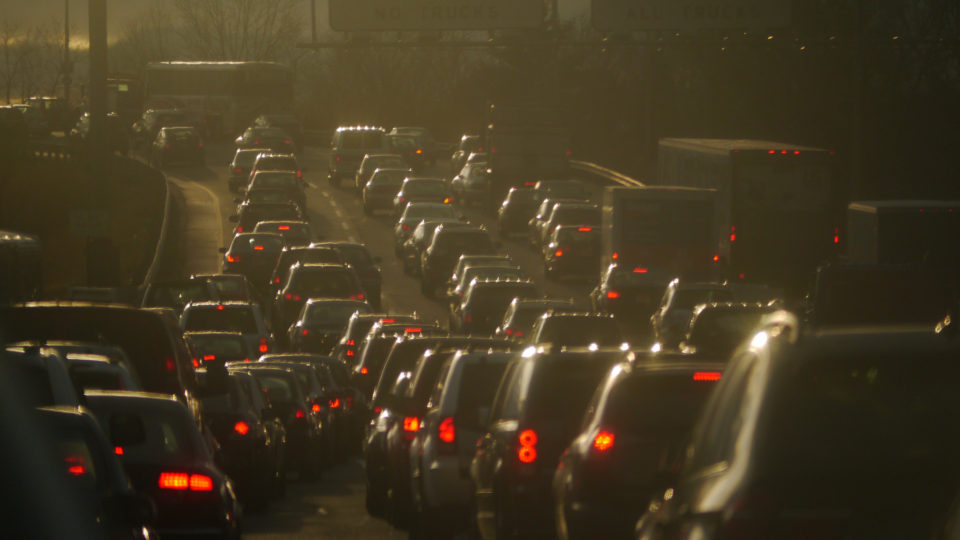
Air pollution in cities is a global problem that has reached crisis proportions in places like China and India. In our country, since the Clean Air Act was passed in 1970, there has been a great deal of effort exerted in controlling pollution from vehicles. A combination of pollution-limiting changes to engines, fuels, and pollution control systems has significantly reduced the amount of air pollution associated with the transportation sector.
Hydrogen is touted to be the fuel of the future, particularly for cars. But a more acccurate view of it is that hydrogen is an energy storage medium. And the most promising form of energy to store using hydrogen is solar energy.
We hear quite a bit about self-driving cars these days. More and more cars on the road have at least some ability to do things on their own (steer, brake, or park) and some can do much more.
The Environmental Protection Agency removed its information hub about climate change last year. In response, 17 cities reposted the information on their own city government sites. This is indicative of the fact that cities are increasingly taking on a leadership role in environmental, social and economic change.
Clean power gathered unprecedented momentum in 2017. With climate problems on the rise, national and local governments are pushing for more renewable energy and the end of fossil-fueled cars. Corporations around the globe are making major commitments to green technology. Despite the Trump Administration’s open hostility toward clean power and its rejection of climate science, American states, municipalities and private companies are all getting with the program.
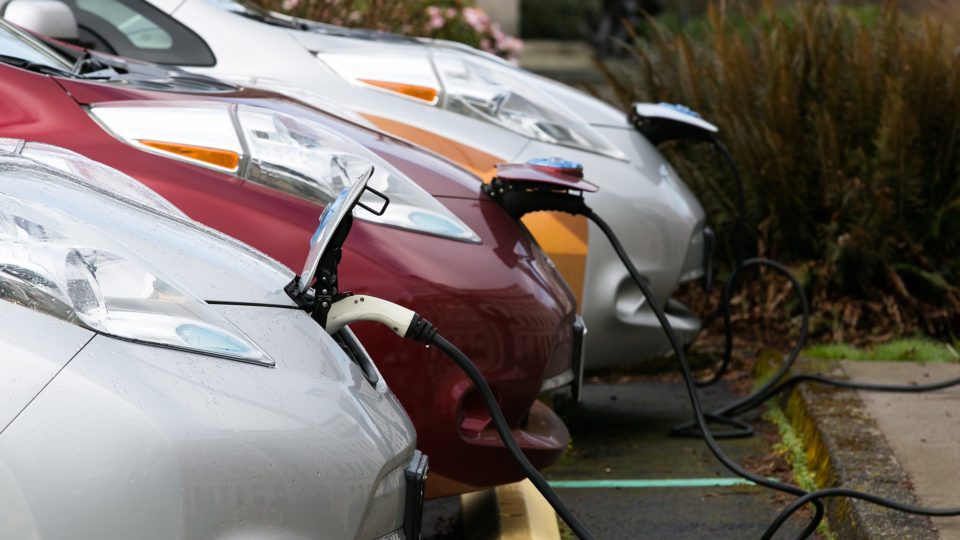
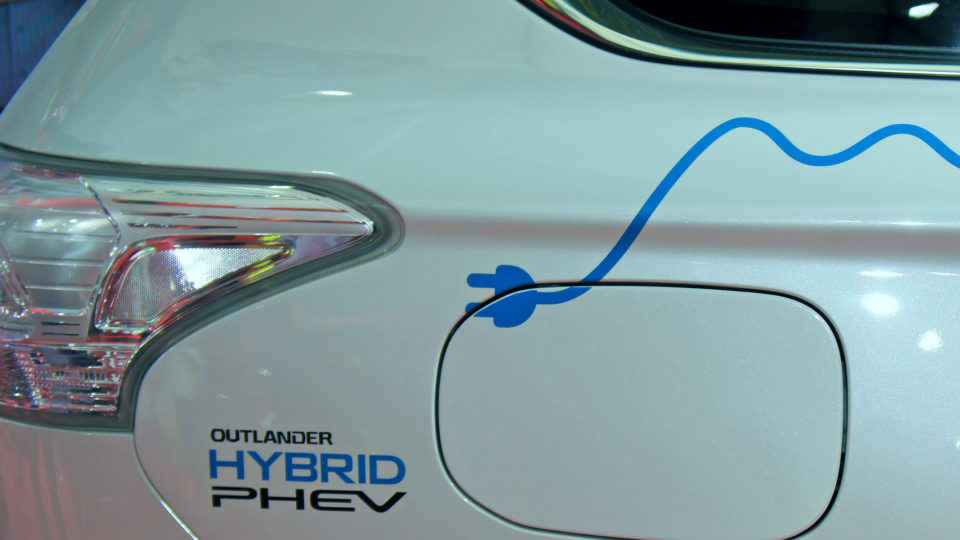
Plug-in hybrid vehicles are ones that can run both on electricity provided by a power outlet as well as on gasoline. There are many of them on the market these days built by quite a few car makers. But these vehicles have an undeserved reputation as being the fig leaf of electric mobility. Many environmental organizations and political decision-makers don’t consider them to be “real electric cars.”
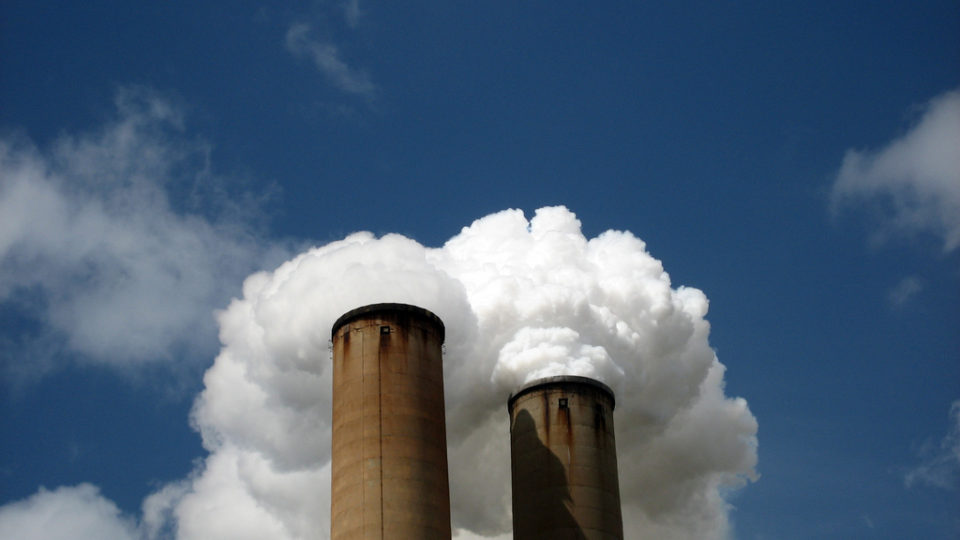
Power plants have been the biggest source of greenhouse gas emissions in the United States for more than 40 years. But the ever-changing picture of electricity production has changed that situation. According to new data from the government’s Energy Information Administration, transportation has now taken over the top spot.
According to researchers with the National Geographic Society’s Big Cats Initiative, cheetahs are much closer to extinction than previously thought. The research team has released a study, which was recently published in the journal PeerJ, that updates the cheetah population numbers in southern Africa, the largest of its remaining habitat.
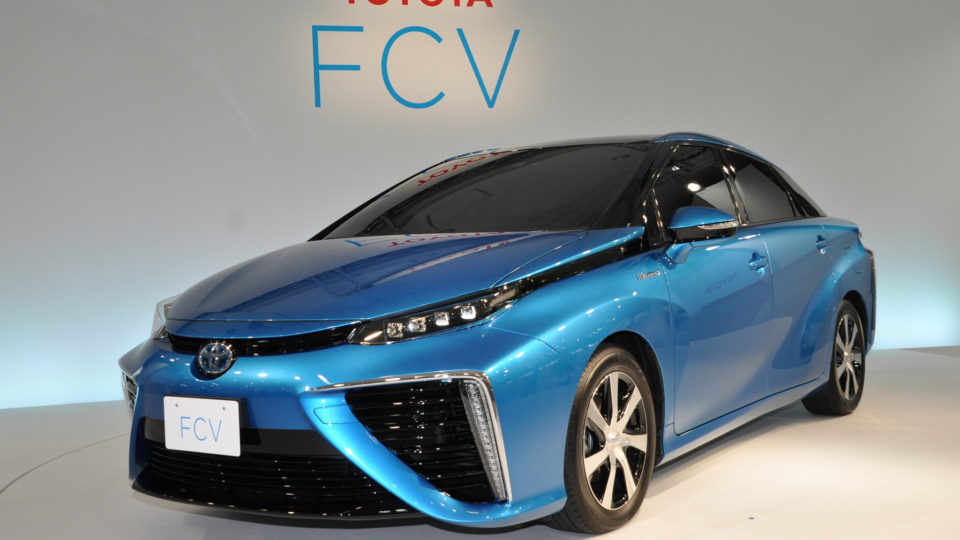
Toyota is one of several automakers that are promoting hydrogen fuel cell cars – electric cars that get their energy from fuel cells rather than batteries. Fueling one of these cars is much like filling up the tank of a gasoline-powered car, except that the fuel in question is hydrogen.
Reducing carbon dioxide emissions is an essential element in mitigating climate change. The best approach is to not produce the stuff in the first place and the ongoing transition away from fossil fuels is trying to do just that. But realistically, fossil fuels will be with us for a long time to come. Given that, additional approaches are necessary.
Severe weather is a major cause of death and destruction. Recent hurricanes provided all too many examples. The catastrophic flooding from Hurricane Harvey led to more than 60 deaths and necessitated thousands of emergency rescues. And yet, increasingly, weather events like hurricanes don’t occur without warning and accurate weather forecasts are increasingly common.
Taking the bus in crowded cities is a good way to reduce overall traffic, save money on gas, and do a good turn for the environment. Unfortunately, bus riders often are exposed to large amounts of pollution in the process.
While American politicians were voting on eliminating tax credits for buyers of electric vehicles, auto executives from around the world were gathering to make ambitious plans to sell more electric cars in China.
Germany has a reputation as one of the greenest countries on earth. They have comprehensive recycling programs, they treasure their forests, and in recent decades, they have been aggressively working to replace both nuclear and coal-fired power plants with renewable energy sources. They have been an early world leader in solar power. And their national Energiewende or “energy turn” initiative demonstrates a strong commitment to the environment.