• Skip to primary navigation
  • Skip to main content
  • Skip to primary sidebar

Earth Wise

A look at our changing environment.

  • Home
  • About Earth Wise
  • Where to Listen
  • All Articles
  • Show Search
Hide Search
You are here: Home / Archives for water

water

Efficiency Of Offshore Wind | Earth Wise

December 10, 2021 By EarthWise Leave a Comment

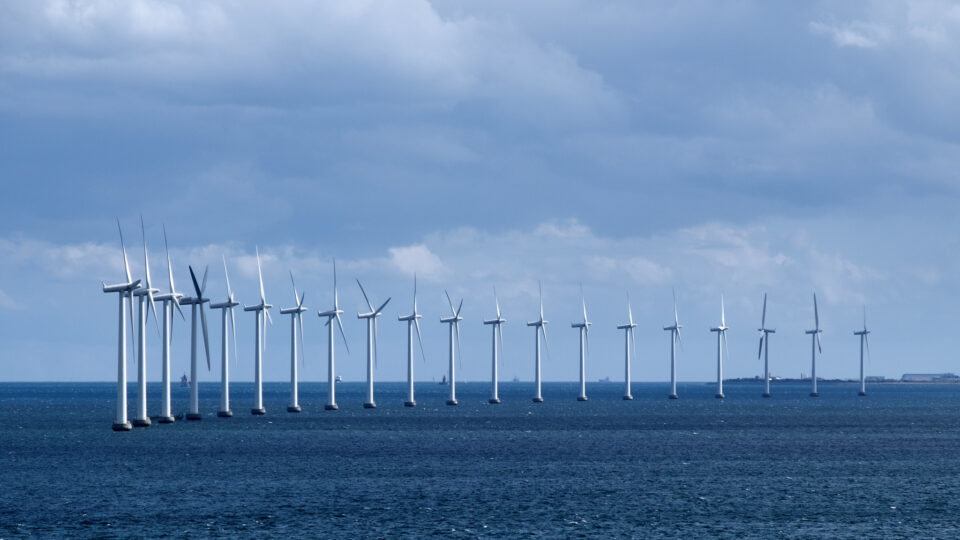
Exploring the efficiency of offshore wind turbines

After many years of debates, delays, and controversies, offshore wind is about to expand in a big way in the United States.  The White House has announced the goal to deploy 30 gigawatts of offshore wind – enough to power 90 million homes – along the East Coast seaboard by 2030.

In New York State, there are now five offshore wind projects in active development.  The state goal is to have nearly a gigawatt of offshore wind by 2035, enough to power over 4 million homes.

These projects involve the use of thousands of physically large, high-capacity wind turbines deployed over large areas at an unprecedented scale.  Such mammoth installations bring with them unique problems.

Low-turbulence conditions over water lead to the fact that individual wind farms will experience each other’s wake (the disturbance of their airflow) even when turbine arrays are 15 to 50 miles apart.  As a result, turbines may fatigue earlier, and groups of turbines may experience up to 30% lower power production due to wake effects.

Industry trends are causing an increased probability of large wake-induced energy losses within individual wind farms and an increasing probability of wake interactions.

These issues have been studied in new research published by researchers at Cornell University.  The research presents simulations that may be helpful to optimize turbine spacing in the ongoing deployments and assist plans for future ones.  Improved understanding of wind turbine and wind-farm wake is essential in ensuring that the financial investments in offshore wind result in electricity-generation goals met at the lowest possible cost.

According to Department of Energy studies, offshore wind resources around the United States could potentially generate more electricity than the entire country currently uses.

**********

Web Links

Scientists bring efficiency to expanding offshore wind energy

Photo, posted August 9, 2016, courtesy of Lars Plougmann via Flickr.

Earth Wise is a production of WAMC Northeast Public Radio.
Drought And U.S. Hydropower | Earth Wise

November 29, 2021 By EarthWise Leave a Comment

Ongoing drought in the western U.S. is affecting hydropower

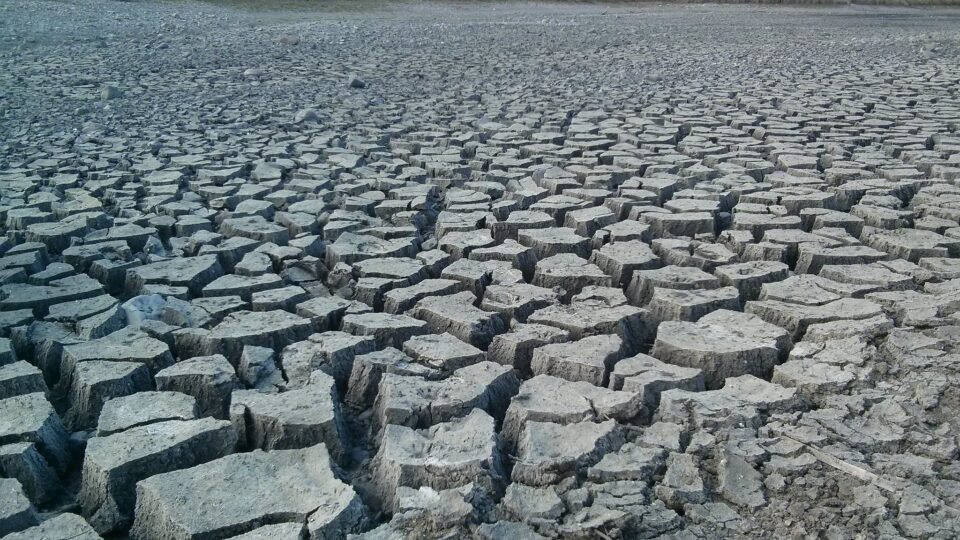
The ongoing severe drought in the western U.S. has led to low water levels in the rivers and reservoirs that feed hydroelectric power systems.  The Energy Information Administration is projecting a 13.9% decrease in hydroelectric generation this year compared to 2020.

Water levels in Lake Powell have fallen so low that it may not be possible to operate the power plant at Glen Canyon Dam starting as soon as 2022.  California officials took the Edward Hyatt hydroelectric plant offline in August because of low water levels on Lake Oroville.   Washington, the state with the most hydroelectric power generation, has seen an 11% drop in electricity generated to date this year as compared to last year.  That state is actually doing better than others in the West, such as California, where hydro generation is down 38%.

Hydropower accounts for over 7% of the electricity generated in the United States.  Five states – Washington, Idaho, Vermont, Oregon, and South Dakota – generate at least half of their electricity from hydroelectric dams.

The current decrease in hydropower is alarming, but it is not unprecedented.  The more significant question is whether the drop in generation this year is a sign that this power source is declining and becoming less reliable.   According to some scientists, the West is in a “megadrought” that could last for decades.

The greater concern is whether the bad years are likely to become more common because of climate change.  Climate projections agree that temperatures will continue to rise, but what will happen to precipitation levels in specific places is much less certain.  That is what will determine what the future holds for hydroelectric power.

**********

Web Links

Inside Clean Energy: Drought is Causing U.S. Hydropower to Have a Rough Year. Is This a Sign of a Long-Term Shift?

Photo, posted May 7, 2014, courtesy of Tyler Bell via Flickr.

Earth Wise is a production of WAMC Northeast Public Radio.
Manatees And Pollution | Earth Wise

November 11, 2021 By EarthWise Leave a Comment

Pollution wreaking havoc on Florida manatees

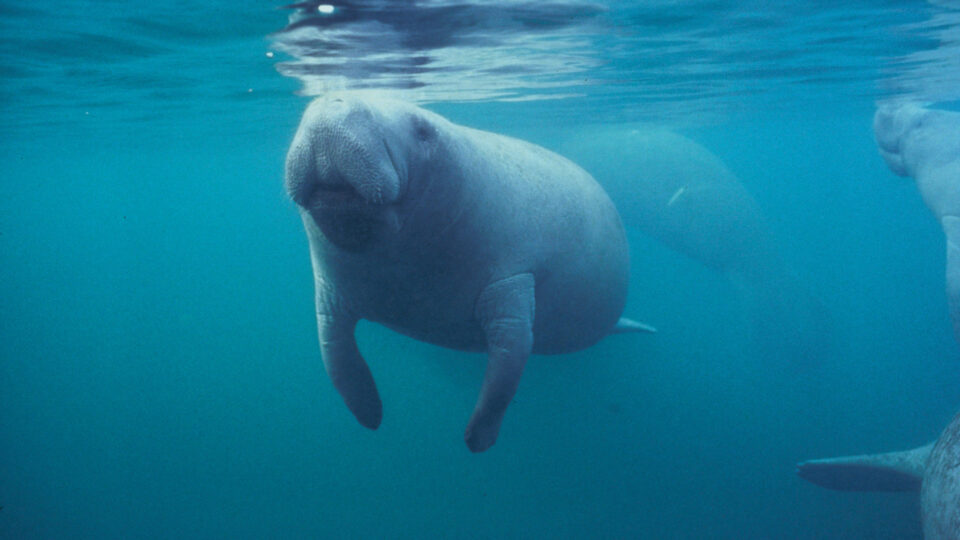
Manatees are large, gentle, and curious marine mammals measuring up to 13 feet long and weighing up to 3,300 lbs.  There are three living species of manatees:  The Amazonian Manatee, the West African Manatee, and the West Indian Manatee, which is commonly found in Florida and the Gulf Coast.  Manatees inhabit the shallow, marshy coastal areas and rivers of the Caribbean Sea, the Gulf of Mexico, the Atlantic coast, the Amazon basin, and West Africa. 

The West Indian Manatee, which includes the Florida Manatee, is protected under the Endangered Species Act.  Today, the range-wide population is estimated to be at least 13,000 manatees, with more than 6,500 in the southeastern United States and Puerto Rico.

In Florida, an uptick in nutrient loading from nonpoint sources is triggering algal blooms in Indian River Lagoon and neighboring areas.  These algal blooms have decimated seagrass, manatees’ primary food source. 

As a result , manatees have starved to death by the hundreds along Florida’s east coast.  The state has recorded 974 manatee deaths in 2021, shattering previous annual all-time highs with still approximately two months to go.  Manatees, which need to eat between 100-200 pounds of seagrass daily, are now eating the seagrass roots, which permanently kills the aquatic plants.

Efforts are being made to replant seagrass and to restore clam and oyster beds so that the mollusks can help clean the water.  But manatees face a myriad of additional threats, including collisions with boats and ships, temperature changes, disease, and crocodile predation.

********** 

Web Links

Florida lawmakers hear Fish & Wildlife agency response to manatee death ‘catastrophe’

West Indian manatee

Preliminary 2021 Manatee Mortality Table by County

Photo, posted May 7, 2010, courtesy of Jim Reid/USFWS via Flickr.

Earth Wise is a production of WAMC Northeast Public Radio.
Vineyard Wind Prepares For Construction | Earth Wise

November 5, 2021 By EarthWise Leave a Comment

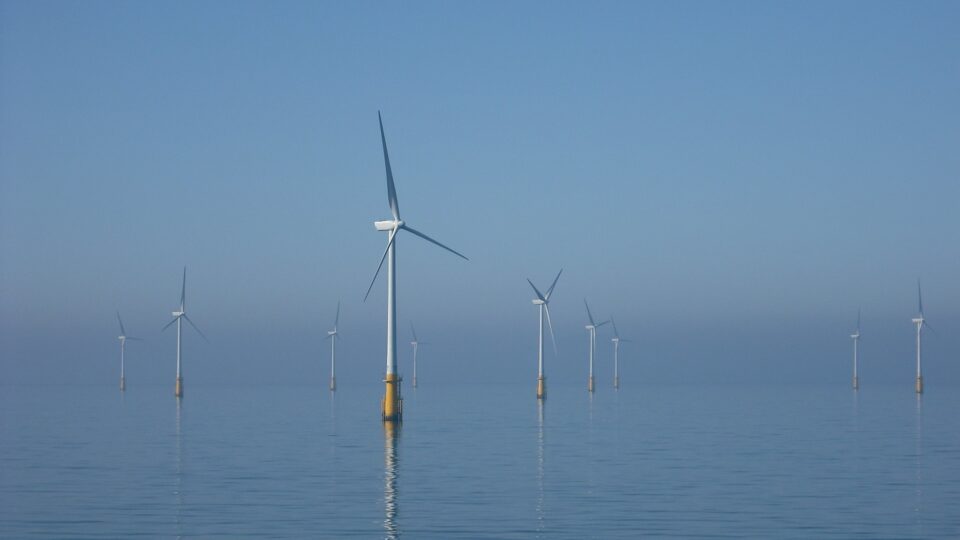
Vineyard Wind 1 will be the first utility-scale offshore wind energy project in the United States.  It will be located 15 miles off the coast of Massachusetts and will consist of an array of 62 wind turbines, spaced one nautical mile apart.  It will generate 800 megawatts of electricity, enough to power over 400,000 homes.

The project has recently closed on $2.3 billion of senior debt financing, which sets the stage for construction to begin.  The joint venture between Avangrid Renewables and Copenhagen Infrastructure partners is one of the single largest investments in a renewable energy project in the U.S.  The financial close is basically the final milestone for launching the project following years of clearing regulatory and other hurdles.

With the financial closing, Vineyard Wind will be instructing its contractors to begin work.  Onshore work will start this fall and offshore work will begin in 2022.

The project will use Haliade-X wind turbine generators made by GE.  These are some of the largest and most powerful wind turbines currently available, each one capable of generating 13 megawatts of electricity.  The electricity generated by the turbines will be collected by an offshore substation and then transmitted to shore.  Two submarine cables will bring the electricity from the substation to a landing point in Barnstable.  The cables will be buried six feet below the seafloor.  Underground cables will then route the power to an onshore substation in the village of Hyannis where it will be connected to the New England Grid.

Vineyard Wind is the first of many offshore wind farms in the works for the Northeastern United States.

**********

Web Links

U.S.’s first commercial-scale offshore wind project prepares for construction

Photo, posted March 24, 2016, courtesy of Andy Dingley via Flickr.

Earth Wise is a production of WAMC Northeast Public Radio.

Marine Heatwaves And Fish | Earth Wise

November 4, 2021 By EarthWise Leave a Comment

Extremely hot years will hurt fishing revenues and cost jobs

Marine heatwaves are periods of abnormally high temperatures in the ocean that can trigger devastating impacts on ecosystems, including coral bleaching, toxic algal blooms, and mass mortality events.  Marine heatwaves can occur in any ocean and in any season.  They are defined based on the differences between actual and expected temperatures for the location and time of year.     

According to several studies, even under moderate climate warming scenarios, oceans will experience more frequent and longer-lasting marine heatwaves in the years to come.

Researchers from the University of British Columbia’s Institute for the Oceans and Fisheries in Canada have found that extremely hot years will wipe out hundreds of thousands of tons of fish globally this century.  These losses are in addition to the projected decreases to fish stocks from long-term climate change. 

Under a worst-case scenario where no action is taken to curb greenhouse gas emissions, the research team’s model predicts a 6% drop in the amount of potential catches per year.  In addition, the biomass (or amount of fish by weight) is projected to decrease in 77% of exploited species due to the extreme temperatures.

As a result of climate change and these extreme heat events, the research team projected that fisheries’ revenues would decrease by an average of 3% globally, and employment would fall by 2% globally – a loss of likely millions of jobs.

The research team says active fisheries management is critical.  Catch quotas, for example, need to be adjusted in years when fish stocks are suffering from marine heat events.  In severe cases, the fisheries may need to be shuttered in order to allow fish stocks to rebuild.  

**********

Web Links

Fevers are plaguing the oceans — and climate change is making them worse

Marine heatwaves could wipe out an extra six per cent of a country’s fish catches, costing millions their jobs

Photo, posted October 11, 2016, courtesy of Kahunapule Michael Johnson via Flickr.

Earth Wise is a production of WAMC Northeast Public Radio.
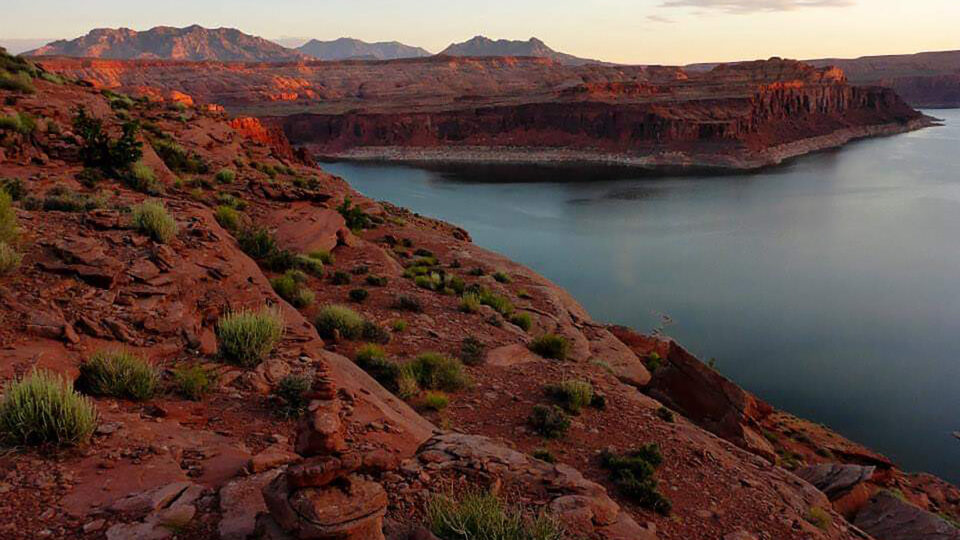
A New Low For Lake Powell | Earth Wise

November 2, 2021 By EarthWise Leave a Comment

Water levels in Lake Powell have reached new lows

Lake Powell is the second largest reservoir by capacity in the United States.  It straddles the border of southeastern Utah and northeastern Arizona and was created by the Glen Canyon Dam, completed in 1963.  The reservoir serves as a bank account of water that is drawn upon in times of drought and has made it possible to weather extended droughts by sustaining the needs of cities, industries, and agriculture in western states.  Hydroelectric power by the dam’s eight generators provides electricity to seven states.

As a result of the protracted drought in the west, the water levels in Lake Powell have reached the lowest point since 1969.  As of September 20, the lake held only 30% of its capacity and federal managers started releasing water from upstream reservoirs to help keep Lake Powell from dropping below the so-called minimum power threshold which is the water elevation that must be maintained to keep the dam’s hydropower turbines working properly.

With the entire Lower Colorado River water system below 40% of capacity, Bureau of Reclamation recently announced that water allocations in the U.S. Southwest would be cut over the next year.  The Colorado River basin is managed to provide water to millions of people including those in San Diego, Las Vegas, Phoenix, and Los Angeles. 

Successive dry winter seasons over the past two years along with a failed 2020 summer southwestern monsoon, have led to the lowest precipitation levels on record in the Southwest going at least as far back as 1895.  With warm temperatures, reduced snowpack, and increased evaporation of soil moisture, most of the American West suffers from persistent and widespread drought.

**********

Web Links

Lake Powell Reaches New Low

Photo, posted June 28, 2021, courtesy of the USFWS – Mountain Prairie via Flickr.

Earth Wise is a production of WAMC Northeast Public Radio.
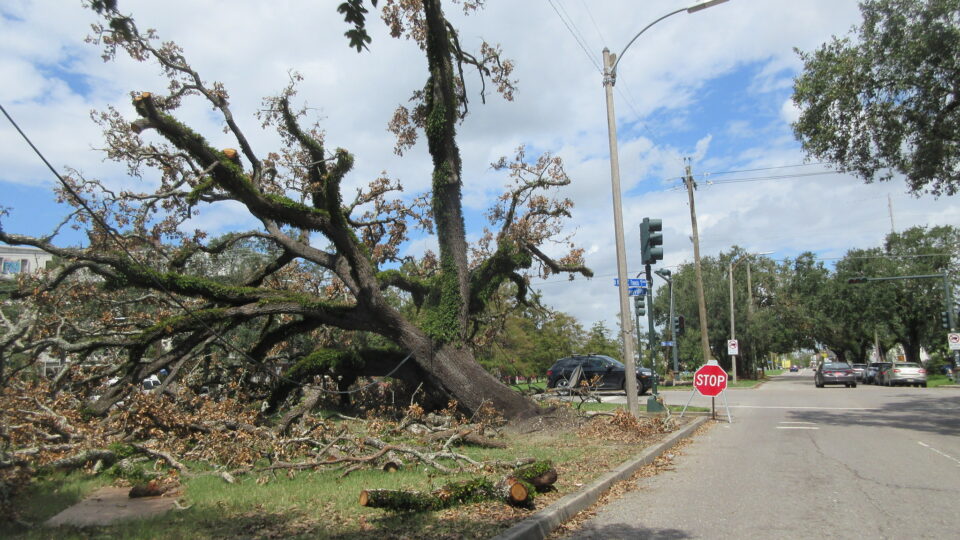
Weather Disasters On The Rise | Earth Wise

November 1, 2021 By EarthWise Leave a Comment

Weather disasters are on the rise as the planet warms

It seems like the news is always filled with stories about storms, heatwaves, drought, and forest fires.  This is because these things are happening with unprecedented frequency.

According to a new report from the World Meteorological Organization, weather disasters have become five times more common since 1970, in large part a result of climate change.  Extreme weather, climate, and water events are increasing and are becoming more frequent and severe in many parts of the world.

Between 1970 and 2019, there were more than 11,000 reported disasters attributed to weather, resulting in over 2 million deaths and $3.64 trillion dollars in economic losses.

Storms and floods were the most prevalent disasters.  The five costliest disasters ever are all hurricanes that have struck the United States over the past 20 years.

Droughts accounted for the greatest number of human losses, with severe droughts in Ethiopia, Mozambique, and Sudan responsible for 650,000 deaths.

About the only positive news in the report was that even as disasters have grown more prevalent, deaths have declined, dropping from about 50,000 a year in the 1970s to fewer than 20,000 in the 2010s.  This is a result of better early warning systems.  We have gotten better at saving lives.  But early warning systems are woefully insufficient in much of the developing world, where more than 90% of disaster-related deaths occur.

Of the 77 weather-related disasters that struck between 2015 and 2017, 62 show the influence of human-caused climate change.  With the pace of climate change now accelerating, there are likely to be more frequent catastrophic disasters in the years to come.

**********

Web Links

As the Planet Has Warmed, Weather Disasters Have Grown Fivefold, Analysis Shows

Photo, posted September 16, 2021, courtesy of Flickr.

Earth Wise is a production of WAMC Northeast Public Radio.
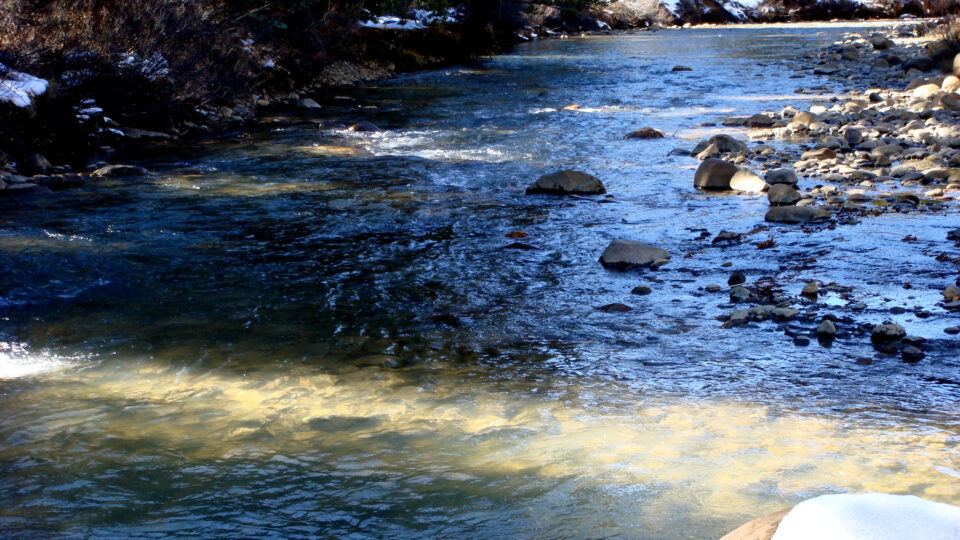
Metals In Western Water Supplies | Earth Wise

October 29, 2021 By EarthWise Leave a Comment

Acid rock drainage are contaminating western water supplies

A new study published by the University of Colorado Boulder looked at the problem of rivers being contaminated by acid rock drainage.  Rocks that include sulfide-based minerals, such as pyrite, oxidize when exposed to air and water.  The resulting chemical reaction produces sulfuric acid which, when present in water, dissolves metals like lead, cadmium, and zinc.  The recent study found that rare earth elements are also leached out of rock by this process.

Rock drainage occurs naturally throughout the western United States, but historic mines that disturbed large amounts of rocks and soil have dramatically increased this process and have led to growing downstream water pollution.  Upwards of forty percent of the headwaters of major rivers in the West are contaminated by some form of acid mine or rock drainage.

The warming climate has brought longer summers and less snow in winters.  Longer, lower stream flows make it easier for metals to leach into watersheds and concentrate the metals that would otherwise be diluted by snowmelt.

Rare earth elements are essential components of many high-tech devices such as computers, hard drives, and cell phones.  There is not a long history of studying the hazards they might represent when they enter the environment.

The study looked at the Snake River watershed in Colorado and found that increasing amounts of rare earth elements are entering Colorado water supplies.  Concentrations of rare earth elements are not ordinarily monitored and there are no water quality standards set for them.

According to the researchers, once rare earth elements get into water, they tend to stay there.  Traditional treatment processes don’t remove them.  It is a growing problem that needs to be addressed.

**********

Web Links

Rare earth elements and old mines spell trouble for Western water supplies

Photo, posted October 27, 2007, courtesy of Dion Gillard via Flickr.

Earth Wise is a production of WAMC Northeast Public Radio.
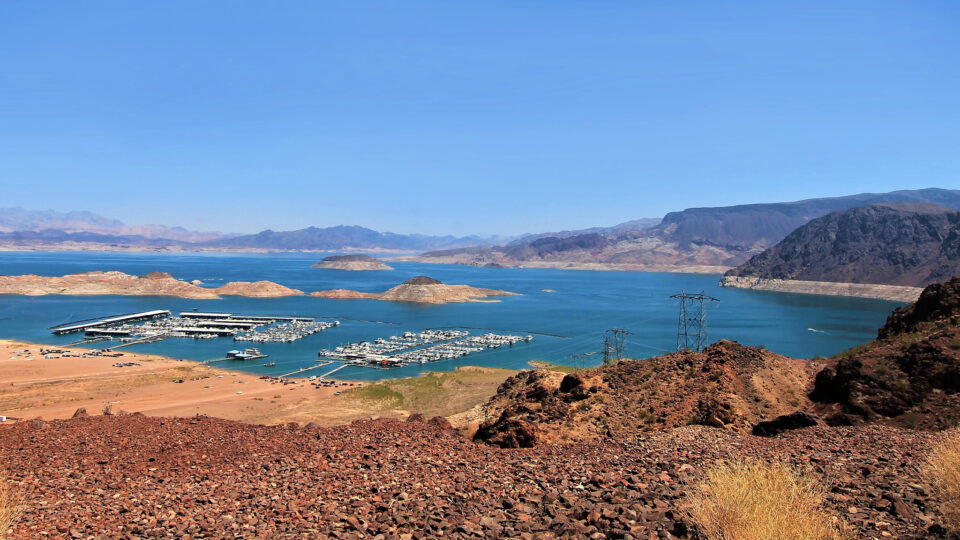
A Record Low For Lake Mead | Earth Wise

October 4, 2021 By EarthWise Leave a Comment

The low water level of Lake Mead is causing regional water shortages

Lake Mead is the reservoir that was formed by the Hoover Dam on the Colorado River.  The lake spans the Arizona-Nevada border.  It is the largest reservoir in the United States in terms of water capacity.  The lake is part of a system that supplies water to at least 40 million people in seven states and in Northern Mexico.

As of August 22, this year, Lake Mead was filled to just 35% of its capacity.  This low water level is happening while 95% of the land in nine Western states is under some level of drought conditions and 64% of the land is under extreme drought conditions.  A so-called megadrought has been going on for 22 years and may be the worst dry spell in the region in twelve centuries.

As of the end of July, the water elevation at the Hoover Dam was 1,067 feet above sea level, the lowest it has been since April 1937 when the lake was still being filled after dam construction.  The level has dropped by 132 feet since July 2000.  At maximum capacity, Lake Mead reaches an elevation of 1,220 feet and holds 9.3 trillion gallons of water.

With Lake Mead at 35% of capacity, Lake Powell on the Colorado at 31%, and the entire Lower Colorado system at 40%, water allocations for the coming water year are being cut back. Mexico will see a 5% reduction, Nevada will be cut 7%, and Arizona will lose 18% of its apportionment.   This unprecedented official declaration of a water shortage demonstrates the severity of the drought and low reservoir conditions.

**********

Web Links

Lake Mead Drops to a Record Low

Photo, posted August 7, 2018, courtesy of Renee Grayson via Flickr.

Earth Wise is a production of WAMC Northeast Public Radio.
Reducing Agriculture’s Carbon Footprint | Earth Wise

September 29, 2021 By EarthWise Leave a Comment

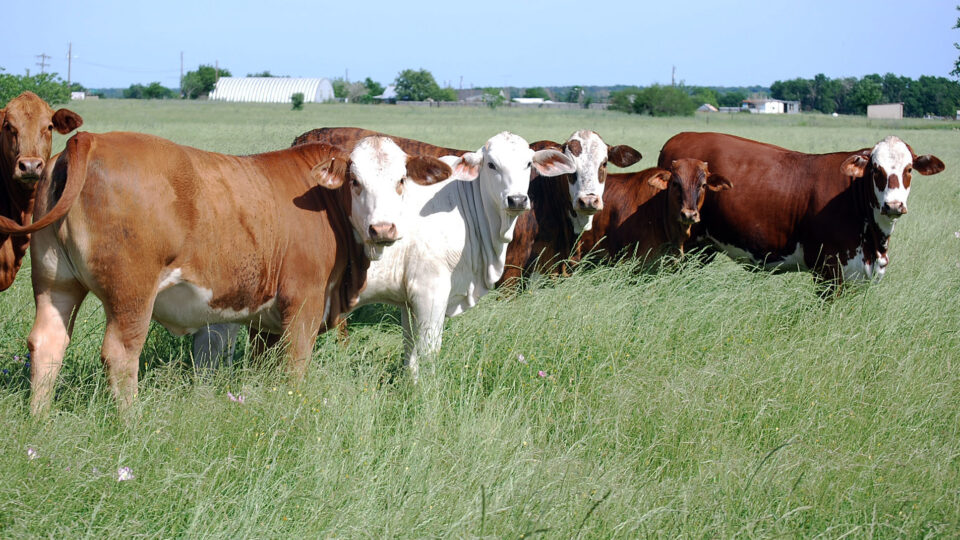
Sustainable solutions for animal grazing agriculture

Agriculture is responsible for about 10% of greenhouse gas emissions.  Those emissions come from livestock such as cows, the disturbance of agricultural soils, and activities like rice production.

Recent research from Texas A&M University presents sustainable solutions for grazing agriculture.  According to the research, published in the Journal of Soil and Water Conservation, ruminant animals like cattle contribute to the maintenance of healthy soils and grasslands, and proper grazing management can reduce the industry’s carbon emissions and overall footprint.

Grassland ecosystems co-evolved with herbivores over thousands of years.  These complex, dynamic ecosystems include grasses, soil biota, grazing animals, and predators.  The ecosystems degrade in the absence of periodic grazing.

The research contends that ruminant livestock are an important tool for achieving sustainable agriculture with appropriate grazing management.  With such management, grazing cattle on permanent perennial grasslands helps develop soil biology to improve soil carbon, rainfall infiltration, and soil fertility.

Permanent cover of forage plants is highly effective in reducing soil erosion and increasing soil infiltration.  Ruminants consuming grazed forages under appropriate management results in considerably more carbon sequestration than carbon emissions.

This overall approach is known as regenerative agriculture and is built around the ideas of practices that restore soil health and ecosystem function to support healthy agroecosystems. 

These ideas constitute alternatives to ones that call for the reduction or elimination of cattle and livestock agricultural production.  The future of agriculture needs to consider the full impacts of the entire food production chain and its environmental impacts.

**********

Web Links

Grazing Cattle Can Reduce Agriculture’s Carbon Footprint

Photo, posted April 27, 2010, courtesy of Beverly Moseley/USDA NRCS Texas via Flickr.

Earth Wise is a production of WAMC Northeast Public Radio.
Wastewater As A Freshwater Source | Earth Wise

September 27, 2021 By EarthWise Leave a Comment

Water covers three-quarters of our planet, but freshwater – the water we drink, bathe in, and irrigate crops with – comprises only 3% of the world’s water and much of that is frozen in glaciers or otherwise unavailable.  Nearly 3 billion people suffer from water scarcity for at least some of the year.

Natural freshwater sources – lakes, rivers, and groundwater – are under stress from the effects of climate change and from the increasing demands of city populations.  The wastewater treatment plants in large cities represent a significant potential water source provided that sustainable and economical technologies to produce it can be developed.

Researchers at Lehigh University in Pennsylvania have patented an innovative ion exchange desalination process that is a legitimate candidate to transform wastewater into usable water.

Existing large-scale desalination systems make use of semipermeable reverse osmosis membranes that require an energy source to run the system.  The Lehigh process, which they call HIX-Desal, harnesses the unique chemistry of carbon dioxide to take the place of the energy used in reverse osmosis systems. 

Tests of the new system show that the salinity of treated wastewater can be reduced by more than 60% by the HIX-Desal process without requiring any reverse osmosis.  At an Allentown, Pennsylvania water treatment plant where the system was tested, the researchers estimated that using the system could save about a million kWh per day in electricity usage, enough energy to power 94 homes for a year.

With this system, waste carbon dioxide from landfills or turbine exhaust can be used to desalinate municipal wastewater.  It could be the basis of a circular economy.

**********

Web Links

Desalination tech uses CO2 to tap into municipal wastewater as alternative freshwater source

Photo, posted November 28, 2020, courtesy of Richard Ricciardi via Flickr.

Earth Wise is a production of WAMC Northeast Public Radio.
Saving Water At Power Plants | Earth Wise

September 21, 2021 By EarthWise Leave a Comment

Reducing the water needs of power plants

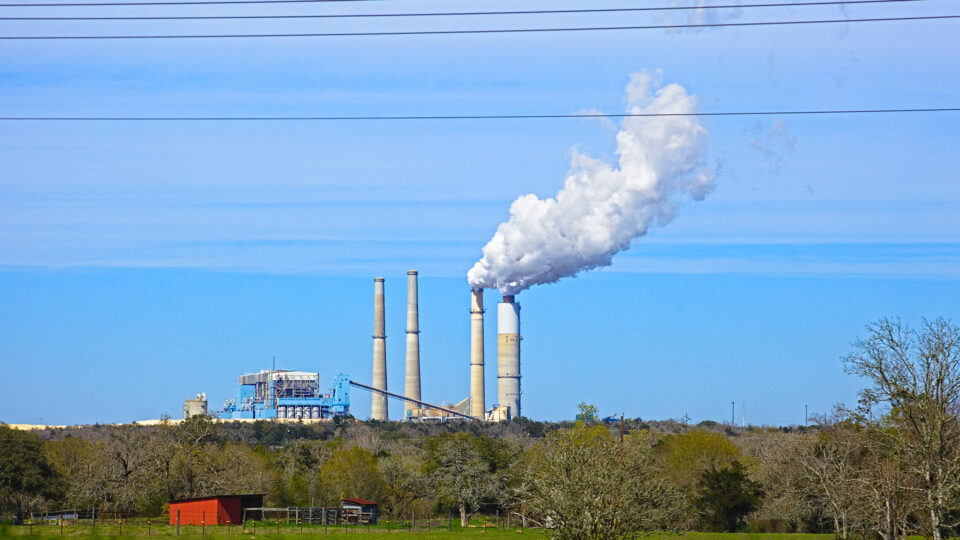
Nearly 40% of all the water taken from lakes, rivers, and wells in the U.S. isn’t used for agriculture, drinking, or sanitation.  It is used to cool power plants that produce electricity by burning fossil fuels or with nuclear reactors.   Two-thirds of these power plants use evaporative cooling, which produces huge white plumes billowing from cooling towers.

A new company using technology developed at MIT has the goal of reducing the water needs of power plants and helping to alleviate water shortages in areas where power plants strain the capacity of local water systems.

The technology is relatively simple in principle but developing it to the point where it can be applied at full scale at industrial power plants was a greater challenge. 

The basic idea is to capture water droplets from both natural fog and from the plumes from power plant cooling towers.  The MIT researchers had to improve the efficiency of fog-harvesting systems, which previously captured only 1-3% of the water droplets that pass through them.  They found that water vapor collection could be made much more efficient by zapping the tiny droplets of water with an ion beam, giving them a slight electric charge, thereby making it easy to capture them with the metal mesh of the harvesting system.

The system can essentially eliminate cooling tower plumes and produce large quantities of high-purity water in the process, which has uses at many power plants.  The new company, called Infinite Cooling, has arranged to install their equipment on two operating commercial power plants later this year.  They expect the system to reduce the overall need for water by 20%.

**********

Web Links

Vapor-collection technology saves water while clearing the air

Photo, posted March 5, 2019, courtesy of Sam LaRussa via Flickr.

Earth Wise is a production of WAMC Northeast Public Radio.
Promoting Biodiversity In Agriculture | Earth Wise

September 13, 2021 By EarthWise Leave a Comment

The best methods to promote biodiversity in agriculture

The organic foods industry is one of the fastest growing agricultural segments in the United States.  According to the Organic Trade Association, U.S. organic sales reached $61.9 billion in 2020, a jump of more than 12% over the previous year. 

Organic food has many benefits.  Organic food is free of antibiotics, growth hormones, and GMOs, and is grown using fewer pesticides.  Organic farming tends to be better for the environment by reducing pollution, conserving water, reducing soil erosion, increasing soil fertility, and using less energy.   And it’s also better for the health of nearby wildlife as well as the people who live close to farms. 

But when it comes to promoting biodiversity in agriculture, is organic farming the only alternative to conventional agriculture? It turns out it’s not – at least according to a new study recently published in the journal Trends in Ecology and Evolution. 

According to an international research team led by the University of Göttingen in Germany, a landscape mosaic of natural habitats and small-scale and diverse cultivated areas is the key to promoting biodiversity on a large scale in both conventional and organic agriculture.

According to the research team, areas cultivated to organic standards have one third more species, but don’t reach the yield level of conventional farming.  This means that more land would need to be cultivated organically in order to produce the same amount of food.  But as larger areas are cultivated, the advantages for biodiversity would disappear.    

Landscapes with small fields, long edges, high crop diversity, and at least 20% near-natural habitats can promote biodiversity significantly more than just organic certification.   

**********

Web Links

U.S. Organic Industry Survey 2021

Promoting biodiversity-friendly landscapes – beyond organic farming

Photo, posted August 29, 2019, courtesy of Lance Cheung/USDA via Flickr.

Earth Wise is a production of WAMC Northeast Public Radio.
RNA Modification For Plants | Earth Wise

September 8, 2021 By EarthWise Leave a Comment

Manipulating RNA can lead to huge increases in crop yields

We have heard a lot about RNA this past year as messenger RNA vaccine technology has been used for the first time to combat the Covid-19 pandemic.  Now RNA-based technology has shown promise to make major contributions to agriculture.

A group of researchers at the University of Chicago and two Chinese universities have announced that manipulating RNA can allow plants to yield dramatically more crops as well as have better drought resistance.

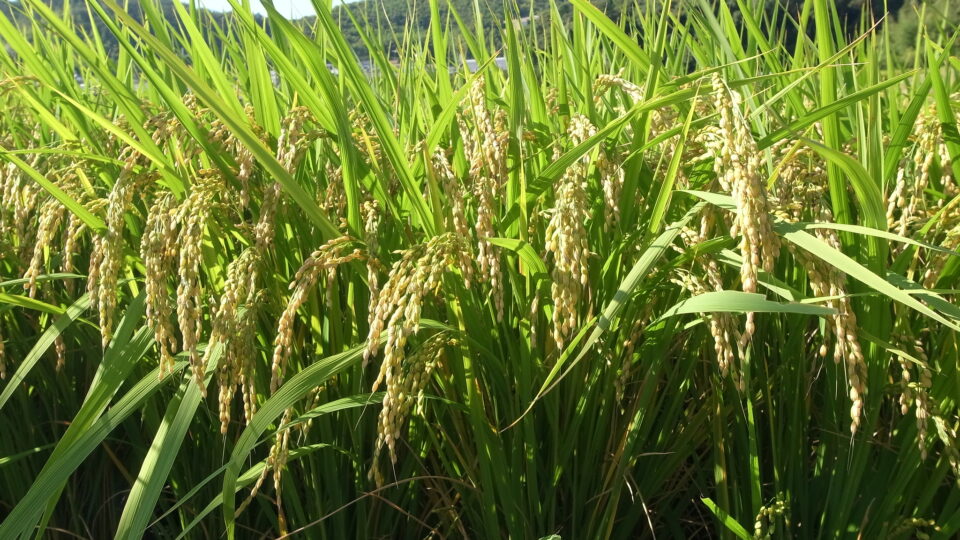
Adding  gene encoding for a protein called FTO to both rice and potato plants increased their yield by 50% in initial field tests.  The plants were larger, produced longer root systems, and could better tolerate drought conditions.  Further analysis showed that the plants had increased their rate of photosynthesis.

FTO protein erases chemical marks on RNA.  Specifically, it controls a process known as m6A, which is a key modification of RNA.  The FTO erases m6A to reduce some of the signals that tell plants to slow down and reduce growth.  Plants modified with the addition of FTO produced significantly more RNA than control plants.

Experiments with both rice plants and potato plants – which are completely unrelated – demonstrated the same results, indicating that the technique could be broadly applicable.  (The genetic modification is rather simple to make and has worked with every type of plant the researchers have tried it with so far).

These results are just the beginning but demonstrate the potential of a technology that could help address problems of poverty and food insecurity at a global scale as well as responding to climate change.  The world depends on plants for everything from wood, food, and medicine, to flowers and oils. This technique has the potential to dramatically increase the stock material we can get from most plants.

**********

Web Links

RNA breakthrough creates crops that can grow 50% more potatoes, rice

Photo, posted September 22, 2014, courtesy of Toshiyuki Imai via Flickr.

Earth Wise is a production of WAMC Northeast Public Radio.
Climate Change And Kenya’s Tana River Basin | Earth Wise

September 6, 2021 By EarthWise Leave a Comment

Climate change threatens biodiversity within the Tana River Basin

The Tana River is the longest river and most important waterway in Kenya.  It flows 620 miles from its headwaters in the Abderdare mountain range and Mount Kenya to the Indian Ocean.  The Tana River produces approximately half of the country’s electricity, and supplies Nairobi, the capital of Kenya, with 80% of its water.   

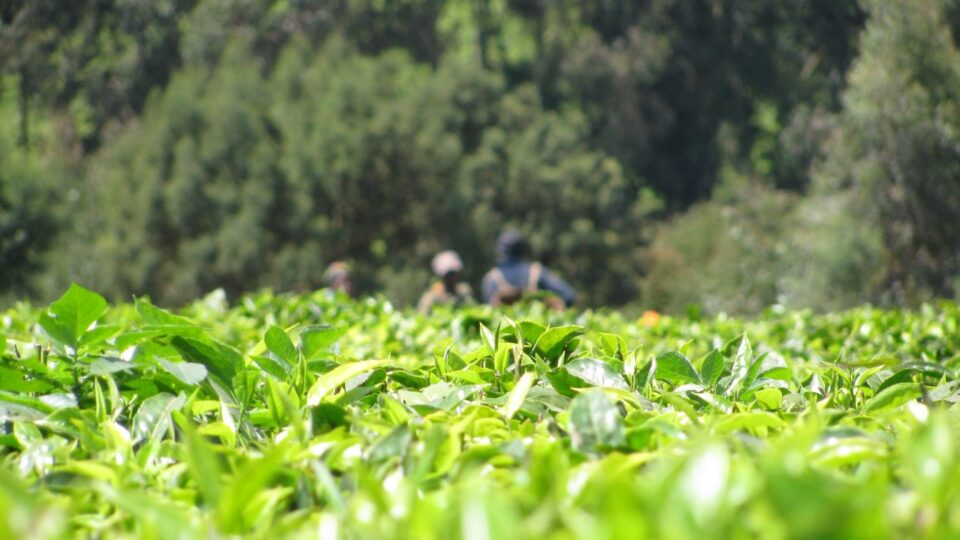
According to the United Nations Environment Programme, eight million people live along the Tana River, where coffee, tea, corn and other crops are grown for export, and fishing and cattle grazing help produce food for large portions of the country’s population. 

But the long-term ability of the river to provide these and other essential services is increasingly under threat due to many factors, including pollution, soil erosion, deforestation, and poor land use practices.   

Climate change is also complicating matters.  According to new research from the University of East Anglia, many species within the Tana River Basin will be unable to survive if global temperatures continue to rise at the current pace.  However, the study, which was recently published in the journal PLOS ONE, also found that many of these species could be saved if the world could meet the climate goals of the Paris Agreement. 

Globally, climate and land use changes are the two biggest threats to biodiversity.  According to researchers, 36% of the Tana River Basin has already been converted to agriculture. 

The research team says stronger commitments on climate change are needed from global leaders.  The climate and biodiversity crises can only be solved with urgent action to reduce global greenhouse gas emissions. 

**********

Web Links

The impact of climate change on Kenya’s Tana river basin

Economics of Ecosystem Services of the Tana River Basin

Photo, posted August 19, 2010, courtesy of Luigi Guarino via Flickr.

Earth Wise is a production of WAMC Northeast Public Radio.

Seeds And Climate Change | Earth Wise

August 19, 2021 By EarthWise Leave a Comment

Engineering seeds to succeed as the climate changes

Farmers and agricultural communities around the world are on the frontlines of climate change.  They are among the first to feel the impacts of hotter temperatures as well as more frequent and intense droughts and precipitation. These challenges pose a massive threat to both farmer livelihoods and global food security.

As the planet continues to heat up, many arid regions that already have marginal conditions for agriculture will be increasingly under stress. As a result, researchers from the Massachusetts Institute of Technology and the King Mohammed VI Polytechnic University in Morocco are working on a promising new way to protect seeds from this stress during their crucial germination phase. Their simple and inexpensive process, which was recently described in a paper published in the journal Nature Food, also provides plants with extra nutrition at the same.

The research team has developed a two layer coating for seeds designed for tackling issues related to drought. Drawing inspiration from natural coatings that occur on some seeds like chia seeds, the first layer is designed to protect the seeds from drying out. It provides a gel-like coating that grips any moisture that comes along and surrounds the seed with it.  The second (inner) layer of the coating contains preserved microorganisms called rhizobacteria, as well as some nutrients to help the seeds grow. 

The materials for the coatings are biodegradable, readily-available, and often used in the food industry already.  According to researchers, early tests using common beans have demonstrated encouraging results in Morocco, and more field tests of the seeds are currently underway.

As the climate continues to change, more innovations like this will be necessary for global food security.

**********

Web Links

Engineering seeds to resist drought

Photo, posted September 17, 2010, courtesy of Stacy via Flickr.

Earth Wise is a production of WAMC Northeast Public Radio.

The Potential Of Artificial Photosynthesis | Earth Wise

August 2, 2021 By EarthWise Leave a Comment

Artificial photosynthesis could dramatically improve our ability to power society cleanly and efficiently.

The sun is the primary source of energy on the earth.  Enough solar energy hits the earth in one hour to meet all of human civilization’s energy needs for an entire year.  The two leading forms of renewable energy – photovoltaic solar power and wind power – are ways of making use of the sun’s energy.  Wind power is indirectly provided by the sun; photovoltaic power uses sunlight to generate electricity.

The most efficient use of solar energy on the planet is one perfected by plants millions of years ago:  photosynthesis.  Photosynthesis is a complex sequence of processes by which plants convert sunlight and water into usable energy in the form of glucose.  Plants utilize a combination of pigments, proteins, enzymes, and metals to perform their magic.  If we can develop artificial photosynthesis, it would be a dramatic improvement of humans’ ability to power society cleanly and efficiently.  Whereas photovoltaics capture about 20% of the sun’s energy, photosynthesis stores 60% of the sun’s energy as chemical energy.

Researchers across the globe are working to develop artificial photosynthesis.  A group at Purdue university has been making progress in trying to mimic the ability of leaves to collect light and split water molecules to generate hydrogen. This is a critical step in photosynthesis that is accomplished by protein and pigment complexes known as “photosystems II”.  The Purdue group is experimenting with these proteins and various synthetic catalysts in order to try to develop artificial leaves based on abundant, nontoxic materials. 

It is likely to take a decade or more for artificial photosynthesis technology to become part of our energy system, but its ultimate potential is enormous.

**********

Web Links

Soaking up the sun: Artificial photosynthesis promises a clean, sustainable source of energy

Photo, posted June 14, 2007, courtesy of Alex Holyoake via Flickr.

Earth Wise is a production of WAMC Northeast Public Radio.
Greenhouse Gas Emissions From Water Reservoirs | Earth Wise

July 27, 2021 By EarthWise Leave a Comment

Water reservoirs produce a surprising amount of greenhouse gas emissions

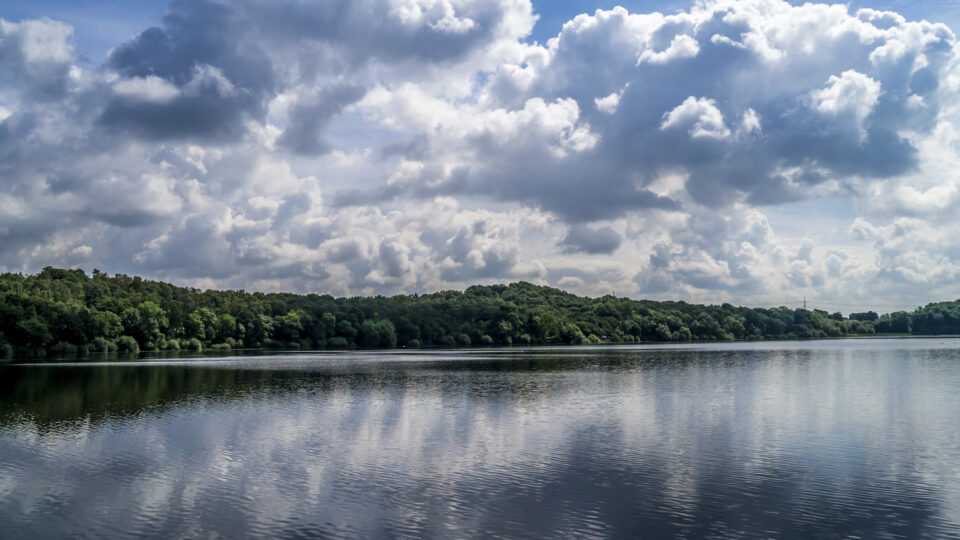
A new study by researchers from Washington State University and the University of Quebec at Montreal looked at greenhouse gas emissions from water reservoirs.  It is perhaps surprising to think that water reservoirs are a source of greenhouse gas emissions at all, but that much was already known.  The new study found that those emissions are actually around 29% higher than previously thought.

Overall, the researchers found that the world’s water reservoirs annually produce methane, carbon dioxide, and other greenhouse gases at an amount equivalent to 1.07 billion tons of carbon dioxide.   That is a small fraction of the 36 billion tons produced by fossil fuels and other industrial sources, but it is by no means a negligible amount.   In fact, it is more greenhouse gases than emitted by the entire country of Germany, which is the world’s sixth largest emitter.

Decomposing plant matter near the bottom of reservoirs fuels the production of methane, which is far more potent than carbon dioxide in warming the atmosphere.  This methane degassing accounts for about 40% of emissions from reservoirs.

The study is particularly important because it may be possible to reduce methane emissions from reservoirs by selectively only withdrawing water from near the reservoirs’ surface, which tends to be relatively methane-poor compared to greater depths.  In a related study, reducing withdrawal depth by 10 feet in a Malaysian reservoir reduced methane degassing emissions by 92%.

Human-generated greenhouse gas emissions come from a surprisingly wide range of sources and it is worthwhile studying as many of them as possible in the hope of finding additional ways to reduce the total.

**********

Web Links

Greenhouse gas emissions from water reservoirs higher than previously expected

Photo, posted July 22, 2016, courtesy of Iain Merchant via Flickr.

Earth Wise is a production of WAMC Northeast Public Radio.
Vanishing Kelp Forests | Earth Wise

June 25, 2021 By EarthWise Leave a Comment

Bull kelp forests in California are disappearing

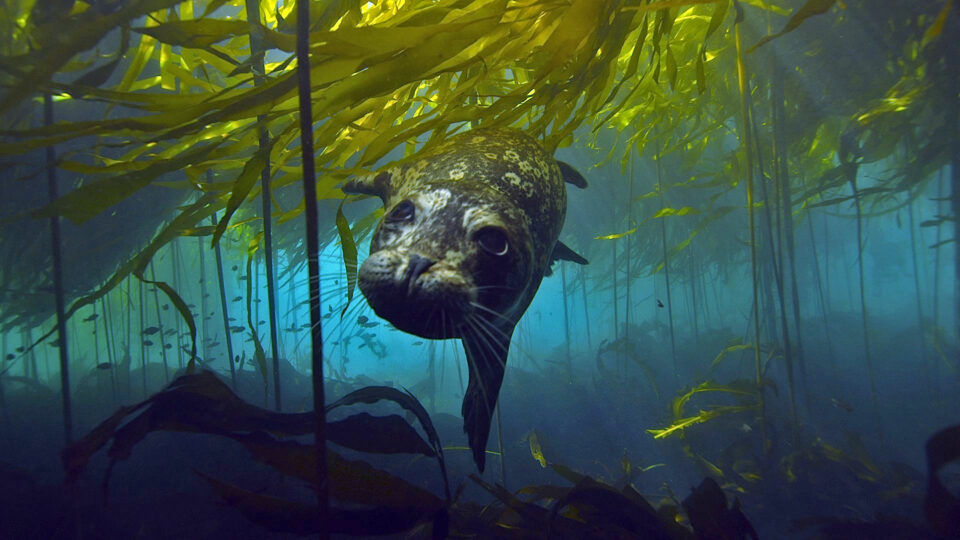
Bull kelp is the dominant species in offshore kelp forests north of Santa Cruz, California along the west coast of North America.  Bull kelp has similar physical structures to terrestrial plants; it anchors to the ocean floor with root-like structures called holdfasts, and has stem-like structures called stipes from which leaf-like blades stretch out through the water, absorbing nutrients and sunshine.

These giant seaweeds form lush underwater forests in northern California’s coastal waters and have long provided critical habitat for many species like salmon, crabs, and jellyfish.  But now, for much of the California coast, only a few patches of bull kelp remain.

A team from University of California Santa Cruz has studied satellite images of about 200 miles of coastline.  They found that starting in 2014, the area covered by kelp has dropped by more than 95%. 

The die-off was driven in part by an underwater heat wave that depleted nutrients in the water and made it harder for the kelp to grow.  Making matters much worse, populations of purple sea urchins, which eat kelp, have exploded in the region because of overfishing and other reductions in urchin predators such as sea otters.  The sea urchins eat kelp holdfasts, creating so-called urchin barrens where their destructive grazing has decimated kelp forests.

Bull kelp is a species at high risk of becoming endangered.  In coming decades, more marine heatwaves are expected.  These events as well as stronger El Niños will become more common and frequent with climate change.  Between these thermal events and the sea urchins, it will be difficult for kelp forests to survive.

**********

Web Links

Ninety-five percent of bull kelp forests have vanished from 200-mile stretch of California coast

Photo, posted October 28, 2015, courtesy of Florian Graner/Green Fire Productions via Flickr.

Earth Wise is a production of WAMC Northeast Public Radio.
Floating Solar In New York’s Capital Region | Earth Wise

June 8, 2021 By EarthWise Leave a Comment

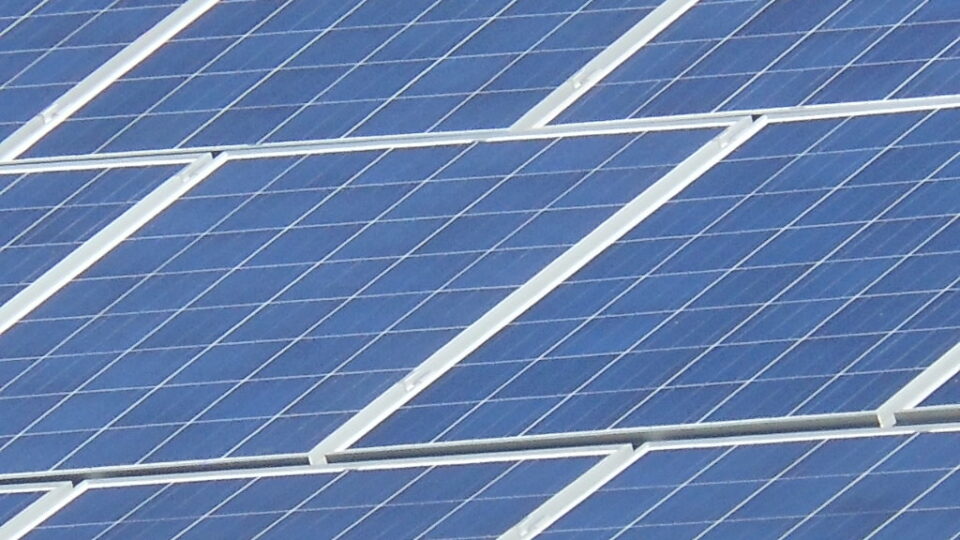
Co-developing land for both solar and solar power could provide huge benefits with minimal costs

We have previously talked about installing solar arrays on the surface of bodies of water.  The idea is especially attractive in places like Japan where land resources are scarce.  There are several floating solar installations in the UK and the idea is starting to catch on elsewhere as well.

It is quite possible that the largest municipally owned floating solar array may get built in the city of Cohoes in New York’s Capital Region if a project under consideration for federal funding moves forward.

The proposal is for an installation of 8,000 solar panels to cover about 2/3 of the 10-acre Cohoes reservoir.  Cohoes has wanted to erect a solar installation to generate power for its buildings but needed to find suitable vacant land.  The 10-acre manmade reservoir could be an excellent location for a floating solar array.

Cohoes would be the first community in the US to build and own a floating array on a manmade reservoir and could serve as a model for municipalities across the nation.  Such a project makes additional use of land that is already municipal property.  According to the city, the 3.2-megawatt array would generate over 4 million kilowatt hours of electricity per year, saving the city $300-350,000 annually.

Cohoes is seeking $4.59 million in federal funding to support the project and has the support of U.S. Representative Paul Tonko for possible inclusion in the 2022 federal budget. 

Apart from generating electricity, putting solar panels on the surface of a reservoir reduces evaporation, lowers algae growth, and actually improves solar panel performance because of the cooling effect of the water.

**********

Web Links

Cohoes reservoir could be a floating solar power pioneer

Photo courtesy of Michael Coghlan via Flickr.

Earth Wise is a production of WAMC Northeast Public Radio.

  • « Go to Previous Page
  • Page 1
  • Interim pages omitted …
  • Page 18
  • Page 19
  • Page 20
  • Page 21
  • Page 22
  • Interim pages omitted …
  • Page 34
  • Go to Next Page »

Primary Sidebar

Recent Episodes

  • An uninsurable future
  • Clean energy and jobs
  • Insect declines in remote regions
  • Fossil fuel producing nations ignoring climate goals
  • Trouble for clownfishes

WAMC Northeast Public Radio

WAMC/Northeast Public Radio is a regional public radio network serving parts of seven northeastern states (more...)

Copyright © 2026 ·