• Skip to primary navigation
  • Skip to main content
  • Skip to primary sidebar

Earth Wise

A look at our changing environment.

  • Home
  • About Earth Wise
  • Where to Listen
  • All Articles
  • Show Search
Hide Search
You are here: Home / Archives for water

water

Droughts And Hydropower

February 7, 2019 By EarthWise Leave a Comment

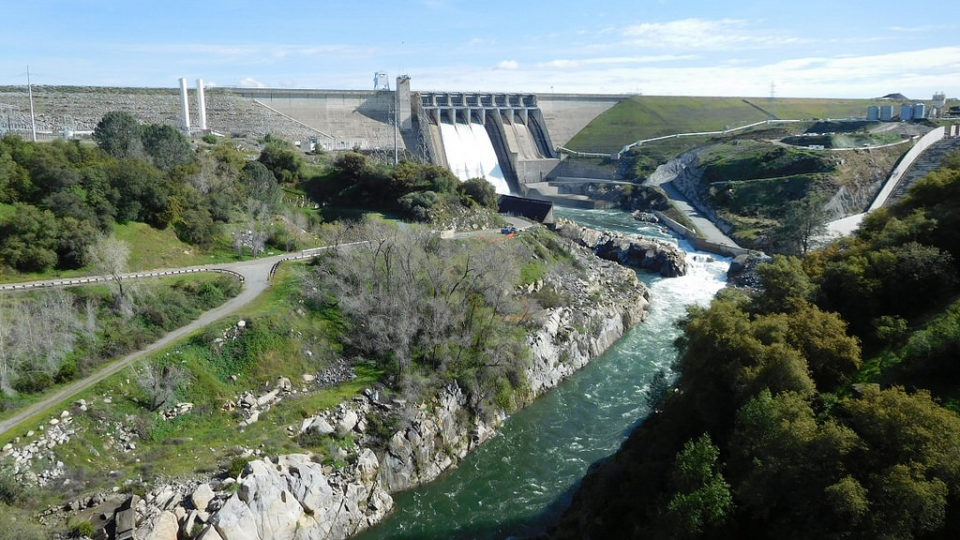
Recent droughts in several western states have led to well-publicized problems including wildfires, loss of trees, and damage to crops.  A lesser-known impact of drought conditions has been increases in emissions of carbon dioxide and harmful air pollutants from power generation.

When hydropower runs low in a drought, western states tend to ramp up power generation – and therefore emissions – from fossil fuels.   According to a new study from Stanford University, droughts caused about 10 percent of the average annual carbon dioxide emissions from power generation in California, Idaho, Oregon and Washington between 2001 and 2015.

Water is used in electricity generation both directly for hydroelectric power and indirectly for cooling in thermoelectric power plants.  When water for hydropower comes up short because of drought conditions, natural gas or coal-fired power plants are brought online to pick up the slack.

These drought-induced shifts in energy sources led to an estimated 100 million tons of carbon dioxide across 11 western states between 2001 and 2015.  That is the equivalent of adding 1.4 million vehicles to the region’s roadways.  California, whose legislature has mandated that the state be carbon-free by 2045, contributed about half of this total.  Washington, which is considering a similar mandate, contributed nearly a quarter of the total.

Western states in recent years have suffered intense droughts that scientists expect to become more common as global warming continues to intensify.   The new study indicates that in regions where clean, reliable hydropower has been an important part of the energy mix, it will be increasingly necessary to provide clean backup energy sources in order to meet emission reduction targets.

**********

Web Links

Droughts boost emissions as hydropower dries up

Photo, posted March 7, 2016, courtesy of Flickr.

Earth Wise is a production of WAMC Northeast Public Radio.
Collecting Clean Water From The Air

February 6, 2019 By EarthWise Leave a Comment

Clean water is an essential requirement for human life and there are many places where it is a scarce commodity.   In the world’s deserts, getting water to people requires feats of engineering and irrigation that can be cumbersome and expensive.

Researchers at Ohio State University have produced a couple of new studies that explore options for gathering water from fog and condensation that are based on principles of biomimicry:  copying strategies already in use by plants and animals.

The researchers looked at how cactus, beetles and desert grasses all collect water condensed from nighttime fog, gathering droplets from the air and filtering them to roots or reservoirs.

The cactus they studied collects water on its barbed tips before guiding droplets down conical spines to the base of the plant. They learned that conical shapes gather more water than do cylindrical shapes.  This is because of a physics phenomenon called the Laplace pressure gradient.

The beetles they studied collect drops of water on waxy, water-repellent bumps on their backs.  The water then slides towards the beetle’s mouth on the flat surface between the bumps.  Based on this, the researchers experimented with structures that include multiple hydrophilic cones with spaces in between where water droplets can coalesce.

From grasses, they learned that grooved surfaces move water more quickly than ungrooved surfaces – in fact, about twice as much.

The work so far has been on a laboratory-level, but the researchers envision scaling up to structures in the desert that can gather water from fog or condensation and supplement public systems or wells either on a house-by-house basis or on a community-wide basis.  Copying cacti, beetles and grasses could supply clean water to people in the desert.

**********

Web Links

Collecting clean water from air, inspired by desert life

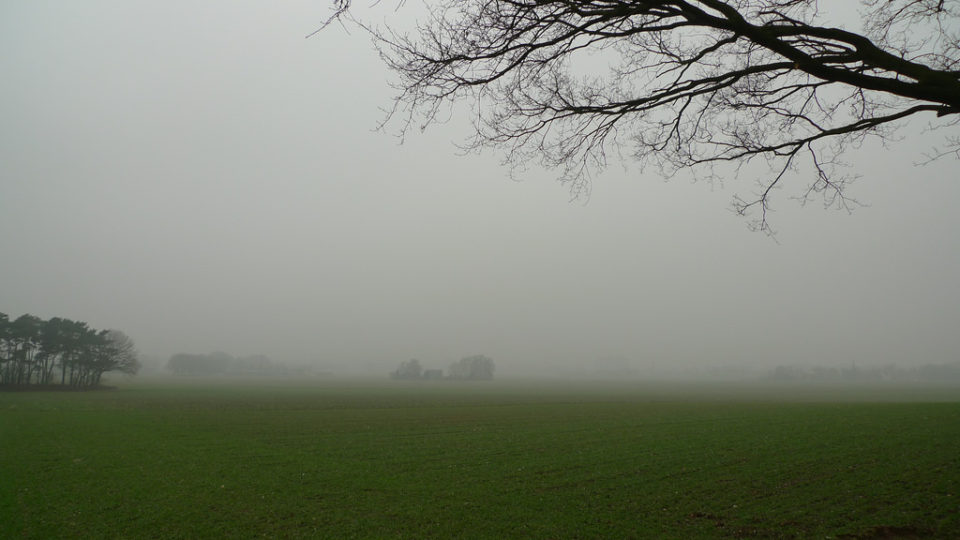
Photo, posted February 7, 2010, courtesy of Remko van Dokkum via Flickr.

Earth Wise is a production of WAMC Northeast Public Radio.
A New Way to Make Hydrogen

January 31, 2019 By EarthWise Leave a Comment

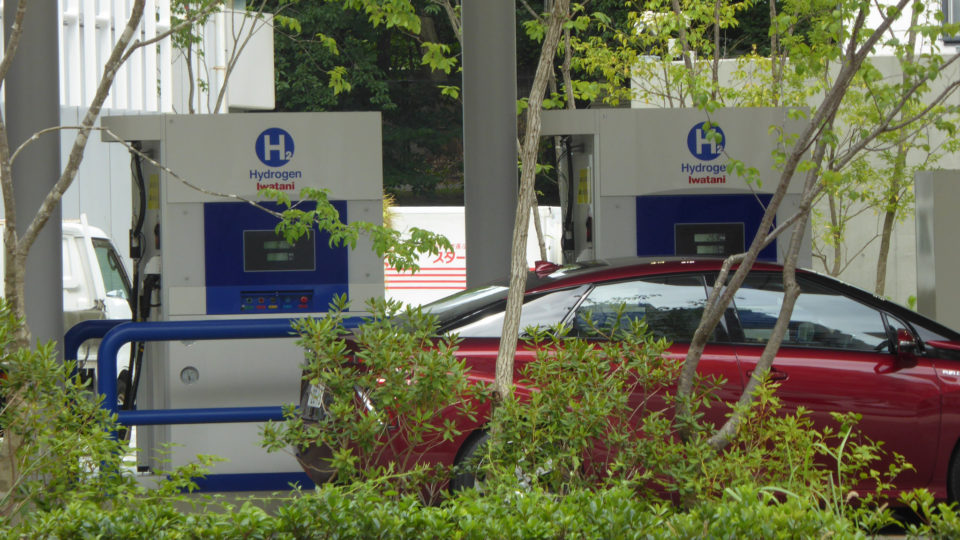
Many people consider hydrogen to be the fuel of the future, both for powering vehicles and for storing energy generated by renewable sources.   Hydrogen itself is a clean and green fuel.  Generating energy from it using fuel cells results in only water as a byproduct.

The biggest problem with hydrogen is that the most economical way to produce it and therefore the way most hydrogen is produced today, is by reforming natural gas, which is a process that generates carbon emissions.

The desirable way to make hydrogen is to produce it by breaking apart water into its hydrogen and oxygen components, a process known as electrolysis.   There are many ways to do it, but none of them to date measures up in terms of efficiency, cost, and longevity.

Researchers at the University of Toronto have recently developed a new catalyst that uses abundant, low-cost elements to split water molecules into hydrogen and oxygen.  The catalyst is made from copper, nickel, and chromium, all of which are more abundant and less costly than platinum, which is the usual electrolysis catalyst.

The new catalyst performs well under pH-neutral conditions, which means it could even work on seawater without incurring the expense of desalination.  The Toronto researchers also believe their catalyst could be used as part of a process to make hydrocarbon fuels from hydrogen and CO22.  Their group is among the five finalists in the Carbon XPrize competition, which has a grand prize of $7.5 million for finding a way to convert waste CO2 into fuel.

Finding a low-cost, energy-efficient, and reliable way to make hydrogen out of water will be a big deal if it can be done on an industrial scale.

**********

Web Links

U of T researchers discover low-cost way to produce hydrogen from water

Photo, posted July 23, 2015, courtesy of Magnus Johansson via Flickr.

Earth Wise is a production of WAMC Northeast Public Radio.
Cloning Ancient Redwoods

January 30, 2019 By EarthWise Leave a Comment

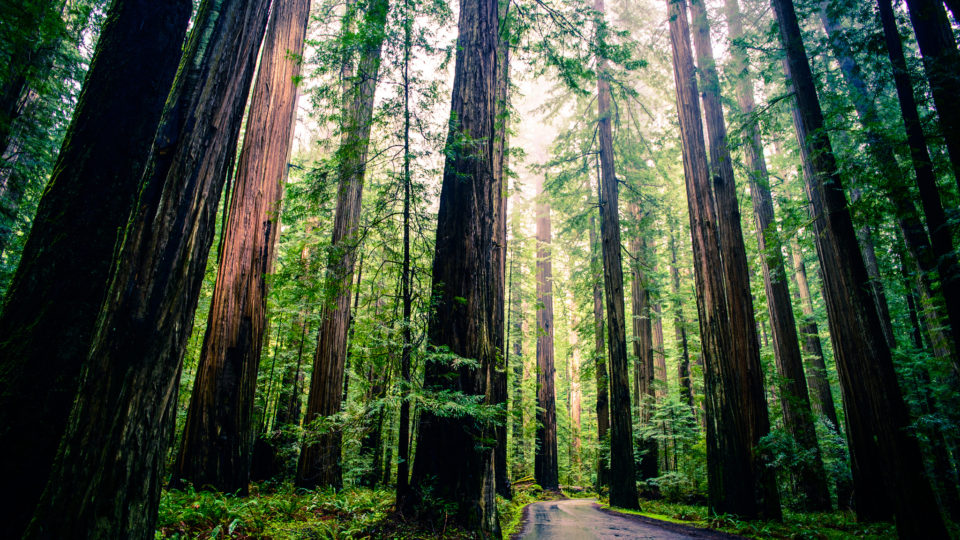
During the 19th and 20th centuries, many of the world’s largest and oldest tress were cut down for their lumber.   Some of these coast redwoods were 3,000 years old and measured 35 feet in diameter.

Today, giant stumps of these ancient redwoods dot the landscape from Oregon to northern California and are a remnant of the old-growth forest that once stretched across much of the Pacific Northwest.

An organization called the Archangel Ancient Tree Archive is dedicated to reestablishing ancient redwood forests to help combat climate change.  Coastal redwoods are not only huge but can grow an average of 10 feet a year.  One of these enormous trees can sequester 250 tons of carbon dioxide over its lifetime, more than 200 times the amount for an average tree.

While many experts thought that the giant stumps were lifeless, arborists at Archangel collected DNA from the stumps of five giant coast redwoods, all larger than the largest tree living today.  They then used this genetic material to grow dozens of saplings, which are clones of the ancient trees, in a process that takes about two-and-a-half years.

To date, the Archangel Ancient Tree Archive has planted nearly 100 of these saplings in the Eden Project garden in Cornwall, England, a couple of hundred in Oregon, and most recently, has planted 75 in the Presidio National Park in San Francisco.

According to arborists at the nonprofit organization, these saplings have extraordinary potential to purify our air, water, and soil for generations to come.  Their hopes are that the new San Francisco ‘super grove’ will be allowed to grow unmolested by manmade or natural disasters and thus propagate forever.

**********

Web Links

Arborists Have Cloned Ancient Redwoods From Their Massive Stumps

Photo, posted April 8, 2013, courtesy of Michael Balint via Flickr.

Earth Wise is a production of WAMC Northeast Public Radio.
Food Production And Climate Change

January 29, 2019 By EarthWise Leave a Comment

According to a University of Oxford study recently published in the journal Science, food production is a major driver of climate change as it’s responsible for 26% of all greenhouse gas emissions.  But the research team found that the environmental impact of different foods varied greatly. 

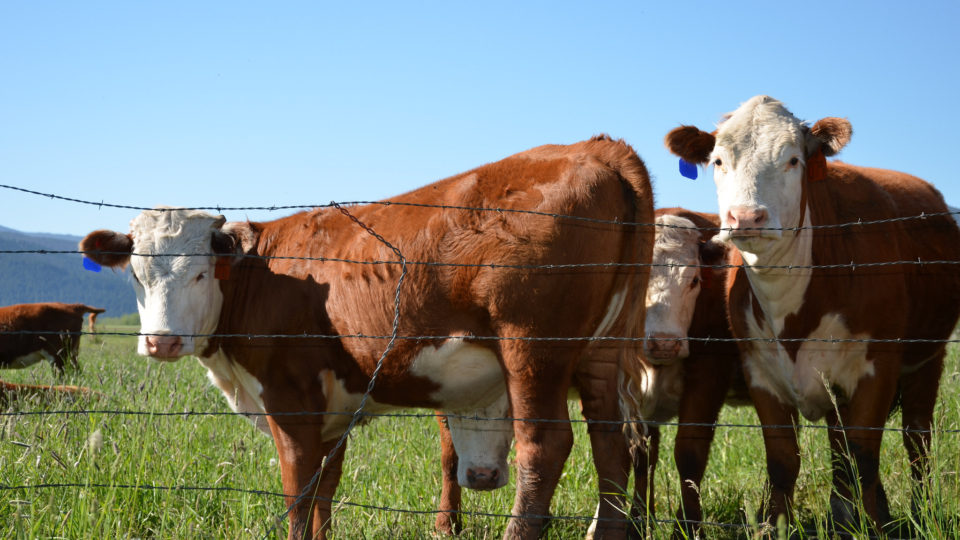
Meat and other animal products are responsible for 58% of all food-related greenhouse gas emissions, despite only providing approximately one-fifth of the calories we consume.  The researchers found that beef and lamb in particular have the most damaging effect on the planet, responsible for half of all greenhouse gas emissions from animal agriculture. 

These findings echo recommendations from the Intergovernmental Panel on Climate Change about how individuals can reduce their carbon footprint through diet.  The IPCC suggests we consume less meat and dairy products, consume more locally-sourced seasonal foods, and throw less food in the trash.  

Avoiding meat and dairy products can reduce an individual’s carbon footprint from food by two-thirds.  The effects of doing so include everything from conserving water and preserving biodiversity to reducing pollution and deforestation. 

Interestingly, the same food can have major differences in terms of environmental impacts.  For example, beef raised on deforested land is responsible for 12 times as many greenhouse gas emissions as that raised on natural pastures.  But even the most climate-friendly meat options are still responsible for more greenhouse gas emissions than the highest-impact vegetable proteins, like beans and nuts. 

Big differences can also be made by avoiding chocolate and coffee produced from deforested lands.  

To learn more about the climate impact of your diet, follow the link to the ‘Climate Change Food Calculator’ on our website: Earth-Wise-Radio.org. 

**********

Web Links

Reducing food’s environmental impacts through producers and consumers

Climate change food calculator

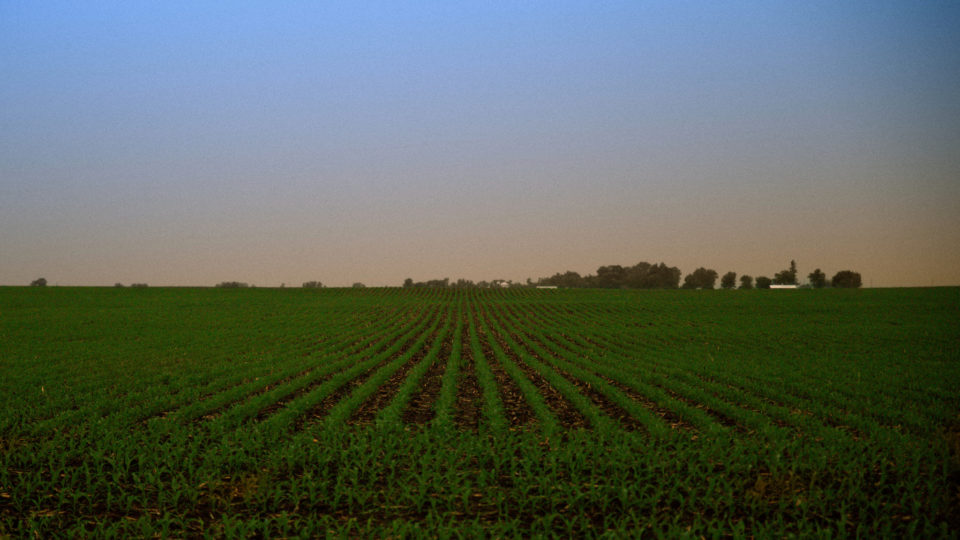
Photo, posted June 21, 2011, courtesy of USDA NRCS Montana via Flickr.

Earth Wise is a production of WAMC Northeast Public Radio.
Sustainable Plastics

January 28, 2019 By EarthWise Leave a Comment

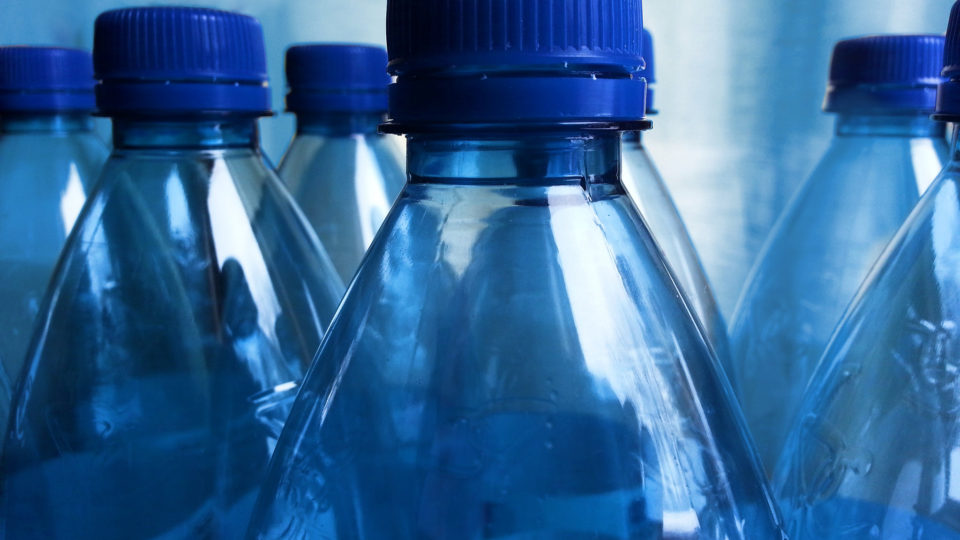
According to the United Nations, plastic accounts for up to 90% of all the pollutants in the ocean. Conventional plastics take hundreds of years to decay, so all the plastic that gets into the oceans piles up and endangers marine life and pollutes the environment. Unfortunately, there are few comparable, environmentally friendly alternatives.  

An often-proposed solution is bioplastics, which are not made from petroleum and degrade quickly.  The downside of bioplastics is that growing the plants or bacteria used to make the plastic requires fertile soil and fresh water, which are scarce commodities in many places.

One such place is Israel.  So, researchers there at Tel Aviv University have developed a process to make a bioplastic polymer that doesn’t require land or fresh water.  The new polymer is derived from microorganisms that feed on seaweed.  It is biodegradable, produces zero toxic waste and recycles into organic waste.

The polymer is called polyhydroxyalkanoate, or PHA for short.  The raw material is multicellular seaweed, cultivated in the ocean.  These algae are eaten by single-celled microorganisms, which also grow in salty seawater and produce a polymer that can be used to make bioplastic.  PHA is already produced in commercial quantities, but it is currently made from plants that require agricultural land and fresh water.  The new process would enable countries with limited fresh water, such as Israel, China and India, to switch from petroleum-based plastics to biodegradable plastics.

Plastics from fossil sources are one of the world’s biggest pollution problems.  The new study shows that it is possible to produce bioplastic completely based on marine resources in an environmentally-friendly process. 

**********

Web Links

Sustainable ‘plastics’ are on the horizon

Photo, posted March 14, 2015, courtesy of Flickr.

Earth Wise is a production of WAMC Northeast Public Radio.

Wildfire Pollution

January 24, 2019 By EarthWise Leave a Comment

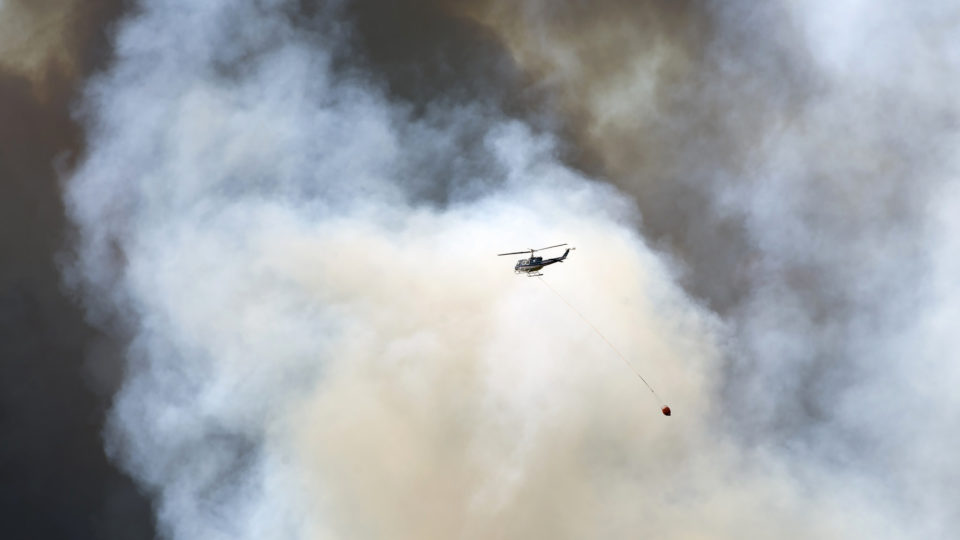
California’s record-breaking wildfires this past season have been an unmitigated disaster with respect to loss of life, property, impact on human health, and in multiple other ways.  And as if all of that was not bad enough, the impact on carbon emissions into the atmosphere was equally catastrophic.  The wildfires were deadly and cost billions of dollars but were also terrible for the environment and for the public’s health.

According to estimates from the U.S. Department of the Interior, the California wildfires released emissions equivalent to about 68 million tons of carbon dioxide into the atmosphere.  That is equal to the emissions from generating one year’s worth of electricity in the state, or about 15% of the total annual emissions in the state of California.

It is a vicious circle in which the changes to the climate that have lengthened the fire season and shortened the precipitation season are creating additional contributions to the warming of the climate.

Over the past century, California has warmed by about 3 degrees Fahrenheit.  That extra-warmed air sucks water out of plants and soils, resulting in trees, shrubs, and rolling grasslands that are dry and primed to burn. That vegetation-drying effect compounds with every additional degree of warming.  Plants lose their water more efficiently as temperatures get higher.

The result is that wildfires are increasing in size both in California and across the western United States. Fire experts at Columbia University estimate that since the 1980s, the warming climate has contributed to an extra 10 million acres of burning in western forests – an area about the size of Massachusetts and Connecticut combined.

It’s a bad situation that is getting worse.

**********

Web Links

California’s 2018 Wildfires Have Emitted A Year’s Worth of Power Pollution

Photo, posted October 11, 2017, courtesy of Bob Dass via Flickr. 

Earth Wise is a production of WAMC Northeast Public Radio.
Examining Sea Level Rise

January 17, 2019 By EarthWise Leave a Comment

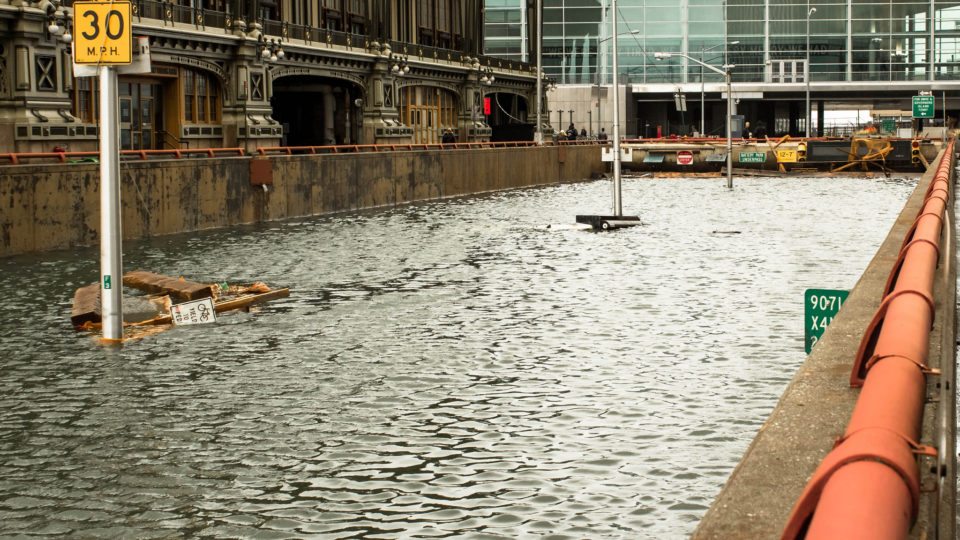
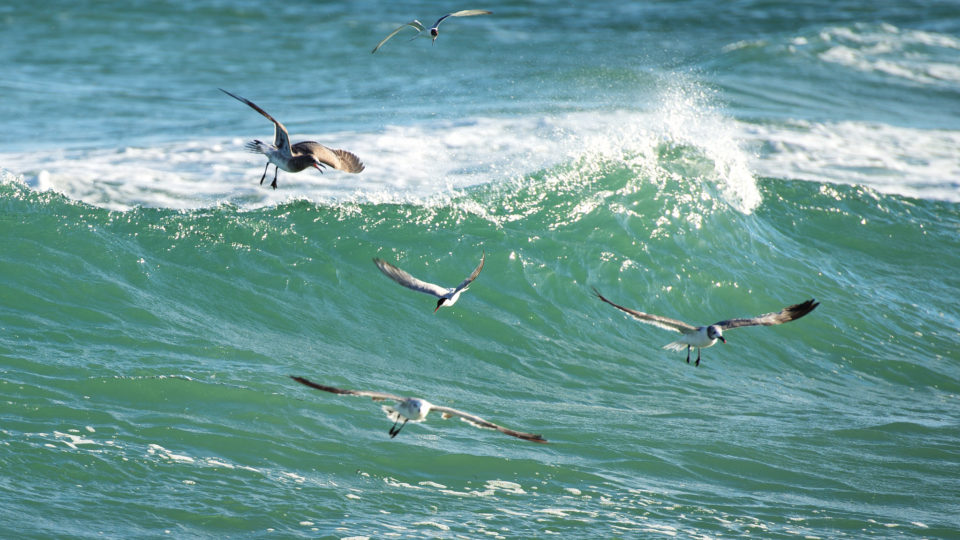
It’s no secret that sea levels along the East Coast of the United States are rising.  But what’s less known is that the water isn’t rising at the same rate everywhere.  As the climate continues to change, some cities may remain dry while others struggle to keep water out. 

During the 20th century, sea levels rose about 18 inches near Cape Hatteras in North Carolina and along the Chesapeake Bay in Virginia.  During that same time period, New York City and Miami experienced a 12 inch sea level rise, while the waters near Portland, Maine only rose 6 inches.  According to a study recently published in the journal Nature, there’s an explanation for this. 

The variation is a result of a phenomenon called “post-glacial rebound.”  During the last ice age, huge sheets of ice once covered land areas in the Northern Hemisphere, including parts of the Northeast U.S.  The weight of the ice weighted down the land like a boulder on a trampoline.  At the same time, peripheral lands such as the U.S. mid-Atlantic coast rose up.  As the ice melted, the previously weighted-down regions rebounded while the peripheral lands began to sink.  While these ice sheets disappeared some 7,000 years ago, this see-sawing of post-glacial rebound continues to this day. 

Researchers combined data from GPS satellites, tide gauges, and fossils in sediment with complex geophysical models to produce this comprehensive view of sea level change since 1900.  While post-glacial rebound accounts for most of the sea level variation along the East Coast, researchers noted that when that factor is stripped away, “sea level trends increased steadily from Maine all the way down to Florida.”

**********

Web Links

Why is sea level rising faster in some places along the US East Coast than others?

Photo, posted August 24, 2014, courtesy of Bill Dickinson via Flickr.

Earth Wise is a production of WAMC Northeast Public Radio.
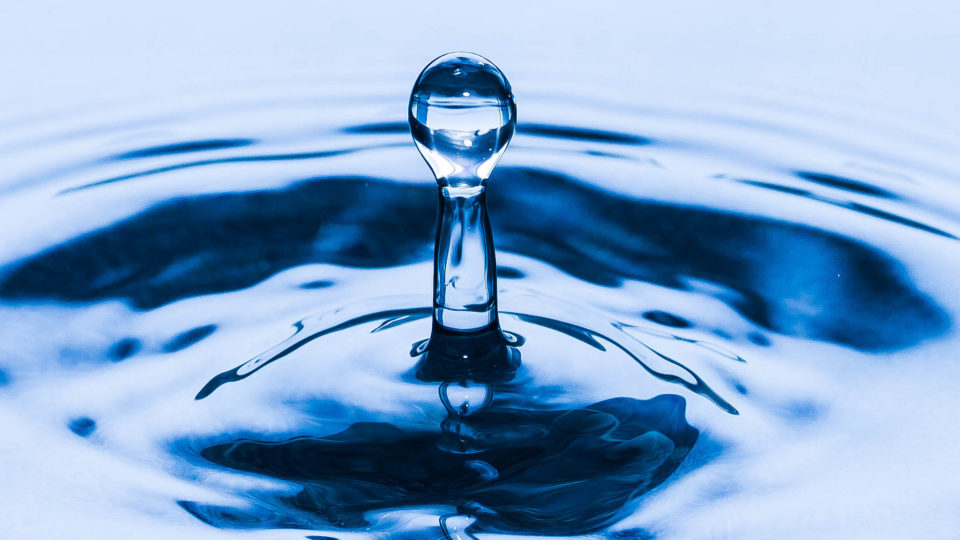
A Water-Based Battery

January 3, 2019 By EarthWise Leave a Comment

https://earthwiseradio.org/wp-content/uploads/2019/01/EW-01-03-19-A-Water-Based-Battery.mp3

The transition from fossil fuel-based power plants to clean, renewable energy sources is accelerating as both wind and solar power get cheaper and increasingly become cost-competitive with traditional power sources.   The biggest stumbling block both energy sources face is that they cannot always supply power on demand but require the sun to shine and the wind to blow.

[Read more…] about A Water-Based Battery

Fighting Hunger With A Shrub

December 20, 2018 By EarthWise Leave a Comment

https://earthwiseradio.org/wp-content/uploads/2018/12/EW-12-20-18-Fighting-Hunger-with-a-Shrub.mp3

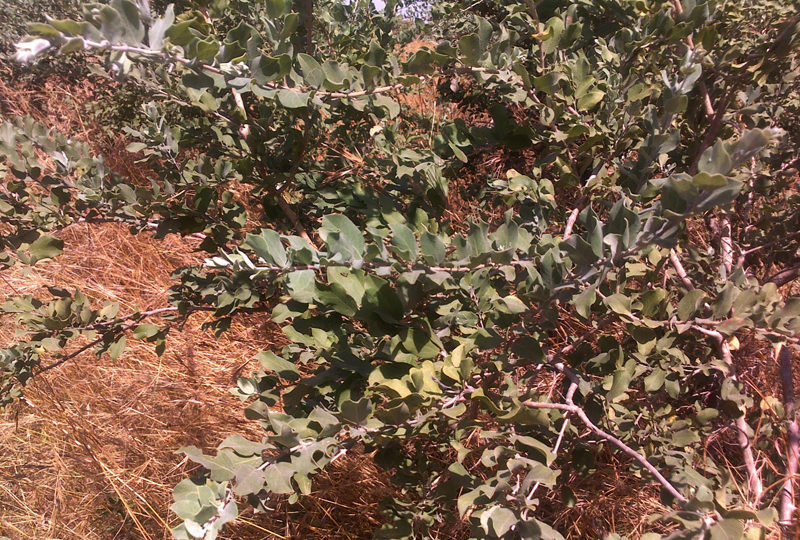
A recent study has revealed that a tough, woody shrub that grows throughout Western Africa can actually share its water with adjacent cultivated plants and boost grain production.

[Read more…] about Fighting Hunger With A Shrub

Cleaning And Splitting Water

December 18, 2018 By EarthWise Leave a Comment

https://earthwiseradio.org/wp-content/uploads/2018/12/EW-12-18-18-Cleaning-and-Splitting-Water.mp3

Researchers at EPFL in Lausanne, Switzerland, have developed a photocatalytic system that can be used to degrade pollutants present in water while simultaneously producing hydrogen that can be captured and put to use.

[Read more…] about Cleaning And Splitting Water

A Prize For Water From The Air

December 7, 2018 By EarthWise Leave a Comment

https://earthwiseradio.org/wp-content/uploads/2018/12/EW-12-07-18-A-Prize-for-Water-from-Air.mp3

The XPrize competitions provide monetary incentives to crowdsource solutions to the world’s grand challenges.  Originally started in 1994 to spur the development of private spaceflight, the XPrize program now offers prizes for diverse fields including Oceans, Learning, Health, Energy, Environment, Transportation, Safety and Robotics.

[Read more…] about A Prize For Water From The Air

More Power From The Sun’s Heat

November 29, 2018 By EarthWise Leave a Comment

https://earthwiseradio.org/wp-content/uploads/2018/11/EW-11-29-18-More-Power-From-The-Suns-Heat.mp3

When we think of solar power, we usually are talking about the panels that generate electricity using the photovoltaic effect.  These panels are on millions of rooftops around the world and in utility-scale solar farms.   There are also solar water heating systems that use the sun’s heat to provide hot water for homes and businesses.

[Read more…] about More Power From The Sun’s Heat

Microplastics And Humans

November 27, 2018 By EarthWise Leave a Comment

https://earthwiseradio.org/wp-content/uploads/2018/10/EW-11-27-18-Microplastics-and-Humans.mp3

Microplastics are everywhere.  The tiny plastic particles pose a massive environmental challenge.  Microplastics are polluting oceans at an alarming rate.  Much of the oceanic microplastics result from the breakdown of plastic litter.  Another source of microplastics pollution is microbeads.  Microbeads, which are commonly added to cleansing and exfoliating personal care products, pollute the environment when they get flushed down the drain.   

[Read more…] about Microplastics And Humans

A Better Filter For Saltwater

November 26, 2018 By EarthWise Leave a Comment

https://earthwiseradio.org/wp-content/uploads/2018/10/EW-11-26-18-A-Better-Saltwater-Filter.mp3

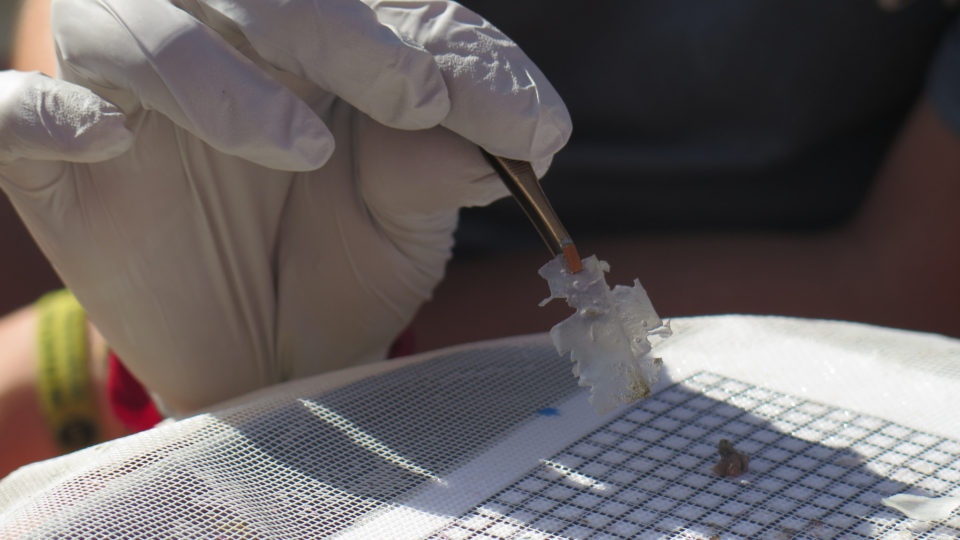
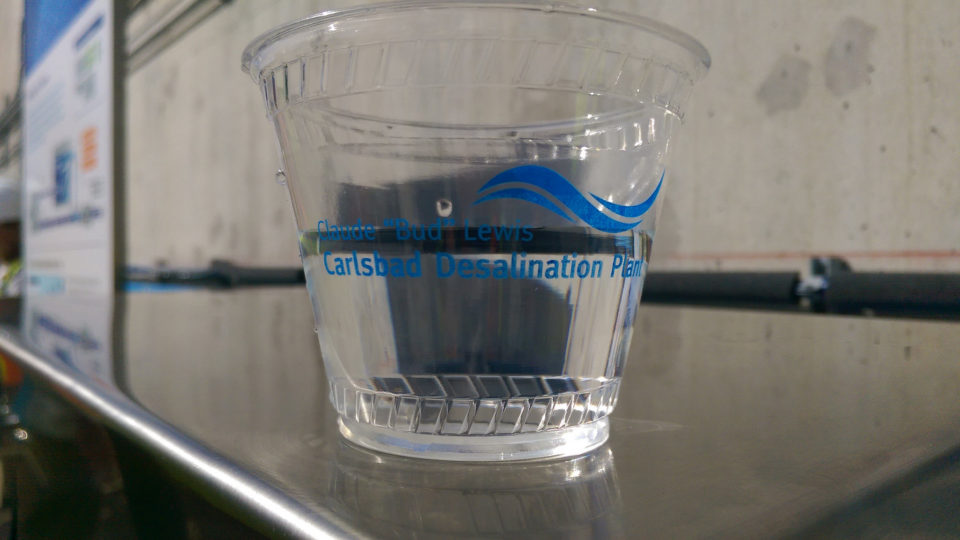
Turning seawater into drinkable water is a highly desirable capability given that fresh water is generally in short supply and seawater is endlessly abundant.  Desalination plants typically strain salt out of seawater by pumping it through films made of polyamide.  Polyamide filters are riddled with tiny pores that allow water molecules to squeeze through, but not sodium ions.

[Read more…] about A Better Filter For Saltwater

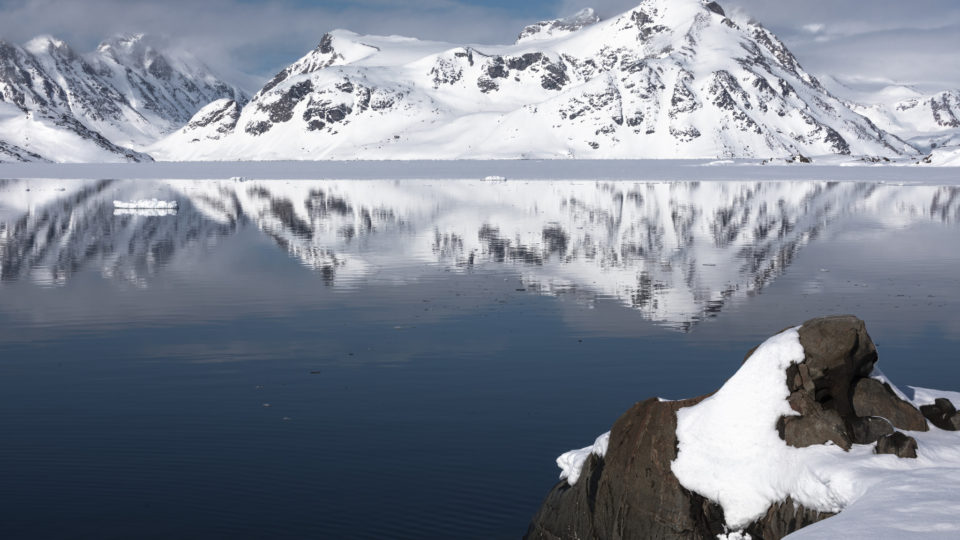
Greenland Turning Pink

November 20, 2018 By EarthWise Leave a Comment

https://earthwiseradio.org/wp-content/uploads/2018/11/EW-11-20-18-Greenland-Turning-Pink.mp3

A burgeoning ecosystem of algae is turning parts of the Greenland ice sheet pinkish-red.  It isn’t just colorful.  It is contributing more than a little to the melting of one of the biggest frozen bodies of water in the world.

[Read more…] about Greenland Turning Pink

Plastic Bottles

November 19, 2018 By EarthWise Leave a Comment

https://earthwiseradio.org/wp-content/uploads/2018/10/11-19-18-Plastic-Bottles.mp3

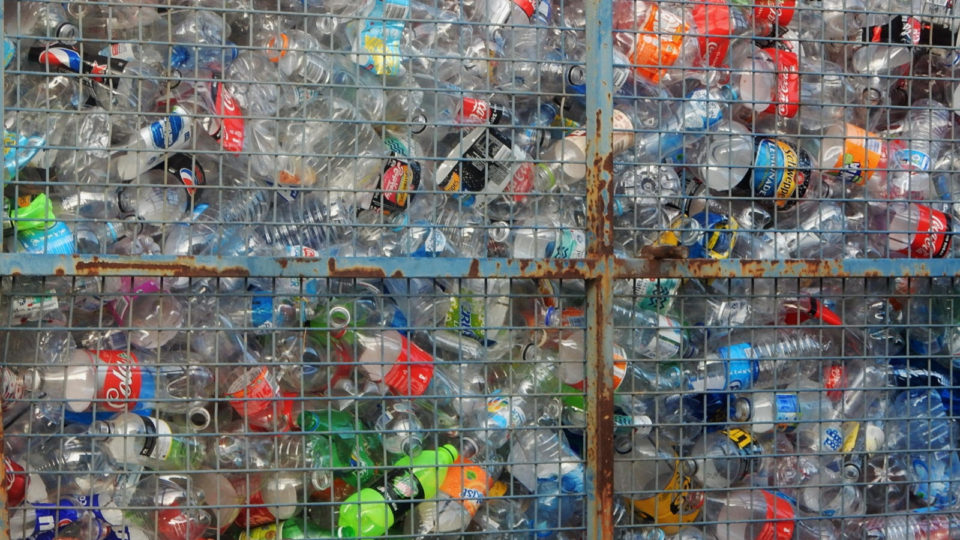
Plastic straws have become outcasts these days and for good reasons.  But they are not the only bad actors in the world of plastic products.  Single-use plastic water bottles are another example of a real trouble maker.

[Read more…] about Plastic Bottles

Cloudbursts And New York City

November 13, 2018 By EarthWise Leave a Comment

https://earthwiseradio.org/wp-content/uploads/2018/11/EW-11-13-18-Cloudbursts-and-New-York-City.mp3

Cloudbursts are intense rainstorms that drop enormous amounts of water over a short period of time.  Climate change is expected to make cloudbursts occur more frequently.  Cities around the world are looking for better ways to cope with weather phenomena like cloudbursts. 

[Read more…] about Cloudbursts And New York City

Wildfires And The Water Supply

November 12, 2018 By EarthWise Leave a Comment

https://earthwiseradio.org/wp-content/uploads/2018/10/EW-11-12-18-Wildfires-and-the-Water-Supply.mp3

Hotter and dryer conditions are leading to an increasing number of wildfires in North America and elsewhere around the world.  The damage they cause is well-known.  But one aspect of that damage that tends to be overlooked is the impact on aquatic environments and drinking water supplies.

[Read more…] about Wildfires And The Water Supply

Clean Water In The Corn Belt

October 26, 2018 By EarthWise Leave a Comment

https://earthwiseradio.org/wp-content/uploads/2018/10/EW-10-26-18-Clean-Water-in-the-Corn-Belt.mp3

Iowa is grappling with a growing battle over the integrity of its water.  Nitrogen and phosphates have been flowing in ever-increasing quantities into Iowa’s public water supplies and dealing with the problem has become a major political issue in the state.

[Read more…] about Clean Water In The Corn Belt

  • « Go to Previous Page
  • Page 1
  • Interim pages omitted …
  • Page 24
  • Page 25
  • Page 26
  • Page 27
  • Page 28
  • Interim pages omitted …
  • Page 34
  • Go to Next Page »

Primary Sidebar

Recent Episodes

  • An uninsurable future
  • Clean energy and jobs
  • Insect declines in remote regions
  • Fossil fuel producing nations ignoring climate goals
  • Trouble for clownfishes

WAMC Northeast Public Radio

WAMC/Northeast Public Radio is a regional public radio network serving parts of seven northeastern states (more...)

Copyright © 2026 ·