cost

The High Cost Of The Cloud

More and more often we make use of “the cloud” – that mysterious place where we store, move, process and analyze data. We keep our photos there. We stream music and videos from there. We do our work there. Perhaps we have a mental image of all of this digital information floating above our heads in some ethereal way: like in a cloud.
Farming In Solar Farms
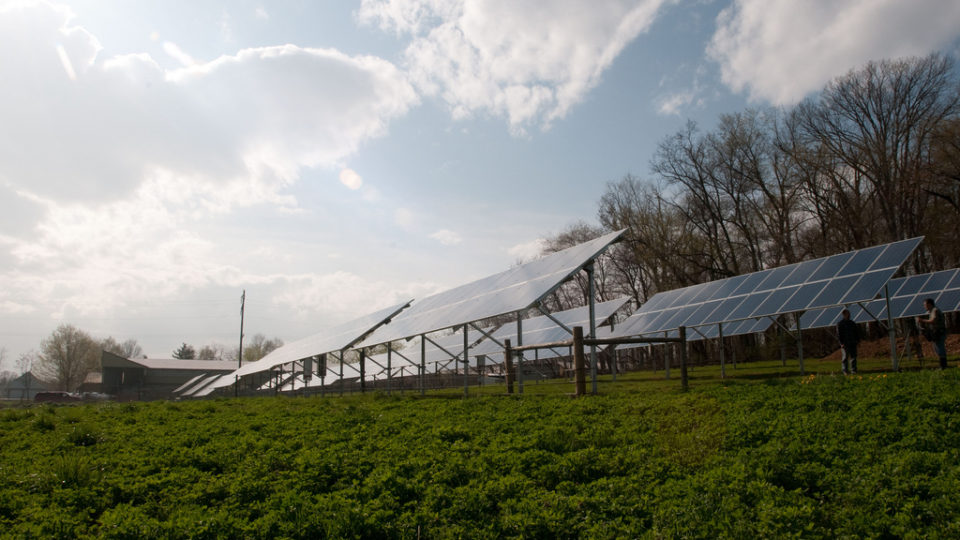
Utility-scale solar installations have been expanding rapidly. The amount of land used for solar projects is becoming quite substantial. The National Renewable Energy Laboratory (NREL) predicts that 3 million acres will be devoted to solar farms by 2030, and 6 million by 2050. These numbers pale in comparison with the land used for corn, soybeans, and wheat, but are more than used for such familiar crops as oats, barley and rice.
U.S. Offshore Wind Powering Up

After many years of false starts and delays, the offshore wind industry in the U.S. finally seems to be gaining momentum. According to the Department of Energy, more than 25 offshore wind projects with a generating capacity of 24 gigawatts are now being planned. Most of these are off of the Northeast and Mid-Atlantic coasts.
Major Investments In Solar Power

There is big money going into renewable energy and energy-smart technologies and half of that is going into solar power. In 2017, global investments in green energy reached $334 billion and $161 billion of that was in solar.
Climate Change Threatens the U.S. Military

According to a new study from the Pentagon, nearly half of United States military sites are threatened by wild weather linked to climate change. The U.S. Department of Defense states that drought, wind, and flooding that occur due to reasons other than storms topped the list of natural disasters that endanger 1,700 military sites around the world – everything from outposts to large bases.
[Read more…] about Climate Change Threatens the U.S. Military
A Better Way To Make Hydrogen
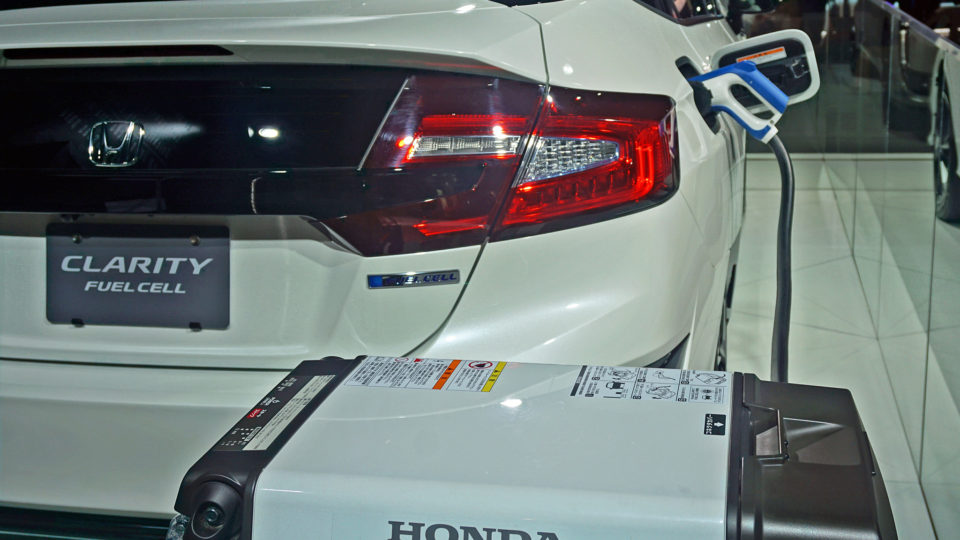
There is a great deal of interest in developing cost-effective, energy-efficient and environmentally-friendly ways of producing hydrogen. If hydrogen-powered vehicles are to catch on, it is essential.
Myths About Organic Food

There is much to be said in favor of organic food. The organic produce industry took in $65 billion in 2016 and that farming method is clearly increasingly popular and is here to stay. Nevertheless, there are various misconceptions and inaccuracies related to organic food.
Hopeful Climate Trends

In November, Syria joined the Paris Climate Accord. As a result, the United States is now the only country in the world that has rejected the global pact. Despite this embarrassing news, there is reason for optimism in the effort to stave off the worst impacts of climate change. In particular, 7 major trends provide hope that things could move in the right direction.
Being Ready For Adverse Weather

Severe weather is a major cause of death and destruction. Recent hurricanes provided all too many examples. The catastrophic flooding from Hurricane Harvey led to more than 60 deaths and necessitated thousands of emergency rescues. And yet, increasingly, weather events like hurricanes don’t occur without warning and accurate weather forecasts are increasingly common.
An Internal Price On Carbon
As the world looks to reduce carbon emissions, many companies are dealing with paying for their carbon emissions as part of the cost of doing business. But apart from the situations in which companies already are required to pay for their carbon emissions, a growing number of companies now build carbon pricing into their business plans even if they are not yet directly paying for their emissions. This practice is known as putting an internal price of carbon into their business plan.
The Deadly Cost Of Pollution

There is deservedly a great deal of focus on the effects that carbon pollution is having upon the climate and most countries around the world are working to reduce their emissions. However, even if climate effects were not a serious threat to humanity, pollution is a deadly menace to human health.
Renewables On The March

Solar power and wind power have both been growing by leaps and bounds in recent years and there is no end in sight to their progress.
Fern-Inspired Energy Storage

The amount of solar energy striking the surface of the earth in two hours is enough to supply all of humankind’s needs for an entire year. For this reason, it is widely thought that solar energy should be our primary source of electricity. If this is to happen, however, there must be cost-effective ways to obtain solar electricity regardless of the time of day, weather, or seasonal changes. Essentially, there must be ways to store the energy from the sun to use it when we need it.
Making Biofuel Cost Effective

Biofuels are considered to be a sustainable alternative to fossil fuels. However, they are generally more expensive than competing fossil fuels. Government subsidies, such as we have for ethanol in this country, have been necessary to make biofuels competitive in the marketplace.
A Hydrogen Sponge
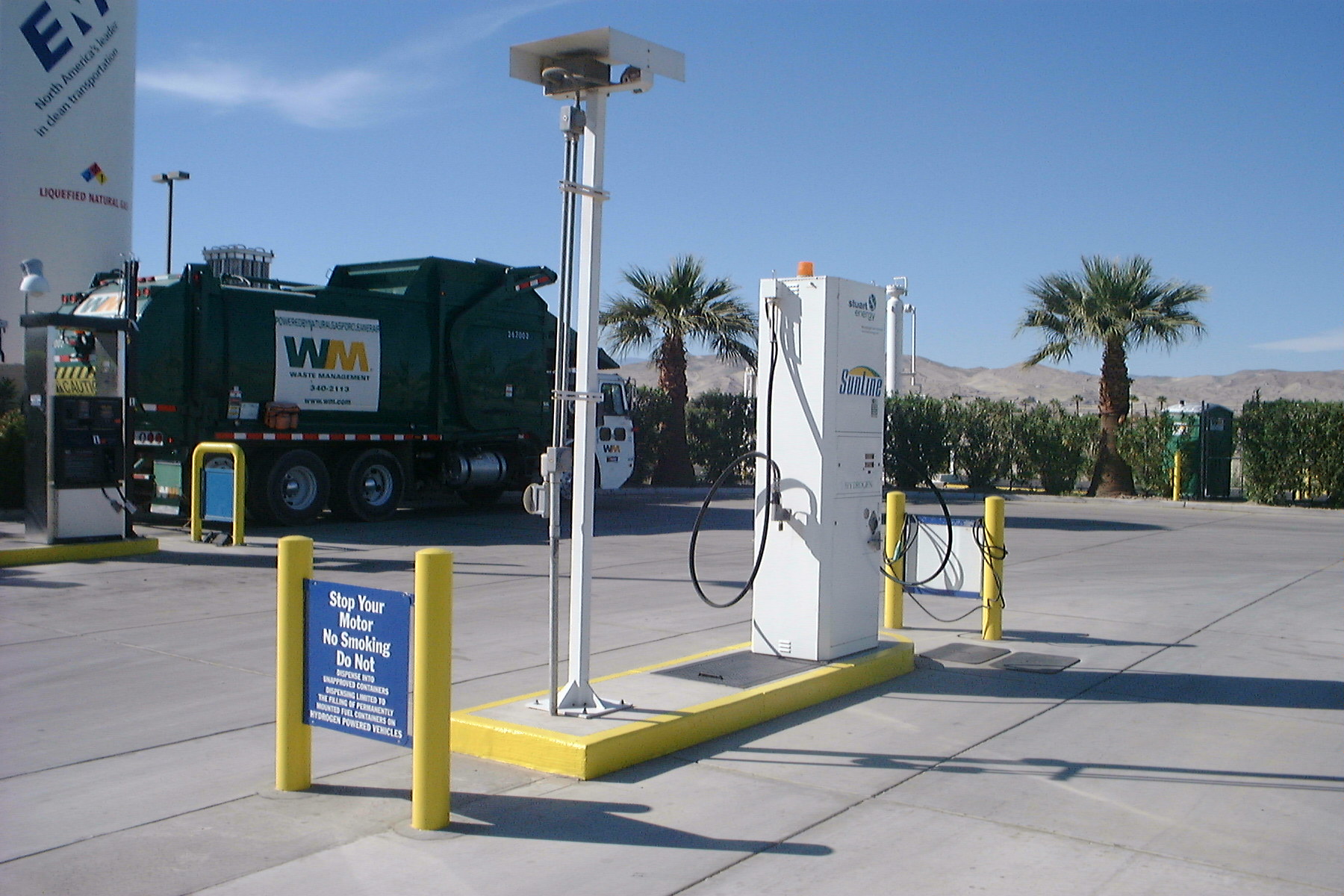
Hydrogen fuel cell electric vehicles are just starting to enter the market but they have a long way to go before they can even catch up with their battery-powered counterparts. Powering cars with hydrogen has the advantage that fueling the vehicle is much like what we are used to: pull up to the pump, fill your tank for a few minutes, and drive off.
A New Low-Cost Battery
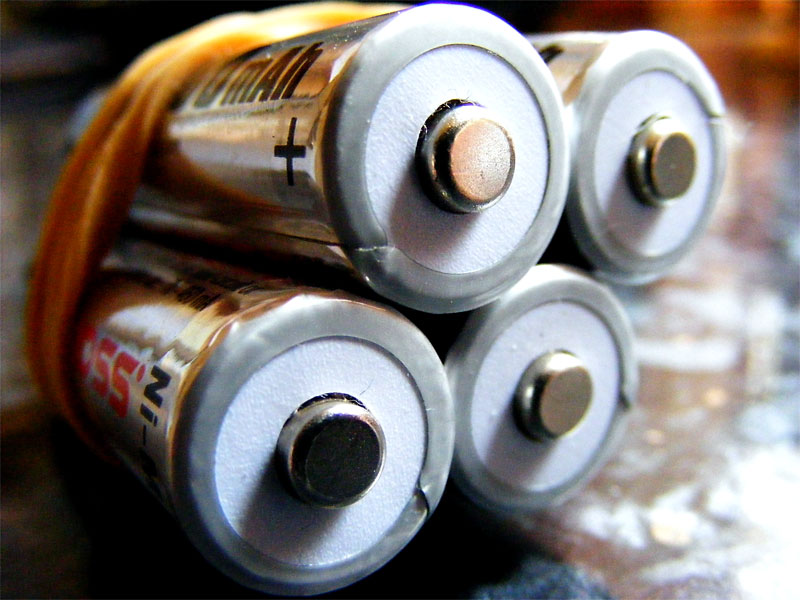
Batteries have never been more important. Not only do we all depend on cell phones, tablets and laptop computers that run on batteries, but two enormous industries are in major transitions that rely upon battery technology: personal transportation and the utility industry. The electricity grid is increasingly turning to solar and wind power for generation and both will require effective energy storage if they are to truly become the predominant sources of electricity.
The Success Of SunShot
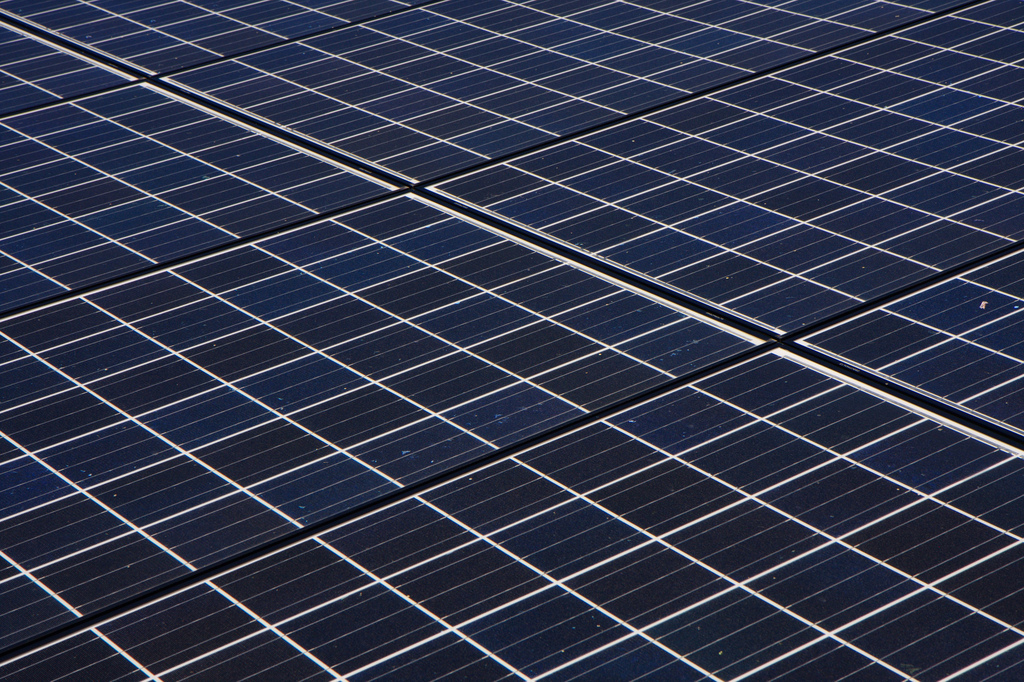
Back in 2011, utility-scale solar power cost a little over $4 per watt on average. In February of that year, former Energy Secretary Steven Chu announced the SunShot initiative, which had the goal of reducing the total cost of photovoltaic systems by 75% to the target value of $1 a watt by the year 2020.
A Better Way To Farm Algae
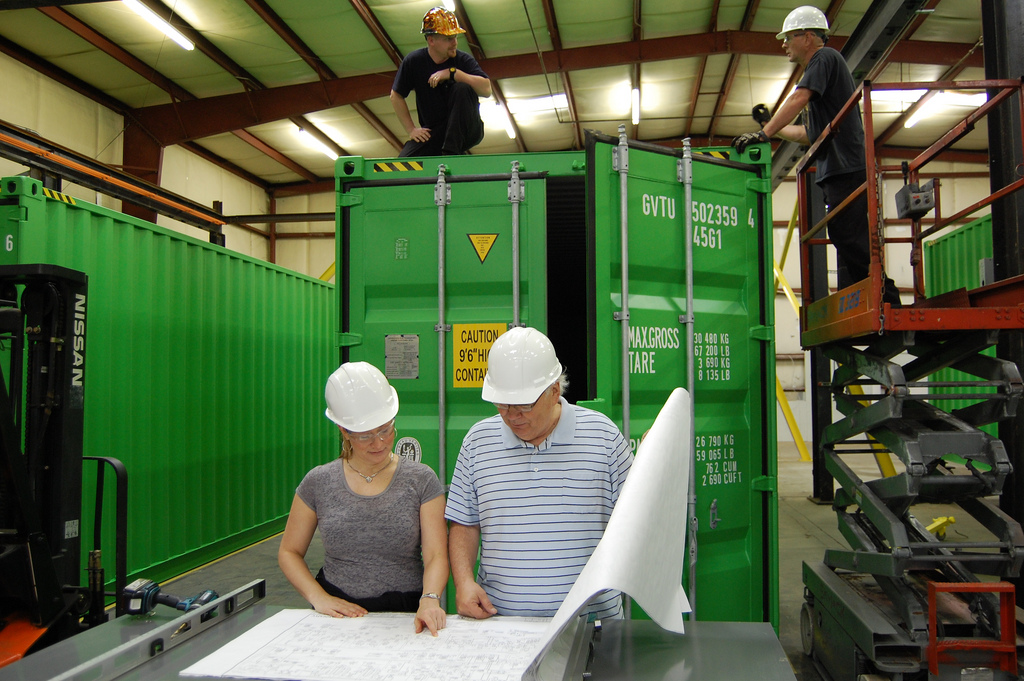
Microalgae biofuels may provide a viable alternative to fossil fuels. Algae efficiently use CO2 and can produce biomass very quickly. Some species can double their mass in as little as 6 hours. Such single-celled organisms are amenable to high-throughput techniques to evolve new strains, unlike terrestrial biomass sources like corn which can take years to modify.