conservation
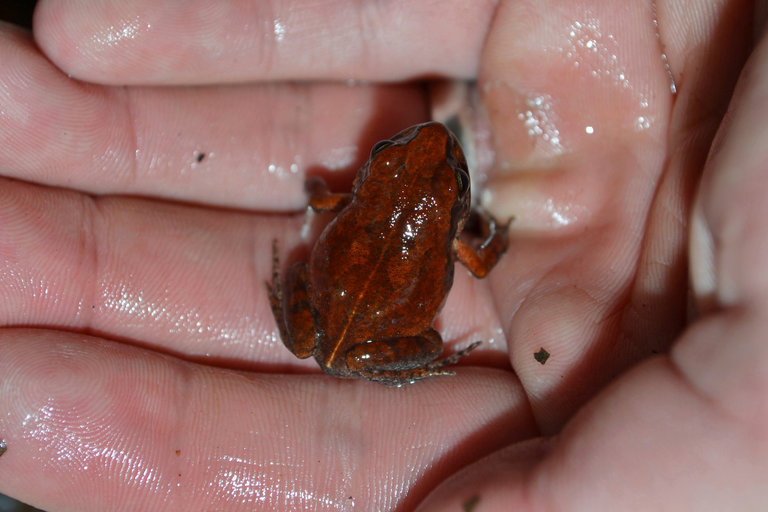
NASA And Chimpanzees
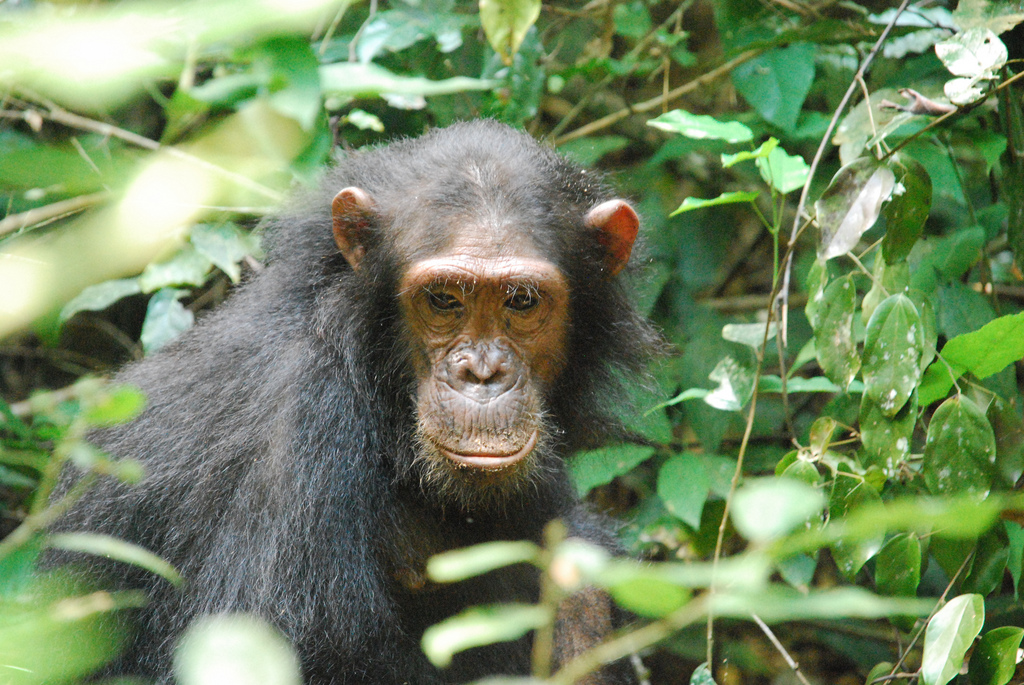
Increasingly, conservation organizations are increasingly relying on satellite imagery to help save wildlife. The Jane Goodall Institute, a nonprofit focused on chimpanzee conservation, uses NASA’s and the U.S. Geological Survey’s Landsat satellite images to guide their chimpanzee conservation strategies.
Can Cheetahs Survive?
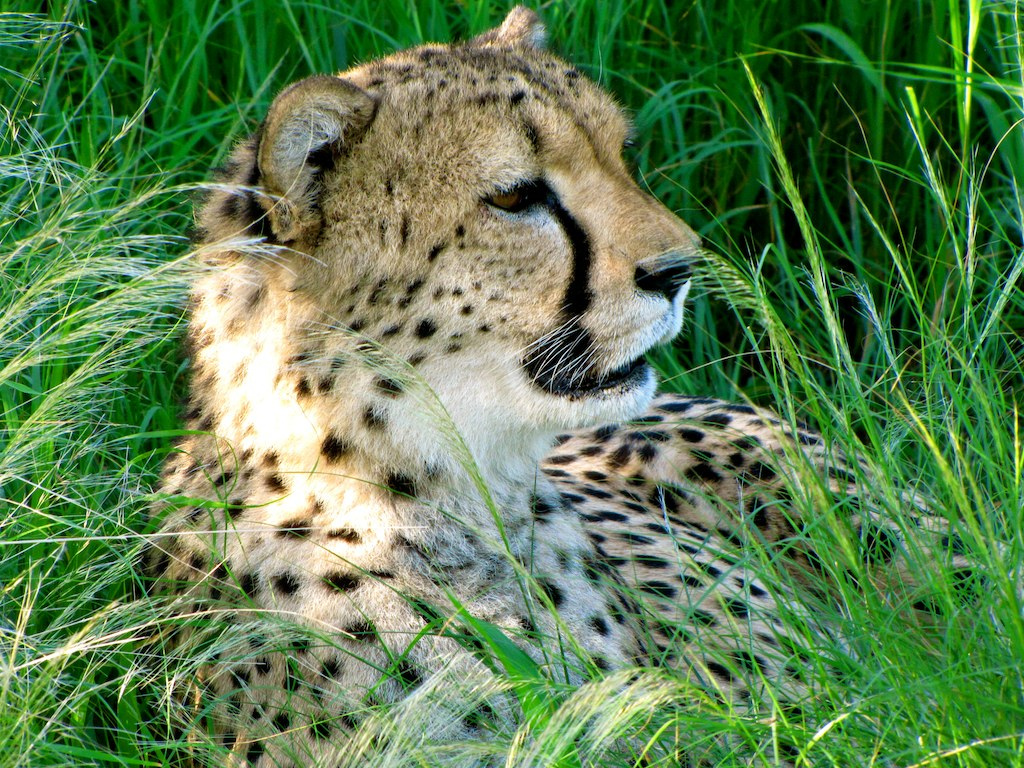
A new study has revealed that the global population of the world’s fastest land animal – the cheetah – is down to only 7,100, a drop of 50% over the past 40 years. The dramatic decline in cheetah population could soon lead to the extinction of the species unless urgent conservation efforts are made.
Vulnerable to Extinction
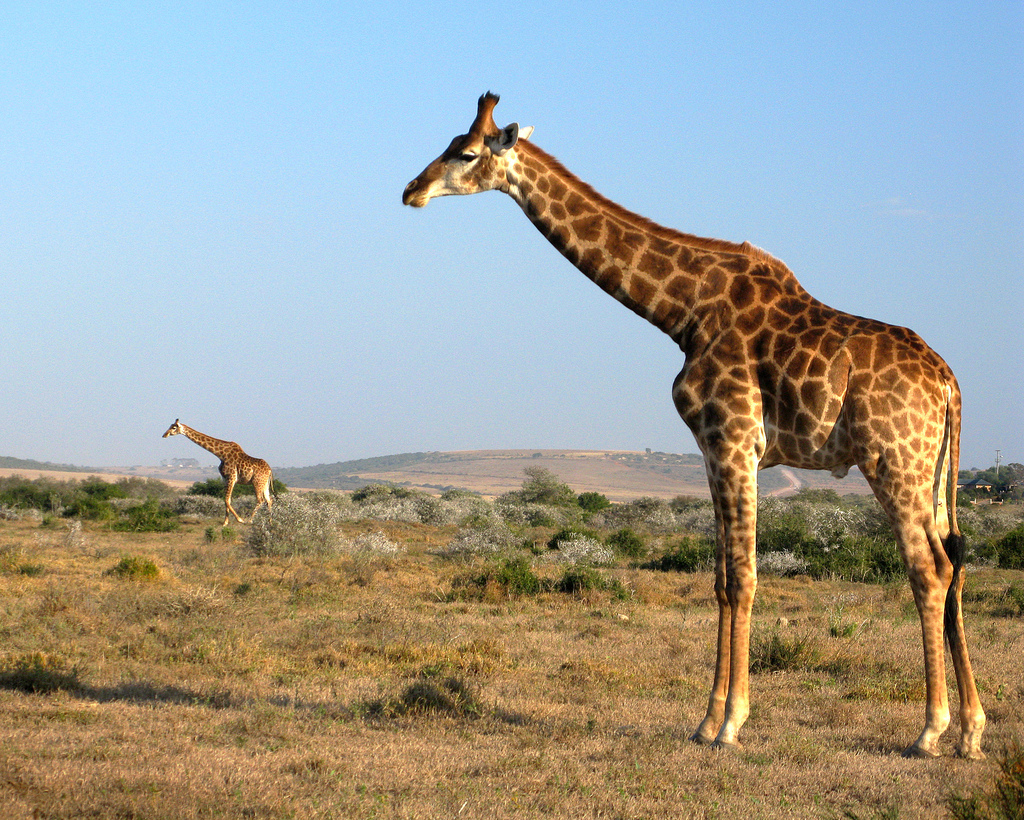
According to the International Union for the Conservation of Nature, the world’s tallest land mammal may be in trouble. Giraffe populations have declined dramatically over the past 30 years, falling to approximately 97,000 from 163,000 in the 1980s.
The Great Salt Lake Is Shrinking
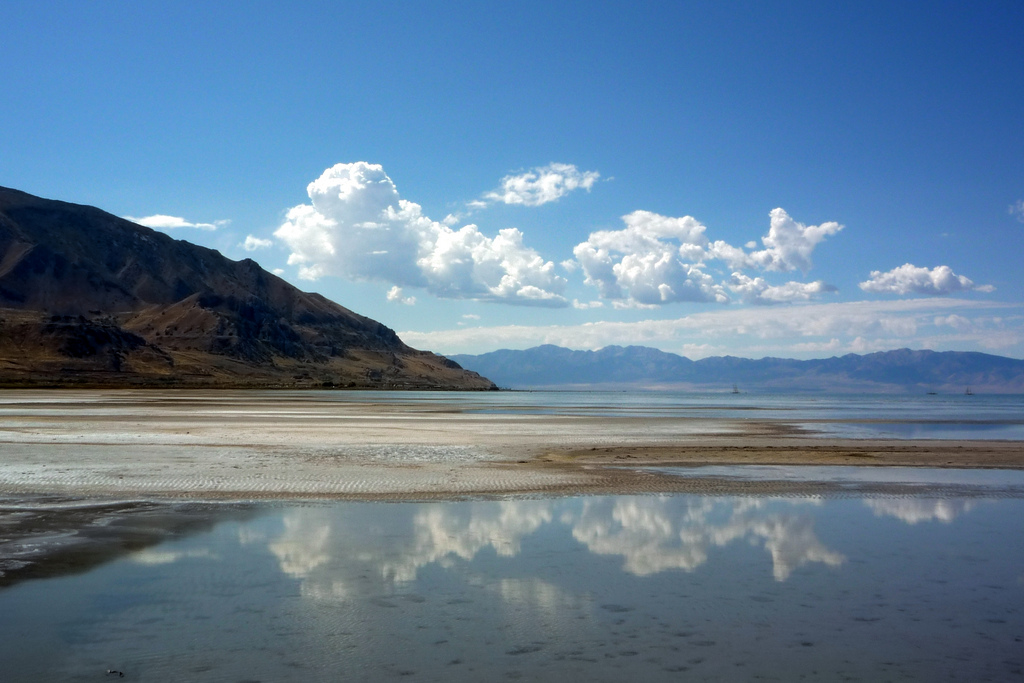
Utah’s Great Salt Lake is the largest salt water lake in the Western Hemisphere and is the largest body of water in the United States after the five Great Lakes. When the pioneers first arrived in the area back in the middle of the 19th century, the lake spread across about 1,600 square miles. Now, the lake covers an area of only about 1,050 square miles, a reduction of about 35%.
Wildlife Corridors
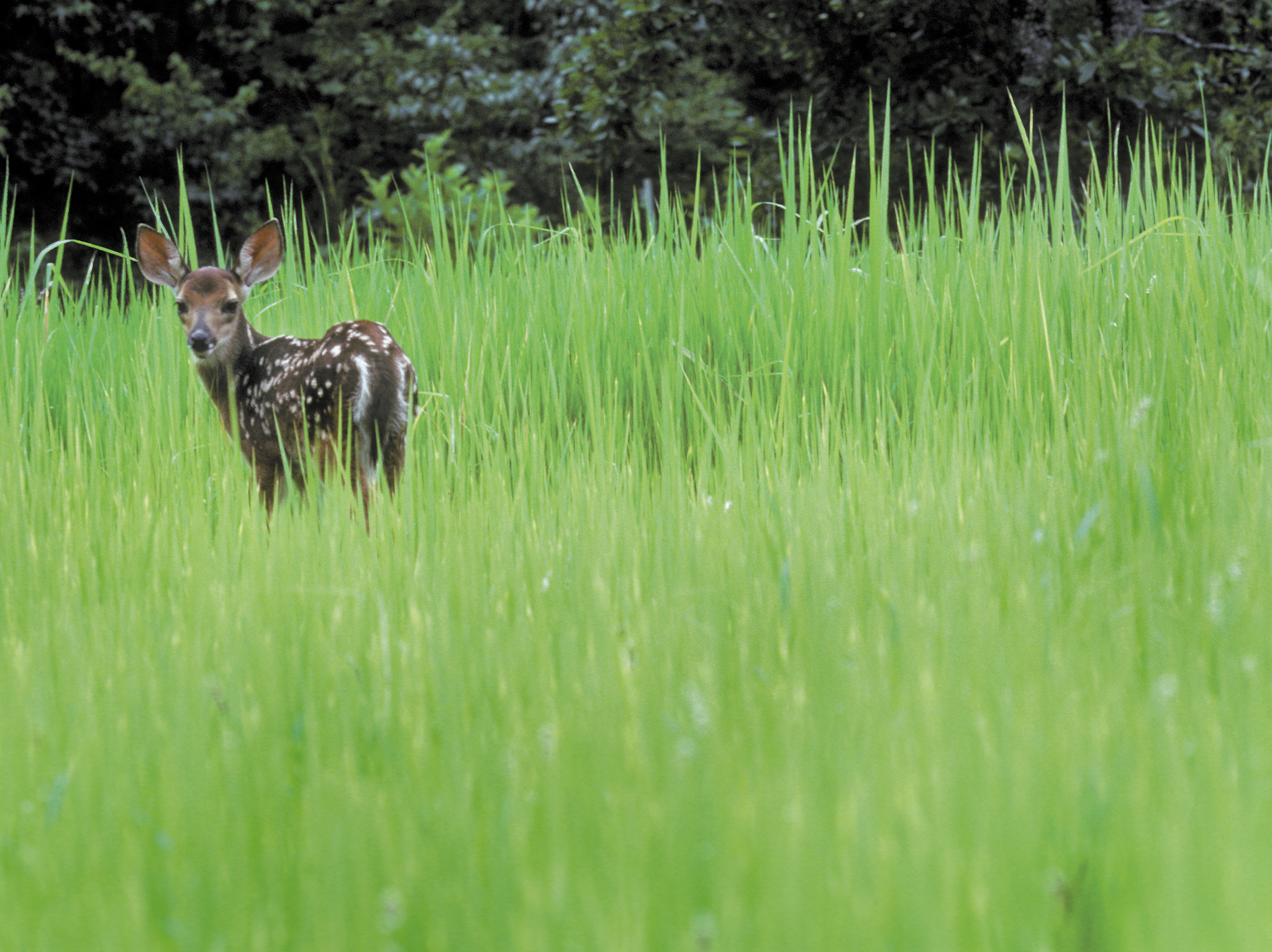
It is widely thought that we are in the midst of the 6th great mass extinction of species on Earth and, unlike the previous ones that were caused by things like asteroid impacts or ice ages, this one is caused by us. Our impact on the climate, on natural resources, on landscapes and habitats, and more, has wreaked havoc on ecosystems across the globe.
Pandas No Longer Endangered

Back in June, we reported that the International Union for the Conservation of Nature was reassessing the giant panda’s status as an endangered species. Well, in an update of the IUCN’s Red List of Threatened Species in September, the giant panda was indeed downgraded to “vulnerable.”
Snow Leopards And Humans
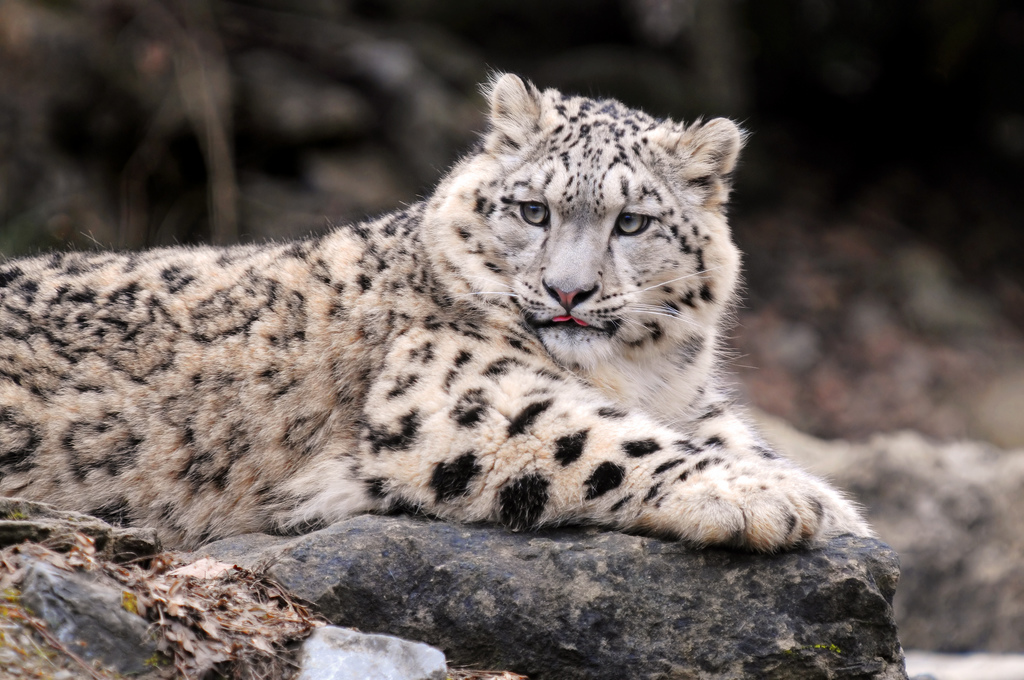
Snow leopards are majestic animals native to Central Asia. They roam the region’s rugged terrain, from Afghanistan to Kazakhstan and Russia in the north, and to India and China in the east. Snow leopards are known for their thick white coat of fur with ringed black and brown spots. These markings help camouflage the animals from their prey. But the camouflage does little to protect snow leopards from one of their biggest threats: humans.
Dehorning Rhinos
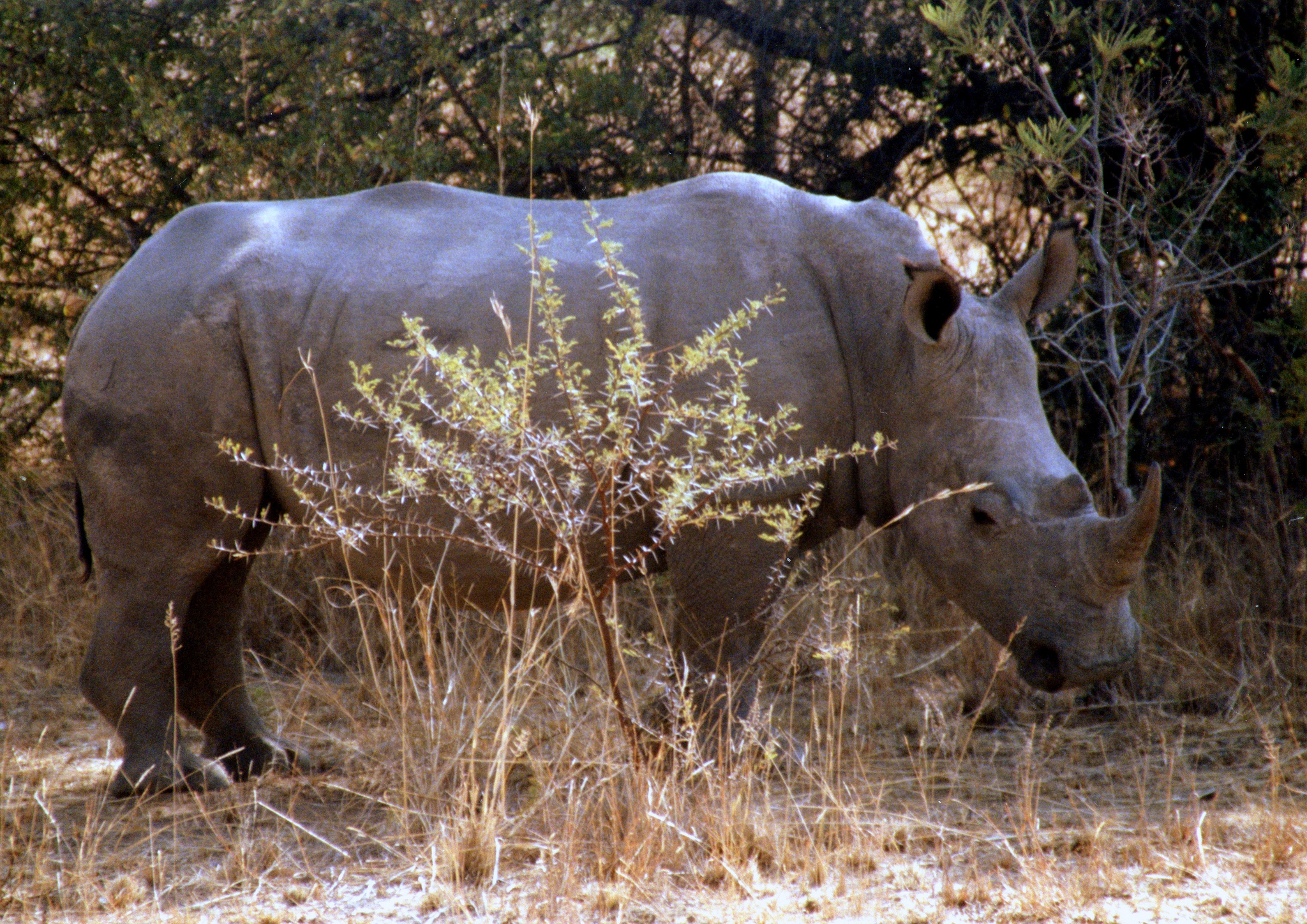
At the beginning of the 20th century, there were about 500,000 rhinos across Africa and Asia. By 1970, the number was down to 70,000. Today, there are less than 30,000 rhinos in the wild. The number of black rhinos dropped to as low as 2,300 in 1993. Aggressive conservation efforts have brought their numbers up to over 5,000 today.
A Water Superpower

In 2008, Israel was on the verge of catastrophe. A decade-long drought in the Fertile Crescent of the Middle East was scorching the area. Israel’s largest source of fresh water, the Sea of Galilee, had dropped to within inches of the so-called black line at which point irreversible salt infiltration would flood the lake and ruin it forever.
Wiping Out Our Relatives
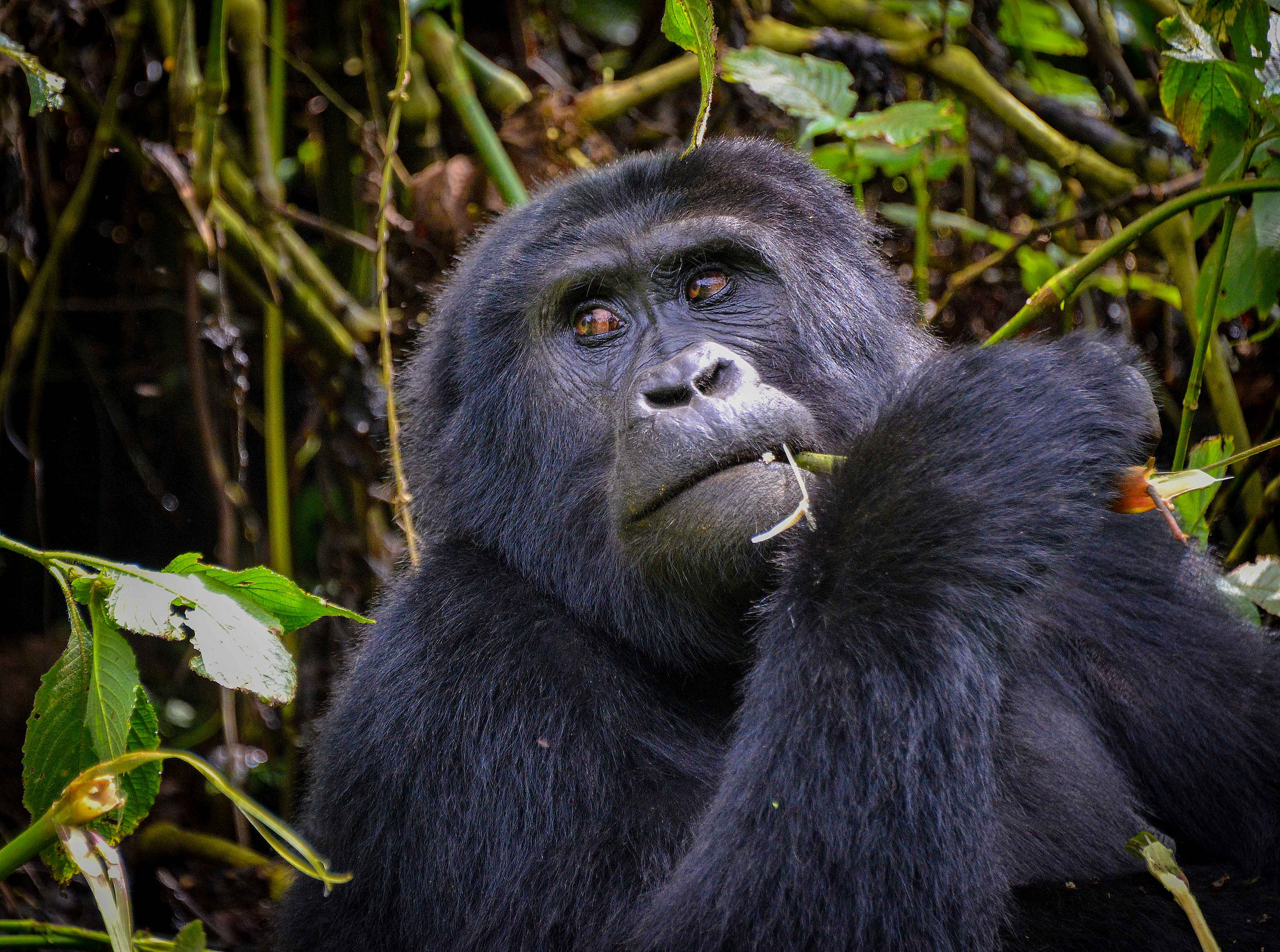
We recently highlighted the plight of orangutans. Following years of failed conservation measures, all orangutans are now listed as critically endangered by the International Union for the Conservation of Nature. The Sumatran orangutan had been listed as critically endangered for nearly two decades, but the Bornean orangutan was a recent addition. According to the IUCN, all orangutans have an “extremely high risk of extinction in the wild.”
Restoring An Urban River

Those of us who grew up in Los Angeles are quite familiar with the L.A. River. It’s not much of a river at all. Just a 51-mile-long concrete drainage ditch that shows up from time to time in movies like The Italian Job and Terminator 2.
Amazon In Peril
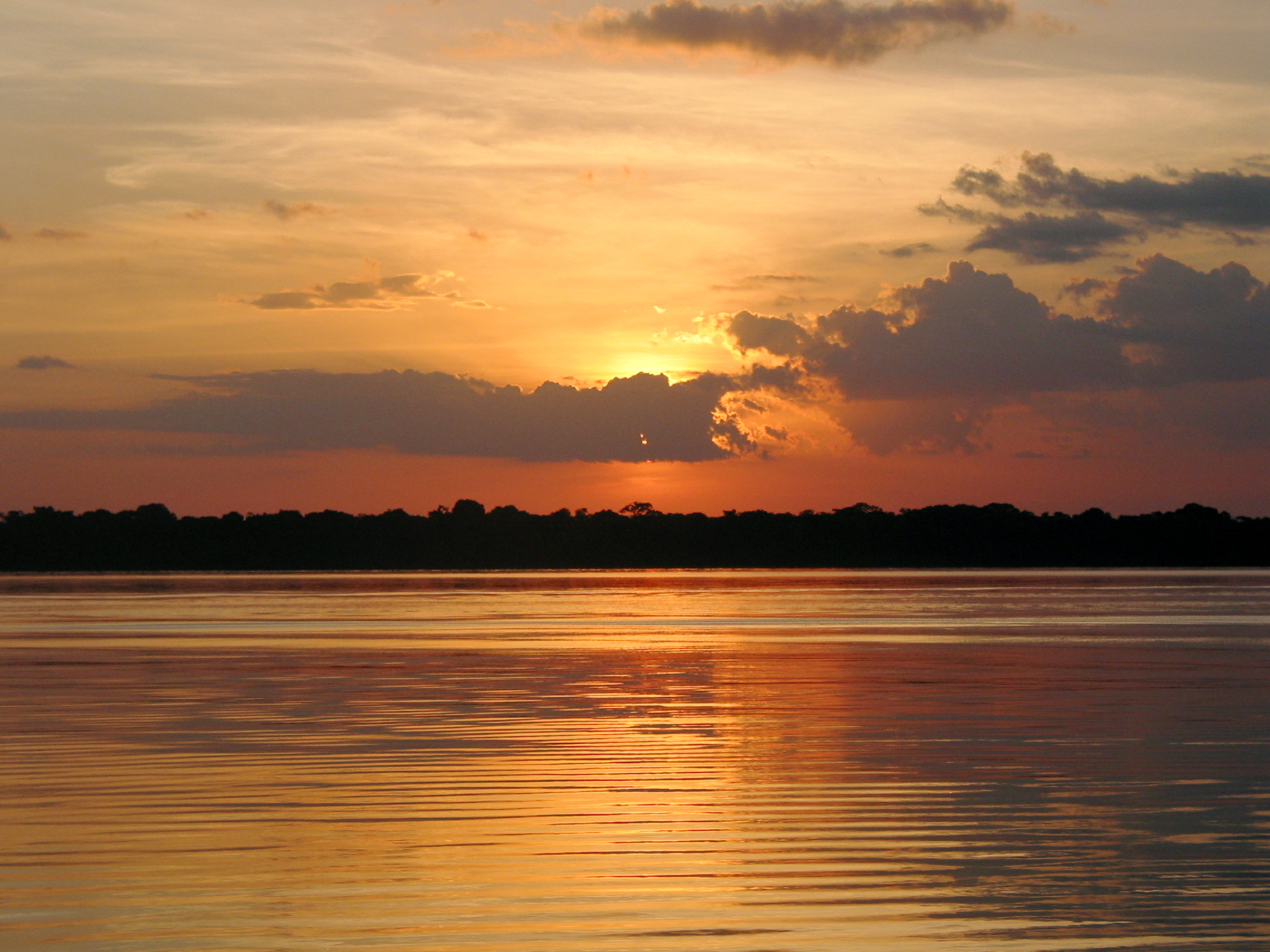
A constitutional amendment being discussed in the Brazilian Senate threatens to set back decades of conservation efforts in the Amazon.
Size Matters
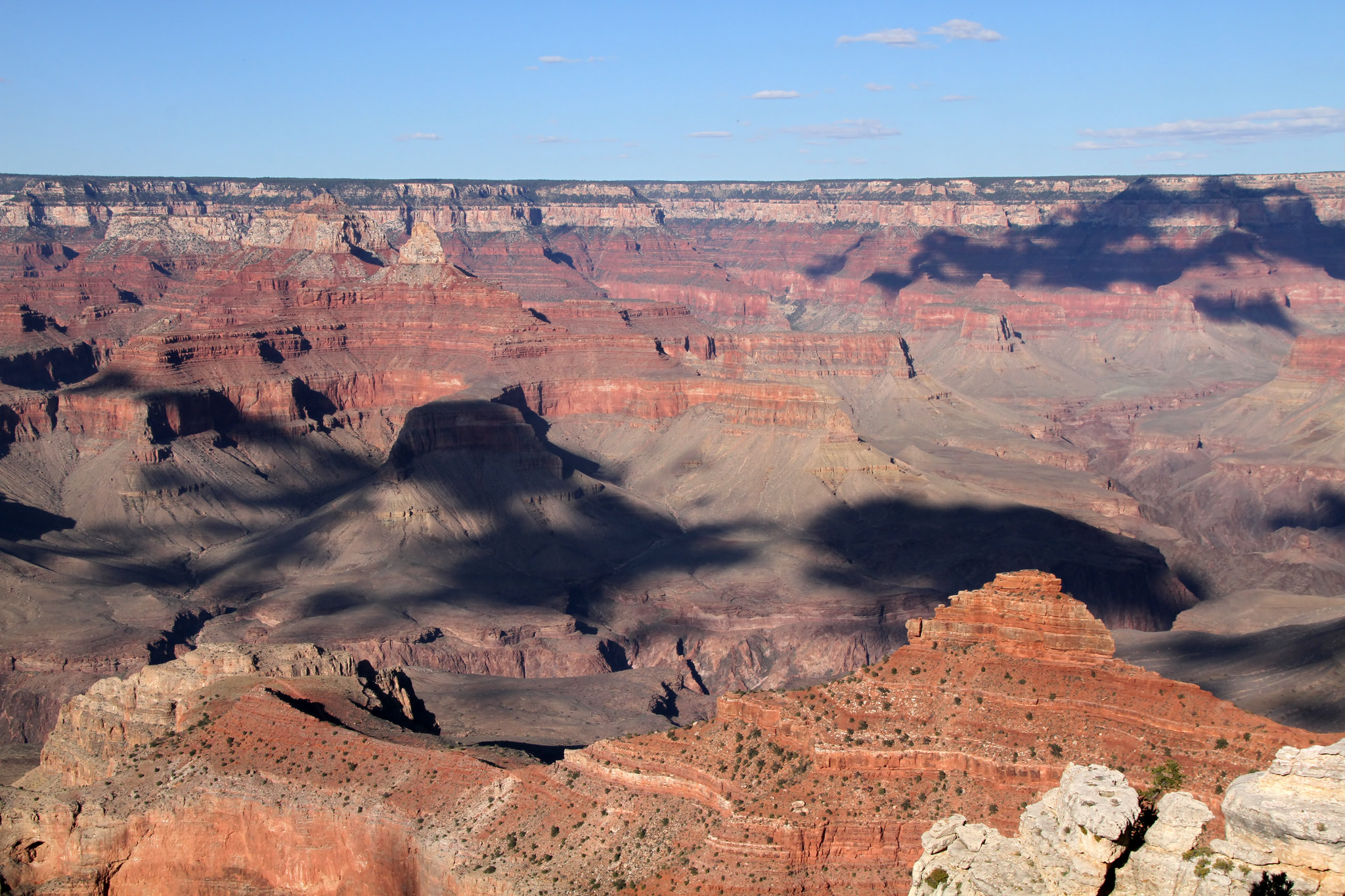
One of the crowning achievements for wildlife protection in the US was the establishment of the National Wildlife Refuge system in the 1930s, when the populations of waterfowl were perilously low. Refuges provided breeding and migratory habitat that has allowed a remarkable recovery of many species of ducks and geese.
Giant Pandas And The Endangered Species List

Giant pandas are among the most beloved animals in the world and are the iconic symbol of China as well as of the World Wildlife Fund, the global NGO dedicated to wildlife conservation. In the mid 1990s, the population of wild pandas dropped to as low as 1,000 as a result of habitat loss, habitat fragmentation, and an intrinsically low birth rate. There is also illegal poaching despite severe penalties. Pandas have been considered to be an endangered species for quite some time.
[Read more…] about Giant Pandas And The Endangered Species List
Some Good News For Monarchs
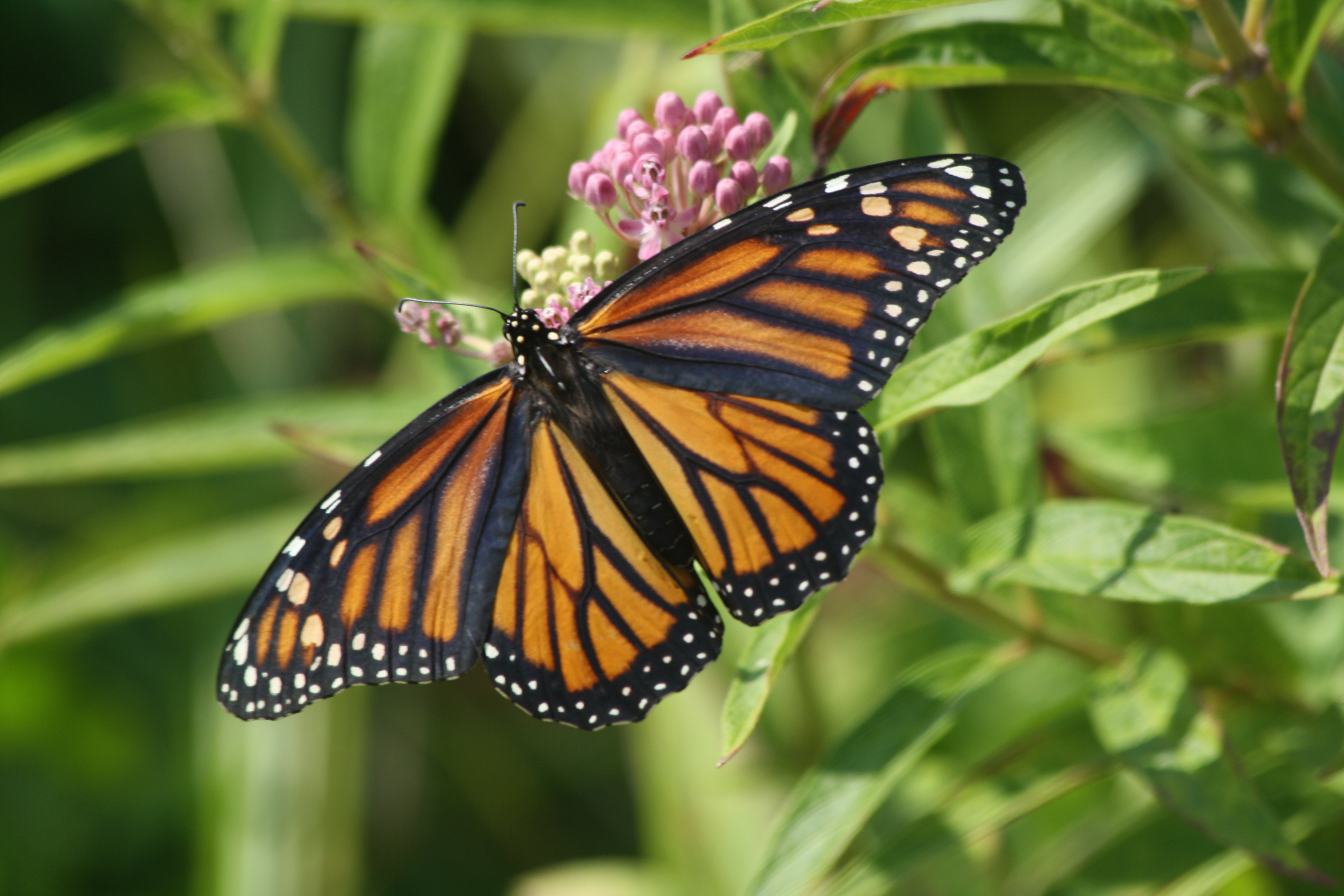
Spring is the time of the great monarch migration when the butterflies leave their wintering grounds in Mexico and head north to Canada. As we have been saying for quite some time, fewer and fewer butterflies have been making the trek each year. Twenty years ago, a billion monarchs swarmed the winter site in Mexico. In 2013, the number was down to 33 million.
A Bad Year For Rhinos
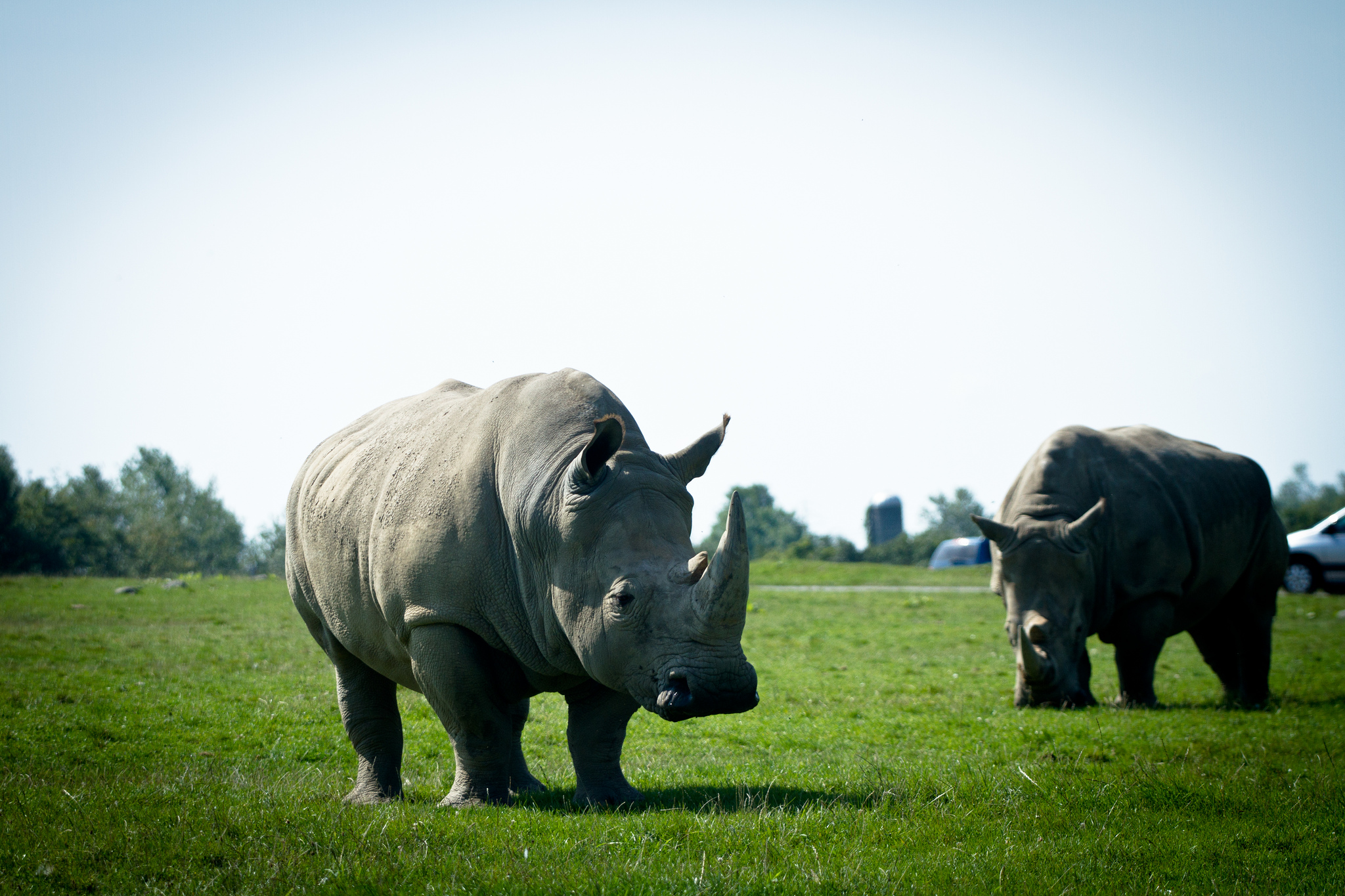
The number of African rhinos poached in 2015 set a new record, according to the International Union for Conservation of Nature. Some 1,338 were killed, which is the highest level since the current poaching crisis began in 2008. Since that time, nearly 6,000 African rhinos have been killed.
Keeping A Pulse On Our Planet
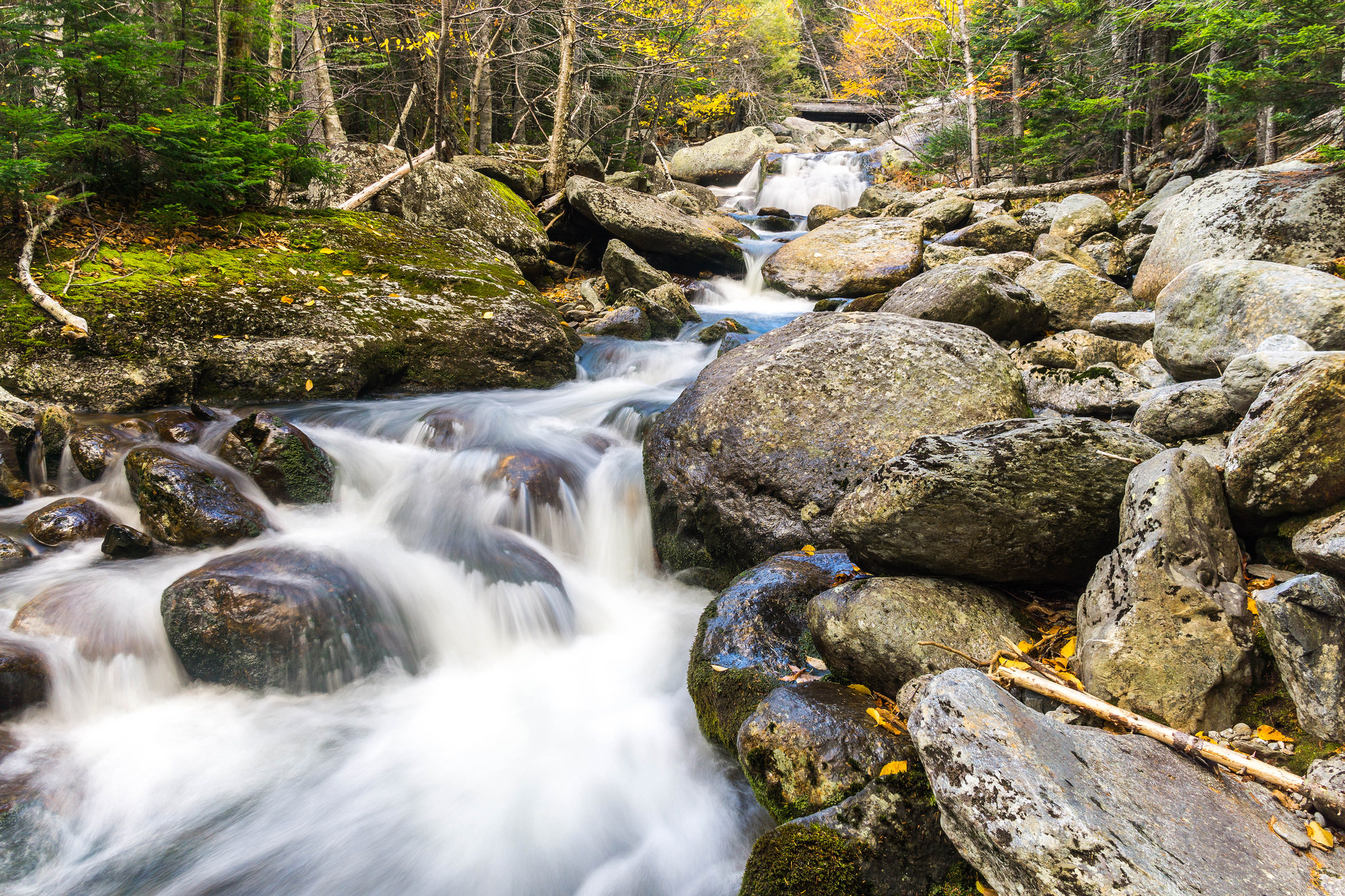
The discovery of acid rain in North America was made possible by environmental data collected at a biological field station nestled in the White Mountains of New Hampshire. Hubbard Brook Experimental Forest is just one of the many biological field stations located around the globe that are keeping a pulse on the health of our planet.
Ending The Protection Of Grizzly Bears
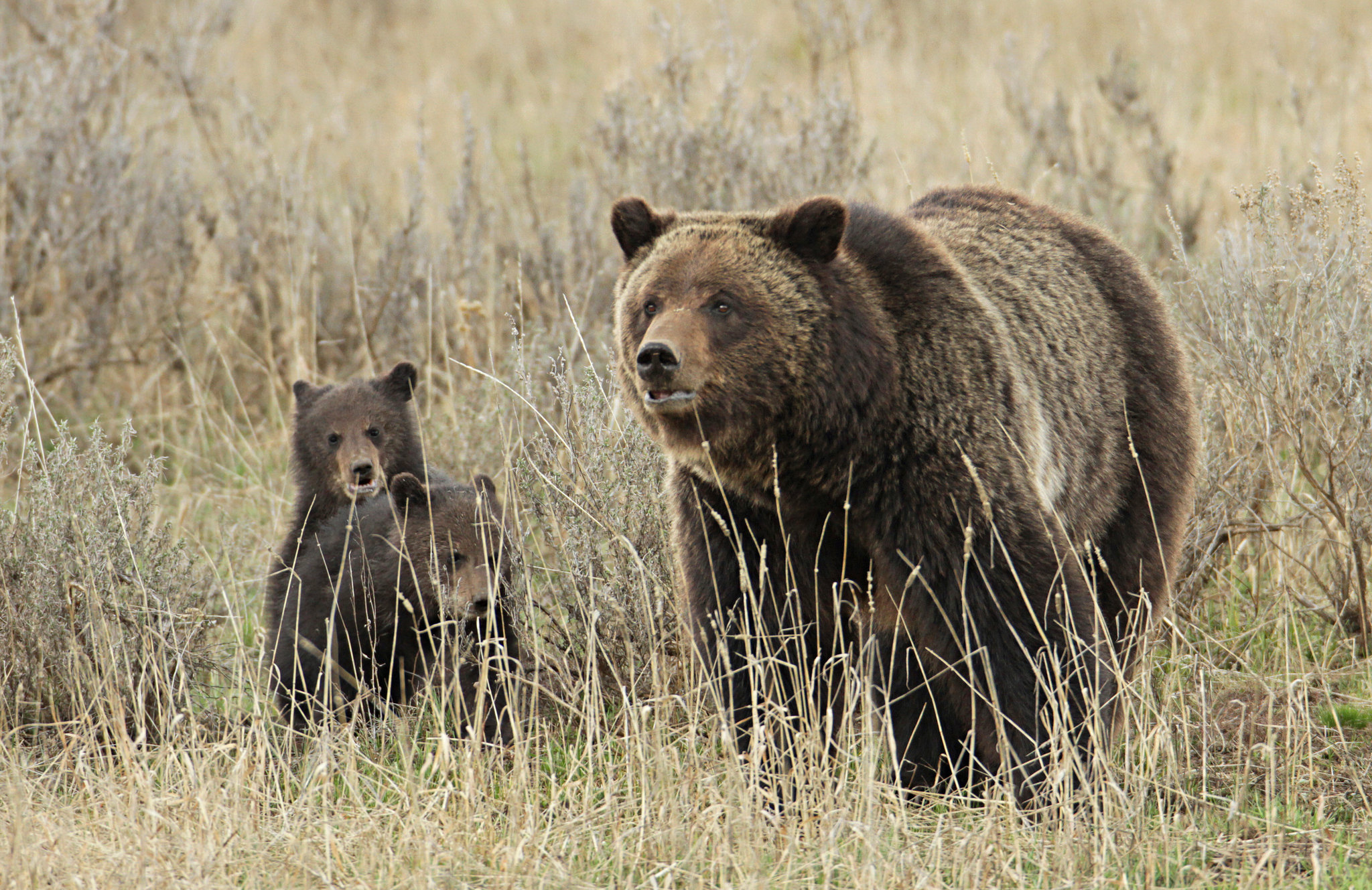
Grizzly bears, also known as North American brown bears, once roamed much of North America and symbolized the continent’s untamed wilderness. But hunters and trappers nearly wiped them out across most of the Lower 48 states by the late 1800s.
Ecotourism And Endangered Species
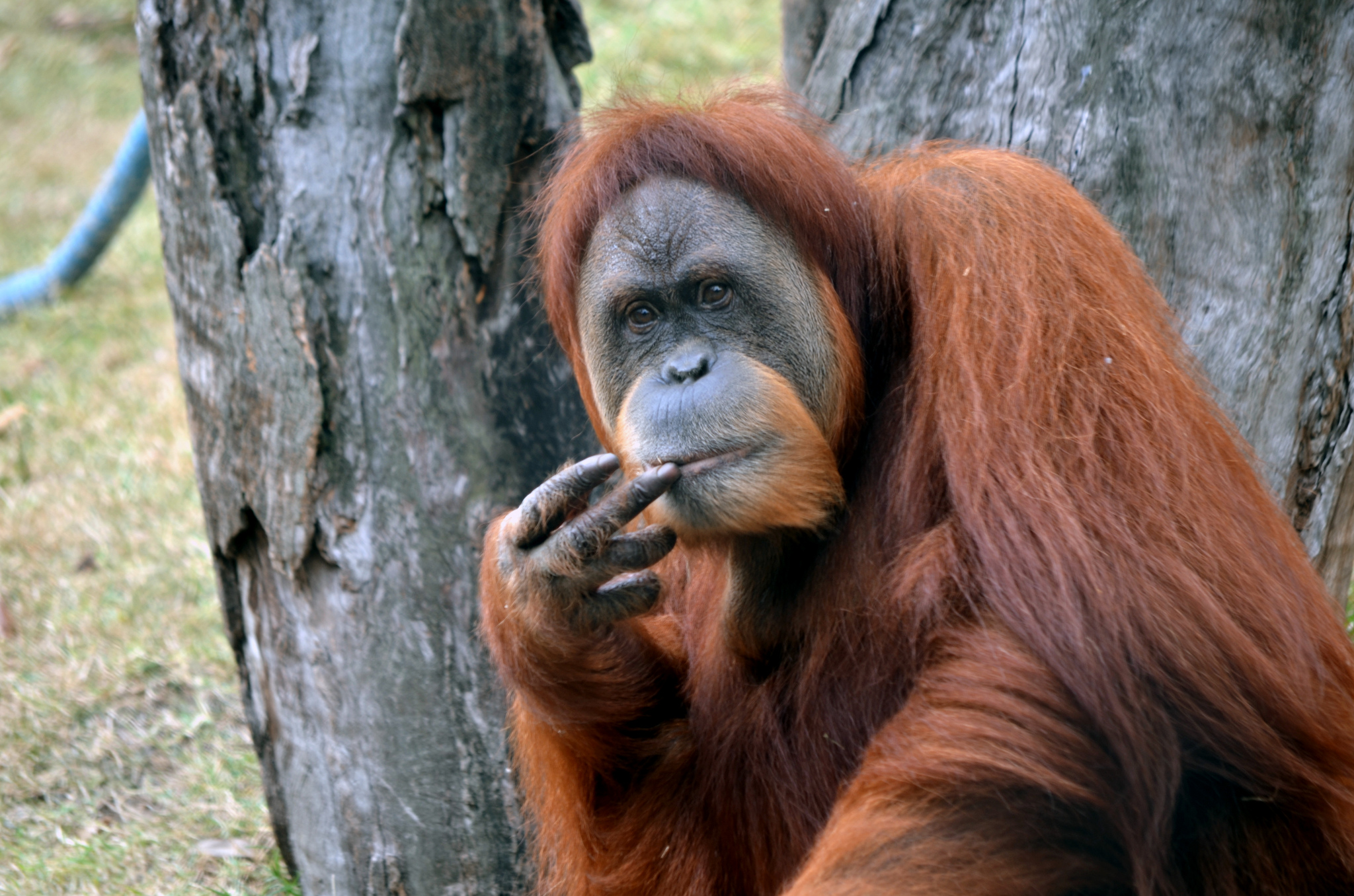
Ecotourism is increasing on a global scale. Ecotourism is generally defined as responsible travel to natural areas that conserves the environment, sustains the well-being of the local people, and involves interpretation and education. Visitor numbers to many protected areas around the world are expanding every year. Ecotourism provides rich experiences for the traveler and often has great benefits to local communities fighting poverty and seeking sustainable development.