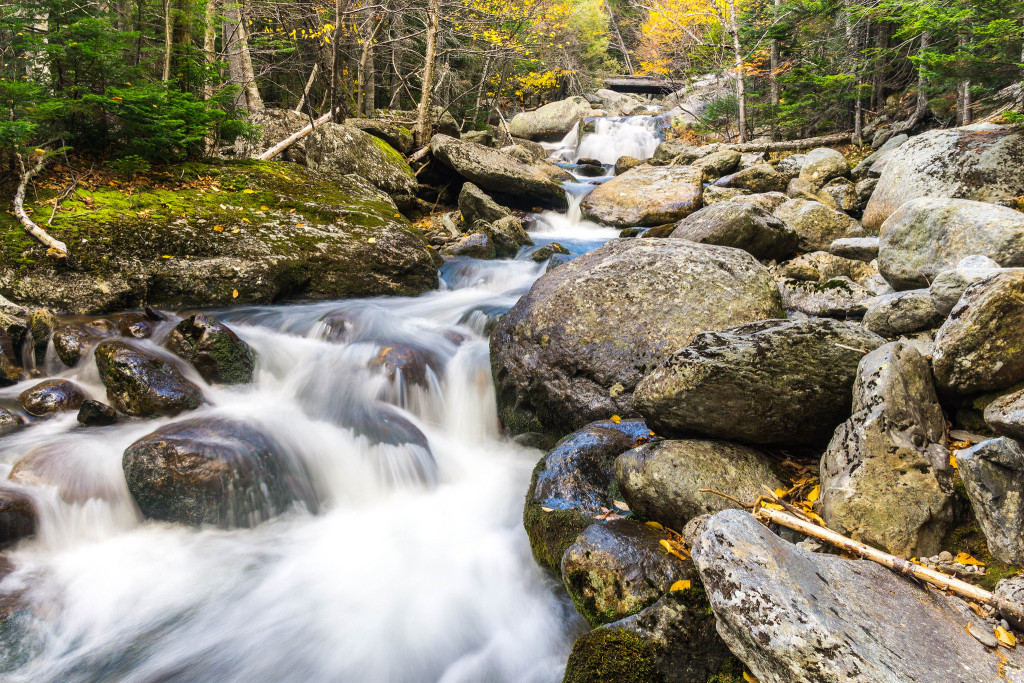
The discovery of acid rain in North America was made possible by environmental data collected at a biological field station nestled in the White Mountains of New Hampshire. Hubbard Brook Experimental Forest is just one of the many biological field stations located around the globe that are keeping a pulse on the health of our planet.
A recent BioScience paper provides the first comprehensive inventory of the world’s biological field stations. Its author’s report 1,268 stations are operating in 120 countries – from the tropics to the tundra, monitoring terrestrial, freshwater, and marine ecosystems. Some 38% of biological field stations are run by colleges and universities, with the rest overseen by museums, government organizations, and not-for-profits.
Long-term data collected by biological field stations are essential to advancing environmental research and setting and assessing environmental policies and conservation goals. Stations also play a key role in educating the next generation of scientists. Yet there is a need to record more environmental data in human-dominated systems, such as cities, and in sensitive areas such as deserts and mountainous regions. Unfortunately, biological field stations are under continuous risk of closure due to financial insecurity, lack of public support, and weak governance.
Co-author Gene Likens is President Emeritus of the Cary Institute of Ecosystem Studies.
“They (biological field stations) have proven to be absolutely essential to understanding and managing the rapid environmental changes that are taking place globally. They are truly treasures in this regard, yet they are incredibly vulnerable.”
Given the myriad of problems facing our forests, freshwaters, and oceans – networked, sustainable biological field stations are an environmental safety net we could all use.
**********
Web Extra
Full interview with Gene Likens, the President Emeritus of the Cary Institute of Ecosystem Studies
Web Links
Biological Field Stations: A Global Infrastructure for Research, Education, and Public Engagement:
Photo, posted October 11,2014, courtesy of Rohit Nayak via Flickr.
‘Keeping a Pulse on our Planet’ from Earth Wise is a production of WAMC Northeast Public Radio, with script contribution from the Cary Institute of Ecosystem Studies.