Canada
Carbon And North American Forests
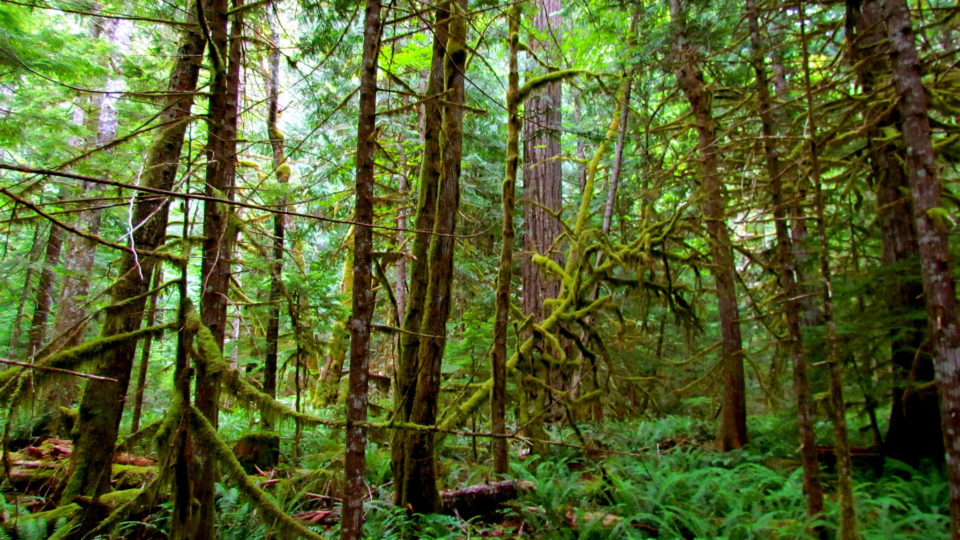
Researchers have for the first time calculated the capacity of North American forests to sequester carbon. The detailed analysis by UC Santa Cruz and collaborators in China and Arizona considers two key factors: the natural process of forest growth and regeneration, and effects brought about by climate change.
Land And Diets

Most of us are likely familiar with the saying ‘you are what you eat.’ But what we eat – those food choices – can have a profound impact on the planet.
Bursting The Carbon Bubble
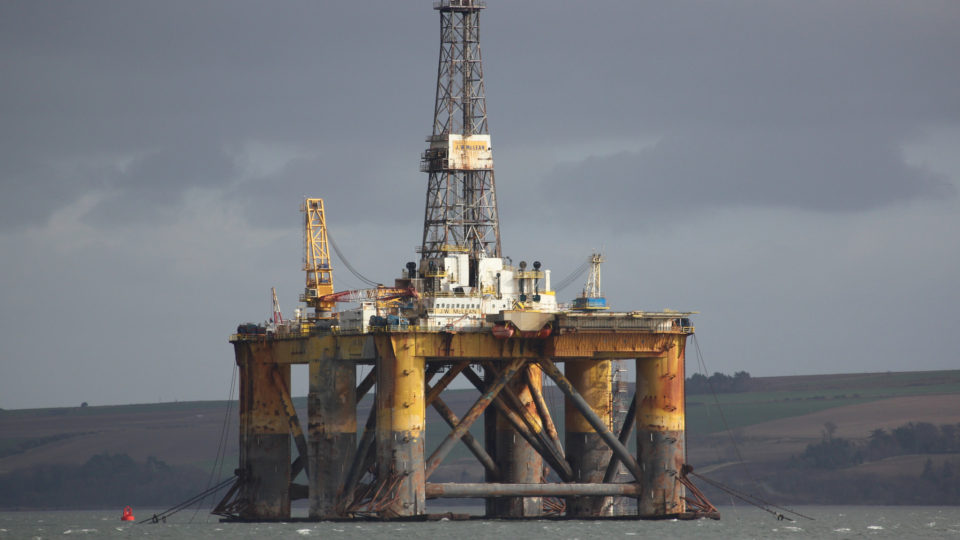
One way or another, the fossil fuel industry seems to be destined to shrink away. A combination of technological advances and climate policies are going to drastically reduce the global demand for fossil fuels over the course of time. New research shows that the demise of the fossil fuel industry will have profound consequences.
Alien Waters Invade The Arctic
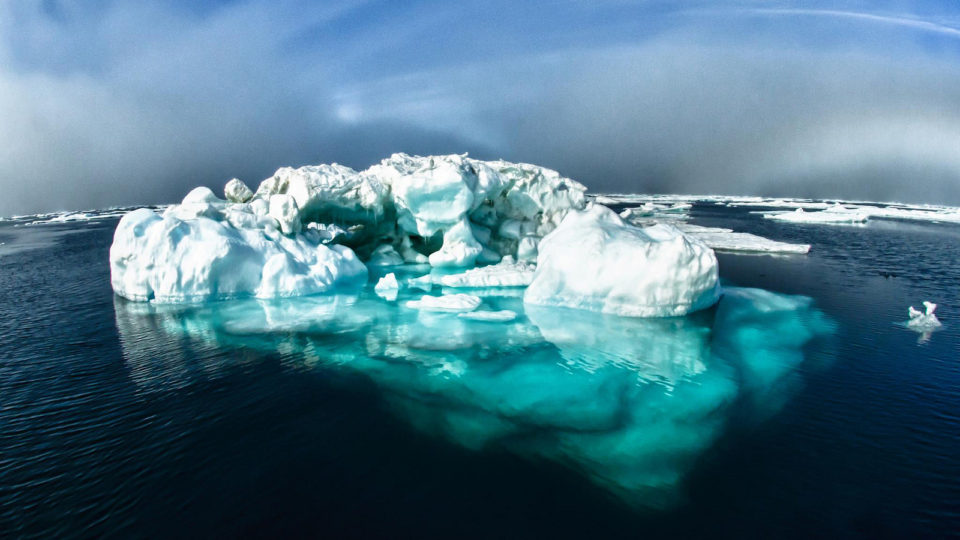
The Arctic is heating up faster than any other region of the planet. As a result, once-distinct boundaries between the frigid polar ocean and the warmer, neighboring Atlantic and Pacific Oceans are blurring, opening the way for the southern waters to enter the polar regions. The volume of Pacific Ocean water flowing into the Arctic Ocean through the Bering Strait has increased by 70% over the past decade. The Arctic Ocean’s cold layering system that blocks Atlantic inflows is breaking down.
Hydrogen Progress

As low-cost solar and wind energy become increasingly pervasive, the prospects for hydrogen-based transportation systems are improving. The reason is that cheap electricity makes it practical to produce hydrogen by breaking down water rather than getting it from reforming natural gas, which results in carbon dioxide emissions. The real goal is for hydrogen to be a renewable and carbon-free fuel.
Strange Ocean Current Behavior
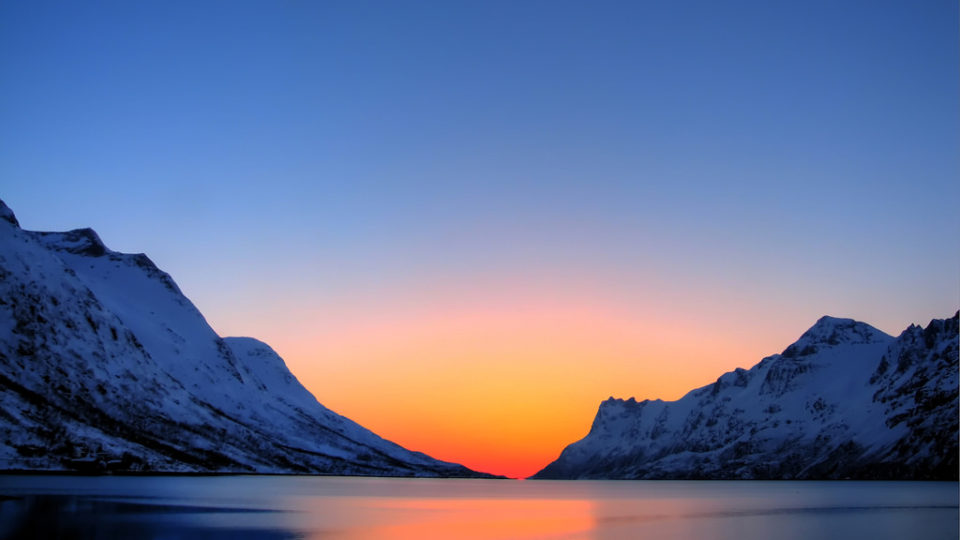
The Beaufort Gyre is a massive wind-driven current in the Arctic Ocean. Located north of Alaska and Canada’s Yukon Territory, it is like a giant spinning top that corrals vast amounts of sea ice in the far north.
Climate Change And Barley
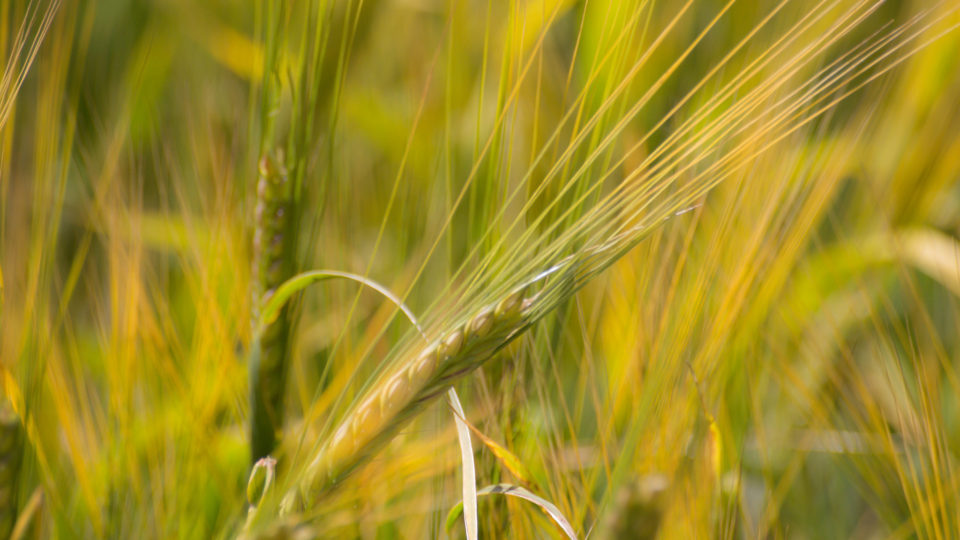
The impacts of increased carbon dioxide and the changing climate are often complicated and, it turns out, not always negative. In some areas of the world, people can actually benefit from increased CO2 and climate change. Barley, the most important feed crop for beef production in Alberta, Canada, as well as the province’s beef industry itself actually stand to gain from the changes that are most assuredly not a good thing for much of the world.
The Spread Of Bark Beetles
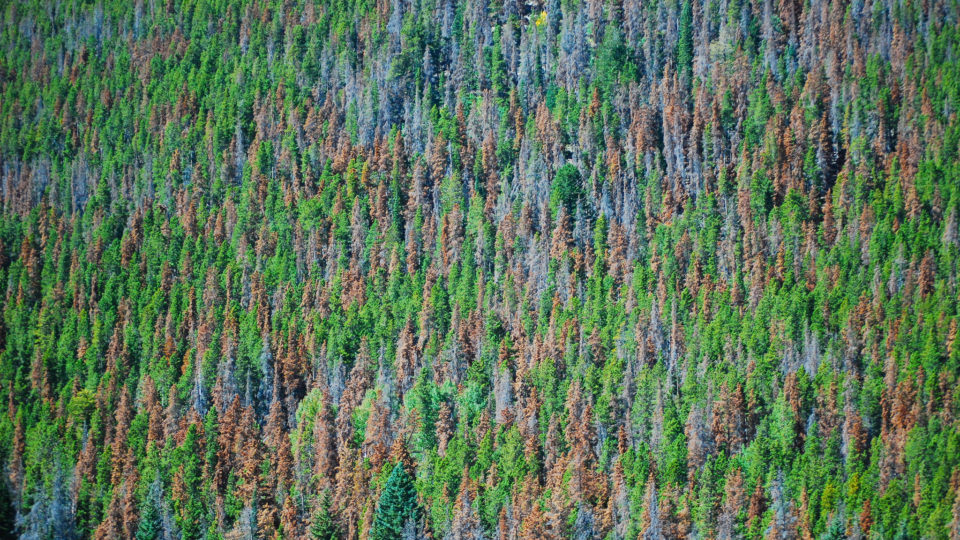
Bark beetles are a global scourge of evergreen forests. Mountain pine beetles have destroyed pine trees across western North America. Spruce beetles decimated spruce trees from New Mexico into Colorado and beyond. Altogether, bark beetles have ravaged 85,000 square miles of forest in the western U.S, an area the size of Utah, since 2000. They have killed trees across an additional 65,000 square miles of British Columbian forests and have caused millions of dollars of damage to the lumber industry in states like Alabama and Mississippi.
Spreading Like Wildfire
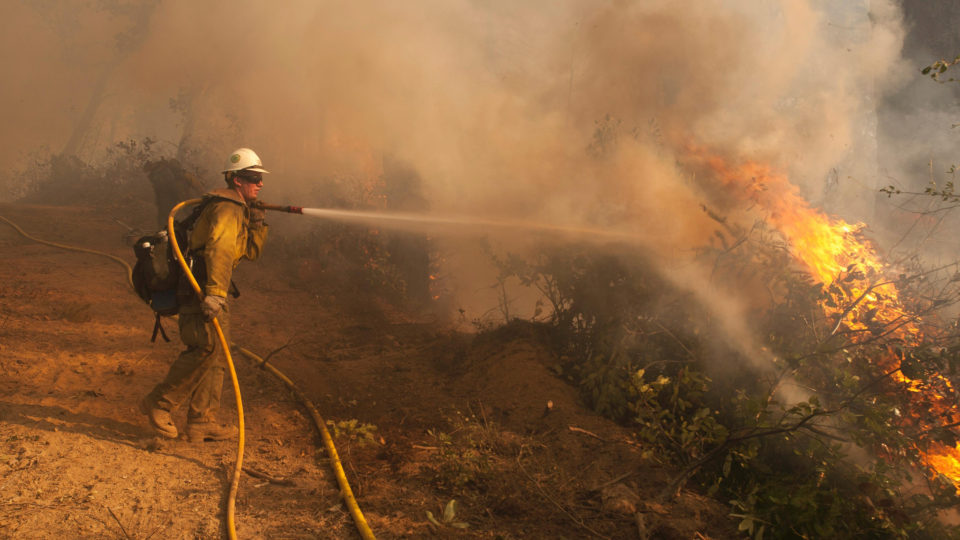
Last July 7th, 140 wildfires started up in British Columbia, triggering a state of emergency. By the end of the summer, more than 1,000 fires had been triggered across the Canadian province, burning nearly 3 million acres of forest, about 10 times more than the average over the past decade.
The Monarch Highway
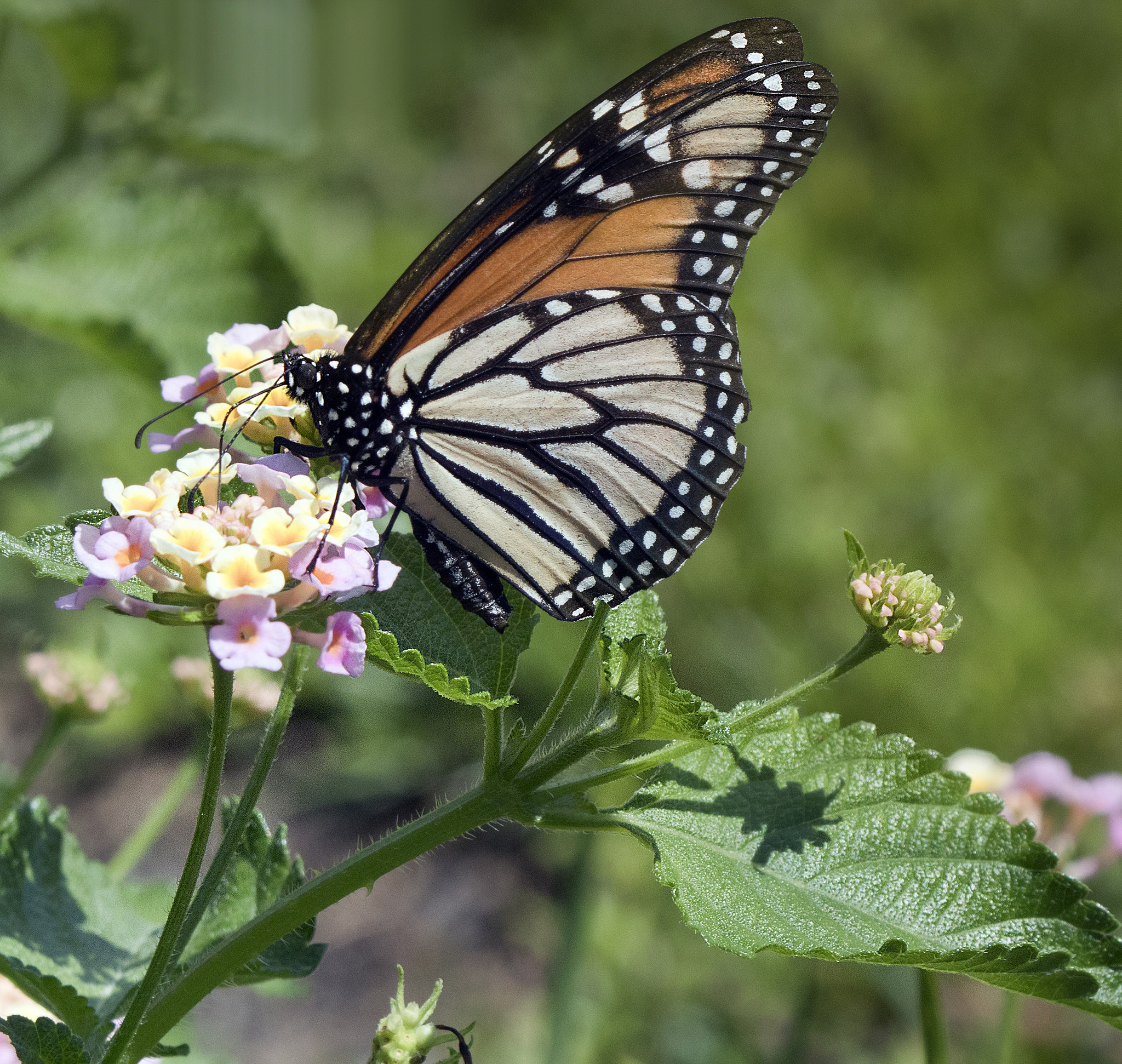
We have talked about the monarch butterfly on a number of occasions. The population of these iconic orange and black butterflies in North America has plummeted from 1 billion to 33 million over the past 20 years. People have undertaken a variety of efforts to try to save the species but now a major project to restore the dwindling habitat of the monarch is underway.
Fracking And Earthquakes
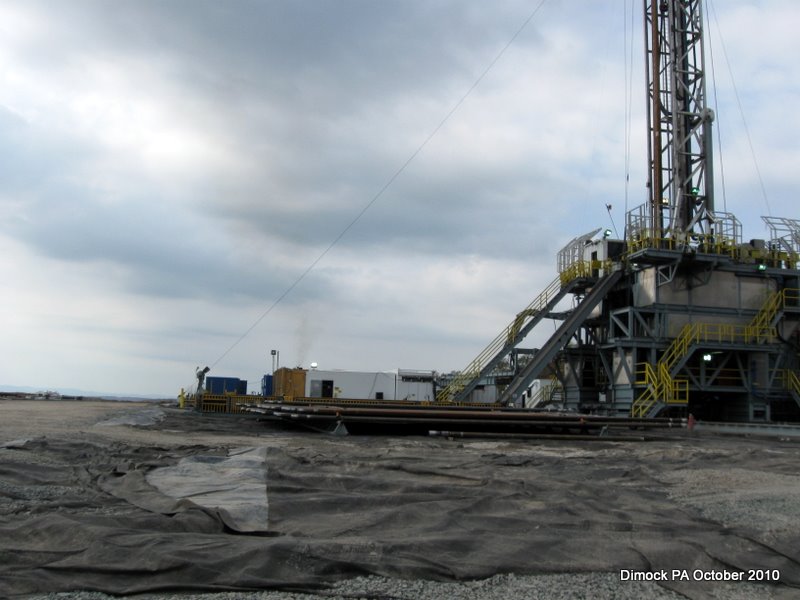
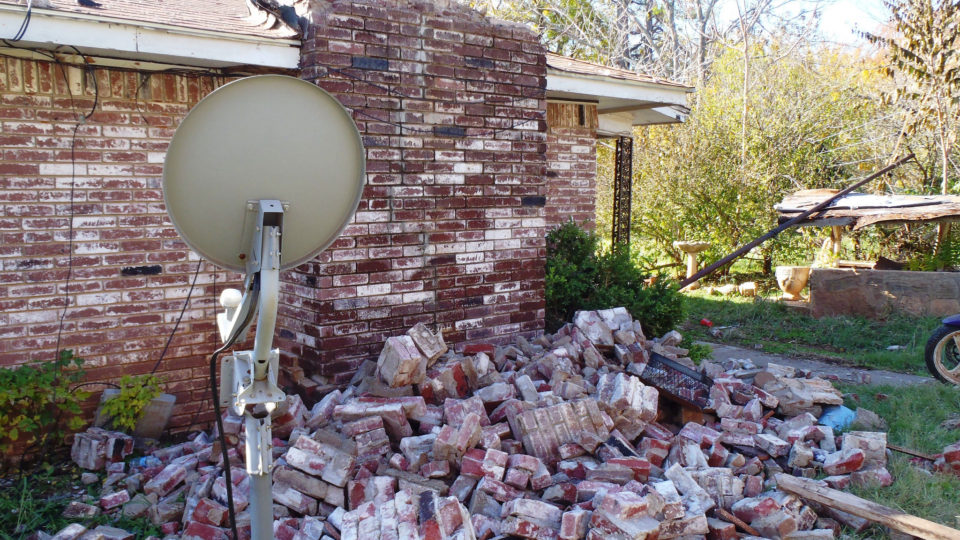
Hydraulic fracturing, or fracking, is the process in which water, chemicals and sand are injected at high pressure to split apart rock thousands of feet below Earth’s surface and release oil or natural gas. And it’s a controversial practice.
Arctic Shipping
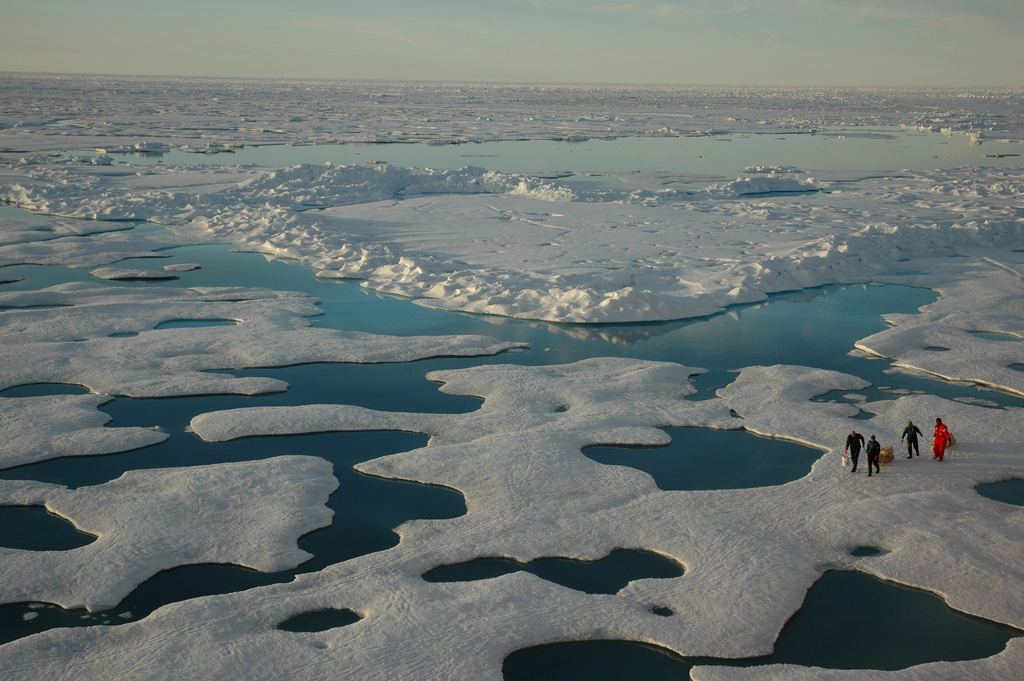
The Arctic used to be pretty much a pristine wilderness populated only by fairly small numbers of indigenous residents living environmentally benign lifestyles. The disruptive elements of modern civilization were not much of a factor. Because of the changing climate, this is no longer true.
New Doubts About GMO Crops
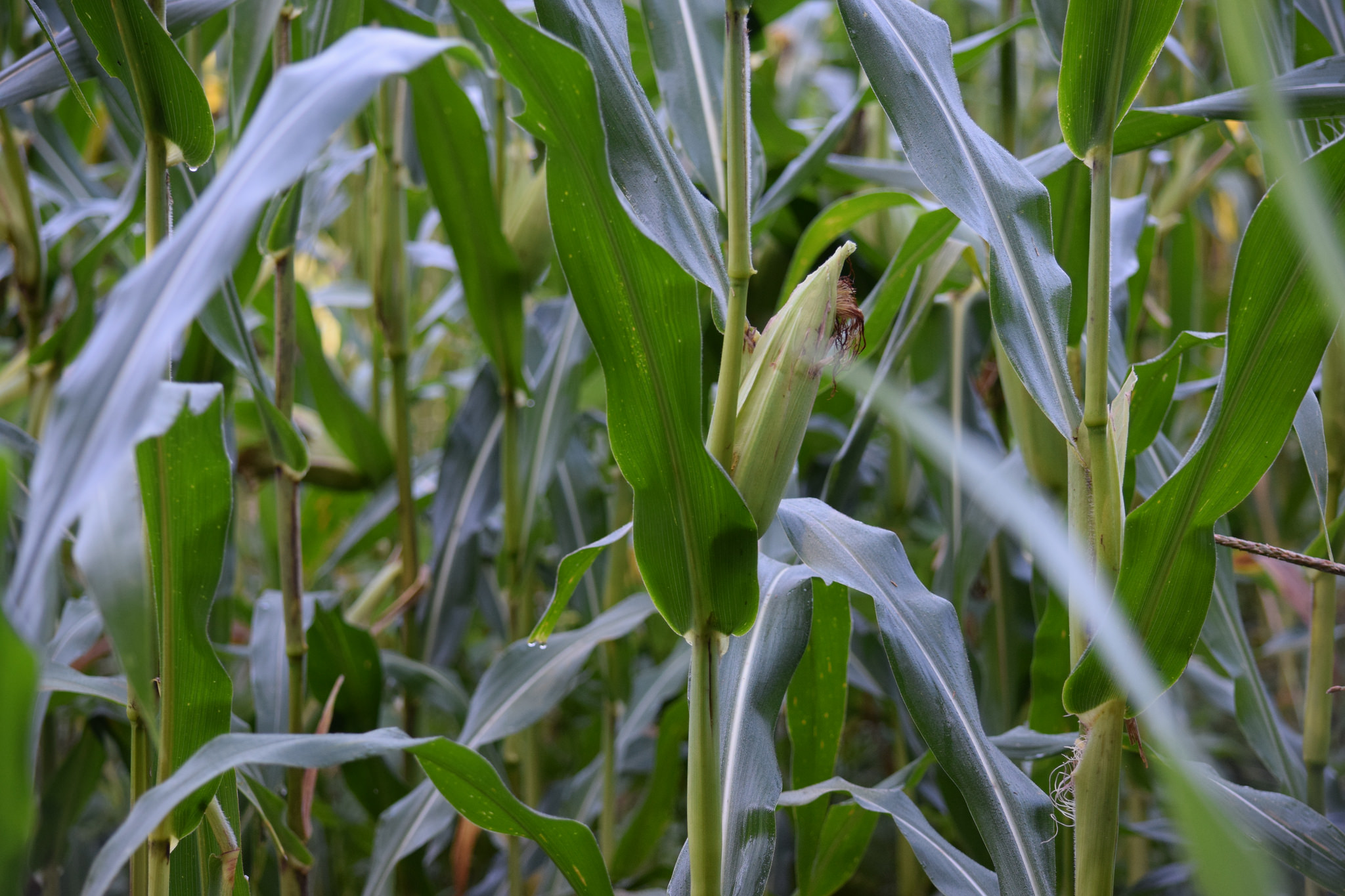
Genetically modified crops have been at the center of a great deal of controversy for a number of years. There have been widespread fears that they are unsafe to eat. Continuing studies have indicated that those fears appear to be unsubstantiated.
Canadian Carbon Tax
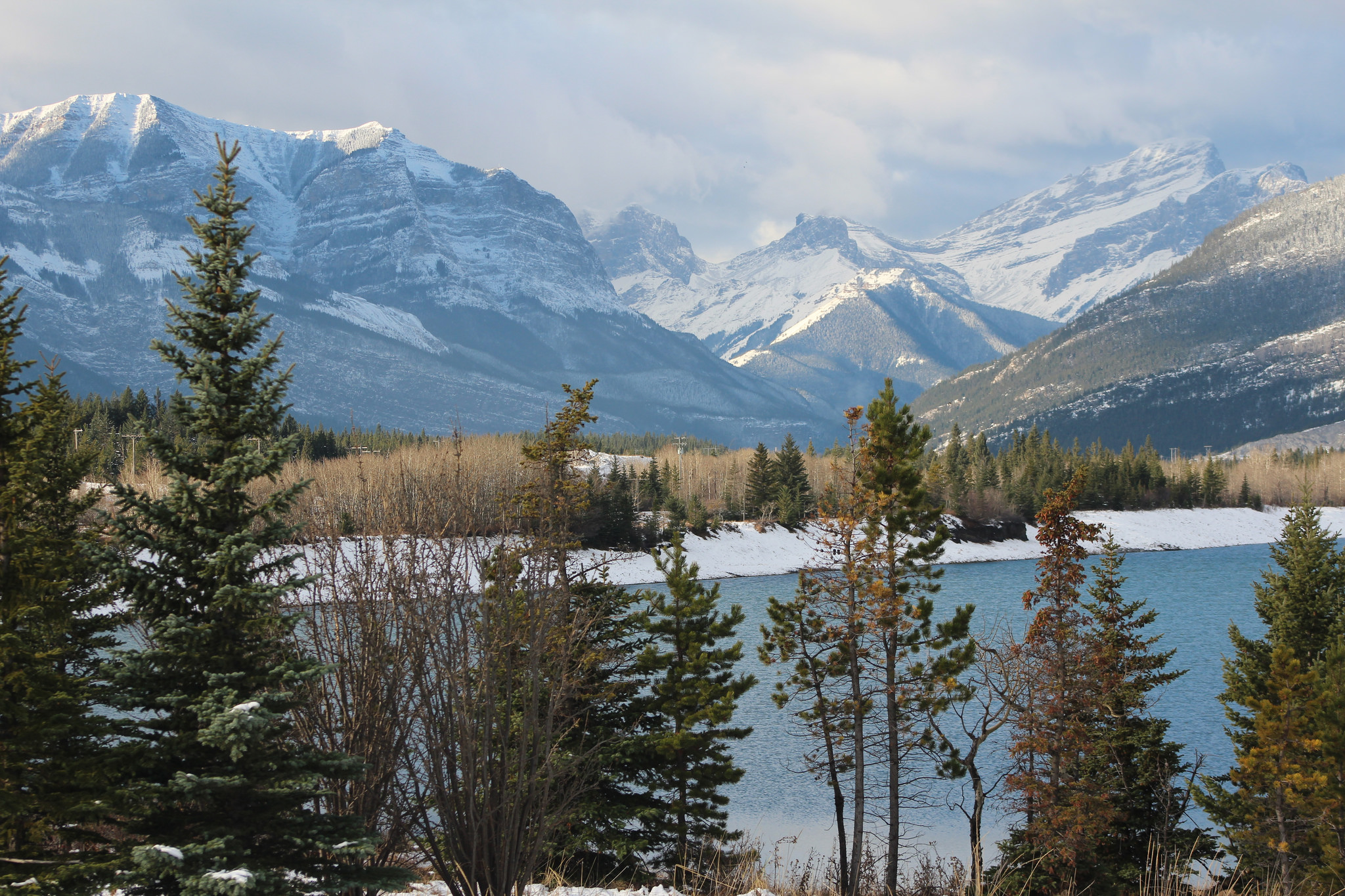
The Canadian government has chosen a carbon tax as its national policy to reduce greenhouse gas emissions. This aggressive move could have major repercussions around the world.
Cruising The Northwest Passage

The Northwest Passage is a sea route connecting the northern Atlantic and Pacific Oceans through the Arctic Ocean, going along the northern coast of North America via waterways through the Canadian Arctic Archipelago.
Sharks In Hot Water
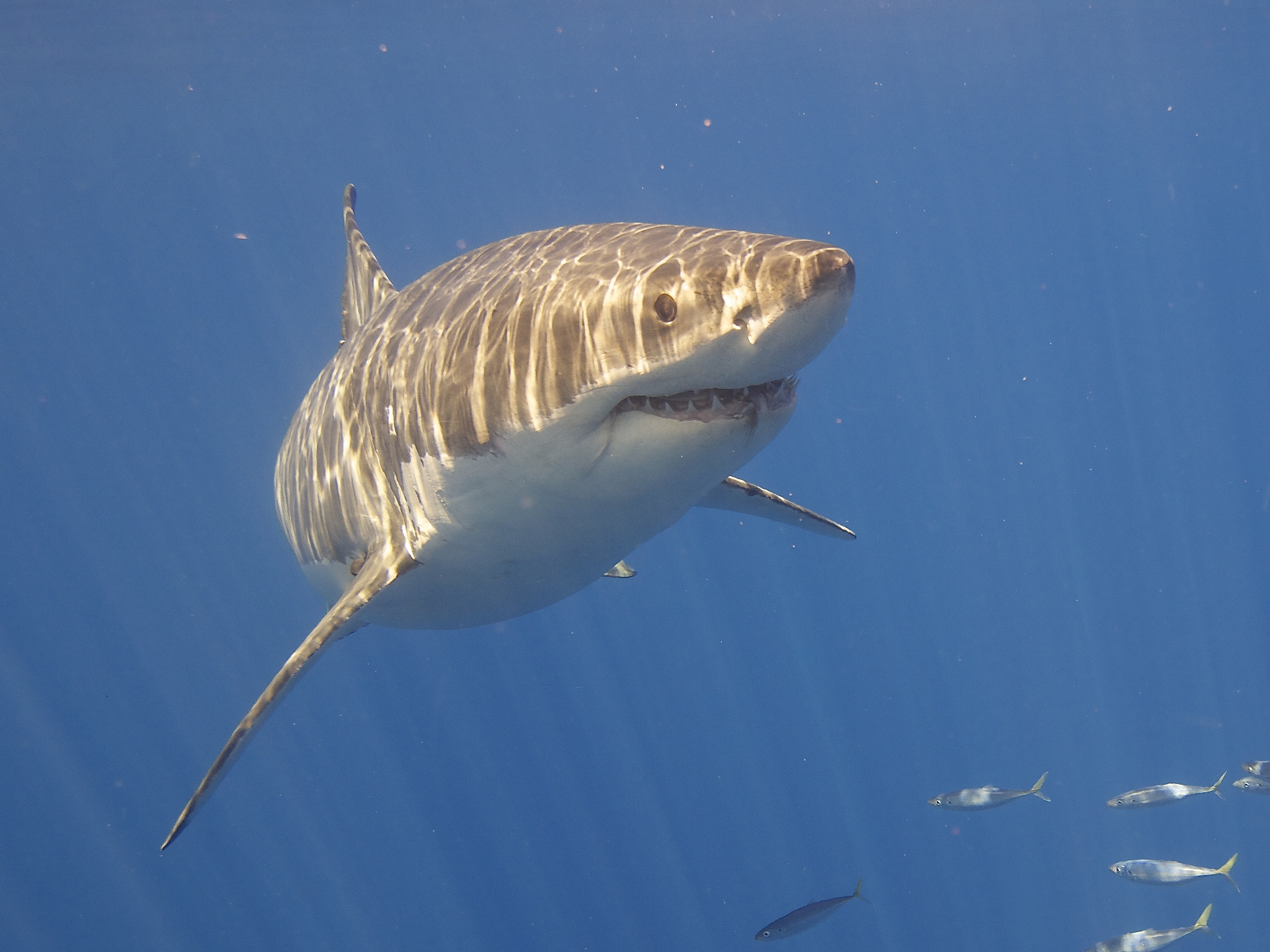
The majestic great white shark has been around for a very long time. Its evolutionary origin dates back 14 to 16 million years. And while great whites still enjoy decent populations off the coasts of Canada, Australia, and the United States, the same can’t be said for South Africa’s great whites.
A Refuge For Black Spruce
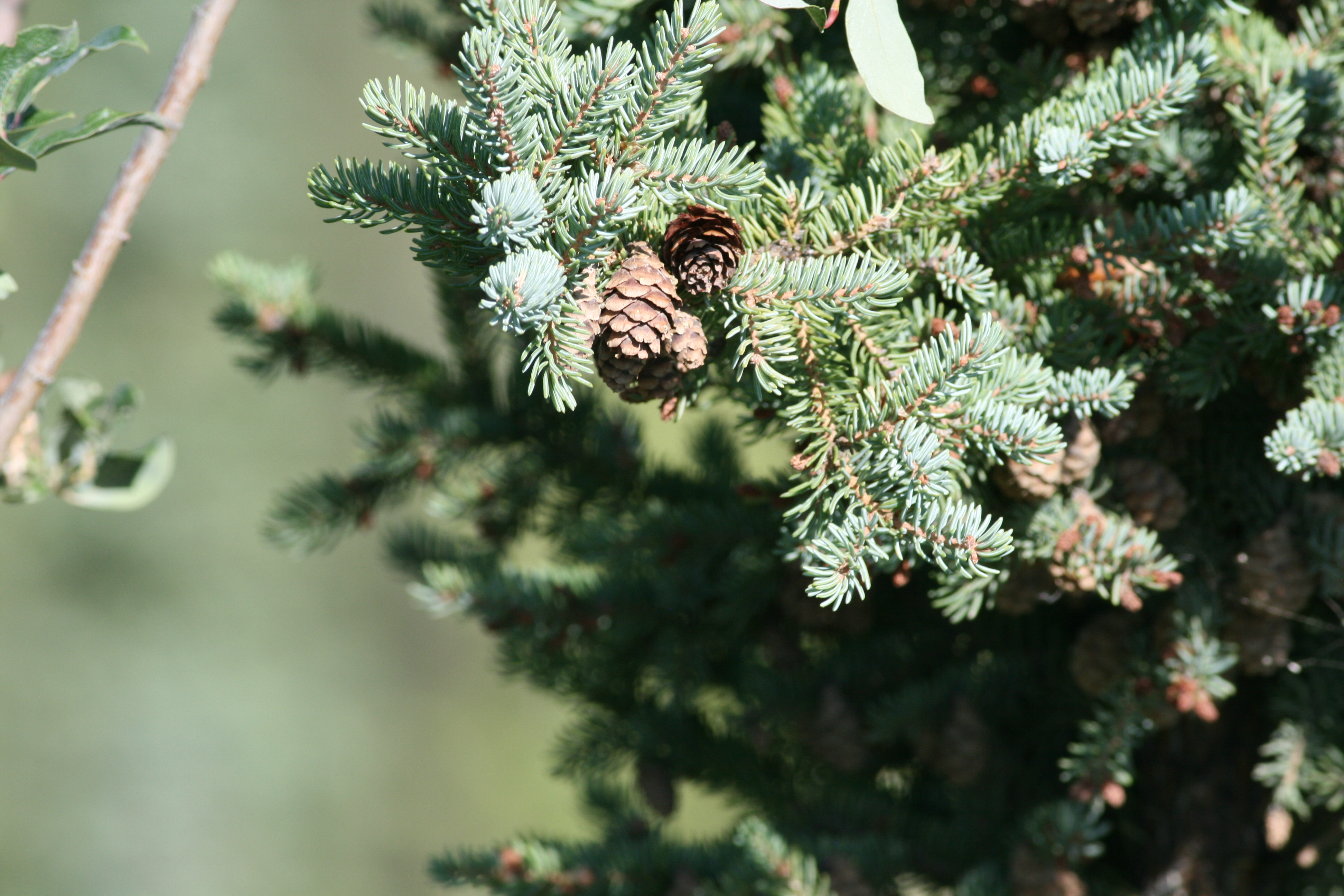
In the Canadian province of Quebec, a study of more than 26,000 trees across an area the size of Spain forecasts winners and losers in a changing climate.
A Large-Scale Tidal Energy Plant
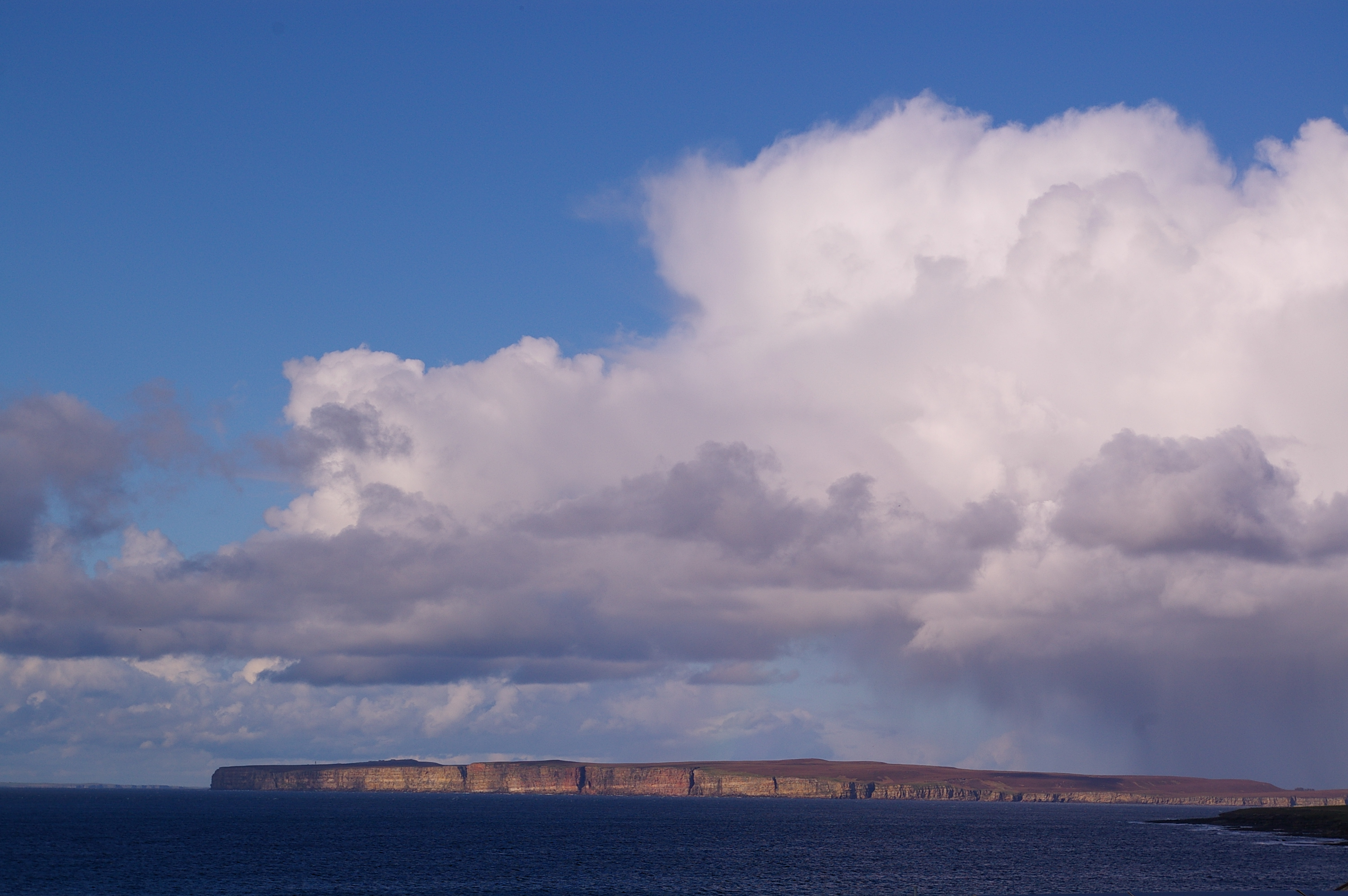
Ocean energy is about to take an important step towards making a real impact in Scotland. The MeyGen Tidal Array Project is reaching the final construction of its demonstration phase, which will be the first test of multiple underwater turbines sited together in a full-scale array.
Geothermal Heating

Geothermal heat pumps use the heat stored in the earth’s surface to heat homes and buildings. Even in the dead of winter, the temperature not very far below ground remains at a temperature typically in the 50s. Geothermal systems tap into this immense thermal resource. Conversely, this same temperature sink can be used to provide cooling during the summer. It takes electricity to run the heat pumps, but is vastly more efficient than using electricity directly to produce heat or to cool air.