• Skip to primary navigation
  • Skip to main content
  • Skip to primary sidebar

Earth Wise

A look at our changing environment.

  • Home
  • About Earth Wise
  • Where to Listen
  • All Articles
  • Show Search
Hide Search
You are here: Home / Archives for Canada

Canada

A New Kind Of Antibiotic | Earth Wise

March 10, 2020 By EarthWise Leave a Comment

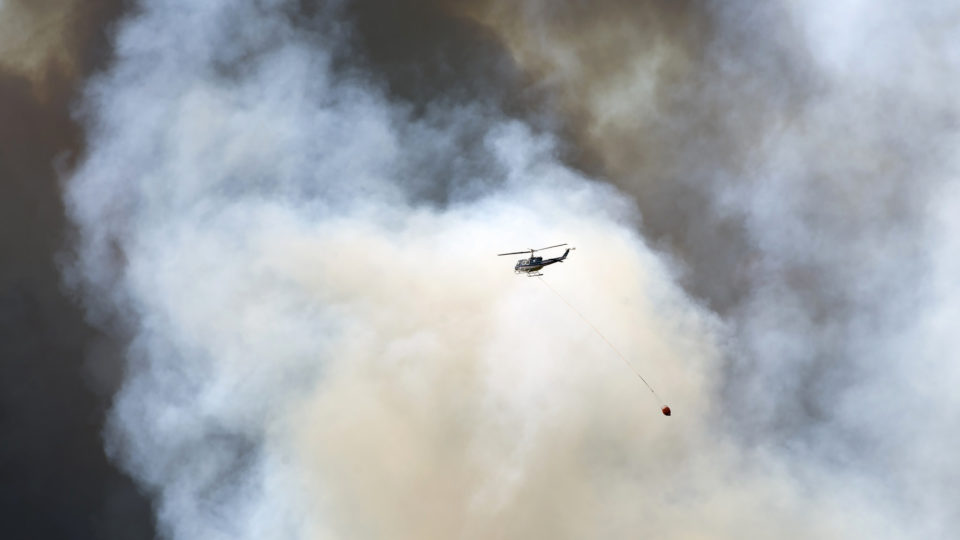
Antimicrobial resistance is a serious and growing problem for public health.  Over time, more and more types of bacteria have become resistant to known antibiotics making it very difficult to treat various kinds of infections. 

A new group of antibiotics with a unique approach to attacking bacteria has been discovered at McMaster University in Canada, representing a promising new clinical approach in the fight against antimicrobial resistance. 

The newly found corbomycin and the lesser-known complestatin have a never-before-seen way to kill bacteria, namely, breaking the function of the bacterial cell wall. Bacteria have a wall around the outside of their cells that gives them shape and is a source of strength.  Antibiotics like penicillin kill bacteria by preventing building of the wall, but the new antibiotics work by doing the opposite – they prevent the wall from being broken down. Breaking down the cell wall is critical for cells to divide. In order for bacteria to grow and spread, they need to expand and divide. By completely blocking the breakdown of the wall, it is as if the bacterium is trapped in a prison and can’t expand or grow. 

The researchers demonstrated in mice that these new antibiotics can block infections caused by the drug resistant Staphylococcus aureus which is a group of bacteria that can cause many serious infections. 

The researchers believe this new approach can be applied to other antibiotics and lead to the discovery of new ones with different mechanisms of action. This study found one completely new antibiotic, but since then, they have found a few others in the same family that have this same new mechanism. 

**********

Web Links

Antibiotics discovered that kill bacteria in a new way

Photo, posted March 15, 2012, courtesy of Flickr.

Earth Wise is a production of WAMC Northeast Public Radio.
Melting Permafrost | Earth Wise

February 26, 2020 By EarthWise Leave a Comment

Thawing Permafrost Is Transforming the Arctic

The Arctic is warming faster than any region on Earth and mostly we’ve been hearing about the rapid disappearance of Arctic sea ice.  But the land in the Arctic is also undergoing major changes, especially to the permafrost that has been there for millennia.

Permafrost occurs in areas where the temperature of the ground remains below freezing for two years or more.  About a quarter of the Northern Hemisphere’s landscape meets this criterion.  Most of the world’s permafrost is found in northern Russia, Canada, Alaska, Iceland, and Scandinavia.

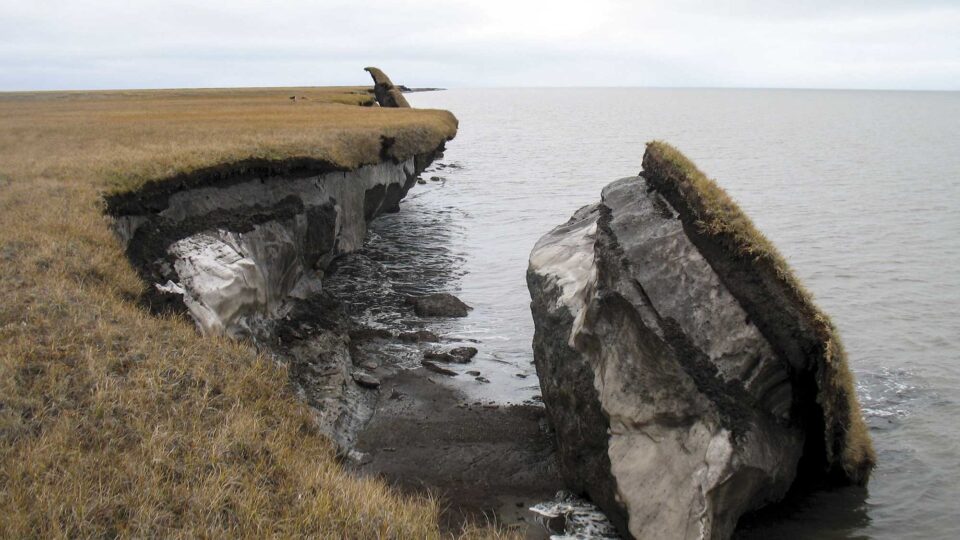
Permafrost regions previously carpeted in cranberries, blueberries, shrubs, sedges, and lichen are now being transformed into nothing but mud, silt, and peat.  So-called regressive thaw slumps – essentially landslides – are creating large craters in the landscape.  (The Batagaika Crater in the Yana River Basin of Siberia is a kilometer long and 100 meters deep).

Apart from the violence being done to the Arctic landscape, the greatest concern is that the permafrost has locked in huge stores of greenhouse gases, including methane, carbon dioxide, and nitrous oxide.  It is estimated that the permafrost contains twice as much carbon as is currently contained in the atmosphere.  As the permafrost thaws, these gases will be released.  With them will be pathogens from bygone millennia whose impact cannot be predicted.  Climatologists estimate that 40% of the permafrost could be gone by the end of the century.

As the permafrost thaws, the region’s ecosystems are changing, making it increasingly difficult for subsistence indigenous people and Arctic animals to find food.  Landslides are causing stream flows to change, lakes to suddenly drain, seashores to collapse, and water chemistry to be altered.

The warming Arctic is about much more than disappearing sea ice.

**********

Web Links

How Thawing Permafrost Is Beginning to Transform the Arctic

Photo, posted February 9, 2017, courtesy of the U.S. Geological Survey via Flickr.

Earth Wise is a production of WAMC Northeast Public Radio.
Turning CO2 Into Rock

January 6, 2020 By EarthWise Leave a Comment

CO2 rock reduce carbon emissions

As the world continues to struggle to find ways to reduce carbon emissions, there is increasing attention being paid to so-called negative emission technologies (NET), which remove and permanently sequester carbon dioxide from the atmosphere.

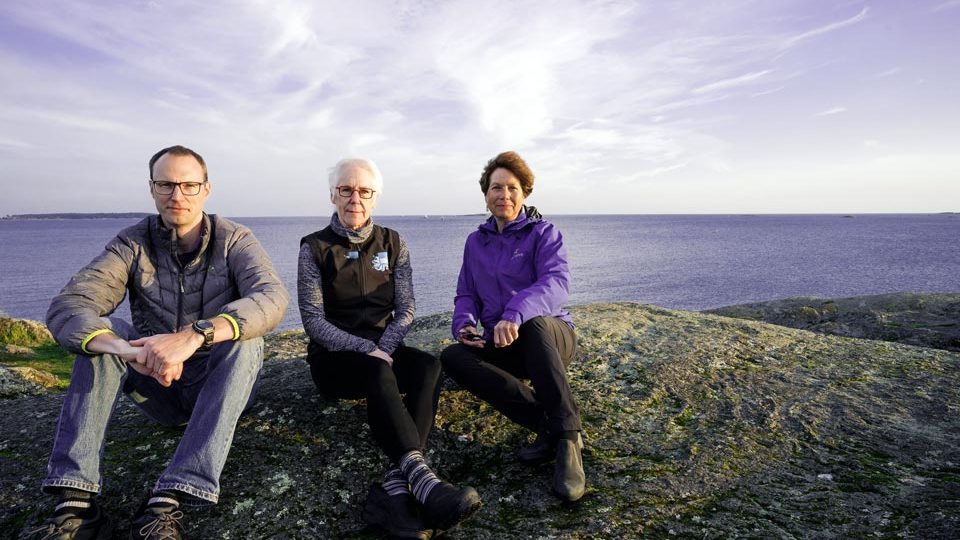
The University of Victoria in British Columbia has brought together an international team of experts to explore the possibilities of permanently and safely sequestering CO2 as rock beneath the ocean floor.  The Solid Carbon Project seeks to extract carbon dioxide directly from the air and then, using deep-ocean technology powered by offshore solar and wind energy, inject it into sub-seafloor basalt, where it would mineralize into solid carbonate rock.

When CO2 is injected into porous basalt, a type of volcanic rock, it reacts relatively quickly with minerals to form solid carbonate, thereby permanently removing it from the atmosphere.  Because 90% of the planet’s basalt is located beneath the ocean floor, the deep ocean is the place to do this kind of carbon sequestration.

The team includes experts in ocean science, carbon mineralization, renewable energy, engineering design, and oil-and-gas drilling/injection operations. Other experts are focusing on the social and legal implications of the NET technology.

Over the next four years, the Solid Carbon Project will assess the integration of multiple existing technologies that will be needed to successfully develop this kind of carbon storage.  One of these is the direct air capture technology itself, which will need to be adapted to a renewable energy-powered offshore platform.  The best outcome technologies explored by the project will be selected for a real-world demonstration at Ocean Networks Canada’s observatory site, 9,000 feet underwater in the Cascadia Basin, off the coast of British Columbia.

**********

Web Links

A rock-solid solution for CO2

Photo courtesy of the University of Victoria.

Earth Wise is a production of WAMC Northeast Public Radio.
The Potential For Offshore Wind

December 10, 2019 By EarthWise Leave a Comment

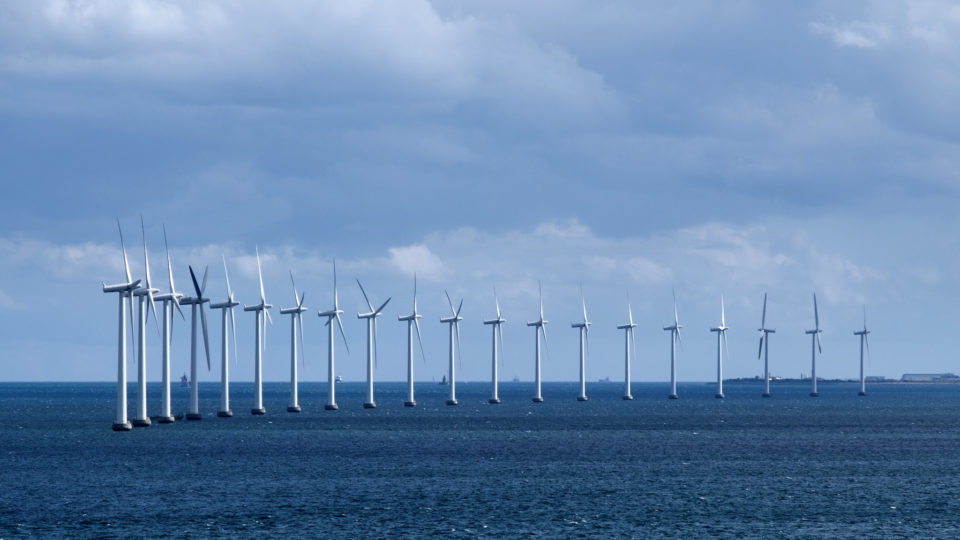
According to a new report from the International Energy Agency, offshore wind technology has vast potential for meeting our energy needs.  In total, offshore wind has the potential to generate more than 420,000 terawatt-hours of electricity each year, which is more than 18 times the global electricity demand that exists today.

Based on current policy targets and plummeting technology costs, offshore wind could increase 15-fold by 2040, becoming a $1 trillion industry and eliminating 5 to 7 billion tons of carbon dioxide emissions annually.

Offshore wind today generates just 0.3% of the world’s electricity, but its’ use is growing rapidly.  The industry has grown nearly 30% a year since 2010, and 150 new offshore projects are currently in development around the world.  The leading countries are in Europe – especially in the UK, Germany, and Denmark – but China is greatly expanding its offshore capacity and the US, India, Korea, Japan, and Canada are also expected to make large investments in offshore wind going forward.

Offshore wind is in a category of its own because it is considered a variable baseload power generation technology.  This is because the hourly variability of offshore wind is much lower than solar power or onshore wind.  Offshore wind typically fluctuates far less from hour-to-hour than the other variable energy sources.

Technology improvements and industry growth are driving steep cost reductions for offshore wind.  The cost of offshore wind is expected to be cut in half in the next five years, dropping to $60 per megawatt-hour, which is on par with solar and onshore wind and cheaper than new natural gas-fired capacity in Europe.

**********

Web Links

Offshore Wind Has the Potential to Fulfill Global Electricity Demand 18 Times Over

Photo, posted August 9, 2016, courtesy of Lars Plougmann via Flickr.

Earth Wise is a production of WAMC Northeast Public Radio.
Roofs Going Green

November 21, 2019 By EarthWise Leave a Comment

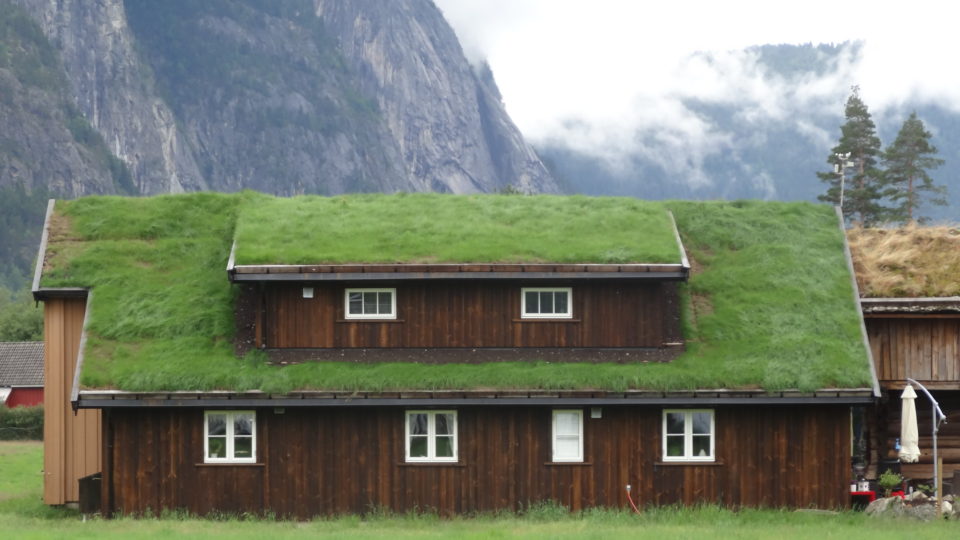
Green roofs are roofs on buildings that are partially or completely covered with vegetation and a growing medium, generally planted over a waterproofing membrane.  The modern version of these roofs began in Germany in the 1960s and spread to many other European countries over time.  With concerns about climate change and shrinking natural resources rising, green roofs are becoming increasingly popular across North America.  The Toronto-based organization Green Roofs for Healthy Cities estimates that the number in North America has increased by about 15% since 2013.

Replacing black asphalt and shingles with plants can lower the surrounding air temperature, filter dirty storm water, and reduce building energy use.  The National Research Council of Canada estimates that a green roof can reduce air conditioning use in a building by as much as 75%.  The roofs also help to reduce air pollution and greenhouse gas emissions according to the EPA.

As the benefits of green roofs become more widely known, cities around the world are passing green roof legislation.  Copenhagen passed a law in 2010 requiring all new commercial buildings to have green roofs if their roofs are not sloped too much.  Toronto was the first city in North America to pass a green roof law in 2009.  Over 640 green roofs covering more than five million square feet have since been constructed in Toronto.

Apart from the environmental benefits, green roofs are providing pleasant spaces in the urban environment that may include flower beds, trees, herb gardens, gazebos and picnic tables.  As for the economics, studies show that over the course of a roof’s lifetime, green roofs are actually considerably cheaper than conventional roofs taking into account energy savings.

**********

Web Links

The Green Revolution Spreading Across Our Rooftops

Photo, posted July 15, 2014, courtesy of Flickr.

Earth Wise is a production of WAMC Northeast Public Radio.
Protecting Canola Crops From Frost

November 20, 2019 By EarthWise Leave a Comment

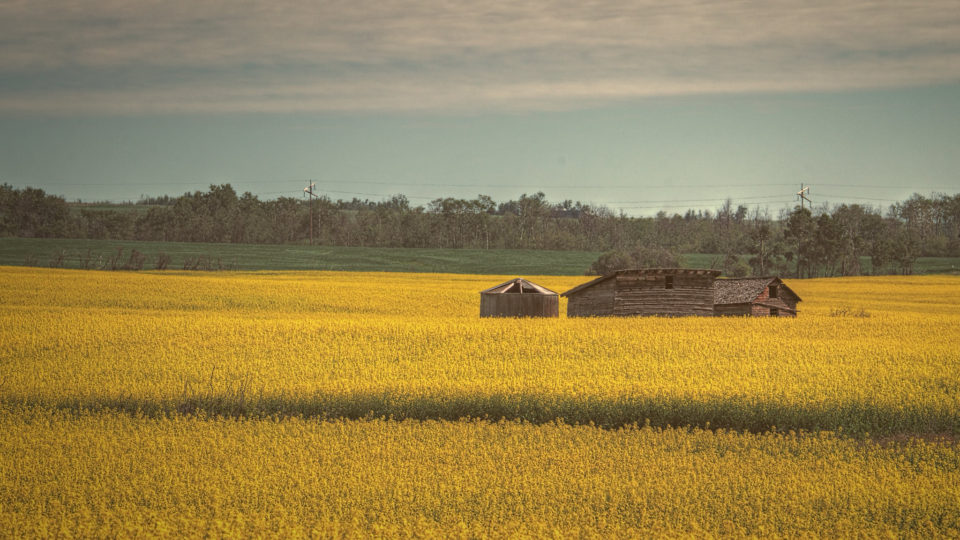
Canola is one of Canada’s most valuable crops.  In fact, Canada is the world’s largest exporter of canola oil.  The international market for canola oil is $27 billion a year.  The oil is very popular because it has a relatively low amount of saturated fat, a substantial amount of monosaturated fat, and is very neutral tasting.

Canadian canola farmers worry a great deal about late season, non-lethal frosts because the frosts prevent chlorophyll – a photosynthetic pigment in the seeds – from breaking down, a process they call “degreening”.  The farmers seek to have high-quality yellow embryos at seed maturity.  When the harvest contains more than 2% of green seeds, it can no longer produce Grade No. 1 quality oil.  When green seeds are processed to extract canola oil, the chlorophyll in the seeds reduces the oil’s storability and quality.  As a result, farmers receive a lower price for frost-damaged green seed canola.  This costs Canadian farmers and estimated $150 million annually.

Researchers at the University of Calgary have developed gene-based technology to produce canola plants that can withstand late-season frost and still produce high-quality seed.  They identified a specific protein that controls chlorophyll breakdown and seed maturity.  Genetic manipulation is able to enhance the seed degreening system.  They were able to reduce the amount of chlorophyll in the genetically modified canola lines by 60% after the plants were exposed to non-lethal frost. 

Ultimately, the researchers plan to develop a method to incorporate the modification into canola hybrid lines in such a way that it will be readily accepted by consumers concerned about genetically modified organisms.

**********

Web Links

New technology helps protect valuable canola crops from frost

Photo, posted August 29, 2018, courtesy of Tinker and Rove via Flickr.

Earth Wise is a production of WAMC Northeast Public Radio.
Compressed Air Energy Storage

October 23, 2019 By EarthWise Leave a Comment

The increasing use of solar and wind power has created a growing need for technology to store up the energy they generate for use when it is most needed.

Historically, pumped hydropower has provided the largest amount of storage capacity, but it is limited to only certain geographic locations.   Battery energy storage has been growing rapidly, with the technology becoming better and cheaper over time.  But there are various other ways to store energy that have potential and may well find their place in the changing energy infrastructure.

One of these is compressed air energy storage, which has been around for more than a century.  It has been used as a backup method for restarting power plants.  But to date, the economic viability of using it at a large scale has been lacking.

A Canadian startup company called Hydrostor is developing compressed air energy storage technology that it believes can be used on a utility scale.

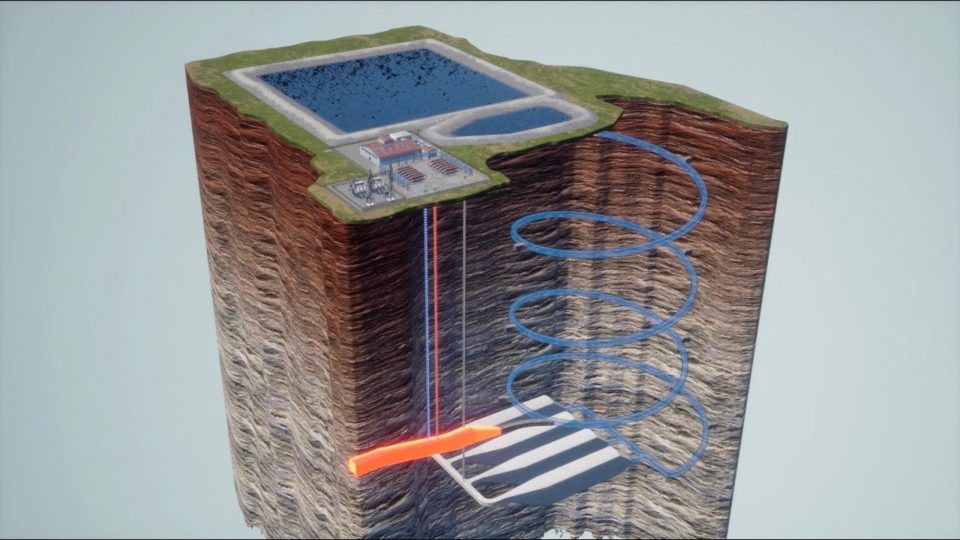
The way it works is excess renewable energy is used to run compressors that compress air.  Compressing the air heats it up and the heat is captured and stored in insulated hot water tanks.  The compressed gas is then injected into underground caverns.  When energy is needed, the compressed air is released, the stored heat is added, and the warmed gas is run through turbines to generate electricity.  Additional features improve the system’s efficiency.

Hydrostore has built a 1 MW pilot project in Ontario, Canada and is now commissioning a 2MW system as well.  It is funded to build a 5 MW system in Australia next year and it is bidding for 300 MW and 500 MW systems in North America.  The company has received equity funding from Baker Hughes, a large oil-and-gas services and equipment company.

**********

Web Links

Storing energy in compressed air could finally become cheap enough for the big time

Photo courtesy of Hydrostor.

Earth Wise is a production of WAMC Northeast Public Radio.
Birds Are Disappearing

October 16, 2019 By EarthWise 1 Comment

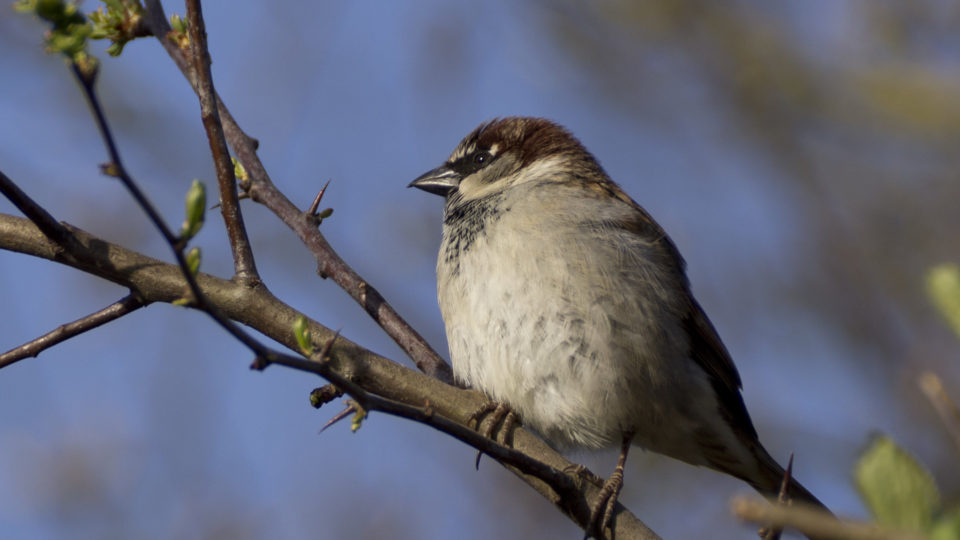
A new analysis, published in the journal Science, reports that the number of birds in the United States and Canada has fallen by 29% since 1970.  There are 2.9 billion fewer birds in the two countries now than there were 50 years ago.

The analysis is the most comprehensive attempt to date to look at the status of avian populations.  The results were a shock to researchers and conservation organizations.

It is well-known that some bird species have become vulnerable to extinction, but the new study, which surveyed more than 500 species, uncovered steep losses even among such traditionally abundant birds as robins and sparrows.

There appear to be multiple causes for the steep declines.  The largest ones are likely habitat loss and the wider use of pesticides.  Rachel Carson’s 1962 book Silent Spring warned of the dangers of pesticides and took its title from a world that has lost its birds.

The survey includes 76% of all bird species in the US and Canada, but actually represents almost the entire population of birds.  Grassland species have suffered the biggest declines by far, as a result of modern agriculture and development.  Pesticides, such as neonicotinoids, make it harder for birds to put on weight needed for migration, delaying their travel.

There are a few bright spots:  bald eagles are thriving, and falcon and waterfowl populations are on the upswing.  These are species that have been the subject of conservation measures in recent decades.

Stopping the bird decline will require a great deal of effort to defend habitats, restrict chemicals, and redesign buildings.  Without that effort, birds will continue to disappear.

**********

Web Links

Birds Are Vanishing From North America

Photo, posted April 1, 2012, courtesy of Barry Skeates via Flickr.

Earth Wise is a production of WAMC Northeast Public Radio.
Maple Syrup And Climate Change

October 11, 2019 By EarthWise Leave a Comment

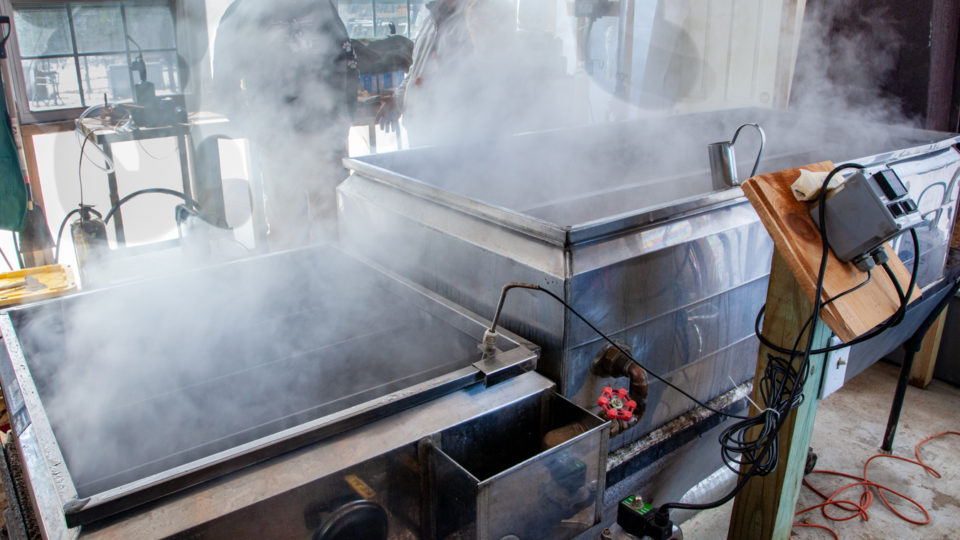
According to a study recently published in the journal Forest Ecology and Management, scientists are predicting another casualty of climate change: the U.S. maple industry.  By the year 2100, the maple syrup season in the United States may be less productive and arrive one month earlier than it has between 1950 and 2017.

Maple syrup production is impacted by two climate-sensitive factors: sugar content and sap flow.  Sugar content is determined by the previous year’s carbohydrate stores.  Sap flow depends on the freeze/thaw cycle.  Sap begins to flow in sugar maples when winter nights dip below freezing and the days warm above freezing.

The researchers studied six sugar maple stands from Virginia to Quebec, Canada over a six year period.  They created a model that predicted the timing of optimal sap flow based on historical temperature data on freeze/thaw days, actual sap collection from their field work, and monthly climate. 

According to modeling projections, the maple syrup season is expected to be, on average, one month earlier by the end of the century.  States like Indiana and Virginia will barely produce any sap.  New Hampshire and Vermont are likely to be least affected, but are still expected to experience a decrease in production.  In fact, most areas of maple production in the United States are projected to see decreases in production by the year 2100, while areas in northern Ontario and Quebec should see moderate to large increases in production. 

Currently, Canada is responsible for approximately 80% of global maple syrup production while the U.S. produces 20%.  The shifting climate for optimal maple production will leave many scrambling to find the sweet spot. 

**********

Web Links

Climate change study finds that maple syrup season may come earlier

Photo, posted March 24, 2019, courtesy of Paul VanDerWerf via Flickr.

Earth Wise is a production of WAMC Northeast Public Radio.
Wildfires And Carbon

September 17, 2019 By EarthWise Leave a Comment

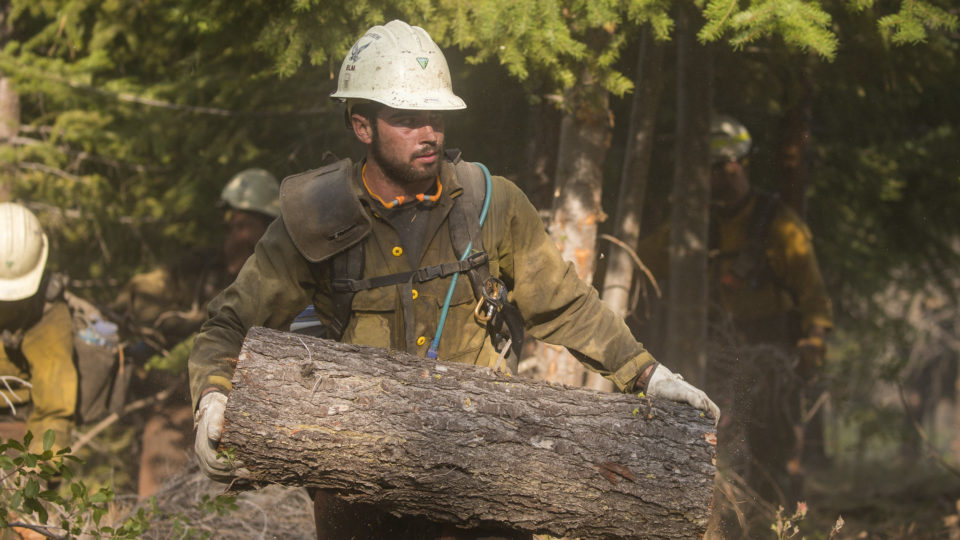
This summer has been an unprecedented year for fires in the Arctic.  Major fires have burned throughout the Arctic in Russia, Canada, and Greenland.  In total these fires released 50 million tons of carbon dioxide in June alone, which is as much as Sweden emits in an entire year.

In an average year, wildfires around the world burn an area equivalent to the size of India and emit more carbon dioxide to the atmosphere than global road, rail, shipping and air transport combined.

Ordinarily, this is part of a natural cycle.  As vegetation in burned areas regrows, it draws CO2 back out of the atmosphere through photosynthesis.  This is part of the fire-recovery cycle, which can take less than a year in grasslands, but decades in forests.  But in Arctic or tropical peatlands, full recovery may not occur for centuries.

A recent study looked at and quantified the important role that charcoal plays in helping to compensate for carbon emissions from fires.  In wildfires, some of the vegetation is not consumed by burning, but instead is transformed to charcoal – referred to as pyrogenic carbon.   This carbon-rich material can be stored in soils and oceans over very long time periods.

Researchers have combined field studies, satellite data, and modelling to quantify the amount of carbon that is placed in storage in the form of charcoal.  Their results are that the production of pyrogenic carbon amounts to about 12% of the CO2 emissions from fires and can be considered a significant buffer for landscape fire emissions.

Charcoal does not represent a solution to the problem of increasingly intense wildfires, but it is important to take it into account in understanding what is happening.

**********

Web Links

How wildfires trap carbon for centuries to millennia

Photo, posted August 17, 2018, courtesy of the Bureau of Land Management Oregon and Washington via Flickr.

Earth Wise is a production of WAMC Northeast Public Radio.
Fighting Climate Change With Trees

August 20, 2019 By EarthWise Leave a Comment

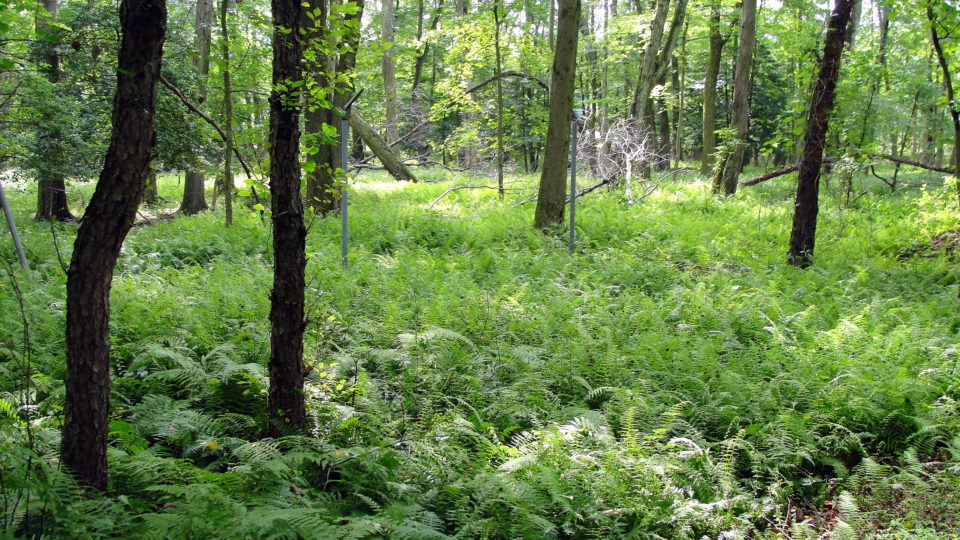
We cut down forests all around the world for a myriad of reasons, including livestock grazing, agricultural production, timber, and urban development.  But what if we stopped cutting down forests for these things and additionally grew new forests on vacant lots and any other available parcels of land on earth?  What impact could this have on our survival? 

For the first time, scientists have quantified what impact this plan could have.  According to a new study by researchers at ETH Zurich – a university that specializes in science, technology, and engineering – the planet could support nearly 2.5 billion additional acres of forest without shrinking current cities and farms.  When all those acres of forest mature, the trees could store an extra 200 gigatons of carbon.  This reforestation could stave off the most devastating impacts of global climate change. 

Russia could restore the most acres of forest – 373 million acres to be precise – followed by the United States with 255 million acres and Canada with 193 million acres.  Australia, Brazil, and China also have large areas well-suited for forest restoration. 

The average global temperature has risen by 1.8 degrees Fahrenheit since the start of the industrial age with its surge in greenhouse gas emissions.  Temperatures are projected to rise even more in the coming years as the planet continues to warm.   

Trees absorb CO2 from the atmosphere and store it in their roots and branches.  The absorbed carbon becomes part of the soil when trees die and decompose, and it can linger there for millennia depending on things like temperature and soil management.  Trees are critical in the fight against climate change. 

**********

Web Links

How trees could save the climate

Photo, posted June 18, 2011, courtesy of K.W. Barrett via Flickr.

Earth Wise is a production of WAMC Northeast Public Radio.
Degraded Permafrost In The Arctic

July 11, 2019 By EarthWise Leave a Comment

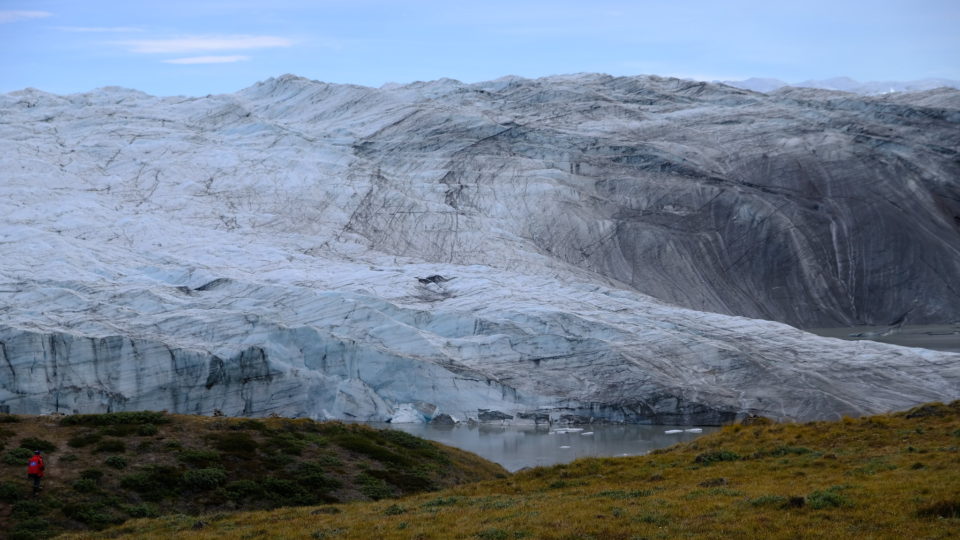
Permafrost is defined as rock or soil that has been at or below the freezing point of water for two or more years.  Most of it is located in high latitudes in and around the Arctic and Antarctic regions.   Permafrost covers nearly a quarter of the exposed land in the Northern Hemisphere.

Permafrost can contain many different materials including bedrock, sediment, organic matter, water and ice.  Because of the presence of organic matter, permafrost is potentially the source of significant methane emissions if it thaws and the trapped biomass begins to rot.

A recent study looked at the results of 30 years of aerial surveys and extensive ground mapping of an area of Canada’s high Arctic polar desert known as the Eureka Sound Lowlands.  This area has an extremely cold climate and the permafrost there is over 1/3 of a mile thick.  It has long been assumed that this landscape was stable.

Research led by McGill University in Montreal has found that this is not the case.  The increases in summer air temperatures seen in recent years are initiating widespread changes in the landscape.

A particular landform known as a retrogressive thaw slump that forms when ice within permafrost melts and the land slips down is widely occurring in the area.  The absence of vegetation and layers of organic soil in these polar deserts make permafrost in the area particularly vulnerable to increases in summer air temperatures.

The research indicates that despite the cold polar desert conditions that characterize much of the high Arctic, the interaction between ice-rich permafrost systems and climate factors is complex and the links between global warming and permafrost degradation are not well understood.

**********

Web Links

Widespread permafrost degradation seen in high Arctic terrain

Photo, posted August 11, 2018, courtesy of Flickr.

Earth Wise is a production of WAMC Northeast Public Radio.

Banning The Shark Fin Trade

July 4, 2019 By EarthWise Leave a Comment

Shark fins are considered a delicacy in many parts of the world, especially in China.  Shark fin soup, for example, is often served at engagement parties and weddings.  But the use of shark fins has come under increasing scrutiny in recent years, especially since an estimated one-third of fins are harvested from species deemed at risk.  

Many of the fins used in shark fin soup come from a practice known as “finning,” which is an inhumane and wasteful practice where the fins are hacked from live sharks and then the sharks are thrown back into the water and left to die.  According to U.N. estimates, 73 million sharks are killed every year for their fins.

The possession, sale, and distribution of shark fins is banned in 12 U.S. states, as well as in all European Union member states.

In 1994, Canada banned the practice of finning in its own waters, but allowed the import of fins to continue.  Canada has been one of the largest markets for shark fins outside Asia, importing nearly 300,000 pounds of shark fins last year.  But in late June, Canada passed a bill that bans both the import and export of shark fins harvested by shark finning.  They are the first G7 and the first G20 country to do so. 

But shark fins taken from sharks sustainably harvested for their meat will continue to be allowed in Canada.  While demand for shark fins is decreasing globally, demand for shark meat is rising.

Since sharks still face a myriad of environmental pressures, including illegal fishing and high bycatch rates, there are concerns that this Canadian ban oversimplifies the threats facing global shark populations. 

**********

Web Links

Canada becomes the first G20 country to ban shark fin trade

Photo, posted January 4, 2013, courtesy of Andrew Currie via Flickr.

Earth Wise is a production of WAMC Northeast Public Radio.
From Coal Plant To Solar Farm

June 5, 2019 By EarthWise Leave a Comment

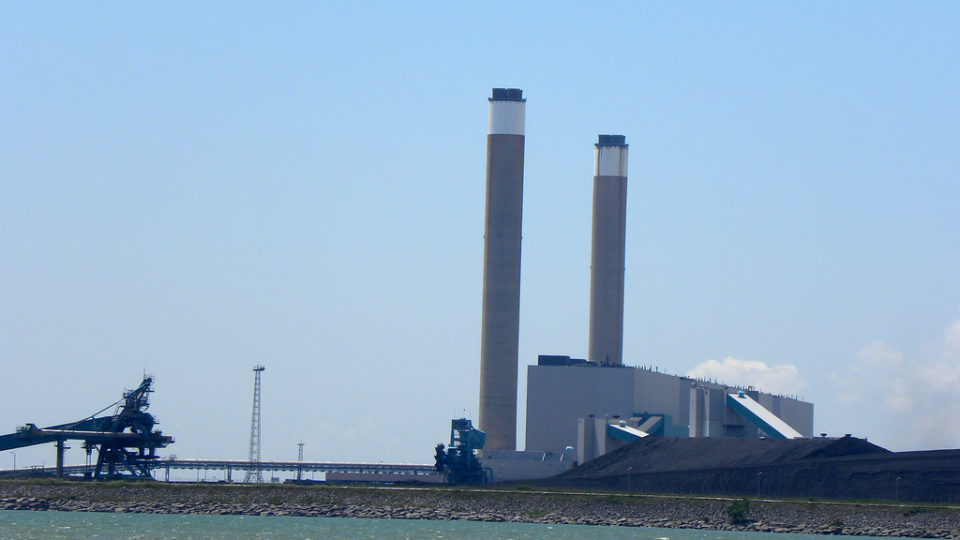
The Nanticoke Generating Station in Ontario, Canada was the largest coal-fired power plant in North America.  It was commissioned in 1972 and was capable of providing nearly 4,000 megawatts of electrical power into the southern Ontario power grid.  At peak, the plant consumed nearly 40,000 tons of coal per day.

The government of Ontario eventually decided to phase out all of its coal plants about ten years ago but the decommissioning was delayed for a time because of the lack of replacement sources of energy.  The plant began to shut down its individual generating units starting in 2010.  By the end of 2013, the Nanticoke plant was shut down for good.

In 2016, a 44 MW solar power station was contracted for the site and construction began last year.  The plant opened at the beginning of April coinciding with the one-year anniversary of the demolition of Nanticoke’s smokestacks, which once stood 650 feet tall.

The new solar farm has 192,431 solar panels spread across 260 acres.  The facility, situated on the shores of Lake Erie in Ontario, will generate enough electricity to power more than 7,200 homes. 

The idea to use part of the retired coal plant’s property for a new solar farm was spearheaded and paid for by Ontario Power Generation, the Six Nations of the Grand River Development Corporation, and the Mississaugas of the Credit First Nation.

The Chief of the Mississaugas called the solar project an important economic development in the region and for tribal nations that sets the stage for future mutually-beneficial partnerships between Ontario Power Generation and others.

**********

Web Links

Canadian Coal-Fired Power Plant Transformed into Solar Farm

Photo, posted July 26, 2009, courtesy of Jason Paris via Flickr.

Earth Wise is a production of WAMC Northeast Public Radio.
The American Bumblebee

May 29, 2019 By EarthWise Leave a Comment

Pollinators, such as bees and bats, are vital for global food production.  They provide an ecological service that’s necessary for the reproduction of nearly 75% of the world’s flowering plants, including more than two-thirds of the world’s food crops.

Bumblebees are among the most important plant pollinators.  They pollinate many food crops, including apples, tomatoes, blueberries and legumes, as well as countless types of trees, shrubs, and wildflowers.  But researchers have documented declines in both the abundance and range of many bumblebee species.

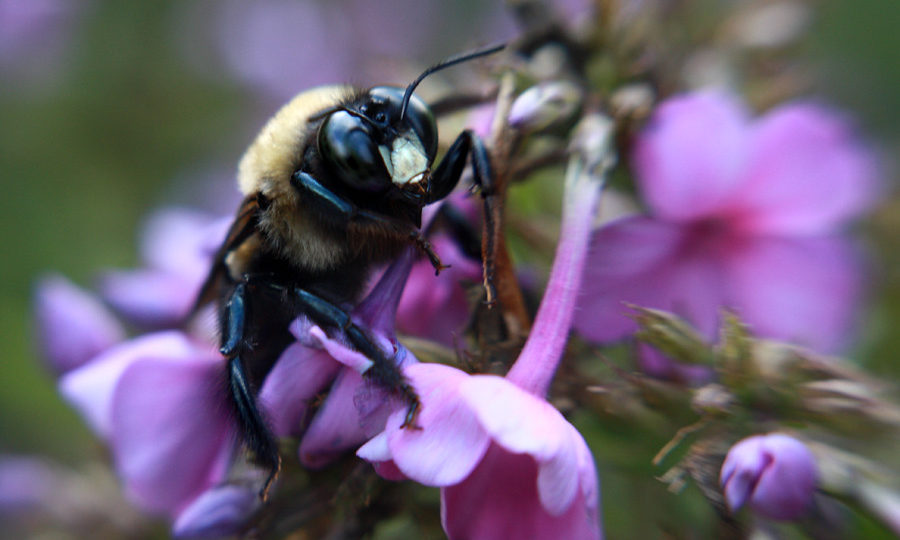
The American bumblebee, which is native to North America, is one of them.  The species can currently be found in eastern Canada, throughout much of the Eastern United States, and much of Mexico. 

According to a new study led by York University and recently published in the Journal of Insect Conservation, the American bumblebee is critically endangered, and it faces imminent local extinction from Canada.  This is considered the highest and most at-risk classification before extinction. 

The researchers used data from three sources in their study: the Bumble Bee Watch (which is a citizen science project), the Bumble Bees of North America database (that has records dating back to the late-1800s), and their own field survey work.  They used the IUCN’s Red List assessment criteria to evaluate the status of the American bumblebee within its Canadian range.

The research team found that the species’ area of occurrence has decreased by approximately 70% and its relative abundance dropped by 89% from 2007-2016 when compared to 1907-2006. 

The American bumblebee can still be found throughout its Canadian range.  But immediate conservation action is desperately needed.  

*********

Web Links

Disappearing bumblebee species under threat of extinction

Photo, posted August 22, 2011, courtesy of Rachel Elaine via Flickr.

Earth Wise is a production of WAMC Northeast Public Radio.
Defusing The Methane Time Bomb

March 26, 2019 By EarthWise Leave a Comment

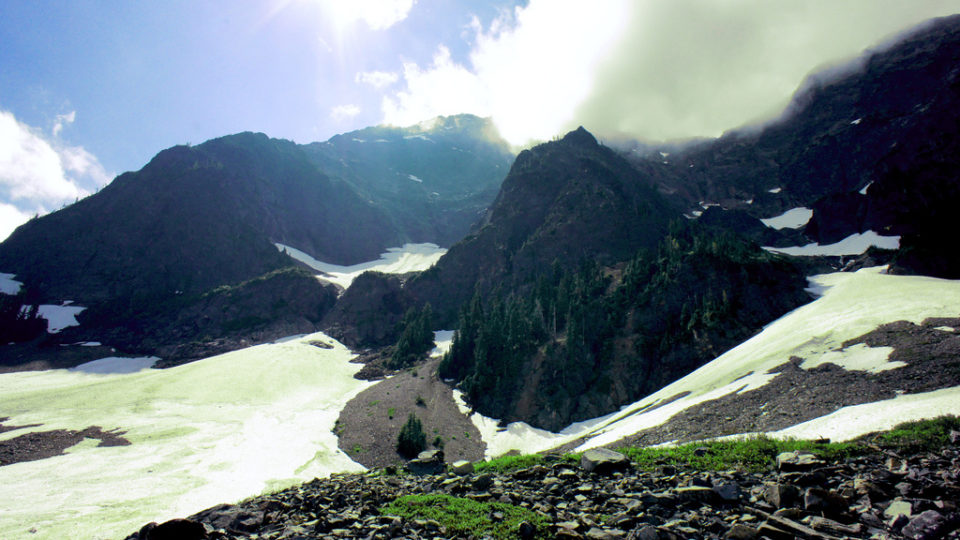
Permafrost is defined as soil that remains frozen for two or more consecutive years.  It is generally composed of rock, soil, sediments, and varying amounts of ice that binds it all together.  The permafrost of the Arctic represents one of the largest reservoirs of organic carbon in the world.  It covers vast regions of Siberia, northern Canada, Alaska and Greenland.

When permafrost thaws, microbes in the previously-frozen soil go to work digesting organic materials and release carbon dioxide and methane, both of which are greenhouse gases.  Methane is 25 times more effective in trapping heat in the atmosphere than carbon dioxide, so it represents the greater threat.  The massive amounts of methane that could be released by thawing permafrost have been described as a ticking time bomb threatening the world’s climate.  Unfortunately, the permafrost in the Arctic is already starting to thaw as a result of climate change.

A new study by researchers at the International Institute for Applied Systems Analysis looked into the prospects for neutralizing the threat posed by the release of methane from thawing permafrost.  They analyzed the relative contributions of potential methane emissions from the permafrost and existing ones from human activities.  Human-caused methane emissions from fossil fuel activities, waste dumps, and livestock constitute a major source of the gas.  

Their conclusion is that if we can greatly reduce human-generated methane release, the effects of uncontrolled Arctic methane emissions could be mitigated.   It is unclear whether we can do much to stave off the Arctic methane release at this point, but the release of methane from human activities is something we can do something about.  But the clock is ticking.

**********

Web Links

Diffusing the methane bomb: We can still make a difference

Photo, posted August 14, 2011, courtesy of Flickr.

Earth Wise is a production of WAMC Northeast Public Radio.
Fire-Driven Thunderstorms

March 6, 2019 By EarthWise Leave a Comment

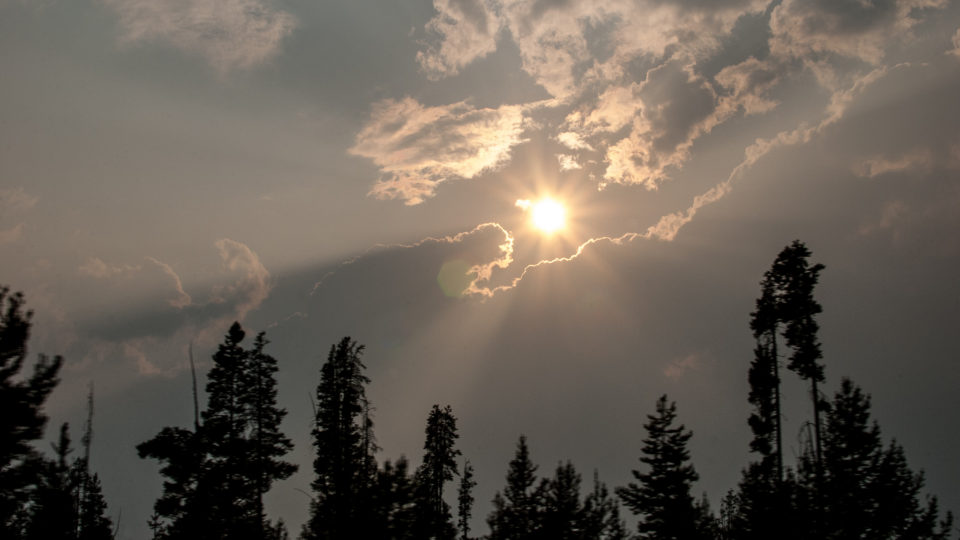
In 2016 and 2017, wildfires in western Canada spawned thunderstorms that ignited additional fires, in some cases tens of miles away from the original fire.  These fire-triggered thunderstorms are technically known as pyrocumulonimbus clouds, or “pyroCb’s”.

The physics of pyroCb’s is complex.  When super-heated updrafts from an intense fire suck smoke, ash, burning materials, and water vapor high into the air, these elements cool and form so-called fire clouds that look and act like the cumulonimbus clouds associated with classic thunderstorms.  What is different is that the heat and particulates in the smoke almost always arrest the ability of the cloud to produce rain.  Instead, what remains is a lightning storm that moves across the landscape, triggering more fires.

These PyroCb events appear to be happening far more often, producing more energy, and erupting in places where they have never been seen before.  As the world warms, wildfires themselves are becoming larger and hotter.  In the past decade, wildfires have been burning more than twice as many acres as they did before the turn of the 21st century.  Along with the growth in wildfire activity, there has been an increase in PyroCb events, and there are now an average of 25 per year in western North America.

Apart from starting new fires, pyroCb’s also have similar effects as moderate-sized volcanic eruptions.  Smoke and aerosols from wildfires can rise high into the stratosphere, where they can linger for months.  Eventually, the particles carried aloft in the atmosphere do come down, dumping dangerous chemicals on far flung regions of the earth.  But unlike volcanic eruptions, which are relatively rare events, pyroCb’s are happening more and more each year.

**********

Web Links

Fire-Induced Storms: A New Danger from the Rise in Wildfires

Photo, posted July 31, 2013, courtesy of Loren Kerns via Flickr.

Earth Wise is a production of WAMC Northeast Public Radio.
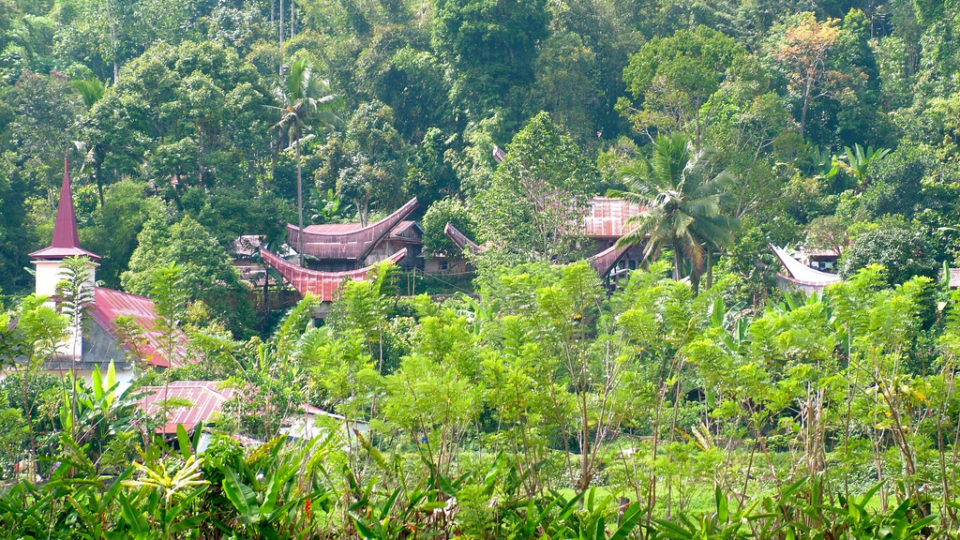
Endangered Language Species

January 14, 2019 By EarthWise Leave a Comment

There are approximately 7,000 languages spoken in the world today but only about half of them are expected to survive this century.  There are many factors contributing to the decline in languages.  Perhaps the most significant is globalization, which pushes countries and individuals to shift to national or international languages for economic reasons.   Other factors include the lack of support for regional languages in educational systems and mass media, persecution of minority linguistic groups by governments, and disruption of communities during war and emigration.

Predicting which languages will survive and which won’t is difficult.  A potential tipping point for languages is the same one affecting the survival of species:  climate change.  Many small linguistic communities are located on islands and coastlines that are vulnerable to hurricanes and rising sea levels.  Other communities live in places where increases in temperatures and erratic rainfall threaten traditional farming and fishing economies.

These climate-related changes will force communities to relocate,creating climate change refugees. Dispersing these people will lead to the splintering of linguistic communities and the need for the use of other languages.  Such changes will place additional pressures on languages that are already struggling to survive.

There are endangered languages in many places around the world.  Some are exotic such as the island of Sulawesi in Indonesia, which is home to dozens of distinct languages spoken by no more than a few thousand people. Others are much closer to home, such as in indigenous communities in Canada.

The rich tapestry of human language is just another of many things threatened by the changing climate.

**********

Web Links

The Conversation: The impact of climate change on language loss

Photo, posted May 19, 2009, courtesy of Flickr. 

Earth Wise is a production of WAMC Northeast Public Radio.

Shifting Climate Zones

November 16, 2018 By EarthWise Leave a Comment

https://earthwiseradio.org/wp-content/uploads/2018/11/EW-11-16-18-Shifting-Climate-Zones.mp3

As the climate warms, the planet’s landscape is changing.  The Arctic ice is shrinking, the ocean is rising altering coastlines, and plants, animals and diseases are on the move.  The world’s climate zones are changing in significant and measurable ways.

[Read more…] about Shifting Climate Zones

Wildfires And The Water Supply

November 12, 2018 By EarthWise Leave a Comment

https://earthwiseradio.org/wp-content/uploads/2018/10/EW-11-12-18-Wildfires-and-the-Water-Supply.mp3

Hotter and dryer conditions are leading to an increasing number of wildfires in North America and elsewhere around the world.  The damage they cause is well-known.  But one aspect of that damage that tends to be overlooked is the impact on aquatic environments and drinking water supplies.

[Read more…] about Wildfires And The Water Supply

  • « Go to Previous Page
  • Page 1
  • Page 2
  • Page 3
  • Page 4
  • Page 5
  • Page 6
  • Go to Next Page »

Primary Sidebar

Recent Episodes

  • An uninsurable future
  • Clean energy and jobs
  • Insect declines in remote regions
  • Fossil fuel producing nations ignoring climate goals
  • Trouble for clownfishes

WAMC Northeast Public Radio

WAMC/Northeast Public Radio is a regional public radio network serving parts of seven northeastern states (more...)

Copyright © 2026 ·