• Skip to primary navigation
  • Skip to main content
  • Skip to primary sidebar

Earth Wise

A look at our changing environment.

  • Home
  • About Earth Wise
  • Where to Listen
  • All Articles
  • Show Search
Hide Search
You are here: Home / Archives for Canada

Canada

Wildfires And Cancer Risk | Earth Wise

June 20, 2022 By EarthWise Leave a Comment

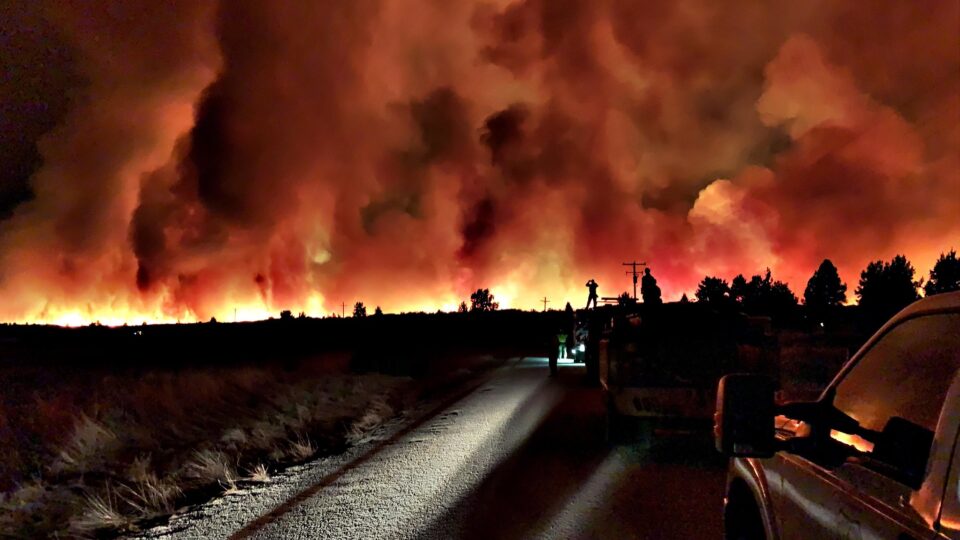
Exposure to wildfires leads to an increase in cancer risk

Hotter and drier conditions are leading to an increasing number of wildfires in North America and elsewhere around the globe.  Scientists have linked the severe heat and drought that fuel these wildfires to climate change. As the climate continues to change, wildfires are projected to become more prevalent, more severe, and longer in duration. 

According to a United Nations report released earlier this year, the Western U.S., northern Siberia, central India, and eastern Australia have already seen an uptick in wildfires.  The likelihood of catastrophic wildfires globally could increase by a third by 2050 and more than 50% by the turn of the century. 

According to a new study by researchers from McGill University, living near regions prone to wildfires may boost the risk of developing serious health issues.  The study, which tracked more than two million Canadians over a period of 20 years, found a higher incidence of lung cancer and brain tumors in people exposed to wildfires.  People living within 50 kilometers of wildfires during the past 10 years had a 10% higher incidence of brain tumors and a 4.9% higher incidence of lung cancer when compared to people living further away. 

This study, which was recently published in The Lancet Planetary Health, is the first to examine how proximity to forest fires may influence cancer risk.

In addition to the impacts on air quality, wildfires also pollute aquatic, soil, and indoor environments.  While some pollutants return to normal levels shortly after the fire, many others persist in the environment for long periods of time. 

The research team notes that additional work is needed to develop more long-term estimates of the chronic health effects of wildfires.

**********

Web Links

Exposure to wildfires increases risk of cancer

Climate change is causing more wildfires and governments are unprepared, says U.N.

Photo, posted August 17, 2020, courtesy of USFS via Flickr.

Earth Wise is a production of WAMC Northeast Public Radio.

Declining Bird Populations | Earth Wise

June 16, 2022 By EarthWise Leave a Comment

A study by scientists from multiple institutions around the world including Cornell University has found that significant declines in bird populations are taking place across the planet.  Loss and degradation of natural habitats, direct overexploitation of many species, and climate change are driving the bird population declines.

According to the study, approximately 48% of existing bird species worldwide are known or suspected to be undergoing population declines.  The populations of 39% of bird species appear to be stable.  Only 6% of birds have increasing populations.

A study in 2019 determined that nearly 3 billion breeding birds have been lost in the U.S. and Canada over the past 50 years.  The new study shows that the same patterns of population decline and extinction are happening globally.  According to the study, there are now the first signs of a new wave of extinctions of continentally distributed bird species.

The ultimate fate of bird populations is strongly dependent on stopping the loss and degradation of habitats.   Habitat loss is generally driven by human demand for resources.  Reducing the human footprint on the natural world is what is needed.  Birds are a highly visible indicator of environmental health, and their declining populations signal a much wide loss of biodiversity and threats to human health and wellbeing.

There is a global network of bird conservation organizations trying to prevent further loss of bird species and bird abundance.  Keeping track of the situation is essential and there is growing participation by the public in bird monitoring.  But ultimately, it depends on governments and society in general to support sustainable resource use and learn how to share the planet with nature.

**********

Web Links

Global Bird Populations Steadily Declining

Photo, posted January 9, 2022, courtesy of Martien Brand via Flickr.

Earth Wise is a production of WAMC Northeast Public Radio.
Rock Dust And Carbon | Earth Wise

May 25, 2022 By EarthWise Leave a Comment

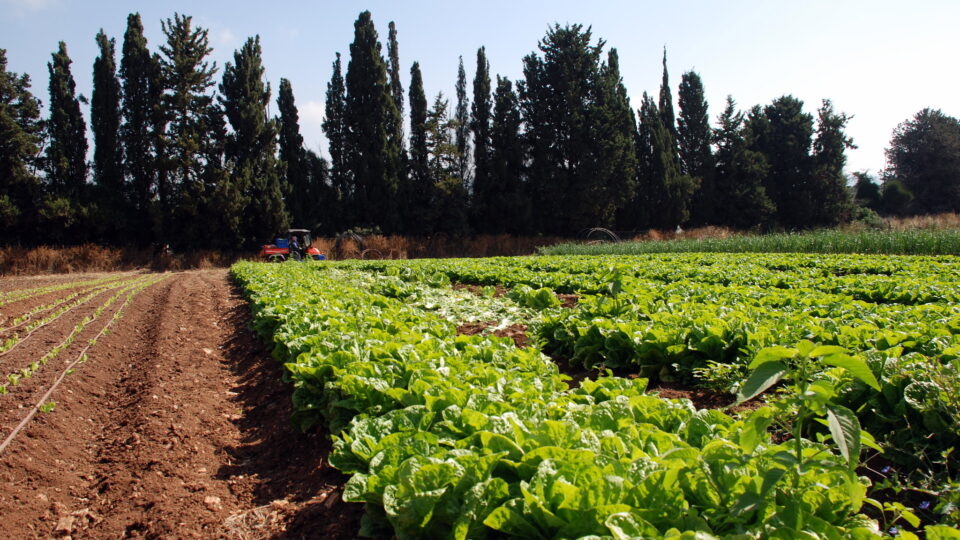
Adding basalt rock dust to crop fields helps fight climate change

According to a new study by Cardiff University in the UK, Britain could achieve nearly half of the carbon removal needed to meet its climate goals by adding basalt rock dust to crop fields.  The process is known as enhanced weathering and has been the subject of ongoing research in the U.S. at Cornell University and the University of California, as well as in the UK, Canada, and Australia.

Adding rock dust to agricultural lands speeds up the chemical reactions that lock up carbon in soil.  Basalt contains magnesium, calcium, and silica, among other components.  When basalt is pulverized and applied to soils, magnesium and calcium are released and dissolve in water as it moves through the soil.  The minerals in the soil react with the water, and the carbon that would otherwise end up in the atmosphere instead forms bicarbonates, which can hang around in water for thousands of years.  It can also eventually make its way to the oceans where it precipitates out as limestone and can stay on the seafloor for millions of years.

Basalt is a waste stream byproduct of mining and manufacturing and is found all over the world.  Mining waste is the largest waste stream in the world, so there is no shortage.

According to the U.N. Intergovernmental Panel on Climate Change, applying rock dust to agricultural lands on a global basis could theoretically remove 2 to 4 billion tons of carbon dioxide from the air each year, which is between 34-68% of the global greenhouse gas emissions produced by agriculture annually.

The added rock dust would in fact be good for the soil and for crops.  Whether the economics of producing and transporting it make sense remains to be determined.

**********

Web Links

Adding Rock Dust to Farmland Could Get UK Almost Halfway to Its Carbon Removal Goal

Photo, posted April 24, 2011, courtesy of the State of Israel via Flickr.

Earth Wise is a production of WAMC Northeast Public Radio.

Phasing Out Disposables | Earth Wise      

May 5, 2022 By EarthWise Leave a Comment

Starbucks plans to phase out disposables

Humans generate a remarkable amount of garbage.  According to the World Bank, humans produce 4.5 trillion pounds of trash every year, with at least 33% of this garbage not managed in an environmentally-safe manner. By 2050, global garbage generation is expected to reach nearly 7.5 trillion pounds a year. 

Globally, an average of 1.6 lbs of waste is generated per person per day.  While high-income countries only account for 16% of the global population, they are responsible for about 34% of the world’s waste. 

But almost everything humans throw away was bought from a company.   Whether it was the packaging or the product itself, we purchased it from somewhere.  There’s a growing movement to hold the companies responsible for the trash they produce. 

Faced with increasing consumer consciousness, many companies are stepping up and announcing initiatives to reduce their waste.  Starbucks is one of them.  The company’s white logo-emblazoned paper cups and clear plastic cups are instantly recognizable symbols of the brand.  But these ubiquitous cups are disposable and also serve as a symbol of our throwaway society. 

By the end of next year, Starbucks is planning to allow customers to use their own personal mugs at every location in the U.S. and Canada.  By 2025, the company wants every customer to be able to use either their own mug or to borrow a ceramic or reusable to-go mug.  This borrow-a-mug program is currently being tested in eight different markets around the globe. 

In lieu of regulation mandating corporate responsibility for waste, we will have to hope that more companies do the right thing.

**********

Web Links

Starbucks is planning to phase out its iconic cups

Photo, posted June 11, 2010, courtesy of Sunghwan Yoon via Flickr.

Earth Wise is a production of WAMC Northeast Public Radio.
Getting Rid Of Single-Use Plastics | Earth Wise

April 15, 2022 By EarthWise Leave a Comment

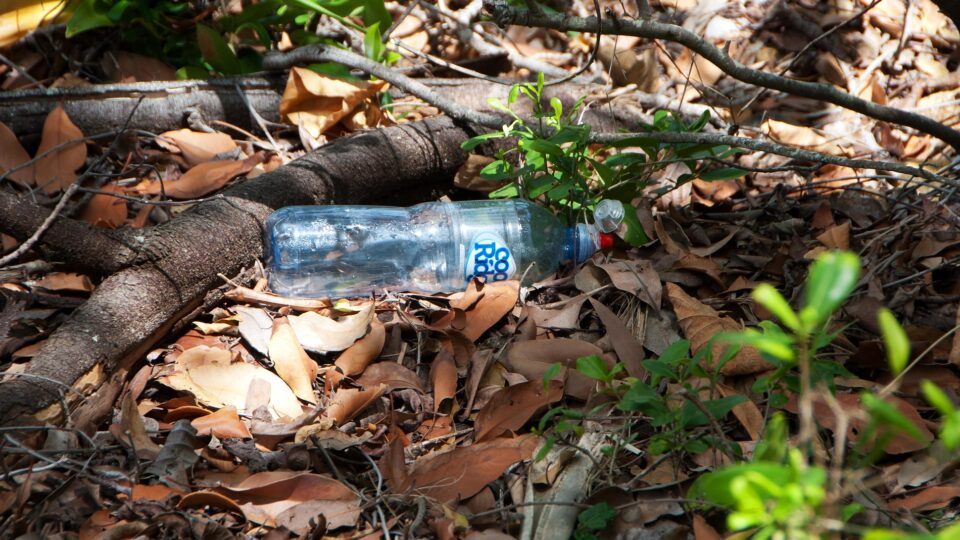
Banning single-use plastics

Single-use plastics are used only once before they are recycled – or more likely – simply thrown away.  These are things like plastic bags, straws, coffee stirrers, soda and water bottles, and most food packaging.  They are primarily made from fossil fuel-based chemicals.

Since the 1950s, over 9 billion tons of plastics have been produced, and half of that has been in the past 15 years.  There are uses for plastic that are not only reasonable, but are even important, such as for surgical gloves.  But for the most part, single-use plastic is the poster child of our throwaway culture that is bad for the environment, for wildlife, and even for human health.

Many cities, states, and even countries are moving toward greatly limiting or outright banning single-use plastics.  A recent global survey indicates that the great majority of people around the world are with the program.

According to a 28-country survey from marketing firm Ipsos and the activist group Plastic Free July, three out of four people around the world agree with a ban on single-use plastics.  The poll of more than 20,000 people showed that in Latin America, China, and India, more than 80% agree that a ban should happen as soon as possible.  Unfortunately, Canada, the United States, and Japan were the least supportive countries.  In particular, only 40% of Japanese respondents favored a ban.

Ninety percent of respondents globally support an international treaty to combat plastic pollution and eighty percent said they personally want to buy products with as little plastic packaging as possible.  Unfortunately, people in wealthy countries, which produce the most plastic waste, are less likely to support a ban.  Those countries typically export their waste to the developing world.

**********

Web Links

Three in Four People Worldwide Support a Ban on Single-Use Plastics

Photo, posted April 13, 2006, courtesy of Leonard J Matthews via Flickr.

Earth Wise is a production of WAMC Northeast Public Radio.
A Hot Year With Record GHG Levels | Earth Wise

February 25, 2022 By EarthWise Leave a Comment

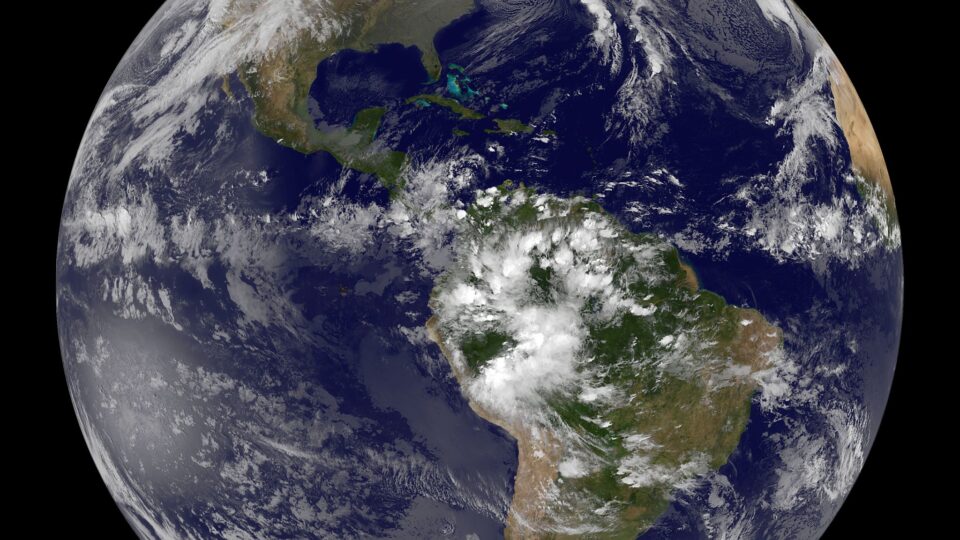
Record Greenhouse Gas levels

Last year was a year that saw rising temperatures and rising levels of greenhouse gases.  2021 was the fifth-hottest year on record.  The average global temperature was nearly 1.2 degrees Celsius or 2.1 Fahrenheit degrees higher than the preindustrial average.  The past seven years were the hottest ever by a significant margin.

The concentration of carbon dioxide in the atmosphere reached 414 parts per million, compared with preindustrial levels of 280 parts per million.  Concentrations of methane reached 1876 parts per billion, the highest levels ever recorded. 

Apart from these global measurements, local and regional weather saw the effects of the heating planet.  Extreme temperatures were common with the hottest summer in Europe, heatwaves in the Mediterranean, and unprecedented high temperatures in North America.

The West Coast of the US, northeast Canada, Greenland, and parts of north Africa and the Middle East all experienced the highest above-average temperatures.  However, some places, including Australia, Antarctica, Siberia, and much of the Pacific Ocean often saw below-average temperatures, even though the same places occasionally experienced record high temperatures.

The Covid-19 pandemic and its economic disruptions continued to lead to some reductions in greenhouse gas emissions, but in the US, emissions from energy use and industry nonetheless grew 6.2% in 2021 after falling more than 10% in 2020.

Carbon dioxide and methane concentrations are continuing to increase each year and don’t appear to be slowing down.  As long as this situation persists, global temperatures will continue to rise, and extreme and erratic weather will be more and more commonplace.

**********

Web Links

2021 Rated One of the Hottest Years Ever as CO2 Levels Hit Record High

Photo, posted November 11, 2011, courtesy of NASA Goddard Space Flight Center via Flickr.

Earth Wise is a production of WAMC Northeast Public Radio.

Climate Change And The Winter Olympics | Earth Wise

February 8, 2022 By EarthWise Leave a Comment

Climate change is threatening winter sports

According to a new study led by researchers from the University of Waterloo in Canada, climate change will limit where the Winter Olympics can be held as winter changes across the Northern Hemisphere. 

The international research team found that by the end of the century only one of the 21 cities that have previously hosted the Winter Olympics would be able to reliably provide fair and safe conditions for winter sports if global greenhouse gas emissions are not dramatically reduced. 

However, if the emissions targets set forth in the Paris Climate Agreement can be reached, the number of climate-reliable host cities for the Winter Olympics would jump to eight.

In the study, which was recently published in the journal Current Issues in Tourism, the researchers reviewed historical climate data from the 1920s to today, as well as future climate change scenarios for the 2050s and 2080s.  The researchers also surveyed international athletes and coaches, and found that 89% of them felt that changing weather patterns are already affecting competition conditions. 

The average February daytime temperature of host cities has been steadily increasing.  At the winter games held between the 1920s and 1950s, the average temperature was 32.7°F.  It rose to 37.6°F at games between the 1960s and 1990s, and has spiked to 43.3°F in the games held in the twenty-first century.  The planet is projected to warm another 3.6°F to 7.9°F this century depending on our ability to mitigate greenhouse gas emissions.

Reducing global greenhouse gas emissions is critical to ensure that there remain places across the globe to host the Winter Olympics.

**********

Web Links

Climate change threatens future Winter Olympics

Photo, posted February 21, 2010, courtesy of Michael via Flickr.

Earth Wise is a production of WAMC Northeast Public Radio.

Batteries On Wheels | Earth Wise

December 24, 2021 By EarthWise Leave a Comment

electric vehicles as a battery resource

Transportation accounts for nearly a quarter of the direct carbon dioxide emissions coming from burning fuel.  As a result, electrification of transport is one of the major ways we can reduce emissions.  Increasing the number of electric vehicles over time is essential for meeting emissions targets.

But electric vehicles have the potential to do more than deliver emissions reduction; they can also provide other energy services.

More and more electric cars provide over 200 miles of driving range, but most cars are actually driven no more than 30 miles a day.  As a result, the fleet of electric cars represents a huge bank of energy stored in battery packs and mostly sitting around unused.  This presents an opportunity to leverage this resource.

Car battery packs could be used to absorb excess renewable energy generated in the middle of the day (for example from solar installations) or at night (from wind farms) and potentially then to export stored energy to power homes and support the grid.  This energy system is known as V2G, or vehicle-to-grid technology.

The University of Queensland in Australia has launched a unique international trial to see if the spare battery capacity in vehicles could be used for these purposes.  The university has partnered with Teslascope, which is an online analytics platform used by Tesla owners to track the performance of their cars.  Tesla owners wishing to be part of the study authorize the collection of their data and, in turn, receive a free 12-month subscription to the Teslascope service.  The study will collect data from Tesla owners in Australia, the US, Canada, Norway, Sweden, Germany, and the UK.

**********

Web Links

Can EV spare battery capacity support the grid?

Photo, posted February 8, 2009, courtesy of City of St Pete via Flickr.

Earth Wise is a production of WAMC Northeast Public Radio.

Banning Gas Cars | Earth Wise

November 12, 2021 By EarthWise Leave a Comment

Many states and countries have passed gas car bans

The transition to electric vehicles from gas-powered vehicles is essential for reducing greenhouse gas emissions as well as air pollution in general.  Currently, transportation is responsible for 30% of greenhouse gas emissions in the United States.

There is no doubt that there is surging interest in electric cars.  There are now millions of them being sold around the world each year.  But they still represent a small fraction of new car sales in most places.  Notable exceptions are several European countries such as Norway and Switzerland where plug-in vehicles are dominant.  In the United States, on the other hand, EVs still represent less than 3% of new car sales.

Given the urgency in reducing vehicle emissions, many countries around the world have devised plans, goals, or laws to end the sale of gasoline cars.  Gas car bans vary quite a bit around the world, but they are being implemented in many places.

There are 28 countries and US states that have imposed gas car bans to take effect over the next five to 20 years.  These include European countries like Norway, Belgium, Austria, Netherlands, Denmark, Iceland, Ireland, Sweden, Scotland, Slovenia, the UK, France, and Spain.  Asian countries include South Korea, India, Japan, China, Singapore, Sri Lanka, and Taiwan.  In the Middle East, Israel and Egypt have announced bans.  Here in the US, New York and California both have bans starting in 2035.  Canada also has announced a ban.

Car manufacturers have seen the writing on the wall.  Most have started adding EVs to their lineups.  Many have announced their own timetables for phasing out gas cars entirely.  There are more than 15 new electric models available this year and there are many more to follow next year.

**********

Web Links

Over 25 Countries And U.S. States Are Planning to Ban Gasoline Powered Cars

Photo, posted January 24, 2009, courtesy of Oran Viriyincy via Flickr.

Earth Wise is a production of WAMC Northeast Public Radio.
Wildfires And The Climate | Earth Wise

September 24, 2021 By EarthWise Leave a Comment

Wildfires had a bigger impact on climate than the pandemic lockdowns

Scientists from the National Center for Atmospheric Research recently published a study analyzing the events that influenced the world’s climate in 2020.  Among these were the pandemic-related lockdowns that reduced emissions and resulted in clearer air in many of the world’s cities.

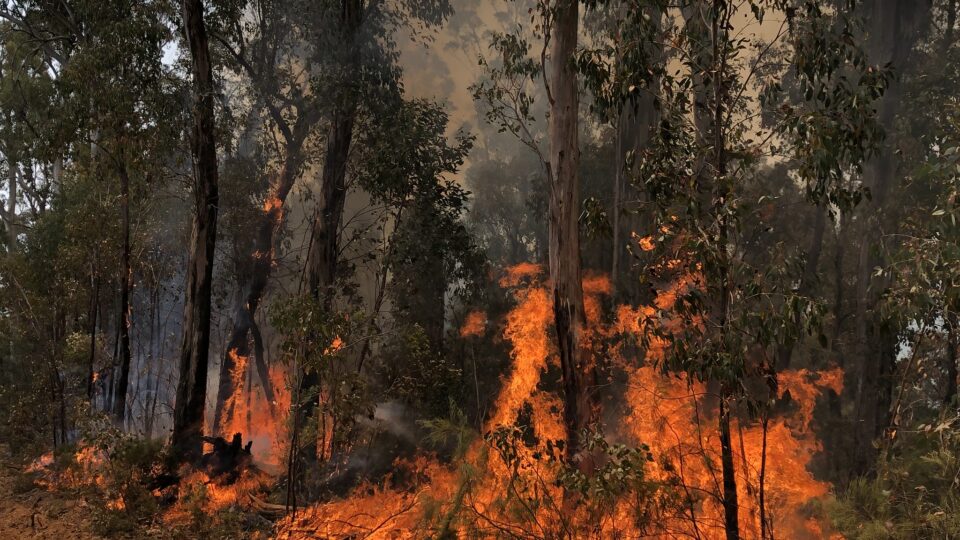
While this was a significant event, the study found that something entirely different had a more immediate effect on global climate:  the enormous bushfires that burned in Australia from late 2019 to 2020, producing plumes of smoke that reached the stratosphere and circled much of the southern hemisphere.

Those fires sprung up in September 2019 and lasted until March 2020.  The fires burned more than 46 million acres (about 72,000 square miles), which is roughly the same area as the entire country of Syria.  Thousands of homes and other buildings were lost.

Major fires inject so many sulfates and other particles into the atmosphere that they can disrupt the climate system, push tropical thunderstorms northward from the equator, and potentially influence the periodic warming and cooling of tropical Pacific Ocean waters known as El Nino and La Nina.

According to the study, the COVID-19 lockdowns actually had a slight warming influence on global climate, as a result of clearer skies enabling more heat to reach the earth’s surface.  In contrast, the Australian bushfires cooled the Southern Hemisphere because the atmospheric particles reflected some of the incoming solar radiation back to space.

This summer, there have been raging wildfires in the western US and Canada, which have affected air quality in many parts of the nation and have been a serious health hazard.  Undoubtedly, these fires are influencing the climate system as well in ways that we are still trying to understand.

**********

Web Links

Bushfires, not pandemic lockdowns, had biggest impact on global climate in 2020

Photo, posted January 18, 2020, courtesy of BLM-Idaho via Flickr.

Earth Wise is a production of WAMC Northeast Public Radio.
Russian Forests And Climate Mitigation | Earth Wise

August 24, 2021 By EarthWise Leave a Comment

Russia's massive forests have enormous potential for impacting climate mitigation

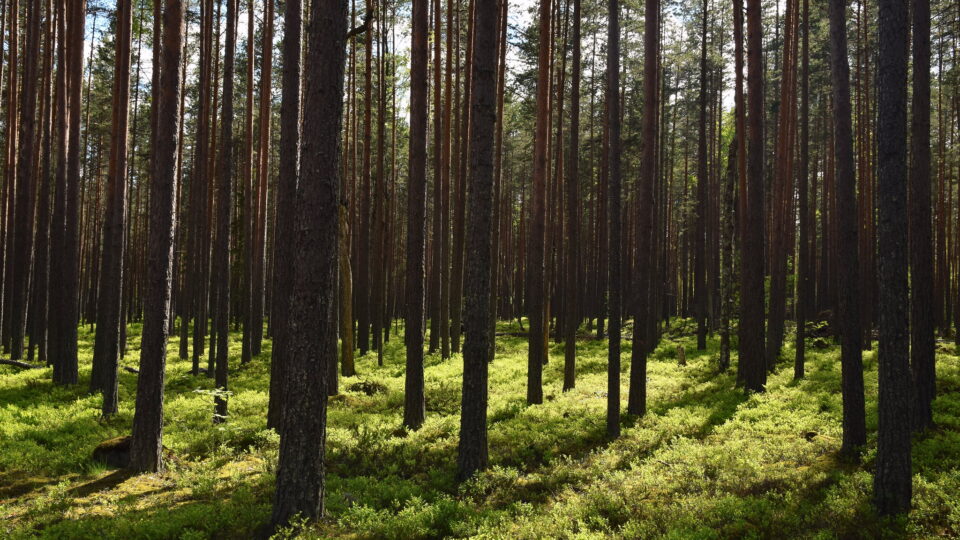
Russia is the largest country in area in the world, almost equal in size to the sum of the next two largest – Canada and the U.S.   Russia is also the world’s largest forest country, containing more than one-fifth of the world’s forests.  As a result, the country’s forests and forestry activities have enormous potential for impacting climate mitigation.

Since the dissolution of the USSR, there has been a decline in the availability of information on the state of Russia’s forests.  The Soviet Forest Inventory and Planning System compiled information until 1988.  Since then, the Russian National Forest Inventory has been the source of forest information on the national scale, and it hadn’t produced a comprehensive inventory until 2020.

The new data indicates that Russian forests have in fact accumulated a large amount of additional biomass over the intervening years.  Using the last Soviet Union report as a reference point, the new results show that the ongoing stock accumulation rate in Russian forests over the 26-year period is of the same magnitude as the net forest stock losses in tropical countries.

Thus, it is clear that Russian forests have great potential in terms of global climate mitigation as well as potential co-benefits relating to the green economy and sustainable development.   It is important to note that as the impact of climate change increases, disturbances to the Russian forests could have severe adverse effects on global climate mitigation efforts.

While much of the world’s attention is rightfully upon tropical rainforests in the Amazon and elsewhere, it is important to not ignore the largest country in the world hosting the largest land biome on the planet where even small percentage changes in the amount of forest biomass could have a major global impact.

**********

Web Links

Russian forests are crucial to global climate mitigation

Photo, posted June 6, 2015, courtesy of Raita Futo via Flickr.

Earth Wise is a production of WAMC Northeast Public Radio.
Overwintering Fires | Earth Wise

July 6, 2021 By EarthWise Leave a Comment

Early detection of overwintering fires could help with fire management

Fires that go on for long periods of time, surviving the snow and rain of winter to reemerge in the spring, are becoming more common in high northern latitudes as the climate warms.  Such fires are called holdover fires, hibernating fires, overwintering fires, or even zombie fires.  Whatever people choose to call them, this type of wildfire is occurring more often.

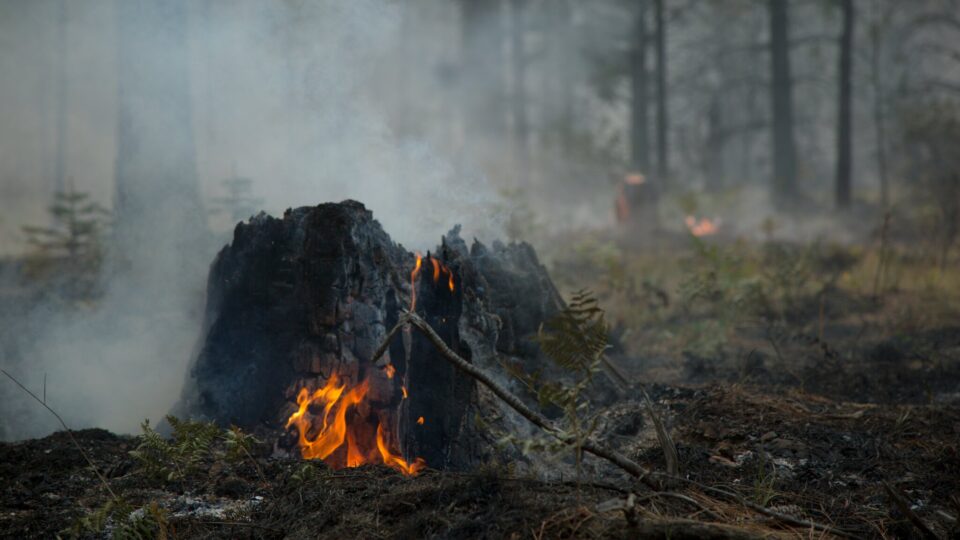
These smoldering fires start out as flaming fires but then enter an energy-saver mode.  They start above ground but then smolder in the soil or under tree roots through the winter.  They barely survive based on the oxygen and fuel resources that they have but can transition back into flaming fires once conditions are more favorable.

Dutch researchers used ground-based data with fire detection data from NASA’s Moderate Resolution Imaging Spectroradiometer instruments on the Terra and Aqua satellites to study fires in the boreal forests of Alaska and Canada’s Northwest Territories.  They found a way to identify overwintering fires based on their unique characteristics.  

Their data indicates that overwintering fires tend to be linked to high summer temperatures and large fire seasons.  Between 2002 and 2018, overwintering fires generally accounted for a small amount of the total burned area in the region but in individual years with hot and severe fire seasons, the number can escalate.  In 2008 in Alaska, for example, overwintering fires accounted for nearly 40% of the burned area.

Early detection of these overwintering fires could help with fire management and reduce the amount of carbon – which is stored in large amounts in the region’s organic soils – that gets released to the atmosphere during fires.

**********

Web Links

Overwintering Fires on the Rise

Photo, posted September 14, 2017, courtesy of Andrew R. Mitchell/USDA via Flickr.

Earth Wise is a production of WAMC Northeast Public Radio.
Not Such Climate Champions | Earth Wise

April 5, 2021 By EarthWise Leave a Comment

Problems with the Paris Climate Accord

The goal of the Paris Climate Accord is to limit warming to below 2 degrees Celsius and if possible to stay as close as close to 1.5 degrees above pre-industrial levels.  Nations around the world have made commitments to drastically reduce their carbon dioxide emissions from the use of fossil fuels that are in large part responsible for the rising temperatures.

There are a number of countries that proudly claim to be leading the world in the fight against climate change but who are actually still a major part of the problem.  Among these are Norway, the UK, and Canada.

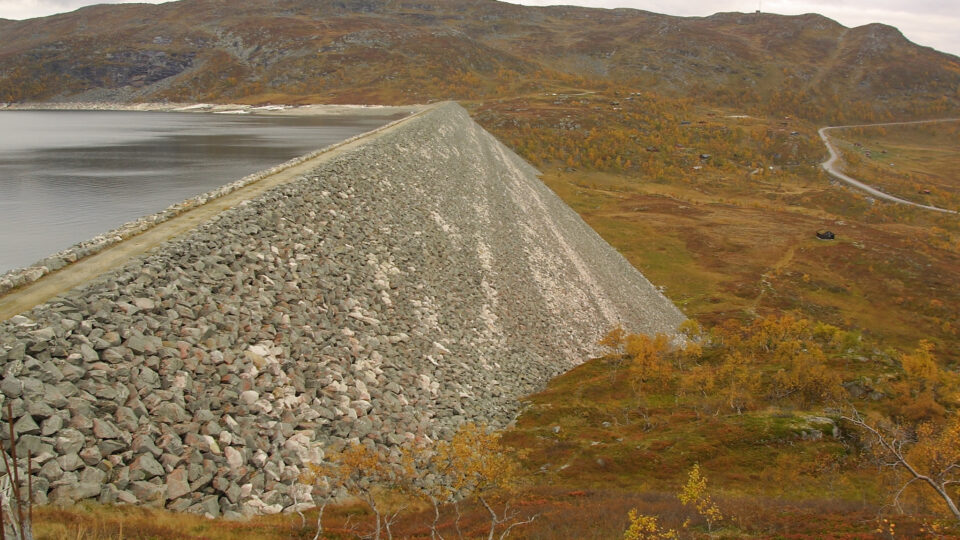
Norway powers its streetlamps with renewables, runs its public transportation system entirely by renewable energy, and leads the world in the adoption of electric cars.  Both the UK and Canada have set ambitious targets for emissions reductions leading to zero net emissions by 2050. 

The problem is that under the Paris Agreement, each country is only responsible for the greenhouse gas emissions produced within its territory.  That means that the UK, Canada, and Norway (like many other countries) don’t need to worry about the emissions caused by the burning of their oil, gas, and coal in other places around the world.

Norway’s annual domestic emissions reached about 53 million tons in 2017 according to its government.  The emissions from the oil and gas Norway sold abroad reached roughly 470 million tons in 2017.  Canada has huge proven oil reserves it is exploiting.

Canada, Norway, and the UK all plan to keep producing fossil fuels, investing in new fossil fuel projects, and explorations.  As long as this continues, these countries are not really climate champions; they are climate hypocrites.

**********

Web Links

Norway, the UK and Canada are not climate champions. They are climate hypocrites

Photo, posted September 4, 2008, courtesy of Statkraft via Flickr.

Earth Wise is a production of WAMC Northeast Public Radio.

Even The Common House Sparrow Is Declining | Earth Wise

March 17, 2021 By EarthWise Leave a Comment

Even the common house sparrow is declining as the climate changes

According to the first-ever comprehensive assessment of net bird populations published in 2019, nearly three billion birds have disappeared in the United States and Canada since 1970.  The study, by researchers from the Cornell University Lab of Ornithology, found that North American bird populations have lost 2.9 billion breeding adults during that timespan.  Forests lost one billion birds, and grassland birds declined 53%. 

According to a newer study from Cornell University, it appears that even the common house sparrow is declining.  In parts of its native range in Europe, house sparrow numbers are down nearly 60%.  Researchers from the Cornell Lab of Ornithology sought to clarify the status of the species in the U.S. and Canada by using 21 years of citizen science data collected through its Project Feederwatch program. 

Project FeederWatch is a winter-long survey of birds that visit feeders at backyards, nature centers, community areas, and other locales. For the study, which was recently published in the Wilson Journal of Ornithology, the research team reviewed recorded observations of house sparrows during their non-breeding season.  These sightings from nearly 12,500 sites were used and cross-referenced with the National Land Cover database to determine whether the U.S. sightings came from rural or urban locations.  

From 1995 to 2016, researchers found that Feederwatch sites reporting house sparrows declined 7.5%, and the mean flock sizes declined 22%.  House sparrow populations declined in urban areas, but actually remained stable in rural areas. 

The researchers say a lack of green space and nesting sites in urban areas are likely factors in the population declines. 

**********

Web Links

Study finds even the common house sparrow is declining

Nearly 3 Billion Birds Gone

Photo, posted May 14, 2014, courtesy of Jacob Spinks via Flickr.

Earth Wise is a production of WAMC Northeast Public Radio.
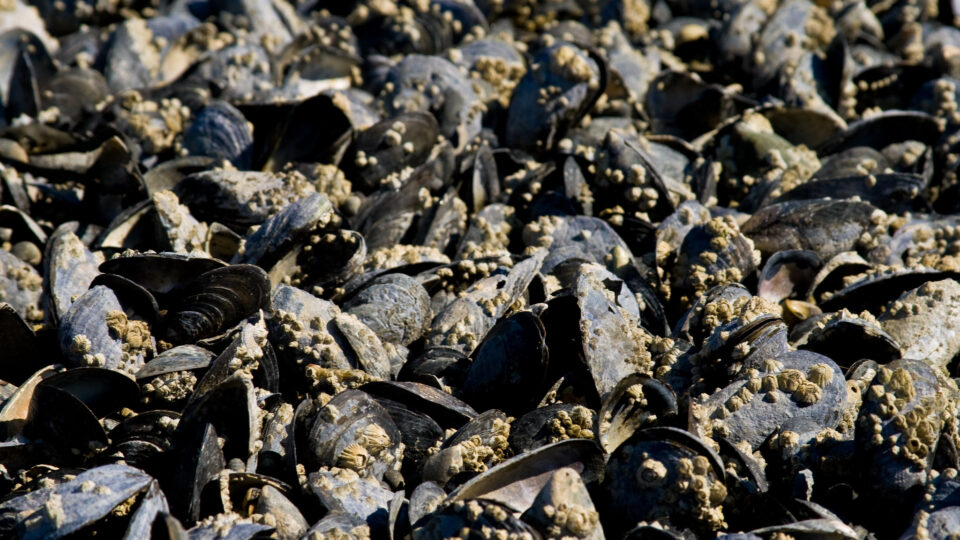
Mollusks And Microplastics | Earth Wise

January 26, 2021 By EarthWise Leave a Comment

Microplastics are contaminating marine creatures

Plastic debris comes in all different shapes and sizes, but pieces that are less than five millimeters in length are called microplastics.  Microplastics are everywhere, including in the food we eat, the water we drink, and the air we breathe.

Much of the oceanic microplastic pollution comes from the breakdown of plastic litter.  Another source of microplastic pollution is microbeads.  Microbeads, which are sometimes added to cleansing and exfoliating personal care products, pollute the environment when they get flushed down the drain.  

According to a new study by researchers at Hull York Medical School and the University of Hull in the U.K., mussels, oysters and scallops have the highest levels of microplastic contamination among seafood.  The research team examined 50 studies between 2014 and 2020 to determine the levels of microplastic contamination globally in fish and shellfish.  The team found that microplastic content was 0-10.5 microplastics per gram in mollusks, 0.1-8.6 microplastics per gram in crustaceans, and 0-2.9 microplastics per gram in fish.  

The researchers found that mollusks collected off the coasts of Asia were the most heavily contaminated with microplastics.  China, Australia, Canada, Japan and the United States are among the largest consumers of mollusks, followed by Europe and the U.K.

While the human health implications of consuming microplastics are not well understood, early evidence from other studies suggest they do cause harm. 

According to the research team, more data is needed from different parts of the world in order to better understand how microplastics vary between different oceans, seas, and waterways.

**********

Web Links

Highest levels of microplastics found in molluscs, new study says

Photo, posted September 3, 2007, courtesy of Andrew Malone via Flickr.

Earth Wise is a production of WAMC Northeast Public Radio.

The Arctic Northeast Passage May Open | Earth Wise

November 12, 2020 By EarthWise Leave a Comment

arctic passage and climate change

The Northwest Passage is the sea route between the Atlantic and Pacific oceans through the Arctic Ocean.  It goes along the northern coast of North America, traveling though the Canadian Arctic Archipelago.  In the past, it was the domain of intrepid explorers like Roald Amundsen.  Because of the receding ice in the Arctic, in recent years it has become possible to travel the Northwest Passage by cruise ship.

The Northeast Passage connects the same two oceans along the Arctic coasts of Norway and Siberia.  The sustained loss of sea ice is now leading to accessibility of Arctic sea passages through this route.

Compared with the customary route through the Strait of Malacca in Malaysia and the Suez Canal, using the Northeast Passage could reduce the travel distance between Europe and northwest Asia by one-third.  This would reduce the expense of transportation and lower environmental pollution.  Many Asian countries have a strong strategic and economic interest in Arctic shipping.  Russia would gain strong competitive advantages for its liquified natural gas industry.

According to a recent study at the Northwest Institute of Eco-Environment and Resources of the Chinese Academy of Sciences, the continuing warming of the Arctic seas is likely to result in the Northeast Passage being navigable for open water ships by next year and will continue to be increasingly hospitable to marine traffic.

The economic and strategic benefits to the opening of the Northeast Passage are quite clear.  What is also clear is that the underlying cause of the opening of the passage – the dramatic loss of Arctic sea ice – is not beneficial to the world at all and is a harbinger of troubling things in our future.

**********

Web Links

Arctic Northeast Passage may be Navigable in Near Future

Photo, posted September 24, 2005, courtesy of Paul Downey via Flickr.

Earth Wise is a production of WAMC Northeast Public Radio.

Ocean Currents And Climate Change | Earth Wise

September 22, 2020 By EarthWise Leave a Comment

Climate change intensifies marine heatwaves

Oceans cover more than 70% of the earth and absorb 94% of incoming solar radiation.  As a result, oceans play a major role in the climate system.  With their massive size and capacity to store heat, oceans help keep temperature fluctuations in check.  But oceans also play a more active role.  Ocean currents are responsible for moving vast amounts of heat around the planet.  

According to a paper recently published in the journal Nature Communications, the world’s strongest ocean currents will experience more intense marine heatwaves than the global average in the coming decades.  These strong ocean currents play key roles in fisheries and ocean ecosystems.  

Sections of the Gulf Stream near the United States, the Kuroshio Current near Japan, the East Australian Current near Australia, and the Antarctic Circumpolar Current will all see more intense marine heatwaves over the next 30 years. 

Scientists from the University of Tasmania and CSIRO in Australia relied on high-resolution ocean modeling to carry out their research.  They confirmed the model’s accuracy by comparing outputs with observations from 1982-2018.  They then used the same model to project how marine heatwaves would alter with climate change out to 2050.

The model projects, for example, that intense marine heatwaves are more likely to form well off the coast of Tasmania, while more intense marine heatwaves along the Gulf Stream start to appear more frequently close to the shore from Virginia to New Brunswick, Canada. 

Marine heatwaves are on the rise globally, but knowing where they will occur and how much hotter they will be will help policymakers, ecologists, and fisheries experts in their regional decision-making. 

**********

Web Links

Where marine heatwaves will intensify fastest: New analysis

Photo, posted April 17, 2016, courtesy of Nicolas Henderson via Flickr.

Earth Wise is a production of WAMC Northeast Public Radio.
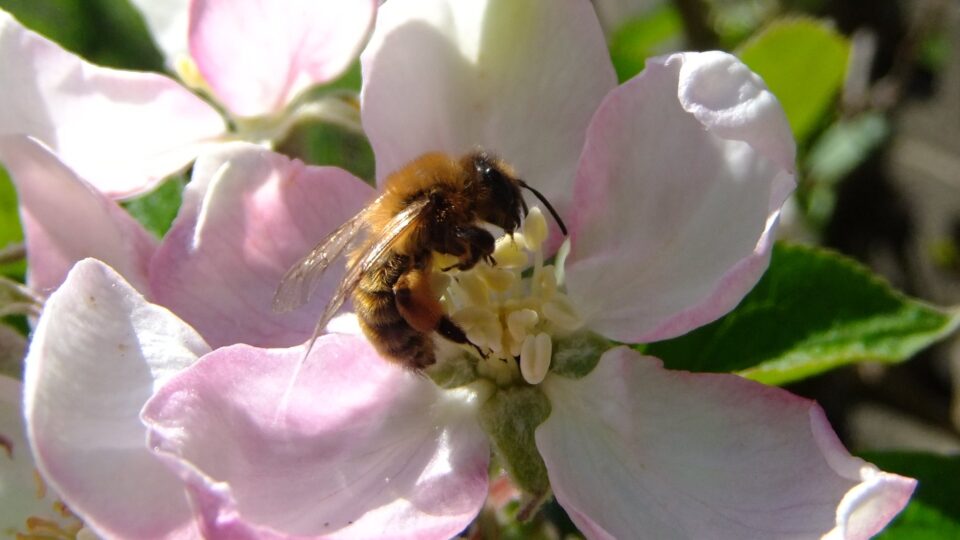
The Decline Of Pollinators Threatens Food Security | Earth Wise

August 24, 2020 By EarthWise Leave a Comment

Pollinator decline threatens food security

Scientists have been sounding the alarm on the global struggle of pollinators for many years.  According to a United Nations-sponsored report, 40% of invertebrate pollinator species, including bees and butterflies, are facing extinction.  Approximately 80% of all flowering plant species, which are responsible for 35% of global food production, depend on pollination. 

According to new research led by Rutgers University, crop yields for apples, blueberries, and cherries in the United States are being reduced by a lack of pollinators.  The study, the most comprehensive of its kind to date, found that crop production would be increased if crop flowers received more pollination.  In the U.S., the production of crops that depend on pollinators generates more than $50 billion a year.    

For the study, which was recently published in the journal Proceedings of the Royal Society B, researchers collected data on insect pollination of crop flowers and yield of apples, highbush blueberries, sweet cherries, tart cherries, almonds, watermelons, and pumpkins at 131 farms across the United States and British Columbia, Canada.  Four of those seven crops – apples, blueberries, sweet cherries, and tart cherries – showed evidence of being limited by pollination, meaning that their yields are lower than they would be with full pollination. 

The researchers observed that honey bees and wild bees provided similar amounts of overall pollination, so managing habitat for native bee species or stocking more honey bees would boost pollination levels and, in turn, crop production.

Bees and other pollinators play a critical role in food production, and their continued decline could have devastating consequences.

**********

Web Links

Decline of bees, other pollinators threatens US crop yields

Photo, posted April 22, 2012, courtesy of Flickr.

Earth Wise is a production of WAMC Northeast Public Radio.

American Robins And Climate Change | Earth Wise

April 30, 2020 By EarthWise Leave a Comment

changing climate is making birds migrate earlier

American robins are migratory songbirds that can be found throughout much of North America.  Named after European robins because of their reddish-orange breast, American robins are often found hopping across lawns and nesting on porches.  Their rich caroling is among the first pre-dawn bird songs heard in spring and summer.  

While some overwinter in northern parts of the United States and southern Canada, most American robins migrate south to overwinter in places like Florida and the Gulf Coast, as well as central Mexico and the Pacific Coast.  They typically head south by the end of August and return north sometime between February and March to their breeding grounds in Canada and Alaska.  They spend their short time there trying to find a mate, build a nest, raise a family, and consume enough food to sustain themselves on their long return journey south.

But climate change is making these seasonal rhythms less predictable.  According to a new study recently published in the journal Environmental Research Letters, American robin migration is kicking off earlier by about five days each decade.  The birds now migrate 12 days earlier than they did in 1994.  

For 25 years, researchers at Canada’s Slave Lake have been recording the timing of American robin spring migration.  They attached GPS devices to 55 robins, tracking their movements from April through June. The researchers linked the birds’ movement with weather data, including air temperature, snow depth, wind speed, and precipitation.  The results showed that robins start migrating north earlier when winters are warm and dry. 

Understanding the influence over the timing of migratory events is important because the timing of migration can influence reproductive success.

**********

Web Links

A Migration Mystery

American robins now migrate 12 days earlier than in 1994

Photo, posted January 1, 2020, courtesy of Becky Matsubara via Flickr.

Earth Wise is a production of WAMC Northeast Public Radio.
Saving The Arctic Permafrost | Earth Wise

April 17, 2020 By EarthWise Leave a Comment

Permafrost is frozen ground – a combination of soil, rock, sand, and ice – that remains at or below freezing for at least two consecutive years.  Approximately 25% of the land in the Northern Hemisphere meets this criterion, the majority of which can be found in northern Russia, Canada, Alaska, Iceland, and Scandinavia.

But as a result of the changing climate, these permafrost soils in the Arctic are beginning to thaw.  As they thaw, large quantities of greenhouse gases could be released, further accelerating climate change.  

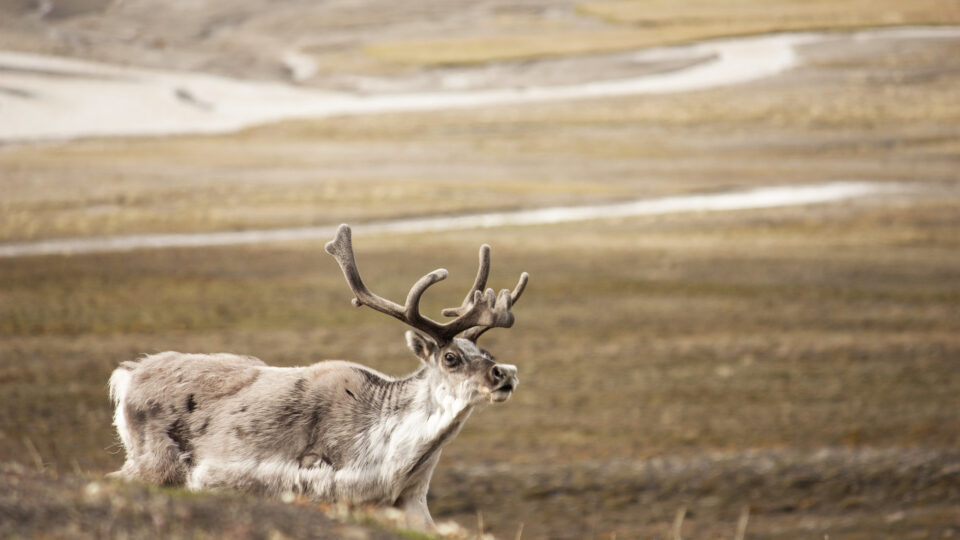
A new study recently published in the journal Scientific Reports explores an unconventional countermeasure: resettling massive herds of large herbivores.  According to researchers from the University of Hamburg in Germany, herds of horses, bison, and reindeer could be used to significantly slow the loss of permafrost soils. 

During Arctic winters, the air temperature is often much colder than the permafrost.  Thick layers of snow can insulate the ground from the frigid air, keeping the permafrost warm (relatively speaking). But when the snow cover is scattered and compressed by the hooves of grazing animals, the insulating effect is reduced, which intensifies the freezing of the permafrost.

If climate change continues unchecked, the research team expects permafrost temperatures to rise 3.8-degrees Celsius.  This would result in half of the world’s permafrost thawing by the year 2100.  But in contrast, researchers found that the permafrost would only warm by 2.1 degrees Celsius with the resettled animals.  This 44% reduction in permafrost temperature would preserve 80% of the existing permafrost by 2100.

Natural manipulations of ecosystems could have tremendous results. 

**********

Web Links

How horses can save the permafrost

Photo, posted July 17, 2012, courtesy of Kitty Terwolbeck via Flickr.

Earth Wise is a production of WAMC Northeast Public Radio.
  • « Go to Previous Page
  • Page 1
  • Page 2
  • Page 3
  • Page 4
  • Page 5
  • Page 6
  • Go to Next Page »

Primary Sidebar

Recent Episodes

  • An uninsurable future
  • Clean energy and jobs
  • Insect declines in remote regions
  • Fossil fuel producing nations ignoring climate goals
  • Trouble for clownfishes

WAMC Northeast Public Radio

WAMC/Northeast Public Radio is a regional public radio network serving parts of seven northeastern states (more...)

Copyright © 2026 ·