Air pollution is deadly. Studies have found that fine particulate matter, such as airborne pieces of dust, dirt, smoke, soot, and other microscopic particles can enter our lungs and bloodstream, contributing to major health conditions such as heart disease, stroke, cancer, and kidney disease.
With the United States backing away from the Paris climate agreement and with Europe taking a less active role in climate negotiations, China has become the bellwether on global climate change. Recent climate negotiations in Bonn, Germany were rather acrimonious as countries accused other countries of not doing their part or keeping their promises.
U.S. automakers have always been reluctant partners in the nation’s efforts to reduce air pollution and improve fuel efficiency. There have been struggles for decades between the carmakers and the government in setting Corporate Average Fuel Economy (or CAFÉ) standards. During the Obama administration, some of the most demanding fuel economy and emissions standards were mandated.
Air pollution is a major problem all around the world. In fact, exposure to polluted air is blamed for the premature deaths of an estimated 6.5 million people annually.
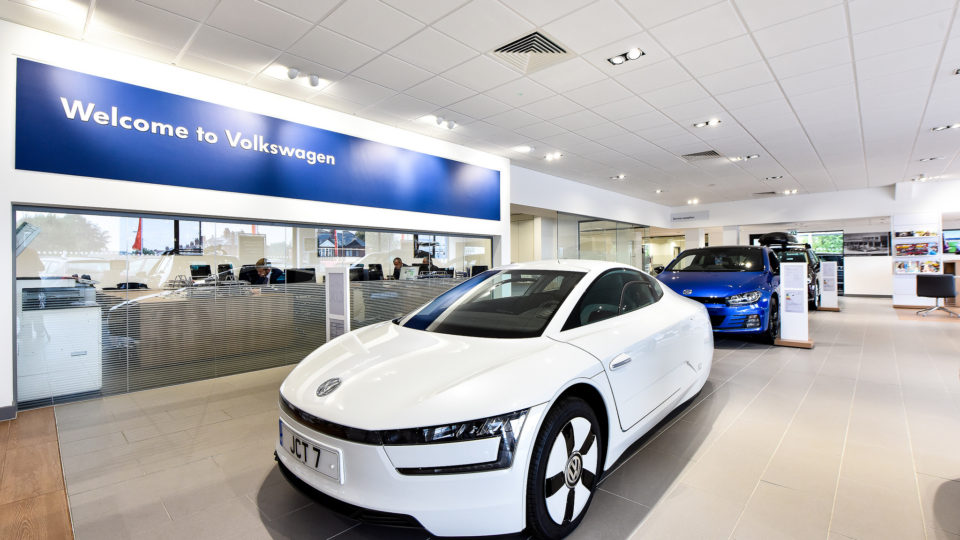
Diesel cars have never been very popular in the US and in the aftermath of the so-called Dieselgate scandal at Volkswagen, they are even less so. Less than a dozen diesel car models are available for purchase in the US and only one of those is from a German automaker: BMW.
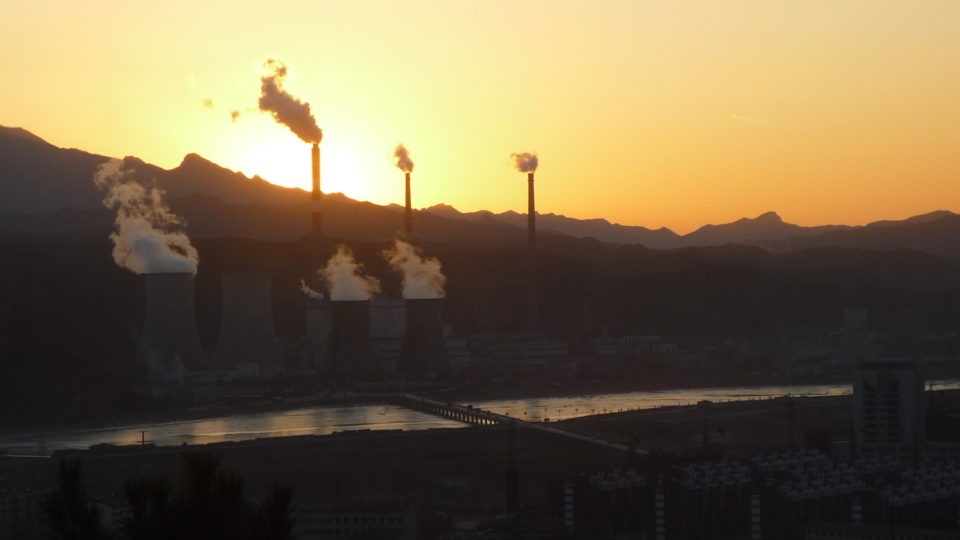
Pollution particles emitted by diesel cars and trucks, coal-fired power plants, factories, primitive cook stoves, and the burning of forests are major contributors to the pervasive air pollution that plagues many cities and regions of the world. In India and China, such pollution leads to hundreds of thousands of deaths each year. And countries around the world are working hard to reduce pollution.
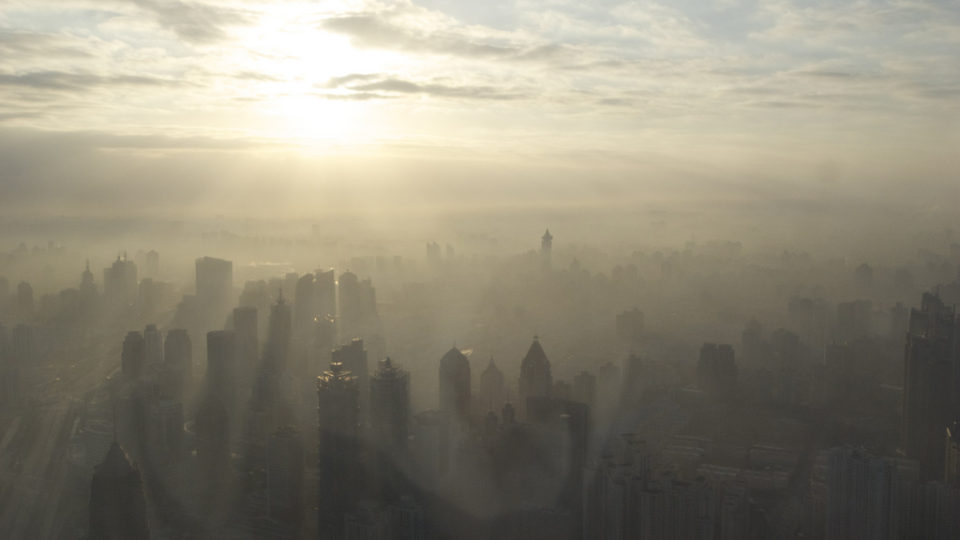
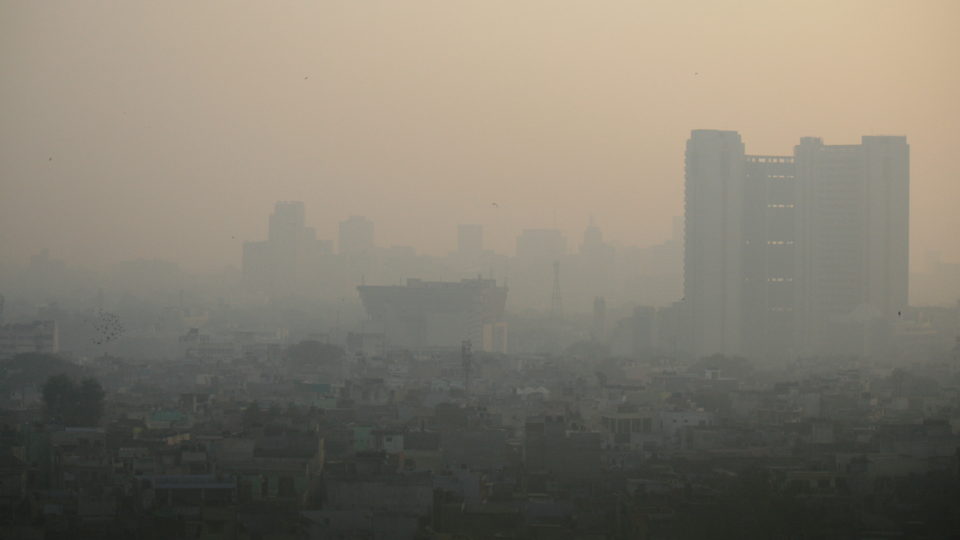
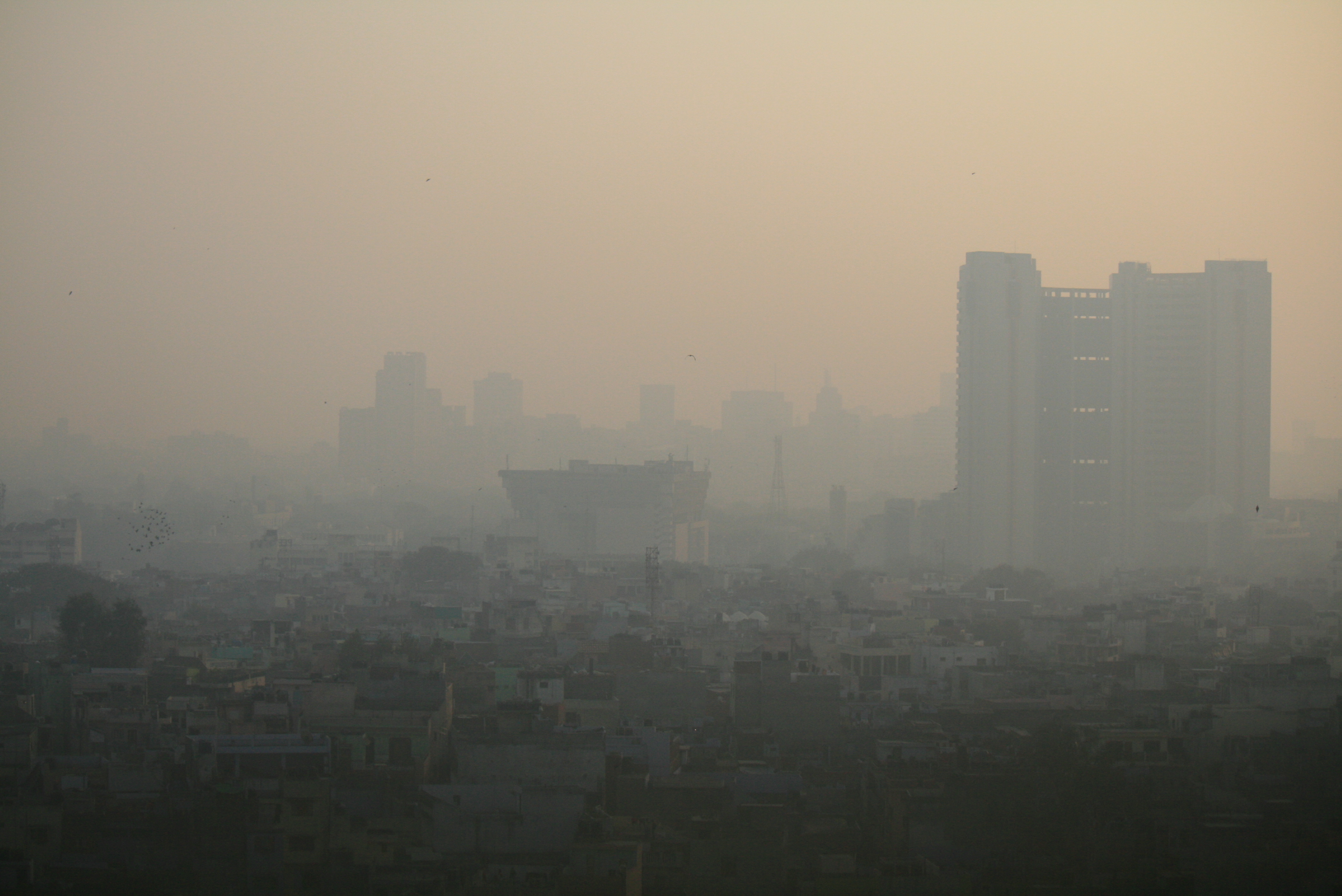
For years, China has been struggling with some of the worst air pollution in the world. According to the European Union, only 1% of the country’s half a billion city dwellers were considered safe because almost all of its major cities were covered with what was described as a toxic grey cloud.
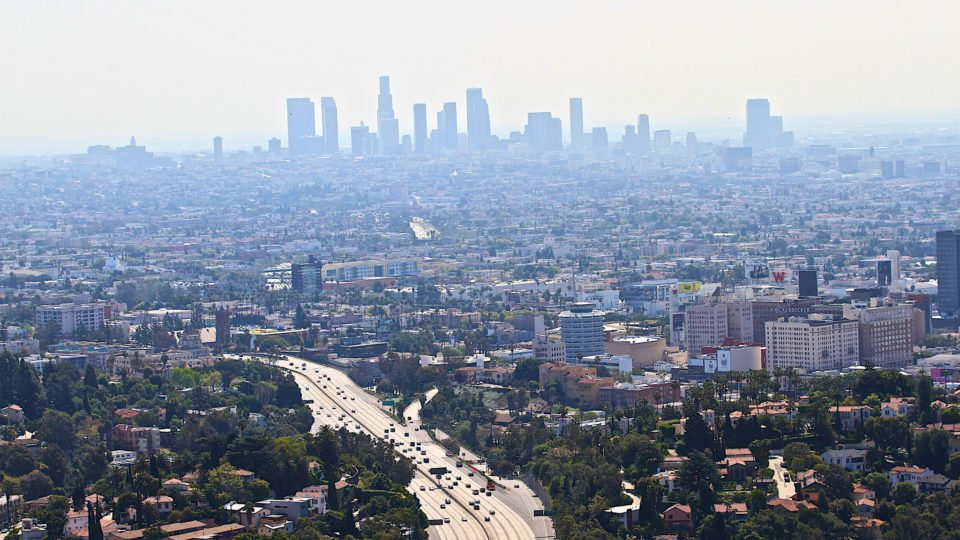
Air pollution in cities is a global problem that has reached crisis proportions in places like China and India. In our country, since the Clean Air Act was passed in 1970, there has been a great deal of effort exerted in controlling pollution from vehicles. A combination of pollution-limiting changes to engines, fuels, and pollution control systems has significantly reduced the amount of air pollution associated with the transportation sector.
Last year was the first year in which more electricity in Europe was generated from the combination of wind, sun, and biomass than from coal. The combination of all clean energy sources (which adds hydropower to the mix) surpassed coal several years ago.
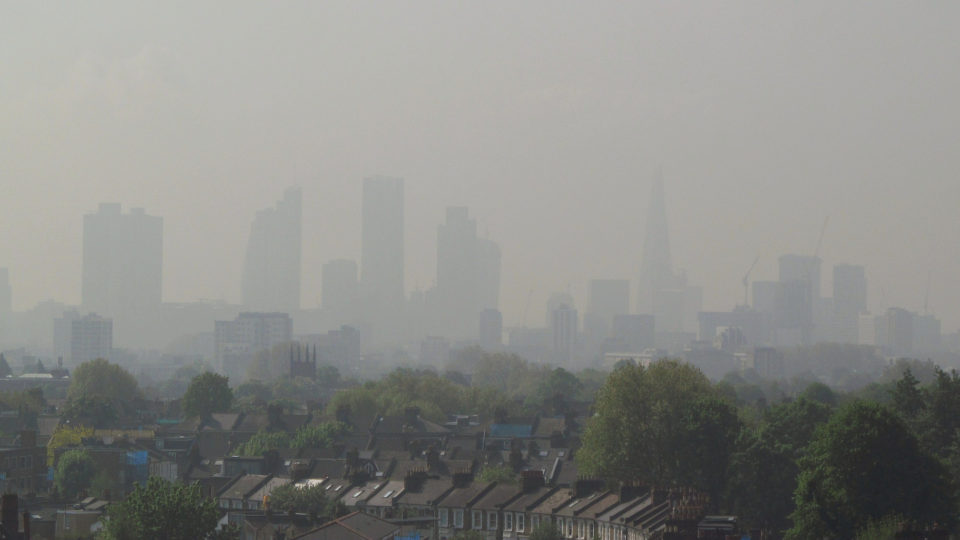
The residents of London are known for tea drinking, but in fact each of them consumes an average of 2.3 cups of coffee a day as well. But now, it won’t just be commuters that are running on coffee in the morning. London buses will in part run on oil produced from coffee grounds.
Taking the bus in crowded cities is a good way to reduce overall traffic, save money on gas, and do a good turn for the environment. Unfortunately, bus riders often are exposed to large amounts of pollution in the process.
While American politicians were voting on eliminating tax credits for buyers of electric vehicles, auto executives from around the world were gathering to make ambitious plans to sell more electric cars in China.
Delhi, the capital city of India, has always been a city bursting at the seams. With over 19 million people, heavy industry, growing numbers of vehicles, and choking amounts of road dust, Delhi suffers from some of the worst air pollution in the world. It is a situation the country has been struggling with for years.
There is deservedly a great deal of focus on the effects that carbon pollution is having upon the climate and most countries around the world are working to reduce their emissions. However, even if climate effects were not a serious threat to humanity, pollution is a deadly menace to human health.
Globally, an estimated 4.5 billion people are exposed to particulate air pollution levels that are at least twice that of what the World Health Organization considers safe. But the impact that sustained exposure to air pollution has on a person’s life expectancy has remained a frustratingly unanswered question. That is until now.
Over 50 million Americans mow their lawns each week, which uses 800 million gallons of gas per year and produces tons of air pollutants. Garden equipment engines were completely unregulated with respect to emissions until the late 1990s and still emit high levels of carbon monoxide, volatile organic compounds, and nitrogen oxides. In fact, gas mowers and their relatives like leaf blowers and edgers produce 5% of the air pollution in this country.
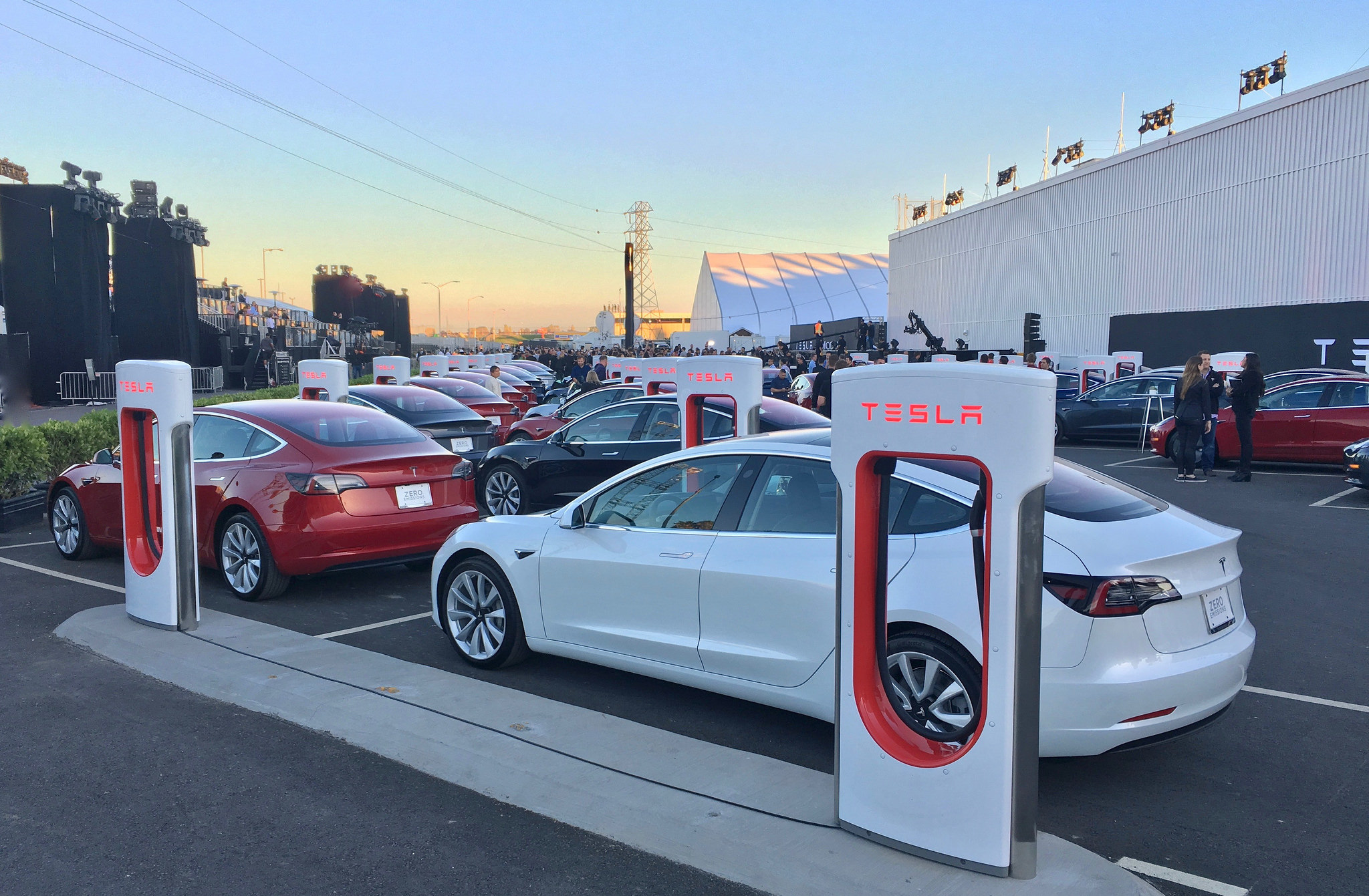
Electric cars represent only a tiny fraction of the overall auto market. The numbers are growing, most certainly, but they are still quite small in most places. The recent start of production of the Tesla Model 3 has attracted quite a bit of attention to electric cars, but in many countries, there is much more to the story than just media buzz about a new car.
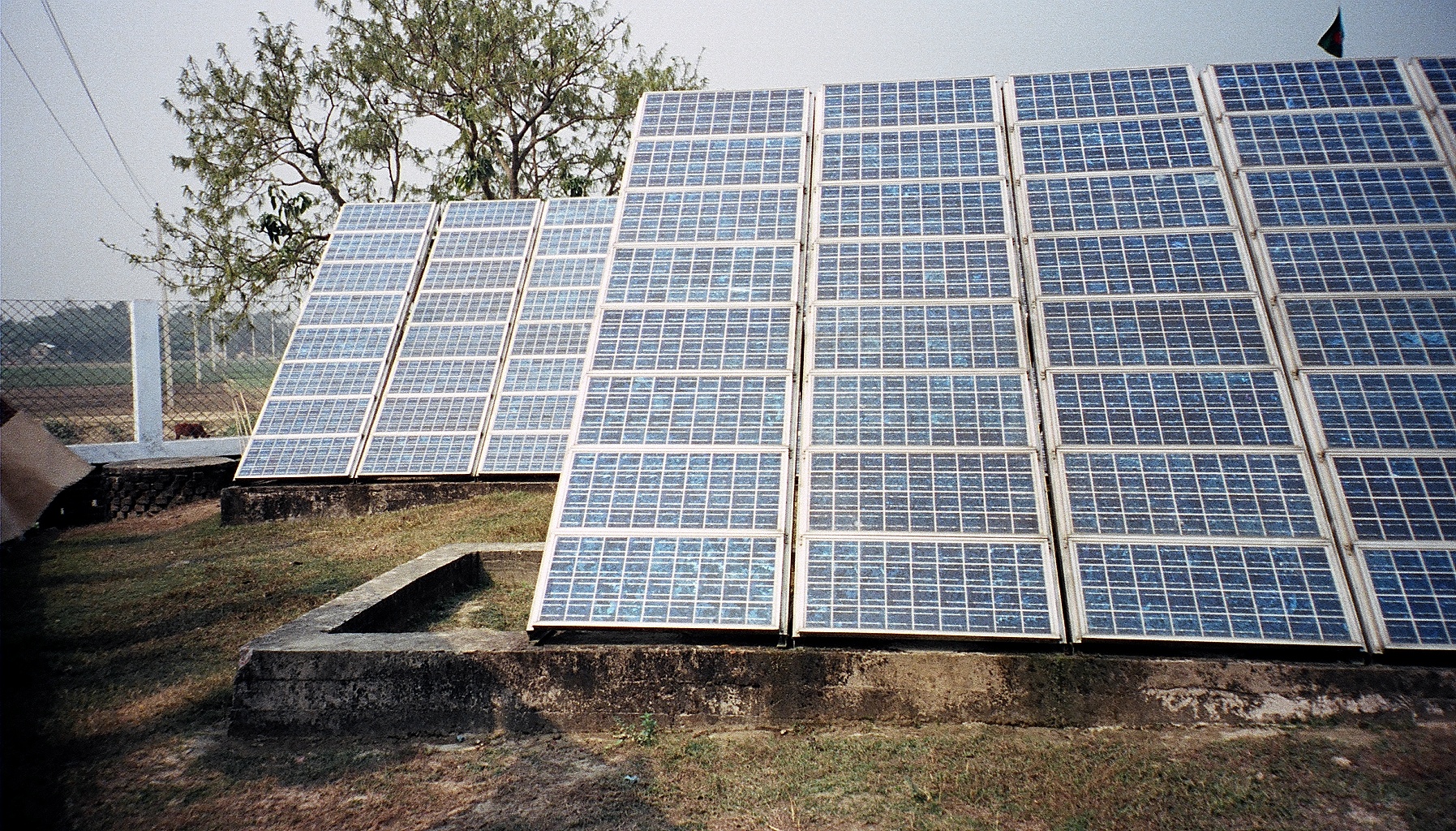
We are well-aware of the negative effects of air pollution on human health and on the environment, but a recent study at Duke University has revealed that global solar energy production is taking a major hit due to air pollution and dust.
Poor air quality is a major problem worldwide. Exposure to air pollution is linked to the premature deaths of an estimated 6.5 million people every year. This makes air pollution the fourth largest threat to human health, trailing only high blood pressure, dietary risks, and smoking.
Installations of solar power continue to increase rapidly around the world and in no place more than China. By the end of 2016, total solar generating capacity in China reached 77.4 gigawatts, making it the largest producer of solar energy in the world. Globally, there is a total of 228 gigawatts of solar power installed, although that number keeps changing rapidly.