• Skip to primary navigation
  • Skip to main content
  • Skip to primary sidebar

Earth Wise

A look at our changing environment.

  • Home
  • About Earth Wise
  • Where to Listen
  • All Articles
  • Show Search
Hide Search
You are here: Home / Archives for air pollution

air pollution

Great Salt Lake In Danger | Earth Wise

March 20, 2023 By EarthWise Leave a Comment

Great Salt Lake is threatened by the changing climate

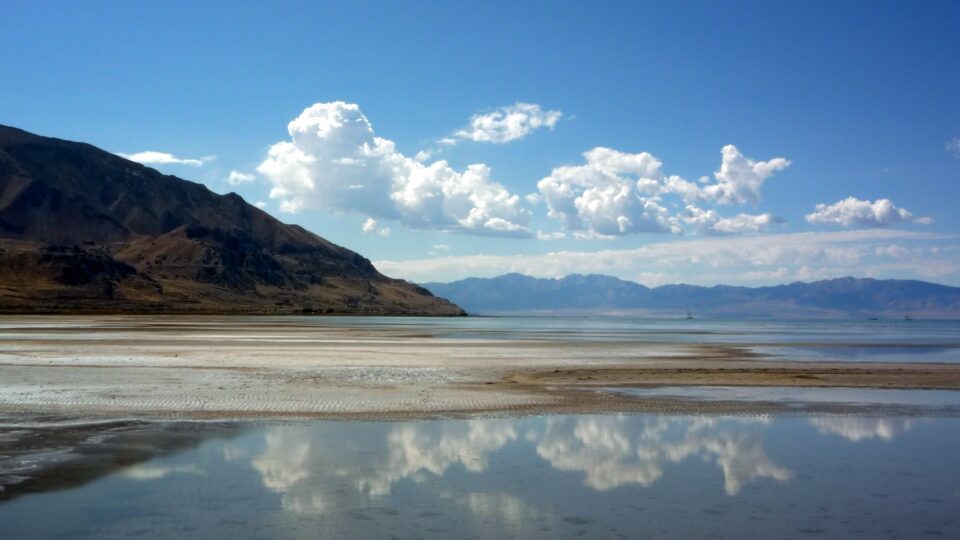
Utah’s Great Salt Lake has been plagued by excessive water use and extensive drought conditions.  As of January, the lake dropped to record-low water levels, losing 73% of its water and exposing 60% of its lakebed. According to scientists, the lake could disappear entirely within five years.

Great Salt Lake is what is known as a “terminal lake,” which means that it is fed only by rain, snow, and runoff and has no rivers that take water to the ocean.  As a result, salt and minerals build up over time.  With so much salt in the water, only brine flies and shrimp can survive in it.  The unique ecosystem supports 10 million migratory birds.  As the lake continues to dry up, the water is becoming too salty for even algae and microbes to survive.  With shallow mud replacing previous shallow water, the nests of the 80,000 white pelicans that annually come to the lake are endangered by predators that can simply walk over to the eggs.

The historic low water levels have exposed 800 square miles of lakebed.  This lakebed holds centuries of natural and manmade toxins like mercury, arsenic, and selenium.  The exposed mud ultimately turns to dust that is carried off into the air.  This is contributing to what is already some of the worst winter air pollution in the nation.  Scientists warn that the unfolding ecological disaster may become a human health disaster.

State officials and university researchers have formed a “Great Salt Lake Strike Team” looking for ways to get more water to the lake.  There are a number of so-called moonshot proposals to save the lake.  It remains to be seen what will be done, but the clock is ticking.

**********

Web Links

Great Salt Lake will disappear in 5 years without massive ‘emergency rescue,’ scientists say

Scientists fear a Great Toxic Dustbowl could soon emerge from the Great Salt Lake

Photo, posted September 19, 2009, courtesy of John Morgan via Flickr.

Earth Wise is a production of WAMC Northeast Public Radio

Air Pollution In The Arctic | Earth Wise                     

March 8, 2023 By EarthWise Leave a Comment

Climate change is shrinking the Arctic ice cover, which is making it easier for ships to travel along the northern coast of Russia, known as the Northern Sea Route or the Northeast Passage.  There is also the Northwest Passage, which connects the Atlantic and Pacific Oceans via waterways through the Canadian Arctic Archipelago.

More than 600 fishing vessels sail the waters of the Arctic Ocean, but these fishing vessels are not the worst offenders when it comes to the growing problem of air pollution.  Giant natural gas tankers are becoming a much bigger problem.

In 2021, only 26 natural gas tankers traveled through Arctic waters.  But these ships can be 1000 feet long or more and produce far more CO2 emissions than fishing boats.   In 2019, the tankers accounted for 28% of the emissions and the number of them cruising the Arctic has been growing.

As the ice cover in the Arctic continues to shrink, more and more ships of all varieties, including cruise ships, fishing vessels, as well as tankers, are coming north and spending more time in the Arctic.  Any increases in ship traffic will increase the pollutant load in the Arctic and the Arctic is one of the most vulnerable environments in the world.

Between 2013 and 2019, the aggregated nautical miles that vessels traveled in what is called the Polar Code area increased by 75%. It isn’t just that more ships like tankers are going there.  It is that their operational season is expanding.

Air pollution isn’t the only problem.  Shipping in the Arctic brings with it light pollution, noise, marine litter, and more.  Only zero activity has zero pollution.

**********

Web Links

The worst polluters in the Arctic are not what you think

Photo, posted February 26, 2015, courtesy of Chris Parker via Flickr.

Earth Wise is a production of WAMC Northeast Public Radio

Electric Vehicle Tax Credits | Earth Wise

February 17, 2023 By EarthWise Leave a Comment

As of January 1, many Americans can qualify for a tax credit of up to $7,500 for buying an electric vehicle.  The credit is one of the changes enacted under last year’s Inflation Reduction Act.  The purpose is to encourage EV sales and thereby reduce greenhouse gas emissions and air pollution.

There has been a tax credit for EVs for more than a decade, but its provisions made cars from any manufacturer ineligible as soon as that manufacturer had sold more than 200,000 cars.  Notably, this eliminated the credit for purchasing cars from Tesla and General Motors.  Given that electric cars are now selling in the millions, the 200,000-unit cap on the tax credit essentially made it useless as a real force to grow the industry.

The new tax credit has a somewhat complex set of requirements for determining the applicability and amount of the credit.  There are price limits on eligible vehicles depending on vehicle type and there are requirements on where vehicles are manufactured, where batteries are manufactured, and where other components are made. The intent is to encourage American manufacturing of the cars and trucks to the greatest extent.  There are also income limitations on buyers who want to take advantage of the credit, but those are quite large.  The Department of the Treasury has online detailed information about the requirements for the credit and, of course, EV manufacturers can provide the specifics for their own vehicles.

For their part, automakers are adjusting prices, building domestic manufacturing plants and battery factories, and otherwise trying to position themselves for their customers to take advantage of the credit.

The new law also provides a smaller tax credit for the purchase of used electric vehicles.

**********

Web Links

Electric vehicle tax credits explained: What’s new in 2023?

Treasury Releases Additional Information on Clean Vehicle Provisions of Inflation Reduction Act

Photo, posted December 9, 2022, courtesy of Choo Yut Shing via Flickr.

Earth Wise is a production of WAMC Northeast Public Radio

Energy From Rice Straw | Earth Wise

February 3, 2023 By EarthWise Leave a Comment

Turning rice straw into energy

Rice straw is produced as a byproduct of rice production.  Globally, as much as a billion tons of rice straw is produced each year, three-quarters of it in Asia.  Straw incorporation in soil for fertilization is not practical in most places because with multiple crops per year, there is not enough time for the material to decompose and become good fertilizer.  As a result, open-field straw burning is increasingly the standard practice.

Scientists at Aston University in Birmingham in the UK are embarking on a project to convert rice straw in Indonesia into low-cost energy on a commercial scale.

Indonesia produces 100 million tons of rice waste each year, of which 60% is burned in open fields, causing air pollution. 

The Aston researchers are developing a biomass conversion process based on pyrolysis.  This involves heating the rice straw to high temperatures over 900 degrees Fahrenheit to break it down, producing vapor and solid products.  Both of these things can be used to generate electricity.

A new combustion engine designed by a company called Carnot Limited is capable of converting 70% of the thermal energy extracted from the rice straw into electricity.

Energy extracted in this way could help low and middle-income countries to create their own locally generated energy, thereby reducing emissions, creating jobs, and improving human health.   The biomass electricity is predicted to be cheaper than solar, geothermal, wind, coal, or even subsidized gas-generated power.

The Aston University project will help develop a business model that could support companies and communities to produce local, cheap energy in Indonesia and other countries with biomass capacity. 

**********

Web Links

Aston University to help power Indonesia with affordable energy made from rice straw

Photo, posted September 11, 2006, courtesy of Kristen McQuillin via Flickr.

Earth Wise is a production of WAMC Northeast Public Radio

An Agreement To Protect Biodiversity | Earth Wise

January 18, 2023 By EarthWise Leave a Comment

The UN Biodiversity Conference in Montreal in December concluded with a historic deal aimed at stemming the rising tide of extinctions.  Nearly 200 countries signed on to the agreement to protect 30% of the Earth’s land and sea by the end of this decade.

Part of the agreement also pledges that countries will reduce fertilizer runoff from farms by 50%, reduce the use of harmful pesticides by 50%, and stem the flow of invasive species. 

Of course, all of these promises are only words unless they are backed up by actions and actions cost money.  The agreement promises to direct $200 billion a year towards biodiversity by the end of this decade.  Wealthy countries were urged to provide $100 billion a year to fund the actions of poorer countries, but they resisted the pressure.  Eventually, they did agree to send $30 billion a year to developing countries by 2030.

It is a significant step forward to establish clear targets for stopping biodiversity loss.  However, the ultimate success of the pact will depend on the willingness of countries to cooperate and compromise.

According to UN estimates, about a million species across the globe face extinction as a result of rising temperatures, air and water pollution, invasive species, and habitat loss due to development.   At present, only 16% of land and 8% of the oceans are within protected areas. 

The UN Environment Program stated that “for far too long humanity has paved over, fragmented, over-extracted, and destroyed the natural world on which we all depend.  Now is our chance to shore up and strengthen the web of life, so it can carry the full weight of generations to come.”

**********

Web Links

In Historic Deal, Countries Agree to Protect 30 Percent of Earth to Halt Biodiversity Loss

Photo, posted August 13, 2015, courtesy of Andrew H via Flickr.

Earth Wise is a production of WAMC Northeast Public Radio
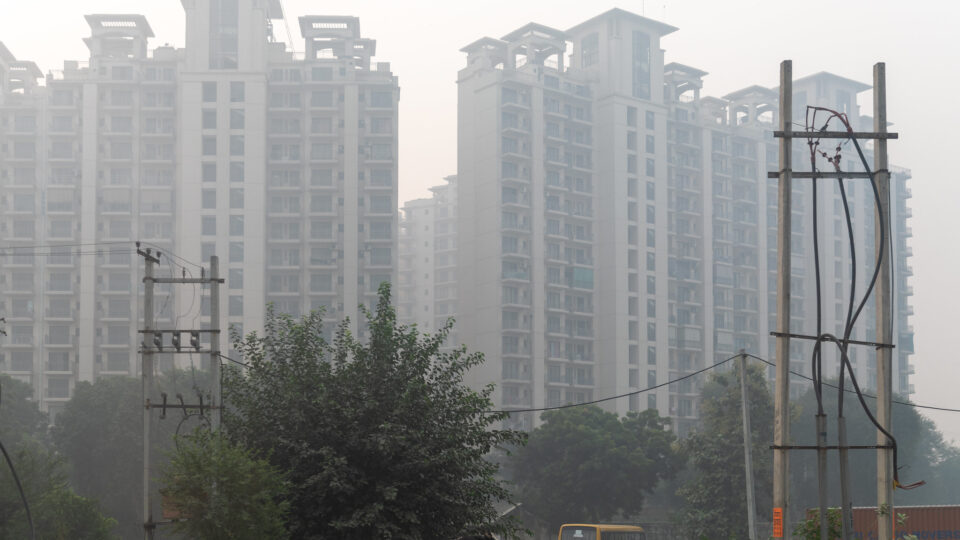
Air Pollution: The Greatest Danger | Earth Wise            

June 27, 2022 By EarthWise Leave a Comment

Air pollution is one of the greatest dangers

The effort to reduce and ultimately eliminate the use of fossil fuels has largely been driven by the potentially catastrophic consequences of global climate change.  The need to stop dumping greenhouse gases into the atmosphere has become increasingly urgent.  But there is an equally compelling reason to stop burning fossil fuels.  According to a study published in the journal Lancet Planetary Health, outdoor air pollution is “the largest existential threat to human and planetary health.”

Pollution of various types was responsible for an estimated 9 million deaths around the world in 2019.  Half of those fatalities – 4.5 million deaths – were the result of outdoor air pollution coming from vehicles and industrial sources like power plants and factories.

The number of deaths attributed to air pollution has increased by 55% just since the year 2000.

The growth in air pollution deaths has offset a decline in deaths from other pollution sources that especially affect people living in extreme poverty, such as indoor air pollution and water pollution.  Overall, countries with lower collective incomes tend to bear a disproportionate share of pollution deaths.  Roughly 16% of deaths around the world are attributable to pollution, also resulting in more than $4 trillion in economic losses.

The peer-reviewed study was produced by the 2017 Lancet Commission on Pollution and Health.  The study notes that despite the enormous health, social, and economic impacts of pollution, preventing it is largely overlooked in the international development agenda.  The study calls upon governments, businesses, and other entities to abandon fossil fuels and adopt clean energy sources.

**********

Web Links

Study Identifies Outdoor Air Pollution as the ‘Largest Existential Threat to Human and Planetary Health’

Photo, posted November 4, 2019, courtesy of Ninara via Flickr.

Earth Wise is a production of WAMC Northeast Public Radio.

Unhealthy Air | Earth Wise

May 12, 2022 By EarthWise Leave a Comment

Most of the global population breathes unhealthy air

According to the World Health Organization, almost the entire global population – 99% in fact – breathes air that exceeds WHO air quality limits and threatens their health.

Air quality is of great concern everywhere.  Over 6,000 cities in 117 countries monitor air quality, but the people living in those cities are still breathing unhealthy levels of fine particulate matter and nitrogen dioxide. The WHO is citing these findings as a compelling reason to curb fossil fuel use and to take other steps to reduce air pollution levels. 

There is growing number of studies of the damage air pollution does to the human body.  Even low levels of many air pollutants can cause significant harm.  Particulate matter – especially so-called PM2.5 – is capable of penetrating deep into the lungs and entering the bloodstream, contributing to cardiovascular, cerebrovascular, and respiratory problems. 

Nitrogen dioxide is associated with respiratory diseases – especially asthma – and leads to respiratory symptoms, hospital admissions, and visits to emergency rooms.

The WHO is calling to governments around the world to take additional steps to improve air quality including adopting stricter air quality standards, supporting the transition to clean household energy sources, implementing stricter vehicle emission standards, reducing the use of incineration, and many other actions.

According to the WHO, cities in high-income countries fare better in terms of air quality, but very few places avoid unhealthy air entirely.   Seven million deaths a year are linked to unhealthy air quality.  It is a global crisis that cannot be ignored.

**********

Web Links

Billions of people still breathe unhealthy air: new WHO data

Photo, posted December 1, 2021, courtesy of Ron Reiring via Flickr.

Earth Wise is a production of WAMC Northeast Public Radio.

Conseguir un medicamento en las farmacias extranjeras no puede ser más difícil que la compra nocturna de alimentos. Si no se requiere una receta en línea para la compra de medicamentos, se puede comprar libremente, incluso no sólo en las farmacias, sino también en los supermercados, dijo un abogado y director general del grupo de consultoría vvCube Vadim Tkachenko.

Emissions And The Pandemic | Earth Wise

January 3, 2022 By EarthWise Leave a Comment

Studying the effects of the pandemic on emissions

The early months of the COVID-19 pandemic saw drastic reductions in travel and other economic sectors across the globe that greatly decreased air pollution and greenhouse gas emissions. These dramatic changes occurred quite suddenly.  This abrupt set of changes gave scientists the unprecedented opportunity to observe the results of changes that would ordinarily have taken years if they came about through regulations and gradual behavior shifts.

A comprehensive study by Caltech on the effects of the pandemic on the atmosphere has revealed some surprising results.

The biggest surprise is that even though carbon dioxide emissions fell by 5.4% in 2020, the amount of CO2 in the atmosphere continued to grow at about the same rate as in previous years.  According to the researchers, the reasons are that the growth in atmospheric concentrations was within the normal range of year-to-year variations caused by natural processes and, in addition, the ocean did not absorb as much CO2 because of the reduced pressure of CO2 in the air at the ocean’s surface.

A second result involved the reduction in nitrogen oxides, which led to a reduction in a short-lived molecule called the hydroxyl radical, which is important in breaking down gases including methane in the atmosphere.  Reducing nitrogen oxides is advantageous with respect to air pollution, but they are important for the atmosphere’s ability to cleanse itself of methane.  In fact, the drop in nitrogen oxide emissions actually resulted in a small increase of methane in the atmosphere because it was staying there longer.

The main lesson learned is that reducing activity in industrial and residential sectors is not a practical solution for cutting emissions.  The transition to low-carbon-emitting technology will be necessary.

**********

Web Links

Emission Reductions From Pandemic Had Unexpected Effects on Atmosphere

Photo, posted March 22, 2020, courtesy of Greg via Flickr.

Earth Wise is a production of WAMC Northeast Public Radio.

Living Walls | Earth Wise

December 28, 2021 By EarthWise 1 Comment

Green roofs are popular in many European countries.  A green roof is a layer of vegetation planted over a waterproofing system installed on a flat or slightly sloped roof.  Such roofs provide shade, remove heat from the air, and reduce temperatures of the roof surface, reducing energy use in the building and diminishing the urban heat-island effect.

A recent study by the University of Plymouth in the UK looked at the effectiveness of living walls – essentially the equivalent of a green roof located on the wall of a building.

The study looked at the effect of retrofitting an existing masonry wall with an exterior living wall façade consisting of a flexible felt fabric sheet system with pockets holding soil in which plants could grow.

Five weeks of measurements demonstrated that the amount of heat lost through the retrofitted wall was 31.4% lower than that of the original structure.  They also found that daytime temperatures within the newly covered section remained more stable than the area with exposed masonry, so that less energy was required to heat that area.

The concept of living walls is fairly new but could be valuable in temperate climates such as Great Britain.  Buildings in the UK account for 17% of greenhouse gas emissions and space heating accounts for 60% of all the energy used in buildings.  So, improving the thermal performance of buildings would have a significant effect on reducing energy use and therefore emissions.

So-called green infrastructure, including green roofs and living walls, provides a nature-based solution that can help tackle climate change, air pollution, and other modern urban problems.

**********

Web Links

Living walls can reduce heat lost from buildings by over 30%, study shows

Photo, posted June 19, 2011, courtesy of Linda Hartley via Flickr.

Earth Wise is a production of WAMC Northeast Public Radio.

Banning Gas Cars | Earth Wise

November 12, 2021 By EarthWise Leave a Comment

Many states and countries have passed gas car bans

The transition to electric vehicles from gas-powered vehicles is essential for reducing greenhouse gas emissions as well as air pollution in general.  Currently, transportation is responsible for 30% of greenhouse gas emissions in the United States.

There is no doubt that there is surging interest in electric cars.  There are now millions of them being sold around the world each year.  But they still represent a small fraction of new car sales in most places.  Notable exceptions are several European countries such as Norway and Switzerland where plug-in vehicles are dominant.  In the United States, on the other hand, EVs still represent less than 3% of new car sales.

Given the urgency in reducing vehicle emissions, many countries around the world have devised plans, goals, or laws to end the sale of gasoline cars.  Gas car bans vary quite a bit around the world, but they are being implemented in many places.

There are 28 countries and US states that have imposed gas car bans to take effect over the next five to 20 years.  These include European countries like Norway, Belgium, Austria, Netherlands, Denmark, Iceland, Ireland, Sweden, Scotland, Slovenia, the UK, France, and Spain.  Asian countries include South Korea, India, Japan, China, Singapore, Sri Lanka, and Taiwan.  In the Middle East, Israel and Egypt have announced bans.  Here in the US, New York and California both have bans starting in 2035.  Canada also has announced a ban.

Car manufacturers have seen the writing on the wall.  Most have started adding EVs to their lineups.  Many have announced their own timetables for phasing out gas cars entirely.  There are more than 15 new electric models available this year and there are many more to follow next year.

**********

Web Links

Over 25 Countries And U.S. States Are Planning to Ban Gasoline Powered Cars

Photo, posted January 24, 2009, courtesy of Oran Viriyincy via Flickr.

Earth Wise is a production of WAMC Northeast Public Radio.

The Potential For Solar Canals In California | Earth Wise

April 29, 2021 By EarthWise Leave a Comment

Covering California's aqueducts with solar panels could advance renewable energy and water conservation

California’s network of almost 4,000 miles of aqueducts is the world’s largest water conveyance system.  It serves the state’s Central Valley which produces a quarter of America’s food.  About 20% of the nation’s groundwater demand is pumped from Central Valley aquifers.

A recent study by the University of California Santa Cruz and UC Merced has determined that covering these aqueducts with solar panels could be an economically feasible way to advance both renewable energy and water conservation.  California’s aqueducts might more properly be called canals because they are located at ground level.  

The concept of solar canals has been gaining increasing interest around the world as the changing climate leads to more droughts in many regions.  Placing solar panels above the canals can shade them to help prevent water loss through evaporation.  In addition, some types of solar panels can work better situated over canals because the cooler environment improves their operation.  In addition to the increased solar panel output and the water evaporation savings, shade from solar panels could help control the growth of aquatic weeds, which are a costly canal maintenance issue.

Spanning canals with solar panels can be accomplished either by using steel trusses or suspension cables, either of which is more expensive to build than ordinary ground-mounted solar panel supports.  But the research study showed how the benefits of solar canals combine to outweigh the added costs for cable-supported installations.

Apart from the economic benefits of a solar canal system, producing solar energy in the canal system could eliminate the use of 15-20 diesel-powered irrigation pumps, helping to reduce air pollution in a region with some of the nation’s worst air quality.

Solar canals could be a real winner.

**********

Web Links

New analysis shows potential for ‘solar canals’ in California

Photo, posted July 23, 2015, courtesy of Lance Cheung / USDA via Flickr.

Earth Wise is a production of WAMC Northeast Public Radio.

The Silent Killer | Earth Wise

April 26, 2021 By EarthWise Leave a Comment

Air pollution is a silent killer

Air pollution is deadly.  Studies have found that particles from air pollution can enter our lungs and bloodstream, contributing to major health conditions including heart disease, stroke, cancer, and kidney disease.  Globally, air pollution is responsible for the premature deaths of millions of people every year. 

The first line of defense against air pollution is ambient air quality standards.  But according to researchers from McGill University, more than half of the world’s population lives without the protection of adequate air quality standards.

The research team focused on a specific type of air pollution called particulate matter 2.5 (more commonly called PM2.5).  PM2.5 refers to tiny particles or droplets in the air that are two and one half microns or less in width.  These tiny particles are responsible for an estimated 4.2 million premature deaths every year globally, including more than one million deaths in China, nearly 200,000 in Europe, and more than 50,000 in the United States.

In the study, which was recently published in the Bulletin of the World Health Organization, the researchers found that where there are air quality protections, the standards are often worse than what the WHO considers safe.  Some regions with high air pollution levels, like the Middle East, don’t even measure PM2.5 air pollution.  The researchers found that the weakest air quality standards are often violated, while the strictest standards are often met. 

More than half of the world’s population is in urgent need of adequate air quality standards.   

**********

Web Links

Air pollution: The silent killer called PM 2.5

Photo, posted November 17, 2019, courtesy of Kristoffer Trolle via Flickr.

Earth Wise is a production of WAMC Northeast Public Radio.

Air Pollution Reduction And Global Warming | Earth Wise

April 13, 2021 By EarthWise Leave a Comment

Reducing emissions can actually increase global warming

The world is dealing with two serious problems affecting the atmosphere:  the growing levels of carbon dioxide leading to a warming climate and the effects of air pollution on human health.  It turns out that these two things are connected in complicated ways.

Countries around the world are racing to mitigate global warming by limiting carbon dioxide emissions.   The combustion of fossil fuels as well as wood and other biomass produces sulfate aerosols, which are associated with acid rain as well as many human health problems.   Air pollution causes an estimated seven million premature deaths per year worldwide, so reducing it is imperative.

The complication is that sulfate aerosols in the upper atmosphere actually have a cooling effect on surface air temperatures.  Aerosols create bigger clouds and increase light scattering, both of which result in less sunlight reaching the surface.  Large natural sources of sulfate aerosols – such as volcanic eruptions – can temporarily cool the earth until they settle out of the atmosphere.

There are many kinds and sizes of atmospheric aerosols, making predicting their effects and behavior difficult.  For example, black carbon aerosols from forest fires tend to suppress cloud formation by warming the air and making tiny water droplets evaporate.  However, sulfate aerosols from burning fossil fuels make clouds grow larger.

Analysis has shown that air pollution has actually reduced the amount of warming that has taken place to date.  A new study by Kyushu University in Japan looked at the long-term climate effects of reductions in sulfate aerosols.  The loss of cooling effect from light-scattering aerosols as emissions are reduced is a factor that cannot be ignored. 

**********

Web Links

Air pollutant reductions could enhance global warming without greenhouse gas cuts

Photo, posted January 23, 2021, courtesy of Wutthichai Charoenburi via Flickr.

Earth Wise is a production of WAMC Northeast Public Radio.

Short-Lived Climate Forcing Pollutants | Earth Wise

March 9, 2021 By EarthWise Leave a Comment

Short-lived climate forcing pollutants and climate change

When talking about the causes of climate warming, it is common practice to bundle together various pollutants and express their effects in terms of “CO2 equivalence.”  This involves comparing climate effects of the pollutants on a 100-year timescale.  Recent research from the Institute for Advanced Sustainability Studies in Germany points out the problems with this approach.

One of the worst qualities of carbon dioxide is that it accumulates in the atmosphere.  Once it gets there, it stays there for anywhere from decades to millennia.  On the other hand, short-lived climate forcing pollutants – or SLCPs – stay in the atmosphere for significantly shorter periods.  However, some of these are far more effective at trapping heat in the atmosphere.  As a result, the atmosphere and climate system react much more quickly to reductions in the emission of these pollutants.

The IASS research study determined that reducing SLCP emissions is an important way to slow near-term climate warming as well as having other positive benefits such as reducing air pollution and improving crop yields.  A number of studies indicate that a rapid reduction in SLCP emissions could slow the rate of climate change and reduce the risk of triggering dangerous and potentially irreversible climate tipping points.

Examples of SLCPs are the methane gas emitted from landfills and hydrofluorocarbons that are still widely used as coolants. HFCs only persist in the atmosphere for 15 years but are nearly 4,000 times more effective in trapping heat over a 20-year period.

In order to mitigate the most harmful consequences of climate change, we need to minimize both the near-term climate impacts of SLCPs and the long-term climate impacts of carbon dioxide.

**********

Web Links

More Than Just CO2: It’s Time To Tackle Short-Lived Climate-Forcing Pollutants

Photo, posted March 10, 2020, courtesy of Jonathan Cutrer via Flickr.

Earth Wise is a production of WAMC Northeast Public Radio.

Pandemic Lockdowns And Carbon Emissions | Earth Wise

November 25, 2020 By EarthWise Leave a Comment

pandemic impact on carbon emissions

The early months of the COVID-19 pandemic saw many human activities reduced to a fraction of what they were previously.  Notably, air pollution in major cities was dramatically lower than it had been in decades.  Now, a new study has looked at the effect of the pandemic shutdowns on carbon dioxide emissions.

An international team of climate scientists has published an assessment of carbon dioxide emissions by industry, transportation, and other sectors from January through June.  According to their measurements, this year’s pandemic lockdowns resulted in a 9% decline in emissions from 2019 levels.

An earlier study reported a 17% drop in CO2 emissions, but the new study was more comprehensive and detailed.

The new data includes estimates of day-by-day, sector-specific and country-level differences in CO2 emissions derived from frequently updated data sources, some of which are nearly in real-time.  It tracks the effects of COVID-19-related disruptions of human activities in China starting in February and in the United States and Europe in March through May.

The data revealed the resumption of emissions in many regions, such as in China, where they are now back to pre-pandemic levels.  Emissions in the Americas and Europe have been slower to recover, especially in the US, where COVID-19 hotspots are continuing to emerge. 

The reduction in carbon emissions has been due mostly to transportation with fewer people driving to work and traveling by air.  Even by June, when lockdowns were easing, global emissions were still significantly reduced.  In any case, a pandemic is a highly undesirable and unwelcome way to reduce carbon emissions, but the data from this year does show that it is effective.

**********

Web Links

Pandemic lockdowns caused steep and lasting carbon dioxide decline

Photo, posted August 7, 2020, courtesy of Michael Mueller via Flickr.

Earth Wise is a production of WAMC Northeast Public Radio.

Increasing Air Pollution | Earth Wise

July 27, 2020 By EarthWise Leave a Comment

Half of the global population is exposed to increasing air pollution

According to researchers from the University of Exeter, half of the world’s population is exposed to increasing air pollution despite global efforts to improve air quality.  The study, which was completed in conjunction with the World Health Organization, suggests that air pollution represents a major and growing threat to human health. 

For the study, which was recently published in the journal Climate and Atmospheric Science, the researchers reviewed global air quality trends between 2010 and 2016.  The research team examined those findings against a backdrop of global policies to reduce air pollution.  The researchers used ground monitoring data and satellite data to develop yearly air quality profiles for individual countries and regions. 

The scientists focused on fine particulate matter, which is a mixture of solid particles and liquid droplets found in the air.  Some of the particles, like dust, soot, or smoke, are large enough to be seen by the naked eye.  Others are so small that they can only be seen using a microscope.  Inhaling fine particulate matter can cause all sorts of health issues, including asthma, respiratory inflammation, and even promote cancer. 

For much of the world’s population, the consequences of polluted air are more deadly than war, violence, and many diseases.  According to the World Health Organization, more than four million deaths every year can be attributed to outdoor air pollution.  Some of the major sources of air pollution include coal-fired power plants, agriculture, transportation, and deforestation. 

The study found that low and middle income countries experience the highest burden of air pollution around the world, with the largest concentrations found in central and southeastern Asia.

More long term policies are needed to curb this growing threat to public health. 

***********

Web Links

Half of the world’s population exposed to increasing air pollution

Photo, posted August 2, 2019, courtesy of Ron Reiring via Flickr.

Earth Wise is a production of WAMC Northeast Public Radio.

Side Effects Of Geoengineering | Earth Wise

July 20, 2020 By EarthWise Leave a Comment

Reflecting sunlight to cool the planet will cause other global changes

As the world struggles to reduce the greenhouse gas emissions that are warming the global climate, some researchers are exploring proposals to deliberately engineer climate changes to counteract the warming trend.  One of the most widely discussed approaches is to shade the Earth from a portion of the sun’s heat by injecting the stratosphere with reflective aerosol particles.  Proponents of this idea point out that volcanoes do essentially the same thing, although generally for only a limited amount of time.  Particularly large eruptions, such as the Krakatowa eruption of 1883, wreaked havoc with weather around the world for an entire year.

Schemes to launch reflective aerosols – using planes, balloons, and even blimps – appear to be quite feasible from the standpoint of physically accomplishing them. But this says nothing about the political, ethical, and societal issues involved.  The point is that such an approach could indeed lower global temperatures and thereby potentially offset the warming effects of greenhouse gases.

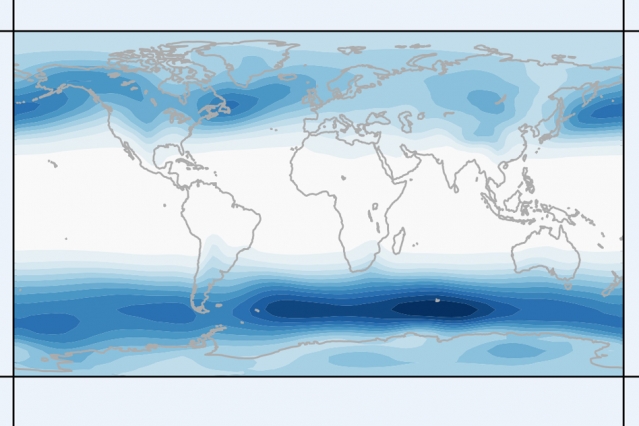
A study by scientists at MIT looked at what other effects such a solar geoengineering project might have on the climate.  Their modeling concluded that it would significantly change storm tracks in the middle and high latitudes.  These tracks give rise to cyclones, hurricanes, and many more ordinary weather phenomena.

According to the study, the northern hemisphere would have weakened storm tracks, leading to less powerful winter storms, but also stagnant conditions in summer and less wind to clear away air pollution.  In the southern hemisphere, there would be more powerful storm tracks.

Aside from turning the world’s weather patterns inside out, solar geoengineering would do nothing to address the serious issue of ocean acidification caused by increasing carbon dioxide levels.

As many have pointed out, playing the geoengineering game would have many unintended consequences.

**********

Web Links

Study: Reflecting sunlight to cool the planet will cause other global changes

Photo courtesy of MIT.

Earth Wise is a production of WAMC Northeast Public Radio.

The Lockdown Cleans Up Indian Air | Earth Wise

May 13, 2020 By EarthWise Leave a Comment

Coronavirus lockdown cleans the air

Our stories often discuss how human activities change the natural environment.  With most of us confined to our homes, the lack of human activities is having profound effects on the environment.  We are talking about some of these this week.

India suffers from some of the worst air pollution in the world.  Of the most polluted cities in the world, 21 out of 30 were in India in 2019.  According to World Health Organization standards, at least 140 million people in India breathe air containing 10 times or more greater levels than the safe limit for pollutants.  Air pollution contributes to the premature death of 2 million Indians every year.

Half of India’s air pollution comes from industry, 27% from vehicles, and 17% from crop burning.  Crop burning is prevalent because it is much cheaper than mechanical tilling after the harvest.

On March 25, the Indian government placed its 1.3 billion citizens under a strict lockdown to reduce the spread of COVID-19.   The country-wide mandate decreased activity at factories and drastically reduced car, bus, truck, and airplane traffic.

Within one week, NASA satellite sensor observed aerosol levels at a 20-year low for this time of year in northern India.  Aerosols are tiny solid and liquid particles suspended in the air that reduce visibility and can damage the human lungs and heart.  Some aerosols have natural sources, such as dust storms, volcanic eruptions, and forest fires.  But many come from human activities such as the burning of fossil fuels and croplands.  Scientists expected to see changes in atmospheric conditions during the Indian lockdown, but the current changes are dramatic.  They also present a unique opportunity to separate how natural and human sources of aerosols affect the atmosphere.

**********

Web Links

Airborne Particle Levels Plummet in Northern India

Photo, posted April 29, 2020, courtesy of Flickr.

Earth Wise is a production of WAMC Northeast Public Radio.

Coronavirus Shutdowns And The Environment | Earth Wise

May 11, 2020 By EarthWise Leave a Comment

coronavirus shutdown and the environment

Our stories often discuss how human activities change the natural environment.  With most of us confined to our homes, the lack of human activities is having profound effects on the environment.  We are talking about some of these this week.

The COVID-19 pandemic is a global catastrophe, but it has ironically been a boon for the environment.  By taking billions of people off the streets around the globe and slashing all forms of travel, the global environment has seen dramatic changes.

Sea turtles in many countries are prospering by not having to compete with humans for precious beach space.  Animals everywhere have more freedom to roam and are taking advantage of the opportunity. The Himalayas are visible from parts of India for the first time in decades.

Satellite imagery has shown dramatic drops in nitrogen dioxide emissions in China, where pollution from vehicles is a serious public health problem.  Similar reductions in air pollution are evident in India, Italy and even in Los Angeles.  The city that is notorious for its smog suddenly has pristine air.

In Venice, water in the canals has become clear in the absence of heavy boat traffic stirring up sediments from the bottom.  Wildlife that normally is invisible such as jellyfish are being spotted.

Not all the changes to animal behavior are desirable.  Some wildlife that have become dependent on humans as a source of food are becoming aggressive and are taking to the streets of cities to look for food.  Monkeys in Thailand are mobbing towns and brawling, hunting for things to eat.  Rats in New York City are fighting over suddenly meager food supplies.

In many ways, the natural world is reacting to much of humanity sheltering in place.

**********

Web Links

On Earth Day 2020, coronavirus shutdowns are a gift to the environment

Photo, posted April 2, 2020, courtesy of Flickr.

Earth Wise is a production of WAMC Northeast Public Radio.

Shutting Down Pollution | Earth Wise

April 8, 2020 By EarthWise Leave a Comment

coronavirus temporarily reduces air pollution

With much of the country shut down as the coronavirus forces people to stay at home, there has naturally been a drastic reduction of traffic on roads and highways.   And with that decrease, there has been a dramatic reduction in pollution as well.

A satellite that detects emissions in the atmosphere linked to cars and trucks has observed huge declines in pollution in major metropolitan areas such as Los Angeles, Seattle, New York, Chicago, and Atlanta.

Los Angeles is infamous for its rush-hour traffic but that has pretty much ceased to exist. Similar changes can be seen in the San Francisco Bay Area, where nearly 7 million residents have been ordered to shelter in place.  New York City is less dependent on car travel than in other metro areas, but the shutdown of office buildings, schools, and restaurants has nonetheless resulted in a substantial reduction of traffic on the streets of the city.

While this sudden decline in air pollution over U.S. cities has some near-term health benefits, those benefits are likely to be fairly minor in the big picture.  When the coronavirus outbreak subsides and people are allowed to leave their homes and go back to their normal lives, air pollution will most certainly rebound to previous levels.  In any event, studies have shown that long-term exposure to air pollution has a larger impact on public health than any transient events.

Having much cleaner air for a while is certainly a good thing, but this shutdown is not a sustainable way to reduce air pollution and the long-term effects of the coronavirus crisis will certainly not be positive.

**********

Web Links

Traffic and Pollution Plummet as U.S. Cities Shut Down for Coronavirus

Photo, posted March 15, 2020, courtesy of Tom Collins via Flickr.

Earth Wise is a production of WAMC Northeast Public Radio.

  • « Go to Previous Page
  • Page 1
  • Page 2
  • Page 3
  • Page 4
  • Page 5
  • Go to Next Page »

Primary Sidebar

Recent Episodes

  • An uninsurable future
  • Clean energy and jobs
  • Insect declines in remote regions
  • Fossil fuel producing nations ignoring climate goals
  • Trouble for clownfishes

WAMC Northeast Public Radio

WAMC/Northeast Public Radio is a regional public radio network serving parts of seven northeastern states (more...)

Copyright © 2026 ·