
• Skip to primary navigation
  • Skip to main content
  • Skip to primary sidebar

Earth Wise

A look at our changing environment.

  • Home
  • About Earth Wise
  • Where to Listen
  • All Articles
  • Show Search
Hide Search
You are here: Home / Archives for Earth Wise

Earth Wise

Floating Renewable Energy | Earth Wise

July 22, 2021 By EarthWise Leave a Comment

The next generation of offshore energy is under development

A team of researchers at Texas A&M University believes that the next generation of offshore energy could come in the form of a synergistic combination of multiple renewable energy generators installed on a floating offshore platform.

Their concept for the ocean renewable energy station comprises wind, wave, ocean current, and solar energy elements that could generate electricity for anything from a coastal or island community to a research lab or military unit.  The station would be tethered to the sea bottom and could be used in locations where the water depth increases quickly, such as along the U.S. Pacific Coast or Hawaii.

Offshore wind is already commercially competitive, while wave-energy converters so far have been less cost-effective and only useful for specialized, smaller-scale applications.  The proposed ocean renewable energy station would make use of multiple different methods of electricity generation and incorporate innovative smart materials in the wave energy converters that respond to changes in wave height and frequency and allow for more consistent power production.

Denmark is already building a huge multi-source, multi-purpose ocean energy island.  This world’s first energy island will be 30 acres in area and serve as a hub for 200 giant offshore wind turbines generating 3 GW of electric power.  It is the largest construction project in Danish history, and will cost an estimate $34 billion.  As well as supplying other European countries with electricity, the goal is to use the new offshore island to produce green hydrogen from seawater, which can also be exported.  Large battery banks on the island will store surplus electricity for use in times of high demand.

**********

Web Links

Research Underway On Floating Renewable Energy Station

Photo, posted September 27, 2014, courtesy of Eric Gross via Flickr.

Earth Wise is a production of WAMC Northeast Public Radio.
Peatlands And Greenhouse Gas Emissions | Earth Wise

July 21, 2021 By EarthWise Leave a Comment

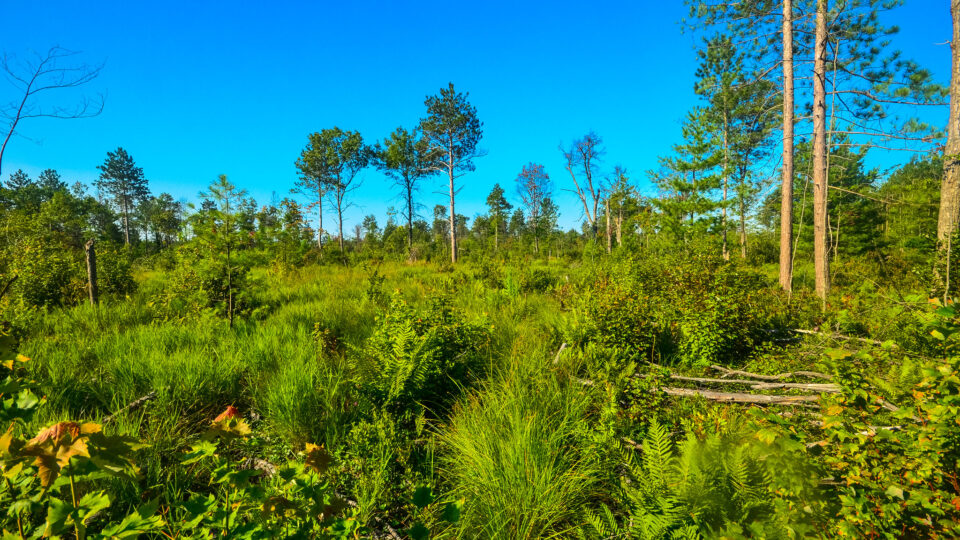
Peatlands play a significant role in greenhouse gas emissions

As the world seeks to reduce the greenhouse gas emissions that have been warming the climate, most of the focus has been on the primary contributors to the problem, such as the burning of fossil fuels.  But there are many smaller contributors to greenhouse gas emissions that individually play only a minor role but collectively add up to significant amounts.  One of these is the emissions from peatlands.

Peatlands are a type of wetland that occur in almost every country on Earth, covering 3% of the global land surface.  They are terrestrial ecosystems in which waterlogged conditions prevent plant material from fully decomposing.  As a result, the production of organic matter exceeds its decomposition, which results in a net accumulation of peat.  Peatlands are, in fact, the largest natural terrestrial carbon store, storing more over 700 billion tons of carbon, more than all other types of vegetation combined.

Human activity, such as creating drainage in peatlands for agriculture and forest plantation, results in the release of over 1.6 billion tons of CO2 into the atmosphere each year. This constitutes 3% of all global greenhouse gas emissions caused by human activities.

Large numbers of people rely on peatlands for their livelihoods, so it is not reasonable for these emission-generating activities to be greatly curtailed.  But researchers at the University of Leicester in the UK analyzed the potential effects of cutting the current drainage depths in croplands and grasslands on peat in half and showed that this could reduce CO2 emissions by more than 500 million tons a year. This equates to one percent of all greenhouse gas emissions caused by human activities.

There are numerous opportunities to reduce emissions a little bit at a time.

**********

Web Links

Better peatland management could cut half a billion tonnes of carbon

Photo, posted August 17, 2013, courtesy of Joshua Mayer via Flickr.

Earth Wise is a production of WAMC Northeast Public Radio.
Butterflies And Moths In A Changing World | Earth Wise

July 20, 2021 By EarthWise Leave a Comment

Climate change is putting immense pressure on species for change.

Extinction is a part of life.  Plant and animal species disappear all the time.  In fact, approximately 98% of all the organisms that have ever existed on planet earth are now extinct. Earth’s so-called ‘normal’ rate of extinction is thought to be somewhere between 0.1 and 1 species per 10,000 species per 100 years. 

But anthropogenic climate change is bringing about rapid change in nature. Put more simply, human activity is killing nature at an unprecedented rate.  According to many scientists, the earth’s sixth mass extinction has already begun. Mass extinctions are defined as times when the Earth loses more than 75% of its species in a geologically short interval.

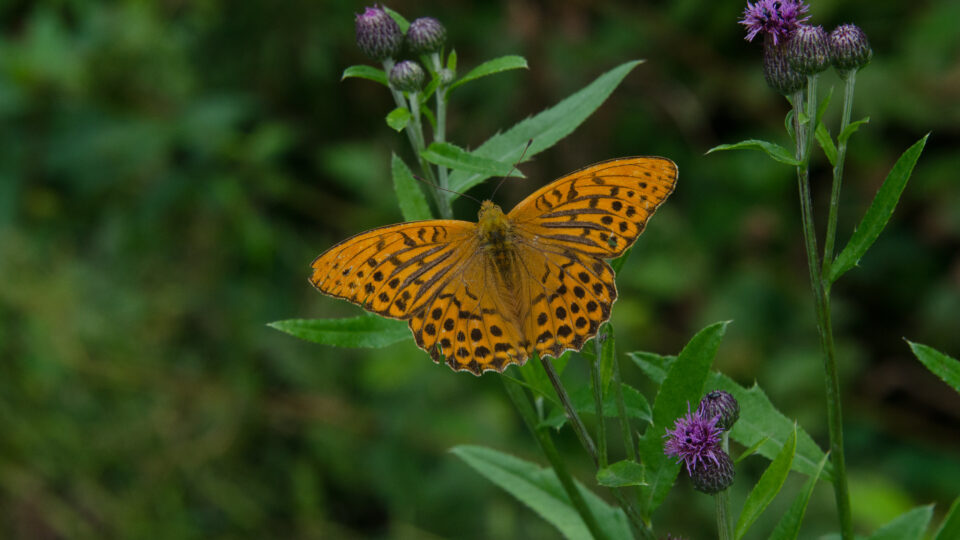
The changing climate puts immense pressure on species for change.  According to a new study by researchers from the University of Helsinki and the Finnish Environment Institute, the few butterfly and moth species capable of adjusting to the changing climate by moving up their flight period and moving further north have fared the best.

In Finland, researchers compared temporal shifts in the flight period and spatial shifts in the northern range boundary of 289 moth and butterfly species, as well as changes in abundance over a roughly 20-year period.

They found that about 45% of species that either moved northward or advanced their flight period fared much better than the roughly 40% of species that did not respond in either way.  On average, the populations of these poorly responding species declined.  But the 15% of species that did both had the largest increase in abundance. 

The ability to adapt to a changing climate is going to be vital for species survival. 

**********  

Web Links

Butterflies and moths have difficulty adjusting to a rapidly changing climate

What is mass extinction and are we facing a sixth one?

Photo, posted August 16, 2017, courtesy of Tero Laakso via Flickr.

Earth Wise is a production of WAMC Northeast Public Radio.
The Gulf Of Mexico Dead Zone | Earth Wise

July 19, 2021 By EarthWise Leave a Comment

Forecasting the 2021 dead zone in the Gulf of Mexico

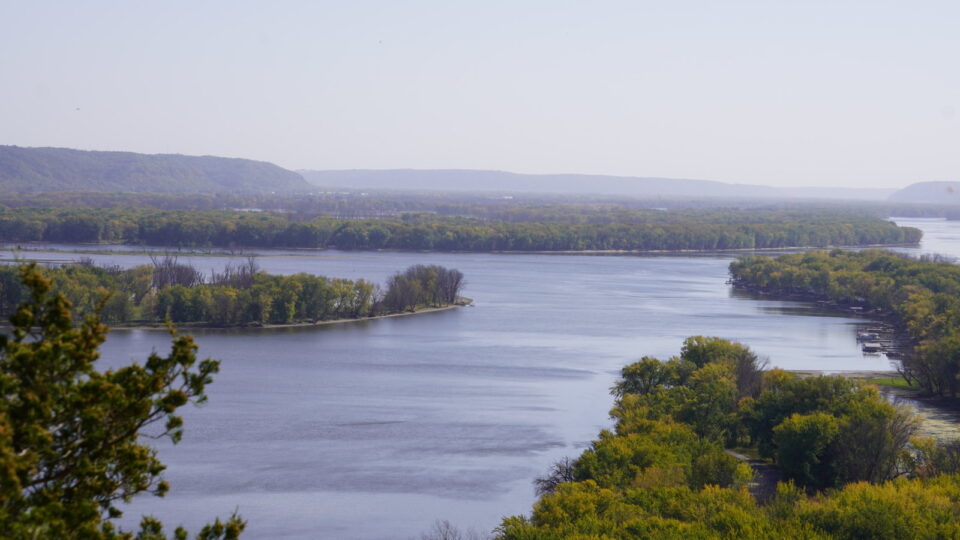
Every summer, a so-called dead zone forms in the Gulf of Mexico.  It is primarily caused by excess nutrient pollution from human activities in urban and agricultural areas throughout the Mississippi River watershed. 

When these excess nutrients reach the Gulf, they stimulate excess growth of algae, which eventually die and decompose, depleting oxygen as they sink to the bottom.  These low oxygen levels near the Gulf bottom cannot support most marine life.  Animals that are sufficiently mobile – such as fish, shrimp, and crabs – generally swim out of the area.  Those that can’t move away are stressed or killed by the low oxygen.

A team of scientists funded by the National Oceanic and Atmospheric Administration issues an annual forecast for the dead zone based upon a suite of models that incorporate river flow and nutrient data. 

The 2021 forecasted area is somewhat smaller than, but close to, the five-year measured average for the dead zone, which is 5,400 square miles, roughly the size of the state of Connecticut.   Each year, these forecasts are reported as comparisons to long-term averages, but the problem is that the long-term average is unacceptable.

The Interagency Mississippi River and Gulf of Mexico Hypoxia Task Force has set a goal of reducing the size of the dead zone to a five-year average of 1,900 square miles – about a third of the current average.

Large reductions in nutrient loads have been called for in federal and state action plans for nearly 20 years, but clearly these reductions have not yet been sufficient. The Interagency Task Force continues to provide information for managing nutrient loads in the Mississippi River Basin. 

**********

Web Links

Average-sized ‘dead zone’ forecast for Gulf of Mexico

Photo, posted October 6, 2020, courtesy of Christine Warner via Flickr.

Earth Wise is a production of WAMC Northeast Public Radio.

Private Jets and CO2 Emissions | Earth Wise

July 16, 2021 By EarthWise Leave a Comment

Private jets are trouble for the planet

During the heart of the Covid-19 pandemic, private jet use saw record levels because chartered aircraft were estimated to have 30 times lower risk for covid than flying commercial.  By August 2020, while commercial flights were down 60% year-over-year, private jet traffic was actually up.  From an environmental perspective, however, flying on a private jet is about the worst thing one can do for the environment.

Private jets are 10 times more carbon intensive than airlines on average and 50 times more polluting than trains.  A four-hour private flight emits as much as the average person does in a year.

In Europe, 7 out of the 10 most polluting routes taken by private aircraft lie in the UK-France-Switzerland-Italy axis, with jets departing the UK and France being the biggest source of pollution.  One in 10 flights departing France are private jets, half of which travelled less than 300 miles.

A study by the research group Transport & Environment points out that wealthy private jet owners are ideally suited to aid in the decarbonization of the aviation sector.  Private jet short hops are prime targets for replacement by clean technologies like electric and hydrogen aircraft.  European policy makers could ban the use of fossil-fuel private jets for flights under 600 miles by 2030.  Until such a ban, jet fuel and flight taxes could be imposed on private jets to account for their disproportionate climate impact and support technology development.  And companies and individuals could commit to substantial reductions in private jet use when alternatives exist that do not unreasonably increase travel time.

The super-rich could be part of the solution instead of part of the problem.

**********

Web Links

Private Jet Use Rising, Sending CO2 Emissions Soaring

Photo, posted September 9, 2020, courtesy of Mackenzie Cole via Flickr.

Earth Wise is a production of WAMC Northeast Public Radio.
Protecting Bees From Pesticides | Earth Wise

July 15, 2021 By EarthWise Leave a Comment

A new technology that can protect bees from pesticides

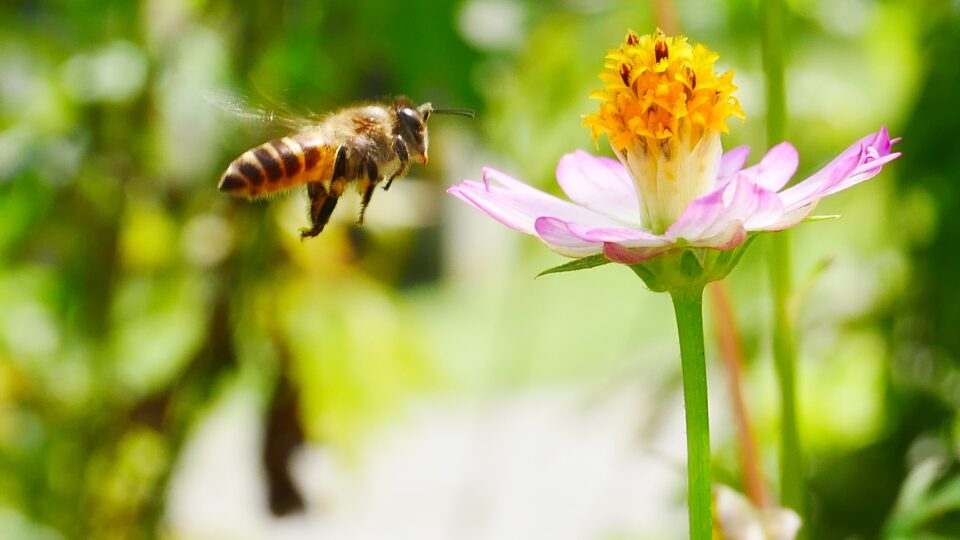
Studies have shown that the wax and pollen in 98% of beehives in the U.S. are contaminated with an average of six pesticides.  These substances lower bees’ immunity to devastating varroa mites and other pathogens.  By some estimates, pesticides cause beekeepers to lose about a third of their hives every year on average.

Researchers at Cornell University have developed a new technology that effectively protects bees from insecticides.  The insecticide antidote delivery method is now the basis of a new company called Beemunity.

The Cornell researchers developed a uniform pollen-sized microparticle filled with enzymes that detoxify organophosphate insecticides before they are absorbed and can harm bees.  Organophosphate insecticides account for about a third of the insecticides on the market.  The microparticles have a protective casing that allows the enzymes to move past the bees’ crop (basically the stomach), which is acidic and would otherwise break them down.  The safeguarded enzymes then enter the midgut, where digestion occurs and where toxins and nutrients are absorbed.  There the enzymes act to break down and detoxify the organophosphate insecticides.

In experimental tests, bees that were fed the enzyme-filled microparticles had a 100% survival rate after exposure to the insecticide malathion.  Unprotected control bees died within days.

The Cornell work appears to represent a low-cost, scalable solution to the insecticide toxicity issue and may help to protect essential pollinators.

**********

Web Links

Pollen-sized technology protects bees from deadly insecticides

Photo, posted January 30, 2020, courtesy of George Tan via Flick.

Earth Wise is a production of WAMC Northeast Public Radio.
Climate Change And Heat-Related Deaths | Earth Wise

July 14, 2021 By EarthWise Leave a Comment

Climate change is killing people

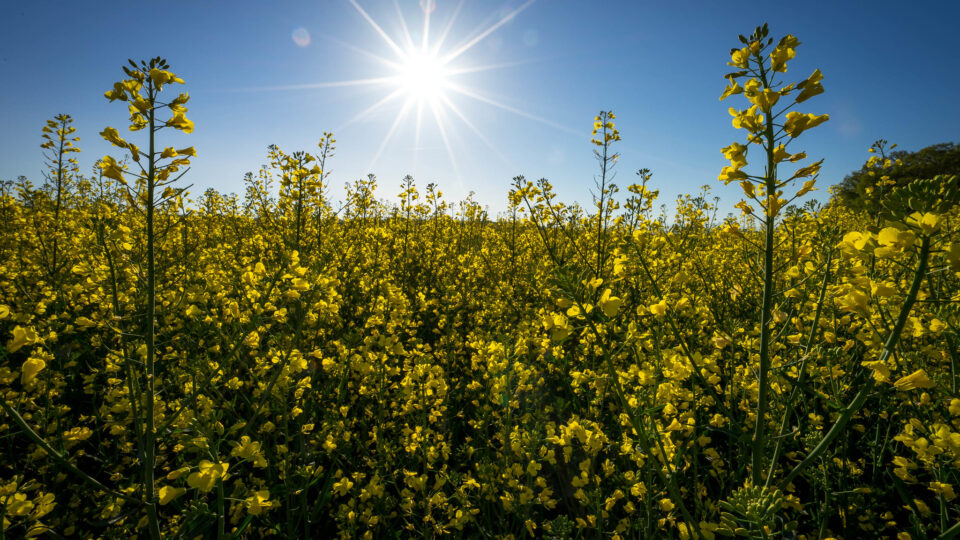
According to a new study recently published in the journal Nature Climate Change, more than one-third of the world’s heat-related deaths each year are attributable to human-induced climate change. 

Researchers from the London School of Hygiene and Tropical Medicine in the UK  and the University of Bern in Switzerland analyzed data from 732 locations in 43 countries.  They took observed temperatures and compared them with 10 computer models simulating a world without climate change.  By applying this technique to their data, the researchers were able to calculate for the first time the actual contribution of anthropogenic climate change in increasing mortality risks due to heat.

The research team found that 37% of all heat-related deaths between 1991 and 2018 were attributable to the warming of the planet due to human activities.  This percentage was highest in South America, Central America, and South-East Asia. 

In the United States, 35% of heat deaths were found to be a result of climate change.  New York had the most heat-related deaths at 141, and Honolulu had the highest percentage of heat deaths attributable to climate change at 82%.

But scientists caution that this is only a small portion of the climate’s overall impact. Many more people die from other extreme weather amplified by climate change, including severe storms, floods, and droughts.  Heat-related death figures will grow exponentially as temperatures rise.

According to the research team, the study’s findings highlight the need to adopt stronger climate change mitigation strategies, and to implement interventions to protect people from the adverse consequences of heat exposure.    

**********

Web Links

Global warming already responsible for one in three heat-related deaths

Photo, posted April 14, 2017, courtesy of Karim Bench via Flickr.

Earth Wise is a production of WAMC Northeast Public Radio.
Wind Farms Slowing Each Other Down | Earth Wise

July 13, 2021 By EarthWise Leave a Comment

Wind farms placed too closely together slow one another down

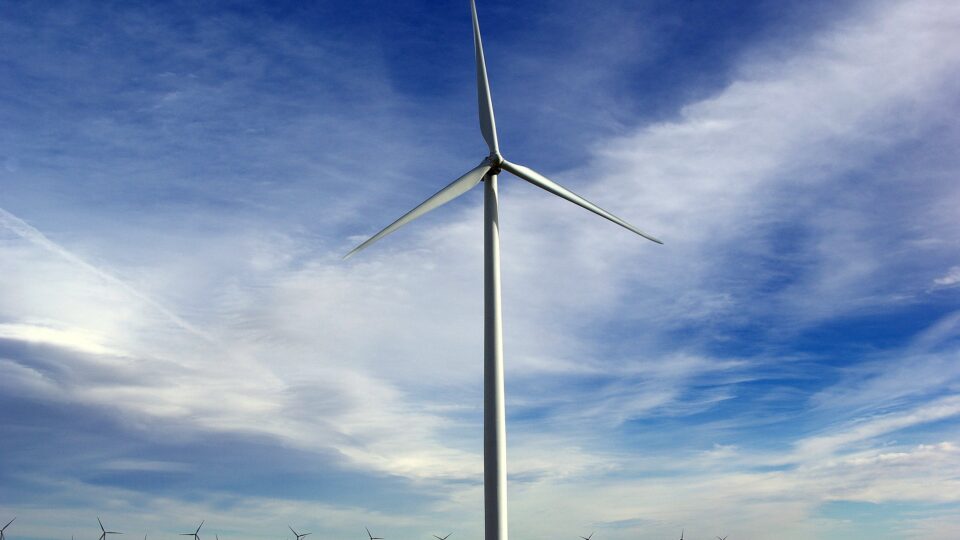
Offshore wind is booming in Europe.  The expansion of wind energy in the German Bight and Baltic Sea has been especially dramatic.  At this point, there are about 8 gigawatts of wind turbines in German waters, the equivalent of about 8 nuclear power plants.  But space in this region is limited so that wind farms are sometimes built very close to one another.

A team of researchers from the Helmholtz Center Hereon, a major German research institute, has found that wind speeds downstream from large windfarms are significantly slowed down.  In a study published in the journal Nature Scientific Reports, they found that this braking effect can result in astonishingly large-scale lowering of wind speeds.

On average, the regions of lowered wind can extend 20-30 miles and, under certain weather conditions, can even extend up to 60 miles.  As a result, the output of a neighboring wind farm located within this distance can be reduced by 20 to 25 percent.

These wake effects are weather dependent.  During stable weather conditions, which are typically the case in the spring in German waters, the effects can be especially large.  During stormy times, such as in November and December, the atmosphere is so mixed that the wind farm wake effects are relatively small.

Based on their modeling, it is clear that if wind farms are planned to be located close together, these wake effects need to be taken into account.  The researchers next want to investigate the effects that reduced wind speeds have on life in the sea.  Ocean winds affect salt and oxygen content, temperatures, and nutrients in the water.  It is important to find out how reduced winds might affect marine ecosystems.

**********

Web Links

Are wind farms slowing each other down?

Photo, posted November 23, 2011, courtesy of David J Laporte via Flickr.

Earth Wise is a production of WAMC Northeast Public Radio.
Plastic Pollution And The Galapagos Islands | Earth Wise

July 12, 2021 By EarthWise 1 Comment

Plastic pollution is infiltrating the pristine Galapagos Islands

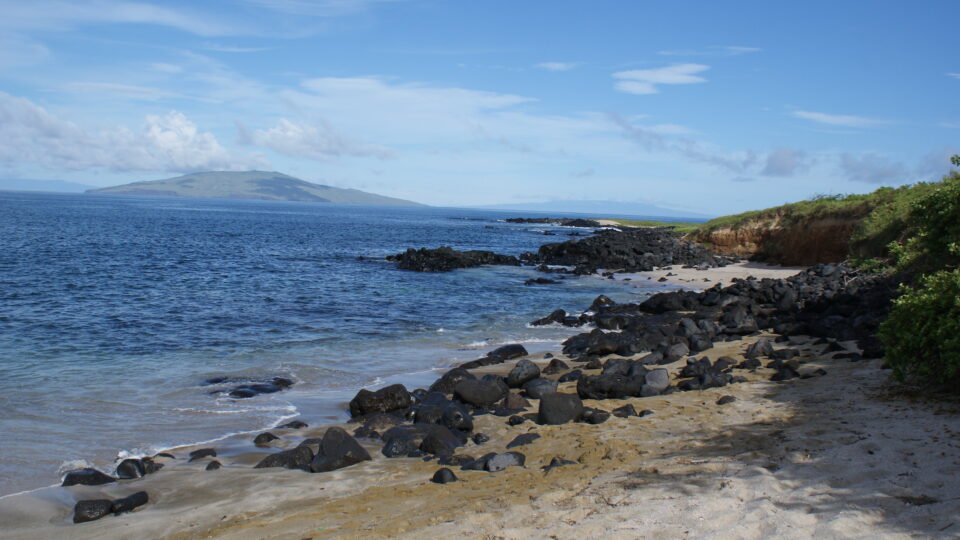
The proliferation of plastics remains one of the world’s most challenging environmental problems.  Plastic pollution can be found in some of the most remote regions of the planet, including atop the world’s tallest mountains and in the deepest depths of the ocean.  Even the Galapagos Islands, a volcanic archipelago in the Pacific Ocean, are no exception.

According to a new study by researchers from the University of Exeter, the Galapagos Conservation Trust, and the Galapagos Science Center, plastic pollution has been found in seawater, on beaches, and inside marine animals at the Galapagos Islands. 

In the most polluted hotspots, more than 400 plastic particles were found per square metre of beach. The researchers found that only 2% of macroplastic pollution – plastic fragments larger than five millimeters – was identified as coming from the Galapagos islands. All seven of the marine invertebrate species examined – 52% of individuals tested – were found to contain microplastics.

Significant accumulations of plastic were also found in key habitats, including rocky lava shores and mangroves. In fact, plastics were found in all marine habitats at the island of San Cristobal, which is where Charles Darwin first landed in Galapagos.

Most of the plastic pollution in the Galapagos appears to arrive via ocean currents. According  to the research team, the highest levels of plastic pollution were found on east-facing beaches, which are exposed to pollution carried across the ocean on the Humboldt Current. 

The pristine images of the Galapagos, a world-famous biodiversity haven, might give the impression that the region is protected from plastic pollution.  But clearly that is not the case.

**********

Web Links

Plastic in Galapagos seawater, beaches and animals

Photo, posted April 12, 2012, courtesy of Ben Tavener via Flickr.

Earth Wise is a production of WAMC Northeast Public Radio.
Assisted Colonization | Earth Wise

July 9, 2021 By EarthWise Leave a Comment

Balancing the risk of moving a species to a more favorable location versus the risk of inaction

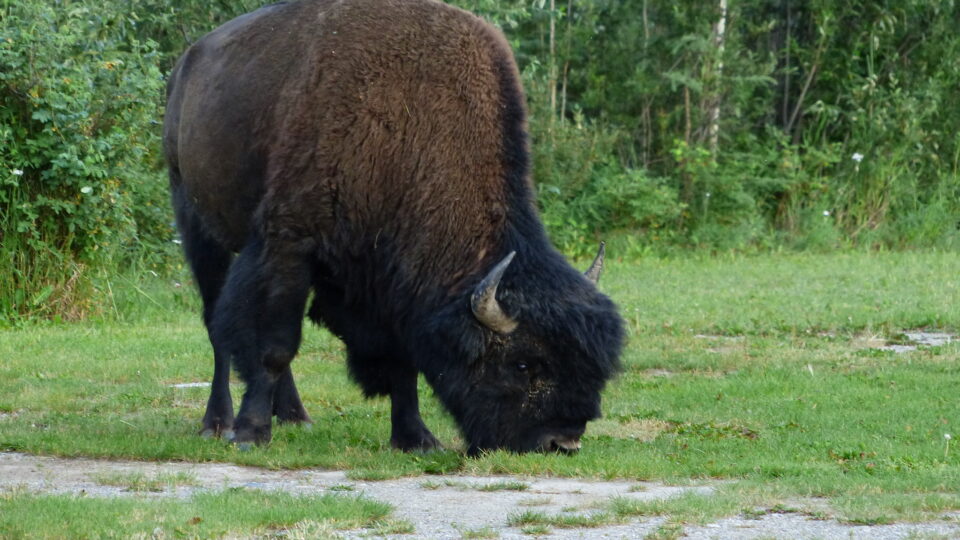
As the pace of climate change continues to quicken, many species seem to be unable to keep up and could face extinction as a result.   There is a potential strategy for people to help species reach places with more suitable physical and biological conditions.  People could carry endangered animals to habitats cut off by mountains, rivers, or human-made barriers.  They could plant endangered trees higher up mountain slopes or to locations further north.  Such actions have been termed assisted colonization.

People have been moving species around the world throughout human history for various reasons either intentionally or inadvertently.  But as a conservation strategy, assisted colonization is quite controversial.

The argument is whether the risk of moving species to more favorable conditions outweighs the risk of inaction.  The salvation of one species could mean the destruction of another.   A species that seems perfectly innocuous when moved to one place can become a rampant invader in another.

An upcoming international conference on Biological Diversity to be held this fall in China may take up the issue of creating a set of guidelines on assisted colonization.   Such guidelines would help people assess which species to focus on; where, when, and how to move them; how to weigh the risks of action and inaction; and how to conduct such actions across international borders.  Assisted colonization may be useful in some instances and not in others.  There needs to be a way for the world to decide whether it is warranted or not.  With climate change posing a growing threat to many of the world’s species, this is an issue that should be addressed.

**********

Web Links

Amid Climate Pressures, a Call for a Plan to Move Endangered Species

Photo, posted July 16, 2014, courtesy of Mark Spangler via Flickr.

Earth Wise is a production of WAMC Northeast Public Radio.
Marine Debris | Earth Wise

July 8, 2021 By EarthWise Leave a Comment

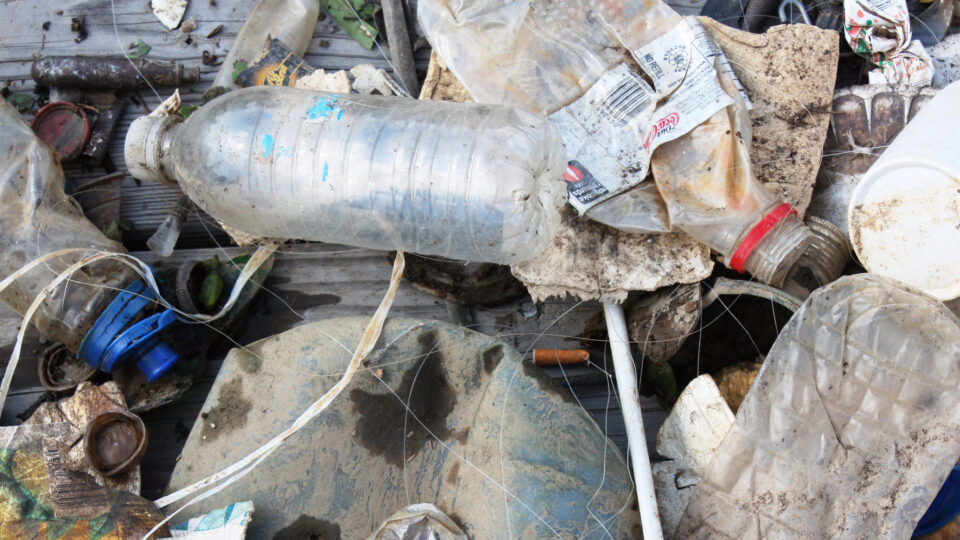
Marine debris poses a perilous threat to communities all around the world

Marine debris is a troubling issue around the world.  For most people, it is unsightly and perhaps inconvenient, but for many it is a critical problem that has serious impacts on many aspects of life.  This is especially the case for indigenous communities for whom the natural environment around the ocean is central to subsistence, recreation, culture, and economic opportunities.

The National Oceanic and Atmospheric Administration sponsors a Marine Debris Program that supports multiple projects.  In Alaska’s Pribilof Islands, the indigenous communities of St. George and St. Paul Islands conduct regular cleanups to protect and steward the natural resources that they depend on.  They make use of unmanned aircraft system surveys to target removal and monitoring efforts.

Another NOAA-sponsored program works to clean up the Maybeso Estuary in Alaska’s Prince of Wales Islands.  The project has removed 35,000 pounds of debris, freeing the flow of the salmon stream and restoring the area as a prime hotspot for fishing, boating, and outdoor recreation.

In Washington State’s Olympic Coast, the Makah Tribe has a project to locate and remove derelict crab pots and fishing lines from 80 miles of fishing area and marine sanctuary.  Derelict fishing gear can trap and entangle animals, degrade habitat, imperil navigation, and interfere with fishing.  The project team is working with tribal stakeholders on promoting marine debris awareness.

All of these communities have cared for the environment for generations, but marine debris poses perilous threats to their territories and community action is needed to preserve and protect these remarkable places.

**********

Web Links

Lives and Livelihoods Disrupted by Marine Debris

Photo, posted September 11, 2015, courtesy of NOAA’s National Ocean Service via Flickr.

Earth Wise is a production of WAMC Northeast Public Radio.
Turning Atmospheric Carbon Into Useful Materials | Earth Wise

July 7, 2021 By EarthWise Leave a Comment

Transforming atmospheric carbon into useful materials

Plants have the ability to capture carbon dioxide from the atmosphere and incorporate it into leaves, fruits, wood, and other plant materials.  This beneficial process is mostly temporary, as much of this carbon dioxide from plant matter ends up back in the atmosphere through decomposition, or even burning.

Researchers at the Salk Institute have proposed a more permanent fate for captured carbon by turning plant matter into a valuable industrial material called silicon carbide.

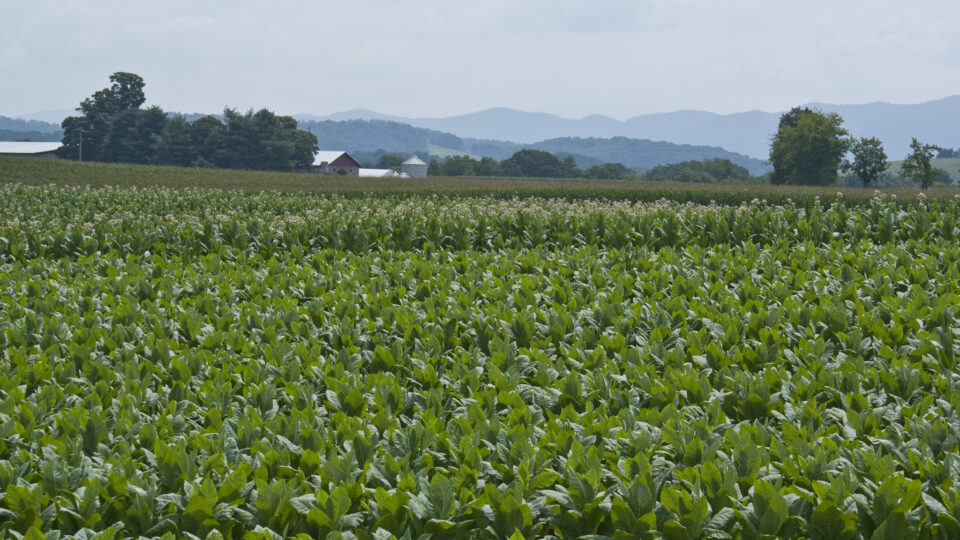
In a recent study published in the journal RSC Advances, Salk scientists transformed tobacco and corn husks into silicon carbide and evaluated and quantified the benefits of the process.

The researchers used a previously reported method to transform plant matter into silicon carbide in three stages and carefully tracked the carbon utilization at each stage.

Stage one is growing the plants.  They used tobacco from seed, chosen for its short growing season.  Then the harvested plants are frozen, ground into a powder, and treated with chemicals including a silicon-containing compound.  Finally, the powder is subjected to a high-temperature process resulting in the production of silicon carbide.

Their analysis showed that much of the carbon sequestered by growing the plants could be preserved through the full process and the amount of energy required for the production of the silicon carbide (mostly from the high-temperature process) is comparable to current manufacturing processes for the material.

Permanently sequestering carbon from agricultural waste products by incorporating it into a valuable industrial material would be a valuable addition to strategies for reducing greenhouse gases in the atmosphere.

**********

Web Links

Transforming Atmospheric Carbon Into Industrially Useful Materials

Photo, posted August 3, 2013, courtesy of AJ Garrison via Flickr.

Earth Wise is a production of WAMC Northeast Public Radio.
Overwintering Fires | Earth Wise

July 6, 2021 By EarthWise Leave a Comment

Early detection of overwintering fires could help with fire management

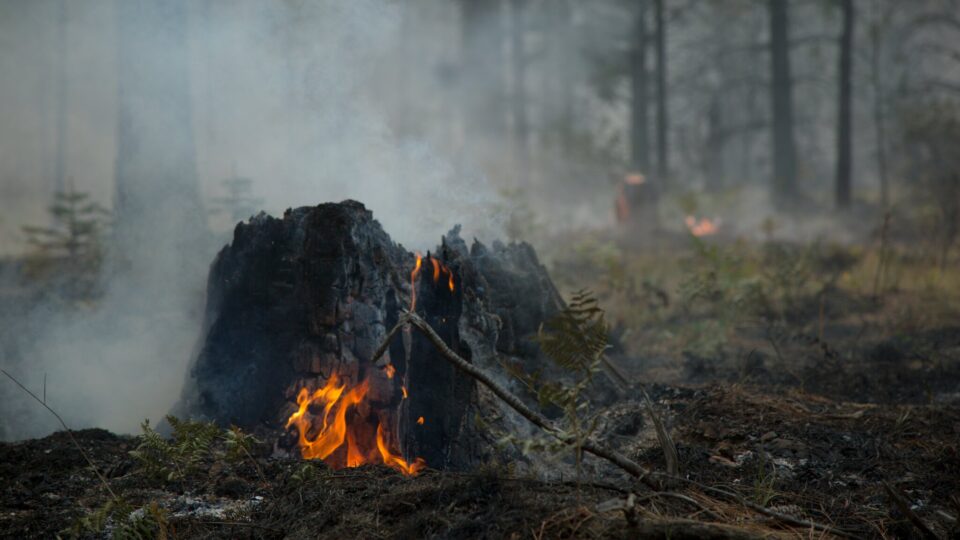
Fires that go on for long periods of time, surviving the snow and rain of winter to reemerge in the spring, are becoming more common in high northern latitudes as the climate warms.  Such fires are called holdover fires, hibernating fires, overwintering fires, or even zombie fires.  Whatever people choose to call them, this type of wildfire is occurring more often.

These smoldering fires start out as flaming fires but then enter an energy-saver mode.  They start above ground but then smolder in the soil or under tree roots through the winter.  They barely survive based on the oxygen and fuel resources that they have but can transition back into flaming fires once conditions are more favorable.

Dutch researchers used ground-based data with fire detection data from NASA’s Moderate Resolution Imaging Spectroradiometer instruments on the Terra and Aqua satellites to study fires in the boreal forests of Alaska and Canada’s Northwest Territories.  They found a way to identify overwintering fires based on their unique characteristics.  

Their data indicates that overwintering fires tend to be linked to high summer temperatures and large fire seasons.  Between 2002 and 2018, overwintering fires generally accounted for a small amount of the total burned area in the region but in individual years with hot and severe fire seasons, the number can escalate.  In 2008 in Alaska, for example, overwintering fires accounted for nearly 40% of the burned area.

Early detection of these overwintering fires could help with fire management and reduce the amount of carbon – which is stored in large amounts in the region’s organic soils – that gets released to the atmosphere during fires.

**********

Web Links

Overwintering Fires on the Rise

Photo, posted September 14, 2017, courtesy of Andrew R. Mitchell/USDA via Flickr.

Earth Wise is a production of WAMC Northeast Public Radio.
Greenland Becoming Darker | Earth Wise

July 5, 2021 By EarthWise Leave a Comment

Greenland is becoming darker and warmer

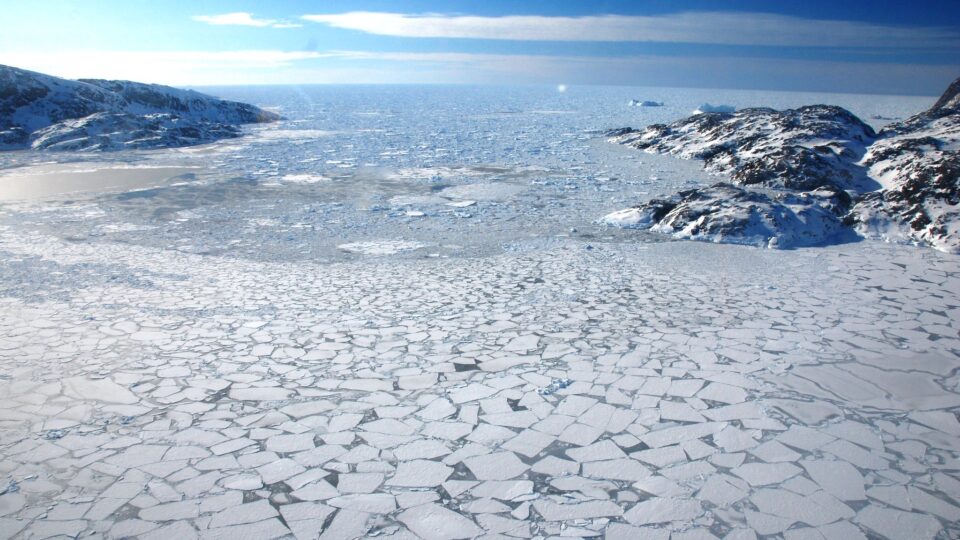
According to research published by Dartmouth University, a weather pattern that pushes snowfall away from parts of Greenland’s ice sheet is causing the continent to become darker and warmer.

Reducing the amount of fresh, lighter-colored snow exposes older, darker snow on the surface of Greenland’s ice sheets.  Fresh snow is the brightest and whitest. The reflectivity of snow decreases fairly quickly as it ages. This decrease in albedo – or reflectivity – allows the ice sheet to absorb more heat and therefore melt more quickly. 

The research attributes the decrease in snowfall in Greenland to a phenomenon called atmospheric blocking in which persistent high-pressure systems hover over the ice sheet for up to weeks at a time.  Such systems have increased over Greenland since the mid-1990s.  They push snowstorms to the north, hold warmer air over Western Greenland, and reduce light-blocking cloud cover.

All of this contributes to Greenland melting faster and faster.  According to research cited in the study, the Greenland ice sheet has warmed by nearly 5 degrees Fahrenheit since 1982.  Overall, Greenland is experiencing the greatest melt and runoff rates in the last 450 years, at the minimum, and quite likely the greatest rates in the last 7,000 years.

The Greenland ice sheet is the second largest ice body in the world, after the Antarctic ice sheet.  It is 1,800 miles long and about 700 miles wide at its greatest width.  Its thickness is between 1.2 and 1.9 miles.  If the entire sheet were to melt, it would lead to a global sea level rise of 24 feet.  So, the darkening of Greenland is a source of great concern.

**********

Web Links

Greenland Becoming Darker, Warmer as Snow Changes

Photo, posted April 3, 2012, courtesy of Francesco Paroni Sterbini via Flickr.

Earth Wise is a production of WAMC Northeast Public Radio.
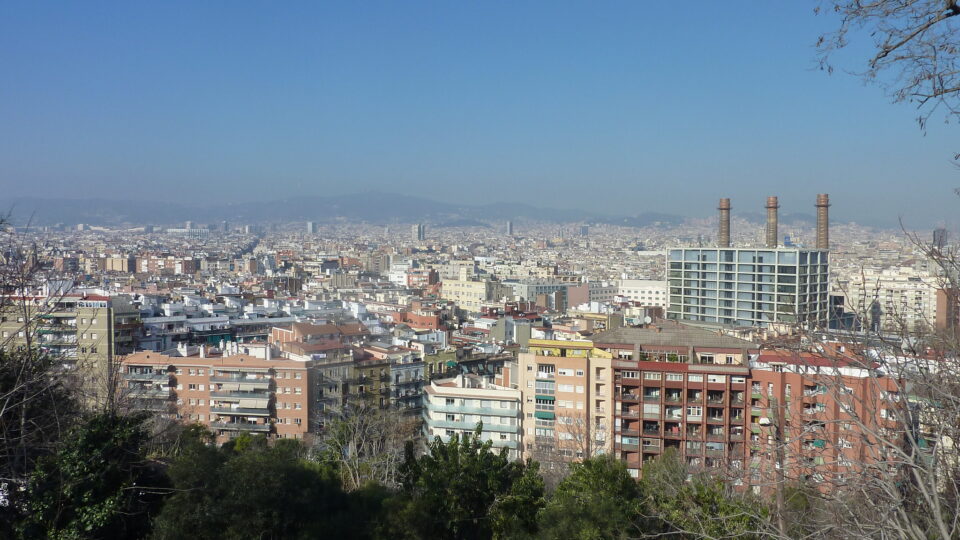
Strategies To Cool Off Cities | Earth Wise

July 2, 2021 By EarthWise Leave a Comment

Effective strategies to naturally cool cities

Heatwaves in cities are becoming increasingly common and increasingly intense.  The warming climate is a big factor, but it is the nature of our cities that really drives up temperatures.  Solar radiation stored throughout the day on asphalt and buildings is released slowly during the night, which generates significant heat stress.

A study carried out by a major Barcelona university and published in the journal Urban Climate looked at the effectiveness of various ways to mitigate the heating effects in cities.  In particular, the study examined the effects of the use of white roofs on buildings and the expansion of urban green areas with daily irrigation in the Barcelona metropolitan area.  It simulated various scenarios incorporating combinations of these two mitigation strategies.

The strategy with the greatest impact was a combination of the use of both white roofs and the addition of six urban parks, which is a target set by the Barcelona Urban Master Plan.  This scenario resulted in an average temperature reduction of 2.25 degrees Fahrenheit.  The maximum reduction occurs during the mid-afternoon with a reduction of 7 degrees and the combination still provides more than 3 degrees of reduction at 9 pm.  Reducing temperatures this way also results in a reduction in energy consumption, with 26% less spending on air conditioning.

The 2-pronged strategy combines the benefits of reducing the temperature at night due to more urban green areas with the reduction of daytime heat due to both the increased reflectivity of white roofs as well as the irrigation of the green areas.

The study demonstrates how modeling efforts can help urban planners to counteract the impacts of heatwaves, which are likely to increase with climate change and intensification of urbanization.

**********

Web Links

White roofs and more green areas would mitigate the effects of heat waves in cities

Photo, posted January 16, 2011, courtesy of Sean MacEntee via Flickr.

Earth Wise is a production of WAMC Northeast Public Radio.
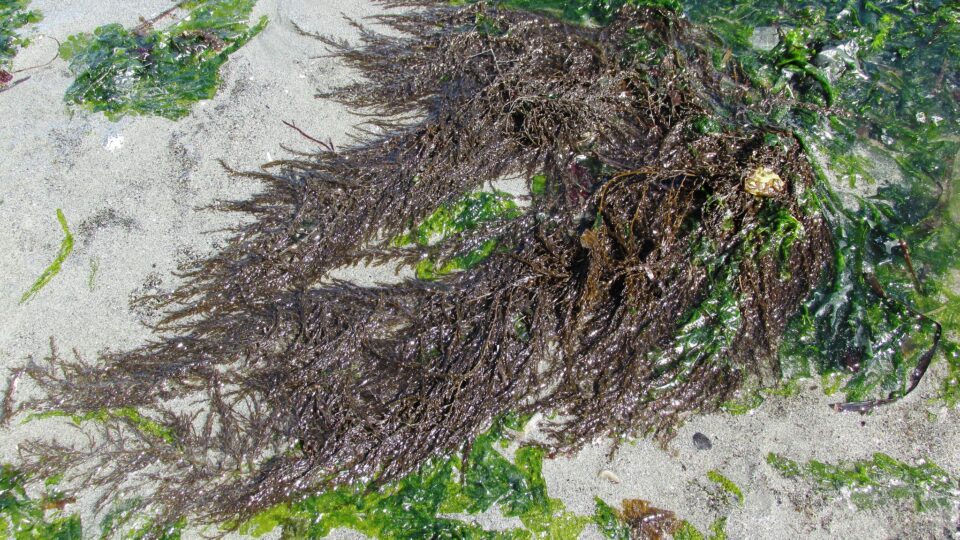
The World’s Largest Harmful Algal Bloom | Earth Wise

July 1, 2021 By EarthWise Leave a Comment

Increase in nitrogen is leading to an explosion of brown sargassum seaweed

Brown sargassum seaweed floats in surface water in a bloom that stretches all the way from West Africa to the Gulf of Mexico.  Sargassum provides habitat for turtles, crabs, fish, and birds.

The stuff carpets beaches along the tropical Atlantic, the Caribbean Sea, the Gulf of Mexico, and the east coast of Florida disrupting tourism.  Florida’s Miami-Dade County alone spends $45 million a year cleaning up sargassum.  Annual Caribbean clean-up is in excess of $120 million.

A study by Florida Atlantic University has discovered dramatic changes in the chemistry and composition of sargassum which has transformed the so-called Great Atlantic Sargassum Belt into a toxic dead zone.

The findings of the study suggest that increased nitrogen availability from both natural and human-generated sources, including sewage, is supporting blooms of sargassum and turning a critical marine nursery habitat into harmful algal blooms with catastrophic impacts on coastal ecosystems, economies, and human health.

The study found that today’s sargassum tissues compared with those of the 1980s have 35% more nitrogen content and 42% less phosphorus.  Much of the nitrogen increase is a result of agricultural and industrial runoff from the Congo, Amazon, and Mississippi Rivers. 

The fact that the bloom itself has expanded so tremendously was already suspected to be the result of significant changes in the ocean’s chemistry.  Given the negative effect that the Great Atlantic Sargassum Belt is having on the coastal communities, additional research is essential to guide mitigation and adaptation efforts.

**********

Web Links

Sargassum now world’s largest harmful algal bloom due to nitrogen

Photo, posted June 5, 2016, courtesy of J Brew via Flickr.

Earth Wise is a production of WAMC Northeast Public Radio.
Surviving Climate Change | Earth Wise

June 30, 2021 By EarthWise Leave a Comment

What species will survive climate change?

The sixth mass extinction of wildlife on Earth is happening now.  According to an analysis published last year in the journal Proceedings of the National Academy of Sciences, more than 500 species of land animals are on the brink of extinction and are likely to be lost within the next 20 years. Without the impact of humans, this quantity of extinctions would have taken thousands of years. 

Anthropogenic climate change continues to exacerbate problems that drive species to the brink.  Which species will be able to adapt and survive?

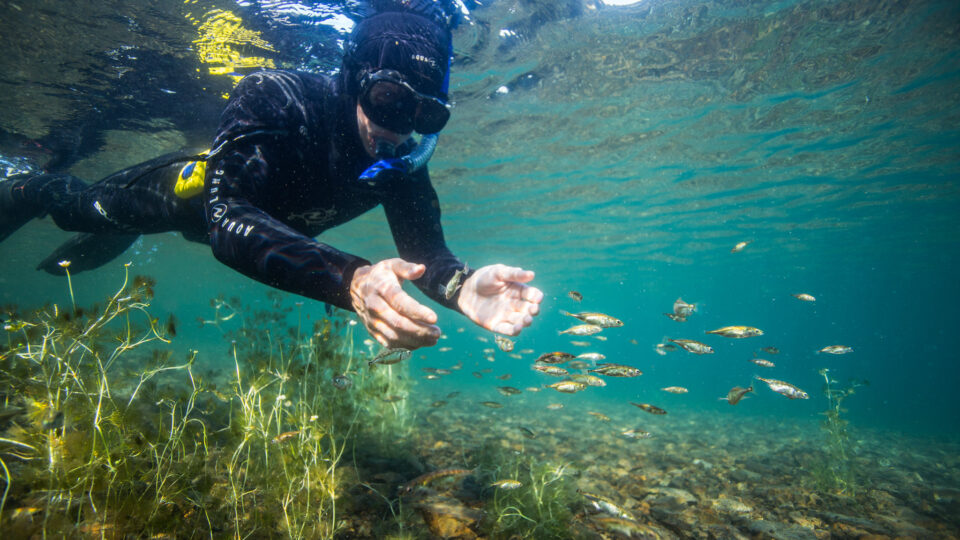
Using genome sequencing, a research team from McGill University in Montreal has found that some fish, like the threespine stickleback, can adapt very rapidly to extreme seasonal changes. Known for their different shapes, sizes, and behaviors, stickleback fish can live in both saltwater and freshwater, and can tolerate a wide range of temperatures.

Stickleback fish, which can be found in different estuaries along coastal California, provided researchers with an opportunity to study natural selection in real-time.  The researchers analyzed six populations of threespine stickleback fish before and after seasonal changes to their environment.   The research team discovered evidence of genetic changes driven by the seasonal shifts in habitat that mirrored the differences found between long-established freshwater and saltwater populations.  Since these genetic changes occurred in independent populations over a single season, the study highlights just how quickly the effects of natural selection can be detected. 

These findings suggest that scientists may be able to use the genetic differences that evolved in the past as a way to predict how species may adapt to climate change in the future.

**********

Web Links

Which animals will survive climate change?

Sixth Mass Extinction of Wildlife Accelerating- Study

Photo, posted August 3, 2015, courtesy of Jason Ching/University of Washington via Flickr.

Earth Wise is a production of WAMC Northeast Public Radio.
Record Carbon Dioxide Levels | Earth Wise

June 29, 2021 By EarthWise Leave a Comment

Carbon dioxide levels set another record despite pandemic shutdowns

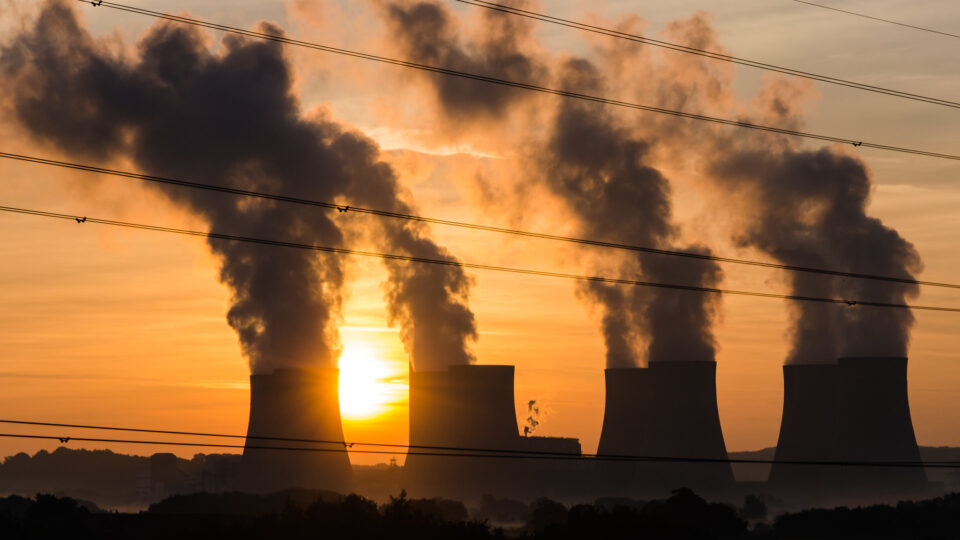
The coronavirus pandemic caused a temporary dip in the burning of fossil fuels around the world as many human activities were diminished or curtailed entirely.  Despite this, the amount of carbon dioxide in the atmosphere set a record in May, reaching the highest levels in human history.

Scientific instruments atop the Mauna Loa volcano in Hawaii measured an average of 419 parts per million for the month, according to analysis from both the Scripps Institution of Oceanography and the National Oceanic and Atmospheric Administration.

This level is about half a percent more than the previous record of 417 ppm, set in May of 2020.  Carbon dioxide is the largest greenhouse gas contributor driving global warming and, according to scientists, there hasn’t been this much of it in the atmosphere for millions of years.

Global emissions of carbon dioxide were actually 5.8 percent lower in 2020 than 2019, as a result of pandemic lockdowns.  This was the largest one-year drop ever recorded.  But humanity was still responsible for emitting more than 31 billion tons of carbon dioxide last year.  About half of that CO2 is absorbed by the world’s trees and oceans, but the other half lingers in the atmosphere for thousands of years, gradually warming the planet via the greenhouse effect.

As long as we keep emitting carbon dioxide, it is going to continue to pile up in the atmosphere.  The only way to stop it is for the world’s nations to zero out their net emissions, mostly by switching away from fossil fuels to technologies that do not emit carbon dioxide, such as electric vehicles fueled by wind, solar, or nuclear power.

**********

Web Links

Carbon Dioxide in Atmosphere Hits Record High Despite Pandemic Dip

Photo, posted August 7, 2013, courtesy of Gerry Machen via Flickr.

Earth Wise is a production of WAMC Northeast Public Radio.
California Offshore Wind | Earth Wise

June 28, 2021 By EarthWise Leave a Comment

Increasing support for California offshore wind

Offshore wind has been pretty much a non-starter in the U.S. until recently.  Now there is considerable activity in the Northeast Atlantic with major projects getting started off the coasts of Massachusetts, New York, and other eastern states.  The prospects for wind farms in the Pacific, on the other hand, have been pretty dismal.  There are significant logistical problems posed by a deep ocean floor and also opposition from the Navy that does not want obstacles for its ships.

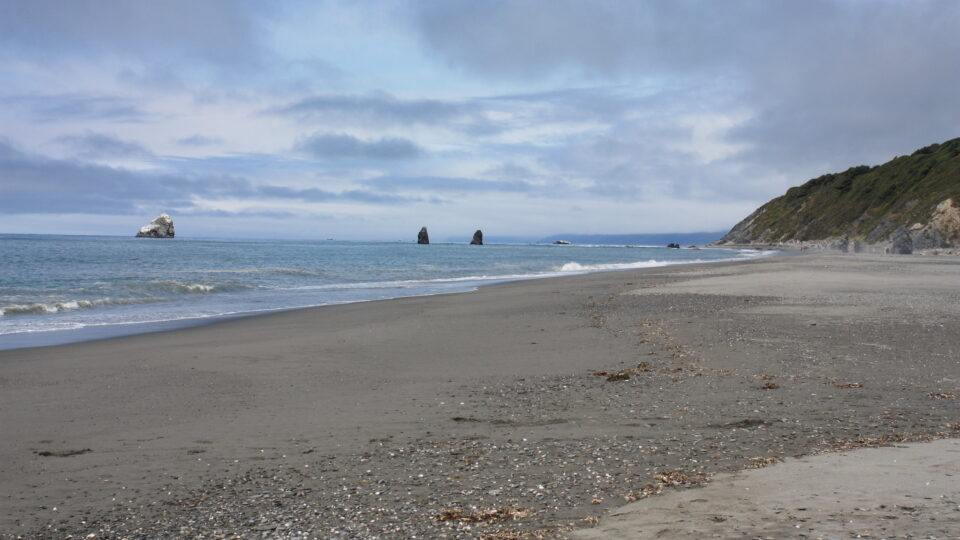
A combination of progress in floating wind turbine technology and the arrival of an administration highly supportive of renewable energy technology has changed the situation.  In late May, the Navy abandoned its opposition to Pacific offshore wind and joined the Interior Department in giving support to allowing two areas off the California coast to be developed for wind turbines.

The plan allows commercial offshore wind farms in a 400-square-mile area in Morro Bay in central California, and in another area off the Humboldt Coast in Northern California.

The two California sites could support enough wind turbines to generate electricity to power 1.6 million homes.  That would make the California coast one of the largest generators of wind power in the world.  The forthcoming Vineyard Wind farm in Massachusetts is expected to have 84 giant turbines.  The two California sites could hold more than 300 turbines.

The offshore wind industry is booming around the world, especially near the coasts of Norway and the UK, where the water is shallow, and turbines can be anchored to the ocean floor.  By contrast, the Pacific Ocean floor drops steeply from the coastline, making it too deep to anchor wind towers.  The newly emerging technology of floating turbines is the key to establishing offshore wind in the Pacific.

**********

Web Links

Biden Opens California’s Coast to Wind Farms

Photo, posted August 7, 2013, courtesy of Ray Bouknight via Flickr.

Earth Wise is a production of WAMC Northeast Public Radio.
Vanishing Kelp Forests | Earth Wise

June 25, 2021 By EarthWise Leave a Comment

Bull kelp forests in California are disappearing

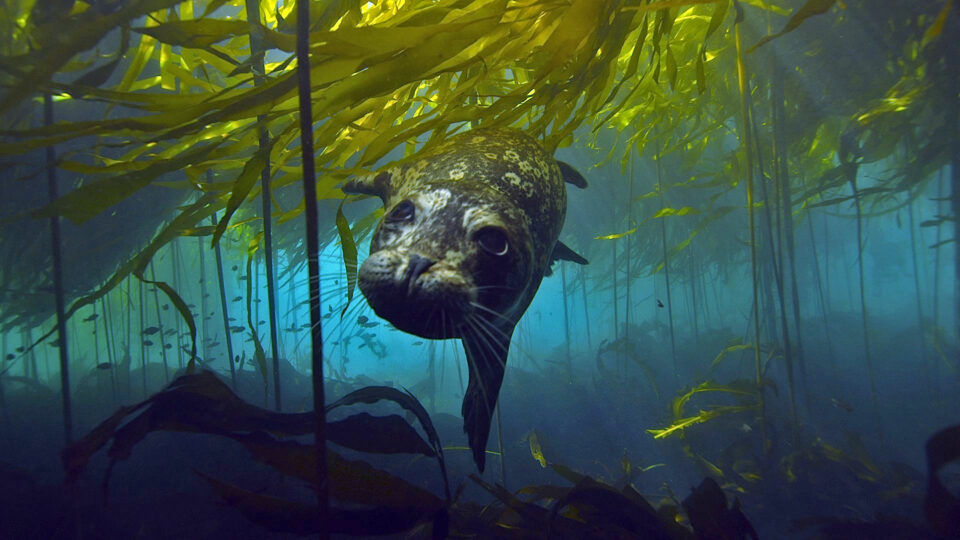
Bull kelp is the dominant species in offshore kelp forests north of Santa Cruz, California along the west coast of North America.  Bull kelp has similar physical structures to terrestrial plants; it anchors to the ocean floor with root-like structures called holdfasts, and has stem-like structures called stipes from which leaf-like blades stretch out through the water, absorbing nutrients and sunshine.

These giant seaweeds form lush underwater forests in northern California’s coastal waters and have long provided critical habitat for many species like salmon, crabs, and jellyfish.  But now, for much of the California coast, only a few patches of bull kelp remain.

A team from University of California Santa Cruz has studied satellite images of about 200 miles of coastline.  They found that starting in 2014, the area covered by kelp has dropped by more than 95%. 

The die-off was driven in part by an underwater heat wave that depleted nutrients in the water and made it harder for the kelp to grow.  Making matters much worse, populations of purple sea urchins, which eat kelp, have exploded in the region because of overfishing and other reductions in urchin predators such as sea otters.  The sea urchins eat kelp holdfasts, creating so-called urchin barrens where their destructive grazing has decimated kelp forests.

Bull kelp is a species at high risk of becoming endangered.  In coming decades, more marine heatwaves are expected.  These events as well as stronger El Niños will become more common and frequent with climate change.  Between these thermal events and the sea urchins, it will be difficult for kelp forests to survive.

**********

Web Links

Ninety-five percent of bull kelp forests have vanished from 200-mile stretch of California coast

Photo, posted October 28, 2015, courtesy of Florian Graner/Green Fire Productions via Flickr.

Earth Wise is a production of WAMC Northeast Public Radio.

  • « Go to Previous Page
  • Page 1
  • Interim pages omitted …
  • Page 8
  • Page 9
  • Page 10
  • Page 11
  • Page 12
  • Interim pages omitted …
  • Page 63
  • Go to Next Page »

Primary Sidebar

Recent Episodes

  • An uninsurable future
  • Clean energy and jobs
  • Insect declines in remote regions
  • Fossil fuel producing nations ignoring climate goals
  • Trouble for clownfishes

WAMC Northeast Public Radio

WAMC/Northeast Public Radio is a regional public radio network serving parts of seven northeastern states (more...)

Copyright © 2026 ·