
• Skip to primary navigation
  • Skip to main content
  • Skip to primary sidebar

Earth Wise

A look at our changing environment.

  • Home
  • About Earth Wise
  • Where to Listen
  • All Articles
  • Show Search
Hide Search
You are here: Home / Archives for Earth Wise

Earth Wise

A Tough Day For Big Oil | Earth Wise

June 24, 2021 By EarthWise Leave a Comment

Big blows for Big Oil

May 26th was a difficult day for big oil.  Three major setbacks for the industry occurred on the same day.

A Dutch court ruled in a case against Shell, ordering the company to cut emissions by 2030 in accordance with the goals of the Paris Climate Agreement.  The case was brought by climate activists, ultimately comprising 17,000 co-plaintiffs.  The ruling will probably be appealed but it does represent a major precedent for holding polluters accountable for their actions.

That same day, shareholders of ExxonMobil replaced at least two of the company’s board members with candidates dedicated to decarbonizing the company. Having two board seats filled by climate supporters is not likely to radically transform the company, but it is a powerful rebuke of Exxon’s iconic business model of “drill, baby, drill”.

Finally, Chevron’s shareholder meeting on May 26th saw 61% of shareholders voting for the company to reduce its so-called Scope 3 emissions, meaning the pollution from all the fossil fuels it sells.  In addition, 48% of shareholders voted to demand a report on Chevron’s dark money lobbying.  That initiative did not carry, but nevertheless, nearly half of the company’s shareholders expressed concern about how Chevron is corrupting the political process in order to achieve its ends.

These events are examples of mainstream activism where the pressure on fossil fuel companies is not just coming from the usual environmental activists but rather from shareholders, who after all actually own the companies.  The fossil fuel industry still wields enormous power, but it appears increasingly possible to challenge it and even to win.

**********

Web Links

A landmark day in the fight against fossil fuels

Photo, posted August 15, 2014, courtesy of Mike Mozart via Flickr.

Earth Wise is a production of WAMC Northeast Public Radio.

A Promising Malaria Vaccine | Earth Wise

June 23, 2021 By EarthWise Leave a Comment

A promising vaccine in the fight against malaria

Malaria is a parasitic disease transmitted through the bite of female Anopheles mosquitoes.  Although the disease is both preventable and treatable, an estimated 435,000 people die of it each year, with the majority being children younger than five.  Over 90% of all malaria cases and deaths occur in Africa.

The battle against malaria has mostly centered around the use of bed nets, insecticide spraying and antimalarial drugs.  To date, there has not been an effective malaria vaccine available.

That may finally be changing.  The first vaccinations have begun in Mali in a phase III trial of a malaria vaccine developed by the University of Oxford.  The Oxford vaccine showed an efficacy of 77% over 12 months in a phase IIb trial and the hope is that the phase III trial will lead to the licensing of the vaccine in 2023. 

Oxford is partnering with the Serum Institute of India for the manufacturing of the vaccine in order to be able to produce high volumes of low-cost vaccine and provide access to countries where it is required the most.  The Serum Institute has committed to the production of more than 200 million doses per year once the vaccine is licensed for use, which will be an adequate supply for children most at risk of malaria in sub-Saharan Africa.

The World Health Organization Malaria Vaccine Technology Roadmap has a goal of a malaria vaccine with at least 75% efficacy.  Such a vaccine is needed in order to reach the WHO’s goal of reducing malaria deaths by at least 90% by 2030.

**********

Web Links

Promising malaria vaccine enters final stage of clinical testing in West Africa

Photo, posted June 9, 2018, courtesy of Mario Yordanov via Flickr.

Earth Wise is a production of WAMC Northeast Public Radio.
Utility-Scale Solar In Upstate New York | Earth Wise

June 22, 2021 By EarthWise 2 Comments

utility scale solar projects to generate jobs and profits to upstate ny communities

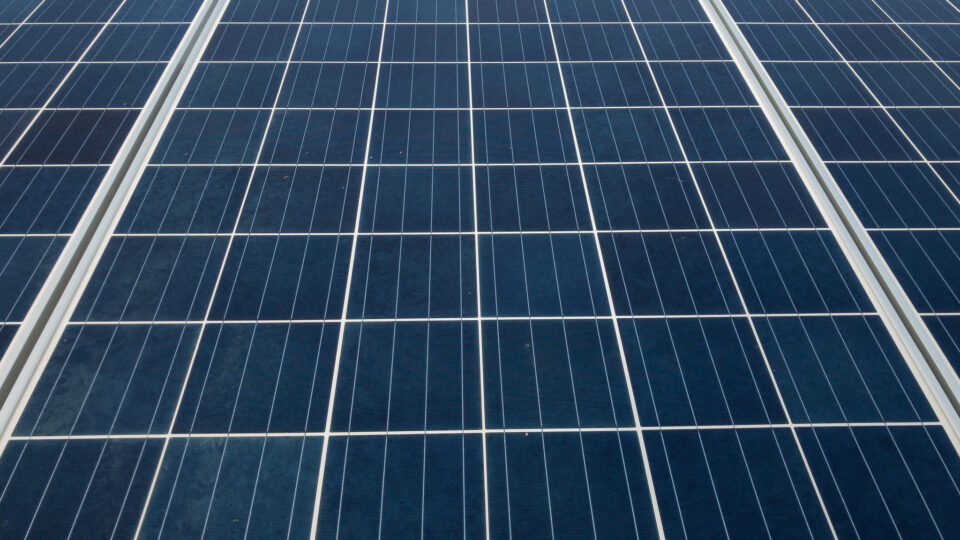
The first operational utility-scale solar projects in upstate New York are expected to commence commercial operations by the end of this year.  A portfolio of eight projects comprising over 200 megawatts of generating capacity is being developed by CS Energy in partnership with Goldman Sachs Renewable Power Group and NYSERDA.

The projects include three 27-megawatt installations in the Capital Region – in Easton and Stillwater, three 27-megawatt installations in the Mohawk Valley – in Mohawk and Pattersonville, and two 27-megawatt installations in the Southern Tier – in Willet and Greene.

The projects will support more than 500 jobs and represent more than $160 million of private investment that is expected to generate over $80 million in benefits to local communities and regions.  Those benefits will come to local landowners, property tax jurisdictions, and to local contractors who will provide ongoing operations and maintenance support for the projects.

The projects are the result of New York’s Clean Energy Standard, established in 2016 as well as 2019’s Climate Leadership and Community Protection Act.  These initiatives made commitments that 70% of the electricity consumed in New York would be generated by renewable energy sources by 2030. 

CS Energy has built over 150 megawatts of solar projects in New York to date.  By the end of this year, that number will be close to 500 megawatts.  CS Energy recently opened a regional headquarters in Albany to further support the company’s growth. The Goldman Sachs Renewable Power Group owns and operates more than 2.3 gigawatts of clean power across the country.

**********

Web Links

Upstate New York’s first utility-scale solar projects set to come online this year

Photo, posted October 16, 2019, courtesy of Jonathan Cutrer via Flickr.

Earth Wise is a production of WAMC Northeast Public Radio.

Protecting The Ocean Has Multiple Benefits | Earth Wise

June 21, 2021 By EarthWise Leave a Comment

The benefits of protecting the ocean

An international team of authors from 18 institutions has recently published a paper in the journal Nature that offers a solution that addresses several of humanity’s most pressing problems at the same time.  The paper provides a comprehensive assessment of where strict ocean protection can contribute to a more abundant supply of healthy seafood, help address climate change, and protect embattled species and habitats.

The study identified specific areas of the ocean that could provide all of these benefits if they were protected.  Currently, only about 7% of the ocean is under any kind of protection.  According to the study, if the appropriate 30% of the ocean was protected by the actions of the relevant countries by 2030, the cited benefits would be realized.

Safeguarding these regions would protect nearly 80% of marine species while increasing fishing catches by almost 9 million tons a year. It would also prevent the release of more than 1 billion tons of carbon dioxide by protecting the seafloor from bottom trawling, which is a widespread and destructive fishing practice.

Ocean life has been declining worldwide because of overfishing, habitat destruction, and climate change.  The study pioneers a new way to identify the places that – if protected – will boost food production and safeguard marine life, while at the same time reducing carbon emissions.  The study finds that countries with large national waters and large industrial trawl fisheries have the highest potential to contribute to climate change mitigation by protecting the carbon stored on the ocean floor.  The ocean covers 70% of the Earth and its importance in solving the challenges of our time must not be underestimated.

**********

Web Links

Three Times the Gains

Photo, posted January 10, 2016, courtesy of Hafsteinn Robertsson via Flickr.

Earth Wise is a production of WAMC Northeast Public Radio.

The World’s Largest Tidal Device | Earth Wise

June 18, 2021 By EarthWise Leave a Comment

the world's largest tidal power device will be operational soon

Most of the world’s activity in renewable energy is focused on solar and wind power.  The use of both is expanding rapidly. But there is also marine energy to be exploited.  Ocean waves and tidal movements hold huge amounts of energy.  Estimates are that the European Union could get 15% of its power from marine sources.  But ocean energy is currently expensive and there are significant technical challenges still to be overcome.

The world’s largest tidal power device will soon begin testing off the coast of Scotland.  The 680-ton, 240-foot-long, airplane-shaped device will be connected to the European Marine Energy Center for testing. 

The device, built by the Scottish company Orbital Marine Power, is designed to produce 2 megawatts of electricity, enough to power 2,000 homes.   It has a pair of 52-foot-long turbines attached to two wings.

Compared to wind and solar power, the marine energy sector has been much slower to develop because of the many difficulties of working in harsh marine environments as well as the technical challenges associated with harnessing power from waves and tides. But ocean waves and tidal movements hold enormous amounts of energy and have the advantage that they are available at all times, unlike wind and solar energy, which are variable in nature. 

Experts say that the future of tidal energy lies with arrays of floating or sea-bottom-mounted turbines that capture the energy of tidal currents in unobstructed waters.  There are various places around the world where this is an attractive opportunity, most notably in Nova Scotia’s Bay of Fundy, where the world’s most extreme tides – rising and falling more than 50 feet – contain vast amounts of power.

**********

Web Links

The World’s Largest Tidal Power Device Will Soon Begin Testing Off Scotland

Photo, posted May 18, 2017, courtesy of Chris via Flickr.

Earth Wise is a production of WAMC Northeast Public Radio.

Forests And Climate Change | Earth Wise

June 17, 2021 By EarthWise Leave a Comment

Planting new trees is not enough to mitigate climate change

A carbon sink is anything that absorbs more carbon from the atmosphere than it releases.  Examples of carbon sinks include the ocean, soil, and plants.  In contrast, a carbon source is anything that releases more carbon into the atmosphere than it absorbs.  Volcanic eruptions and burning fossil fuels are two examples.

Forests are among the most important carbon sinks.  Trees remove carbon from the air and store it in their trunks, branches, and leaves, and transfer some of it into the soil.  But in many regions, deforestation, forest degradation, and the impacts of climate change are weakening these carbon sinks. As a result, some climate activists advocate for large-scale tree-planting campaigns as a way to remove heat-trapping CO2 from the atmosphere and help mitigate climate change. 

But according to a new study recently published in the journal Science, planting new trees as a substitute for the direct reduction of greenhouse gas emissions could be a pipe dream.  While planting trees is easy, inexpensive, and can help slow climate warming, the ongoing warming would be simultaneously causing the loss of other trees.  Instead, the research team says it makes more sense to focus on keeping existing forests healthy so they can continue to act as carbon sinks, and to reduce emissions as much as possible and as quickly as possible.        

But keeping forests healthy will require a paradigm shift in forest management.  Instead of trying to maintain forests as they were in the 20th century, the research team says forests need to be managed proactively for the changes that can be anticipated. 

One thing is clear: We cannot plant our way out of the climate crisis.

**********

Web Links

Forests and climate change: ‘We can’t plant our way out of the climate crisis’

Photo, posted August 9, 2015, courtesy of Nicholas A. Tonelli via Flickr.

Earth Wise is a production of WAMC Northeast Public Radio.

Saving Coffee From Global Warming | Earth Wise

June 16, 2021 By EarthWise Leave a Comment

How to save coffee from climate change

The global coffee market is valued at over $450 billion a year and supports the economies of several tropical countries.  About 100 million farmers depend upon coffee for their livelihoods. 

Coffee bushes grow best in a narrow range of temperatures.  The existing coffee market is dominated by two species Coffea arabica and Coffea canephora, the latter commonly called robusta.  Arabica, the most preferred coffee, thrives in average temperatures between 64 and 72 degrees Fahrenheit.  Robusta does not flourish above 75 degrees.  Therefore, the warming climate is making growing coffee increasingly difficult.

There are actually well over 100 species of coffee.  Many of them grow in warmer places than those preferred by robusta and arabica, but are considered to have poorer flavors, smaller beans, and lower yields.

Researchers at the Royal Botanic Gardens in Britain came across a paper written in 1834 about a species of coffee from the lowland hills of Sierra Leone called Coffea stenophylla.  According to the paper, stenophylla supposedly has a flavor superior to arabica’s. 

It turns out that stenophylla still grows in parts of Africa with temperature ranges between 75 and 80 degrees.  It was actually farmed until the 1920s but was abandoned because robusta was found to have higher yields.

Extensive taste testing verified the positive attributes of stenophylla.  Whether it should be cultivated directly tolerating potential yield issues or crossbred with existing commercial coffees remains to be determined.  But the prospects for finding more heat tolerant coffees should be encouraging news for coffee addicts.

**********

Web Links

How to save coffee from global warming

Photo, posted October 30, 2012, courtesy of Coffee Management Service via Flickr.

Earth Wise is a production of WAMC Northeast Public Radio.

Sea Turtles And The Sargasso Sea | Earth Wise

June 15, 2021 By EarthWise Leave a Comment

Understanding the migratory patterns of sea turtles

The lifecycle of sea turtles includes a longstanding mystery, often called the “lost years”.  Turtles hatching from nests along Florida’s Atlantic coast head into the ocean and are generally not seen again for several years before they return in their adolescence. Very little is known about where they spend this time in the open ocean.

Researchers at the University of Central Florida have learned that green turtles as well as loggerhead turtles – both iconic species in conservation efforts – may be spending their youth in the legendary Sargasso Sea.  The Sargasso Sea is located off the east coast of the U.S. in the North Atlantic Ocean.  It has frequently been featured in popular culture, such as in the novel Twenty Thousand Leagues Under the Sea, as a place where ships could be trapped in thick mats of floating, brown Sargassum seaweed for which the sea is named.

The researchers tracked the baby turtles by attaching advanced, solar-powered tracking devices, about an inch long, to their shells.  They used a special adhesive that held the devices to the turtle shells but would allow the devices to fall off after a few months causing no harm to the turtles or inhibiting shell growth or behavior.

It was previously thought that baby turtles would passively drift in sea currents and simply ride those currents until their later juvenile years.  The new research shows that the turtles actively orient to go into the Sargasso Sea.

Studies of where turtles go as they develop are fundamental to sound sea turtle conservation.  If we don’t know where turtles are and what parts of the ocean are important to them, we are doing conservation blindfolded.

**********

Web Links

Legendary Sargasso Sea May be Sea Turtles’ Destination during Mysterious ‘Lost Years’

Photo, posted October 23, 2016, courtesy of Kris-Mikael Krister via Flickr.

Earth Wise is a production of WAMC Northeast Public Radio.
Transparent Wood | Earth Wise

June 14, 2021 By EarthWise Leave a Comment

Making eco-friendly transparent wood

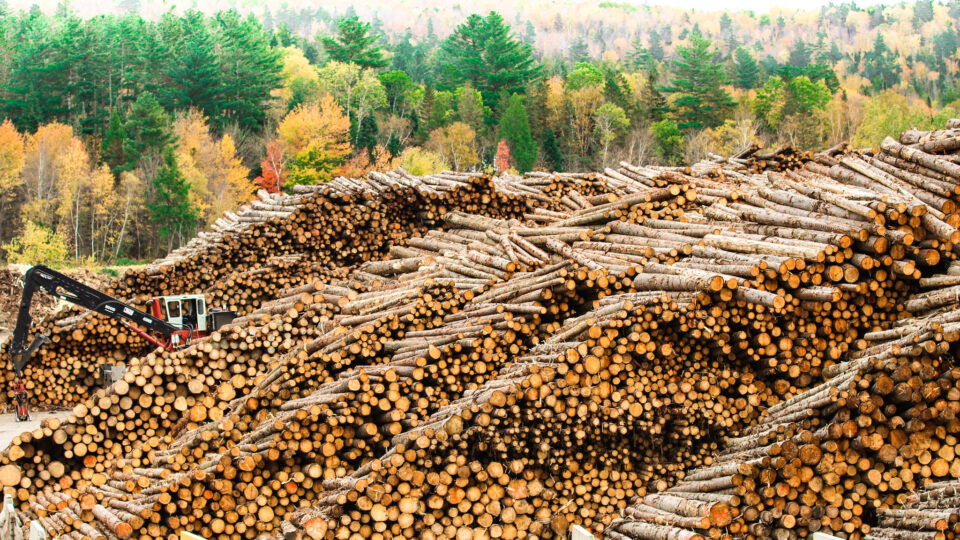
In recent years, there have been efforts to change the nature of wood to give it new properties.  People have demonstrated so-called augmented wood with integrated electronics, energy storage capabilities, and other properties.  Several different groups of researchers have developed wood that is actually transparent.

In 2016, researchers at KTH Royal Institute of Technology in Stockholm demonstrated transparent wood made by selectively extracting lignin – the substance that makes up the cell walls of wood -and replacing it with a polymer.  The result is a new material that is weatherproof, fairly fire resistant, stronger than wood, lighter than wood, and transparent.

When the lignin is removed from wood, the empty pores left behind need to be filled with something that restores the wood’s strength.  The early versions of transparent wood used polymethyl methacrylate – essentially acrylic plastic – for this purpose.  But that material is made from petroleum, so it is not an environmentally desirable approach.

Recently, the KTH researchers have successfully tested an eco-friendly alternative:  limonene acrylate, which is a monomer made from renewable citrus, such as peel waste that can be recycled from the orange juice industry.

There are many potential applications for transparent wood as a structural material.  These include load-bearing windows, skylights, and semi-transparent facades that are strong and thermally insulating and yet permit light to enter. 

Transparent wood would be a very attractive material for many applications in that it comes from renewable sources and offers excellent mechanical properties including strength, toughness, low density, and low thermal conductivity.

**********

Web Links

Citrus derivative makes transparent wood 100 percent renewable

Photo, posted October 12, 2018, courtesy of Mussi Katz via Flickr.

Earth Wise is a production of WAMC Northeast Public Radio.

Insanely Cheap Energy | Earth Wise

June 11, 2021 By EarthWise Leave a Comment

Solar power is cheapest energy option in most places

The International Energy Agency, founded in 1974, keeps track of the world’s energy systems and anticipates how they are likely to change over time.  Policymakers around the world look to the agency’s annual World Energy Outlook publication for guidance.

In 2000, the agency made the prediction that by the year 2020, there would be a total of 18 gigawatts of photovoltaic solar power installed.  Within seven years, that number was already too small.

The IEA was not the only source to miss the mark on solar power.  The head of solar analysis at BloombergNEF in 2005 expected solar to eventually supply 1% of the world’s electricity.  It is already 3% and Bloomberg now predicts that it will be 23% by 2050 and expects that to be an underestimate. 

What has happened is that the world has unexpectedly gotten to the point where solar is the cheapest source of energy in most places.  Over the past decade, every time solar production capacity has doubled, its cost has dropped by 28%.

Historically, a combination of groundbreaking research in Australia and intense Chinese industrial development led to the creation of a massive new industry.  When Germany passed laws encouraging the use of solar power, suddenly there was massive global demand and a struggle to keep up with supply.

The industry had its fits and starts, and many players fell by the wayside.    But at this point, solar technology continues to get better and cheaper.  Market forces are pretty hard to beat and when solar technology can supply insanely cheap energy, it is going to be used in more and more places.

**********

Web Links

‘Insanely cheap energy’: how solar power continues to shock the world

Photo, posted January 10, 2020, courtesy of Tony Webster via Flickr.

Earth Wise is a production of WAMC Northeast Public Radio.

Accelerating Global Glacier Loss | Earth Wise

June 10, 2021 By EarthWise Leave a Comment

Global glacier loss is accelerating

Glaciers represent the snows of centuries compressed over time to form flowing rivers of ice.  Glaciers always change, accumulating snow in the winter and losing ice to melting in the summer.  But in recent times, the melting has been outpacing the accumulation.

Glaciers are a sensitive indicator of climate change.  They have been melting at a high rate since the mid-20th century – regardless of altitude or latitude. But up until recently, the full extent of glacial ice loss has only been partially measured and understood.

Now, according to new research led by scientists from ETH Zurich in Switzerland and the University of Toulouse in France, nearly all the world’s glaciers are becoming thinner and losing mass.  And the changes are accelerating.  The study, which is the most comprehensive and accurate of its kind to date, is the first to include all the world’s glaciers – around 220,000 in total – excluding the Greenland and Antarctic ice sheets. The research team’s findings were recently published in the journal Nature.

Between 2000 and 2019, the world’s glaciers lost an average of more than 294 billion tons of ice per year.  Between 2000 and 2004, glaciers lost an average of about 250 billion tons of ice each year.  But between 2015 and 2019, ice mass loss jumped up to an average of approximately 328 billion tons annually.    

Glacial melt is responsible for 21% of the observed sea level rise during this two decade time period studied.

This research is just another reminder of how we need to act urgently if we want to prevent the worst-case climate change scenario from becoming a reality. 

**********

Web Links

Global glacier retreat has accelerated

Photo, posted September 17, 2015, courtesy of Richard Whitaker via Flickr.

Earth Wise is a production of WAMC Northeast Public Radio.
A Dangerous Fire Season | Earth Wise

June 9, 2021 By EarthWise Leave a Comment

Drought conditions expected to cause worse fire season

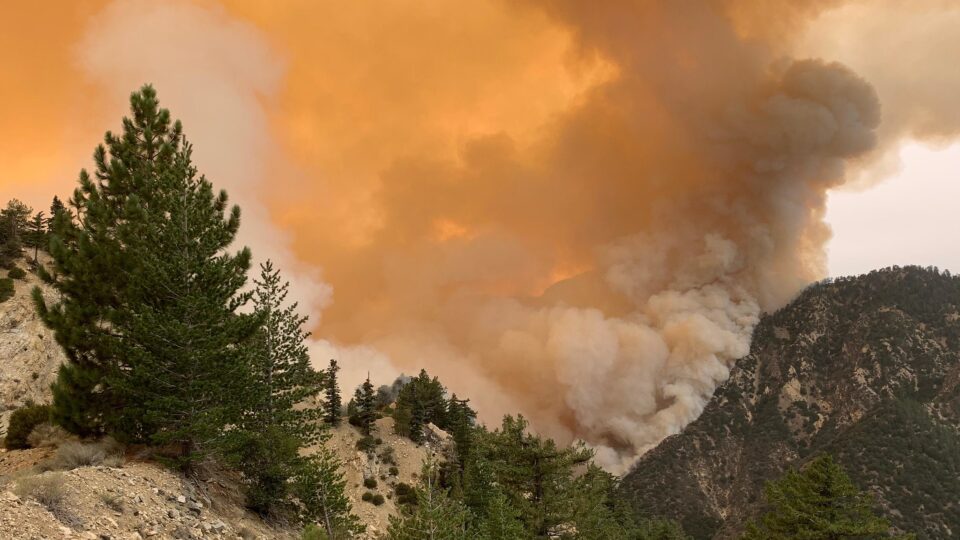
The western United States is entering the fire season under much worse drought conditions than last year.  Last year, 15,800 square miles burned in the U.S., mostly in the West.

The western U.S. is in the midst of a 20-year mega-drought.  Rainfall in the Rocky Mountains and farther west was the second lowest on record this April.  The soil in the western half of the country is the driest it has been since 1895.

The situation is particularly bad in California and the Southwest.  In March, less than a third of California was experiencing extreme or exceptional drought.  Now, 73% of the state is.  A year ago, a record-breaking fire season burned 4% of the state and, at that time, only 3% of California was in a state of extreme drought.

A year ago, no parts of Arizona, Nevada, or Utah were in extreme or exceptional drought.  Now, more than 90% of Utah, 86% of Arizona, and 75% of Nevada face severe drought conditions.  At this time last year, only 4% of New Mexico faced extreme drought but 77% does now.

These extreme drought conditions, which are believed to be linked to climate change, are causing increased tree mortality among many species, ranging from junipers in the Southwest even to drought-tolerant blue oaks in the San Francisco Bay Area.

Conditions are extremely ripe for a lot of forest fire this year.  Last year was a terrible year for wildfires in the West and we are heading into a fire season with much drier fuels than there were last year.  The risks of great damage from wildfires are higher than ever.

**********

Web Links

US West Enters Fire Season Facing Extremely Dry Conditions

Photo, posted September 18, 2020, courtesy of USFS/National Interagency Fire Center via Flickr.

Earth Wise is a production of WAMC Northeast Public Radio.
Floating Solar In New York’s Capital Region | Earth Wise

June 8, 2021 By EarthWise Leave a Comment

Co-developing land for both solar and solar power could provide huge benefits with minimal costs

We have previously talked about installing solar arrays on the surface of bodies of water.  The idea is especially attractive in places like Japan where land resources are scarce.  There are several floating solar installations in the UK and the idea is starting to catch on elsewhere as well.

It is quite possible that the largest municipally owned floating solar array may get built in the city of Cohoes in New York’s Capital Region if a project under consideration for federal funding moves forward.

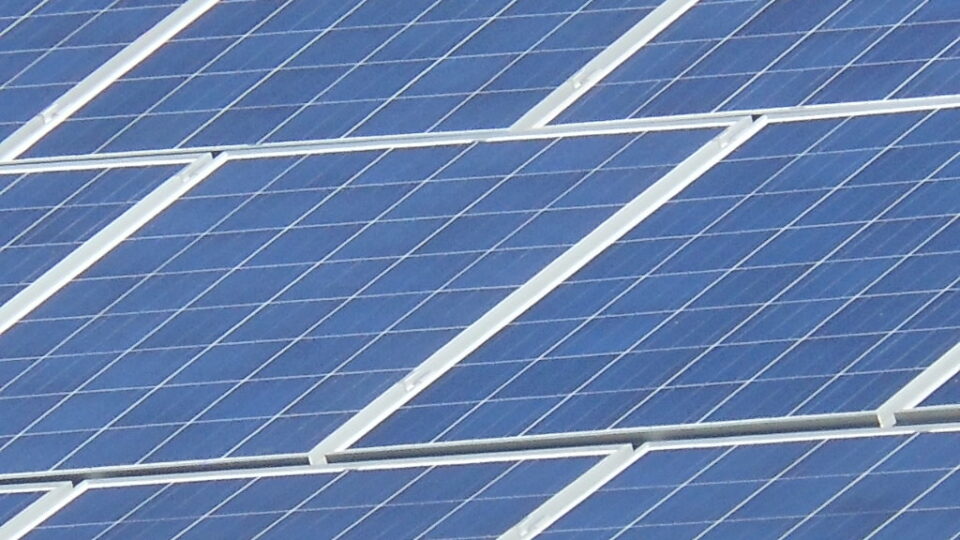
The proposal is for an installation of 8,000 solar panels to cover about 2/3 of the 10-acre Cohoes reservoir.  Cohoes has wanted to erect a solar installation to generate power for its buildings but needed to find suitable vacant land.  The 10-acre manmade reservoir could be an excellent location for a floating solar array.

Cohoes would be the first community in the US to build and own a floating array on a manmade reservoir and could serve as a model for municipalities across the nation.  Such a project makes additional use of land that is already municipal property.  According to the city, the 3.2-megawatt array would generate over 4 million kilowatt hours of electricity per year, saving the city $300-350,000 annually.

Cohoes is seeking $4.59 million in federal funding to support the project and has the support of U.S. Representative Paul Tonko for possible inclusion in the 2022 federal budget. 

Apart from generating electricity, putting solar panels on the surface of a reservoir reduces evaporation, lowers algae growth, and actually improves solar panel performance because of the cooling effect of the water.

**********

Web Links

Cohoes reservoir could be a floating solar power pioneer

Photo courtesy of Michael Coghlan via Flickr.

Earth Wise is a production of WAMC Northeast Public Radio.
Biodiversity And Trawling Bans | Earth Wise

June 7, 2021 By EarthWise Leave a Comment

Trawling devastates biodiversity

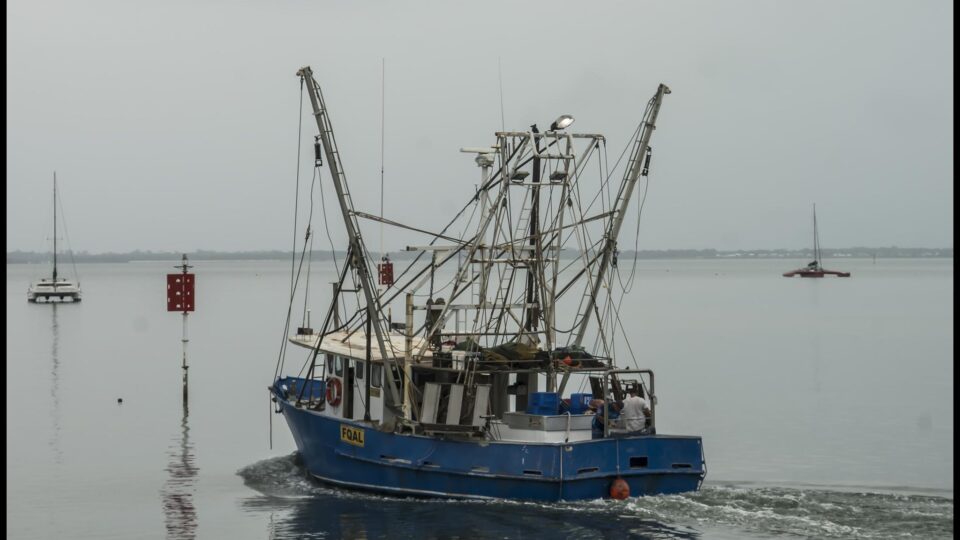
Trawling is a method of commercial fishing that involves pulling or dragging a fishing net – called a trawl – through the water or across the seabed in hopes of catching fish.  Commercial fishing companies favor towing trawl nets because large quantities of fish can be caught in one go.  

However, the trouble with trawling is that it’s destructive to the seafloor and indiscriminate in what it catches.  When towing these large trawl nets, the largest of which is reportedly big enough to catch thirteen 747 jets, everything that happens to be in the way gets caught.  As a result, trawling results in lots of bycatch, a fishing industry term used to describe the deaths of non target species during the process. 

In 2012, the Hong Kong government implemented a territory-wide trawling ban in its waters in hopes of rehabilitating the marine benthic habitat.  The benthic zone refers to the ecological region at the bottom of the ocean. 

Researchers from City University of Hong Kong collected sediment samples from 28 locations six months before the trawl ban and two and a half years after the trawl ban to see whether such interventions can facilitate ecosystem recovery. 

According to the study, which was recently published in the journal Communications Biology, the ban on trawling significantly improved marine biodiversity.  The researchers observed substantial increases in the richness of species and the abundance of benthic marine organisms following the trawling ban.  And since small benthic organisms are the main source of food for large species like fish and crabs, the trawling ban actually helps support fisheries.

More governments should consider a trawl ban to promote sustainable fisheries and marine biodiversity conservation.

**********

Web Links

Research confirms trawl ban substantially increases the abundance of marine organisms

Photo, posted December 4, 2018, courtesy of John via Flickr.

Earth Wise is a production of WAMC Northeast Public Radio.

Blue Carbon Credits | Earth Wise

June 4, 2021 By EarthWise Leave a Comment

Blue carbon credits and the fight against climate change

Carbon credits have been around since the late 1990s.  The idea is to offset carbon emissions from some carbon emitting activity – anything from a wedding in California to a factory operating in Minnesota – by buying carbon credits earned from a carbon-absorbing activity, such as planting trees in the Amazon.

Blue carbon credits are credits earned by increasing the carbon stored in coastal and marine ecosystems. Coastal ecosystems such as mangroves, tidal marshes, and seagrass meadows in fact sequester and store more carbon per unit area than terrestrial forests and are increasingly being recognized for their important role in mitigating climate change. 

Blue carbon credit awards have to date been relatively few and far between and have mostly been granted for mangrove restoration efforts.  But mangrove projects are now ramping up dramatically in scope.  Scientists are working hard to analyze the amount of carbon in other ecosystem types – seagrasses, salt marshes, seaweeds, and seafloor sediments – so that these systems can also enter the carbon credit market.

Over the past 20 years, conservation scientists have spread over 70 million seeds in the bays of Virginia to restore over 9,000 acres of seagrass meadows that were devastated by disease in the 1930s.  The restored meadows are absorbing nearly half a ton of CO2 per acre. 

The rules to allow for blue carbon credits are recent and evolving, which is a big deal. The market may currently be small, but it is growing exponentially.  But as important as carbon credits are, it is still paramount to decarbonize before turning to offsets for existing emissions.

**********

Web Links

Why the Market for ‘Blue Carbon’ Credits May Be Poised to Take Off

Photo, posted July 2, 2009, courtesy of Nicolas Raymond via Flickr.

Earth Wise is a production of WAMC Northeast Public Radio.
Progress Towards Carbon-Free Power | Earth Wise

June 3, 2021 By EarthWise Leave a Comment

Making progress towards carbon-free power

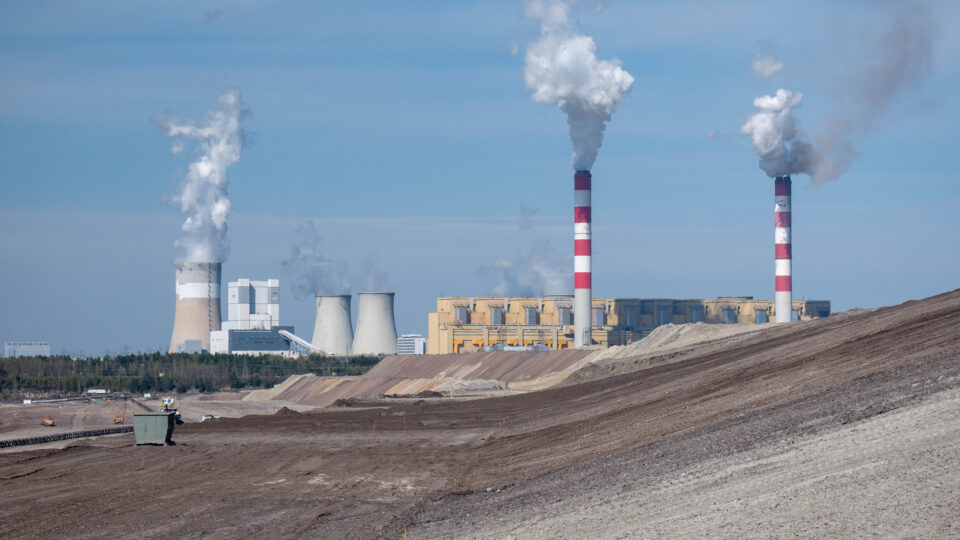
Climate change has driven countries, states, utilities, and corporations to set goals to eliminate power-sector carbon emissions.  So far, 17 U.S. states plus Washington, D.C. and Puerto Rico have adopted laws or executive orders to achieve 100% carbon-free electricity over the next couple of decades.  Forty-six U.S. utilities have pledged to go carbon-free no later than 2050.   Adding these together, these government and industry goals cover about half of the U.S. population and economy.

New research from the Lawrence Berkeley National Laboratory has analyzed historical trends to determine how much progress the power sector has already made in reducing emissions.  The study focused on the 2005 Annual Energy Outlook from the U.S. government’s Energy Information Administration.

If the previous growth in emissions had continued from 2005 to 2020, annual CO2 emissions would have risen from 2,400 to 3,000 million metric tons.  But actual 2020 emissions fell to only 1,450 metric tons.  So, by this metric, the U.S. power sector cut emission by 52% below projected levels.

According to the study, total consumer electricity costs were 18% lower than projected values, but meanwhile, the number of jobs in electricity generation was 29% higher. 

Among the driving forces for these trends were wind and solar power dramatically outperforming earlier expectations, delivering 13 times more generation in 2020 than projected. 

The study shows that dramatic changes in emissions are possible over a 15-year span, but much has to happen over the next 15 years to ensure the progress required to meet the ambitious goals set for emissions reductions.

**********

Web Links

U.S. Power Sector is Halfway to Zero Carbon Emissions

Photo, posted April 18, 2020, courtesy of Roman Ranniew via Flickr.

Earth Wise is a production of WAMC Northeast Public Radio.

What Does Conservation Really Mean? | Earth Wise

June 2, 2021 By EarthWise Leave a Comment

Determining the most important species to preserve and protect

There is a great deal of interest in protecting nature and, in many cases, restoring aspects of nature that have been lost.  But what do these things really mean?

What is most important?  Protecting iconic species?  Strengthening nature’s resilience?  Several recent scientific papers address these questions and come up with rather different answers.

It isn’t even clear what constitutes a pristine ecosystem.  According to some experts, ecosystems that have lost most of their large mammal species, for example, cannot be considered intact.  By that standard, only a tiny fraction of the world’s ecosystems remains intact.

Other experts contend that preserving individual species is not what really matters.  Studies have shown that many ecosystems have undergone and continue to undergo massive species shifts over time with frequent extinctions along the way.  Nevertheless, the ecosystems continue to flourish with new species replacing others to perform the various functions required.

Some perspectives consider intact ecosystems to be those devoid of human influence.  But that notion is not universally held.   There is the idea that most of the world’s ecosystems were essentially untouched until perhaps 500 years ago when European exploration expanded greatly.  But the reality is that even 12,000 years ago, nearly three-quarters of terrestrial nature was inhabited, used, and shaped by people.  However, those human interactions were similar to how many indigenous and local peoples across the globe still live, not like the interactions of modern civilization that result in massive changes to ecosystems.

**********

Web Links

Species or Ecosystems: How Best to Restore the Natural World?

Photo, posted November 21, 2003, courtesy of Megan Coughlin via Flickr.

Earth Wise is a production of WAMC Northeast Public Radio.

Improving Solar Cells With Human Hair | Earth Wise

June 1, 2021 By EarthWise Leave a Comment

Human hair may improve solar cell performance

Researchers at the Queensland University of Technology in Australia have been able to improve the performance of perovskite solar cells using material made from human hair.

Perovskite solar cells are an up-and-coming technology that offers the possibility of making solar cells less expensive, more efficient, and flexible so that there could be solar-powered clothing, backpacks, or even tents for camping.  While the technology has been shown to be as effective in converting sunlight to electricity as currently available silicon technology, it faces problems with stability and durability.

The Australian research centered on the use of carbon nanodots to improve perovskite solar cell performance.  The nanodots were created in a rather unique way.  The carbon came from hair scraps from a Brisbane barbershop that were first broken down and then burned at nearly 500 degrees Fahrenheit. 

By adding a solution of the carbon nanodots into the process of making the perovskites, the dots formed a wave-like layer in which the perovskite crystals in the cells are surrounded by the carbon dots.  It serves as a protective layer, essentially a kind of armor, for the active portions of the material.

The result was solar cells with a higher power conversion efficiency and greater stability.  The researchers did not explain why they chose human hair as the source of carbon, but it does make for an interesting sidelight to the promising research.

Perovskite solar cells could be very important for spacecraft applications where reducing weight is paramount.  But in order to be able to use them for this purpose, perovskite solar cells will need to be able to cope with the extreme radiation and temperature variations in space.

**********

Web Links

Carbon dots from human hair boost solar cells

Photo, posted October 3, 2009, courtesy of Arktoi via Flickr.

Earth Wise is a production of WAMC Northeast Public Radio.
A Solar Power Boom In Texas | Earth Wise

May 31, 2021 By EarthWise Leave a Comment

Texas is becoming a leader in renewable energy

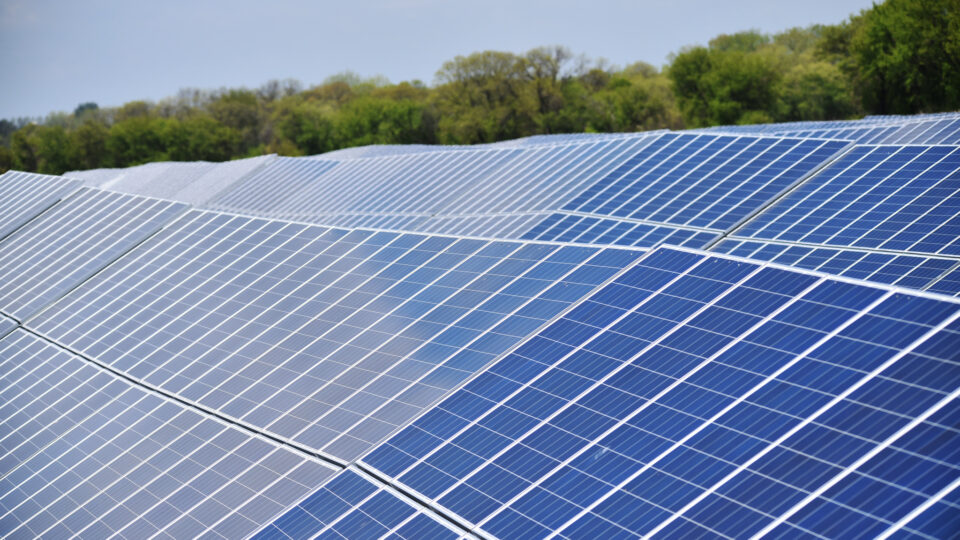
Texas has been a leader in wind energy for a number of years.  In 2020, wind made up 23% of the state’s generating capacity and provided 20% of in-state generation.  But although wind capacity in Texas has grown rapidly in recent years, solar power is expected to make up the largest share of the state’s capacity additions over the next two years.

Texas plans to add 4.6 gigawatts of utility-scale solar power this year and 5.4 gigawatts in 2022.  This will give the state a total capacity of 15 gigawatts, which will nearly catch up to California, the state with the most large-scale solar power.  California already has 16 gigawatts of installed solar capacity and plans to add about two more over the next two years.

The planned capacity for Texas will provide enough power for roughly 5 million homes, taking into account the intermittency of solar energy.  Much of the new solar capacity will be in the Permian Basin in West Texas, which is a particularly sunny place.  Because solar generation is greatest in the middle of the day, when wind generation is typically lower, the transmission line infrastructure already in place for the wind power will be adequate for the new solar installations.

The boom in solar power in Texas is driven in part by the federal solar Investment Tax Credit that is available to project developers as well as by the ever-lower cost of solar technology. 

One-third of the utility-scale solar capacity planned to come online in the U.S. in the next two years will be in Texas.  Currently, utility-scale solar only makes up 4% of electrical generating capacity in Texas, but that is clearly changing.

**********

Web Links

Texas likely to add 10 GW of utility-scale solar capacity in the next two years

Photo, posted May 14, 2020, courtesy of Courtney Celley/USFWS via Flickr.

Earth Wise is a production of WAMC Northeast Public Radio.

Post-COVID Emissions Rebound | Earth Wise

May 28, 2021 By EarthWise Leave a Comment

Emissions are on the rise as COVID crisis lessons

The extensive shutdowns associated with the COVID-19 pandemic resulted in reduced activity across many sectors of the global economy.  As a result, global pollution and greenhouse gas emissions also saw lower levels.  As the COVID crisis lessens, an economic recovery is growing and as that occurs, emissions are on the rise.

The International Energy Agency forecasts that energy-related carbon dioxide emissions are projected to increase by 1.5 billion tons this year, the second-largest increase in history.

The emissions increase in 2021 is expected to be nearly 5%, reversing most of last year’s emissions decline caused by the pandemic. This would be the largest annual rise since the 2010 recovery from the global financial crisis.  In many places across the globe, people are making up for lost time and doing more of all the things that cause carbon emissions.

A key driver of the emissions increase is a rise in coal use.  The forecast is that coal-burning in 2021 would come close to the all-time peak of 2014.  Both natural gas and oil use are also expected to increase this year.  These increases are in spite of a predicted 17% increase in electricity generation from wind power and an 18% increase in solar-power generation. 

Atmospheric concentrations of CO2 are now at 417 parts per million and have increased by 3 PPM in the past year.  If human CO2 emissions are not reined in, atmospheric concentrations of planet-warming greenhouse gases could double those of pre-Industrial levels by mid-century, which would have disastrous impacts on the climate.

**********

Web Links

Global CO2 Emissions Set to Surge in 2021 in Post-Covid Economic Rebound

Photo, posted October 22, 2020, courtesy of Hospital Clínic Barcelona via Flickr.

Earth Wise is a production of WAMC Northeast Public Radio.

  • « Go to Previous Page
  • Page 1
  • Interim pages omitted …
  • Page 9
  • Page 10
  • Page 11
  • Page 12
  • Page 13
  • Interim pages omitted …
  • Page 63
  • Go to Next Page »

Primary Sidebar

Recent Episodes

  • An uninsurable future
  • Clean energy and jobs
  • Insect declines in remote regions
  • Fossil fuel producing nations ignoring climate goals
  • Trouble for clownfishes

WAMC Northeast Public Radio

WAMC/Northeast Public Radio is a regional public radio network serving parts of seven northeastern states (more...)

Copyright © 2026 ·