• Skip to primary navigation
  • Skip to main content
  • Skip to primary sidebar

Earth Wise

A look at our changing environment.

  • Home
  • About Earth Wise
  • Where to Listen
  • All Articles
  • Show Search
Hide Search
You are here: Home / Archives for world

world

The Threat From Thwaites | Earth Wise

January 20, 2022 By EarthWise Leave a Comment

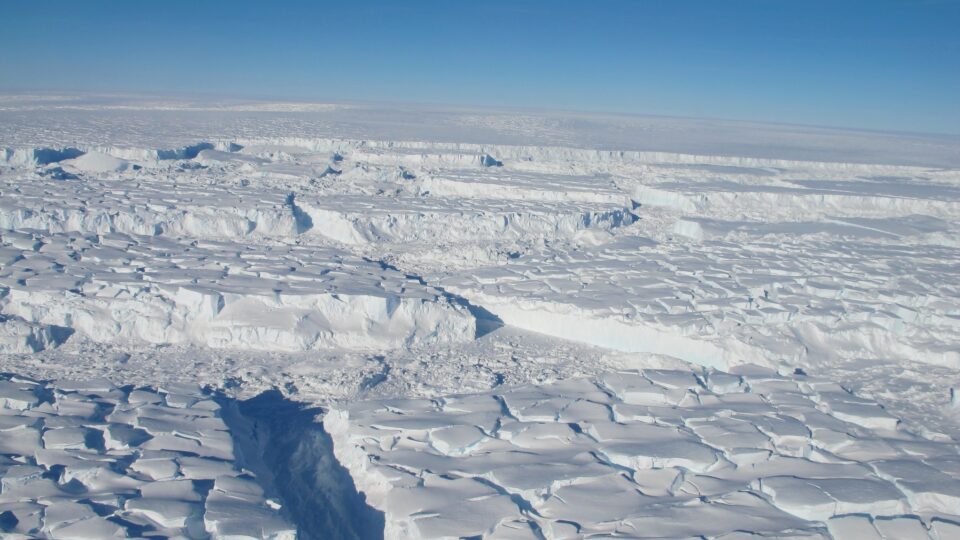
The Thwaites Glacier is melting

The Thwaites Glacier in Antarctica is the widest glacier in the world. It is about 80 miles across and in places extends to a depth of about 2,600 to 3,900 feet.  The glacier is roughly the size of Florida, and it currently contributes 4% of annual global sea level rise as it continues to retreat from a warming ocean.

The International Thwaites Glacier Collaboration is a team of nearly 100 scientists dedicated to studying the glacier.  According to the scientists, Thwaites has doubled its outflow speed within the last 30 years.  The glacier in its entirety holds enough water to raise global sea levels by over two feet, which would be catastrophic.

A third of the glacier flows more slowly than the rest because it is braced by a floating ice shelf that is held in place by an underwater mountain.  The concern is that the brace of ice slowing the glacier may not last for long.

Beneath the surface, warmer ocean water is attacking the glacier from all angles.  The water is melting the ice directly beneath the glacier causing it to lose its grip on the underwater mountain.  Massive fractures have formed and are growing.

Warm water is also a threat for what is called the grounding zone, which is the area where the glacier lifts off the seabed. There are many possible scenarios under which there could be a major ice loss from the glacier.  It is unclear how quickly it could occur.  It might take decades, or it could be centuries.  The threat is large enough and real enough that continued observation and research is essential.

**********

Web Links

The Threat from Thwaites: The Retreat of Antarctica’s Riskiest Glacier

Photo, posted October 16, 2012, courtesy of J. Yungel / NASA Ice via Flickr.

Earth Wise is a production of WAMC Northeast Public Radio.
Liquid Fuels From Carbon Dioxide | Earth Wise

January 5, 2022 By EarthWise Leave a Comment

Converting carbon dioxide into liquid fuels

Most of the world’s energy demands are still being met by burning fossil fuels, thereby releasing carbon dioxide into the atmosphere.  The energy system is in the midst of a transition to renewable sources such as solar and wind power, but it will be quite some time before fossil fuels are only a minor part of energy production.  To reduce global warming, it will be necessary to prevent the carbon dioxide from fossil fuels from entering the atmosphere by capturing it and either locking it away or making use of it.

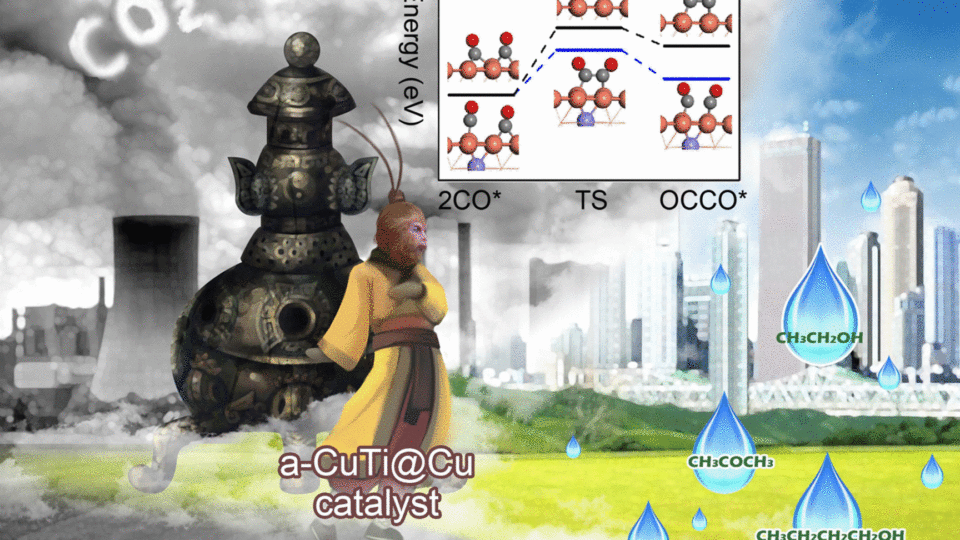
Recent research at several Chinese universities has developed a novel electrocatalyst that efficiently converts CO2 to liquid fuels containing multiple carbon atoms.  The main products of the high-efficiency reaction are ethanol, acetone, and n-butanol.  Previous electrocatalystic methods have mostly produced simpler hydrocarbons – namely, ones with only a single carbon atom.  The fuels the new catalyst produces are much more useful.

The catalyst is made from thin ribbons of a copper/titanium alloy that are etched with hydrofluoric acid to remove the titanium from the surface.  The process results in a material with a porous copper surface on an amorphous CuTi alloy.  The substance exhibits remarkably high activity, selectivity, and stability for catalyzing the reactions leading to the production of the hydrocarbon fuels.

Converting carbon dioxide into liquid fuels would be advantageous because they have high energy density and are safe to store and transport.  Apart from preventing carbon dioxide from entering the atmosphere, the process could also be a way to make use of excess energy produced by solar and wind generation by essentially storing that energy in the form of liquid fuels.

**********

Web Links

Liquid Fuels from Carbon Dioxide

Photo courtesy of Angewandte Chemie via Wiley-VCH.

Earth Wise is a production of WAMC Northeast Public Radio.

Coffee And Climate Change | Earth Wise

December 20, 2021 By EarthWise Leave a Comment

Coffee will be impacted by the changing climate

Over 2.25 billion cups of coffee are consumed in the world each day.  Americans spend $80 billion dollars a year on coffee.  Coffee in grown across 12.5 million largely smallholder farms in more than 50 countries.  In other words, coffee is a big deal.

Like many things, coffee is subject to the effects of climate change.  Many coffee-producing regions are experiencing changing climate conditions, which don’t only affect the yield and sustainability of the crop but have an impact on taste, aroma, and even dietary quality.  Coffee drinkers care very much about these things.

New research at Tufts University and Montana State University looked at how coffee quality can be affected by shifts in environmental factors associated with climate change.  The researchers looked at the effects of 10 prevalent environmental factors and management conditions associated with climate change and climate adaptation.

The most consistent trends were that farms at higher altitudes were associated with better coffee flavor and aroma, while too much light exposure was associated with a decrease in coffee quality.   They also found that coffee quality is also susceptible to changes due to water stress and increases in temperature and carbon dioxide levels.

They evaluated current efforts to mitigate these effects, including shade management, selection of climate resistant coffee plants and pest management. The hope is that if we can understand the science of the changes to the environment, it will help farmers and other stakeholders to better manage coffee production in the face of increasing challenges.   It will take a concerted effort to maintain coffee quality as the climate continues to change.

**********

Web Links

Coffee and the Effects of Climate Change

Photo, posted May 22, 2009, courtesy of Olle Svensson via Flickr.

Earth Wise is a production of WAMC Northeast Public Radio.

Nanoplastics In The Air | Earth Wise

December 17, 2021 By EarthWise Leave a Comment

Austria, Silvretta mountains

The world is awash in plastic.  Discarded plastic litters our roadways, woodlands, and beaches.  It piles up in landfills.  Plastic enters the oceans by the millions of tons.  And plastic is finding its way even to remote and supposedly pristine parts of the world.

A team of researchers has found nanoplastics at the isolated high-altitude Sonnblick Observatory in the Austrian Alps.  This is the first time the particles were found in the area.  The researchers were looking for certain organic particles and only found the nanoplastics by chance.

The detected plastic particles were less than 200 nanometers in size, about one hundredth the width of a human hair.  It is highly unlikely that such particles originated in remote Alpine areas.

The researchers were looking for organic particles by taking samples of snow or ice, evaporating them, and then burning the residue to detect and analyze the vapors.  They described the detection method as essentially like a mechanical nose.  In this case, the nose smelled burning plastics in the form of polypropylene and polyethylene terephthalate.

Looking into the issue, the researchers found a strong correlation between high concentrations of nanoplastics and winds coming from the direction of major European cities – especially Frankfurt and the industrial Ruhr area of Germany, but also the Netherlands, Paris, and even London.

Modeling supports the idea that nanoplastics are transported by air from distant urban places.  This is particularly worrisome because it means that there are likely hotspots of nanoplastics in our cities and in the air that we are breathing.  Plastics appear to be everywhere.

**********

Web Links

Nanoplastics found in the Alps, transported by air from Frankfurt, Paris and London

Photo, posted July 1, 2013, courtesy of Robert J. Heath via Flickr.

Earth Wise is a production of WAMC Northeast Public Radio.
The Energy Storage Boom | Earth Wise

November 25, 2021 By EarthWise Leave a Comment

Innovations in energy storage

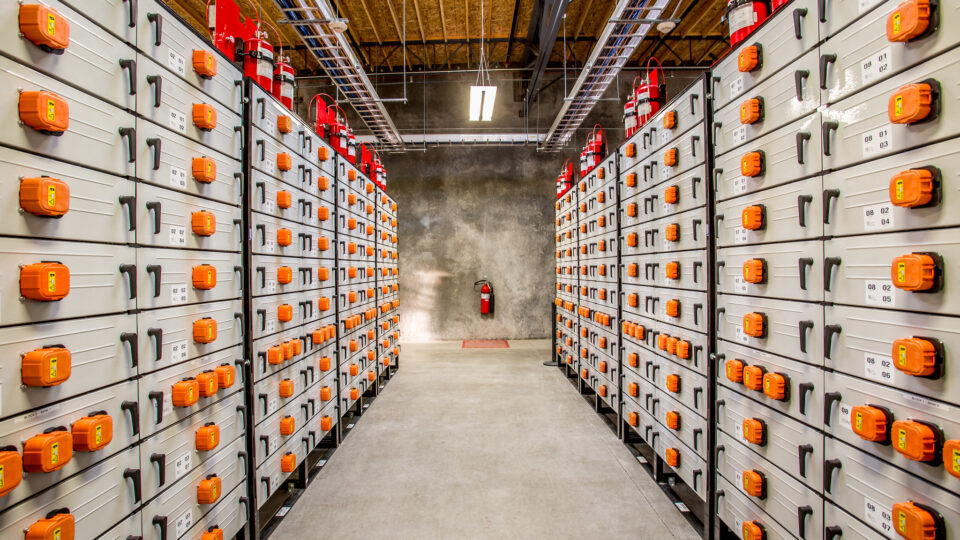
Global energy storage deployment is increasing at a very rapid pace.  According to recent industry forecasts, there will be 12.4 gigawatts of new energy storage capacity online in 2021 breaking the previous annual record of 4.9 gigawatts set last year.

To understand these numbers, the world only reached 1 gigawatt of new capacity in a year for the first time in 2016.  Five years later, 1 gigawatt represents a good month.

Industry projections are that new global storage capacity will increase each year, reaching 70 gigawatts by 2030.

Almost all of this new storage capacity is in the form of batteries and most of that is lithium-ion batteries.  The largest battery storage facility in the world – the Manatee Energy Storage Center in Florida – is scheduled to be completed before the end of this year.  But there are other battery technologies that offer promise and there are other storage technologies apart from batteries.

Pumped hydroelectric storage is long established technology that still represents the largest amount of storage capacity in the world with more than 181 GW of capacity.  There is not much room for expansion of pumped hydro, which is limited to specific locations.   But it will be years before battery storage catches up to this total.

The United States and China have a large majority of energy storage capacity and projections are that the two countries will still have nearly three-quarters of the world’s total capacity in 2030.

With the ongoing rapid expansion of wind and solar power, the need for energy storage continues to grow and is the driving force for the energy storage boom.   It is not clear how it will all shake out, but energy storage is going to be a big deal from now on.

**********

Web Links

Inside Clean Energy: Taking Stock of the Energy Storage Boom Happening Right Now

Photo, posted March 15, 2013, courtesy of Portland General Electric via Flickr.

Earth Wise is a production of WAMC Northeast Public Radio.

Could Lyme Disease Be Eradicated? | Earth Wise

November 22, 2021 By EarthWise Leave a Comment

Eradicating lyme disease

Tiny ticks are a big problem.  Measuring only three to five millimeters in size, ticks are widely distributed around the world.  They are external parasites, feasting on the blood of birds, reptiles, amphibians, and mammals – including humans.

According to estimates from the Centers for Disease Control and Prevention, ticks infect an estimated 476,000 people with Lyme disease in the United States every year.  Lyme disease is caused by a bacterium called Borrelia burgdorferi that lurks in wild mice. Ticks that feed on the mice become infected and can then in turn infect people and animals.   

The disease is not only a problem in the United States, but in other parts of North America, Europe and Asia as well.  It often causes a characteristic “bullseye” rash and flu-like symptoms. If left untreated, it can lead to serious long-term health problems.

Currently, lyme disease is treated using antibiotics.  But antibiotics kill a wide range of bacteria – including healthy gut bacteria – which can lead to additional health issues and more antibiotic resistance.

A recent discovery by researchers from Northeastern University in Boston could allow Lyme disease to be eradicated in the wild.  The researchers found that a compound called hygromycin A is deadly to the bacterium that causes Lyme disease but harmless to animals and has little effect on most other bacteria. 

The little-known antibiotic cleared Lyme disease infection in mice, both when administered via injection and when ingested using bait.  As a result, dropping feeding baits could eradicate Lyme disease from whole areas or even entire countries.  The first field trial will be next summer.

**********

Web Links

Drug treatment for Lyme disease could lead to its eradication

Photo, posted June 21, 2017, courtesy of NIAID via Flickr.

Earth Wise is a production of WAMC Northeast Public Radio.

Bitcoin And Energy Use | Earth Wise

October 6, 2021 By EarthWise Leave a Comment

Cryptocurrencies consume astonishing amounts of electricity

In recent years we’ve heard more and more about cryptocurrencies.  They are digital currencies managed by a decentralized network of users.  No country, person, or other entity controls the value of a cryptocurrency.  Some people think that they will ultimately replace traditional currencies.

The eventual status of cryptocurrencies can be debated endlessly but there is one thing that is certain:  in the process of simply existing as they do today, cryptocurrencies like Bitcoin consume astonishing amounts of electricity.

Bitcoin, the most popular cryptocurrency, uses about half a percent of all the electricity consumed in the world.  The process of creating Bitcoin consumes over 90 terawatt-hours of electricity annually, which is more than the entire country of Finland with its 5.5 million people.  Where does all the energy go?

The answer is something called Bitcoin mining.  It is the process by which new Bitcoins are created.  It is something like playing a lottery.  Miners effectively have to guess an extremely long number called the “target hash” in order to be awarded Bitcoins.   There is no magic formula to finding the answer.  It isn’t really advanced math; it is brute force searching among trillions of possibilities.  Specialized computer equipment is designed to make as many guesses as possible as quickly as possible.  The faster the electronic circuits and the more of them there are, the better the chances are of beating out other miners to win the mining lottery.  As a result, the amount of power-hungry computing equipment dedicated across the globe to mining Bitcoins has mushroomed.

Whether it pays to be a Bitcoin miner is increasingly difficult, but those that are doing it are consuming extraordinary amounts of energy in the effort to make a few more digital bucks.

**********

Web Links

Bitcoin Uses More Electricity Than Many Countries. How Is That Possible?

Photo, posted February 14, 2018, courtesy of Stock Catalog via Flickr.

Earth Wise is a production of WAMC Northeast Public Radio.

The Most Powerful Tidal Turbine Is Generating Power | Earth Wise

October 1, 2021 By EarthWise Leave a Comment

The movement of waves, tides, and currents in the ocean carry enormous amounts of energy that in principle could be harnessed and converted into electricity to help power our homes, buildings, and cities.  Oceans cover nearly three-quarters of our planet, and the most populated areas of the world are located near oceans.

Ocean energy technologies lag far behind solar and wind power and remain mostly undeveloped.  This is a result of the unique challenges standing in the way of widespread deployment.  There are the considerable expenses of early-stage development, the wide variety of technical approaches from which winning strategies have yet to emerge, and the substantial challenges of operating in the ocean environment that include the physical impact of waves and tides, powerful and unpredictable weather, and corrosion and bio-fouling from the ocean and its inhabitants.

Despite these challenges, there is ongoing progress on ocean energy.   The world’s most powerful tidal turbine has come online this past April.  Known as the Orbital O2, the floating turbine is anchored in Scotland’s Fall of Warness, where a subsea cable connects it to the European Marine Energy Center.

The turbine produces enough electricity to meet the demand of about 2,000 homes in the UK.  It is expected to operate for the next 15 years.

Built by the Scottish engineering company Orbital Marine, the O2 was financed by the ethical investment platform Abundance Investment as well as being supported by the Scottish government and the European Union.   Orbital Marine’s goal is to commercialize this technology to play a role in tackling climate change using this new green energy technology.

**********

Web Links

The world’s most powerful tidal turbine is now generating power

Photo, posted June 12, 2015, courtesy of David Stanley via Flickr.

Earth Wise is a production of WAMC Northeast Public Radio.
Wildfires And The Climate | Earth Wise

September 24, 2021 By EarthWise Leave a Comment

Wildfires had a bigger impact on climate than the pandemic lockdowns

Scientists from the National Center for Atmospheric Research recently published a study analyzing the events that influenced the world’s climate in 2020.  Among these were the pandemic-related lockdowns that reduced emissions and resulted in clearer air in many of the world’s cities.

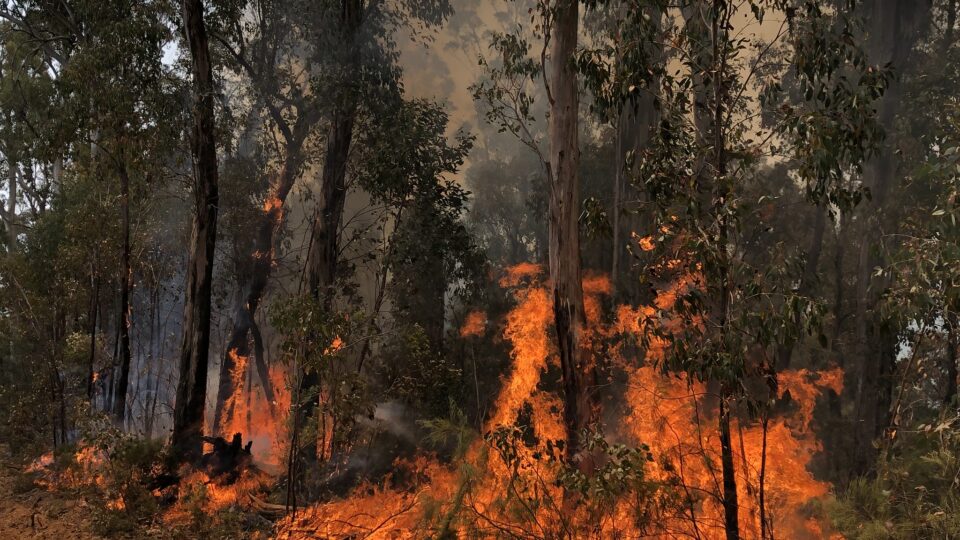
While this was a significant event, the study found that something entirely different had a more immediate effect on global climate:  the enormous bushfires that burned in Australia from late 2019 to 2020, producing plumes of smoke that reached the stratosphere and circled much of the southern hemisphere.

Those fires sprung up in September 2019 and lasted until March 2020.  The fires burned more than 46 million acres (about 72,000 square miles), which is roughly the same area as the entire country of Syria.  Thousands of homes and other buildings were lost.

Major fires inject so many sulfates and other particles into the atmosphere that they can disrupt the climate system, push tropical thunderstorms northward from the equator, and potentially influence the periodic warming and cooling of tropical Pacific Ocean waters known as El Nino and La Nina.

According to the study, the COVID-19 lockdowns actually had a slight warming influence on global climate, as a result of clearer skies enabling more heat to reach the earth’s surface.  In contrast, the Australian bushfires cooled the Southern Hemisphere because the atmospheric particles reflected some of the incoming solar radiation back to space.

This summer, there have been raging wildfires in the western US and Canada, which have affected air quality in many parts of the nation and have been a serious health hazard.  Undoubtedly, these fires are influencing the climate system as well in ways that we are still trying to understand.

**********

Web Links

Bushfires, not pandemic lockdowns, had biggest impact on global climate in 2020

Photo, posted January 18, 2020, courtesy of BLM-Idaho via Flickr.

Earth Wise is a production of WAMC Northeast Public Radio.
July Was A Scorcher | Earth Wise

September 2, 2021 By EarthWise Leave a Comment

Record setting July 2021 was the hottest month ever

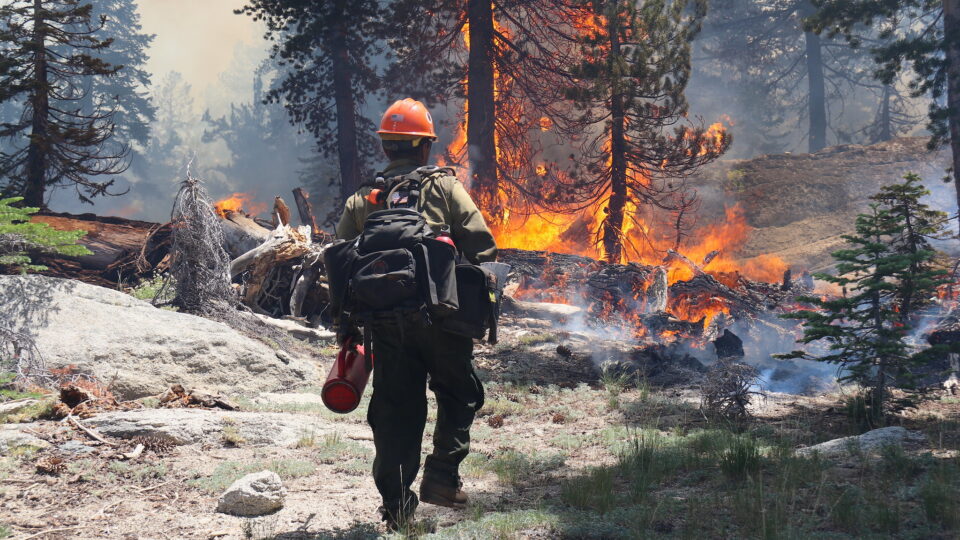
July 2021 has the unfortunate distinction as being the world’s hottest month ever recorded according to global data from the National Oceanic and Atmospheric Administration.   July is typically the warmest month of the year, but this July was the warmest month of any year on record.

The combined global land and ocean surface temperature was 62.07 degrees Fahrenheit, which is 1.67 degrees above the 20th century average.  This was the highest monthly average since records began 142 years ago.  It broke the previous record set in July 2016 and tied in 2019 and 2020.

The Northern Hemisphere was 2.77 degrees above average.  Asia had its hottest July on record.  Europe had its second hottest July on record.  Places like Africa, Australia, and New Zealand all had top-ten warmest Julys.

Other aspects of the changing climate included the observation that Arctic sea ice coverage for July was the fourth-smallest in the 43-year record.  Interestingly, Antarctic sea ice extent was actually above average in July.  Global tropic cyclone activity this year so far is above normal for the number of named storms.  In the Atlantic basin, the formation of the storm Elsa on July 1 was the earliest date for a 5th named storm.

It remains very likely that 2021 will rank among the 10 hottest years on record.  Extreme heat is a reflection on the long-term climate changes that were outlined recently in a major report released by the Intergovernmental Panel on Climate Change.  These latest global observations add to the disturbing and disruptive path that the changing climate has set for the world.

**********

Web Links

It’s official: July was Earth’s hottest month on record

Photo, posted July 15, 2021, courtesy of Lori Iverson/National Interagency Fire Center via Flickr.

Earth Wise is a production of WAMC Northeast Public Radio.
Russian Forests And Climate Mitigation | Earth Wise

August 24, 2021 By EarthWise Leave a Comment

Russia's massive forests have enormous potential for impacting climate mitigation

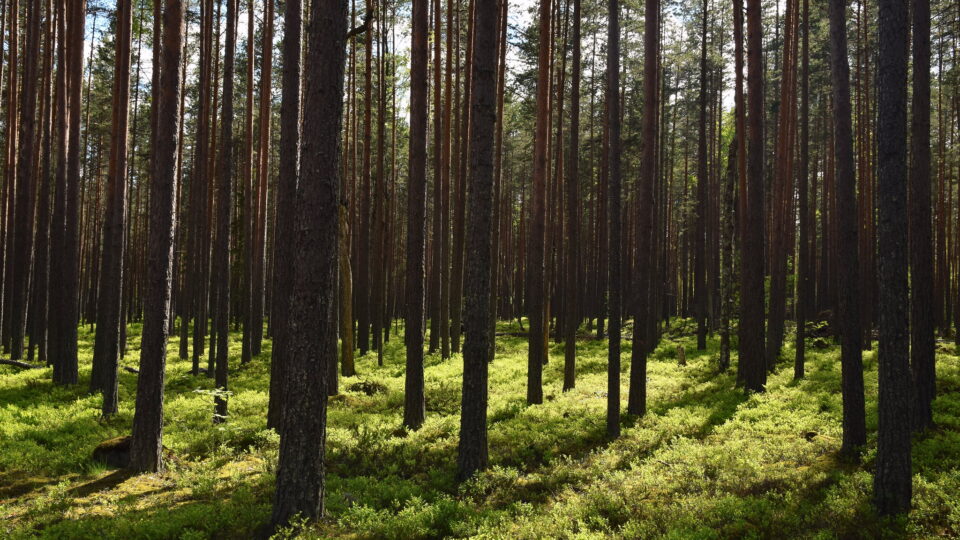
Russia is the largest country in area in the world, almost equal in size to the sum of the next two largest – Canada and the U.S.   Russia is also the world’s largest forest country, containing more than one-fifth of the world’s forests.  As a result, the country’s forests and forestry activities have enormous potential for impacting climate mitigation.

Since the dissolution of the USSR, there has been a decline in the availability of information on the state of Russia’s forests.  The Soviet Forest Inventory and Planning System compiled information until 1988.  Since then, the Russian National Forest Inventory has been the source of forest information on the national scale, and it hadn’t produced a comprehensive inventory until 2020.

The new data indicates that Russian forests have in fact accumulated a large amount of additional biomass over the intervening years.  Using the last Soviet Union report as a reference point, the new results show that the ongoing stock accumulation rate in Russian forests over the 26-year period is of the same magnitude as the net forest stock losses in tropical countries.

Thus, it is clear that Russian forests have great potential in terms of global climate mitigation as well as potential co-benefits relating to the green economy and sustainable development.   It is important to note that as the impact of climate change increases, disturbances to the Russian forests could have severe adverse effects on global climate mitigation efforts.

While much of the world’s attention is rightfully upon tropical rainforests in the Amazon and elsewhere, it is important to not ignore the largest country in the world hosting the largest land biome on the planet where even small percentage changes in the amount of forest biomass could have a major global impact.

**********

Web Links

Russian forests are crucial to global climate mitigation

Photo, posted June 6, 2015, courtesy of Raita Futo via Flickr.

Earth Wise is a production of WAMC Northeast Public Radio.
Coal In The UK And Asia | Earth Wise

August 20, 2021 By EarthWise Leave a Comment

Coal power is in a permanent decline

Coal was the driving force of the British industrial revolution beginning in the 18th century.  Coal was used for manufacturing iron, heating buildings, driving locomotives, and more.  Annual coal production in the UK peaked in the year 1913 at 316 million tons.  Until the late 1960s, coal was the main source of energy produced in the UK.

Recently, Britain announced that it plans to phase out coal power entirely by October 2024, one year earlier than its previous target date.  This is on the heels of a dramatic decline in coal usage over the past decade.  In 2012, coal accounted for 40% of the UK’s power generation.  By 2020, that number was 1.8%.

In both Europe and the United States, coal power is generally significantly more expensive than renewable power from the sun and wind.  As a result, market forces have driven the demise of coal power in those places.

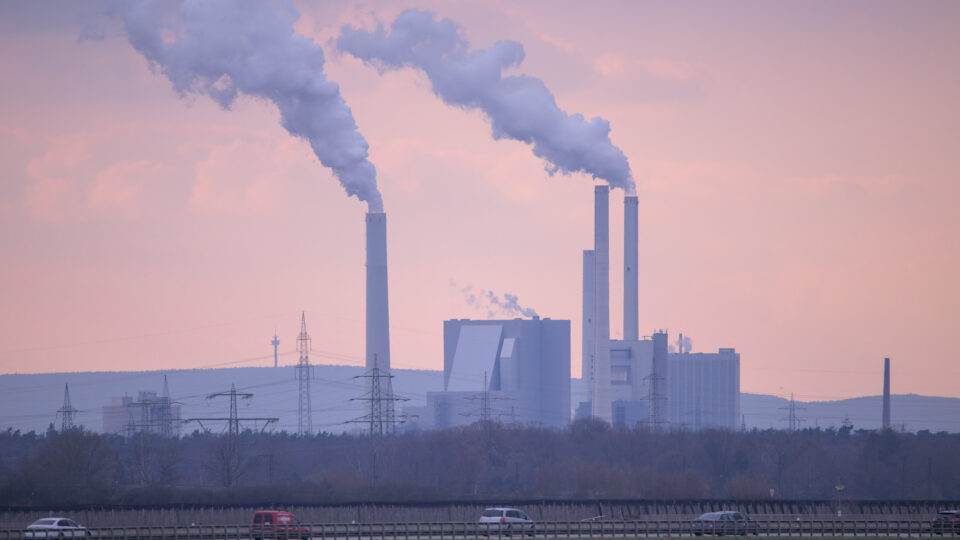
The situation is different across much of Asia where coal power remains cost competitive.  Five Asian countries – China, India, Indonesia, Japan, and Vietnam – still have plans to build more than 600 new coal-fired power plants, which is bad news for the environment.  In 2020, China produced more than half of the world’s coal power, which reflects both the growth of coal in Asia and its decline in the U.S. and Europe.

Despite all this, experts predict that it will be more expensive to run almost all coal plants globally than to build new renewable energy projects by the year 2026.  Sooner or later, coal power will no longer make its unfortunate contributions to the world.

**********

Web Links

UK Aims to Dump Coal Early, While Asia Stays the Course

Photo, posted March 8, 2021, courtesy of Stanze via Flickr.

Earth Wise is a production of WAMC Northeast Public Radio.

The Pacific Northwest Heatwave | Earth Wise

August 18, 2021 By EarthWise Leave a Comment

Analyzing the Pacific Northwest Heatwave

The late-June heatwave in the Pacific Northwest shattered temperature records in dozens of locations.  Cities like Portland and Seattle saw historic high temperatures and one town in British Columbia saw temperatures hotter than ever recorded in Las Vegas.

An international team of weather and climate experts analyzed this extreme weather event and came to a preliminary conclusion that it was a 1-in-1000-year event in today’s climate.  “Today’s climate” means the already warmer conditions that the world is experiencing as a result of the changing climate.

If that analysis is accurate, then such an extreme temperature event would have been at least 150 times rarer in the era before global warming.  In other words, they concluded that it would have been a 1-in-150,000-year event, which means that it would have been virtually impossible in pre-industrial times.

Given that they estimated that the extreme temperatures were a 1-in-1000-year event at this point, it would follow that such events are not about to become commonplace any time soon.  On the face of it, that is somewhat comforting to hear.

However, all of this assumes that global warming will not radically change the statistical distribution of global temperatures.  If that assumption fails to hold, then all bets are off.  Perhaps temperatures like those experienced in the Pacific Northwest might be a 1-in-50-year event, for example, but we just don’t realize it yet.  Follow-up studies will be looking for evidence of significant changes in the distribution of weather events.  For now, a 1-in-1000-year event means there is only a 0.1% chance of occurring in a given year.  That’s good news for the residents of that region.

**********

Web Links

Preliminary analysis concludes Pacific Northwest heat wave was a 1,000-year event…hopefully

Photo, posted June 4, 2016, courtesy of Jody Claborn via Flickr.

Earth Wise is a production of WAMC Northeast Public Radio.
Takeout Food And Ocean Litter | Earth Wise

August 5, 2021 By EarthWise Leave a Comment

The majority of ocean litter collected around the world is from takeout food

The Covid-19 pandemic saw most of us making use of take-out or delivery services as our only access to restaurant food.  It was a valuable link to normal life.  But unfortunately, the packaging of takeout food is a major contributor to the global plastic waste problem that isn’t going to disappear just because people are returning to eating in restaurants.

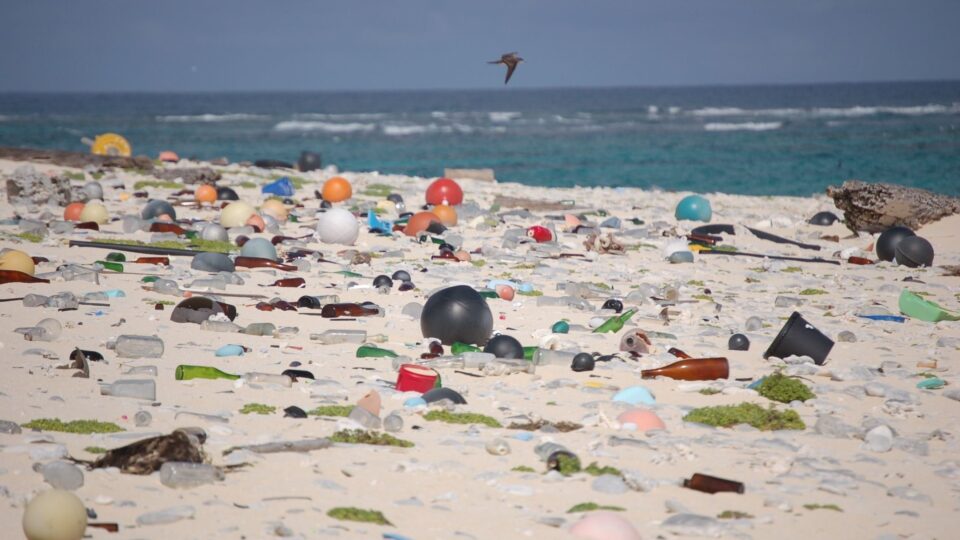
A new analysis of more than 12 million items by UK researchers published in the journal Nature Sustainability has found that the majority of ocean litter collected around the world is in the form of takeout food items:  bags, wrappers, containers, straws and cutlery, aluminum cans, and plastic and glass bottles.  Eighty percent of all the items surveyed were made of plastic.

Wrappers and packaging tended to concentrate along coasts, gathering on the shore and the sea floor.  Takeout trash was rarer in the open ocean.  In those areas, fishing debris accounted for half of the litter.

The authors of the study argue that efforts to curb plastic waste should prioritize takeout food and beverage containers.  They recommend that avoidable takeout items, like single-use plastic bags, should be replaced with non-plastic and biodegradable materials.  The authors also recommended making plastic producers responsible for the collection and disposal of plastic products.

As of July 1, the European Union has banned the 10 most common plastic and Stryofoam products found on European beaches.  The EU is also establishing an active European market for recycled plastics based on the principles of extended producer responsibility.

**********

Web Links

Takeout Food and Drink Containers Account for Bulk of Ocean Litter

Photo, posted September 14, 2009, courtesy of Susan White/USFWS via Flickr.

Earth Wise is a production of WAMC Northeast Public Radio.

Assisted Colonization | Earth Wise

July 9, 2021 By EarthWise Leave a Comment

Balancing the risk of moving a species to a more favorable location versus the risk of inaction

As the pace of climate change continues to quicken, many species seem to be unable to keep up and could face extinction as a result.   There is a potential strategy for people to help species reach places with more suitable physical and biological conditions.  People could carry endangered animals to habitats cut off by mountains, rivers, or human-made barriers.  They could plant endangered trees higher up mountain slopes or to locations further north.  Such actions have been termed assisted colonization.

People have been moving species around the world throughout human history for various reasons either intentionally or inadvertently.  But as a conservation strategy, assisted colonization is quite controversial.

The argument is whether the risk of moving species to more favorable conditions outweighs the risk of inaction.  The salvation of one species could mean the destruction of another.   A species that seems perfectly innocuous when moved to one place can become a rampant invader in another.

An upcoming international conference on Biological Diversity to be held this fall in China may take up the issue of creating a set of guidelines on assisted colonization.   Such guidelines would help people assess which species to focus on; where, when, and how to move them; how to weigh the risks of action and inaction; and how to conduct such actions across international borders.  Assisted colonization may be useful in some instances and not in others.  There needs to be a way for the world to decide whether it is warranted or not.  With climate change posing a growing threat to many of the world’s species, this is an issue that should be addressed.

**********

Web Links

Amid Climate Pressures, a Call for a Plan to Move Endangered Species

Photo, posted July 16, 2014, courtesy of Mark Spangler via Flickr.

Earth Wise is a production of WAMC Northeast Public Radio.

The World’s Largest Tidal Device | Earth Wise

June 18, 2021 By EarthWise Leave a Comment

the world's largest tidal power device will be operational soon

Most of the world’s activity in renewable energy is focused on solar and wind power.  The use of both is expanding rapidly. But there is also marine energy to be exploited.  Ocean waves and tidal movements hold huge amounts of energy.  Estimates are that the European Union could get 15% of its power from marine sources.  But ocean energy is currently expensive and there are significant technical challenges still to be overcome.

The world’s largest tidal power device will soon begin testing off the coast of Scotland.  The 680-ton, 240-foot-long, airplane-shaped device will be connected to the European Marine Energy Center for testing. 

The device, built by the Scottish company Orbital Marine Power, is designed to produce 2 megawatts of electricity, enough to power 2,000 homes.   It has a pair of 52-foot-long turbines attached to two wings.

Compared to wind and solar power, the marine energy sector has been much slower to develop because of the many difficulties of working in harsh marine environments as well as the technical challenges associated with harnessing power from waves and tides. But ocean waves and tidal movements hold enormous amounts of energy and have the advantage that they are available at all times, unlike wind and solar energy, which are variable in nature. 

Experts say that the future of tidal energy lies with arrays of floating or sea-bottom-mounted turbines that capture the energy of tidal currents in unobstructed waters.  There are various places around the world where this is an attractive opportunity, most notably in Nova Scotia’s Bay of Fundy, where the world’s most extreme tides – rising and falling more than 50 feet – contain vast amounts of power.

**********

Web Links

The World’s Largest Tidal Power Device Will Soon Begin Testing Off Scotland

Photo, posted May 18, 2017, courtesy of Chris via Flickr.

Earth Wise is a production of WAMC Northeast Public Radio.

Insanely Cheap Energy | Earth Wise

June 11, 2021 By EarthWise Leave a Comment

Solar power is cheapest energy option in most places

The International Energy Agency, founded in 1974, keeps track of the world’s energy systems and anticipates how they are likely to change over time.  Policymakers around the world look to the agency’s annual World Energy Outlook publication for guidance.

In 2000, the agency made the prediction that by the year 2020, there would be a total of 18 gigawatts of photovoltaic solar power installed.  Within seven years, that number was already too small.

The IEA was not the only source to miss the mark on solar power.  The head of solar analysis at BloombergNEF in 2005 expected solar to eventually supply 1% of the world’s electricity.  It is already 3% and Bloomberg now predicts that it will be 23% by 2050 and expects that to be an underestimate. 

What has happened is that the world has unexpectedly gotten to the point where solar is the cheapest source of energy in most places.  Over the past decade, every time solar production capacity has doubled, its cost has dropped by 28%.

Historically, a combination of groundbreaking research in Australia and intense Chinese industrial development led to the creation of a massive new industry.  When Germany passed laws encouraging the use of solar power, suddenly there was massive global demand and a struggle to keep up with supply.

The industry had its fits and starts, and many players fell by the wayside.    But at this point, solar technology continues to get better and cheaper.  Market forces are pretty hard to beat and when solar technology can supply insanely cheap energy, it is going to be used in more and more places.

**********

Web Links

‘Insanely cheap energy’: how solar power continues to shock the world

Photo, posted January 10, 2020, courtesy of Tony Webster via Flickr.

Earth Wise is a production of WAMC Northeast Public Radio.
Accelerating Global Glacier Loss | Earth Wise

June 10, 2021 By EarthWise Leave a Comment

Global glacier loss is accelerating

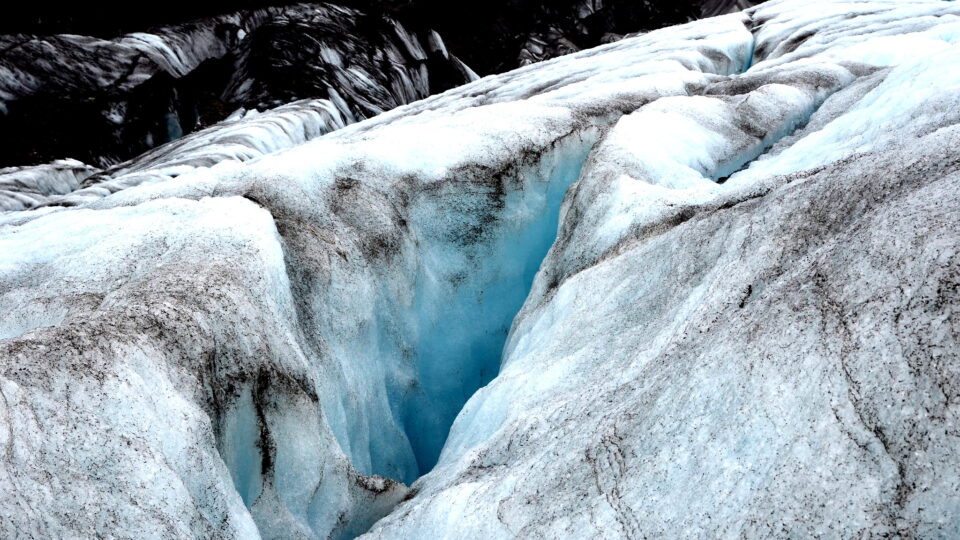
Glaciers represent the snows of centuries compressed over time to form flowing rivers of ice.  Glaciers always change, accumulating snow in the winter and losing ice to melting in the summer.  But in recent times, the melting has been outpacing the accumulation.

Glaciers are a sensitive indicator of climate change.  They have been melting at a high rate since the mid-20th century – regardless of altitude or latitude. But up until recently, the full extent of glacial ice loss has only been partially measured and understood.

Now, according to new research led by scientists from ETH Zurich in Switzerland and the University of Toulouse in France, nearly all the world’s glaciers are becoming thinner and losing mass.  And the changes are accelerating.  The study, which is the most comprehensive and accurate of its kind to date, is the first to include all the world’s glaciers – around 220,000 in total – excluding the Greenland and Antarctic ice sheets. The research team’s findings were recently published in the journal Nature.

Between 2000 and 2019, the world’s glaciers lost an average of more than 294 billion tons of ice per year.  Between 2000 and 2004, glaciers lost an average of about 250 billion tons of ice each year.  But between 2015 and 2019, ice mass loss jumped up to an average of approximately 328 billion tons annually.    

Glacial melt is responsible for 21% of the observed sea level rise during this two decade time period studied.

This research is just another reminder of how we need to act urgently if we want to prevent the worst-case climate change scenario from becoming a reality. 

**********

Web Links

Global glacier retreat has accelerated

Photo, posted September 17, 2015, courtesy of Richard Whitaker via Flickr.

Earth Wise is a production of WAMC Northeast Public Radio.
What Does Conservation Really Mean? | Earth Wise

June 2, 2021 By EarthWise Leave a Comment

Determining the most important species to preserve and protect

There is a great deal of interest in protecting nature and, in many cases, restoring aspects of nature that have been lost.  But what do these things really mean?

What is most important?  Protecting iconic species?  Strengthening nature’s resilience?  Several recent scientific papers address these questions and come up with rather different answers.

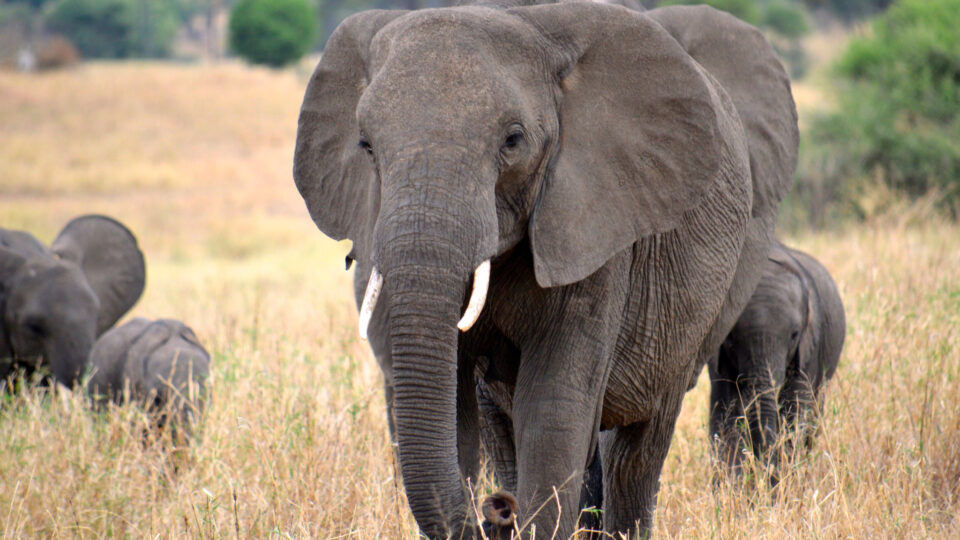
It isn’t even clear what constitutes a pristine ecosystem.  According to some experts, ecosystems that have lost most of their large mammal species, for example, cannot be considered intact.  By that standard, only a tiny fraction of the world’s ecosystems remains intact.

Other experts contend that preserving individual species is not what really matters.  Studies have shown that many ecosystems have undergone and continue to undergo massive species shifts over time with frequent extinctions along the way.  Nevertheless, the ecosystems continue to flourish with new species replacing others to perform the various functions required.

Some perspectives consider intact ecosystems to be those devoid of human influence.  But that notion is not universally held.   There is the idea that most of the world’s ecosystems were essentially untouched until perhaps 500 years ago when European exploration expanded greatly.  But the reality is that even 12,000 years ago, nearly three-quarters of terrestrial nature was inhabited, used, and shaped by people.  However, those human interactions were similar to how many indigenous and local peoples across the globe still live, not like the interactions of modern civilization that result in massive changes to ecosystems.

**********

Web Links

Species or Ecosystems: How Best to Restore the Natural World?

Photo, posted November 21, 2003, courtesy of Megan Coughlin via Flickr.

Earth Wise is a production of WAMC Northeast Public Radio.
Radar Satellites And Hazard Mitigation | Earth Wise

May 26, 2021 By EarthWise Leave a Comment

Using satellites to keep tabs on natural disasters

Scientists have concluded that the changing climate is primarily the result of increased human-caused greenhouse gas emissions.  Some of the effects of global climate change include melting glaciers, warming oceans, intensifying storms, and rising seas.

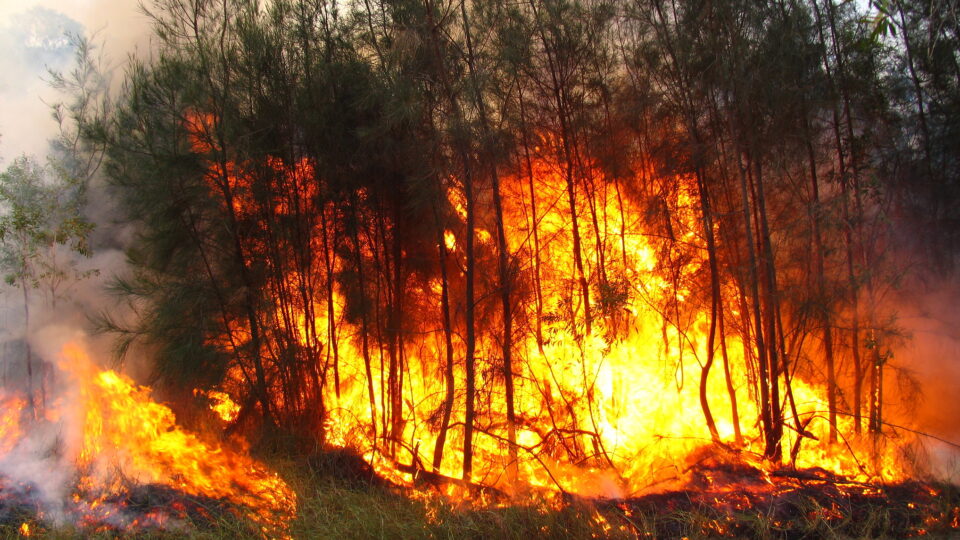
Another consequence of global climate change is natural disasters like floods and wildfires.  Climate change is increasing the frequency and severity of wildfires and increasing the odds of record-breaking floods in many parts of the United States and all around the world.

As a result, scientists in Australia have turned to technology for better assistance in keeping tabs on these climate change-driven natural disasters.  Researchers from Curtin University in Perth, Australia have found that satellites can improve the ability to detect, monitor, prepare for, and withstand natural disasters, including floods, wildfires, and earthquakes.

The research team used Synthetic Aperture Radar (SAR) data, which was acquired by the European Space Agency Sentinel-1 satellite.  The researchers also used data acquired by other satellites to evaluate these Australia-specific case studies.

According to the researchers, SAR data provides remote monitoring capabilities of Earth’s surface around the clock and in all weather, which is something that traditional optical Earth Observation (EO) imagery cannot do. The ability to function through fog, clouds, rainfall, and smoke is what makes SAR so valuable.

The research team says that the data can be used to improve how people track and respond to natural disasters, by precisely mapping topography, tracking movements of the ground, and mapping damage to infrastructure. 

As the climate continues to change, the ability to mitigate hazards like floods and wildfires will be increasingly important. 

**********

Web Links

Radar satellites can better protect against bushfires and floods

Photo, posted May 11, 2007, courtesy of Bert Knottenbeld via Flickr.

Earth Wise is a production of WAMC Northeast Public Radio.

  • « Go to Previous Page
  • Page 1
  • Interim pages omitted …
  • Page 6
  • Page 7
  • Page 8
  • Page 9
  • Page 10
  • Interim pages omitted …
  • Page 13
  • Go to Next Page »

Primary Sidebar

Recent Episodes

  • An uninsurable future
  • Clean energy and jobs
  • Insect declines in remote regions
  • Fossil fuel producing nations ignoring climate goals
  • Trouble for clownfishes

WAMC Northeast Public Radio

WAMC/Northeast Public Radio is a regional public radio network serving parts of seven northeastern states (more...)

Copyright © 2026 ·