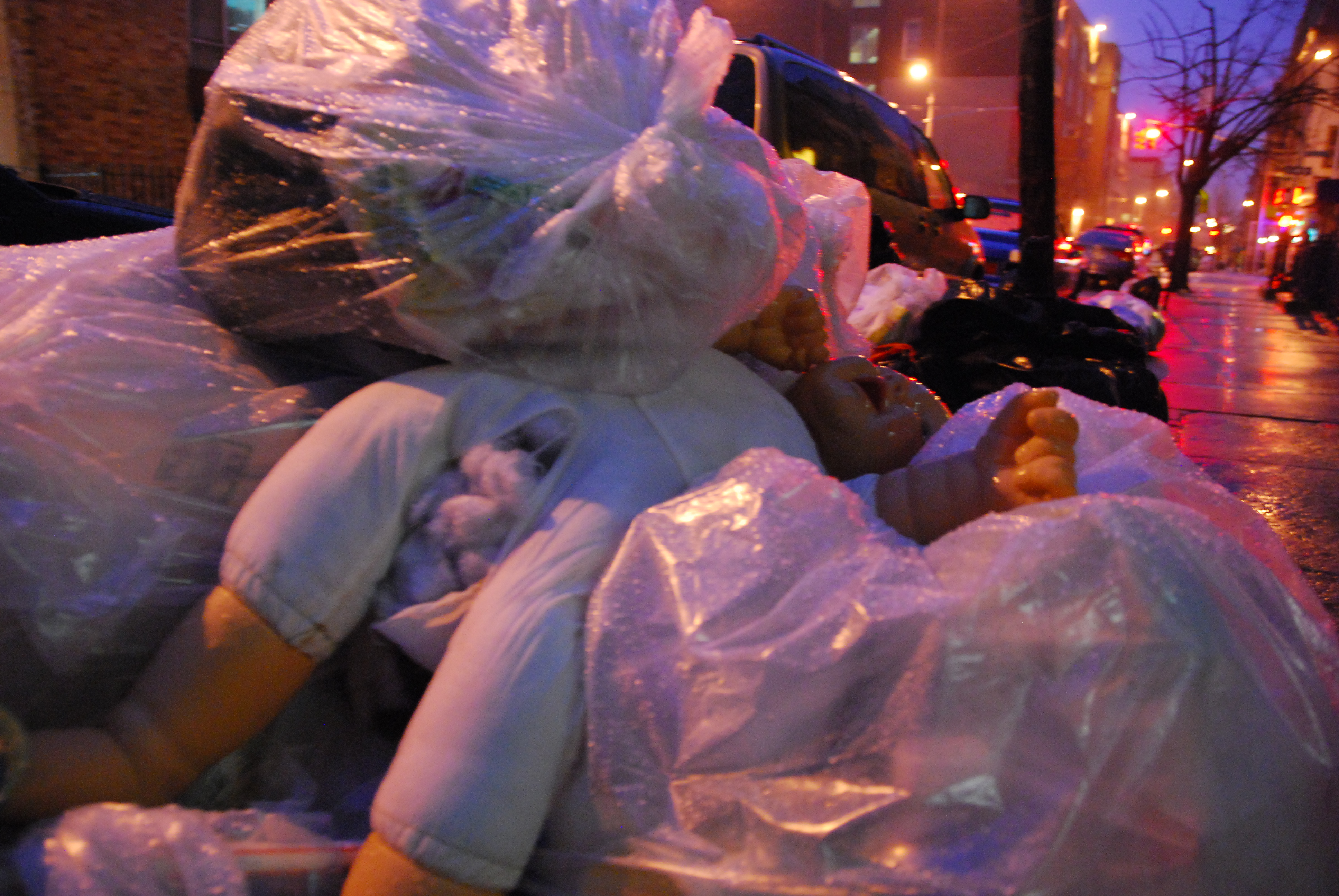
As the world’s population grows and becomes more urban and affluent, the amount of solid waste we produce grows and grows. Over the past century, the total amount has risen tenfold. By 2025, the world-wide total is expected to double again. The average person in the United States throws away their body weight in garbage every month.
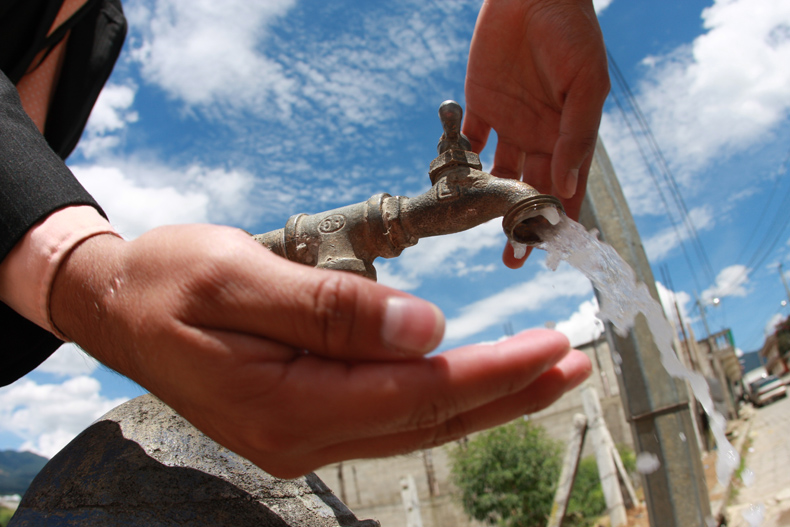
We recently highlighted how safe drinking water is in short supply. According to research published in the journal Science Advances, at least two thirds of the global population – more than four billion people – live with severe water scarcity for at least one month every year. And 500 million people around the world face water scarcity all year.
Water is a simple chemical compound containing two hydrogen atoms and one oxygen atom connected by covalent bonds. It covers 71% of Earth’s surface and is vital for all forms of life. Despite its abundance, water that is safe for drinking is globally in short supply.
We have talked quite a bit about food waste and in particular its impact on world hunger and on the economy. The world wastes more than $750 billion worth of food each year and 1.6 billion tons of food is left in fields, sent to landfills or scattered about the landscape. Another 7 million tons of fishery discards are dumped in the sea.
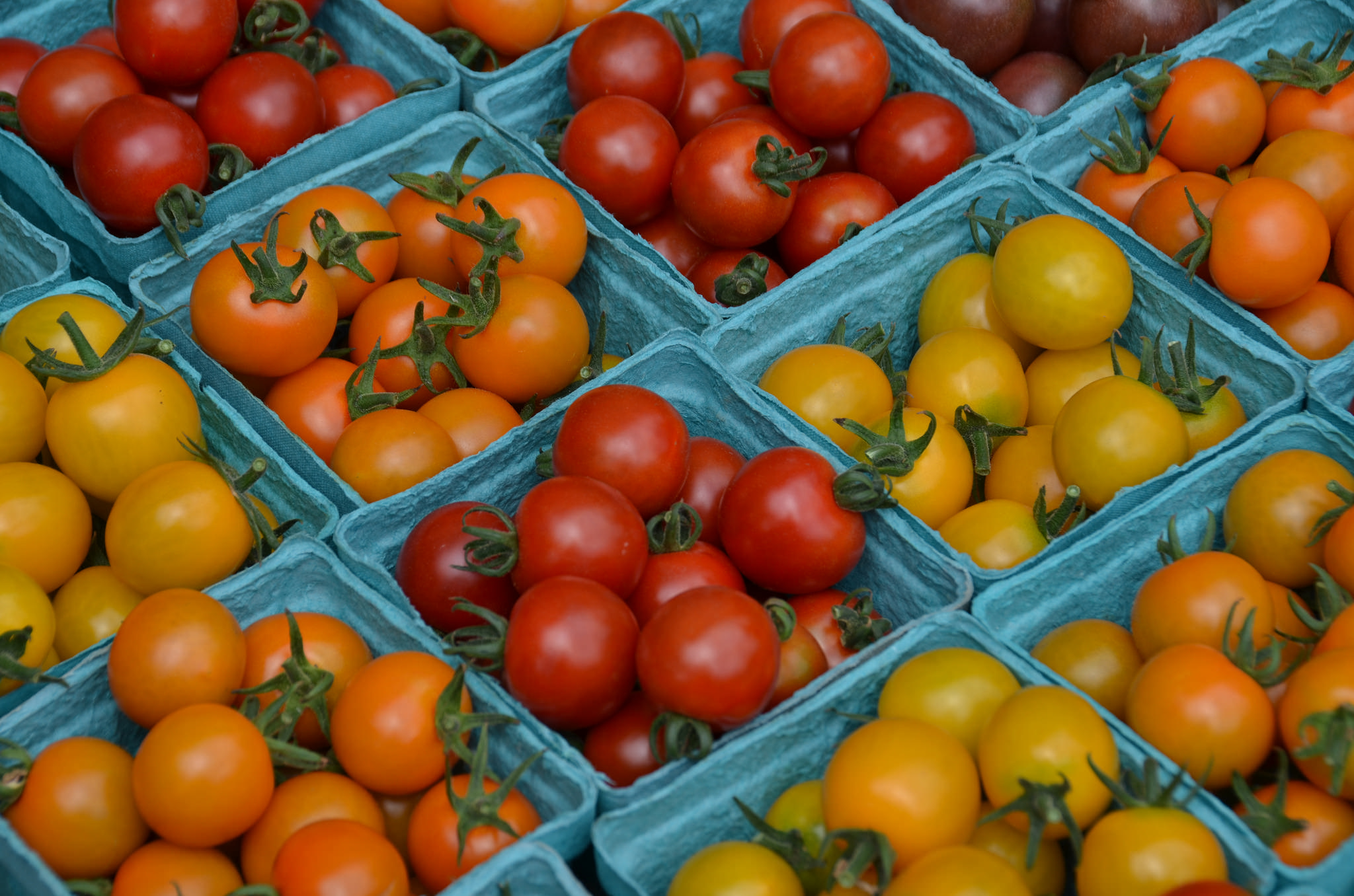
In the Northeast, many are enjoying the last of autumn’s bounty. When we grow fruits and vegetables, we can choose to forgo pesticides, GMOs, or industrial fertilizer. When we shop at farmer’s markets, we support family farms and help maintain open space that we all enjoy.