solar
A Record Drop In Coal Consumption

Global consumption of coal dropped by 1.7% last year. This is a major change considering that it had increased by an average of 1.9% per year from 2005 to 2015. China, which accounts for about half of the coal burned in the world, used 1.6% less in 2016, as compared to an increase of 3.7% per year over the previous 11 years.
Air Pollution And Solar Power
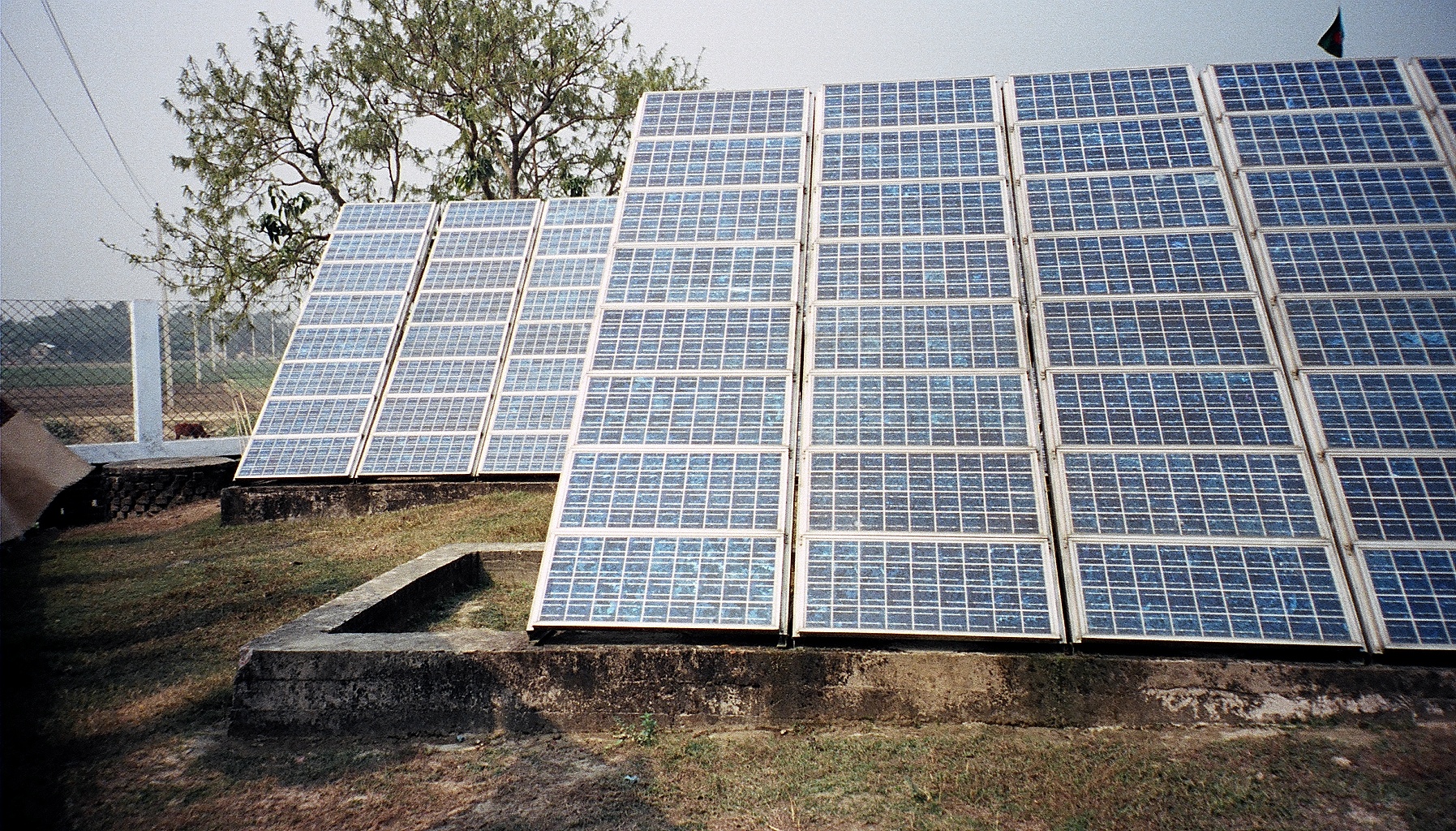
We are well-aware of the negative effects of air pollution on human health and on the environment, but a recent study at Duke University has revealed that global solar energy production is taking a major hit due to air pollution and dust.
The Largest Floating Solar Power Plant
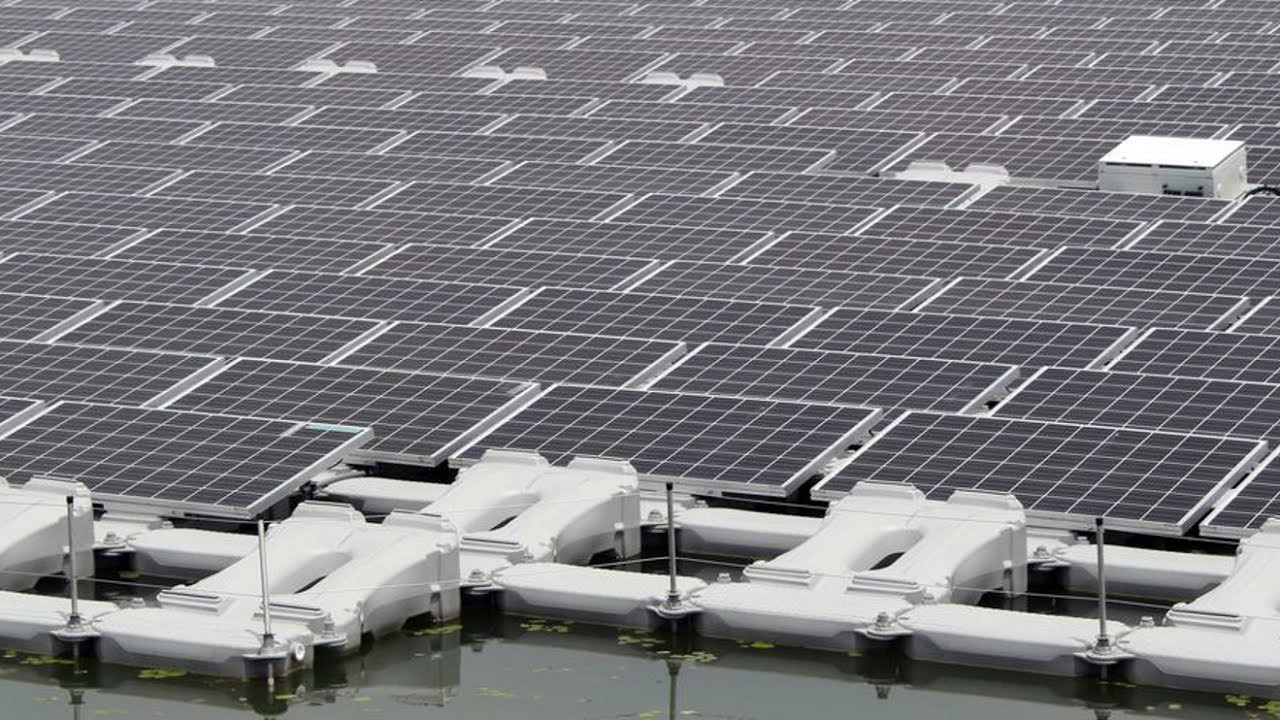
The world’s largest floating solar power plant is now operational and connected to the electric grid in China. It is a 40-megawatt facility and floats in water 13 to 30 feet deep in a lake that was created by a former mining operation.
Fern-Inspired Energy Storage

The amount of solar energy striking the surface of the earth in two hours is enough to supply all of humankind’s needs for an entire year. For this reason, it is widely thought that solar energy should be our primary source of electricity. If this is to happen, however, there must be cost-effective ways to obtain solar electricity regardless of the time of day, weather, or seasonal changes. Essentially, there must be ways to store the energy from the sun to use it when we need it.
China And India Climate Progress
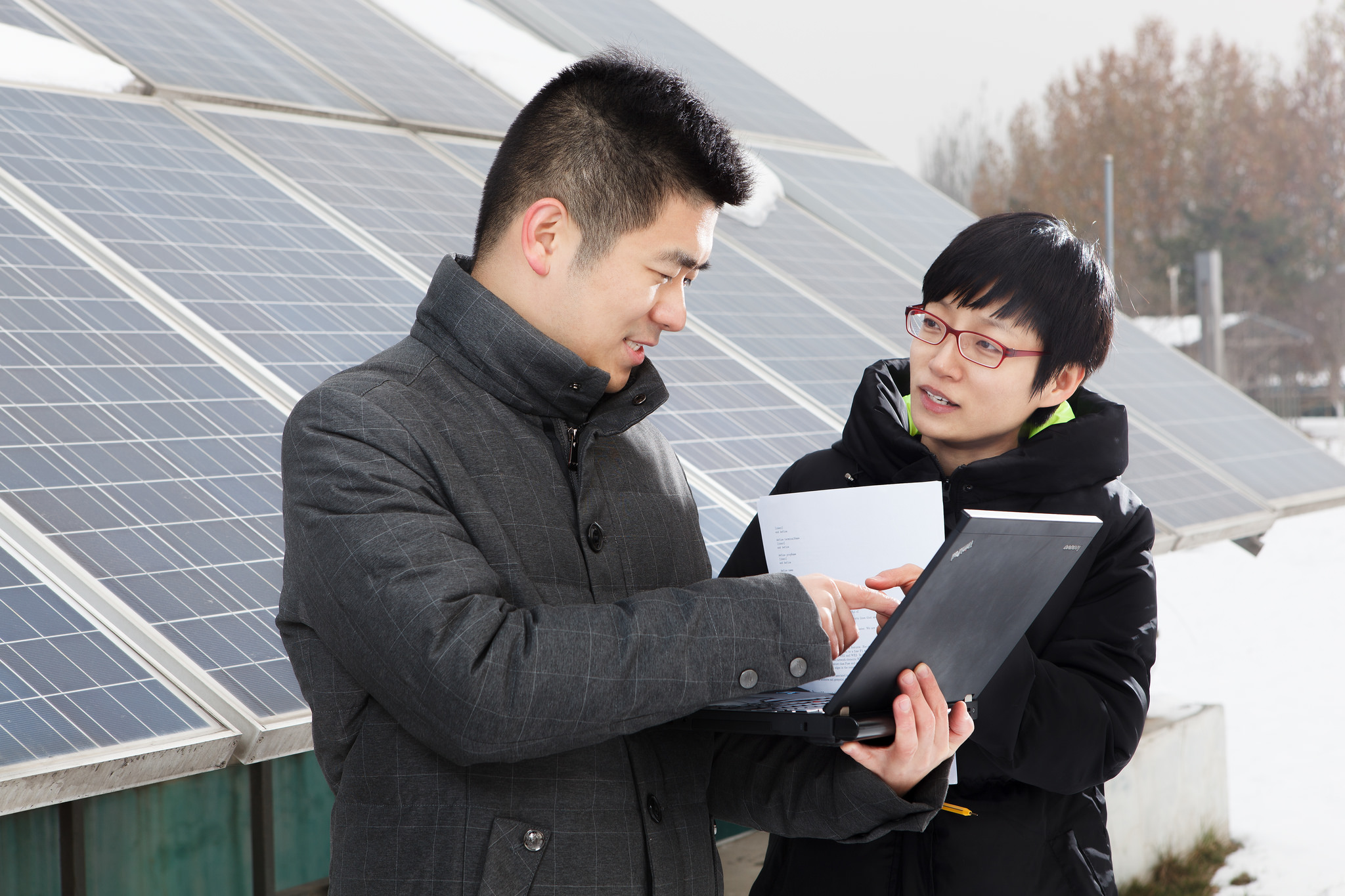
China and India have 36% of the world’s population and produce about 35% of global CO2 emissions, ranking first and third respectively in that category. The United States, with a little over 4% of the world’s population, produces about 16% of global CO2 emissions, good for second place.
An Aluminum Battery

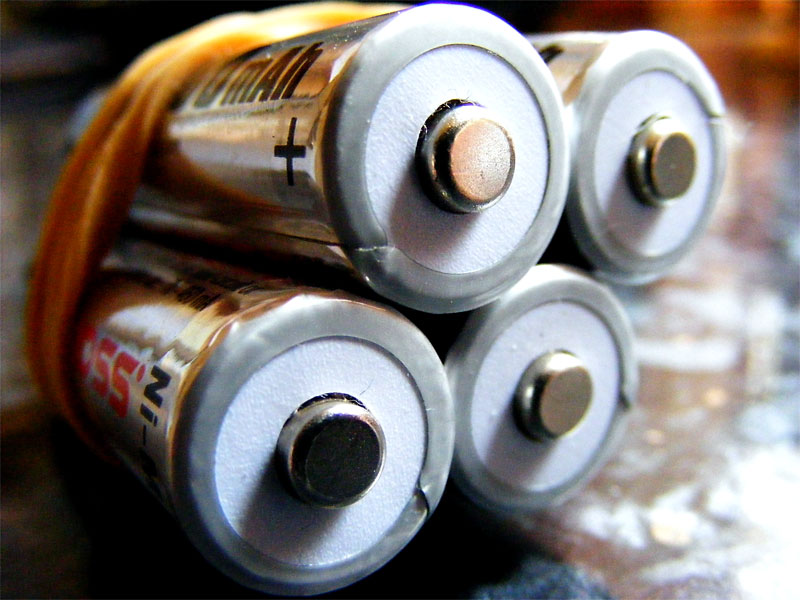
The battery industry is currently dominated by lithium-ion batteries. We have them in our phones and computers. They power electric cars. And they are increasingly being used to store energy generated by solar panels and other renewable energy sources.
Improving Energy Storage
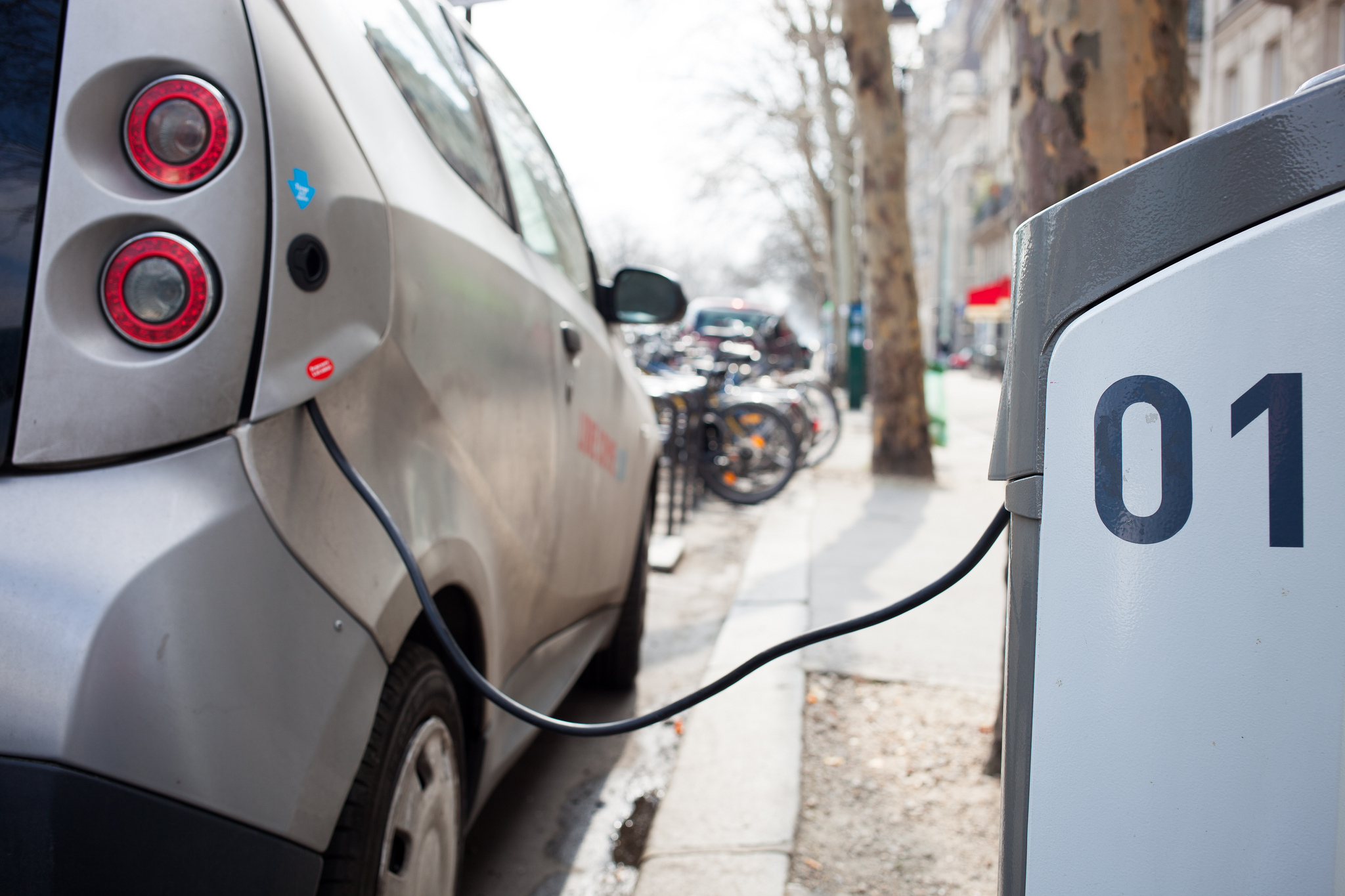
The transition to sustainable energy sources faces many challenges. One important one is to make those sources as reliable as conventional energy systems. For technologies like solar and wind power, which can’t operate around the clock, an enabling element is effective energy storage. Energy storage is critical for both the electricity grid and for transportation.
A New Record For Solar Hydrogen Production
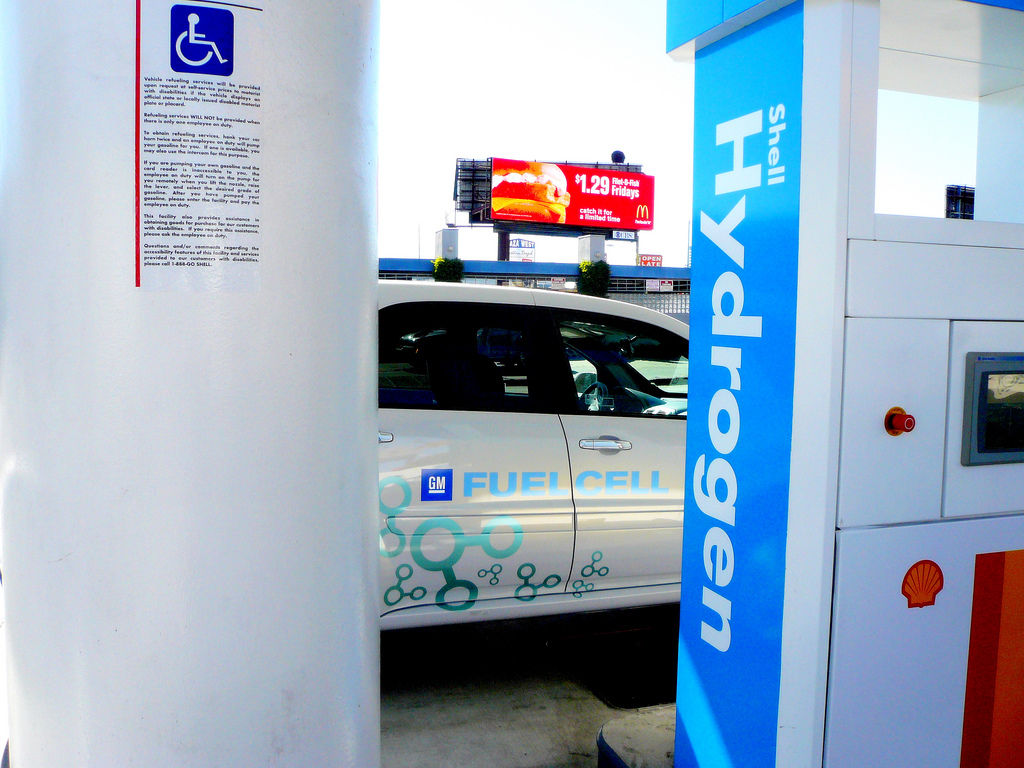
Renewable energy may be under attack by the federal government these days, but one federal agency is making great progress on using the sun’s energy to split hydrogen from water. The National Renewable Energy Laboratory, located in Golden, Colorado, recently highlighted two initiatives aimed at the production of renewable hydrogen.
[Read more…] about A New Record For Solar Hydrogen Production
Water From Thin Air

Scientists at UC Berkeley and MIT have demonstrated a water harvester that uses only sunlight to pull liters of water out of the air each day in conditions as low as 20% humidity, a level common in arid areas.
Spray-On Solar Cells

One of the most exciting possibilities for future solar energy technology is that of solar cells that can be sprayed or printed on to surfaces like the windows of skyscrapers, the roofs of sports utility vehicles, or the walls of houses. And the expectation is that such technology would be far cheaper than today’s silicon-based solar panels.
Utility-Scale Solar Power
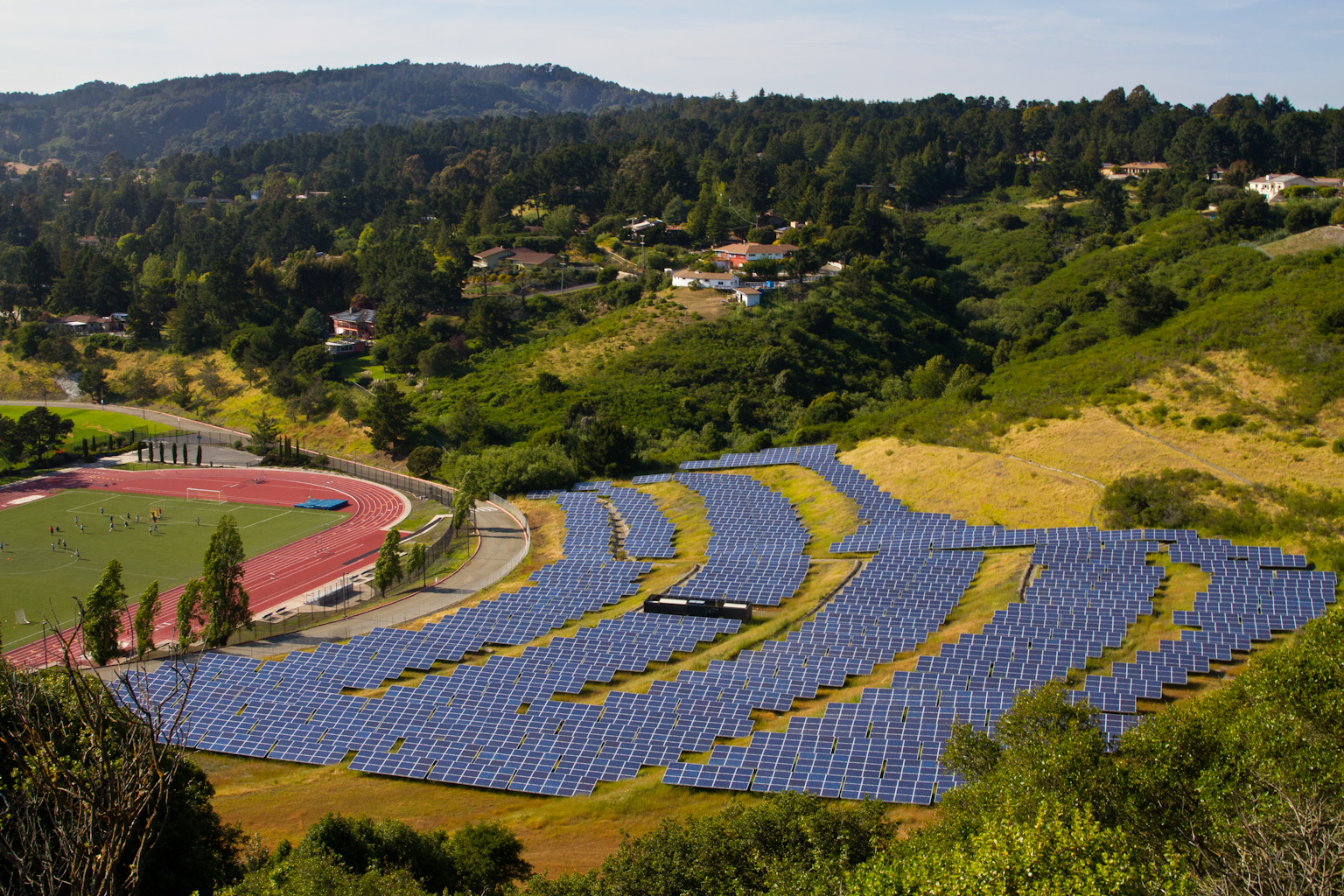
Solar panels on the roofs of houses have become a familiar sight in recent years, but utility-scale solar – installations of 10 megawatts and greater – are really booming these days. Throughout the United States, more than 10.5 gigawatts of utility-scale solar were added to the electric grid in 2016 – enough to power more than 2 million homes – and at least 8 gigawatts more are scheduled to come online this year.
Solar Power From An Old Mine
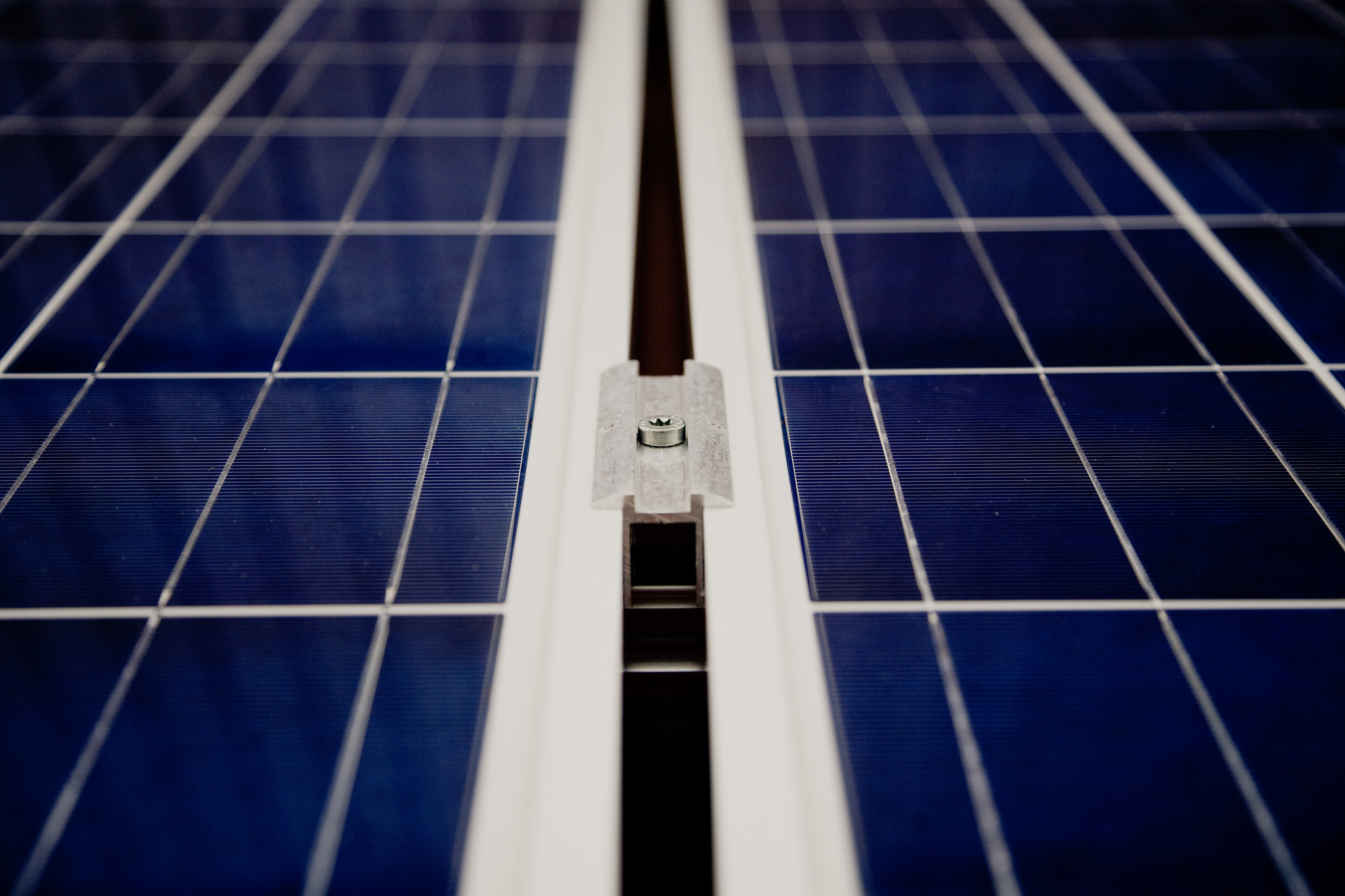
For more than a century, a wide stretch of land north of Kimberley, British Columbia, was used for intensive industrial hard-rock mining. The site of Teck’s Sullivan Mine hosted a steel mill, a fertilizer plant and tailings ponds and was rendered treeless.
Old Dog, New Trick

The North-Rhine Westphalia region of Germany was the crucible of that country’s industrial revolution and it still generates a third of Germany’s power, much of it using aging coal plants. However, Germany’s national energy transition program is pushing the country away from coal and other fossil fuels and towards renewable energy sources.
Hydrogen On Demand
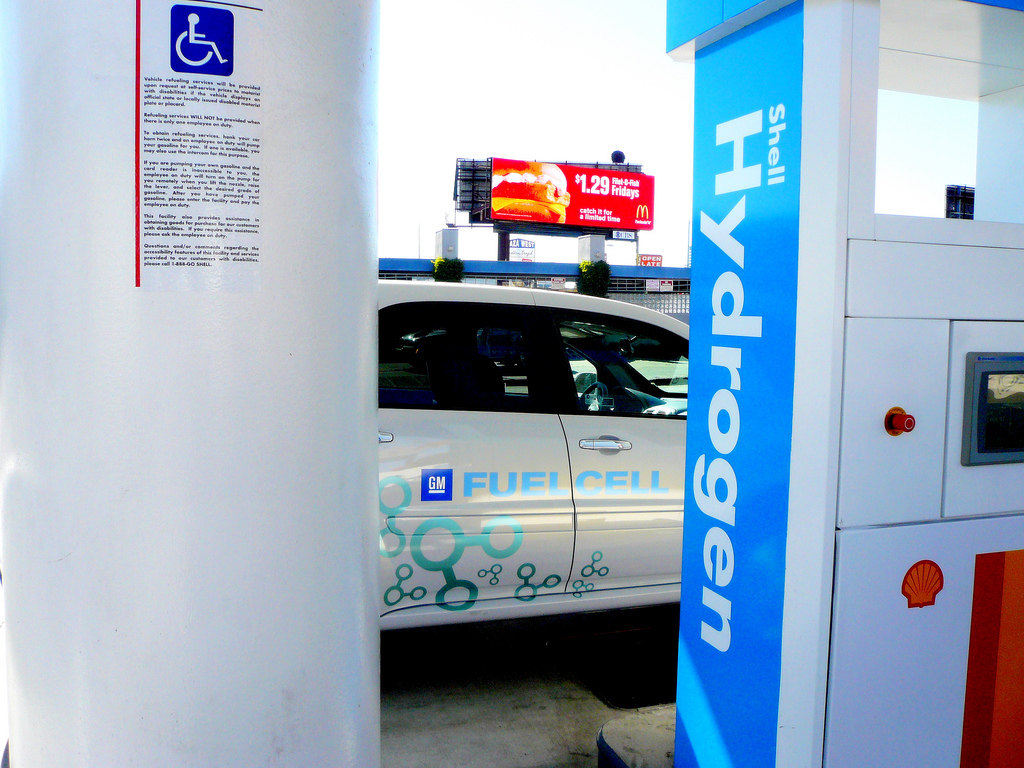
Researchers at the Technion-Israel Institute of Technology have developed a new method for producing hydrogen from water using solar energy. If successfully developed, their approach would make it possible to produce hydrogen in a centralized manner at the point of sale such as at a fueling station for hydrogen-powered cars.
Baltimore’s Trash Wheels

Baltimore’s harbor is cleaner than it has been in decades thanks to the efforts of two solar- and hydro-powered trash interceptors built to look like googly-eyed cartoon characters. In fact, they are known as Mr. Trash Wheel and Professor Trash Wheel.
New York’s Solar Boom
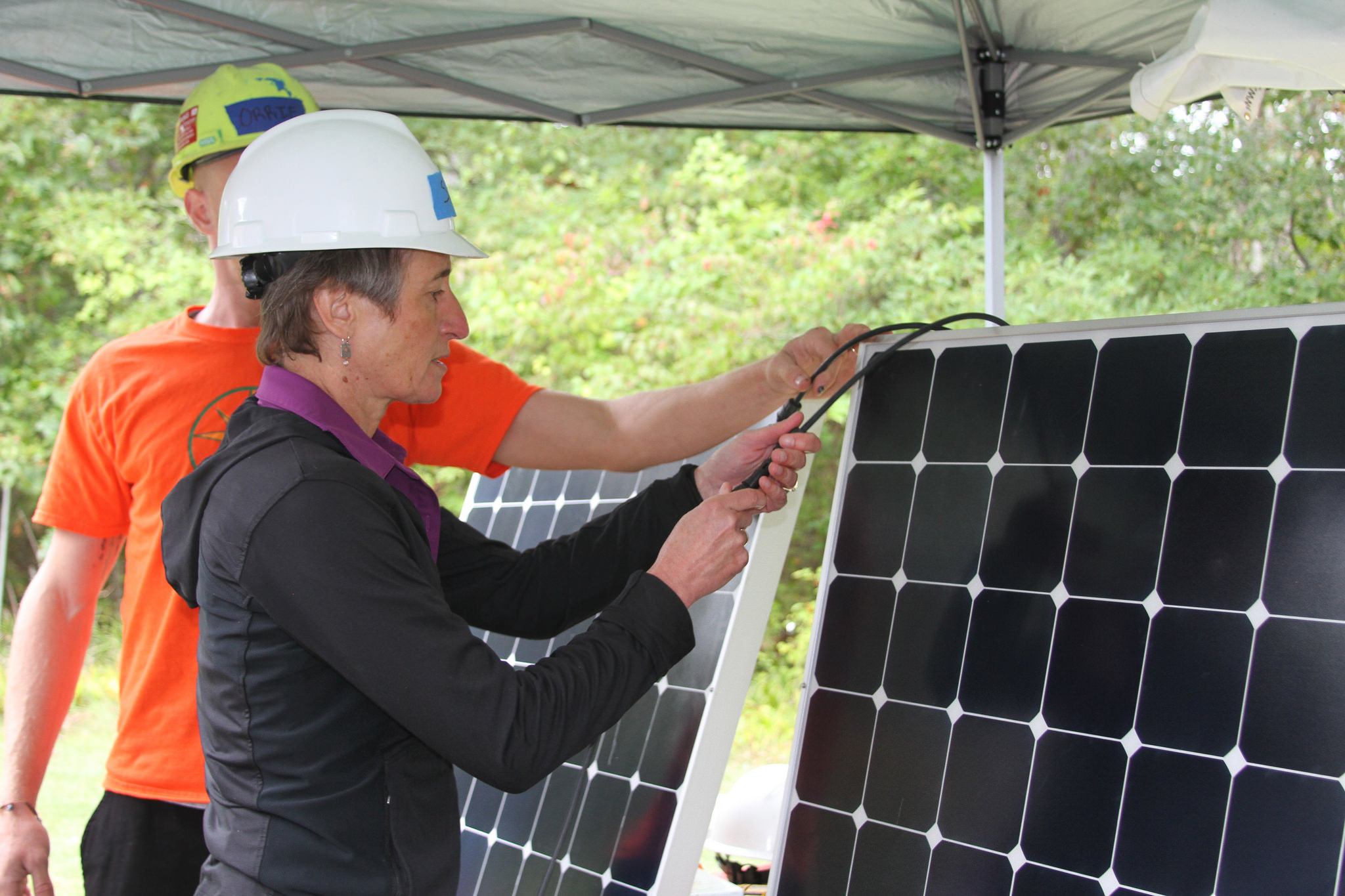
New York Governor Andrew Cuomo recently announced that the state’s support for solar power initiatives has resulted in an 800% increase in industry growth since 2011. New York’s various renewable energy programs have resulted in $1.5 billion in investments. The NY-Sun Initiative has produce a 10-fold increase in solar projects in several regions of the state. The Mohawk Valley led the way with an almost 16-fold increase in solar capacity.
Islands Ditching Diesel

Islands around the world have a difficult time developing the infrastructure for electricity generation. Many are simply too small or too poor for conventional power plants. The most common electricity source on islands is diesel generators which are not environmentally friendly and result in some of the most expensive electricity in the world.