• Skip to primary navigation
  • Skip to main content
  • Skip to primary sidebar

Earth Wise

A look at our changing environment.

  • Home
  • About Earth Wise
  • Where to Listen
  • All Articles
  • Show Search
Hide Search
You are here: Home / Archives for planet

planet

Global Light Pollution

October 14, 2021 By EarthWise 1 Comment

Light pollution increasing globally

Light pollution is excessive or obtrusive artificial light. It’s a consequence of industrial civilization.  Too much artificial light can cause a host of problems, including disrupting ecosystems, causing adverse health effects, and wasting energy. 

According to a new study led by researchers from the University of Exeter in the U.K., global light pollution has increased by at least 49% over 25 years.  But this figure only includes light visible via satellites.  Scientists estimate that the true increase may be significantly higher – up to 270% more globally. 

That’s because there is a hidden impact of LED technology that isn’t accounted for in the satellite data. LEDs emit more blue light than previous lighting technologies, but satellite sensors fail to pick up this blue light.   This leads to a large underestimate of global light pollution.

The researchers examined light pollution from 1992 to 2017.  They found persistently increasing light pollution in Asia, South America, Oceania and Africa.  In Europe, detected light increased until around 2010, after which it leveled off.  In North America, artificial light appears to be on the decline.  However, the researchers point out that the satellites inability to detect blue light of LEDs means that light pollution has likely actually increased in most locations.

Light pollution has widespread impacts on both animals and plants.  For example, light pollution can confuse the migratory patterns of animals and change predator-prey relationships.   It’s also been shown to cause trees to bud earlier in spring.      

While there’s no off switch for the planet, there are ways that we could reduce the amount of light drastically with little impact on our lives. 

**********

Web Links

Rapid increase in global light pollution

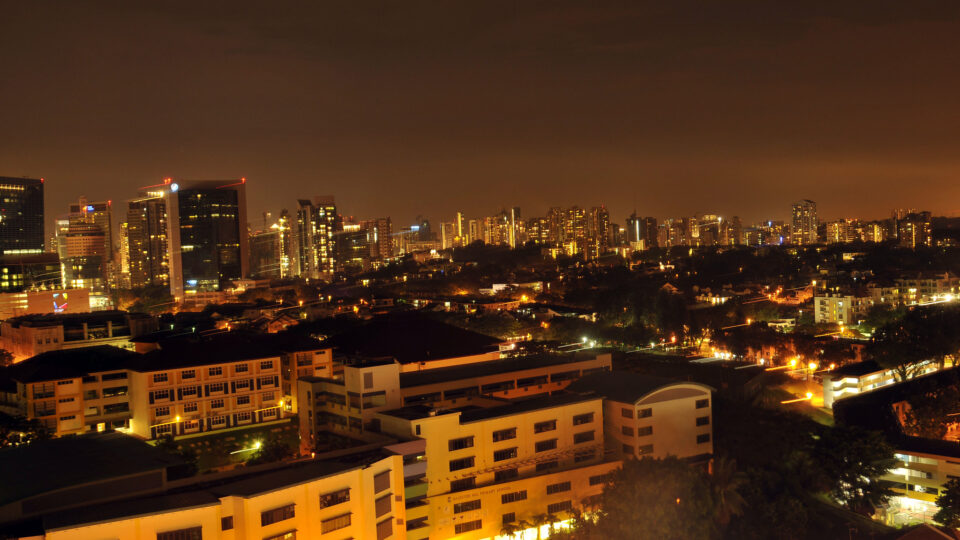
Photo, posted November 2, 2008, courtesy of Timothy Tsui via Flickr.

XXXXXXXXXXXXXXXXXX
Drought And Desalination | Earth Wise

October 11, 2021 By EarthWise Leave a Comment

Improving water desalination to combat droughts

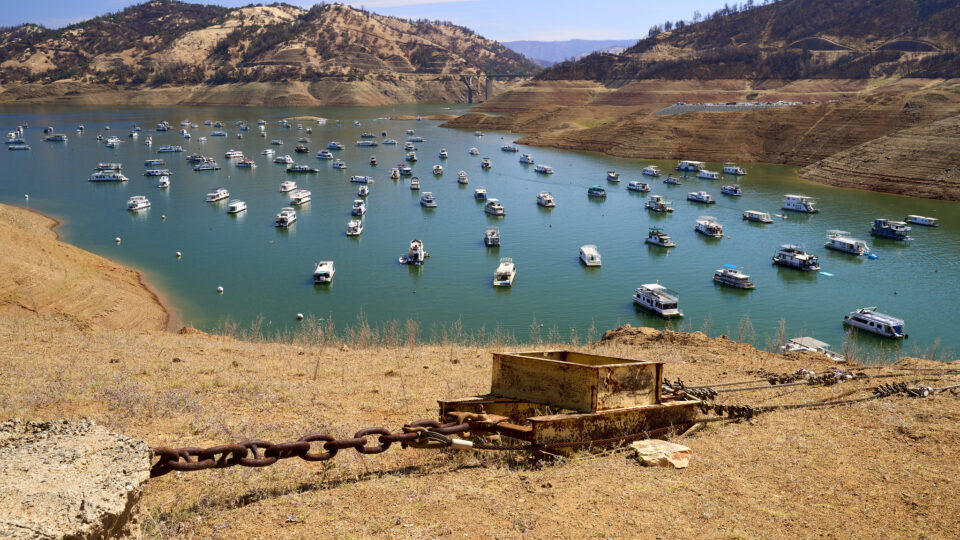
The Western US is currently experiencing what might be the worst drought in over 1,000 years.   The region has seen many droughts in the past, but the changing climate is making dry years drier and wet years wetter.   Diminishing snow-packs mean that rivers, streams, reservoirs, and soil are not replenished enough in the spring and summer.

Meanwhile, the Southwest has seen a growth rate over the past 60 years that is twice that of the rest of the country.  More and more people are moving to areas expected to get even drier in the years to come.  There have been unprecedented water allocation cuts from the Colorado River – which provides water to seven states – and there have been shutdowns of hydroelectric power plants.

Only three percent of the planet’s water is fresh water and much of that is not available for our use.  Over 120 countries have turned to desalination for at least some of their drinking water.  In the US, the largest plant is in Carlsbad, California and a huge new plant is likely to be built in Huntington Beach, California.

Desalination has its drawbacks.  It is expensive, consumes large amounts of energy, and has detrimental environmental impacts.  Most of the world’s desal plants now use membrane filtration technology but there are still many that use the thermal distillation method.

There are efforts around the world aimed at improving desalination.  A giant project in Saudi Arabia is based on solar heating of sea water.  The U.S. Army and the University of Rochester are working on a different solar-based system.  European companies are developing a floating seawater desalination plant powered by wind energy. 

Droughts seem to be here to stay.  Finding better ways to get fresh water is essential.

**********

Web Links

A 1,000 Year Drought is Hitting the West. Could Desalination Be a Solution?

Photo, posted May 31, 2021, courtesy of Frank Schulenburg via Flickr.

Earth Wise is a production of WAMC Northeast Public Radio.

Harnessing The Smell Of Fear | Earth Wise

September 28, 2021 By EarthWise Leave a Comment

Harnessing the smell of fear to drive away pests

Plant-eating insects present a major problem for farmers and home gardeners.  Aphids, for example, are a highly destructive pest to many crops.  Their large numbers and ability to transmit plant pathogens make them a persistent problem for growers.

Pesticides are chemical substances that are commonly used to prevent, destroy, repel or mitigate pests.  They include insecticides for insects, rodenticides for rodents, herbicides for weeds, and fungicides for microorganisms.  According to the U.S. Geological Survey, approximately one billion pounds of these chemicals are used in the United States every year.     

But pesticides can also contaminate soil, water, and other vegetation, as well as kill many non-target species.  Exposure to these chemicals is dangerous for human health. 

According to a new study, researchers from Pennsylvania State University have developed a way to bottle the “smell of fear” produced by predators in order to repel and disrupt pests naturally without the need for these harsh substances.  The researchers recently presented their findings at the American Chemical Society meeting.  

Aphids happen to be a favorite food of ladybugs. Aphids and other herbivorous insects will steer clear of fields and gardens if they smell predators nearby.  The researchers identified and extracted the volatile odor profile from ladybugs.  The researchers used the compounds to create a special odor blend that can be used in an essential oil diffuser to spread the scent across a garden or field. 

The research team plans to conduct field tests to see if the effects outside are similar to what was observed in the lab.  A natural and effective pest repellent would be a big win for people and the planet.  

**********

Web Links

Protecting gardens and crops from insects using the ‘smell of fear’

Protecting gardens and crops from insects using the ‘smell of fear’ (YouTube)

Photo, posted May 10, 2011, courtesy of DM via Flickr.

Earth Wise is a production of WAMC Northeast Public Radio.

Wastewater As A Freshwater Source | Earth Wise

September 27, 2021 By EarthWise Leave a Comment

Water covers three-quarters of our planet, but freshwater – the water we drink, bathe in, and irrigate crops with – comprises only 3% of the world’s water and much of that is frozen in glaciers or otherwise unavailable.  Nearly 3 billion people suffer from water scarcity for at least some of the year.

Natural freshwater sources – lakes, rivers, and groundwater – are under stress from the effects of climate change and from the increasing demands of city populations.  The wastewater treatment plants in large cities represent a significant potential water source provided that sustainable and economical technologies to produce it can be developed.

Researchers at Lehigh University in Pennsylvania have patented an innovative ion exchange desalination process that is a legitimate candidate to transform wastewater into usable water.

Existing large-scale desalination systems make use of semipermeable reverse osmosis membranes that require an energy source to run the system.  The Lehigh process, which they call HIX-Desal, harnesses the unique chemistry of carbon dioxide to take the place of the energy used in reverse osmosis systems. 

Tests of the new system show that the salinity of treated wastewater can be reduced by more than 60% by the HIX-Desal process without requiring any reverse osmosis.  At an Allentown, Pennsylvania water treatment plant where the system was tested, the researchers estimated that using the system could save about a million kWh per day in electricity usage, enough energy to power 94 homes for a year.

With this system, waste carbon dioxide from landfills or turbine exhaust can be used to desalinate municipal wastewater.  It could be the basis of a circular economy.

**********

Web Links

Desalination tech uses CO2 to tap into municipal wastewater as alternative freshwater source

Photo, posted November 28, 2020, courtesy of Richard Ricciardi via Flickr.

Earth Wise is a production of WAMC Northeast Public Radio.

People And The Earth’s Increasing Heat | Earth Wise

September 23, 2021 By EarthWise Leave a Comment

Humans are driving climate change

A new study by Princeton University and the National Oceanic and Atmospheric Administration had found clear evidence that human activity is the primary cause of the significant increase in heat stored in our planet.  In fact, the study found that there is less than a 1% chance that natural variability is the sole cause of the increase.

The researchers looked at data from satellite observations to determine the amount of energy received by the earth and the amount reflected and emitted by the Earth.  In a balanced physical system, the amount of incoming energy should equal the amount of outgoing energy.  But the earth’s system is not balanced at this point.  More energy is coming in than going out, which is driving changes in the climate system.  There have been other studies looking at the human influence on the climate, but this new study is the first to examine a 20-year continuous satellite energy balance record to see if natural fluctuations in the climate system or human activities is the primary driver for the significant change in the planet’s energy balance.

The study examined 50 different climate models to look at this energy balance under scenarios where there was no human influence.  These include changes in the sun’s output, volcanic eruptions, variations in pollution aerosols, and more.

The results, to no great surprise, are that increasing greenhouse gases over the last twenty years is by far the most important driver for the energy imbalance.  This imbalance is what is driving rising temperatures, increasing sea levels, and causing other climate changes.

**********

Web Links

Human activities responsible for rapid increase in Earth’s heat

Photo, posted May 6, 2021, courtesy of Marlis Borger via Flickr.

Earth Wise is a production of WAMC Northeast Public Radio.

Understanding Geoengineering | Earth Wise

September 7, 2021 By EarthWise Leave a Comment

Climate mitigation measures increasingly discussing geoengineering

The most recent report from the UN Intergovernmental Panel on Climate change includes discussion of a number of extreme and untested solutions to the climate crisis.  Among these are solar geoengineering – modifying clouds or spraying tiny reflective particles into the upper atmosphere in order to block some of the sun’s light and thereby cool the planet.  The underlying principles are relatively straightforward.

There have been various models that predict the extent to which solar geoengineering would lower the earth’s average temperature.  What hasn’t been modeled to any real extent is what other effects it would have.

The new report discusses the results of models that predict how temperatures would vary at different latitudes and how geoengineering would affect rainfall and snowfall.  According to the models, releasing sulfate aerosols into the upper atmosphere to block sunlight would lower average precipitation.  But every region would be affected differently.  Some regions would gain in an artificially cooler world, but others might, for example, suffer by no longer having suitable conditions to grow crops.

The drop in temperature would allow the planet’s carbon sinks (plants, soils, and oceans) to take up more carbon dioxide from the atmosphere.  However, as long as people continue to pollute, carbon dioxide would continue to make the oceans more acidic, causing significant harm to marine ecosystems.  Furthermore, solar geoengineering would have to be an ongoing process that would go on indefinitely and if it were to suddenly stop, it would lead to rapid warming.

The more we learn about geoengineering, the more it becomes clear that there would be many side effects as well as serious moral, political, and practical issues.  Society has to consider if all these things represent too much danger to allow us to seriously consider such a strategy.

**********

Web Links

In the New UN Climate Report, a Better Understanding of Solar Geoengineering

Photo, posted September 9, 2012, courtesy of Kelly Nighan via Flickr.

Earth Wise is a production of WAMC Northeast Public Radio.

Disappearing Mountaintop Glacier Ice | Earth Wise

August 30, 2021 By EarthWise Leave a Comment

Climate changing is shrinking glaciers all around the world

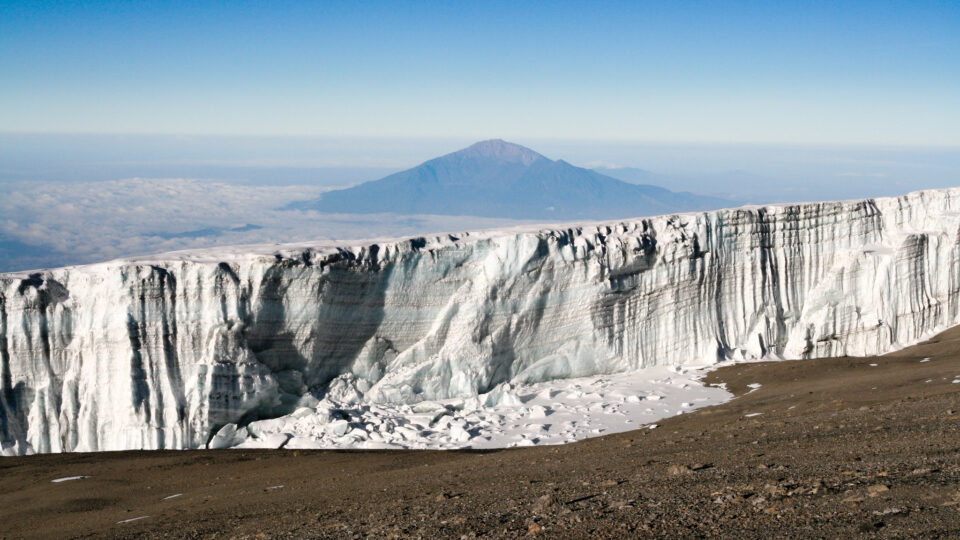
A newly released study has found that mountaintop glacier ice in the tropics of all four hemispheres has diminished dramatically over the past 50 years.  Among the findings of the study, published in the journal Global and Planetary Change, are that a glacier near Puncak Jaya, in Papua New Guinea, lost about 93% of its ice between 1980 and 2018.  Between 1986 and 2019, the area covered by glaciers on top of Mt. Kilimanjaro in Africa decreased by nearly 75%.

The study combined NASA satellite imagery with data from ice cores drilled during field expeditions on tropical glaciers around the world.  The combination of measurements demonstrated that climate change is causing these glaciers to disappear and that the ice loss has accelerated in recent years.

The study looked at glacier ice in Kilimanjaro in Tanzania, the Andes in Peru and Bolivia, the Tibetan Plateau and the Himalayas, and ice fields in Papua, New Guinea.  Collecting ice cores from these places provides information on the climate in these regions over the centuries and millennia.  As snow falls on a glacier each year, it is buried and compressed to form layers that preserve the chemistry of snow, pollutants from the atmosphere, and biological material such as plants and pollen.

Glaciers in the tropics respond more quickly to climate change because they exist in the warmest areas of the world and survive only at very high altitudes. For many of these tropical glaciers, it is too late to prevent their demise.  It is not too late to attempt the slow down the buildup of greenhouse gases in the atmosphere that is causing the planet to warm, but we don’t have unlimited time to act.

**********

Web Links

Mountaintop glacier ice disappearing in tropics around the world

Photo, posted February 12, 2009, courtesy of Christoph Strassler via Flickr.

Earth Wise is a production of WAMC Northeast Public Radio.

Coastlines and Climate Change | Earth Wise

August 16, 2021 By EarthWise Leave a Comment

Scientists predict how climate change will affect coastlines

Climate change poses a fundamental threat to life on earth and has already left observable effects on the planet.  For example, glaciers have shrunk, oceans have warmed, heatwaves have become more intense, and plant and animal ranges have shifted. 

As a result of the changing climate, coastal communities around the world are confronting the increasing threats posed by a combination of extreme storms and the predicted acceleration of sea level rise. 

Scientists from the University of Plymouth in England have developed a simple algorithm-based model to predict how coastlines could be affected by climate change.  This model allows coastal communities to identify the actions they need to take in order to adapt to their changing environment.

The Forecasting Coastal Evolution (or ForCE)  model has the potential to be a game-changer because it allows adaptations in the shoreline to be predicted over timescales of anything from days to decades. As a result, the model is capable of predicting both the short-term impact of extreme storms as well as predicting the longer-term impact of rising seas.   

The ForCE model relies on past and present beach measurements and data showing the physical properties of the coast.  It also considers other key factors like tidal, surge, and global sea-level rise data to assess how beaches might be impacted by climate change.  Beach sediments form the frontline defense against coastal erosion and flooding, and are key in preventing damage to valuable coastal infrastructure.

According to the study, which was recently published in the journal Coastal Evolution, the ForCE model predictions have shown to be more than 80% accurate in current tests in South West England.

**********

Web Links

New model accurately predicts how coasts will be impacted by storms and sea-level rise

Photo, posted April 17, 2016, courtesy of Nicolas Henderson via Flickr.

Earth Wise is a production of WAMC Northeast Public Radio.

Record Heat Across the Globe | Earth Wise

August 4, 2021 By EarthWise Leave a Comment

Record high temperatures recorded across the globe

While the Pacific Northwest was setting new records for high temperatures in June, many other places across the globe also experienced unprecedented heat.  Places in Russia and Scandinavia, including locations above the Arctic Circle, set new records for temperature.

The heatwave in Europe was the result of a persistent northward bulge in the polar jet stream.  This blocking pattern in the jet stream has been prevalent over Scandinavia this year and has contributed to unusually warm conditions there.  Further east, similar conditions have created unusual warm temperatures in Siberia.

On June 23, Moscow reached a high of 94.6 degrees, the hottest June temperature on record.  Helsinki, Finland set a record at 89.1 degrees, and both Belarus at 96.3 degrees and Estonia at 94.3 degrees set new records.  The town of Saskylah, north of the Arctic Circle in Siberia, measured almost 90 degrees on June 20. 

High temperature records have been broken in many places.  The all-time record high for June for all of Mexico fell at Mexicali in Baja California on June 17 when the temperature reached 125 degrees.  Palm Springs, California, while known for its desert heat, nonetheless set a new all-time high temperature of 123 degrees and also set a new record for the warmest overnight low temperature for a June night anywhere in North America at an unbelievable 105 degrees.

Stories like this have become all-too common in recent years and are undoubtedly going to occur with greater frequency as the world’s climate continues to react to the growing buildup of greenhouse gases in the atmosphere.

**********

Web Links

A Scorcher in Siberia and Europe

Photo, posted June 8, 2007, courtesy of Niko Pettersen via Flickr.

Earth Wise is a production of WAMC Northeast Public Radio.

Butterflies And Moths In A Changing World | Earth Wise

July 20, 2021 By EarthWise Leave a Comment

Climate change is putting immense pressure on species for change.

Extinction is a part of life.  Plant and animal species disappear all the time.  In fact, approximately 98% of all the organisms that have ever existed on planet earth are now extinct. Earth’s so-called ‘normal’ rate of extinction is thought to be somewhere between 0.1 and 1 species per 10,000 species per 100 years. 

But anthropogenic climate change is bringing about rapid change in nature. Put more simply, human activity is killing nature at an unprecedented rate.  According to many scientists, the earth’s sixth mass extinction has already begun. Mass extinctions are defined as times when the Earth loses more than 75% of its species in a geologically short interval.

The changing climate puts immense pressure on species for change.  According to a new study by researchers from the University of Helsinki and the Finnish Environment Institute, the few butterfly and moth species capable of adjusting to the changing climate by moving up their flight period and moving further north have fared the best.

In Finland, researchers compared temporal shifts in the flight period and spatial shifts in the northern range boundary of 289 moth and butterfly species, as well as changes in abundance over a roughly 20-year period.

They found that about 45% of species that either moved northward or advanced their flight period fared much better than the roughly 40% of species that did not respond in either way.  On average, the populations of these poorly responding species declined.  But the 15% of species that did both had the largest increase in abundance. 

The ability to adapt to a changing climate is going to be vital for species survival. 

**********  

Web Links

Butterflies and moths have difficulty adjusting to a rapidly changing climate

What is mass extinction and are we facing a sixth one?

Photo, posted August 16, 2017, courtesy of Tero Laakso via Flickr.

Earth Wise is a production of WAMC Northeast Public Radio.

Climate Change And Heat-Related Deaths | Earth Wise

July 14, 2021 By EarthWise Leave a Comment

Climate change is killing people

According to a new study recently published in the journal Nature Climate Change, more than one-third of the world’s heat-related deaths each year are attributable to human-induced climate change. 

Researchers from the London School of Hygiene and Tropical Medicine in the UK  and the University of Bern in Switzerland analyzed data from 732 locations in 43 countries.  They took observed temperatures and compared them with 10 computer models simulating a world without climate change.  By applying this technique to their data, the researchers were able to calculate for the first time the actual contribution of anthropogenic climate change in increasing mortality risks due to heat.

The research team found that 37% of all heat-related deaths between 1991 and 2018 were attributable to the warming of the planet due to human activities.  This percentage was highest in South America, Central America, and South-East Asia. 

In the United States, 35% of heat deaths were found to be a result of climate change.  New York had the most heat-related deaths at 141, and Honolulu had the highest percentage of heat deaths attributable to climate change at 82%.

But scientists caution that this is only a small portion of the climate’s overall impact. Many more people die from other extreme weather amplified by climate change, including severe storms, floods, and droughts.  Heat-related death figures will grow exponentially as temperatures rise.

According to the research team, the study’s findings highlight the need to adopt stronger climate change mitigation strategies, and to implement interventions to protect people from the adverse consequences of heat exposure.    

**********

Web Links

Global warming already responsible for one in three heat-related deaths

Photo, posted April 14, 2017, courtesy of Karim Bench via Flickr.

Earth Wise is a production of WAMC Northeast Public Radio.

Post-COVID Emissions Rebound | Earth Wise

May 28, 2021 By EarthWise Leave a Comment

Emissions are on the rise as COVID crisis lessons

The extensive shutdowns associated with the COVID-19 pandemic resulted in reduced activity across many sectors of the global economy.  As a result, global pollution and greenhouse gas emissions also saw lower levels.  As the COVID crisis lessens, an economic recovery is growing and as that occurs, emissions are on the rise.

The International Energy Agency forecasts that energy-related carbon dioxide emissions are projected to increase by 1.5 billion tons this year, the second-largest increase in history.

The emissions increase in 2021 is expected to be nearly 5%, reversing most of last year’s emissions decline caused by the pandemic. This would be the largest annual rise since the 2010 recovery from the global financial crisis.  In many places across the globe, people are making up for lost time and doing more of all the things that cause carbon emissions.

A key driver of the emissions increase is a rise in coal use.  The forecast is that coal-burning in 2021 would come close to the all-time peak of 2014.  Both natural gas and oil use are also expected to increase this year.  These increases are in spite of a predicted 17% increase in electricity generation from wind power and an 18% increase in solar-power generation. 

Atmospheric concentrations of CO2 are now at 417 parts per million and have increased by 3 PPM in the past year.  If human CO2 emissions are not reined in, atmospheric concentrations of planet-warming greenhouse gases could double those of pre-Industrial levels by mid-century, which would have disastrous impacts on the climate.

**********

Web Links

Global CO2 Emissions Set to Surge in 2021 in Post-Covid Economic Rebound

Photo, posted October 22, 2020, courtesy of Hospital Clínic Barcelona via Flickr.

Earth Wise is a production of WAMC Northeast Public Radio.

Climate Change And Farming Productivity | Earth Wise

May 3, 2021 By EarthWise Leave a Comment

Climate change is already hindering farm productivity

The future potential impacts of anthropogenic climate change on global agricultural systems has been well studied, but how human-caused climate change has already affected the agricultural sector is not as well understood.  But a new study led by researchers at Cornell University and supported by the USDA National Institute of Food and Agriculture and the National Science Foundation examined this issue. 

Despite important agricultural breakthroughs in technology, fertilizer use and global trade during the past 60 years, it turns out that the climate crisis is already eroding farm productivity.  According to the study, which was recently published in the journal Nature Climate Change, global farming productivity is 21% lower than it could have been without climate change.  This is the equivalent of losing approximately seven years of farm productivity increases since the 1960s. 

The researchers developed a model linking annual changes in weather and productivity with output from the latest climate models over six decades to quantify the effect of anthropogenic climate change on what economists call “total factor productivity.” This measure captures the overall productivity of the agricultural sector. 

The research team reviewed 200 variations of the model, but the results remained largely consistent:  anthropogenic climate change is already slowing down global food production.  The researchers say the historical impacts of climate change have been larger in naturally warmer climates, like in parts of Africa, Asia, and Latin America.   

Climate change is not some distant problem to solve in the future.  It is already having an impact on the planet and it needs to be addressed now.

**********

Web Links

Climate change cut global farming productivity 21% since 1960s

Photo, posted October 2, 2013, courtesy of the United Soybean Board via Flickr.

Earth Wise is a production of WAMC Northeast Public Radio.

Saving The Giant Sequoia | Earth Wise

April 22, 2021 By EarthWise Leave a Comment

Forest managers working to save the sequoias

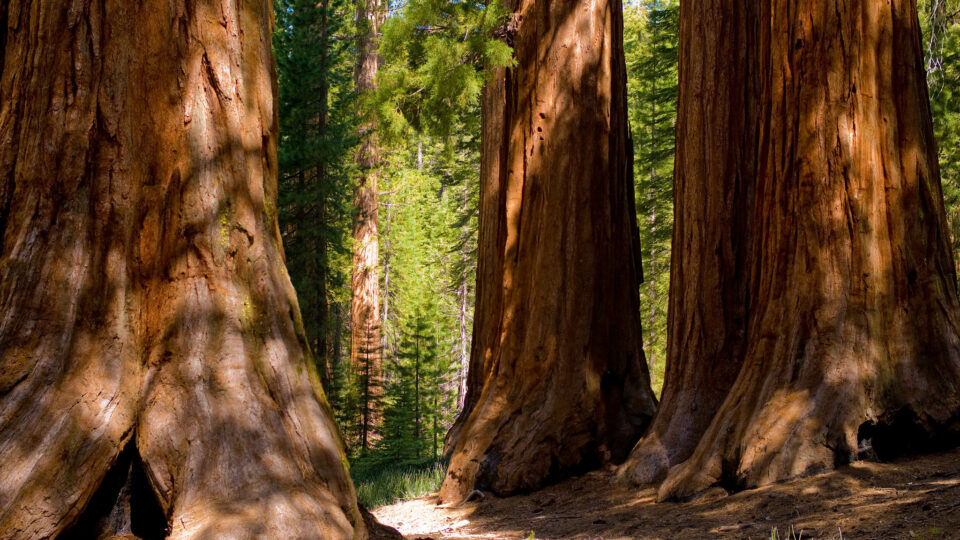
Giant sequoia trees are some of the most remarkable living things on earth.  They can live up to 3,000 years.  The tallest specimens tower over 300 feet, but it is their girth that really sets them apart.  They are usually 20 feet in diameter, and some are up to 35 feet across at the widest.  The largest tree in the world by volume is the General Sherman tree, which has a volume of 52,508 cubic feet. At 2,100 years old, it weighs 2.7 million pounds and is not only the largest living tree, but also the largest living organism by volume on the planet.

Giant sequoias are incredibly hardy.  To have survived thousands of years, the oldest of these trees have endured hungry animals, diseases, fires, snowstorms, El Niño events, years-long droughts, and the efforts of loggers during the 19th and 20th centuries.

In February, unusually high winds knocked down 15 giant sequoias in Yosemite National Park.  While sequoias are amazingly adapted to their narrow range in California’s Western Sierras, it appears as though climate change is altering their habitat faster than the species can migrate or adapt.  Shorter cold seasons have meant more rain instead of snow, leading to floods and mudslides in the winter.  Fires are more likely with less snowpack.  Hotter, drier summers put sequoias under greater stress.

Forest managers work to preserve existing groves through fire mitigation, supplementary water, and careful stewardship of young trees in existing groves.  If these efforts are successful through the ensuing decades, climate change may be just one more thing the sequoias outlasted.  But at least some conservationists are now considering planting a new generation of sequoias in colder, nearby habitats. 

**********

Web Links

To Save Giant Sequoia Trees, Maybe It’s Time to Plant Backups

Photo, posted June 8, 2008, courtesy of Joi Ito via Flickr.

Earth Wise is a production of WAMC Northeast Public Radio.

Not All Trees Cool The Planet | Earth Wise

March 24, 2021 By EarthWise Leave a Comment

Planting certain trees can actually lead to a warmer planet

A new study from Clark University has found that deforestation does not always contribute to planetary warming, as is generally assumed.  The researchers have found that there can be places where removing trees actually cools the planet.

Forests soak up carbon dioxide from the air and store it in the trees themselves and in the soil.   This process is important for slowing the accumulation of greenhouse gases in the atmosphere.

The new research focuses on a different effect that forests have on climate.  They are darker than other surfaces, which causes them to absorb more sunlight and retain heat.  This is known as the albedo effect.

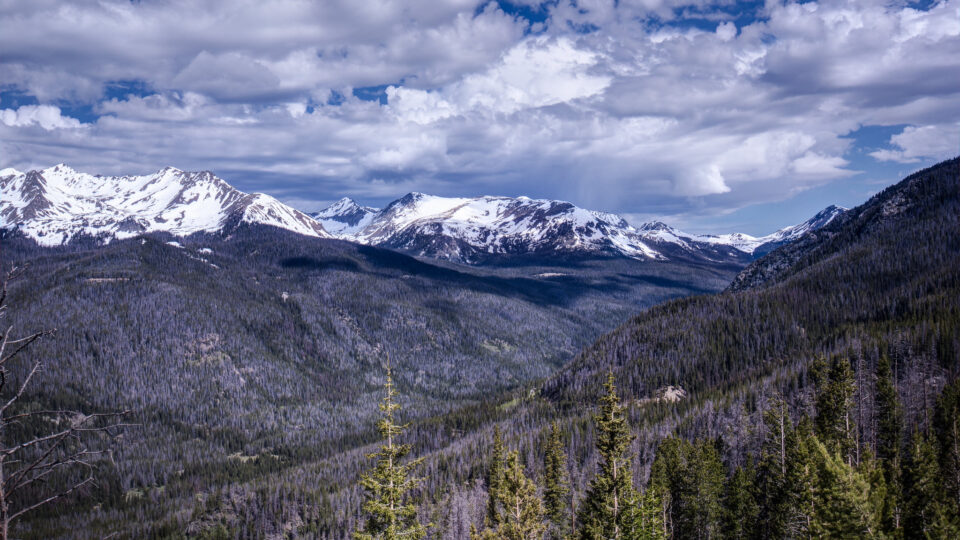
In most places, the absorption of carbon outweighs the albedo effect and forests help cool the planet.  But there are some locations, including the Intermountain and Rocky Mountain West, where more forest actually leads to a hotter planet when both processes are taken into account.  State-of-the-art satellite remote sensing allowed the researchers to quantify the effects of forest loss in the United States.

The upshot of this research is that large-scale tree-planting initiatives, such as Canada’s 2Billion Trees Initiative and the Nature Conservancy’s Plant a Billion Trees campaign need to make sure to put the right trees in the right places.

Every year, about a million acres of forest are being converted to non-forest across the lower 48 states as a result of suburban and exurban expansion and development.   It is important to take into account the albedo effect in trying to replace the climate-cooling capabilities of these disappearing forests by planting more trees.

**********

Web Links

Clark geographer Christopher Williams: More trees do not always create a cooler planet

Photo, posted June 5, 2017, courtesy of Todd Petrie via Flickr.

Earth Wise is a production of WAMC Northeast Public Radio.

What’s Killing Orcas? | Earth Wise

January 18, 2021 By EarthWise Leave a Comment

Humans are killing orcas

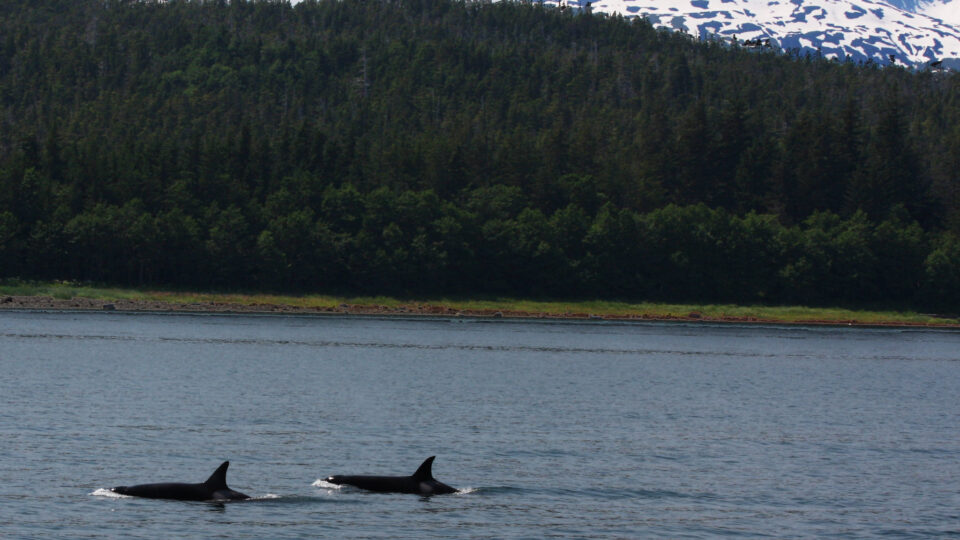
With their characteristic tall dorsal fins and black and white color patterns, orcas are one of the ocean’s most iconic species.  Measuring up to 32 feet long and weighing as much as 6 tons, orcas have one of the largest geographic distributions of any species.  They live in all latitudes, in all oceans, from the Arctic to Antarctica.    

While they are often referred to as killer whales, orcas are actually not whales at all.  Orcas are the largest dolphin species and one of the most powerful predators on the planet. 

But human interference has made life significantly more difficult for orcas in recent years.  According to pathology reports on more than 50 orcas stranded over nearly a decade in the northeast Pacific and around Hawaii, the predators face a myriad of mortal threats.  Many of those threats stem from human interactions. 

Researchers from the British Columbia Ministry of Agriculture analyzed these orca pathology reports in a new study, which was recently published in the journal PLOS ONE,.  Of 52 orcas stranded between 2004 and 2013, causes of death were determined for 42%. For example, one orca died after receiving a halibut hook injury. Two orcas died from the blunt force trauma of vessel strikes. While there was no singular common cause of death, the study found a common theme:  human-caused deaths occurred in every age class – from juveniles to adults.

The researchers also note that humans aren’t just indirectly hurting orcas with things like lack of salmon or legacy toxins.  Humans are also directly killing killer whales with boat strikes and fishing gear.   

These findings will help establish a baseline of information to assess future orca conservation efforts. 

**********

Web Links

What’s killing killer whales?

Photo, posted July 5, 2009, courtesy of Rennett Stowe via Flickr.

Earth Wise is a production of WAMC Northeast Public Radio.

Record Heat In The Arctic | Earth Wise

January 13, 2021 By EarthWise Leave a Comment

Heat in the Arctic is breaking records

By mid-November, the Arctic stays dark around the clock and twilight does not return until the end of January.  But even as winter darkness descended upon the Arctic this year, record-breaking high temperatures in the region continued.  In late November, temperatures across the entire Arctic basin were 12 degrees Fahrenheit above normal and some locations saw temperatures as high as 30 degrees above normal.

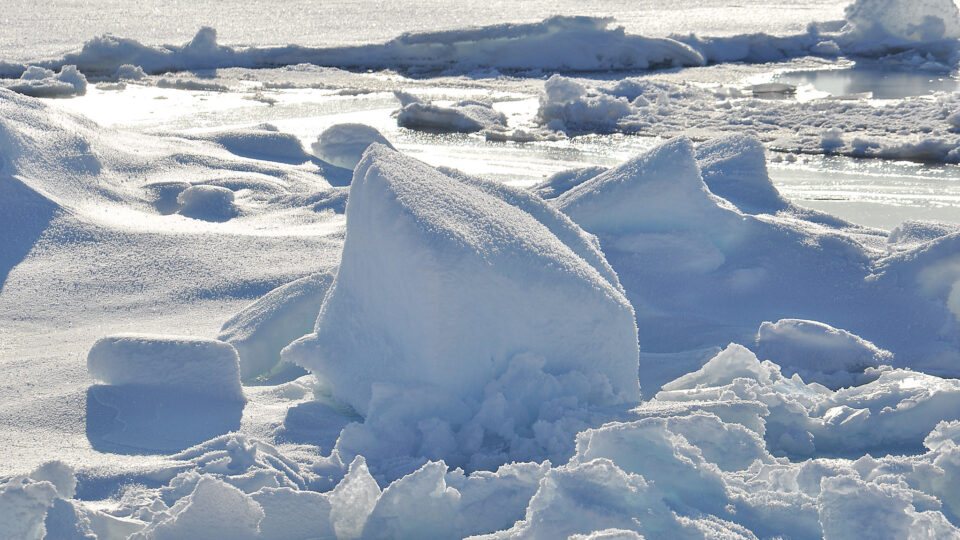
The entire summer and fall in the Arctic were characterized by exceptionally warm temperatures.  In June, the Siberian town of Verkhoyansk – located north of the Arctic Circle – registered a high temperature of 100.4 degrees.  The refreezing of the Arctic Ocean was greatly delayed this year.  The Northeast Passage along the Siberian Coast remained navigable for a record 112 days before freezing in November, breaking the previous record by more than a month.  The extent of sea ice covering the Arctic Ocean in October was the lowest ever recorded for that month.

The strongest warming occurring in the Arctic is during the fall.  That is because rapidly disappearing sea ice is enabling the dark waters of the Arctic Ocean to absorb heat in the summer and then radiate it back into the atmosphere until late in the fall.  The Arctic region is heating up three times faster than the rest of the planet, which has led to the volume of sea ice decreasing by 2/3 in the past 40 years.

According to researchers, the extreme heat in Siberia this year would have been virtually impossible without human-caused climate change and became 600 times more likely because of human emissions of greenhouse gases.

**********

Web Links

Record-shattering Warmth Pushes Arctic Temperatures to 12 Degrees F Above Normal

Photo, posted September 1, 2009, courtesy of the U.S. Geological Survey via Flickr. Photo Credit: Patrick Kelley, U.S. Coast Guard.

Earth Wise is a production of WAMC Northeast Public Radio.

Europe’s Green Deal: Bad For The Planet? | Earth Wise

December 28, 2020 By EarthWise Leave a Comment

Europe's Green Deal might simply be exporting its environmental pollution

In 2019, the European Union announced the “Green Deal,” a comprehensive program aimed at making Europe the first climate-neutral continent, implementing environmentally friendly transport, increasing recycling, and expanding renewable energy.

The Green Deal involves significant changes to European agriculture.  Over the next ten years, under the ambitious environmental program, at least a quarter of all agricultural areas will be farmed organically, the use of fertilizers and pesticides greatly reduced, 3 billion trees planted, 15,000 miles of rivers restored, and the population declines of pollinators reversed.

However, in a recent article published in Nature, scientists at the Karlsruhe Institute of Technology show that this Green Deal might actually be a bad deal for the planet.

The problem is that the EU is likely to basically be outsourcing environmental damage by its high imports of agricultural products.

According to the Karlsruhe study, the EU annually imports millions of tons of agricultural products, as much as 20% of its produce and much of its meat and dairy products.  Quite often, these imports come from countries whose environmental laws are far less stringent than those in Europe.

The EU cannot impose environmental standards on other countries, but it can demand that goods entering the European market meet EU requirements.  The study points out that Europe’s carbon footprint has to be evaluated on a global basis.  If the EU is truly to become a climate-neutral continent, it must include foreign trade goals and requirements in its environmental programs.  Otherwise, Europe will simply be outsourcing its environmental problems and will continue to cause damage to the planet.

**********

Web Links

Green Deal: Good for a Climate-neutral Europe – Bad for the Planet

Photo, posted July 17, 2009, courtesy of Edmund Garman via Flickr.

Earth Wise is a production of WAMC Northeast Public Radio.

Artificial Light And Nature | Earth Wise

December 4, 2020 By EarthWise Leave a Comment

Light pollution has far reaching consequences

Most of us are familiar with air pollution, water pollution, soil pollution, and noise pollution.  But it turns out that light can also be a pollutant as well. 

Light pollution is a consequence of industrial civilization.  Sources of light pollution include building interior and exterior lighting, advertising billboards, factories, commercial properties, streetlights, and sporting venues.      

According to findings in a new report from the University of Exeter, artificial nighttime lighting has a wide range of effects across the natural world and should be limited wherever possible.  The research team analyzed more than 100 studies and found that artificial lighting has widespread impacts on both animals and plants. 

In the study, which was funded by the Natural Environment Research Council in the U.K., researchers consistently found changes to animals’ bodies and behavior as a result of artificial lighting.  In particular, levels of the sleep cycle-regulating hormone melatonin were reduced by exposure to artificial lighting at night in all animal species studied. 

Exposure to artificial nighttime lighting also affected the timing of animals’ activities.  For rodents, which are largely nocturnal, the duration of activity was often reduced by exposure to nighttime lighting.  On the other hand, for diurnal birds, exposure to nighttime lighting led to an extension of the duration of their activities.  

Previous studies have found other wide-ranging impacts of nighttime lighting, from reducing pollination by insects to trees budding earlier in spring.  

Artificial nighttime lighting is human driven and very disruptive to the natural world.  While there’s no off switch for the planet, we could reduce the amount of light pollution drastically with no impact on our lives. 

**********

Web Links

Artificial night lighting has widespread impacts on nature

Photo, posted July 29, 2017, courtesy of spacedust2019 via Flickr.

Earth Wise is a production of WAMC Northeast Public Radio.

More Mega-Droughts | Earth Wise

December 2, 2020 By EarthWise Leave a Comment

Climate change leading to more mega-droughts

According to a new report led by researchers from the University of Queensland in Australia, mega-droughts are expected to increase as global temperatures rise with the progression of climate change.  While mega-droughts have no strict scientific definition, most studies – including this one – define them as prolonged droughts lasting two decades or longer. 

The research team analyzed geological records from the Eemian Period – 129,000 to 116,000 years ago – to create a model of what to expect over the next 20-50 years.  The Eemian Period is the most recent in Earth’s history when global temperatures were similar – or maybe even slightly warmer – than they are today. 

By analyzing the climate during this period, the research team found that the world will likely experience increased water scarcity, reduced winter snow cover, more frequent wildfires and wind erosion as a result of global warming.

In the report, which was recently issued by the University of Queensland, the researchers collaborated with the New South Wales Parks and Wildlife Service to identify stalagmites in the northern section of Kosciuszko National Park.  They were able to study small samples of calcium carbonate powder contained in the cave stalagmites, allowing them to identify periods of reduced precipitation during the Eemian Period. 

Historically, mega-droughts have been associated with mass exoduses of people from the affected areas.  In fact, mega-droughts are suspected of contributing to the collapse of several pre-industrial civilizations across Southeast Asia and the Americas.

If humans continue to warm the planet, the researchers say more mega-droughts will be in our future.

**********

Web Links

Expect more mega-droughts

Photo, posted March 28, 2014, courtesy of Marufish via Flickr.

Earth Wise is a production of WAMC Northeast Public Radio.

  • « Go to Previous Page
  • Page 1
  • Interim pages omitted …
  • Page 3
  • Page 4
  • Page 5
  • Page 6
  • Page 7
  • Page 8
  • Go to Next Page »

Primary Sidebar

Recent Episodes

  • An uninsurable future
  • Clean energy and jobs
  • Insect declines in remote regions
  • Fossil fuel producing nations ignoring climate goals
  • Trouble for clownfishes

WAMC Northeast Public Radio

WAMC/Northeast Public Radio is a regional public radio network serving parts of seven northeastern states (more...)

Copyright © 2026 ·