• Skip to primary navigation
  • Skip to main content
  • Skip to primary sidebar

Earth Wise

A look at our changing environment.

  • Home
  • About Earth Wise
  • Where to Listen
  • All Articles
  • Show Search
Hide Search
You are here: Home / Archives for planet

planet

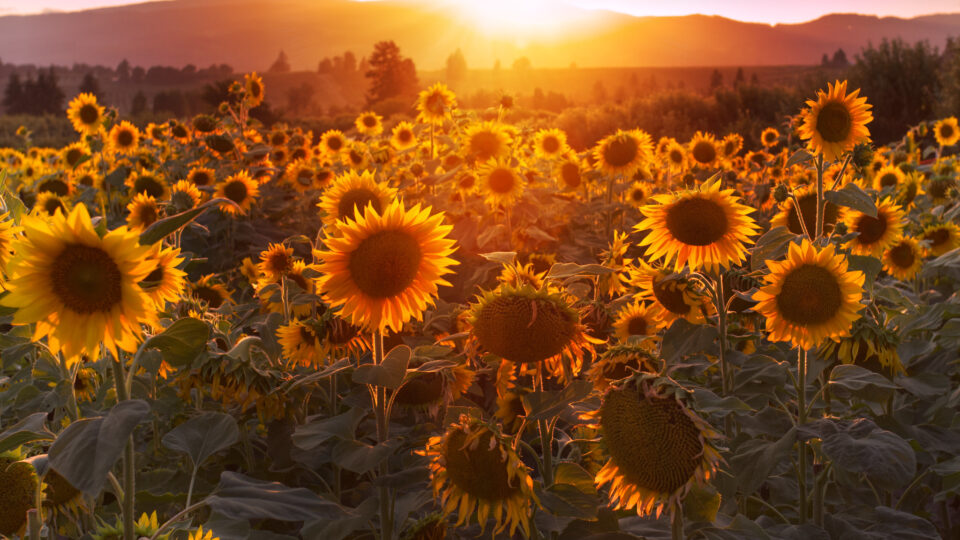
Summers are getting hotter

November 7, 2023 By EarthWise Leave a Comment

Summers are getting increasingly hotter around the globe

Climate scientists have warned for decades that a seemingly small change in the global average temperature can lead to large changes in extreme heat.  So far, the world has warmed by 1.2 degrees Celsius (or 2.2 degrees Fahrenheit) and that has been enough to cause big changes in summer heat.

This past summer was the hottest on record.  The heat fueled deadly wildfires across the Mediterranean.  Record highs caused Chinese cities to suspend outdoor work.  Weeks of triple-digit temperatures in the U.S. southwest led to heat-related hospitalizations and deaths.

But not every recent summer has been hotter everywhere.  Even this summer saw average or even colder than average temperatures in some places.  But the distribution of summer temperatures across the Northern Hemisphere has shifted dramatically in recent decades.

Less than 1% of summers in the middle of the 20th century were extremely hot for their location.  Over the past decade, more than a quarter of summers were extremely hot for their location.

Between 1950 and 1980, about a third of summers across the hemisphere were near average in temperature; a third were considered cold; a third were hot.  Only a few summers in a few places were either extremely cold or extremely hot.  Over the past decade, the vast majority of summers have either been hot or extremely hot.

We experience summer weather in the location where we spend our time, and it is entirely possible that our own experience may have been unremarkable.  We may even have had a cool, rainy summer.  But on a global scale, summers are getting hotter and hotter and making it harder to ignore what is happening to our planet.

*********

Web Links

It’s Not Your Imagination. Summers Are Getting Hotter.

Photo, posted August 21, 2022, courtesy of Bonnie Moreland via Flickr.

Earth Wise is a production of WAMC Northeast Public Radio

Rivers And Climate Change | Earth Wise

October 11, 2023 By EarthWise Leave a Comment

Our planet is heating up.  Scientists have concluded that the changing climate is primarily the result of increased greenhouse gas emissions from human activities.  Some of the effects of global climate change include thawing permafrost, rising seas, intensifying storms and wildfires, and warming oceans.   

According to a new study led by researchers from Penn State University, rivers are warming and losing oxygen even faster than oceans.  The study, which was recently published in the journal Nature Climate Change, found that warming occurred in 87% and oxygen loss occurred in 70% of the nearly 800 rivers studied.

The research team projects that within the next 70 years some river systems, especially those in the American South, will experience such low oxygen levels that the rivers could “induce acute death” for some fish species and threaten the aquatic diversity of river ecosystems. 

The research team used artificial intelligence and deep learning to analyze water quality data from nearly 800 rivers across the U.S. and central Europe.  The researchers found that rivers are warming up and deoxygenating faster than oceans, which could have serious implications for both aquatic life and humans.

While climate change has led to warming and oxygen loss in oceans and lakes around the world, the researchers did not expect to find warming and deoxygenation in shallower, flowing rivers.  Since life in water depends on temperature and dissolved oxygen, the researchers hope this study serves as a wake up call.  Warming and deoxygenating rivers have significant implications for water quality and the health of aquatic ecosystems worldwide.

**********

Web Links

Rivers are rapidly warming, losing oxygen; aquatic life at risk

Photo, posted June 2, 2017, courtesy of Francisco Anzola via Flickr.

Earth Wise is a production of WAMC Northeast Public Radio
Glacier Loss Day | Earth Wise

October 9, 2023 By EarthWise Leave a Comment

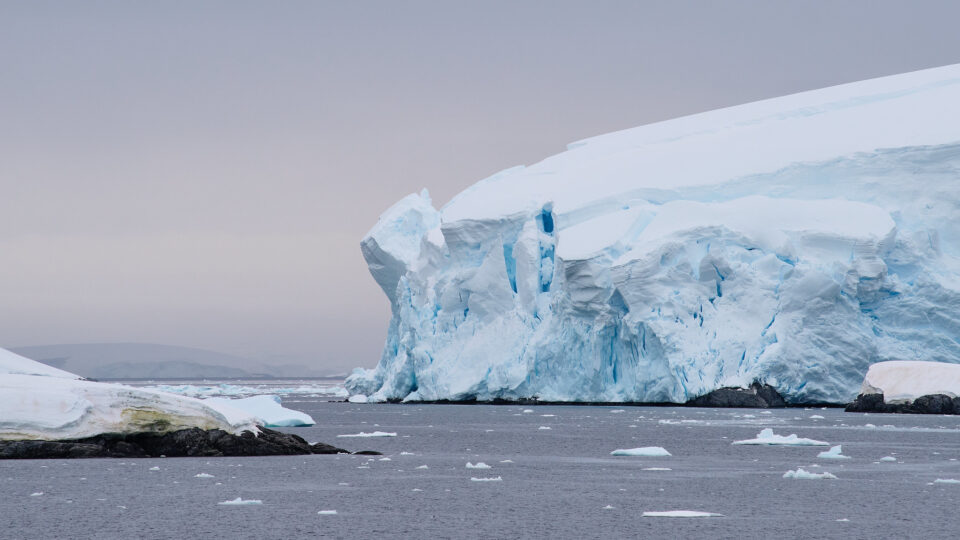
Glaciers are sensitive indicators of climate change

Glaciers are sensitive indicators of climate change that respond to changes in both temperature and precipitation.  But they are not only affected by climate change, they also affect climate change.  As glaciers melt, they contribute to sea level rise, alter regional hydrology, and influence the global energy balance.

A group of glacier experts from the University of Innsbruck in Austria introduced a concept called “Glacier Loss Day” or GLD as a way to measure the annual mass balance of glaciers.  Mass balance is the difference between the amount of snow and ice that accumulates on a glacier and the amount that melts or sublimates.  If the mass balance is positive, the glacier is growing.  If the mass balance is negative, the glacier is shrinking.

GLD is the day during the year when the glacier has lost all the mass it gained during previous winter.  This is a similar concept to Earth Overshoot Day, which marks the date when humankind’s demand for ecological resources exceeds the amount the planet can regenerate during the year.

The Hintereisferner, a glacier in the Tyrolean Alps, has been monitored for more than 100 years and there are continuous records of its mass balance since 1952.  In 2022, the GLD on the Hintereisferner was measured on the 23rd of June.  In the two previous years, it was reached in the middle of August.  Even in years with large negative balances, such as 2003 and 2018, GLD did not occur until the end of July.

Every summer in the future may not be like 2022, but the trend is clear.  Climate change is taking its toll on glaciers.  Experts project that the Hintereisferner will lose half of its volume in the next 10 to 20 years.

**********

Web Links

Glacier Loss Day indi­cates record break­ing glacier melt

Photo, posted July 20, 2023, courtesy of Pedro Szekely via Flickr.

Earth Wise is a production of WAMC Northeast Public Radio

Air Pollution And Insects | Earth Wise

September 7, 2023 By EarthWise Leave a Comment

Air pollution may be causing global decline in insects

Insects can be found in every environment on Earth and play critical roles in the planet’s ecosystems.  Insects pollinate more than 80% of plants, including those that we eat and those that provide food and habitat for other species.  Without insects, we wouldn’t have the rich biodiversity that supports life on earth today.

But the world is experiencing a decline in overall insect populations as well as a collapse in insect diversity.  According to researchers from the University of Melbourne in Australia, Beijing Forestry University in China, and the University of California – Davis, air pollution particles may be the cause of the dramatic decline.  They found that an insect’s ability to find food and a mate is reduced when their antennae are contaminated by particulate matter. 

In the study, which was recently published in the journal Nature Communications, the research team exposed houseflies to varying levels of air pollution for just 12 hours and then placed the flies in a Y-shaped tube ‘maze’. Uncontaminated flies typically chose the arm of the Y-maze leading to a smell of food or sex pheromones, while contaminated flies selected an arm at random, with 50:50 probability.

Using a scanning electron microscope, the researchers also found that as air pollution increases, more particulate material collects on the sensitive antennae of houseflies. 

Insect antennae have olfactory receptors that detect odor molecules emanating from a food source, a potential mate, or a good place to lay eggs.  If an insect’s antennae are covered in particulate matter, a physical barrier is created between the smell receptors and air-borne odor molecules.

Air pollution poses a significant threat to insect populations around the world.   

**********

Web Links

Air pollution particles may be cause of dramatic drop in global insect numbers

Photo, posted June 13, 2008, courtesy of Allen Watkin via Flickr.

Earth Wise is a production of WAMC Northeast Public Radio

Methane Emissions And The Paris Agreement | Earth Wise

August 21, 2023 By EarthWise Leave a Comment

The Paris Agreement is a legally binding international treaty on climate change adopted at the UN Climate Change Conference in 2015.  Its goal is to strengthen the global response to climate change by committing to limit the rise in global average temperature to well below 2°C above pre-industrial levels, and pursue efforts to limit that increase to just 1.5°C. 

Achieving the goals of the Paris Agreement requires reaching net-zero carbon dioxide emissions by or around 2050, as well as deep reductions in methane and other emissions. 

According to a new study by researchers from Simon Fraser University in Canada, reductions in methane emissions are needed urgently  if we are to meet the goals of the Paris Agreement.  The study, which was recently published in the journal Nature’s Communications Earth & Environment, suggests that global warming levels could be kept below 2°C if methane mitigation efforts are initiated globally before 2030.  However, delaying methane mitigation to the year 2040 or beyond would increase the risk of exceeding 2°C, even if net-zero carbon dioxide emissions were achieved.

Methane is a potent greenhouse gas, second only to carbon dioxide in contributing to global temperature increases over the last two centuries.  However, methane is known to warm the planet 86 times more effectively than carbon dioxide over a 20-year period.

During the past 40 years, more than 60% of global methane emissions have been produced as a result of human activities, such as fossil fuel exploitation, livestock production, and waste from landfills.

**********

Web Links

Delaying methane mitigation increases risk of breaching Paris Agreement climate goal, study finds

Photo, posted July 22, 2011, courtesy of Steven W. via Flickr.

Earth Wise is a production of WAMC Northeast Public Radio
Shrinking Glaciers And Methane | Earth Wise

August 1, 2023 By EarthWise Leave a Comment

Shrinking glaciers pose an underestimated climate risk

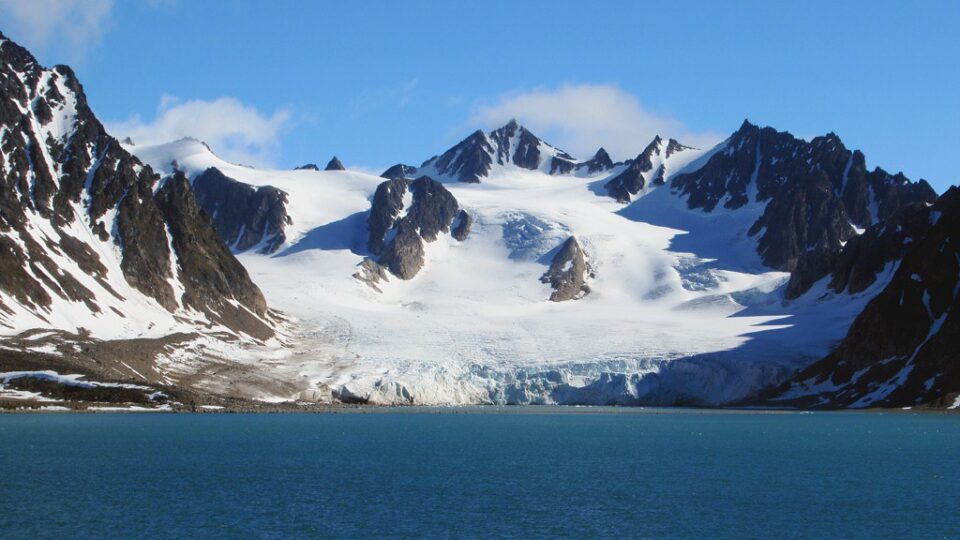
The Arctic region is warming much faster than the rest of the planet.  In fact, according to a study published last year in the journal Nature, the Arctic has been warming nearly four times faster than the rest of the globe during the last 43 years.  This rapid warming is leading to substantial reductions in sea ice, thawing of permafrost, shifts in wildlife populations, and changes in ocean circulation patterns, among other changes. 

According to new research recently published in the journal Nature Geoscience, shrinking glaciers in the warming Arctic are exposing bubbling groundwater springs, which could provide an underestimated source of methane, a potent greenhouse gas.  Methane is more than 25 times as potent as carbon dioxide at trapping heat in the atmosphere.

The study, which was led by researchers from the University of Cambridge and the University Centre in Svalbard, Norway, found large sources of methane gas leaking from groundwater springs unveiled by melting glaciers. 

As glaciers retreat in the Norwegian archipelago of Svalbard and leave behind newly exposed land, groundwater beneath the Earth seeps upward and forms springs. In 122 out of the 123 springs studied, the research team found that the water was highly concentrated with dissolved methane.  When the spring water reaches the surface, the excess methane can escape to the atmosphere. 

Researchers are concerned that additional methane emissions released by the Arctic thaw could dramatically increase human-induced global warming.  If this phenomenon in the Svalbard archipelago is found to be more widespread across the Arctic — where temperatures are quickly rising and glaciers melting — the methane emissions could have global implications. 

**********

Web Links

The Arctic has warmed nearly four times faster than the globe since 1979

Shrinking Arctic glaciers are unearthing a new source of methane

Photo, posted October 22, 2022, courtesy of David Stanley via Flickr.

Earth Wise is a production of WAMC Northeast Public Radio
The World’s Hottest Day | Earth Wise

July 27, 2023 By EarthWise Leave a Comment

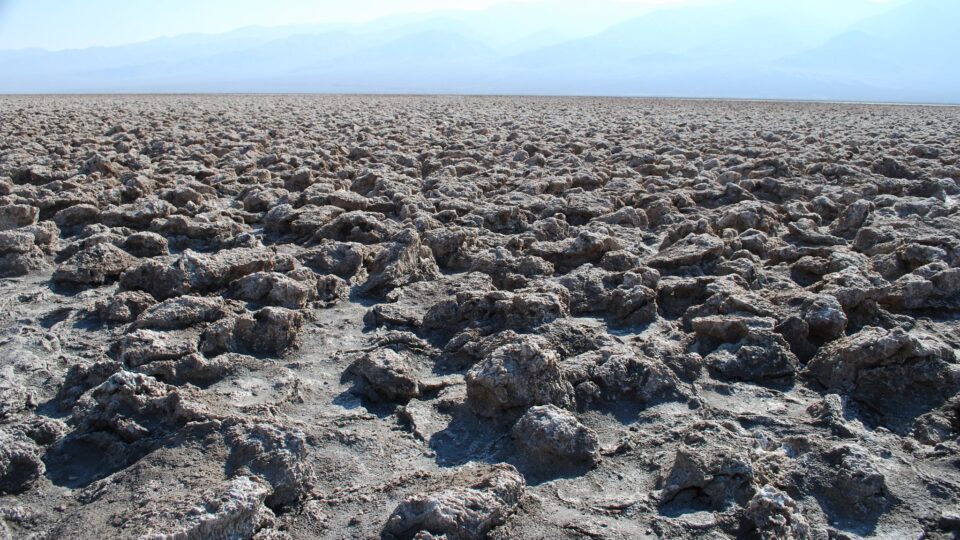
Early in July – for four days in a row – the average global temperature was the highest ever recorded.  As many places around the world endured dangerous heatwaves, the average global temperature on the fourth of July reached 62.92 degrees Fahrenheit, the highest ever recorded by human-made instruments.  On July 6th, the global temperature climbed even further to 63.01 degrees.

The average global temperature on an annual basis was about 56.7 degrees from the 1880s through the 1910s.  Temperatures rose a bit after that but ended up about 57.2 degrees until the 1980s.  After that, temperatures have risen fairly steadily as heat-trapping gases have accumulated in the atmosphere driving the current average above 58 degrees.

Global temperatures have only been directly measured since the mid-20th century.  There are proxy measurements from sources like tree rings, ice core samples, glacier measurements, and more that indicate that the recent readings may be the warmest days the earth has seen in millennia.

Average global temperature is determined using temperature readings at thousands of locations on both land and sea across the entire planet.  Those readings are compared with average temperatures at those locations for the date and the difference (known as the temperature anomaly) used to calculate a global average.

With the recent arrival of the El Niño in the Pacific Ocean, it is likely that the warming already being driven by greenhouse gas accumulation will intensify further. 

In a summer already marked by extreme heatwaves in many locations, having the entire planet 4 or 5 degrees hotter than normal is a very big deal and most certainly not a record to celebrate.

**********

Web Links

Earth reaches hottest day ever recorded 4 days in a row

Photo, posted October 29, 2008, courtesy of Darek via Flickr.

Earth Wise is a production of WAMC Northeast Public Radio

Europe Is Warming Very Quickly | Earth Wise

July 13, 2023 By EarthWise Leave a Comment

Europe is warming faster than most of the world

According to a new report from the World Meteorological Organization, Europe is warming faster than any other inhabited continent.  The result of the rising temperatures has been increasingly severe heat waves, flood, and wildfires.

The Paris Climate Agreement has set a goal of limiting warming to no more than 2 degrees Celsius above pre-industrial levels and, if at all possible, to no more than 1.5 degrees.  To date, the planet has warmed by 1.2 degrees and, with greenhouse gas emissions continuing at record levels, the temperature keeps going up.

These numbers refer to the global average.  Some places have warmed more and others less.  The Arctic has been warming four times quicker than the rest of the world.  In terms of direct impact on large populations, Europe has already surpassed the 2-degree mark, having reached 2.3 degrees last year.  In 2022, many countries in western and southwestern Europe had their warmest year on record. Weather-related economic damages totaled $2 billion, mostly as a result of storms and floods.

Europe is trying to do its part in mitigating climate change by making major gains on clean energy.  Wind and solar generated 22% of Europe’s power in 2022, which is more than either natural gas or coal produced.  Europe is trying to do its share, but the warming climate is a global phenomenon and will require a global effort to mitigate its effects.

The record-breaking heat stress experienced by Europeans last year cannot be considered a one-off occurrence.  It is part of a pattern that will make weather extremes more frequent and more intense over time.

**********

Web Links

The Fastest-Warming Continent, Europe Has Already Heated by More Than 2 Degrees C

Photo, posted September 26, 2011, courtesy of Ben Ramirez via Flickr.

Earth Wise is a production of WAMC Northeast Public Radio
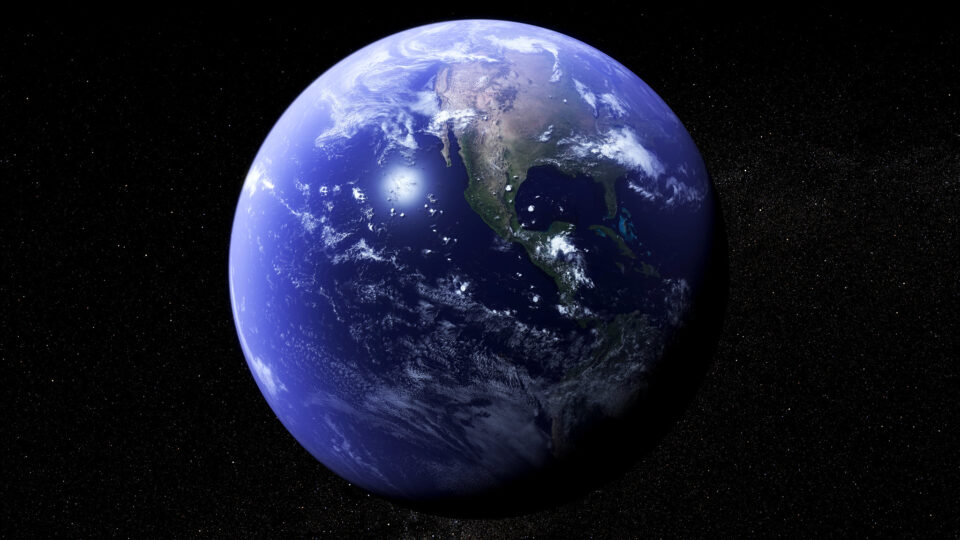
An Unwanted Temperature Threshold Is Approaching | Earth Wise

July 3, 2023 By EarthWise Leave a Comment

An alarming temperature threshold is approaching

According to the World Meteorological Organization, there is a 66% chance over the next five years that the Earth’s global temperature will exceed 1.5 degrees Celsius above pre-industrial levels for at least one year.

A combination of the continued accumulation of greenhouse gases in the atmosphere along with a looming El Niño condition will contribute to surging temperatures.  The WMO also reports that there is a 98% likelihood that at least one of the next five years will be the warmest on record and that the five-year period as a whole will be the warmest on record.

Reaching or surpassing the 1.5-degree threshold may only be temporary but would be the strongest indication yet of how quickly climate change is accelerating.   The 1.5-degree point is considered by many scientists to be a key tipping point, beyond which the chances of extreme flooding, drought, wildfires, heatwaves, and food shortages could increase dramatically.

The world has already seen about 1.2 degrees of warming as we continue to burn fossil fuels and produce enormous quantities of greenhouse gas emissions.  As recently as 2015, the WMO put the chance of breaching the 1.5-degree threshold as close to zero.

It is important to understand that the 1.5-degree temperature increase is an average for the entire planet.  Many individual locations around the world have been experiencing tremendously greater amounts of warming with record-breaking temperatures.

The 1.5-degree threshold is important, but it is not itself a tipping point.  There is still time to reduce global warming by moving away from fossil fuels and towards clean energy.  But the clock is ticking and so far, the world is not showing any urgency.

**********

Web Links

‘Sounding the alarm’: World on track to breach a critical warming threshold in the next five years

Photo, posted May 20, 2015, courtesy of Kevin Gill via Flickr.

Earth Wise is a production of WAMC Northeast Public Radio

Climate Change And Species Tipping Points | Earth Wise

June 22, 2023 By EarthWise Leave a Comment

In climate science, tipping points are critical thresholds that, once crossed, lead to large and often irreversible changes in the climate system. For example, surpassing a 1.5 degree C rise in global warming has long been considered a tipping point for the planet. 

According to a new study led by researchers from University College London, climate change will abruptly push species over tipping points as their geographic ranges reach unforeseen temperatures. 

In the study, which was recently published in the journal Nature Ecology and Evolution, the research team analyzed data from more than 35,000 species of animals and seagrasses from every continent and ocean basin, alongside climate projections up to 2100.  The researchers found a consistent trend:  for many animals, the thermal exposure threshold will be crossed for much of their geographic range within the same decade. 

The thermal exposure threshold is defined as the first five consecutive years where temperatures consistently exceed the most extreme monthly temperature experienced by a species across its geographic range over recent history. 

The researchers also found that the extent of global warming will make a big difference for animals.  If the planet warms by just 1.5°C, 15% of species studied will be at risk of experiencing unfamiliarly hot temperatures across at least 30% of their current  geographic range in a single decade.  But this figure will double to 30% of species at 2.5°C of warming.

Since their data provides an early warning system, the researchers hope that their findings will help species conservation efforts. 

**********

Web Links

Climate change to push species over abrupt tipping points

Photo, posted May 27, 2017, courtesy of Sarah Lemarié via Flickr.

Earth Wise is a production of WAMC Northeast Public Radio

A New Deep-Sea Reef In The Galapagos | Earth Wise

June 2, 2023 By EarthWise Leave a Comment

Like in many other places around the world, ocean warming has mostly destroyed the shallow-water reefs in the Galapagos Islands.  The islands are some of the most carefully protected places in the world, but they can’t escape the effects of a warming planet.

Recently, however, scientists have discovered a healthy, sprawling coral reef hidden deep under the sea in the Galapagos.  More than 1,300 feet underwater, the reef extends for several miles along the ridge of a previously unknown volcano in the Galapagos Marine Preserve.

The reef is pristine and is teeming with all sorts of marine life including pink octopus, batfish, squat lobsters, and a variety of deep-sea fish, sharks, and rays.

The expedition that discovered the new reef was led by the University of Essex in the UK.  Prior to this discovery, scientists thought that coral reefs were all but gone from the Galapagos.  A period of ocean warming in 1982 through 1983 wiped out more than 95% of the corals in the archipelago.  Only a few reefs in shallow waters remained.  The newly discovered reefs are sheltered deep under the sea and would have been protected from the deadly heat.

According to the scientists from the expedition, the newly discovered reef potentially has global significance because it represents a site that can be monitored over time to see how such a pristine habitat evolves with the ongoing climate crisis.  Reefs like this are clearly very old because coral reefs take a long time to grow. Finding this one means that it is likely that there are more healthy reefs across different depths that are waiting to be discovered.

**********

Web Links

Pristine Deep-Sea Reef Discovered in the Galápagos

Photo, posted March 28, 2009, courtesy of Derek Keats via Flickr.

Earth Wise is a production of WAMC Northeast Public Radio
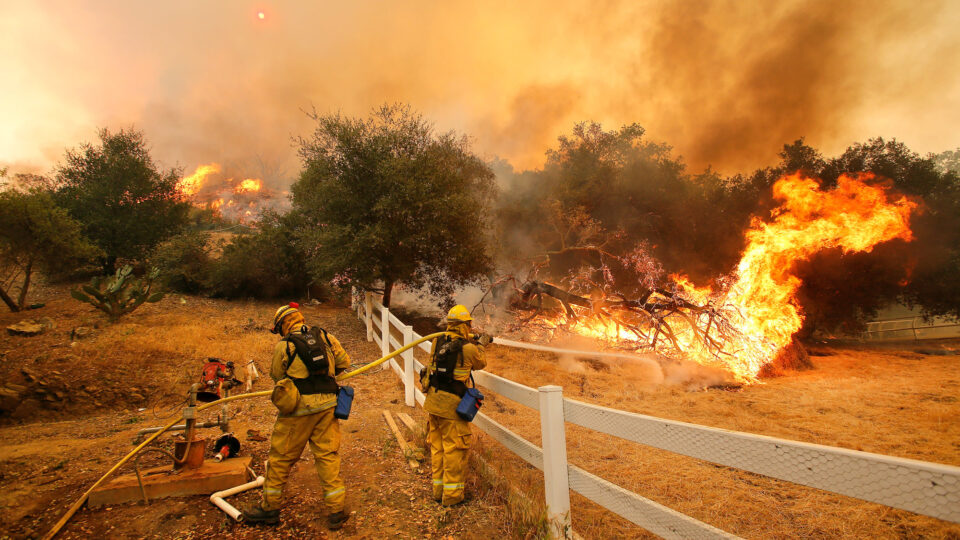
Methane And Wildfires | Earth Wise

May 29, 2023 By EarthWise Leave a Comment

Wildfires release a massive amount of methane

Methane is a colorless and odorless gas that occurs abundantly in nature and is also a product of certain human activities.  It’s also a potent greenhouse gas, meaning it affects climate change by contributing to increased warming.  In fact, methane gas is known to warm the planet 86 times more effectively than carbon dioxide over a 20-year period.

According to the U.S. EPA, up to 65% of total methane emissions around the world come from the following human activities: raising livestock, leaks from natural gas systems, and waste from landfills. 

Scientists from the University of California, Riverside have discovered that wildfires are releasing a massive amount of methane gas into the atmosphere.  According to the research team, this source of methane is not currently being tracked by air quality managers in California.  And this omission could have significant implications for climate change mitigation efforts in the state. 

Methane from wildfires is nothing new.  But what is new is just how much of the stuff is being emitted.  According to the findings, which were recently detailed in the journal Atmospheric Chemistry and Physics, the amount of methane from the top 20 fires in 2020 was more than seven times greater than the average from wildfires in the previous 19 years.  Wildfires were the third largest source of methane emissions in California in 2020. 

In 2016, California passed a law requiring a 40% reduction in air pollutants contributing to global warming by 2030.  But as wildfires continue to get bigger and more intense, achieving those reduction targets will get increasingly difficult.

**********

Web Links

Methane from megafires: more spew than we knew

Detecting Methane

Photo, posted November 30, 2015, courtesy of Daria Devyatkina via Flickr.

Earth Wise is a production of WAMC Northeast Public Radio
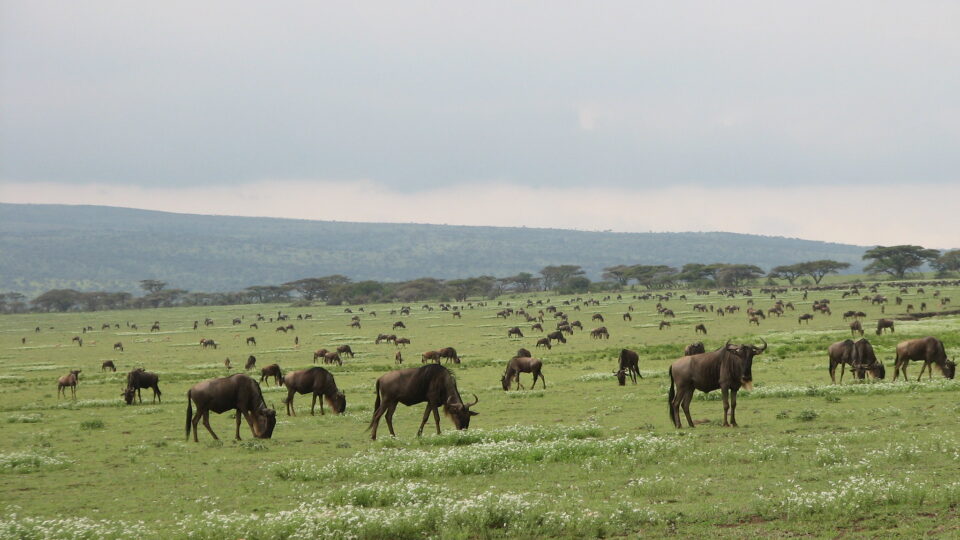
Humanity Weighs On The World | Earth Wise

April 6, 2023 By EarthWise Leave a Comment

There are countless ways in which humankind has had disproportionate effects on our planet and most of those effects have been negative.  A recent study led by the Weizmann Institute of Science in Israel looked at the total combined weight of various groups of mammals on Earth.  The results are that human beings and our domesticated mammals are the overwhelming majority of the total mass of mammals.

We think of large land mammals – elephants, bears, bison, wildebeests, and so on – as adding up to a massive amount of animal matter.  The study determined that all wild land mammals put together add up to about 22 million metric tons. Wild marine mammals – such as dolphins and whales – add up to about 40 million tons in total.  These sound like pretty big numbers until we look at the human and human-created side of the equation.

The study found that humans weigh about 390 million metric tons, while domesticated mammals – like sheep, cows, and pigs as well as dogs and cats – weigh about 630 million metric tons combined.

All told, wild mammals account for only 6% of all mammals by weight.   People and their domesticated animals make up the other 94%.  This enormous imbalance is an indication of how profoundly humans have reshaped life on Earth.  House cats total twice the weight of African elephants and pigs add up to twice the weight of all wild land animals combined.

The conclusion to draw from the big picture here is that wild animals on Earth are not doing very well.  We already knew this from many other perspectives, but this census by weight presents a stark picture of the extent to which we have taken over the planet and its ecosystems.

**********

Web Links

Total Weight of Wild Land Mammals Less Than One-Tenth Weight of All Humans

Photo, posted December 27, 2006, courtesy of Nigel Hoult via Flickr.

Earth Wise is a production of WAMC Northeast Public Radio

Protected Areas Are Not Protecting Insects | Earth Wise

March 24, 2023 By EarthWise Leave a Comment

Insects are not being protected by protected areas

Insects can be found in every environment on Earth and play crucial roles in the planet’s ecosystems.  In fact, Biologist E. O. Wilson once said that “if all mankind were to disappear, the world would regenerate back to the rich state of equilibrium that existed ten thousand years ago.  If insects were to vanish, the environment would collapse into chaos.”

While his statement may sound extreme, it’s really not an exaggeration.  Insects are critical to most ecosystems.  They pollinate more than 80% of plants – both those we eat and those that provide food and habitat for other species.  Insects are also a food source themselves, eaten by other insects, birds, fish, and mammals. Without insects, we wouldn’t have the rich biodiversity that supports life on earth today. 

But insect populations are collapsing around the globe, and they continue to be overlooked by conservation efforts.  Protected areas, like national parks, refuges, and sanctuaries, can safeguard threatened species, but only if those threatened species actually live within the protected areas. 

According to a new study recently published in the journal One Earth, 76% of insect species are not adequately covered by protected areas, including several critically endangered insects such as the dinosaur ant, crimson Hawaiian damselfly, and harnessed tiger moth. Alarmingly, the populations of 1,876 species do not overlap with protected areas at all.

Insects have been historically overlooked by conservation programs and need to be included in future conservation assessments. 

**********

Web Links

Protected areas fail to safeguard more than 75% of global insect species

Photo, posted August 21, 2014, courtesy of Andy Reago & Chrissy McClarren via Flickr.

Earth Wise is a production of WAMC Northeast Public Radio
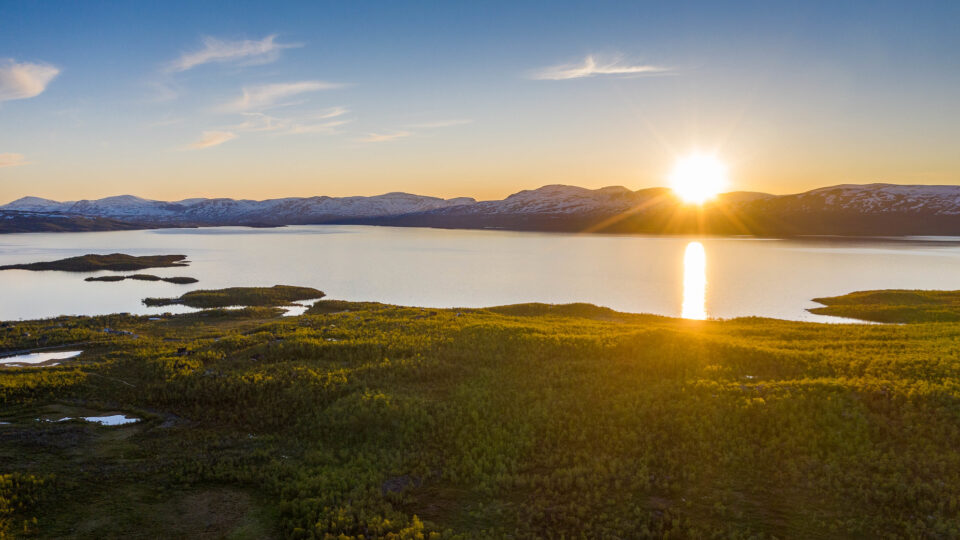
2022 Temperature Report | Earth Wise

February 8, 2023 By EarthWise Leave a Comment

Extreme weather is turning into the new normal around the world

The average surface temperature for the Earth in 2022 tied with 2015 as the fifth warmest on record.  The warming trend for the planet continued with global temperatures 1.6 degrees Fahrenheit above the average baseline for 1951-1980 that NASA uses for its studies. Compared with the late 19th century average used in setting climate goals, global temperatures are up about 1.1 degrees Celsius, or 2 degrees Fahrenheit.

Overall, the past nine years have been the warmest since modern recordkeeping began in 1880.   The rising temperatures have moved in concert with rising levels of greenhouse gases entering the atmosphere from human activity.  Many factors can affect the average temperature in any given year including El Nino and La Nina conditions in the Pacific.  But the longer-term trend is quite clear.  Global temperatures continue to rise.

Greenhouse gas emissions have reached all-time high levels despite increasing efforts to reduce them.  There was a real drop in levels in 2020 due to reduced activity during COVID-19 lockdowns, but they rebounded soon thereafter. 

The Arctic region continues to experience the strongest warming trends, as much as four times the global average.  Arctic warming has a major impact on weather at lower latitudes as it changes the behavior of the jet stream as well as affecting ocean currents and water temperatures.

As global temperatures continue to rise, rainfall and tropical storms have become more intense, droughts have become more severe, and ocean storm surges have had increasing impact.  From torrential monsoons in Asia to megadroughts in the U.S. Southwest, extreme weather has become the new normal.

**********

Web Links

NASA Says 2022 Fifth Warmest Year on Record, Warming Trend Continues

Photo, posted June 20, 2020, courtesy of Daxis via Flickr.

Earth Wise is a production of WAMC Northeast Public Radio

Electric Cars And Cleaner Air | Earth Wise

January 20, 2023 By EarthWise Leave a Comment

Electric cars can help clean the air

Cities are awash in microscopic soot and other pollutants from the tailpipes of vehicles.  Apart from contributing substantially to the warming of the planet, these emissions have a significant impact on human health.  Research at Cornell University has determined that the continued growth of electric cars will lead to cleaner air and reduced human mortality in most if not all U.S. metropolitan areas.

The study, published in Renewable and Sustainable Energy Reviews, estimated the health impact and consequential economic impact of cleaner air in American cities as a result of the transition to electric vehicles.

For example, by 2050, Los Angeles will have 1,163 fewer premature deaths annually, corresponding to $12.6 billion in economic health benefits.  Greater New York City could see 574 fewer deaths a year leading to $6.24 billion in associated economic gains.

Global sales of electric cars have grown steadily.  In 2016, they accounted for less than 1% of the market.  That share grew to 2.2% in 2018, 4.1% in 2020, and 6.6% in 2021.

In the U.S., electric cars accounted for 4.5% of sales in 2021, but in many cities, the numbers were much higher. 

These trends are likely to accelerate as a combination of government policies and major decisions by automakers drive a rapid transition to electrification.  While mitigating the effects of climate change continues to be the main driving force for that transition, the human health benefits will be a very significant reward for doing the right thing for the planet.

**********

Web Links

Electric car sales drive toward cleaner air, less mortality

Photo, posted May 11, 2021, courtesy of Chris Yarzab via Flickr.

Earth Wise is a production of WAMC Northeast Public Radio
Assessing The Planet’s Most Unique Birds | Earth Wise

January 11, 2023 By EarthWise Leave a Comment

Birds come in a huge variety of shapes, sizes and plumages.  The physical attributes of birds are adaptations that have taken countless millennia to develop, and physical attributes are closely related to the roles birds play in their environment.   

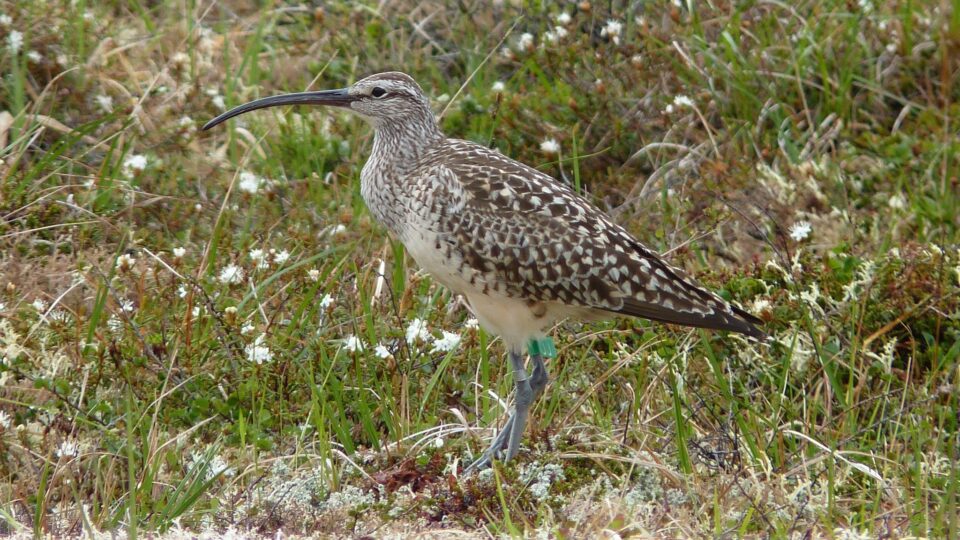
According to a new study led by researchers from the University College London in the U.K., bird species with extreme or uncommon combinations of traits have the highest risk of extinction.  Losing these bird species and the unique roles they play in the environment, including seed dispersal, pollination and predation, could have severe consequences on the health of ecosystems.

In the study, which was recently published in the British Ecological Society journal Functional Ecology, the researchers analyzed the extinction risk and physical attributes of 99% of all living bird species.  The research team used a dataset of measurements collected from living birds and museum specimens.  The measurements included things like beak size and shape, and the length of wings, tails and legs.  The researchers combined this data with extinction risk, and then ran simulations to see what would happen if the most threatened birds were to go extinct.

Some of the bird species that are both most unique and most threatened include the Christmas Frigatebird and the Bristle-thighed Curlew.  Kiwis were excluded from the study because the researchers viewed them as extreme morphological outliers.

While most unique birds were also classified as threatened on the Red List, the research was unable to show what links uniqueness in birds to extinction risk

The research team warns that if more isn’t done to protect these threatened species and avoid extinctions, the functioning of ecosystems will be dramatically disrupted.

*********

Web Links

Planet’s most unique birds at higher risk of extinction

Photo, posted June 25, 2012, courtesy of Kristine Sowl / USFWS via Flickr.

Earth Wise is a production of WAMC Northeast Public Radio.

Europe Is Warming Faster Than The Rest Of The Planet | Earth Wise

January 3, 2023 By EarthWise Leave a Comment

Europe is warming faster than the rest of the globe

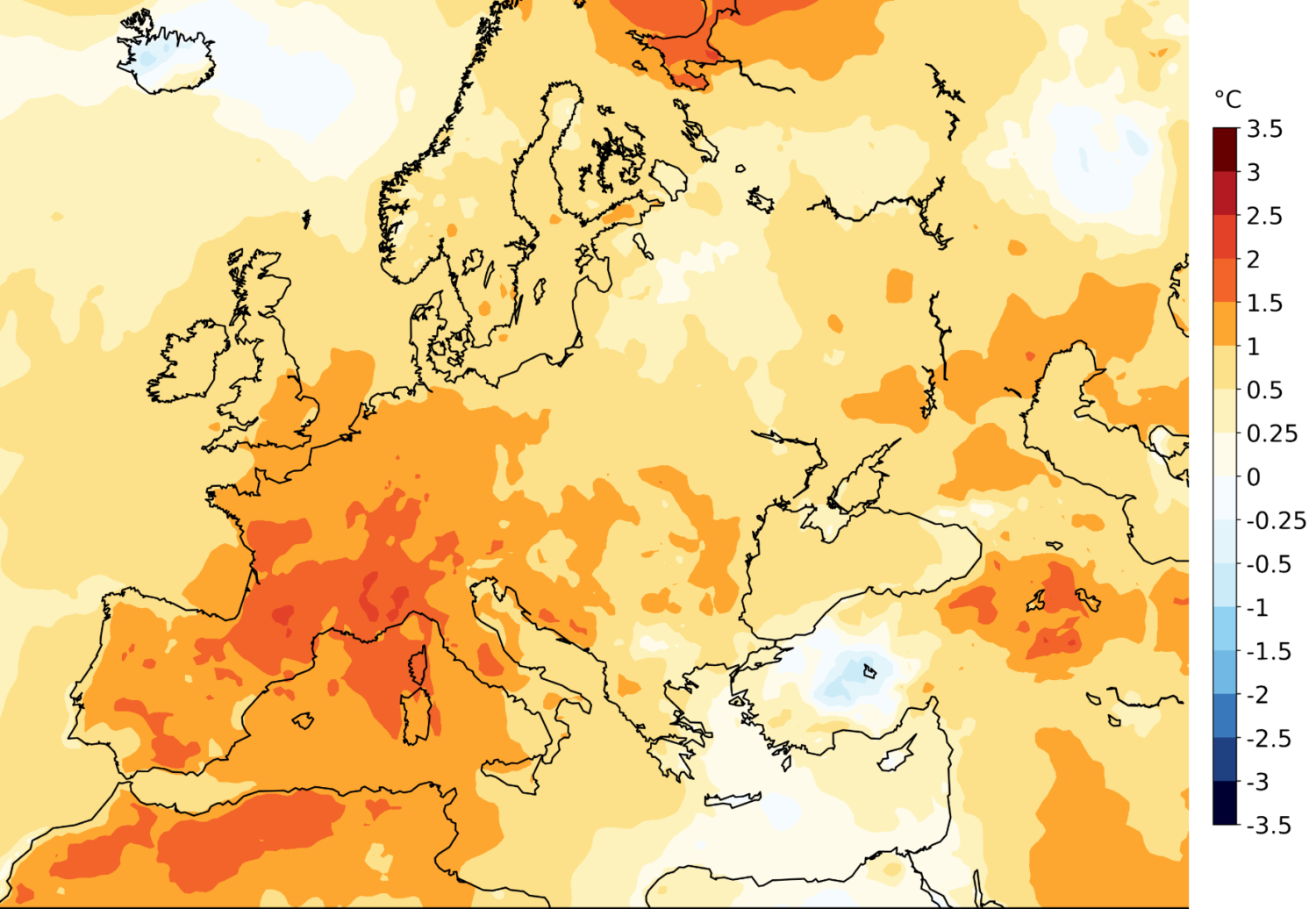
A new study by researchers at Stockholm University has found that the warming during the summer months in Europe has been much faster than the global average.  The findings, published in the Journal of Geophysical Research Atmospheres, are that the climate across the European continent has become drier, particularly in southern Europe, leading to worse heat waves and an increased risk of fires.

Warming over land areas occurs much faster than over oceans.  The global average warming to date is 1.6 degrees Celsius over land and 0.9 degrees over oceans.   This means that the global emissions budget to keep warming below 1.5 degrees has already been used up over land.  The new study in fact shows that the emissions budget to avoid 2 degrees of warming has already been exceeded over large parts of Europe during the summer half-year (April to September).

This accelerated warming in Europe has led to more frequent heat waves.  These, in turn, increase the risk of fires, such as the devastating fires in southern Europe this past summer.

Southern Europe has been experiencing a positive feedback situation in which the ongoing warming has been amplified because of drier soil and decreased evaporation.  Added to that, there has been less cloud coverage over large parts of Europe, probably as a result of less water vapor in the air.

The study also looked at the impact of aerosol particles on temperatures in Europe.  As the amount of relatively short-lived aerosol particles has decreased with the reduction of coal-fired power plants, the temporary cooling effects of those particles partially masking the underlying warming trend have diminished.  In contrast, carbon dioxide emissions stay in the atmosphere for centuries.

**********

Web Links

Large parts of Europe are warming twice as fast as the planet on average

Photo, posted April 18, 2020, courtesy of Roman Ranniew via Flickr.

Earth Wise is a production of WAMC Northeast Public Radio
A Green New Year | Earth Wise

December 30, 2022 By EarthWise Leave a Comment

Every year, millions of people around the world make resolutions in hopes of sparking positive changes in the new year.  Popular resolutions include improving health and fitness, traveling more, spending less, and so on.  With the New Year just around the corner, here are seven resolutions we all could make that would collectively have a major impact on the planet: 

1) Eat less meat.  Resource-intensive animal-based foods like meat, dairy, and eggs are one of the chief contributors to climate change. 

2) Get a home energy audit.  It’s a great way to understand your home’s energy footprint and discover ways to improve the energy efficiency of your home. 

3) Buy local whenever possible.  Shopping locally supports the local economy and dramatically cuts down on the carbon emissions associated with shipping.

4) Carry reusable shopping bags on errands. While disposable shopping bags are convenient, they are difficult to recycle and are often thrown away. 

5) Air dry your laundry whenever possible.  Drying clothes outside or using an indoor drying rack can save money and energy.  Americans spend about $9 billion a year on electricity to dry clothing. 

6) Purchase used or pre-owned items.  The market for second-hand items is booming, making it possible to purchase pretty much anything you want at thrift stores or online. 

7) Bring a reusable water bottle everywhere.  According to the EPA, Americans throw away enough plastic bottles each year to circle the earth five times.  Carrying your own bottle helps reduce this waste and will save you money.

As we ring in the new year this weekend, let’s raise our glasses to a cleaner and greener 2023. 

**********

Web Links

10 Sustainable New Year’s Resolutions!

New Year’s Resolutions

Photo, posted December 31, 2014, courtesy of Doug Anderson via Flickr.

Earth Wise is a production of WAMC Northeast Public Radio

It Really Is Greenhouse Gases | Earth Wise

December 26, 2022 By EarthWise Leave a Comment

The scientific consensus that human-generated carbon dioxide is changing the climate began to form in the 1980s. 

For a long time, the changes to the climate were simply denied.  After a while, as those changes became increasingly hard to ignore, the argument shifted to the changes being real but not caused by anything people are doing.  The multi-trillion-dollar fossil fuel industry was strongly motivated to focus attention away from the association between carbon dioxide and climate change.

The greenhouse gas effect has been known since the 19th century.  It isn’t just real; it is essential to life on earth.  Without sufficient levels of carbon dioxide in the atmosphere to trap some of the sun’s heat, the earth would be an ice planet incapable of supporting much in the way of life.  But there can be too much of a good thing.

Naysayers continue to grasp at alternative explanations for the warming planet rather than the inconvenient truth.  Some people try to claim that it is the release of heat from all our energy-generating activities -power plants, heaters and air conditioners, vehicles, and so on – that is warming the planet.

That issue has been studied in detail.  Human activity does generate a lot of heat and, technically speaking, that heat does help warm the planet.  However, the sun dumps 10,000 times more heat on the earth than all of human energy production added together.  Just the normal fluctuations in solar energy are 10 times larger than everything we do put together.

What is increasingly warming the planet is not the continuing energy striking the earth; it is primarily the fact that growing levels of greenhouse gases in the atmosphere are trapping more and more of that heat and preventing it from escaping into space.

***********

Web Links

Integrating anthropogenic heat flux with global climate models

Photo, posted August 25, 2009, courtesy of Gerald Simmons via Flickr.

Earth Wise is a production of WAMC Northeast Public Radio
  • « Go to Previous Page
  • Page 1
  • Page 2
  • Page 3
  • Page 4
  • Page 5
  • Interim pages omitted …
  • Page 8
  • Go to Next Page »

Primary Sidebar

Recent Episodes

  • An uninsurable future
  • Clean energy and jobs
  • Insect declines in remote regions
  • Fossil fuel producing nations ignoring climate goals
  • Trouble for clownfishes

WAMC Northeast Public Radio
WAMC/Northeast Public Radio is a regional public radio network serving parts of seven northeastern states (more...)

Copyright © 2026 ·