
• Skip to primary navigation
  • Skip to main content
  • Skip to primary sidebar

Earth Wise

A look at our changing environment.

  • Home
  • About Earth Wise
  • Where to Listen
  • All Articles
  • Show Search
Hide Search
You are here: Home / Archives for humans

humans

The Potential Of Artificial Photosynthesis | Earth Wise

August 2, 2021 By EarthWise Leave a Comment

Artificial photosynthesis could dramatically improve our ability to power society cleanly and efficiently.

The sun is the primary source of energy on the earth.  Enough solar energy hits the earth in one hour to meet all of human civilization’s energy needs for an entire year.  The two leading forms of renewable energy – photovoltaic solar power and wind power – are ways of making use of the sun’s energy.  Wind power is indirectly provided by the sun; photovoltaic power uses sunlight to generate electricity.

The most efficient use of solar energy on the planet is one perfected by plants millions of years ago:  photosynthesis.  Photosynthesis is a complex sequence of processes by which plants convert sunlight and water into usable energy in the form of glucose.  Plants utilize a combination of pigments, proteins, enzymes, and metals to perform their magic.  If we can develop artificial photosynthesis, it would be a dramatic improvement of humans’ ability to power society cleanly and efficiently.  Whereas photovoltaics capture about 20% of the sun’s energy, photosynthesis stores 60% of the sun’s energy as chemical energy.

Researchers across the globe are working to develop artificial photosynthesis.  A group at Purdue university has been making progress in trying to mimic the ability of leaves to collect light and split water molecules to generate hydrogen. This is a critical step in photosynthesis that is accomplished by protein and pigment complexes known as “photosystems II”.  The Purdue group is experimenting with these proteins and various synthetic catalysts in order to try to develop artificial leaves based on abundant, nontoxic materials. 

It is likely to take a decade or more for artificial photosynthesis technology to become part of our energy system, but its ultimate potential is enormous.

**********

Web Links

Soaking up the sun: Artificial photosynthesis promises a clean, sustainable source of energy

Photo, posted June 14, 2007, courtesy of Alex Holyoake via Flickr.

Earth Wise is a production of WAMC Northeast Public Radio.
Greenhouse Gas Emissions From Water Reservoirs | Earth Wise

July 27, 2021 By EarthWise Leave a Comment

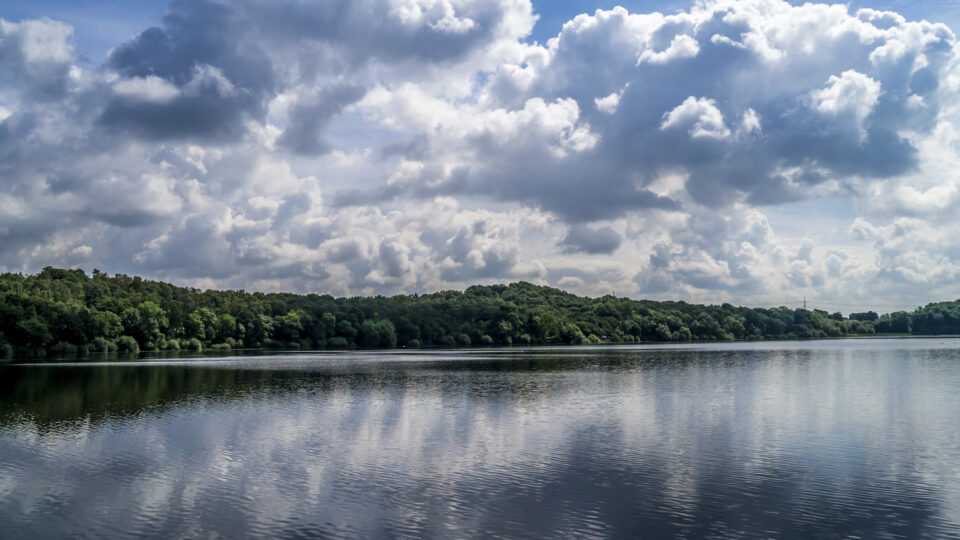
Water reservoirs produce a surprising amount of greenhouse gas emissions

A new study by researchers from Washington State University and the University of Quebec at Montreal looked at greenhouse gas emissions from water reservoirs.  It is perhaps surprising to think that water reservoirs are a source of greenhouse gas emissions at all, but that much was already known.  The new study found that those emissions are actually around 29% higher than previously thought.

Overall, the researchers found that the world’s water reservoirs annually produce methane, carbon dioxide, and other greenhouse gases at an amount equivalent to 1.07 billion tons of carbon dioxide.   That is a small fraction of the 36 billion tons produced by fossil fuels and other industrial sources, but it is by no means a negligible amount.   In fact, it is more greenhouse gases than emitted by the entire country of Germany, which is the world’s sixth largest emitter.

Decomposing plant matter near the bottom of reservoirs fuels the production of methane, which is far more potent than carbon dioxide in warming the atmosphere.  This methane degassing accounts for about 40% of emissions from reservoirs.

The study is particularly important because it may be possible to reduce methane emissions from reservoirs by selectively only withdrawing water from near the reservoirs’ surface, which tends to be relatively methane-poor compared to greater depths.  In a related study, reducing withdrawal depth by 10 feet in a Malaysian reservoir reduced methane degassing emissions by 92%.

Human-generated greenhouse gas emissions come from a surprisingly wide range of sources and it is worthwhile studying as many of them as possible in the hope of finding additional ways to reduce the total.

**********

Web Links

Greenhouse gas emissions from water reservoirs higher than previously expected

Photo, posted July 22, 2016, courtesy of Iain Merchant via Flickr.

Earth Wise is a production of WAMC Northeast Public Radio.
Butterflies And Moths In A Changing World | Earth Wise

July 20, 2021 By EarthWise Leave a Comment

Climate change is putting immense pressure on species for change.

Extinction is a part of life.  Plant and animal species disappear all the time.  In fact, approximately 98% of all the organisms that have ever existed on planet earth are now extinct. Earth’s so-called ‘normal’ rate of extinction is thought to be somewhere between 0.1 and 1 species per 10,000 species per 100 years. 

But anthropogenic climate change is bringing about rapid change in nature. Put more simply, human activity is killing nature at an unprecedented rate.  According to many scientists, the earth’s sixth mass extinction has already begun. Mass extinctions are defined as times when the Earth loses more than 75% of its species in a geologically short interval.

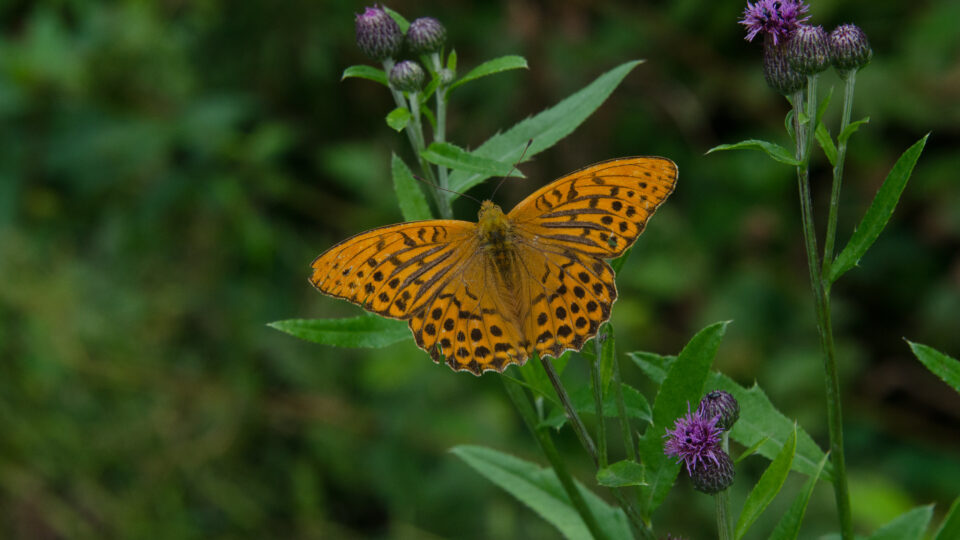
The changing climate puts immense pressure on species for change.  According to a new study by researchers from the University of Helsinki and the Finnish Environment Institute, the few butterfly and moth species capable of adjusting to the changing climate by moving up their flight period and moving further north have fared the best.

In Finland, researchers compared temporal shifts in the flight period and spatial shifts in the northern range boundary of 289 moth and butterfly species, as well as changes in abundance over a roughly 20-year period.

They found that about 45% of species that either moved northward or advanced their flight period fared much better than the roughly 40% of species that did not respond in either way.  On average, the populations of these poorly responding species declined.  But the 15% of species that did both had the largest increase in abundance. 

The ability to adapt to a changing climate is going to be vital for species survival. 

**********  

Web Links

Butterflies and moths have difficulty adjusting to a rapidly changing climate

What is mass extinction and are we facing a sixth one?

Photo, posted August 16, 2017, courtesy of Tero Laakso via Flickr.

Earth Wise is a production of WAMC Northeast Public Radio.
Assisted Colonization | Earth Wise

July 9, 2021 By EarthWise Leave a Comment

Balancing the risk of moving a species to a more favorable location versus the risk of inaction

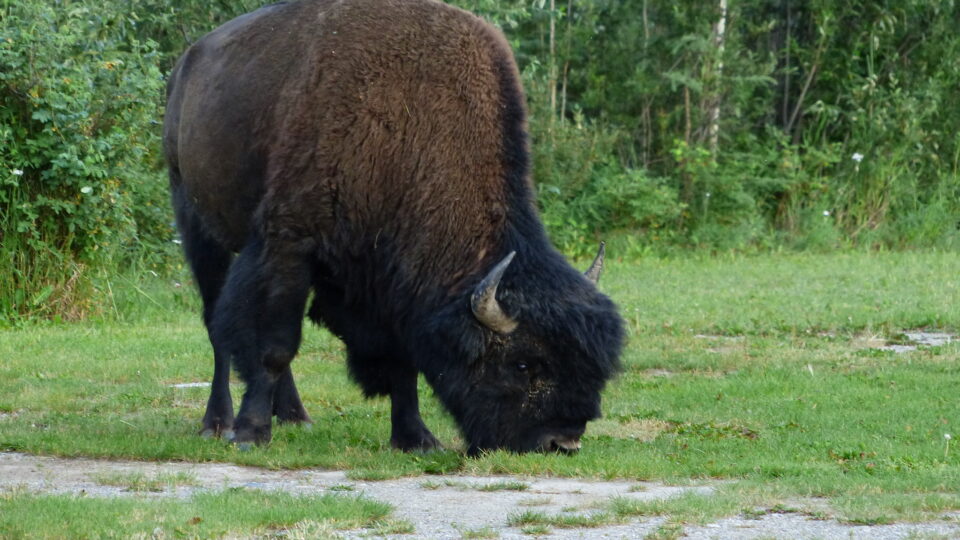
As the pace of climate change continues to quicken, many species seem to be unable to keep up and could face extinction as a result.   There is a potential strategy for people to help species reach places with more suitable physical and biological conditions.  People could carry endangered animals to habitats cut off by mountains, rivers, or human-made barriers.  They could plant endangered trees higher up mountain slopes or to locations further north.  Such actions have been termed assisted colonization.

People have been moving species around the world throughout human history for various reasons either intentionally or inadvertently.  But as a conservation strategy, assisted colonization is quite controversial.

The argument is whether the risk of moving species to more favorable conditions outweighs the risk of inaction.  The salvation of one species could mean the destruction of another.   A species that seems perfectly innocuous when moved to one place can become a rampant invader in another.

An upcoming international conference on Biological Diversity to be held this fall in China may take up the issue of creating a set of guidelines on assisted colonization.   Such guidelines would help people assess which species to focus on; where, when, and how to move them; how to weigh the risks of action and inaction; and how to conduct such actions across international borders.  Assisted colonization may be useful in some instances and not in others.  There needs to be a way for the world to decide whether it is warranted or not.  With climate change posing a growing threat to many of the world’s species, this is an issue that should be addressed.

**********

Web Links

Amid Climate Pressures, a Call for a Plan to Move Endangered Species

Photo, posted July 16, 2014, courtesy of Mark Spangler via Flickr.

Earth Wise is a production of WAMC Northeast Public Radio.
Marine Debris | Earth Wise

July 8, 2021 By EarthWise Leave a Comment

Marine debris poses a perilous threat to communities all around the world

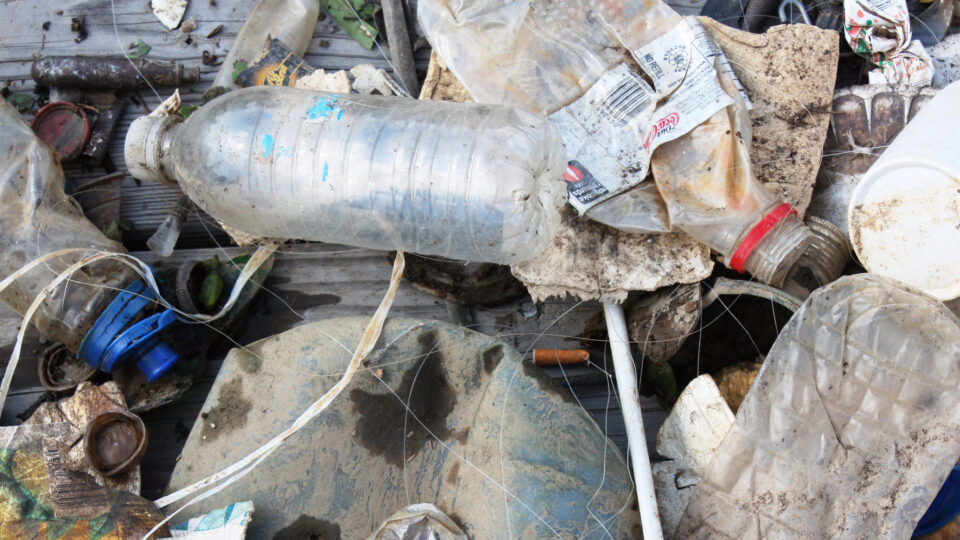
Marine debris is a troubling issue around the world.  For most people, it is unsightly and perhaps inconvenient, but for many it is a critical problem that has serious impacts on many aspects of life.  This is especially the case for indigenous communities for whom the natural environment around the ocean is central to subsistence, recreation, culture, and economic opportunities.

The National Oceanic and Atmospheric Administration sponsors a Marine Debris Program that supports multiple projects.  In Alaska’s Pribilof Islands, the indigenous communities of St. George and St. Paul Islands conduct regular cleanups to protect and steward the natural resources that they depend on.  They make use of unmanned aircraft system surveys to target removal and monitoring efforts.

Another NOAA-sponsored program works to clean up the Maybeso Estuary in Alaska’s Prince of Wales Islands.  The project has removed 35,000 pounds of debris, freeing the flow of the salmon stream and restoring the area as a prime hotspot for fishing, boating, and outdoor recreation.

In Washington State’s Olympic Coast, the Makah Tribe has a project to locate and remove derelict crab pots and fishing lines from 80 miles of fishing area and marine sanctuary.  Derelict fishing gear can trap and entangle animals, degrade habitat, imperil navigation, and interfere with fishing.  The project team is working with tribal stakeholders on promoting marine debris awareness.

All of these communities have cared for the environment for generations, but marine debris poses perilous threats to their territories and community action is needed to preserve and protect these remarkable places.

**********

Web Links

Lives and Livelihoods Disrupted by Marine Debris

Photo, posted September 11, 2015, courtesy of NOAA’s National Ocean Service via Flickr.

Earth Wise is a production of WAMC Northeast Public Radio.
Surviving Climate Change | Earth Wise

June 30, 2021 By EarthWise Leave a Comment

What species will survive climate change?

The sixth mass extinction of wildlife on Earth is happening now.  According to an analysis published last year in the journal Proceedings of the National Academy of Sciences, more than 500 species of land animals are on the brink of extinction and are likely to be lost within the next 20 years. Without the impact of humans, this quantity of extinctions would have taken thousands of years. 

Anthropogenic climate change continues to exacerbate problems that drive species to the brink.  Which species will be able to adapt and survive?

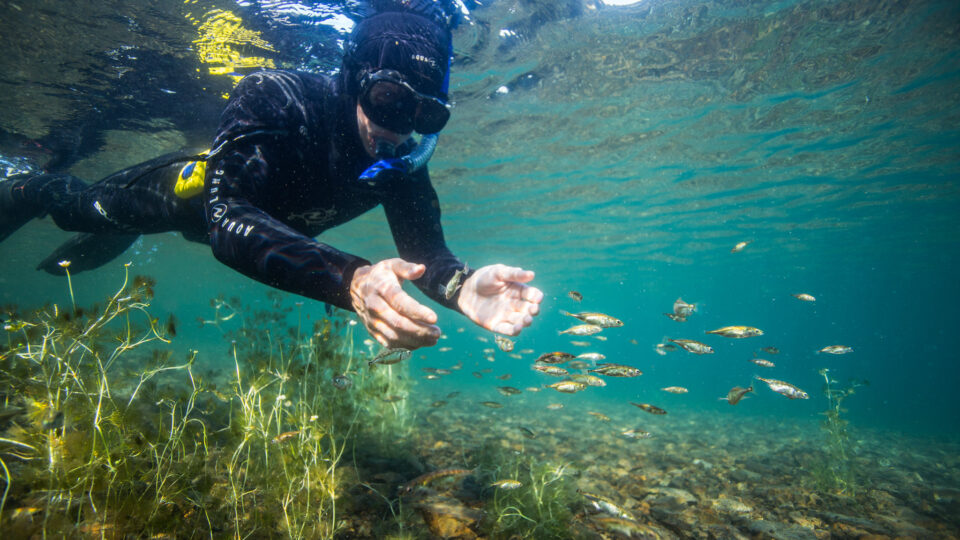
Using genome sequencing, a research team from McGill University in Montreal has found that some fish, like the threespine stickleback, can adapt very rapidly to extreme seasonal changes. Known for their different shapes, sizes, and behaviors, stickleback fish can live in both saltwater and freshwater, and can tolerate a wide range of temperatures.

Stickleback fish, which can be found in different estuaries along coastal California, provided researchers with an opportunity to study natural selection in real-time.  The researchers analyzed six populations of threespine stickleback fish before and after seasonal changes to their environment.   The research team discovered evidence of genetic changes driven by the seasonal shifts in habitat that mirrored the differences found between long-established freshwater and saltwater populations.  Since these genetic changes occurred in independent populations over a single season, the study highlights just how quickly the effects of natural selection can be detected. 

These findings suggest that scientists may be able to use the genetic differences that evolved in the past as a way to predict how species may adapt to climate change in the future.

**********

Web Links

Which animals will survive climate change?

Sixth Mass Extinction of Wildlife Accelerating- Study

Photo, posted August 3, 2015, courtesy of Jason Ching/University of Washington via Flickr.

Earth Wise is a production of WAMC Northeast Public Radio.
What Does Conservation Really Mean? | Earth Wise

June 2, 2021 By EarthWise Leave a Comment

Determining the most important species to preserve and protect

There is a great deal of interest in protecting nature and, in many cases, restoring aspects of nature that have been lost.  But what do these things really mean?

What is most important?  Protecting iconic species?  Strengthening nature’s resilience?  Several recent scientific papers address these questions and come up with rather different answers.

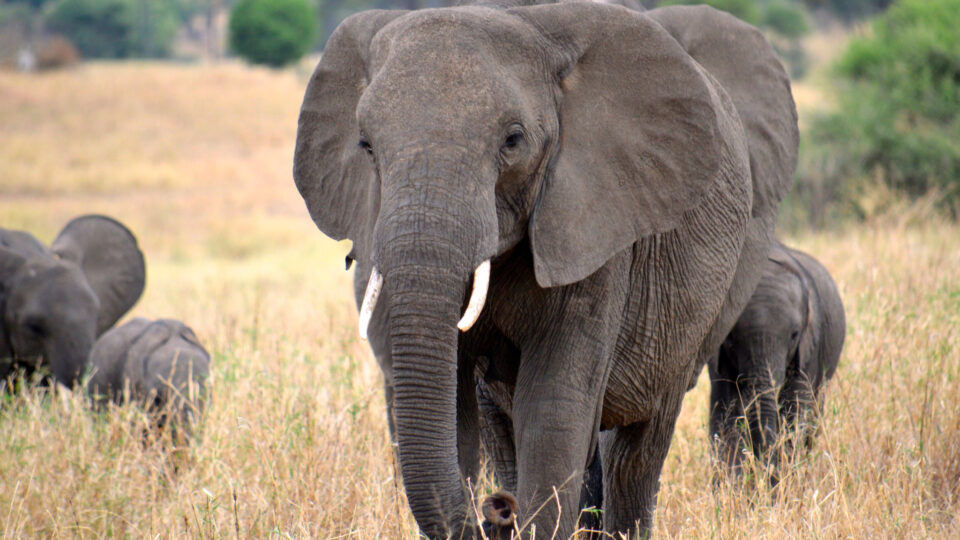
It isn’t even clear what constitutes a pristine ecosystem.  According to some experts, ecosystems that have lost most of their large mammal species, for example, cannot be considered intact.  By that standard, only a tiny fraction of the world’s ecosystems remains intact.

Other experts contend that preserving individual species is not what really matters.  Studies have shown that many ecosystems have undergone and continue to undergo massive species shifts over time with frequent extinctions along the way.  Nevertheless, the ecosystems continue to flourish with new species replacing others to perform the various functions required.

Some perspectives consider intact ecosystems to be those devoid of human influence.  But that notion is not universally held.   There is the idea that most of the world’s ecosystems were essentially untouched until perhaps 500 years ago when European exploration expanded greatly.  But the reality is that even 12,000 years ago, nearly three-quarters of terrestrial nature was inhabited, used, and shaped by people.  However, those human interactions were similar to how many indigenous and local peoples across the globe still live, not like the interactions of modern civilization that result in massive changes to ecosystems.

**********

Web Links

Species or Ecosystems: How Best to Restore the Natural World?

Photo, posted November 21, 2003, courtesy of Megan Coughlin via Flickr.

Earth Wise is a production of WAMC Northeast Public Radio.

Post-COVID Emissions Rebound | Earth Wise

May 28, 2021 By EarthWise Leave a Comment

Emissions are on the rise as COVID crisis lessons

The extensive shutdowns associated with the COVID-19 pandemic resulted in reduced activity across many sectors of the global economy.  As a result, global pollution and greenhouse gas emissions also saw lower levels.  As the COVID crisis lessens, an economic recovery is growing and as that occurs, emissions are on the rise.

The International Energy Agency forecasts that energy-related carbon dioxide emissions are projected to increase by 1.5 billion tons this year, the second-largest increase in history.

The emissions increase in 2021 is expected to be nearly 5%, reversing most of last year’s emissions decline caused by the pandemic. This would be the largest annual rise since the 2010 recovery from the global financial crisis.  In many places across the globe, people are making up for lost time and doing more of all the things that cause carbon emissions.

A key driver of the emissions increase is a rise in coal use.  The forecast is that coal-burning in 2021 would come close to the all-time peak of 2014.  Both natural gas and oil use are also expected to increase this year.  These increases are in spite of a predicted 17% increase in electricity generation from wind power and an 18% increase in solar-power generation. 

Atmospheric concentrations of CO2 are now at 417 parts per million and have increased by 3 PPM in the past year.  If human CO2 emissions are not reined in, atmospheric concentrations of planet-warming greenhouse gases could double those of pre-Industrial levels by mid-century, which would have disastrous impacts on the climate.

**********

Web Links

Global CO2 Emissions Set to Surge in 2021 in Post-Covid Economic Rebound

Photo, posted October 22, 2020, courtesy of Hospital Clínic Barcelona via Flickr.

Earth Wise is a production of WAMC Northeast Public Radio.
Radar Satellites And Hazard Mitigation | Earth Wise

May 26, 2021 By EarthWise Leave a Comment

Using satellites to keep tabs on natural disasters

Scientists have concluded that the changing climate is primarily the result of increased human-caused greenhouse gas emissions.  Some of the effects of global climate change include melting glaciers, warming oceans, intensifying storms, and rising seas.

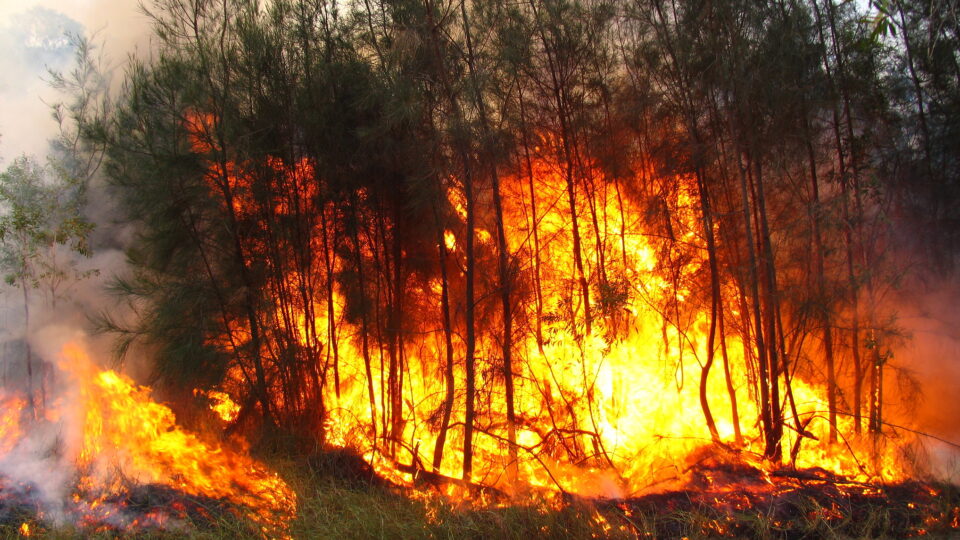
Another consequence of global climate change is natural disasters like floods and wildfires.  Climate change is increasing the frequency and severity of wildfires and increasing the odds of record-breaking floods in many parts of the United States and all around the world.

As a result, scientists in Australia have turned to technology for better assistance in keeping tabs on these climate change-driven natural disasters.  Researchers from Curtin University in Perth, Australia have found that satellites can improve the ability to detect, monitor, prepare for, and withstand natural disasters, including floods, wildfires, and earthquakes.

The research team used Synthetic Aperture Radar (SAR) data, which was acquired by the European Space Agency Sentinel-1 satellite.  The researchers also used data acquired by other satellites to evaluate these Australia-specific case studies.

According to the researchers, SAR data provides remote monitoring capabilities of Earth’s surface around the clock and in all weather, which is something that traditional optical Earth Observation (EO) imagery cannot do. The ability to function through fog, clouds, rainfall, and smoke is what makes SAR so valuable.

The research team says that the data can be used to improve how people track and respond to natural disasters, by precisely mapping topography, tracking movements of the ground, and mapping damage to infrastructure. 

As the climate continues to change, the ability to mitigate hazards like floods and wildfires will be increasingly important. 

**********

Web Links

Radar satellites can better protect against bushfires and floods

Photo, posted May 11, 2007, courtesy of Bert Knottenbeld via Flickr.

Earth Wise is a production of WAMC Northeast Public Radio.

Banning Short Plane Flights | Earth Wise

May 20, 2021 By EarthWise Leave a Comment

Banning short plane flights to reduce emissions

Almost everything we do ultimately results in greenhouse gases entering the atmosphere and therefore has an impact on the climate.  But some activities have much more impact than others.  The aviation industry is responsible for about 5% of global warming.

This doesn’t seem like that large a contribution, but only a very small percentage of the world’s population flies frequently and even in richer countries, only around half the population flew in any given year (at least before the pandemic.)

Flying is generally the only practical option for most long-haul trips and unless people give up on seeing the world or conducting global business in person, they are not going to give up taking air trips.

But shorter flights are a different story.  If you are planning to take a reasonably short trip in France, a plane will soon no longer be an option.  The French government says that flights will be banned on any route where the trip could be made on a train in 2.5 hours or less.  The driving force is the reduction of CO2 emissions.  A plane trip emits an average of 77 times more CO2 per passenger than taking a train on the same route.

The Netherlands and Belgium are also considering bans on short-haul flights and Austrian Airlines recently replaced its Vienna-to-Salzburg flights with train service.

Advocates of the flight bans say that not only does taking the train significantly reduce a traveler’s carbon footprint, but it can be cheaper and actually faster than a plane when factoring in the time spent getting to airports, standing in security lines, getting on and off planes, and so on.  Europe’s extensive train system makes this approach broadly practical. Unfortunately, here in the U.S., it is not quite that easy.

**********

Web Links

France Will Ban Short Flights That Could Be Replaced By a Train Trip

Photo, posted December 17, 2016, courtesy of Dylan Agbagni via Flickr.

Earth Wise is a production of WAMC Northeast Public Radio.
A Global Assessment Of Groundwater Wells | Earth Wise

May 19, 2021 By EarthWise Leave a Comment

Groundwater wells are at risk

Water is a fundamental need for every human being on the planet.  Each person requires more than five gallons of clean and safe water a day for drinking, cooking, and keeping clean.

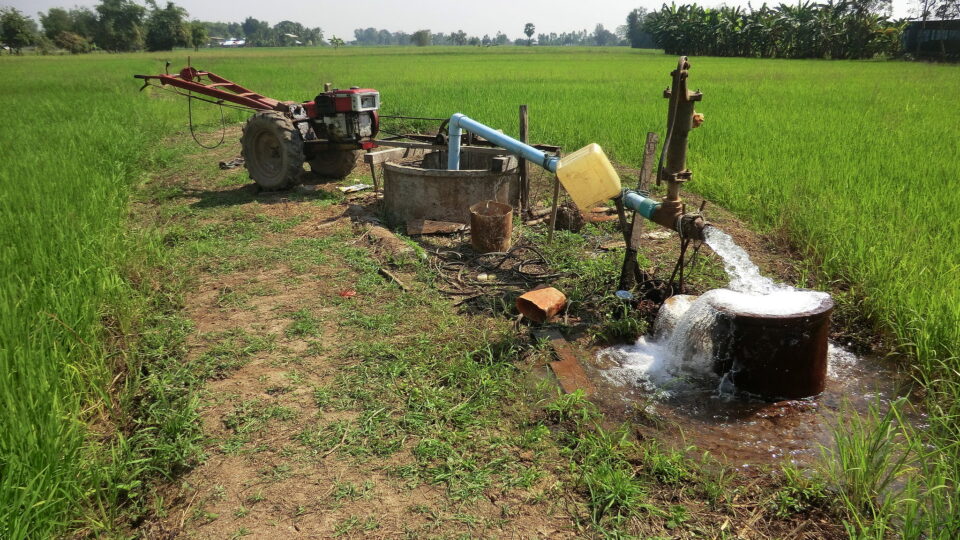
Groundwater wells remain one of the primary sources of drinking water.  In fact, more than half of the world’s population gets its drinking water from groundwater wells.  Groundwater wells also sustain more than 40% of irrigated agriculture.

Researchers from UC Santa Barbara have recently compiled the most comprehensive assessment of groundwater wells to date.  Their research, which was recently published in the journal Science, spanned 40 countries, which collectively account for more than 50% of all groundwater pumping. 

According to the survey’s findings, many wells are at risk of running dry – up to one in five wells, to be exact.  The researchers compared the depths of water tables against well depths. They found that 6% to 20% of the wells in the study were at risk of running dry if water levels continue to decline by just a few meters.

In many areas where groundwater levels are declining, the research team found that new wells are not being drilled deeper to keep pace with the falling water table. As a result, newer wells are just as vulnerable as older wells should groundwater levels continue to decline.  

The researchers hope to expand on this study to include data from China, Iran, and Pakistan, three major users of groundwater from which the researchers could not obtain records.  The researchers also plan to investigate how quickly water tables are dropping and where the trend is accelerating.   

**********

Web Links

The largest assessment of global groundwater wells finds many are at risk of drying up

Photo, posted January 20, 2018, courtesy of François Molle via Water Alternatives Photos on Flickr.

Earth Wise is a production of WAMC Northeast Public Radio.
The Cost Of Invasive Species | Earth Wise

May 7, 2021 By EarthWise Leave a Comment

Invasive species cost the global economy trillions of dollars

A new study published in Nature has tried for the first time to put a price tag on the impact of invasive species.  Researchers have been studying the effects of invasive species for decades, but it is a problem that has not really captured the attention of the public and policy makers.

According to the research by scientists at the French National Museum of Natural History, from 1970 to 2017, invasive species have cost the global economy at least $1.28 trillion dollars in damages and efforts to control them.

The team screened over 19,000 published papers, ultimately analyzing nearly 2,000 that detailed costs of various invasions at particular times.   Annual costs roughly doubled every six years, reaching a yearly bill of $162 billion in 2017.

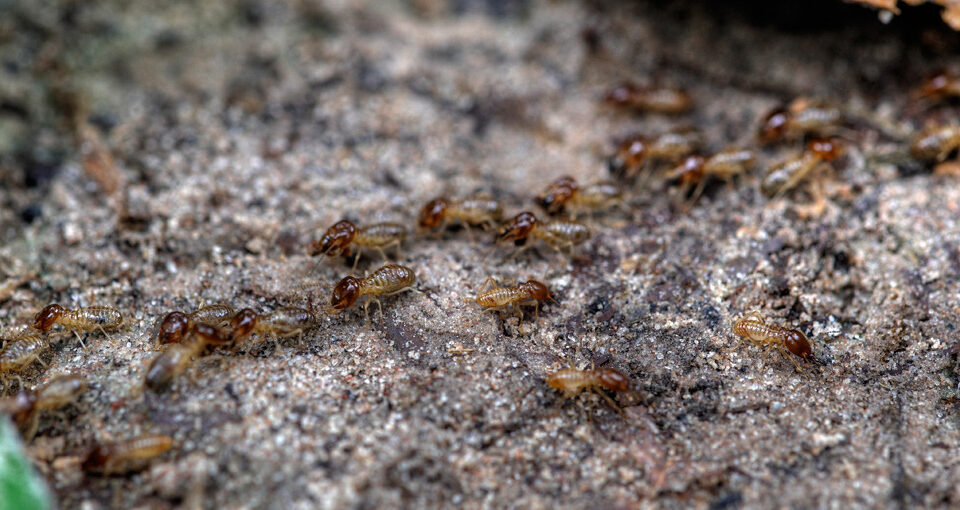
The five costliest invasive species are Aedes mosquitos, rats, cats, termites, and fire ants, collectively accounting for a quarter of the global damage.

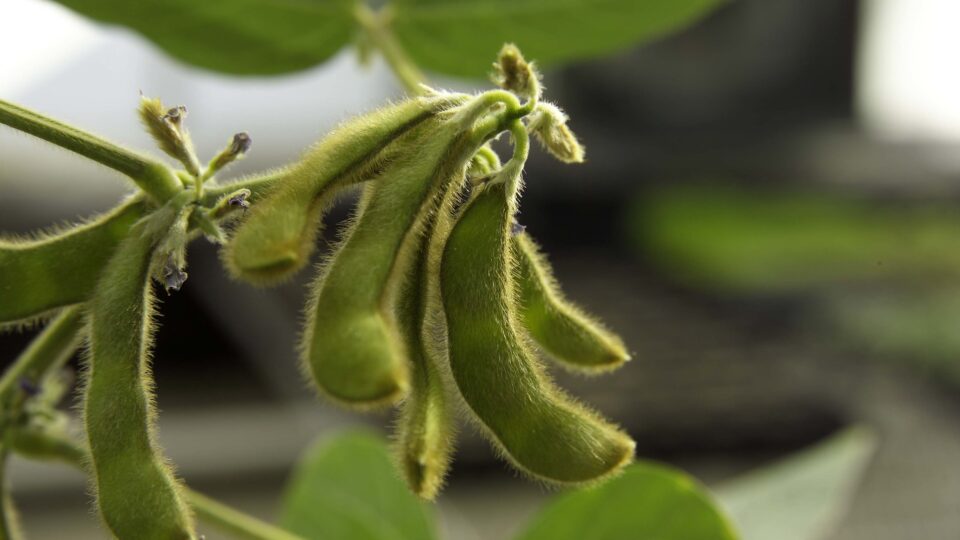
Asian tiger mosquitos and yellow fever mosquitos alone accounted for $149 billion in damage to public health as they spread from country to country.  Rats hitchhike on human boats and drive native species to extinction on islands around the world.  Cats inflict damage primarily by their impact on native biodiversity.  By some estimates, they kill a billion birds each year in the US alone.   Termites, as they spread across the globe, wreak havoc on all sorts of infrastructure.  Fire ants can feed on a variety of seedlings, from citrus to soybeans, reduce the size of grazing lands for livestock and bite and sting farm animals and humans.

The study shows invasive species are a massive problem that is getting worse.

**********

Web Links

Invasive Species Cost Billions of Dollars in Damages Annually, Researchers Find

Photo, posted March 29, 2012, courtesy of Aleksey Gnilenkov via Flickr.

Earth Wise is a production of WAMC Northeast Public Radio.
Climate Change And Farming Productivity | Earth Wise

May 3, 2021 By EarthWise Leave a Comment

Climate change is already hindering farm productivity

The future potential impacts of anthropogenic climate change on global agricultural systems has been well studied, but how human-caused climate change has already affected the agricultural sector is not as well understood.  But a new study led by researchers at Cornell University and supported by the USDA National Institute of Food and Agriculture and the National Science Foundation examined this issue. 

Despite important agricultural breakthroughs in technology, fertilizer use and global trade during the past 60 years, it turns out that the climate crisis is already eroding farm productivity.  According to the study, which was recently published in the journal Nature Climate Change, global farming productivity is 21% lower than it could have been without climate change.  This is the equivalent of losing approximately seven years of farm productivity increases since the 1960s. 

The researchers developed a model linking annual changes in weather and productivity with output from the latest climate models over six decades to quantify the effect of anthropogenic climate change on what economists call “total factor productivity.” This measure captures the overall productivity of the agricultural sector. 

The research team reviewed 200 variations of the model, but the results remained largely consistent:  anthropogenic climate change is already slowing down global food production.  The researchers say the historical impacts of climate change have been larger in naturally warmer climates, like in parts of Africa, Asia, and Latin America.   

Climate change is not some distant problem to solve in the future.  It is already having an impact on the planet and it needs to be addressed now.

**********

Web Links

Climate change cut global farming productivity 21% since 1960s

Photo, posted October 2, 2013, courtesy of the United Soybean Board via Flickr.

Earth Wise is a production of WAMC Northeast Public Radio.
Protecting Nature Is Valuable | Earth Wise

April 15, 2021 By EarthWise Leave a Comment

Preserving nature is the best economic decision

A study by the University of Vermont, the University of Cambridge, and several other institutions compared the value of protecting nature at particular locations with that of exploiting it.   The study concluded that the economic benefits of conserving or restoring natural sites outweigh the profit potential of converting them for intensive human use.

The study analyzed dozens of sites across the globe – from Kenya to Fiji and China to the UK across six continents.  It was published in the journal Nature Sustainability.

The analysis utilized a methodology devised ten years ago called TESSA (the Toolkit for Ecosystem Service Site-based Assessment) which enables users to measure, and in many cases, assign monetary values to services provided by sites – clean water, nature-based recreation, crop pollination, and so on.  This is then compared with the economic benefits that can be derived by converting the site for farming, logging, or other human uses.

A major economic benefit of natural sites comes from their ability to sequester carbon and thereby help regulate the quantity of greenhouse gases in the atmosphere.  If one assigns a value to global society of $31 a ton of carbon removed, over 70% of the sites surveyed had a greater value to society when kept natural rather than being converted.  Many scientists actually consider this carbon price to be conservative.  Nevertheless, if carbon is assigned the paltry cost of $5 a ton, 60% of the sites are still more valuable in their natural state.

Beyond these economic calculations, there is the pressing issue that current rates of habitat conversion are driving a species extinction crisis unprecedented in human history.  But even if one is only interested in dollars and cents, conserving and restoring nature is now very often the best bet for human prosperity.

**********

Web Links

Economic Benefits of Protecting Nature Exceed Value of Exploiting it, Global Study Finds

Photo, posted June 7, 2017, courtesy of Mouli Choudari via Flickr.

Earth Wise is a production of WAMC Northeast Public Radio.
Climbing To Escape The Heat | Earth Wise

March 18, 2021 By EarthWise Leave a Comment

Many mammals are climbing to escape the heat

Colorado has warmed by nearly 3.5 degrees Fahrenheit since the 1980s because of human-caused climate change.   As a result, many mammal species have shifted uphill to escape the heat.

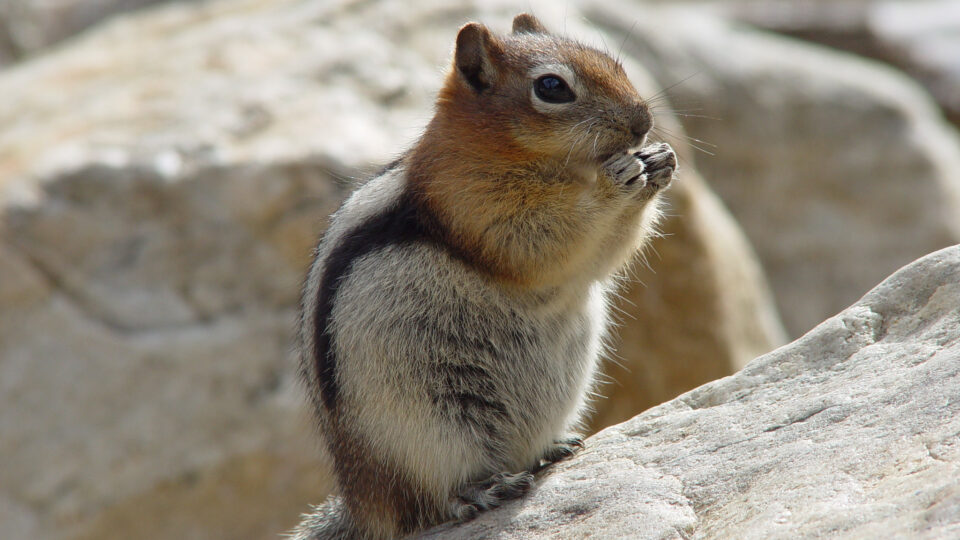
The golden-mantled ground squirrel is a popular sight among tourists in the Rocky Mountains.  It is one of the most photographed animals there as they pose on rocks near roadsides and in campgrounds.  According to University of Colorado research recently published in the journal Ecology, these squirrels have shifted their range upward by 659 feet.  The new study looked at the ground squirrels along with 46 other small mammals.  On average, these animals have shifted their range upward by more than 400 feet since the 1980s.

The researchers visited multiple sites in Colorado’s Front Range and San Juan mountains over the course of several years to collect records of the current ranges of these 47 animals. They then compared the findings from their surveys to over 4,000 historic records from collections dating back to the 1980s.

The researchers expected to see some changes, but not of the magnitude they observed.  For example, before 1980, the pygmy shrew was never detected above about 9,800 feet in elevation.  Today, its maximum extent is more than 11,800 feet.

Montane mammals – which are those who already live at higher elevations – have moved up an additional 1,100 feet on average.  If this trend continues, some animals and even entire communities may be pushed to the tops of mountains with nowhere else to go.  According to the researchers, the study paints a stark picture of a mountain range in crisis.

**********

Web Links

Small mammals climb higher to flee warming temperatures in the Rockies

Photo, posted September 6, 2002, courtesy of Franco Folini via Flickr.

Earth Wise is a production of WAMC Northeast Public Radio.
Not Enough Buzz For Bees | Earth Wise

February 11, 2021 By EarthWise Leave a Comment

The decline of bees is not getting enough attention

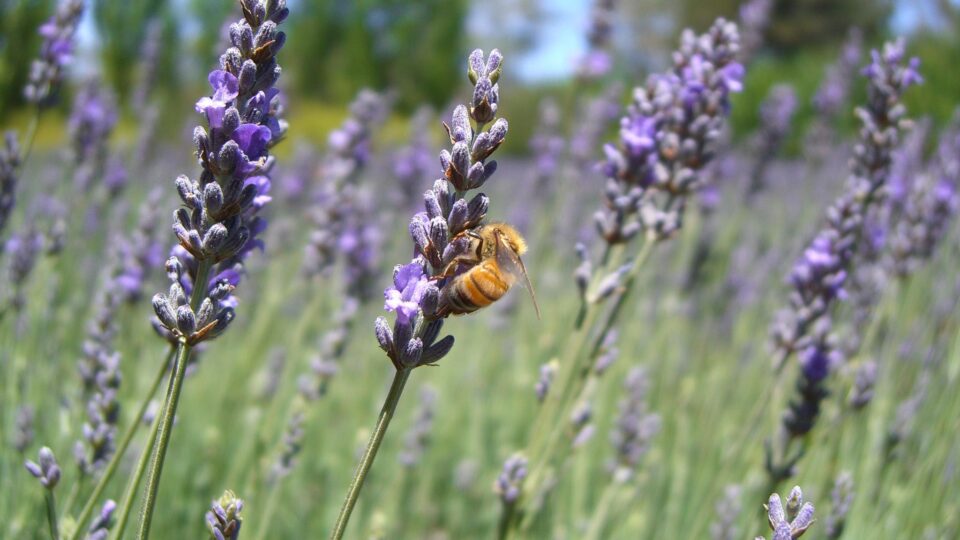
The dramatic worldwide decline in bees and other pollinating insects represents a serious threat to the global food supply, but it isn’t really getting much attention in the mainstream news.  Close to 75% of the world’s crops for human consumption depend, at least in part, on pollinators for sustained production, yield, and quality.

A new study by researchers at the University of Illinois Urbana-Champaign looked at nearly 25 million news items from six prominent sources, including The New York Times, The Washington Post, the Associated Press, as well as three overseas English-language news services.  The study found “vanishingly low levels of attention to pollinator population topics”, even compared with what many people consider to be the limited coverage of climate change.

The study made use of the Global News Index, which is a unique database of millions of news items from thousands of global sources published over decades.  It may be the largest academic study of the evolving nature of news coverage ever performed.

Even though the entomological community is highly focused on the impending pollinator crisis, the public is not paying much attention.  It is not even indifference; it is just that people don’t even know about it.

The majority of studies on pollinator decline have been done in Europe and North America, which means we don’t even know how serious the problem is given that most insect biodiversity is in the tropics.

Public awareness is important because individuals can make a difference by their decisions about what flowers to plant in their gardens, which weeds to tolerate in their yards, and how to manage insect pests.

The loss of pollinators is a very serious problem, and it is not likely to get enough attention if people don’t know about it.

**********

Web Links

Pollinators not getting the ‘buzz’ they need in news coverage

Photo, posted December 28, 2006, courtesy of Alpha via Flickr.

Earth Wise is a production of WAMC Northeast Public Radio.
What’s Killing Orcas? | Earth Wise

January 18, 2021 By EarthWise Leave a Comment

Humans are killing orcas

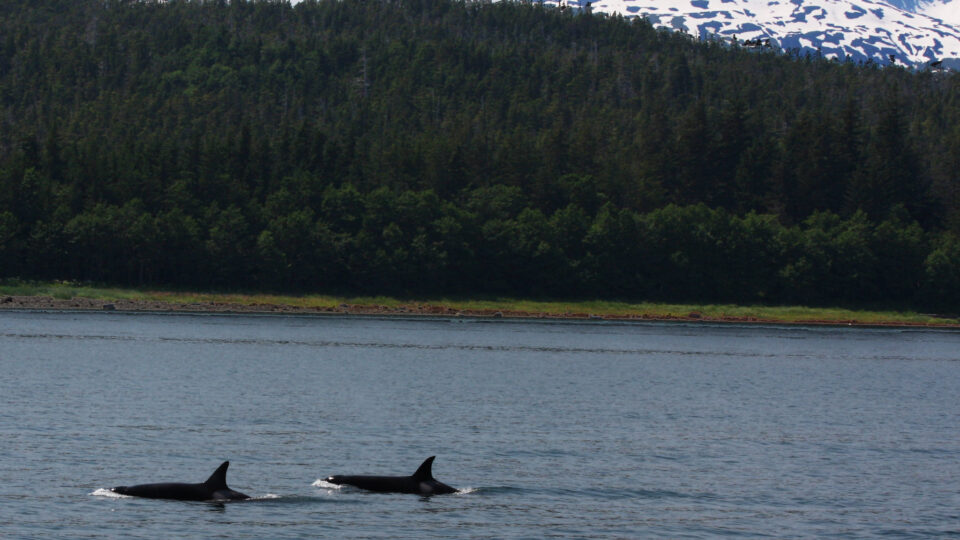
With their characteristic tall dorsal fins and black and white color patterns, orcas are one of the ocean’s most iconic species.  Measuring up to 32 feet long and weighing as much as 6 tons, orcas have one of the largest geographic distributions of any species.  They live in all latitudes, in all oceans, from the Arctic to Antarctica.    

While they are often referred to as killer whales, orcas are actually not whales at all.  Orcas are the largest dolphin species and one of the most powerful predators on the planet. 

But human interference has made life significantly more difficult for orcas in recent years.  According to pathology reports on more than 50 orcas stranded over nearly a decade in the northeast Pacific and around Hawaii, the predators face a myriad of mortal threats.  Many of those threats stem from human interactions. 

Researchers from the British Columbia Ministry of Agriculture analyzed these orca pathology reports in a new study, which was recently published in the journal PLOS ONE,.  Of 52 orcas stranded between 2004 and 2013, causes of death were determined for 42%. For example, one orca died after receiving a halibut hook injury. Two orcas died from the blunt force trauma of vessel strikes. While there was no singular common cause of death, the study found a common theme:  human-caused deaths occurred in every age class – from juveniles to adults.

The researchers also note that humans aren’t just indirectly hurting orcas with things like lack of salmon or legacy toxins.  Humans are also directly killing killer whales with boat strikes and fishing gear.   

These findings will help establish a baseline of information to assess future orca conservation efforts. 

**********

Web Links

What’s killing killer whales?

Photo, posted July 5, 2009, courtesy of Rennett Stowe via Flickr.

Earth Wise is a production of WAMC Northeast Public Radio.
Record Heat In The Arctic | Earth Wise

January 13, 2021 By EarthWise Leave a Comment

Heat in the Arctic is breaking records

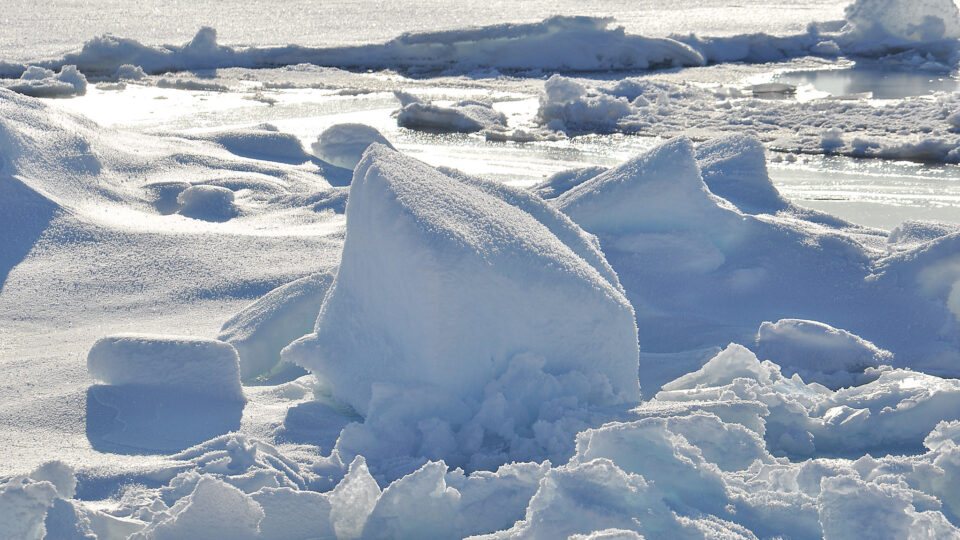
By mid-November, the Arctic stays dark around the clock and twilight does not return until the end of January.  But even as winter darkness descended upon the Arctic this year, record-breaking high temperatures in the region continued.  In late November, temperatures across the entire Arctic basin were 12 degrees Fahrenheit above normal and some locations saw temperatures as high as 30 degrees above normal.

The entire summer and fall in the Arctic were characterized by exceptionally warm temperatures.  In June, the Siberian town of Verkhoyansk – located north of the Arctic Circle – registered a high temperature of 100.4 degrees.  The refreezing of the Arctic Ocean was greatly delayed this year.  The Northeast Passage along the Siberian Coast remained navigable for a record 112 days before freezing in November, breaking the previous record by more than a month.  The extent of sea ice covering the Arctic Ocean in October was the lowest ever recorded for that month.

The strongest warming occurring in the Arctic is during the fall.  That is because rapidly disappearing sea ice is enabling the dark waters of the Arctic Ocean to absorb heat in the summer and then radiate it back into the atmosphere until late in the fall.  The Arctic region is heating up three times faster than the rest of the planet, which has led to the volume of sea ice decreasing by 2/3 in the past 40 years.

According to researchers, the extreme heat in Siberia this year would have been virtually impossible without human-caused climate change and became 600 times more likely because of human emissions of greenhouse gases.

**********

Web Links

Record-shattering Warmth Pushes Arctic Temperatures to 12 Degrees F Above Normal

Photo, posted September 1, 2009, courtesy of the U.S. Geological Survey via Flickr. Photo Credit: Patrick Kelley, U.S. Coast Guard.

Earth Wise is a production of WAMC Northeast Public Radio.
COVID-19 And The Wildlife Trade | Earth Wise

December 17, 2020 By EarthWise Leave a Comment

Disease outbreaks and the wildlife trade

Historically, many diseases have jumped from animals to people with serious consequences for the human host.  In fact, coronaviruses alone have caused outbreaks in humans three times in the past 20 years:  SARS, MERS, and COVID-19.  The majority of human pathogens that caused substantial damage to human health and economies during the past three decades have originated from wildlife or livestock.

According to a team of researchers from the University of Göttingen and other international institutions, more epidemics from animal hosts are inevitable unless urgent action is taken.  In order to help  protect against future pandemics, which could be even more severe than the current one, the researchers published a series of suggestions for governments to consider in the journal Trends in Ecology & Evolution.

The research team calls for governments around the world to establish effective legislation to do three things:  address the wildlife trade, protect habitats, and reduce the interaction between people, wildlife, and livestock. 

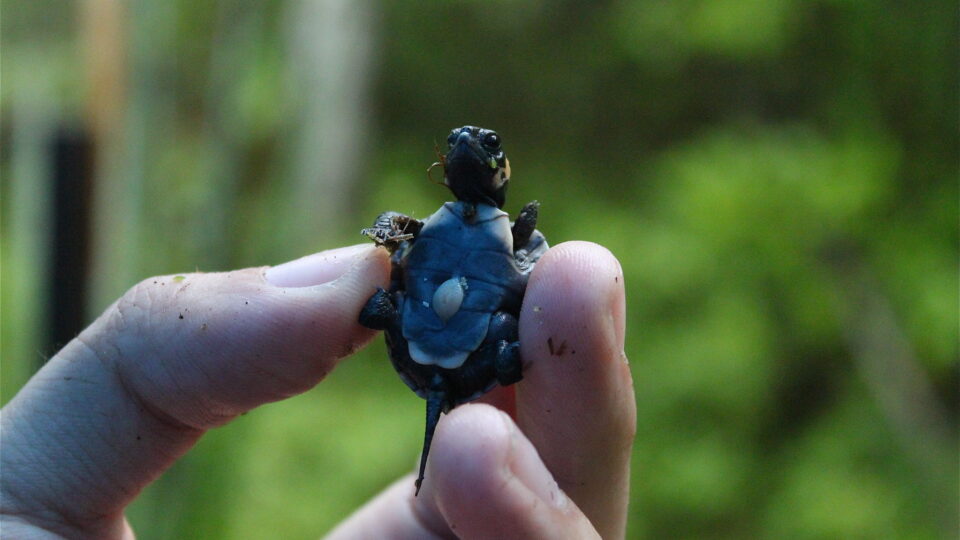
The wildlife trade and habitat fragmentation both facilitate disease outbreaks by increasing the potential for contact between humans and animals. Animals in wildlife markets are often kept in crowded and unsanitary conditions, which creates fertile breeding grounds for pathogens to jump to humans. Animals and humans are also forced closer together when natural habitats are cleared or otherwise fragmented in order to meet the various needs of a growing global population.  

Since the Covid-19 outbreak, China, Vietnam, and South Korea have introduced regulations to better manage the wildlife trade as well as support wildlife conservation.  According to the researchers, these actions serve as examples for other countries to consider.  The status quo isn’t good enough. 

**********

Web Links

COVID-19 highlights risks of wildlife trade

Photo, posted August 23, 2010, courtesy of the U.S. Fish and Wildlife Service Northeast Region via Flickr. Photo credit: Rosie Walunas/USFWS.

Earth Wise is a production of WAMC Northeast Public Radio.
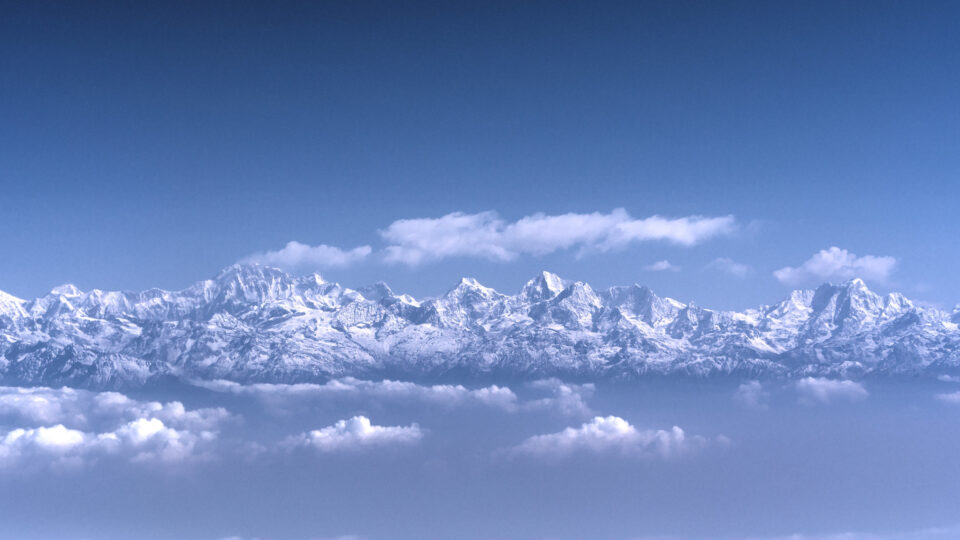
Dust And Himalayan Glaciers | Earth Wise

December 14, 2020 By EarthWise Leave a Comment

Dust playing a major role in melting glaciers

Glaciers in the Himalayas have been melting and retreating, as have glaciers around the world.  As is the case elsewhere, human-driven climate change is a major factor.  But at the lofty heights of the Himalayas, warming temperatures are not the biggest culprit.  Black carbon – released into the air by burning fossil fuels or biomass such as plants, trees, and shrubs – darkens the snow and causes it to absorb more of the sun’s heat.  A recent study by an international team of scientist has identified another important factor:  dust.

An estimated 5 billion tons of desert dust enters the Earth’s atmosphere every year.  Dust from places like Saudi Arabia gets picked up by spring winds and gets deposited on the western sides of mountains, where it can make the air 10 times more polluted than most European cities.  Dust blows across industrial and desert areas in the Indian subcontinent and the Middle East and lands in the Himalayas.  According to the new study, this dust is often the dominant cause of snow melt in those areas.

Desert dust causes snow melt in the same way that black carbon does.   Dirty snow absorbs sunlight more easily than clean snow.

Desert dust is a natural part of Earth’s systems, but the amount of it in the atmosphere has steadily increased since the Industrial Revolution, when humans greatly expanded into desert areas and broke through surface crust that held large amounts of dust in place.

There is not much we can do about desert dust, short of eliminating deserts.  But the disappearance of the Himalayan ice pack – which sustains over a billion people – can be mitigated by reducing greenhouse gas emissions to address climate change .

**********

Web Links

Himalayan glaciers melting because of high-altitude dust

Photo, posted March 13, 2018, courtesy of Sarunas Burdulis via Flickr.

Earth Wise is a production of WAMC Northeast Public Radio.

  • « Go to Previous Page
  • Page 1
  • Interim pages omitted …
  • Page 4
  • Page 5
  • Page 6
  • Page 7
  • Page 8
  • Interim pages omitted …
  • Page 11
  • Go to Next Page »

Primary Sidebar

Recent Episodes

  • An uninsurable future
  • Clean energy and jobs
  • Insect declines in remote regions
  • Fossil fuel producing nations ignoring climate goals
  • Trouble for clownfishes

WAMC Northeast Public Radio

WAMC/Northeast Public Radio is a regional public radio network serving parts of seven northeastern states (more...)

Copyright © 2026 ·