• Skip to primary navigation
  • Skip to main content
  • Skip to primary sidebar

Earth Wise

A look at our changing environment.

  • Home
  • About Earth Wise
  • Where to Listen
  • All Articles
  • Show Search
Hide Search
You are here: Home / Archives for humans

humans

More Mega-Droughts | Earth Wise

December 2, 2020 By EarthWise Leave a Comment

Climate change leading to more mega-droughts

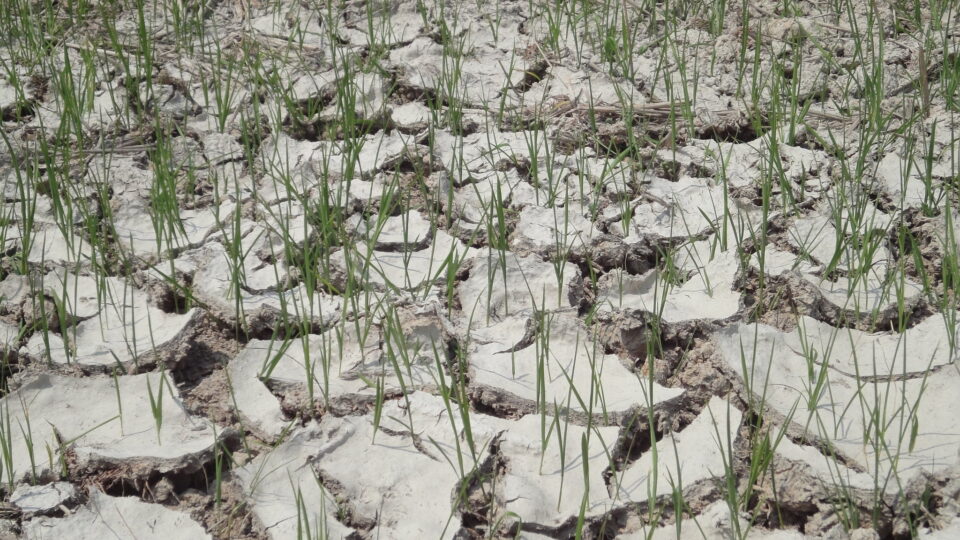
According to a new report led by researchers from the University of Queensland in Australia, mega-droughts are expected to increase as global temperatures rise with the progression of climate change.  While mega-droughts have no strict scientific definition, most studies – including this one – define them as prolonged droughts lasting two decades or longer. 

The research team analyzed geological records from the Eemian Period – 129,000 to 116,000 years ago – to create a model of what to expect over the next 20-50 years.  The Eemian Period is the most recent in Earth’s history when global temperatures were similar – or maybe even slightly warmer – than they are today. 

By analyzing the climate during this period, the research team found that the world will likely experience increased water scarcity, reduced winter snow cover, more frequent wildfires and wind erosion as a result of global warming.

In the report, which was recently issued by the University of Queensland, the researchers collaborated with the New South Wales Parks and Wildlife Service to identify stalagmites in the northern section of Kosciuszko National Park.  They were able to study small samples of calcium carbonate powder contained in the cave stalagmites, allowing them to identify periods of reduced precipitation during the Eemian Period. 

Historically, mega-droughts have been associated with mass exoduses of people from the affected areas.  In fact, mega-droughts are suspected of contributing to the collapse of several pre-industrial civilizations across Southeast Asia and the Americas.

If humans continue to warm the planet, the researchers say more mega-droughts will be in our future.

**********

Web Links

Expect more mega-droughts

Photo, posted March 28, 2014, courtesy of Marufish via Flickr.

Earth Wise is a production of WAMC Northeast Public Radio.
Do Forests Grow Better With Our Help? | Earth Wise

November 9, 2020 By EarthWise Leave a Comment

forest restoration

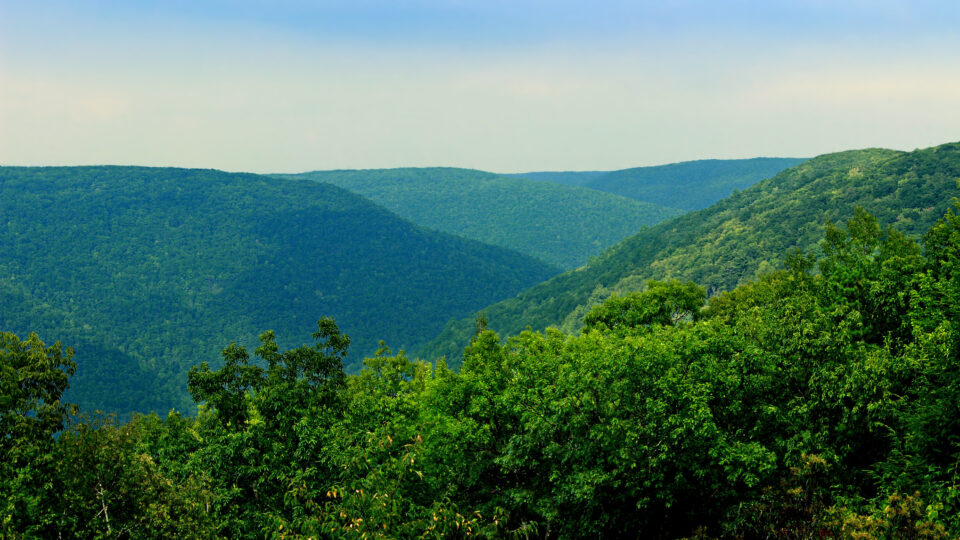
Tree planting has become a worldwide cause.  International calls to plant a trillion trees to combat climate change have led to multiple initiatives by countries around the world.  Even the current U.S. administration, with support from businesses and nonprofits has promised to plant over 800 million trees across an estimated 2.8 million acres.  Planting trees is widely seen to be a vital nature-based solution to climate change; a way of moderating its effects as the world works to reduce carbon emissions.  However, recent studies have created some pushback from that view.

The new studies are not opposed to trees.  What they have revealed is that allowing forests to grow back naturally is a better strategy than planting trees.  The new data has shown that, among other things, estimates of the rate of carbon accumulation by natural forest regrowth have on average been 32% too low and, for tropical forests, have been 53% too low.

A new study published in Nature identified 1.67 billion acres that could be set aside to allow trees to regrow.  It excludes land under cultivation or built on, along with various existing valuable ecosystems. 

Natural regrowth allows nature to select which tree species take hold and turns out to happen quite rapidly and in a widespread manner.  The great thing about natural restoration of forests is that it often requires nothing more than human inaction.  Because it requires no policy initiatives, investments, or oversight, data on its extent is rather scarce.  But the data we have reveals that wherever forests have been allowed to recover on their own, it appears to happen rapidly and with great success.

**********

Web Links

Natural Debate: Do Forests Grow Better With Our Help or Without?

Photo, posted September 5, 2015, courtesy of Nicholas A. Tonelli via Flickr.

Earth Wise is a production of WAMC Northeast Public Radio.

Essential Oils And Organic Crops | Earth Wise

November 6, 2020 By EarthWise Leave a Comment

Essential oils as natural pesticides

Essential oils are concentrated liquids extracted from plants.  They are called “essential” in the sense that they contain the essence of the fragrance that is characteristic of the plant.  Essential does not mean indispensable or usable by the human body.  But despite that fact, essential oils have been used in folk medicine throughout history. 

In recent times, essential oils have frequently been used in aromatherapy.  Generally speaking, medicinal uses of essential oils are controversial, and, in some cases, they have even been demonstrated to be dangerous.

Research has shown that essential oils have potential as natural pesticides.  Recently, the USDA has funded research into the use of essential oils to battle pests and diseases of organic crops.

U.S. organic food sales topped $50 billion in 2018 and fruits, vegetables, and other specialty crops combined make up more than a third of organic sales.  In order to meet consumer demand, farmers need ways to battle pests and diseases that often accompany organic crop growth.

A four-year project at the University of Hawaii at Manoa is entitled “Plant Safety, Horticultural Benefits, and Disease Efficacy of Essential Oils for Use in Organically Grown Fruit Crops:  From the Farm to the Consumer.”   The researchers will work with certified organic producers in Hawaii, Florida, South Carolina, Georgia, and California to evaluate the effectiveness of plant essential oils on major fruit pathogens such as avocado scab, anthracnose fungal disease, and powdery mildew on targeted tropical and temperate fruit crops such as avocado, mango, blueberry, and peach.

The goal is increase orchard productivity of the expanding organic fruit industry.

**********

Web Links

Essential oils could keep pests, disease from organic crops

Photo, posted January 6, 2015, courtesy of Abi Porter via Flickr.

Earth Wise is a production of WAMC Northeast Public Radio.

The Hottest September | Earth Wise

November 5, 2020 By EarthWise Leave a Comment

The hottest September

Here’s a news item that is like many other recent news items:  September 2020 was the hottest September since 1880, according to the National Oceanic and Atmospheric Administration.   The warm September is a part of a year that so far is poised to be at least the second hottest year in the 141-year climate record.

The ten warmest Septembers on record have all occurred since 2005, and the seven warmest Septembers have occurred in the past seven years.

So far, the year-to-date average global temperature has been the second warmest on record, being just 0.07 degrees Fahrenheit lower than the record year-to-date temperature set in 2016.  Expectations are that 2020 will end up somewhere among the three warmest years on record for the globe.

September was warm in many places around the world.  California and Oregon had their warmest September ever.  Europe had its warmest September on record, Asia had its second warmest September on record as did Australia and South America. 

So far, it has been the hottest year-to-date on record in Europe, Asia, and the Gulf of Mexico.  No land or ocean areas anywhere had record-cold year-to-date temperatures. 

Global temperatures represent an average over the entire surface of the planet.  The fact that the global temperature is now nearly one Celsius degree above the 20th century average means that a vast amount of heat has been added in order to warm all the oceans, atmosphere, and land by that much.  So, every uptick in global temperature is a big deal.

Meanwhile, the average Arctic sea ice coverage for September was the second smallest on record.  The 14 smallest minimum annual sea ice extents have all occurred in the past 14 years.

**********

Web Links

Earth just had its hottest September on record

Photo, posted September 2, 2020, courtesy of Tim Vrtiska via Flickr.

Earth Wise is a production of WAMC Northeast Public Radio.
Paying To Combat Climate Change | Earth Wise

November 2, 2020 By EarthWise Leave a Comment

Fighting climate change

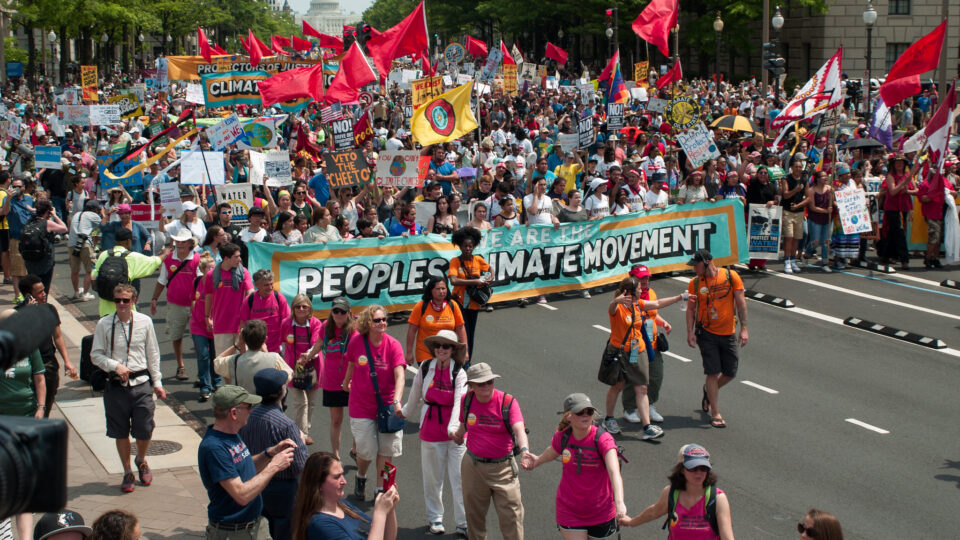
The majority of Americans believe that climate change is happening, that human activities are largely responsible, and are actually willing to put up their own money to help fight it.   Unfortunately, these views diverge sharply along party lines and, as in many other areas these days, the will of the overall majority has little influence on policy.

According to Yale University research, 73% of adults think that global warming in happening and 57% think it is mostly caused by human activities.  Furthermore, only 32% believe it is due to natural forces.

A survey conducted in the U.S. in August found that more than two-thirds of Americans – actually 70% – indicated willingness to donate a percentage of their personal income to support the fight against climate change.

Breaking that down further, 28% were willing to provide less than 1% of their income, 33% were willing to contribute 1-5% of their income, 6% said they would give 6-10% of their income, and 3% said they would contribute more than 10% of their income.  On the other hand, roughly 30% indicated that they were unwilling to contribute.

The survey also looked at opinions on how the fight against climate change should be paid for.  The majority (59%) chose government incentives for both businesses and consumers.   Three other options each favored by over 40% of those surveyed were taxes, conservation programs, and business investments. 

Another finding of the survey was that 44% are dissatisfied with the job that the federal and state governments are doing to address climate change, 35% are somewhat satisfied, and only 21% are very or completely satisfied with the government’s role.

**********

Web Links

Yale Climate Opinion Maps 2020

Two-thirds of Americans are willing to donate part of their income to fight climate change

Photo, posted April 29, 2017, courtesy of majunznk via Flickr.

Earth Wise is a production of WAMC Northeast Public Radio.

Using CO2 To Convert Seawater Into Drinking Water | Earth Wise

October 27, 2020 By EarthWise Leave a Comment

Converting Seawater into Drinking Water

A chemist at the University of Copenhagen has invented a technology that uses carbon dioxide to convert seawater into drinking water within minutes.  This desalination technology has the potential to replace electricity with CO2 and be used in survival gear and in large-scale industrial plants in places where people don’t have clean drinking water.

Over 800 million people worldwide lack access to clean drinking water and that number is growing rapidly.  Seawater is a vital source of drinking water in many parts of the world, but desalination faces the major challenge of being highly energy intensive.  Desalination plants use huge amounts of fossil fuel-generated electricity and therefore contribute to climate change.

The Copenhagen technology is reminiscent of a SodaStream machine.  Carbon dioxide is added to water, initiating a chemical reaction.  But instead of using it for bubbly carbonation, it is used to separate salt from water.  It works by adding a chemical called CO2-responsive diamine to saltwater.  The diamine compound binds with the added CO2 and acts as a sponge to absorb the salt, which can then be separated.  The entire process takes one to ten minutes.  Once the CO2 is removed, the salt is released again, allowing the diamine to be reused for several more rounds of desalination.

In the laboratory, the method removed 99.6% of the salt in seawater.  The technology is still being developed to lower its price and optimize the recycling process.  It is also being tested on a small scale in the form of water bottles fitted with special filters that can be used in lifeboats or in other outdoor settings.  Ultimately, it could be used to greatly reduce the energy consumption of desalination plants.

**********

Web Links

Chemist uses CO2 to convert seawater into drinking water

Photo, posted January 10, 2015, courtesy of Daniel Orth via Flickr.

Earth Wise is a production of WAMC Northeast Public Radio.
How To Bend The Curve On Biodiversity Loss | Earth Wise

October 15, 2020 By EarthWise Leave a Comment

how to bend the curve on biodiversity loss

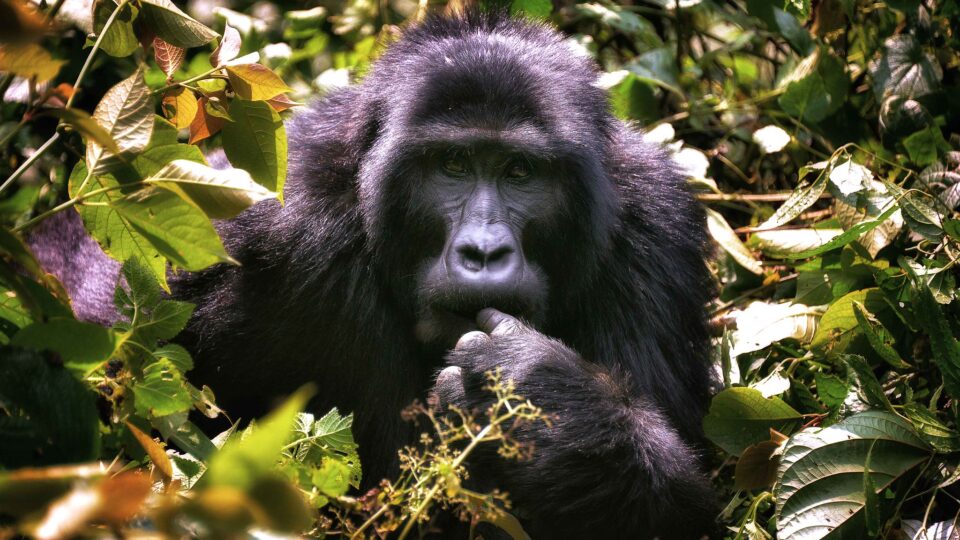
Biodiversity has been declining at an alarming rate in recent years as a result of human activities, including land use changes, pollution, and climate change.  According to a 2019 UN report, one million species – out of an estimated eight million – are threatened with extinction.  Many scientists warn we are in the middle of the sixth mass extinction event in Earth’s history.  Previous mass extinction events wiped out up to 95% of all species and took ecosystems millions of years to recover. 

Fortunately, new research indicates that it might not be too late to bend the curve on biodiversity loss.  According to the report, which was recently published in the journal Nature, more ambitious conservation measures are needed in order to  preserve biodiversity.  In addition, more efficient food production and healthier and less wasteful consumption and trade are needed to bend the curve. 

If these measures are undertaken with unprecedented ambition and coordination, the research team says the efforts will provide an opportunity to reverse biodiversity loss by 2050.

But even under the best case scenario, ongoing land conversion will lead to further biodiversity losses before the curve starts to bend.  In fact, at least one third of projected losses in the coming years are unlikely to be avoided under any scenario.  Biodiversity losses were projected to be highest in the regions richest in biodiversity, including South Asia, Southeast Asia, Sub-Saharan Africa, the Caribbean, and Latin America. 

The study, which was led by the International Institute for Applied Systems Analysis in Austria, makes it clear that urgent action is needed this decade in order to have any chance of bending the curve. 

**********

Web Links

Curbing land clearing for food production is vital to reverse biodiversity declines

Photo, posted November 1, 2017, courtesy of Rod Waddington via Flickr.

Earth Wise is a production of WAMC Northeast Public Radio.
Global Decline In Wildlife | Earth Wise

October 14, 2020 By EarthWise Leave a Comment

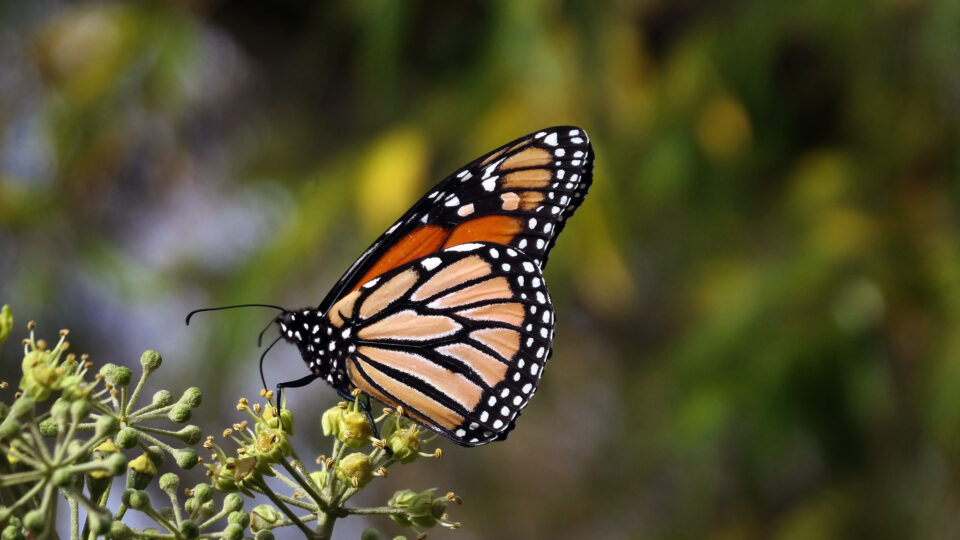
global wildlife declining rapidly

According to a new report released by the World Wildlife Fund, global populations of mammals, birds, amphibians, reptiles, and fish have declined by 68% in less than half a century. 

The report presents a comprehensive overview of the state of the natural world based on the tracking of almost 21,000 populations of more than 4,000 vertebrate species between 1970 and 2016. 

The report shows that the main cause of the dramatic decline in species populations on land is habitat loss and degradation, which includes deforestation driven by food production.  Additional factors include land-use change and the use and trade of wildlife.

Wildlife populations found in freshwater habitats have suffered a decline of 84%, which is the steepest decline in any biome.

Insect populations have declined rapidly in many places, but most of the information about insects comes from a small number of countries in the northern hemisphere.  There is very little information from large parts of the world, such as Africa, South America, and Asia, where land-use change and agricultural expansion are happening fast.  What happens to insects matters a lot to humanity.  Insects play central roles in the world’s ecosystems as waste processors, pollinators, predators, and prey. 

The report is clear evidence of the damage human activity is doing to the natural world.  Threats to the integrity of ecosystems endanger humans and all of nature.  This is especially apparent in the midst of a global pandemic.  It is now more important than ever to take coordinated global action to halt and reverse the loss of biodiversity and wildlife populations across the globe.

**********

Web Links

Living Planet Report reveals 68% decline in global wildlife populations since 1970

Photo, posted May 7, 2020, courtesy of Bernard Spragg via Flickr.

Earth Wise is a production of WAMC Northeast Public Radio.
Danger For North American Biomes | Earth Wise

October 8, 2020 By EarthWise Leave a Comment

North American biomes are losing their resilience

Biomes are large, naturally occurring communities of flora and fauna that occupy a major habitat.  Examples include several different kinds of forests, grasslands, deserts, and tundra.  According to a new study published in the journal Global Change Biology, the resilience of North America’s plant biomes is declining, which means that they are in danger of succumbing to a major extinction event.

The research analyzed over 14,000 fossil pollen samples from 358 sites across North America for the purpose of reconstructing their “landscape resilience”, meaning the ability of the habitats to persist or quickly rebound in response to disturbances.

Some 13,000 years ago, North American ecosystems were destabilized by the one-two punch of the retreat of glaciers at the end of the last ice age along with the arrival of humans.  That combination resulted in the extinction of large terrestrial mammals on the continent. 

Today, there is a comparable one-two punch created by the rapidly changing climate combined with the dramatic expansion of the footprint of human civilization.   The result could again be the demise of some of North America’s biomes.  In past eras, forests persisted longer than grasslands, but also took longer to reestablish after disruptions.  Overall, only 64% of historic biomes regained their original ecosystem type.

The scientists said that strategic conservation effects could help counteract or slow down the impacts of climate change in the coming decades.  In particular, efforts focusing on improving landscape and ecosystem resilience by increasing local connectivity and concentrating on regions with high richness and diversity could have the greatest positive effect.

**********

Web Links

North American Biomes Are Losing Their Resilience, With Risks for Mass Extinctions

Photo, posted January 9, 2020, courtesy of Tony Webster via Flickr.

Earth Wise is a production of WAMC Northeast Public Radio.

Land Use Change And Flooding | Earth Wise

September 30, 2020 By EarthWise Leave a Comment

Land use change leads to increased flooding

Land use change refers to the conversion of a piece of land’s use by humans from one purpose to another. Land use change is commonly associated with biodiversity loss and increased greenhouse gas emissions.  But how does land use change impact water cycles? 

According to researchers from the University of Göttingen in Germany, IPB University, and BMKG (both in Indonesia), the expansion of monocultures, such as rubber and oil palm plantations, leads to more frequent and more severe flooding.  The researchers explain the increase in flooding “with a complex interplay of ecohydrological and social processes, including soil degradation in monocultures, the expansion of oil palm plantations into wetlands, and the construction of flood protection dams.” 

For the study, which was recently published in the journal Ecology & Society, the research team interviewed nearly 100 Indonesian farmers, villagers, and decision-makers in Sumatra.  The team supplemented its research with data on precipitation, river and groundwater levels, soil properties, and regional mapping. 

During large-scale land use change – like plantation expansions – newly-compacted soil causes rainwater to runoff as opposed to being absorbed.  As more plantations are established in floodplains, the owners try to control flooding on their land by building barriers.  But these dams often lead to increased flooding on neighboring lands.  This understandably triggers social tensions between other farmers and plantation owners.     

In order to reduce the negative impact of land use change on the water cycle, the research team suggests soil protection and improved planning – especially in floodplains – would be a good place to start.  

**********

Web Links

Land use change leads to increased flooding in Indonesia

Photo, posted October 8, 2018, courtesy of Artem Beliaikin via Flickr.

Earth Wise is a production of WAMC Northeast Public Radio.
Monitoring Wildlife For Warning Signs of the Next Pandemic | Earth Wise

July 29, 2020 By EarthWise Leave a Comment

Monitoring wildlife to prevent the next pandemic

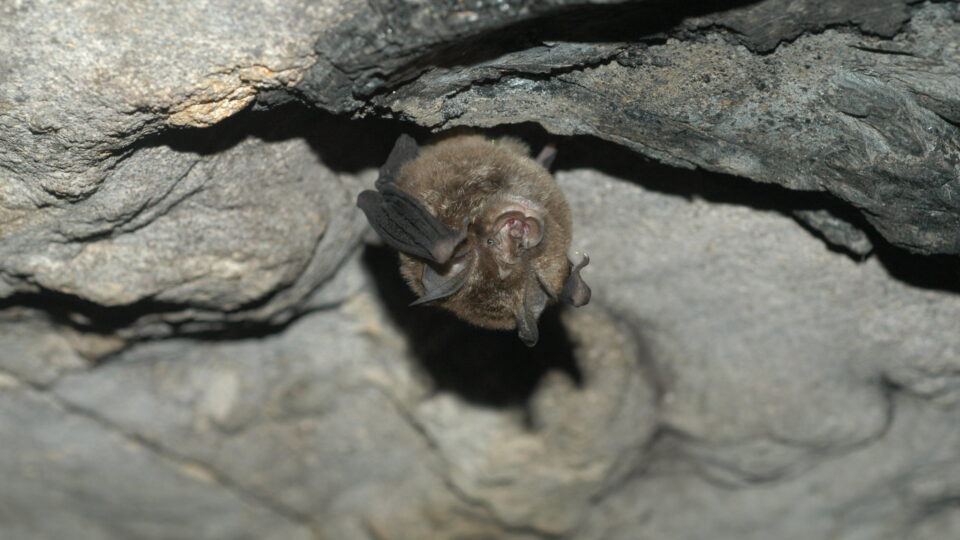
According to the World Health Organization, the coronavirus that causes COVID-19 likely originated in wild bats near Wuhan, China, and may have been passed to a second animal species before infecting people.  Since then, according to data from Johns Hopkins University, more than 13 million people around the world have been infected by COVID-19 and about 600,000 have died. 

But despite the ever-present threat of a new virus sparking the next pandemic, there is currently no global system to screen for viruses in wild animals that could eventually spill over to humans. 

In an article recently published in the journal Science, a group of scientists is calling for the creation of a decentralized global system of wildlife surveillance.  The establishment of this global system could help identify viruses in wild animals that have the potential to infect and sicken people before another global disease outbreak begins. 

According to the scientists, coronaviruses alone have caused outbreaks in humans three times in the last 20 years:  SARS (or Severe Acute Respiratory Syndrome), MERS (or Middle East Respiratory Syndrome), and COVID-19. 

While it’s impossible to know today how often viruses jump from animals to humans, human activity is making such spillover events more and more likely.  For instance, many continue to develop wild animal habitat to build new homes or businesses.  Some catch wild animals and re-sell them either for consumption or as exotic pets.  Parts from these wild animals are often shipped around the world as trinkets or as ingredients for traditional medicines. 

A global system that could identify potentially harmful viruses before they jump to humans is technologically feasible, affordable, and clearly necessary. 

**********

Web Links

COVID-19 Dashboard by the Center for Systems Science and Engineering (CSSE) at Johns Hopkins University (JHU)

Global wildlife surveillance could provide early warning for next pandemic

Photo, posted January 15, 2008, courtesy of Doug Beckers via Flickr.

Earth Wise is a production of WAMC Northeast Public Radio.
The United States And Ticks | Earth Wise

July 21, 2020 By EarthWise Leave a Comment

United States tick data is lagging

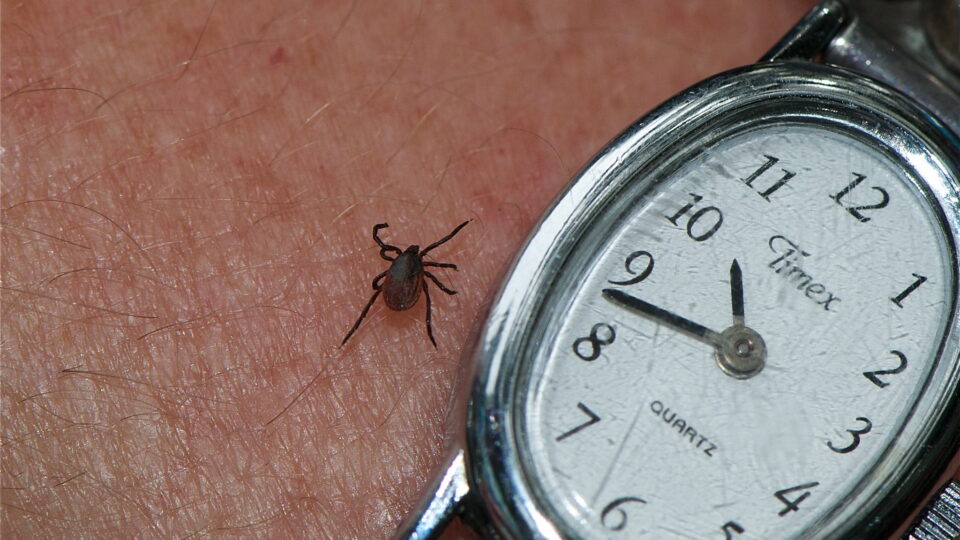
Tiny ticks are a big problem.  Measuring only three to five millimeters in size, ticks are widely distributed around the world.  They are external parasites, feasting on the blood of birds, reptiles, amphibians, and mammals – including humans.

According to estimates from the Centers for Disease Control and Prevention, ticks infect more than 300,000 people with Lyme disease in the United States every year, and the numbers continue to rise.  Other common tick-borne diseases include anaplasmosis, babesiosis, Rocky Mountain Spotted Fever, and powassan encephalitis.

But while the prevalence of tick-borne illnesses has steadily increased in the United States over the past two decades, a new study on tick surveillance and control “has revealed an inconsistent and often under-supported patchwork of programs across the country.”

The study, by university researchers at the CDC’s five Vector-Borne Disease Regional Centers of Excellence, is the first-ever examination of tick management programs in the United States.  The researchers found clear gaps in our public health infrastructure. 

According to the study, which was recently published in the Journal of Medical Entomology, less than 50% of public health and vector-control agencies conduct tick surveillance.  Only 25% test ticks for disease-causing germs.  And only 12% conduct or support tick-control efforts.  Researchers also discovered that the capacity for public tick-control efforts is low, as is the capacity for information and data sharing between agencies on ticks.    

The findings highlight the degree to which tick surveillance and control is lagging in the United States.  According to the research team, greater support for tick-management programs is critical, and they hope their findings will serve as a baseline from which to measure future improvements.  

**********

Web Links

Tick surveillance and control lagging in US

Photo, posted May 4, 2009, courtesy of Jerry Kirkhart via Flickr.

Earth Wise is a production of WAMC Northeast Public Radio.
PFAS In The Food Chain | Earth Wise

July 8, 2020 By EarthWise Leave a Comment

PFAS in the food chain

Per- and polyfluoroalkyl substances (PFAS) are a family of human-made chemicals that have been manufactured and used in a variety of industries around the globe.  PFOA and PFOS have been the most extensively produced and the most extensively studied of these chemicals. 

Exposure to PFAS has been linked to a host of adverse health effects, including thyroid hormone disruption and cancer.

PFAS compounds can be found in such things as non-stick cookware, stain-resistant carpets, water-repellent outdoor gear, and food packaging, like fast food wrappers and microwave popcorn bags. 

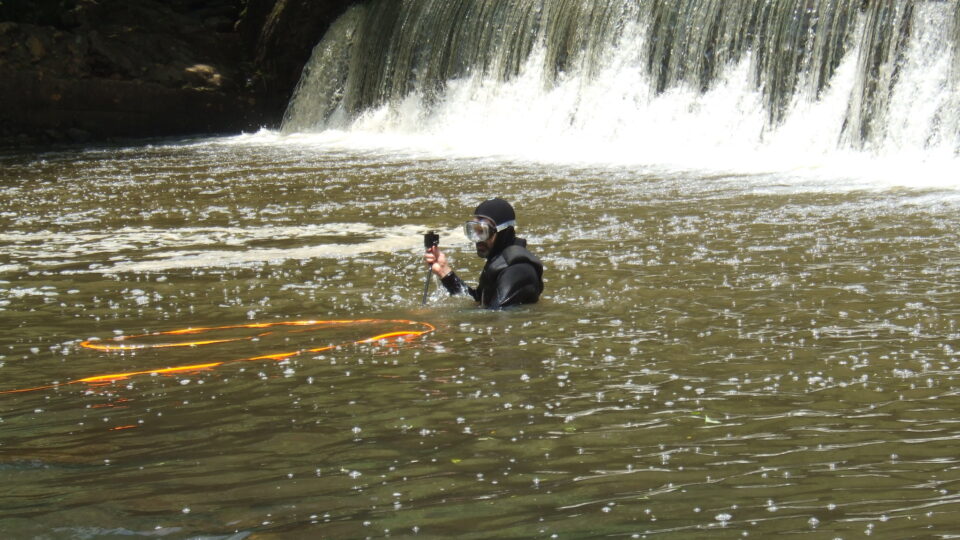
According to a new study, researchers from North Carolina State University have found PFAS substances in every step of the Yadkin-Pee Dee River food chain, even though the river doesn’t have a known industrial input of these compounds. 

The team collected water, sediment, algae, plant, insect, fish, crayfish, and mollusk samples at five sites along the river and analyzed them for 14 different PFAS compounds.  Nearly every sample tested contained PFAS compounds.  Biofilm contained the largest concentrations of 10 of the 14 PFAS compounds measured.  Insects, which primarily eat biofilm, had the greatest accumulation of PFAS compounds of all the living taxa the researchers sampled. 

When PFAS compounds are present at every step of the food chain, the compounds accumulate at each step leading to greater concentrations in animals that sit higher on the food chain – including humans.  This is known as biomagnification. 

Studies like this that reveal how prevalent PFAS can be within ecosystems without an industrial input highlight the need for further research into how these compounds affect the environment and human health.

*********

Web Links

PFAS present throughout the Yadkin-Pee Dee river food chain

Photo, posted May 24, 2011, courtesy of the U.S. Fish and Wildlife Service via Flickr.

Earth Wise is a production of WAMC Northeast Public Radio.

PPE Pollution | Earth Wise

June 25, 2020 By EarthWise Leave a Comment

PPE is polluting the environment

While the COVID-19 pandemic and its shutdown of so many human activities has reduced many kinds of pollution, it has also managed to create a new source of pollution:  face masks and sanitary gloves.

Divers from a French non-profit organization called Operation Clean Sea are already finding gloves, masks, and hand sanitizer bottles beneath the waves of the Mediterranean, along with the usual litter of disposable cups and aluminum cans. In France, authorities have ordered 2 billion disposable masks. Given that, there may soon be the risk of having more masks in the Mediterranean than jellyfish.  In Hong Kong, face masks have been piling up on beaches and nature trails.  Even in Hong Kong’s isolated and uninhabited Soko Islands, dozens of masks are showing up on a small stretch of beach.

Disposable masks may feel like soft cotton, but almost all of them are made from non-biodegradable material such as polypropylene.  When such masks are discarded into storm drains, they end up in rivers and seas.  With a lifespan of hundreds of years, these masks are an ecological timebomb.  Land-based activity accounts for 80% of ocean pollution, and half of that is a direct result of single-use plastics.  Many of the CDC’s recent recommendations for reopening offices and businesses actually recommend the increased use of them, and for sensible reasons.

The best we can all do is to wear reusable masks and to try to wash our hands more often rather than putting on another pair of latex gloves.  Given that there are alternatives, we don’t need to make plastic the solution to protect us from Covid-19.

**********

Web Links

COVID-19 Masks Are Polluting Beaches and Oceans

Photo, posted March 28, 2020, courtesy of Michael Swan via Flickr.

Earth Wise is a production of WAMC Northeast Public Radio.
Animals And Social Distancing | Earth Wise

June 16, 2020 By EarthWise Leave a Comment

social distancing to prevent disease

As the spread of COVID-19 continues throughout the U.S. and around the world, health officials continue to ask people to keep physical space between themselves and others outside their homes.  It’s an important and effective way to slow down and prevent the spread of disease. 

But it’s not just humans who can benefit from social distancing.  It turns out that animals can, too.

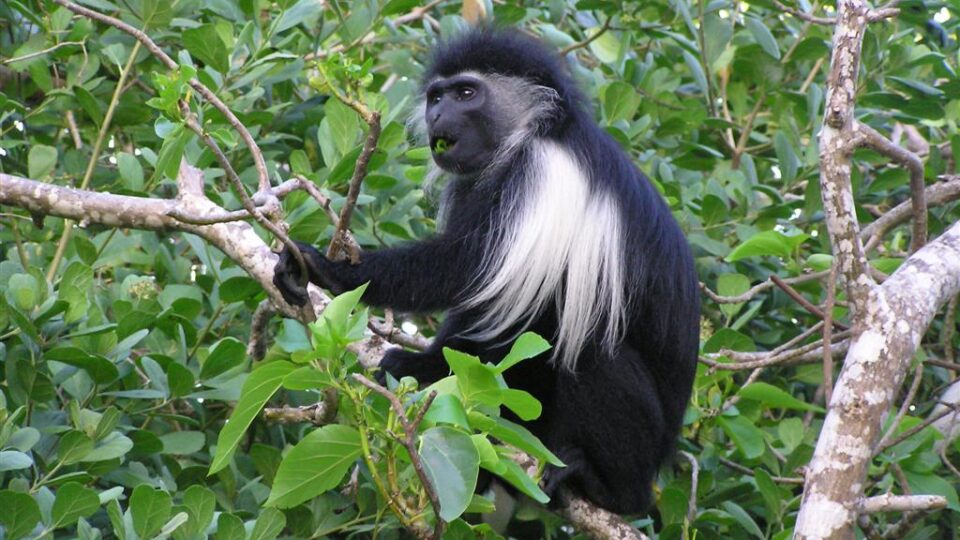
Microorganisms living on or inside our bodies are important for both our health and for the development of disease.  Researchers from the University of Texas at San Antonio have found evidence for the importance of social distancing to minimize the spread of microbes among individuals.   The researchers studied wild monkeys to find out what role diet, genetics, social groupings, and distance in a social network play when it comes to the microbes found inside the gut.  The gut microbiome refers to all the microorganisms living in the digestive tract. 

The research team studied the fecal matter of 45 female colobus monkeys that congregated in eight different social groups in a small forest in Ghana.  The researchers observed major differences in gut microbiomes between the eight social groups.  But individual monkeys from different groups that were more closely connected to the population’s social network had more similar gut microbiomes.  The findings, recently published in the journal Animal Behaviour, indicate that microbes may be transmitted between monkeys during occasional encounters with other monkeys from different social groups.

Learning how microorganisms pass among monkeys can help researchers understand how diseases spread.  Understanding how diseases spread can help guide decision making during this pandemic and any future disease outbreaks. 

**********

Web Links

Even animals benefit from social distance to prevent disease, research shows

Photo, posted January 10, 2007, courtesy of Silke Baron via Flickr.

Earth Wise is a production of WAMC Northeast Public Radio.
Microplastic Hotspots In The Ocean | Earth Wise

June 4, 2020 By EarthWise Leave a Comment

microplastics pollution

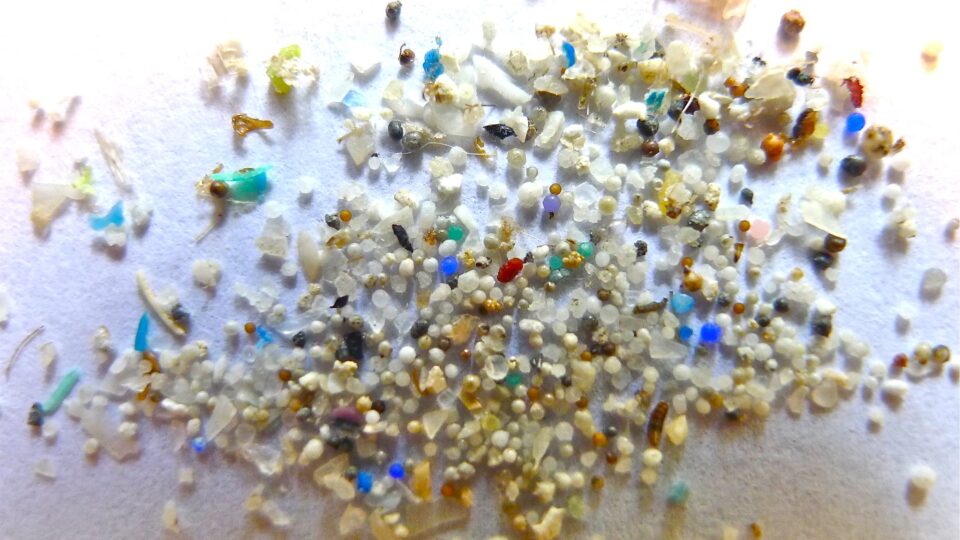
Many of us are aware of the infamous ocean “garbage patches” of floating plastic.  The Great Pacific Garbage Patch is roughly the size of Texas.  But over 10 million tons of plastic waste enter the oceans each year and the floating patches only account for 1% of that total.  The remaining 99% of the plastic ends up in the deep ocean, generally in the form of microplastics – tiny fragments of large plastic debris that have broken down as well as manufactured polyethylene beads used in various products.

According to a new study published in the journal Science, there are actually microplastic hotspots on the ocean floor, formed by deep-sea currents that act as conveyer belts moving the tiny plastic fragments around.  One of these hotspots – in the Tyrrhenian Sea off the west coast of Italy – contained 1.9 million microplastic pieces in just one square meter of seafloor.  This is the highest reported value for any place in the world.

Because of their small size, microplastics can be ingested by organisms across all levels of the marine food chain and eventually find their way into human diets. 

The spatial distribution and ultimate fate of ocean microplastics are strongly controlled by near-bed thermohaline currents.  These are deep-ocean currents driven by differences in water density, which is controlled by temperature and salinity.  Thermohaline currents are known to supply oxygen and nutrients to the flora and fauna found at the ocean bottom.  As a result, deep sea biodiversity hotspots are likely to be in same places where there are microplastic hotspots.

The discovery of these deep- sea hotspots is just another reason why we need behavior and policy interventions to limit the flow of plastics into natural environments.

**********

Web Links

Seafloor microplastic hotspots controlled by deep-sea circulation

Photo, posted September 6, 2012, courtesy of Oregon State University via Flickr.

Earth Wise is a production of WAMC Northeast Public Radio.
Living In Extreme Heat | Earth Wise

June 3, 2020 By EarthWise Leave a Comment

extreme heat from climate change

Global climate change has already left observable effects on the planet.  Glaciers have shrunk, trees are flowering sooner, plant and animal ranges have shifted, and so on. Many effects of climate change that scientists had predicted in the past are now occurring.  The loss of sea ice, intensifying heat waves, and accelerating sea level rise are some examples.

According to a new study recently published in the journal Proceedings of the National Academy of Sciences, climate change is going to affect humans earlier, harder, and more widely than previously projected.  The research team found that one billion people will be either displaced or endure insufferable heat for every one degree Celsius rise in global temperatures.  

Under a worst case climate scenario, land that one third of the world’s population currently calls home will be as hot as the hottest parts of the Sahara desert within 50 years.  Even under a more optimistic climate outlook, 1.2 billion people will still be exposed to temperatures outside the climate niche in which humans have thrived for at least 6,000 years.

The majority of the human population has always lived in regions where the average annual temperatures were between 43 degrees Fahrenheit and 82 degrees Fahrenheit.  These are ideal temperatures for human health and for food production.  But this temperature range is shrinking and shifting as a result of climate change. 

The study’s authors predict there will be more change in the next 50 years than there has been in the past 6,000 years.  They hope their findings will convince policymakers to accelerate their plans for emissions reductions and other climate mitigation strategies.   

**********

Web Links

Future of the human climate niche

One billion people will live in insufferable heat within 50 years – study

Photo, posted November 22, 2008, courtesy of Ronnie Finger via Flickr.

Earth Wise is a production of WAMC Northeast Public Radio.
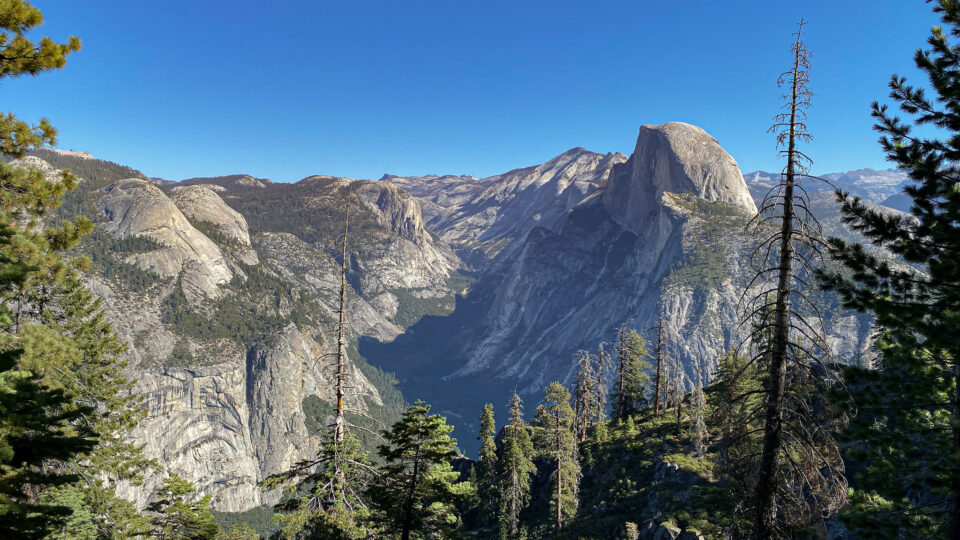
Wildlife Reclaims Yosemite National Park | Earth Wise

May 12, 2020 By EarthWise Leave a Comment

Wildlife reclaim Yosemite National Park

Our stories often discuss how human activities change the natural environment.  With most of us confined to our homes, the lack of human activities is having profound effects on the environment.  We are talking about some of these this week.

Yosemite National park is normally awash in humanity – there were over 300,000 visitors in April of 2019 and typically 4 million people visit each year.  But as of March 20, the park was closed to tourists to prevent the spread of the coronavirus.  Only a skeleton crew of employees remains in the park.

Without all the people, wildlife is coming out of hiding.  It did so in previous park closures during government shutdowns, but those closures were pretty short.  This one is expected to be the longest on record.

The bear population within the park has quadrupled and many larger animals – such as bobcats and coyotes – are congregating outside of cabins and other buildings and prowling empty roads and walkways instead of hanging back at the edges of human settlements. 

In addition, the air at Yosemite is cleaner due to the lack of exhaust and diesel, and Yosemite Valley is nearly silent, apart from natural sounds from the river and the wind.  According to some observers, the park’s current condition is probably similar to what visitors in the 19th century witnessed. 

The few park employees sheltering in place are taking advantage of the virtually unimpeded natural amenities of the park.  Many are hiking to its lakes and waterfalls, enjoying trails that are empty apart from animals.  As some of the people staying in the park have noted, one could not ask for a better place to be isolated.

**********

Web Links

Coyotes, bobcats and bears: Wildlife is reclaiming Yosemite National Park

Photo, posted October 30, 2019, courtesy of Ania Mendrek via Flickr.

Earth Wise is a production of WAMC Northeast Public Radio.

Coronavirus Shutdowns And The Environment | Earth Wise

May 11, 2020 By EarthWise Leave a Comment

coronavirus shutdown and the environment

Our stories often discuss how human activities change the natural environment.  With most of us confined to our homes, the lack of human activities is having profound effects on the environment.  We are talking about some of these this week.

The COVID-19 pandemic is a global catastrophe, but it has ironically been a boon for the environment.  By taking billions of people off the streets around the globe and slashing all forms of travel, the global environment has seen dramatic changes.

Sea turtles in many countries are prospering by not having to compete with humans for precious beach space.  Animals everywhere have more freedom to roam and are taking advantage of the opportunity. The Himalayas are visible from parts of India for the first time in decades.

Satellite imagery has shown dramatic drops in nitrogen dioxide emissions in China, where pollution from vehicles is a serious public health problem.  Similar reductions in air pollution are evident in India, Italy and even in Los Angeles.  The city that is notorious for its smog suddenly has pristine air.

In Venice, water in the canals has become clear in the absence of heavy boat traffic stirring up sediments from the bottom.  Wildlife that normally is invisible such as jellyfish are being spotted.

Not all the changes to animal behavior are desirable.  Some wildlife that have become dependent on humans as a source of food are becoming aggressive and are taking to the streets of cities to look for food.  Monkeys in Thailand are mobbing towns and brawling, hunting for things to eat.  Rats in New York City are fighting over suddenly meager food supplies.

In many ways, the natural world is reacting to much of humanity sheltering in place.

**********

Web Links

On Earth Day 2020, coronavirus shutdowns are a gift to the environment

Photo, posted April 2, 2020, courtesy of Flickr.

Earth Wise is a production of WAMC Northeast Public Radio.
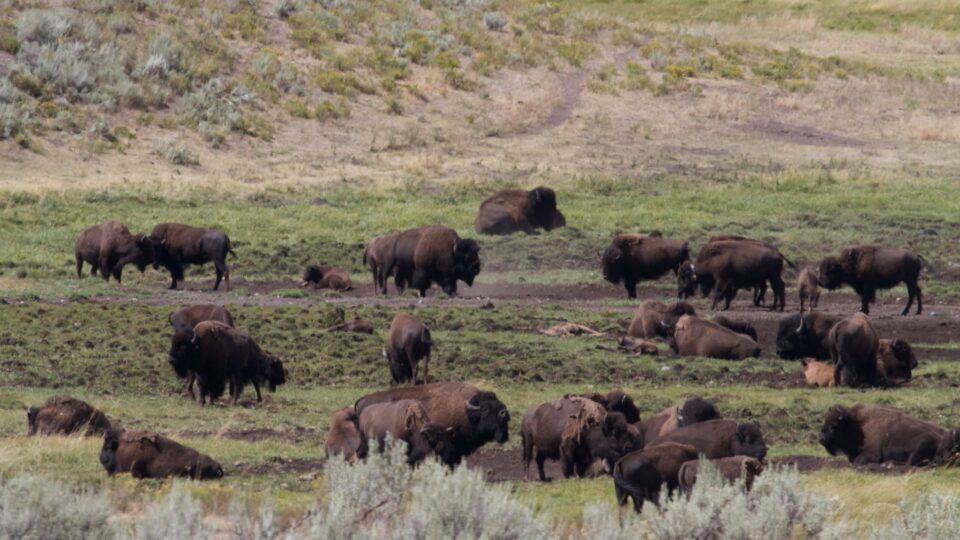
Too Many Bison | Earth Wise

May 8, 2020 By EarthWise Leave a Comment

Bison in Yellowstone

The population of large herbivores in Yellowstone National Park has undergone many dramatic changes over the course of time.  The numbers of both the iconic Rocky Mountain elk and bison have gone up and down as a result of human interactions.

Bison, of course, once were a dominant species from east of the Appalachians to west of the Rocky Mountains, with most of an estimated 30 million living on the Great Plains.  As the west was settled, bison populations plummeted and by the late 1800s, they were nearly extinct.

When Yellowstone was established, there were exactly 22 bison in the park.  By 1925, there were more than 750 in the park and culling of the herd in the park’s Lamar Valley was practiced for the next four decades.

The elimination of predators like grey wolves and cougars in the early 1900s caused both elk and bison populations to mushroom and both underwent culling.  When culling was ended in 1968, there were 4,000 elk and 100 bison.  Within 20 years, those numbers were 20,000 and 1,000.   Reintroducing wolves and cougars reduced the elk population to about 5,000, but bison numbers have continued to grow, now reaching about 4,000.

While the long-term recovery of the Yellowstone bison herd is a major conservation success story, the fact is that bison are powerful ecosystem engineers.  Large numbers of them disrupt species distribution across scrub steppe and grasslands because of what they eat, trample, and rub their horns and bodies on.  They have a tremendous capacity to limit the structure and composition of ecosystems.

Park administrators have complicated management decisions to make to take into account the often wide range of ecological effects that abundant large herbivores can have on ecosystems.

**********

Web Links

Bison in northern Yellowstone proving to be too much of a good thing

Photo, posted August 10, 2016, courtesy of Brian Gratwicke via Flickr.

Earth Wise is a production of WAMC Northeast Public Radio.

  • « Go to Previous Page
  • Page 1
  • Interim pages omitted …
  • Page 5
  • Page 6
  • Page 7
  • Page 8
  • Page 9
  • Interim pages omitted …
  • Page 11
  • Go to Next Page »

Primary Sidebar

Recent Episodes

  • An uninsurable future
  • Clean energy and jobs
  • Insect declines in remote regions
  • Fossil fuel producing nations ignoring climate goals
  • Trouble for clownfishes

WAMC Northeast Public Radio

WAMC/Northeast Public Radio is a regional public radio network serving parts of seven northeastern states (more...)

Copyright © 2026 ·