
• Skip to primary navigation
  • Skip to main content
  • Skip to primary sidebar

Earth Wise

A look at our changing environment.

  • Home
  • About Earth Wise
  • Where to Listen
  • All Articles
  • Show Search
Hide Search
You are here: Home / Archives for humans

humans

Living in a Carbon Bubble | Earth Wise

July 18, 2022 By EarthWise Leave a Comment

The earth’s atmosphere is a little over 0.04% carbon dioxide, currently about 420 parts per million.  That’s more than it’s been in millions of years and is changing our climate.  But these levels of CO2 are not enough to directly affect people.

However, people are sensitive to the amount of carbon dioxide they are breathing.  It is actually an indoor pollutant.  High concentrations have been shown to reduce our cognitive performance, our health, and our comfort.  For example, a study in 2012 showed that performance in a variety of cognitive function tests was reduced by 12% when CO2 levels reached 1,000 parts per million and by 51% at 2,500 ppm.

How common are high levels of carbon dioxide?  Pretty common.  Offices often have CO2 levels of 600 ppm or higher, but 5% of US offices have average concentration about 1000 ppm and some conference rooms can reach 1900 ppm.  Classrooms often reach average levels above 1000 ppm.  Passenger aircraft have average levels around 1400 ppm during flight, and can peak over 4,000 ppm.  Cars with one occupant with the windows closed and the air recirculating have levels above 4,000 ppm. 

Where does it all come from?  From us.  We exhale CO2 and if we are in enclosed spaces with insufficient air circulation and ventilation, we end up living in a carbon dioxide bubble.  Most of us live with high CO2 levels – all day and every day.  It is a form of indoor pollution that has not gotten enough attention.

**********

Web Links

I’m living in a carbon bubble. Literally.

Photo, posted October 24, 2013, courtesy of Cory W. Watts via Flickr.

Earth Wise is a production of WAMC Northeast Public Radio.
Reshaping Our Planet | Earth Wise

July 12, 2022 By EarthWise Leave a Comment

Human activity is changing the planet

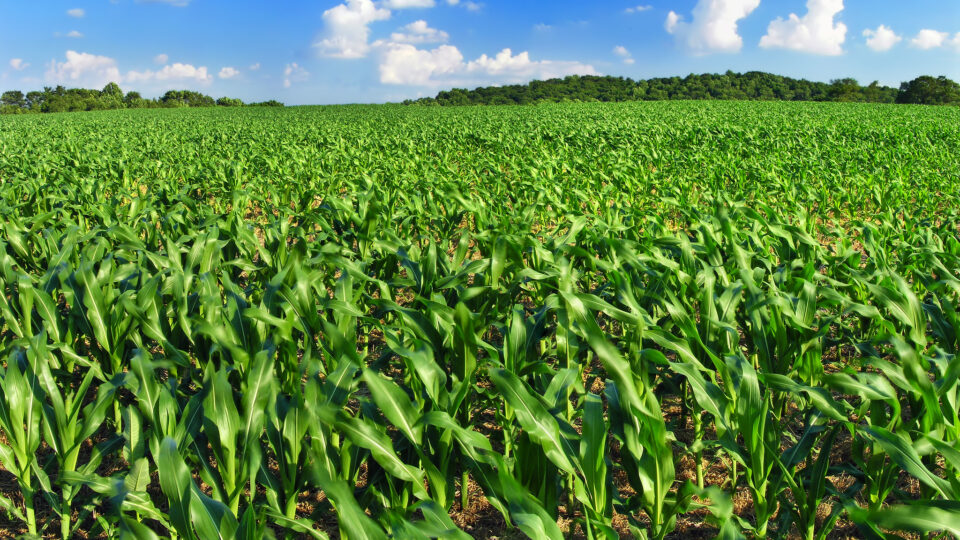
Human activity – especially agriculture – has altered 70% of the land on our planet.  According to a new report from the United Nations, damage to the Earth’s lands has put the planet on “crisis footing”.

Our health, our economy, and our well-being depend on land.  The food we eat, the water we drink, and the air we breathe all rely on status of the land to at least some extent.

According to the report, up to 40% of the planet’s land is already degraded, affecting half of the people alive today.  At current rates, an additional area nearly the size of South America will be degraded by 2050.

Degradation of land occurs in various ways, including deforestation, desertification, and the loss of wetlands or grasslands.  All of these things are caused by human activities.  As forests, savannas, wetlands, and mangrove swamps are converted to agriculture or are lost to urban expansion, greenhouse gas emissions rapidly increase, adding to the effects of climate change.  The climate crisis, biodiversity loss, and land degradation are integrally linked.

Much of the blame for degraded landscapes is on humanity’s ever-expanding need for food and the modern farming systems that produce it.  The global food system is responsible for 80% of the world’s deforestation, 70% of freshwater use, and is the greatest driver of land-based biodiversity loss.  Modern agriculture has altered the face of the planet more than any other human activity.

The report urges efforts at restoration of land.  Restoration can take multiple forms, including planting forests and shrubs or grazing livestock and growing crops between trees instead of clearing existing forests.

**********

Web Links

UN Report Says Humanity Has Altered 70 Percent of the Earth’s Land, Putting the Planet on a ‘Crisis Footing’

Photo, posted June 20, 2010, courtesy of Nicholas A. Tonelli via Flickr.

Earth Wise is a production of WAMC Northeast Public Radio.

Red Pandas And Climate Change | Earth Wise

July 6, 2022 By EarthWise 2 Comments

Climate change threatening red panda populations

Red pandas are small mammals native to the mountainous forests of China, India, Nepal, Bhutan, and Myanmar.  Unlike their name suggests, they are not related to giant pandas.  In fact, red pandas are distant relatives of raccoons. Renowned for their tree-climbing abilities, red pandas live at moderately high elevations in the Himalayas where they forage widely for bamboo shoots and various fruits.

According to the International Union for the Conservation of Nature, red pandas are endangered.  Scientists estimate that there are less than 10,000 red pandas remaining in the wild today, and these numbers are continuing to fall. 

Habitat loss is the main threat to red panda’s survival.  Human expansion into the area, combined with the effects of climate change, has led to the fragmentation and loss of livable land.  Red pandas also face dangers from hunting and poaching.

According to new research recently published in the journal Landscape Ecology, human impacts are driving red pandas closer to extinction than previously thought.  Using GPS telemetry, a research team from the University of Queensland in Australia tracked red pandas in Nepal over a 12-month period.  The researchers found that human activities, such as infrastructure development, were causing red pandas to restrict their movements, which is further fragmenting their habitat and interfering with natural interactions between the animals. 

As the amount of wild forest dwindles, red pandas are being forced into situations where they must decide whether to live closer to predators or adapt to co-exist with humans.

The research team recommends minimizing human-induced disturbances in red panda habitats and to maintain habitat continuity in ecologically sensitive areas. 

**********

Web Links

Red pandas face a fractured future

IUCN: Red Panda

Photo, posted November 27, 2016, courtesy of Mathias Appel via Flickr.

Earth Wise is a production of WAMC Northeast Public Radio.

Carbon Dioxide Levels Higher Again | Earth Wise

July 5, 2022 By EarthWise Leave a Comment

The National Oceanic and Atmospheric Administration reported that carbon dioxide levels measured in May at the Mauna Loa Observatory reached a value of 421 parts per million.  This is 50% greater than pre-industrial levels and is in a range not seen on earth for millions of years.

Before the Industrial Revolution, CO2 levels fairly steadily measured around 280 parts per million, pretty much for all 6,000 years of human civilization.  Since the Industrial Revolution began in the 18th century, humans have generated an estimated 1.5 trillion tons of CO2 pollution, much of which will continue to warm the atmosphere for thousands of years.

The present levels of carbon dioxide are comparable to those of an era known as the Pliocene Climatic Optimum, which took place over 4 million years ago. 

The bulk of the human-generated carbon dioxide comes from burning fossil fuels for transportation and electrical generation, from cement and steel manufacturing, and from the depletion of natural carbon sinks caused by deforestation, agriculture, and other human impacts on the natural environment.

Humans are altering the climate in ways that are dramatically affecting the economy, infrastructure, and ecosystems across the planet.  By trapping heat that would otherwise escape into space, greenhouse gases are causing the atmosphere to warm steadily, leading to increasingly erratic weather episodes ranging from extreme heat, droughts, and wildfires, to heavier precipitation, flooding, and tropical storm activity.

The relentless increase of carbon dioxide measured at Mauna Loa is a sober reminder that we need to take serious steps to try to mitigate the effects of climate change.

**********

Web Links

Carbon dioxide now more than 50% higher than pre-industrial levels

Photo, posted December 20, 2016, courtesy of Kevin Casey Fleming via Flickr.

Earth Wise is a production of WAMC Northeast Public Radio.
Who Can Solve The Plastic Waste Problem? | Earth Wise

June 21, 2022 By EarthWise Leave a Comment

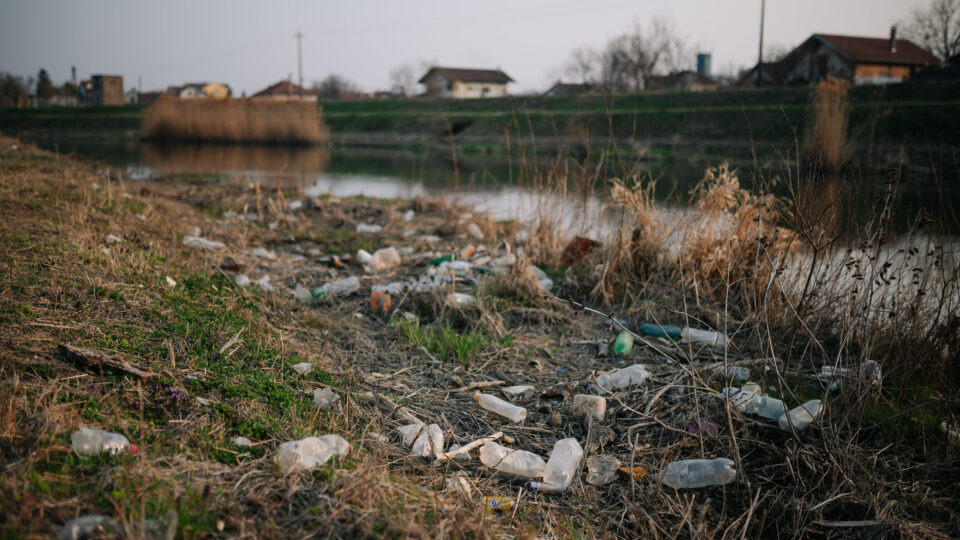
Plastic packaging waste is a global problem.  It collects in the oceans, breaks down into microplastics, which are consumed by fish and in turn by people who eat the fish.  Only 14.5% of U.S. plastic waste is recycled.  Most of it ends up in landfills, where is remains undegraded for hundreds of years. 

A new international study explored the global patterns of plastic packaging waste.  The study found that three countries – the U.S., Brazil, and China – are the top suppliers of waste.  In terms of supply, the Americas generate 41% of the world’s production of plastic waste, Europe 24%, and Asia 21%.

That’s the plastics supply.  As far as the consumers actually creating waste are concerned, the Americas represent 36% of the world’s packaging consumption, Asia 26%, and Europe 23%.

Packaging high-protein food such as meat, fish, and dairy is a major contributor to the waste problem.  Plastic for this purpose is hard to replace and international exports exacerbate the problem, accounting for about 25% of plastic packaging waste.

International agreements typically focus on restrictions and fees on production.  But that mostly creates strong incentives to simply relocate polluting activities to developing countries, which is a zero-sum game.  There need to be incentives for consumers to reduce plastic use such as taxes on waste management, refunds on returning bottles, single-use plastic bans, and so on.

Who can solve the plastic waste problem?  Everyone along the supply chain as well as the final consumers have to be part of the solution for reducing plastic waste.

**********

Web Links

Producers and consumers must share burden of global plastic packaging waste

Photo, posted March 29, 2022, courtesy of Ivan Radic via Flickr.

Earth Wise is a production of WAMC Northeast Public Radio.
Climate Change And The Next Pandemic | Earth Wise

May 26, 2022 By EarthWise Leave a Comment

Climate change could lead to the next pandemic

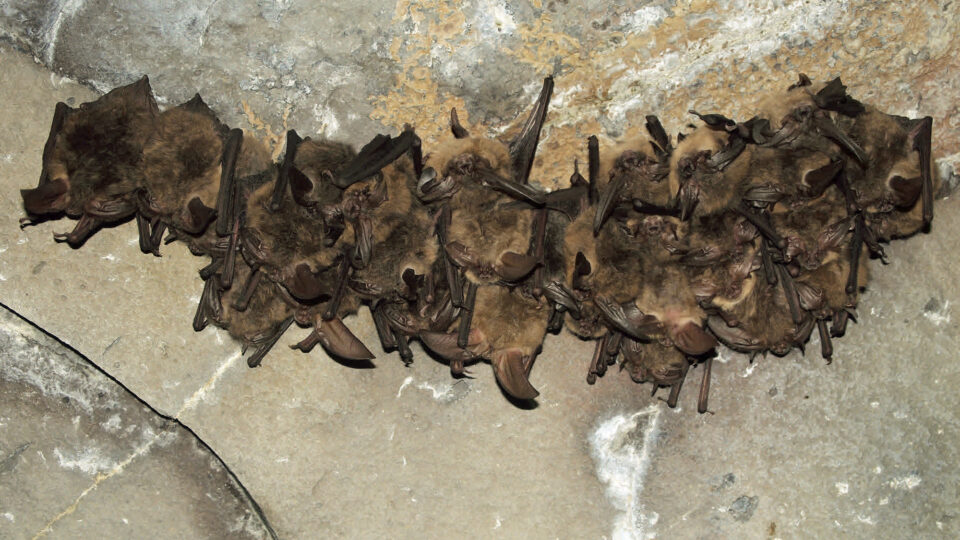
As the planet continues to heat up, animals big and small are moving towards the poles to escape the heat.  According to researchers, these animals are likely to come into contact with other animals that they normally wouldn’t, and are likely to relocate to regions with large human populations.  These factors create opportunities for pathogens to get into new hosts, which dramatically increases the risk of a viral jump to humans.  Climate change could lead to the next pandemic.      

An international research team led by scientists at Georgetown University recently made this connection between climate change and viral transmission.  In the study, which was recently published in the journal Nature, researchers conducted the first comprehensive assessment of how climate change will restructure the global mammalian virome.  Their work focused on geographic range shifts. 

As animals eccounter other animals for the first time, the study projects that they will share thousands of viruses.  And as animals increasingly move into the same areas as humans, there will be greater opportunities for these viruses to jump to humans.  The research team says that the impact on conservation and human health could be alarming as viruses jump between species at unprecedented rates. 

In our warming world, much of this process may unfortunately already be underway.  And efforts to reduce greenhouse gas emissions may not be enough to stop these events from unfolding. 

According to the study, climate change will become the biggest upstream risk factor for disease emergence, eclipsing deforestation, industrial agriculture, and the wildlife trade.  Pairing wildlife disease surveillance with real-time studies of environmental change may be part of the solution to predicting and preventing the next pandemic. 

**********

Web Links

Climate change could spark the next pandemic, new study finds

Coronavirus and Climate Change

Photo, posted October 16, 2014, courtesy of Shawn Thomas / NPS via Flickr.

Earth Wise is a production of WAMC Northeast Public Radio.

The Atmosphere Is Thirstier | Earth Wise      

May 9, 2022 By EarthWise Leave a Comment

The American West is in the throes of a two-decade-long drought.  The climate there is getting warmer and drier, which has led to increasing demand for water resources from both humans and ecosystems.  According to a new study by the Desert Research Institute and collaborators, the atmosphere across much of the U.S. is also demanding a greater share of water than it used to.

Evaporative demand, which is also called atmospheric thirst, is a measure of the potential loss of water from the earth’s surface up to the atmosphere.  It is a function of temperature, humidity, wind speed, and solar radiation.  The study, published in the Journal of Hydrometeorology, assessed trends in evaporative demand during a 40-year period from 1980-2020.

The study’s findings showed substantial increases in atmospheric thirst across much of the Western U.S. over that period, with the largest increases centered around the Rio Grande and Lower Colorado rivers.  This is important because atmospheric thirst is a persistent force in pushing Western landscapes and water supplies toward drought.

The study found that, on average, increases in temperature were responsible for 57% of the changes observed in atmospheric thirst, humidity 26%, and the other factors playing lesser roles.

For farmers and other water users, increases in atmospheric thirst mean that, in the future, more water will be required to meet existing water needs.  Crops already require more water than they did in the past and can be expected to require more water in the future.  Over time, for every drop of precipitation that falls, less and less water is likely to drain into streams, wetlands, aquifers, or other water bodies.

**********

Web Links

New study shows robust increases in atmospheric thirst across much of U.S. during past 40 years

Photo, posted August 9, 2007, courtesy of William Clifford via Flickr.

Earth Wise is a production of WAMC Northeast Public Radio.

Phasing Out Disposables | Earth Wise      

May 5, 2022 By EarthWise Leave a Comment

Starbucks plans to phase out disposables

Humans generate a remarkable amount of garbage.  According to the World Bank, humans produce 4.5 trillion pounds of trash every year, with at least 33% of this garbage not managed in an environmentally-safe manner. By 2050, global garbage generation is expected to reach nearly 7.5 trillion pounds a year. 

Globally, an average of 1.6 lbs of waste is generated per person per day.  While high-income countries only account for 16% of the global population, they are responsible for about 34% of the world’s waste. 

But almost everything humans throw away was bought from a company.   Whether it was the packaging or the product itself, we purchased it from somewhere.  There’s a growing movement to hold the companies responsible for the trash they produce. 

Faced with increasing consumer consciousness, many companies are stepping up and announcing initiatives to reduce their waste.  Starbucks is one of them.  The company’s white logo-emblazoned paper cups and clear plastic cups are instantly recognizable symbols of the brand.  But these ubiquitous cups are disposable and also serve as a symbol of our throwaway society. 

By the end of next year, Starbucks is planning to allow customers to use their own personal mugs at every location in the U.S. and Canada.  By 2025, the company wants every customer to be able to use either their own mug or to borrow a ceramic or reusable to-go mug.  This borrow-a-mug program is currently being tested in eight different markets around the globe. 

In lieu of regulation mandating corporate responsibility for waste, we will have to hope that more companies do the right thing.

**********

Web Links

Starbucks is planning to phase out its iconic cups

Photo, posted June 11, 2010, courtesy of Sunghwan Yoon via Flickr.

Earth Wise is a production of WAMC Northeast Public Radio.
The Plight Of Monarch Butterflies | Earth Wise

April 20, 2022 By EarthWise Leave a Comment

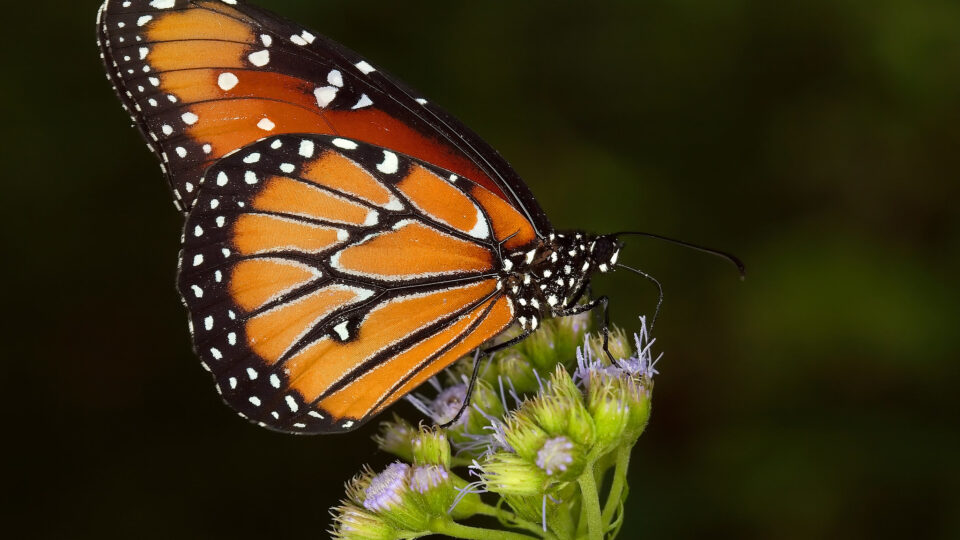
The monarch butterfly is one of the world’s best-known butterflies and has become the symbol for a whole class of imperiled pollinators.  Populations of the iconic orange-and-black insects have declined dramatically in recent decades. 

According to the U.S. Fish and Wildlife Service, the eastern monarch population has dropped 88% between 1996 and 2020.  Habitat loss, pesticide use, and global climate change are some of the factors driving monarch butterfly population declines. 

According to a new study led by scientists at Emory University, monarch butterflies are also increasingly plagued by a debilitating parasite.  The study, which was recently published in The Journal of Animal Ecology, reviewed 50 years of data on the infection rate of wild monarch butterflies by the protozoan Ophryocystis elektrosirrha (or O.E.).  The research team found that the O.E. infection rate had increased from less than 1% of the eastern monarch population in 1968 to as much as 10% today.

The O.E. parasite invades the gut of monarch caterpillars.  If the adult butterfly leaves the pupal stage with a severe parasitic infection, it begins oozing fluids from its body and dies. If the infection is lighter and the butterfly survives, it will not fly as well or live as long as uninfected butterflies.  

The study found that one of the contributors to the rise in parasitism is the increased density of monarchs in places where they lay their eggs.  The increased density may be due to several factors, including the loss of habitat, the widespread planting of non-native milkweed, and by people raising large numbers of monarchs in confined spaces. 

If the infection rate continues to increase, monarch butterfly populations will likely continue to plummet. 

**********

Web Links

Monarch butterflies increasingly plagued by parasites

Plight of the Monarch

Saving The Monarch Butterfly

Photo, posted September 18, 2008, courtesy of Roy Niswanger via Flickr.

Earth Wise is a production of WAMC Northeast Public Radio.
Humans And Microplastics | Earth Wise

April 13, 2022 By EarthWise Leave a Comment

Microplastics impact on human health

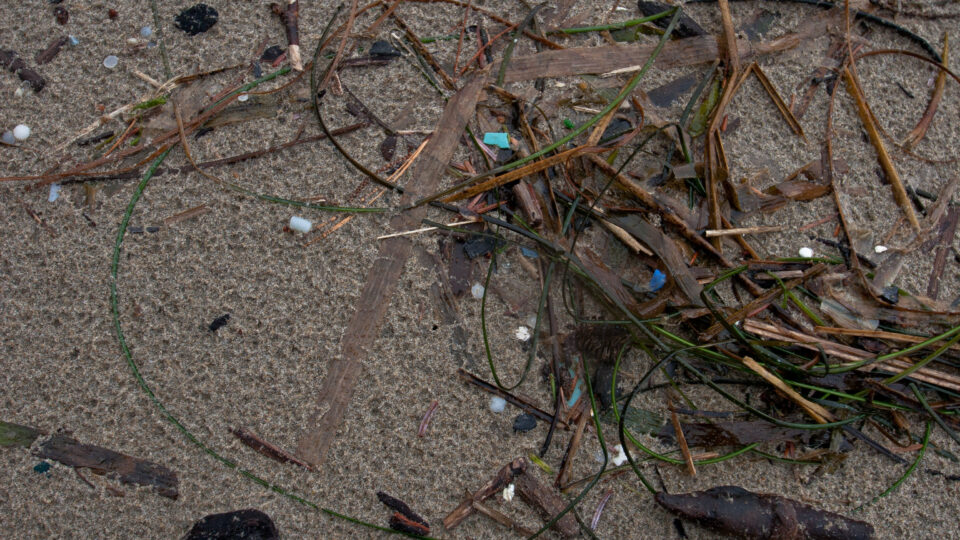
While plastic comes in all different shapes and sizes, those that are less than five millimeters in length are called microplastics.  Primary sources of microplastics include microfibers from clothing, microbeads, and plastic pellets (known as nurdles).  Secondary sources of microplastics come from larger plastic debris, like bottles and bags, that degrades into smaller bits over time. 

Microplastic pollution can be found everywhere on earth, from the top of the tallest mountains to the bottom of the deepest oceans.  Microplastics are in the food we eat, the water we drink, and the air we breathe. 

According to research recently published in the journal Exposure & Health, humans ingest an average of five grams of plastic particles per week. This is roughly equivalent to the weight of a credit card.  The plastic particles are trafficked in via food, such as seafood and salt in particular, as well as water.  In fact, those who rely on plastic bottled water for their drinking needs ingest an additional 1,700 plastic particles each week.   

Microplastics have also been detected in human blood for the first time.  According to new research recently published in the journal Environment International, scientists detected microplastics in nearly 80% of the people they tested. 

Half of the blood samples contained PET plastic, which is commonly used for drinking bottles.  One third of the blood samples contained polystyrene plastic, which is often used for food packaging.  One quarter of the blood samples contained polyethylene plastic, which is used to make things like shopping bags and detergent bottles. 

With plastic production predicted to double by 2040, more research is urgently needed to understand how ingesting microplastics affects human health.

**********

Web Links

Health risk due to micro- and nanoplastics in food

Microplastics found in human blood for first time

Discovery and quantification of plastic particle pollution in human blood

Photo, posted November 3, 2012, courtesy of Laura via Flickr.

Earth Wise is a production of WAMC Northeast Public Radio.

Octopuses And Litter | Earth Wise

April 8, 2022 By EarthWise Leave a Comment

Octopuses are using ocean trash

Octopuses are remarkably intelligent animals.  They have a larger brain for their body size than all other animals apart from birds and mammals.  They exhibit high-order cognitive behaviors including tool use and problem solving.  Some captive octopuses learned to shoot jets of water at aquarium light switches to turn them off.  Others have learned to unscrew jar lids to get at food.

A recent analysis of underwater imaging has shown that octopuses are increasingly using discarded bottles, cans, and other human-generated litter as shelter or as a place to lay eggs.

The research documented 24 species of octopus sheltering inside glass bottles, cans, and even an old battery.  Some buried themselves under a mixture of bottle caps and seashells.  Others even carried plastic items around while walking on just two tentacles to disguise themselves from predators.

The octopuses showed a preference for unbroken items and for darker or opaque containers.  Normally, octopuses make use of natural shelters such as seashells.  Whether they are making use of litter simply because there is so much of it around or because there is an increasing lack of natural items is not clear.

As with all other aspects of the growing problem of litter in the oceans, this new trend is not a good one.  Sheltering or laying eggs inside discarded tires, batteries, or plastic items has the potential to expose octopuses to heavy metals and other harmful chemicals.

Octopuses are intelligent and resourceful animals, and they will use whatever they have at their disposal to continue sheltering or moving around with protection from potential predators.

**********

Web Links

Octopuses Have Learned to Make Use of Ocean Litter, Study Finds

Photo, posted May 13, 2014, courtesy of Elias Levy via Flickr.

Earth Wise is a production of WAMC Northeast Public Radio.
Florida’s Starving Manatees | Earth Wise

January 12, 2022 By EarthWise Leave a Comment

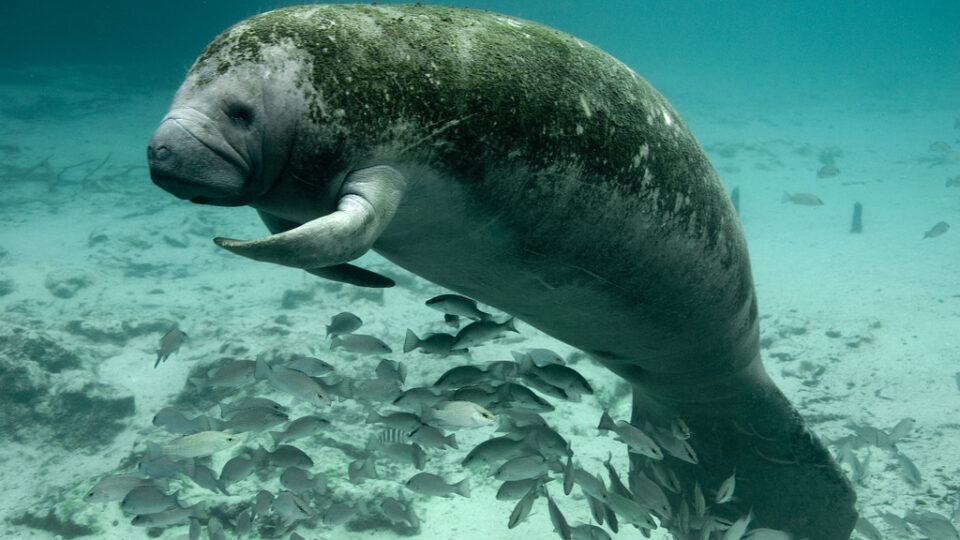
Manatees, also called “sea cows”, have been the victims of farm runoff.  They have starved to death by the hundreds along Florida’s east coast because algae blooms fed by nitrogen-rich fertilizer runoff are proliferating on the ocean surface and blocking sunlight from reaching seagrass below.  Seagrass is the primary source of food for manatees in the winter.  As seagrass dies off, so do the manatees.

Over 1,000 manatees have been found dead so far this year.  It is estimated that fewer than 8,000 remain in Florida waters.  Efforts are underway to restore coastal seagrass in the region as well as clams and oysters, which filter pollutants from water.  Unless the water is cleared up, it will be difficult to regrow the seagrass.  But the current situation is that manatees are so short on food that they are eating seagrass roots, killing the plants and thwarting efforts to help seagrass recovery.

Given this dire situation, the federal governmental has approved a program of feeding manatees.  The starving animals will be fed by hand in Florida, which is a rare wildlife intervention.  Conservation agencies tend to favor leaving wild animals to their own foraging and hunting so that they don’t become dependent on human handouts.

During the trial phase of the program, wildlife experts are likely to feed the animals romaine lettuce and cabbage, which is what manatees in captivity eat.  The hope is to give the animals enough additional food for them to get through the winter.  The trial feeding will begin on private property.  It remains illegal for the public to feed manatees.

**********

Web Links

Florida to feed starving manatees in rare conservation move

Photo, posted February 21, 2008, courtesy of Keith Ramos/USFWS via Flickr.

Earth Wise is a production of WAMC Northeast Public Radio.
Climate Change And Crops | Earth Wise

December 22, 2021 By EarthWise Leave a Comment

Climate change will impact yield of food crops

A new NASA study published in the journal Nature Food looks at the impact of global climate change on food crops.  According to the study, declines in global crop yields are likely to become apparent by 2030 if high greenhouse gas emissions continue.

The study used advanced climate and agriculture models to predict the effects of projected increases in temperature, shifts in rainfall patterns, and elevated surface carbon dioxide concentrations from human-caused greenhouse gas emissions.

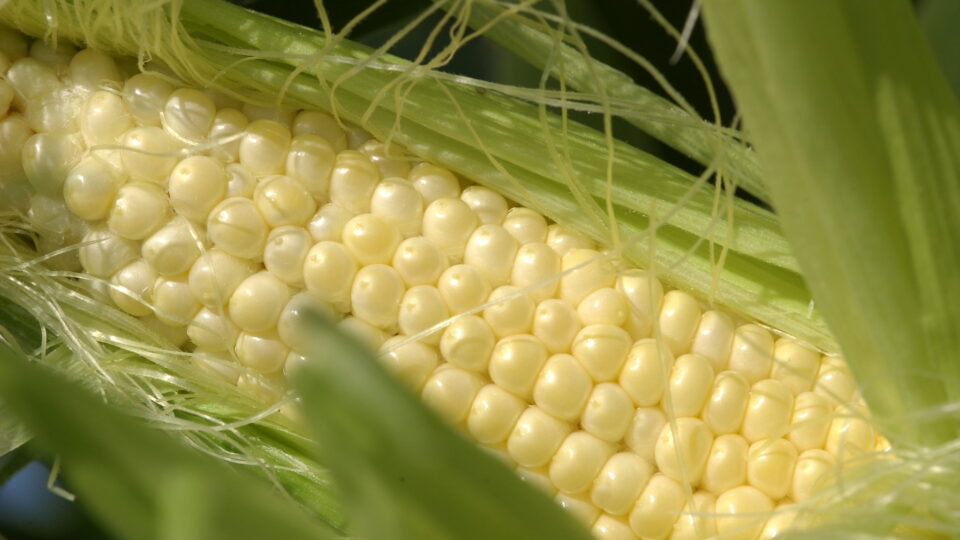
These climate changes would make it more difficult to grow corn in the tropics but would actually expand wheat’s growing range.  The reduction in corn yields could be as much as 24% by late in the century.   Corn Is grown all over the world and large quantities are produced in countries nearer to the equator.  As temperatures rise in countries such as the US, Brazil, and China, yields are likely to decline because of the increased stress on the plants.

Wheat, which grows best in temperate climates may see a broader area where it can be grown as temperatures rise, but these gains are likely to level off by mid-century.

Rising temperature is not the only factor influencing crop yields.  Rising carbon dioxide levels have a positive effect on photosynthesis and therefore on crop yields, especially for wheat.  But changing rainfall patterns and rising temperatures can affect the length of growing seasons and accelerate crop maturity.  This can result in the production of less grain than in a longer development period.

The changing climate has complicated effects on the growth of breadbasket crops and will be felt worldwide.

**********

Web Links

Global Climate Change Impact on Crops Expected Within 10 Years, NASA Study Finds

Photo, posted September 8, 2004, courtesy of Lynn Ketchum/Oregon State University via Flickr.

Earth Wise is a production of WAMC Northeast Public Radio.
How Quickly Can The Planet Recover? | Earth Wise

December 6, 2021 By EarthWise Leave a Comment

Climate change refers to long-term shifts in temperatures and weather patterns.  Historically, these shifts were natural.  But since the Industrial Revolution, scientists have found that the main driver of climate change has been human activities, primarily by adding significant amounts of greenhouse gases into the atmosphere through the burning of fossil fuels. 

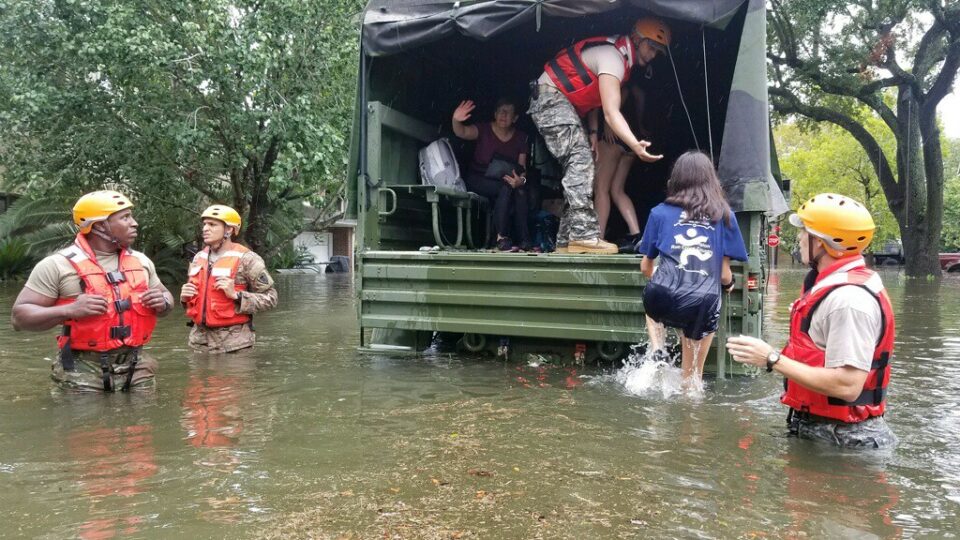
Today, climate change is destabilizing Earth’s temperature equilibrium and is having a widespread impact on humans, animals, and the environment.  Some of the consequences of anthropogenic climate change include warmer air and ocean temperatures, shrinking glaciers, increasing spread of pests and pathogens, declining biodiversity, and more intense and frequent extreme weather events. 

But how quickly can the climate recover from the warming caused by an increase in carbon dioxide in the atmosphere? 

Researchers from Johannes Gutenberg-University Mainz in Germany looked into this question by investigating the significant rise in global temperatures that took place 56 million years ago.  Likely triggered by a volcanic eruption,  the increase of between 5 and 8 degrees Celsius was the fastest natural period of global warming that has impacted the climate. 

Because higher temperatures cause rocks to weather faster, the research team decided to analyze the weathering processes that occurred during the warming event 56 million years ago.  Their findings, which were recently published in the Journal Science Advances, indicate that the climate took between 20,000 and 50,000 years to stabilize following the rise in global temperatures.

Climate change is not some distant problem.  It is happening now and it poses a serious threat to all forms of life.  We need to address the problem with more urgency. 

**********

Web Links

How quickly does the climate recover?

Photo, posted August 27, 2017, courtesy of Lt. Zachary West (100th MPAD) / Texas Military Department via Flickr.

Earth Wise is a production of WAMC Northeast Public Radio.
Roads And Chimpanzees | Earth Wise

November 8, 2021 By EarthWise Leave a Comment

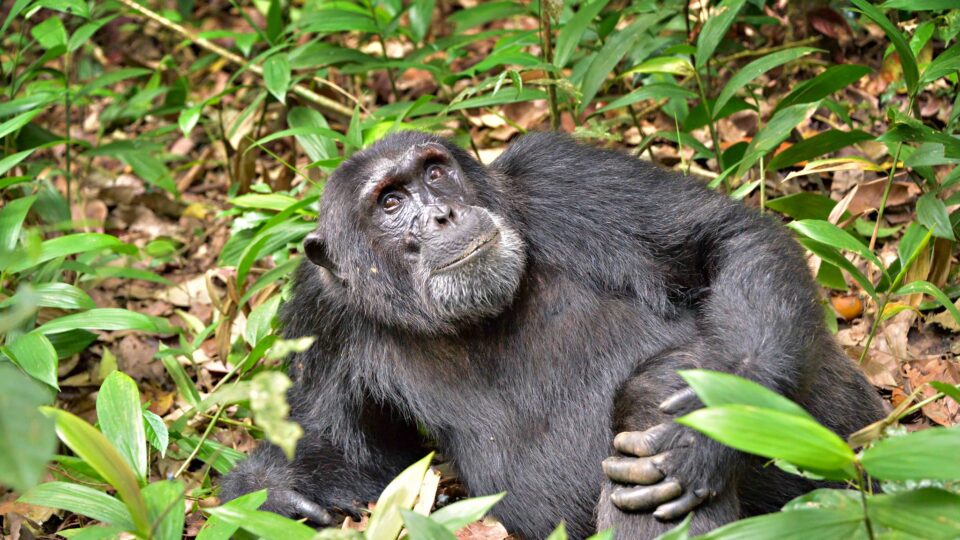
Roads have a major negative impact on chimpanzee populations

The chimpanzee is a species of great ape native to tropical regions of Central and West Africa.  Chimpanzees are highly social animals and can live to be over 50 years old.  In fact, chimpanzees are our closest cousins.  We share about 98% of our genes with chimpanzees. 

According to the African Wildlife Federation, it’s estimated that at most only 300,000 chimpanzees remain in the wild today.  They face a myriad of challenges, including habitat degradation and hunting. 

According to new research from the University of Exeter in the U.K., roads have a negative impact on chimpanzee populations that can extend for several miles.  In the study, which was recently published in the journal Conservation Letters, the researchers analyzed the impact of major and minor roads on wild western chimpanzee numbers in the eight African countries in which they live.  They found that negative impacts extended an average of 10.7 miles from major roads, and 3.4 miles from minor roads.  The researchers found that the density of chimpanzee populations dropped steadily from the edges of these areas to the lowest value alongside the roads.  Only 4.3% of the chimpanzees’ range remains unaffected by roads. 

While the study did not investigate why roads affect chimpanzee numbers, the research team did offer some clues.  In addition to noise and roadkill, roads provide access to unexploited areas for industries that often reduce or remove chimpanzee habitats.  Roads can also restrict chimpanzee movements, and provide easier access for hunters. 

The researchers hope their findings will bring about more effective guidelines to mitigate the impact of roads on wildlife.   

**********

Web Links

Roads have far-reaching impact on chimpanzees

Photo, posted August 12, 2014, courtesy of Rod Waddington via Flickr.

Earth Wise is a production of WAMC Northeast Public Radio.
The Spotted Lantern Fly Is A Big Problem | Earth Wise

October 27, 2021 By EarthWise Leave a Comment

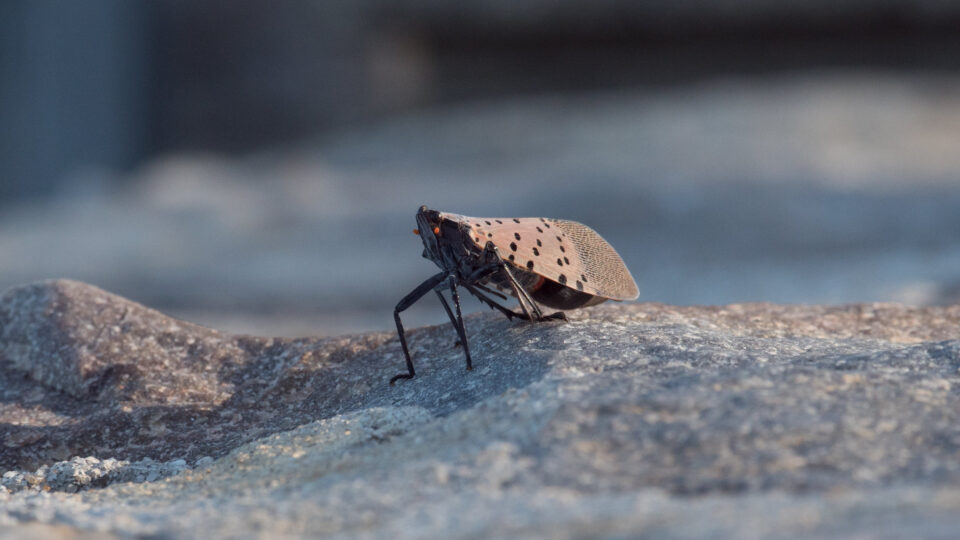
The spotted lantern fly poses a big threat to agriculture

The spotted lanternfly is an invasive pest from Asia that arrived in the United States seven years ago.  It is a handsome and colorful insect, but it feeds on the sap of more than 70 plant species, leaving them susceptible to disease and destruction from other natural antagonists.  It destroys fruit crops, trees, and plants by hopping from plant to plant, crop to crop, and tree to tree.

Several states have established quarantines aimed at preventing the spread of the insects.  Pennsylvania, where they were first detected in the U.S., issued an Order of Quarantine and Treatment that imposes fines and even potential criminal penalties on anyone who intentionally moves a spotted lanternfly, at any stage of its life, from one sort of location to another.  The insects hop and fly only short distances, but they can hitch a ride on vehicles, clothing, and other objects that people bring with them.  They have now spread to at least nine states, primarily in the Northeast.

Lanternflies arrived in New York City last year and quickly made it to the Most Wanted List for environmentalists.  The City’s Parks Department says: “If you see a spotted lanternfly, squish it, dispose of it, and report it to us.”  New York’s Department of Agriculture has asked people in the Finger Lakes region, home of numerous vineyards, to collect specimens and provide specifics on where they were found.

Lanternflies are harmless to humans, but they threaten everything from oak, walnut, and poplar trees to grapes, almonds, and fruit orchards.  As the species continues to spread across the country, federal and state officials have a unified message:  if you come across a spotted lanternfly, kill it.

**********

Web Links

Die, Beautiful Spotted Lanternfly, Die

Photo, posted August 30, 2018, courtesy of the USDA via Flickr.

Earth Wise is a production of WAMC Northeast Public Radio.

Harnessing The Smell Of Fear | Earth Wise

September 28, 2021 By EarthWise Leave a Comment

Harnessing the smell of fear to drive away pests

Plant-eating insects present a major problem for farmers and home gardeners.  Aphids, for example, are a highly destructive pest to many crops.  Their large numbers and ability to transmit plant pathogens make them a persistent problem for growers.

Pesticides are chemical substances that are commonly used to prevent, destroy, repel or mitigate pests.  They include insecticides for insects, rodenticides for rodents, herbicides for weeds, and fungicides for microorganisms.  According to the U.S. Geological Survey, approximately one billion pounds of these chemicals are used in the United States every year.     

But pesticides can also contaminate soil, water, and other vegetation, as well as kill many non-target species.  Exposure to these chemicals is dangerous for human health. 

According to a new study, researchers from Pennsylvania State University have developed a way to bottle the “smell of fear” produced by predators in order to repel and disrupt pests naturally without the need for these harsh substances.  The researchers recently presented their findings at the American Chemical Society meeting.  

Aphids happen to be a favorite food of ladybugs. Aphids and other herbivorous insects will steer clear of fields and gardens if they smell predators nearby.  The researchers identified and extracted the volatile odor profile from ladybugs.  The researchers used the compounds to create a special odor blend that can be used in an essential oil diffuser to spread the scent across a garden or field. 

The research team plans to conduct field tests to see if the effects outside are similar to what was observed in the lab.  A natural and effective pest repellent would be a big win for people and the planet.  

**********

Web Links

Protecting gardens and crops from insects using the ‘smell of fear’

Protecting gardens and crops from insects using the ‘smell of fear’ (YouTube)

Photo, posted May 10, 2011, courtesy of DM via Flickr.

Earth Wise is a production of WAMC Northeast Public Radio.
Wastewater As A Freshwater Source | Earth Wise

September 27, 2021 By EarthWise Leave a Comment

Water covers three-quarters of our planet, but freshwater – the water we drink, bathe in, and irrigate crops with – comprises only 3% of the world’s water and much of that is frozen in glaciers or otherwise unavailable.  Nearly 3 billion people suffer from water scarcity for at least some of the year.

Natural freshwater sources – lakes, rivers, and groundwater – are under stress from the effects of climate change and from the increasing demands of city populations.  The wastewater treatment plants in large cities represent a significant potential water source provided that sustainable and economical technologies to produce it can be developed.

Researchers at Lehigh University in Pennsylvania have patented an innovative ion exchange desalination process that is a legitimate candidate to transform wastewater into usable water.

Existing large-scale desalination systems make use of semipermeable reverse osmosis membranes that require an energy source to run the system.  The Lehigh process, which they call HIX-Desal, harnesses the unique chemistry of carbon dioxide to take the place of the energy used in reverse osmosis systems. 

Tests of the new system show that the salinity of treated wastewater can be reduced by more than 60% by the HIX-Desal process without requiring any reverse osmosis.  At an Allentown, Pennsylvania water treatment plant where the system was tested, the researchers estimated that using the system could save about a million kWh per day in electricity usage, enough energy to power 94 homes for a year.

With this system, waste carbon dioxide from landfills or turbine exhaust can be used to desalinate municipal wastewater.  It could be the basis of a circular economy.

**********

Web Links

Desalination tech uses CO2 to tap into municipal wastewater as alternative freshwater source

Photo, posted November 28, 2020, courtesy of Richard Ricciardi via Flickr.

Earth Wise is a production of WAMC Northeast Public Radio.

People And The Earth’s Increasing Heat | Earth Wise

September 23, 2021 By EarthWise Leave a Comment

Humans are driving climate change

A new study by Princeton University and the National Oceanic and Atmospheric Administration had found clear evidence that human activity is the primary cause of the significant increase in heat stored in our planet.  In fact, the study found that there is less than a 1% chance that natural variability is the sole cause of the increase.

The researchers looked at data from satellite observations to determine the amount of energy received by the earth and the amount reflected and emitted by the Earth.  In a balanced physical system, the amount of incoming energy should equal the amount of outgoing energy.  But the earth’s system is not balanced at this point.  More energy is coming in than going out, which is driving changes in the climate system.  There have been other studies looking at the human influence on the climate, but this new study is the first to examine a 20-year continuous satellite energy balance record to see if natural fluctuations in the climate system or human activities is the primary driver for the significant change in the planet’s energy balance.

The study examined 50 different climate models to look at this energy balance under scenarios where there was no human influence.  These include changes in the sun’s output, volcanic eruptions, variations in pollution aerosols, and more.

The results, to no great surprise, are that increasing greenhouse gases over the last twenty years is by far the most important driver for the energy imbalance.  This imbalance is what is driving rising temperatures, increasing sea levels, and causing other climate changes.

**********

Web Links

Human activities responsible for rapid increase in Earth’s heat

Photo, posted May 6, 2021, courtesy of Marlis Borger via Flickr.

Earth Wise is a production of WAMC Northeast Public Radio.
Offsetting Reef Acidification | Earth Wise

August 13, 2021 By EarthWise Leave a Comment

Could artificial ocean alkalinization help offset reef acidification?

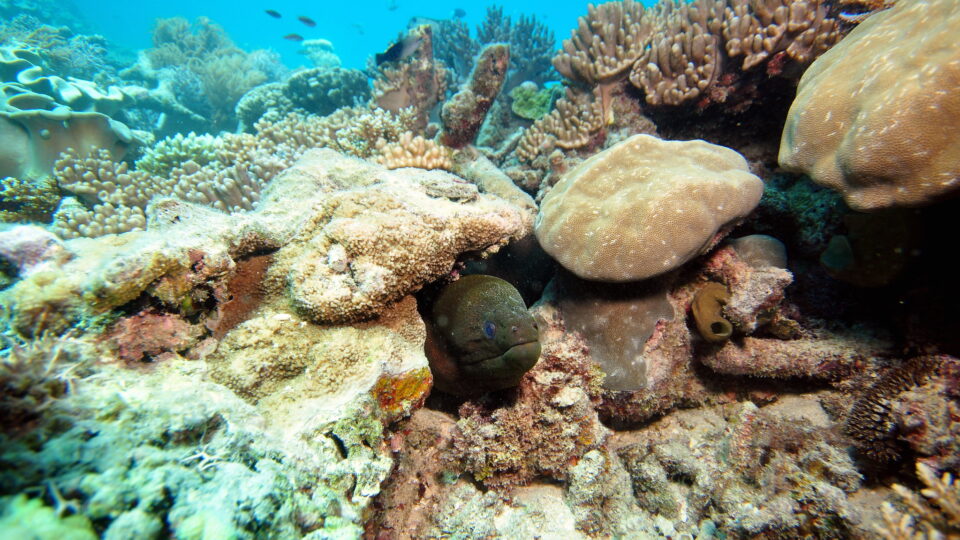
The Great Barrier Reef is the world’s largest coral reef system.  It is composed of nearly 3,000 individual reefs and 900 islands covering an area of more than 130,000 square miles.  In recent times, it has been under unprecedented stress from ocean warming, tropical cyclones, sediment and nutrient runoff, marine pests, and ocean acidification.

Among these stressors, ocean acidification is one of the most significant threats to the long-term viability of the reef because acidification affects the ability of corals to rebuild and repair their structures and recover from bleaching events.

New research from CSIRO, Australia’s national science agency, studied the impact of artificial ocean alkalinization on the acidity of the waters in the Great Barrier Reef.  The idea is to inject a source of alkalinity into the ocean, an accelerated version of a natural process that occurs from the chemical weathering of minerals under the sea.

The results of the study, published in the journal Environmental Research Letters, are that injecting an alkalinizing agent into the ocean along the length of the Reef would make it possible to offset ten years’ worth of ocean acidification based on the present rate of human-generated carbon emissions.  Such an effort could use an abundant mineral resource like olivine, which is already mined near the Great Barrier Reef.  Releasing 30,000 tons a day of the alkalinizing agent from an existing shipping line from a bulk carrier would reach almost the whole of the Great Barrier Reef.

In response to the declining health of coral reef ecosystems, many different intervention concepts and technologies are under consideration.  The goal of these would be to minimize environmental pressures and enhance the resilience of the ecosystems.

**********

Web Links

Projected acidification of the Great Barrier Reef could be offset by ten years

Photo, posted August 4, 2019, courtesy of Larry Koester via Flickr.

Earth Wise is a production of WAMC Northeast Public Radio.

  • « Go to Previous Page
  • Page 1
  • Interim pages omitted …
  • Page 3
  • Page 4
  • Page 5
  • Page 6
  • Page 7
  • Interim pages omitted …
  • Page 11
  • Go to Next Page »

Primary Sidebar

Recent Episodes

  • An uninsurable future
  • Clean energy and jobs
  • Insect declines in remote regions
  • Fossil fuel producing nations ignoring climate goals
  • Trouble for clownfishes

WAMC Northeast Public Radio

WAMC/Northeast Public Radio is a regional public radio network serving parts of seven northeastern states (more...)

Copyright © 2026 ·