humans

Reviled Animals Can Be Beneficial
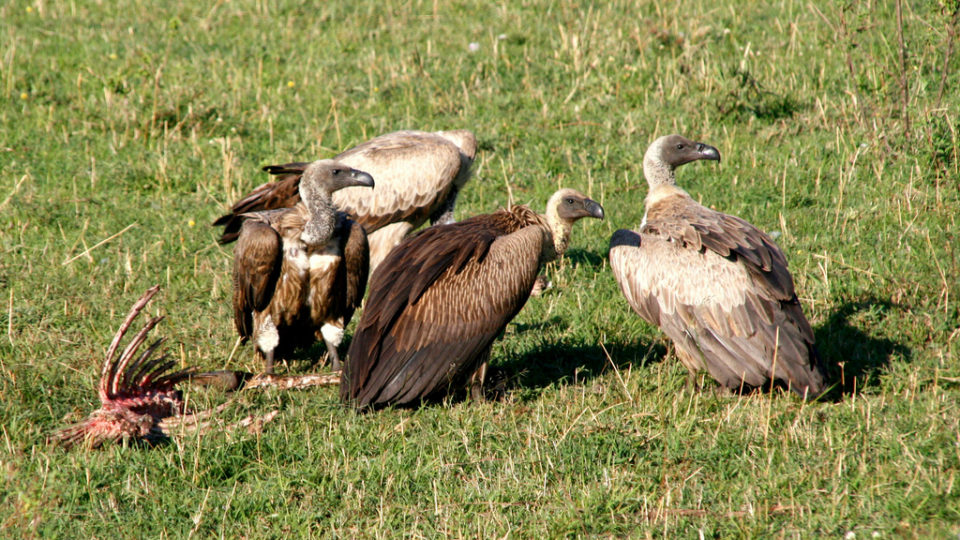
Predators and scavengers are widely persecuted by people because they are often harmful to property, livestock, and human beings. Nonetheless, research has shown that many of these animals play important roles in ecosystems and their removal can be quite harmful.
Natural Climate Solutions
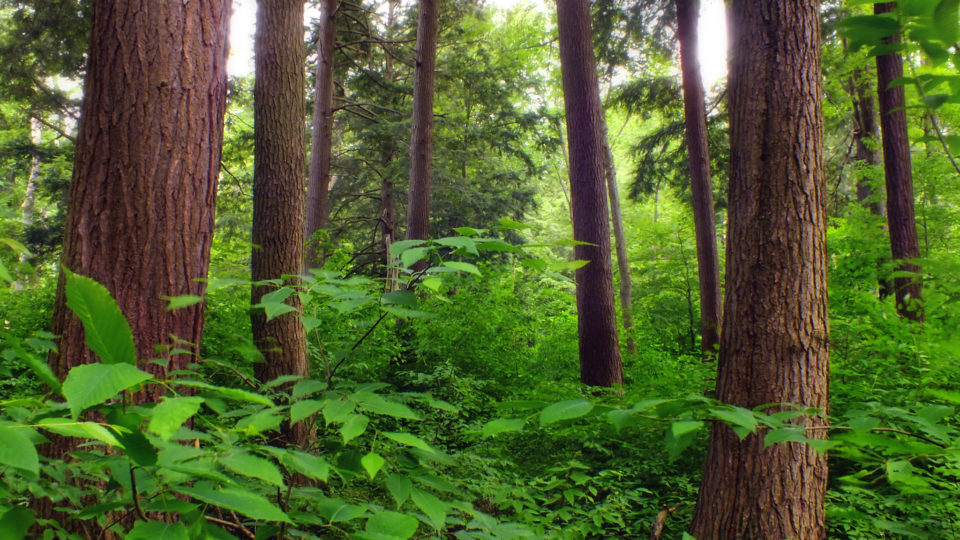
The Paris Climate Agreement embodies a commitment to hold the increase in the global average temperature to less than 2 Celsius degrees above preindustrial levels. Most strategies to achieve this goal involve reductions in greenhouse gas emissions from human activities such as burning fossil fuels as well as various land use activities. But there are also so-called Natural Climate Solutions, which relate to the storage of carbon and reduction in carbon emissions across global forests, wetlands, grasslands, and agricultural lands.
Are Big Cats In Big Trouble?
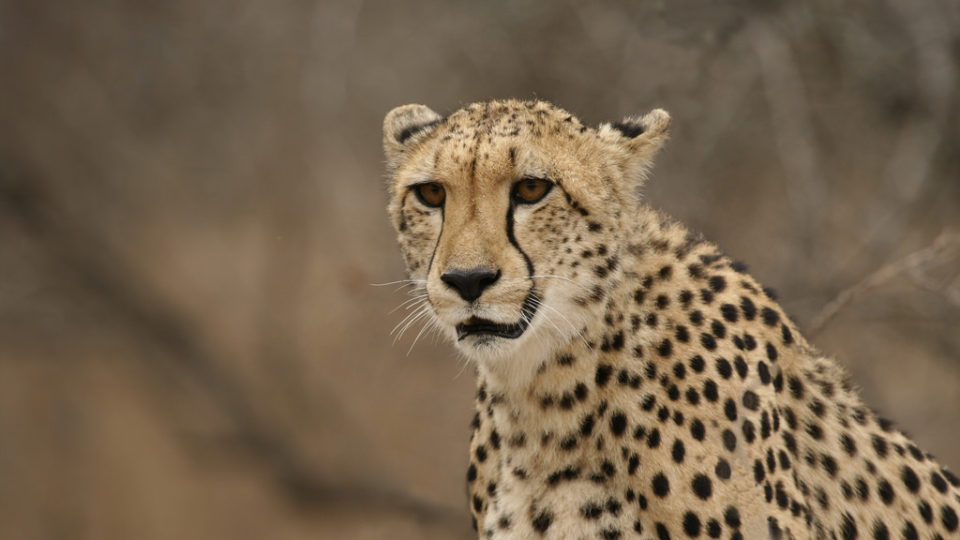
According to researchers with the National Geographic Society’s Big Cats Initiative, cheetahs are much closer to extinction than previously thought. The research team has released a study, which was recently published in the journal PeerJ, that updates the cheetah population numbers in southern Africa, the largest of its remaining habitat.
A New Orangutan Species
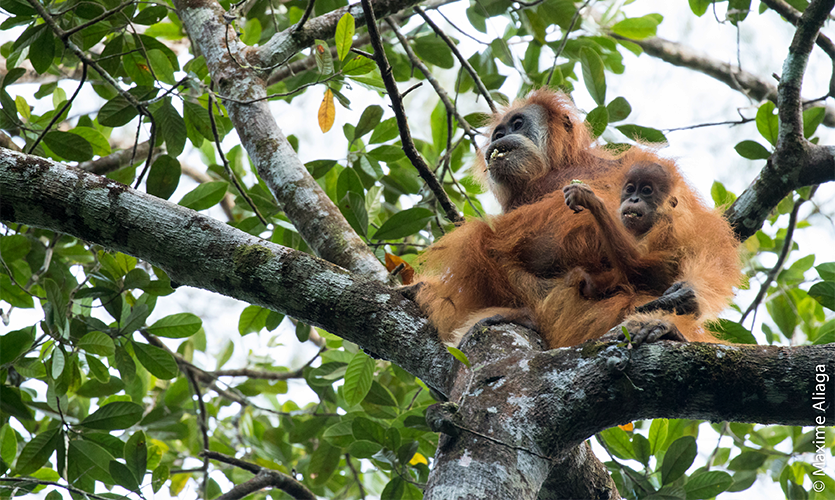
Orangutans are some of the planet’s most intelligent animals. In fact, orangutans and human beings share 97% of their DNA sequence. Orangutans can only be found in the wild on the Indonesian island of Sumatra and the island of Borneo, which is a land mass shared by Indonesia, Malaysia and Brunei.
Neonics And Honey
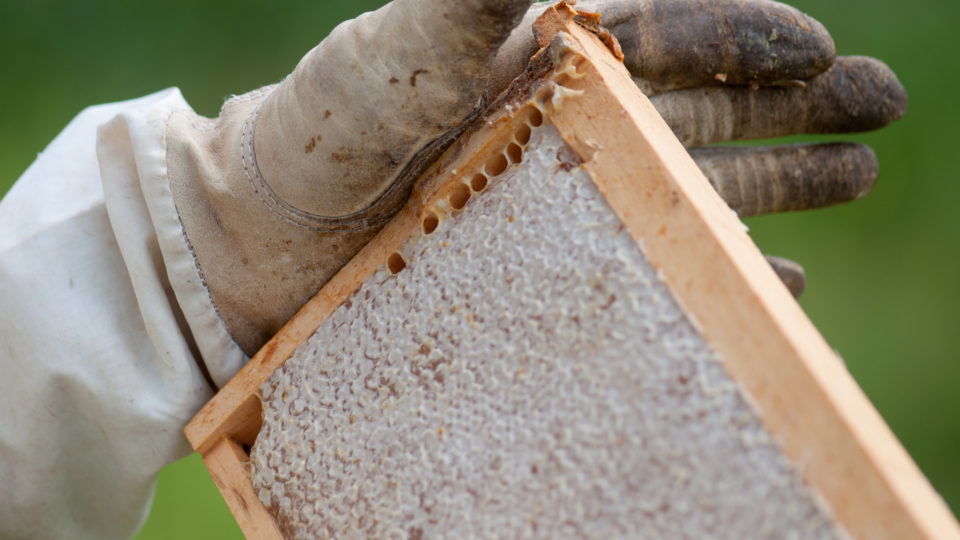
The use of neonicotinoid pesticides or neonics has long been suspected as harmful to bees and a major factor in the widespread decline of honeybee and wild bee populations. A study published in Science last June provided strong evidence that neonics are indeed a real problem for bees.
California Sea Lions
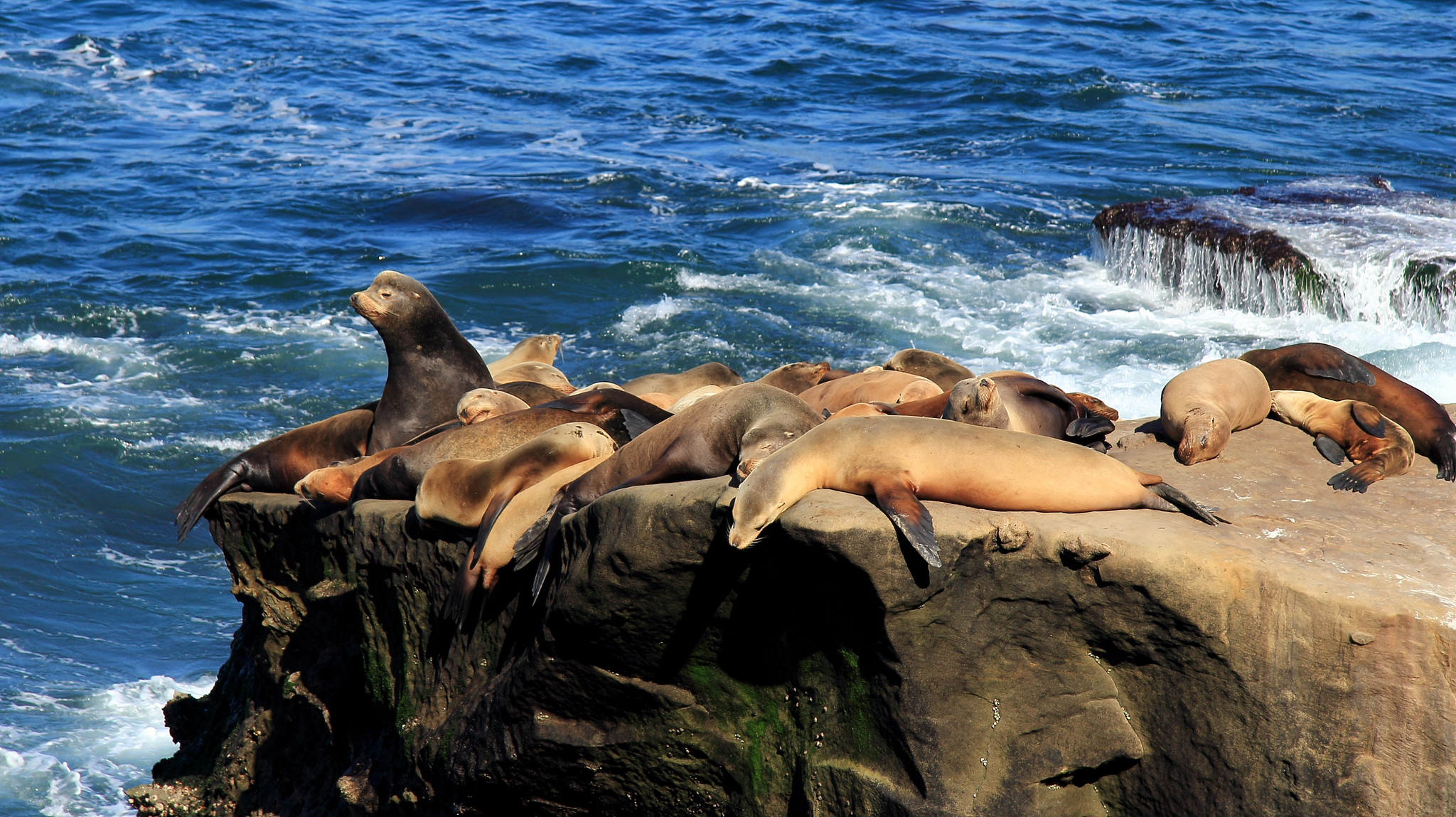
Sea lions in California are under duress from a rather unassuming source: algae. Driven by higher water temperatures and pollution, toxic algae is leading to fatal brain damage in many California sea lions.
Terrestrial Plants and Lake Ecosystems
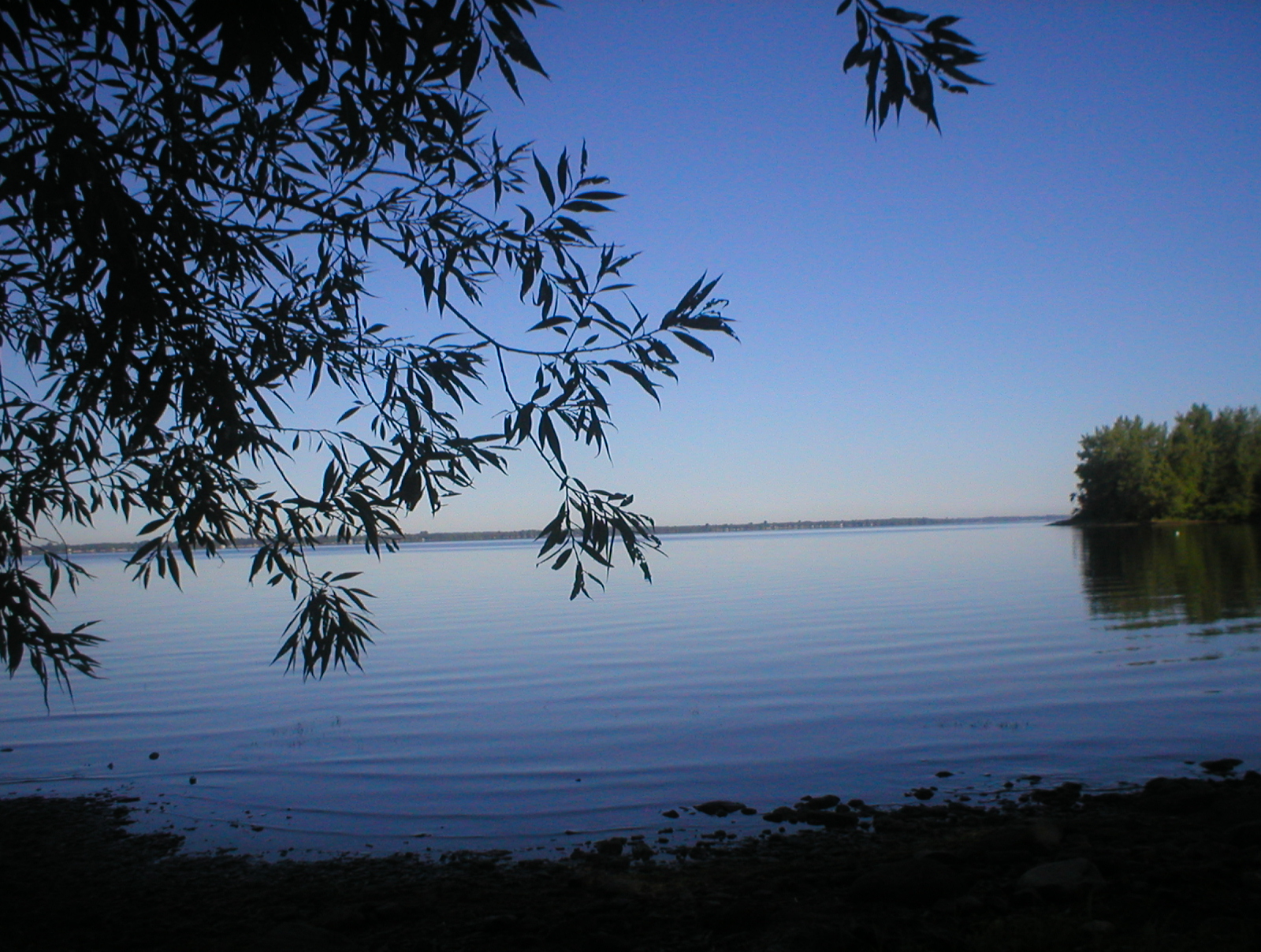
Most of the planet’s freshwater stores are found in the northern hemisphere, a region that is changing rapidly in response to human activity and shifting climate trends. A recent study analyzed 147 northern lakes and found that many rely on nutrients from tree leaves, pine needles, and other land-grown plants to feed aquatic life.
Did People Create The Sahara Desert?
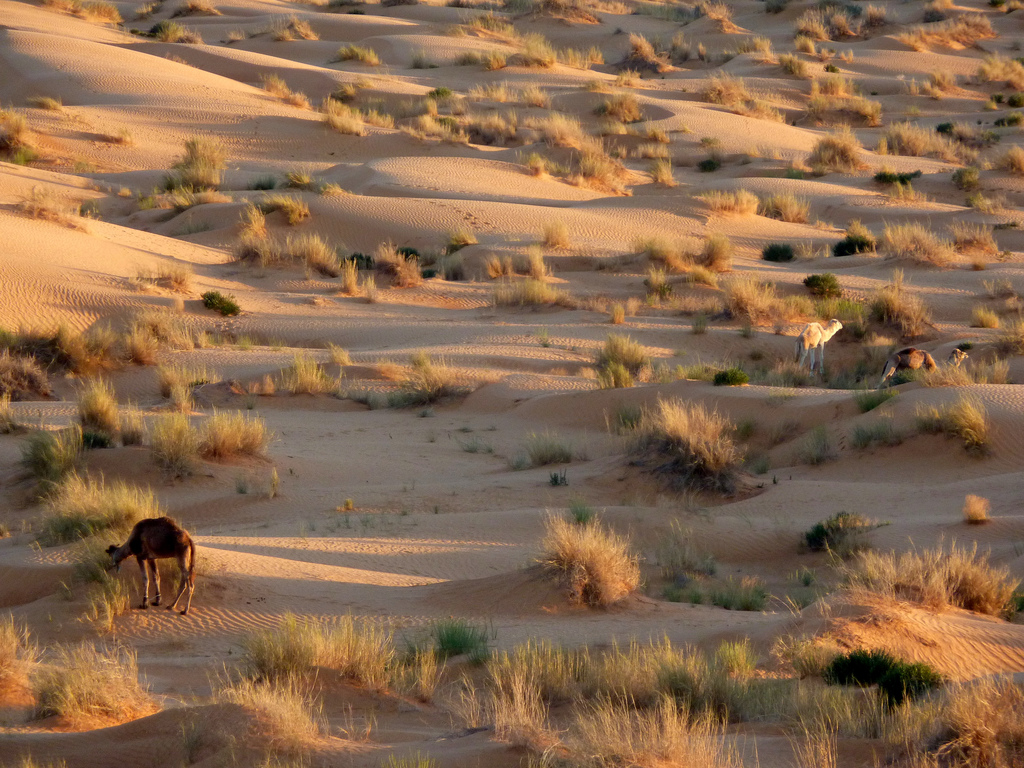
One of the arguments some people make when discussing human causes of climate change is that people can’t cause such massive changes. However, there is a long historical record of human-driven ecological and climatic change in Europe, North America and New Zealand, among other places.
Arguing Against Climate Change
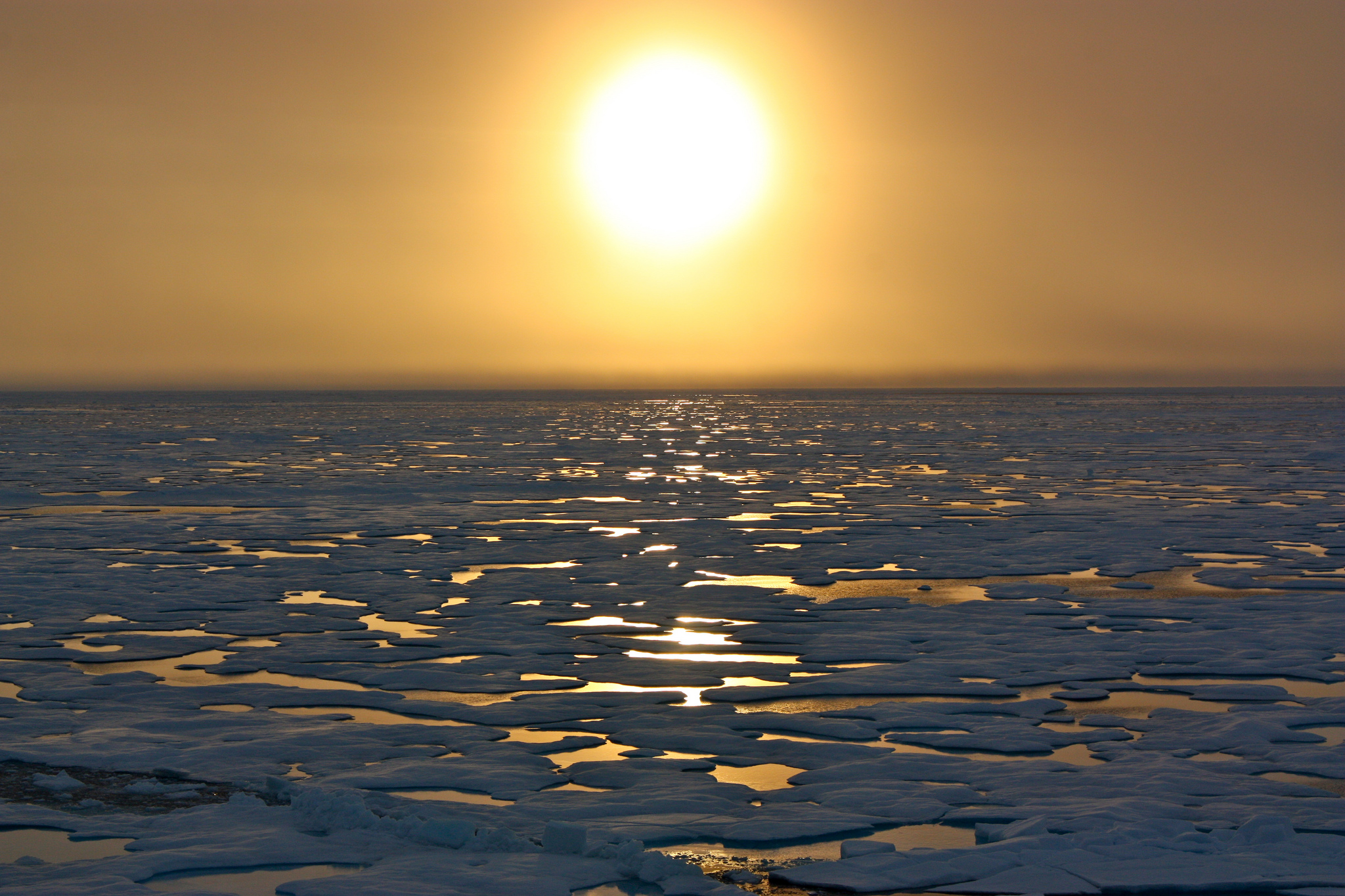
Most of the world has accepted the analysis of the overwhelming majority of climate scientists that shows that our planet is warming and that our actions are the primary cause. However, some people – notably a number holding high office – reject this analysis. What exactly does it imply to say that climate change is not happening or is not caused by us?
NASA And Chimpanzees
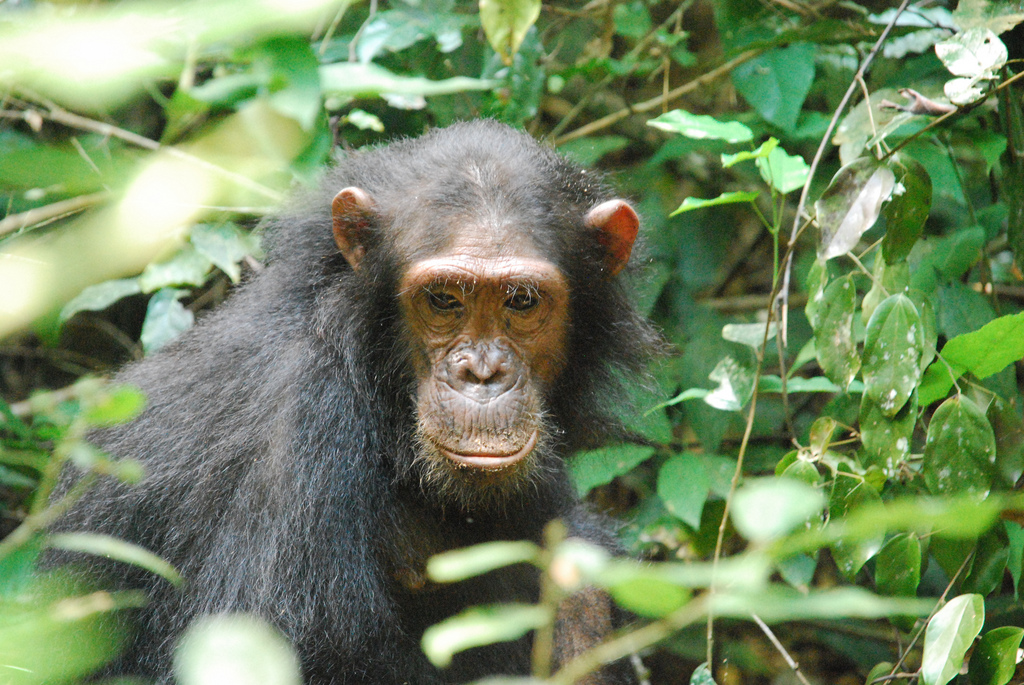
Increasingly, conservation organizations are increasingly relying on satellite imagery to help save wildlife. The Jane Goodall Institute, a nonprofit focused on chimpanzee conservation, uses NASA’s and the U.S. Geological Survey’s Landsat satellite images to guide their chimpanzee conservation strategies.
Livestock And Antibiotics
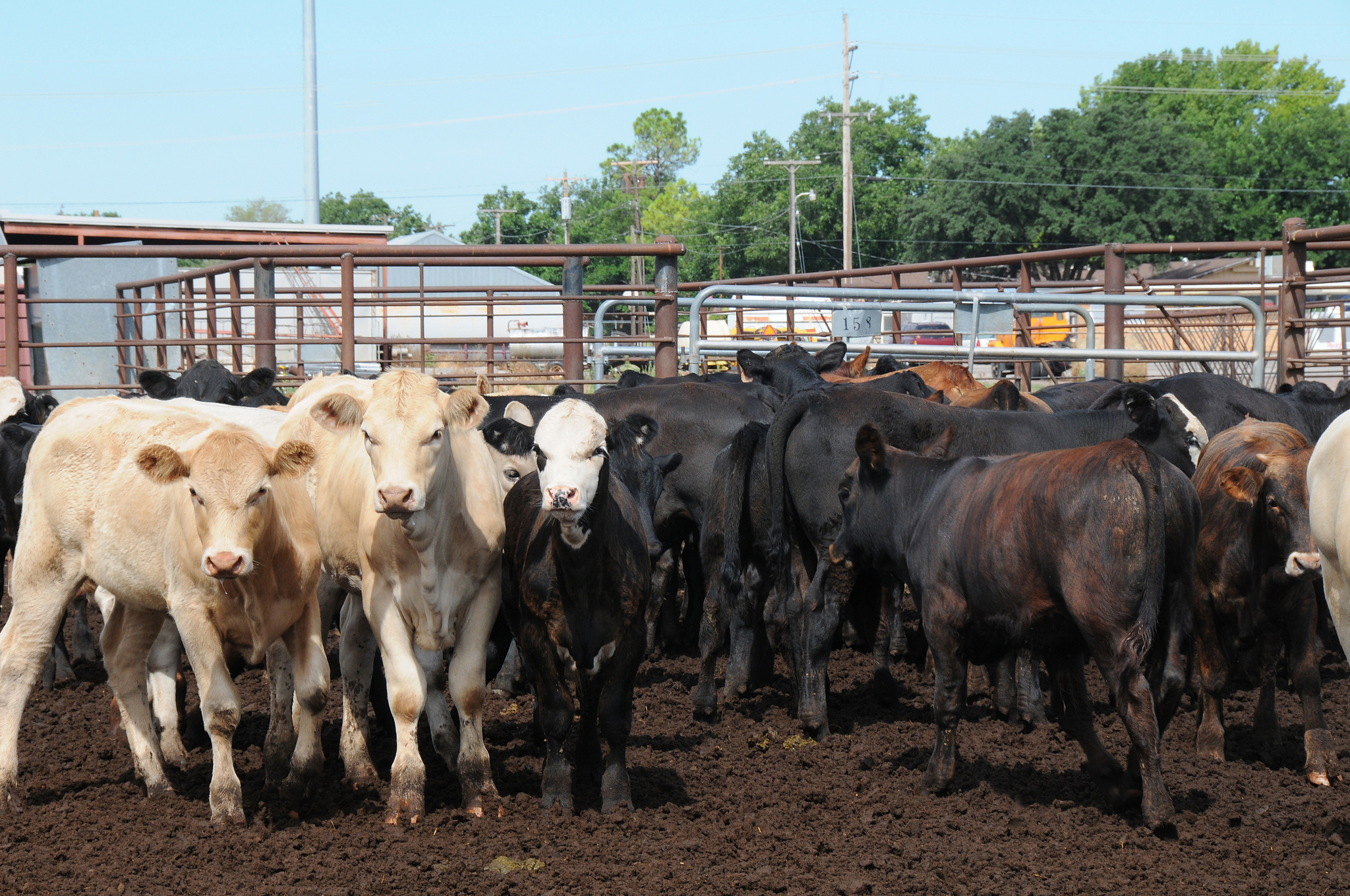
According to the FDA, approximately three-quarters of all antibiotics used in the U.S. are fed to livestock for non-therapeutic purposes. This routine administration of antibiotics promotes the development of antibiotic-resistant bacteria, which can spread to animals and humans. And as antibiotic-resistant bacteria spreads, medicines used to treat human diseases can become less effective. Antibiotic resistant infections kill 90,000 Americans each year.
Wildlife Corridors
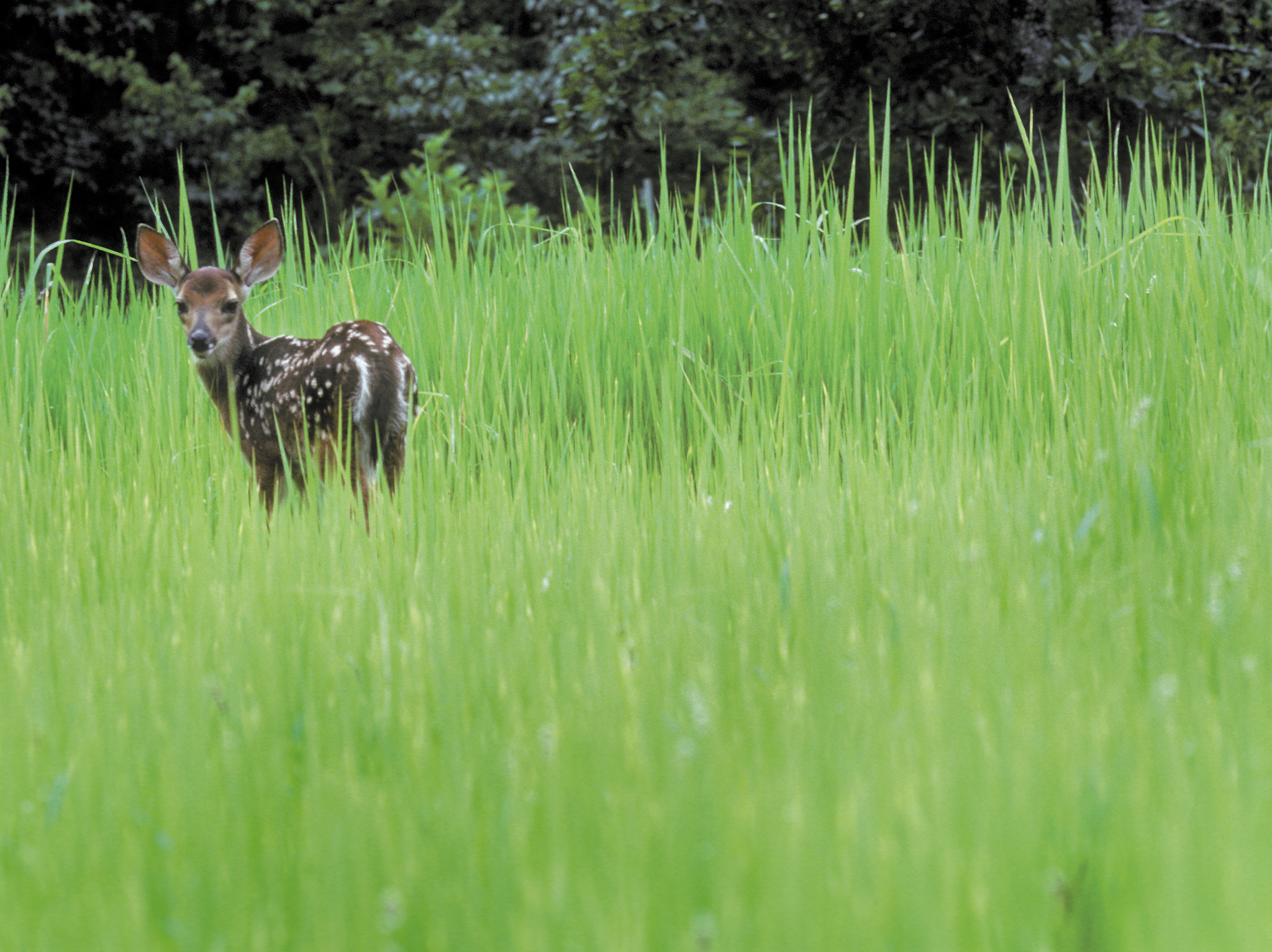
It is widely thought that we are in the midst of the 6th great mass extinction of species on Earth and, unlike the previous ones that were caused by things like asteroid impacts or ice ages, this one is caused by us. Our impact on the climate, on natural resources, on landscapes and habitats, and more, has wreaked havoc on ecosystems across the globe.
Wiping Out Wildlife
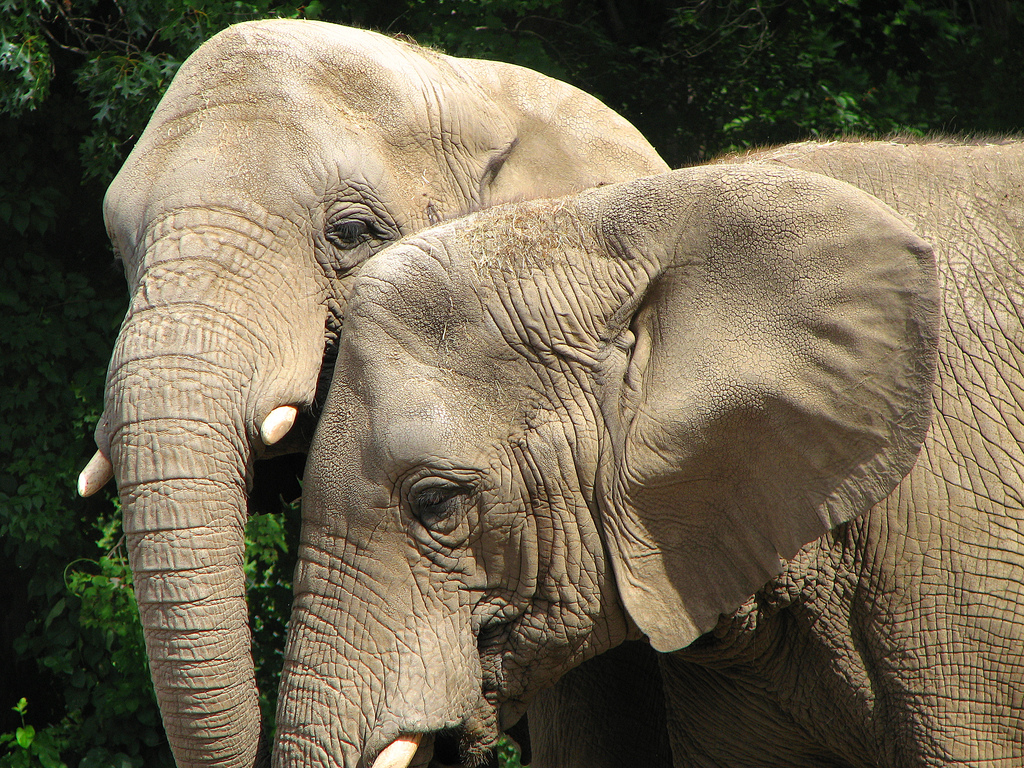
According to a new report from the World Wildlife Fund, the world’s animal populations have suffered widespread population declines in the last half century. And thousands of species are now scrambling to survive.
Snow Leopards And Humans
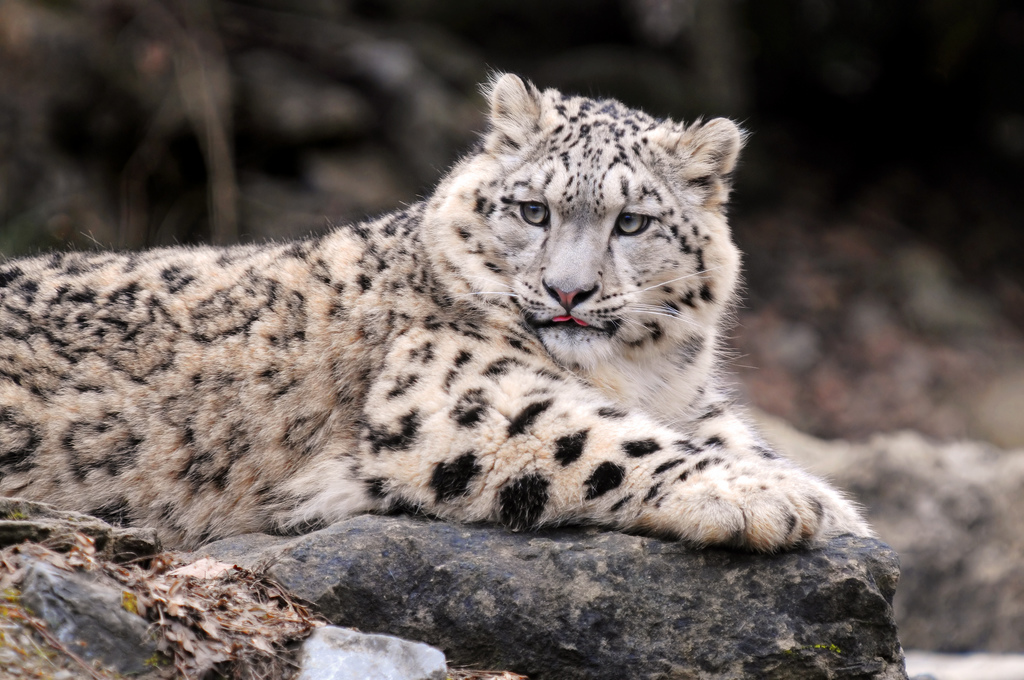
Snow leopards are majestic animals native to Central Asia. They roam the region’s rugged terrain, from Afghanistan to Kazakhstan and Russia in the north, and to India and China in the east. Snow leopards are known for their thick white coat of fur with ringed black and brown spots. These markings help camouflage the animals from their prey. But the camouflage does little to protect snow leopards from one of their biggest threats: humans.
Wiping Out Our Relatives
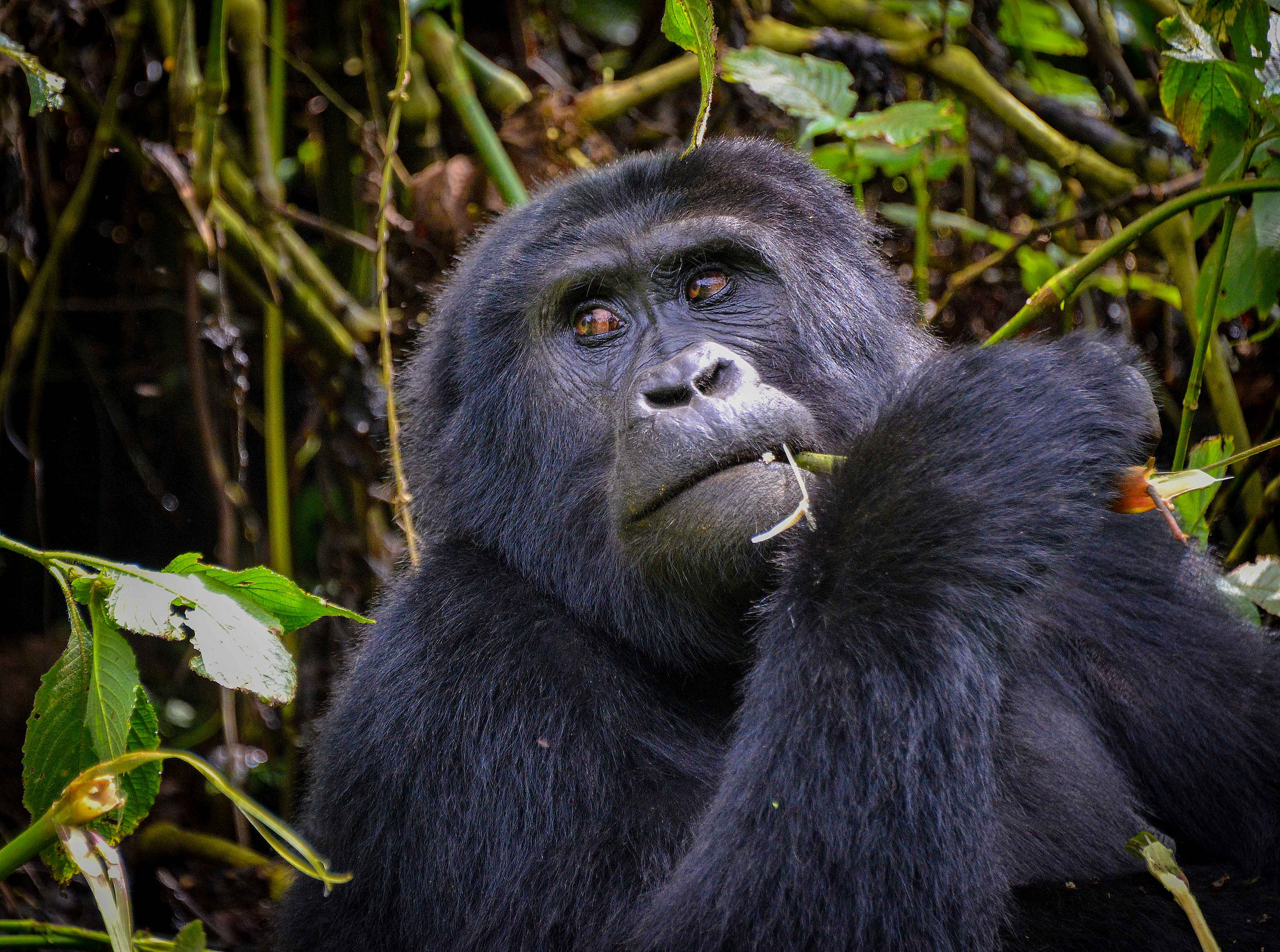
We recently highlighted the plight of orangutans. Following years of failed conservation measures, all orangutans are now listed as critically endangered by the International Union for the Conservation of Nature. The Sumatran orangutan had been listed as critically endangered for nearly two decades, but the Bornean orangutan was a recent addition. According to the IUCN, all orangutans have an “extremely high risk of extinction in the wild.”
Some Good News For Coral Reefs
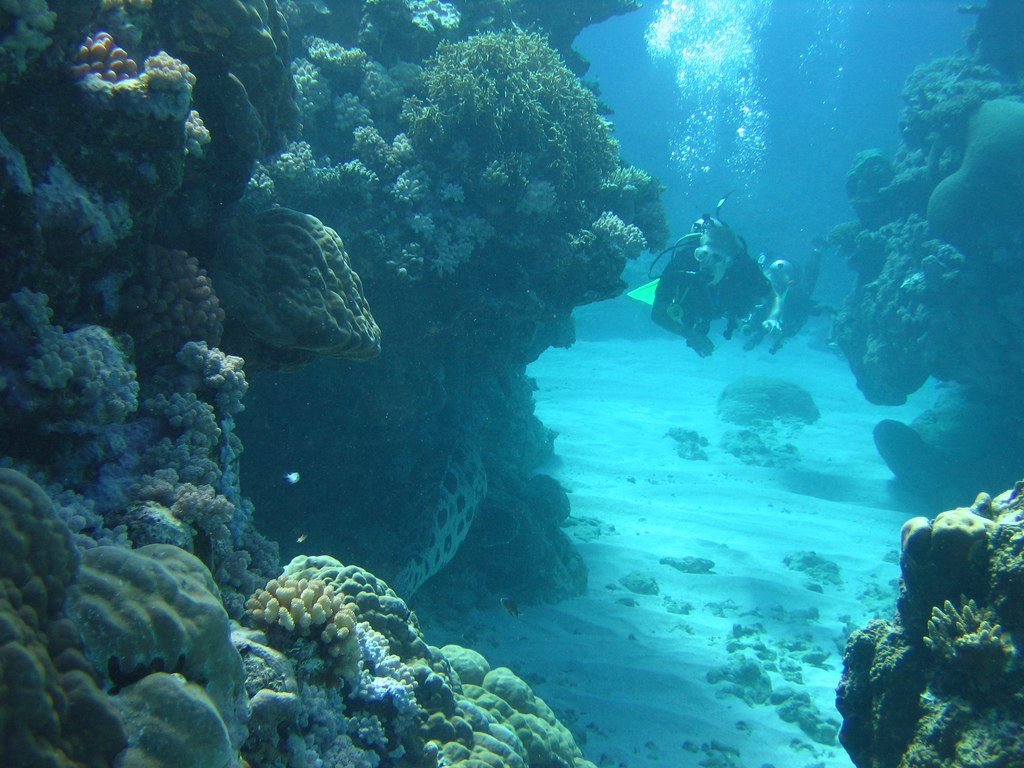
Most recent news about coral reefs around the world has been bad news. There has been unprecedented coral bleaching in places like Australia’s Great Barrier Reef. The effects of climate change – including warming temperatures and rising seas – as well as the recent El Niño event have led to damaged reefs across the globe.
Size Matters
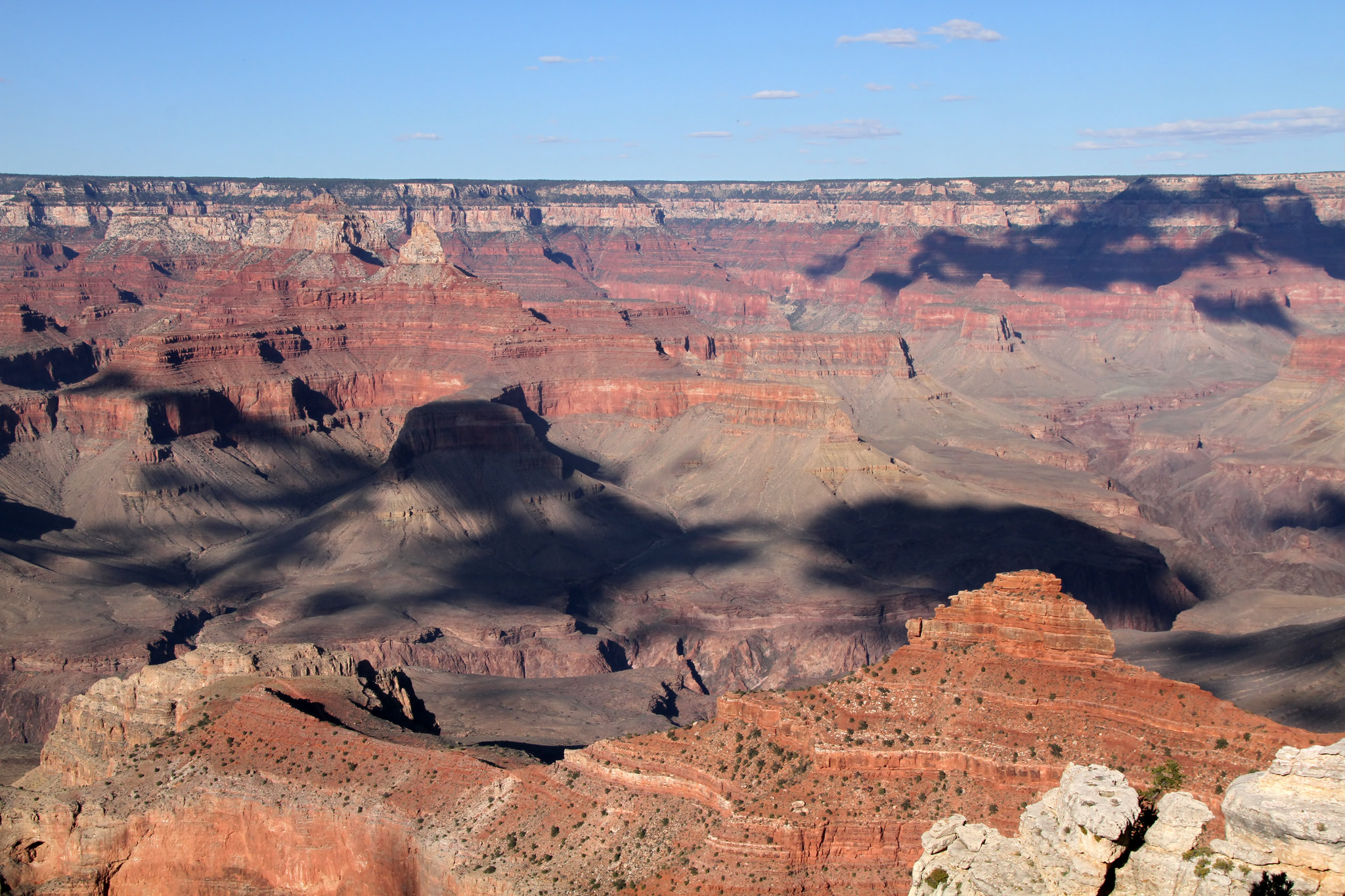
One of the crowning achievements for wildlife protection in the US was the establishment of the National Wildlife Refuge system in the 1930s, when the populations of waterfowl were perilously low. Refuges provided breeding and migratory habitat that has allowed a remarkable recovery of many species of ducks and geese.
Outdoor Lights Dim Nature
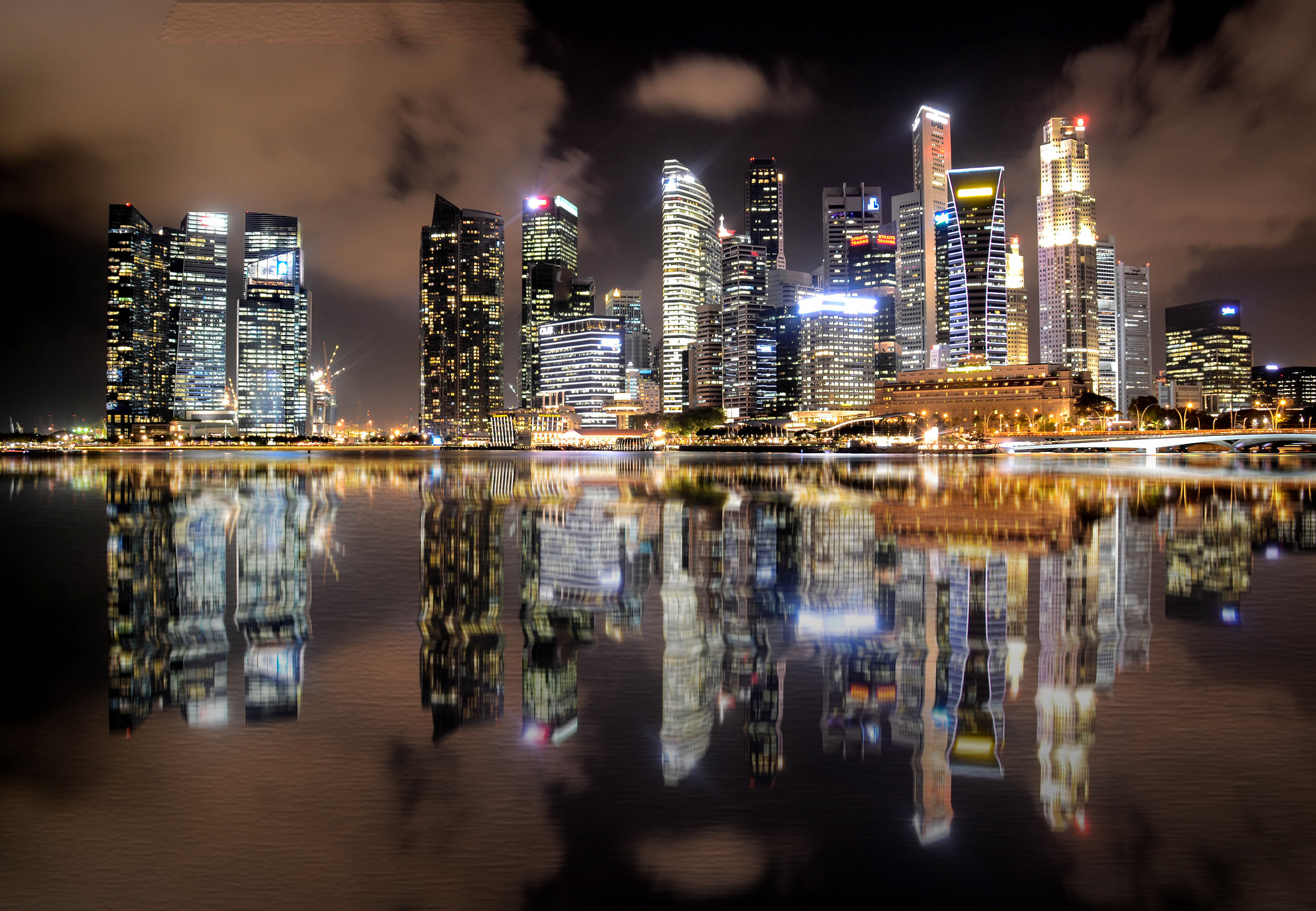
At night our planet is now bathed in artificial light, ranging from streetlights and floodlights to burning gas flares in oil fields. There are few places that are truly dark at night.
Mapping Emerging Infectious Diseases
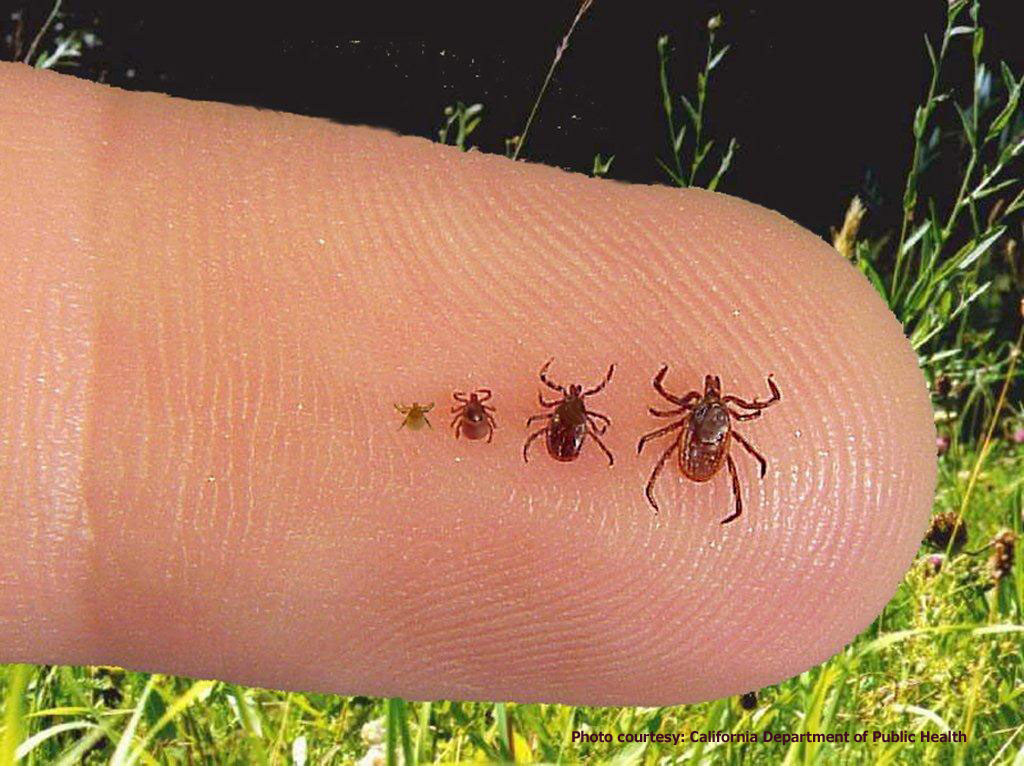
Ebola. Hantavirus. Lyme disease. What do they have in common? Like most emerging infectious diseases, they originated in mammals. So many debilitating pathogens make the jump from wildlife and livestock to humans, yet at the global scale little is known about where people are most at risk of outbreaks.