• Skip to primary navigation
  • Skip to main content
  • Skip to primary sidebar

Earth Wise

A look at our changing environment.

  • Home
  • About Earth Wise
  • Where to Listen
  • All Articles
  • Show Search
Hide Search
You are here: Home / Archives for humans

humans

The Microplastic Diet

July 29, 2019 By EarthWise Leave a Comment

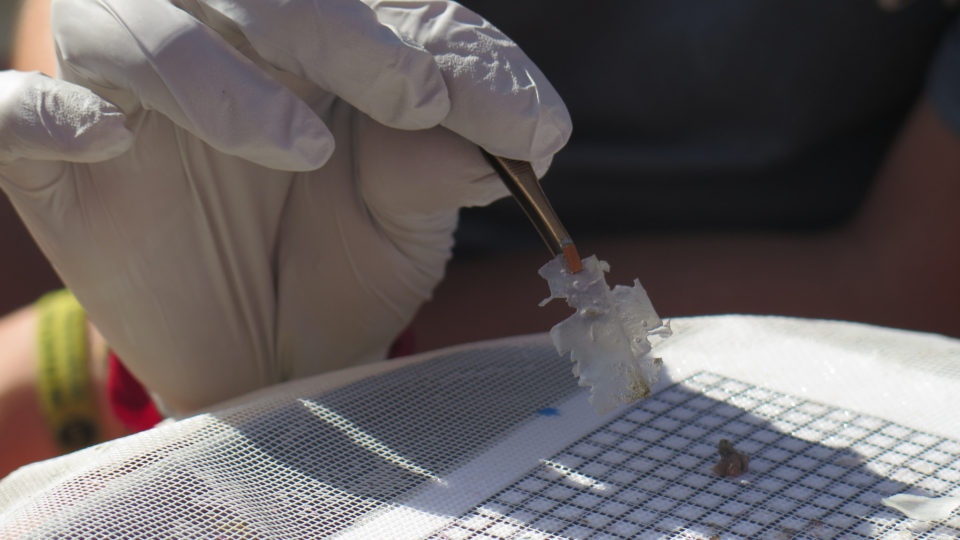
According to a new study published in the journal Environmental Science & Technology, Americans consume more than 70,000 microplastic particles every year from the food they eat, the water they drink, and the air they breathe.

While the health impacts of ingesting these tiny particles are largely unknown, there is the potential for the plastic to enter human tissues and cause an immune response or perhaps release toxic chemicals into the body.

The analysis by biologists at the University of Victoria in Canada examined data from 26 previous studies on microplastic contamination.  It found that Americans eat and drink an estimated 39,000 to 52,000 microplastic particles each year, depending on their age and sex.  The numbers jump to 74,000 to 121,000 when inhalation of microplastics is included.

Americans who drink water solely from plastic bottles consume an additional 90,000 particles annually, compared to only 4,000 particles for people who only drink tap water.

The researchers warn that their findings are likely to be drastic underestimates of the problem.  Several major U.S. food groups – including poultry, beef, dairy, grains, and vegetables – have not been studied for their microplastic contamination.  Thus, the estimate of microparticle ingestion is associated with only 15% of an average person’s caloric intake.  Furthermore, there is no assessment currently available for how much plastic might be entering our bodies from food packaging.

The report’s findings suggest that microplastics will continue to be found in the majority if not all items intended for human consumption.  Realistically, the only way to reduce the human consumption of microplastics will be to reduce the production and use of plastics.

**********

Web Links

Americans Consume Tens of Thousands of Microplastic Particles Every Year

Photo, posted June 18, 2016, courtesy of Sirirat Kornsongkaew via Flickr.

Earth Wise is a production of WAMC Northeast Public Radio.
Climate Change Is Not Natural

July 5, 2019 By EarthWise Leave a Comment

It has been the overwhelming consensus of the scientific community for a long time that human activity and other external factors are responsible for the continuing rise in global temperature.  Despite this widespread agreement, there have been those who argue that natural ocean cycles might be influencing global warming over the course of multiple decades.

A new study, published in the Journal of Climate, provides an answer to the question of how much influence natural cycles might have, and that answer is very little to none.

The study looked at observed ocean and land temperature data since 1850 and, apart from human-induced factors such as greenhouse gas concentrations, took into account other occurrences such as volcanic eruptions, solar activity, and air pollution peaks.  The findings demonstrated that slow-acting ocean cycles do not explain the long-term changes in global temperatures.

Based on the study, the researchers can state with confidence that human factors like greenhouse gas emissions and particulate pollution, along with year-to-year changes caused by natural phenomena like volcanic eruptions or El Niño, are sufficient to explain virtually all the long-term changes in temperature.  The idea that the oceans could have been driving the climate either in a colder or warmer direction for multiple decades in the past and therefore will do so in the future is unlikely to be correct.

A number of previous studies have compared flawed observations with flawed modeling results to claim that naturally-occurring ocean cycles have played a large role in global temperatures.  The new study shows that such cycles have little influence on the climate.  Reducing greenhouse gas emissions is really what we need to do.

**********

Web Links

Global temperature change attributable to external factors, confirms new study

Photo, posted November 13, 2007, courtesy of Flickr.

Earth Wise is a production of WAMC Northeast Public Radio.

Forecasting A Massive Dead Zone

June 18, 2019 By EarthWise Leave a Comment

The Gulf of Mexico dead zone occurs every summer, and is considered one of the largest dead zones in the world.  This cyclical event occurs where the Mississippi River empties into the Gulf of Mexico, just off the coast of Louisiana and Texas. 

This annual dead zone is primarily caused by excess nutrient pollution from human activities, such as urbanization and agriculture, occurring throughout the Mississippi River watershed.  Washed off the land by spring rains, these excess nutrients stimulate an overgrowth of algae once they reach the Gulf of Mexico.  The algae in the Gulf eventually die, and then sink and decompose in the water. The resulting area of the ocean ends up with a condition known as hypoxia, which is an insufficient amount of oxygen to support most marine life.  In hypoxic or dead zones, animals that can’t swim away will often suffocate and die. 

Scientists from the National Oceanic and Atmospheric Administration estimate that this year the dead zone in the Gulf of Mexico will be approximately 8,000 square miles, which is roughly the size of Massachusetts.  The research team uses U.S. Geological Survey river flow and nutrient data to make its forecast. 

According to NOAA, the abnormally high amount of spring rainfall is a major factor contributing to this year’s dead zone.  Last month, nitrate loads entering the Mississippi River watershed were 18% above the long-term average, and phosphorus loads were about 49% above the long-term average. 

While the 2019 forecast is slightly less than the record size of more than 8,700 square miles set in 2017, it’s still much larger than the five year average size of 5,700. 

**********

Web Links

Very large dead zone forecast for the Gulf of Mexico

Massive 8,000-mile ‘dead zone’ could be one of the gulf’s largest

Photo, posted May 22, 2009, courtesy of Michael McCarthy via Flickr.

Earth Wise is a production of WAMC Northeast Public Radio.
How Much CO2 Can The Oceans Hold?

May 2, 2019 By EarthWise Leave a Comment

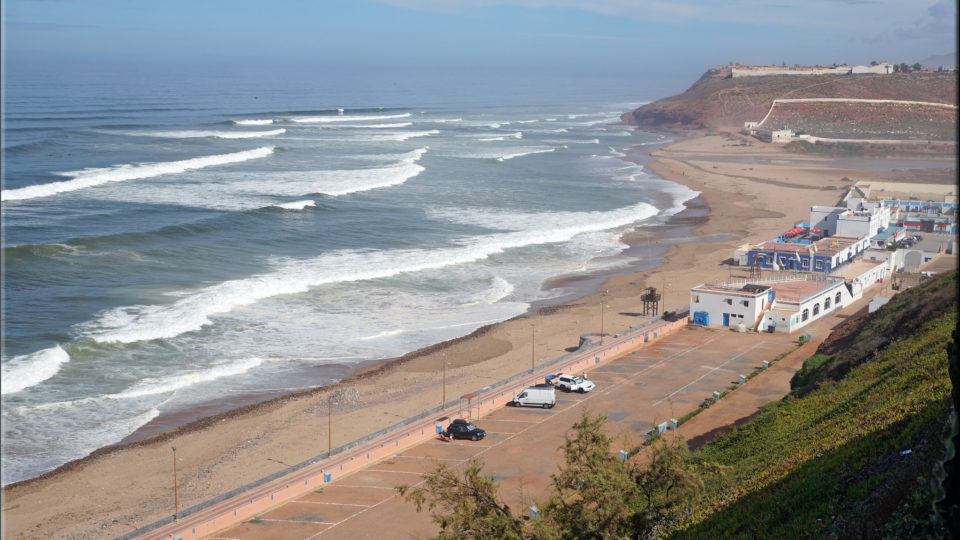
The carbon dioxide that enters the atmosphere doesn’t necessarily stay there.  As part of the natural carbon cycle, much of it goes into plants, soil and, very significantly, the ocean.  In fact, the world’s oceans are a sink for human-generated carbon dioxide without which the extent of global climate change would be far worse.

Oceans takes up CO2 in two steps: first the CO2 dissolves in the surface water.  Then, the ocean’s overturning circulation distributes it.  Currents and mixing processes transport the dissolved CO2 from the surface deep into the ocean’s interior, where it accumulates over time.

A long-standing priority for climate researchers is to determine how much of the CO2 we produce is being absorbed by the oceans and, ultimately, how much can they hold?

An international team of scientists has recently provided some answers.  As reported in Science, the researchers have determined that the oceans have taken up from the atmosphere as much as 37 billion tons of human-made carbon between 1994 and 2007.  This figure corresponds to nearly a third of all the anthropogenic CO2 emitted during that time.

Furthermore, they found that the percentage of CO2 taken up by the oceans has remained relatively stable compared to the preceding 200 years even as the absolute quantity has increased.  So, evidently, the oceans’ capacity for carbon dioxide has not yet been saturated.

That’s the good news.  The bad news is that putting all that CO2 into the oceans has a steep price:  the dissolved CO2 acidifies the water.  The consequences for a wide range of marine life including coral reefs are serious and getting worse.  We need to drastically reduce carbon emissions.

**********

Web Links

Ocean sink for human-made carbon dioxide measured

Photo, posted November 5, 2018, courtesy of Flickr.

Earth Wise is a production of WAMC Northeast Public Radio.
Earth Day

April 22, 2019 By EarthWise Leave a Comment

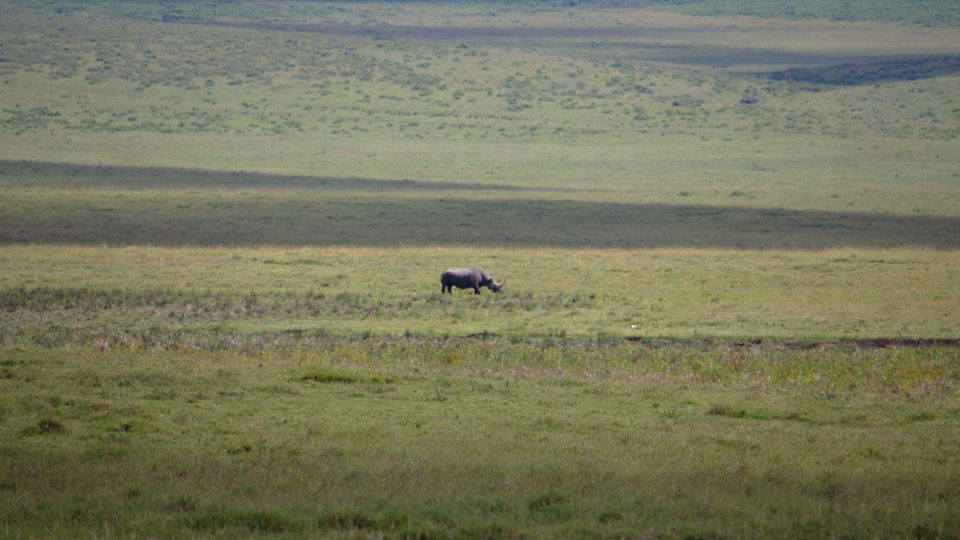
Today is Earth Day.  On April 22, 1970, millions of Americas took to the streets in peaceful demonstrations in favor of environmental reform.  Since that first time, Earth Day has now become a global event each year.  Estimates are that as many as a billion people in 192 countries take part in Earth Day events.

This year, the theme for Earth Day is “Protect our Species.”  The focus is on the fact that the world is facing the greatest rate of extinction since the demise of the dinosaurs more than 60 million years ago.

But unlike the extinctions from that time that were linked to so-called acts of god like asteroid collisions, the rapid extinction of species in our world today is mostly the result of human activity.

The global destruction and rapid reduction of plant and wildlife populations are directly linked to climate change, deforestation, habitat loss, trafficking and poaching, unsustainable agriculture, pollution, and pesticides.

In order to stem the tide of destruction, the Earth Day Network is asking people to help raise awareness about the accelerating rate of extinction of millions of species and the causes and consequences of this phenomenon.  We need to push for the creation of policies that protect broad groups of species as well as individual species and their habitats.  There needs to be a global movement that embraces nature and its values. And we need to eat less meat and curtail the use of pesticides and herbicides.

We share the planet with many species, and we need them to be here in order to sustain our own species.  Something to remember on Earth Day 2019.

**********

Web Links

Earth Day Network

Photo, posted January 24, 2012, courtesy of Jonas Bengtsson via Flickr.

Earth Wise is a production of WAMC Northeast Public Radio.
Humans And Vertebrate Mortality

April 9, 2019 By EarthWise Leave a Comment

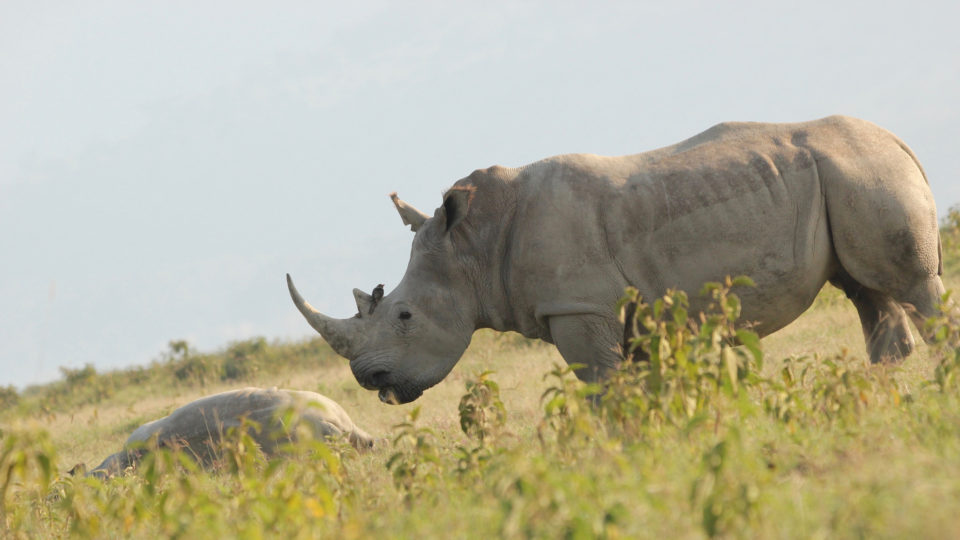
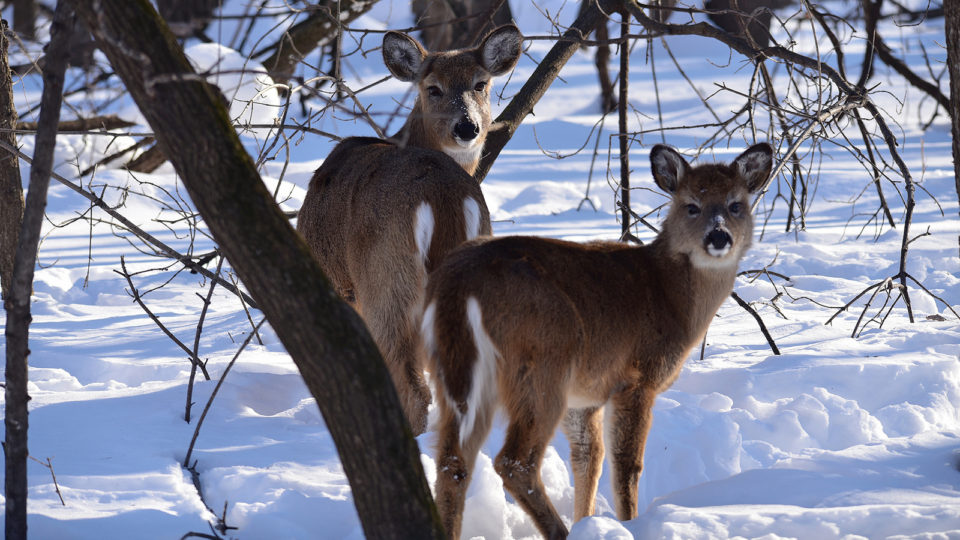
According to a new study, more than one-quarter of the planet’s land vertebrates die because of humans.  This is a “disproportionately huge effect” on the other land vertebrates that share planet’s surface with us. 

Researchers from the SUNY College of Environmental Science and Forestry and the U.S. Department of Agriculture reviewed 1,114 published studies in which nearly 43,000 animals had perished.  Their study, which was recently published in the journal Global Ecology and Biogeography, found that 28% of the animals’ deaths were directly attributable to humans.  The other 72% died from natural sources.  

Mammals, birds, reptiles, and amphibians that died between 1970 and 2018 in the Americas, Asia, Africa, Europe, and Oceania were the foundation of the study.  All of these vertebrates had been either collared or tagged as part of other research projects. 

The researchers point out that humans are only one among more than 35,000 species of terrestrial vertebrates globally.  The fact that humans are responsible for more than one-quarter of their deaths illustrates the profound magnitude of the problem.  And that statistic is just the direct causes.  According to the researchers, when urban growth and other land use changes that erode habitat are considered, the human impact is likely even greater. 

The study found that the impact of humans across all the different species was not equal. In fact, larger animals were more likely to be killed by humans than smaller animals. Adult animals were more likely to be killed by humans than juveniles. 

The researchers conclude that humans are such a major contributor to terrestrial vertebrate mortality that they could potentially impact both evolutionary processes and ecosystem functioning. 

**********

Web Links

On the land, one-quarter of vertebrates die because of humans

Photo, posted March 6, 2019, courtesy of USFWS Midwest Region via Flickr.

Earth Wise is a production of WAMC Northeast Public Radio.
Reducing Polar Bear Attacks

April 8, 2019 By EarthWise Leave a Comment

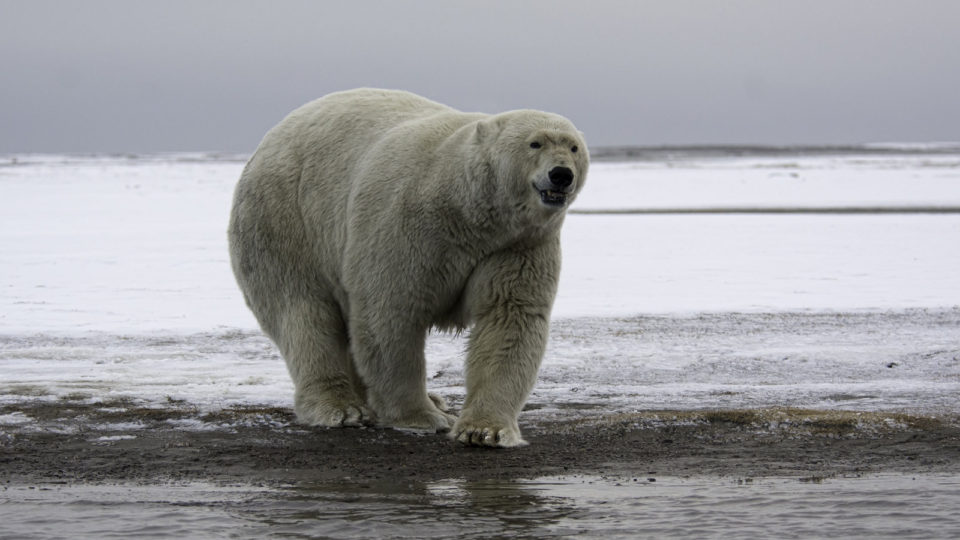
The increasing reduction of sea ice in the Arctic is changing the behavior of polar bears.  Because they are spending more time on land, they are interacting with people much more frequently, occasionally with deadly results.

A study, published in 2017, looked at 144 years’ worth of polar bear attacks on humans in the Arctic.  Between 1960 and 2009, there were a reported 47 attacks by polar bears on people – between 7 and 12 per decade.  Between 2010 and 2014, as sea ice reached record lows, there were 15 attacks, a record for a four-year period.  Since 2000, 88% of attacks have occurred between July and December, when sea ice is at its lowest level of the year.

Last July, a young male polar bear attacked and killed a man who was berry picking with his children.  A month later, a mother polar bear attacked and killed an Inuit hunter and injured two others.  This was the first known fatal attack by a mother polar bear.

As a result, Inuit communities in the Nunavut region are asking for higher legal polar bear harvest quotas, arguing that bear populations have increased to a dangerous level.

These recent human fatalities have also provided an impetus for developing new non-lethal conflict-resolution tools than can be used in northern communities before more people as well as bears are killed.

There are now polar bear patrol teams tasked with driving bears away from settlements.  There is a bear hotline and electric fencing around sled dog compounds.

The changing face of the Arctic is creating growing stress on the polar bear population and on the people who make their home in that region.

**********

Web Links

As Polar Bear Attacks Increase in Warming Arctic, a Search for Solutions

Photo, posted September 28, 2015, courtesy of Anita Ritenour via Flickr.

Earth Wise is a production of WAMC Northeast Public Radio.
Natural Climate Solutions Are Not Enough

April 1, 2019 By EarthWise Leave a Comment

A new policy perspective published in Science by researchers at seven prestigious institutions looked at the role of natural science solutions in stabilizing the Earth’s climate for people and ecosystems.   While they asserted that it is imperative to ramp up natural climate solutions, they also concluded that natural solutions alone will not be sufficient.

Natural science solutions include such things as enhancing carbon sinks from forests, agriculture and other lands.  Doing these things are very beneficial in their own right as they lead to improved forests, croplands, grazing lands, and wetlands.

However, these things will not be enough to meet the goals of the Paris Climate Agreement and must be combined with rapid efforts to decrease emissions from the energy and industrial sectors.  Among their various findings, the researchers warn that a ten-year delay in emissions reductions from these sectors could completely negate any potential benefits of natural climate solutions.

As has become increasingly clear, there is not an either-or situation with regard to the actions that need to be taken with respect to climate change.

Maximizing natural climate solutions and reducing emissions from the energy and industrial sectors will provide broad benefits beyond climate change mitigation.  Doing these things will improve forests and habitats, reduce the risk of wildfires, and decrease air and water pollution thereby improving human health and well-being.

Of course, to reduce cumulative emissions and put a cap on the warming of the planet, there will need to be policy mechanisms and incentives in place that support both natural climate solutions and increasing mitigation efforts across the energy and industrial sectors.

**********

Web Links

Natural Climate Solutions Are Not Enough

Photo, posted February 11, 2012, courtesy of Joao Andre O. Dias via Flickr.

Earth Wise is a production of WAMC Northeast Public Radio.
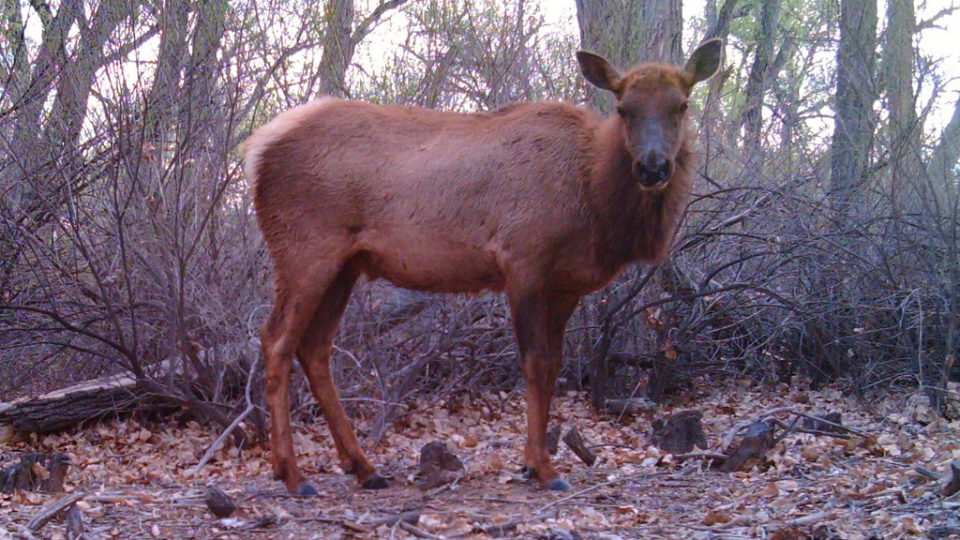
A Breakthrough In Animal Identification

December 25, 2018 By EarthWise Leave a Comment

Researchers from the University of Wyoming have developed a computer model that can identify wild animals in camera-trap photographs with remarkable accuracy and efficiency.

This breakthrough in artificial intelligence (AI), detailed in a paper recently published in the scientific journal Methods in Ecology and Evolution, represents a significant advancement in the study and conservation of wildlife. According to the paper’s authors, “the ability to rapidly identify millions of images from camera traps can fundamentally change the way ecologists design and implement wildlife studies.”

This study builds on previous research from the university in which a computer model analyzed 3.2 million images captured by camera traps in Africa.  The A-I technique called deep learning categorized animal images at a 96.6% accuracy rate.  This was the same accuracy rate as teams of human volunteers achieved, but the computer model worked at a much more rapid pace. 

In the latest study, UW researchers trained a deep neural network on a powerful computer cluster to classify wildlife species using 3.37 million camera-trap images of 27 different animal species.  The model was tested on nearly 375,000 images at a rate of about 2,000 images per minute. It achieved a 97.6% accuracy rate, which is likely the highest accuracy to date in using machine learning for wildlife image classification. 

Artificial intelligence has been used in environmental science in other ways as well. For example, AI has been used to increase agricultural yields in farm fields and to help predict extreme weather. 

Maybe artificial intelligence can prove to be a game changer for the environment.   


**********

Web Links

Researchers Successfully Train Computers to Identify Animals in Photos

Photo, posted January 8, 2012, courtesy of the U.S. Fish and Wildlife Service via Flickr. 

Earth Wise is a production of WAMC Northeast Public Radio.
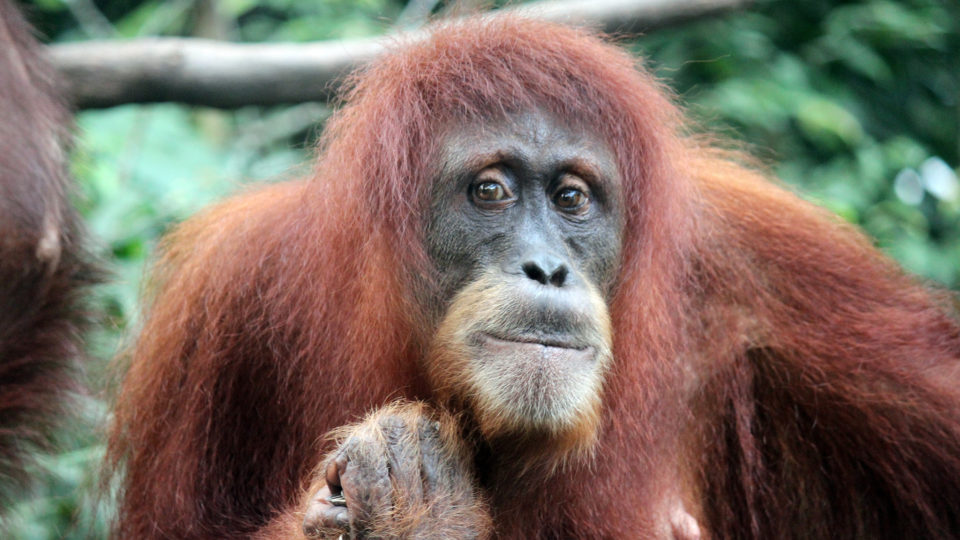
The Global Vertebrate Population Is Struggling

December 6, 2018 By EarthWise Leave a Comment

https://earthwiseradio.org/wp-content/uploads/2018/12/EW-12-06-18-The-Global-Vertebrate-Population.mp3

According to a new report by the World Wildlife Fund, the planet’s populations of vertebrates have dropped an average of 60% since 1970.

[Read more…] about The Global Vertebrate Population Is Struggling

Microplastics And Humans

November 27, 2018 By EarthWise Leave a Comment

https://earthwiseradio.org/wp-content/uploads/2018/10/EW-11-27-18-Microplastics-and-Humans.mp3

Microplastics are everywhere.  The tiny plastic particles pose a massive environmental challenge.  Microplastics are polluting oceans at an alarming rate.  Much of the oceanic microplastics result from the breakdown of plastic litter.  Another source of microplastics pollution is microbeads.  Microbeads, which are commonly added to cleansing and exfoliating personal care products, pollute the environment when they get flushed down the drain.   

[Read more…] about Microplastics And Humans

Pando Is In Trouble

November 23, 2018 By EarthWise Leave a Comment

https://earthwiseradio.org/wp-content/uploads/2018/11/EW-11-23-18-Pando-Is-In-Trouble.mp3

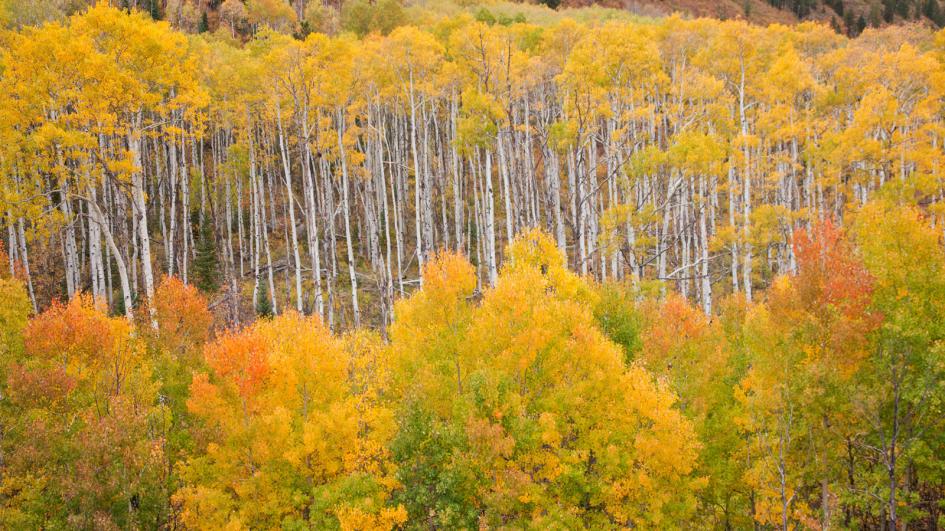
Pando is widely considered to be the world’s largest single organism, weighing in at about 13 million pounds and covering over 100 acres.

[Read more…] about Pando Is In Trouble

How To Measure Carbon Emissions

November 5, 2018 By EarthWise Leave a Comment

https://earthwiseradio.org/wp-content/uploads/2018/11/EW-11-05-18-How-To-Measure-Carbon-Emissions.mp3

The Paris climate accord by nearly 200 countries seeks to reduce global carbon emissions.  But how can the actions of these countries be monitored, reported, and verified?  It is not an easy task.

[Read more…] about How To Measure Carbon Emissions

Mammals Can’t Seem To Evolve Fast Enough

November 1, 2018 By EarthWise Leave a Comment

https://earthwiseradio.org/wp-content/uploads/2018/11/EW-11-01-18-Mammals-Just-Cannot-Keep-Up.mp3

Our planet has been through five upheavals over the past 450 million years.  During each one, the environment on earth changed so dramatically that most plant and animal species became extinct.  After each of these mass extinction events, evolution slowly filled the gaps in the environment with new species. 

[Read more…] about Mammals Can’t Seem To Evolve Fast Enough

The Famous 97%

October 5, 2018 By EarthWise Leave a Comment

https://earthwiseradio.org/wp-content/uploads/2018/10/EW-10-05-18-The-Famous-97-Percent.mp3

One still hears reference to “the debate on global warming”.  Is there really a debate?  Certainly, there are people who want to think there is, especially those with a vested interest in not doing anything about it.

[Read more…] about The Famous 97%

An Elephant Repellant

August 30, 2018 By EarthWise Leave a Comment

https://earthwiseradio.org/wp-content/uploads/2018/08/EW-08-30-18-An-Elephant-Repellant.mp3

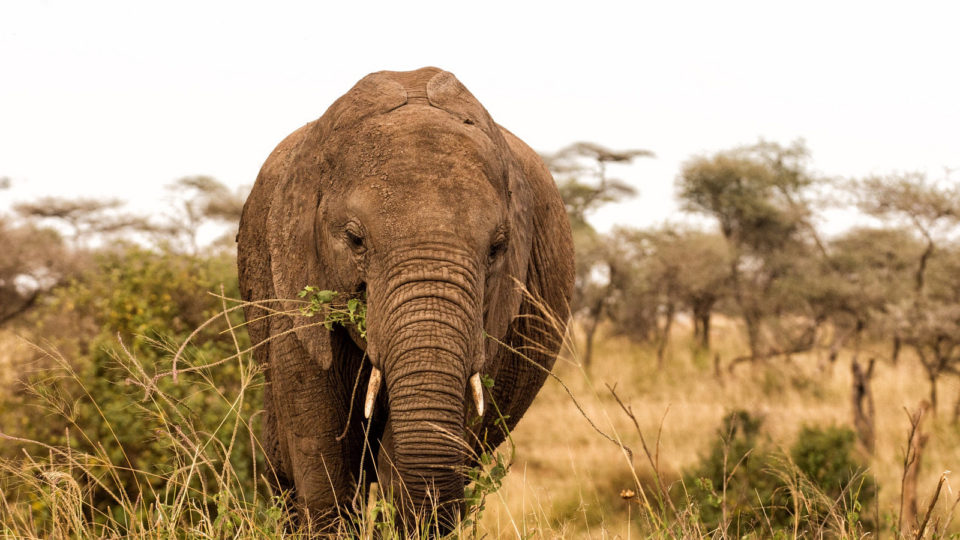
Growing human populations in Africa and Asia have created ever larger areas where elephants conflict with humans by trampling crops or causing other damage.  These conflicts have occasionally been tragic when people were trampled to death and there are serious consequences when crops are destroyed.  The individual elephants responsible for such destruction are often killed.

[Read more…] about An Elephant Repellant

Urban Darwinism

May 31, 2018 By EarthWise Leave a Comment

https://earthwiseradio.org/wp-content/uploads/2018/05/EW-05-31-18-Urban-Darwinism.mp3

Scientists refer to the time in which we now live as the Anthropocene epoch – one in which humans are exerting a tremendous influence upon the natural world.  One of the ways in which we are doing that is in our cities and suburbs where creatures are evolving through fast-paced natural selection to deal with our presence.

[Read more…] about Urban Darwinism

Whom Should We Save?

April 27, 2018 By EarthWise Leave a Comment

https://earthwiseradio.org/wp-content/uploads/2018/04/EW-04-27-18-Whom-Should-We-Save.mp3

The list of endangered species continues to get longer around the world and society is increasingly faced with the nearly impossible decision of which ones to take off life support.

[Read more…] about Whom Should We Save?

Upgrading The Doomsday Seed Vault

April 11, 2018 By EarthWise Leave a Comment

https://earthwiseradio.org/wp-content/uploads/2018/04/EW-04-11-18-Upgrading-the-Doomsday-Vault.mp3

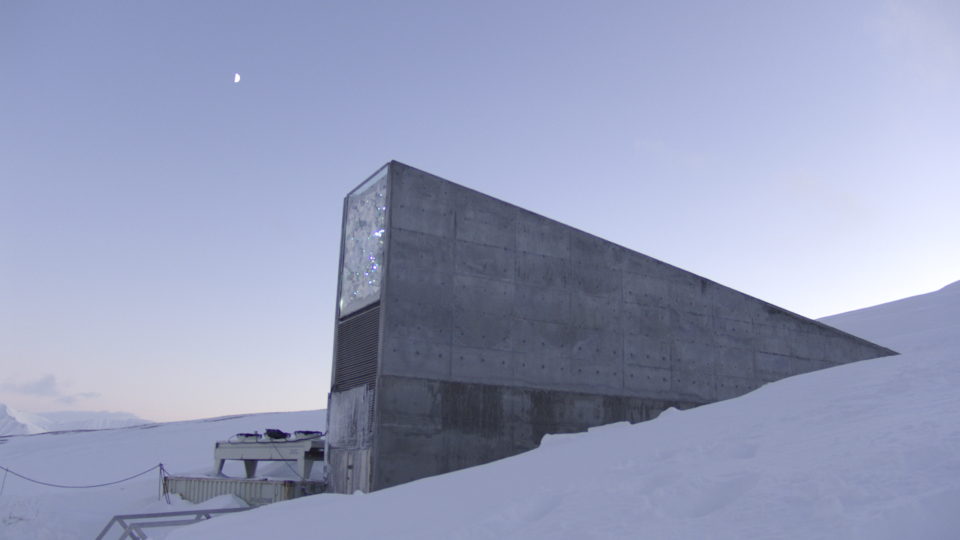
The Svalbard Global Seed Vault, located nearly 400 feet beneath the earth’s surface and fully funded by the Norwegian government, offers any government access to seeds in case of natural or man-made disaster.  It’s more often referred to as the Doomsday Seed Vault.  And ironically, it too is threatened by climate change.

[Read more…] about Upgrading The Doomsday Seed Vault

Endangered Orangutans

March 20, 2018 By EarthWise 1 Comment

https://earthwiseradio.org/wp-content/uploads/2018/03/EW-03-20-18-Endangered-Orangutans.mp3

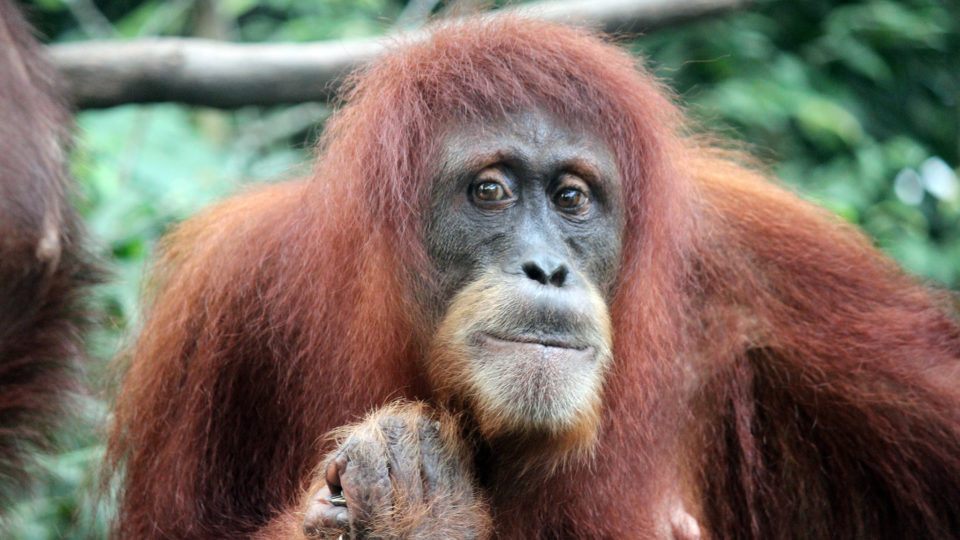
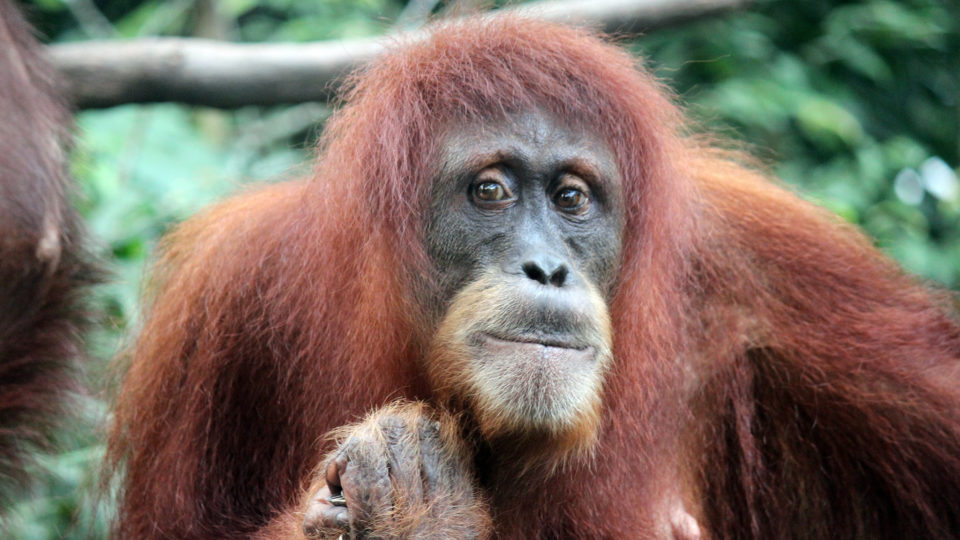
Orangutans are some of the planet’s most intelligent animals.  In fact, orangutans and human beings share 97% of their DNA sequence.  Orangutans can only be found in the wild in Southeast Asia on the Indonesian island of Sumatra and the island of Borneo, which is a landmass shared by Indonesia, Malaysia, and Brunei.  And while all orangutans are endangered, the critically-endangered Bornean orangutans are under exceptional duress. 

[Read more…] about Endangered Orangutans

  • « Go to Previous Page
  • Page 1
  • Interim pages omitted …
  • Page 7
  • Page 8
  • Page 9
  • Page 10
  • Page 11
  • Go to Next Page »

Primary Sidebar

Recent Episodes

  • An uninsurable future
  • Clean energy and jobs
  • Insect declines in remote regions
  • Fossil fuel producing nations ignoring climate goals
  • Trouble for clownfishes

WAMC Northeast Public Radio

WAMC/Northeast Public Radio is a regional public radio network serving parts of seven northeastern states (more...)

Copyright © 2026 ·