fish

DNA Analysis of River Water

DNA analysis has become commonplace and inexpensive. Millions of people have their DNA tested to learn about their origins and family connections. And the technology has spread to biological research in the form of Environmental DNA or eDNA, which is such a powerful tool that it is transforming the field of wildlife biology.
Coal Plants And Fish
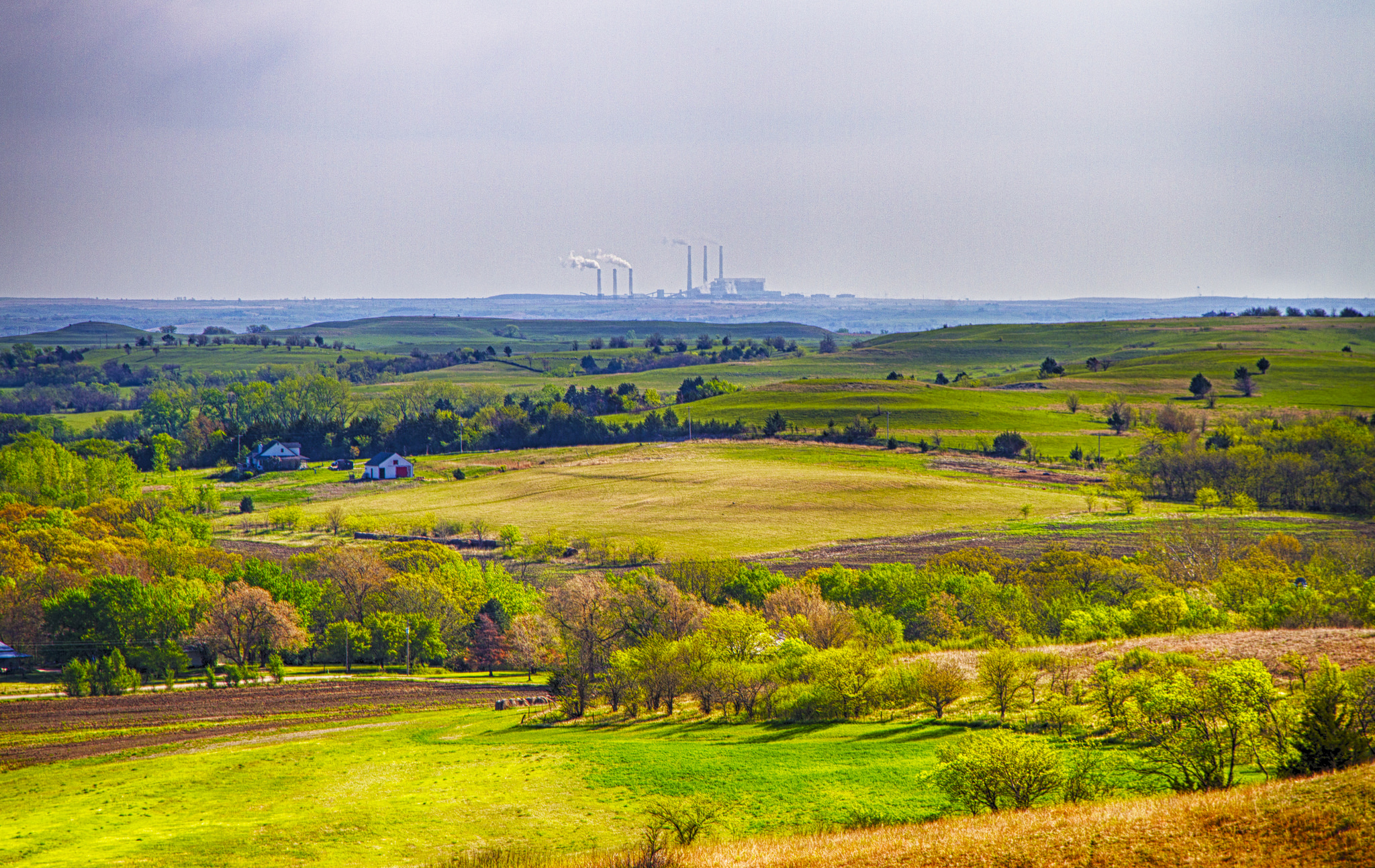
High levels of an element found in coal ash have been detected in fish in two lakes where Duke Energy coal-fired power plants are located, according to a peer-reviewed study at Duke University. The element, selenium, occurs naturally but is concentrated in coal ash.
Vanishing Vaquitas
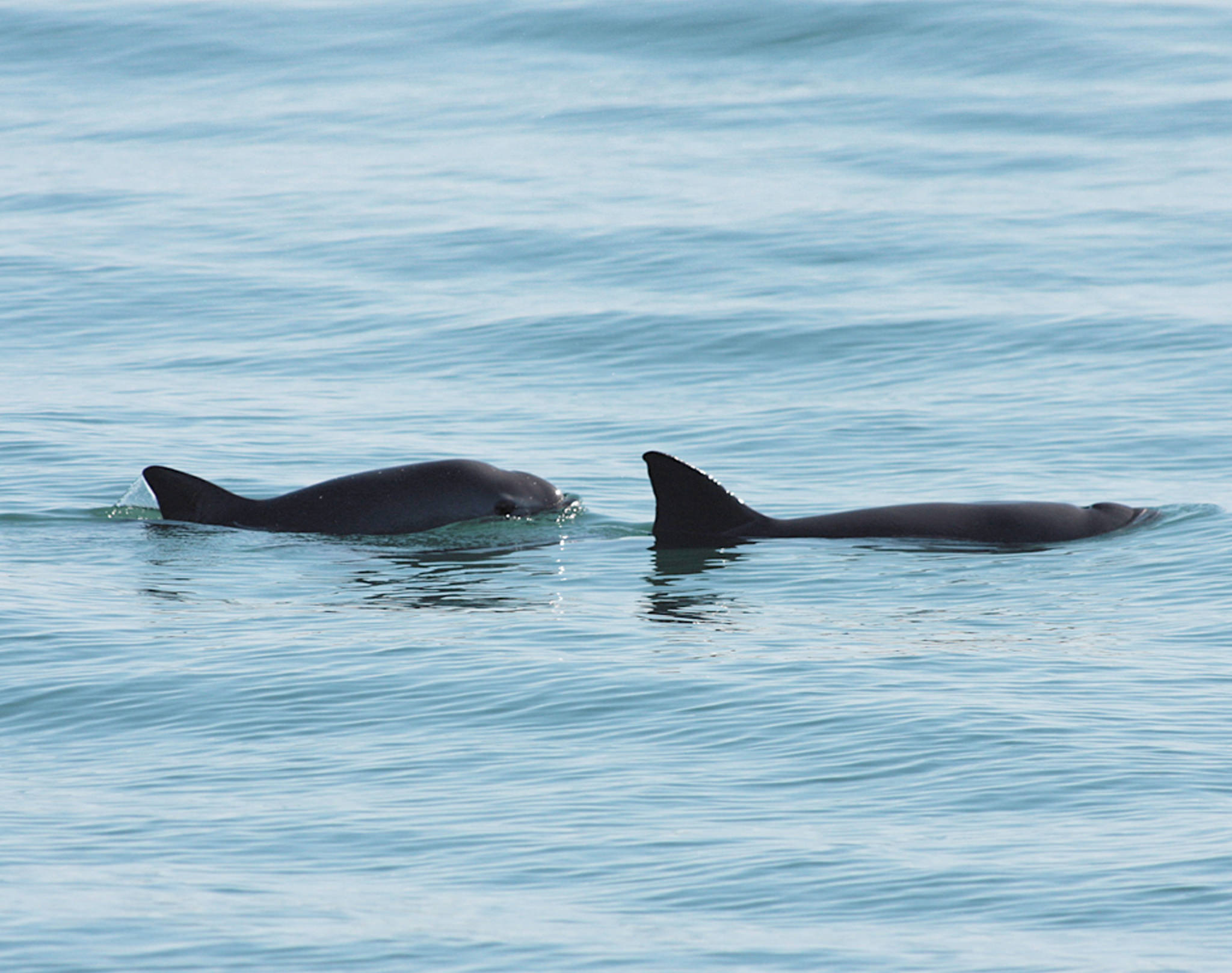
The world’s smallest porpoise – the vaquita – is in real trouble. According to a recent report by the International Committee for the Recovery of the Vaquita (or CIRVA), the vaquita population has plummeted to just 30 individuals –a 90% plunge since 2011 – despite international conservation efforts. The vaquita, which is found only in Mexico’s Upper Gulf of California, is the most endangered marine mammal on Earth and is on the doorstep of extinction.
Fish On The Move
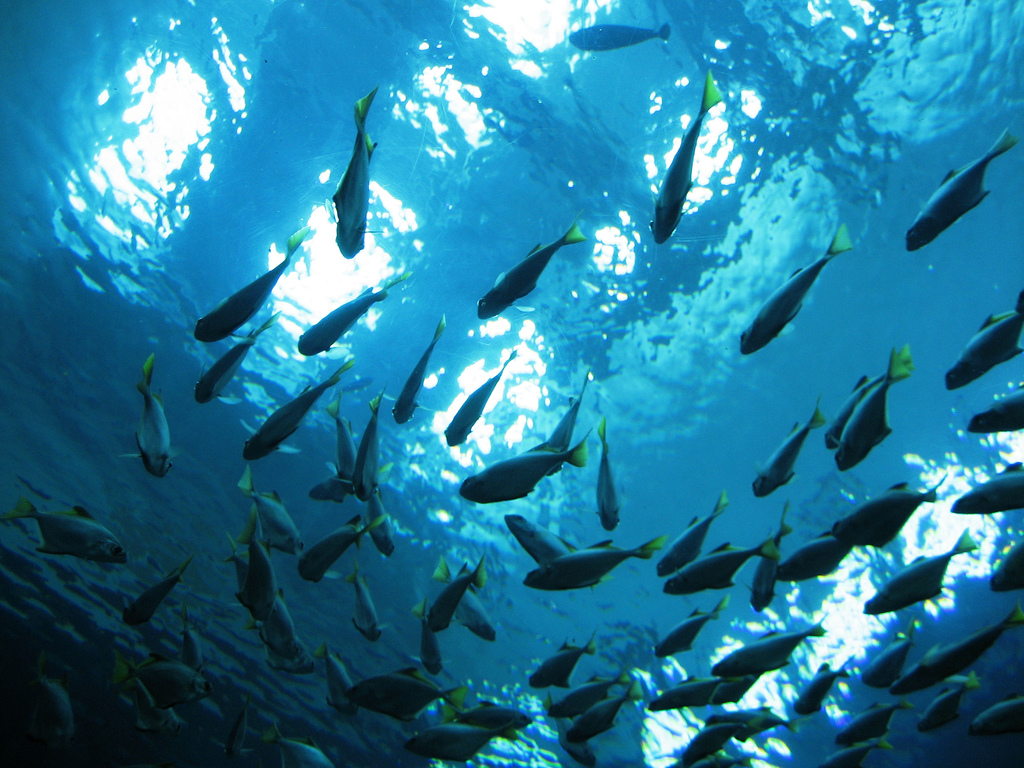
As the oceans warm, many kinds of fish are on the move, seeking cooler and deeper water. Because of this, the fishing industry is struggling with antiquated regulations that are not moving as fast as the climate is changing.
Climate Change And Fish
According to a recent study published in the journal Global Change Biology, rising CO2 levels in the ocean can disrupt the sensory systems of fish and can even make them swim toward predators and ignore the sounds that normally deter them from risky habitats.
Why Do Animals Eat Ocean Plastic?
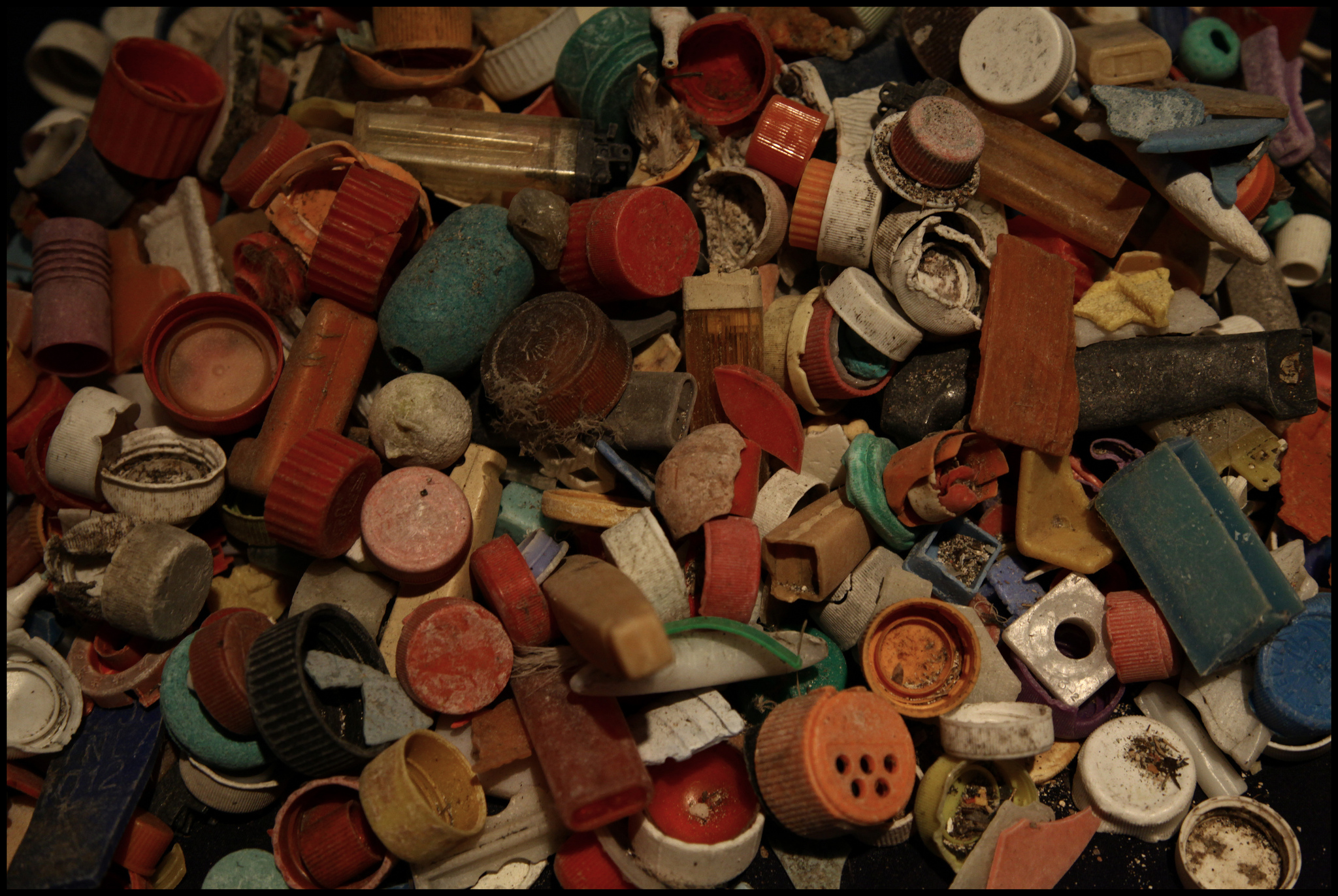
It’s no secret that there is a lot of plastic debris in our oceans. In fact, scientists estimate that there is more than 165 million tons of plastic trash swirling about in our oceans today, with an additional 8.8 million tons flowing in every year. And as the oceans swell with plastic litter, hundreds of marine species are ingesting the stuff – often with dire consequences.
Restorative Ocean Farming
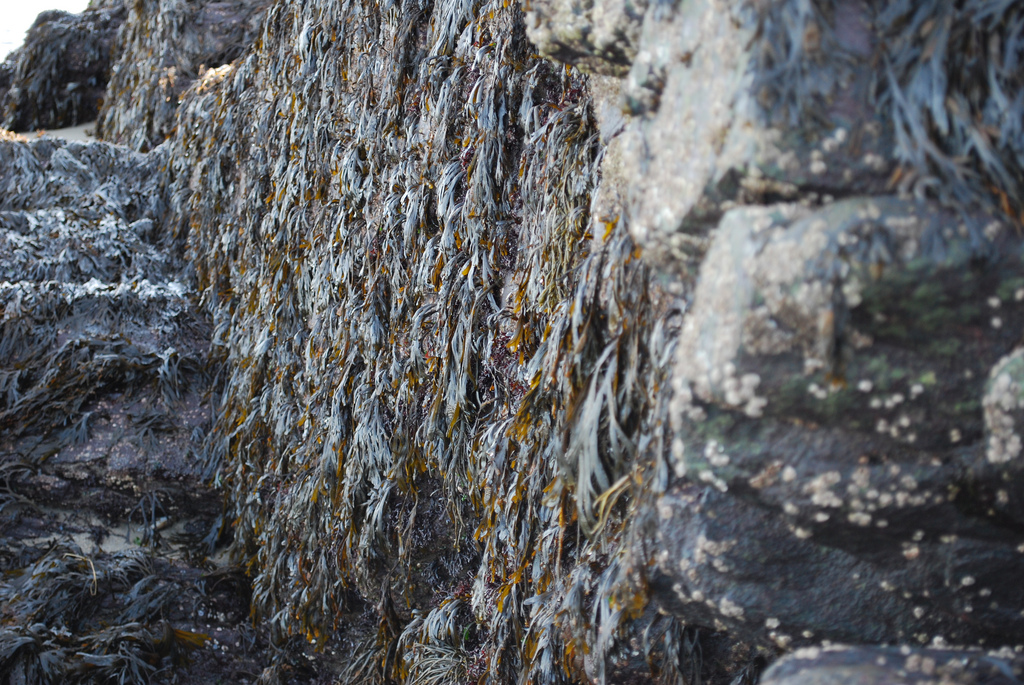
The conventional aquaculture industry has often been associated with many of the same problems that beset land-based agriculture: creating sterile monocultures, fouling the environment with pesticides, antibiotics and organic pollutants, and spreading diseases.
Repurposing Ocean Plastic
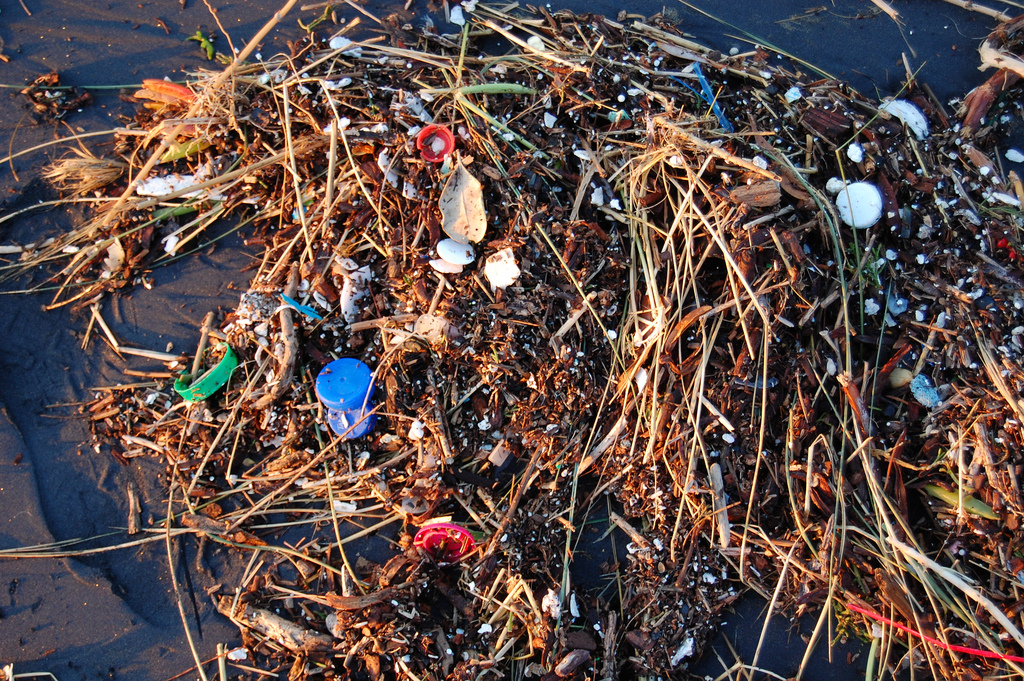
Scientists estimate that there is more than 165 million tons of plastic swirling about in our oceans today. And another 8.8 million tons of plastic ends up in oceans every year. According to a recent report from the World Economic Forum and the Ellen MacArthur Foundation, there could be more plastic by weight than fish by 2050 if current trends continue.
Whale Sharks
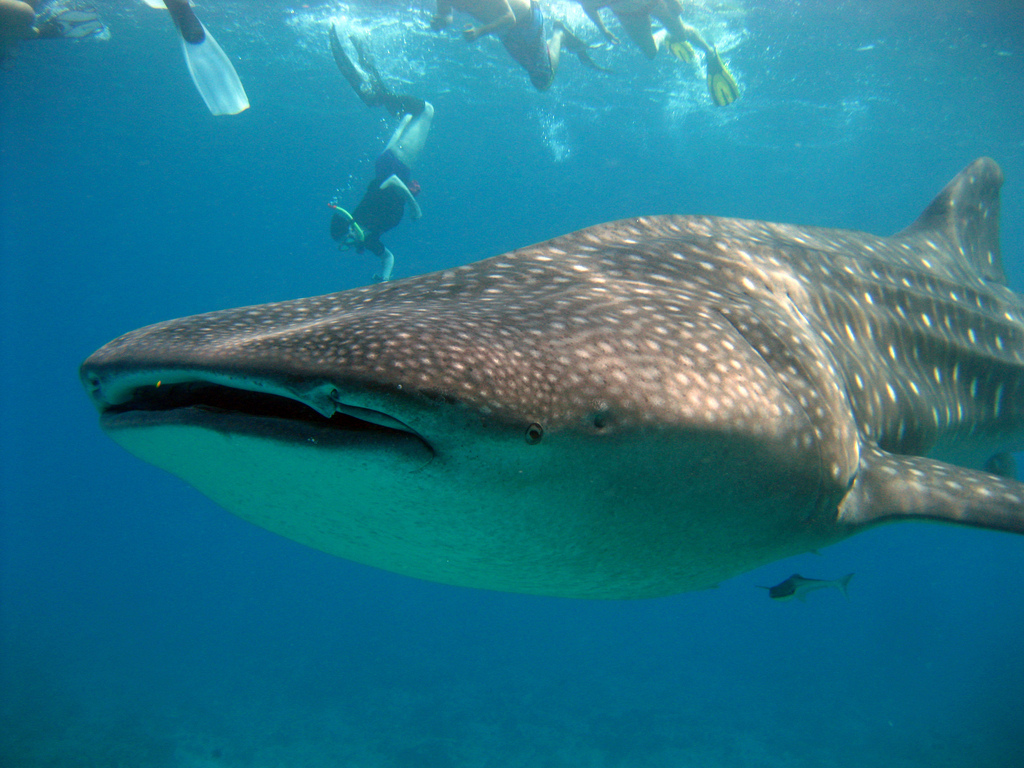
Whale sharks are the largest fish in the sea. They can grow more than 40 feet in length, weigh up to 47,000 lbs, and have a lifespan of about 70 years. They can be found cruising in the open waters of tropical oceans. But despite being enormous, whale sharks are no threat to humans. The docile beasts, which feed almost exclusively on plankton, have often been referred to as “gentle giants.”
Sharks In Hot Water
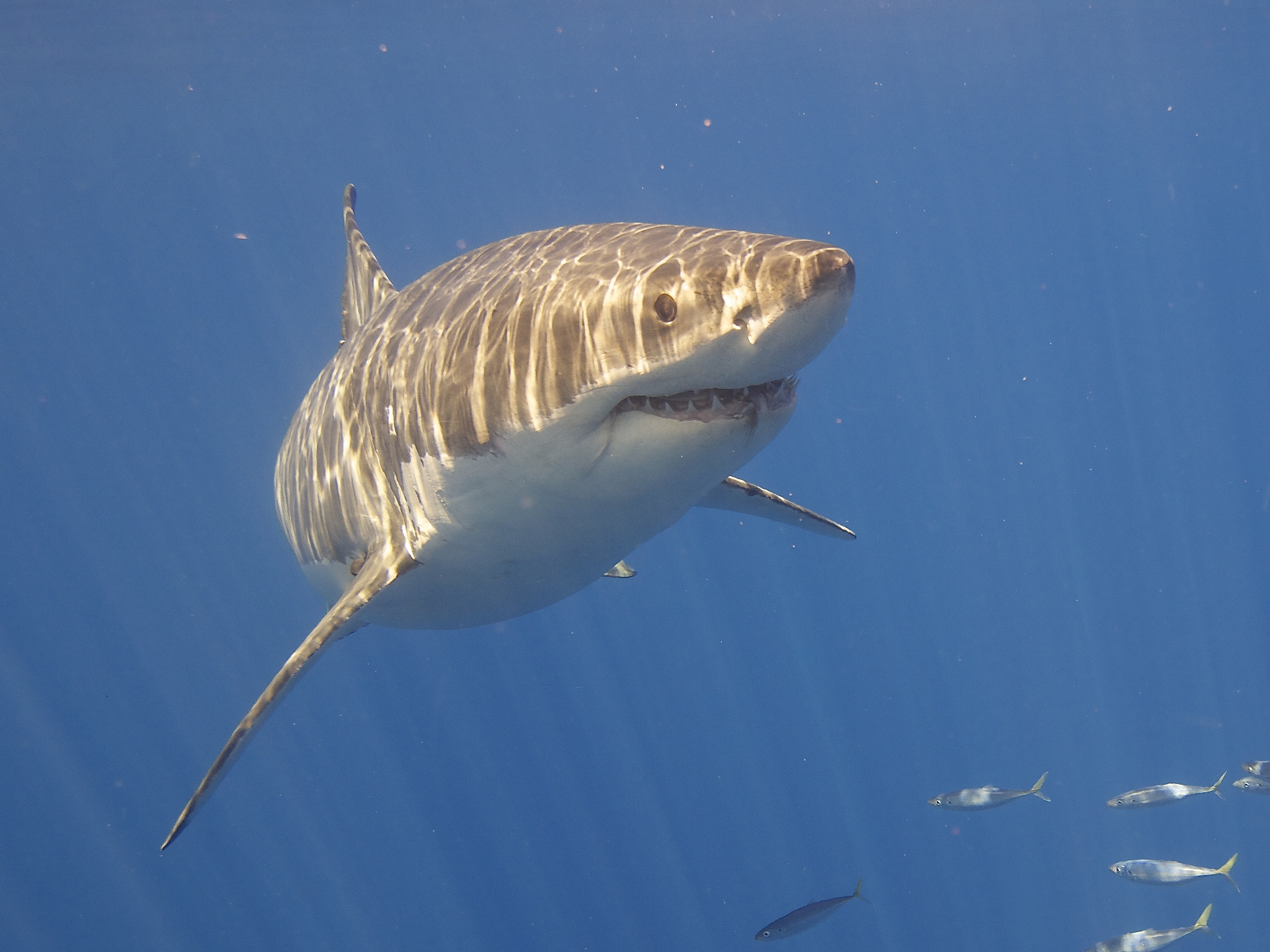
The majestic great white shark has been around for a very long time. Its evolutionary origin dates back 14 to 16 million years. And while great whites still enjoy decent populations off the coasts of Canada, Australia, and the United States, the same can’t be said for South Africa’s great whites.
Some Good News For Coral Reefs
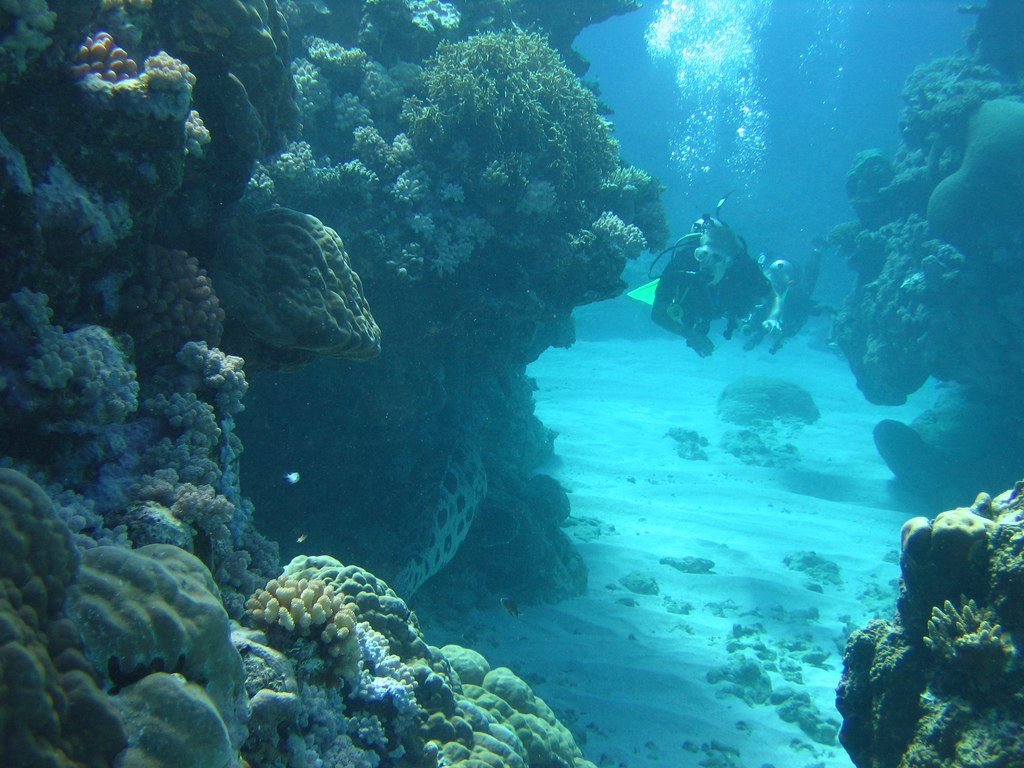
Most recent news about coral reefs around the world has been bad news. There has been unprecedented coral bleaching in places like Australia’s Great Barrier Reef. The effects of climate change – including warming temperatures and rising seas – as well as the recent El Niño event have led to damaged reefs across the globe.
Young Fish Eat Microplastics
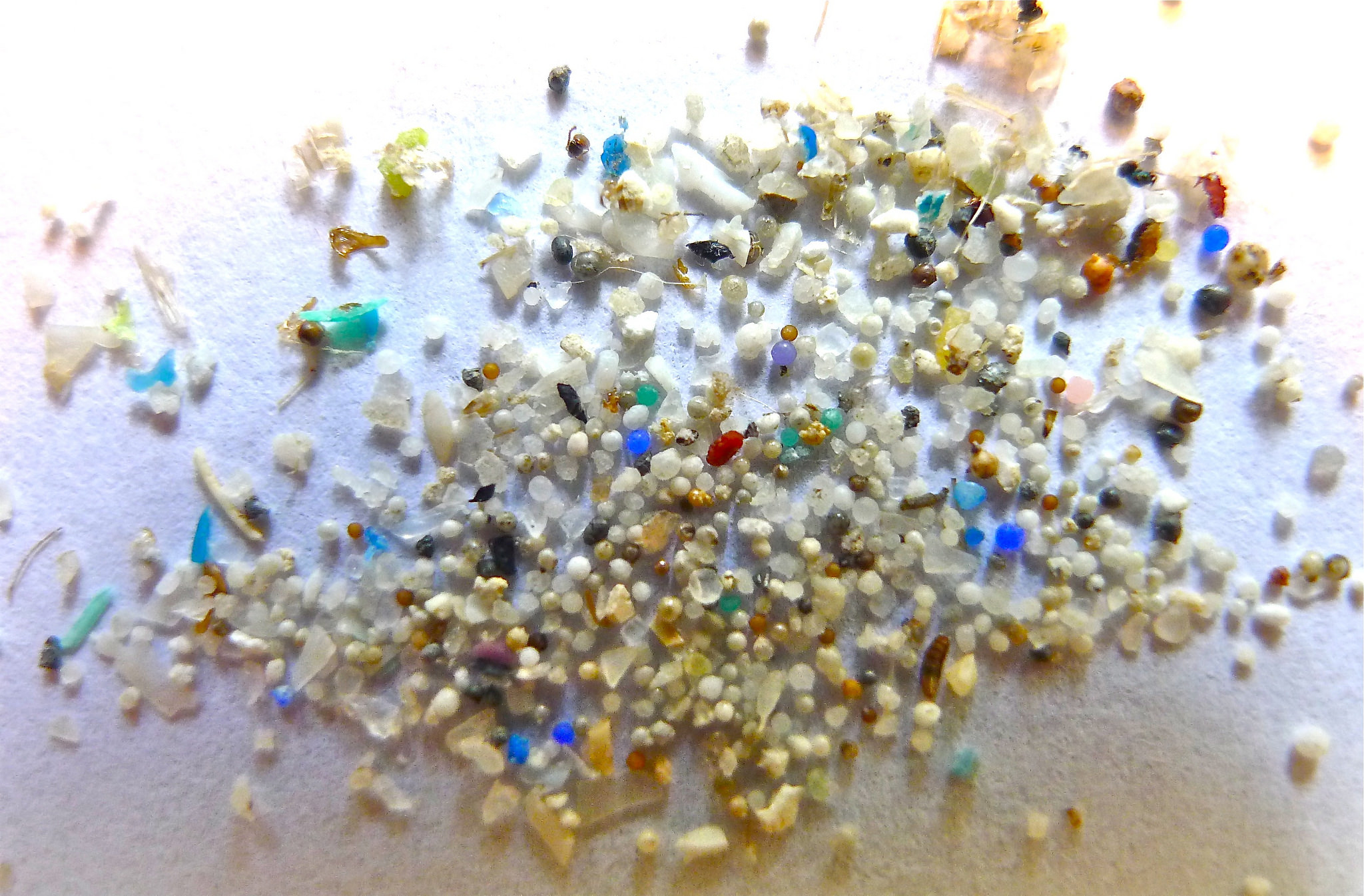
We have talked before about the increasing problem of microplastics polluting the oceans. Much of the small plastic particles result from the breakdown of plastic litter such as plastic bags, packaging and other materials. Another source is microbeads, which are often found in health products such as face scrubs and even some toothpastes.
Sunscreen And Coral Reefs
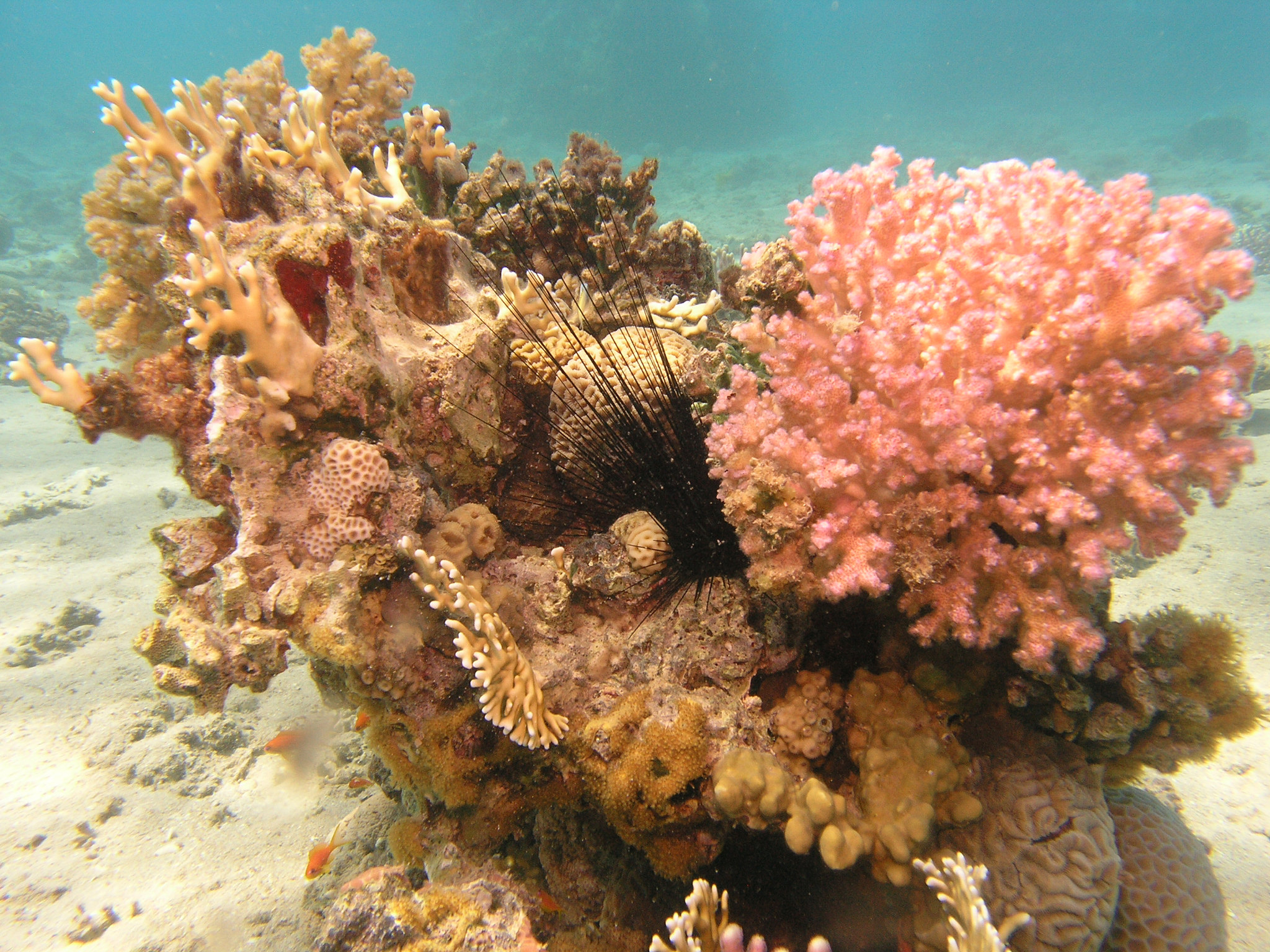
Coral reefs are great tourist attractions. Nearly a million species of fish, invertebrates and algae live in these biodiversity hotspots and they generate billions of dollars yearly from the tourism industry.
Testing The Ocean Cleanup Array

It’s no secret that our oceans are full of plastic. Plastic trash can be found on up to 88% of the oceans’ surfaces, with most of the debris concentrated in the top two meters of water. The plastics gather in certain areas of the ocean due to the swirling nature of ocean currents, known as gyres. Some of these concentrations, such as the infamous Great Pacific Garbage Patch, are so large they can be seen from space.
The State Of The Birds

The North American Bird Conservation Initiative recently released its annual “State of the Birds’ report, which is a comprehensive analysis of North American birds. And as with many other things these days, we’re not doing well.
The BP Oil Spill
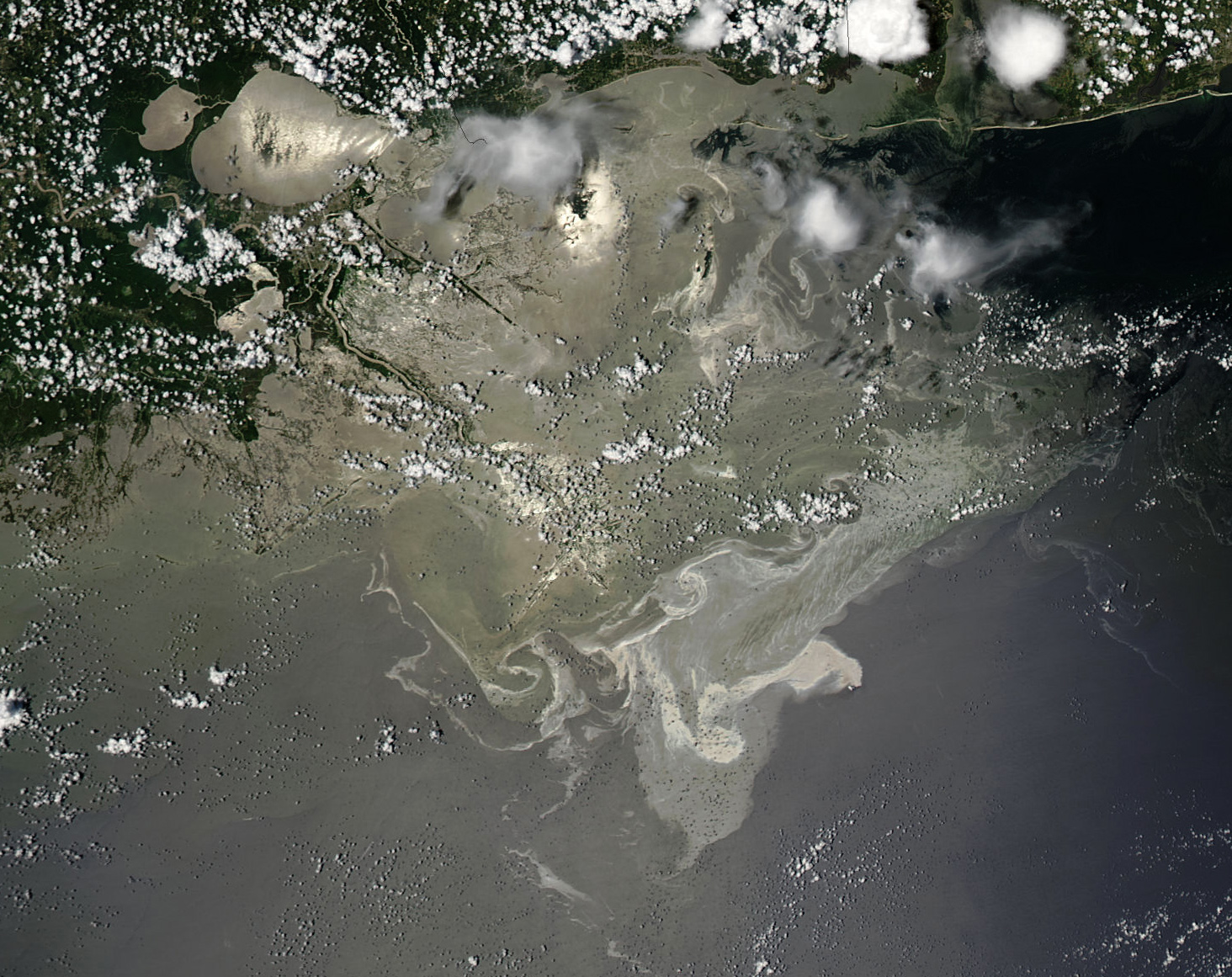
In 2010, an explosion on the BP-owned Deepwater Horizon drilling rig released more than 200 million gallons of oil into the Gulf of Mexico. Some of the oil was recovered, burned, or dispersed at sea, while some washed up onto the shorelines of Texas, Louisiana, Mississippi, Alabama, and Florida.
Stop Putting Food Waste Down The Drain
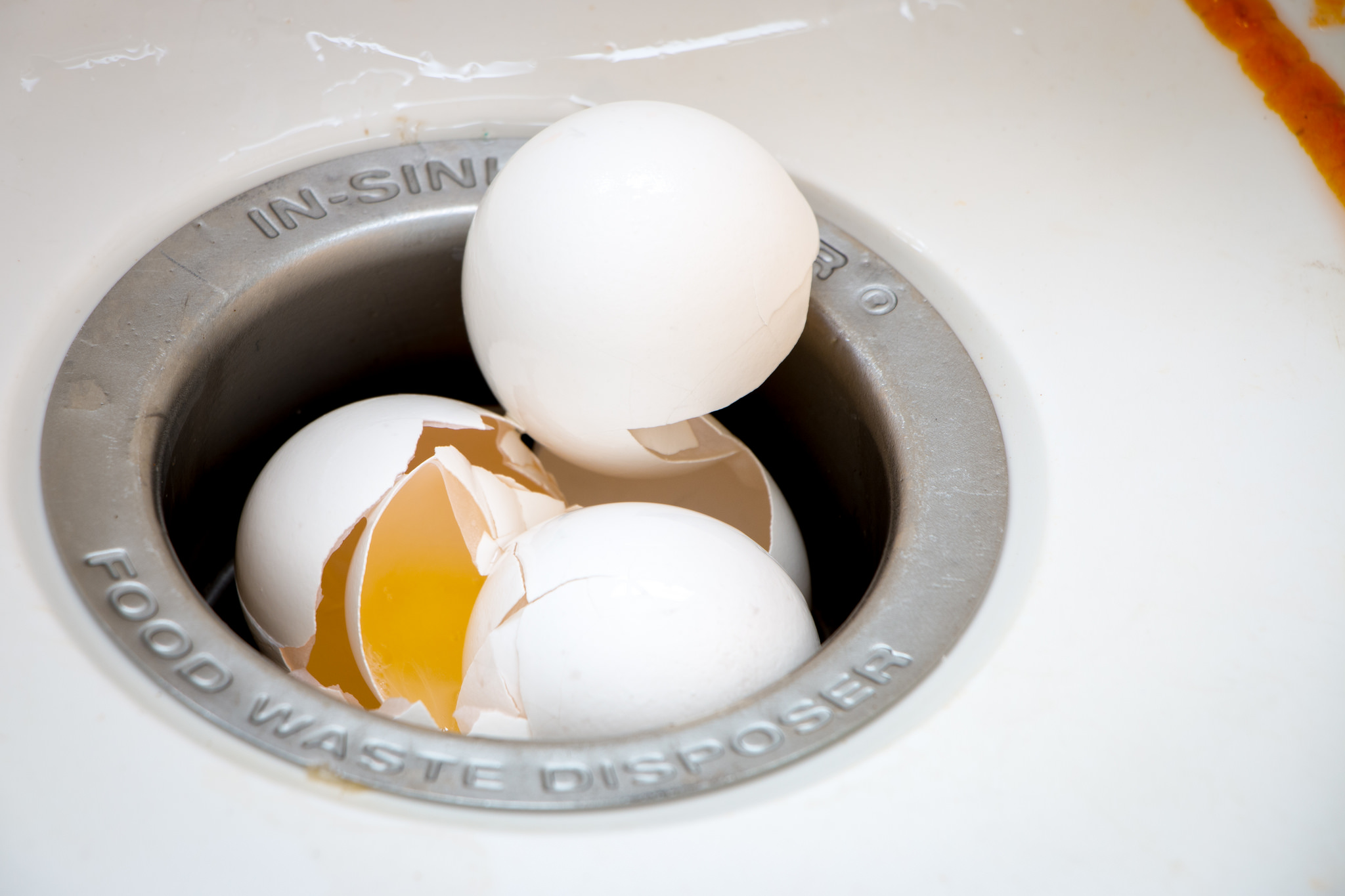
Should we really be putting food scraps down our sinks? Advertisements for kitchen garbage disposals assure us that these devices are a ‘hygienic way of eliminating waste and keeping odors at bay’ – but behind marketing materials questions remain.
Seafood Fraud

Food fraud means selling food products that have misleading labels, descriptions or promises that give consumers substandard, less desirable, counterfeit, and sometimes even dangerous products. This sort of thing has gone on throughout history. It leaves consumers feeling duped and distrustful and sometimes can lead to people eating foods that violate religious or moral values or that result in allergic reactions.
Cyanide Fishing
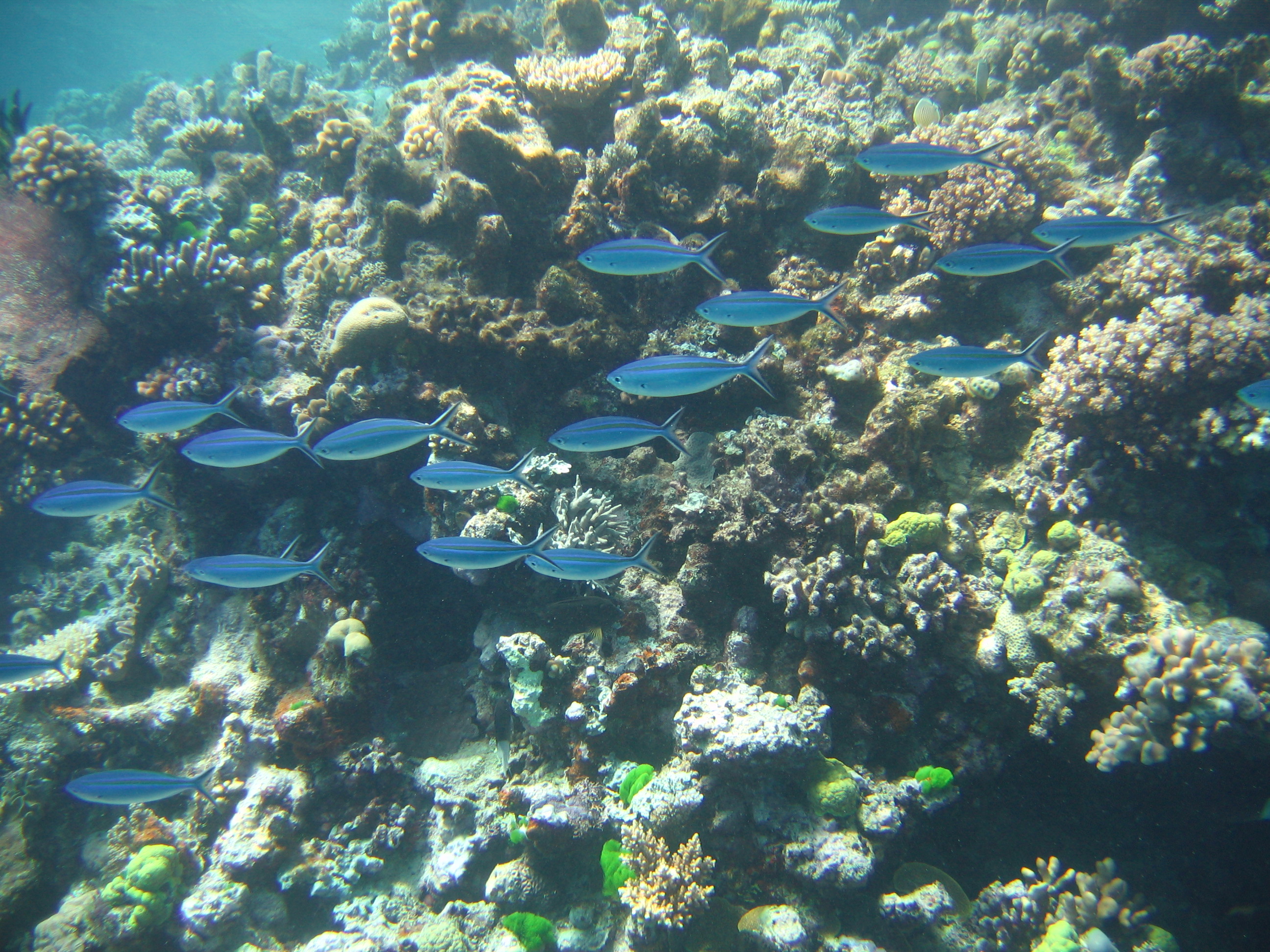
Most people listening to this have seen a saltwater aquarium before, and many of those likely owned one at some point. Maybe you still do. The bright coral and even brighter fish can be found in offices, restaurants, hotels, and homes all over the world.