fish
Better Ways To Fish
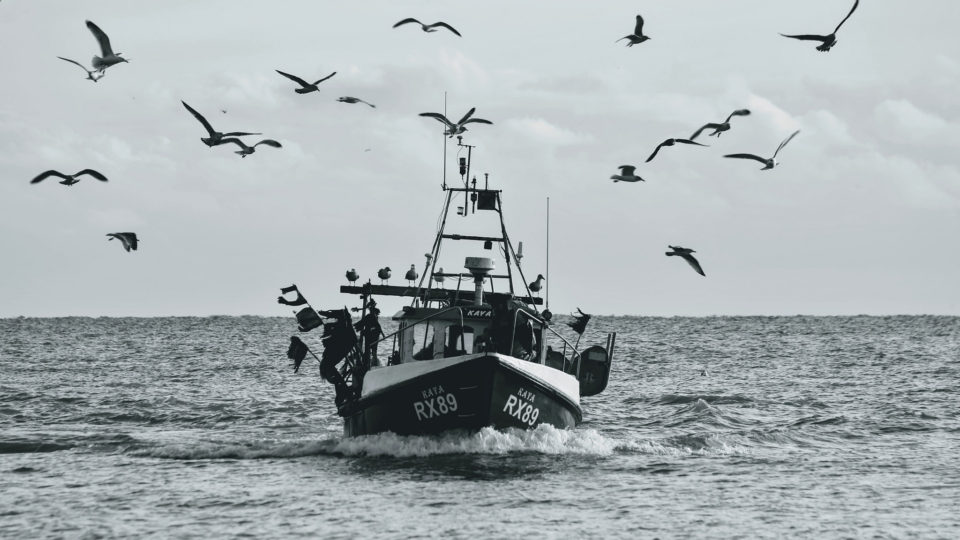
A recent study published in Fisheries Research looked at the effectiveness and level of waste for various categories of fishing gear used in the global fishing industry.
Hunting Grizzly Bears
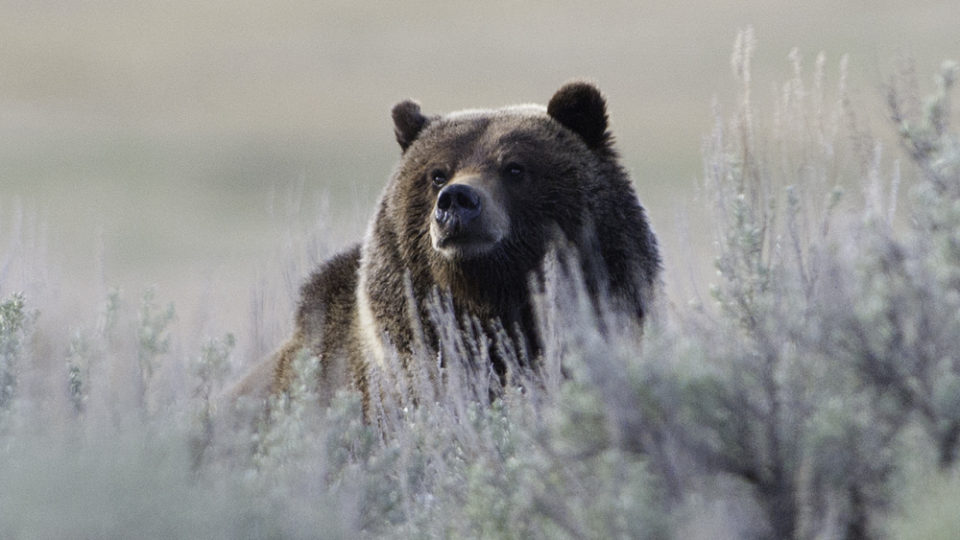
One year ago, the U.S. Department of the Interior announced that the grizzly bear population in the Yellowstone area would be delisted from the Endangered Species Act, and more recently, announced that those federal protections would not be restored.
Microplastics In Soil
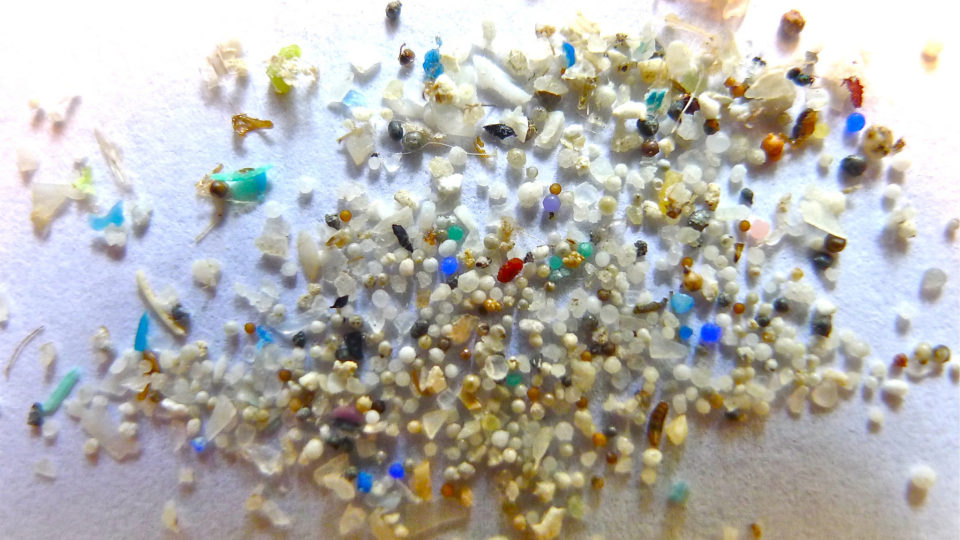
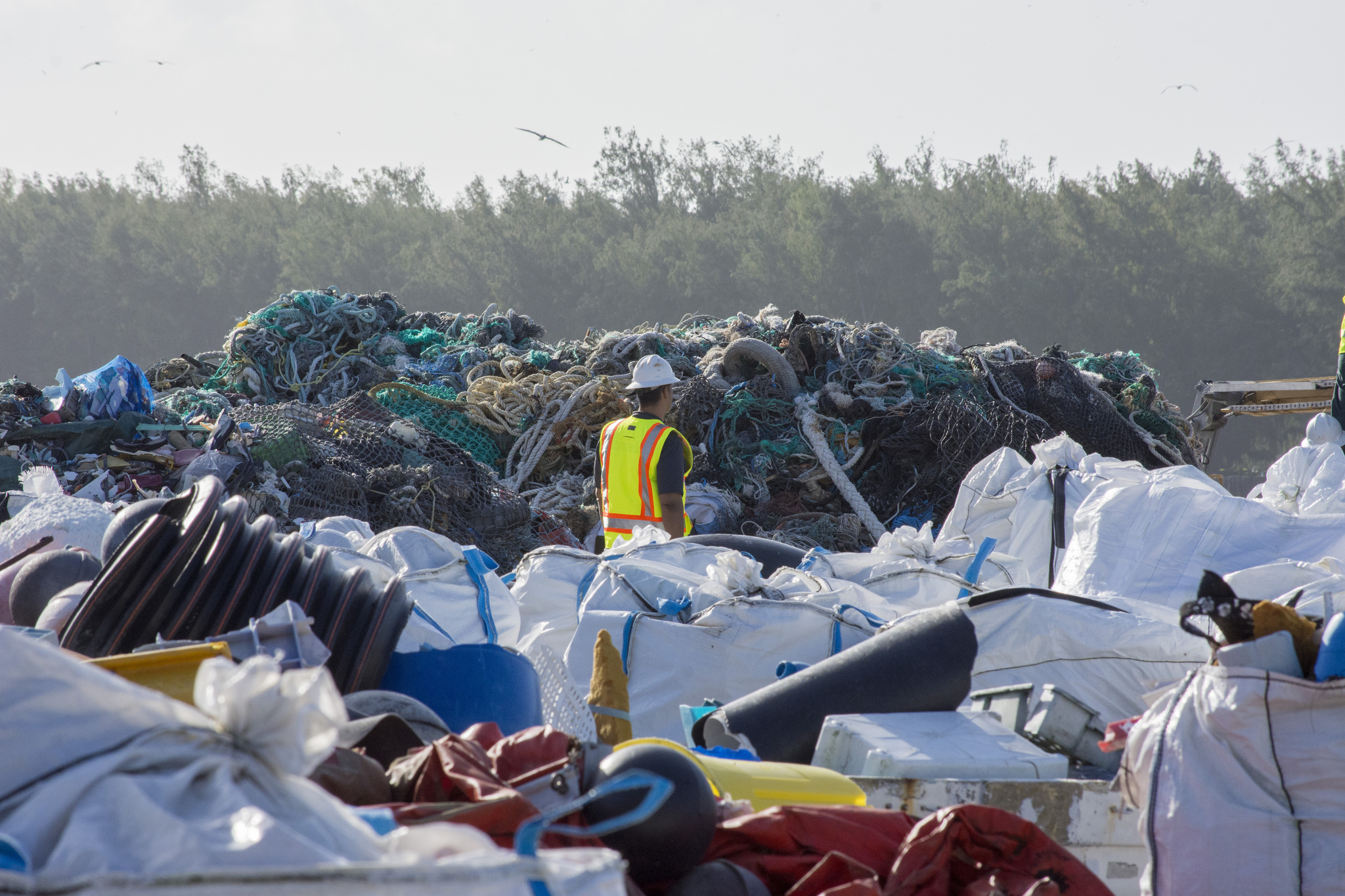
Many of us are well aware of the environmental challenge faced because of the proliferation of plastics. Since plastic does not decompose naturally, most of it remains in our environment. Only 12% has been incinerated and only 9% has been recycled. A great deal of plastic ends up in the ocean and other bodies of water. Much of it breaks down into small particles – microplastics – which are now ubiquitous in the oceans. There are also microplastics that started out that way in the form of little beads used in the cosmetics industry. Studies have found microplastics in the bodies of 73% of fish from the North Atlantic.
A Robot Fish
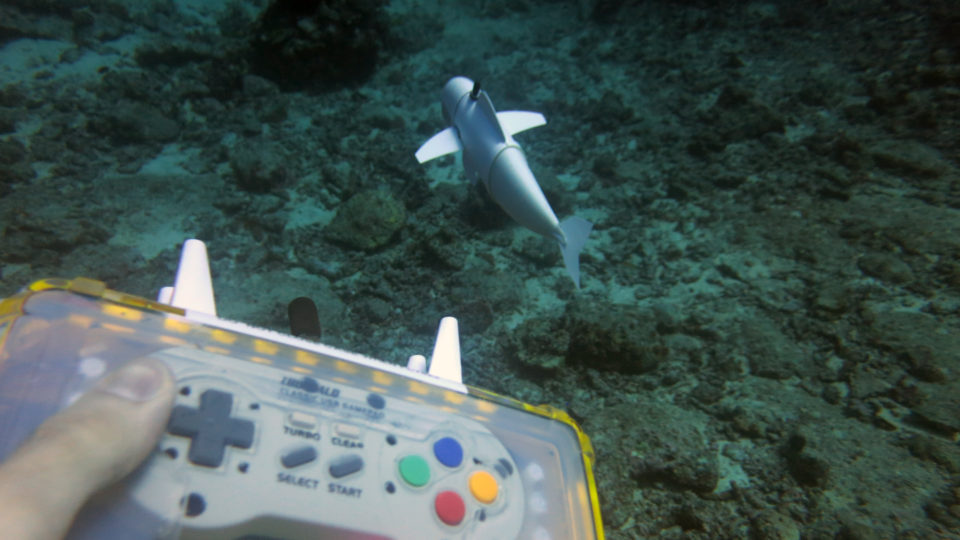
Scientists studying marine life have to figure out ways to get cameras into areas that are too dense or dangerous for people to enter. This often means sending delicate equipment into places where collisions are both likely and damaging and that equipment is generally tethered to ships or other objects. To really see what is going on in the underwater world, a better approach is needed.
Fewer Snowbird Sharks
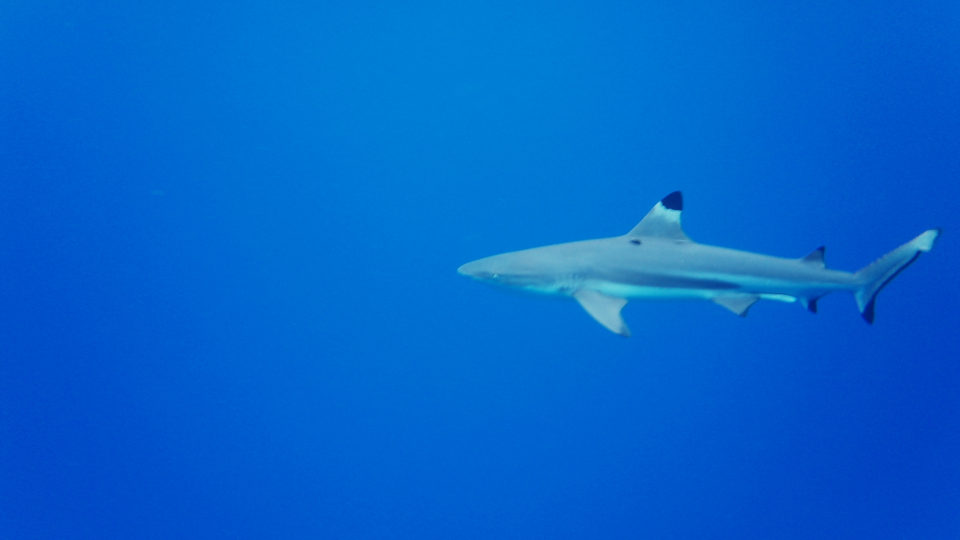
Blacktip sharks are snowbirds, to use a cross-species metaphor. At least, they usually are. The males of the species swim south to southern Florida during the coldest months of the year and head back north to North Carolina in the spring to mate with females.
Fish In Small Lakes
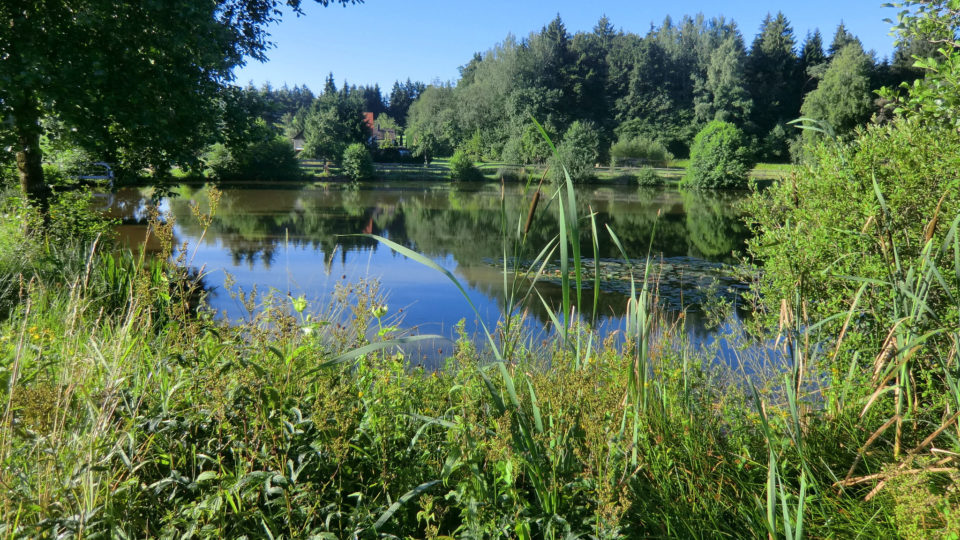
There are millions of lakes on our planet. Many are quite large such as the Great Lakes in our country and Lake Victoria in Africa, but one-third of the world’s standing water is contained in lakes and ponds of 25 acres or less. Many of these lakes are found in remote, often mountainous areas with no inflow and outflow. Nevertheless, in most of these lakes there are fish.
Deepwater Aquaculture
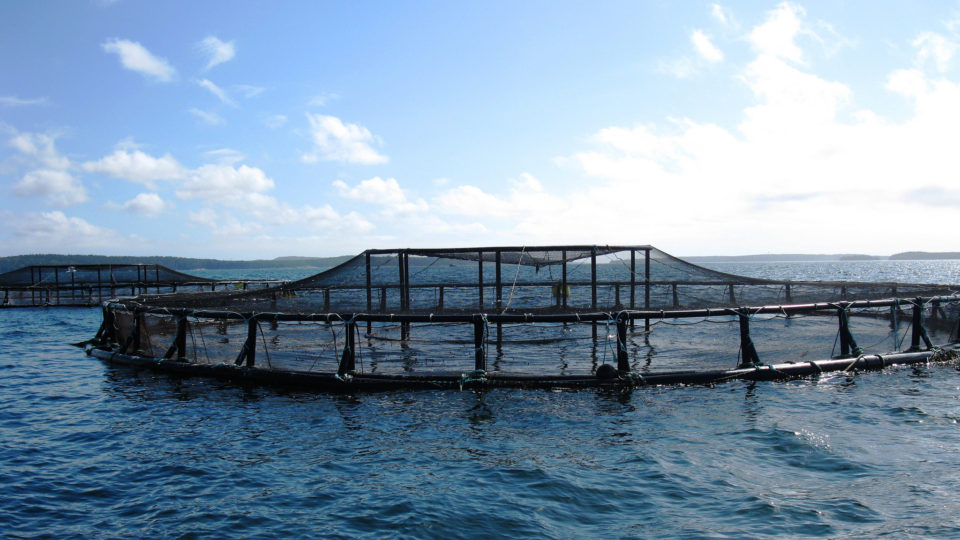
Near-shore fish farms have created many environmental problems. Raising large numbers of fish creates concentrations of fish waste and sea lice, which can adversely impact near-shore ecosystems.
Disappearing Kelp Forests
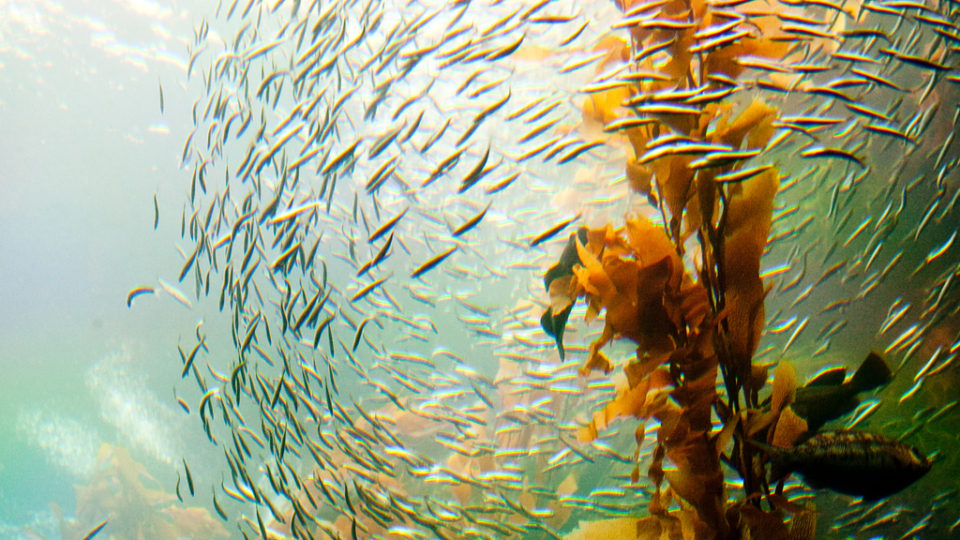
In recent decades, ocean temperatures in many places have warmed by nearly 3 degrees Fahrenheit. An effect of this warmer water is the decimation of what were once luxuriant giant kelp forests in eastern Australia and Tasmania. There used to be thick canopies covering much of the region’s coastal sea surface, but they have wilted in the intolerably warm and nutrient-poor water.
A Philippine Coral Reef Survives
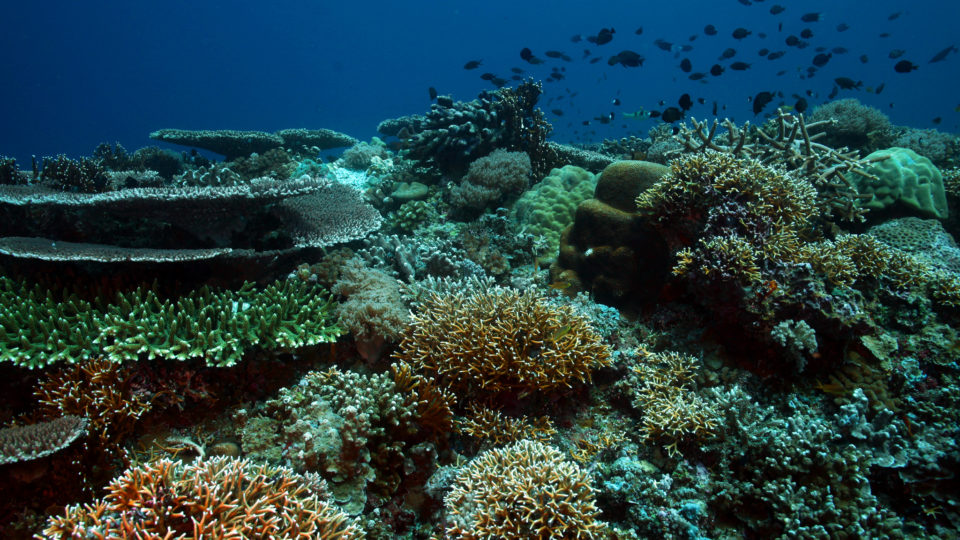
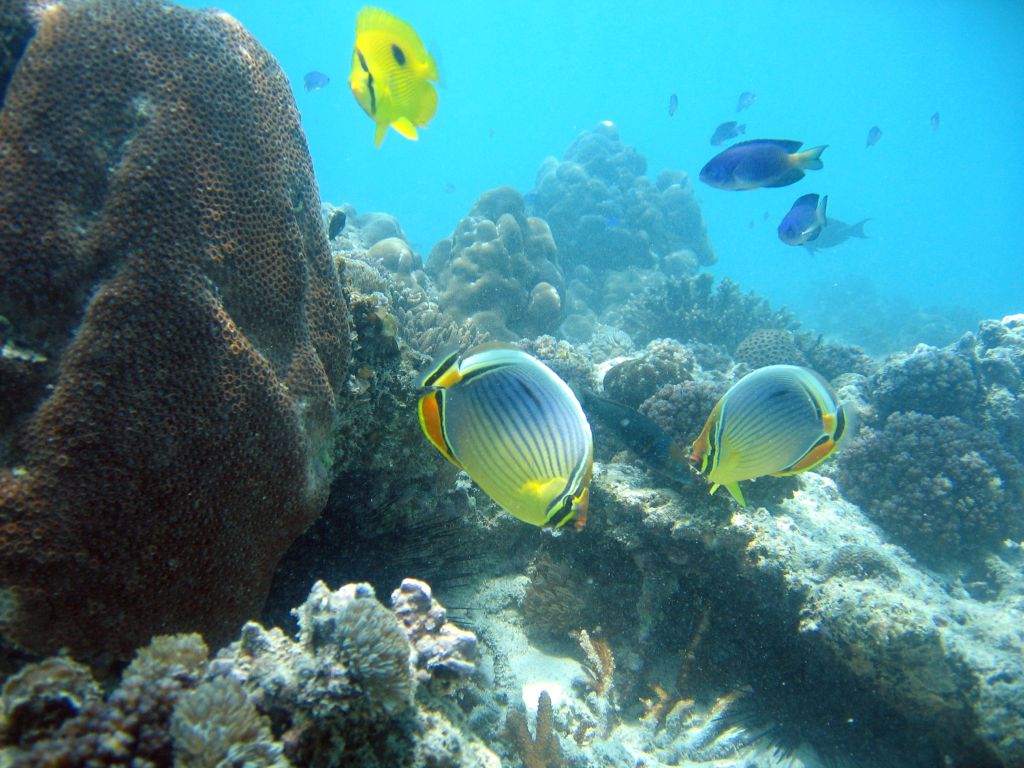
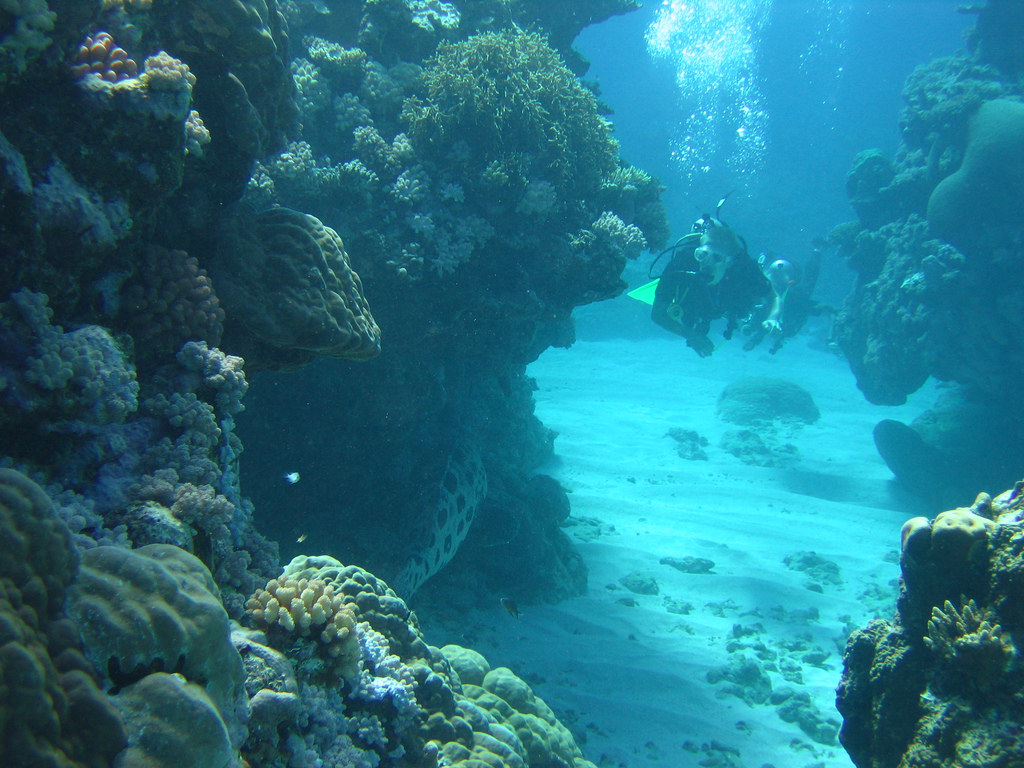
One of the greatest coral reef ecosystems in the world, the Tubbataha Reef in the Philippines, continues to prosper. Undersea coral walls that plunge more than 300 feet deep are home to some 600 species of fish and 360 kinds of coral, about half of all known species. According to experts, the ocean wilderness of Tubbataha Reef is about the closest thing to a true natural state for any reef in the world.
Is Sustainable Seafood Really Sustainable?
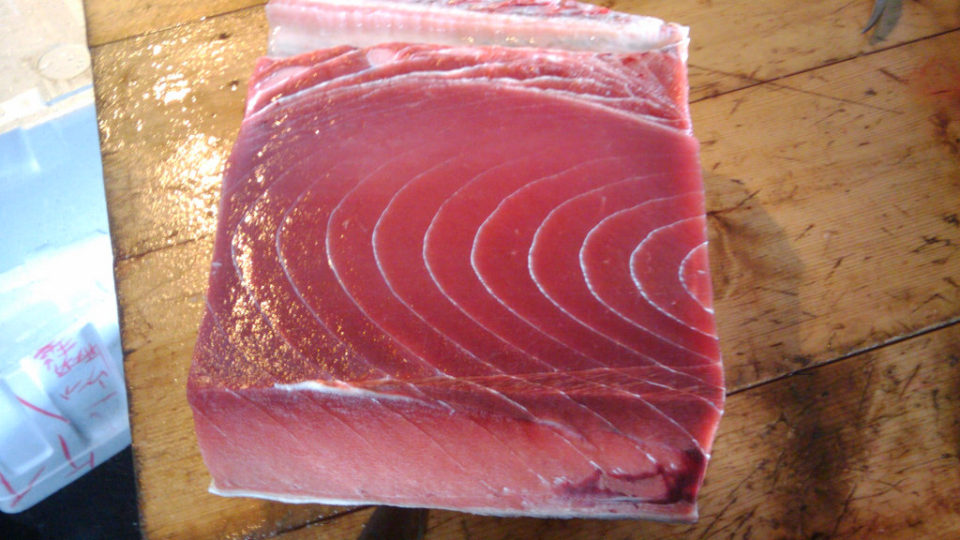
Tuna is perhaps the most popular seafood. We eat it out of a can, we splurge on high-end sushi, and we prepare it in many other ways. Some species of tuna are over-fished and some fishing methods are unsustainable. As concerned consumers, we would like to know what sort of tuna we are eating.
[Read more…] about Is Sustainable Seafood Really Sustainable?