
• Skip to primary navigation
  • Skip to main content
  • Skip to primary sidebar

Earth Wise

A look at our changing environment.

  • Home
  • About Earth Wise
  • Where to Listen
  • All Articles
  • Show Search
Hide Search
You are here: Home / Archives for crops

crops

The Atmosphere Is Thirstier | Earth Wise      

May 9, 2022 By EarthWise Leave a Comment

The American West is in the throes of a two-decade-long drought.  The climate there is getting warmer and drier, which has led to increasing demand for water resources from both humans and ecosystems.  According to a new study by the Desert Research Institute and collaborators, the atmosphere across much of the U.S. is also demanding a greater share of water than it used to.

Evaporative demand, which is also called atmospheric thirst, is a measure of the potential loss of water from the earth’s surface up to the atmosphere.  It is a function of temperature, humidity, wind speed, and solar radiation.  The study, published in the Journal of Hydrometeorology, assessed trends in evaporative demand during a 40-year period from 1980-2020.

The study’s findings showed substantial increases in atmospheric thirst across much of the Western U.S. over that period, with the largest increases centered around the Rio Grande and Lower Colorado rivers.  This is important because atmospheric thirst is a persistent force in pushing Western landscapes and water supplies toward drought.

The study found that, on average, increases in temperature were responsible for 57% of the changes observed in atmospheric thirst, humidity 26%, and the other factors playing lesser roles.

For farmers and other water users, increases in atmospheric thirst mean that, in the future, more water will be required to meet existing water needs.  Crops already require more water than they did in the past and can be expected to require more water in the future.  Over time, for every drop of precipitation that falls, less and less water is likely to drain into streams, wetlands, aquifers, or other water bodies.

**********

Web Links

New study shows robust increases in atmospheric thirst across much of U.S. during past 40 years

Photo, posted August 9, 2007, courtesy of William Clifford via Flickr.

Earth Wise is a production of WAMC Northeast Public Radio.
Birds Bees And Coffee | Earth Wise

May 3, 2022 By EarthWise Leave a Comment

Biodiversity adds value to agriculture

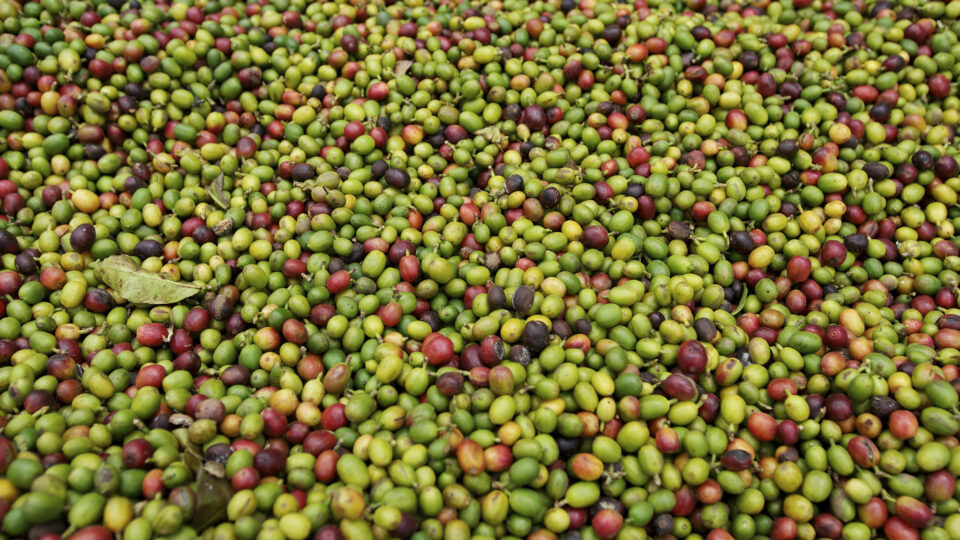
A new study by the University of Vermont in collaboration with researchers from three Latin American countries looked at the effects of birds and bees on coffee crops.  They found that coffee beans are bigger and more plentiful when birds and bees team up to protect and pollinate coffee plants.

The real-world study manipulated coffee plants across 30 farms by excluding birds and bees with a combination of large nets and small lace bags.  They looked at four scenarios:  bird activity alone (pest control), bee activity alone (pollination), no bird and bee activity at all, and a natural environment where birds and bees were free to pollinate and eat insects that otherwise damage coffee plants.

The study looked at fruit set, fruit weight, and fruit uniformity – important factors that determine the quality and price of the coffee crop.  The results were that the combined positive effects of birds and bees were greater than their individual effects.   Without birds and bees, the average coffee yield on the farms declined nearly 25%.  That is important information for the $26 billion coffee industry.

A surprising result of the study is that many birds providing pest control to coffee plants in Costa Rica had migrated thousands of miles from Canada and the U.S.

Previous studies looked at the benefits of natural factors separately and then added them up.  But the new study demonstrates that nature is an interacting system with both synergies and trade-offs.  Past assessments of individual ecological services may have underestimated the benefits biodiversity provides to agriculture and human wellbeing.  Ecosystems services are more valuable together than separately.

**********

Web Links

The Secret to Better Coffee? The Birds and the Bees

Photo, posted March 2, 2012, courtesy of Caroline Gluck/Oxfam via Flickr.

Earth Wise is a production of WAMC Northeast Public Radio.

A Historic Western Drought | Earth Wise

April 1, 2022 By EarthWise Leave a Comment

A historic drought in the American west

The American Southwest has suffered from drought conditions since the year 2000.  The drought has reduced water supplies, devastated farmers and ranchers, and it has helped to fuel numerous wildfires across the region.  It has generally been considered to be worst in 500 years.

According to a recent analysis, the drought has become so severe that it has actually led to the driest two decades in at least 1,200 years and the changing climate is largely responsible.  The summer of 2021 was especially dry; about 2/3 of the West was in severe drought conditions.

Scientists at UCLA used tree ring data to gauge drought.  Based on that analysis, 2000-2021 is the driest 22-year period since 800 A.D. which is as far back as the data goes.

The study confirmed the role of temperature, more than precipitation, in driving exceptional droughts.  Precipitation levels can go up and down over time and can vary in different regions.  But the ongoing emissions of greenhouse gases into the atmosphere are causing temperatures to generally rise over time.  Warmer temperatures make the air more capable of pulling water out of the soil, out of vegetation, out of crops, and out of forests.  All of that makes drought conditions more severe.

A megadrought is generally considered to be one that is both severe and long.  But even during one, there can be wet years.  2005 was a notable one.  But there must be enough consecutive wet years to actually end a drought.

Several previous megadroughts over the past 1,200 years lasted as long as 30 years.  So, the current drought is in full swing and may go on for a long time to come.

**********

Web Links

How Bad Is the Western Drought? Worst in 12 Centuries, Study Finds.

Photo, posted September 25, 2021, courtesy of David Sierralupe via Flickr.

Earth Wise is a production of WAMC Northeast Public Radio.
Healthy Soil Is Healthy For People | Earth Wise

March 30, 2022 By EarthWise Leave a Comment

Regenerative agriculture is better for people and the planet

A new study by researchers at the University of Washington looked at the impact of regenerative farming practices on the nutritional content of the food that is grown. 

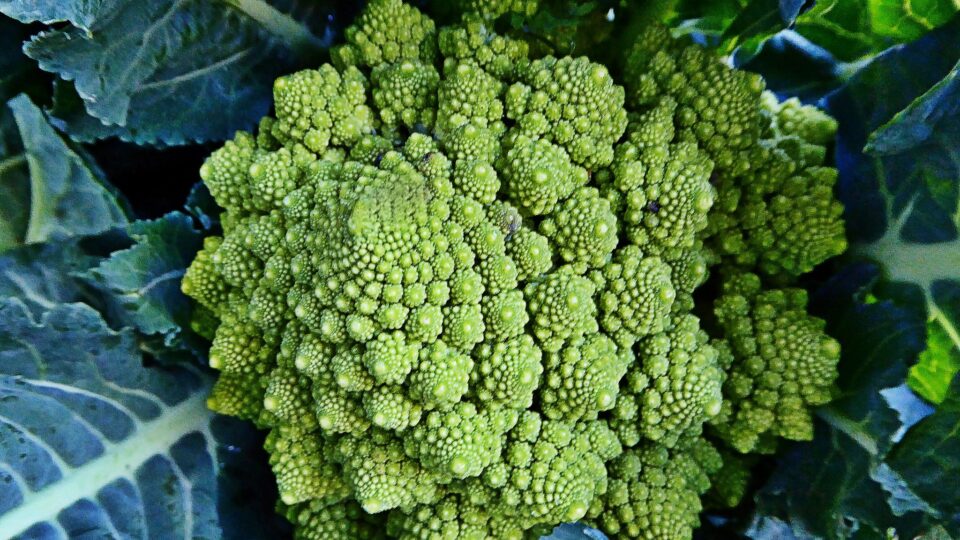
Regenerative agriculture involves farming practices that not only “do not harm” to the land but actually improve it by regenerating and revitalizing the soil.  The practices focus on topsoil regeneration, increasing biodiversity, improving the water cycle, and enhancing ecosystem services.  Examples are soil-building techniques that minimize plowing, the use of cover crops, and the planting of diverse crops rather than monocultures.

The study included 10 farms across the U.S. that followed soil-friendly practices for at least five years. The results were that the crops from those farms had a healthier nutritional profile than the same crops grown on neighboring, conventional farms.  In particular, there was a boost in certain minerals, vitamins and phytochemicals that are beneficial to human health.  Across the board, regenerative practices resulted in crops with more anti-inflammatory compounds and antioxidants.

The participating farms grew one acre of a test crop – peas, sorghum, corn, or soybeans – for comparison with the same crop grown on a neighboring farm using conventional agriculture.  Analysis showed that the farms practicing regenerative agriculture had healthier soils, as measured by their organic matter – or carbon – content and by other tests. 

Organic farms avoid chemical pesticides, but they operate with a variety of farming processes.  Nonetheless, they have also been found to produce crops with higher levels of beneficial nutrients.  The biology of the soil in which crops are grown is an important factor for human health.  It isn’t just what we eat that matters; it is how we grow it.

**********

Web Links

Farms following soil-friendly practices grow healthier food, study suggests

Photo, posted January 10, 2020, courtesy of Les via Flickr.

Earth Wise is a production of WAMC Northeast Public Radio.
An Indoor Farm In Upstate New York | Earth Wise        

March 11, 2022 By EarthWise Leave a Comment

Indoor farms to help feed the world

Vertical farming is the practice of growing crops in vertically stacked layers, generally under controlled environments and using soilless farming techniques like hydroponics, aquaponics, and aeroponics.   Vertical farms are housed in structures such as buildings, shipping containers, tunnels, and abandoned mineshafts.

The potential advantages of vertical farms are that they are very efficient in terms of the amount of land required to produce a given amount of crop, they are resistant to weather, and they allow crops to be produced in close proximity to where they will be used.

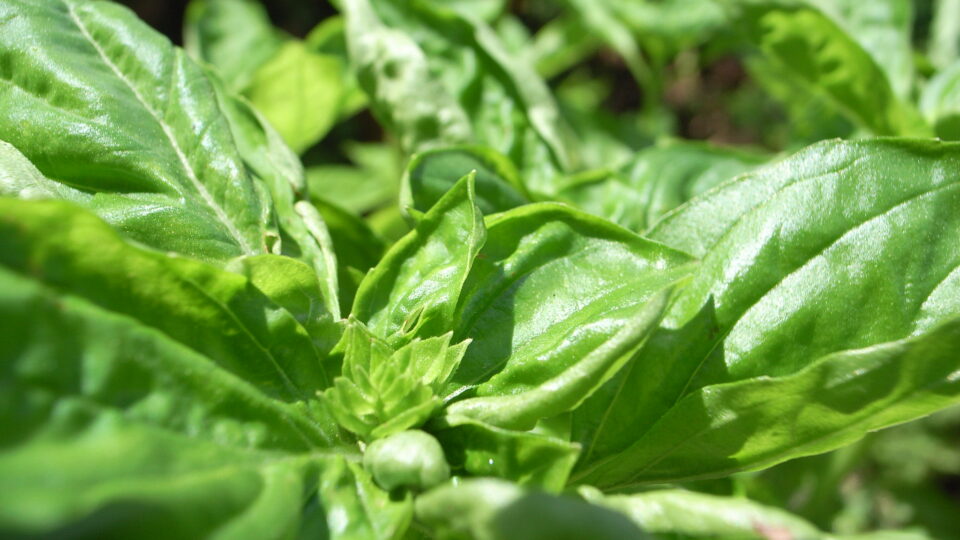
The vacant third floor of a building in downtown Glens Falls, New York is about to become the home of a small vertical farm.  The facility will be used to hydroponically grow things like fresh basil, lettuce, and fruits to be used by nearby restaurants.  In fact, the first floor of the building is a restaurant that will be a customer for the crops growing upstairs.  Other local restaurants are likely to benefit as well.

Th pilot program is being funded by a grant from the Smart Cities Innovation Partnership that the city applied for in 2020.  Glens Falls is partnering with Re-Nuble, a New York City-based renewability and sustainability firm.  Apart from the vertical farm project, Re-Nuble also advises on reduction of food waste by composting and on the selection of energy-efficient equipment.

The pilot program will run for a year and the results will be used for scaling it up to a larger vertical farm.  Vertical farms like these are not intended to replace conventional farms but can supplement the existing food stream and provide items that are hard to obtain during the year.

**********

Web Links

Glens Falls is fitting a farm inside a downtown building

Photo, posted July 15, 2007, courtesy of Toshiyuki Imai via Flickr.

Earth Wise is a production of WAMC Northeast Public Radio.
Crops Threatened With Extinction | Earth Wise

January 4, 2022 By EarthWise Leave a Comment

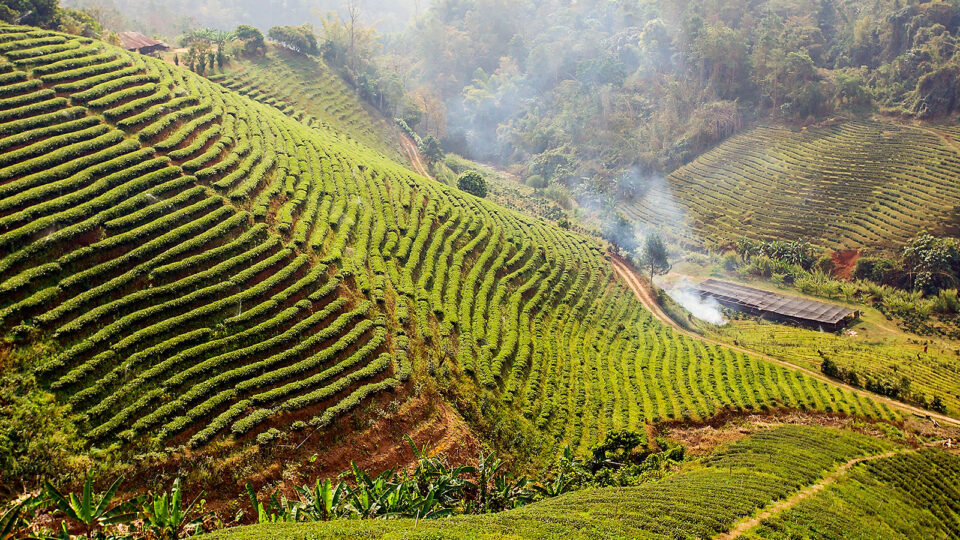
Crop variety and diversity are critically important for global food security as well as for the livelihoods of millions of people.  This diversity entails both the different species of food crops as well as the so-called farmer varieties of crops that in many cases have been cultivated and safeguarded for millennia.

It is well-known that many of these crops and varieties have been rapidly disappearing, but data has been scarce on just how many have been lost, how many we are losing, and which ones are the most threatened going forward.

A new study utilizes a methodology known as the Varietal Threat Index, which was developed by the Alliance of Bioversity International and CIAT, the International Center for Tropical Agriculture.  The study assessed about 600 farmers from seven Indian states, covering five different agroecological areas.  The farmers were selected based on their knowledge of crops and varieties across the 17 study sites.

The farmers listed the crops and varieties grown in their households, noted their uses, and indicated their spread and abundance, including information on varieties grown during the previous ten years which were no longer grown.

The results of the study showed that while there is a significant diversity of landraces – which are local varieties of species developed over time – more than 50% are threatened.  The trend is that crops and varieties mostly used for consumption are most often under threat, whereas varieties with multiple uses are less likely to be threatened.

Studies of this type can aid the development of targets and indicators to monitor the global status of plant genetic resources for food and agriculture and help inform urgent priority conservation actions.

**********

Web Links

More than half of surveyed crop varieties are under threat of extinction, according to study in India

Photo, posted February 21, 2014, courtesy of Atibordee Kongprepan via Flickr.

Earth Wise is a production of WAMC Northeast Public Radio.
Climate Change And Crops | Earth Wise

December 22, 2021 By EarthWise Leave a Comment

Climate change will impact yield of food crops

A new NASA study published in the journal Nature Food looks at the impact of global climate change on food crops.  According to the study, declines in global crop yields are likely to become apparent by 2030 if high greenhouse gas emissions continue.

The study used advanced climate and agriculture models to predict the effects of projected increases in temperature, shifts in rainfall patterns, and elevated surface carbon dioxide concentrations from human-caused greenhouse gas emissions.

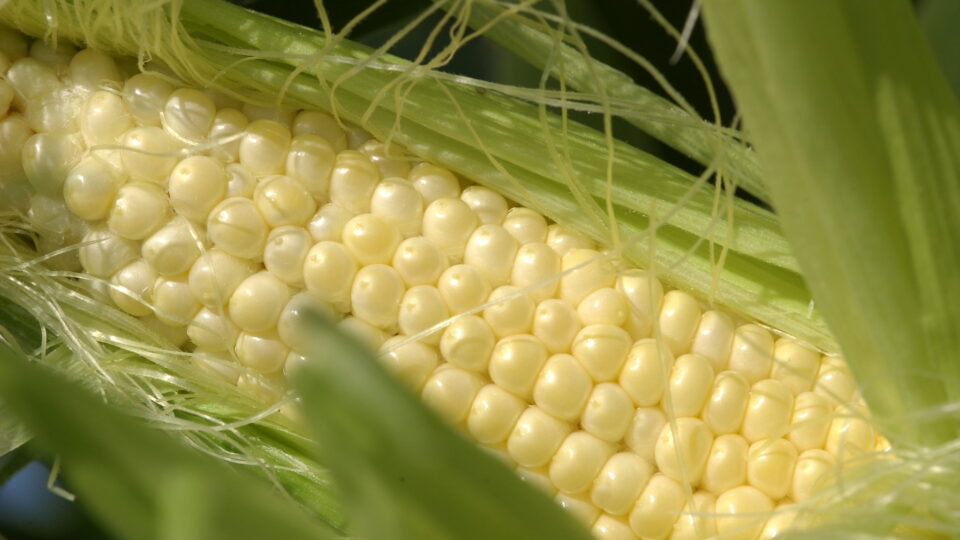
These climate changes would make it more difficult to grow corn in the tropics but would actually expand wheat’s growing range.  The reduction in corn yields could be as much as 24% by late in the century.   Corn Is grown all over the world and large quantities are produced in countries nearer to the equator.  As temperatures rise in countries such as the US, Brazil, and China, yields are likely to decline because of the increased stress on the plants.

Wheat, which grows best in temperate climates may see a broader area where it can be grown as temperatures rise, but these gains are likely to level off by mid-century.

Rising temperature is not the only factor influencing crop yields.  Rising carbon dioxide levels have a positive effect on photosynthesis and therefore on crop yields, especially for wheat.  But changing rainfall patterns and rising temperatures can affect the length of growing seasons and accelerate crop maturity.  This can result in the production of less grain than in a longer development period.

The changing climate has complicated effects on the growth of breadbasket crops and will be felt worldwide.

**********

Web Links

Global Climate Change Impact on Crops Expected Within 10 Years, NASA Study Finds

Photo, posted September 8, 2004, courtesy of Lynn Ketchum/Oregon State University via Flickr.

Earth Wise is a production of WAMC Northeast Public Radio.
The Spotted Lantern Fly Is A Big Problem | Earth Wise

October 27, 2021 By EarthWise Leave a Comment

The spotted lantern fly poses a big threat to agriculture

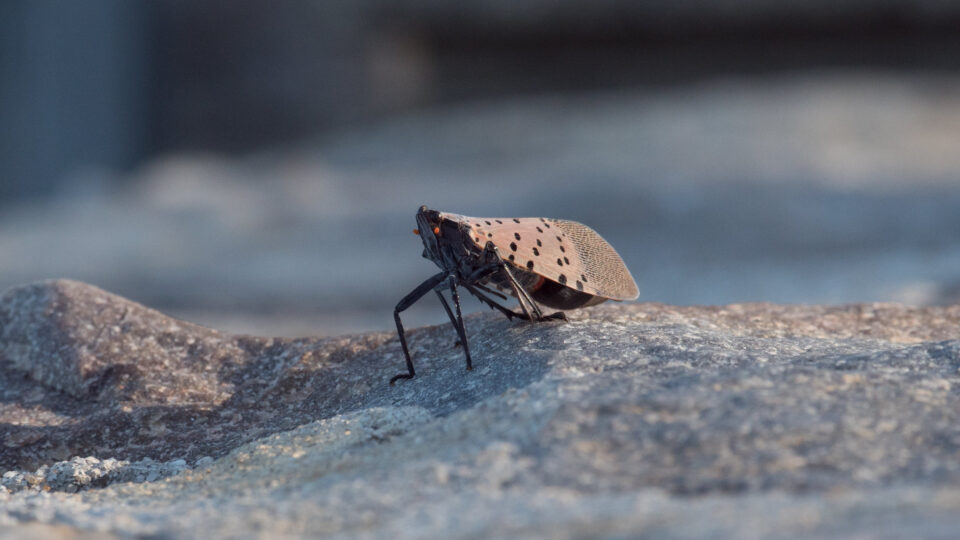
The spotted lanternfly is an invasive pest from Asia that arrived in the United States seven years ago.  It is a handsome and colorful insect, but it feeds on the sap of more than 70 plant species, leaving them susceptible to disease and destruction from other natural antagonists.  It destroys fruit crops, trees, and plants by hopping from plant to plant, crop to crop, and tree to tree.

Several states have established quarantines aimed at preventing the spread of the insects.  Pennsylvania, where they were first detected in the U.S., issued an Order of Quarantine and Treatment that imposes fines and even potential criminal penalties on anyone who intentionally moves a spotted lanternfly, at any stage of its life, from one sort of location to another.  The insects hop and fly only short distances, but they can hitch a ride on vehicles, clothing, and other objects that people bring with them.  They have now spread to at least nine states, primarily in the Northeast.

Lanternflies arrived in New York City last year and quickly made it to the Most Wanted List for environmentalists.  The City’s Parks Department says: “If you see a spotted lanternfly, squish it, dispose of it, and report it to us.”  New York’s Department of Agriculture has asked people in the Finger Lakes region, home of numerous vineyards, to collect specimens and provide specifics on where they were found.

Lanternflies are harmless to humans, but they threaten everything from oak, walnut, and poplar trees to grapes, almonds, and fruit orchards.  As the species continues to spread across the country, federal and state officials have a unified message:  if you come across a spotted lanternfly, kill it.

**********

Web Links

Die, Beautiful Spotted Lanternfly, Die

Photo, posted August 30, 2018, courtesy of the USDA via Flickr.

Earth Wise is a production of WAMC Northeast Public Radio.
Harnessing The Smell Of Fear | Earth Wise

September 28, 2021 By EarthWise Leave a Comment

Harnessing the smell of fear to drive away pests

Plant-eating insects present a major problem for farmers and home gardeners.  Aphids, for example, are a highly destructive pest to many crops.  Their large numbers and ability to transmit plant pathogens make them a persistent problem for growers.

Pesticides are chemical substances that are commonly used to prevent, destroy, repel or mitigate pests.  They include insecticides for insects, rodenticides for rodents, herbicides for weeds, and fungicides for microorganisms.  According to the U.S. Geological Survey, approximately one billion pounds of these chemicals are used in the United States every year.     

But pesticides can also contaminate soil, water, and other vegetation, as well as kill many non-target species.  Exposure to these chemicals is dangerous for human health. 

According to a new study, researchers from Pennsylvania State University have developed a way to bottle the “smell of fear” produced by predators in order to repel and disrupt pests naturally without the need for these harsh substances.  The researchers recently presented their findings at the American Chemical Society meeting.  

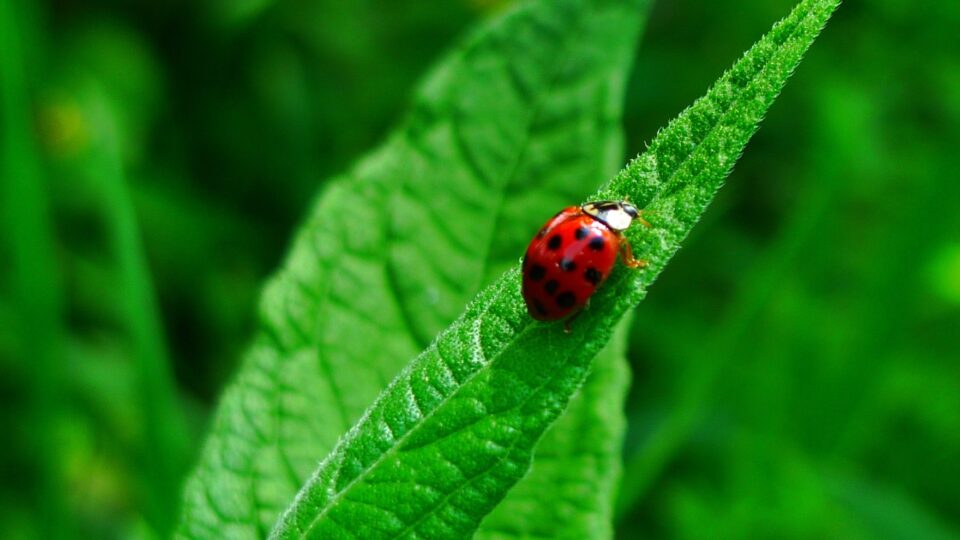
Aphids happen to be a favorite food of ladybugs. Aphids and other herbivorous insects will steer clear of fields and gardens if they smell predators nearby.  The researchers identified and extracted the volatile odor profile from ladybugs.  The researchers used the compounds to create a special odor blend that can be used in an essential oil diffuser to spread the scent across a garden or field. 

The research team plans to conduct field tests to see if the effects outside are similar to what was observed in the lab.  A natural and effective pest repellent would be a big win for people and the planet.  

**********

Web Links

Protecting gardens and crops from insects using the ‘smell of fear’

Protecting gardens and crops from insects using the ‘smell of fear’ (YouTube)

Photo, posted May 10, 2011, courtesy of DM via Flickr.

Earth Wise is a production of WAMC Northeast Public Radio.
Wastewater As A Freshwater Source | Earth Wise

September 27, 2021 By EarthWise Leave a Comment

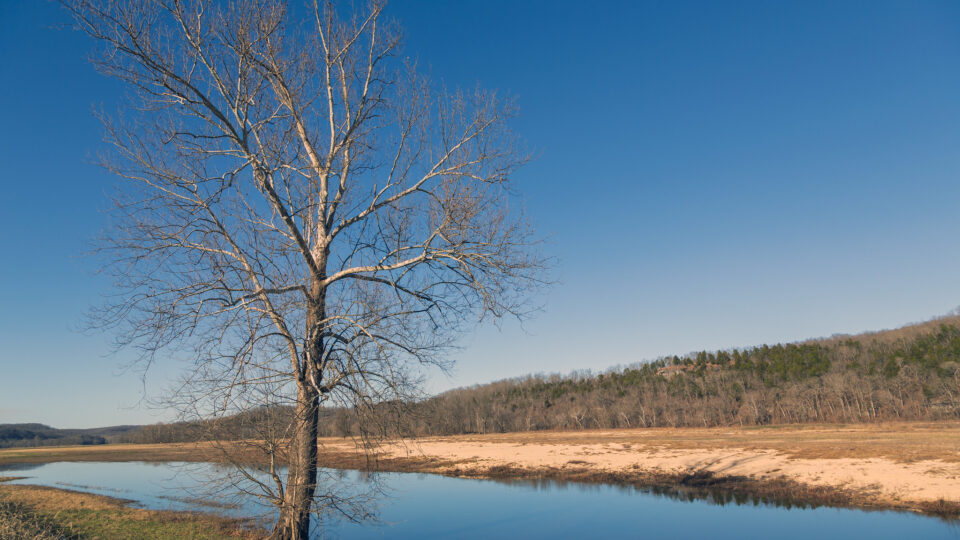
Water covers three-quarters of our planet, but freshwater – the water we drink, bathe in, and irrigate crops with – comprises only 3% of the world’s water and much of that is frozen in glaciers or otherwise unavailable.  Nearly 3 billion people suffer from water scarcity for at least some of the year.

Natural freshwater sources – lakes, rivers, and groundwater – are under stress from the effects of climate change and from the increasing demands of city populations.  The wastewater treatment plants in large cities represent a significant potential water source provided that sustainable and economical technologies to produce it can be developed.

Researchers at Lehigh University in Pennsylvania have patented an innovative ion exchange desalination process that is a legitimate candidate to transform wastewater into usable water.

Existing large-scale desalination systems make use of semipermeable reverse osmosis membranes that require an energy source to run the system.  The Lehigh process, which they call HIX-Desal, harnesses the unique chemistry of carbon dioxide to take the place of the energy used in reverse osmosis systems. 

Tests of the new system show that the salinity of treated wastewater can be reduced by more than 60% by the HIX-Desal process without requiring any reverse osmosis.  At an Allentown, Pennsylvania water treatment plant where the system was tested, the researchers estimated that using the system could save about a million kWh per day in electricity usage, enough energy to power 94 homes for a year.

With this system, waste carbon dioxide from landfills or turbine exhaust can be used to desalinate municipal wastewater.  It could be the basis of a circular economy.

**********

Web Links

Desalination tech uses CO2 to tap into municipal wastewater as alternative freshwater source

Photo, posted November 28, 2020, courtesy of Richard Ricciardi via Flickr.

Earth Wise is a production of WAMC Northeast Public Radio.
Wine And Wildfire Smoke | Earth Wise

September 22, 2021 By EarthWise Leave a Comment

Wildfire smoke devastating some vineyards

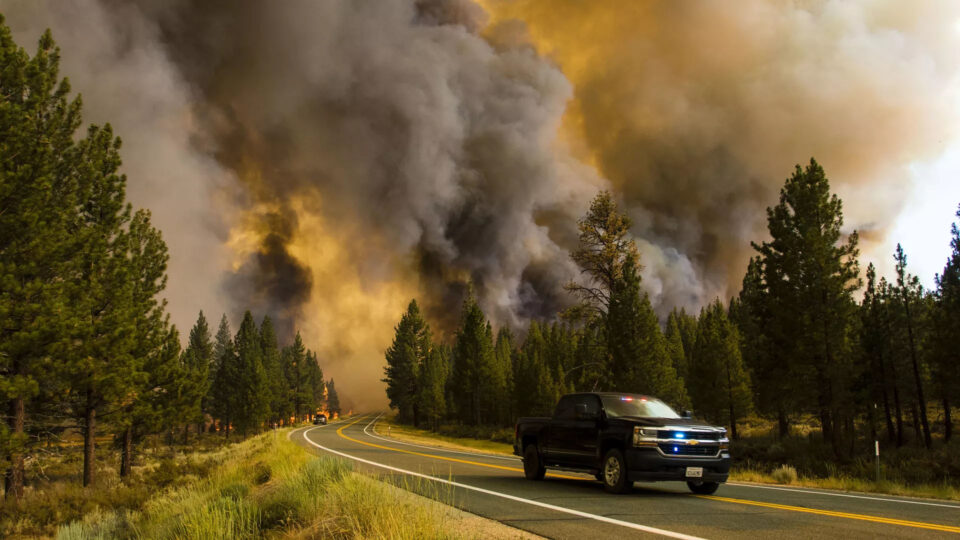
Rising global temperatures have made droughts and heatwaves more common and intense, leading to larger and more destructive wildfires.   In 2020, wildfires in California blackened more than 4 million acres, the largest wildfire season on record.   With its continuing drought, California has already had 1.5 million acres burned by wildfires this year, and the fires continue.

Wildfires can cause extensive damage throughout the agricultural industry by destroying crops and killing livestock.  But the fires can have a unique effect on the wine industry:  wine grapes can be affected by smoke taint.

Vineyards have demonstrated themselves to be good fire breaks.  They definitely help prevent the movement of wildfires.  But there is no way to stop smoke from the fires from drifting into vineyards.  By far, the damage caused by smoke far outweighs direct losses from fires in vineyards.

Winemakers sometimes add subtle smoky notes to their vintages by aging them in toasted oak barrels.   But wildfire smoke permeating vineyards – even from distant blazes – can end up making wines undrinkable.  Smoke-tainted wines end up having unpleasant aromas that people describe as being like disinfectants or burnt rubber. 

With wildfires an increasingly persistent presence in California, the state’s $43 billion wine industry is facing a major challenge.  An estimated 165,000 to 325,000 tons of California wine grapes went unharvested last year, adding up to more than $600 million in losses from fire and smoke.  The industry will need to figure out ways to detect and manage smoke taint as the problem isn’t going to go away.

**********

Web Links

Wildfire Smoke: An Emerging Threat to West Coast Wines

Photo, posted July 25, 2021, courtesy of Felton Davis via Flickr.

Earth Wise is a production of WAMC Northeast Public Radio.
RNA Modification For Plants | Earth Wise

September 8, 2021 By EarthWise Leave a Comment

Manipulating RNA can lead to huge increases in crop yields

We have heard a lot about RNA this past year as messenger RNA vaccine technology has been used for the first time to combat the Covid-19 pandemic.  Now RNA-based technology has shown promise to make major contributions to agriculture.

A group of researchers at the University of Chicago and two Chinese universities have announced that manipulating RNA can allow plants to yield dramatically more crops as well as have better drought resistance.

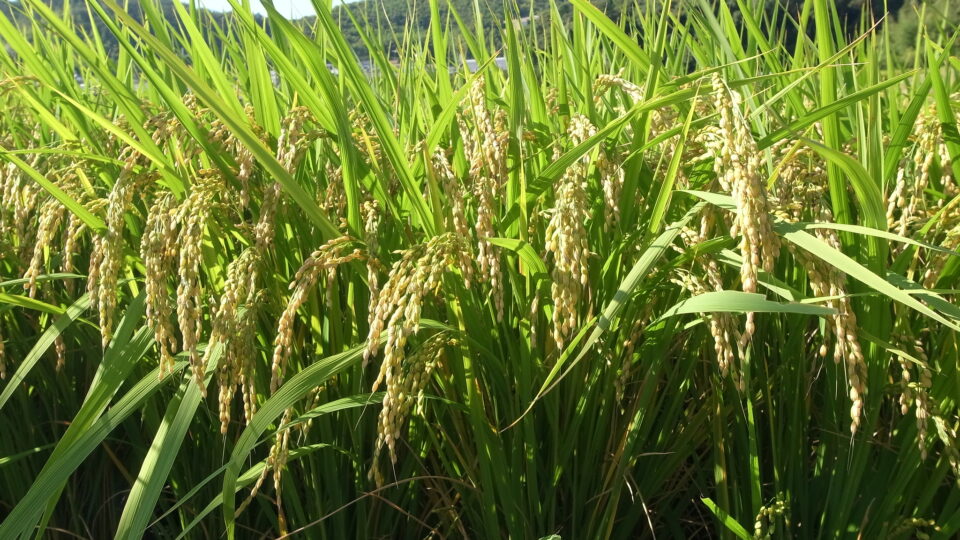
Adding  gene encoding for a protein called FTO to both rice and potato plants increased their yield by 50% in initial field tests.  The plants were larger, produced longer root systems, and could better tolerate drought conditions.  Further analysis showed that the plants had increased their rate of photosynthesis.

FTO protein erases chemical marks on RNA.  Specifically, it controls a process known as m6A, which is a key modification of RNA.  The FTO erases m6A to reduce some of the signals that tell plants to slow down and reduce growth.  Plants modified with the addition of FTO produced significantly more RNA than control plants.

Experiments with both rice plants and potato plants – which are completely unrelated – demonstrated the same results, indicating that the technique could be broadly applicable.  (The genetic modification is rather simple to make and has worked with every type of plant the researchers have tried it with so far).

These results are just the beginning but demonstrate the potential of a technology that could help address problems of poverty and food insecurity at a global scale as well as responding to climate change.  The world depends on plants for everything from wood, food, and medicine, to flowers and oils. This technique has the potential to dramatically increase the stock material we can get from most plants.

**********

Web Links

RNA breakthrough creates crops that can grow 50% more potatoes, rice

Photo, posted September 22, 2014, courtesy of Toshiyuki Imai via Flickr.

Earth Wise is a production of WAMC Northeast Public Radio.

Understanding Geoengineering | Earth Wise

September 7, 2021 By EarthWise Leave a Comment

Climate mitigation measures increasingly discussing geoengineering

The most recent report from the UN Intergovernmental Panel on Climate change includes discussion of a number of extreme and untested solutions to the climate crisis.  Among these are solar geoengineering – modifying clouds or spraying tiny reflective particles into the upper atmosphere in order to block some of the sun’s light and thereby cool the planet.  The underlying principles are relatively straightforward.

There have been various models that predict the extent to which solar geoengineering would lower the earth’s average temperature.  What hasn’t been modeled to any real extent is what other effects it would have.

The new report discusses the results of models that predict how temperatures would vary at different latitudes and how geoengineering would affect rainfall and snowfall.  According to the models, releasing sulfate aerosols into the upper atmosphere to block sunlight would lower average precipitation.  But every region would be affected differently.  Some regions would gain in an artificially cooler world, but others might, for example, suffer by no longer having suitable conditions to grow crops.

The drop in temperature would allow the planet’s carbon sinks (plants, soils, and oceans) to take up more carbon dioxide from the atmosphere.  However, as long as people continue to pollute, carbon dioxide would continue to make the oceans more acidic, causing significant harm to marine ecosystems.  Furthermore, solar geoengineering would have to be an ongoing process that would go on indefinitely and if it were to suddenly stop, it would lead to rapid warming.

The more we learn about geoengineering, the more it becomes clear that there would be many side effects as well as serious moral, political, and practical issues.  Society has to consider if all these things represent too much danger to allow us to seriously consider such a strategy.

**********

Web Links

In the New UN Climate Report, a Better Understanding of Solar Geoengineering

Photo, posted September 9, 2012, courtesy of Kelly Nighan via Flickr.

Earth Wise is a production of WAMC Northeast Public Radio.
Climate Change And Kenya’s Tana River Basin | Earth Wise

September 6, 2021 By EarthWise Leave a Comment

Climate change threatens biodiversity within the Tana River Basin

The Tana River is the longest river and most important waterway in Kenya.  It flows 620 miles from its headwaters in the Abderdare mountain range and Mount Kenya to the Indian Ocean.  The Tana River produces approximately half of the country’s electricity, and supplies Nairobi, the capital of Kenya, with 80% of its water.   

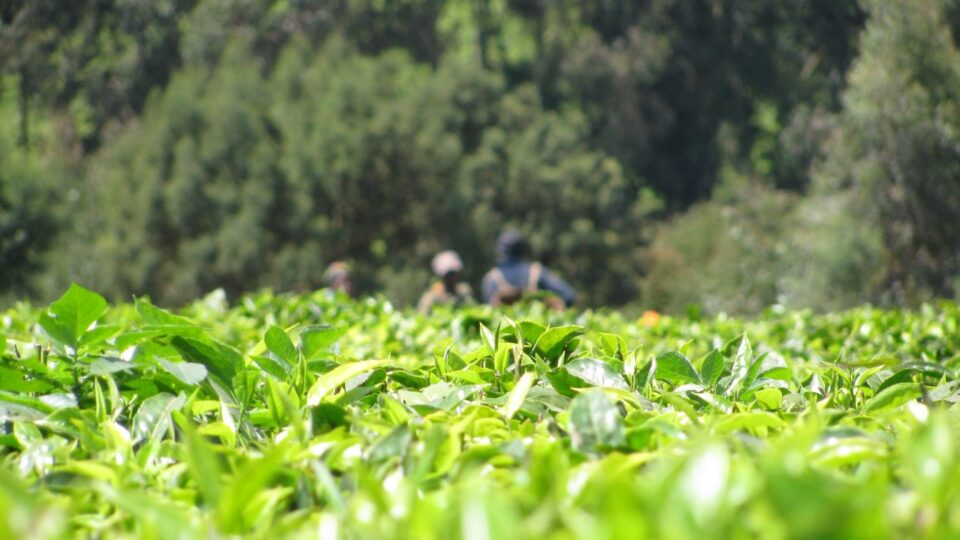
According to the United Nations Environment Programme, eight million people live along the Tana River, where coffee, tea, corn and other crops are grown for export, and fishing and cattle grazing help produce food for large portions of the country’s population. 

But the long-term ability of the river to provide these and other essential services is increasingly under threat due to many factors, including pollution, soil erosion, deforestation, and poor land use practices.   

Climate change is also complicating matters.  According to new research from the University of East Anglia, many species within the Tana River Basin will be unable to survive if global temperatures continue to rise at the current pace.  However, the study, which was recently published in the journal PLOS ONE, also found that many of these species could be saved if the world could meet the climate goals of the Paris Agreement. 

Globally, climate and land use changes are the two biggest threats to biodiversity.  According to researchers, 36% of the Tana River Basin has already been converted to agriculture. 

The research team says stronger commitments on climate change are needed from global leaders.  The climate and biodiversity crises can only be solved with urgent action to reduce global greenhouse gas emissions. 

**********

Web Links

The impact of climate change on Kenya’s Tana river basin

Economics of Ecosystem Services of the Tana River Basin

Photo, posted August 19, 2010, courtesy of Luigi Guarino via Flickr.

Earth Wise is a production of WAMC Northeast Public Radio.
The Importance Of Double-Cropping | Earth Wise

July 28, 2021 By EarthWise Leave a Comment

Double-cropping is important to feed a growing global population

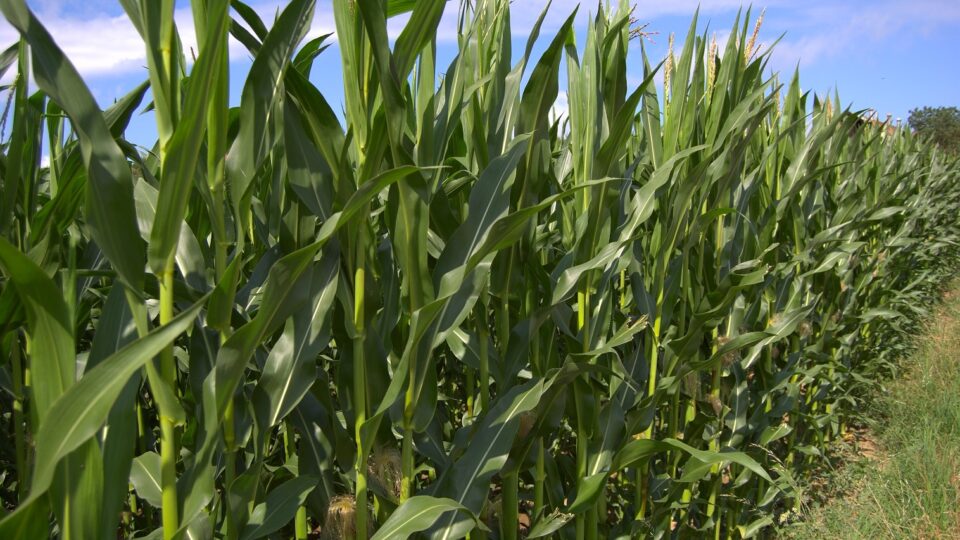
In agriculture, double-cropping is the practice of growing two or more crops or commodities on the same piece of land in the same calendar year.  In Brazil, grain production has increased more than fourfold between 1980 and 2016.  The country now stands as the world’s largest exporter of soybeans and the second largest exporter of corn.  There were two primary drivers of this increase in food production: cropland expansion and double-cropping. 

Cropland expansion has long been recognized as a key driver behind the increase in Brazil’s agricultural output.  But cropland expansion is also a threat to biodiversity by driving habitat loss, deforestation, and an increase in carbon emissions. 

A new study recently published in the journal Nature Food quantified for the first time the impact that double-cropping had on helping Brazil achieve its tremendous growth in grain production.  The international research team examined data from three key agricultural regions in Brazil: the Centre-West, Southeast-South, and Matopiba region.  These three regions accounted for 79% of soybean production and 85% of  corn production in 2016. 

Soybean fields account for more than one third of Brazil’s cropland.  While the increase in soybean production was largely a result of cropland expansion, the increase in corn production was a result of double-cropping. 

Between 2003 and 2016, the study found that double-cropping in Brazil offset the equivalent of approximately 190 million acres of arable land for corn production. (This is more than twice the annual harvested area of corn in the United States).

Double-cropping represents a way to produce more food without clearing more land. 

**********

Web Links

The impact of double-cropping

Photo, posted July 15, 2009, courtesy of Daniel Bauer via Flickr.

Earth Wise is a production of WAMC Northeast Public Radio.

A Pesticide From Beer | Earth Wise

July 23, 2021 By EarthWise Leave a Comment

Creating a pesticide from beer

Researchers from the Neiker Basque Institute for Agricultural Research and Development in Spain have demonstrated that a combination of rapeseed cake and beer bagasse can be used to reduce populations of soil parasites and increase crop yields. 

Beer bagasse is spent brewers’ grain – the stuff that is left over after the beer is made.  Beer brewing generates substantial amounts of by-products, including large amounts of spent grain.  It already has some practical uses, including as a feedstock for biofuel, as a food additive, and it even has some medical uses.  But the new research has shown that the bagasse can be the basis for a biodisinfestation treatment to be used in agriculture.  The aim is to disinfect soils, protect soil microorganisms, and increase crop yields.

The actual material studied was a mixture of beer bagasse, rapeseed cake, and a generous amount of fresh cow manure.  The high nitrogen content of the mixture promotes the activity of beneficial microorganisms in the soil, which helps to break down organic matter and kill off nematodes and other parasites that damage crops.

Nematodes are common parasites that can penetrate plant roots to lay their eggs, which damages the root and prevents the plants from absorbing nutrients effectively.  Application of the bagasse-based mixture over 12 months increased crop yields by 15% and boosted healthy soil microbes.

The study demonstrated that agricultural byproducts can be an effective treatment for root-knot nematodes and other soil parasites, increase crop yields, and help promote sustainable food systems to reduce waste from the agricultural industry.  The researchers hope to identify other potential organic treatments for tackling soil parasite problems.

**********

Web Links

Beer byproduct mixed with manure proves an excellent organic pesticide

Photo, posted July 1, 2011, courtesy of Quinn Dombrowski via Flickr.

Earth Wise is a production of WAMC Northeast Public Radio.
Solar Cell Greenhouses | Earth Wise

April 21, 2021 By EarthWise Leave a Comment

Using solar panel technology for greenhouses

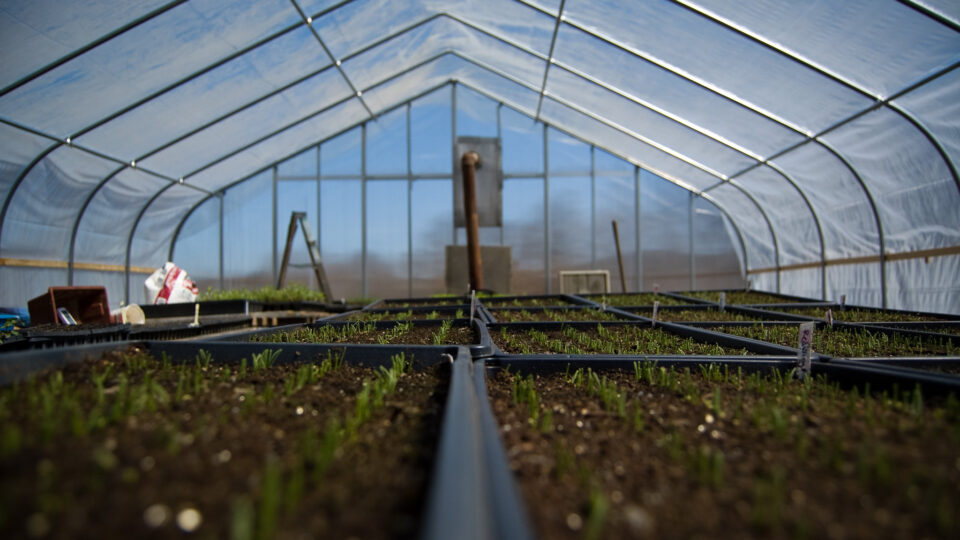
A recent study at North Carolina State University has shown that it can be feasible to use see-through solar panels in greenhouses to generate electricity.  The idea is to use semi-transparent solar panels on greenhouses that allow some of the light to get in for the plants to grow while making the greenhouses energy neutral or even allowing them to generate more power than they use.

The question is how the semi-transparent solar panels might affect greenhouse crops.  To investigate this issue, researchers grew crops of red leaf lettuce from seed to full maturity under a standard set of growing conditions – temperature, water, fertilizer, and CO2 concentration – but varied the light they get. 

A control group was exposed to the full spectrum of white light while three experimental groups were exposed to light through different types of filters that absorbed the particular wavelengths of light that would be absorbed by different types of semitransparent solar cells.

The researchers paid close attention to characteristics of the lettuce that are important to growers, grocers, and consumers:  general appearance, leaf number, leaf size, and weight.  The results were that the lettuce produced using all three kinds of filtered light was essentially identical to that produced in the control group.    Further research is underway looking at how harvesting various wavelengths of light affects biological processes for lettuces, tomatoes, and other crops.

Getting growers to use solar-powered greenhouses would be very difficult if doing so would result in a loss of productivity.  But given these experimental results, it appears as though the decision will boil down to a simple economic argument about whether the investment in new greenhouse technology would be offset by energy production and its resultant savings.

**********

Web Links

Study Finds Plants Would Grow Well in Solar Cell Greenhouses

Photo, posted April 8, 2008, courtesy of Brian Boucheron via Flickr.

Earth Wise is a production of WAMC Northeast Public Radio.
The Corn Belt Is Losing Topsoil | Earth Wise

April 16, 2021 By EarthWise 2 Comments

Erosion is claiming the corn belt's topsoil

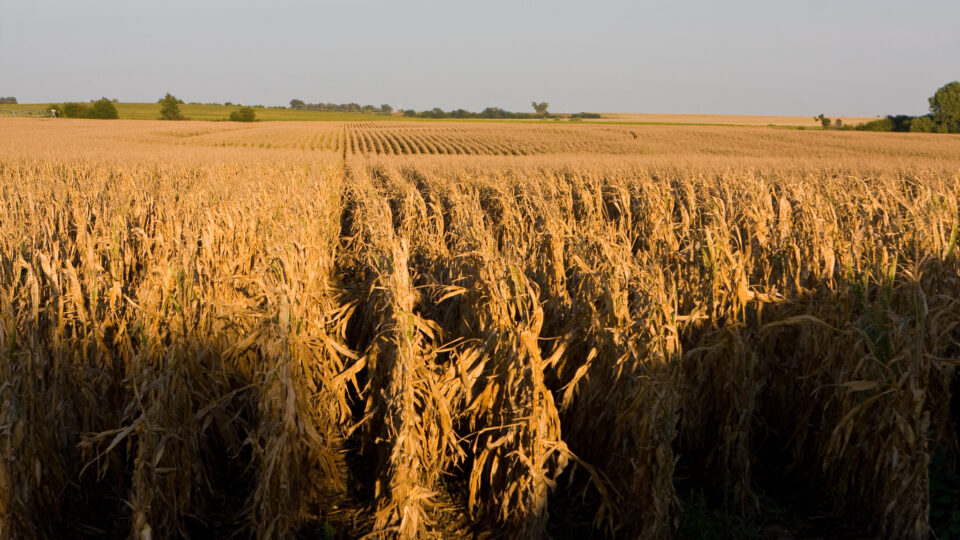
According to a new study published in the Proceedings of the National Academy of Sciences, more than a third of the farmland in the U.S. Corn Belt has completely lost its carbon-rich topsoil due to erosion.   The affected area is nearly 100 million acres and the amount of carbon loss is nearly 2 million tons.

The study, led by scientists at the University of Massachusetts, Amherst, found that the greatest loss of carbon-rich topsoil was on hilltops and ridgelines.  This indicates that tillage – the repeated plowing of fields – was the primary cause of the erosion because loosened soils move downslope.

The loss of topsoil has reduced corn and soybean yields in the Midwest by 6%, resulting in a loss of nearly $3 billion a year for farmers.  In addition, the loosening of the topsoil increases runoff of sediment and nutrients into nearly waterways, worsening water quality.

Previous studies have shown that no-till farming practices can have a significant impact on reducing erosion.  A study published last November found that if farmers shifted entirely to no-till practices, it would reduce soil erosion from U.S. agricultural fields by more than 70%, as well as significantly reducing nutrient and sediment runoff. 

No-till farming is the practice of planting crops without tilling the soil.  Instead, seeds are planted through the remains of previous crops by planters or drills that cut seed furrows, place the seeds, and close the furrow.  Currently less than 15% of farmland in the upper Mississippi River watershed is farmed with no-till practices. 

Even partial changes in tilling practices could produce positive results for topsoil retention and for waterways.

**********

Web Links

One-Third of Farmland in the U.S. Corn Belt Has Lost Its Topsoil

Photo, posted September 15, 2010, courtesy of the United Soybean Board / Soybean Checkoff via Flickr.

Earth Wise is a production of WAMC Northeast Public Radio.
Not Enough Buzz For Bees | Earth Wise

February 11, 2021 By EarthWise Leave a Comment

The decline of bees is not getting enough attention

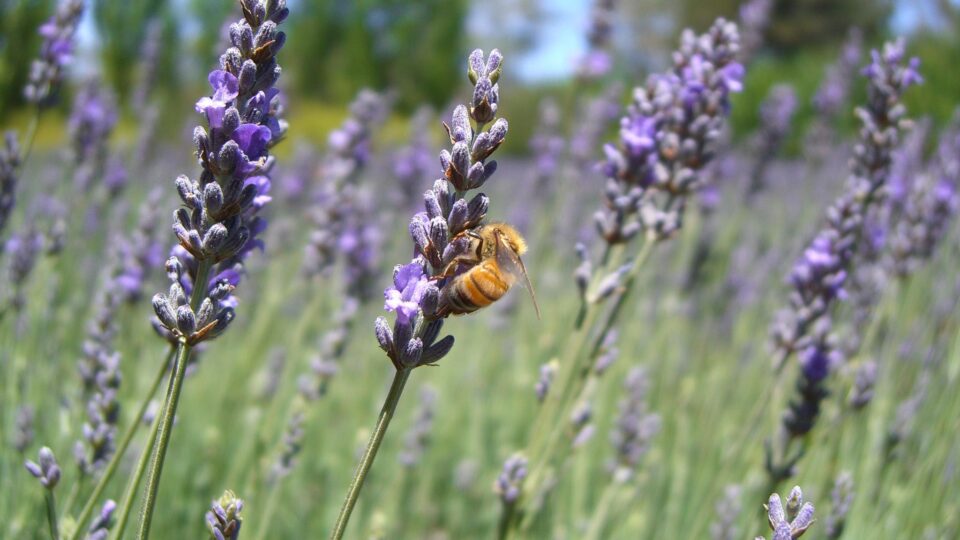
The dramatic worldwide decline in bees and other pollinating insects represents a serious threat to the global food supply, but it isn’t really getting much attention in the mainstream news.  Close to 75% of the world’s crops for human consumption depend, at least in part, on pollinators for sustained production, yield, and quality.

A new study by researchers at the University of Illinois Urbana-Champaign looked at nearly 25 million news items from six prominent sources, including The New York Times, The Washington Post, the Associated Press, as well as three overseas English-language news services.  The study found “vanishingly low levels of attention to pollinator population topics”, even compared with what many people consider to be the limited coverage of climate change.

The study made use of the Global News Index, which is a unique database of millions of news items from thousands of global sources published over decades.  It may be the largest academic study of the evolving nature of news coverage ever performed.

Even though the entomological community is highly focused on the impending pollinator crisis, the public is not paying much attention.  It is not even indifference; it is just that people don’t even know about it.

The majority of studies on pollinator decline have been done in Europe and North America, which means we don’t even know how serious the problem is given that most insect biodiversity is in the tropics.

Public awareness is important because individuals can make a difference by their decisions about what flowers to plant in their gardens, which weeds to tolerate in their yards, and how to manage insect pests.

The loss of pollinators is a very serious problem, and it is not likely to get enough attention if people don’t know about it.

**********

Web Links

Pollinators not getting the ‘buzz’ they need in news coverage

Photo, posted December 28, 2006, courtesy of Alpha via Flickr.

Earth Wise is a production of WAMC Northeast Public Radio.
Bees Threatening Bees | Earth Wise

October 16, 2020 By EarthWise Leave a Comment

bees threatening bees

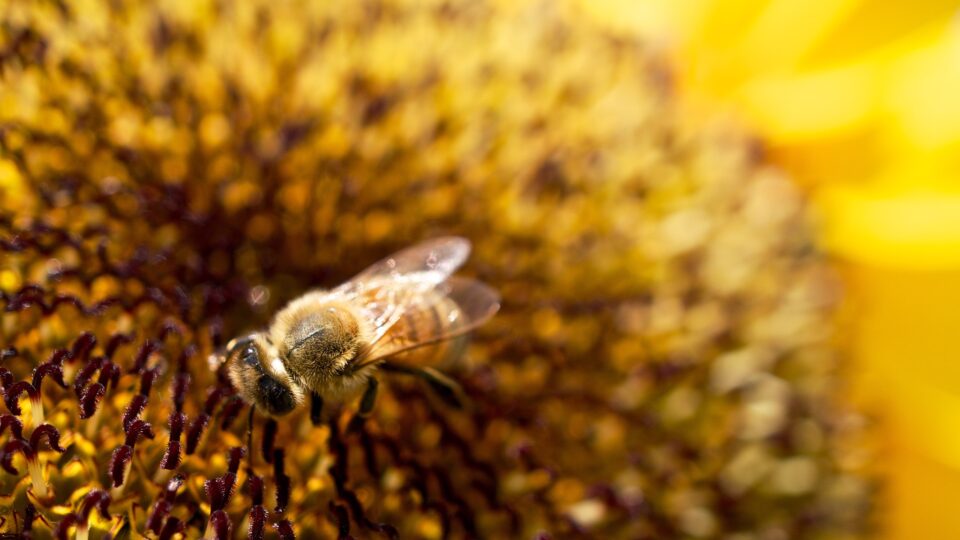
Domesticated honeybees are an essential part of our agricultural system, being responsible for one in every three bites of food Americans consume and contributing $15 billion a year to the value of the nation’s crop production.  Millions of bee colonies are trucked across the country every year to pollinate cranberries, melons, broccoli, blueberries, and cherries, and also to produce honey.

After the growing seasons, honeybees are trucked to various locations to rest and rebuild their population and to replenish bees lost to disease and pesticides.  Some of these locations are in national forests.  Thousands of hives belonging to 112 apiaries are currently permitted in national forests by the Department of Agriculture.  This presents a problem because these hives are being permitted on public lands with virtually no environmental review and with little consideration of the impact these colonies can have on local wild bee populations.

The 4,000 wild bee species in the U.S. consume up to 95% of local available pollen.  Nearly 40 federally listed threatened or endangered species of bees, butterflies, and flower flies depend on national forest land for their survival.  And now the pollinators in these places, which were once refuges for these species and others, increasingly face competition from millions of domesticated honeybees.

Honeybees are super-foraging machines and are literally taking the pollen out of the mouths of other bees and pollinators.  Honeybees themselves have been facing numerous problems from habitat loss, pesticides, and other stress factors.  So, what is happening is essentially a pollinator habitat crunch that carries long-term implications for the U.S. food supply.  We need to find some answers and the sooner the better.

**********

Web Links

Will Putting Honey Bees on Public Lands Threaten Native Bees?

Photo, posted August 9, 2015, courtesy of Tak H. via Flickr.

Earth Wise is a production of WAMC Northeast Public Radio.

  • « Go to Previous Page
  • Page 1
  • Page 2
  • Page 3
  • Page 4
  • Page 5
  • Page 6
  • Page 7
  • Go to Next Page »

Primary Sidebar

Recent Episodes

  • An uninsurable future
  • Clean energy and jobs
  • Insect declines in remote regions
  • Fossil fuel producing nations ignoring climate goals
  • Trouble for clownfishes

WAMC Northeast Public Radio

WAMC/Northeast Public Radio is a regional public radio network serving parts of seven northeastern states (more...)

Copyright © 2026 ·