• Skip to primary navigation
  • Skip to main content
  • Skip to primary sidebar

Earth Wise

A look at our changing environment.

  • Home
  • About Earth Wise
  • Where to Listen
  • All Articles
  • Show Search
Hide Search
You are here: Home / Archives for crops

crops

Crops May Need To Move | Earth Wise

October 5, 2020 By EarthWise Leave a Comment

Climate change might force crops to move

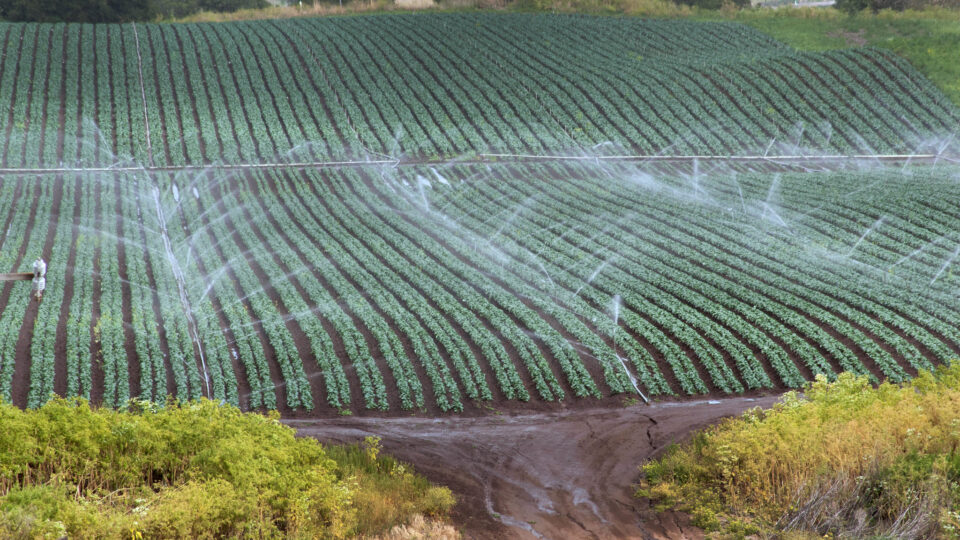
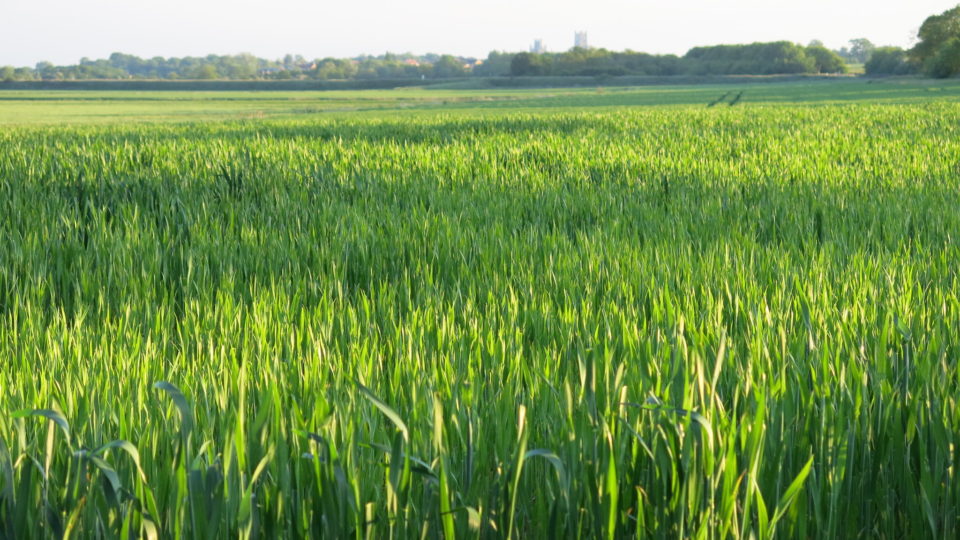
California has unique micro-climate diversity that creates ideal growing conditions for a wide range of crops.  One third of the vegetables and two-thirds of the fruits and nuts we eat in this country are grown on the more than 76,000 farms in California.  But as the climate continues to change, many farmers have started to worry about where and when crops can be grown in the future.   Within the next 20 years or so, some parts of California may become too hot and dry to sustain agricultural production.

According to new research from the Lawrence Berkeley National Laboratory, by the years 2045-2049, warmer temperatures will have a significant effect on cool-season crops such as broccoli and lettuce such that their growing season will need to shift.  On the other hand, warm-season crops like cantaloupe, tomatoes, and carrots will need to move to entirely new growing locations.

The study looked at five key crops that are produced more in California than elsewhere and studied the climate conditions under which they prosper and those under which they fail.  They established the range of conditions for which the crops can remain successful.  Finally they looked at climate projections for various parts of the state.

California’s agriculture is an essential part of our food security, so it is important to predict how future warming will affect when and where crops can be grown.  Changing these things presents challenges.  For example, when considering relocating crops, growers have specialized knowledge of their land and their crops.  If crops need to move to a new area, either the farmers have to move to that area, or they have to grow a different crop.  Either way, it presents a practical and economic burden on the farmer.

**********

Web Links

Some of America’s Favorite Produce Crops May Need to Get a Move On by 2045

Photo, posted June 16, 2011, courtesy of the U.S. Department of Agriculture via Flickr.

Earth Wise is a production of WAMC Northeast Public Radio.

Hacking Photosynthesis | Earth Wise

September 14, 2020 By EarthWise Leave a Comment

benefits of hacking photosynthesis

A team led by the University of Illinois has been pursuing a project called Realizing Increased Photosynthetic Efficiency or RIPE, which has the aim of improving photosynthesis in order to provide farmers with higher-yielding crops in an increasingly challenging climate.  Photosynthesis is the natural, sunlight-powered process that plants use to convert carbon dioxide into sugars that fuel growth, development, and for us, crop yield.

If we think of photosynthesis as a factory line composed of multiple machines, the growth of plants is limited by the slowest machines in the line.  The RIPE project has identified some steps in photosynthesis that are slower than others and are attempting to enable plants to build more machines to speed up those slower steps.

The researchers modeled a total of 170 steps in the process of photosynthesis to identify how plants could manufacture sugars more efficiently.  In the study, the team increased crop growth by 27% by resolving two constraints:  one in the first part of photosynthesis where plants turn light energy into chemical energy and one in the second part when carbon dioxide is turned into sugars.

The researchers effectively hacked photosynthesis by adding a more efficient transport protein from algae to enhance the energy conversion process. 

In the greenhouse, these changes improved crop productivity by 52%, but in field trials, which are a more important test, these photosynthetic hacks boosted crop production by 27%.

Ultimately, the team hopes to translate these discoveries to a series of staple food crops, such as cassava, cowpea, corn, soybean and rice, which are needed to feed the world’s growing population this century.

**********

Web Links

Photosynthetic hacks can boost crop yield, conserve water

Photo, posted June 14, 2017, courtesy of Alex Holyoake via Flickr.

Earth Wise is a production of WAMC Northeast Public Radio.

Widespread Drought | Earth Wise

September 7, 2020 By EarthWise Leave a Comment

united states drought

As the U.S. enters the last part of the summer, fully one-third of the country is experiencing at least a moderate level of drought.   Much of the West is reaching severe drought conditions and New England has been unusually dry and hot.  In total, over 50 million Americans are living in drought-affected areas.

According to the U.S. Drought Monitor program, more than 93% of Utah, Colorado, Nevada, and New Mexico are experiencing drought to some degree.  More than 60% of both Utah and Colorado are in severe drought.   More than three-quarters of Oregon, Arizona, and Wyoming are also in drought.  And most of these areas had no sign of drought this time last year.

Severe drought conditions result in stunted and browning crops, limited pasture yields, dust storms, reduced well water levels, and an increase in the number and severity of wildfires.

Warm air temperatures and minimal snowfall in spring set the stage for this summer’s drought conditions.  A ridge of high pressure over the northeastern Pacific Ocean pushed the jet stream farther north than usual.  And, once again, there has been a failure of the southwestern monsoon in Arizona and New Mexico and the Four Corners region.  Monsoon rains provide half of the year’s precipitation in many of those areas. 

Instead, there has been extreme heat in the region.  Phoenix has already smashed the record for the most days over 110oF in a calendar year (42 as of August 18), with five months to go.  Las Vegas hasn’t seen measurable rainfall since April, and Cedar City, Utah has recorded a record low of 0.05 inches of rain this summer.

Conditions are not expected to get better for a couple of months.

**********

Web Links

A Third of the U.S. Faces Drought

Photo, posted May 7, 2014, courtesy of Tyler Bell via Flickr.

Earth Wise is a production of WAMC Northeast Public Radio.

The Decline Of Pollinators Threatens Food Security | Earth Wise

August 24, 2020 By EarthWise Leave a Comment

Pollinator decline threatens food security

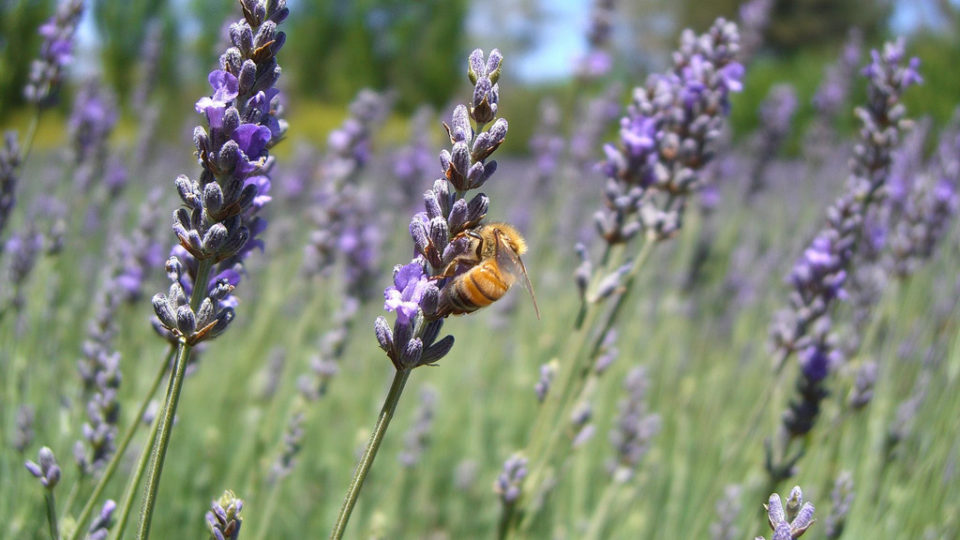
Scientists have been sounding the alarm on the global struggle of pollinators for many years.  According to a United Nations-sponsored report, 40% of invertebrate pollinator species, including bees and butterflies, are facing extinction.  Approximately 80% of all flowering plant species, which are responsible for 35% of global food production, depend on pollination. 

According to new research led by Rutgers University, crop yields for apples, blueberries, and cherries in the United States are being reduced by a lack of pollinators.  The study, the most comprehensive of its kind to date, found that crop production would be increased if crop flowers received more pollination.  In the U.S., the production of crops that depend on pollinators generates more than $50 billion a year.    

For the study, which was recently published in the journal Proceedings of the Royal Society B, researchers collected data on insect pollination of crop flowers and yield of apples, highbush blueberries, sweet cherries, tart cherries, almonds, watermelons, and pumpkins at 131 farms across the United States and British Columbia, Canada.  Four of those seven crops – apples, blueberries, sweet cherries, and tart cherries – showed evidence of being limited by pollination, meaning that their yields are lower than they would be with full pollination. 

The researchers observed that honey bees and wild bees provided similar amounts of overall pollination, so managing habitat for native bee species or stocking more honey bees would boost pollination levels and, in turn, crop production.

Bees and other pollinators play a critical role in food production, and their continued decline could have devastating consequences.

**********

Web Links

Decline of bees, other pollinators threatens US crop yields

Photo, posted April 22, 2012, courtesy of Flickr.

Earth Wise is a production of WAMC Northeast Public Radio.

More Troubles For Bees | Earth Wise

July 22, 2020 By EarthWise Leave a Comment

More losses for United States beekeepers

Beekeepers in the United States lost nearly 44% of their managed honeybee colonies from April 2019 to April 2020, according to the 14th annual nationwide survey conducted by the nonprofit Bee Informed Partnership.  This was the second highest annual loss recorded since the surveys began.

The high loss rate over the past year was unusual in that winter losses were actually substantially lower than they have been in recent years.   The winter losses were 22.2%, which is 15.5 points lower than last year and 6.4 points lower than the average over the past 14 years.  On the other hand, summer losses were 32%, which is 12 points higher than last year and 10.4 points higher than the average.

In fact, the summer loss was the highest ever recorded and was only the second time that more bees were lost in the summer than in the winter.

Commercial beekeepers generally have lower losses than backyard and smaller operations.  Commercial honeybee colonies pollinate $15 billion worth of crops in the United States every year, so the health of these colonies is a critical issue for domestic food production and supply.

Beekeepers began noticing dramatic losses in their colonies in the early 2000s and ever since then, state and federal agricultural agencies, university researchers, and the beekeeping industry have been working together to try to understand the reasons for the population decline and to develop approaches to reduce these losses.

Winter loss has previously been the main focus of management activities since that period of the year is thought to be the most challenging for bee colonies.  This year’s results are driving a great deal of analysis of the possible causes for the dramatic summer colony losses.  Whatever they turn out to be, they represent more troubles for bees.

**********

Web Links

Odd Year for U.S. Beekeepers Who Reported Lower Winter Losses but Abnormally High Summer Losses

Photo, posted April 14, 2013, courtesy of Paul Rollings via Flickr.

Earth Wise is a production of WAMC Northeast Public Radio.

Natural Habitats And Strawberry Farms | Earth Wise

April 22, 2020 By EarthWise Leave a Comment

natural habitat benefits farms

According to a new study led by researchers from the University of California – Davis, conserving natural habitat around strawberry fields can protect farmers’ yields, their bottom line, and the environment.  The study also suggests that conserving natural habitat in this way has no detectable threat to food safety. 

In this study, which was recently published in the journal Ecological Applications, the research team conducted surveys and experiments at 20 strawberry farms along California’s Central Coast.  This region is responsible for 43% of the nation’s strawberry production. 

The researchers found that strawberry farmers were better off with natural habitat, like forests, grasslands, wetlands, and shrubs, around their farms than without it.  According to the study’s models, adding natural habitat can reduce crop damage costs by 23%.  Removing natural habitat can increase costs by as much as 76%. 

Importantly, the strawberry farms with natural habitat surrounding them showed no signs of increased fecal contamination.  While bird feces were regularly encountered on the ground, only 2 of 10,000 strawberries examined show signs of direct fecal contamination.  Those contaminated berries would be discarded during the hand-harvesting process.   

These findings run contradictory to current best practice recommendations that support natural habitat removal around strawberry farms in order to decrease bird fecal contamination and crop damage.  These food safety requirements were a consequence of the deadly outbreak of E. coli in 2006, which was traced back to spinach grown in this region.   

It seems like our agricultural landscapes can both support and benefit from biodiversity. 

**********

Web Links

Natural habitat around farms a win for strawberry growers, birds and consumers

Photo, posted June 16, 2011, courtesy of the USDA via Flickr.

Earth Wise is a production of WAMC Northeast Public Radio.

Birdseed And Weeds | Earth Wise

April 16, 2020 By EarthWise Leave a Comment

birdseed contains weeds

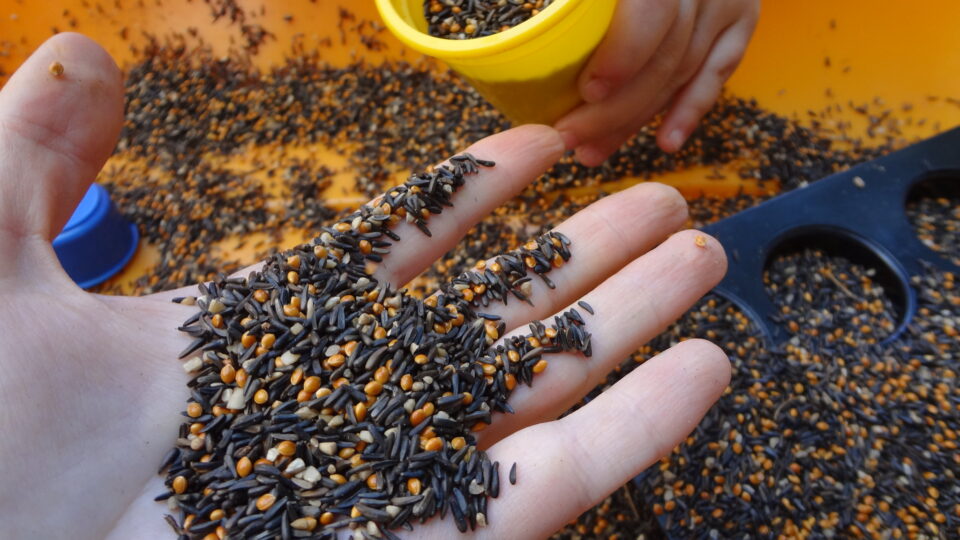
More than 55 million adult Americans feed wild birds and along the way spend more than three billion dollars a year on bird food as well as nearly a billion on bird feeders, bird baths, bird houses and other bird feeding accessories.  Feeding birds is a very popular hobby in both the United States and the United Kingdom.

Researchers at the University of Missouri in Columbia Missouri investigated the content of 98 commercially available bird feed mixes.  They uncovered several significant things.

The various mixes contained seeds from 29 weed species and almost all of the mixes contained seeds for pigweed, which can be a significant threat to agriculture.  One in ten of the mixes contained Palmer amaranth or waterhemp seeds that demonstrated a resistance to glyphosphate.   Other common weed species found in many of the mixes were kochia, common ragweed, foxtail species, and wild buckweed.

The overall collection of seed mixes contained an average of 363 amaranthus seeds in each kilogram of bird feed.  Based on this, it is possible that 105 million amaranthus seeds are transported in bird feed mixes each year.

According to the researchers, it is difficult to estimate the exact role that commercial bird seed plays in spreading troublesome weed species into new regions, but it is clear that the widespread use of these seed mixes is a contributing factor to the spread of weeds.

The researchers recommend careful weed management in crop fields designated for bird feed, as well as sieving during packaging to reduce weed seed contamination.  They also noted that regulatory measures adopted in Europe to limit weed seed content in bird seed have proven to be effective.

**********

Web Links

Examination of commercially available bird feed for weed seed contaminants

Photo, posted August 18, 2013, courtesy of Emma Craig via Flickr.

Earth Wise is a production of WAMC Northeast Public Radio.

Keeping Plants Plump

December 3, 2019 By EarthWise Leave a Comment

The leading cause of crop failures worldwide is drought.  Ironically, the very close runner-up is flooding.  Facing a changing and increasingly erratic climate, farmers need all the help they can get in protecting their crops.

Researchers at the University of California, Riverside, have created a chemical to help plants hold onto water, which could stem the tide of massive annual crop losses from drought.  Details of the team’s work is described in a paper published in Science.

The chemical is called Opabactin, but is also known as “OP.” OP is gamer slang for overpowered, referring to the best character or weapon in a game.

OP mimics abscisic acid, or ABA, which is the natural hormone produced by plants in response to drought stress.  ABA slows a plant’s growth, so it doesn’t consume more water than is available and doesn’t wilt.  OP is 10-times stronger than ABA, which makes it a super hormone.  It works fast.  Within hours, there is a measurable improvement in the amount of water plants release.  Because it works so quickly, OP could give farmers more flexibility in how they deal with drought.   Plants can’t predict the future, but if, for example, farmers think there is a reasonable chance of drought, they could make decisions such as to apply OP to improve crop yields.

The research team is now trying to find a second chemical tool.  Whereas OP slows down plant growth, the team wants to find a molecule that will accelerate it.  Such a molecule could be useful in controlled environments such as indoor greenhouses.  There are times when you want to speed up growth and times when you want to slow it down.

**********

Web Links

Game changer: New chemical keeps plants plump

Photo, posted June 7, 2013, courtesy of Bayer CropScience UK via Flickr.

Earth Wise is a production of WAMC Northeast Public Radio.

Protecting Canola Crops From Frost

November 20, 2019 By EarthWise Leave a Comment

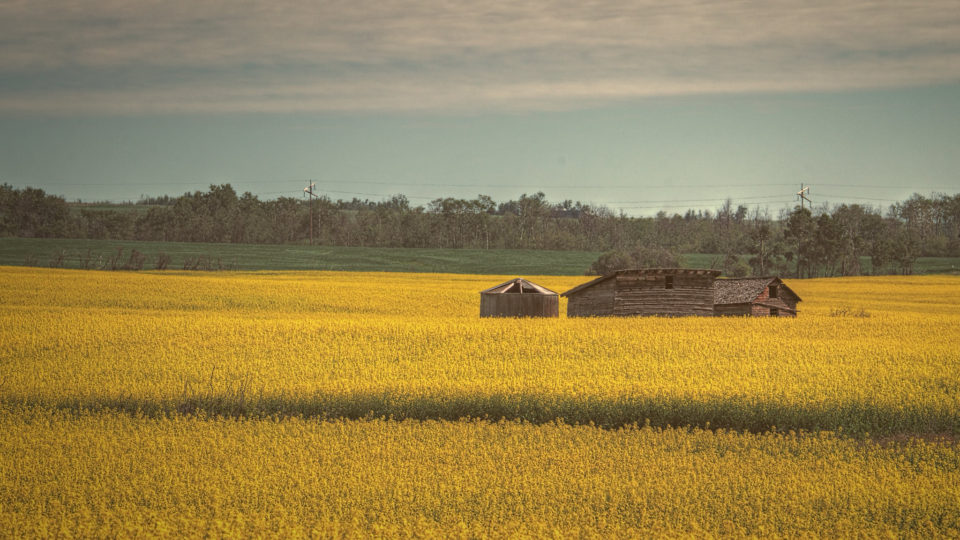
Canola is one of Canada’s most valuable crops.  In fact, Canada is the world’s largest exporter of canola oil.  The international market for canola oil is $27 billion a year.  The oil is very popular because it has a relatively low amount of saturated fat, a substantial amount of monosaturated fat, and is very neutral tasting.

Canadian canola farmers worry a great deal about late season, non-lethal frosts because the frosts prevent chlorophyll – a photosynthetic pigment in the seeds – from breaking down, a process they call “degreening”.  The farmers seek to have high-quality yellow embryos at seed maturity.  When the harvest contains more than 2% of green seeds, it can no longer produce Grade No. 1 quality oil.  When green seeds are processed to extract canola oil, the chlorophyll in the seeds reduces the oil’s storability and quality.  As a result, farmers receive a lower price for frost-damaged green seed canola.  This costs Canadian farmers and estimated $150 million annually.

Researchers at the University of Calgary have developed gene-based technology to produce canola plants that can withstand late-season frost and still produce high-quality seed.  They identified a specific protein that controls chlorophyll breakdown and seed maturity.  Genetic manipulation is able to enhance the seed degreening system.  They were able to reduce the amount of chlorophyll in the genetically modified canola lines by 60% after the plants were exposed to non-lethal frost. 

Ultimately, the researchers plan to develop a method to incorporate the modification into canola hybrid lines in such a way that it will be readily accepted by consumers concerned about genetically modified organisms.

**********

Web Links

New technology helps protect valuable canola crops from frost

Photo, posted August 29, 2018, courtesy of Tinker and Rove via Flickr.

Earth Wise is a production of WAMC Northeast Public Radio.

Urban Agriculture And Sustainability Goals

November 12, 2019 By EarthWise Leave a Comment

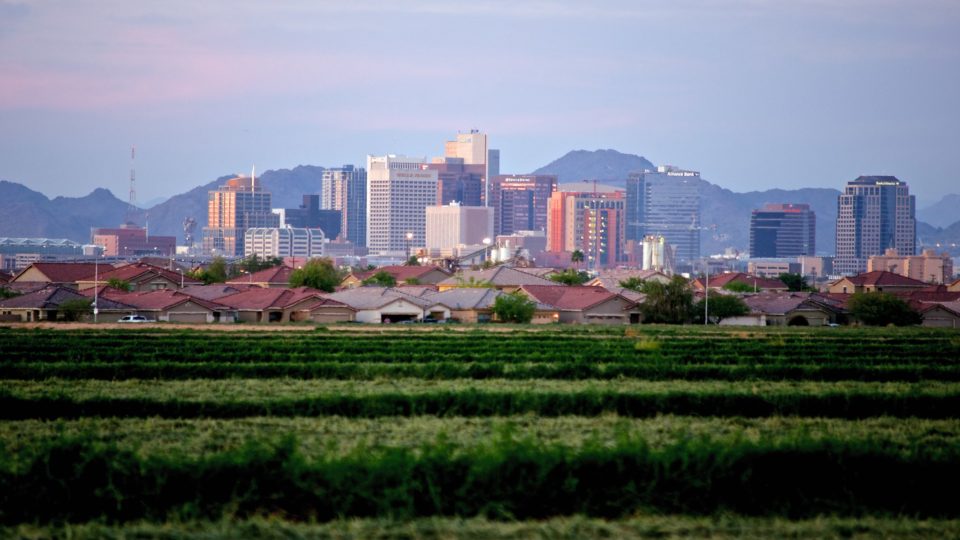
In 2016, the City Council of Phoenix, Arizona adopted eight Environmental Sustainability goals for 2050 that lay out the desired long term requirements in order to become a Sustainable Desert City.  Recently, a group of researchers from Arizona State University assessed how urban agriculture can help Phoenix, a desert city of 1.6 million people, meet those sustainability goals.  

Using public records and high-resolution satellite imagery, researchers analyzed the potential benefits of growing crops in three types of urban areas in Phoenix: vacant lots, rooftops, and building facades.  The study, which was supported by the National Science Foundation and the USDA, estimated that there are 28 square miles (or 5.4% of city space) available for urban agriculture.  The data-driven analysis found that 71% of the available areas for urban agriculture would come from existing buildings as opposed to vacant lots. 

All this available space for urban agriculture in Phoenix could supply the city with nearly 183,000 tons of fresh produce annually, which would allow for the delivery of fresh fruits and vegetables to all of the city’s existing food deserts. In fact, the city’s own urban-agriculture output could meet 90% of the fresh produce demand that currently exists in Phoenix. 

In addition to producing food, rooftop agriculture could also reduce the energy use in buildings by 3% per building per year, and displace more than 55,000 tons of CO2 annually.  The use of vacant lots could increase the total Phoenix green space by 17%, and reduce the number of areas lacking green space by 60%.   

This study demonstrates the many different ways that urban agriculture can benefit a city. 

**********

Web Links

Urban agriculture can push the sustainability

Photo, posted May 10, 2011, courtesy of Stephen Zank via Flickr.

Earth Wise is a production of WAMC Northeast Public Radio.

Agrivoltaics

September 24, 2019 By EarthWise Leave a Comment

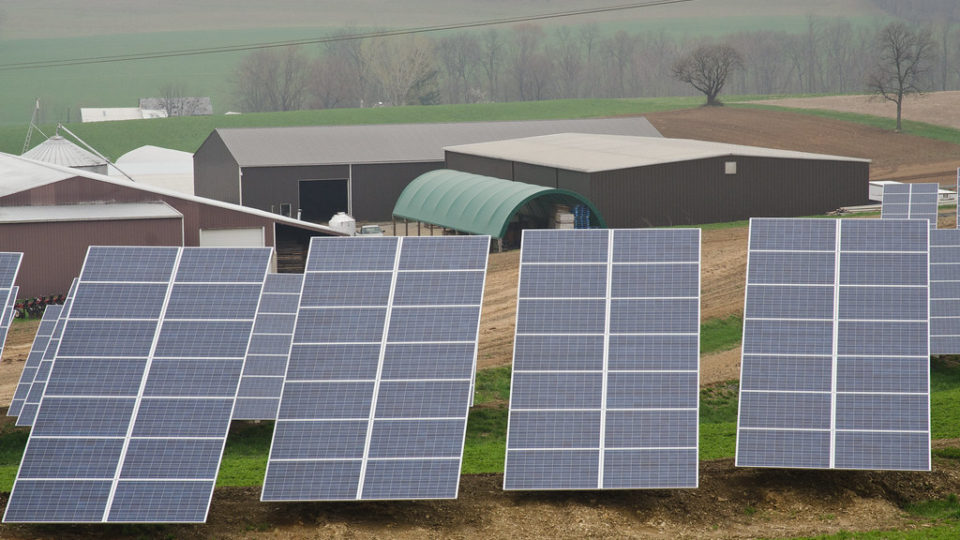
A new study by Oregon State University has found that the most productive places on Earth for solar power are farmlands.   In fact, if less than 1% of agricultural land was converted to solar panels, it would be sufficient to fulfill global electricity demand.

The concept of co-developing the same area of land for both solar photovoltaic power and conventional agriculture is known as agrivoltaics.

The synergy between agriculture and solar power is not surprising.   People have been growing crops around the planet for at least 8,000 years and, long ago, farmers found the best places to grow them which turn out to also the best places to harvest solar energy.  The needs for solar panels are pretty similar to those of food crops.  The efficiency of the panels decreases if they get too hot.  Barren land is hotter than cropland, so the productivity of solar panels is less in such places.

The Oregon State Study analyzed power production data collected by Tesla, which had installed five large grid-tied, ground-mounted solar electric arrays owned by Oregon State.  The researchers monitored air temperature, relative humidity, wind speed, wind direction, soil moisture, and incoming solar energy.  With the data, they developed a model for the best conditions for solar panel productivity and they coincide with excellent conditions for agriculture.  Solar panels are kind of like people with regard to the weather:  they are happier when it is cool and breezy and dry.

Previously-published research shows that solar panels actually increase crop yields on pasture or agricultural fields.

These new results have implications for the current practice of constructing large solar arrays in deserts.  Agricultural lands may be a much better option for both solar production and crop production.

**********

Web Links

Installing solar panels on agricultural lands maximizes their efficiency, new study shows

Photo, posted April 20, 2011, courtesy of U.S. Department of Agriculture via Flickr.

Earth Wise is a production of WAMC Northeast Public Radio.
Climate Change And Nutrients

August 15, 2019 By EarthWise Leave a Comment

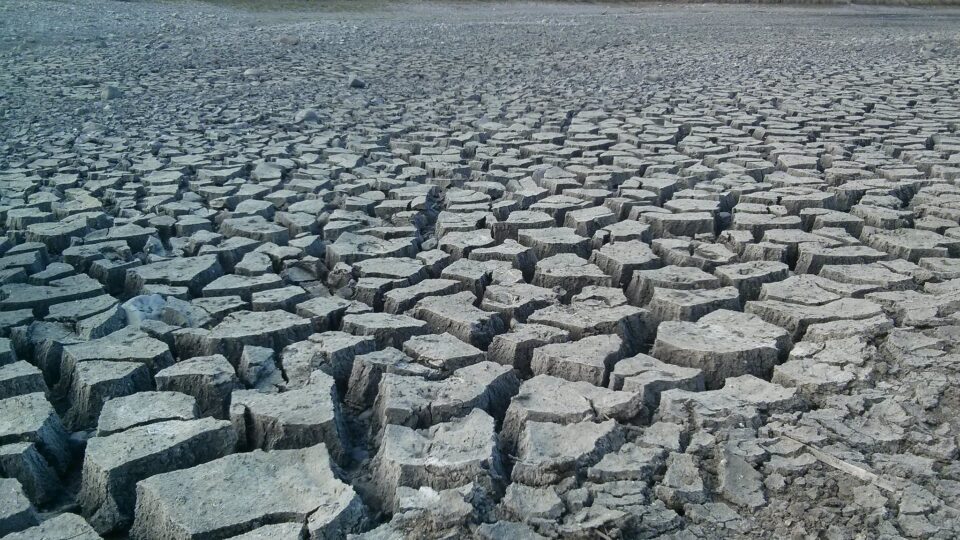
Ending hunger isn’t a question of producing enough food.  Globally, enough food is produced to feed all 7.7 billion people on the planet.  But despite this, approximately 1 in 9 people go hungry.  Conflict, natural disasters, and extreme poverty are some of the main drivers of global hunger. 

Climate change is another.  The more frequent and intense extreme weather events increase food insecurity and malnutrition by destroying land, livestock, crops, and food supplies.  Climate change makes growing crops harder every year, especially for those who lack the tools and technology to adapt. 

But the challenge of reducing hunger and malnutrition is to not only produce foods that provide enough calories, but to also produce foods that make enough necessary nutrients widely available.  According to new research, climate change is projected to significantly reduce the availability of critical nutrients such as protein, iron, and zinc over the next 30 years.  The total impact of climate change could reduce global per capita nutrient availability of protein, iron, and zinc by 19.5%, 14.4%, and 14.6%, respectively.

While higher levels of carbon dioxide can boost growth in plants, wheat, rice, corn, barley, potatoes, soybeans, and vegetables are all projected to suffer nutrient losses of about 3% on average by 2050 due to the elevated CO2 levels.

The study, which was co-authored by an international group of researchers and published in the peer-reviewed journal, Lancet Planetary Health, represents the most comprehensive synthesis of the impacts of climate change on the availability of nutrients in the global food supply to date. 

Climate change is complicating the quest to end global hunger and malnutrition. 

**********

Web Links

Rising CO2, climate change projected to reduce availability of nutrients worldwide

Photo, posted April 30, 2015, courtesy of Flickr.

Earth Wise is a production of WAMC Northeast Public Radio.
Another Bad Year For Bees

August 6, 2019 By EarthWise Leave a Comment

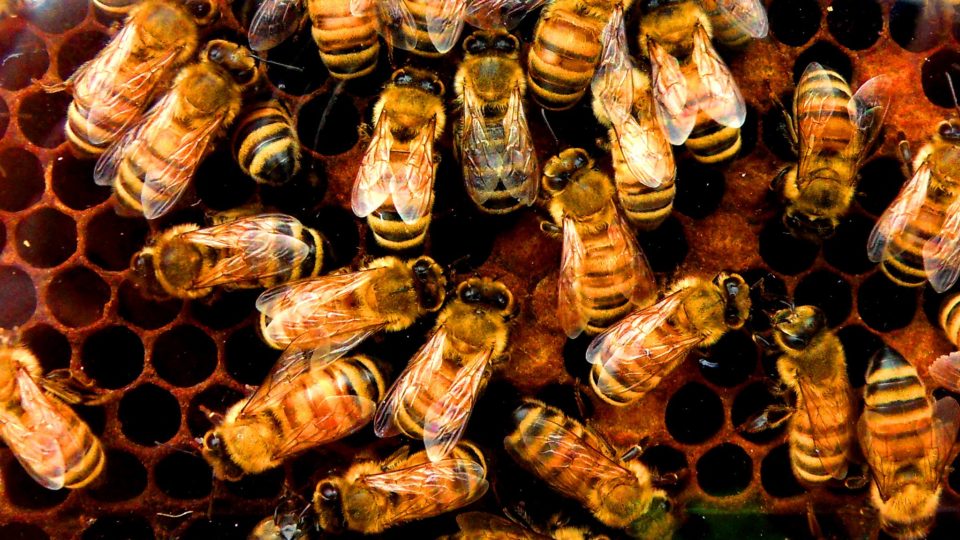
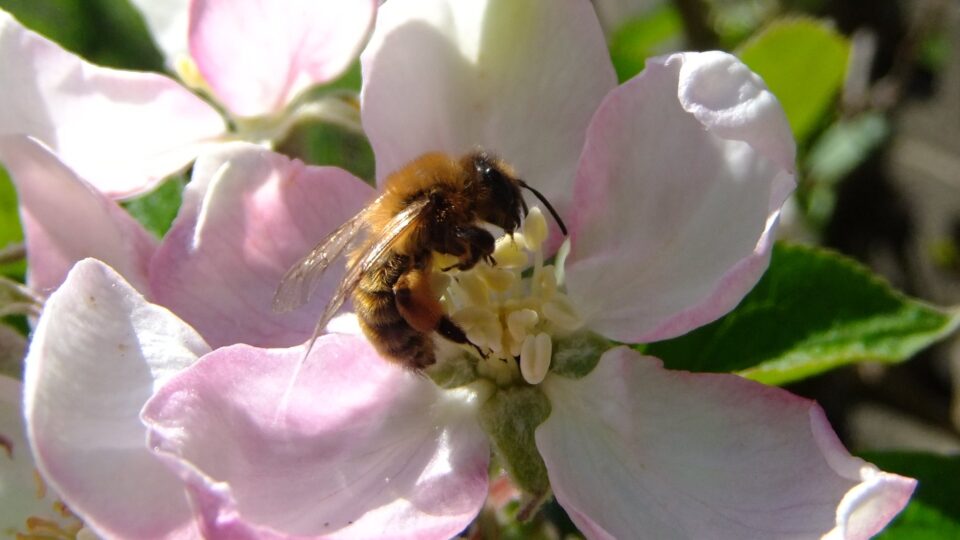
The latest annual nationwide survey of beekeepers in the US revealed that honeybees are still dying off at an alarming rate.  According to the survey, beekeepers across the country lost 40.7% of their honey bee colonies from April 2018 to April 2019. 

This annual loss represents a slight increase over the average annual loss of 38.7%.  Of greater concern is that winter losses of 37.7% were the highest reported since these annual surveys began 13 years ago and are almost 9% higher than the survey average.

These results are very troubling considering that the elevated losses are continuing even after a decade of intense work trying to understand and reduce colony loss.  Evidently, there has not been much progress.

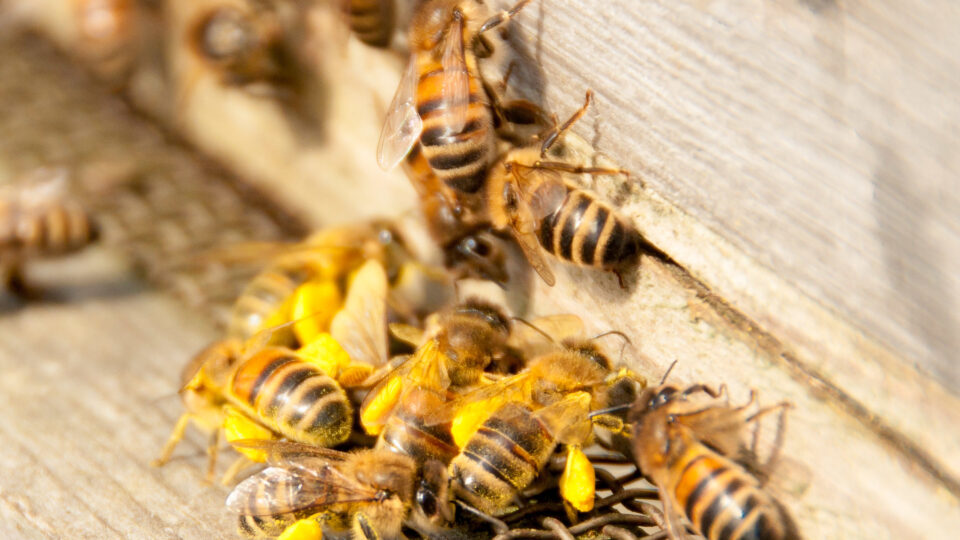
The number one concern among beekeepers is varroa mites, which are lethal parasites that can readily spread from colony to colony.  These mites have been decimating bee colonies for years.  Products developed to remove mites seem to be getting less and less effective.

But mites are not the only problem for bees.  Land use changes have resulted in reduced availability of pollen sources for bees.  Add to that pesticide exposures, environmental factors, and even problems with beekeeping practices.   In addition, extreme weather conditions such as wildfires and floods are only adding to the problems facing bees.

The tools that used to work for beekeepers seem to be failing and they are already stretched to their limits trying to keep their bees alive. Honey bees pollinate $15 billion worth of food crops in the United States each year. The problems facing bees are a problem for all of us.

**********

Web Links

U.S. Beekeepers Suffered Higher than Average Colony Loss Last Year, with Winter Losses the Highest Recorded, According to UMD-Led Annual Survey

Photo, posted June 3, 2009, courtesy of Jennifer C via Flickr.

Earth Wise is a production of WAMC Northeast Public Radio.
Sunlight As A Cash Crop

July 10, 2019 By EarthWise Leave a Comment

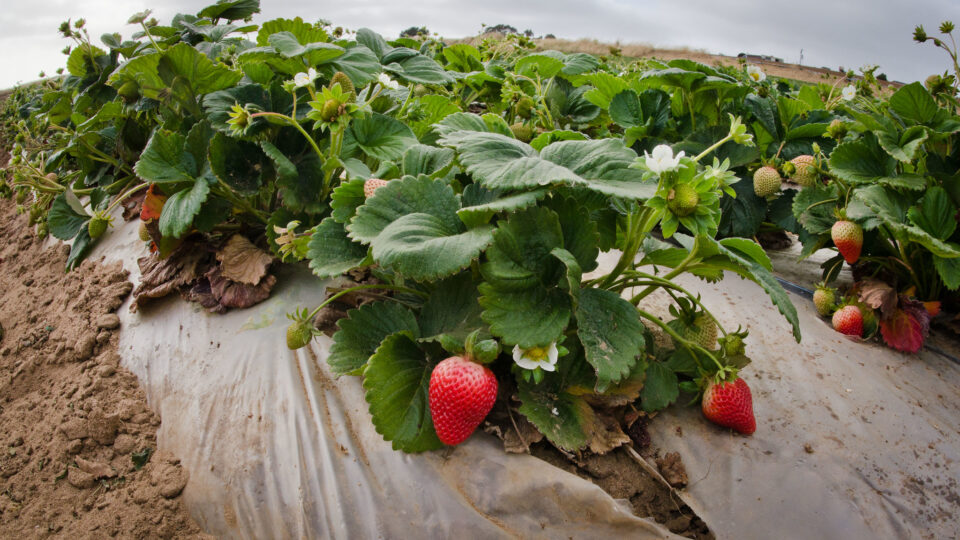
It isn’t so easy to be a farmer these days.  Farming has always involved long hours, hard work and the uncertainties of weather and yield.  The 21st Century has added new and unique challenges such as increasingly unpredictable weather, insect infestation and disease, and low commodity prices.  Add in sudden tariffs and farmers struggle even more to make ends meet.  The default rate for farmers’ loans is the the highest in at least nine years.

One thing that remains reliable for farmers is the sun.  It rises in the morning and goes down at night.  The sun can be trusted, unlike politicians, rain, or commodity prices.  These days, many farmers are taking advantage of the dependability of the sun to make money from a new cash crop: solar energy.

The trend is spreading.  North Carolina has been a leading solar energy state for several years and a 2017 report found that solar energy generates 30% of the income of many farms.  Typical annual rent payments for farmland by solar companies range from $500 to $1,400 per acre in North Carolina.

A growing list of states have clean energy mandates targeting 100% use of renewable energy.   These mandates provide incentives for farmers that make installing solar a financially smart decision and falling prices for solar installations make it an even better deal.

Solar works well when co-located on a farm and can be built in ways that minimizes impact.  It is quiet, uses almost no water, doesn’t pollute, and if it is decommissioned, the land can go back to its previous use.  If the solar facilities are raised up, the same land can be used to graze livestock or grow shade-tolerant crops.

**********

Web Links

Harvesting the sun is the new cash crop

Photo, posted December 25, 2017, courtesy of Flickr.

Earth Wise is a production of WAMC Northeast Public Radio.
Intense Rainfall And Crops

July 2, 2019 By EarthWise Leave a Comment

The warming of the planet does not necessarily imply local weather will be warmer or drier than average.  While heatwaves and droughts are increasingly common events in many places, so are intense rain events.

A new study led by scientists at the University of Illinois has found that intense rainfall is as damaging to the U.S. agricultural sector as heatwaves and excessive droughts.

The study examined more than three decades of crop insurance, climate, soil, and corn yield data.  Researchers found that since 1981, corn yields in the U.S. Midwest were reduced by as much as 34% during years with excessive rainfall.  Years with drought and heatwaves experienced yield losses of up to 37%.

Intense rain events can physically damage crops, delay planting and harvesting, restrict root growth, and cause oxygen deficiency and nutrient loss.  The study estimated that between 1989 and 2016, excessive rainfall caused $10 billion in agricultural losses. However, excessive rainfall can have either negative or positive impact on crop yield and the effects can vary regionally.

Parts of the Midwest have already experienced a 42% increase in the heaviest precipitation events since 1958.  Climate change models predict that much of this region will experience even more frequent and intense precipitation events in the coming decade.

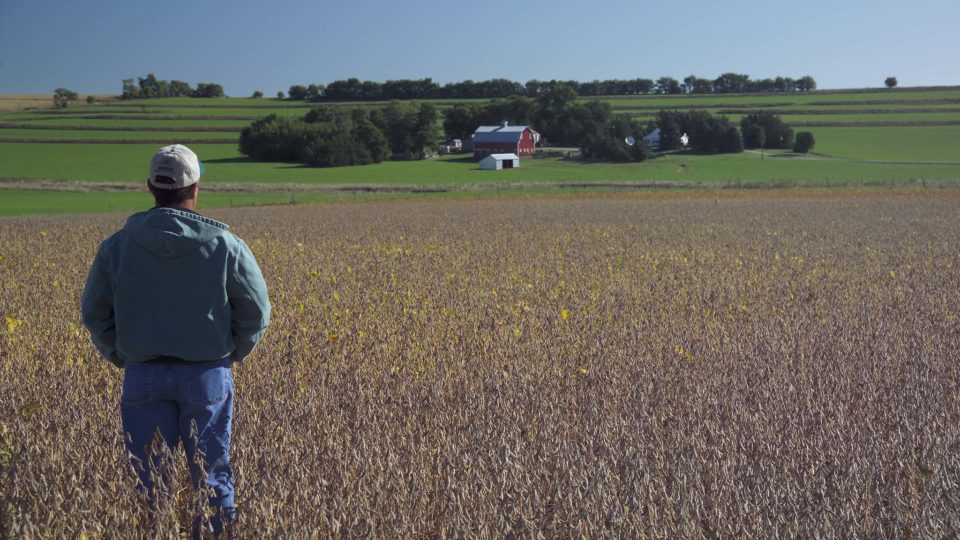
According to the study, excessive rainfall is the major cause of crop damage currently in the U.S. for corn, and also has broad impacts for other staple crops such as soybeans and wheat. The authors suggest that as rainfall becomes more extreme, reforms will be needed in the U.S. crop insurance industry in order to better meet planting challenges faced by farmers. 

**********

Web Links

Intense Rainfall Is As Damaging to Crops As Heatwaves and Drought, and Climate Change Is Making It Worse

Photo, posted October 2, 2013, courtesy of the United Soybean Board via Flickr.

Earth Wise is a production of WAMC Northeast Public Radio.
Powering Cars With Cactus Juice

June 24, 2019 By EarthWise Leave a Comment

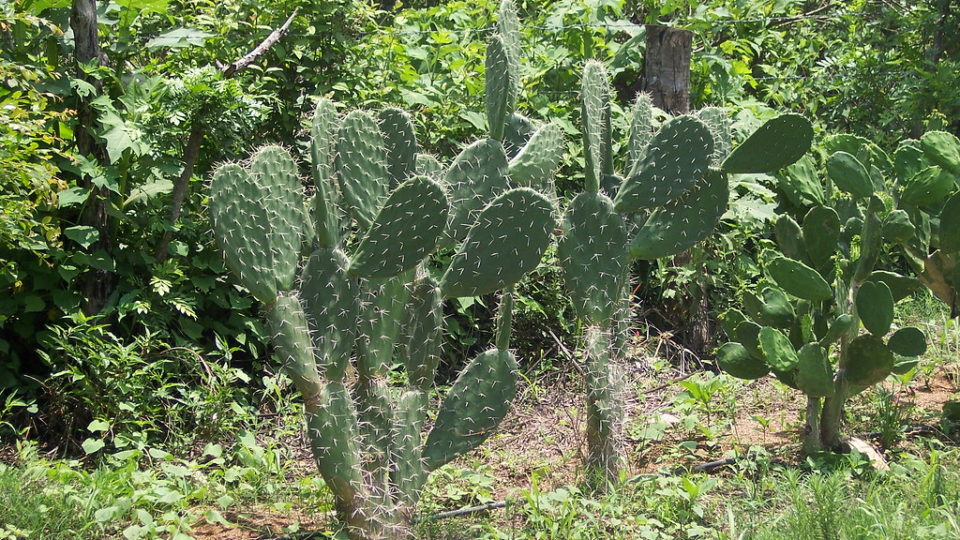
Back in 2016, a company called Nopalimex, located in Micoacan, central Mexico, built the world’s first cactus-powered energy plant.  The facility utilizes a biodigester to make biogas from nopal, also known as prickly pear cactus.  The nopal plant has been called the ‘Green Gold of Mexico’ and is a staple in Mexican diets, medicine and cosmetics.

Nopalimex is now using the cactus to make biofuel for vehicles.

The fruit of the cactus is pureed, mixed with manure, and then left to decompose, producing methane.  The methane produced – about eight tons a day – fuels the biodigester which powers the company’s corn chip and cactus chip production and is being tested in a fleet of government vehicles.

The biogas will cost just 65 cents per liter, which is about a third cheaper than the cost of regular gasoline.  Using prickly pear as a feedstock for biofuel is attractive because it can be grown in places where traditional energy crops cannot.  One can imagine vast fields of cacti in remote, arid areas of the country where normal crops cannot grow.  It would not suck up the resources or space needed to feed people, which is an ongoing criticism of current bioenergy crops.

As long as the nopals are regularly replanted, the process is almost entirely sustainable, producing only water and nopal waste, which can be used to fertilize other crops.

Finding sustainable ways to produce fuel while doing minimal damage to the environment is an important challenge for countries around the world.  In Mexico, harnessing the power of the prickly pear cactus is a unique and clever solution.

**********

Web Links

Mexico’s ‘green gold’: The company powering cars with cactus juice

Photo, posted July 8, 2006, courtesy of Christian Frausto Bernal via Flickr.

Earth Wise is a production of WAMC Northeast Public Radio.
The American Bumblebee

May 29, 2019 By EarthWise Leave a Comment

Pollinators, such as bees and bats, are vital for global food production.  They provide an ecological service that’s necessary for the reproduction of nearly 75% of the world’s flowering plants, including more than two-thirds of the world’s food crops.

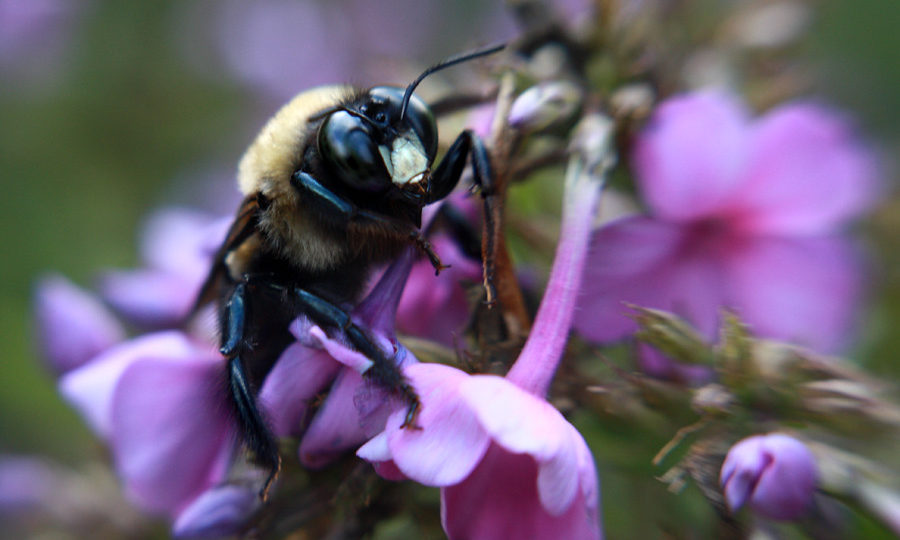
Bumblebees are among the most important plant pollinators.  They pollinate many food crops, including apples, tomatoes, blueberries and legumes, as well as countless types of trees, shrubs, and wildflowers.  But researchers have documented declines in both the abundance and range of many bumblebee species.

The American bumblebee, which is native to North America, is one of them.  The species can currently be found in eastern Canada, throughout much of the Eastern United States, and much of Mexico. 

According to a new study led by York University and recently published in the Journal of Insect Conservation, the American bumblebee is critically endangered, and it faces imminent local extinction from Canada.  This is considered the highest and most at-risk classification before extinction. 

The researchers used data from three sources in their study: the Bumble Bee Watch (which is a citizen science project), the Bumble Bees of North America database (that has records dating back to the late-1800s), and their own field survey work.  They used the IUCN’s Red List assessment criteria to evaluate the status of the American bumblebee within its Canadian range.

The research team found that the species’ area of occurrence has decreased by approximately 70% and its relative abundance dropped by 89% from 2007-2016 when compared to 1907-2006. 

The American bumblebee can still be found throughout its Canadian range.  But immediate conservation action is desperately needed.  

*********

Web Links

Disappearing bumblebee species under threat of extinction

Photo, posted August 22, 2011, courtesy of Rachel Elaine via Flickr.

Earth Wise is a production of WAMC Northeast Public Radio.
Bee Friendly Amsterdam

February 11, 2019 By EarthWise Leave a Comment

Scientists around the world have been sounding the alarm for years about the decline of bees and other pollinators that are crucial to the growth of crops.   One place where this trend has been bucked is in Amsterdam.  The diversity of wild bee and honeybee species in the Dutch capital has actually increased by 45% since 2000.

The city attributes this success to creating bee-friendly environments including the installation of so-called insect hotels.  There has also been a ban on the use of chemical pesticides on public land.

Four years ago, Amsterdam set a goal to convert half of all public green spaces to native plants including species that produce flowers and fruits that provide nourishment for bees.  Developers in Amsterdam are encouraged to install green roofs on new buildings which reduce reliance on heating and cooling systems and also create habitat for wildlife.

Residents can request to have a 16-inch strip of pavement adjacent to their homes removed in order to plant shrubs, flowers or climbing vines.  When a new highway was built in the area in 2015, local activists planted wildflowers along the sides of the road that otherwise would have been left with only gravel or grass.  This practice has spread to other major routes and along dikes and railways and is referred to as the Honey Highway.

All of these efforts seem to be having a positive effect.  An initial survey was conducted in 2000 to establish a baseline.  A 2015 survey of pollinators found 21 bee species not previously documented in the city.  The rest of the Netherlands has not done as well, and the Dutch government has recently introduced a pollinator strategy to revive bees, butterflies and other insects crucial to the country’s food crop.

**********

Web Links

Bees are dying at an alarming rate. Amsterdam may have the answer.

Photo, posted December 28, 2006, courtesy of Flickr.

Earth Wise is a production of WAMC Northeast Public Radio.
Droughts And Hydropower

February 7, 2019 By EarthWise Leave a Comment

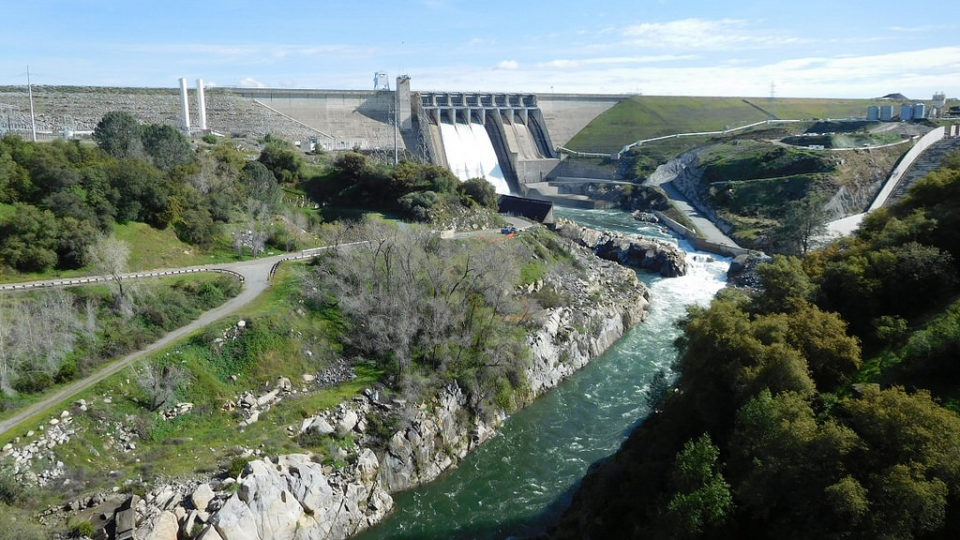
Recent droughts in several western states have led to well-publicized problems including wildfires, loss of trees, and damage to crops.  A lesser-known impact of drought conditions has been increases in emissions of carbon dioxide and harmful air pollutants from power generation.

When hydropower runs low in a drought, western states tend to ramp up power generation – and therefore emissions – from fossil fuels.   According to a new study from Stanford University, droughts caused about 10 percent of the average annual carbon dioxide emissions from power generation in California, Idaho, Oregon and Washington between 2001 and 2015.

Water is used in electricity generation both directly for hydroelectric power and indirectly for cooling in thermoelectric power plants.  When water for hydropower comes up short because of drought conditions, natural gas or coal-fired power plants are brought online to pick up the slack.

These drought-induced shifts in energy sources led to an estimated 100 million tons of carbon dioxide across 11 western states between 2001 and 2015.  That is the equivalent of adding 1.4 million vehicles to the region’s roadways.  California, whose legislature has mandated that the state be carbon-free by 2045, contributed about half of this total.  Washington, which is considering a similar mandate, contributed nearly a quarter of the total.

Western states in recent years have suffered intense droughts that scientists expect to become more common as global warming continues to intensify.   The new study indicates that in regions where clean, reliable hydropower has been an important part of the energy mix, it will be increasingly necessary to provide clean backup energy sources in order to meet emission reduction targets.

**********

Web Links

Droughts boost emissions as hydropower dries up

Photo, posted March 7, 2016, courtesy of Flickr.

Earth Wise is a production of WAMC Northeast Public Radio.
Saved By The Trees

February 1, 2019 By EarthWise Leave a Comment

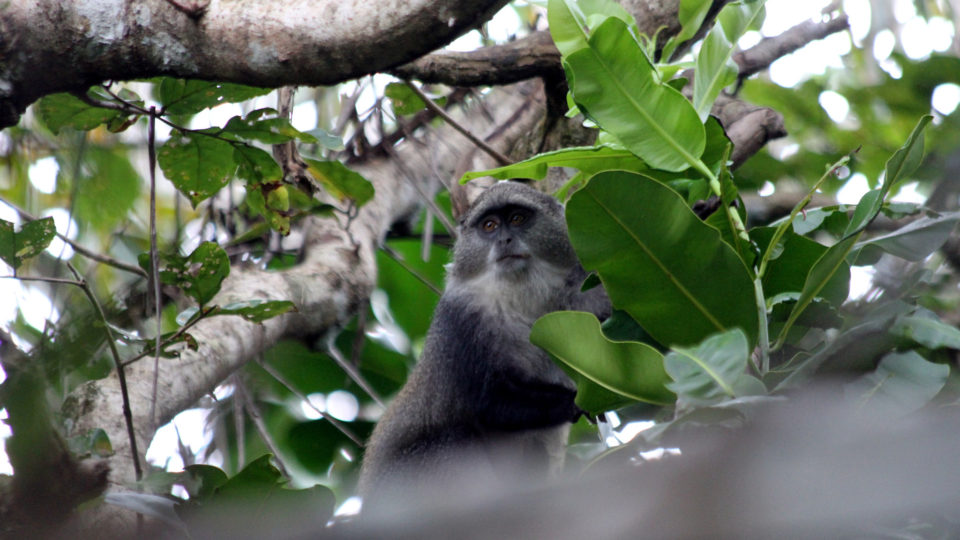
The island of Kokota, part of the Zanzibar Archipelago off the coast of Tanzania, is tiny – only one square kilometer and home to just 500 people.  For centuries, its residents subsisted by harvesting the islet’s natural resources, including its trees.

By the early 21st century, the deforestation had become unsustainable and the islanders faced a crisis.  Fisheries were depleted, and rivers ran dry.  The changing climate brought rising sea levels, more erratic rainfall, and coral bleaching in the surrounding waters.  The situation looked hopeless.

But in recent years, the island has come back from the brink of ruin.  Reforestation efforts began in 2008 on the larger island of Pemba and on Kokota itself, led by a Pemba local and a Canadian tree planter who formed the non-profit Community Forests International.  Since then, nearly 2 million trees have been planted on the two islands.  Enthusiastic volunteers on Kokota usually help plant trees during the rainy season, when water is plentiful.

Community Forests International, along with spearheading the tree planting effort, also built Kokota’s first school, and installed rainwater storage tanks for the community.

The conservation group is now devising ways for Kokota to make more money by diversifying its agriculture with crops that grow well in its climate including spices like cloves, cinnamon, and nutmeg.  They are also helping locals to grow more and different vegetables in their gardens.

Small, poor communities are often the most vulnerable to the effects of climate change, such as drought, powerful storms, and depleted fisheries.  Tiny Kokota provides an example of an environmental comeback.  Fighting climate change requires economic solutions along with environmental solutions.  For this one tiny island, it  appears to have been saved by the trees.

**********

Web Links

This island was on the brink of disaster. Then, they planted thousands of trees.

Photo, posted July 18, 2015, courtesy of Marco Zanferrari via Flickr.

Earth Wise is a production of WAMC Northeast Public Radio.
  • « Go to Previous Page
  • Page 1
  • Interim pages omitted …
  • Page 3
  • Page 4
  • Page 5
  • Page 6
  • Page 7
  • Go to Next Page »

Primary Sidebar

Recent Episodes

  • An uninsurable future
  • Clean energy and jobs
  • Insect declines in remote regions
  • Fossil fuel producing nations ignoring climate goals
  • Trouble for clownfishes

WAMC Northeast Public Radio

WAMC/Northeast Public Radio is a regional public radio network serving parts of seven northeastern states (more...)

Copyright © 2026 ·