• Skip to primary navigation
  • Skip to main content
  • Skip to primary sidebar

Earth Wise

A look at our changing environment.

  • Home
  • About Earth Wise
  • Where to Listen
  • All Articles
  • Show Search
Hide Search
You are here: Home / Archives for asia

asia

Crop Diversity

March 22, 2019 By EarthWise Leave a Comment

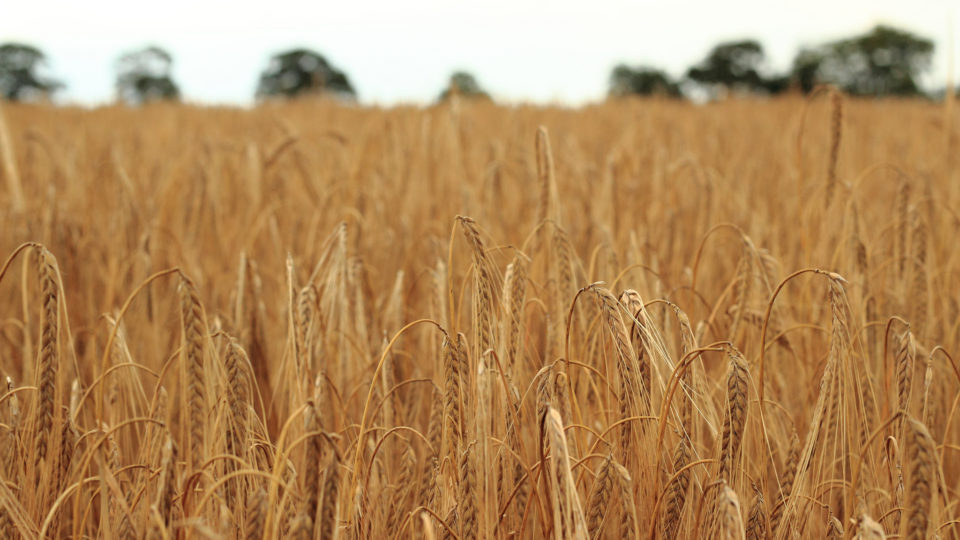
A study at the University of Toronto suggests that on a global scale, we are growing more of the same kinds of crops, and this diminishing diversity presents major challenges for agricultural sustainability.

In some places, for example here in North America, crop diversity has actually increased.  Back in the 1960s, North Americans grew about 80 crops.  Now there are 93.

But on a global scale, more of the same kinds of crops are being grown on much larger scales.  Just four crops – soybeans, wheat, rice and corn – occupy nearly 50% of the world’s entire agricultural lands.  The remaining 152 crops cover the rest.  Large industrial farms often grow one crop species – usually just a single genotype – across thousands of acres of land.

This decline in global crop diversity is problematic in several ways.  On a cultural level, it threatens regional food sovereignty.  If regional crop diversity is threatened, it makes it more difficult for people to eat or afford foods that are culturally significant to them.

On an ecological level, the dominance by a few genetic lineages of crops makes the agricultural system increasingly susceptible to pests or diseases.  The deadly fungus that is threatening the world’s banana plantations is a prime current example.  The Irish potato famine in the 19th century is a tragic historical example.

As large industrial-sized farms in Asia, Europe and the Americas start to look more and more alike, the dangers of large monocultures of crops that are commercially valuable will only increase.  It will be important for global governments to consider the impact of policies that affect the diversity of the agricultural system and its sustainability in an increasingly hungry world.

**********

Web Links

A small number of crops are dominating globally. And that’s bad news for sustainable agriculture

Photo, posted August 13, 2012, courtesy of Alasdair McKenzie via Flickr.

Earth Wise is a production of WAMC Northeast Public Radio.
A Disastrous Year

February 5, 2019 By EarthWise Leave a Comment

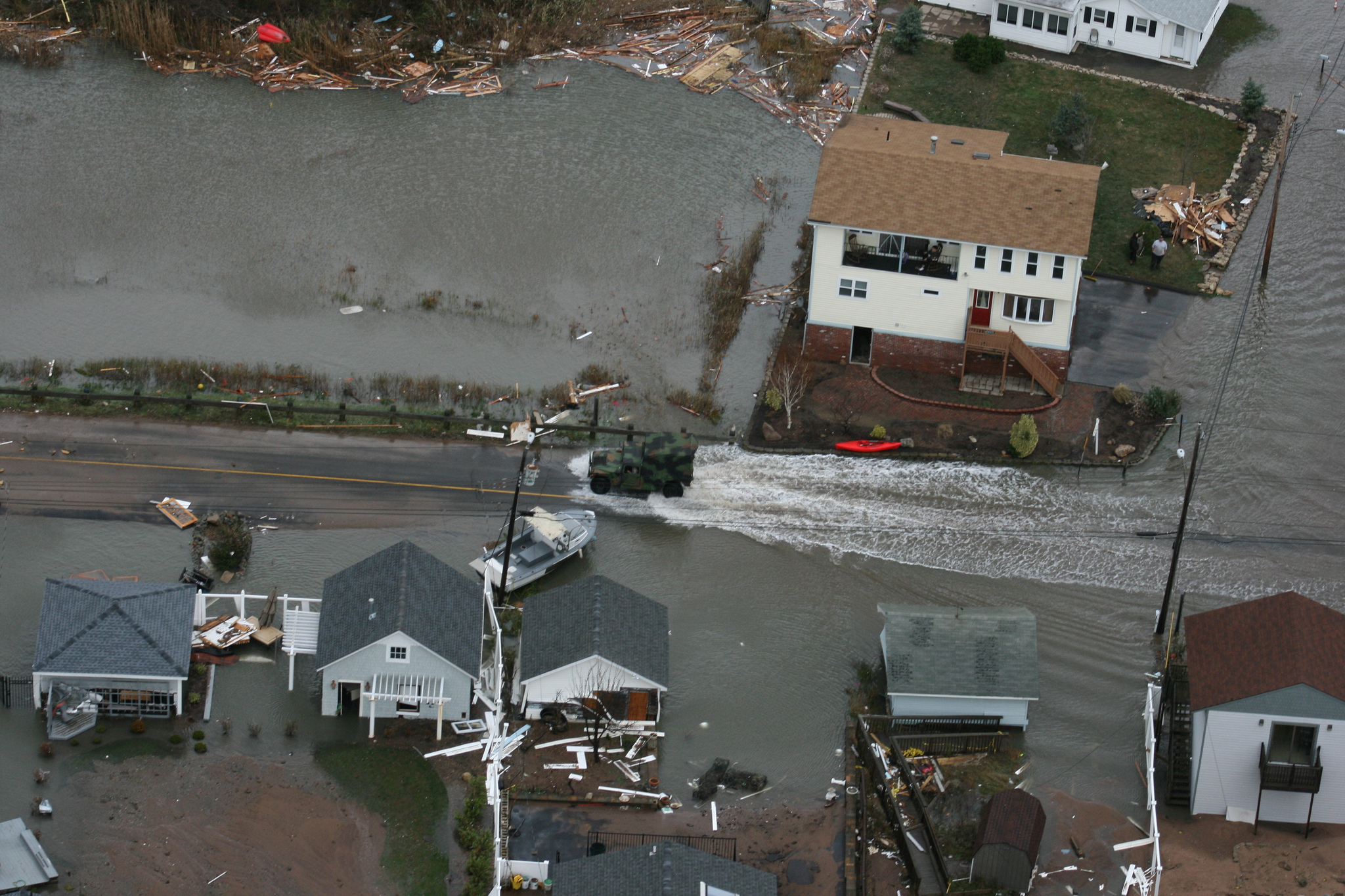
The number and economic impact of natural disasters around the world have increased dramatically over the past 30 years.  In dollar terms, the amount has actually more than doubled.  While 2017 and especially 2011 hold the records for worldwide economic damage, 2018 was pretty disastrous in its own right, totaling at least $160 billion.

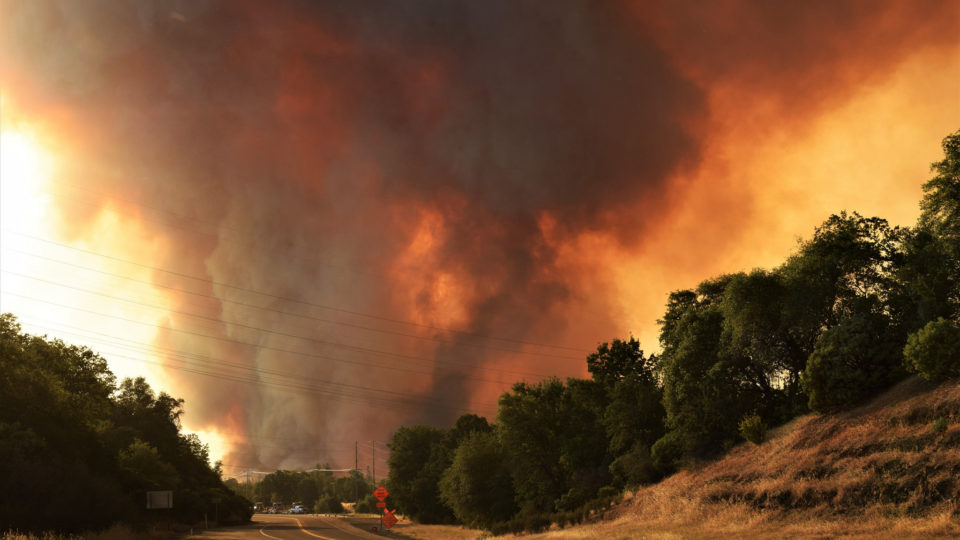
The year was dominated by costly wildfires in California and tropical storms in the United States and Asia.   According to a recent report by the reinsurance company Munich Re, the Camp and Woolsey fires in California alone caused losses of $21.7 billion, $16.5 billion of which was insured.

Overall, insurance companies paid out $80 billion in damage claims from natural disasters last year.  This was less than the $140 billion in 2017 but is still double the 30-year average.

Losses from wildfires have increased dramatically in recent years and summers continue to get hotter and dryer, a likely consequence of climate change.  These mounting costs bring into question whether people can continue to build in high-risk wildfire areas without dramatic changes in materials and the aggressive use of other protective measures.

Twenty-nine natural disaster events in 2018 caused more than a billion dollars in damage each.  Tropical storms including hurricanes Michael and Florence in the United States and three Asian typhoons caused $57 billion in damage.

A severe drought in Europe that set off major wildfires and caused agricultural losses caused $3.9 billion in losses.  Only about $280 million of this damage was covered by insurance companies since farmers in Europe don’t typically purchase insurance against drought.  For them, 2018 was truly a disastrous year.

**********

Web Links

Natural Disasters Caused $160 Billion in Damage in 2018

Photo, posted July 26, 2018, courtesy of Bureau of Land Management California via Flickr.

Earth Wise is a production of WAMC Northeast Public Radio.
New Ocean Energy Technologies

December 26, 2018 By EarthWise Leave a Comment

https://earthwiseradio.org/wp-content/uploads/2018/12/EW-12-26-18-New-Ocean-Energy-Technologies.mp3

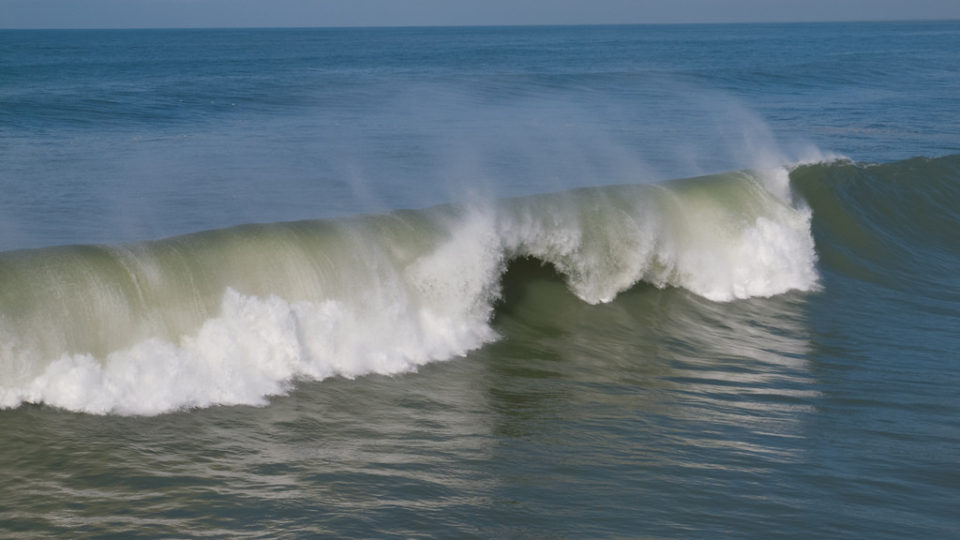
The ocean energy sector is still at an early stage of development.  Despite the fact that the ocean is permanently in motion, extracting energy from that motion on a major scale continues to be a challenge.  But the potential benefits of ocean technologies are compelling enough that many approaches continue to be pursued.

[Read more…] about New Ocean Energy Technologies

Greenhouse Gas Emissions Rising Again

May 8, 2018 By EarthWise Leave a Comment

https://earthwiseradio.org/wp-content/uploads/2018/04/EW-05-08-18-Greenhouse-Gas-Emissions-Rising-Again.mp3

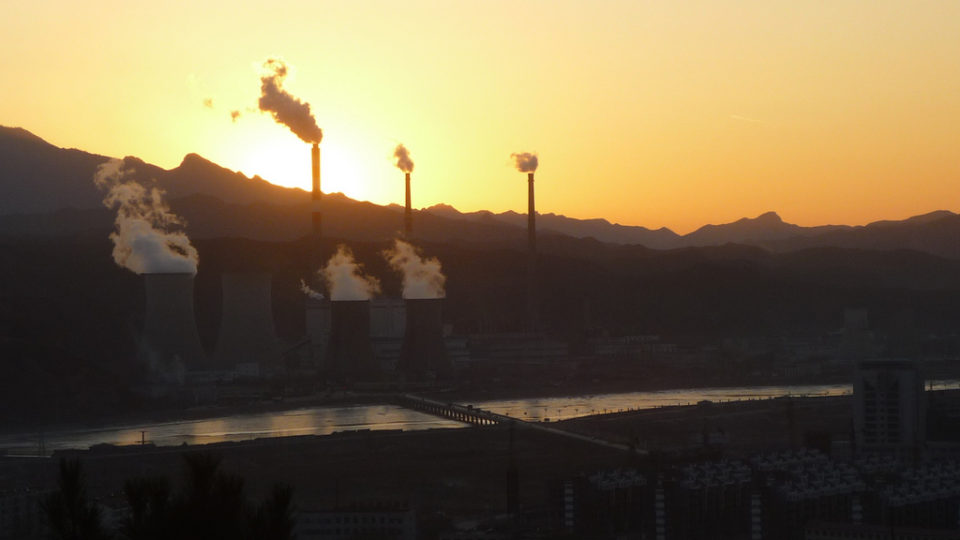
If we want to avoid drastic global warming this century, we need to sharply reduce greenhouse gas emissions over time.   For the previous three years, emissions had been holding steady, but last year, global emissions from the use of coal, oil and natural gas increased by 1.4%.  According to the International Energy Agency, this unfortunate new data should serve as a strong warning that we need to increase our efforts to combat climate change.

[Read more…] about Greenhouse Gas Emissions Rising Again

Are Big Cats In Big Trouble?

January 16, 2018 By EarthWise Leave a Comment

https://earthwiseradio.org/wp-content/uploads/2017/12/EW-01-16-18-Big-Cats-in-Big-Trouble.mp3

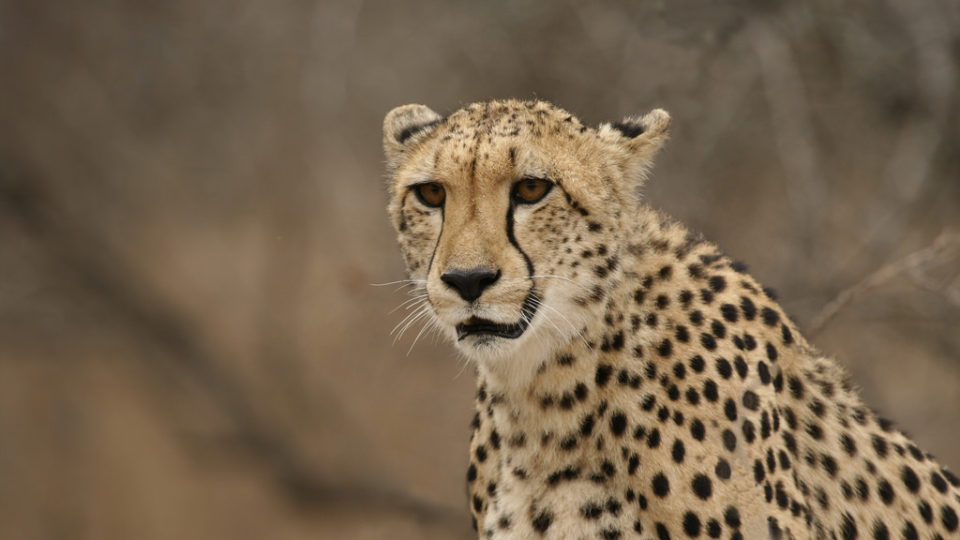
According to researchers with the National Geographic Society’s Big Cats Initiative, cheetahs are much closer to extinction than previously thought. The research team has released a study, which was recently published in the journal PeerJ, that updates the cheetah population numbers in southern Africa, the largest of its remaining habitat.

[Read more…] about Are Big Cats In Big Trouble?

An Internal Price On Carbon

December 11, 2017 By EarthWise Leave a Comment

https://earthwiseradio.org/wp-content/uploads/2017/11/EW-12-11-17-An-Internal-Price-on-Carbon.mp3

As the world looks to reduce carbon emissions, many companies are dealing with paying for their carbon emissions as part of the cost of doing business.  But apart from the situations in which companies already are required to pay for their carbon emissions, a growing number of companies now build carbon pricing into their business plans even if they are not yet directly paying for their emissions.  This practice is known as putting an internal price of carbon into their business plan.

[Read more…] about An Internal Price On Carbon

A Plastics Promise

July 19, 2017 By EarthWise

https://earthwiseradio.org/wp-content/uploads/2017/07/EW-07-19-17-A-Plastics-Promise.mp3

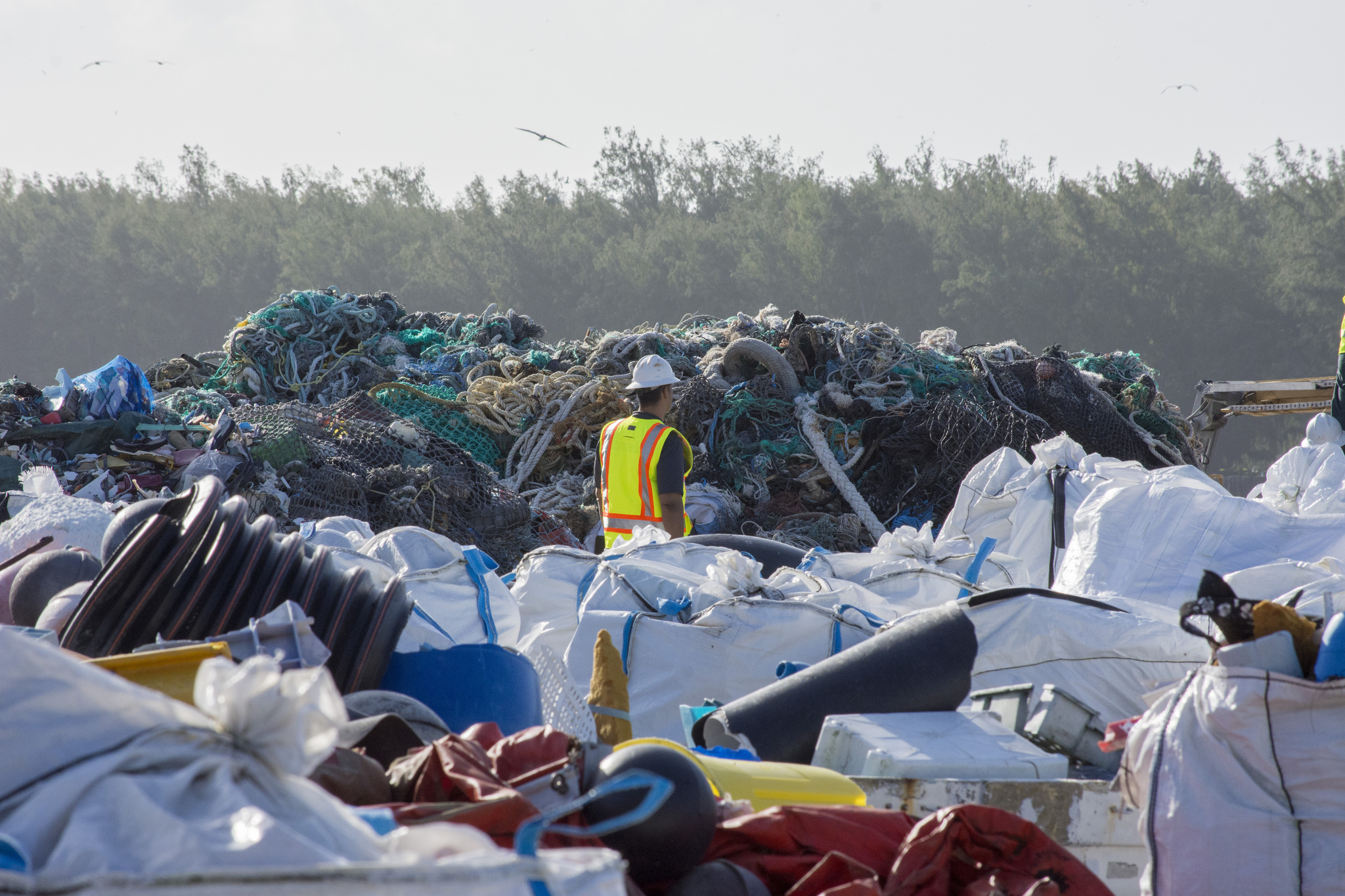
It’s estimated that five to thirteen million tons of plastic enters our oceans annually, where much of it can linger for hundreds of years.  According to a report by the World Economic Forum and the Ellen MacArthur Foundation, scientists estimate that there is 165 million tons of plastic swirling about in the oceans right now.   And we are on pace to have more plastic than fish (by weight) in the world’s oceans by 2050. That’s some scary stuff. 

[Read more…] about A Plastics Promise

Reviving Vaquitas

May 9, 2017 By EarthWise

https://earthwiseradio.org/wp-content/uploads/2017/05/EW-05-09-17-Reviving-Vaquitas.mp3

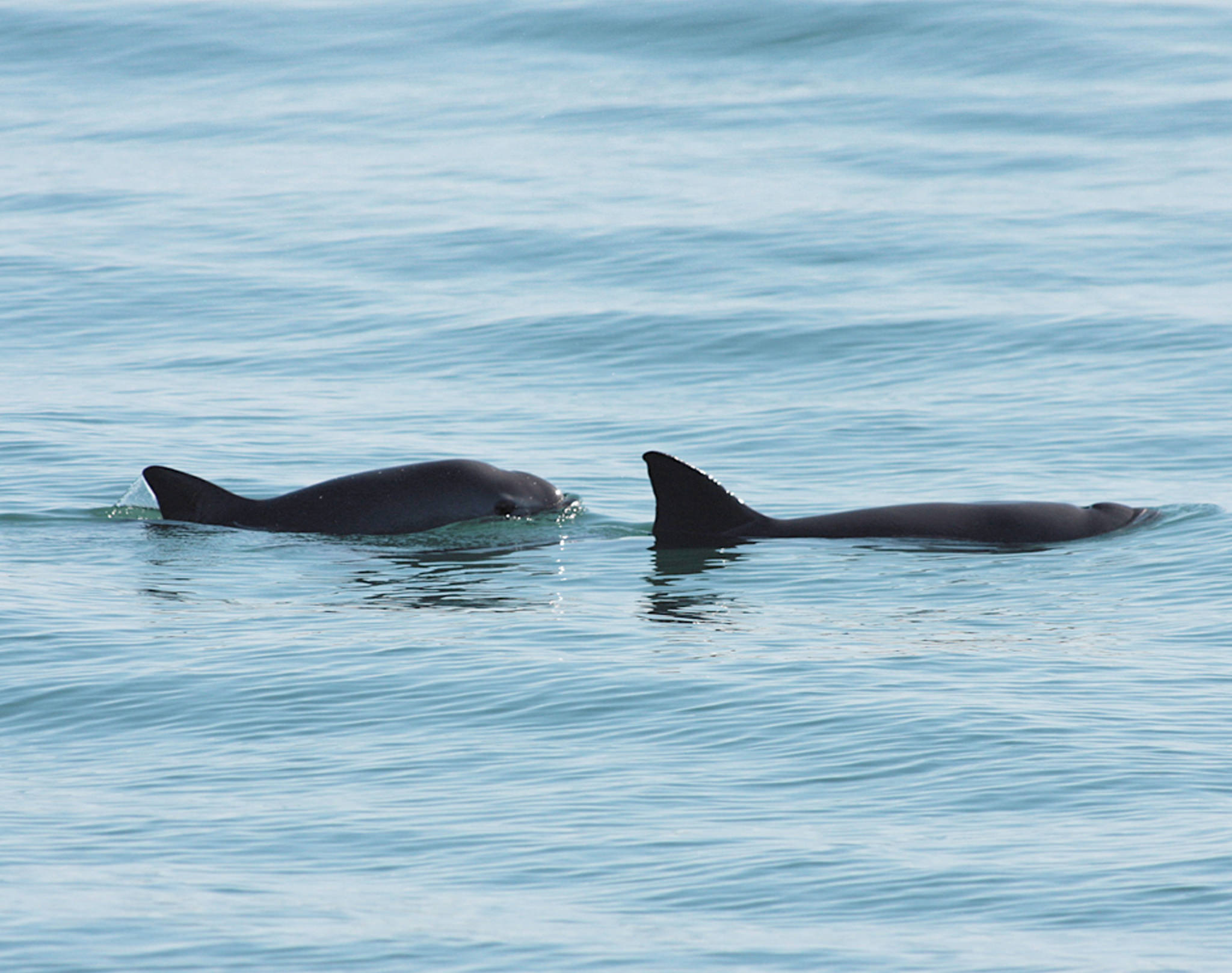
The world’s smallest porpoise is in real trouble. According to scientists, there could be as few as 30 vaquitas remaining on the planet.   We highlighted the plight facing this species in detail last month. 

[Read more…] about Reviving Vaquitas

Can Cheetahs Survive?

January 24, 2017 By EarthWise

https://earthwiseradio.org/wp-content/uploads/2017/01/EW-01-24-17-Cheetahs-Survival-Threatened.mp3

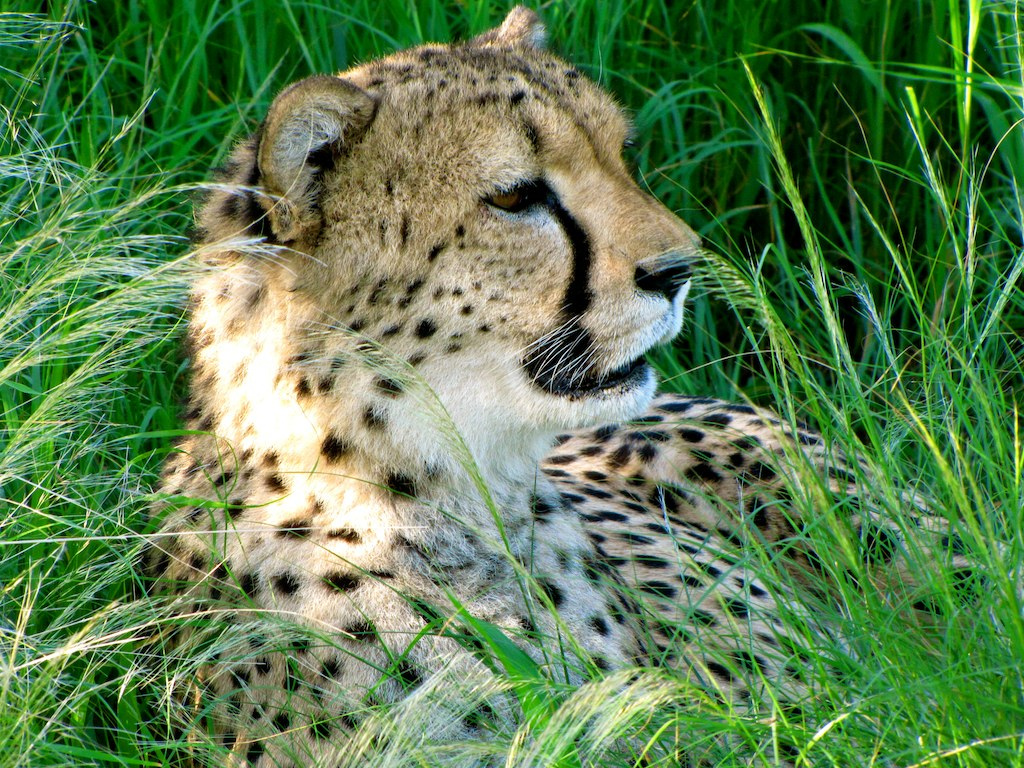
A new study has revealed that the global population of the world’s fastest land animal – the cheetah – is down to only 7,100, a drop of 50% over the past 40 years.  The dramatic decline in cheetah population could soon lead to the extinction of the species unless urgent conservation efforts are made.

[Read more…] about Can Cheetahs Survive?

The Threat Of Bushmeat Hunting

November 22, 2016 By WAMC WEB

https://earthwiseradio.org/wp-content/uploads/2016/11/EW-11-22-16-The-Threat-of-Bushmeat-Hunting.mp3

A recent study has identified the steep decline of more than 300 species of mammals as a result of unregulated or illegal hunting.  Humans are consuming many of the world’s wild mammals to the point of extinction.

[Read more…] about The Threat Of Bushmeat Hunting

Snow Leopards And Humans

November 10, 2016 By WAMC WEB

https://earthwiseradio.org/wp-content/uploads/2016/11/EW-11-10-16-Snow-Leopards-and-Humans.mp3

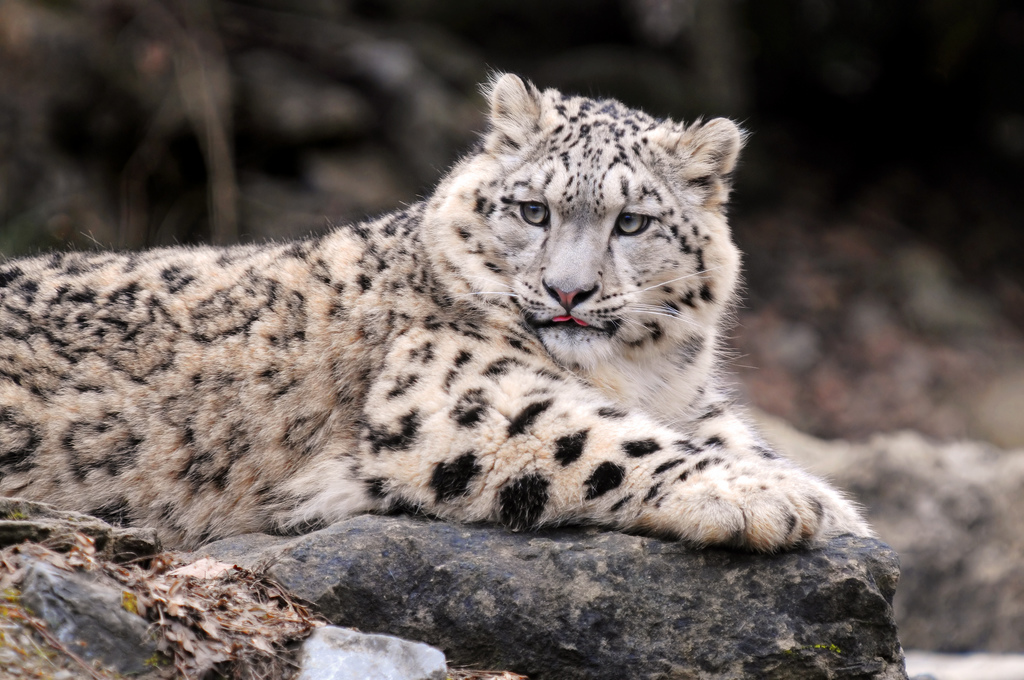
Snow leopards are majestic animals native to Central Asia.  They roam the region’s rugged terrain, from Afghanistan to Kazakhstan and Russia in the north, and to India and China in the east.  Snow leopards are known for their thick white coat of fur with ringed black and brown spots.  These markings help camouflage the animals from their prey.  But the camouflage does little to protect snow leopards from one of their biggest threats: humans.

[Read more…] about Snow Leopards And Humans

Help For Pangolins

November 3, 2016 By WAMC WEB

https://earthwiseradio.org/wp-content/uploads/2016/10/EW-11-03-16-Help-for-Pangolins.mp3

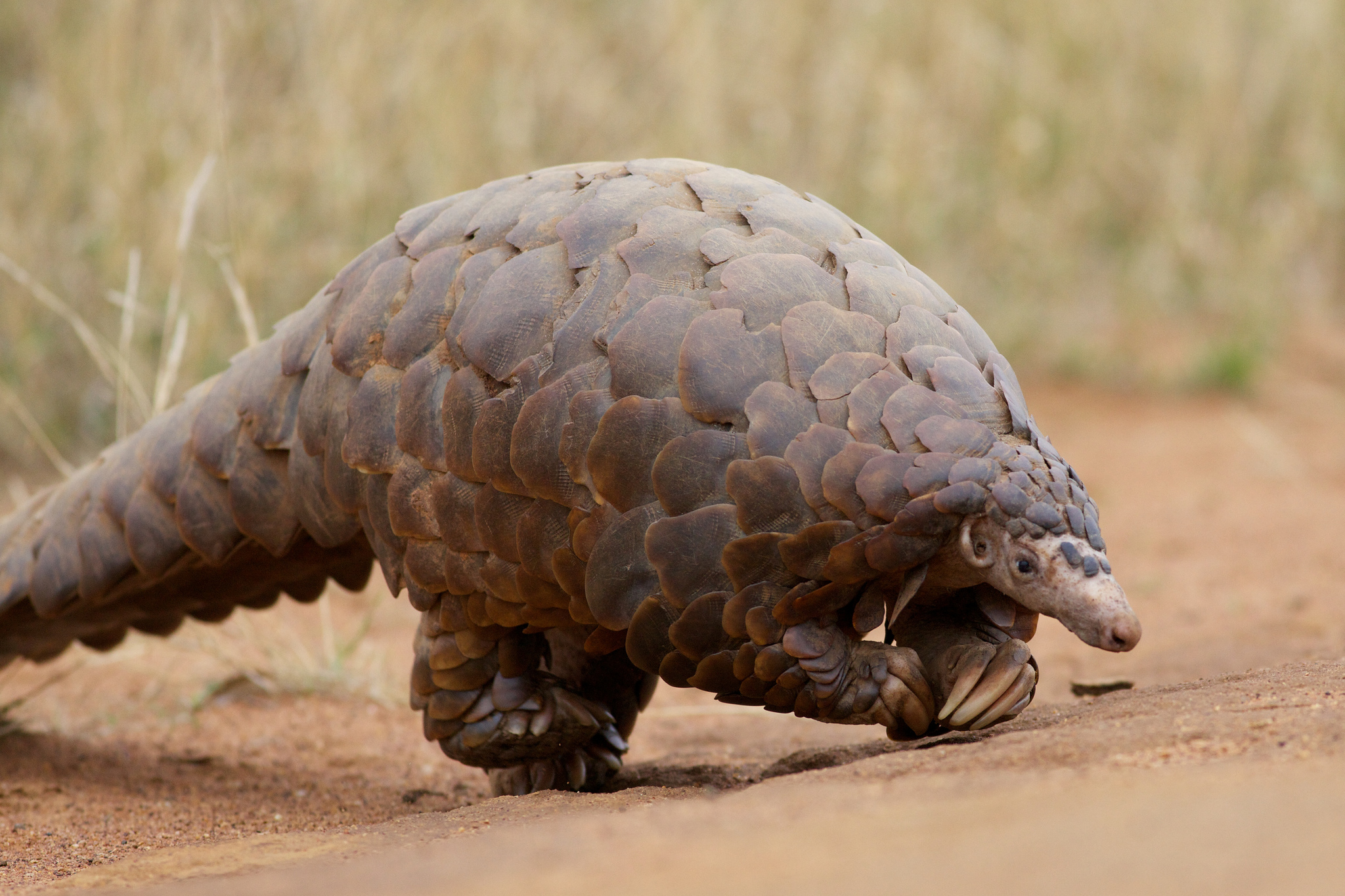
Poaching and illegal trafficking in exotic animals is a world-wide problem that most of us are aware of.  What most of us are less aware of is that the most trafficked mammal in the world is the pangolin, which you may well have never even heard of.

[Read more…] about Help For Pangolins

Cruising The Northwest Passage

October 3, 2016 By WAMC WEB

https://earthwiseradio.org/wp-content/uploads/2016/09/EW-10-03-16-Cruising-the-Northwest-Passage.mp3

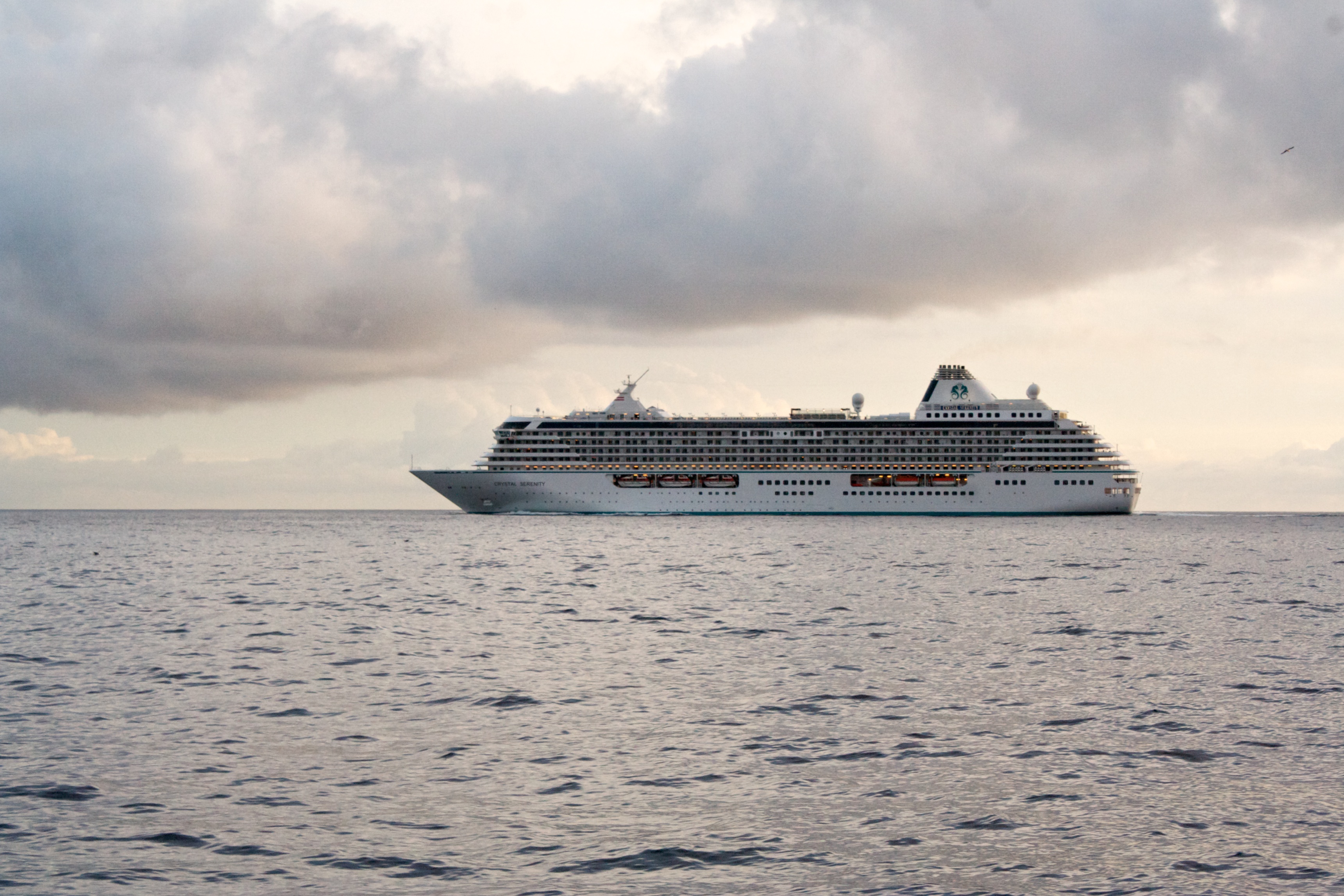
The Northwest Passage is a sea route connecting the northern Atlantic and Pacific Oceans through the Arctic Ocean, going along the northern coast of North America via waterways through the Canadian Arctic Archipelago.

[Read more…] about Cruising The Northwest Passage

Dehorning Rhinos

September 30, 2016 By WAMC WEB

https://earthwiseradio.org/wp-content/uploads/2016/09/EW-09-30-16-Dehorning-Rhinos.mp3

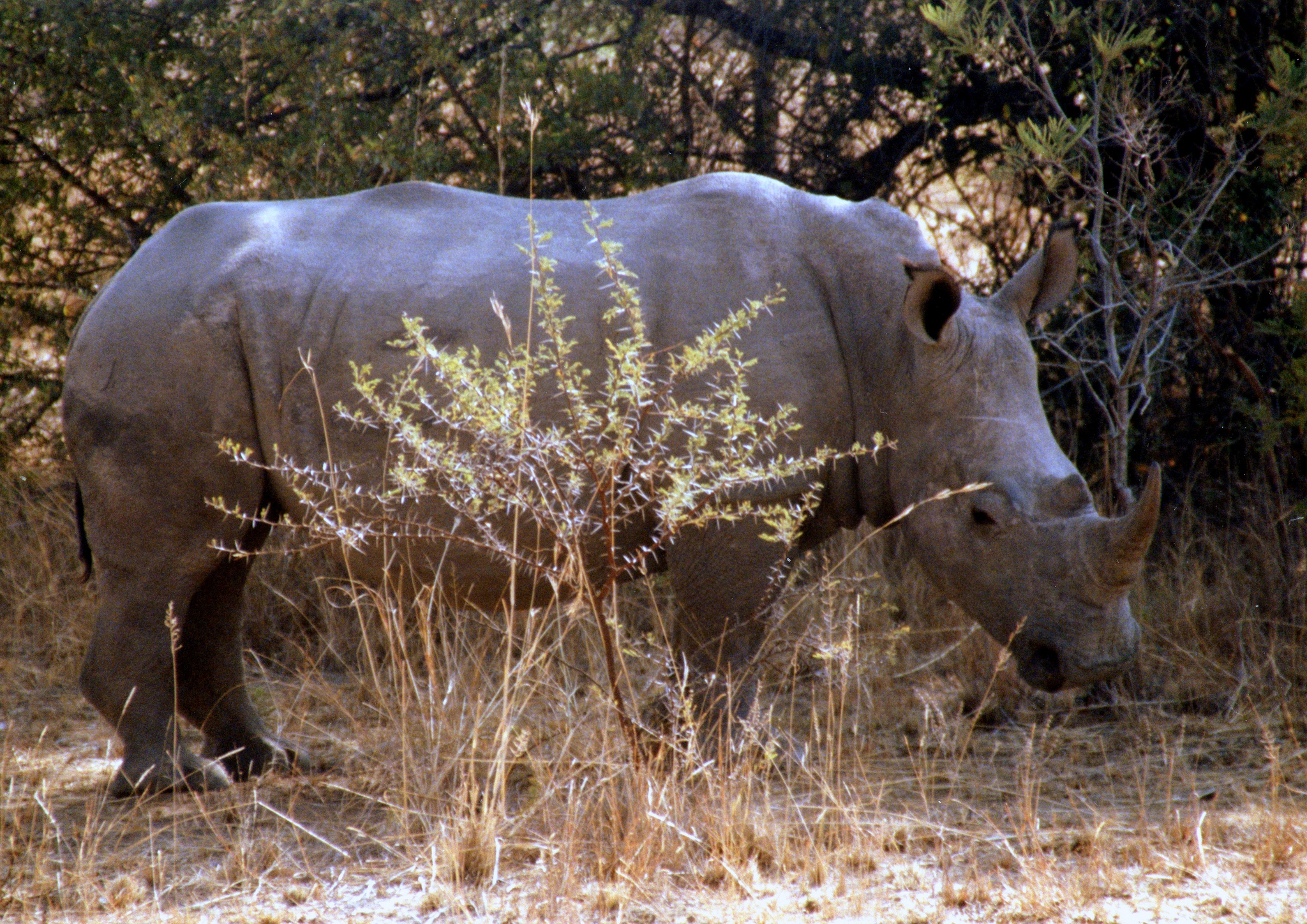
At the beginning of the 20th century, there were about 500,000 rhinos across Africa and Asia.  By 1970, the number was down to 70,000.  Today, there are less than 30,000 rhinos in the wild.  The number of black rhinos dropped to as low as 2,300 in 1993.  Aggressive conservation efforts have brought their numbers up to over 5,000 today.

[Read more…] about Dehorning Rhinos

Our Air Is Killing Us

September 28, 2016 By WAMC WEB

https://earthwiseradio.org/wp-content/uploads/2016/09/EW-09-28-16-Our-Air-Is-Killing-Us.mp3

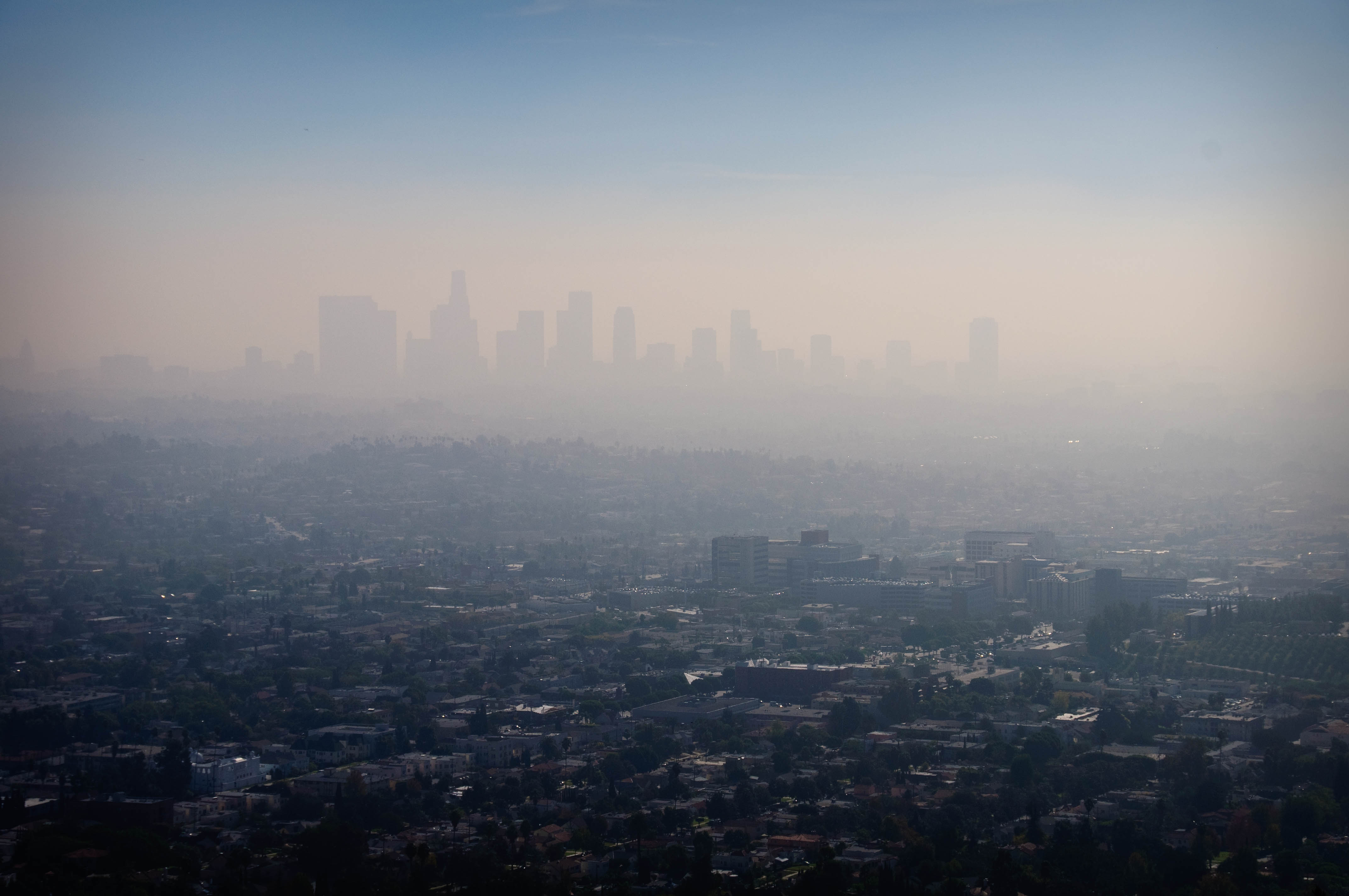
Poor air quality is a serious problem.  Exposure to air pollution is linked to the premature deaths of an estimated 6.5 million people every year.  This makes air pollution the fourth largest threat to human health.  Only high blood pressure, dietary risks, and smoking are a bigger danger. 

[Read more…] about Our Air Is Killing Us

Half A Degree

July 28, 2016 By WAMC WEB

https://earthwiseradio.org/wp-content/uploads/2016/07/EW-07-28-16-Half-A-Degree.mp3

The average global temperature is one degree Celsius above pre-industrial levels.   There has long been a goal to limit global warming to no more than 2 degrees above those levels.  But the Paris climate conference has set a more ambitious goal of limiting global warming to 1.5 degrees.   What difference would that half a degree make?

[Read more…] about Half A Degree

A Bad Year For Rhinos

April 11, 2016 By WAMC WEB

https://earthwiseradio.org/wp-content/uploads/2016/03/EW-04-11-16-Bad-Year-for-Rhinos.mp3

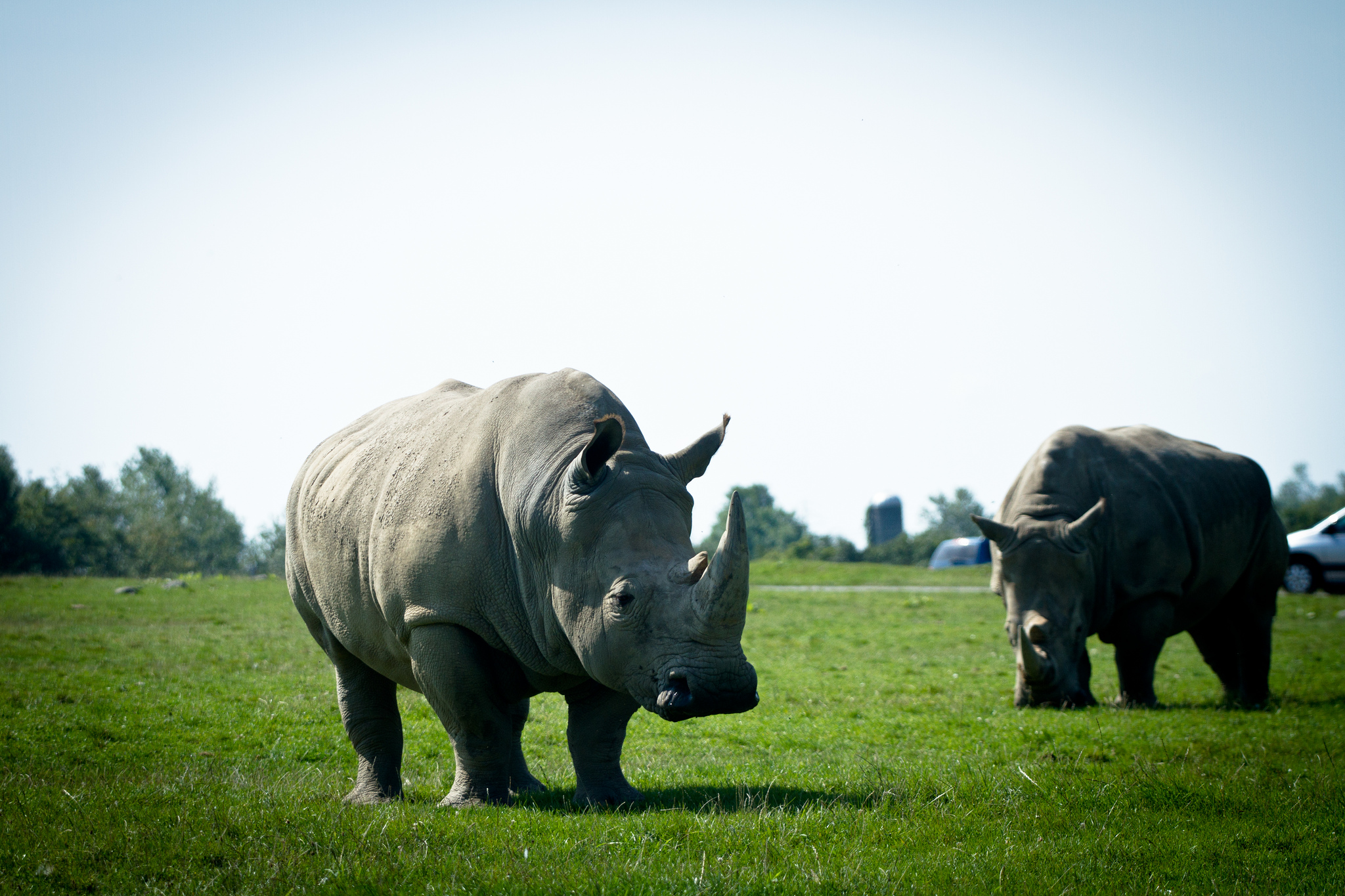
The number of African rhinos poached in 2015 set a new record, according to the International Union for Conservation of Nature.  Some 1,338 were killed, which is the highest level since the current poaching crisis began in 2008.  Since that time, nearly 6,000 African rhinos have been killed.

[Read more…] about A Bad Year For Rhinos

Who Needs Aedes Mosquitoes?

March 29, 2016 By WAMC WEB

https://earthwiseradio.org/wp-content/uploads/2016/03/EW-03-29-16-Aedes-Threat.mp3

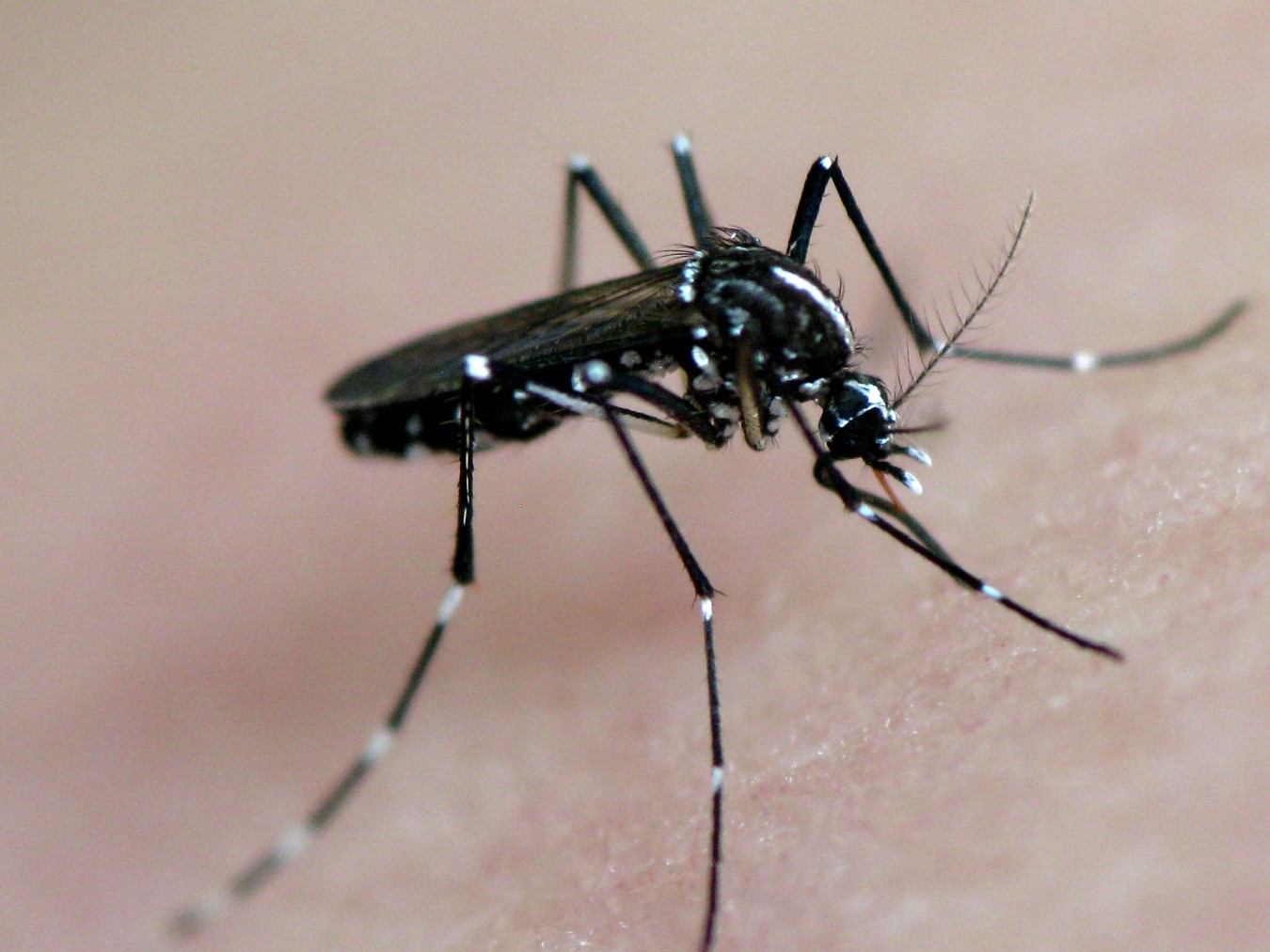
There are approximately 3,500 mosquito species in the world. Of those, only a few hundred are known to bite humans. And just two have adapted to breed almost exclusively in urban environments where they are in close proximity to people.

[Read more…] about Who Needs Aedes Mosquitoes?

Crocodiles And Climate Change

January 25, 2016 By WAMC WEB

https://earthwiseradio.org/wp-content/uploads/2016/01/EW-01-25-16-Crocs-and-Climate-Change.mp3

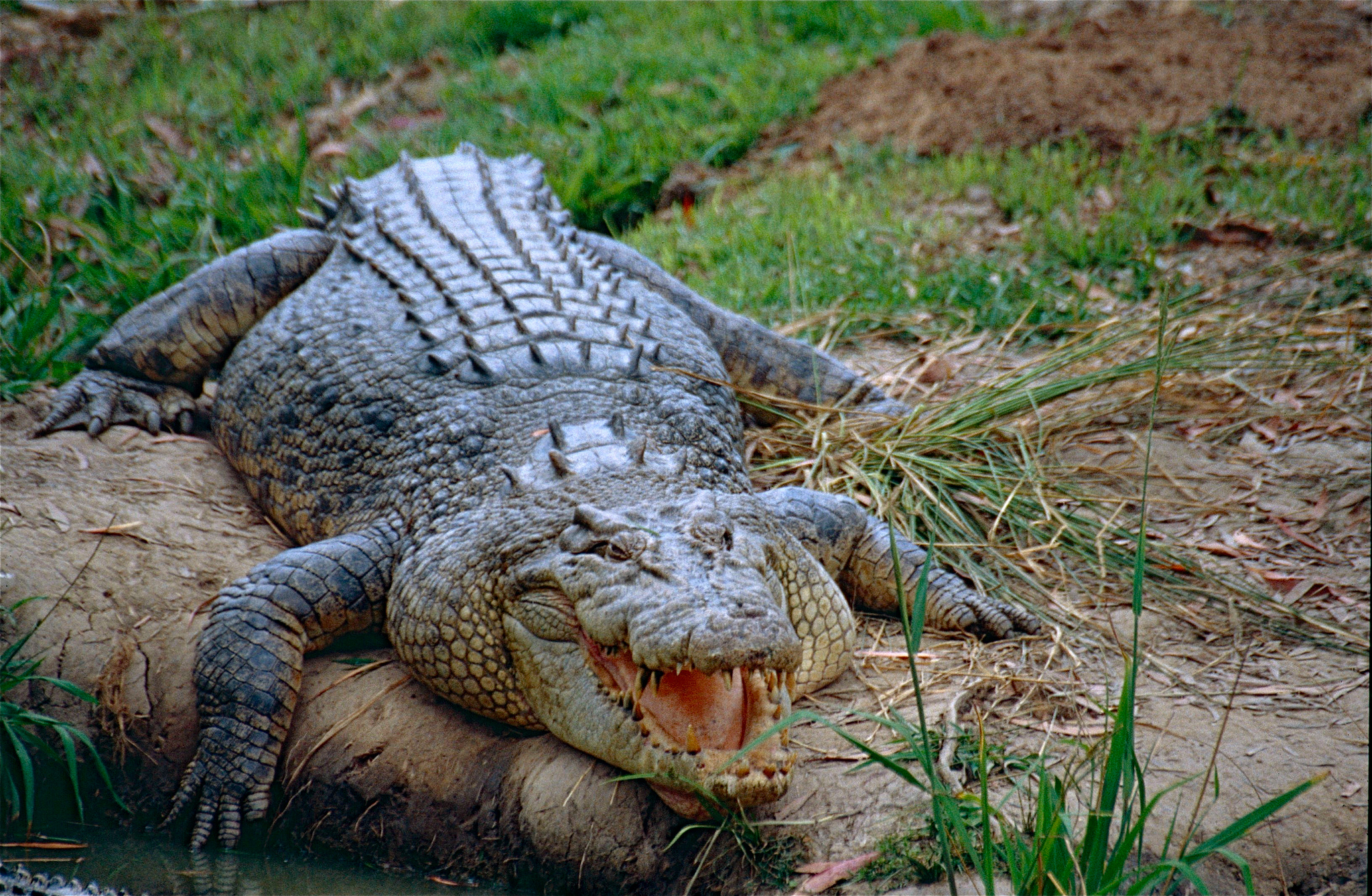
Crocodiles are large aquatic reptiles that live throughout the tropics in Asia, Africa, the Americas, and Australia.  The first crocodiles appeared approximately 240 million years ago – around the same time as dinosaurs.  And while the resilient species did survive the last great extinction, crocodiles might not be climate change-proof after all. 

[Read more…] about Crocodiles And Climate Change

Outsourcing Our Emissions

October 9, 2015 By EarthWise

OLYMPUS DIGITAL CAMERA

https://earthwiseradio.org/wp-content/uploads/2015/10/EW-10-09-15-Outsourcing-Our-Emissions.mp3

The average American is responsible for one of the largest carbon footprints in the world. Some 37% of our carbon emissions is associated with electricity generation; 33% stems from transportation – largely personal automobiles. The remaining 30% is attributed to industry, residential use, and agriculture.

[Read more…] about Outsourcing Our Emissions

  • « Go to Previous Page
  • Page 1
  • Page 2
  • Page 3

Primary Sidebar

Recent Episodes

  • An uninsurable future
  • Clean energy and jobs
  • Insect declines in remote regions
  • Fossil fuel producing nations ignoring climate goals
  • Trouble for clownfishes

WAMC Northeast Public Radio

WAMC/Northeast Public Radio is a regional public radio network serving parts of seven northeastern states (more...)

Copyright © 2026 ·