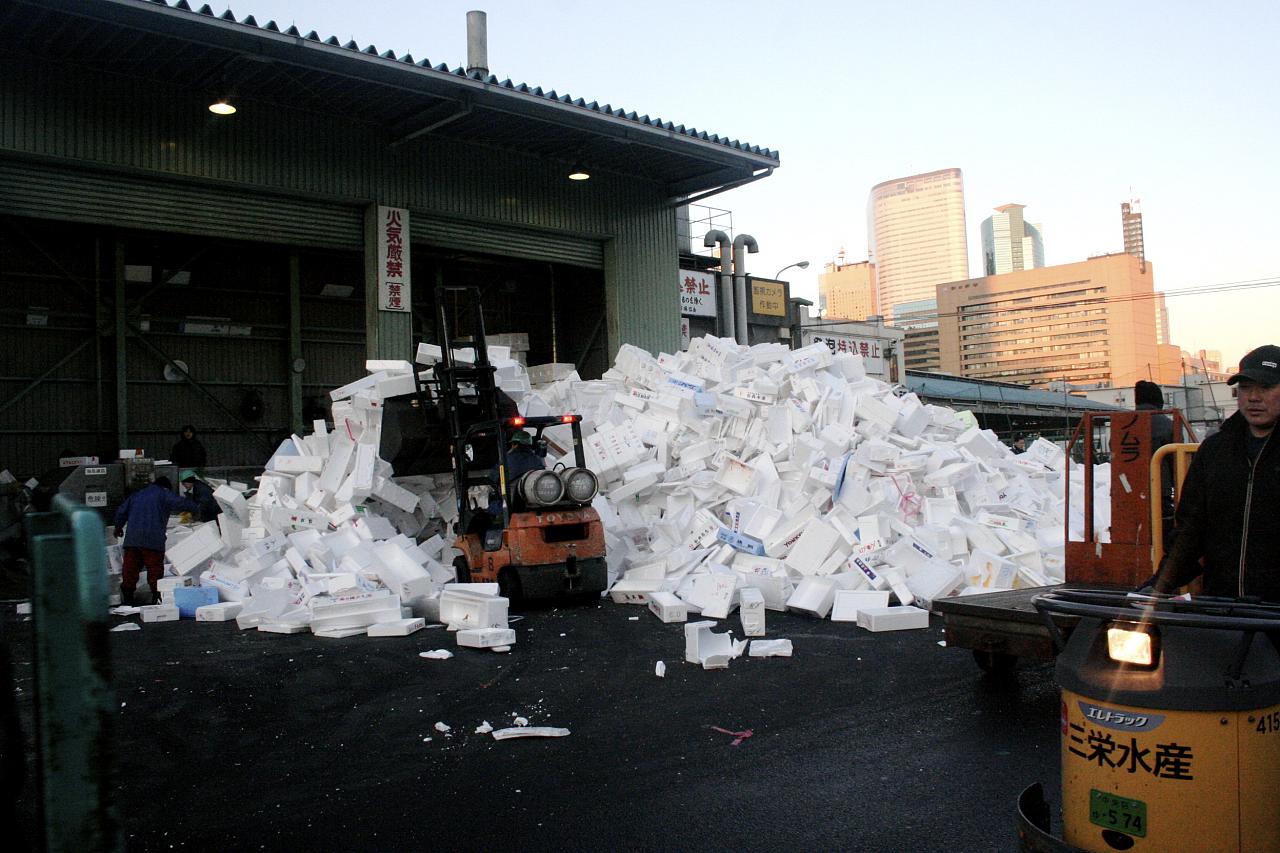
Size Matters
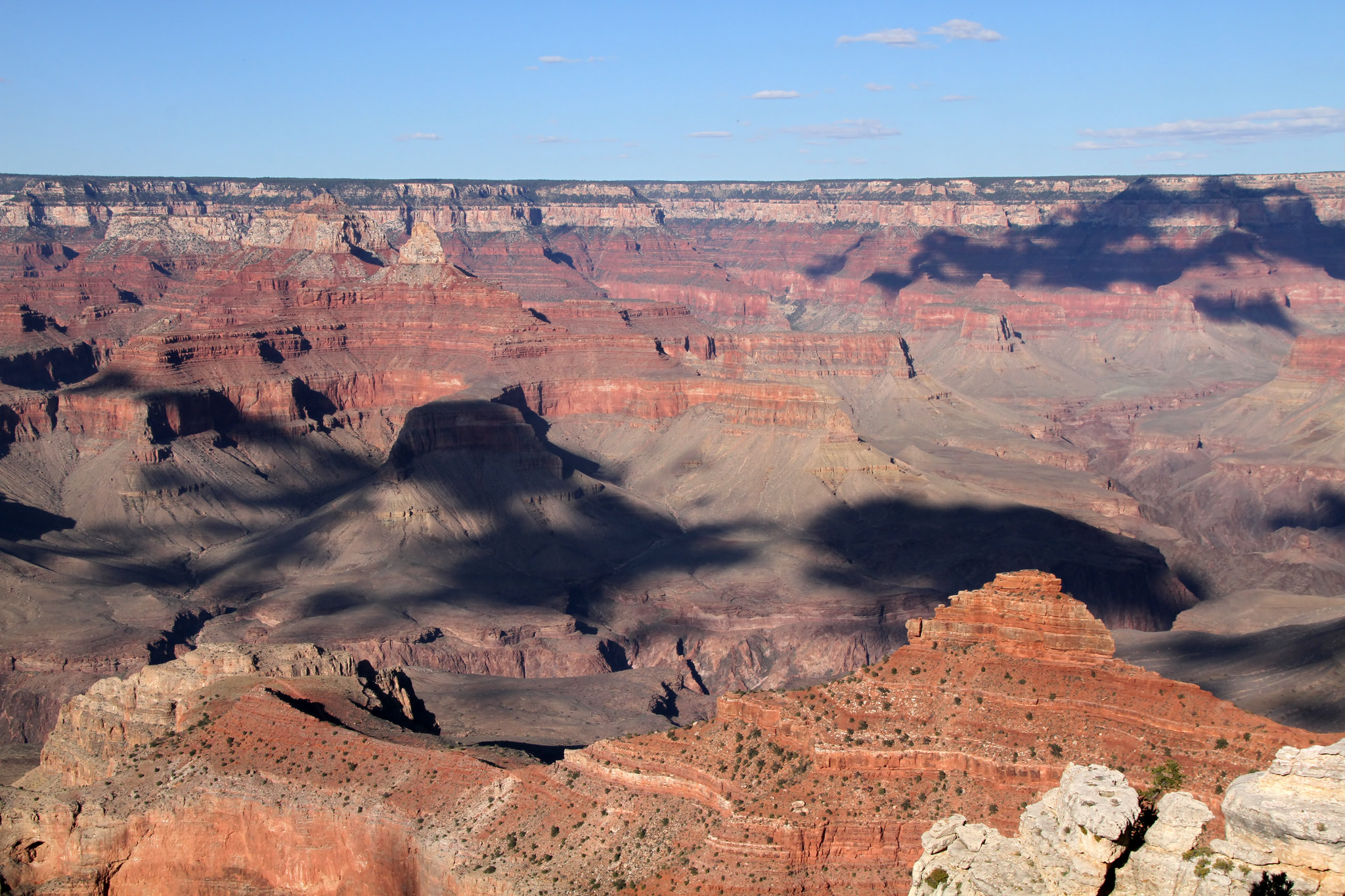
One of the crowning achievements for wildlife protection in the US was the establishment of the National Wildlife Refuge system in the 1930s, when the populations of waterfowl were perilously low. Refuges provided breeding and migratory habitat that has allowed a remarkable recovery of many species of ducks and geese.
A Large-Scale Tidal Energy Plant
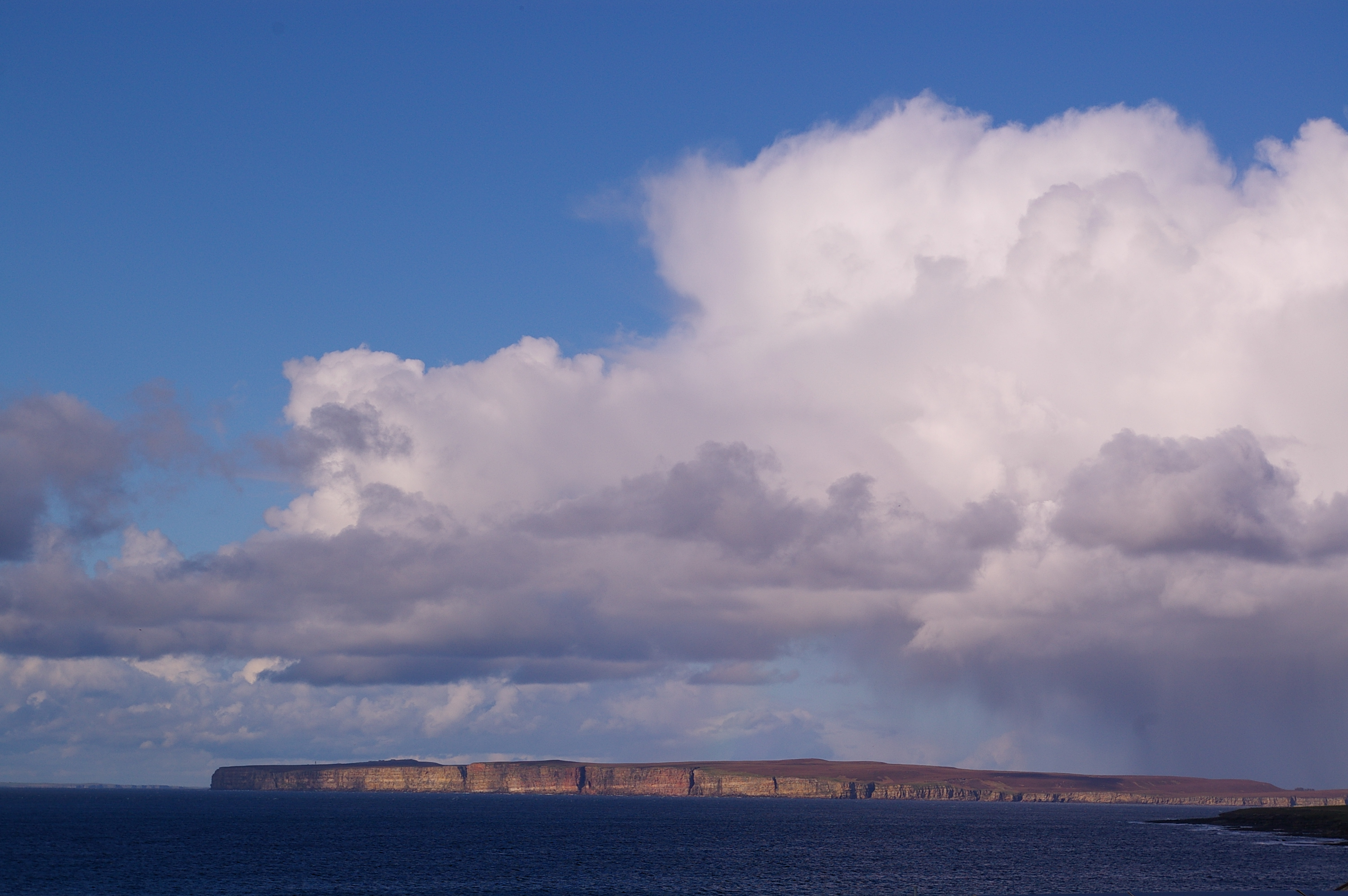
Ocean energy is about to take an important step towards making a real impact in Scotland. The MeyGen Tidal Array Project is reaching the final construction of its demonstration phase, which will be the first test of multiple underwater turbines sited together in a full-scale array.
Outdoor Lights Dim Nature

At night our planet is now bathed in artificial light, ranging from streetlights and floodlights to burning gas flares in oil fields. There are few places that are truly dark at night.
Declining Insect Populations
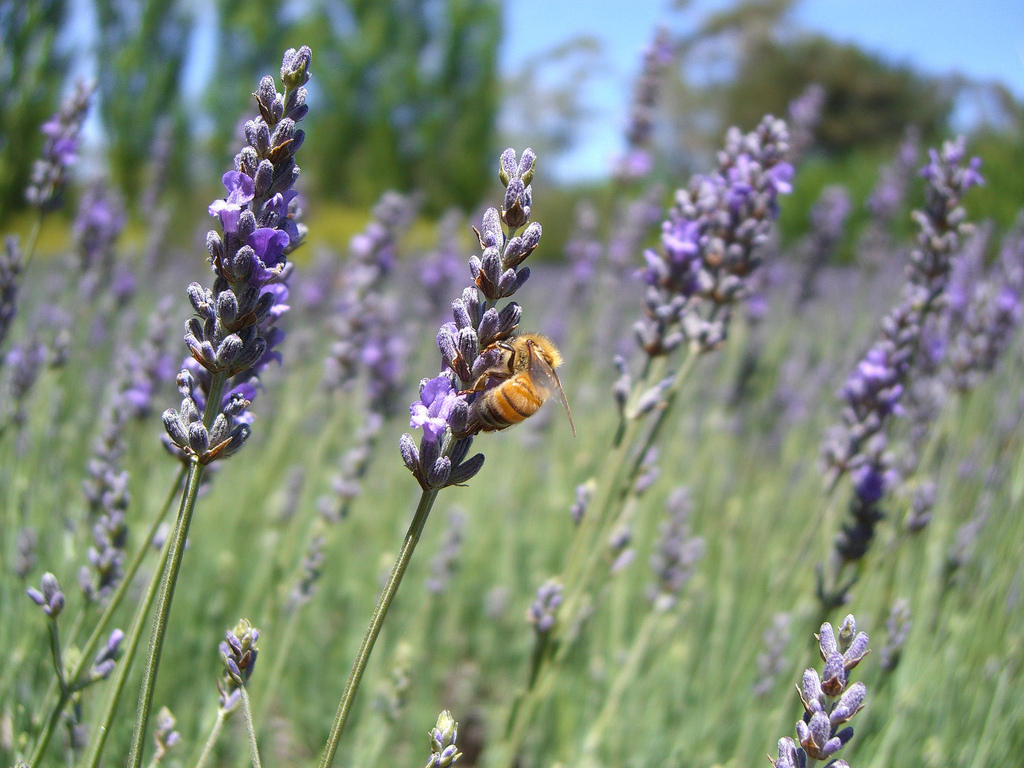
There has been lots of discussion about the decline in bee populations and its dire consequences for agriculture. We have also talked about the efforts to save the monarch butterfly, whose numbers have been dropping dramatically over the years. But the rest of the insect world does not get much attention. For the most part, we think of insects as a nuisance or as potential pests.
Waste In The Big Apple
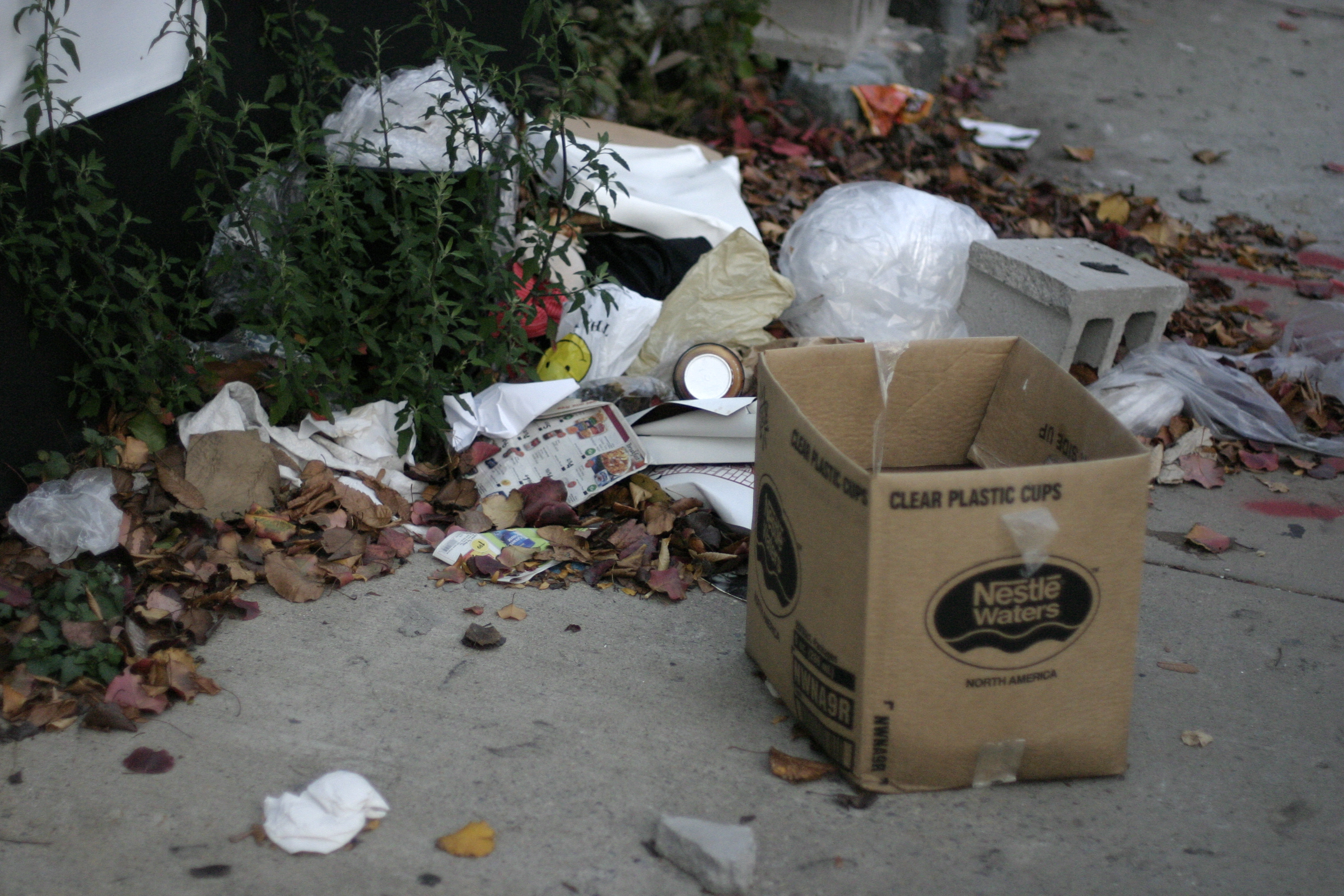
New York City, the financial and cultural center as well as the largest city in the country, is known for a lot of things: skyscrapers, shopping, and pizza immediately come to mind. But we should add another thing to that list. Trash.
Los Angeles’ Giant Battery

Los Angeles has decided to replace a major gas-burning power plant with an energy storage device which, if not exceeded by another before it is completed, will be the world’s largest storage battery.
The Shrinking Ozone Hole
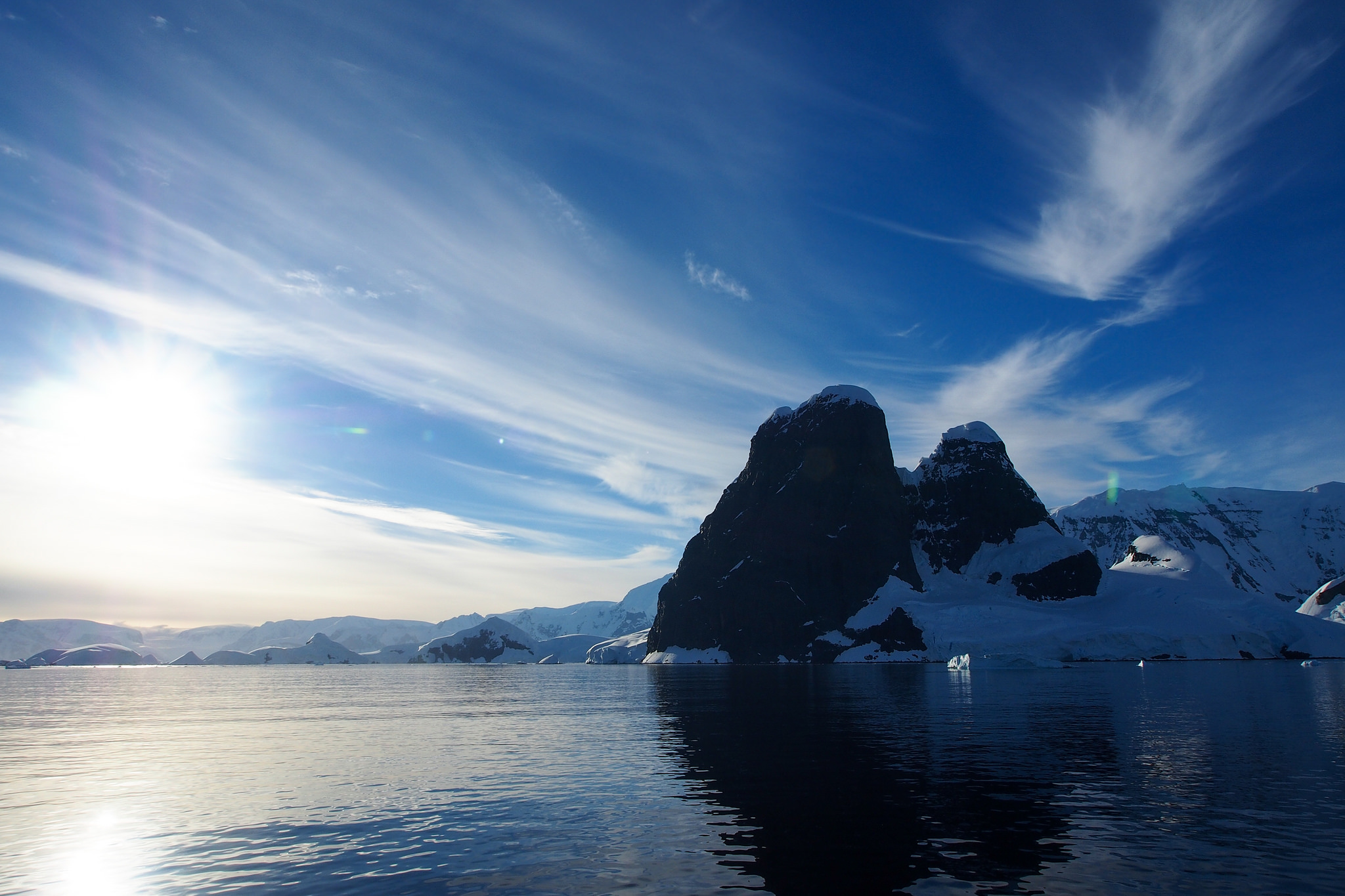
Researchers in Antarctica have been keeping watch on the infamous ozone hole over that continent for several decades. The Montreal Protocol on Substances that Deplete the Ozone Layer was a multinational agreement signed in 1987 designed to reduce the production and consumption of ozone depleting substances that enter the atmosphere. It has been amended in various ways on many occasions over the subsequent years.
The Plight Of Orangutans
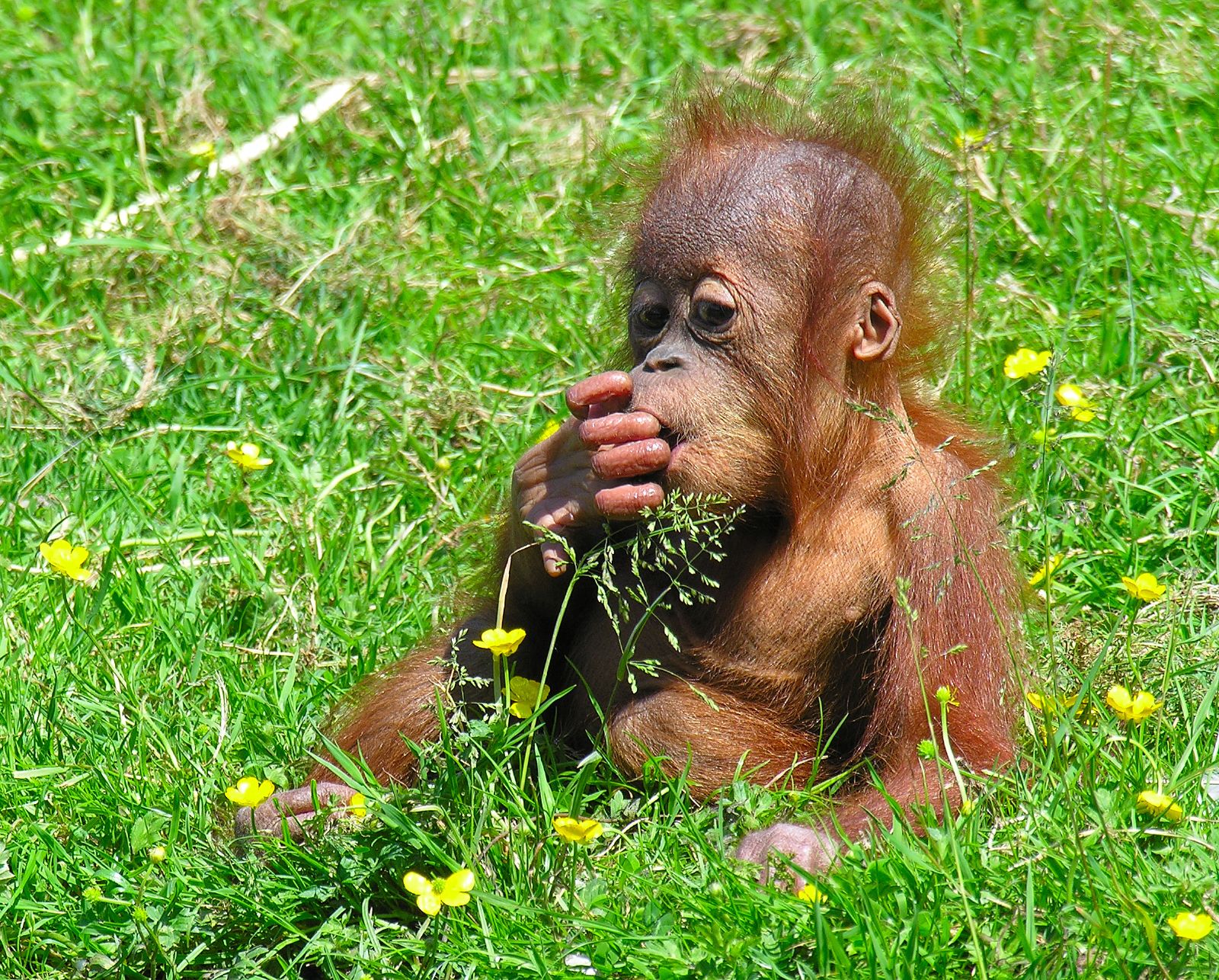
Orangutans – one of the planet’s most intelligent animals – can only be found in the wild on the Indonesian island of Sumatra and the island of Borneo, which is a land mass shared by Indonesia, Malaysia and Brunei. And for years conservationists have been warning that measures put in place to protect orangutans have been failing. And they were correct. It was recently declared that orangutans are officially headed for extinction.
Lessons From The Forest
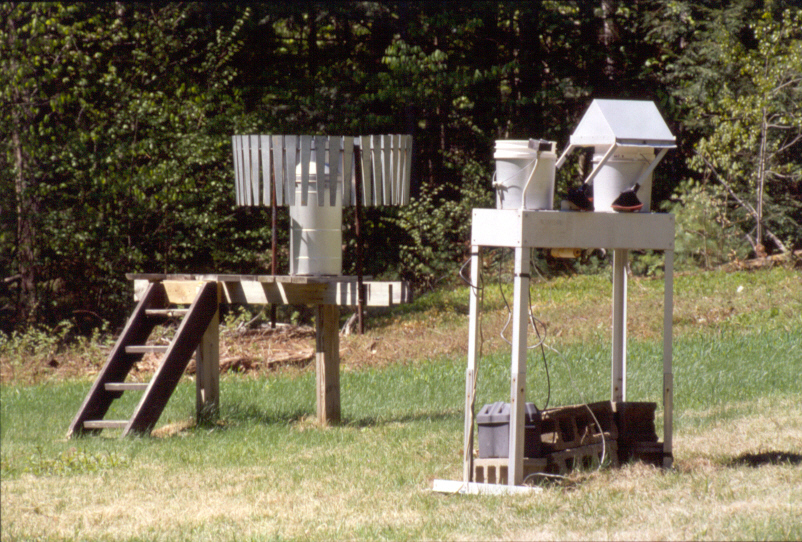
For more than half a century, scientists have converged on Hubbard Brook Experimental Forest in New Hampshire’s White Mountains to explore how forest ecosystems work. The site was established by the U.S. Forest Service to study the relationship between forests and New England’s water supply. In the 1960s, inquiry was expanded to include ecology, biogeochemistry, and studies of birds and other animals.
Half A Degree
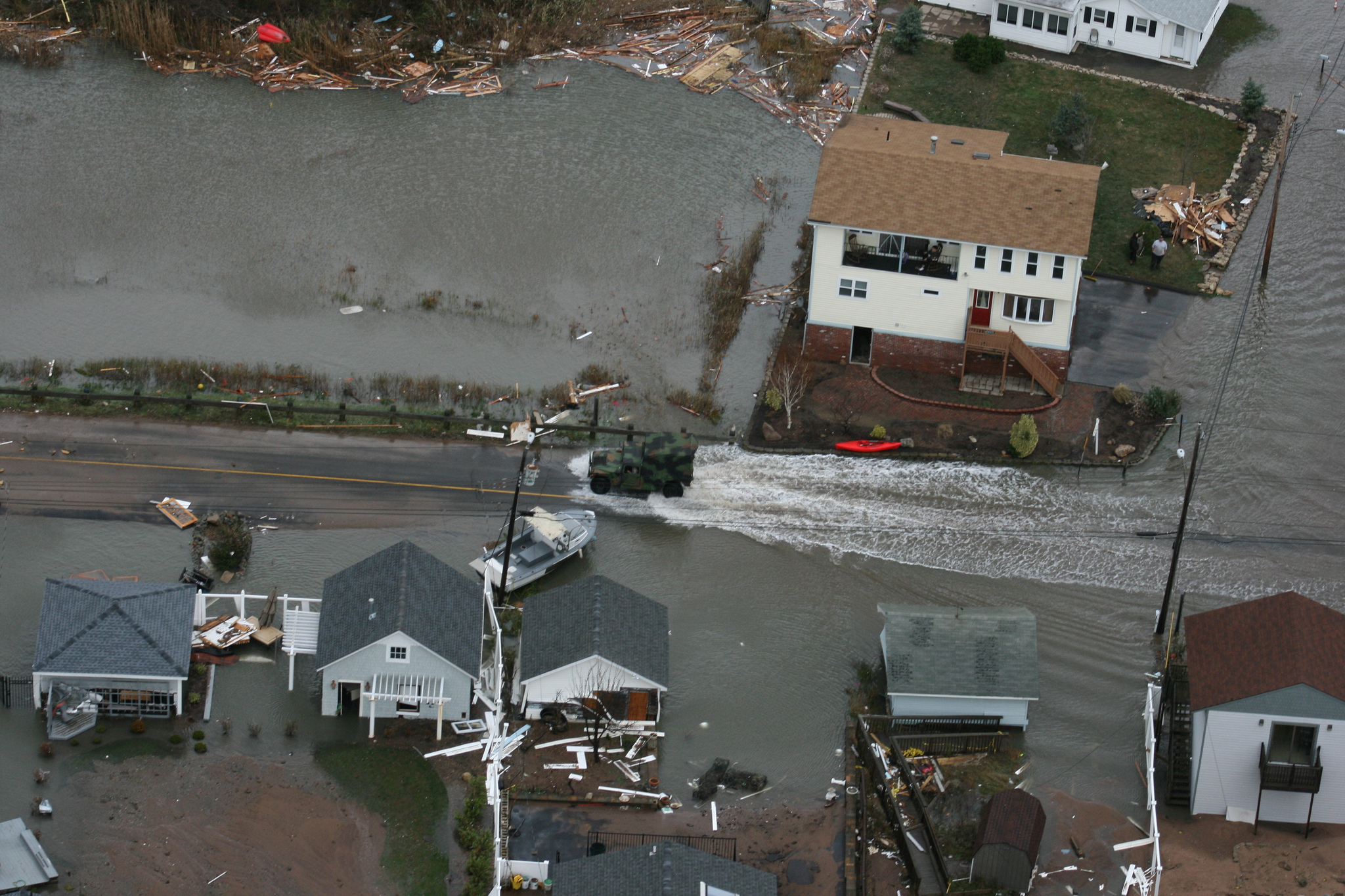
The average global temperature is one degree Celsius above pre-industrial levels. There has long been a goal to limit global warming to no more than 2 degrees above those levels. But the Paris climate conference has set a more ambitious goal of limiting global warming to 1.5 degrees. What difference would that half a degree make?
Geothermal Heating

Geothermal heat pumps use the heat stored in the earth’s surface to heat homes and buildings. Even in the dead of winter, the temperature not very far below ground remains at a temperature typically in the 50s. Geothermal systems tap into this immense thermal resource. Conversely, this same temperature sink can be used to provide cooling during the summer. It takes electricity to run the heat pumps, but is vastly more efficient than using electricity directly to produce heat or to cool air.
The First U.S. Solar Roadway
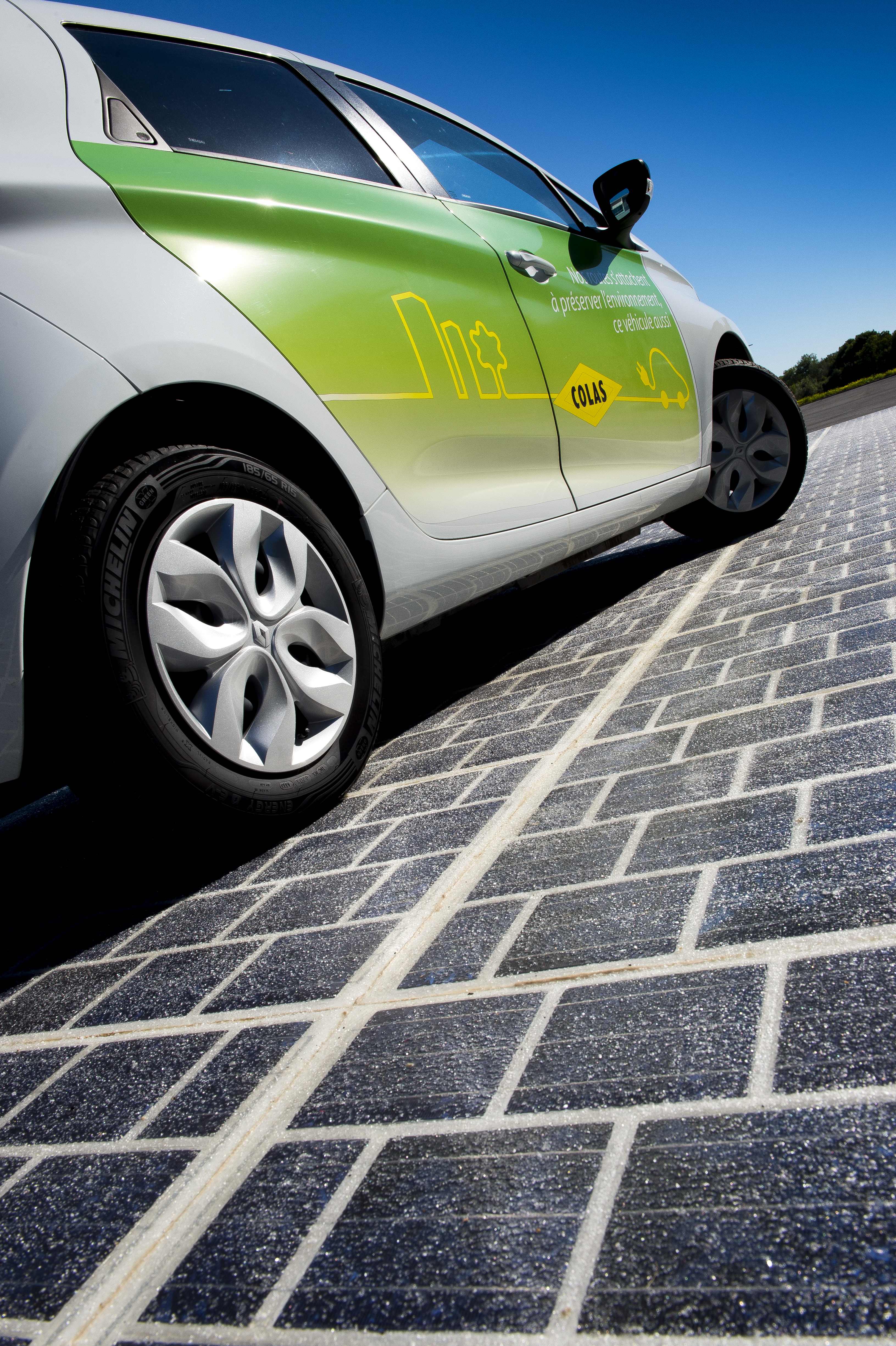
The first solar roadway in the US will be installed this year at the Historic Route 66 welcome center in Conway, Missouri. The installation will use hexagonal solar panels developed by Idaho-based start-up company Solar Roadways. The initial trial installation will use the panels to cover a sidewalk in the Route 66 center rest area and will only cover a few hundred square feet. The modular building blocks are hexagonal panels of a little less than 5 square feet in area that each generate 48 watts of electrical power.
What Is Killing Bees?
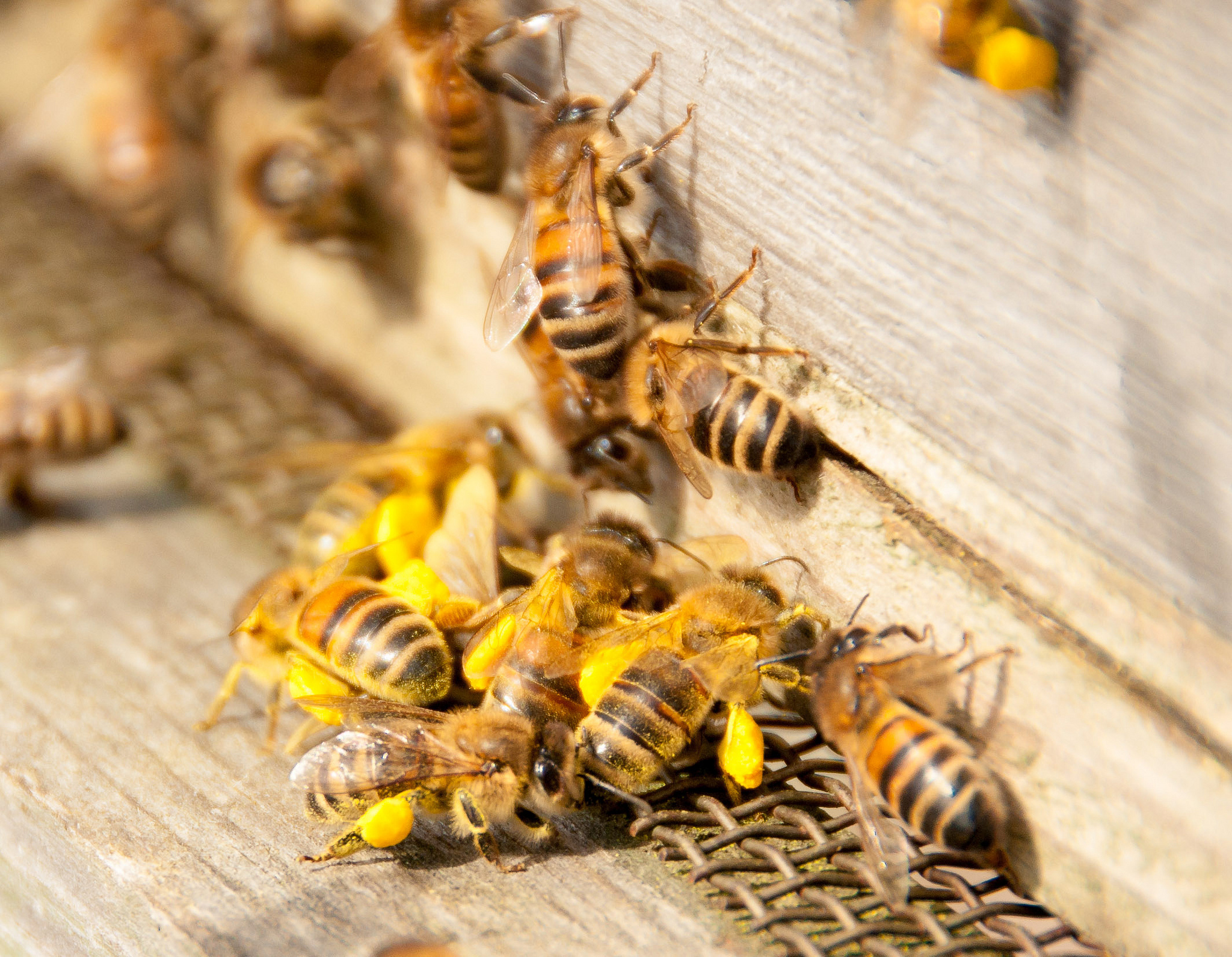
The declining populations of bees and other pollinators has been a topic of great concern for a number of years. There has not been general agreement on the root cause and, in fact, it appears as though there are multiple causes at play.
California Condors
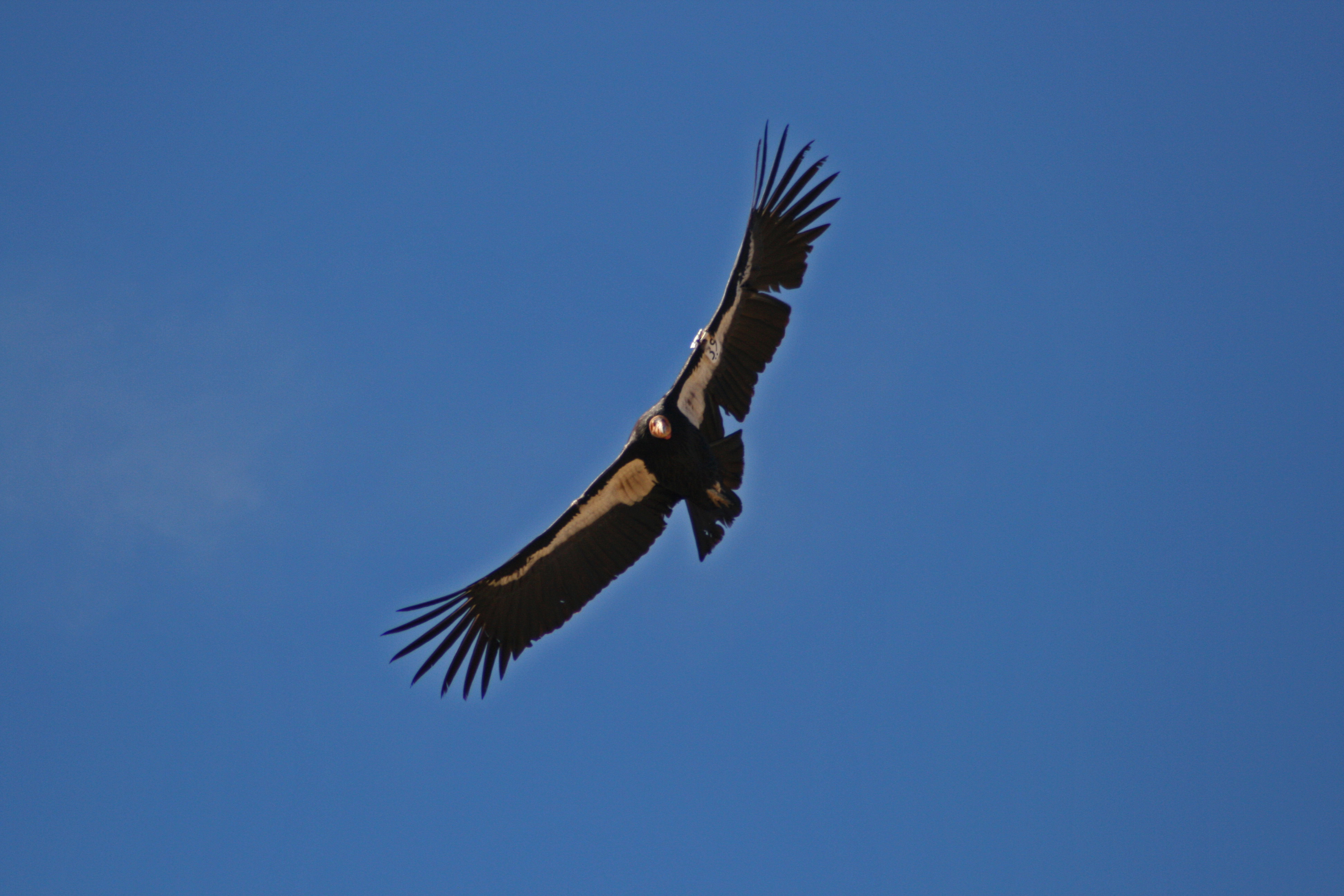
The California condor is the largest North American land bird with a wingspan of about 10 feet. During the 20th century, poaching, habitat loss and lead poisoning reduced the vulture’s population to fewer than two dozen. The U.S. government’s response was to round up every last one of them over a period of 5 years- a total of 27 birds – for a last-ditch captive breeding program. As a result, technically the species became extinct in the wild at that point in 1987. Reintroduction into the wild did not begin until 1991.
Climate-Induced Relocation
One of the thorniest problems arising from the changing climate is the degradation of inhabited areas that forces entire communities to relocate permanently. Basically, we don’t really have the infrastructure in place to deal with such occurrences.
Recycled Plastic Lumber

One of the most notable success stories in recycling is that of structural plastic lumber. The material is mostly polyethylene reinforced with stiff plastics or recycled composites. Made from milk containers, coffee cups, and other recycled plastics, structural plastic lumber is lighter than steel, longer-lasting than natural lumber and strong enough to support 120-ton locomotives.
Big Changes To Big Poultry
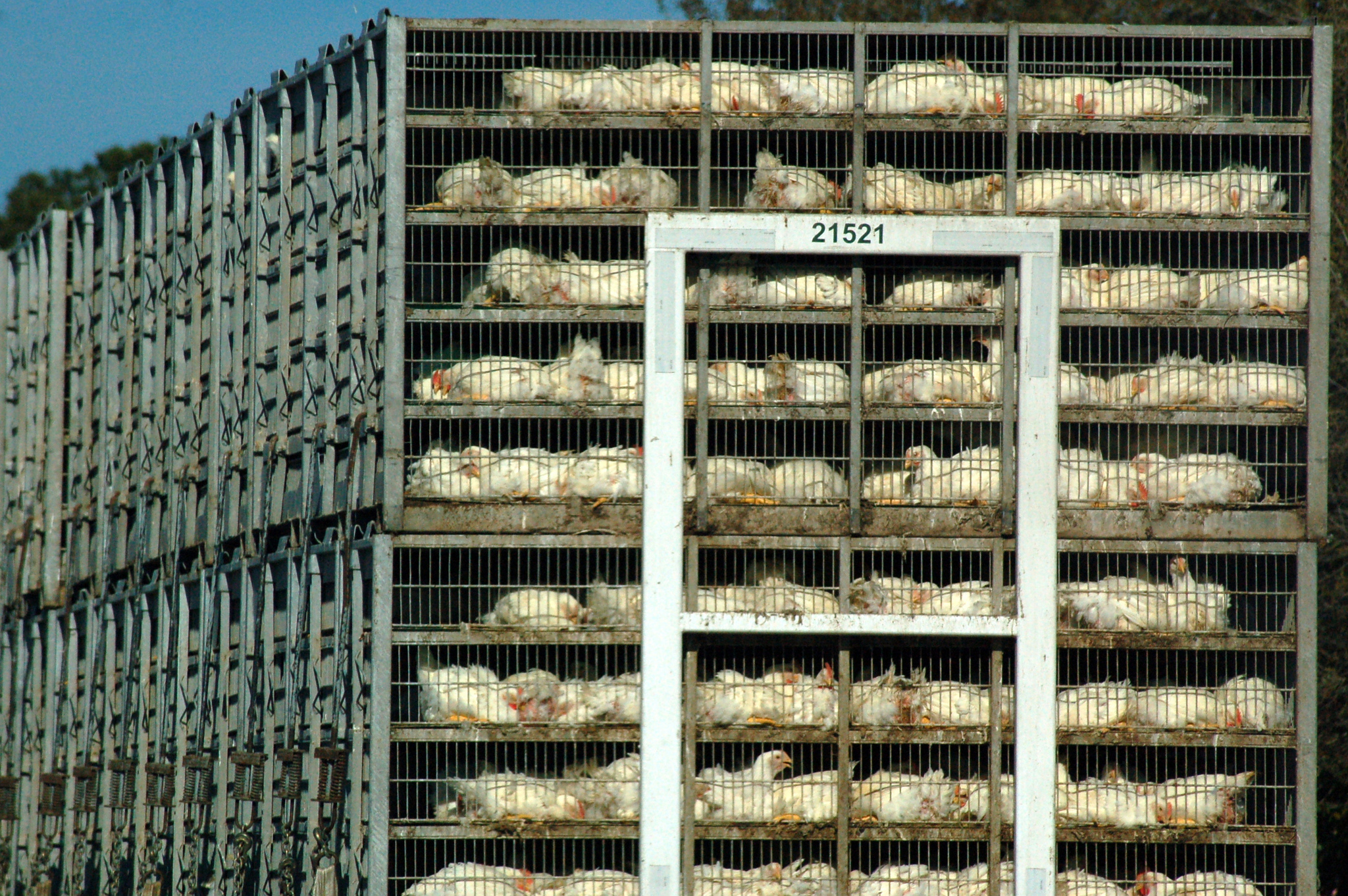
Perdue Farms, the fourth-largest poultry producer in the United States, produces over 60 million pounds of chicken a week. They are arguably the most progressive of the giant poultry companies. Two years ago, they were the first to renounce routine antibiotic use. In late June, they announced a comprehensive animal-welfare plan – the first among large producers – that will change how its chickens are bred, raised and killed.
Saving The Sea From Salt
The Persian Gulf along with the Red and Mediterranean seas are getting saltier all the time because of the waste products of desalination. The United Arab Emirates, Saudi Arabia, Kuwait, Qatar, Bahrain and Oman account for 45% of the world’s desalination capacity. And the byproduct of desalination is brine, which is twice as salty as seawater. Even advanced desalination plants produce two cubic meters of waste brine for every one cubic meter of clean water.
Young Fish Eat Microplastics
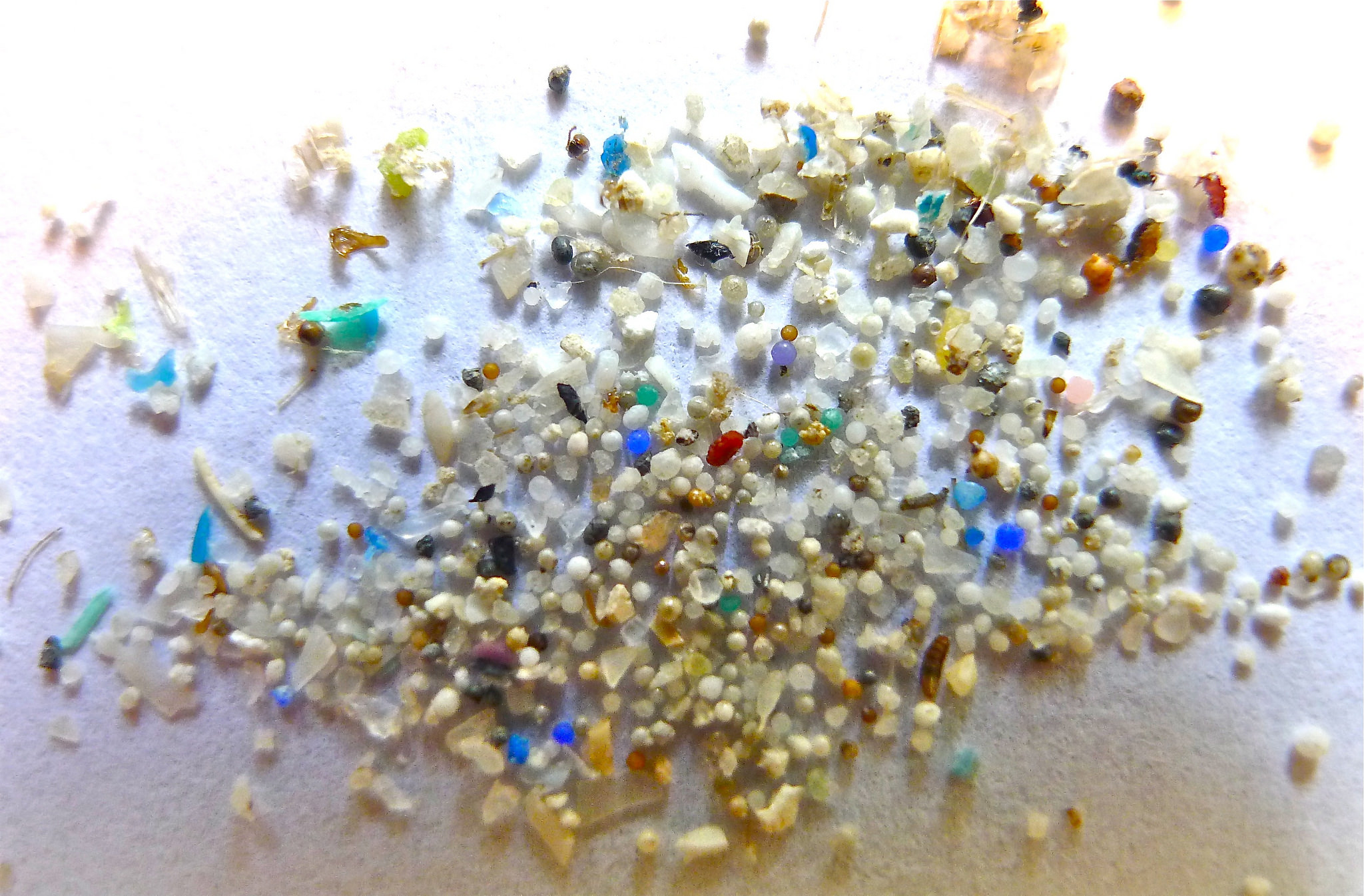
We have talked before about the increasing problem of microplastics polluting the oceans. Much of the small plastic particles result from the breakdown of plastic litter such as plastic bags, packaging and other materials. Another source is microbeads, which are often found in health products such as face scrubs and even some toothpastes.