warming
Algae And The Greenland Ice Sheet
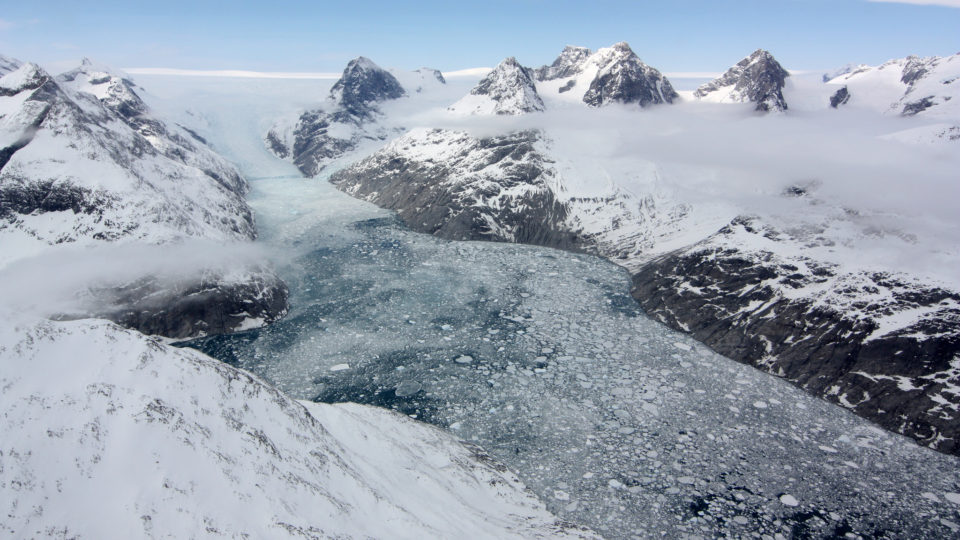
The Greenland Ice Sheet is the second largest ice body in the world, after the Antarctic ice sheet. It is about 1,500 miles long, nearly 900 miles across at its widest point, and averages more than a mile in thickness. It has experienced record melting in recent years and is a source of great concern as the climate continues to warm. The Greenland Ice Sheet is losing an estimated 270 billion tons of ice each year. If the entire sheet were to melt, global sea levels would rise by 24 feet which, of course, would be a world-wide catastrophe.
Strange Ocean Current Behavior
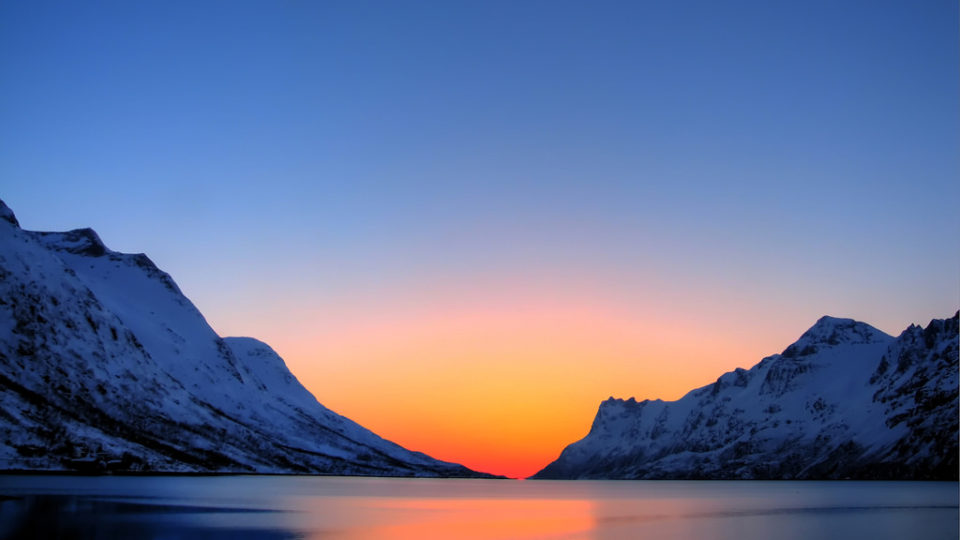
The Beaufort Gyre is a massive wind-driven current in the Arctic Ocean. Located north of Alaska and Canada’s Yukon Territory, it is like a giant spinning top that corrals vast amounts of sea ice in the far north.
Climate Change And Barley
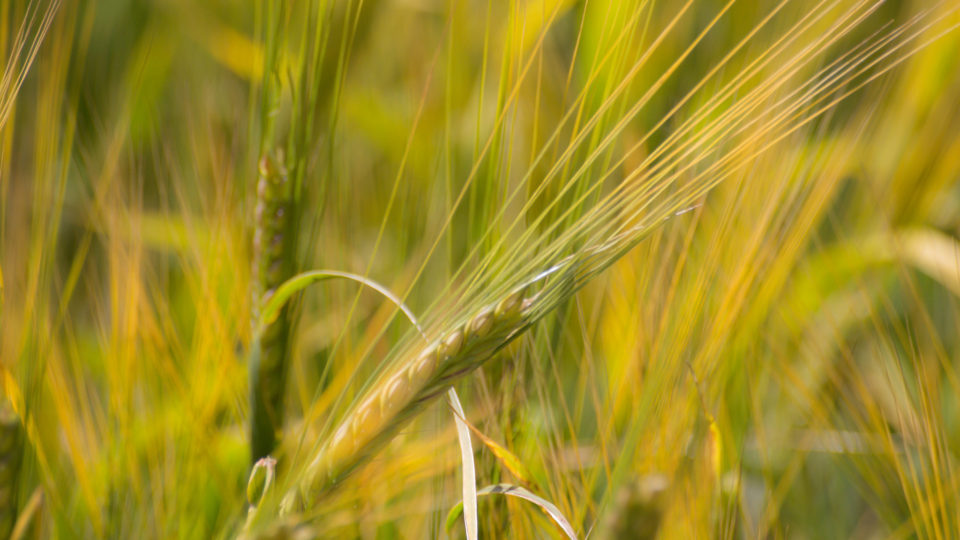
The impacts of increased carbon dioxide and the changing climate are often complicated and, it turns out, not always negative. In some areas of the world, people can actually benefit from increased CO2 and climate change. Barley, the most important feed crop for beef production in Alberta, Canada, as well as the province’s beef industry itself actually stand to gain from the changes that are most assuredly not a good thing for much of the world.
Disappearing Kelp Forests
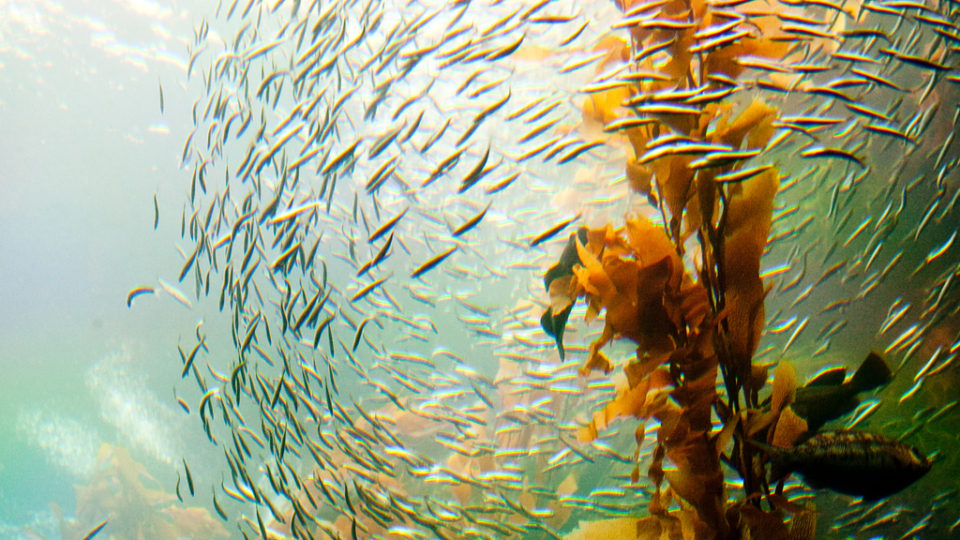
In recent decades, ocean temperatures in many places have warmed by nearly 3 degrees Fahrenheit. An effect of this warmer water is the decimation of what were once luxuriant giant kelp forests in eastern Australia and Tasmania. There used to be thick canopies covering much of the region’s coastal sea surface, but they have wilted in the intolerably warm and nutrient-poor water.
Climate Change And Hawaii
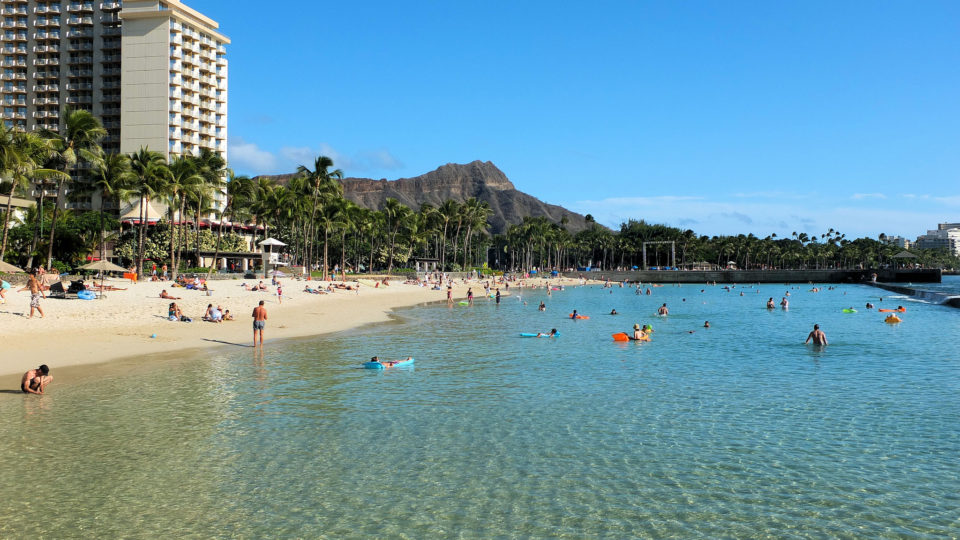
The Hawaiian Islands are an archipelago of eight major islands, several atolls, numerous smaller islets, and seamounts in the North Pacific Ocean. The islands are a world-renowned vacation spot, known for their white-sand beaches, lush flora, and near perfect weather. But stormier days may be ahead.
A Trillion Ton Iceberg
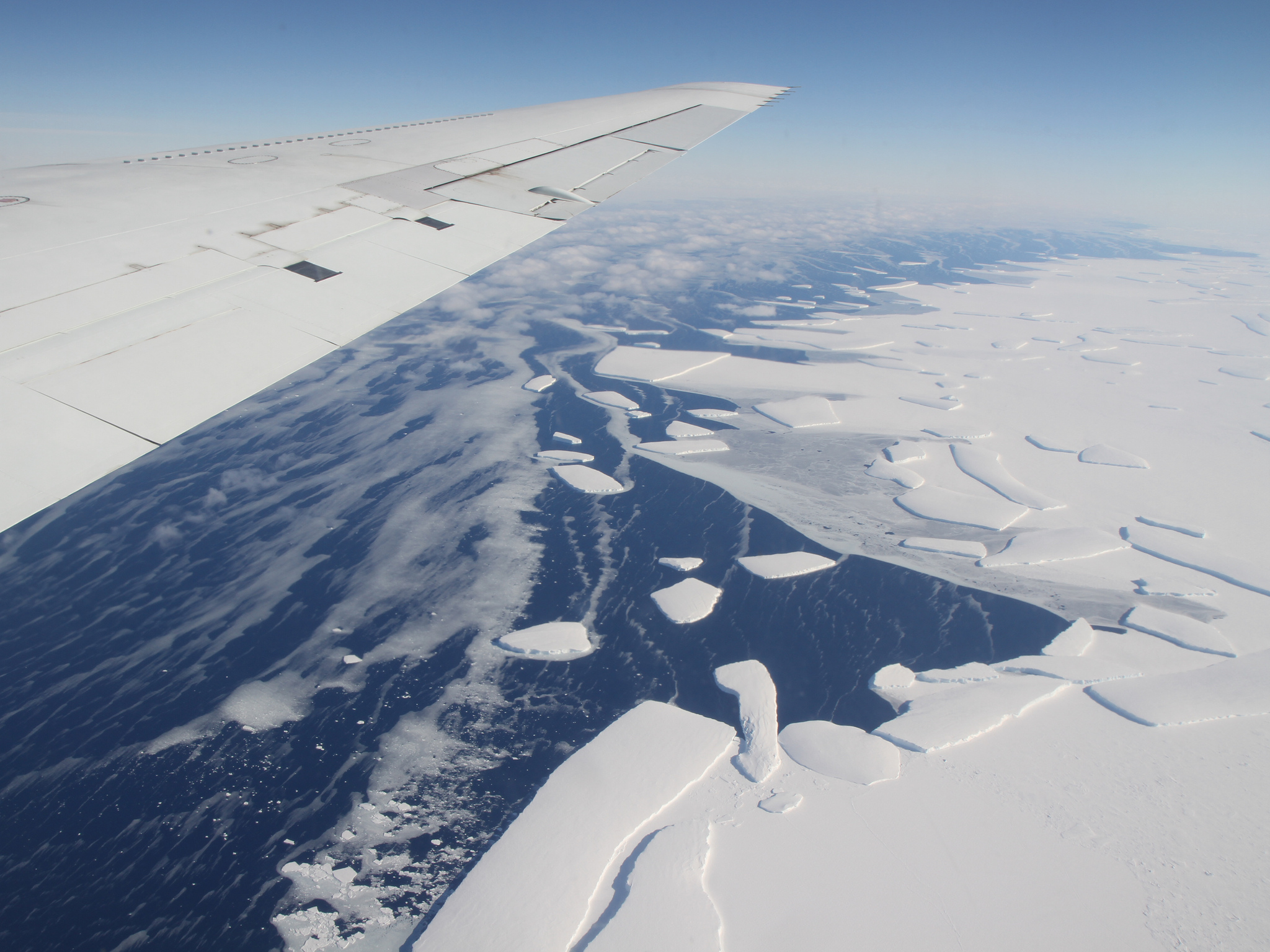
Back in February, we did a story about a rapidly-growing crack in the fourth-largest ice shelf in Antarctica. At that time, the crack in the Larsen C ice shelf was more than 100 miles long and was growing at a pace of about 5 football fields a day.
Carbon From The Alaskan Tundra
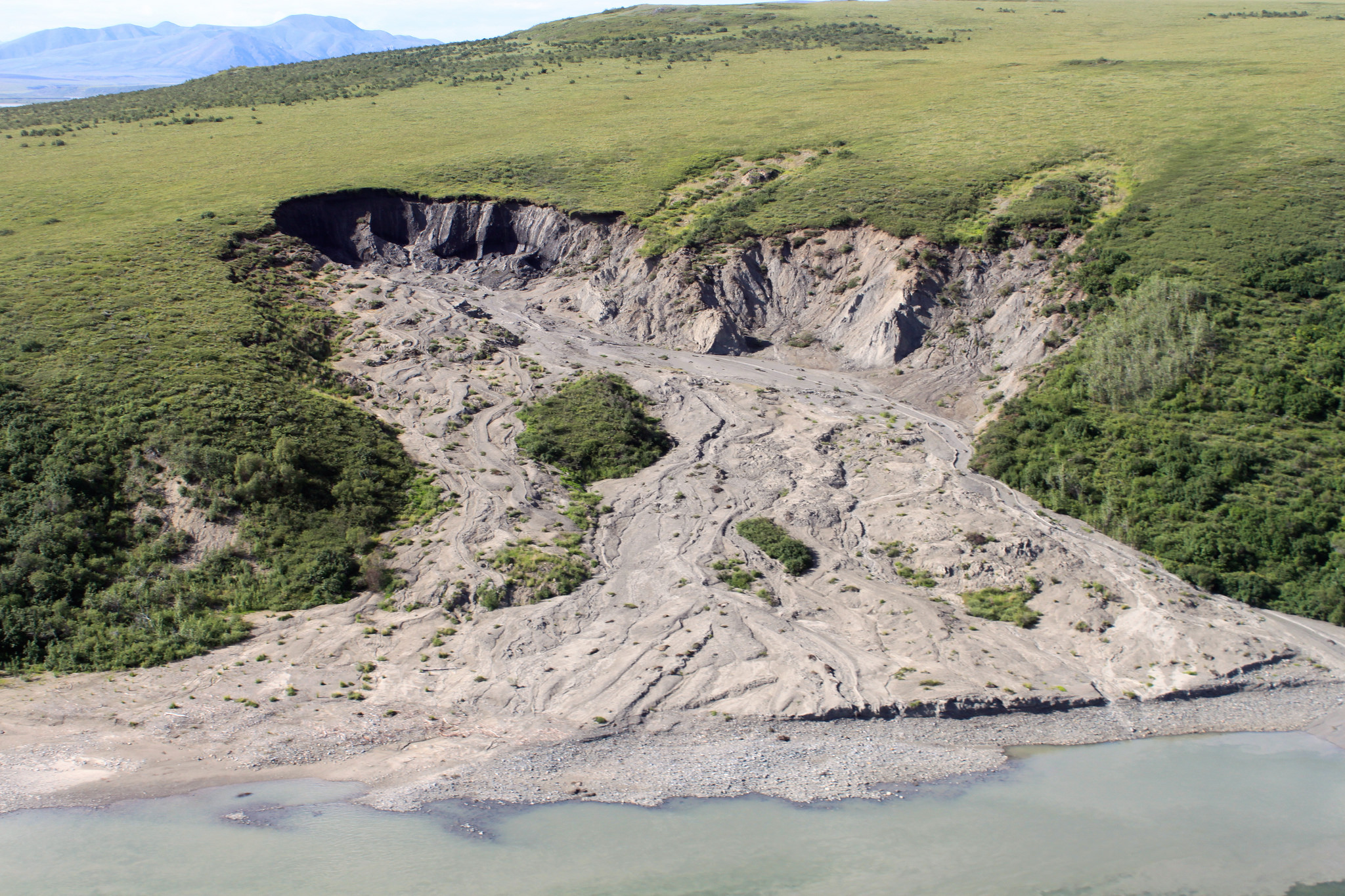
The soils that encircle the northern reaches of the Arctic are a vast repository for carbon in the form of undecayed organic matter from dead vegetation. The enormous amount of material trapped in the permafrost contains enough carbon to double the current amount of carbon dioxide in the Earth’s atmosphere.
Tracking Climate Opinions
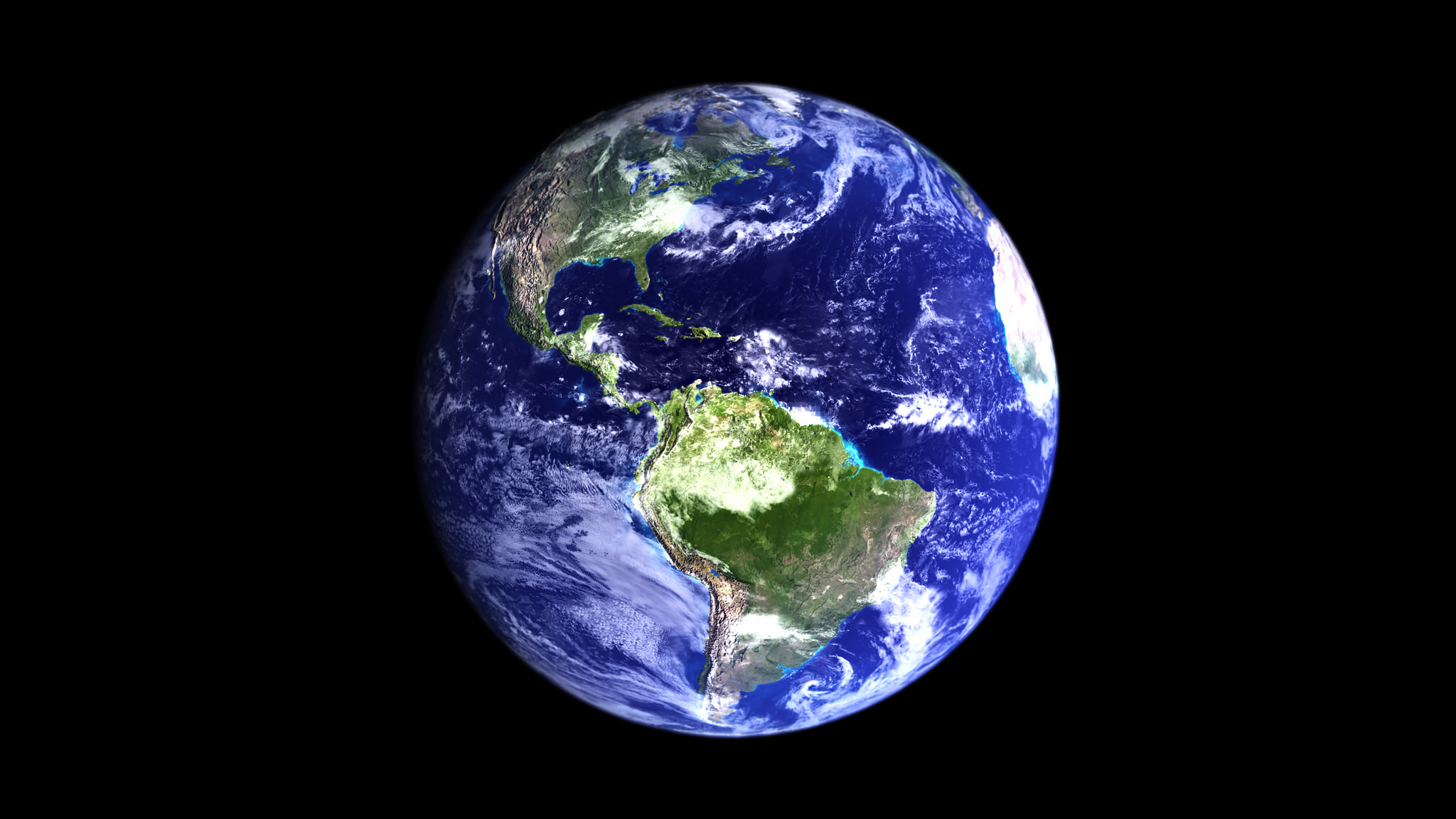
Public opinion about global warming is an important influence on decision making about policies to combat global warming and to be prepared for its consequences. An extensive polling effort by Yale University has produced an estimate of public opinions down to state, congressional district, and county levels.
Arguing Against Climate Change
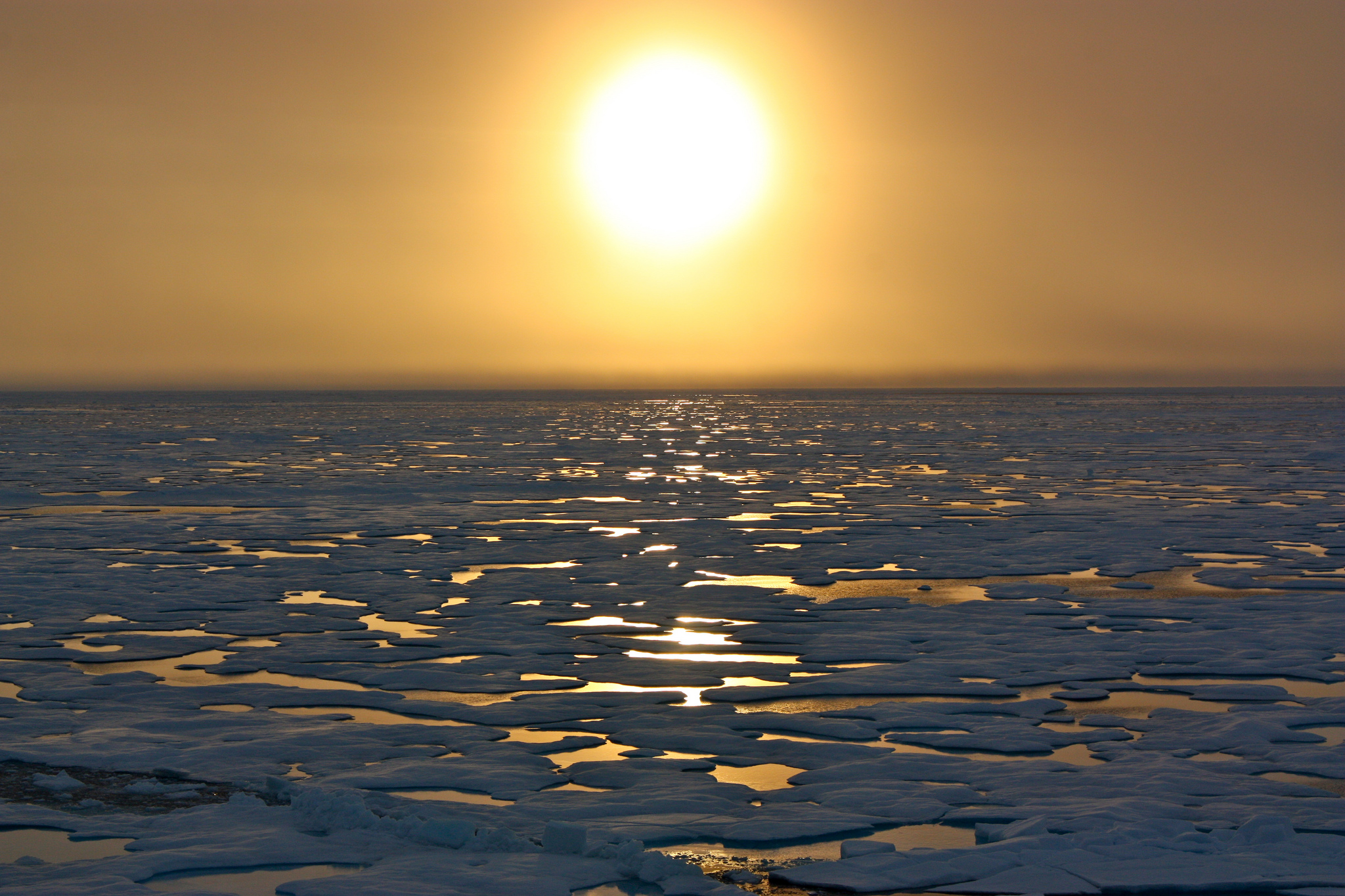
Most of the world has accepted the analysis of the overwhelming majority of climate scientists that shows that our planet is warming and that our actions are the primary cause. However, some people – notably a number holding high office – reject this analysis. What exactly does it imply to say that climate change is not happening or is not caused by us?
Bleached And Dying
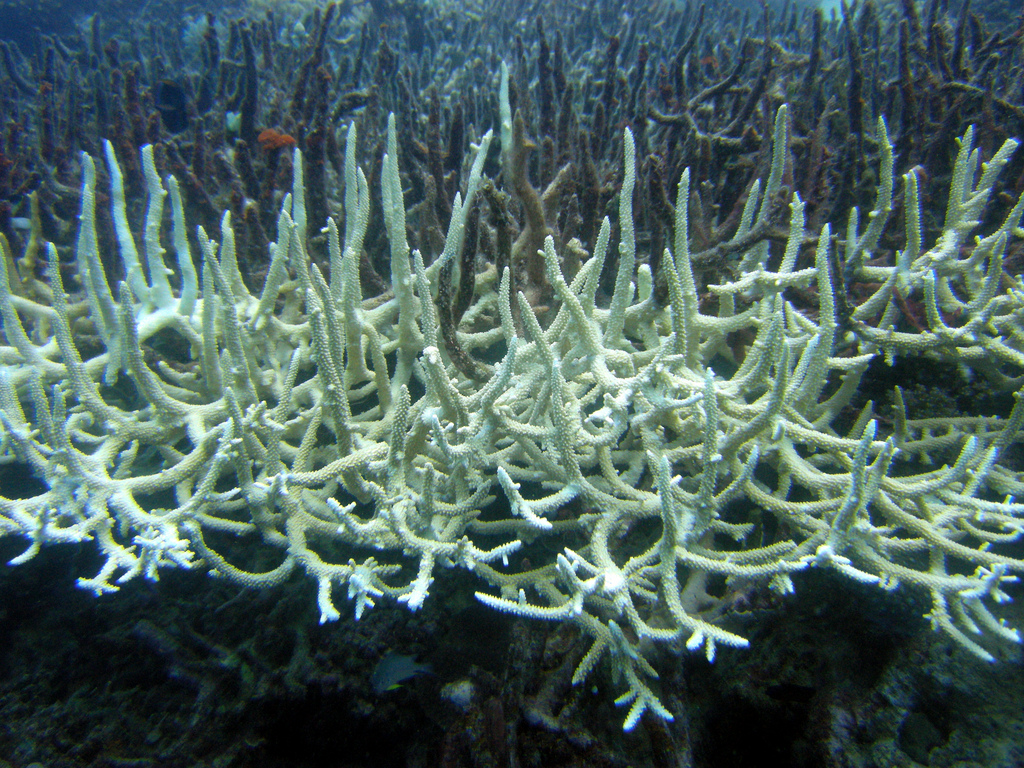
Climate change is posing a major threat to the future of coral reefs. According to a recent United Nations-backed study, if swift action is not taken to curb greenhouse gas emissions, annual coral bleaching events will affect nearly all of the world’s coral reefs. And coral bleaching can result in serious coral mortality – as Australia’s Great Barrier Reef has recently illustrated.
Northeast Temperatures
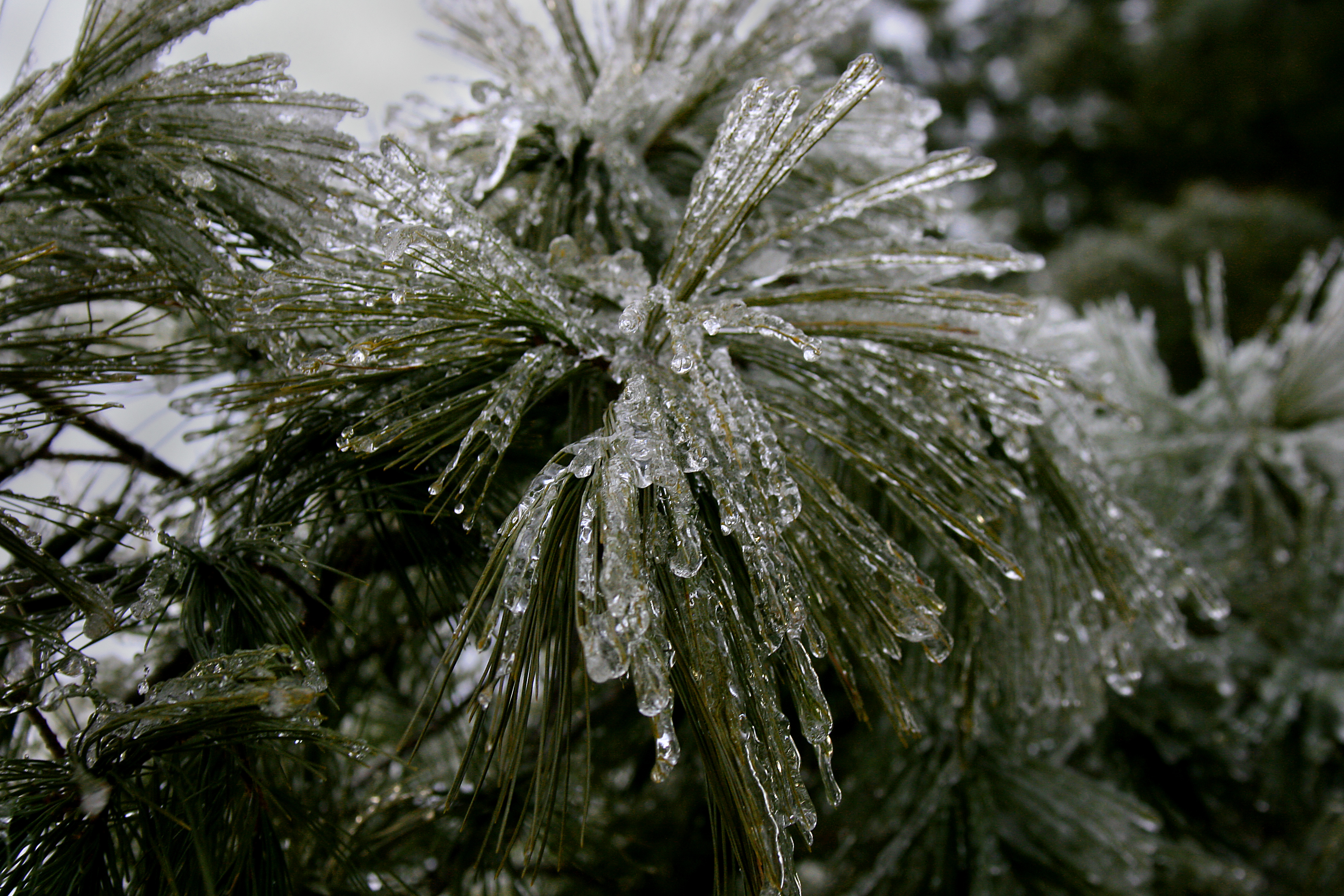
A year ago, nearly 200 countries signed an agreement, known as the Paris Accord, to fight climate change by mitigating greenhouse gas emissions. They each promised to reduce their carbon output as soon as possible, and to do their best to keep global warming well below 2-degrees Celsius (or 3.6 degrees Fahrenheit).
Alaska’s Threatened Communities
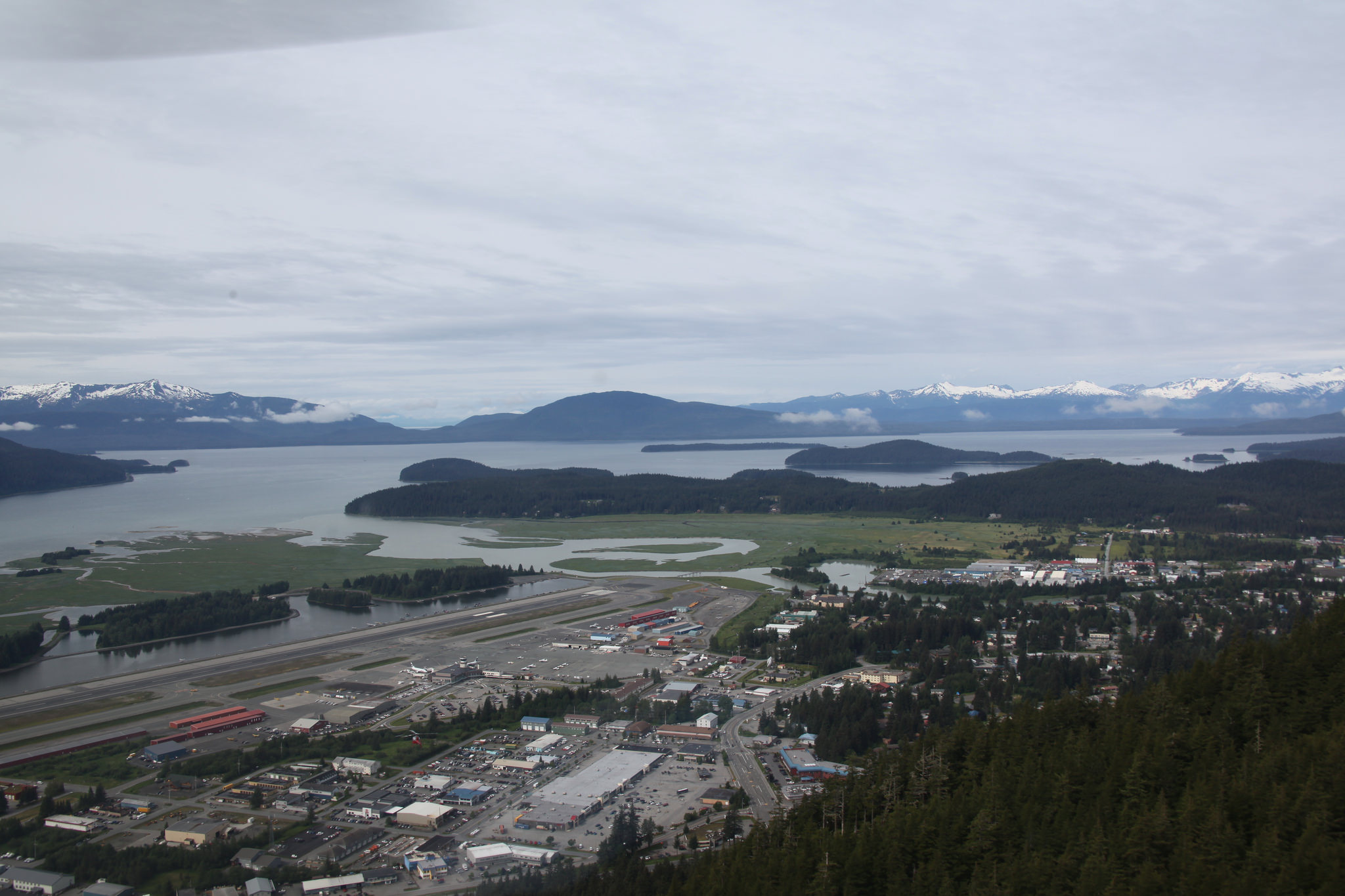
Because of its Arctic location, Alaska is warming about twice as fast as the rest of the United States. The past year has been the warmest on record. The forces of erosion and increasingly powerful storms have resulted in the imminent risk of destruction for at least 31 Alaskan towns and cities. Many are predicted to become uninhabitable over the next few decades. Residents of these places are likely to join the growing flow of climate refugees around the globe.
Fish On The Move
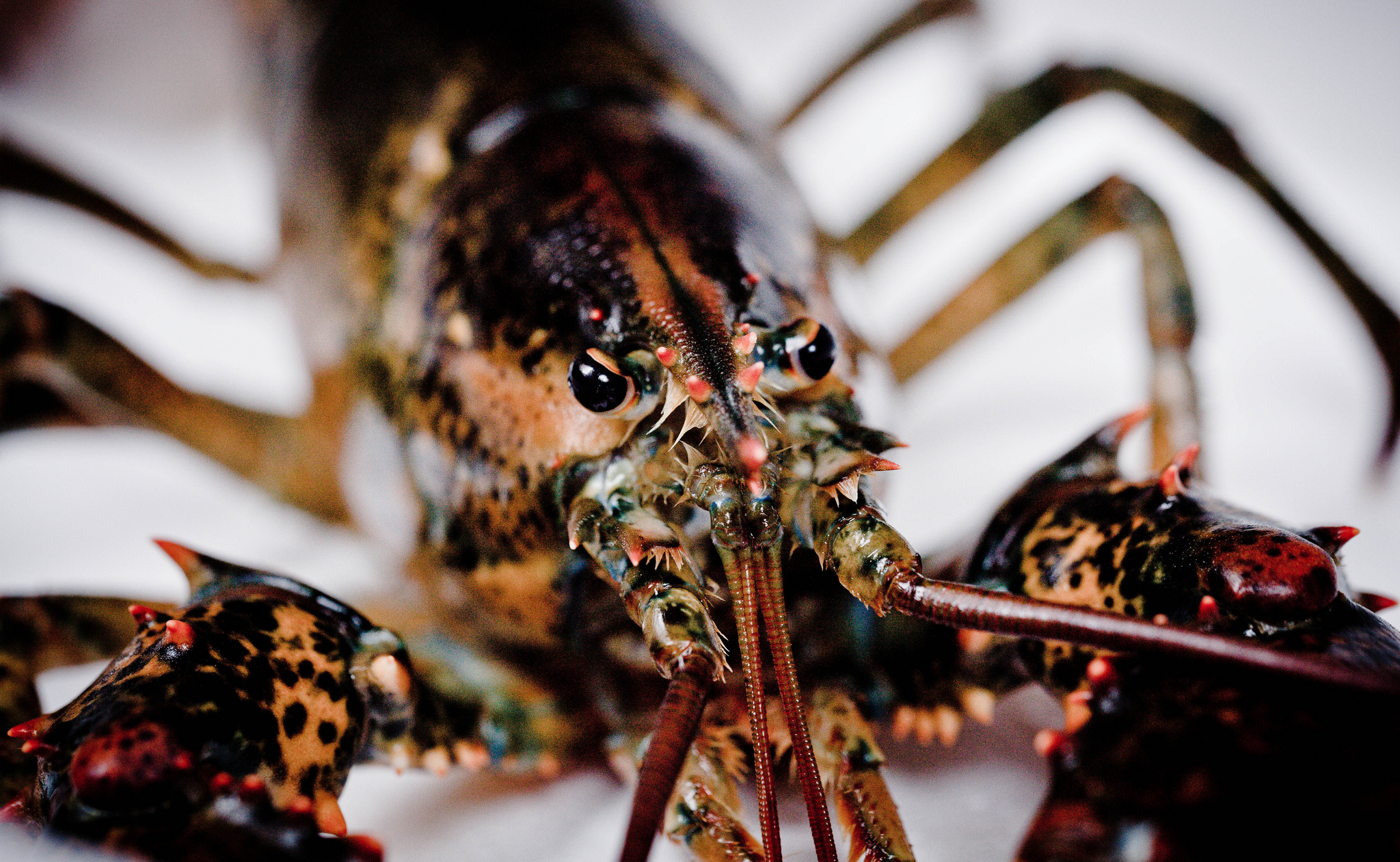
As the oceans warm, many kinds of fish are on the move, seeking cooler and deeper water. Because of this, the fishing industry is struggling with antiquated regulations that are not moving as fast as the climate is changing.
Global Climate Or Local Weather?
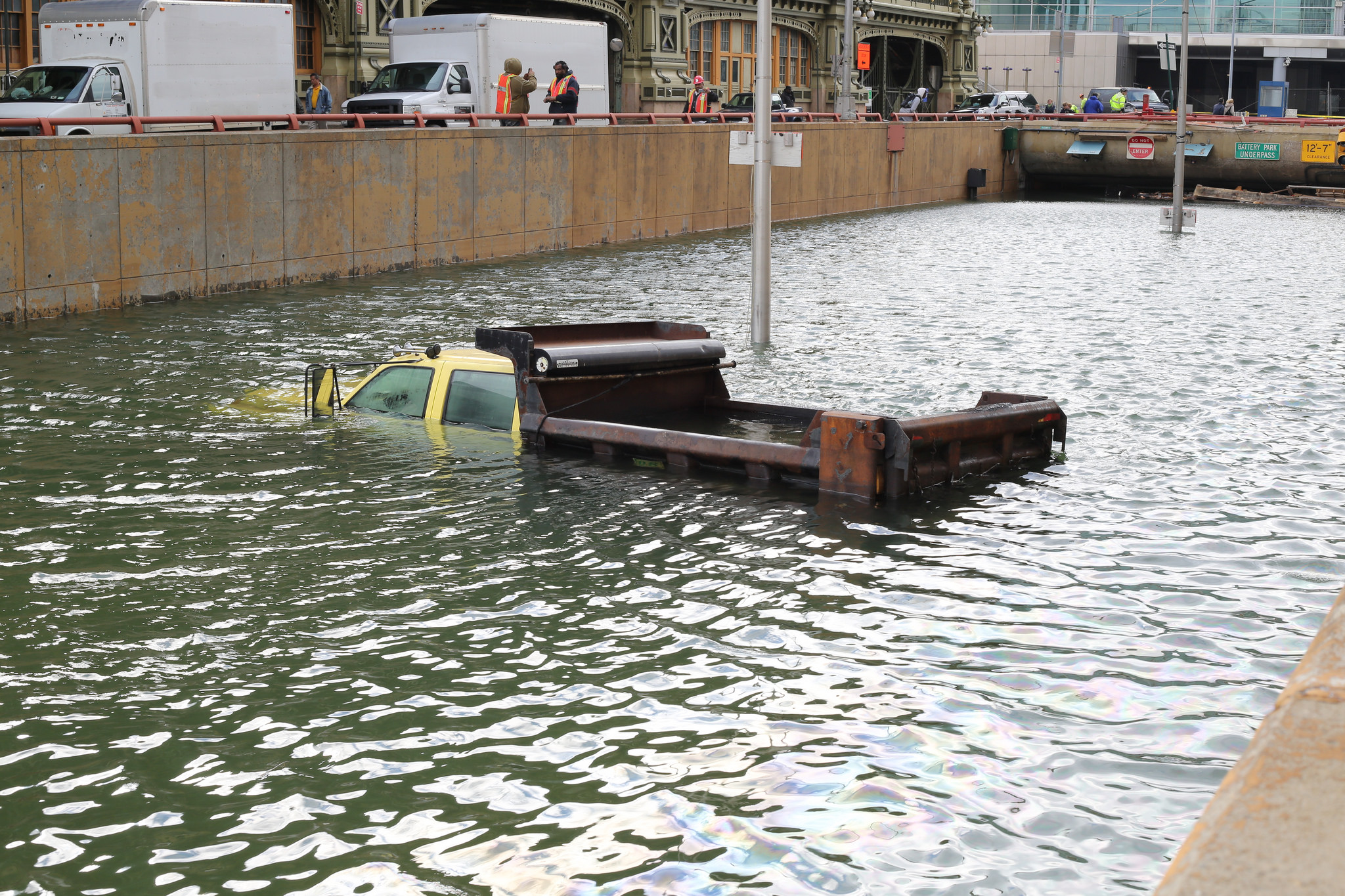
We don’t experience climate; we experience weather. And a new study has found that what Americans believe about the changing climate often depends more on their personal experience than what is going on around the world.
Climate Change And Reindeer
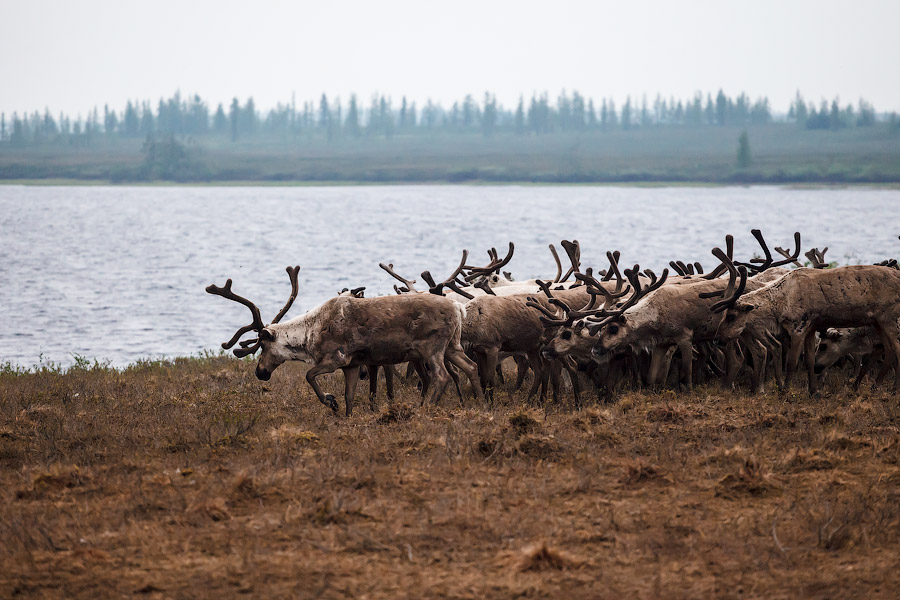
Hundreds of thousands of reindeer roam Russia’s Yamal Peninsula, which is located in northwestern Siberia, and are herded by the indigenous Nenets people, reportedly among the Arctic’s last truly nomadic reindeer herders. Reindeer provide these indigenous people with transportation, food, clothes, and even tools made from their bones. Reindeer are well suited for the freezing temperatures and thick snow of this climate. But they are not well suited for climate change.
The Ocean As A Heat Sink
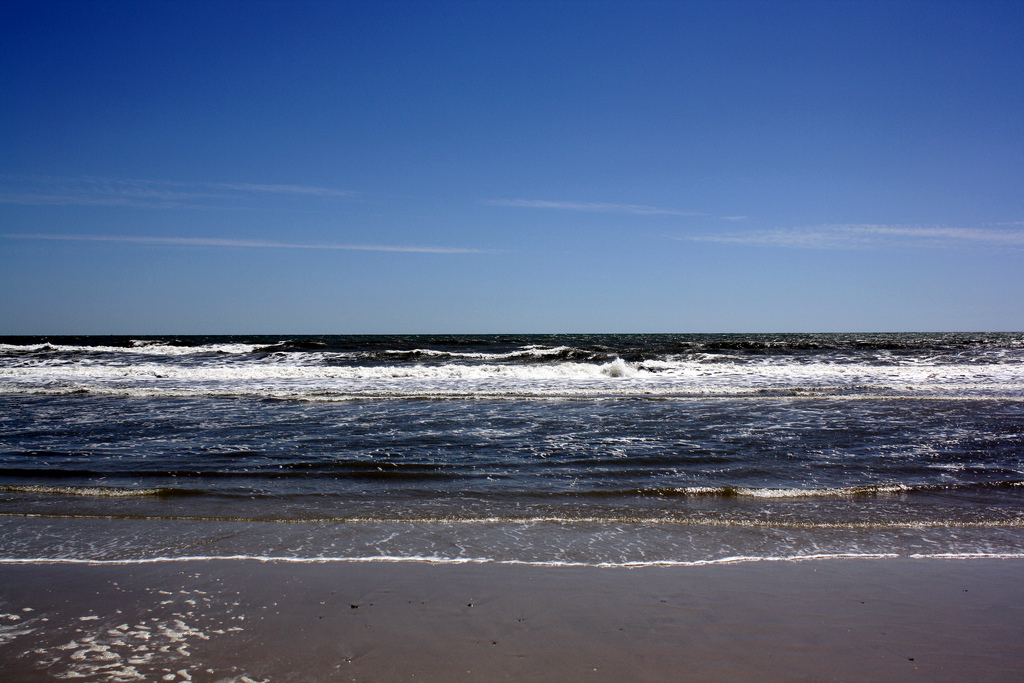
From 1998 until 2013, scientists observed a slowing in the rate of global mean surface warming. In other words, global temperatures were not rising as quickly as before. This quickly became known as the “global warming hiatus.”